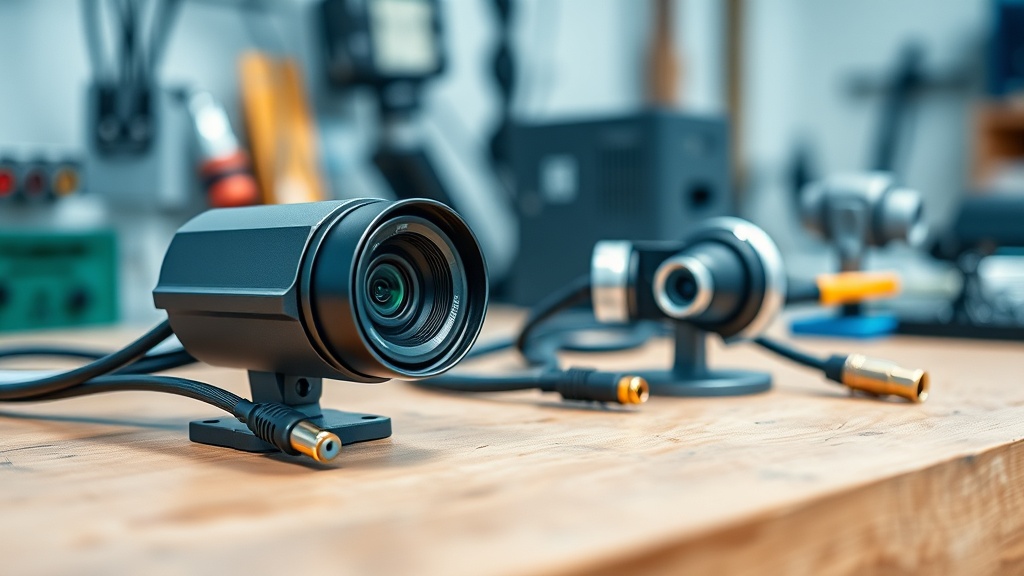
The technical difference
An IP camera is a standalone network device: it compresses video itself and sends it over twisted pair, usually powered through the same cable (PoE). A modern analog camera (HDCVI/TVI/AHD) sends its signal over coax to a DVR/XVR recorder, which digitizes and stores it.
The myth that "analog means blurry 480p" is outdated: modern HDCVI cameras deliver 2–8 megapixels — Full HD and above over ordinary coax.
Pros and cons of each technology
IP: resolution up to 4K and beyond, single-cable PoE power, built-in analytics (human/vehicle detection, faces), flexible scaling and unrestricted remote access. Downsides — higher price and the need for a properly built network.
Analog (HDCVI): noticeably cheaper per camera, simpler to set up, runs over existing coax — which is what makes it work when an old system is upgraded without rewiring; the signal travels up to 500 m without active equipment. Downsides — poorer analytics, resolution capped around 8MP, and each camera needs its own 12V power.
When to choose which
A brand-new site — almost always IP: lay twisted pair, install a PoE switch, and you get headroom for years plus full analytics. Upgrading an old analog system — HDCVI: replace cameras and the recorder, keep the cabling, and the budget is 1.5–2× lower. Mixed case — a hybrid XVR recorder accepts both analog and IP cameras, letting you migrate gradually.
Hybrid in practice: how sites move to IP
Real sites are rarely "pure": a typical shop lives with analog cameras over coax and wants to add a couple of IP units with recognition at the entrance. That is a standard scheme — a hybrid recorder accepts both types, and the upgrade goes in stages without stopping recording or replacing all the wiring.
When planning the move, start with the zones where detail matters: the entrance, the till, the perimeter. The old analog stays in back rooms and corridors until the end of its life. We calculate such migrations regularly — come with a site plan or call an engineer; the migration route is free.
Network load and archive depth
A 4 MP IP camera in H.265 produces roughly 4–6 Mbps, and sixteen of them already call for a dedicated switch with PoE headroom and a gigabit link to the recorder. An analog line puts no load on the network at all.
Archive depth is calculated in advance, and the figure comes out larger than expected: sixteen 4 MP cameras at about 3 Mbit/s each produce 32.4 GB a day apiece, which is 12–16 TB over thirty days — two 8 TB drives, not one bought just in case. Motion detection and variable bitrate cut the volume two to three times without losing the frames that matter.
Conclusion
Technology is not a religion — it is a tool matched to your budget and the state of the site. We install both: send a photo or plan of your site and we will price both options, so you compare real estimates, not abstractions.
FAQ
Can old analog cameras join a new IP system?
Yes, via a hybrid recorder (XVR): it accepts both analog and IP channels. That way a site migrates to IP in stages without discarding working cameras.
Is an analog camera really more reliable in simple setups?
It is simpler: no network settings, firmware or IP addresses, the picture runs straight over coax. But capabilities are minimal too — no analytics, no remote access without a recorder.
What is the price gap for a 4-camera system?
An analog kit comes out roughly 20–30% cheaper, but the gap is closing: mainstream IP cameras got cheaper, and the gain in detail and analytics pays the difference back at the first incident.
Installation works cost calculator
Set the number of points — the calculator lays out a site plan and shows the range from our standard price list. One minute, no phone calls.
Read also

Related services
Catalog on the topic