Wireless cameras
Found: 104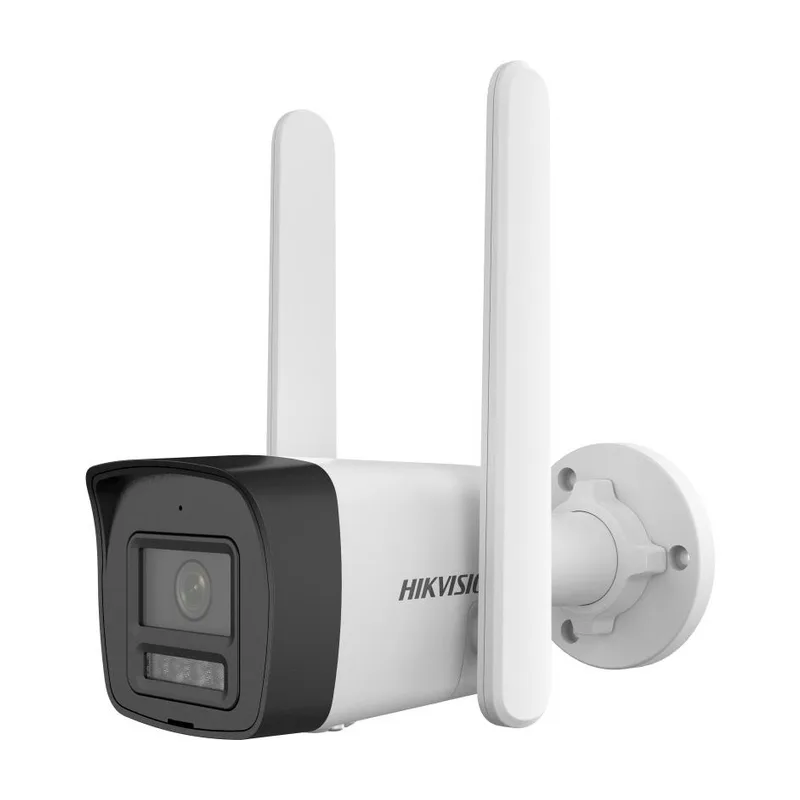




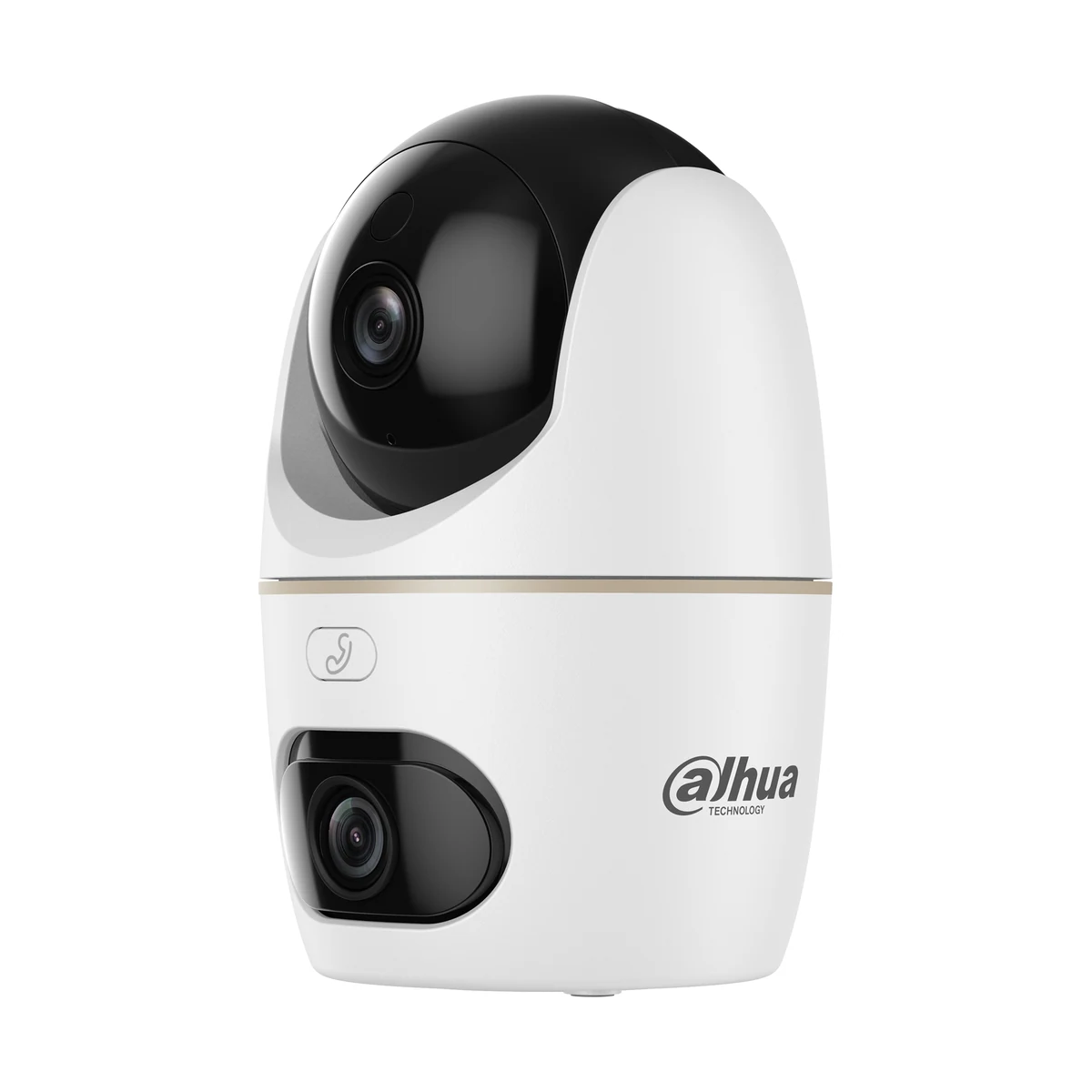
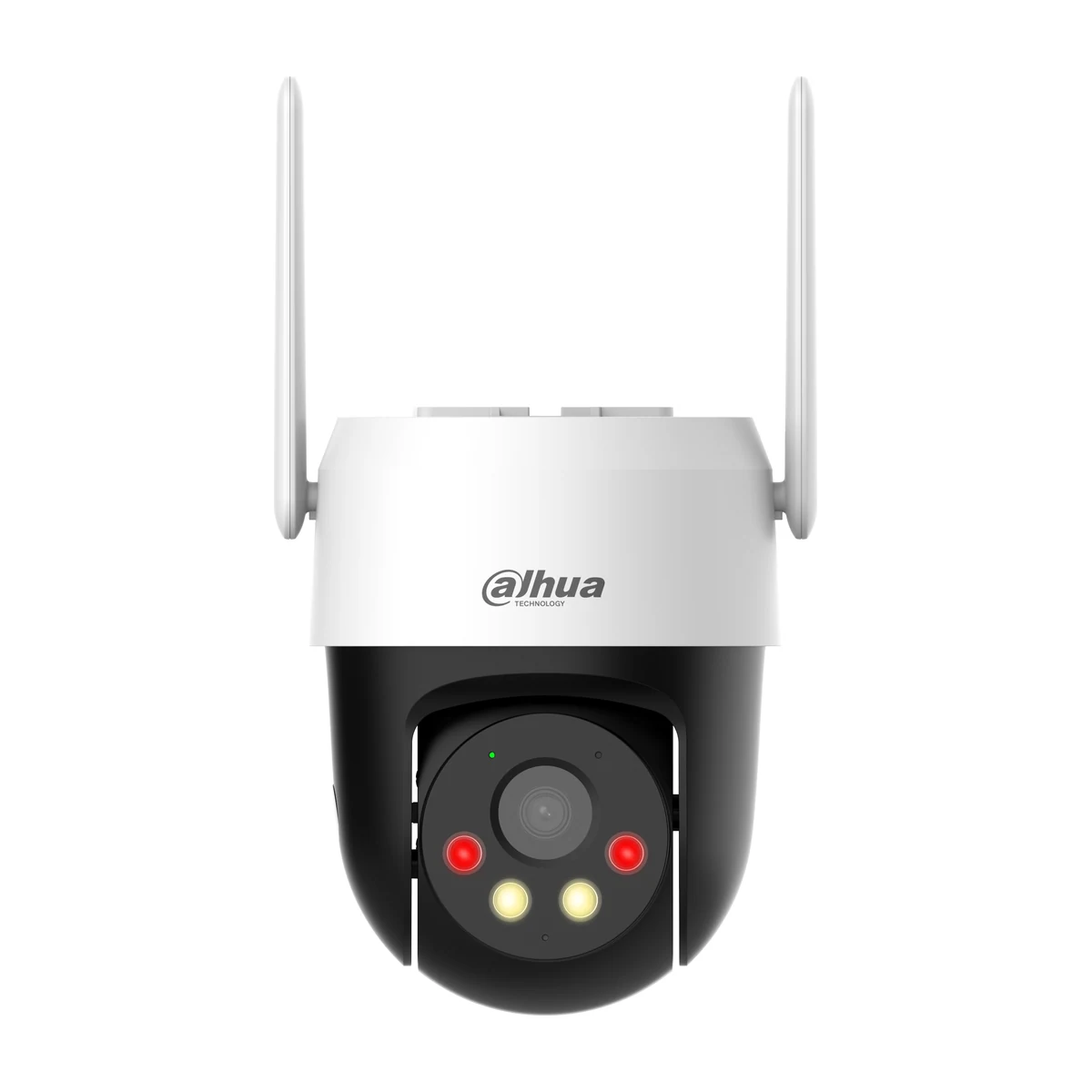
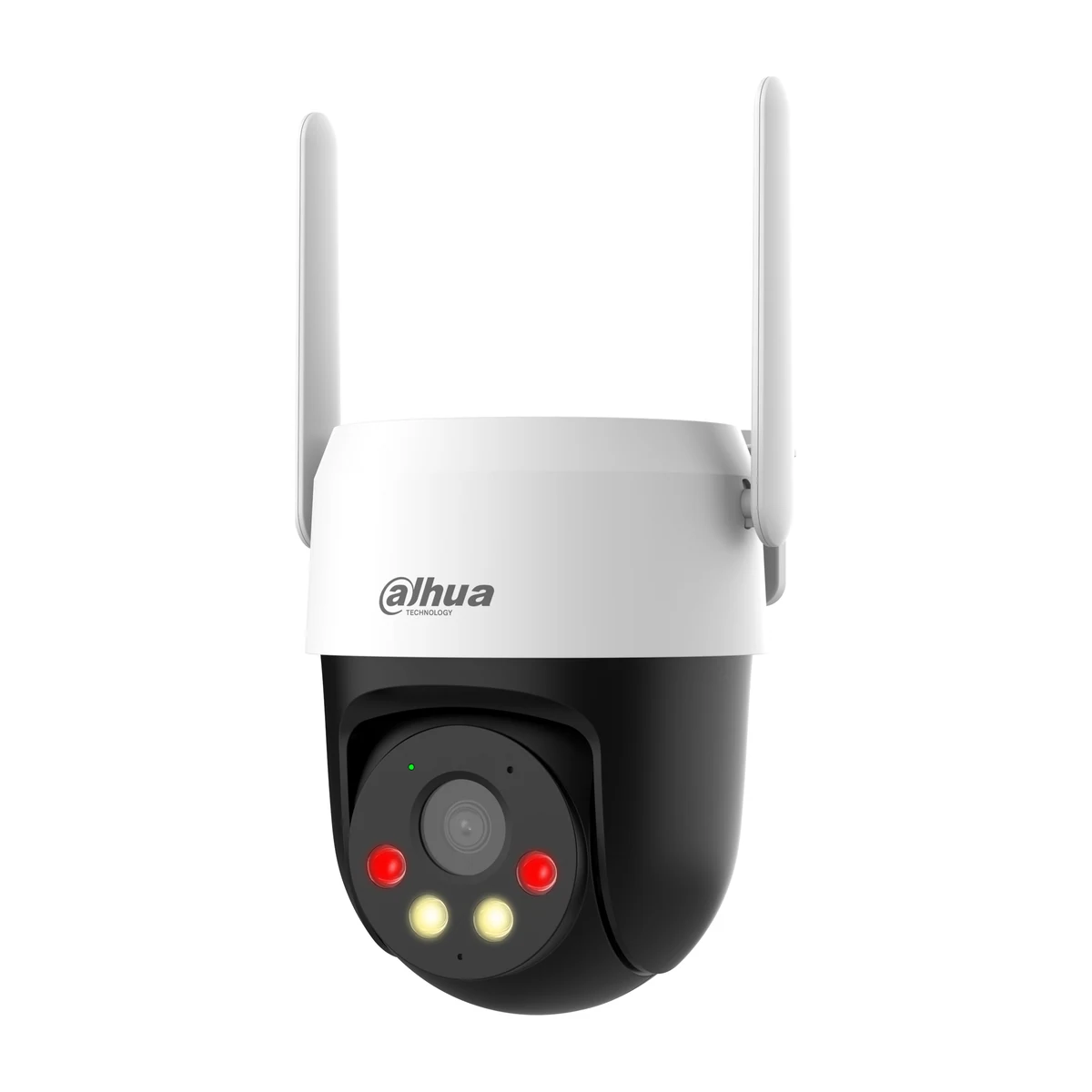
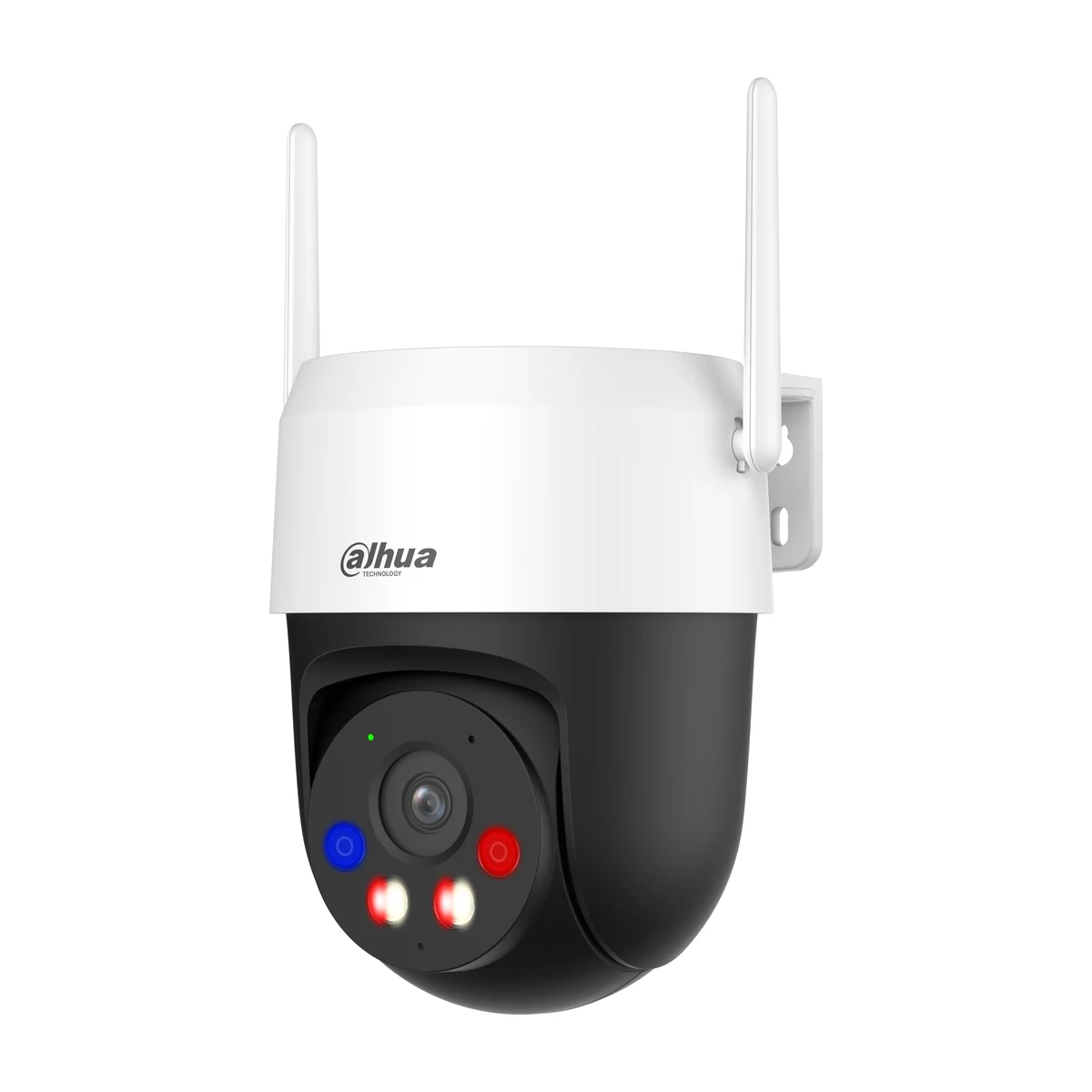
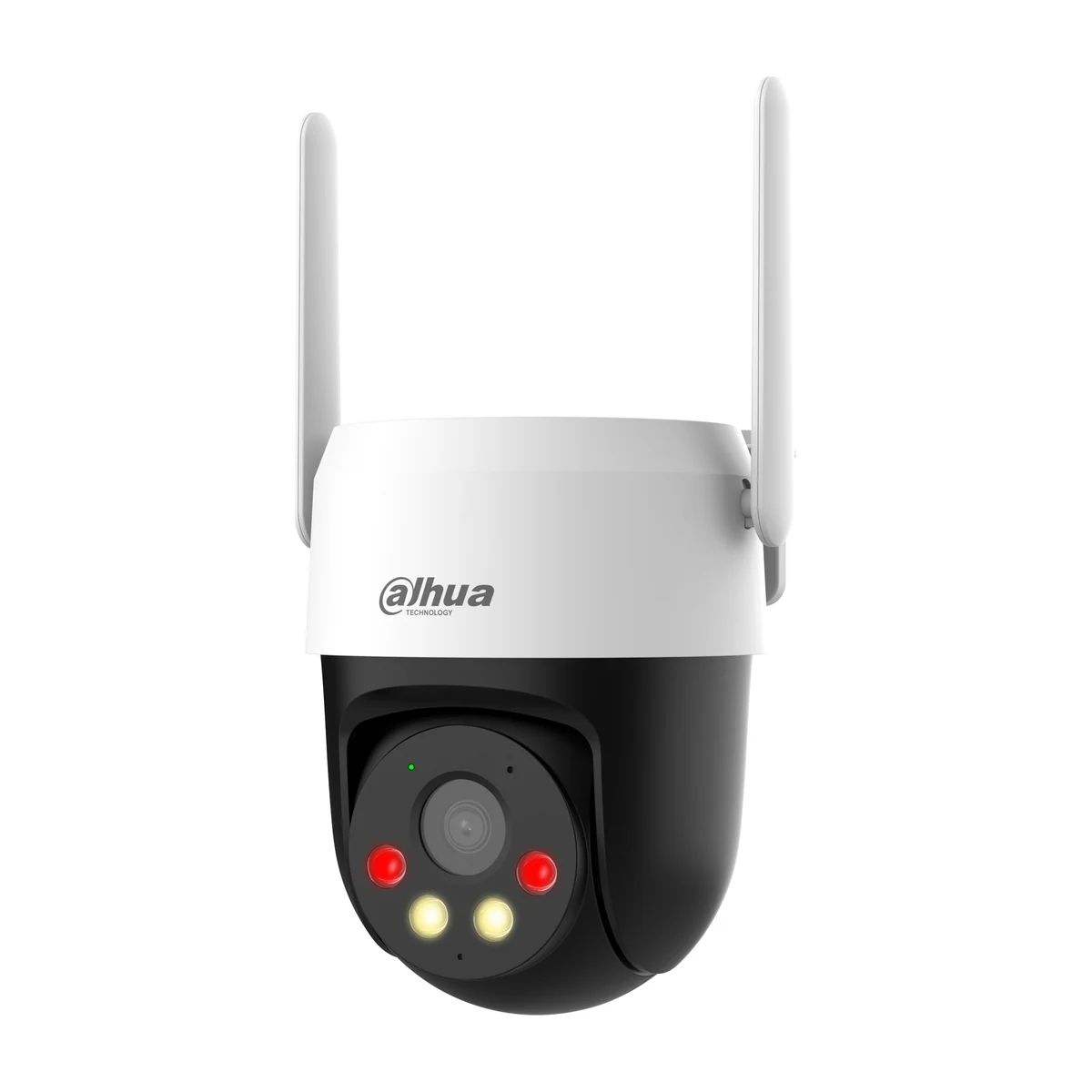
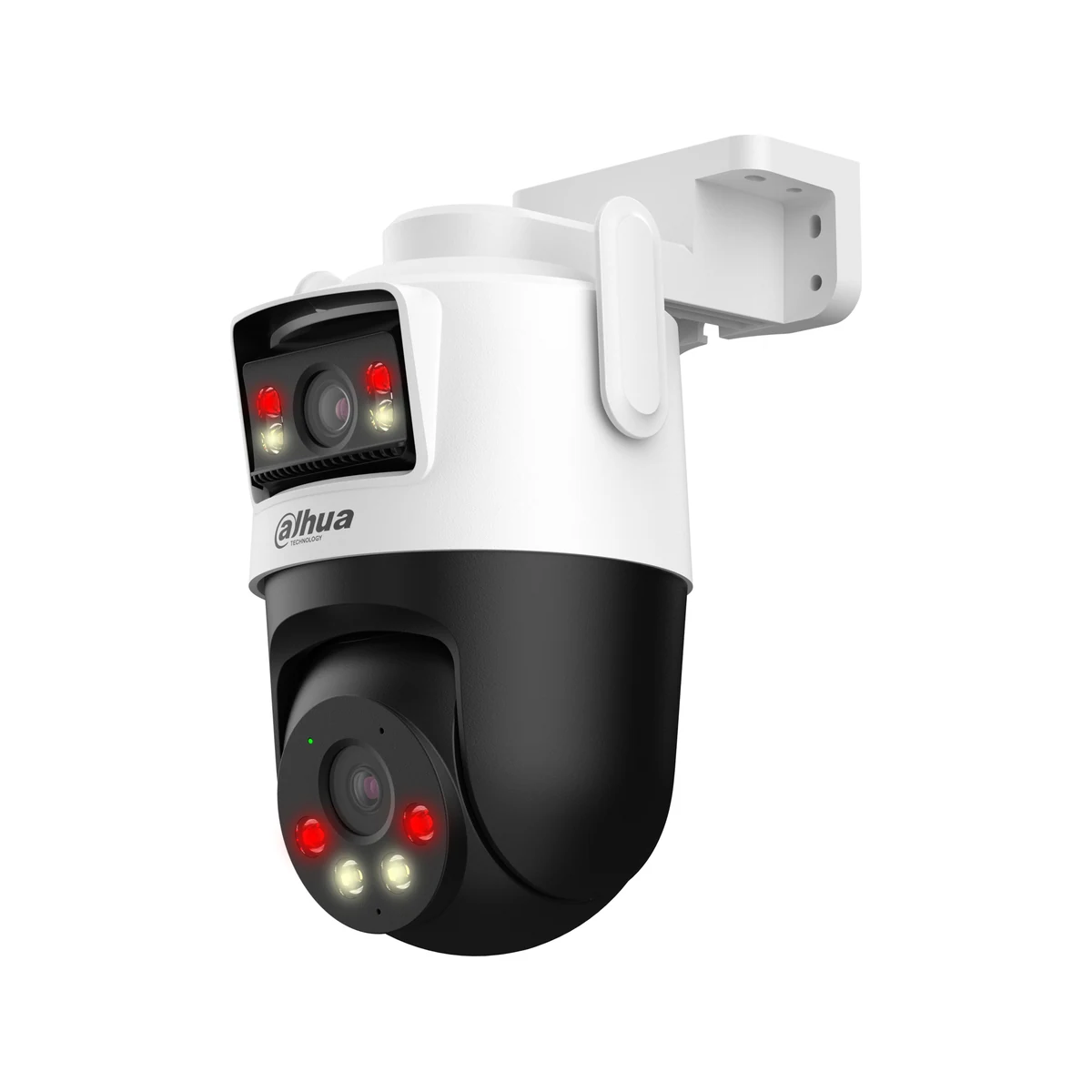
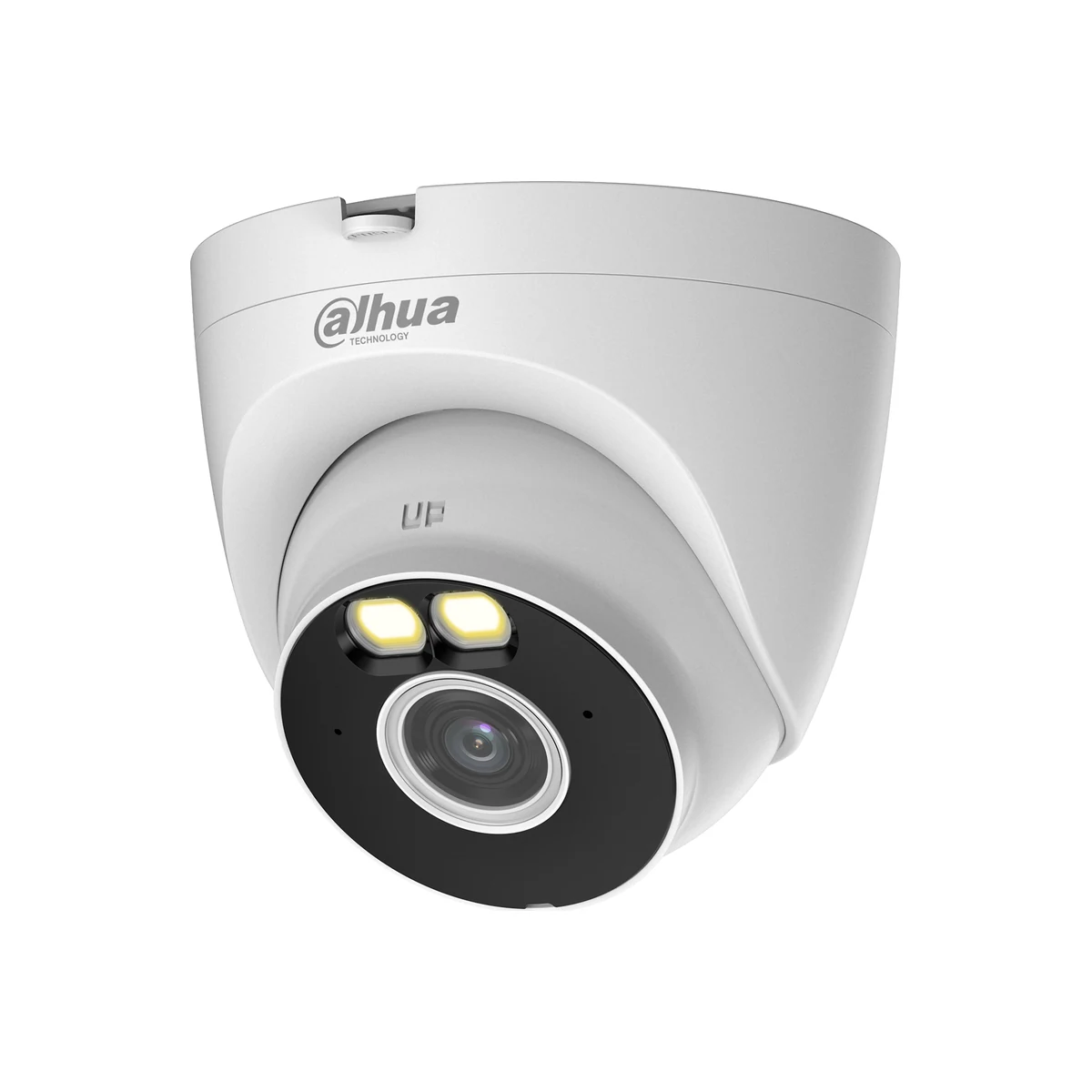
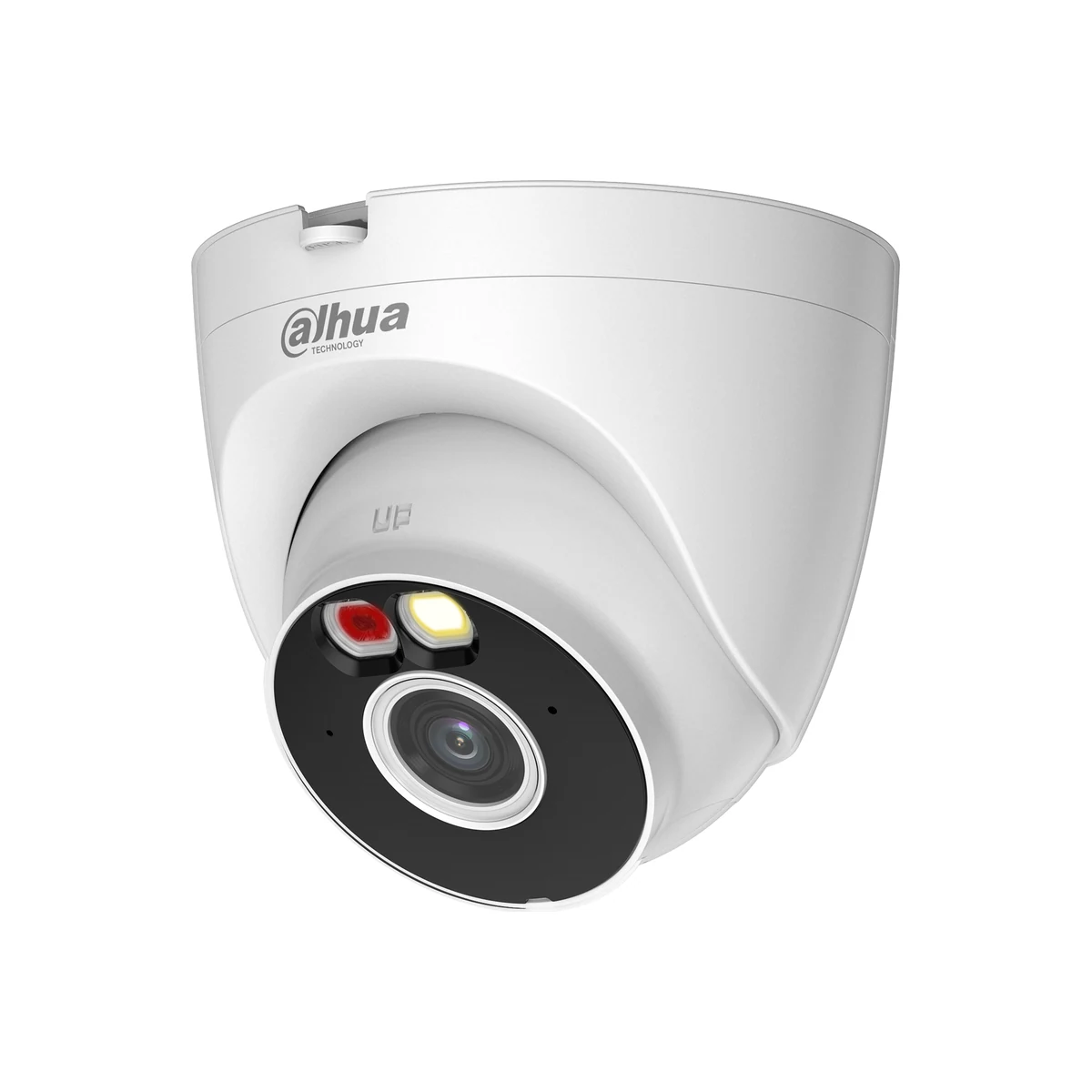
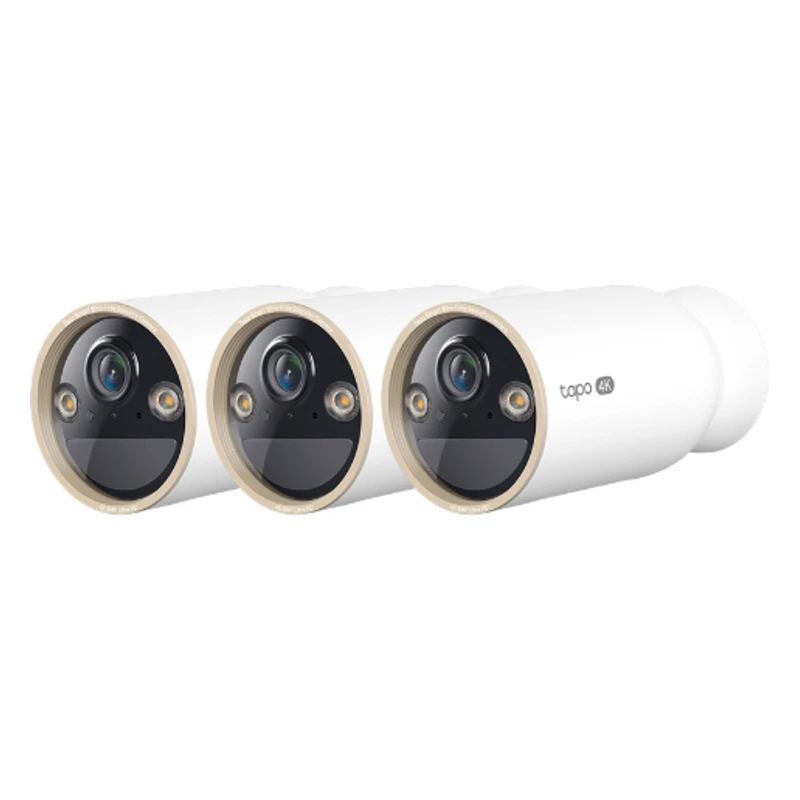
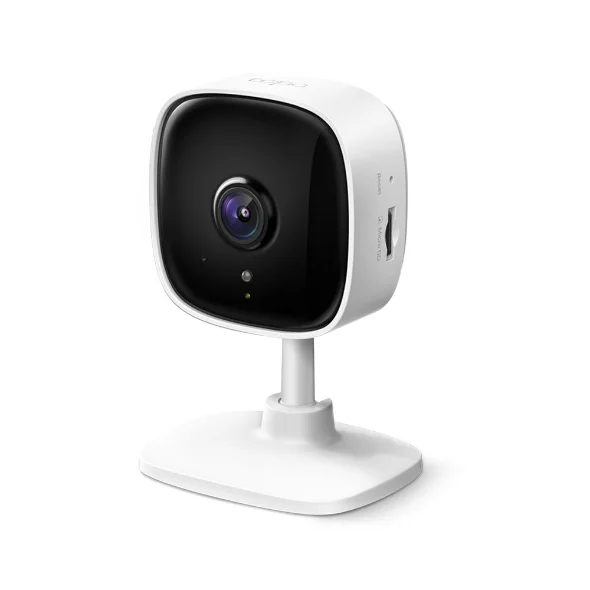
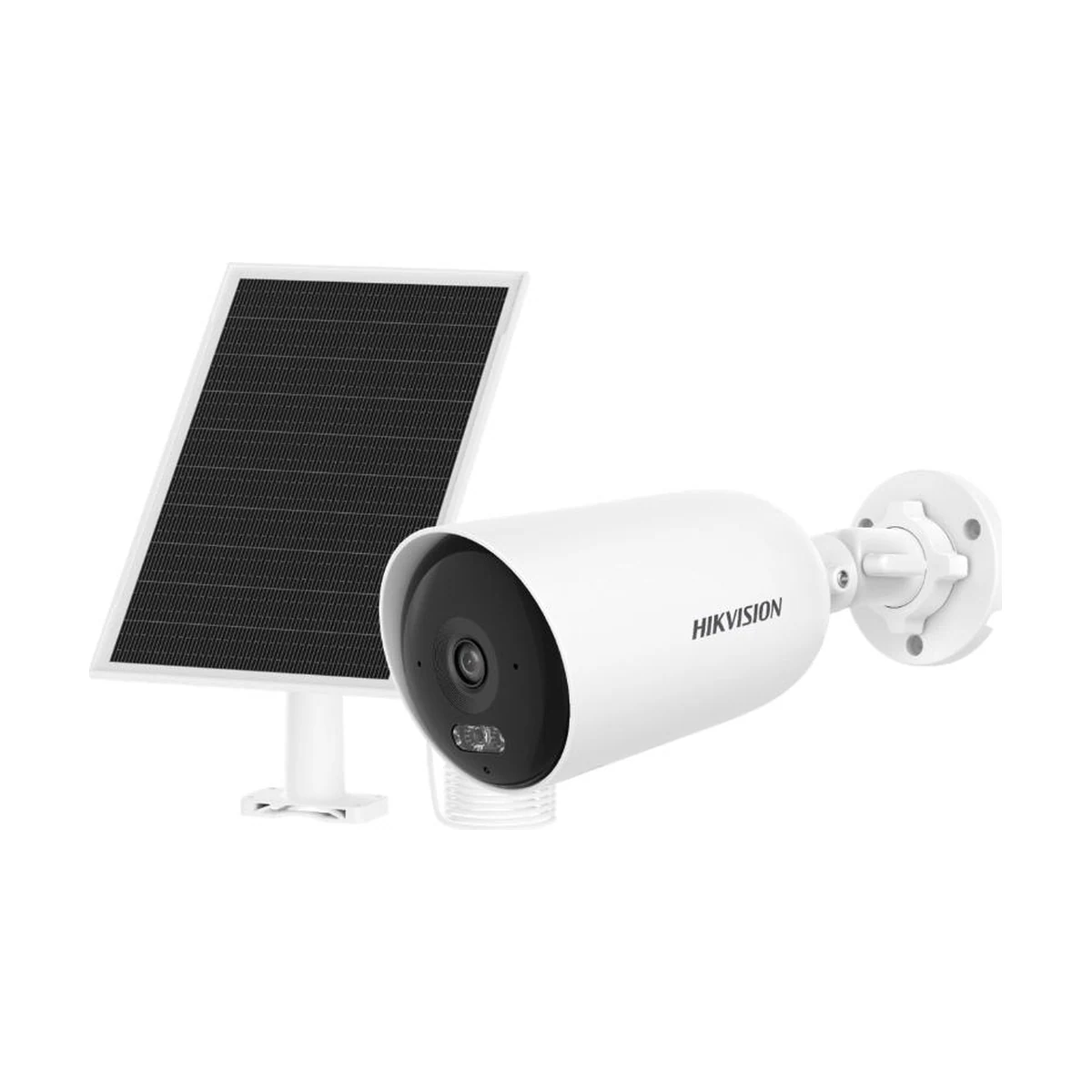

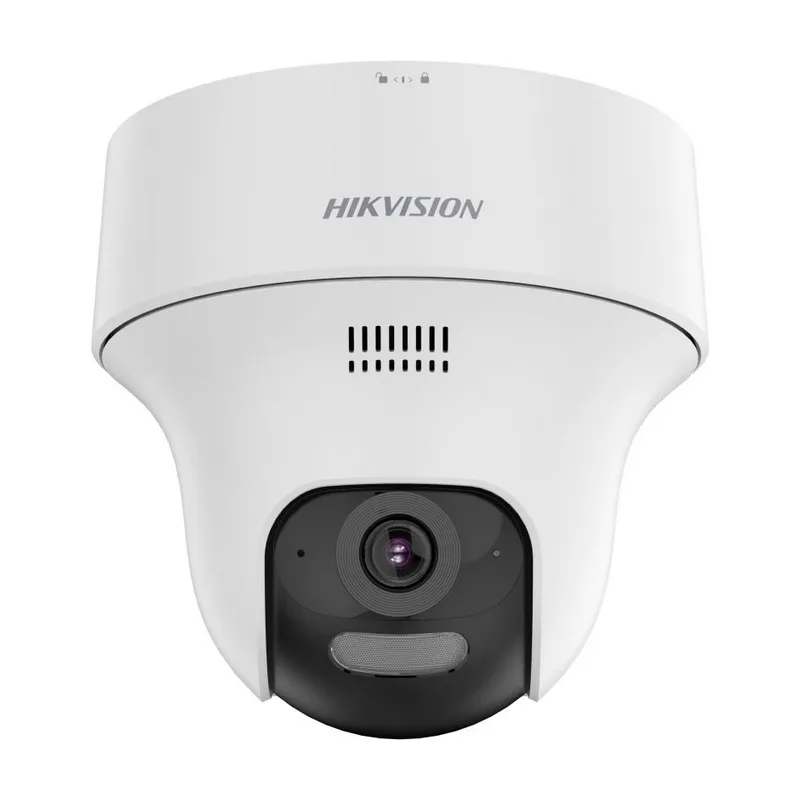
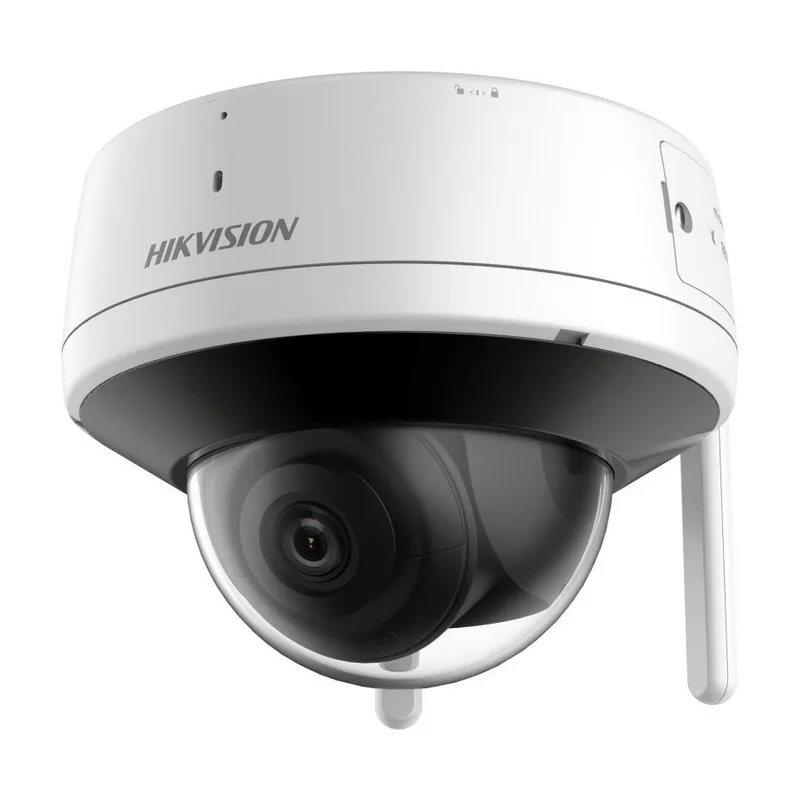
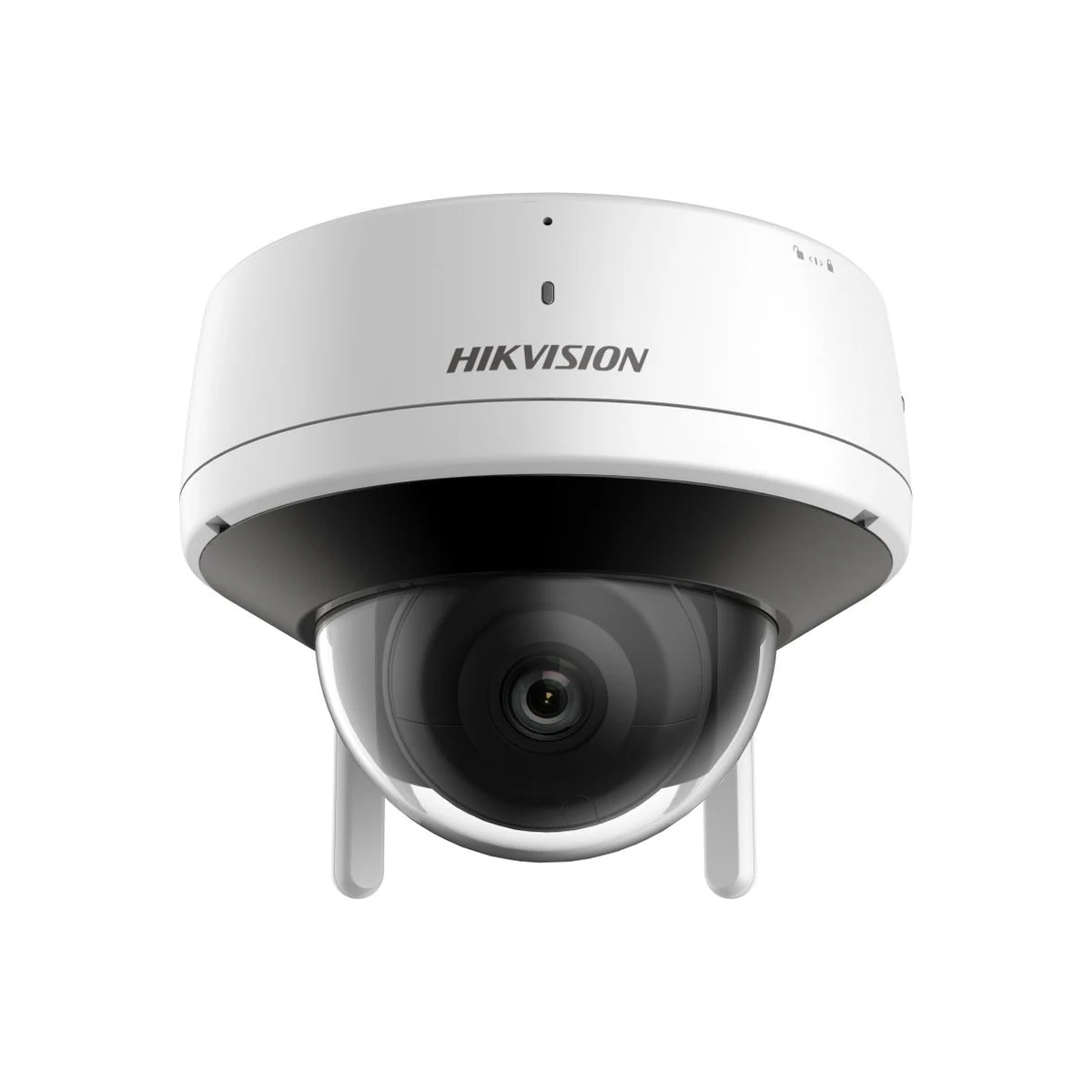



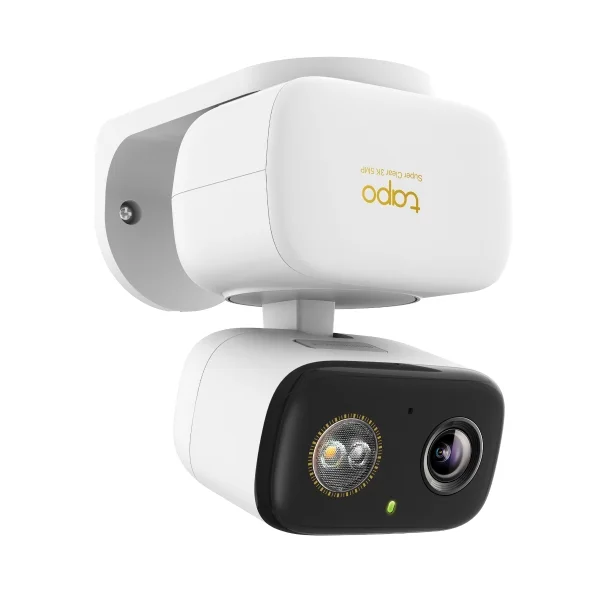
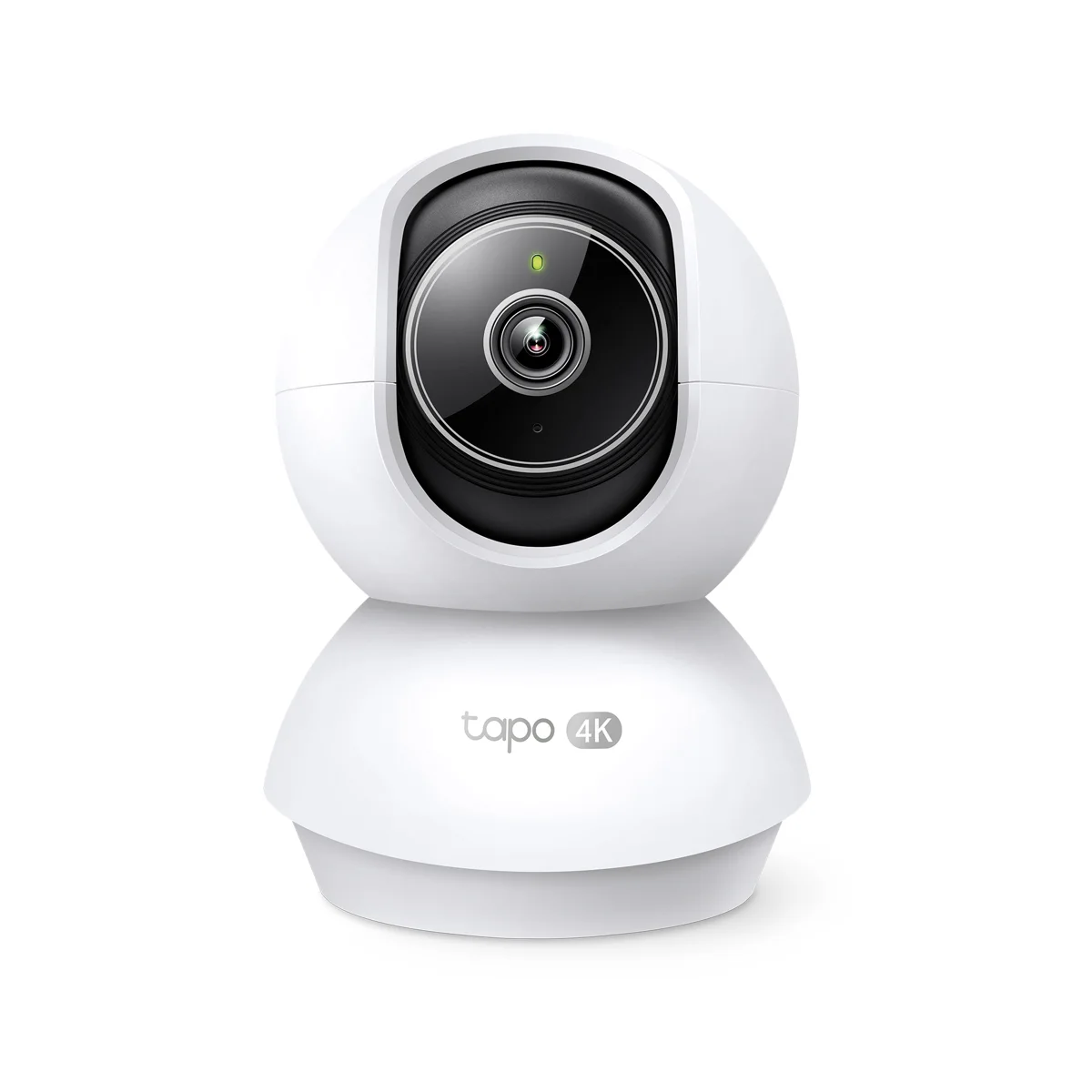
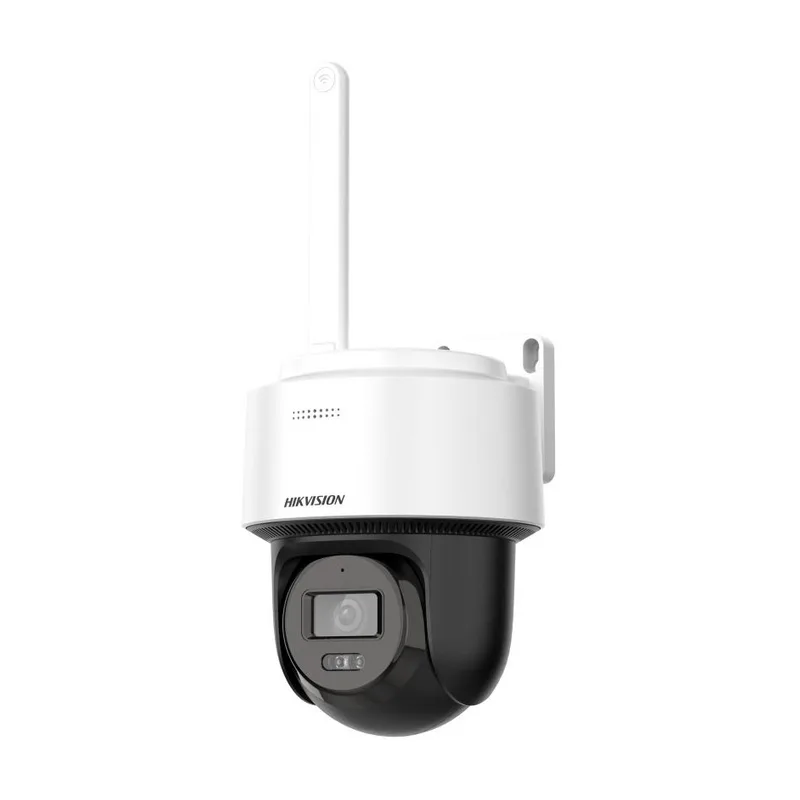
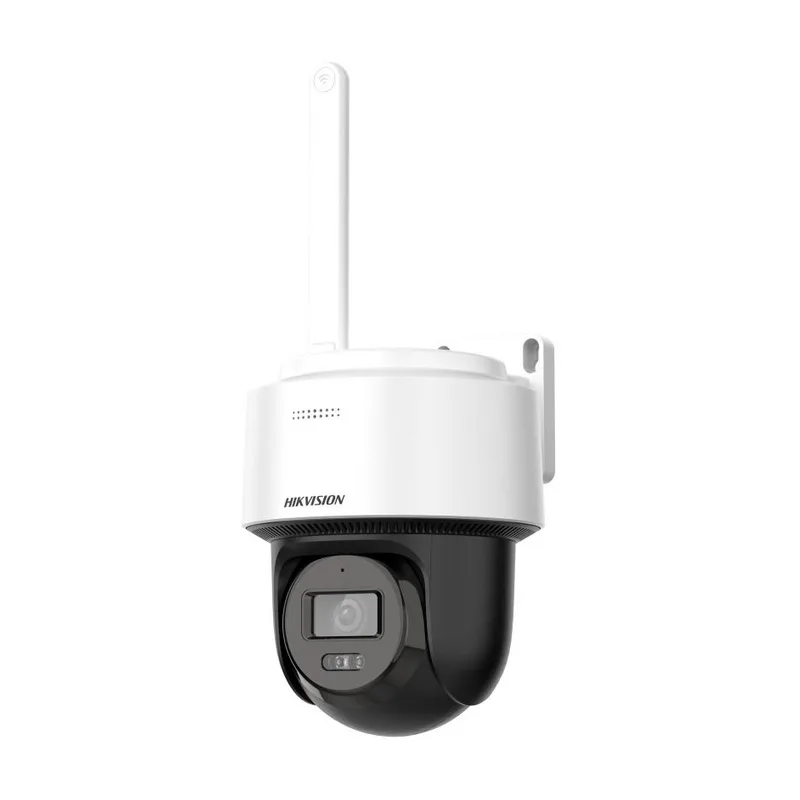


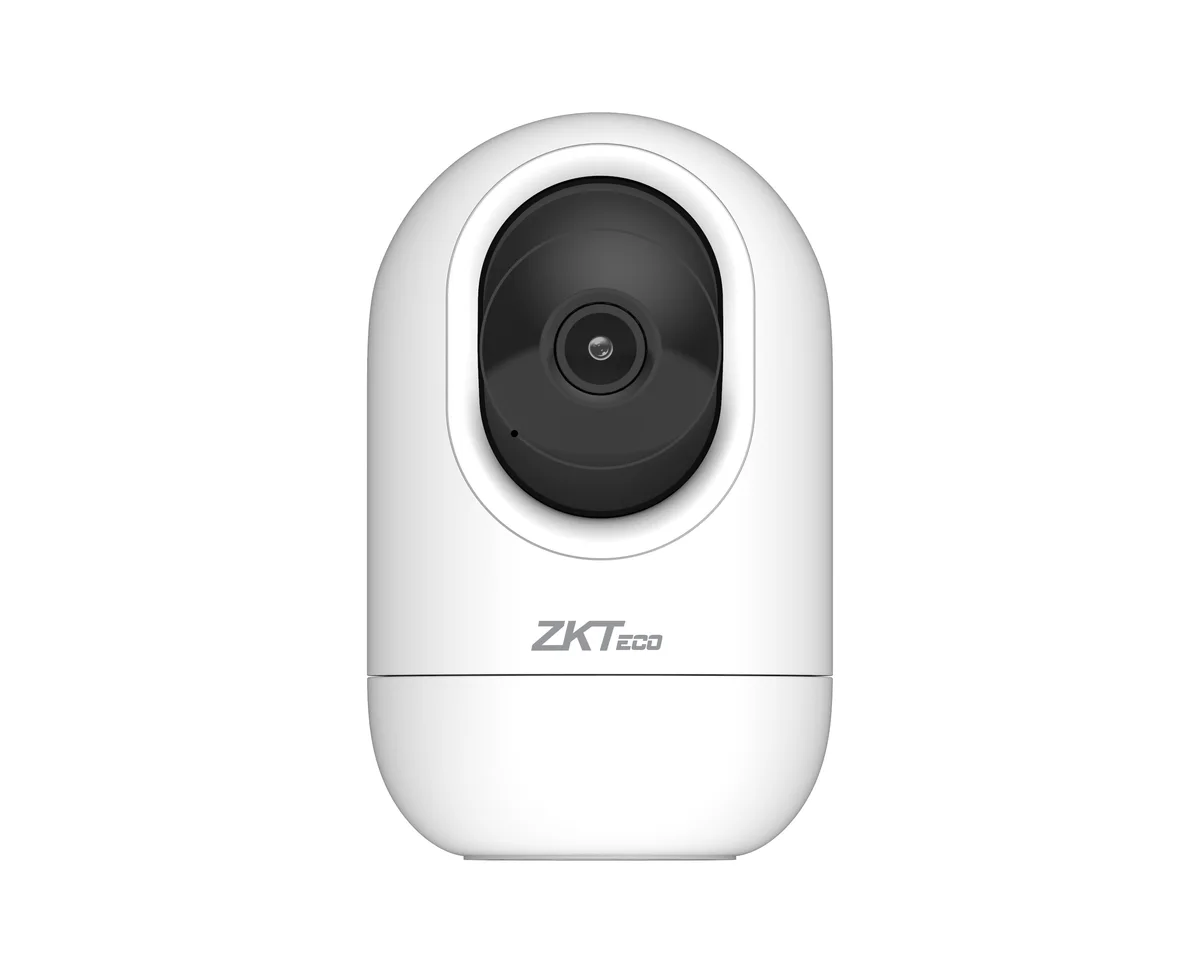
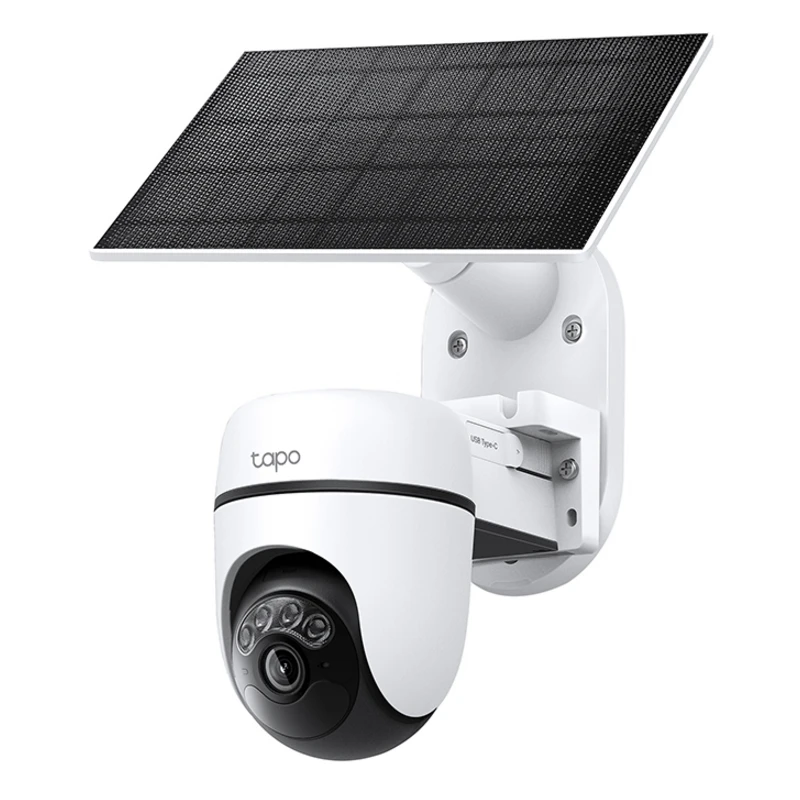
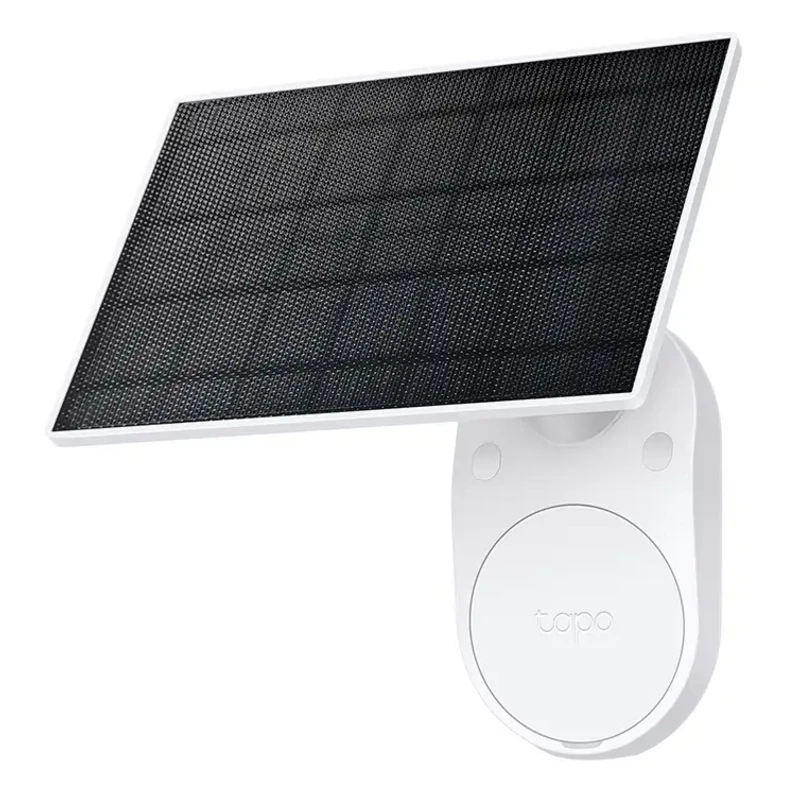
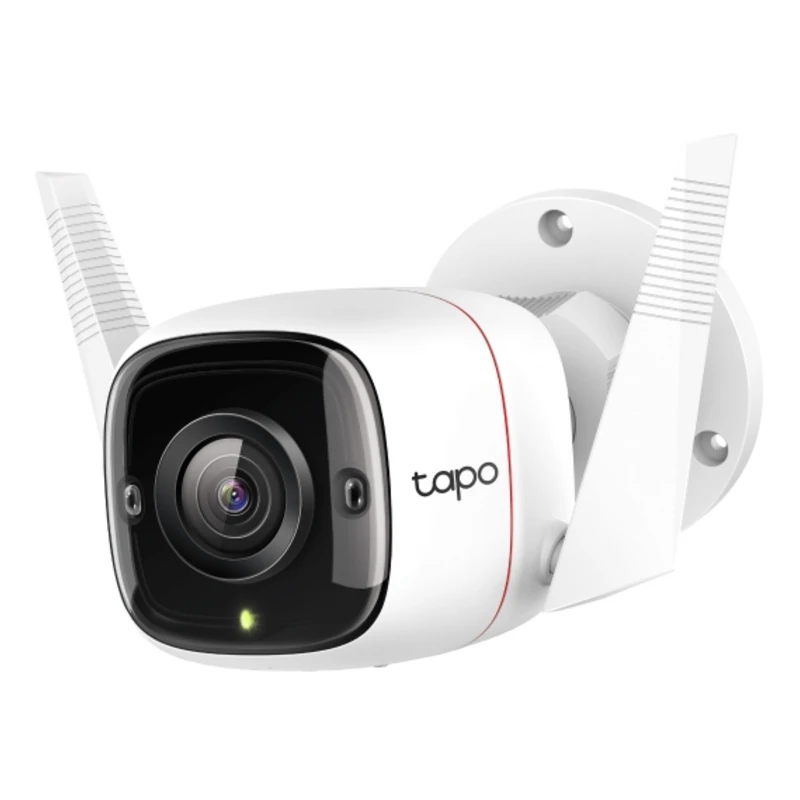
Wireless cameras — guide & FAQ
Wireless surveillance cameras are a solution for sites where cable routing is impossible, difficult, or economically impractical. Unlike wired systems, such equipment transmits the video signal over Wi-Fi or through a 4G/LTE cellular network, which opens up possibilities for surveillance at temporary construction sites, country properties, warehouses without cabling infrastructure, and in spaces with limited access to wiring. You can buy wireless cameras in Tashkent in the SAT Solutions catalog — here we have gathered proven models from leading manufacturers.
The choice of a wireless camera depends on the connection type, operating conditions, and required resolution. Wi-Fi models are suitable for spaces with stable router coverage. Cameras with a 4G module work where there is no fixed internet: in open areas, at country houses, in the field, at construction sites, and in zones without fiber optics. It is important to understand that wireless video transmission is not only about installation convenience but also about certain trade-offs: signal stability depends on the quality of radio coverage, and in a multi-apartment environment interference is possible. Therefore, proper equipment selection and access-point placement require a professional approach.
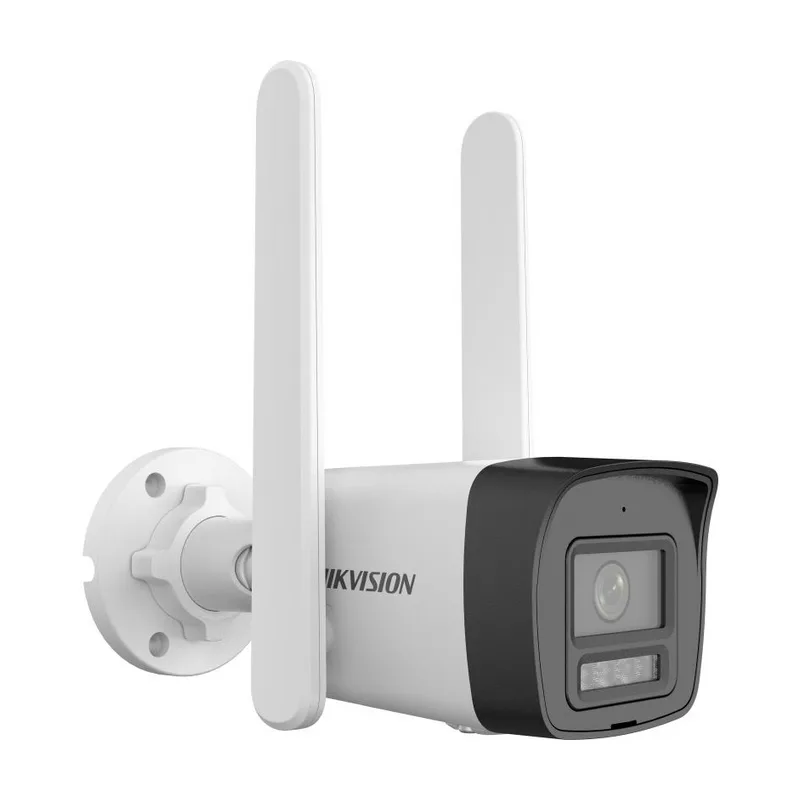
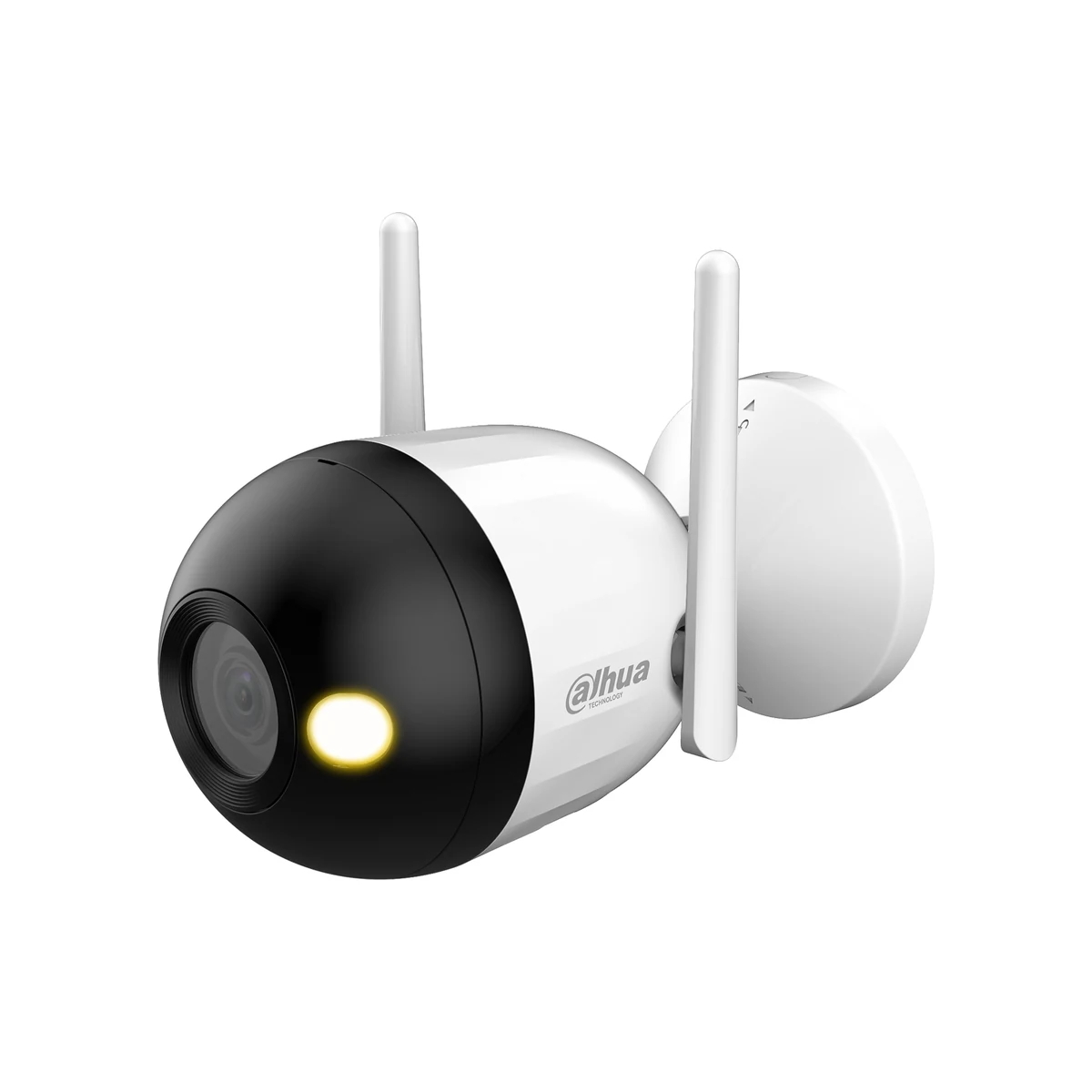
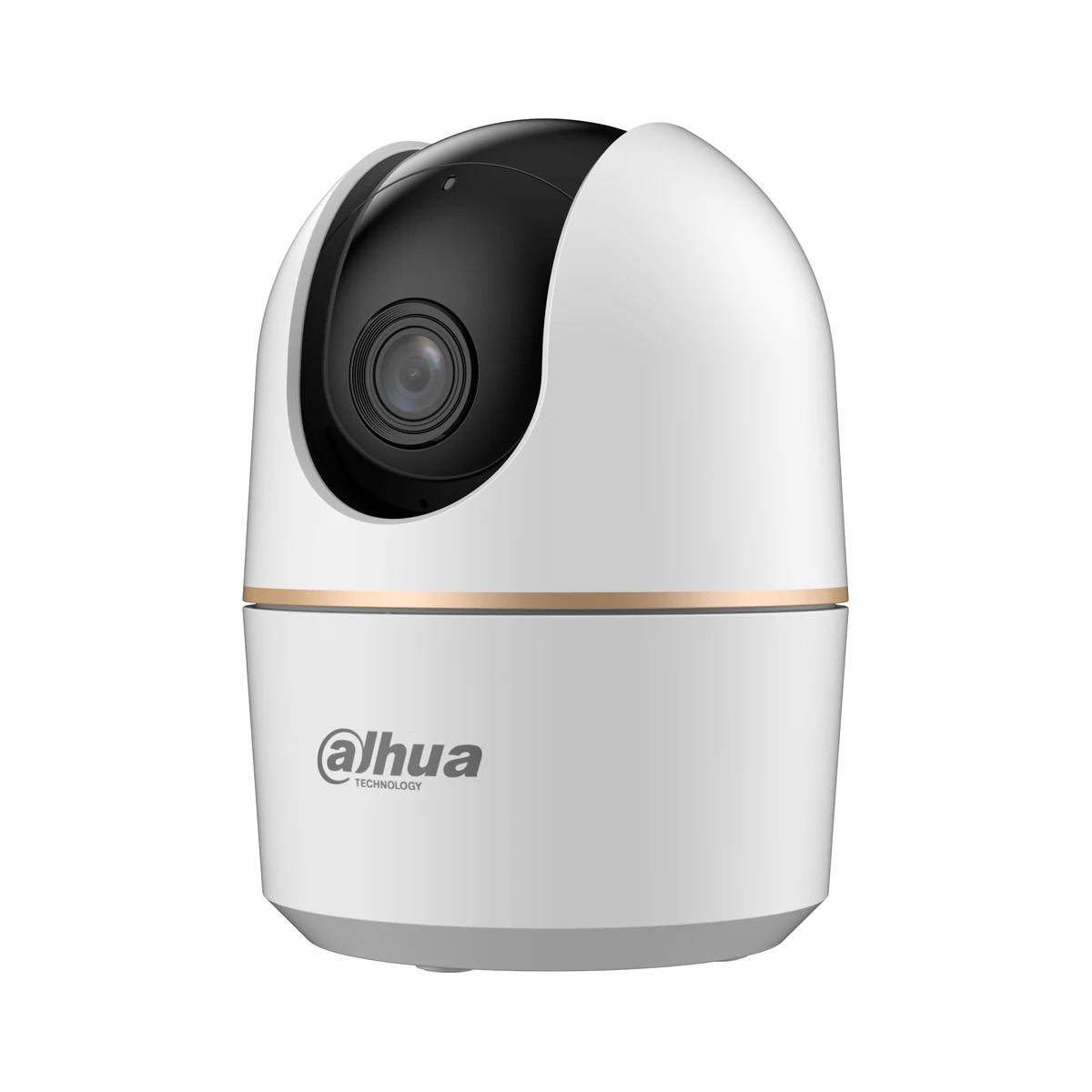
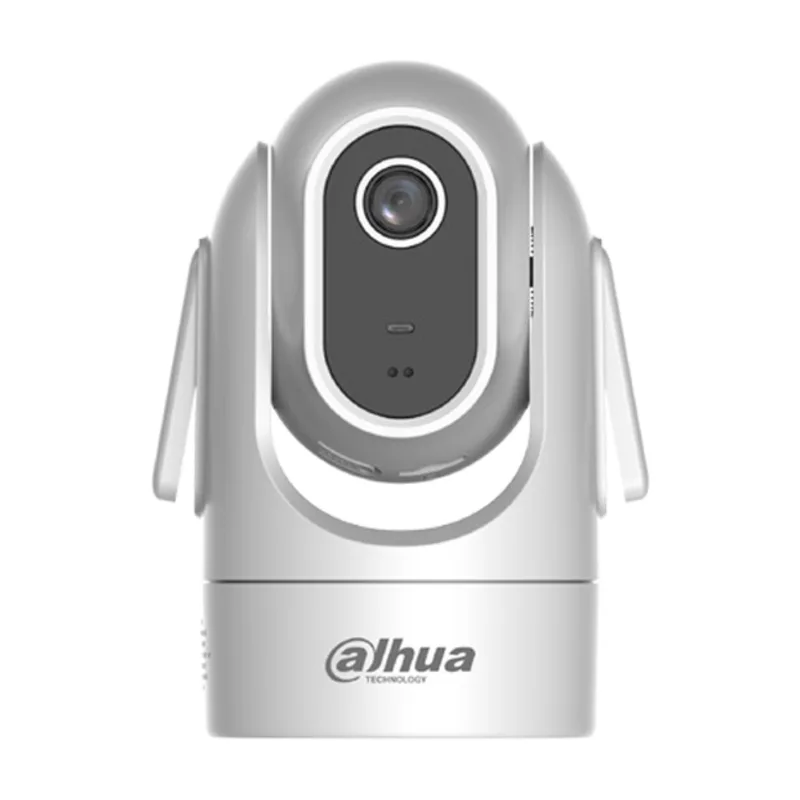
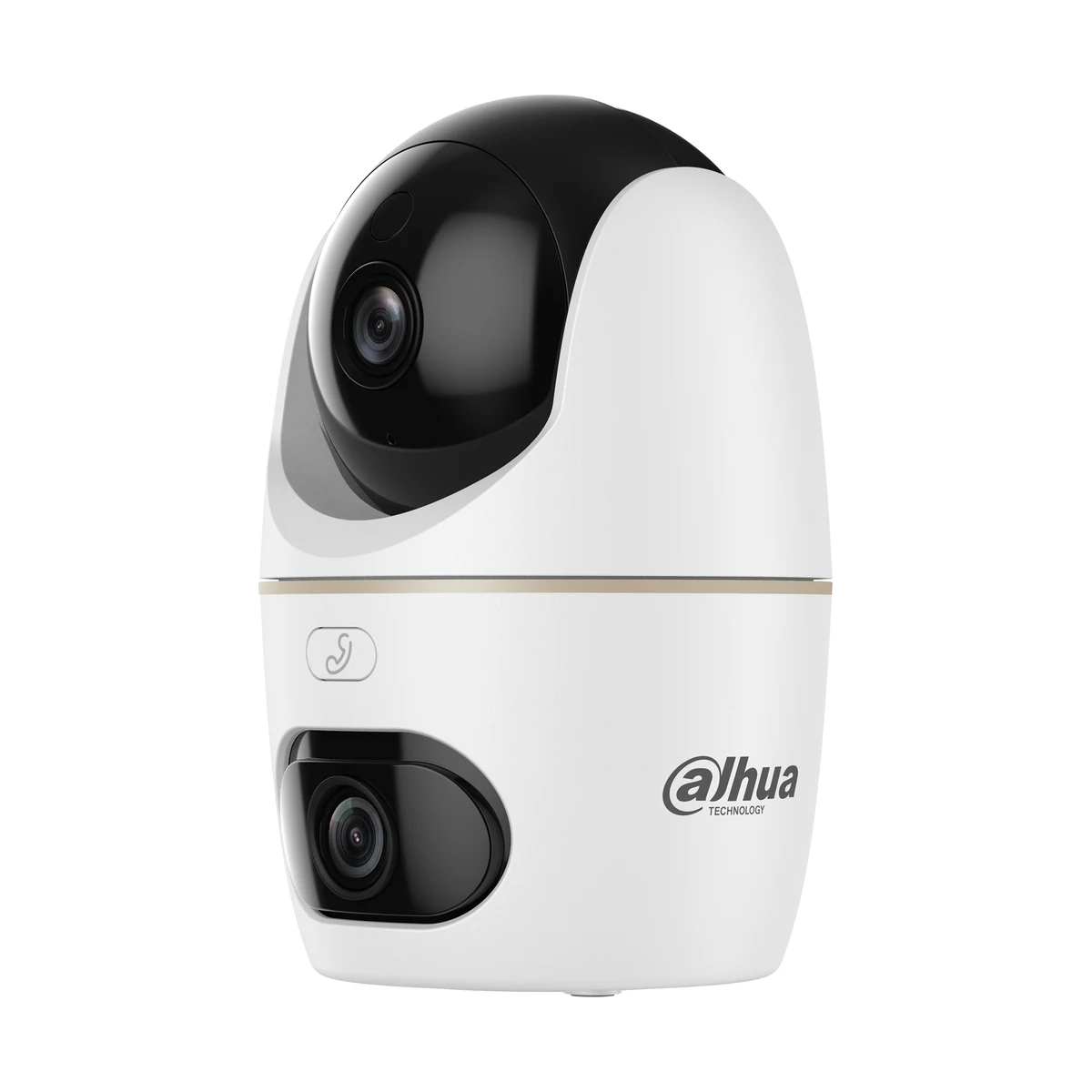
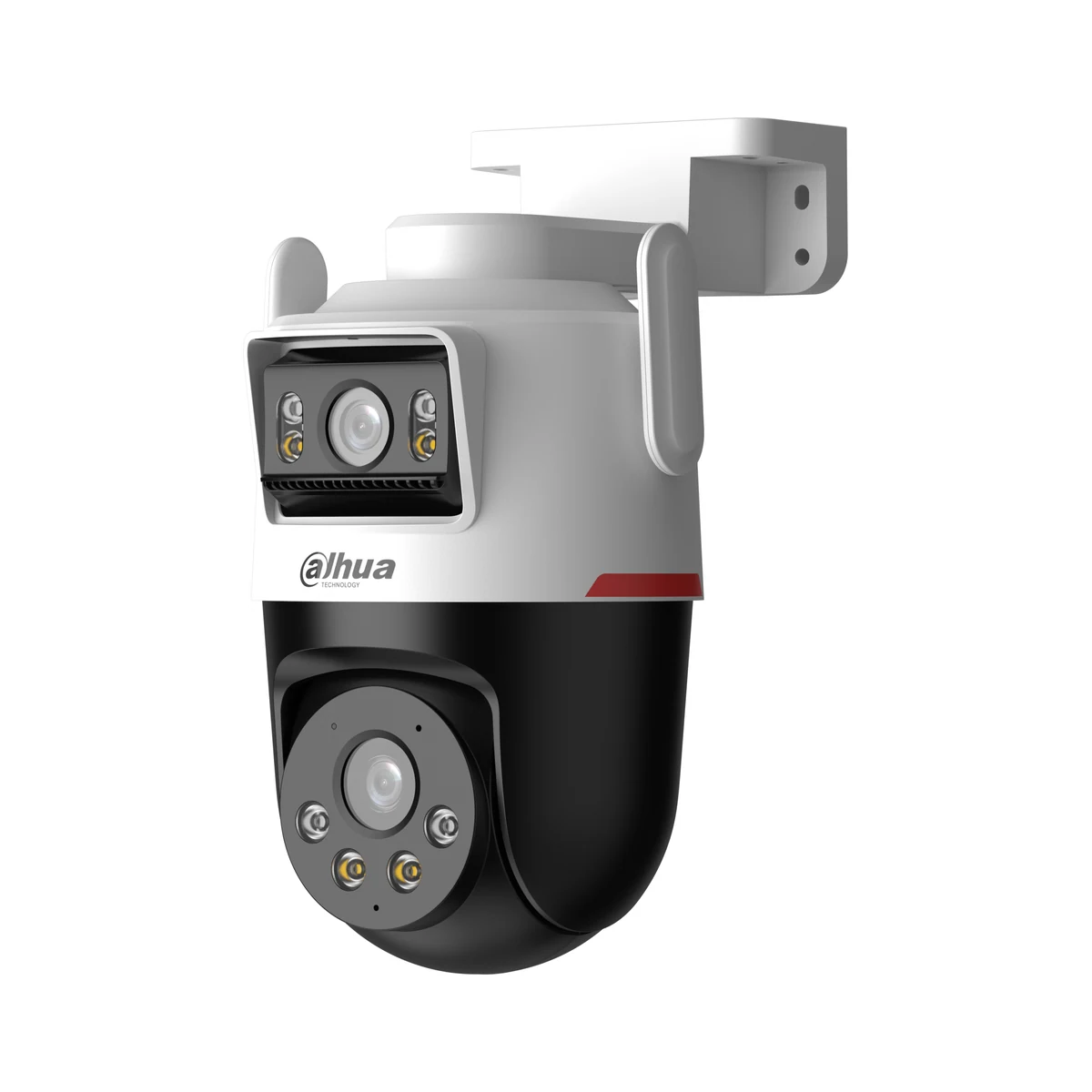
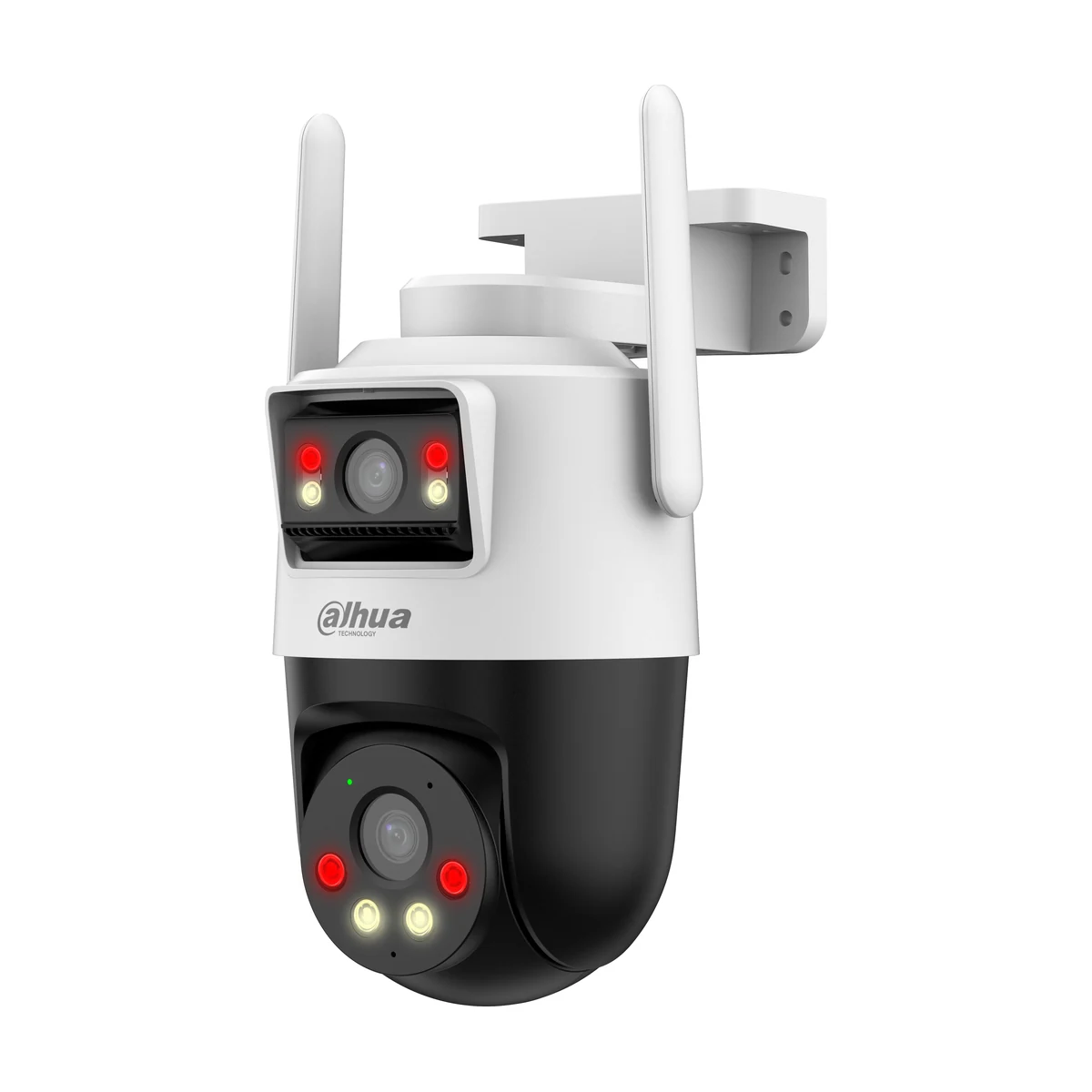
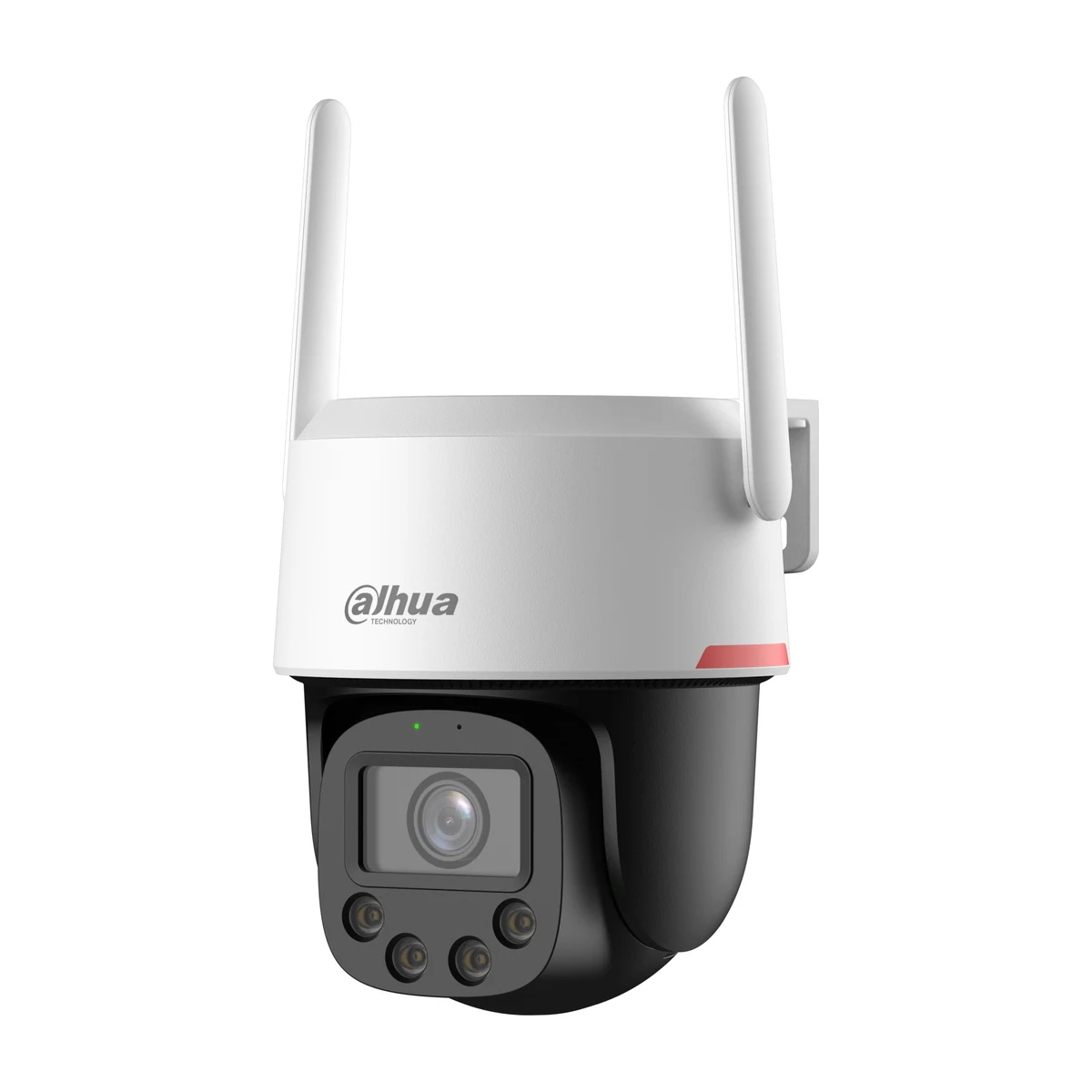
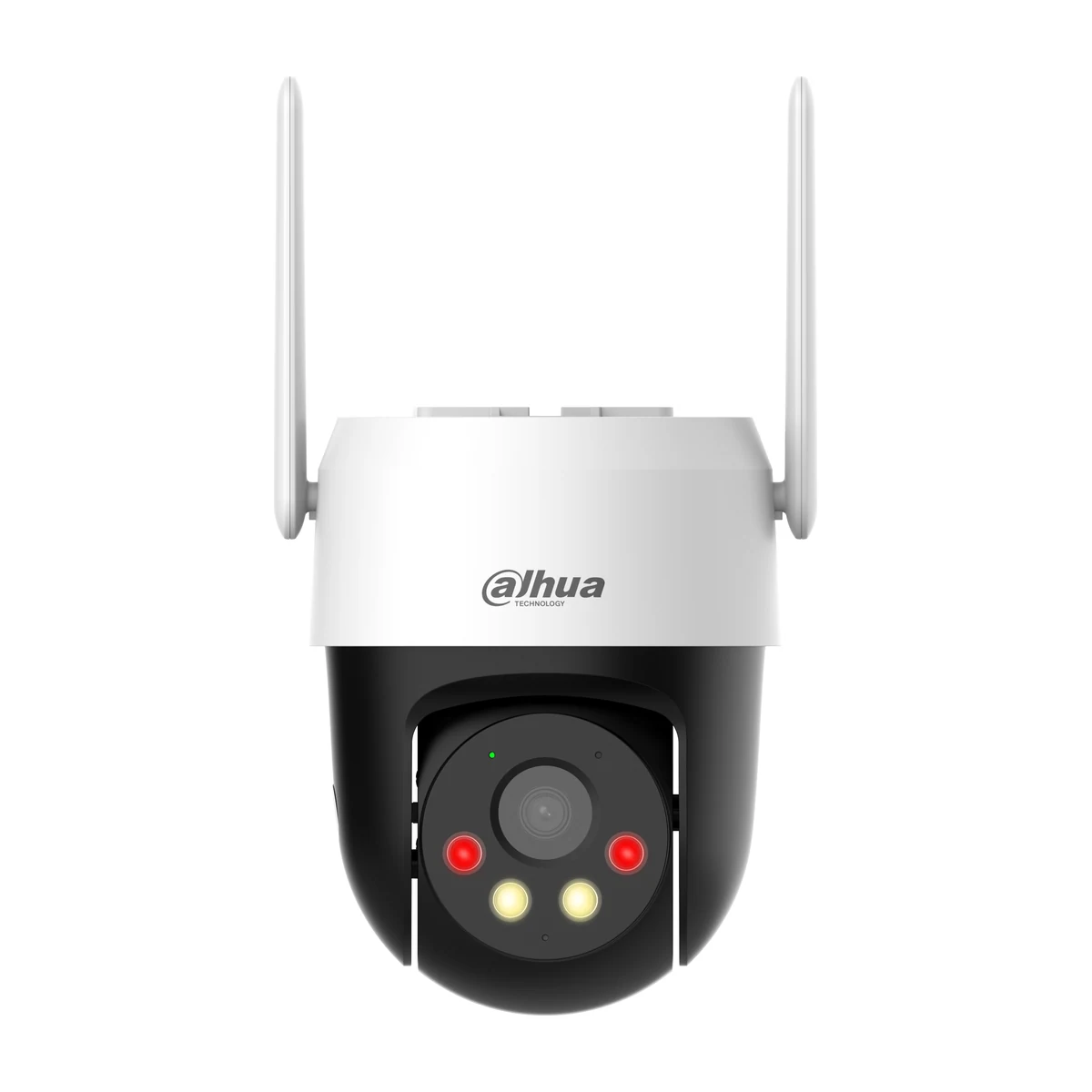
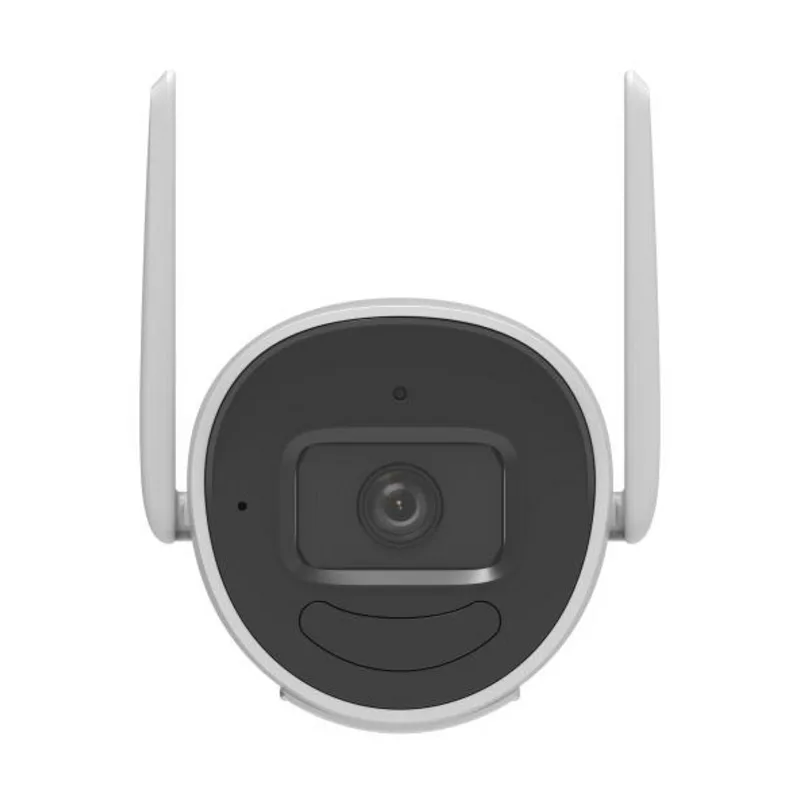
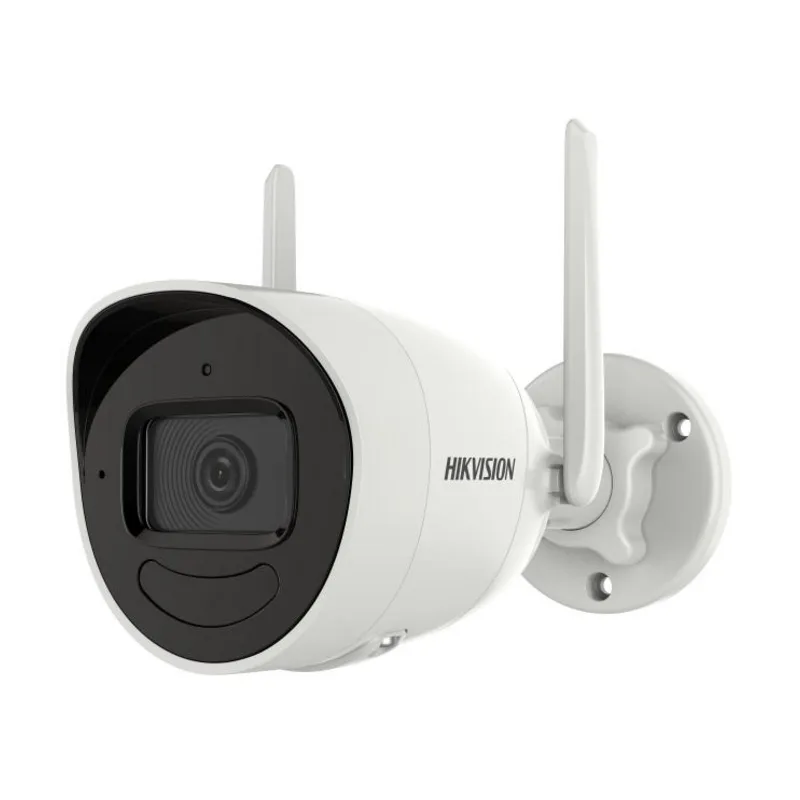
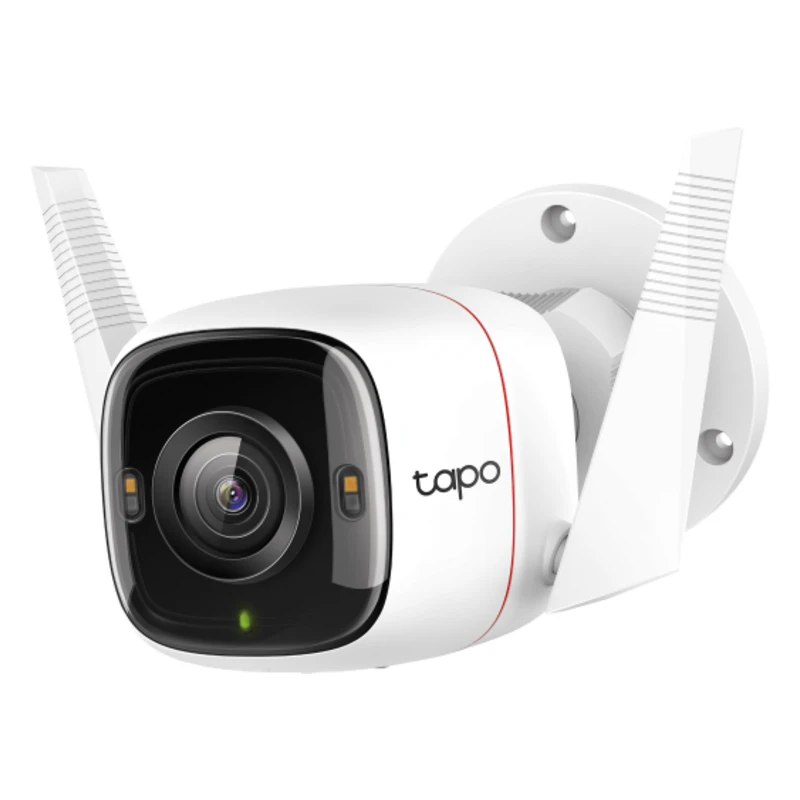
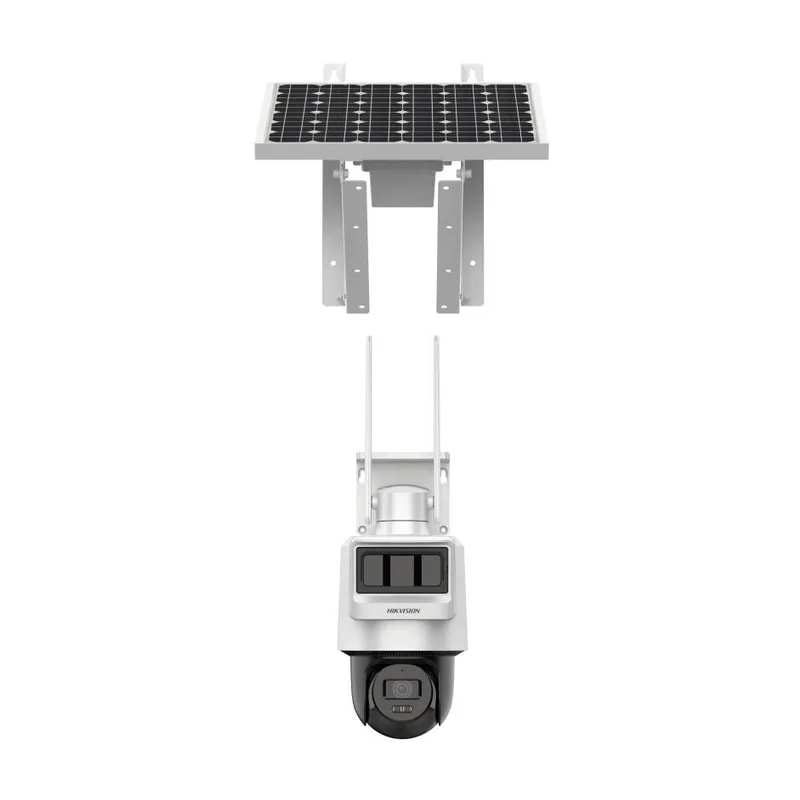
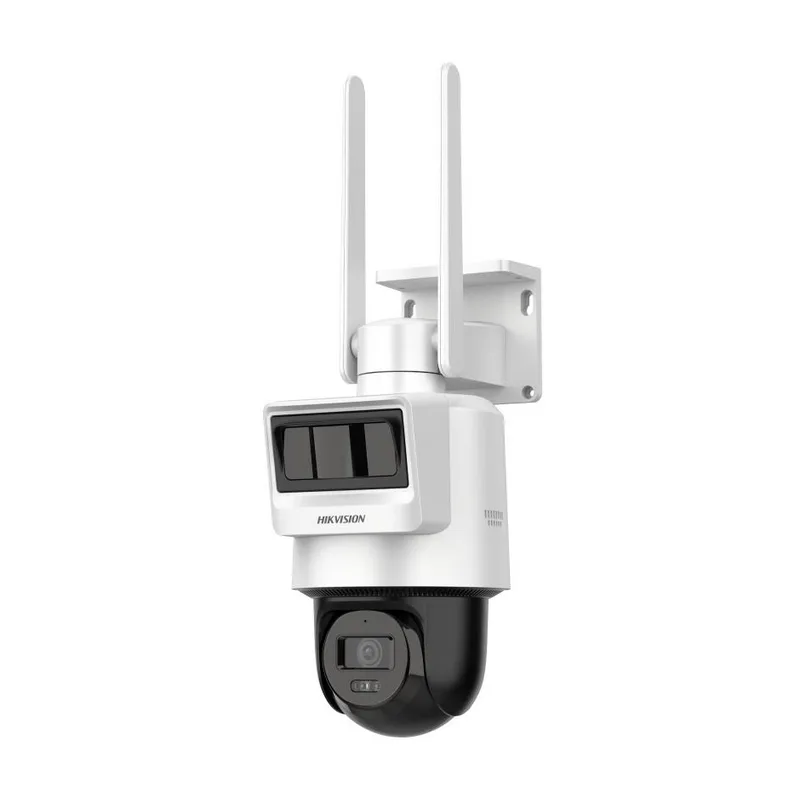
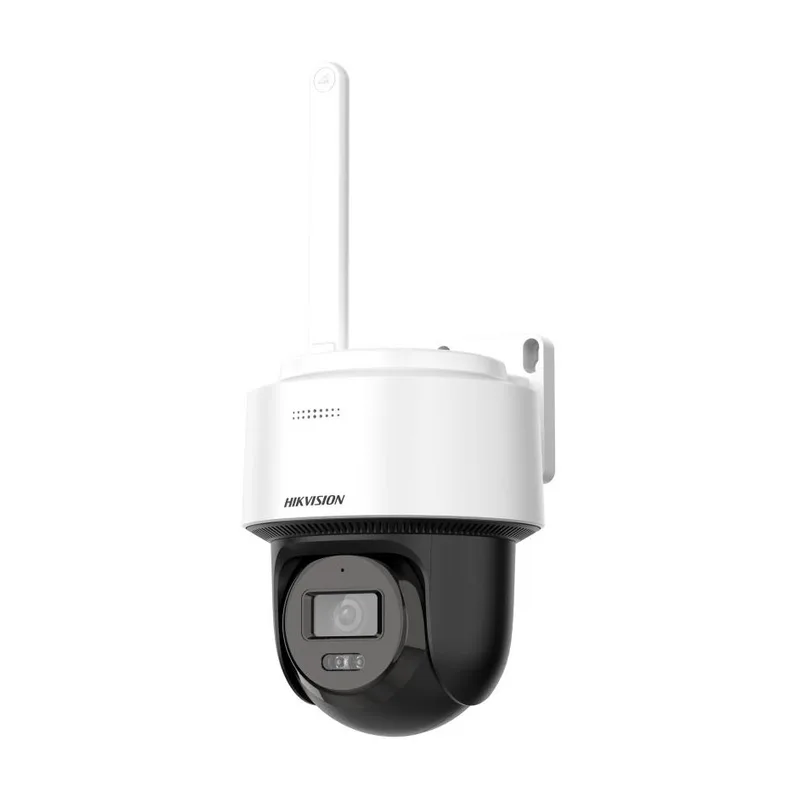
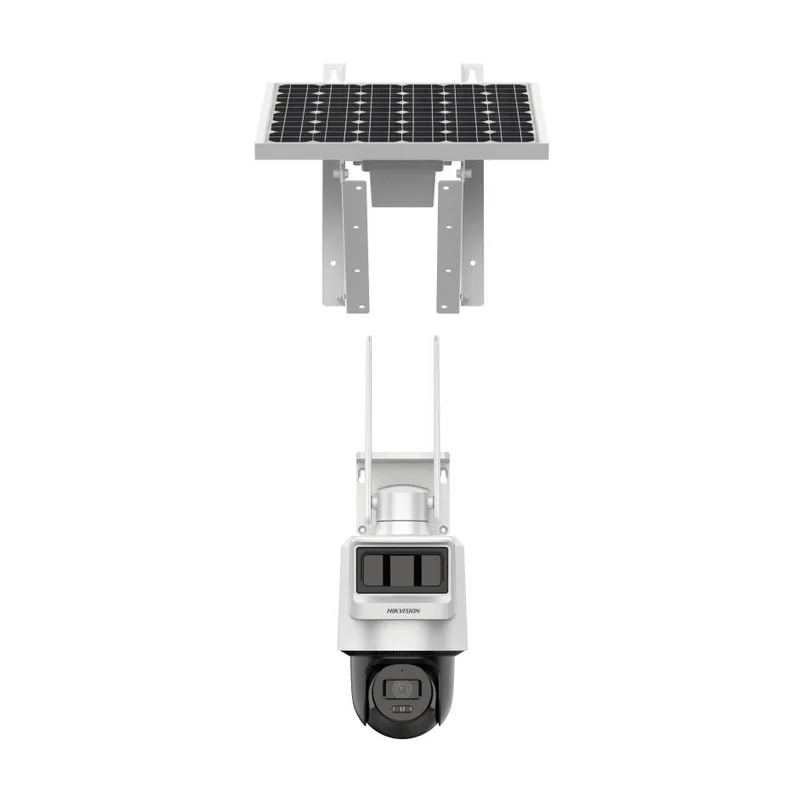
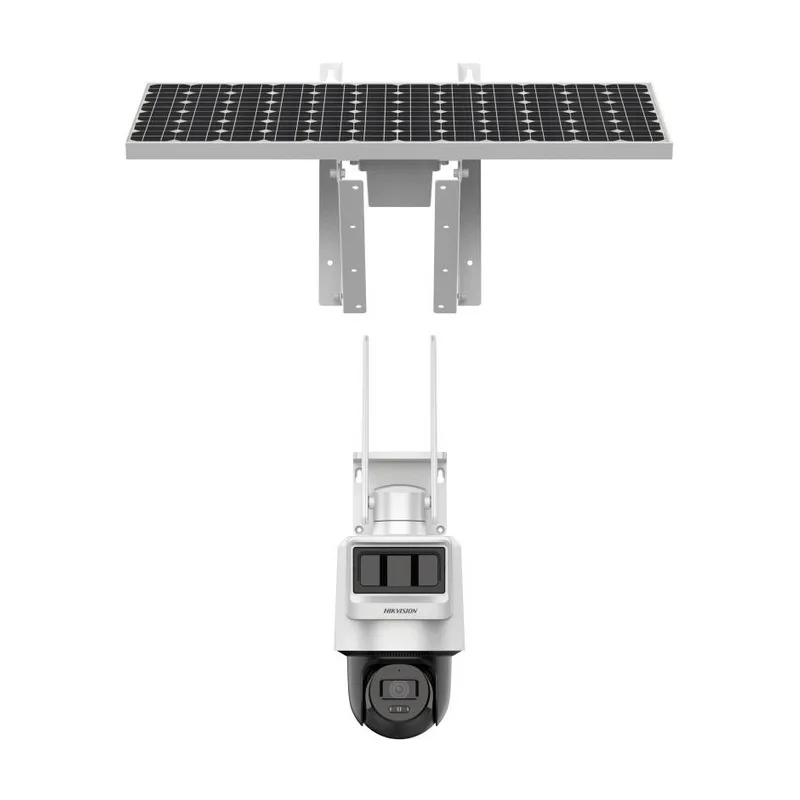
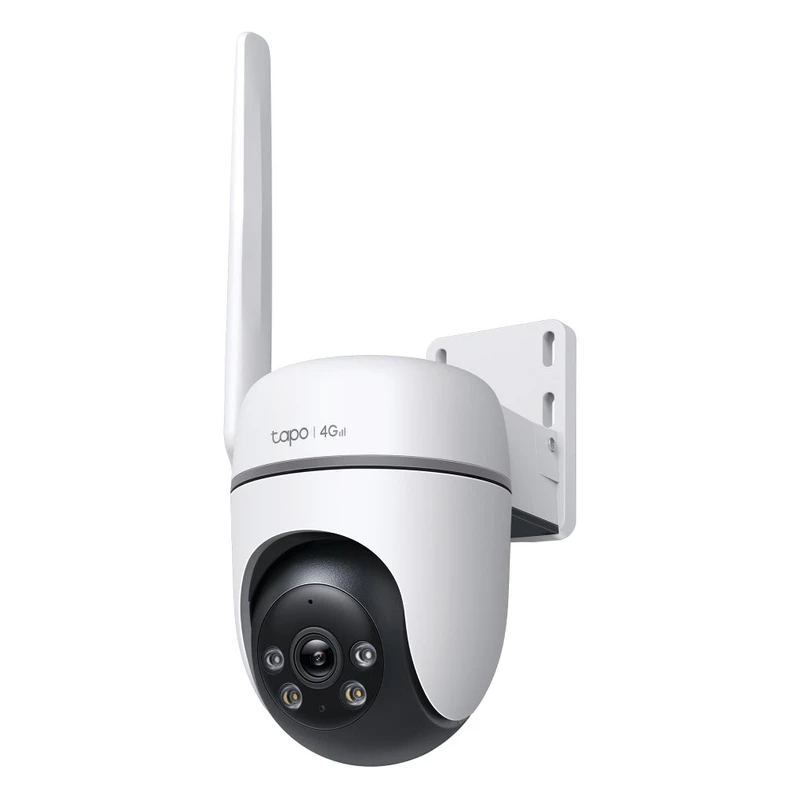
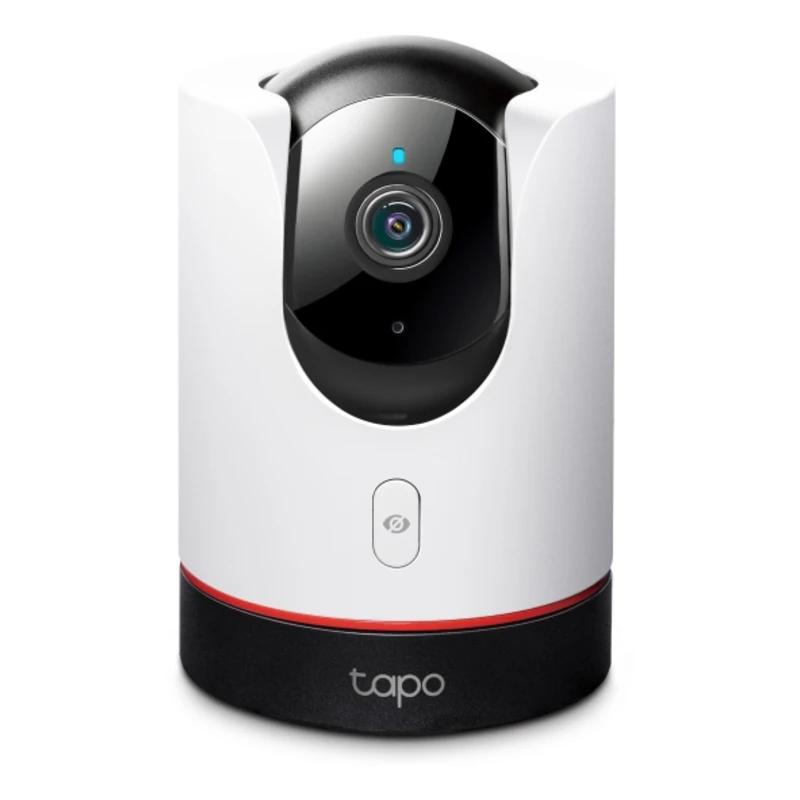
The SAT Solutions catalog offers 104 models of wireless cameras: cylindrical (bullet), dome, and rotating PTZ cameras, as well as ready-made Wi-Fi surveillance kits. The range covers solutions both for private homes in Tashkent and for commercial and industrial sites throughout Uzbekistan.
How to choose
- Connection type: Wi-Fi or 4G. Wi-Fi cameras work within the coverage of a home or corporate network. 4G cameras require a SIM card and a data plan, but work anywhere in the country with mobile coverage. For remote sites outside the city, 4G is the only realistic option.
- Form factor: cylindrical, dome, or rotating. Cylindrical (bullet) cameras are aimed at a single point, are clearly visible, and serve as a visible deterrent. Dome cameras are less noticeable and vandal-resistant. Rotating PTZ cameras allow remote control of direction and zoom, covering a large area.
- Resolution. The catalog offers models with 2 MP (1080p) and 4 MP resolution. To identify faces and read license plates at an entrance, a minimum of 2 MP is needed; for perimeter overview, Full HD is sufficient. The higher the resolution, the greater the requirements for the channel and storage.
- Night vision and illumination. Hikvision cameras of the ColorVu series feature color night recording thanks to additional white-light illumination. Standard IR models produce a black-and-white image in the dark. For entrance groups and parking lots, color night recording is preferable.
- Protection from the environment. For outdoor installation, a protection class of at least IP67 is required. Make sure the chosen model is rated for operation at the high summer temperatures typical of Uzbekistan.
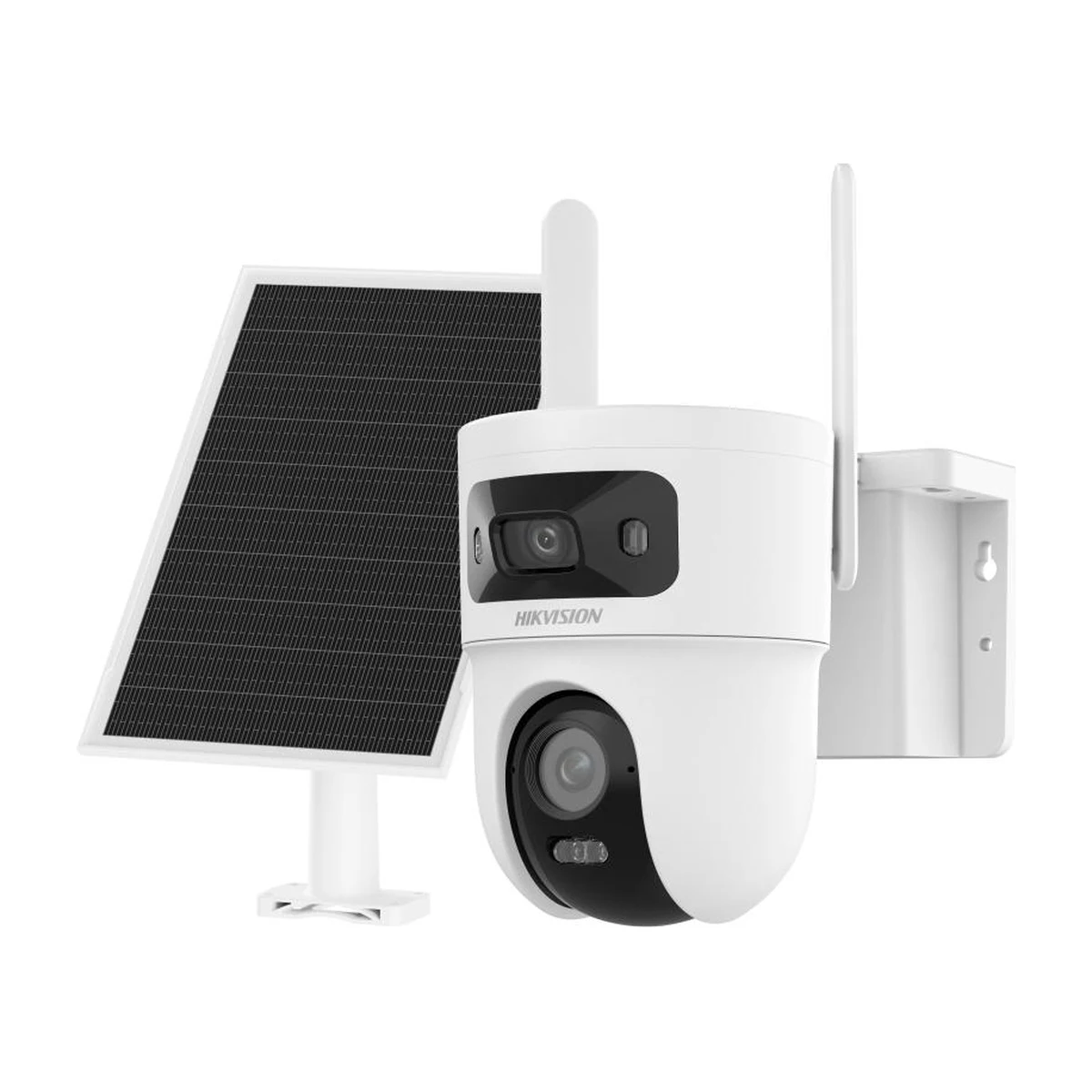
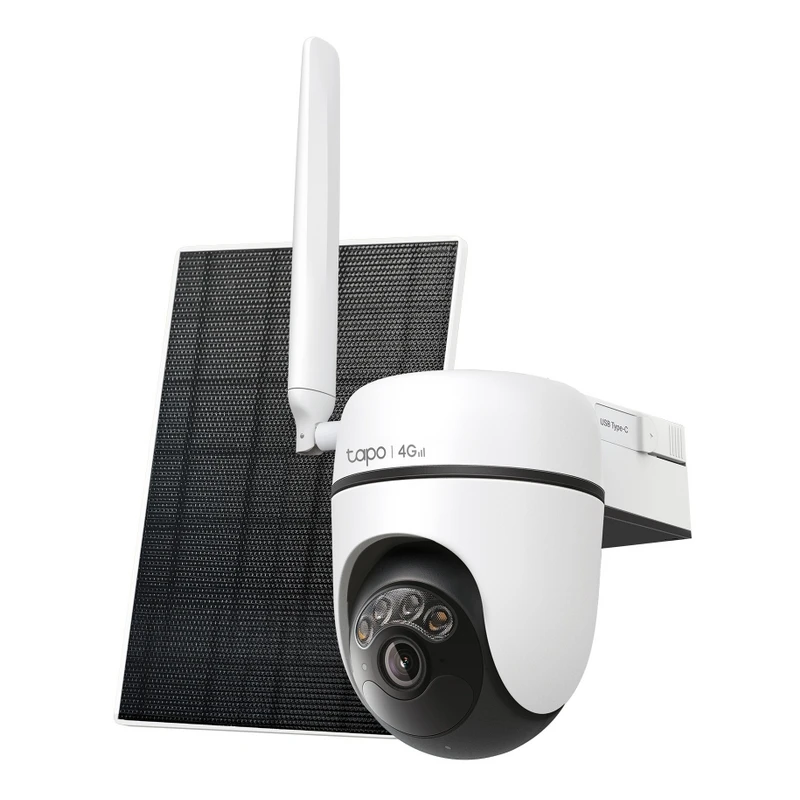
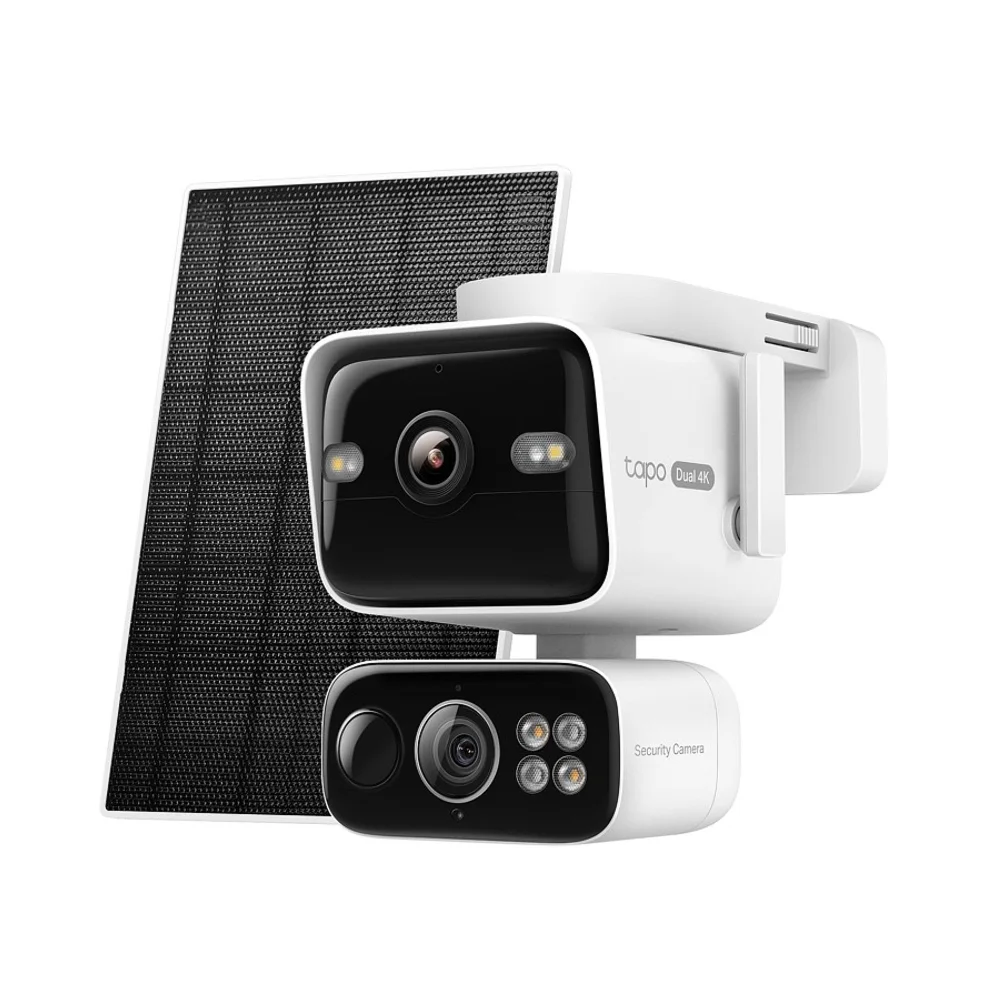
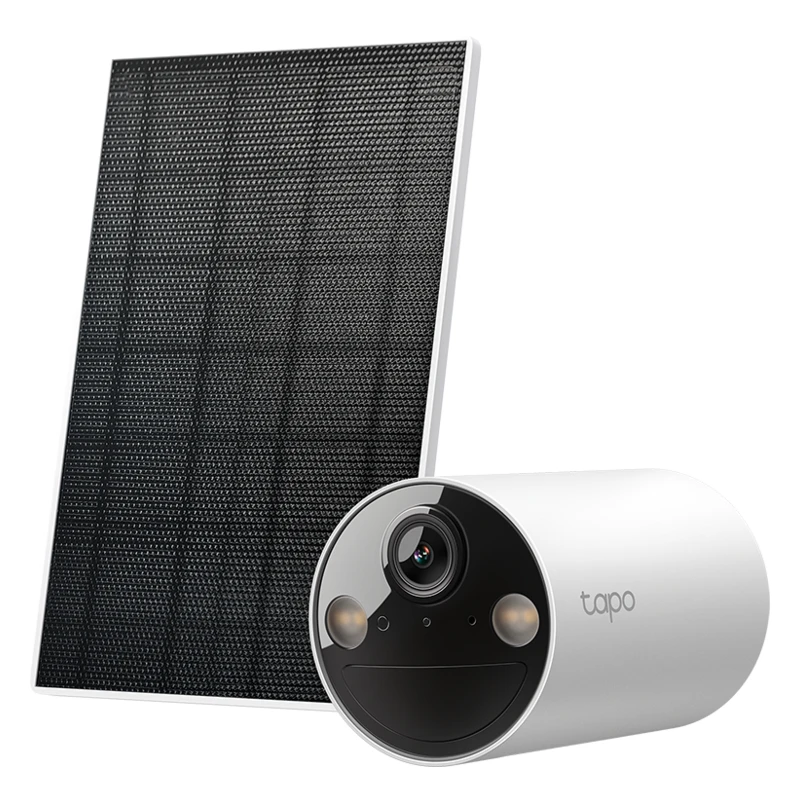
- Power. Most Wi-Fi cameras are powered by a 12V adapter or via PoE. 4G cameras are often equipped with a battery or support solar panels — this is relevant for places without a power grid.
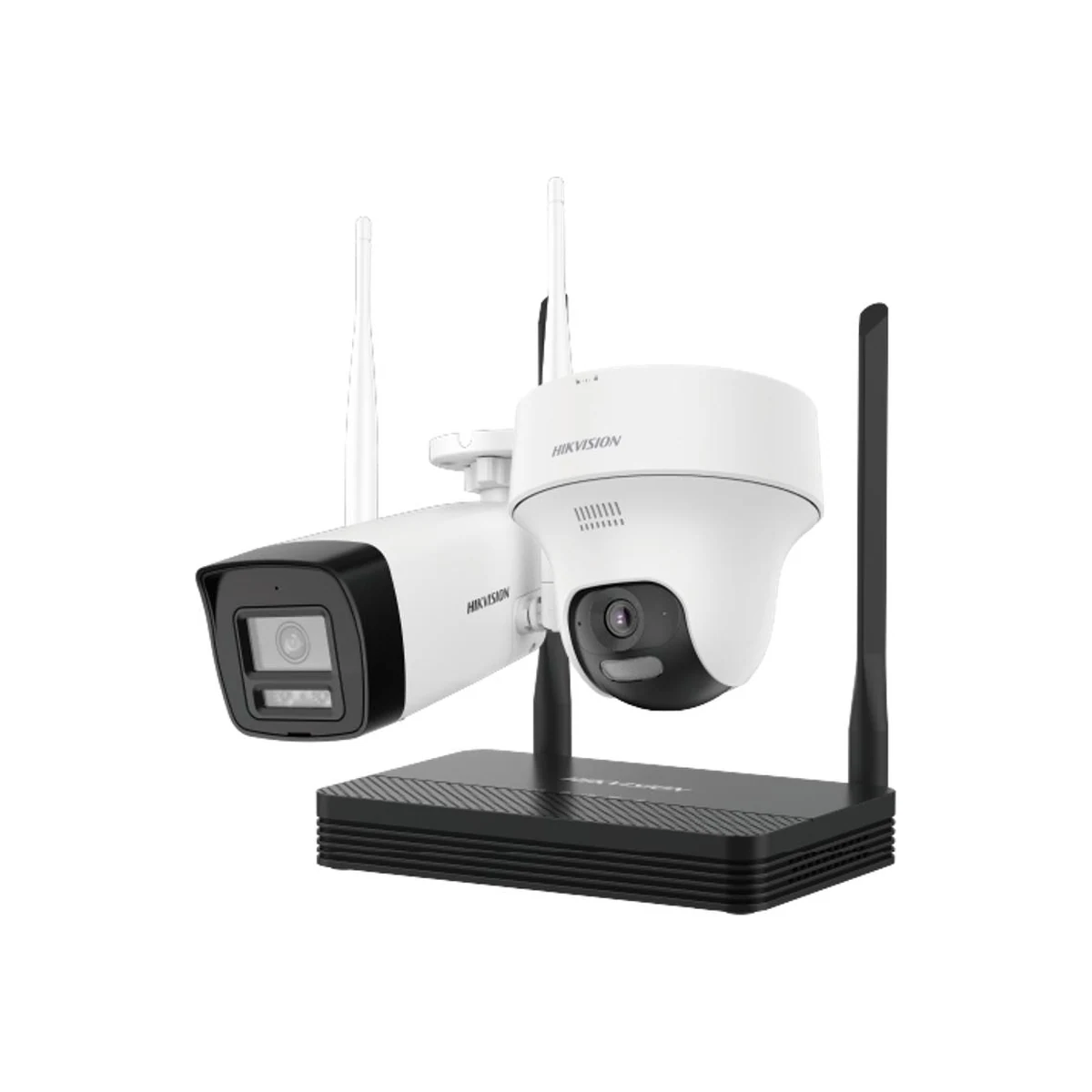
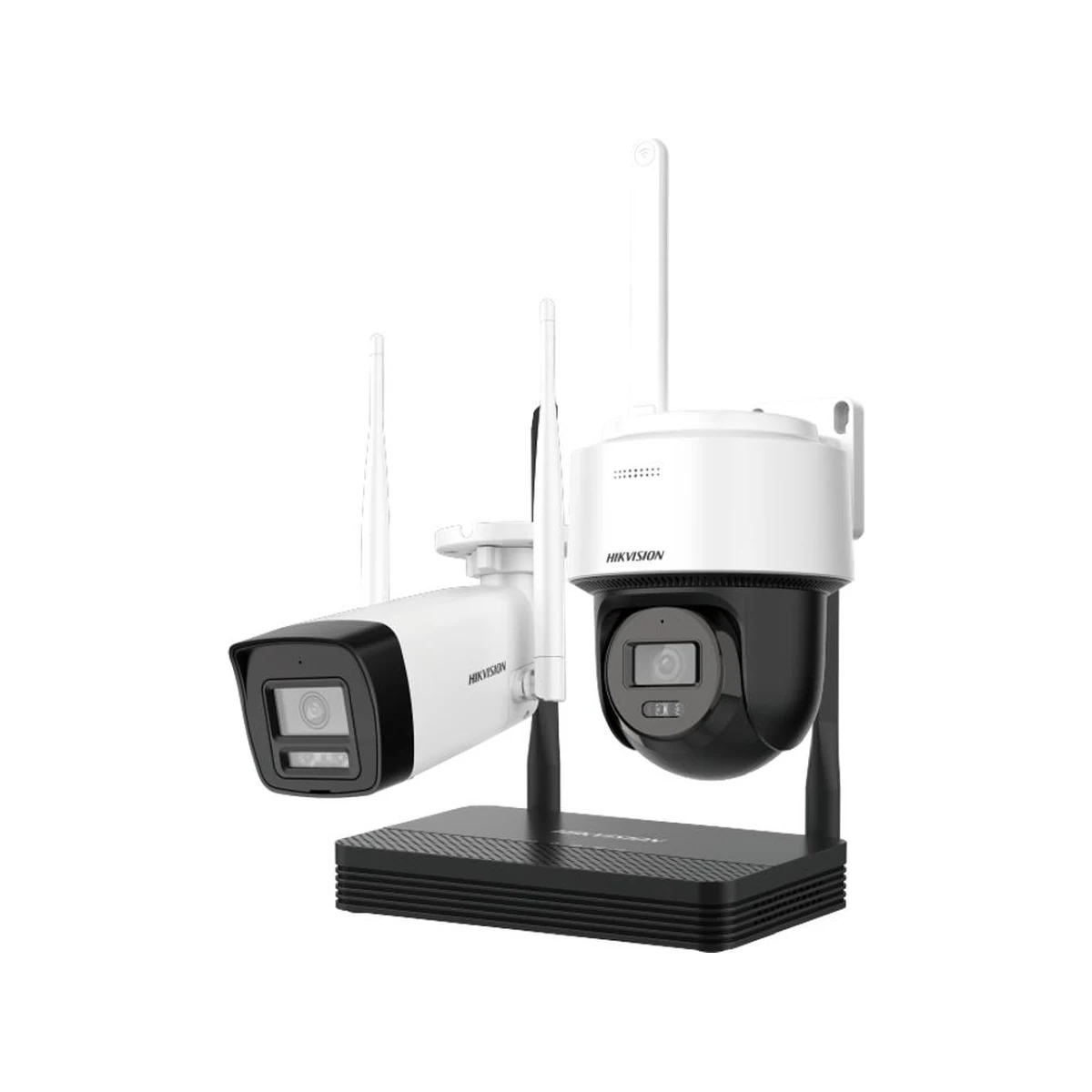
- Ecosystem and storage. Ready-made Hikvision Wi-Fi kits include cameras and a recorder configured to work together. For individual cameras, it is important to decide in advance: recording to a microSD card, to a NAS, or to the cloud.
Applications
- Private homes and cottages. Wireless cameras with Wi-Fi or 4G are designed for country houses that lack permanent cable internet. Remote viewing via a mobile app is available at any time.
- Construction sites and temporary facilities. Where cabling infrastructure has not yet been laid or its installation is impractical, 4G cameras provide prompt monitoring of work progress and equipment safety.
- Warehouses, parking lots, and industrial areas. Rotating 4G PTZ cameras cover large open spaces without the need to run cable lines over significant distances.
- Small and medium businesses: shops, offices, cafes. Ready-made Hikvision Wi-Fi kits allow quick deployment of a surveillance system without involving cable installers, which reduces the cost and installation time.
- Garden associations and dacha cooperatives. At sites with seasonal occupancy where internet is not available, a 4G camera with a battery or solar panel provides year-round security monitoring.
- Cultural heritage sites and rented premises. Where drilling walls and running cables is not allowed, wireless cameras solve the task without damaging the interior.
Brands and models in the catalog
- Hikvision — the only manufacturer represented in this category, and this reflects the real state of affairs: Hikvision holds leading positions in the IP surveillance market in Uzbekistan and worldwide. The brand offers a full range of wireless solutions — from budget home cameras to professional enterprise-grade systems.
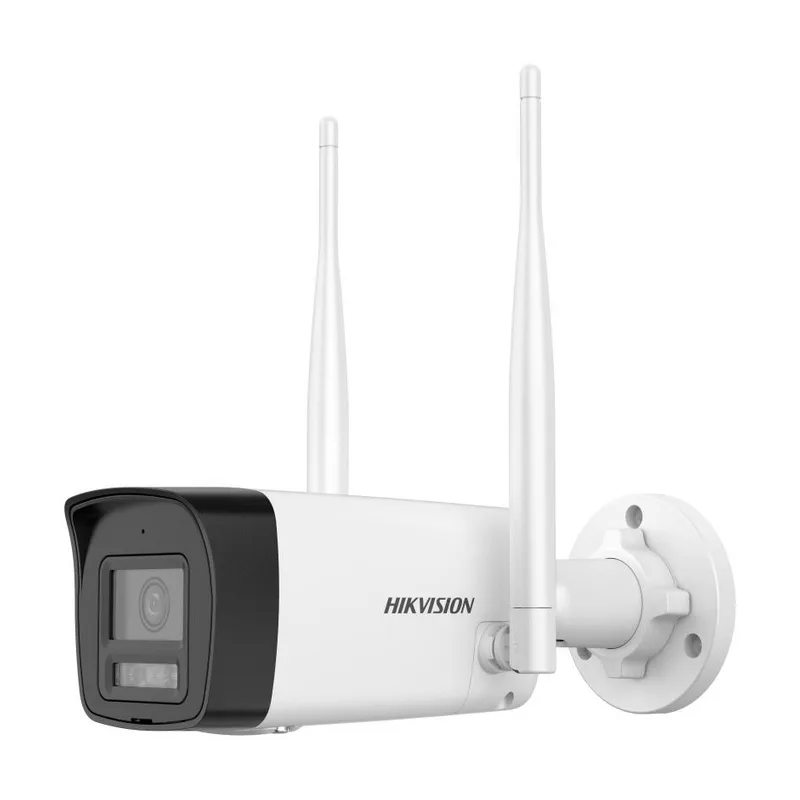
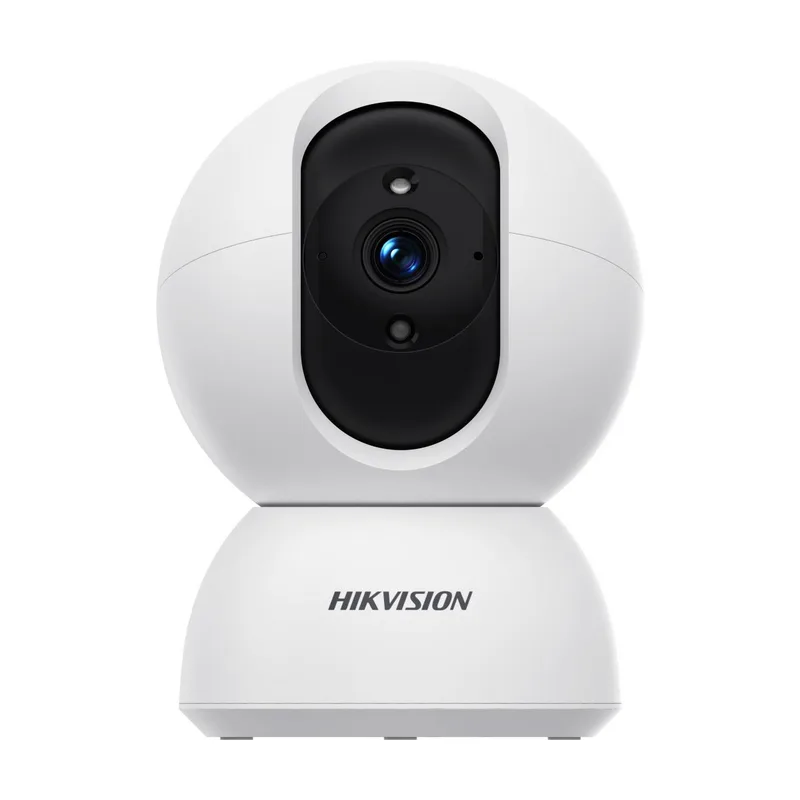
- The DS-2CV1 series — compact Wi-Fi cameras in cylindrical and dome designs with 2 and 4 MP resolution, built-in color night recording (ColorVu), and support for memory card recording. The optimal choice for small sites and home use.
- The DS-2CV2 series — dome Wi-Fi cameras with increased resistance to external effects, designed for office and retail spaces.
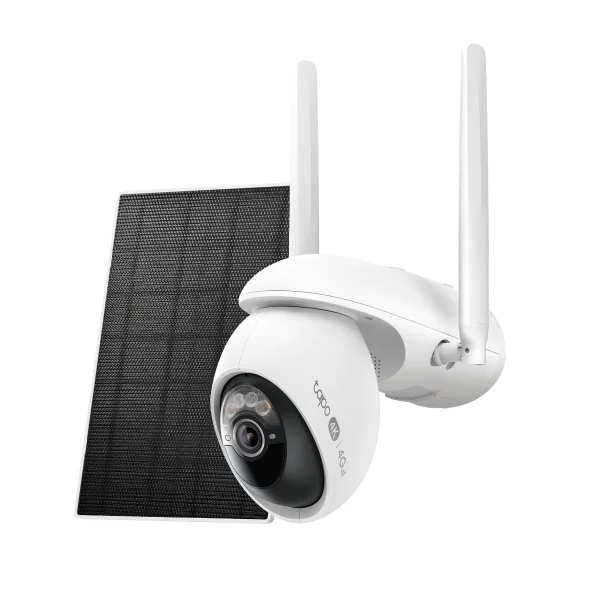
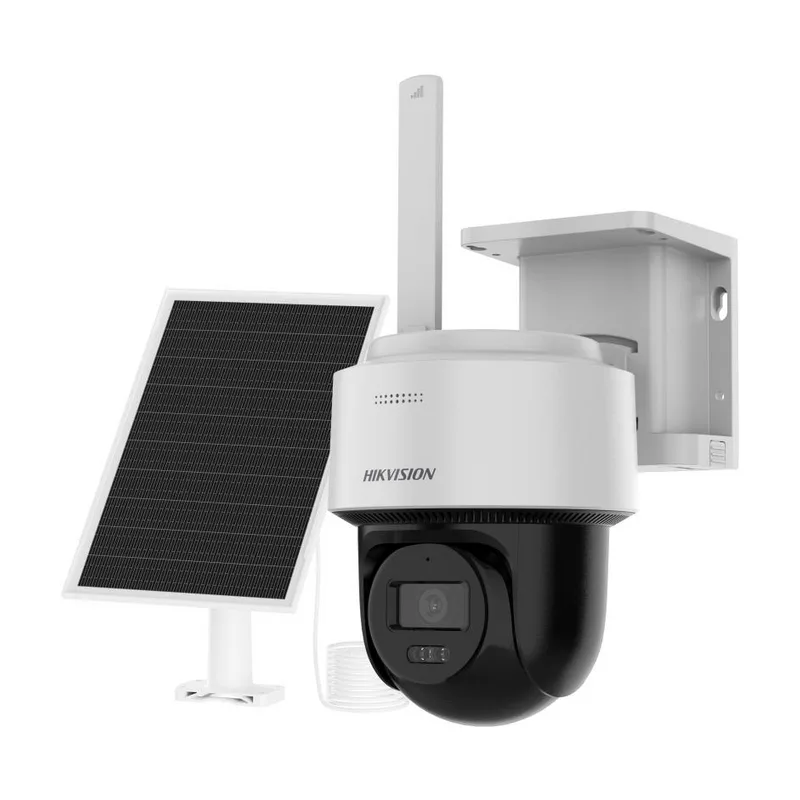
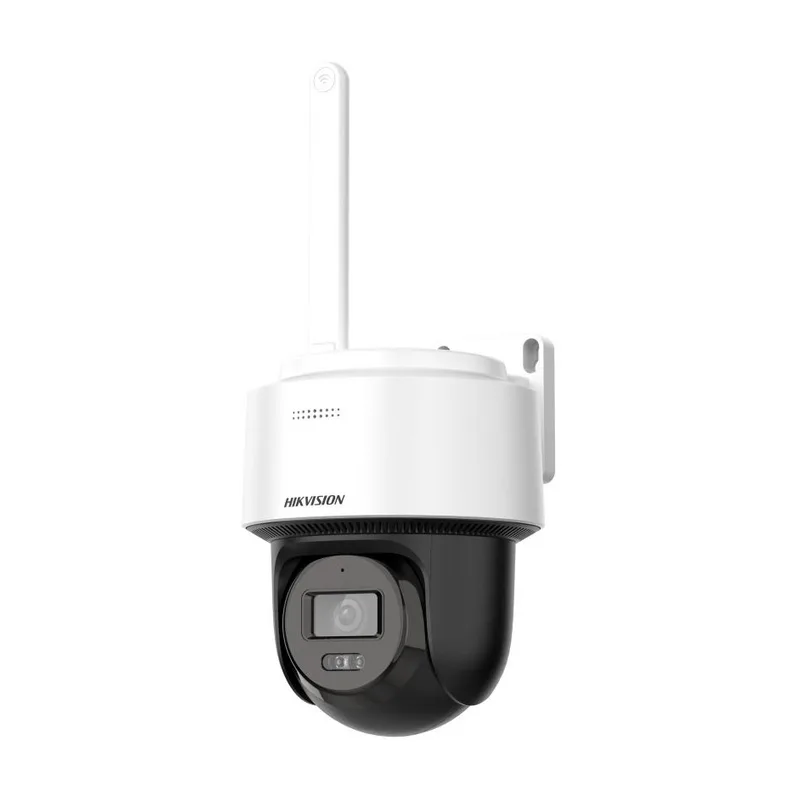
- Rotating 4G PTZ cameras of the DS-2DE2C series — mini-PTZ with SIM card support, remote pan and tilt control. Used for perimeter and open-area protection without fixed internet.
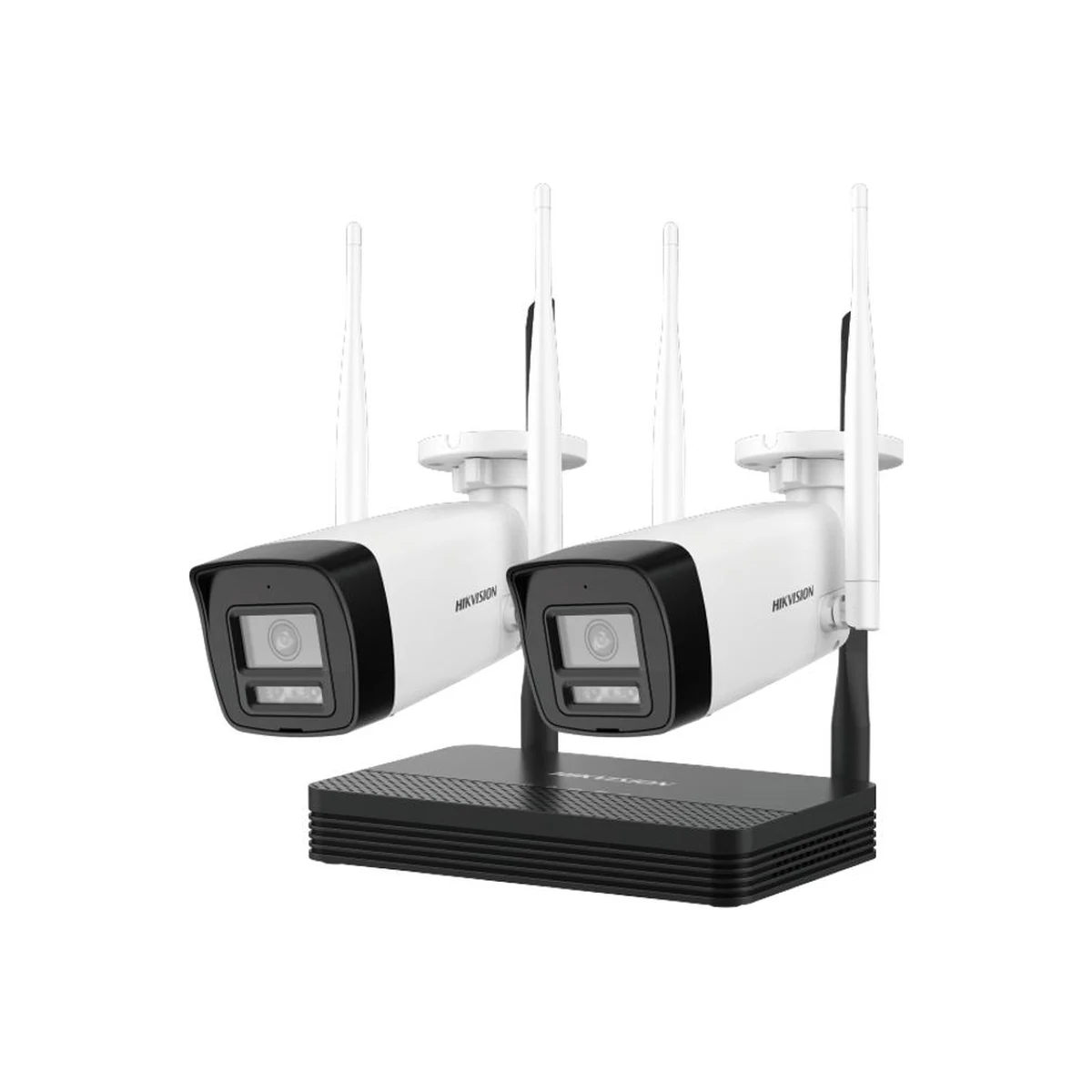
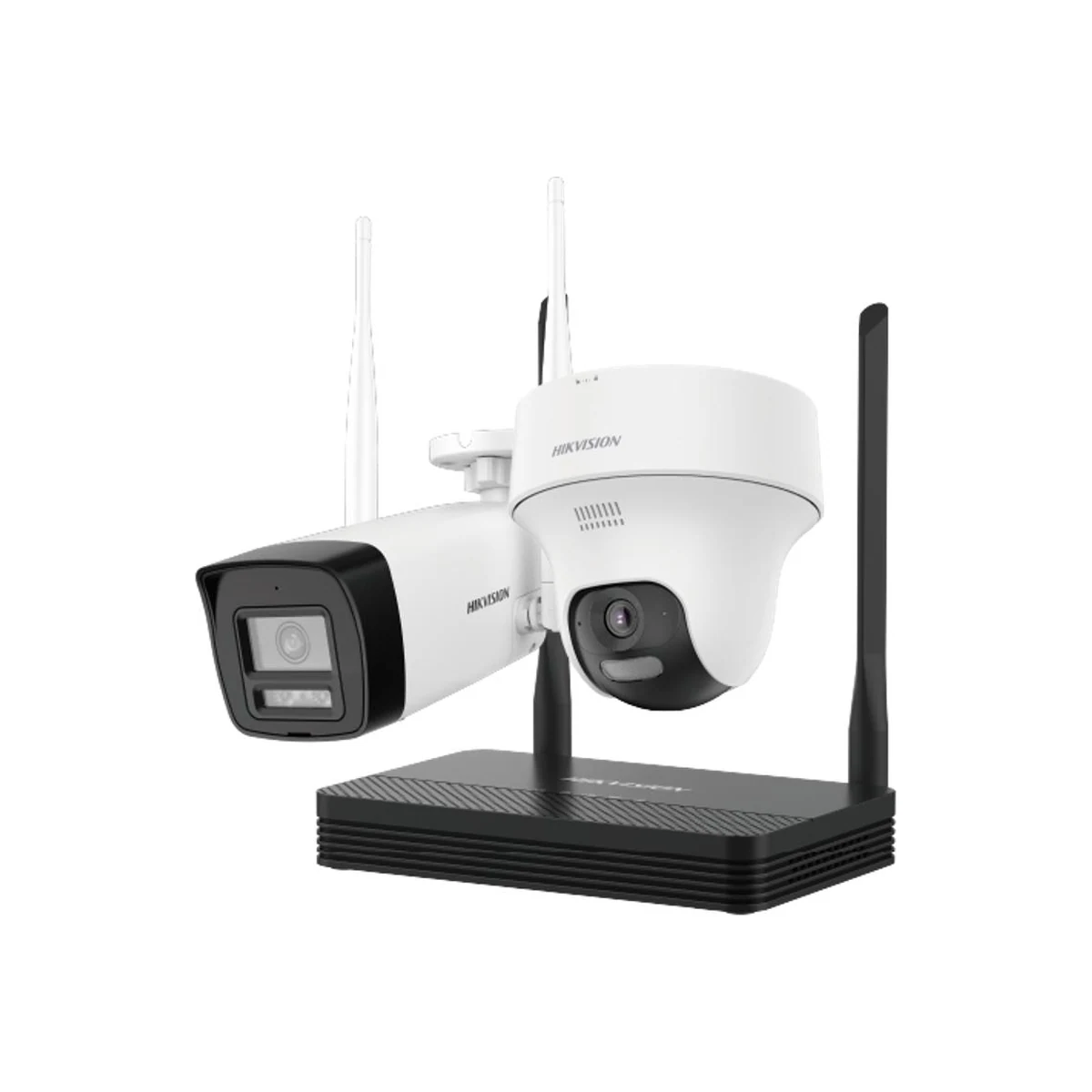
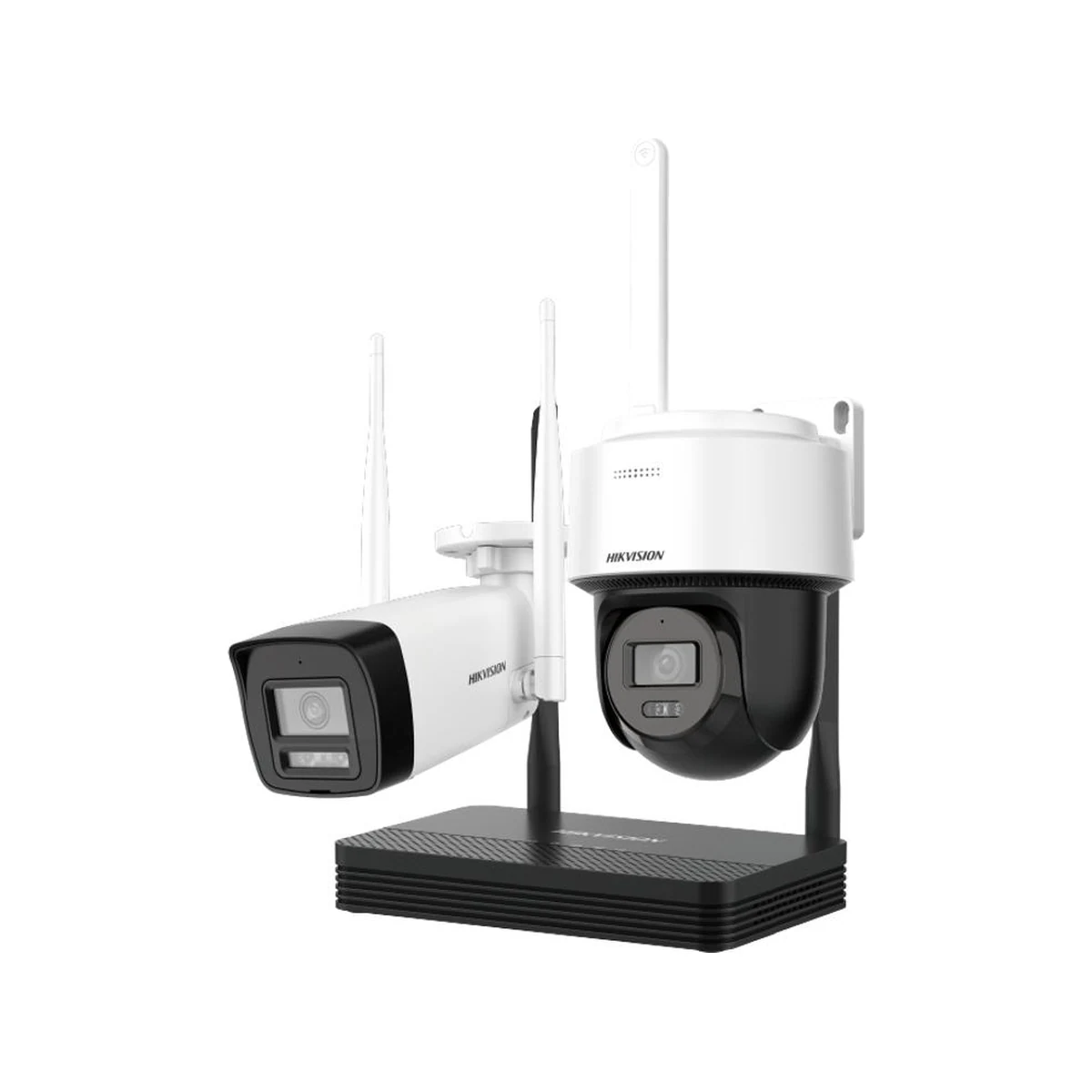
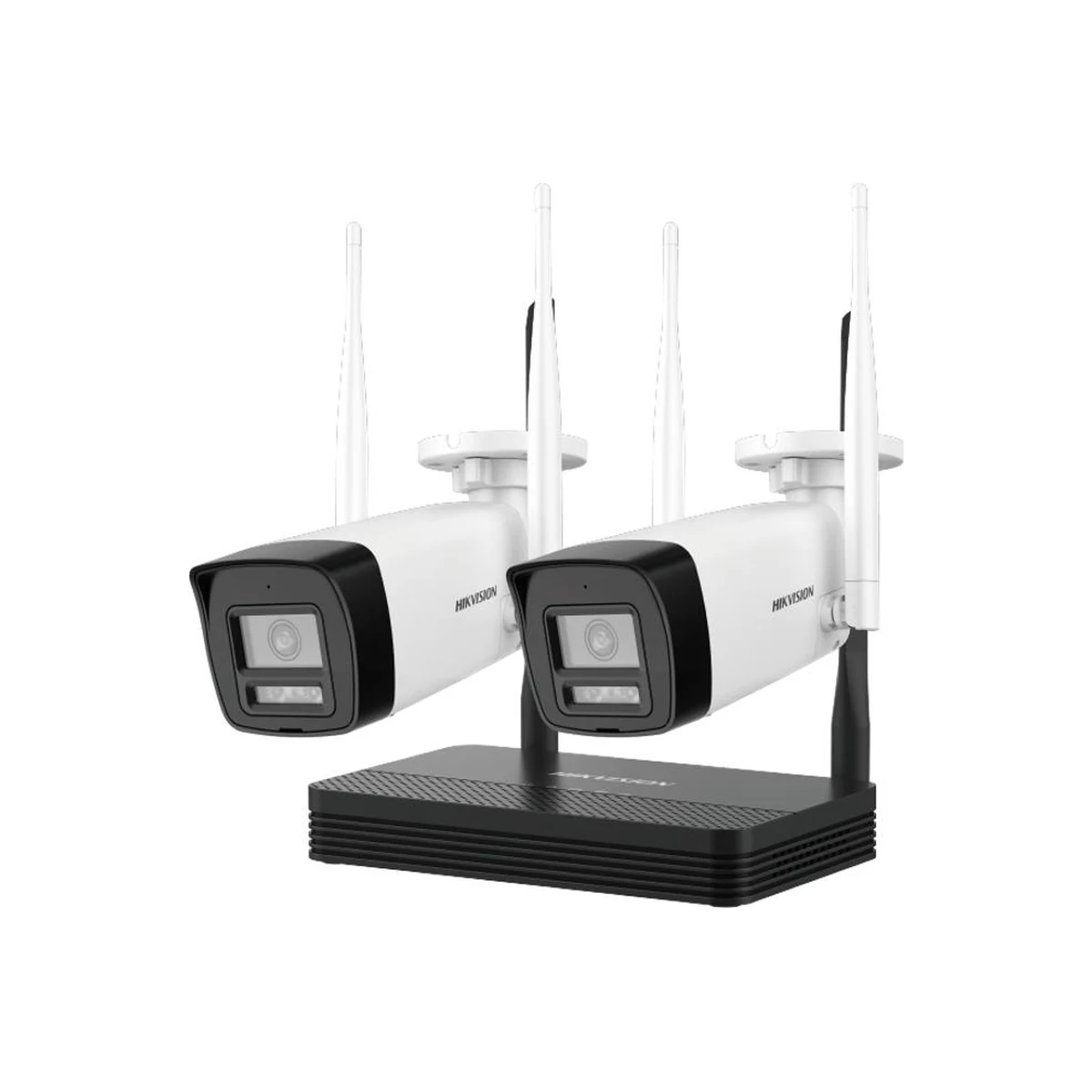
- Ready-made Wi-Fi kits of the NKS series — the kit includes cameras and a network video recorder, pre-paired with each other. This is the fastest way to deploy a multi-camera surveillance system: connection takes minimal time, and the configuration is already set up at the factory.
Frequently asked questions
How does a Wi-Fi camera differ from a 4G camera?
How much does installing wireless cameras cost in Tashkent?
Do Wi-Fi cameras need a SIM card?
Can I view the image from wireless cameras via smartphone?
Are wireless cameras compatible with an already installed wired surveillance system?
Wireless cameras — guide & FAQ
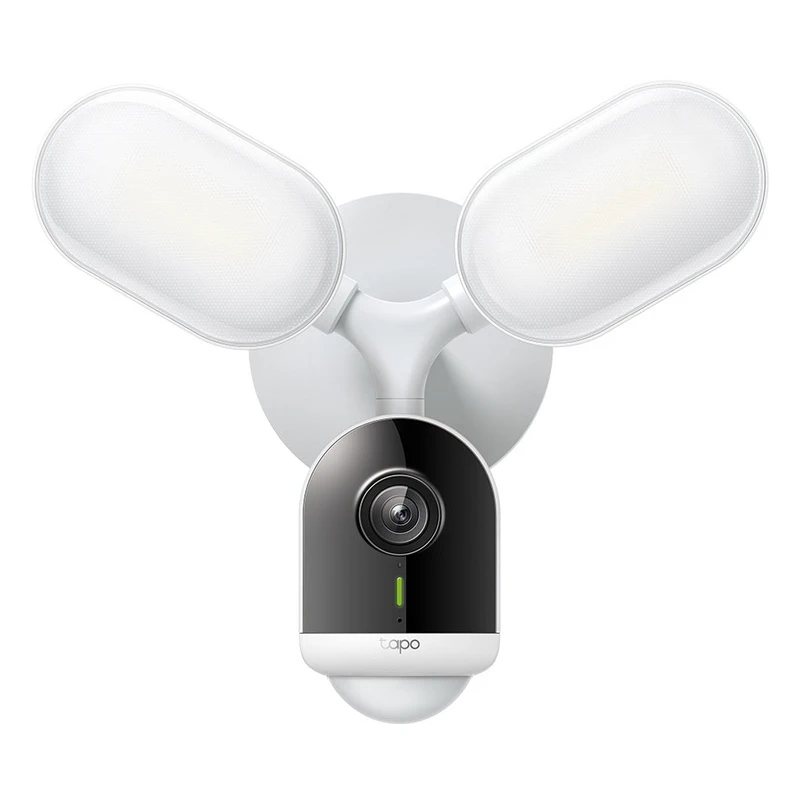
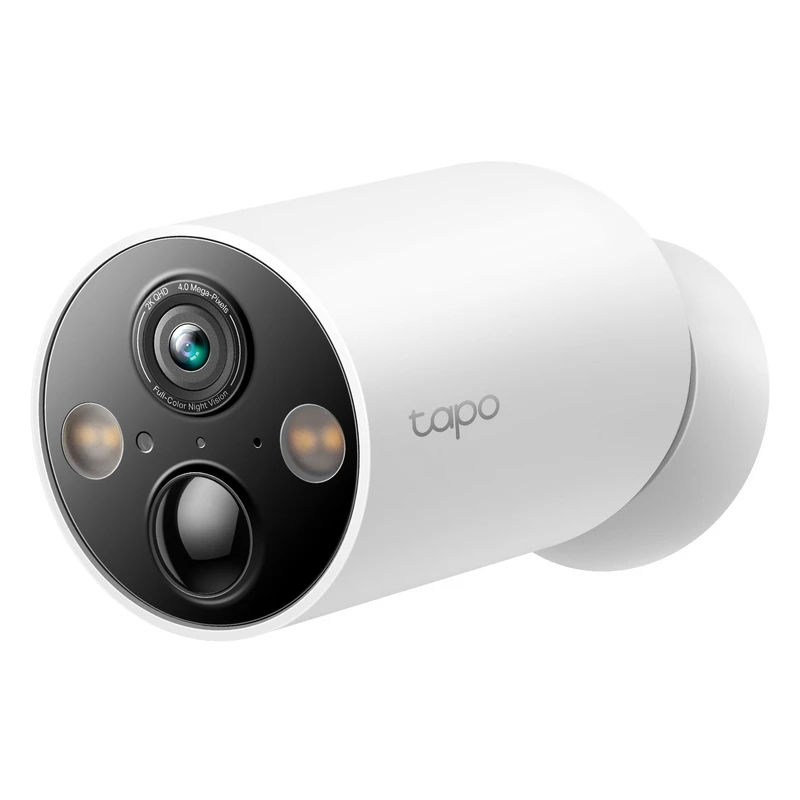
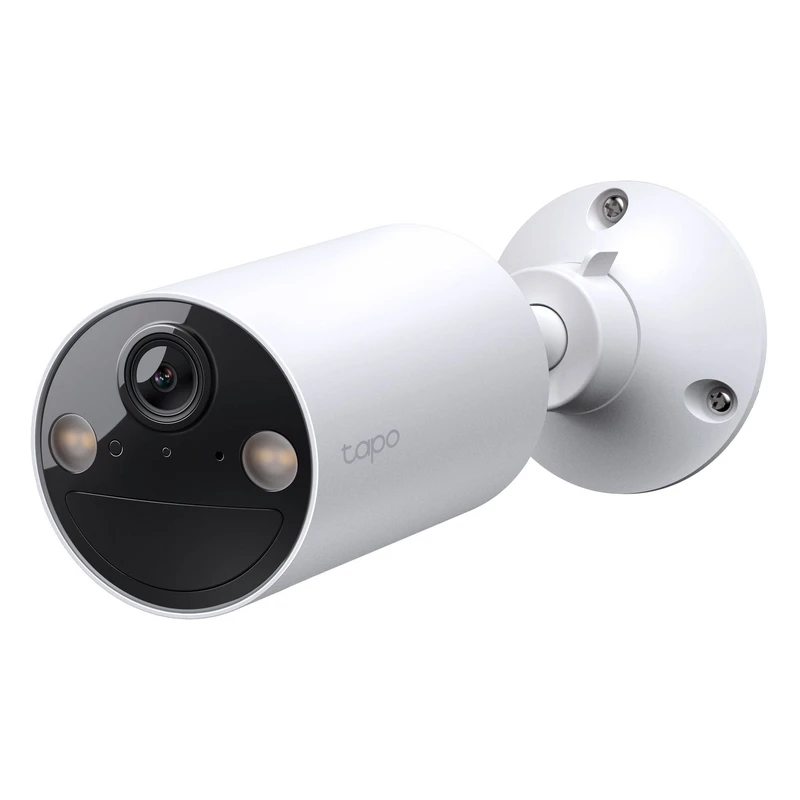
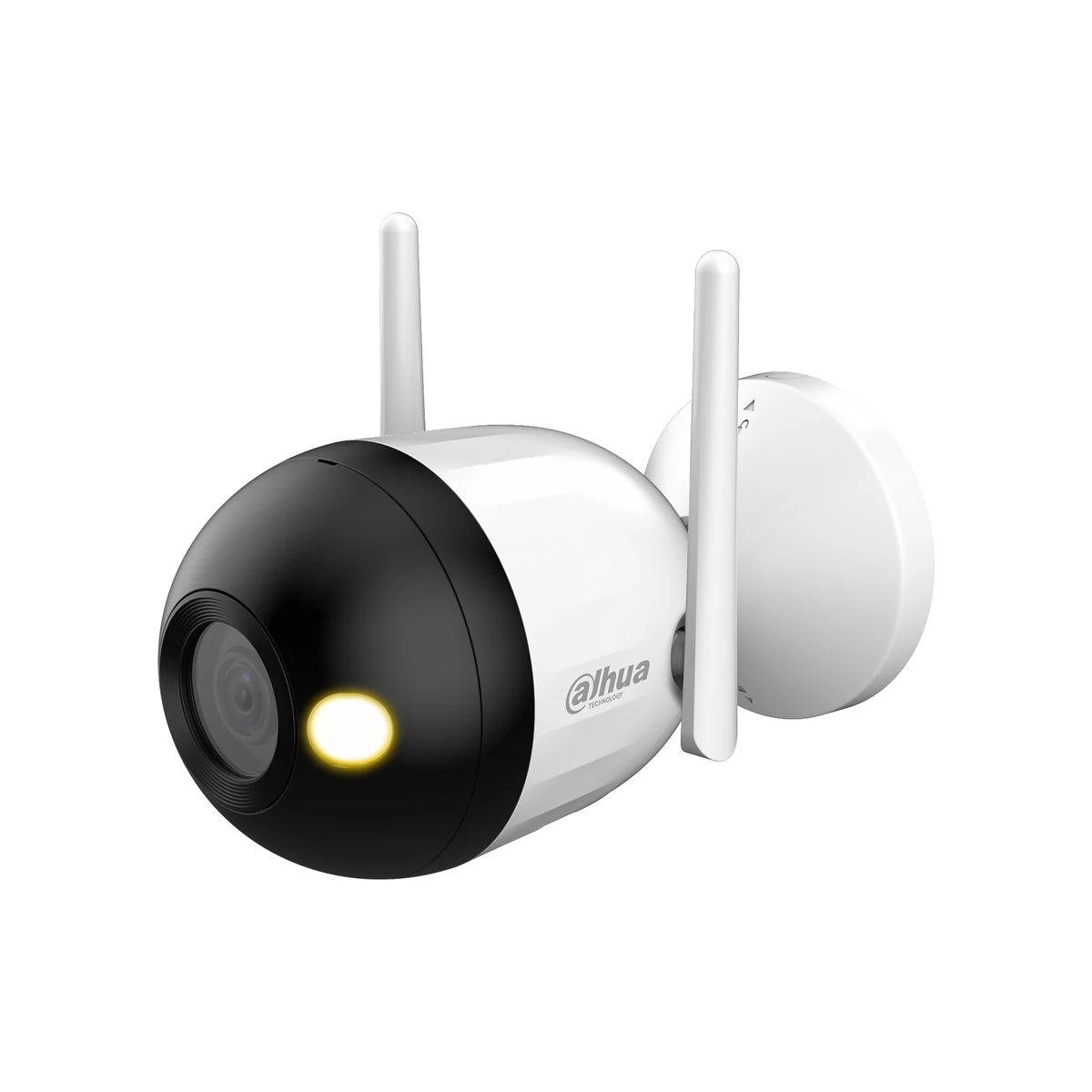
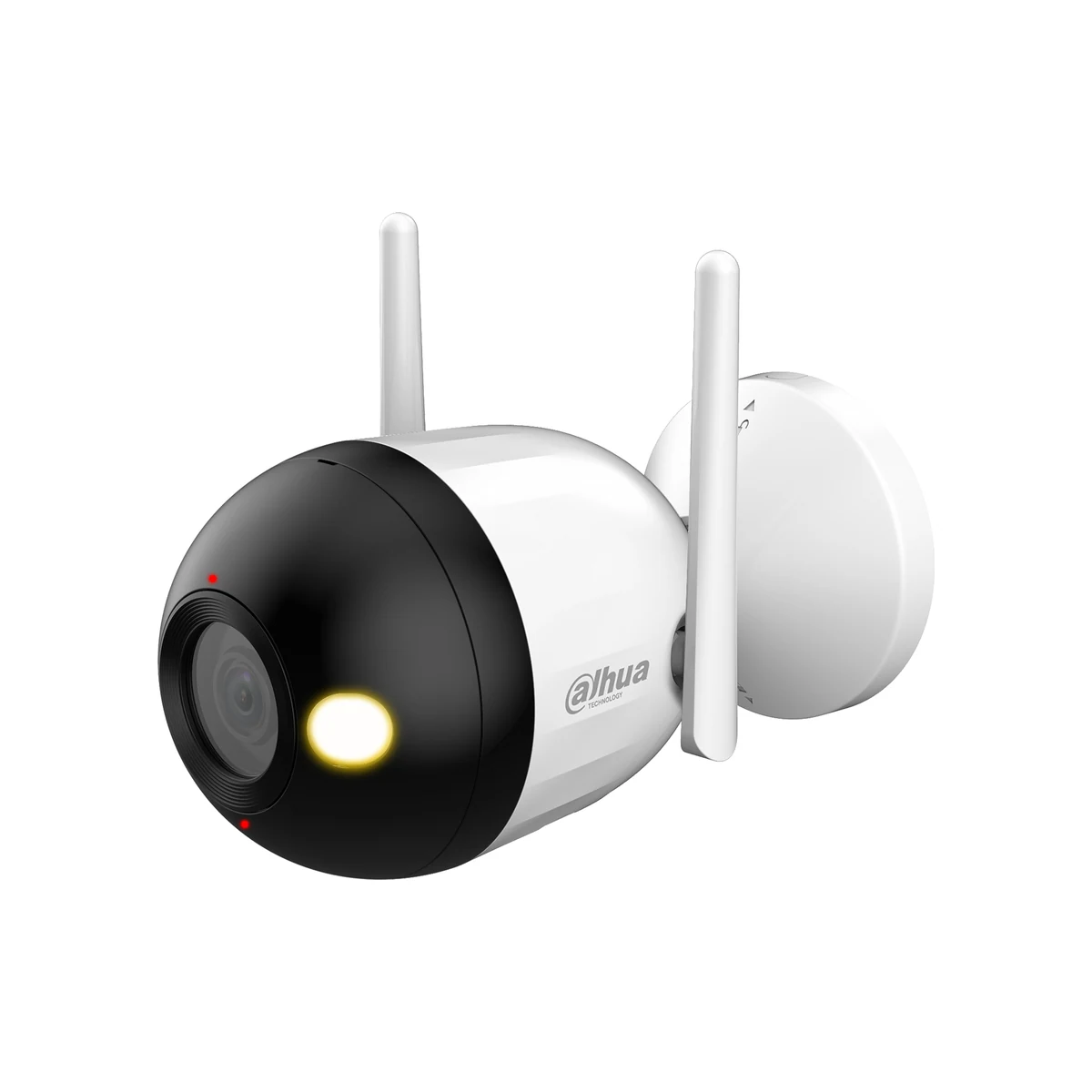
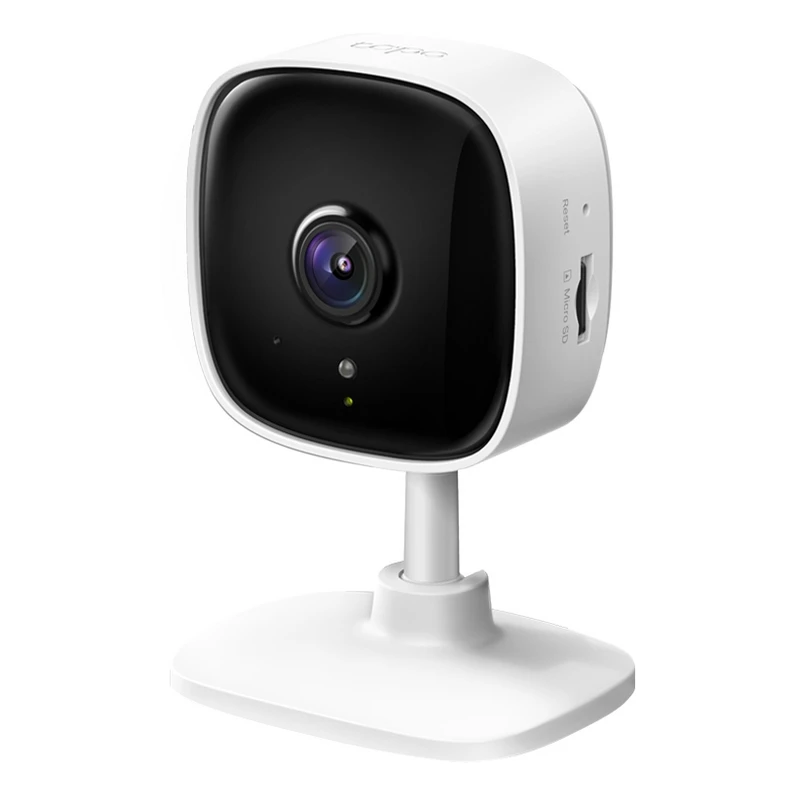
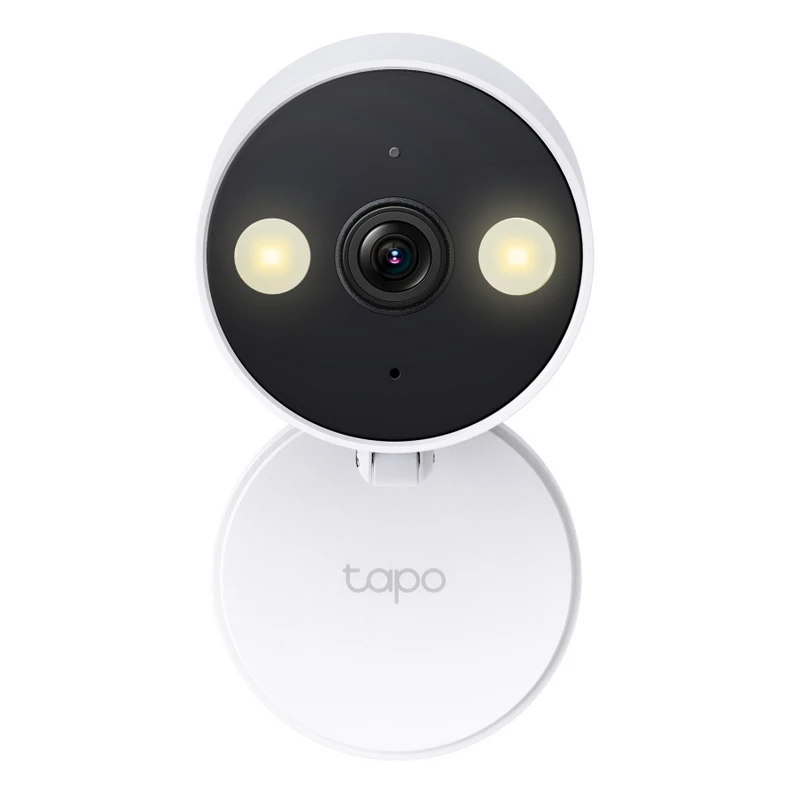
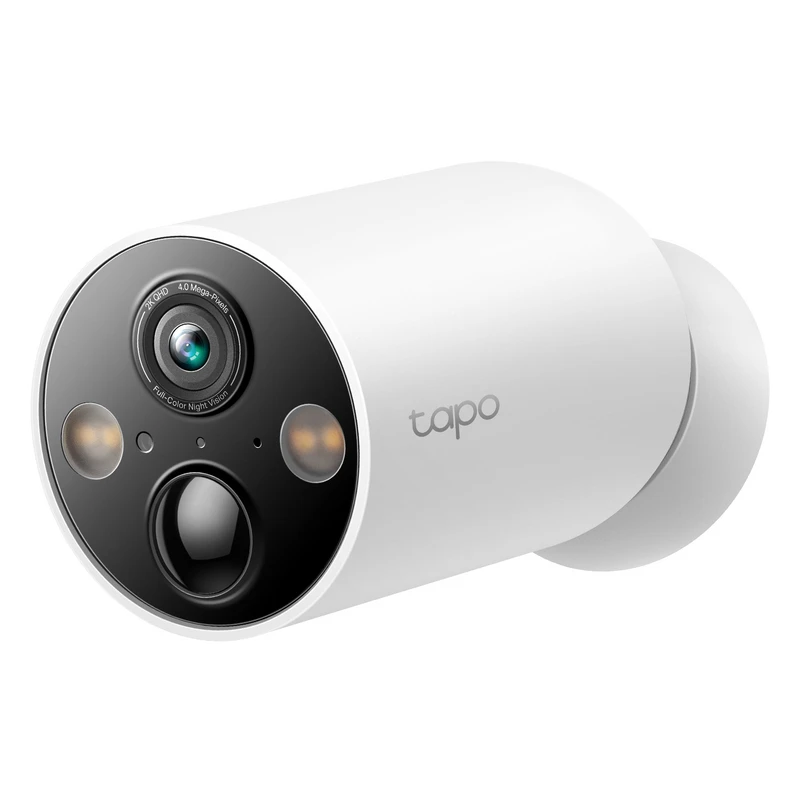
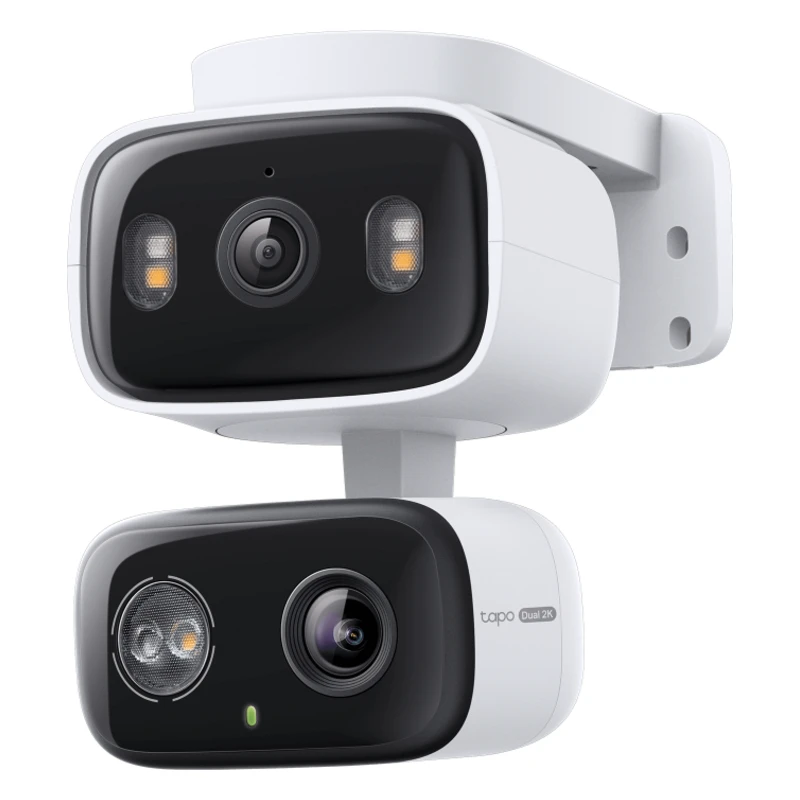
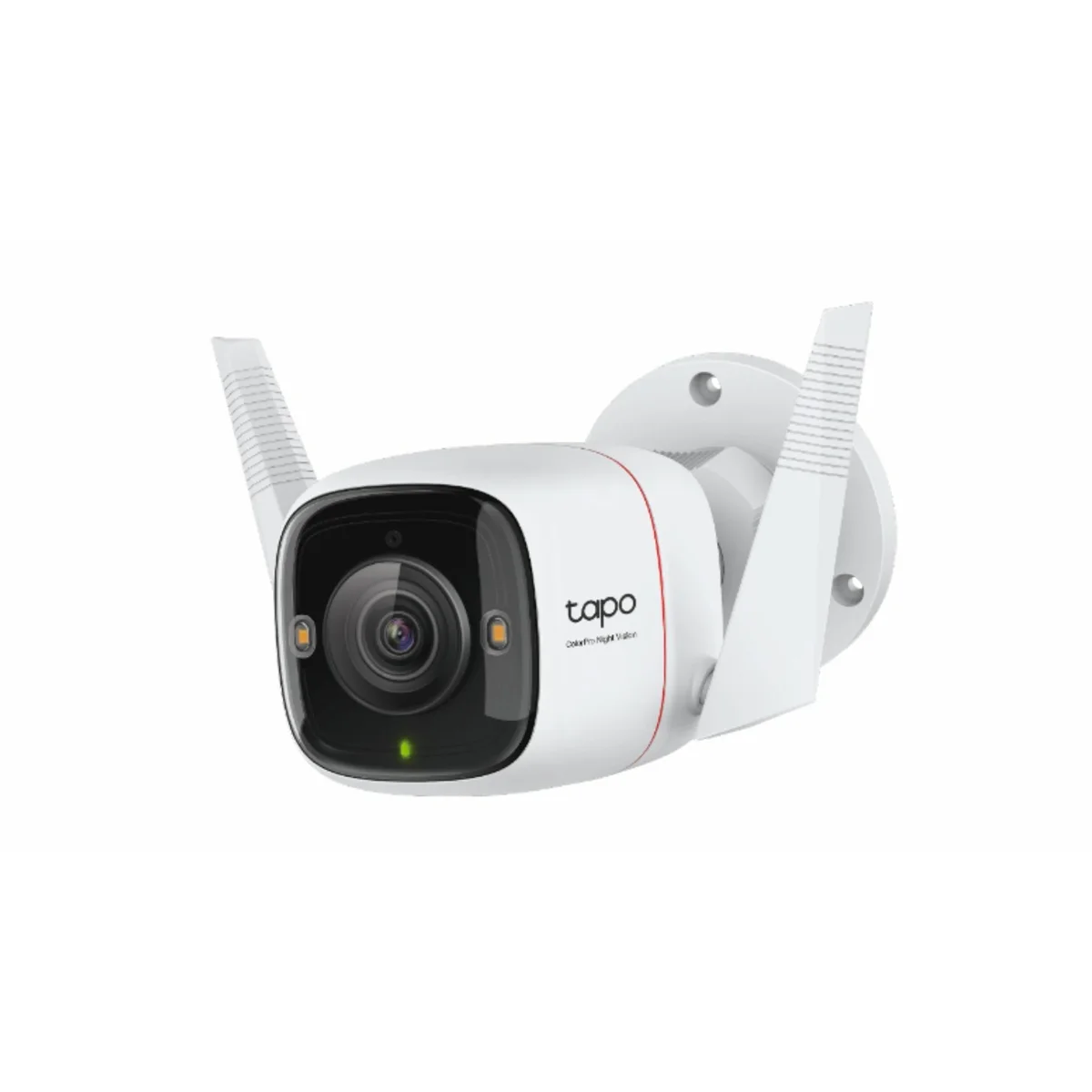
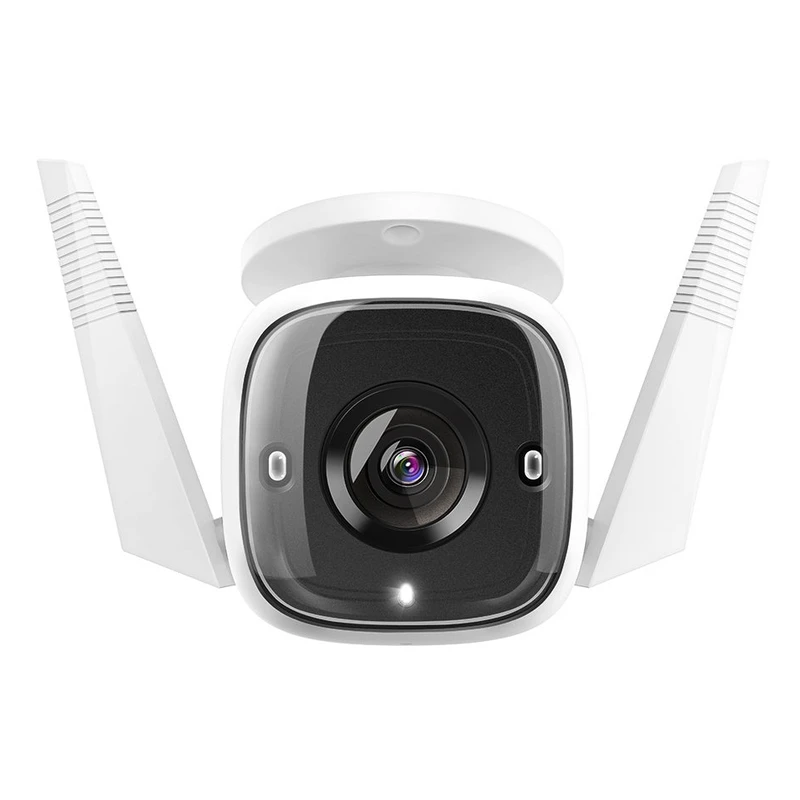
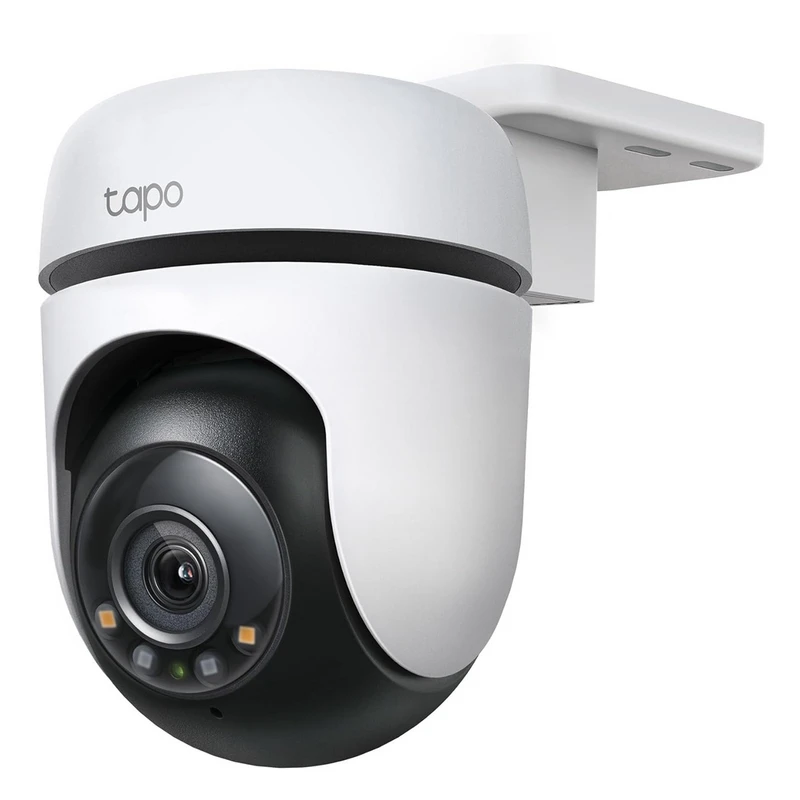
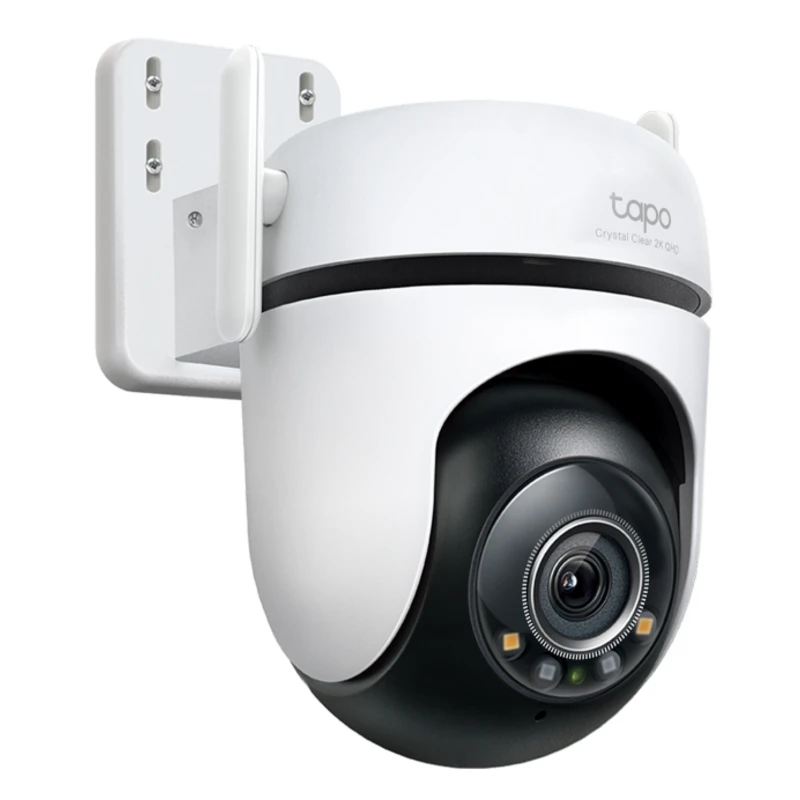
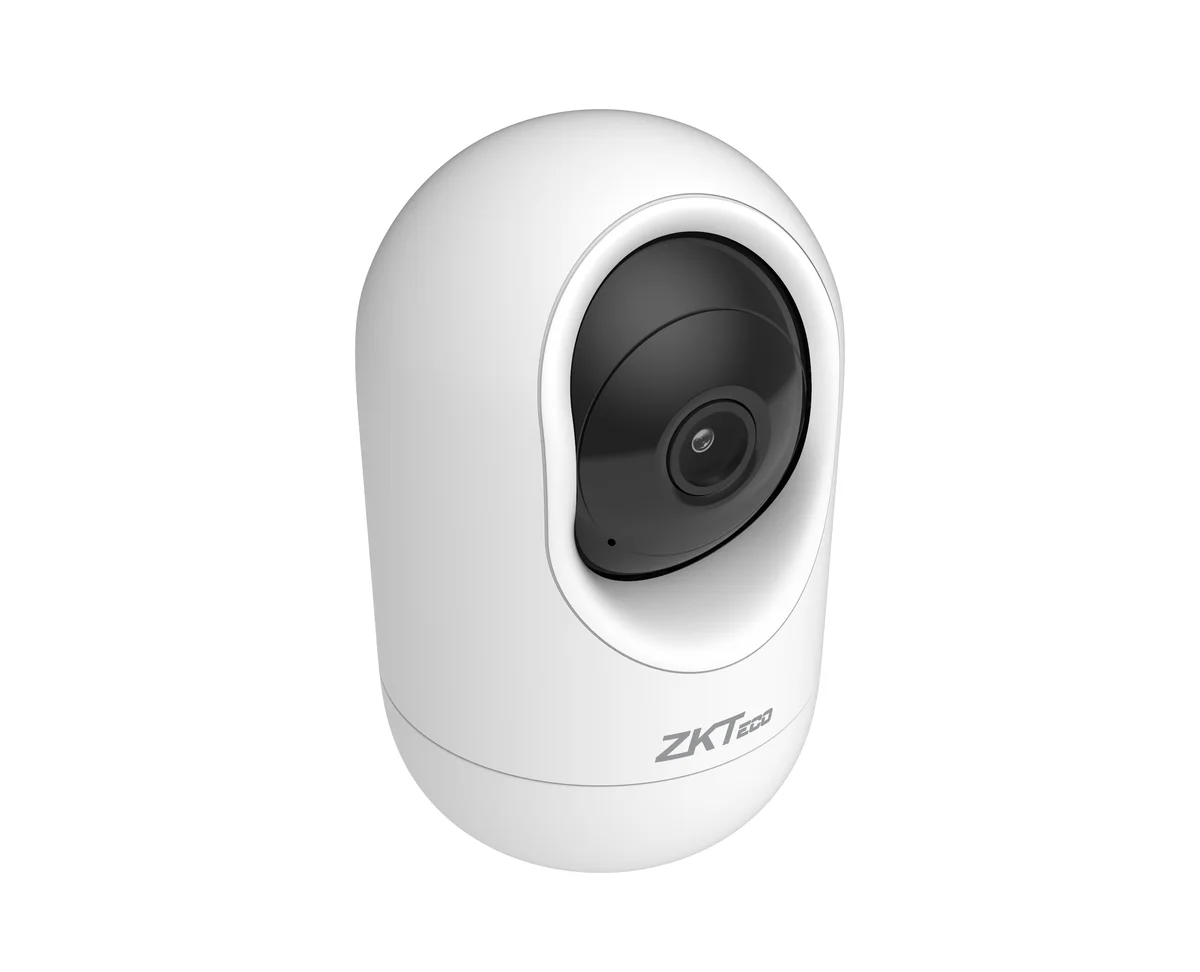
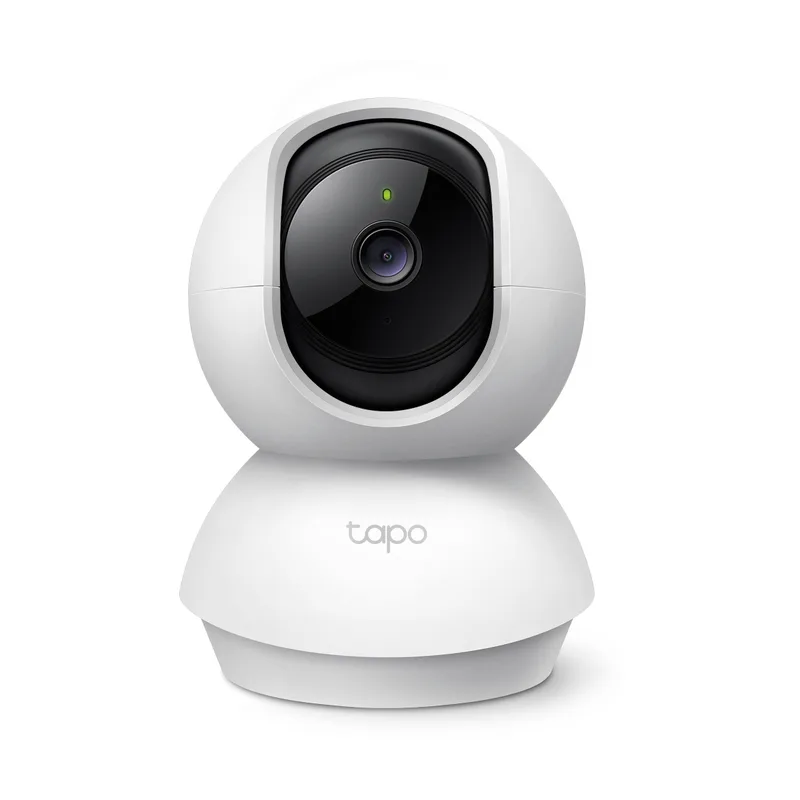
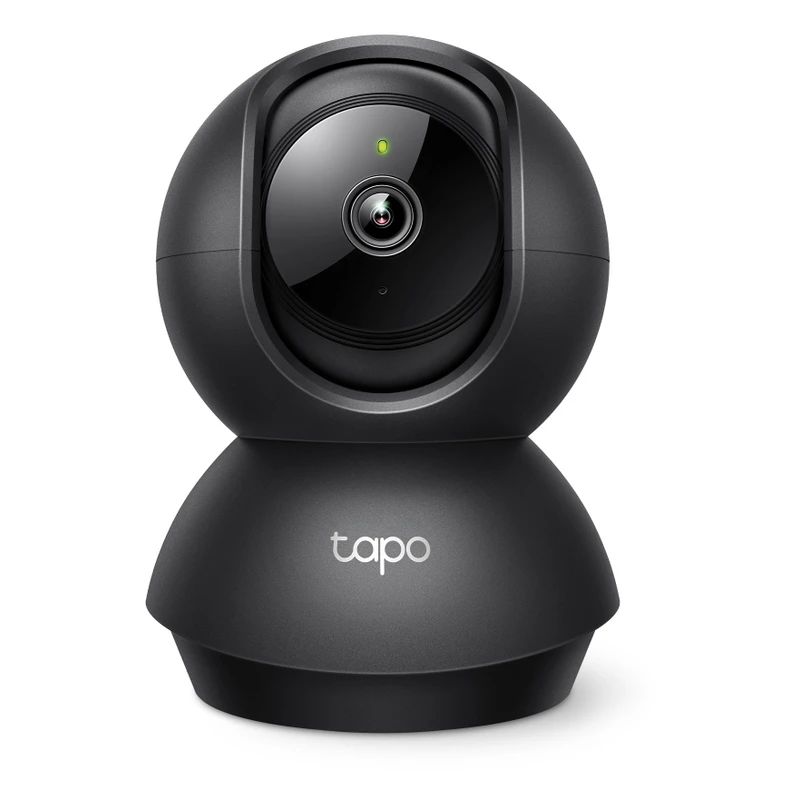
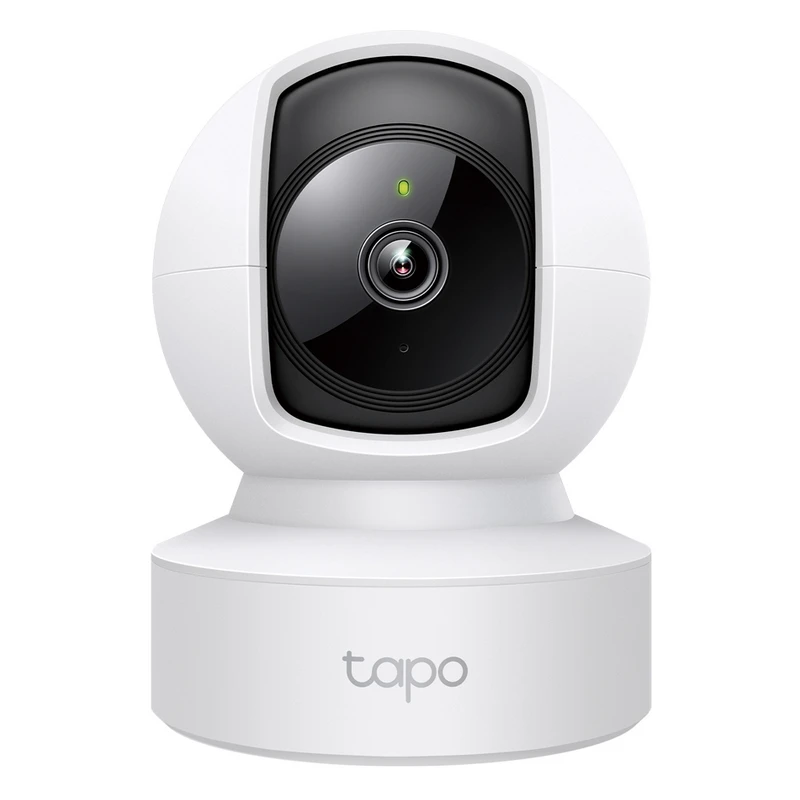
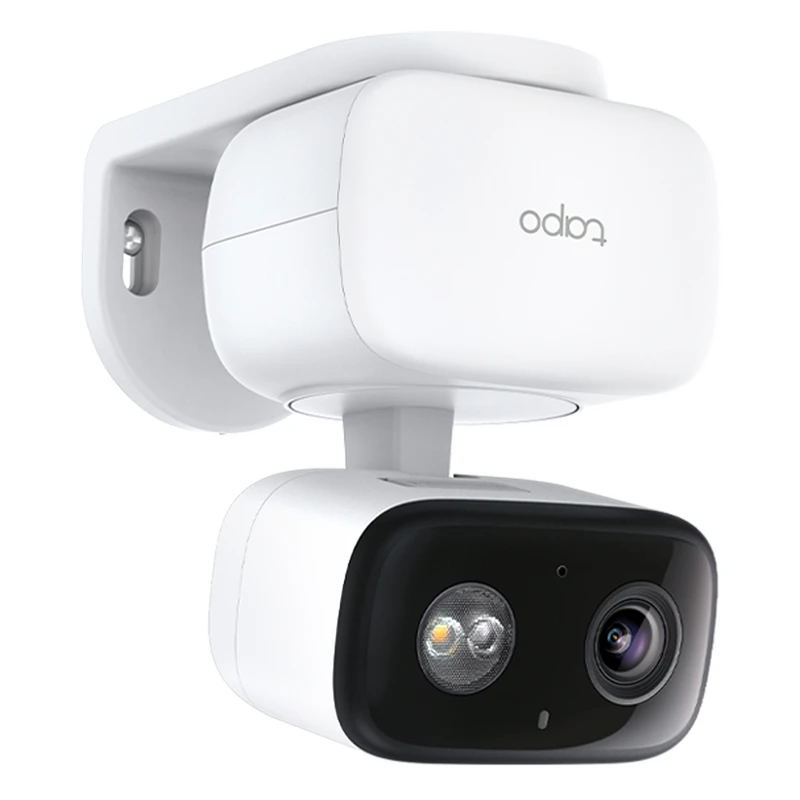
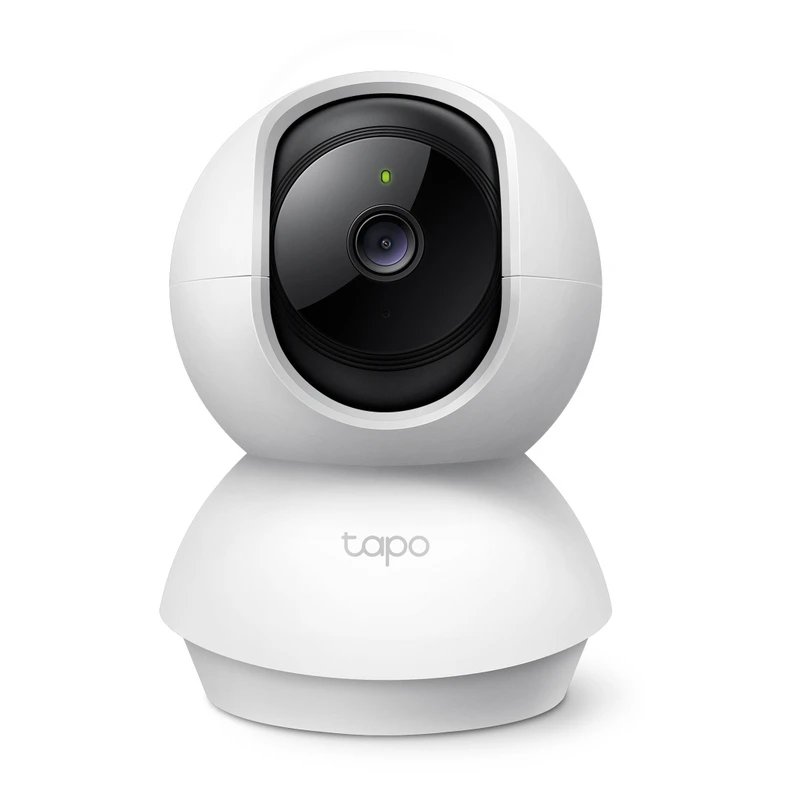
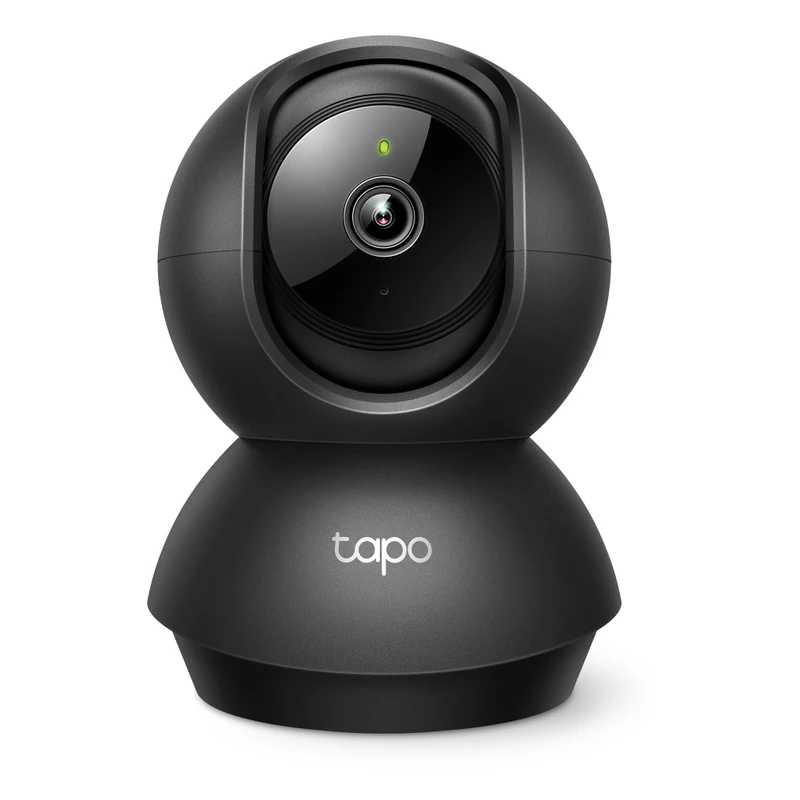
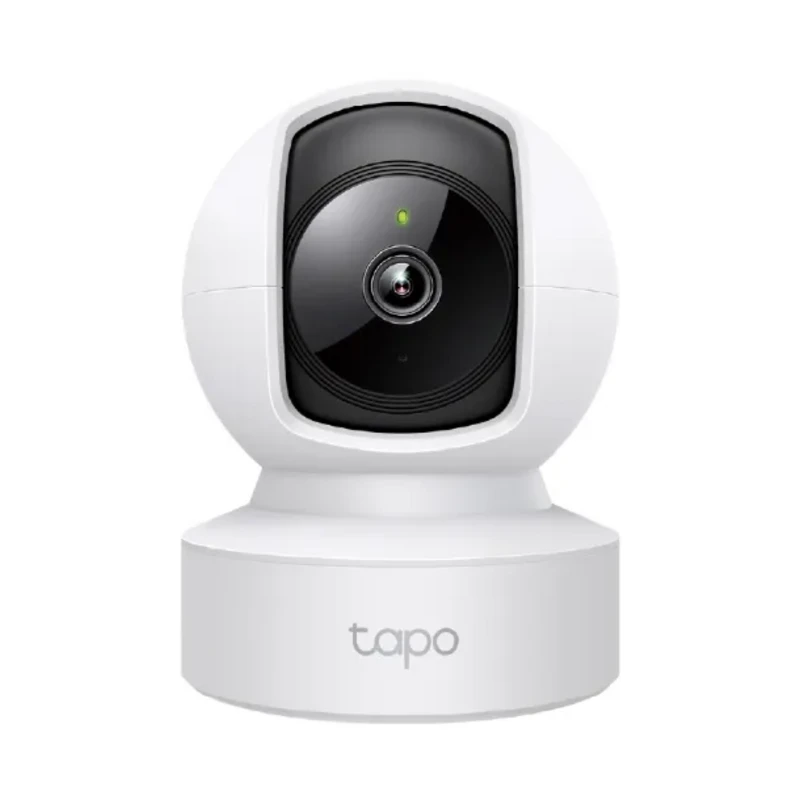
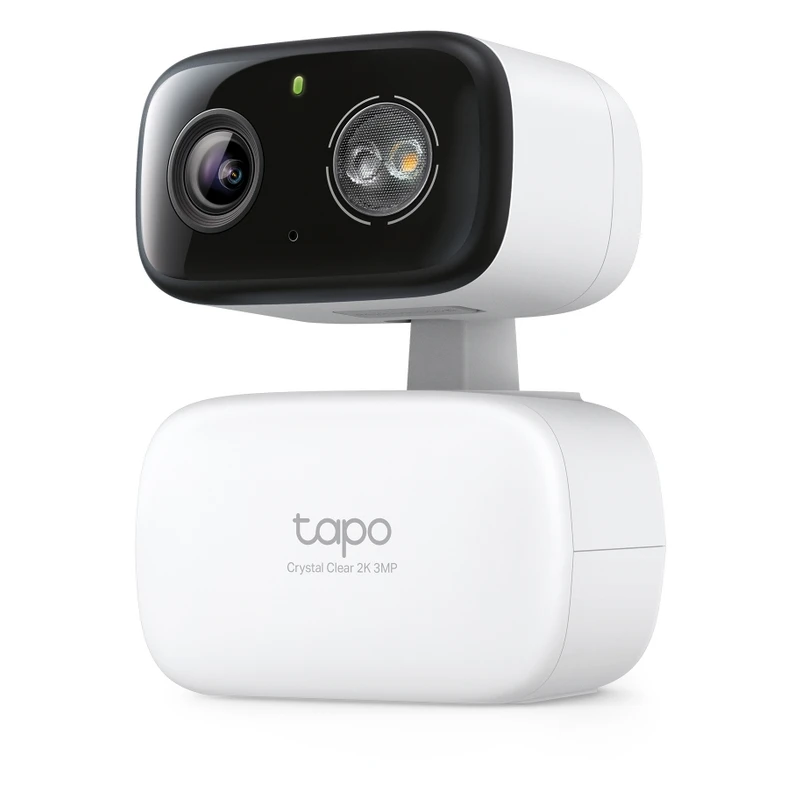
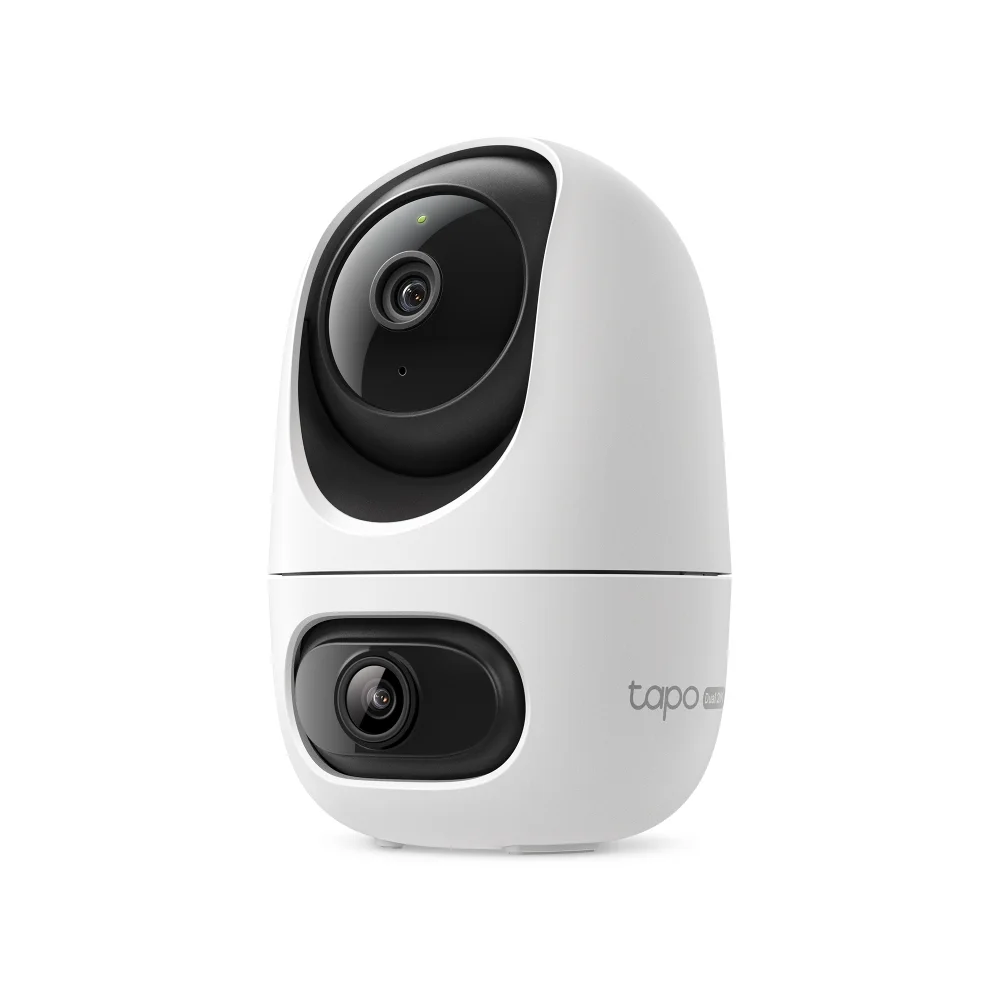
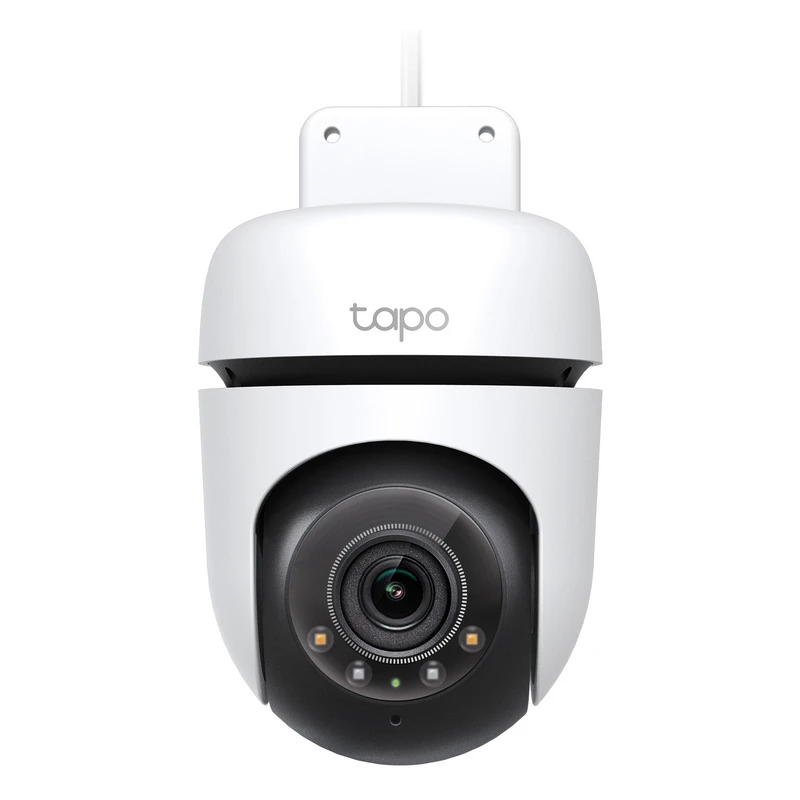
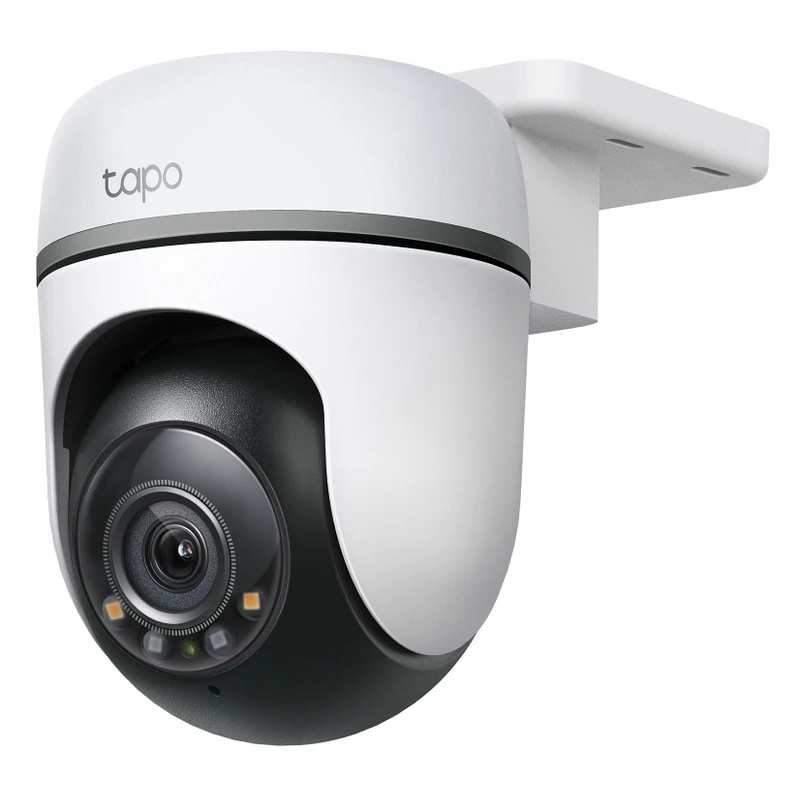
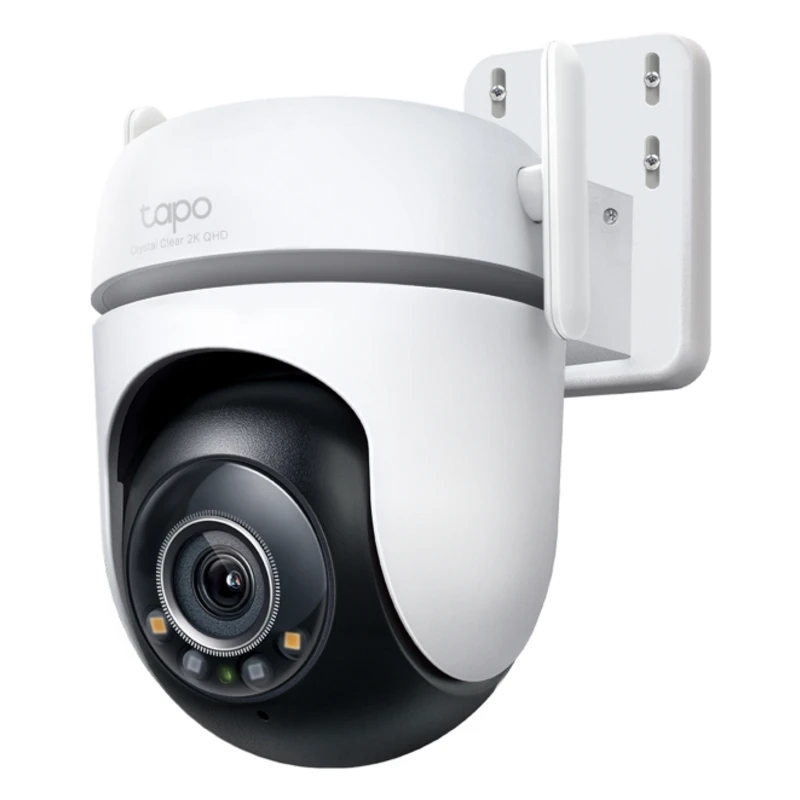
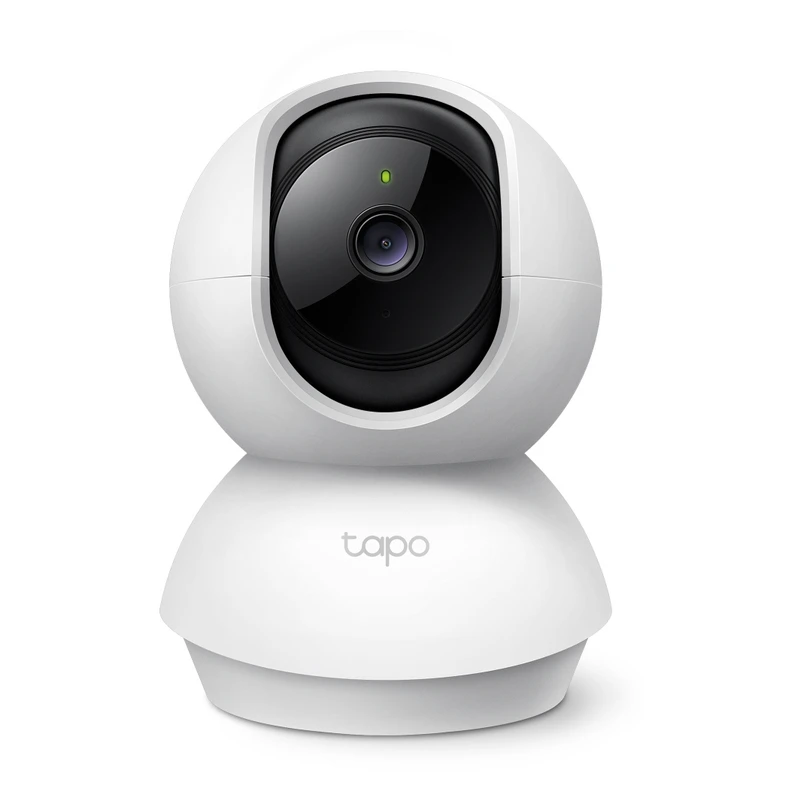
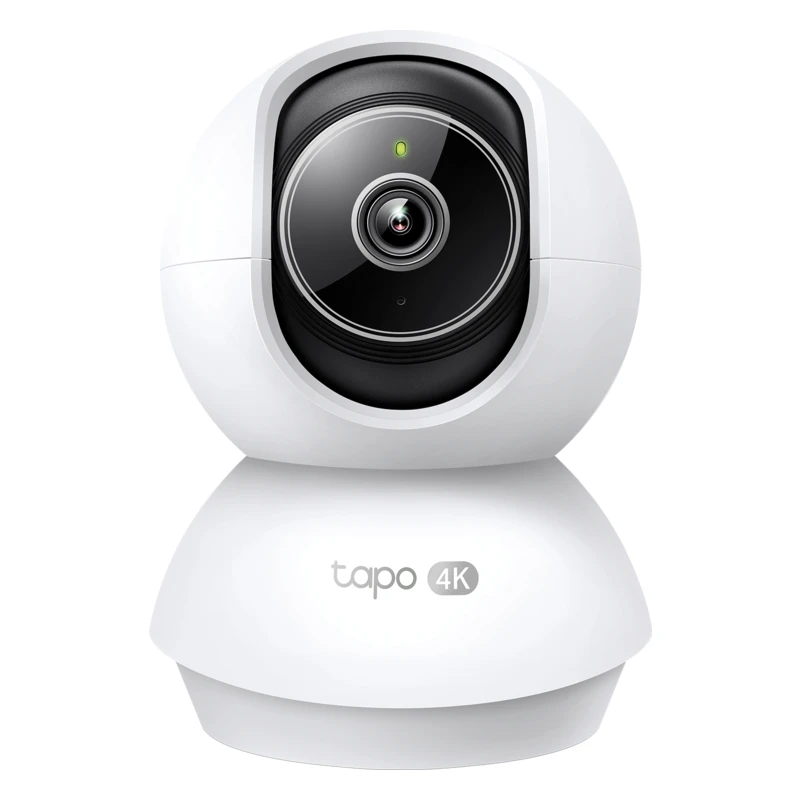
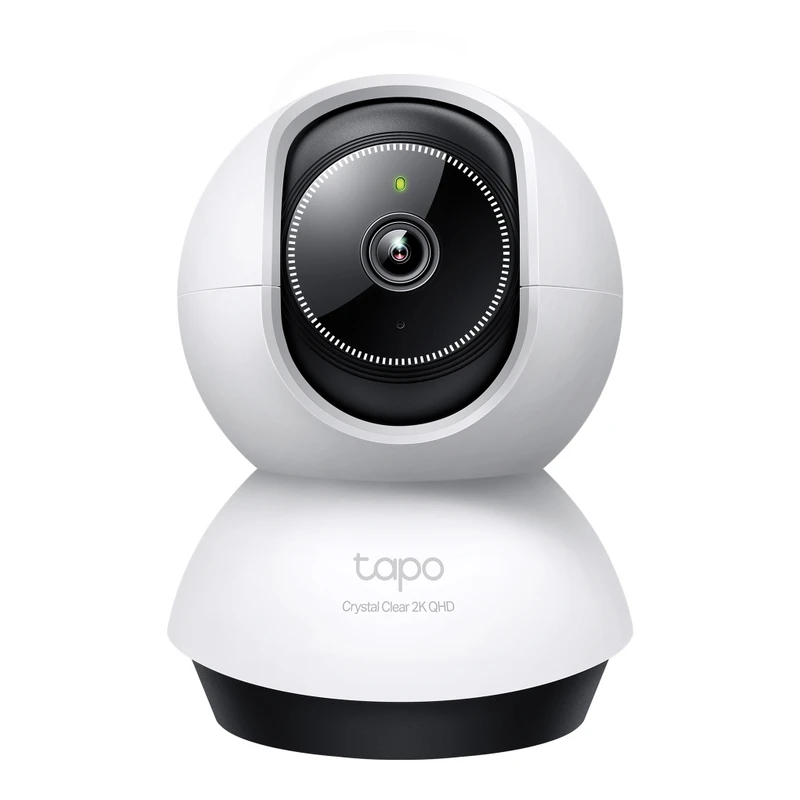
Wi-Fi cameras for homes, country houses and shops: Tapo from 185,000 UZS, Hikvision, Dahua, ZKTeco — about 100 models in Tashkent stock. A wireless camera solves the main household problem of CCTV — the cable. Video travels over Wi-Fi to the router, and the camera lands on a shelf, above a door or in the yard within ten minutes, with no wall chasing and no installers. Watching happens in a phone app from anywhere in the world: live view, archive, motion alerts. An honest caveat not every seller will offer: "wireless" refers to the signal, not the power. The camera still needs an outlet. Wi-Fi confidently penetrates one or two walls; behind the third wall or through a floor slab the picture starts tearing — that is where a repeater belongs, or a camera with 5 GHz support closer to the router. What a modern camera should do: pan-tilt (cover a whole room with one device), two-way audio (hear and answer — a child, a courier, a shop assistant), night illumination, and human detection instead of plain "motion" so every cat stops triggering alerts. Recording goes to a microSD card inside the camera, to the vendor's cloud, or to a home NVR. The brand picture is simple. TP-Link Tapo is the best home start: from 185,000 UZS, installed by the owner in an evening. Hikvision and Dahua are "grown-up" cameras with Wi-Fi: stronger optics and night imaging, chosen for shops and offices where footage must hold as evidence. ZKTeco covers surveillance paired with access control. In stock — about a hundred wireless cameras from 185,000 to 2.8 million UZS. We will suggest a model for your flat, house or retail point, configure the app and alerts, and come to install if needed. If the site outgrows a couple of cameras — we will tell you honestly where Wi-Fi ends and a wired system begins. Q: Does a Wi-Fi camera work without internet? A: Recording to the SD card — yes: the camera writes locally, and you review the archive once you connect to its network. Remote viewing and push alerts, however, only work with internet connected. Q: How far from the router can the camera sit? A: A practical rule — one or two walls, or 10–15 metres indoors. Beyond that the signal degrades: the picture tears and the camera drops off. Fixes: a Wi-Fi repeater, a mesh system, or a 5 GHz camera placed closer to the router. Q: Where does the camera store footage? A: Three ways: a microSD card inside the camera (the most common), the vendor's subscription cloud (Tapo Care, Hik-Connect), or a home NVR for multi-camera systems. A 64–128 GB card usually covers a home.