Industry solution
CCTV and security for construction sites
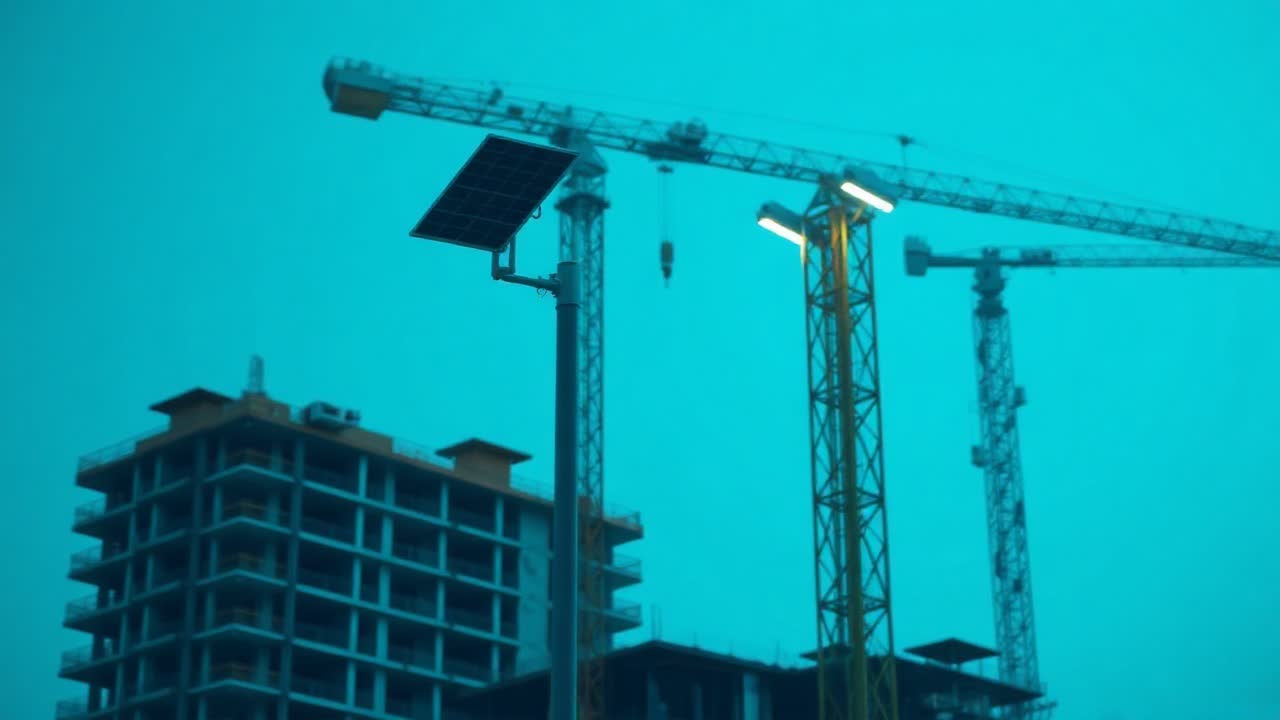
Protection of construction sites: autonomous 4G video surveillance, control of machinery and materials, access control for site cabins and entry, perimeter alarm. The system moves together with the site.
What's included
Scope of work
- Coverage plan and camera poles for the site
- Autonomous cameras with 4G and backup power
- Perimeter alarm and protection of the material store
- Access control at the entry and crew time tracking
- Relocation and dismantling when the stage ends
CCTV and control on a construction site
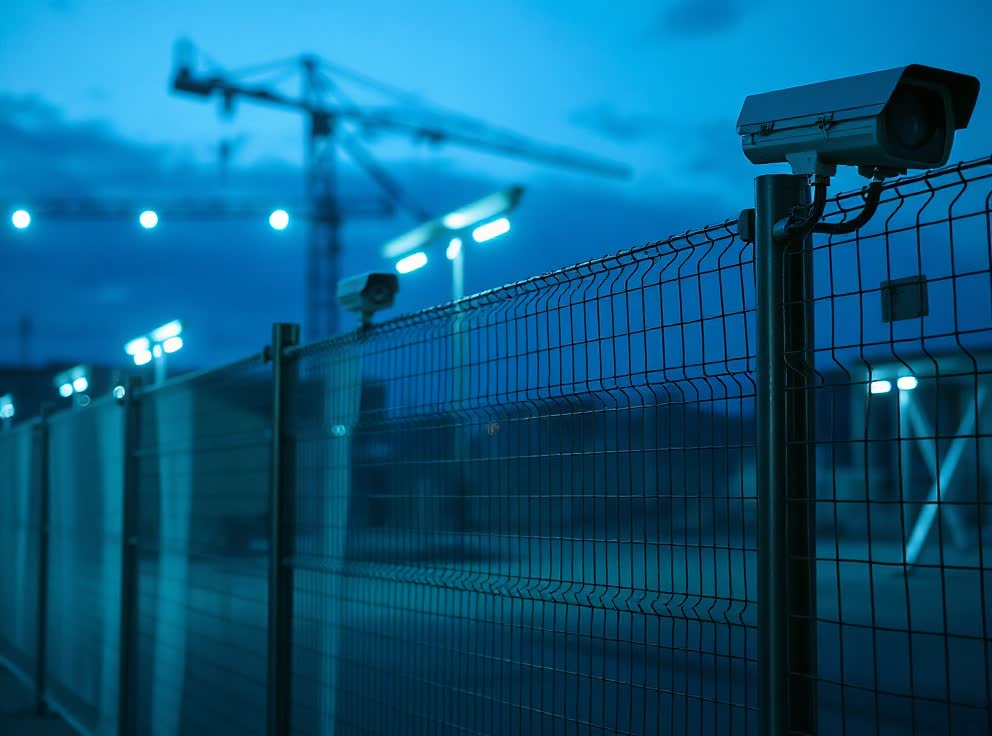
A construction site differs from a finished building in that it has neither proper power, nor a network, nor walls to mount equipment on — and the site itself changes every month. So autonomous and semi-autonomous solutions work here: cameras on masts and site cabins, power from temporary lines or solar panels, transmission over 4G, local storage right in the camera or recorder. We assemble the system so it can be moved when the construction front shifts.
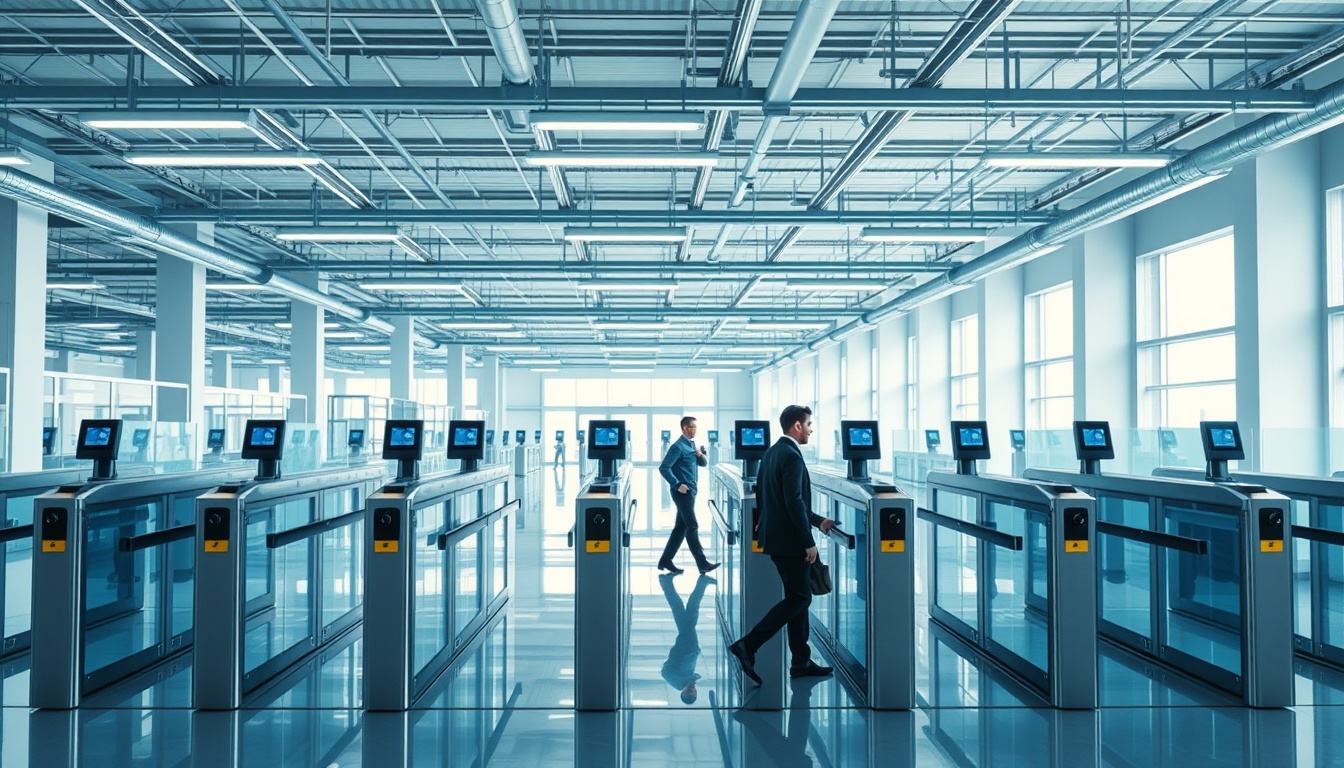
The second request on a site is accounting: who drove in, who walked out, how many people worked the shift. Vehicle entry control with a barrier and plate recognition settles the question of dump trucks and materials, while a checkpoint with a turnstile and cards or biometrics produces a per-crew timesheet that exports to the accounting system. For contractors it is also the way to end arguments about hours worked.
We install temporary systems for the construction period and then migrate the site to a permanent scheme — with the same cameras, but per design, with cable routes and fixed power. That order is cheaper than paying guards for the site and then designing the finished building's security from scratch. We work across Tashkent and the regions and prepare documents for the general contractor.
Typical solutions
Three typical construction solutions
Every site is priced individually: describe the task or send a plan — we will return a quote with an exact estimate within one business day.
An autonomous surveillance post
A starting site
- A camera + 4G + backup battery
- Launch in 1–2 days with no network or power
- The client watches from the phone
- Post relocation in hours
Time: 1–2 days
A site under control
Active construction
- Posts per the construction master plan
- Night analytics for the materials store
- A checkpoint: workers and vehicles counted
- Separate access for the GC and the client
Time: 1–2 weeks
Construction → a permanent system
Project completion
- Migrating cameras to the design scheme
- Cable routes and regular power
- Access control and intercoms of the finished building
- As-built documentation
Time: per the handover schedule
How we work
From machinery arrival to building handover — 5 steps
A scheme by the master plan
where the crane goes, where the fence moves — free
Autonomous posts
launched in 1–2 days, no network or power
Checkpoint and records
workers by cards, vehicles with materials
Moves following the build
posts relocate in hours
Conversion to a permanent system
or dismantling and moving to the next site
Equipment
Equipment for construction sites
Autonomous 4G posts, Hikvision cameras in protected housings, checkpoint access control — from stock:
Site specifics
At the start of construction there is neither network nor stable power. We install autonomous posts: a camera, a 4G router, a backup battery — surveillance works from day one, not after the site is connected to utilities.
A crane goes up — a viewpoint disappears; the fence moves — the perimeter changes. We design the system mobile: posts relocate in hours instead of being refitted from scratch.
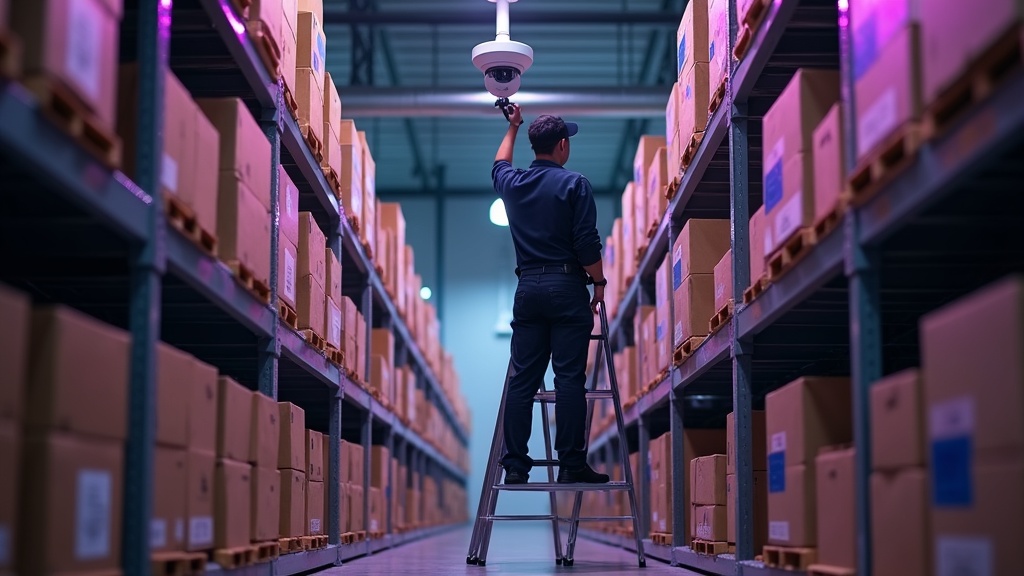
Cable, rebar and fuel leave the site at night. We cover the materials store, the machinery yard and the entrance with a separate loop with night motion analytics.
How we run the project
- 1Layout by the construction master plan
We place posts by the master plan with the build stages in mind: where the crane will stand, where the fence will move, where permanent power will appear.
- 2Fast installation
Autonomous posts launch in 1–2 days. Supports are existing lighting masts, site cabins and temporary posts.
- 3Entry control
Access control on the cabins and the checkpoint: workers counted by cards, vehicles with materials recorded at entry and exit.
- 4Relocation and dismantling
As the build progresses we move the posts; at the end we dismantle the system or convert it into the finished building's permanent one.
Challenges and how we solve them
A site's temporary networks are unstable. Every post carries hours of reserve, critical points a day's worth; a power loss sends a notification.
Lenses foul with construction dust within a week. We put wiping into the weekly schedule and fit hoods against direct dusting.
Dozens of crews from different contractors work on site. We split camera access between the general contractor and the client — each sees their own zone of responsibility.
SAT Solutions
Specialist services for this industry
Why large sites trust us
The term depends on the equipment and contract terms. Warranty call-out within one business day.
We work directly with H3C, Hikvision and Dahua: genuine equipment, stock in Tashkent, warranty replacement.
Designers and installers are in-house, not subcontractors. We work across Uzbekistan.
We work with companies and public sector clients: contract, specification, acts, invoices, handover by project.
Among our clients
Companies and organizations we have designed and installed security systems for.
 warehouses and 100+ pickup points
 control room video wall
 plant: access control and 67 km of cabling
 residential complex security
 body-worn camera surveillance
 48 Dahua cameras and access control
Examples
Gallery
Examples
Completed projects

Questions & answers