Industry solution
Parking Order for Malls, Residential and Business Centres
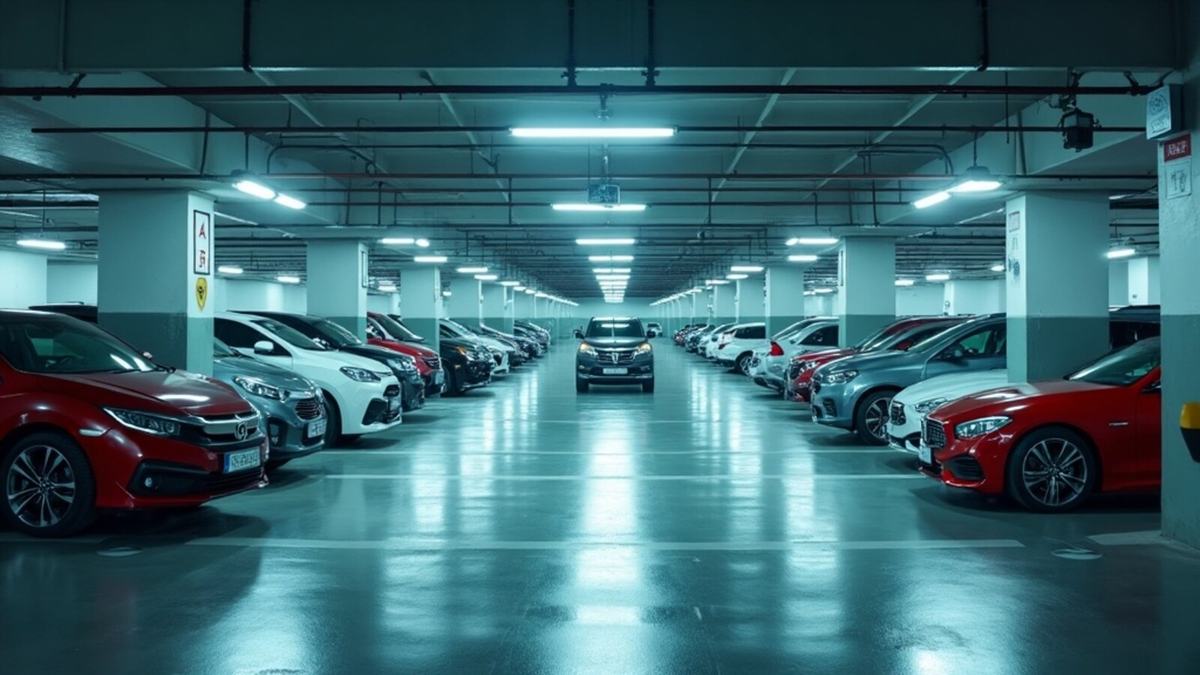
We bring order to the parking of a mall, residential complex or business center: bays assigned to residents and tenants, a clear procedure for visitors and deliveries, and occupancy and revenue reports for the property owner.
What's included
Scope of work
- Throughput calculated for the peak hour
- Access rules: residents, tenants, visitors, deliveries
- Bays tied to an apartment or a lease agreement
- A pilot period and building up the access lists
- Reports on occupancy, parking duration and revenue
Standard solutions
Three standard car park setups
We price every site individually: send the number of bays and how many cars enter per day, and we return a quote with an exact estimate within one business day.
Residential or office yard
Residential complex, business center, clinic
- Barrier at the entrance with plate recognition for residents and staff
- Whitelist — regulars drive in without stopping and without a remote
- Visitor entry by calling security or with a single-use QR code
- Log: who came in, when and in which car
Timeline: 1–3 days
Paid car park
Shopping center, market, business park
- Entry and exit by plate, parking time counted automatically
- Payment at the desk or a terminal, exit opens after payment
- Free-bay display at the entrance
- Occupancy and revenue reports per shift and per month
Timeline: by project, from 1 week
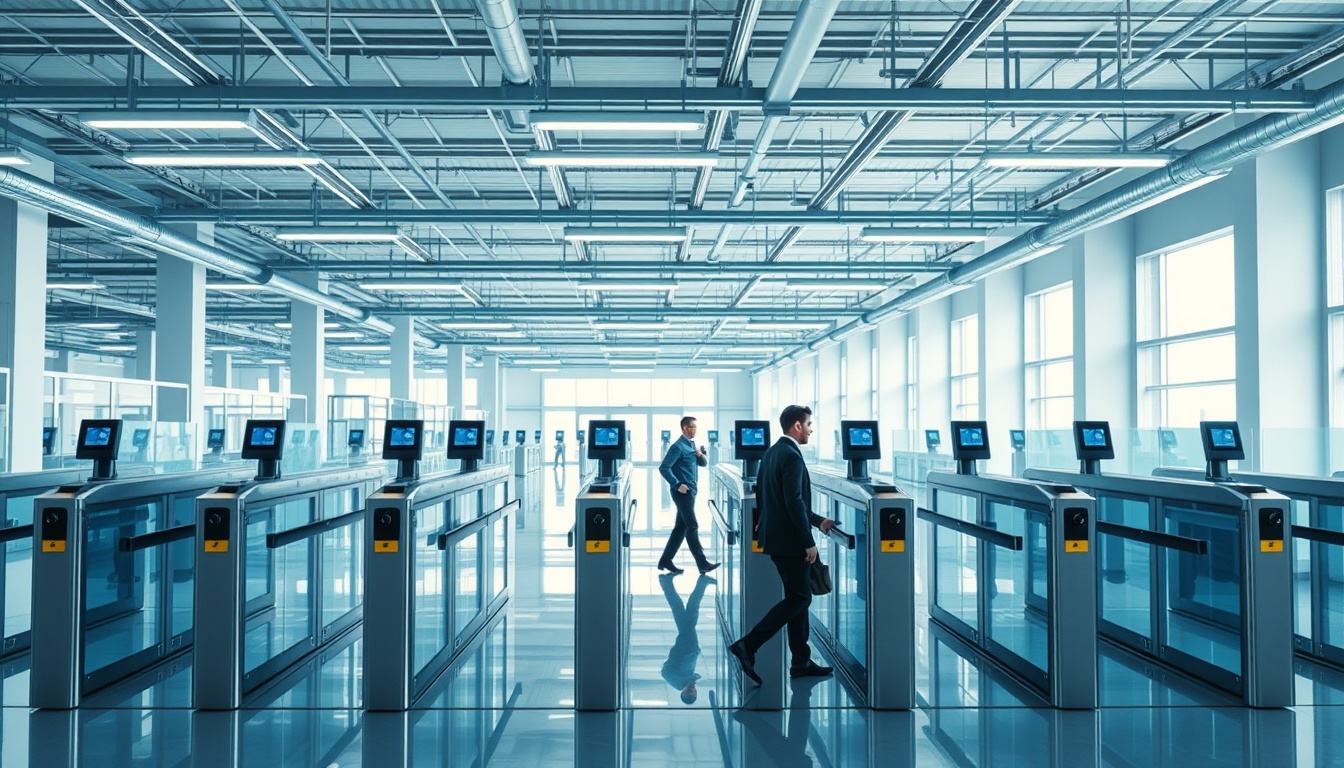
Industrial checkpoint
Factory, warehouse, logistics complex
- Supplier and contractor vehicles tracked by plate
- Tied into checkpoint access control and the weighbridge
- Photo of the car and the plate for every entry
- Data export for security and accounting
Timeline: by project, from 1 week
How we work
From request to a working car park — 5 steps
Engineer visit
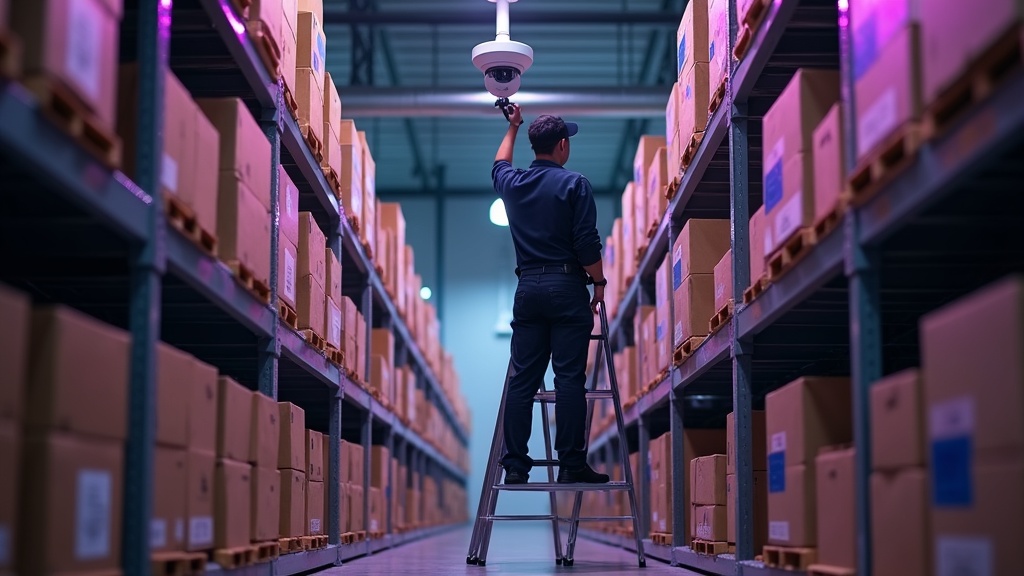
we check the entrance, lighting and camera angles — free of charge
Design and quote
cameras, barrier, entry logic, itemised estimate — within one business day
Installation
posts, cameras, cable runs, power
Setup
whitelists, tariffs, entry rights, reports
Handover and service
we train security and the administrator; warranty on equipment and work
Equipment
Car park equipment — in stock in Tashkent
ZKTeco, Hikvision, Dahua — barriers, plate recognition cameras and controllers, supplied by us with warranty:
Site specifics
A shopping centre needs turnover: a visitor should leave rather than hold a bay until closing. A residential complex needs the opposite — the bay belongs to a flat and must be free when the resident comes home at night. In an office building the lease decides everything: quotas per tenant, visitors for meetings, service vehicles. The hardware is similar; the configuration is not.
In a shopping centre the visitor pays for parking; in a residential complex it sits inside the management company's fee; in an office building it is part of the rent. That determines whether a payment terminal and tariffs are needed at all, or whether lists and reports are enough. Liability for damage on site is a separate matter: without video of the entrance and the bays, a dispute between residents is settled on emotion.
There is traffic that cannot be whitelisted in advance: couriers, taxis, waste collection, ambulances and fire crews. Each needs a predictable admission procedure — otherwise the guard raises the barrier by hand and the whole automation loses its point within the first month.
How we run the project
- 1We count the flow, not the bays
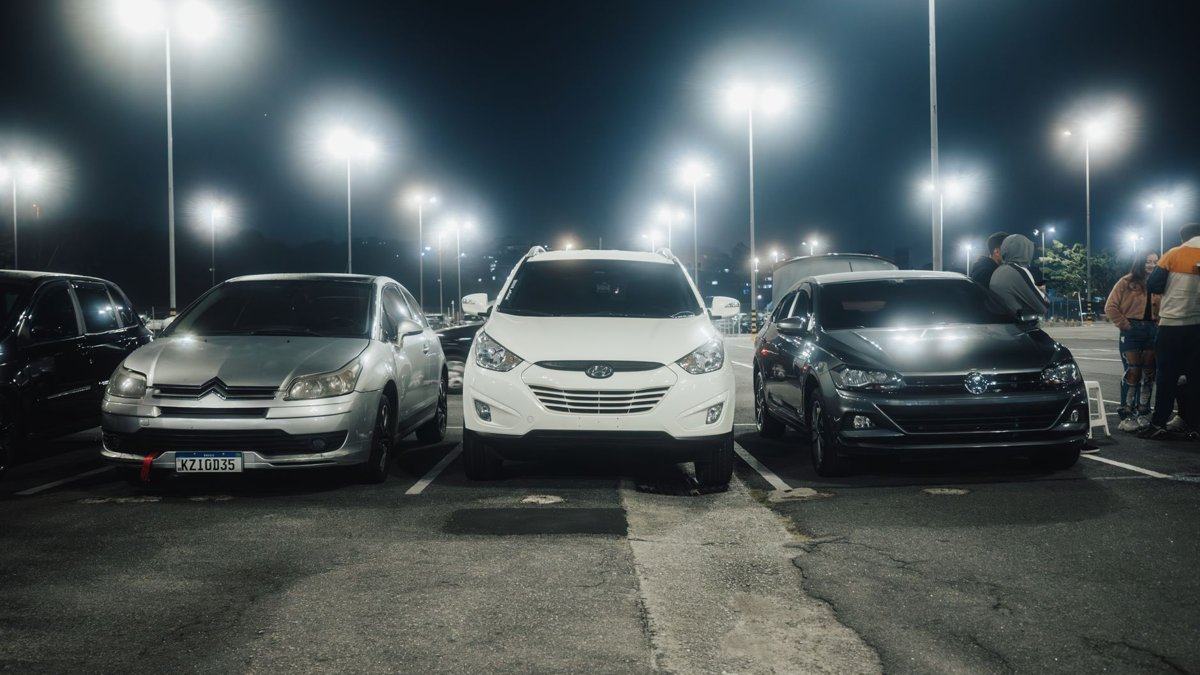
We look at how many cars arrive in the peak hour, how many bays are assigned to residents or tenants and how many are left for visitors. Those figures decide the number of lanes and whether a separate exit is needed — the drawing of the car park matters less here than the real traffic.
- 2Rules agreed before installation
With the owner or the management company we fix the rules: who counts as a regular, what the vehicle limit per flat or per tenant is, how visitors and deliveries are admitted, what happens to a car without a pass. Rules matter more than hardware: without them the system runs "by calling the guard" within a month.
- 3A pilot period before strict mode
After the entry lane is built we run a week in soft mode: unknown cars are admitted but logged. During that week the lists fill up with real residents and tenants, and the owner sees who was missed. Strict mode is switched on only after that.
- 4Reporting to the owner
We hand over reports as well as hardware: occupancy by hour and weekday, average stay, the number of visitor entries, and revenue for paid parking. The report is emailed on a schedule and the live picture is available from a phone.
Challenges and how we solve them
The most common conflict in residential and office complexes, and a barrier does not solve it. What solves it is the link between a plate and a flat or a lease, plus a report showing who entered and how long they stayed. The conversation then moves from an argument to administration.
In a residential complex the peak is in the evening, in an office building in the morning, in a shopping centre at the weekend. Size the throughput by average traffic and the peak queue spills onto the road. We size the lanes by the peak hour and decide in advance where cars will wait.
If pressing a button is easier for the guard than sorting the case out, the automation is worth nothing within a month. So we train the shift, leave a written procedure for exceptions and put the number of manual openings into the report — that one figure tells you immediately whether the system works or is being bypassed.
SAT Solutions
Specialist services for this industry
Why large sites trust us
The term depends on the equipment and contract terms. Warranty call-out within one business day.
We work directly with H3C, Hikvision and Dahua: genuine equipment, stock in Tashkent, warranty replacement.
Designers and installers are in-house, not subcontractors. We work across Uzbekistan.
We work with companies and public sector clients: contract, specification, acts, invoices, handover by project.
Among our clients
Companies and organizations we have designed and installed security systems for.
 warehouses and 100+ pickup points
 control room video wall
 plant: access control and 67 km of cabling
 residential complex security
 body-worn camera surveillance
 48 Dahua cameras and access control
Examples
Gallery
Examples
Completed projects
Questions & answers