Service
Fire Alarm & Security Maintenance in Tashkent
Under a maintenance contract we look after the systems we installed ourselves — fire alarm, CCTV, access control and networks: scheduled inspections, logbooks and a pool of replacement equipment. For a system installed by someone else we run an audit ahead of an upgrade.
What's included
Scope of work
- Taking our own systems into maintenance, audit before an upgrade
- Scheduled inspections with logbook entries
- Emergency callouts with a fixed response time
- Replacement pool and warranty exchange of equipment
- Reporting ready for authority inspections
Fire alarm and security systems maintenance in Tashkent
Security systems die quietly. The fire panel's battery loses capacity and holds reserve for forty minutes instead of a day. The detector under a workshop ceiling grows a coat of dust and one day stops telling smoke from air. The gate camera spends a month writing into a full archive and nobody notices — until the day the footage is needed. Such things always surface the same way: during a fire, a theft or an inspection, at the most expensive possible moment.
For fire alarm systems, regular maintenance is not advice but a code requirement. Scheduled checks of the alarm and evacuation systems must follow a plan and be logged; that logbook is the first thing a fire inspector opens. A site without an active maintenance contract collects violation notices — and after an incident, absent maintenance turns from an administrative issue into a question of personal liability.
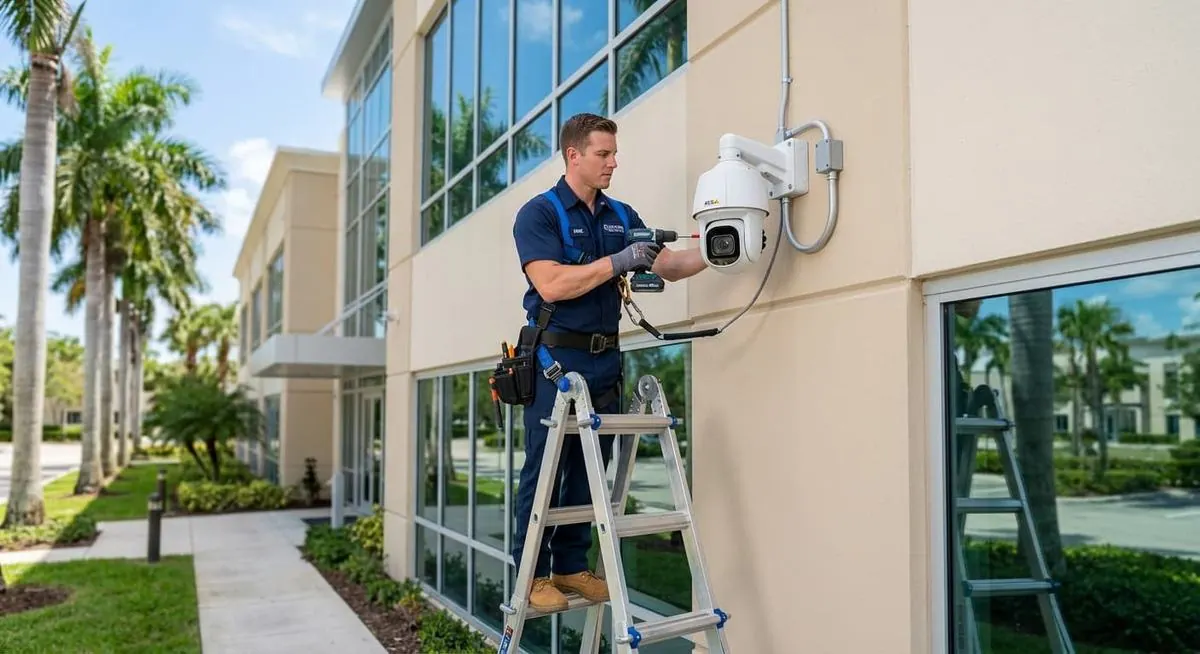
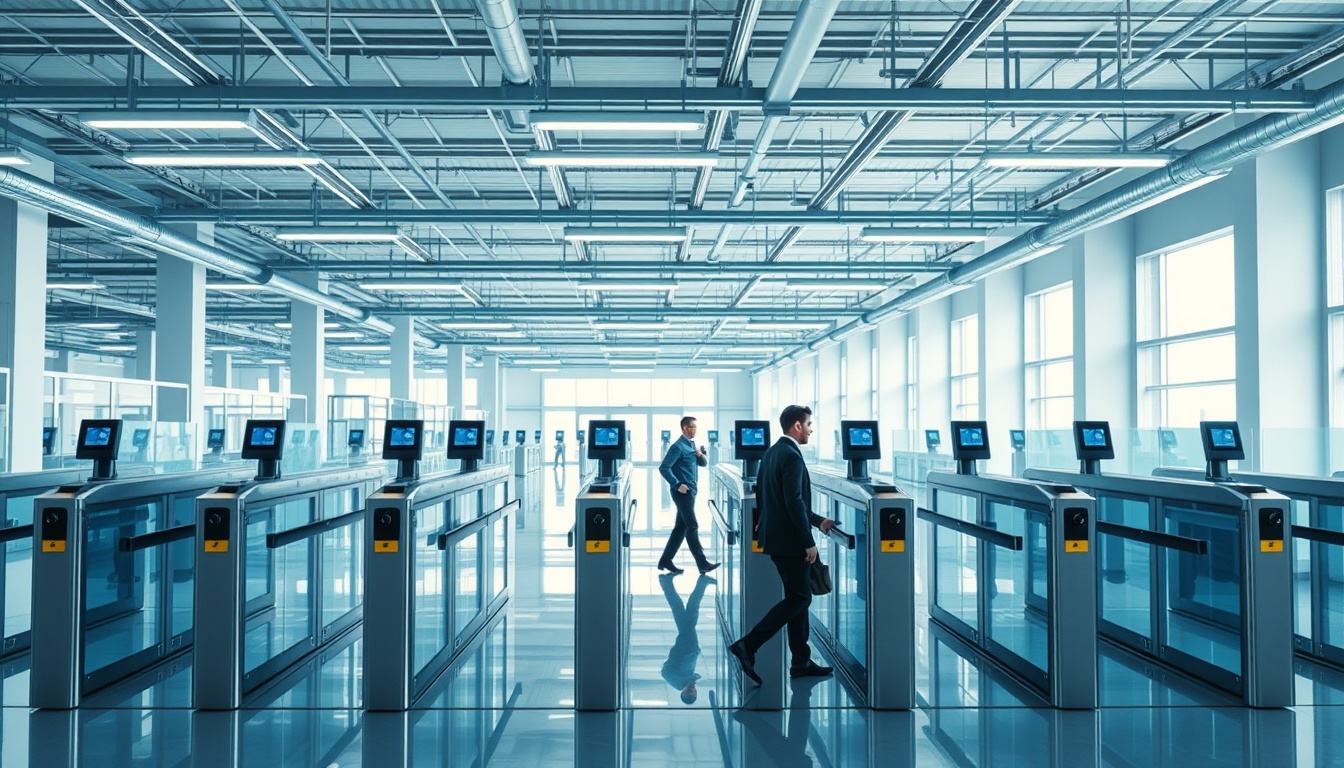
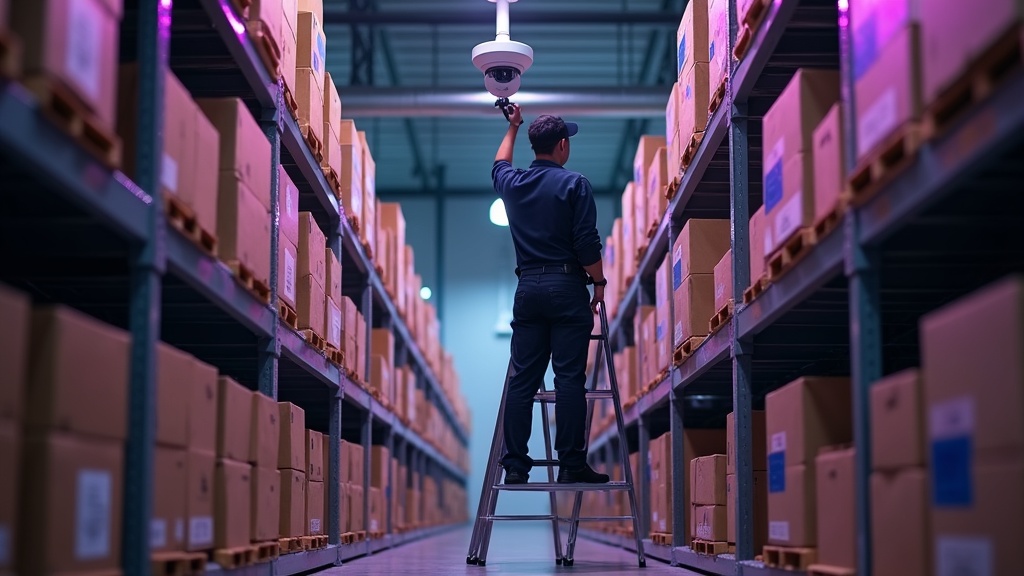
What a scheduled visit includes depends on the systems. For fire alarm: detector and loop checks, evacuation and standby-power tests. For CCTV: lens cleaning, recording and retention checks, firmware updates. For access control: controllers, locks and evacuation scenarios. For networks: switches, UPS units and batteries. Scope and frequency are fixed in the contract so both sides know what the service answers for.
Between scheduled visits the emergency line works. Requests come by phone or Telegram; diagnostics start immediately — remote access usually reveals the cause before the crew leaves the office. Typical response is within the business day; for critical sites we agree an SLA in hours. The spare-parts pool removes downtime rather than repair time: a faulty unit is swapped on site from our own reserve, and the removed one goes to the manufacturer for warranty repair.
We maintain the systems we installed ourselves and the equipment we supplied under contract — that is the condition under which we can answer for the result: the wiring map, the models, the site history and the quality of the installation are all known to us. A system built by another contractor we take on as a separate service: an audit before modernization. We recover the wiring map, draw up a defect list and cost out what is worth replacing. Once the equipment has been replaced, the site goes onto scheduled maintenance on the usual terms.
Branch networks get one contract for all sites: a single inspection plan, unified reporting, one phone number for every location from Tashkent to the regions. For property managers we report per building — convenient for passing costs to tenants.
The fee depends on the systems and the number of points and is quoted after the audit. It already covers scheduled visits, emergency callouts and record-keeping; parts are billed as used, with approval. Companies receive VAT invoices, closing documents and a logbook no inspection will question.
Typical solutions
Three service formats
Every site is priced individually: describe the task or send a plan — we will return a quote with an exact estimate within one business day.
Basic schedule
Office, store, small site
- Scheduled visits once a quarter
- Detector and lens cleaning, archive check
- A maintenance log for inspections
- Requests during working hours
Contract: from 1 year
Extended with SLA
Business center, plant, clinic
- Monthly scheduled maintenance
- Emergency response within agreed hours
- A pool of replacement equipment
- Remote diagnostics before the visit
Contract: 1 year, SLA in hours
A network of sites
Branches, store chains, property managers
- One contract for all sites
- A single schedule and per-building reporting
- One phone number for every site
- Per-building reports for cost recharging
Contract: individual
How we work
From audit to a schedule — 5 steps
A free audit
system condition, a defect list
Contract and schedule
scope, frequency, SLA
The first maintenance
cleaning, checks, consumable replacement
Emergency service
requests by phone and Telegram
Reporting
a log no inspection will question
Equipment
Spares and a replacement pool — from stock
Bolid, Rubezh, Hikvision, Dahua, ZKTeco, MikroTik — popular units and detectors kept in our Tashkent warehouse.
Equipment we install


Examples
Gallery
How we work
SAT Solutions terms of work
Installation work is covered for 3 years; equipment for 1 to 3 years per the manufacturer. Warranty visits within one business day.
3 engineers and 15 installers on staff, no subcontractors. We work in Tashkent and across Uzbekistan.
Site visits in Tashkent are free and happen on the day you call. Regions by arrangement.
After the survey we prepare an estimate and a commercial proposal within one business day. No obligation.
Contract with a legal entity, invoice, VAT-compliant billing, acceptance acts and as-built documentation. We also work with private clients.
Security systems installation — National Guard of Uzbekistan licence No. 1554491. Fire alarm and evacuation systems — Ministry of Emergency Situations licence No. 913518. View licences
Questions & answers
Frequently asked questions
Is fire alarm maintenance mandatory?
What does a scheduled inspection include?
Will you maintain a system installed by another contractor?
What is the emergency response time?
Start a project
Need maintenance contracts?
We'll select equipment for your site and send a quote within one business day.