Service
Low-Voltage Systems in Tashkent — Turnkey Installation
We design and install all low-voltage systems of a building: CCTV, access control, fire and intruder alarm, structured cabling, intercom and PA — one team, one coordinated design.
What's included
Scope of work
- Site survey and design of all subsystems
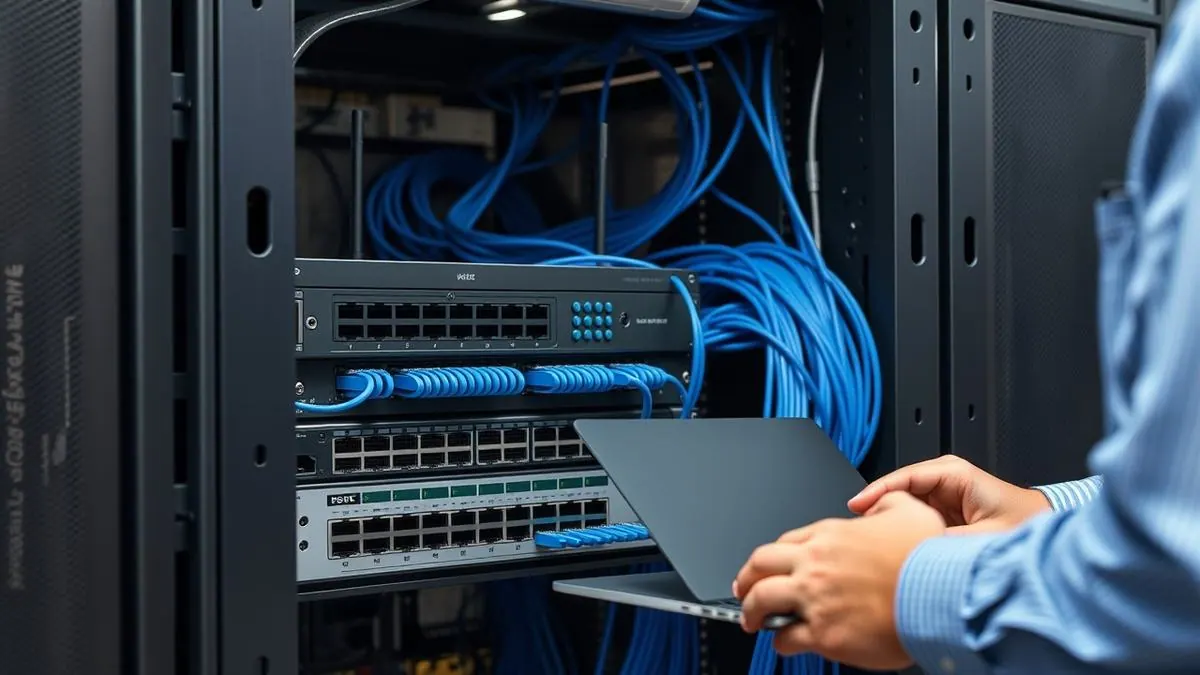
- Unified cable infrastructure (SCS, trays, risers)
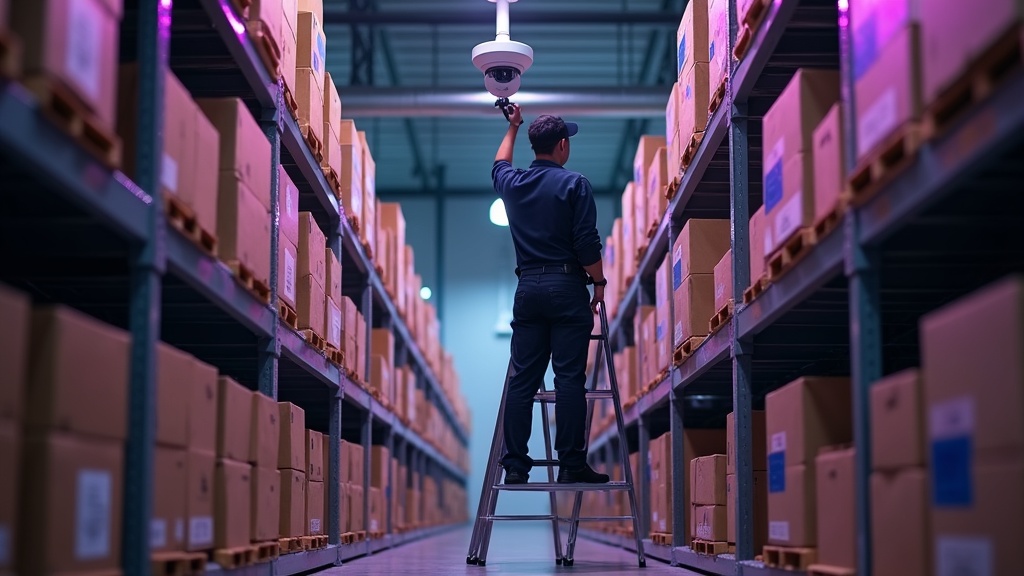
- Installation of CCTV, ACS, alarms, intercom, PA
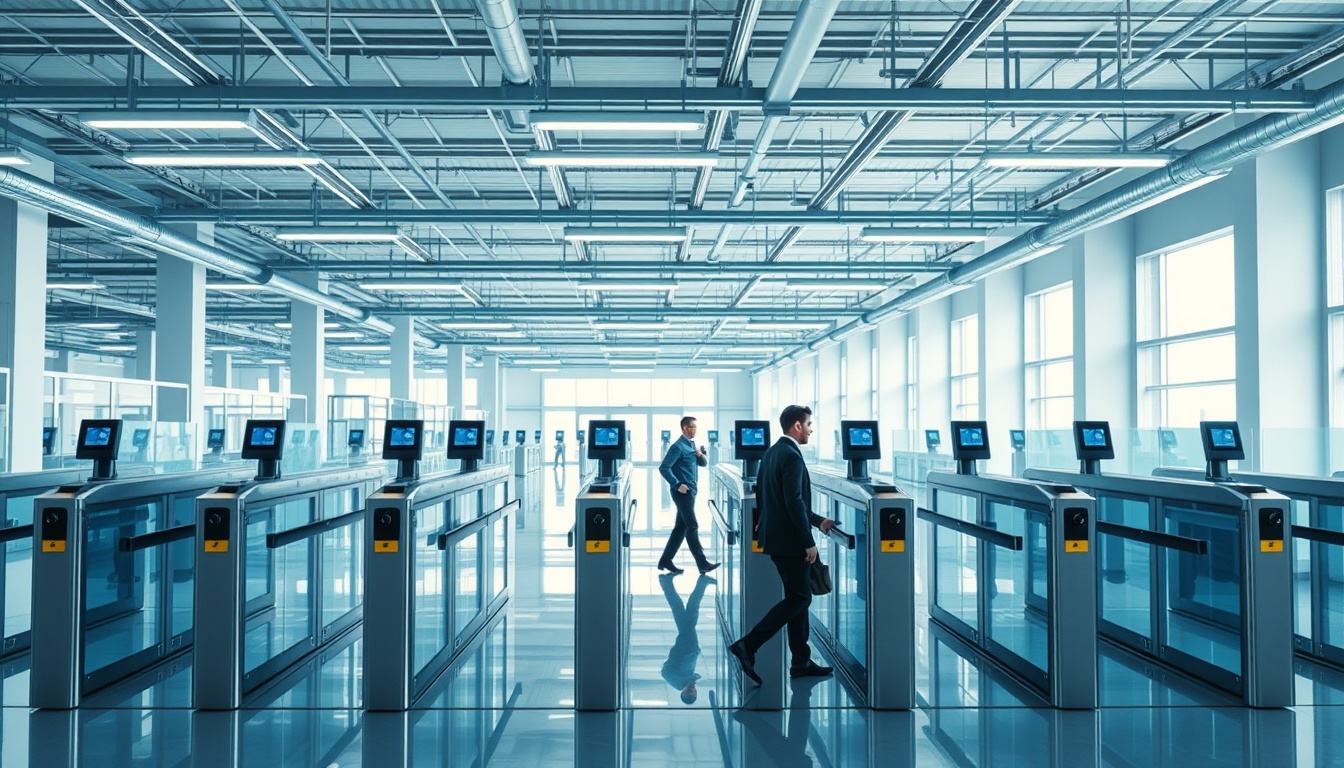
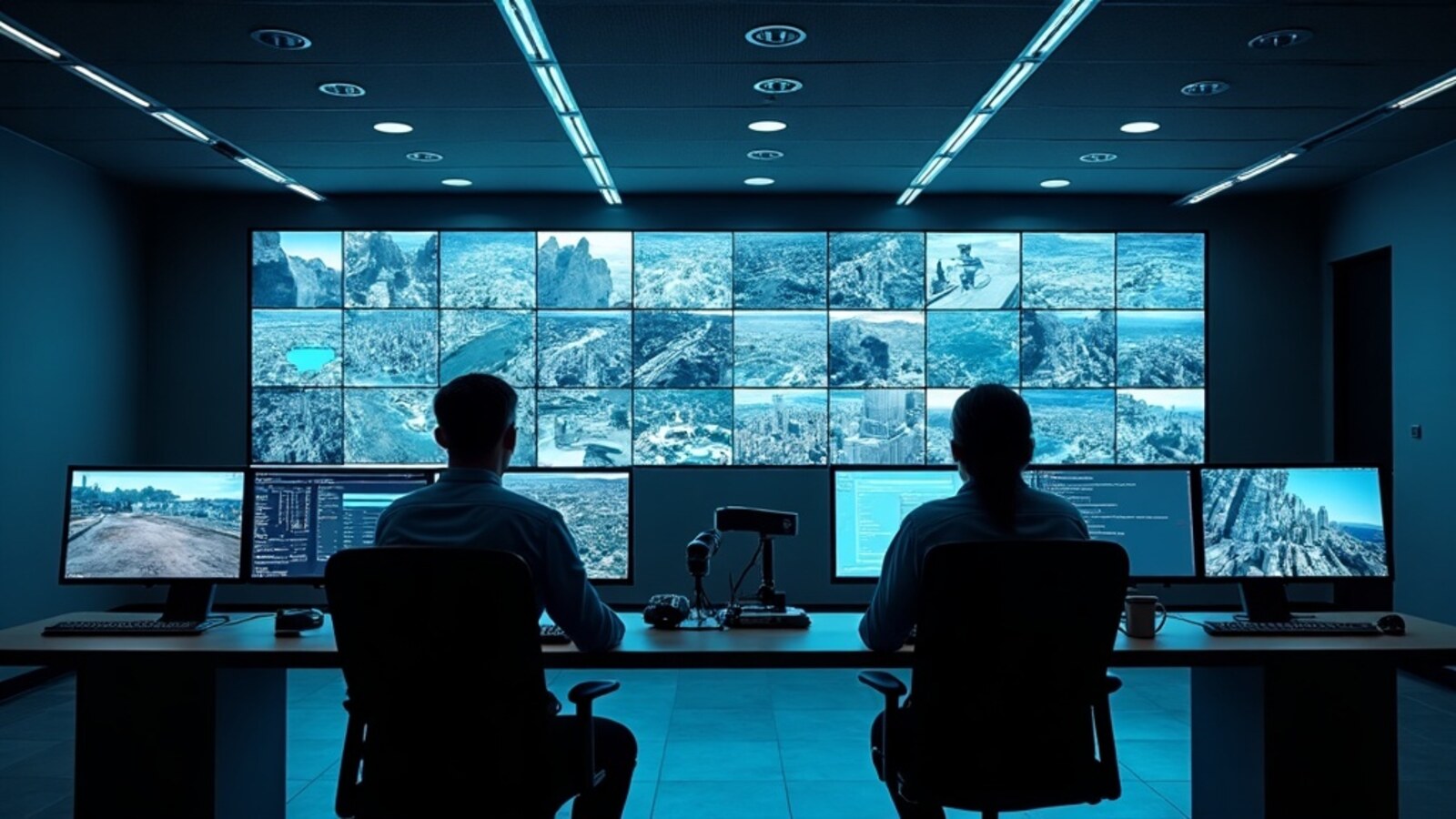
- Subsystem integration into a single monitoring post
- Handover with as-built documents, warranty and maintenance
Low-voltage systems installation in Tashkent — turnkey
Low-voltage systems are called a building's nervous system for good reason. These cables carry everything that turns a concrete box into a manageable facility: camera video, fire detector signals, commands to door controllers, the dispatcher's voice in PA speakers, internet at every outlet. While the walls are still open, all of it is cheap and quick to install. After finishing, every forgotten line means chasing walls, dust and negotiations with the site manager.
The classic developer mistake is handing subsystems to different contractors. One crew does CCTV, another the fire alarm, a third the network. Each has its own design, its own tray, its own schedule and its own idea of where the other's responsibility ends. Routes get duplicated, timelines stack instead of running in parallel — and at handover, when the fire signal must release the access-controlled doors, it turns out the two systems have never met.
A unified low-voltage design removes these conflicts on paper. Subsystems share trays and risers, meet in one server rack, get common redundant power. Scenarios are built in from the start: an intruder sensor pulls the nearest camera's recording, a fire signal releases escape doors and starts floor-by-floor announcements, a card pass lands in the timesheet. Commissioning becomes a checklist, not an integration heroic.
On construction sites we act as the general low-voltage contractor: entering after design approval, installing to the master schedule, closing stages with acts and preparing as-built documentation for handover. The site manager does not conduct five crews — one project engineer with one phone number answers for the whole scope.
At operating facilities the scenario differs: work must not stop production or the office. Staging saves the day — we split the system into sections, plan switchovers for off-hours, and retire old lines only after the new ones are proven. This is how we migrated sites where even an hour of downtime cost more than the whole installation.
The catalogue holds over three thousand items, and the fast-moving ones sit in our own Tashkent warehouse: Hikvision and Dahua cameras and recorders, Bolid and Rubezh fire panels, ZKTeco access control, MikroTik, TP-Link and H3C networking, cable and cabinets. The warehouse logic is simple: installation never waits for a container, and replacing a failed unit takes a day, not a month.
We budget from the design or the brief; if there is no documentation, we survey the site and produce it ourselves — an engineer's visit in Tashkent is free. After handover we warrant the work and equipment and offer a maintenance contract with scheduled inspections. We work across Uzbekistan; companies receive the full closing document package and VAT invoicing.
Low-current networks bring together everything that runs on low voltage: video surveillance, access control, fire and intruder alarms, intercoms, structured cabling and Wi-Fi. As a security systems integrator we run the site under one contract, from design to handover with as-built documentation, and take the installed systems into maintenance.
Typical solutions
Three low-voltage contract formats
Every site is priced individually: describe the task or send a plan — we will return a quote with an exact estimate within one business day.
One turnkey system
Office, store, warehouse
- SCS, video, access control or fire — your pick
- Design, installation, commissioning
- As-built documentation
- Warranty and maintenance
Time: 1–3 weeks
A complex for the site
Business center, clinic, plant
- All subsystems in shared routes
- A single server rack and power
- Scenarios: fire ↔ access ↔ video
- Handover as a package with documentation
Time: per construction schedule
General low-voltage contractor
Developer, general contractor
- One project engineer for the whole loop
- Work to the GC schedule, staged acts
- Staged handover without stopping the site
- Equipment from our Tashkent warehouse
Time: per design
How we work
From design to site handover — 5 steps
Survey
or a calculation from your design — free
A unified design
all subsystems in shared routes
Staged installation
to the construction schedule or without stopping the office
Commissioning
cross-system scenarios by checklist
Handover and service
as-built documentation, warranty, maintenance
Equipment
Three thousand items in our Tashkent warehouse
Hikvision, Dahua, Bolid, Rubezh, ZKTeco, MikroTik, TP-Link, H3C — cable, cabinets and equipment in stock.
Equipment we install


Examples
Gallery
How we work
SAT Solutions terms of work
Installation work is covered for 3 years; equipment for 1 to 3 years per the manufacturer. Warranty visits within one business day.
3 engineers and 15 installers on staff, no subcontractors. We work in Tashkent and across Uzbekistan.
Site visits in Tashkent are free and happen on the day you call. Regions by arrangement.
After the survey we prepare an estimate and a commercial proposal within one business day. No obligation.
Contract with a legal entity, invoice, VAT-compliant billing, acceptance acts and as-built documentation. We also work with private clients.
Security systems installation — National Guard of Uzbekistan licence No. 1554491. Fire alarm and evacuation systems — Ministry of Emergency Situations licence No. 913518. View licences
Questions & answers
Frequently asked questions
What counts as low-voltage systems?
Why is a single contractor cheaper for the whole scope?
Do you work to the client's existing design?
Do you take subcontracts from construction companies?
Useful articles
Start a project
Need low-voltage systems?
We'll select equipment for your site and send a quote within one business day.