Industry solution
Security systems for factories and manufacturing
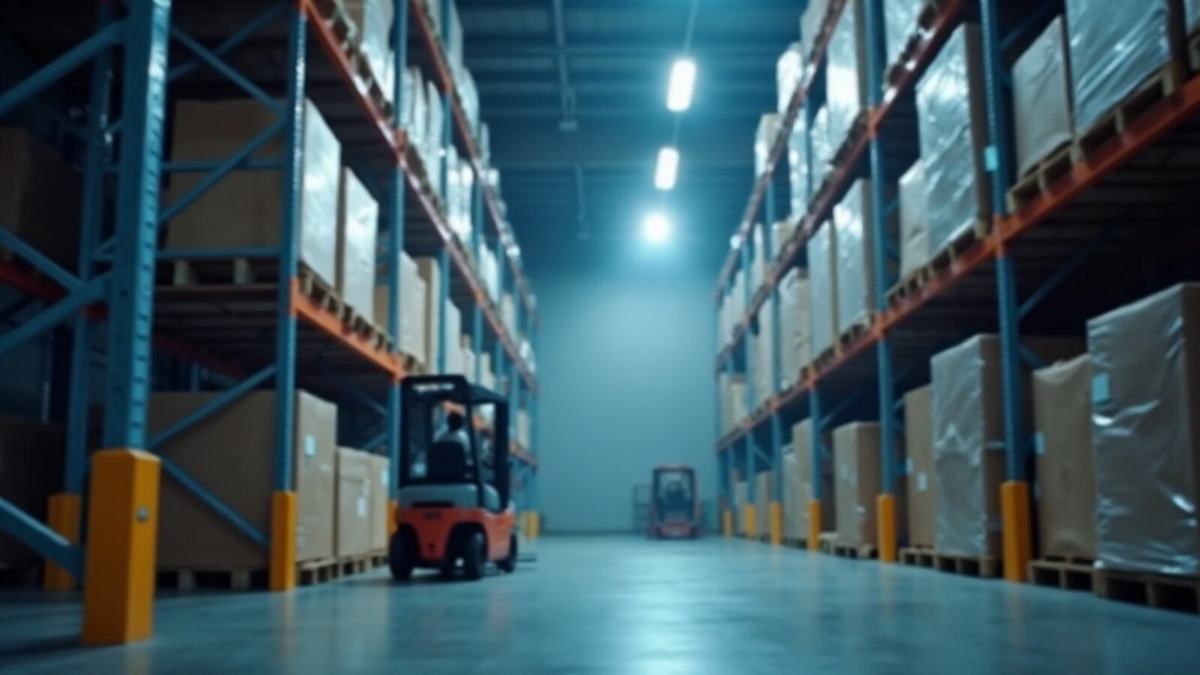
Security for production sites and warehouses: perimeter, workshop surveillance, thermal imaging and access control to the territory.
What's included
Scope of work
- Perimeter security and surveillance
- Thermal monitoring and analytics
- Access control at gates and checkpoints
- Integration with security
- Maintenance
Security systems for manufacturing and industrial sites
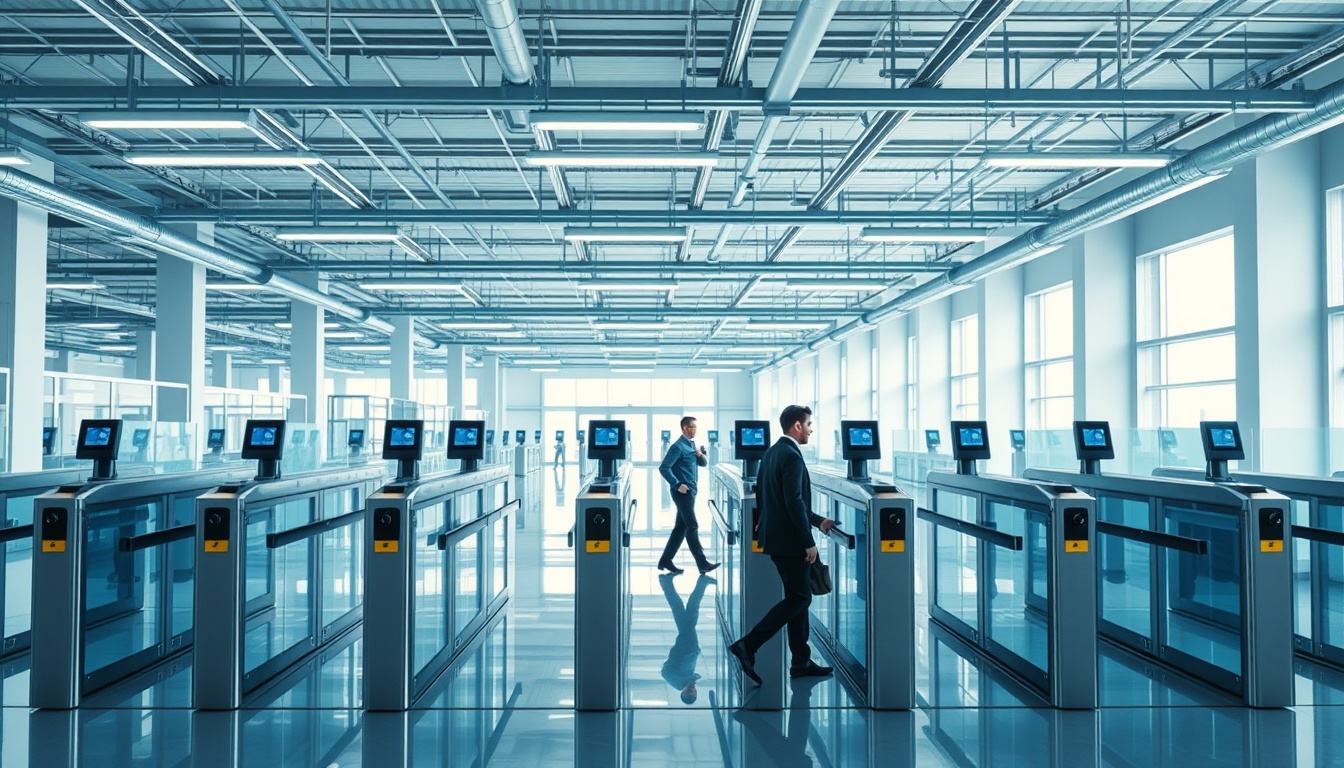
At a plant the perimeter and the checkpoint matter more than a pretty picture inside. The perimeter is covered by night-capable cameras and, where needed, thermal imagers and an intrusion alarm; the checkpoint — by turnstiles with cards or biometrics and time attendance that exports to the timesheet and to the accounting system. That settles two questions at once: who is on the territory right now, and how many hours the shift worked.
Inside the workshops the requirements are different: dust, moisture, temperature swings, vibration and electromagnetic interference. Industrial-grade equipment in protected housings goes here, and routes are laid with heavy electrical machinery nearby in mind. A separate task is the network between workshops and warehouses: fiber lines, industrial switches, redundant channels — so a network outage does not stop production.
We design and build such sites end to end: CCTV, access control and time attendance, fire alarm and suppression per room purpose, structured cabling and industrial networks, a server room for archives and management systems. We work without stopping production, in stages, and take the site into scheduled service maintenance across Tashkent and the regions.
Typical solutions
Three typical solutions for manufacturing
Every site is priced individually: describe the task or send a plan — we will return a quote with an exact estimate within one business day.
Checkpoint and shift records
Plant, workshop, mill
- Turnstiles with cards or biometrics
- Shift and overtime records
- Timesheet export to 1C
- Photo capture of entries
Time: 1–2 weeks
Workshop and perimeter CCTV
A production site
- Industrial IP66/IP67 cameras
- A perimeter with night analytics
- Fiber between buildings
- An archive with RAID redundancy
Time: 2–6 weeks
A plant security complex
A large enterprise
- Video + access + fire + network
- A weighbridge and checkpoint with ANPR
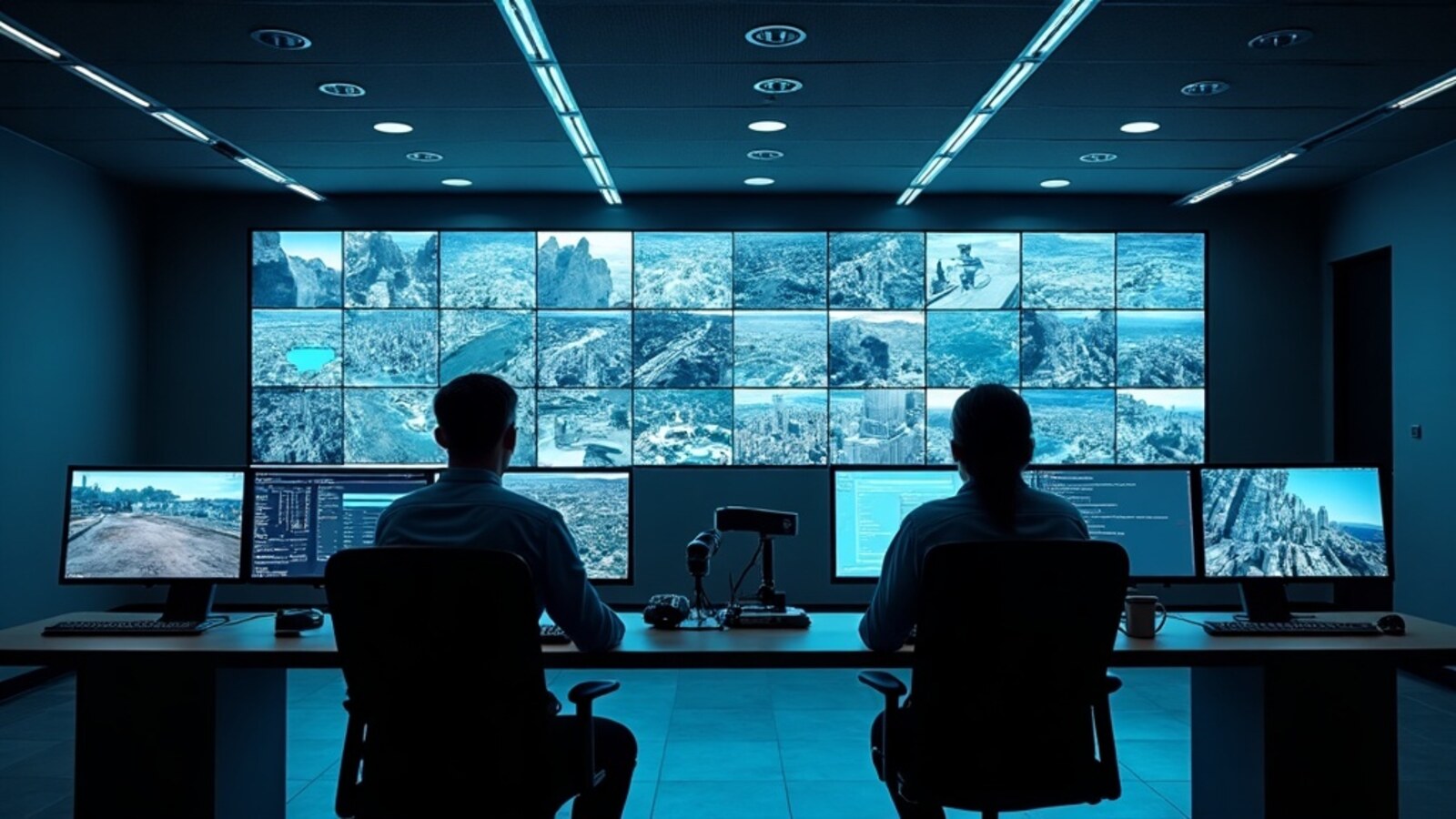
- A single post with a video wall
- Maintenance under SLA
Time: per design
How we work
From request to a working plant — 5 steps
A walk with the chief engineer
workshops, perimeter, checkpoint — free
A quote with a specification
models and part numbers, prices verifiable
Contract and schedule
stages fitted to maintenance windows and shifts
Installation without stopping
workshop by workshop, as agreed
Handover and SLA
guard training, documentation, service
Equipment
Industrial-grade equipment
Hikvision and Dahua in IP66/IK10 housings, ZKTeco access control, Bolid and Rubezh fire systems, MikroTik and H3C networks — from stock:
Site specifics
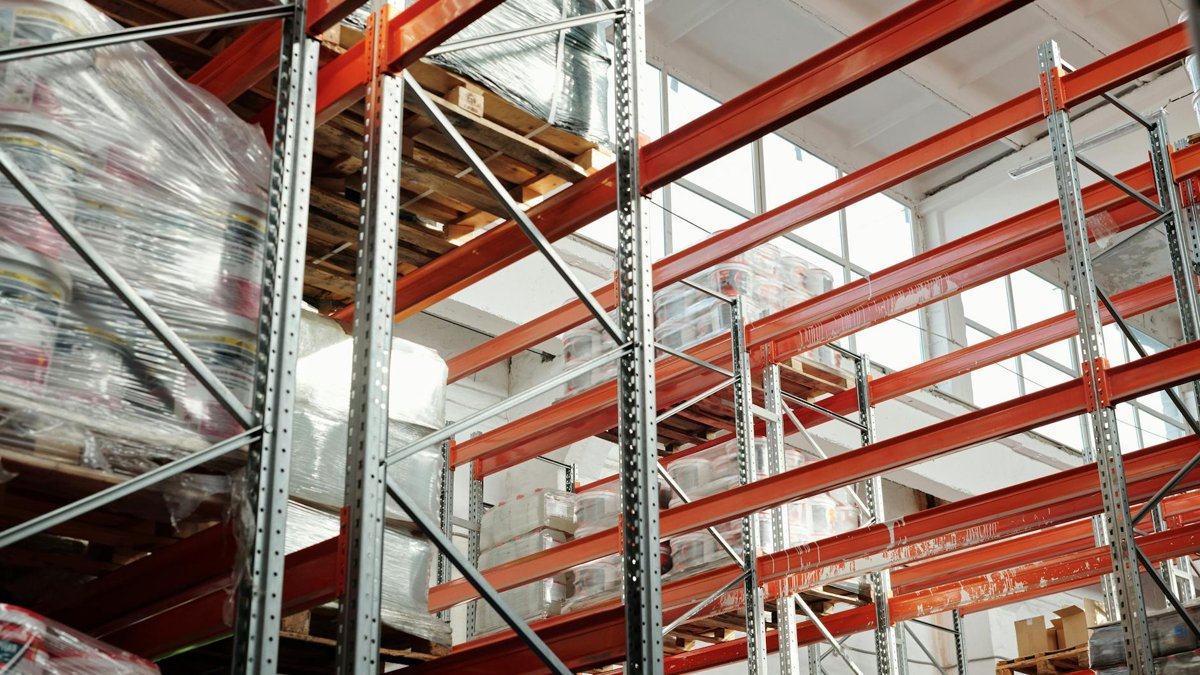
In production areas cameras live in dust, fumes and vibration, so workshops get housings rated IP66 or better, and washing and bottling areas — IP67 with IK10 vandal-proof bodies. Brackets come with vibration decoupling: on conveyor lines a rigid mount to the steelwork wrecks the pan joint within a month.
A plant perimeter means long runs and outdoor temperatures from −15 to +45 °C. We lay fiber to the nodes and install heated outdoor cabinets with UPS, while the checkpoint gets its own loop with a barrier, plate recognition and a link to the entrance.
At a plant, access control counts not just in-and-out but shifts, overtime and movement between workshops. We configure access zones by role, export the timesheet and pass the data to 1C — the very thing HR deploys the system for.
How we run the project
- 1Survey with the chief engineer
We walk the site workshop by workshop with the plans: viewing zones, cable routes, power connection points, explosive and wet areas. Separately we note where chasing is forbidden and where the maintenance windows are.
- 2Design and specification
We prepare the equipment layout, cable log, PoE switch load calculation and archive depth. The specification lists concrete models and part numbers — the client can verify prices and budget accordingly.
- 3Installation without stopping production
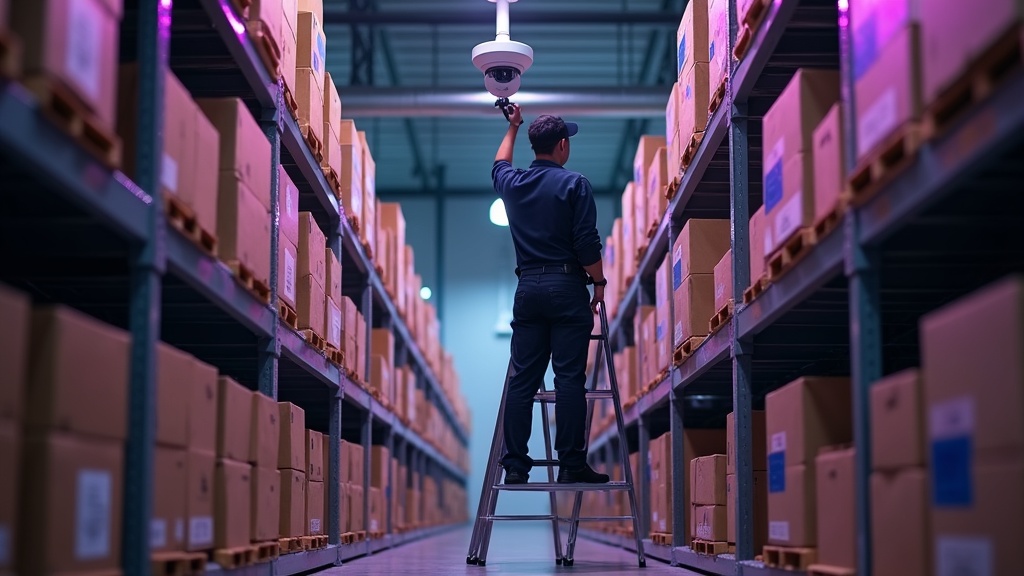
We work in stages on an agreed schedule: noisy and dusty jobs go into maintenance windows and night shifts. Every line is labeled and logged — a year later, at expansion, nobody opens trays blindly.
- 4Commissioning and handover
We tune detection, analytics scenarios and access rights, verify archive depth under load, train the security service and hand over as-built documentation.
Challenges and how we solve them
On large territories PoE does not reach: up to 100 m we stay on copper, beyond that we run fiber with media converters and local power in a cabinet. It costs more at installation but removes the eternal brownouts and camera reboots.
Twenty 4 MP cameras on continuous recording mean tens of terabytes a month. We split video and process networks by VLAN, size bitrate for the real scenario and provision RAID, not a single disk.
In flour and cement areas a lens fouls within weeks. We install cameras with heating and schedule cleaning in the service contract — otherwise the system 'exists' but the picture does not.
SAT Solutions
Specialist services for this industry
SAT Solutions
Delivered projects
Why large sites trust us
The term depends on the equipment and contract terms. Warranty call-out within one business day.
We work directly with H3C, Hikvision and Dahua: genuine equipment, stock in Tashkent, warranty replacement.
Designers and installers are in-house, not subcontractors. We work across Uzbekistan.
We work with companies and public sector clients: contract, specification, acts, invoices, handover by project.
Among our clients
Companies and organizations we have designed and installed security systems for.
 warehouses and 100+ pickup points
 control room video wall
 plant: access control and 67 km of cabling
 residential complex security
 body-worn camera surveillance
 48 Dahua cameras and access control
Examples
Gallery
Examples
Completed projects
Questions & answers