● Components & Accessories In stock
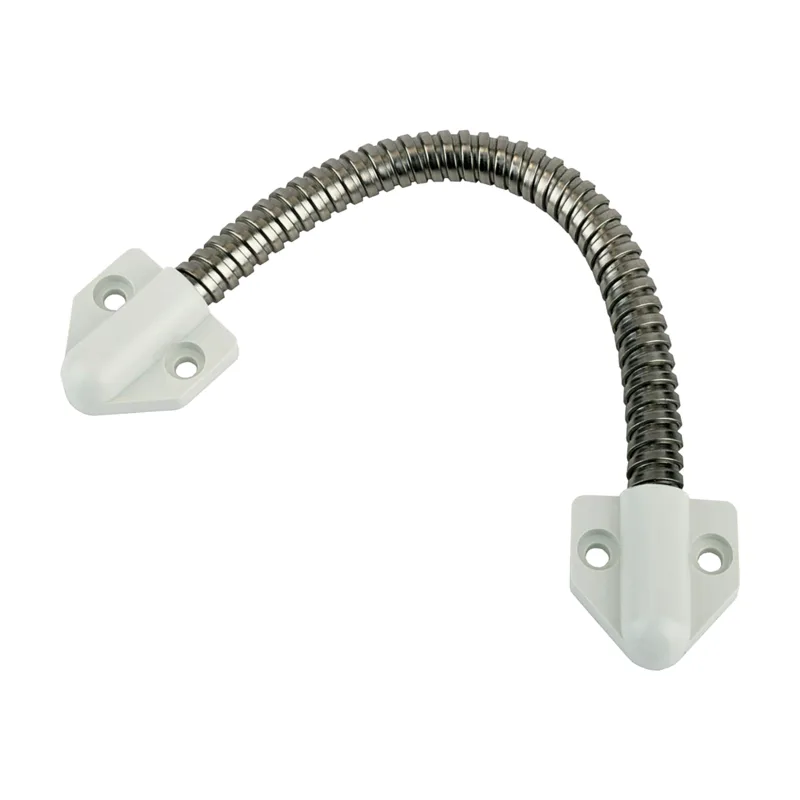
Flexible coupling
Flexible coupling for joining sections of cable trays and trunking at route bends and under vibration. Continuity of the trunk run, in stock in Tashkent.
▸
Type
Cable tray element (flexible transition)
Specifications
- Type
- Cable tray element (flexible transition)
Flexible transition — a specialized element of cable infrastructure designed to connect sections of cable trays or ducts in places where rigid jointing is impossible due to a change in the routing direction, vibrations, or construction tolerances. The product ensures the continuity of the cable main without the risk of damaging the sheath of the conductors at the bending points. It is used in the installation of low-voltage and power cable systems at various facilities.
Advantages
- The flexible design compensates for irregularities in the route and construction deviations without fitting rigid sections
- It ensures the continuity of the cable main at turns and level differences
- It simplifies installation in difficult conditions, reducing the time of laying cable routes
- It reduces the risk of cable damage at bending points thanks to a smooth transition
- Universal compatibility with most types of cable trays and ducts
Applications
- Video surveillance and security alarm systems: laying cable routes in buildings with non-standard layouts
- Structured cabling systems: connecting tray sections in server rooms, offices, and retail facilities
- Low-voltage building systems: installation of cable infrastructure at expansion joints and floor slabs
- Industrial facilities: laying cables in production rooms with vibration loads
Frequently asked questions
For which types of cable trays is the flexible transition suitable?
The product is compatible with most standard trays and ducts; when choosing, specify the width and profile type with the supplier for precise fitting.
Can the flexible transition be used outdoors?
Suitability for outdoor use depends on the material of the product; it is recommended to check the specifications with a SAT Solutions manager.
Are additional fastening elements needed during installation?
As a rule, the flexible transition is fastened with standard bolts to the tray flanges; the specific fixing method depends on the design of the particular product.
💬
Need help choosing?
Our engineer will pick the right equipment for your needs and send a quote within one business day.
Product reviews
Questions & answers
Similar: Brackets & accessories
Whole category →
Frequently bought together
New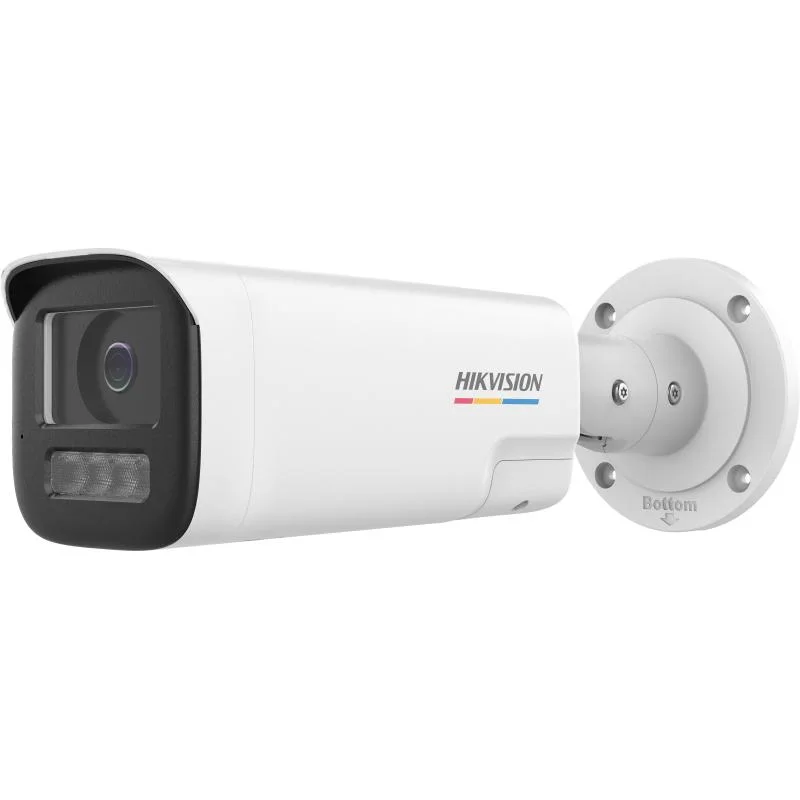
Hikvision DS-2CD1B47G3-LIU 4MP Compact Bullet Camera 2.8mm
from 1 112 900 UZS
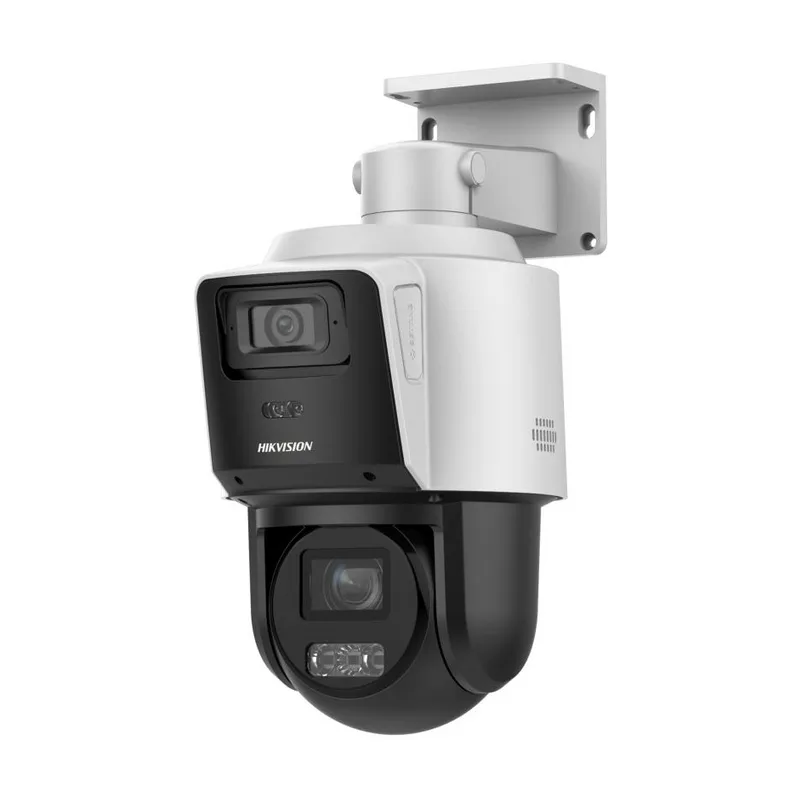
PTZ camera Hikvision DS-2SE3C204MWG-E/12 2.8mm
from 2 164 900 UZS
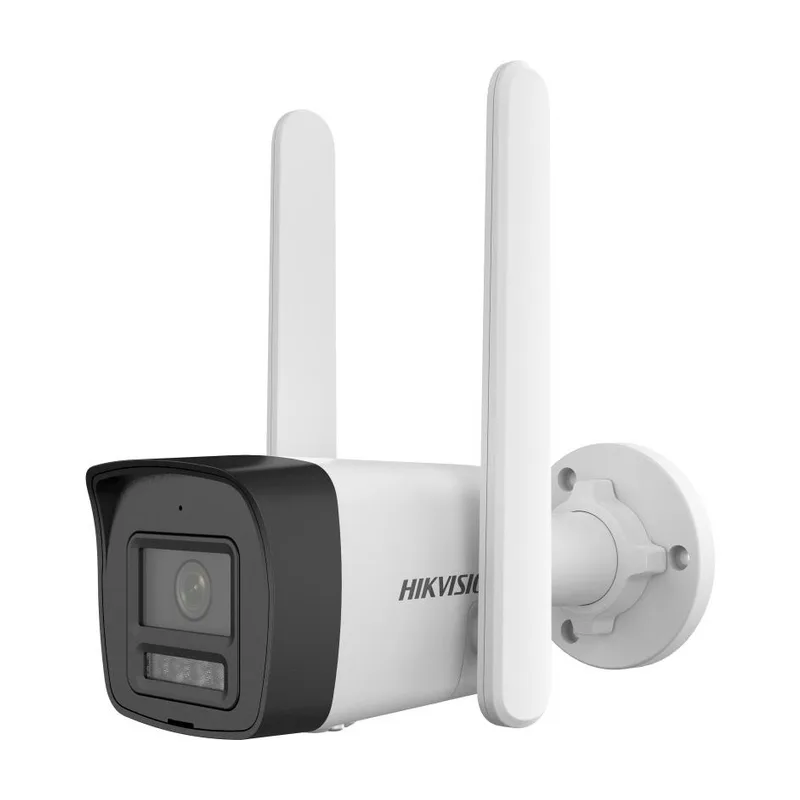
4G IP camera (Bullet) 2MP Hikvision DS-2CD1023G2-LIDUF/4G/SL 2.8MM
from 593 900 UZS
New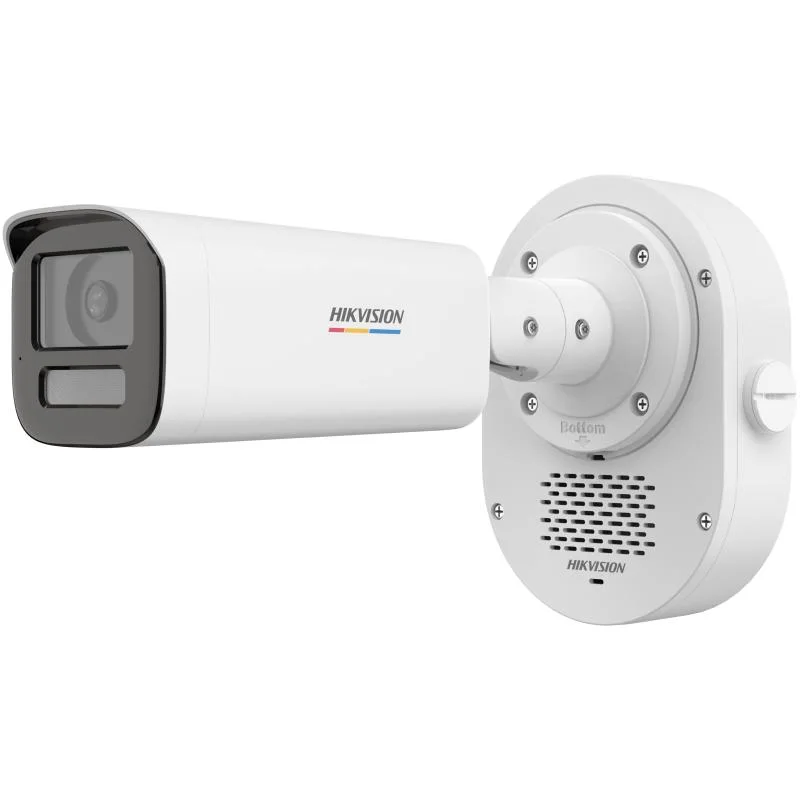
Hikvision DS-2CD1B47G3-LIUF 4MP Compact Bullet Camera 2.8mm
from 1 125 900 UZS
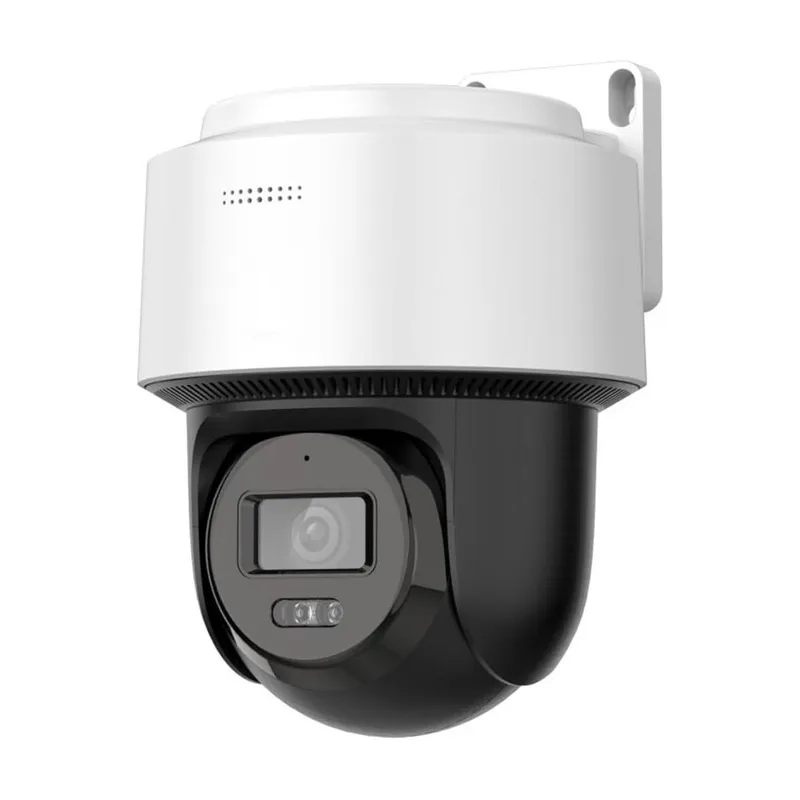
PTZ 4G camera Hikvision DS-2DE2C400MWG-4G 2.8MM
from 856 900 UZS
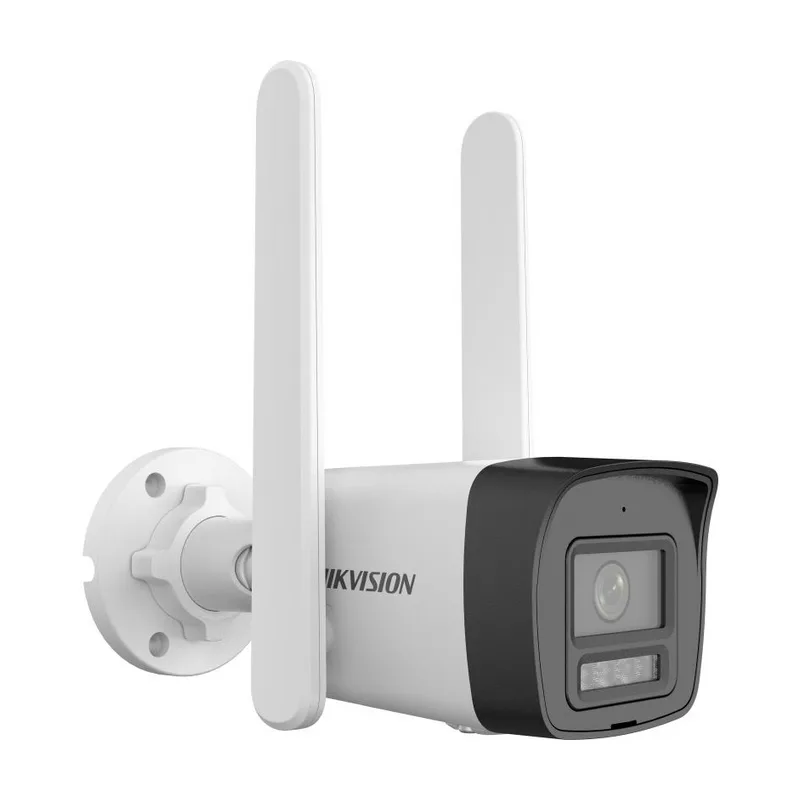
4G IP camera (Bullet) 4MP Hikvision DS-2CD1043G2-LIDUF/4G/SL 2.8MM
from 729 900 UZS