Access controllers
Found: 9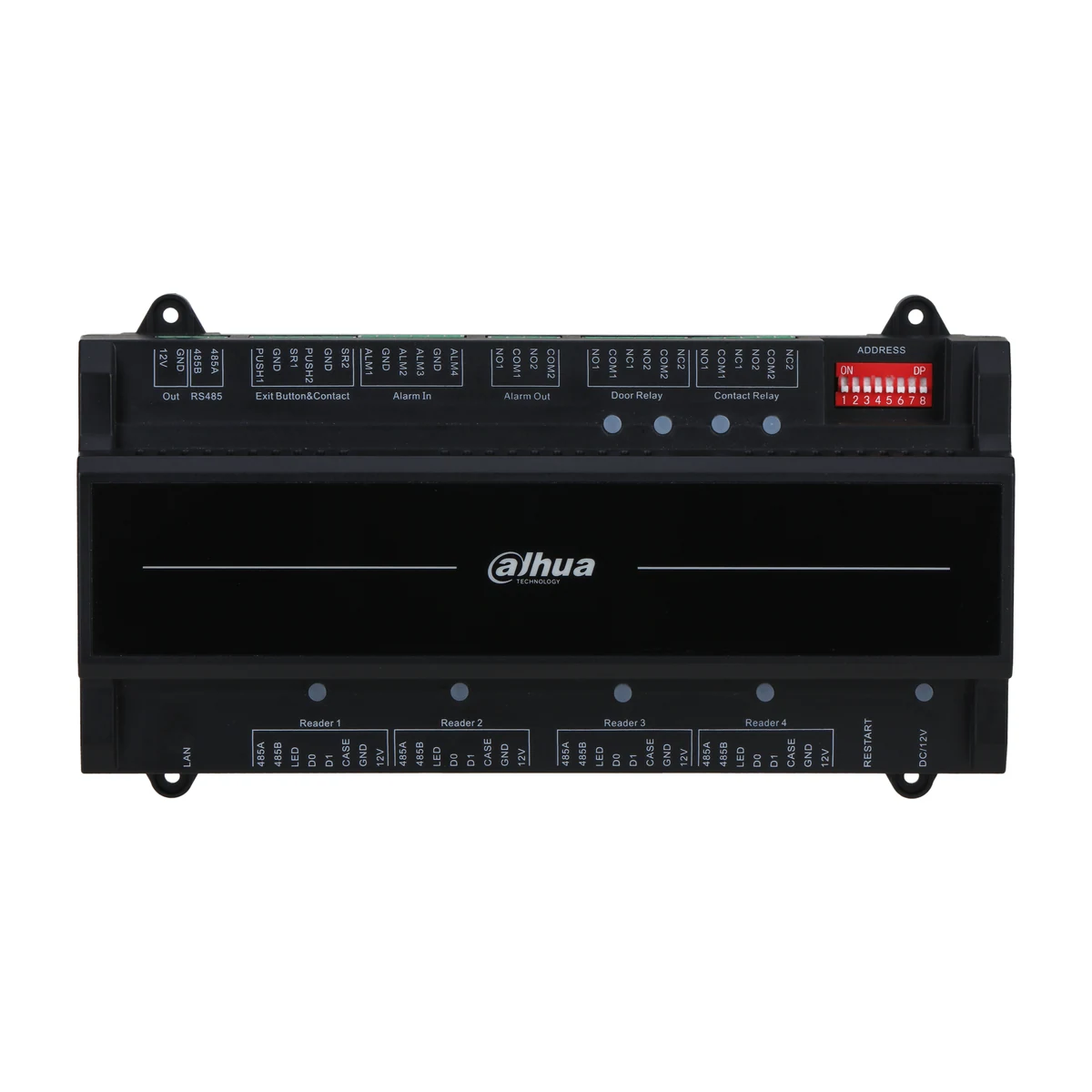
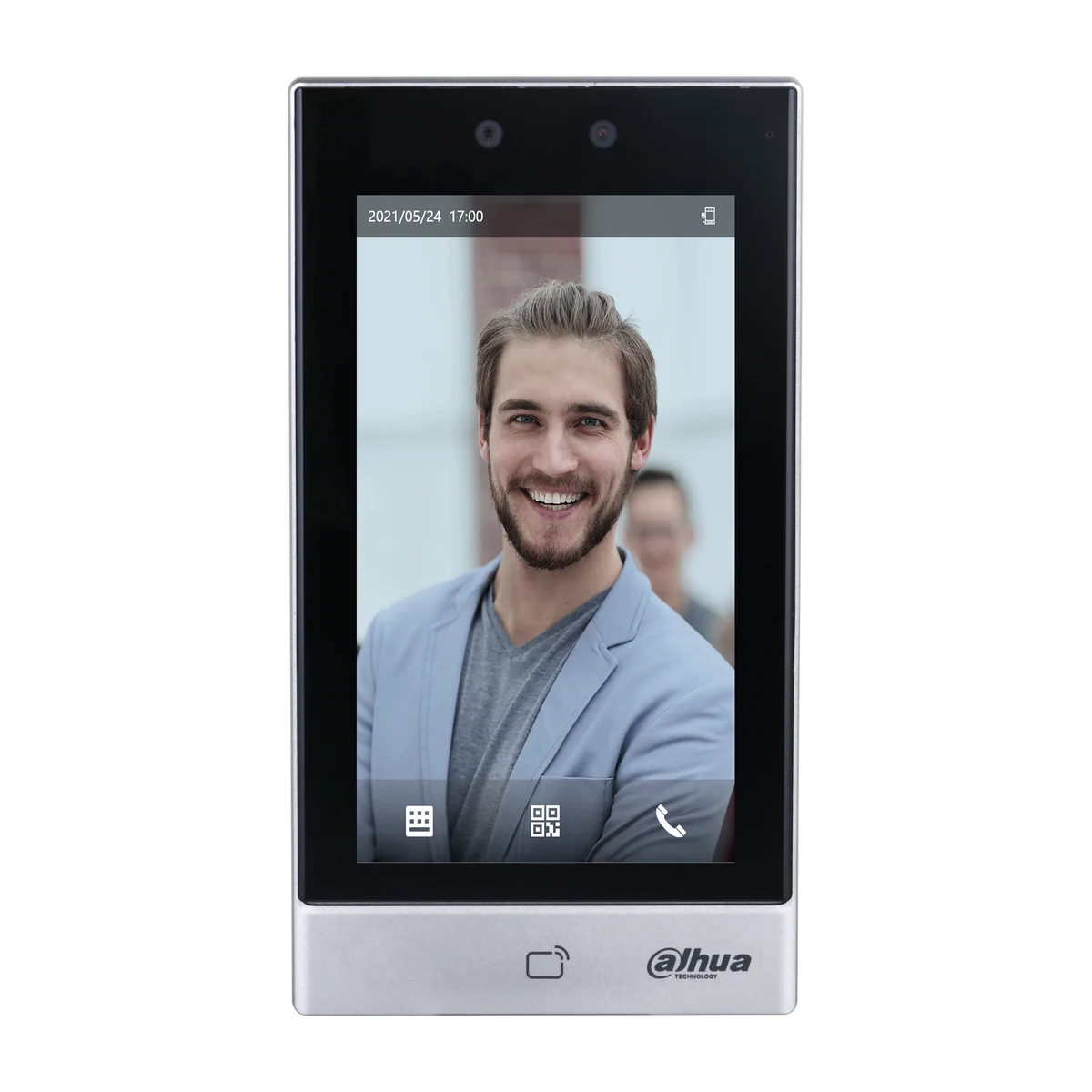
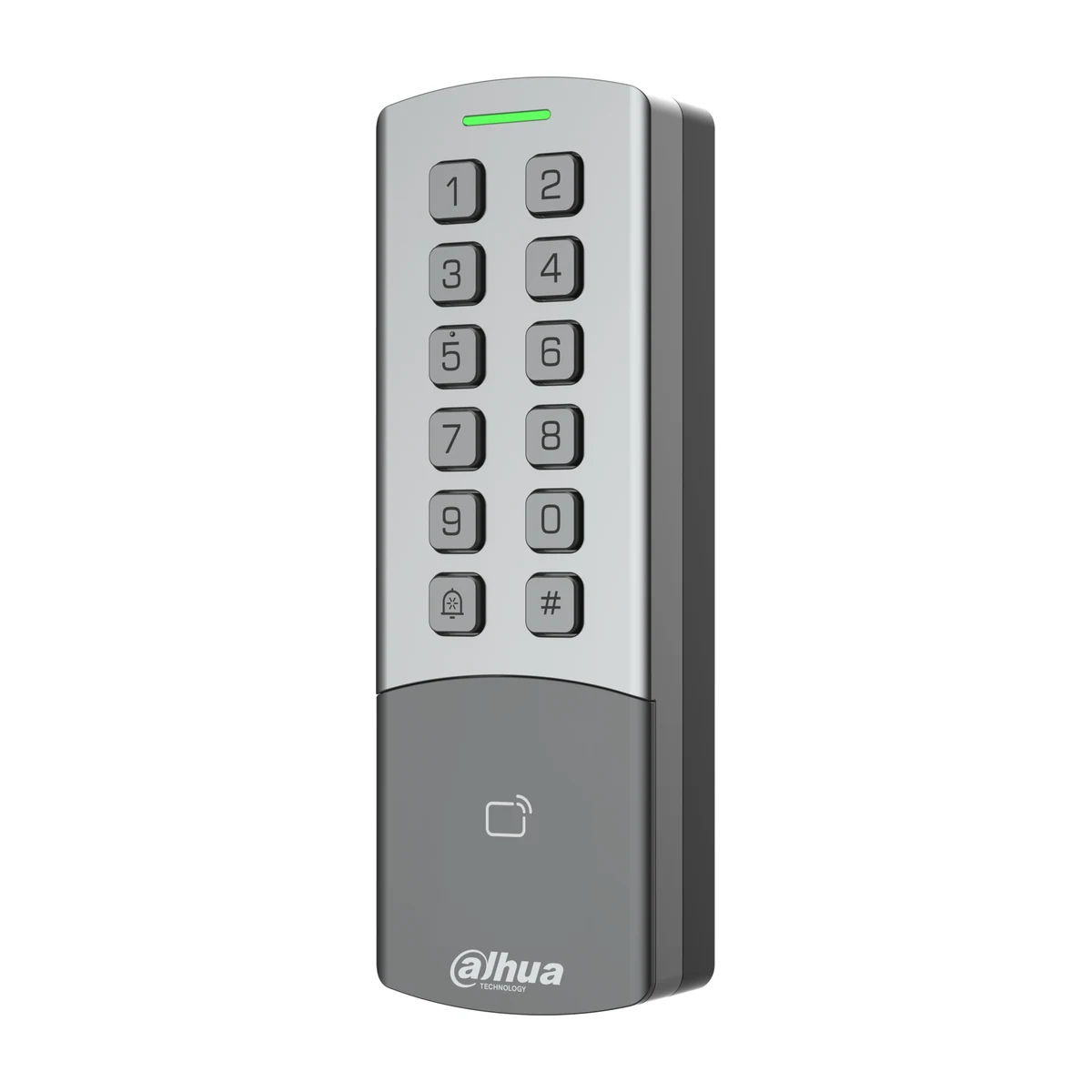
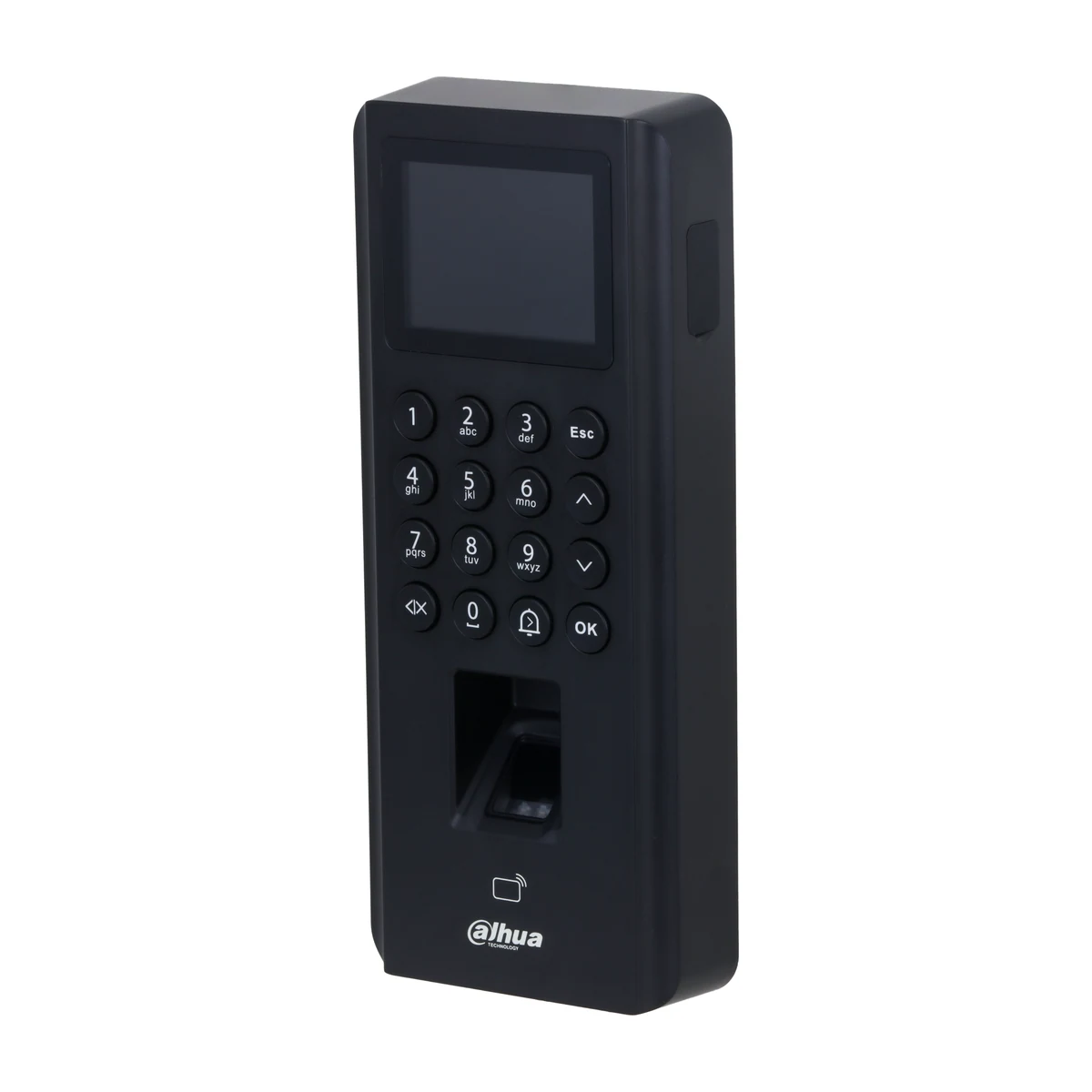
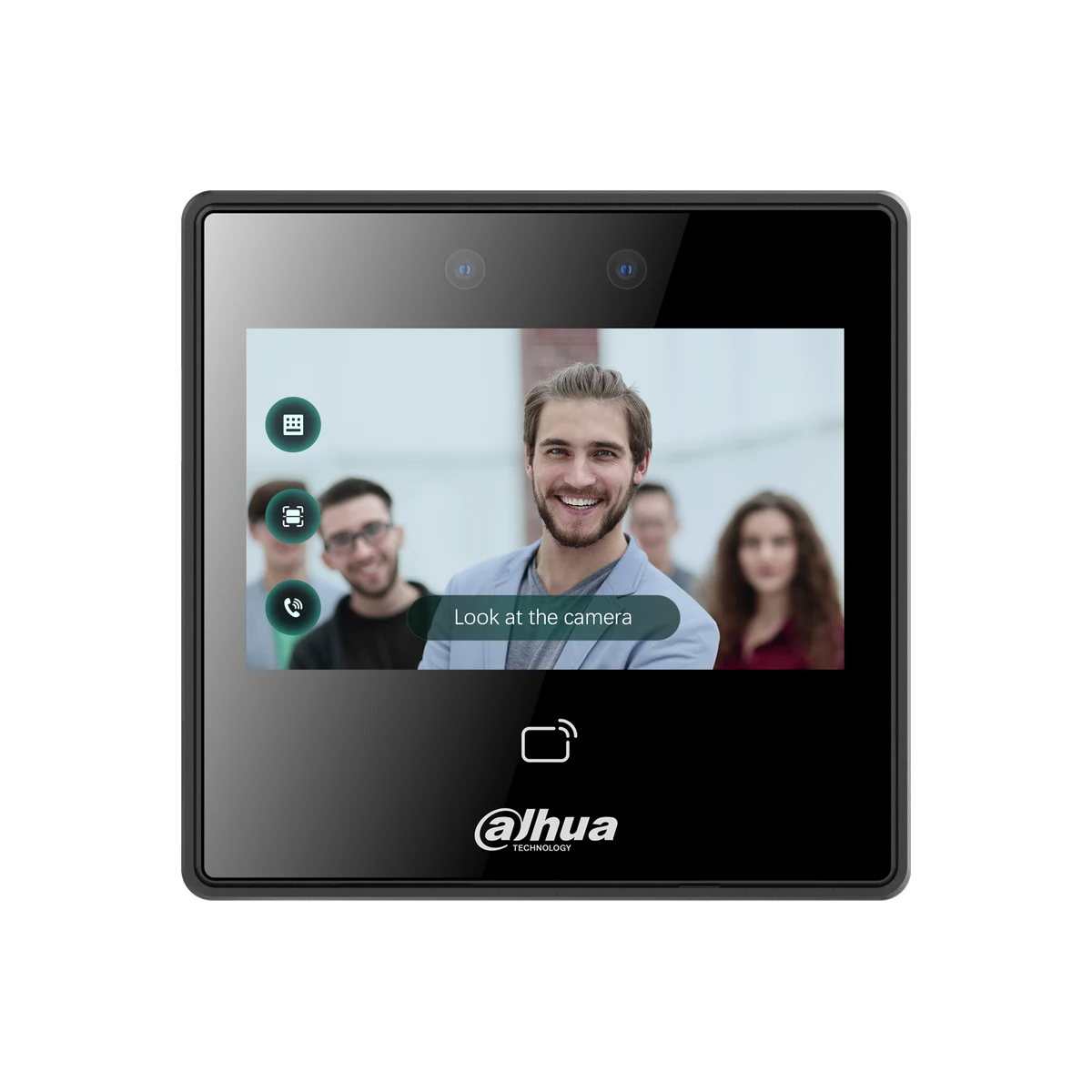
Access controllers — guide & FAQ
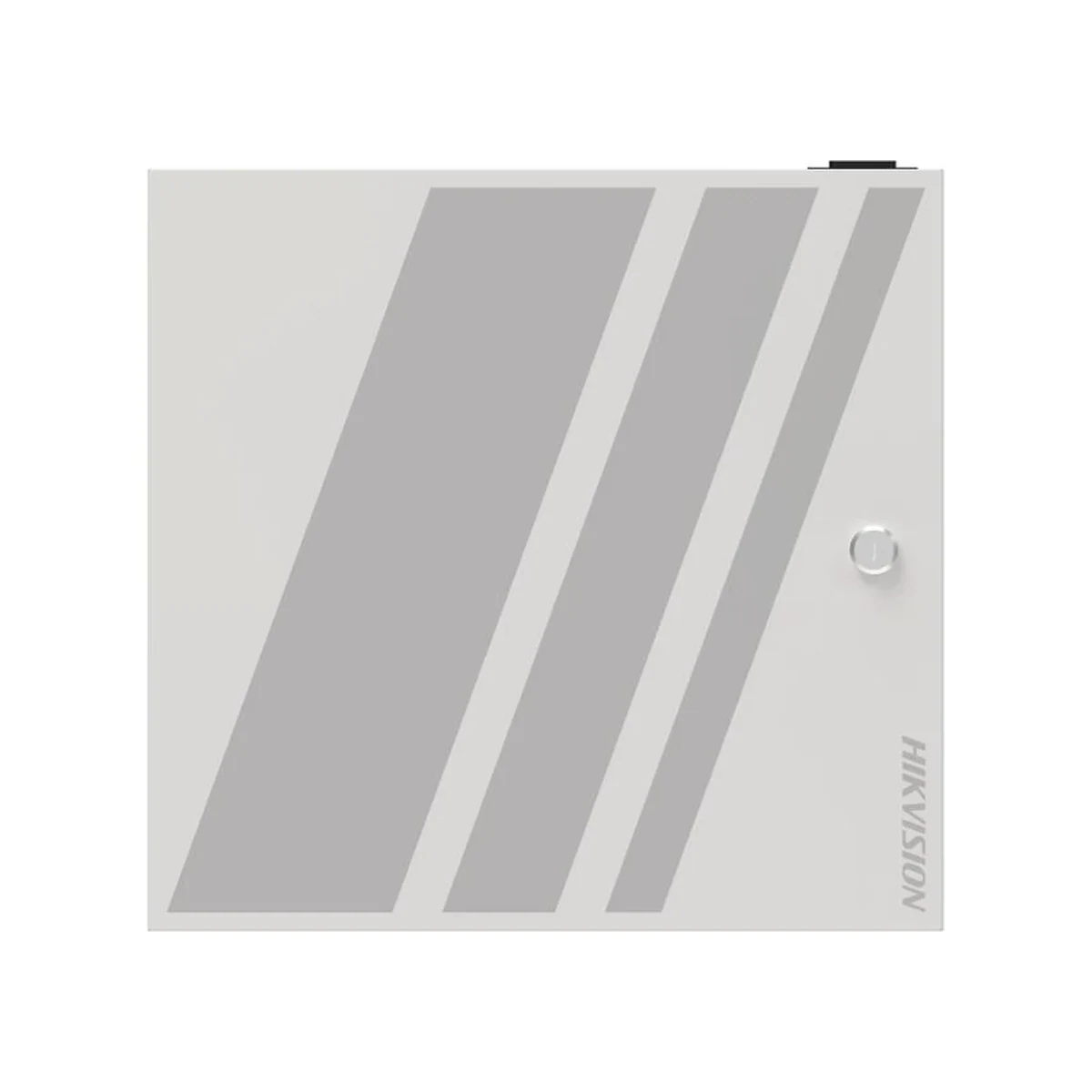
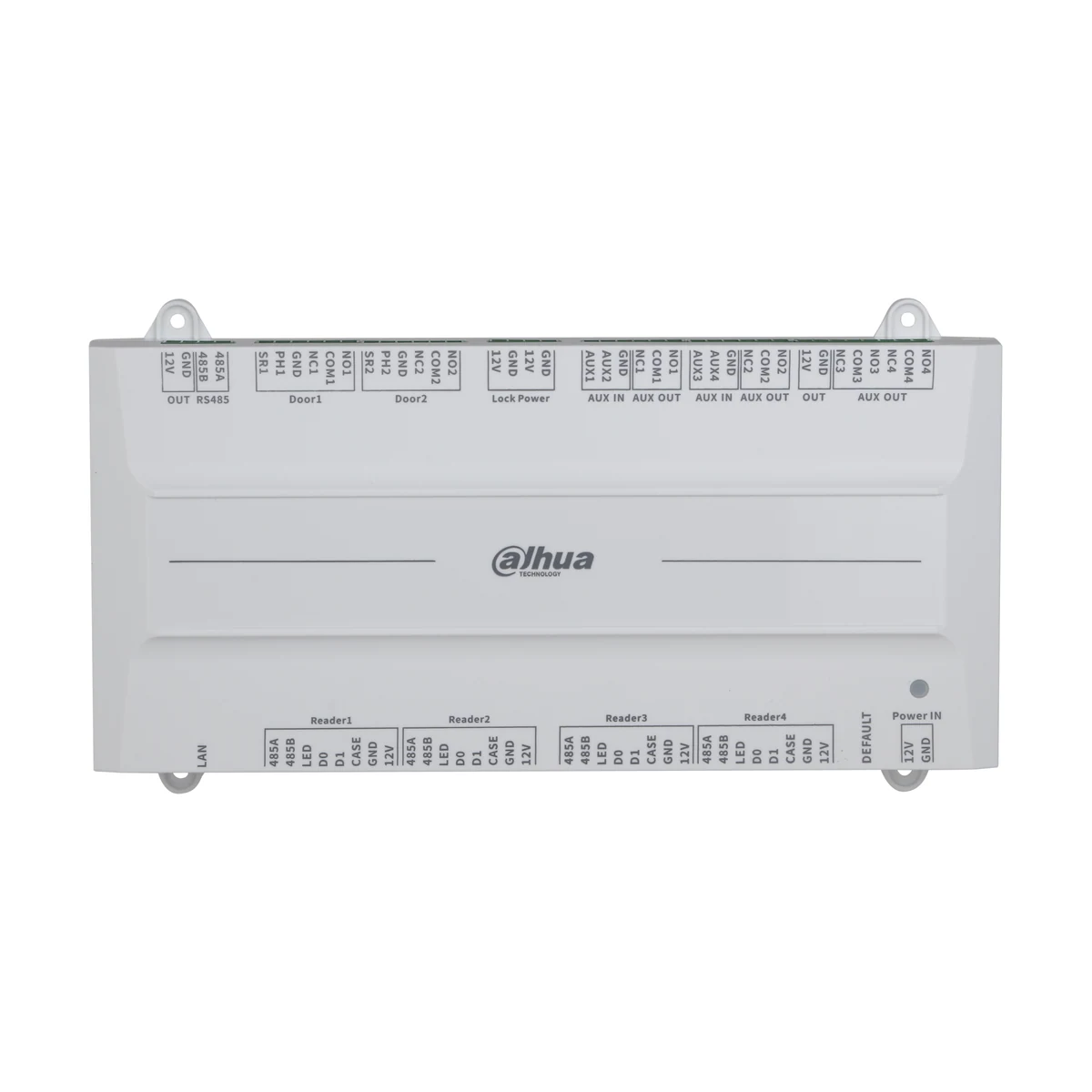
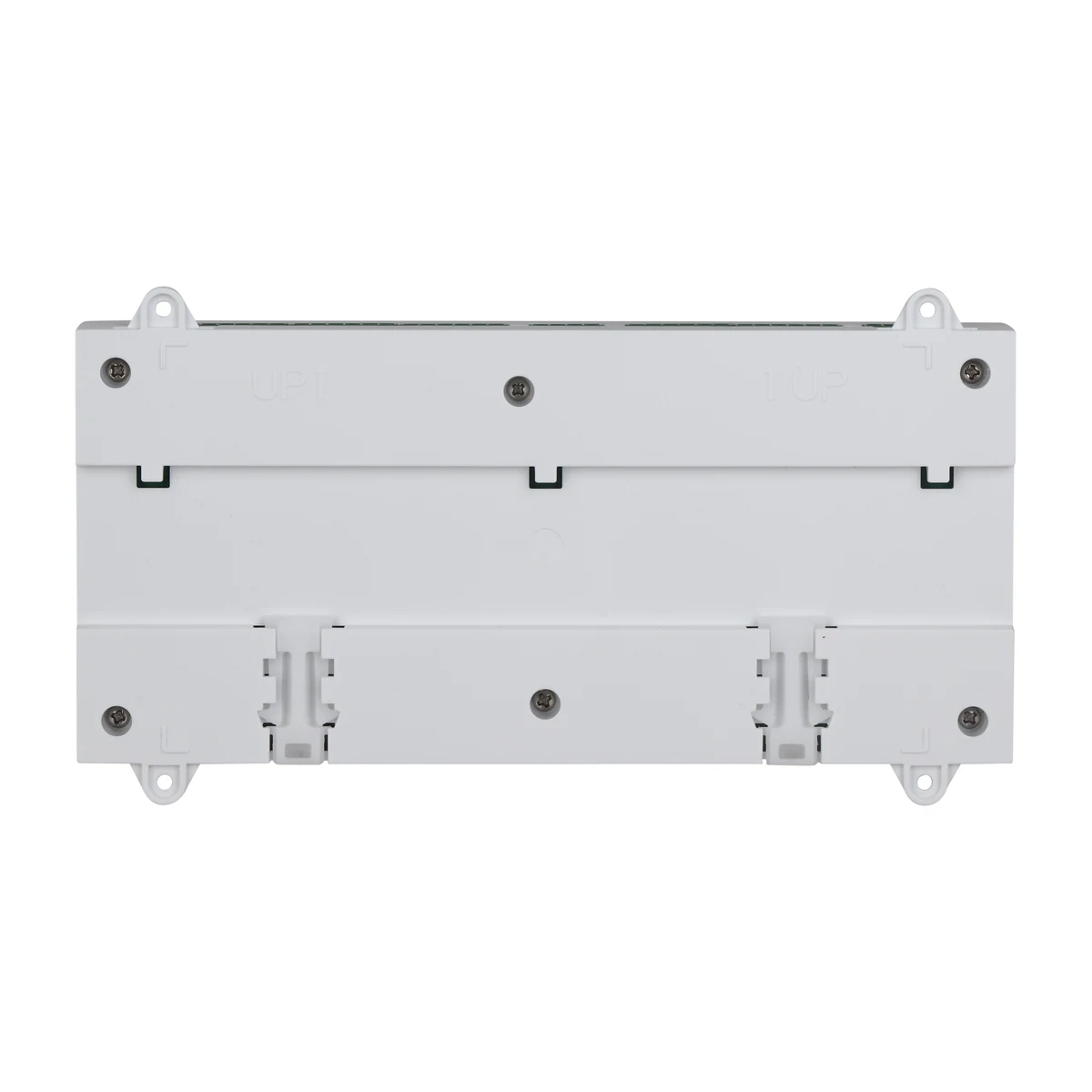
Access controllers are the "brain" of any access control system (ACS). It is the controller that decides whether to open a door or not: it stores the user database, access rights and schedules, processes identification by card, face, fingerprint or PIN code and controls actuating devices — electromagnetic locks, turnstiles, barriers. It is convenient to buy access controllers in Tashkent for a specific task and with a warranty through the SAT Solutions catalog: we select equipment based on the number of doors, the type of identifiers and the requirements for integration with video surveillance and time attendance.
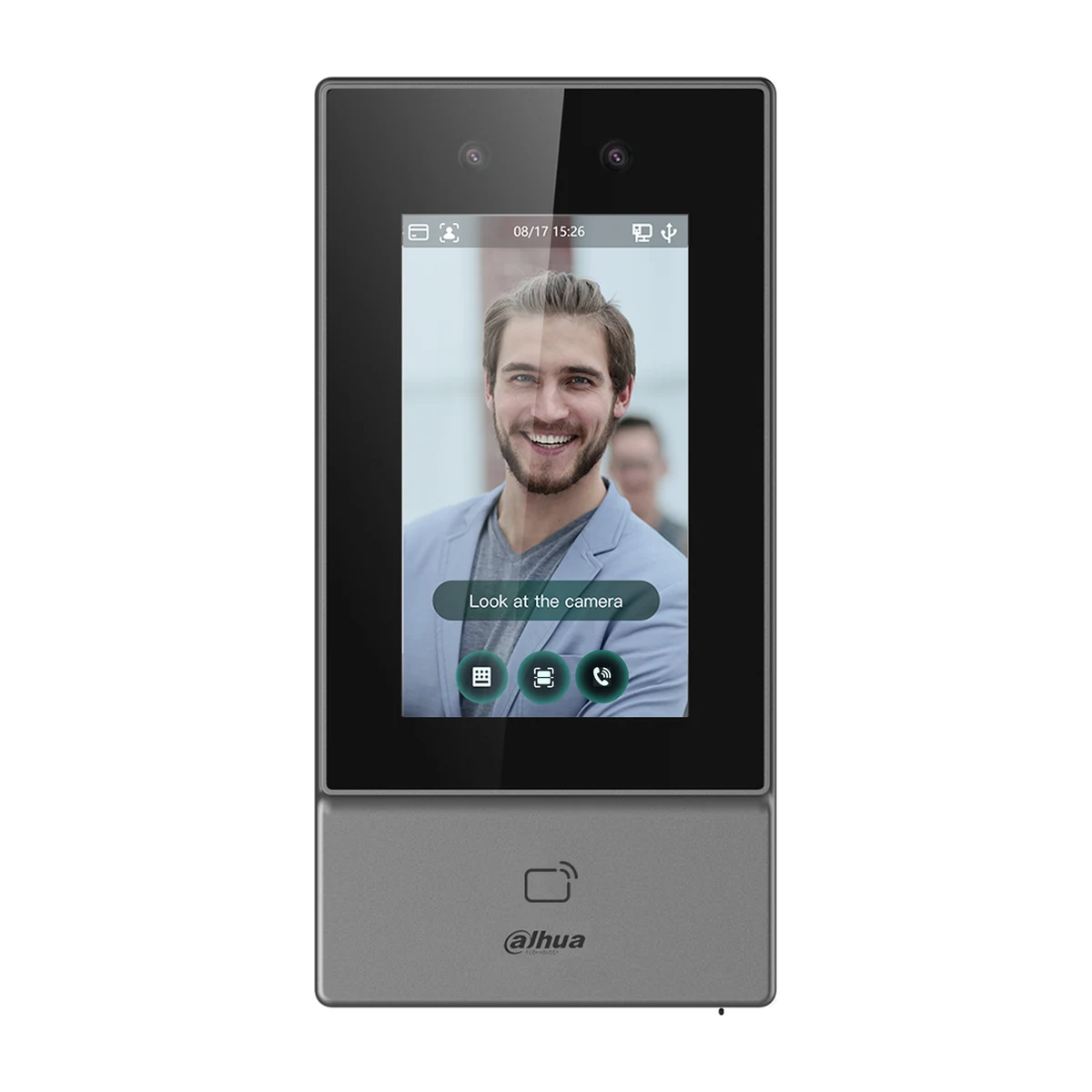
Unlike simple standalone locks, a full-fledged controller operates as part of a network, keeps a log of all events and allows access to be managed centrally across dozens and hundreds of passage points. This is critical where security, discipline and reporting matter: at enterprises, in office centers, at restricted-access sites. The catalog features both network controllers for connecting third-party readers and locks, as well as all-in-one access terminals — devices that combine a reader, a controller and recognition tools in a single housing.
For sites in Uzbekistan, the choice of a controller is determined not only by functionality but also by operating conditions. Outdoor passage points — enterprise checkpoints, territory entrances, entrances to standalone buildings — require equipment designed for a hot summer with temperatures up to +45 °C, dust and humidity fluctuations. Indoor terminals in offices and shopping centers operate in a comfortable microclimate, but they are subject to increased requirements for recognition speed and design. Equally important is resistance to voltage fluctuations in the mains, which are characteristic of a number of areas: a properly designed system provides for backup power and equipment protection. SAT Solutions helps take these factors into account as early as the selection stage, so that the system operates stably for years without downtime and unplanned service visits.
How to choose
- **Identification type:** determine what will serve as the pass — a card/fob (RFID), a fingerprint, face recognition or a combination of these. Dahua ASI series terminals support multi-format identification, which increases reliability and convenience.
- **Number of passage points:** for a single door a compact terminal is sufficient; for several doors or directions (entry/exit), choose a network controller such as the Dahua DHI-ASC2202B-D with support for connecting external readers.
- **Network interfaces and communication:** Ethernet (PoE), Wi-Fi and Wiegand/RS-485 interfaces determines how the controller integrates into the existing infrastructure. Models with the "W" index support wireless connection.
- **Installation conditions:** for outdoor checkpoints, the dust and moisture protection rating and the operating temperature range with a margin for the Uzbek summer are important; for indoor use, ergonomics and response speed are the priority.
- **Database capacity:** assess how many users, faces, fingerprints and events must be stored in the device's memory — this directly depends on the staff and the scale of the site.
- **Integration with ACS and video:** the ability to combine with access control software, time attendance and Dahua video surveillance provides a single ecosystem and end-to-end analytics.
- **Backup and security:** assess support for backup power, anti-tamper protection, as well as multiple levels of rights and access schedules.
Applications
- Offices and business centers — recording employee arrival/departure, restricting access to offices, server rooms and meeting rooms.
- Retail sites and shops — control of entrances to storage and service areas, protection of merchandise and cash-desk rooms.
- Manufacturing enterprises and warehouses — checkpoints with turnstiles, access to workshops and high-hazard zones, personnel discipline.
- Residential complexes and apartments — managing access at entrance groups, in parking lots and technical rooms.
- Government institutions and education — regulated access of employees and visitors, keeping passage logs.
- Restricted-access and special sites — banks, data centers, energy and infrastructure facilities where multi-factor identification and strict auditing are required.
Brands and models in the catalog
- **Dahua DHI-ASC2202B-D** — a network access controller for building a multi-door ACS with the connection of external readers and locks.
- **Dahua ASI7213S-W and DHI-ASI3213A-W** — access terminals with face recognition and wireless connection, suitable for modern offices and entrance groups.
- **Dahua DHI-ASI1201M-ME and DHI-ASI2212J** — compact access terminals for a single passage point with support for cards and biometrics.
- **Dahua DHI-ASI6213S-PW** — an access terminal with built-in identification tools and PoE support for convenient installation.
- All items are Dahua equipment, which ensures compatibility within a single ACS and video surveillance ecosystem.