Telecom cabinets
Found: 129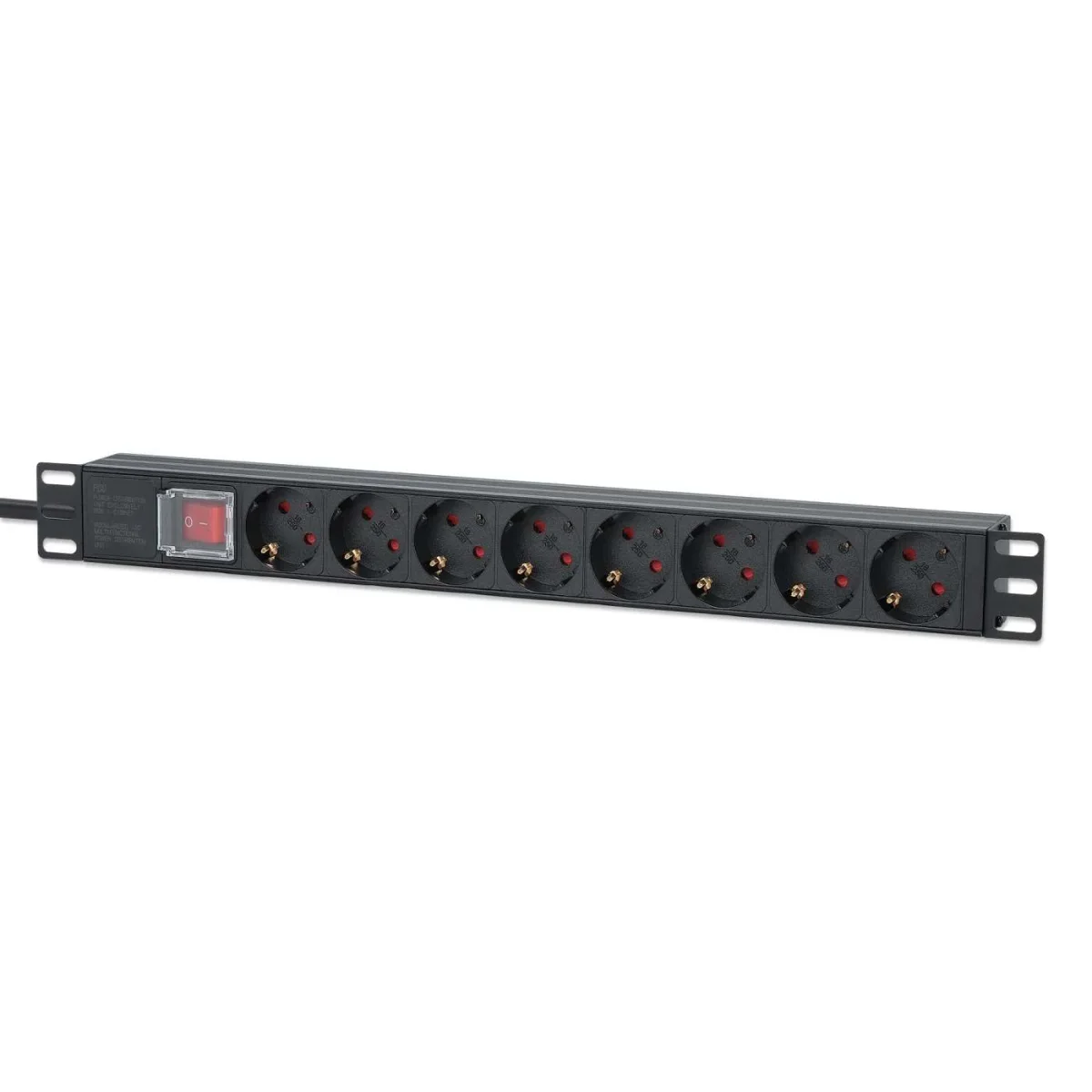





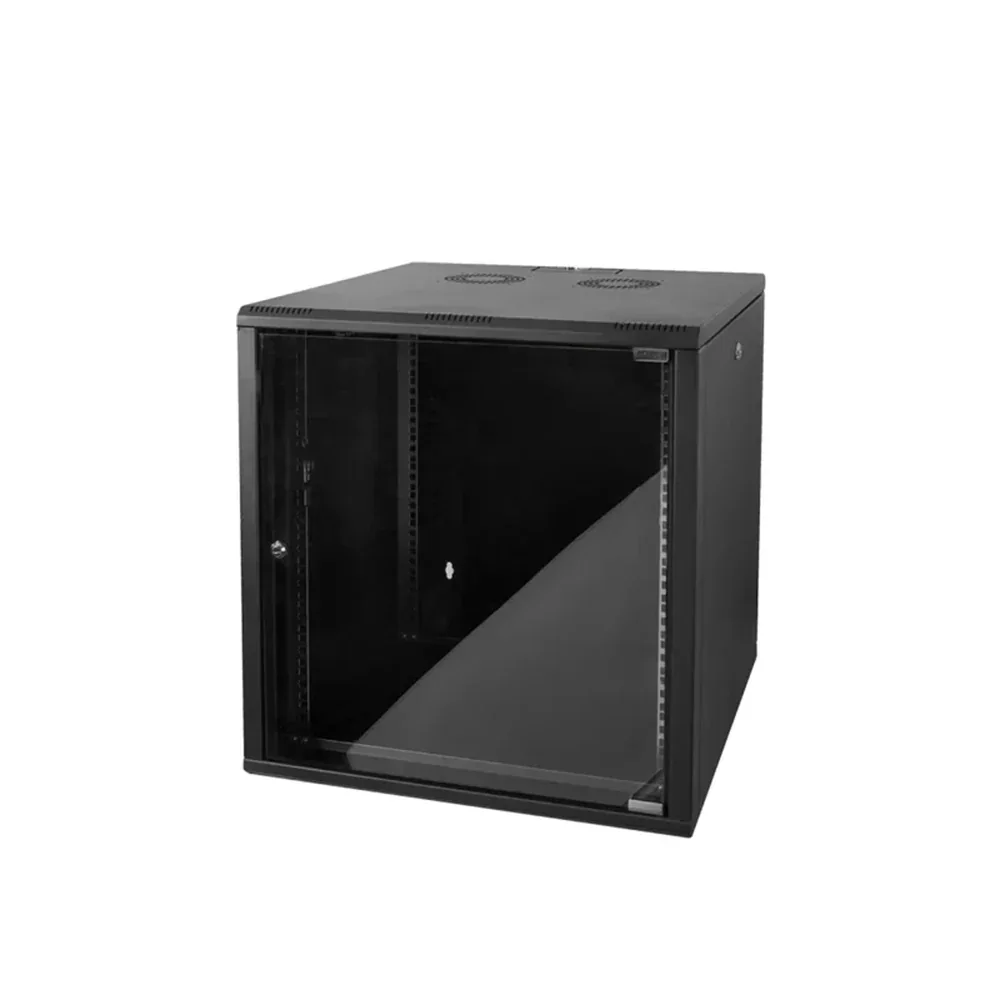
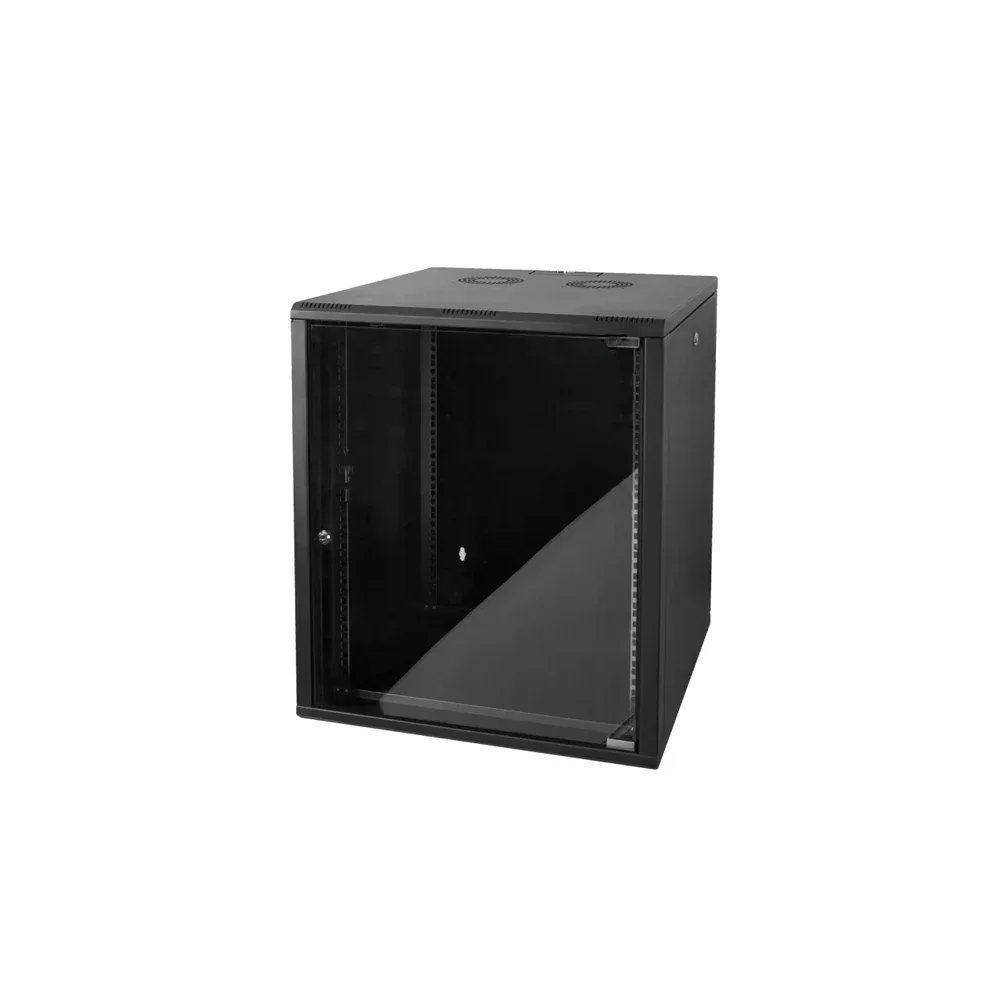
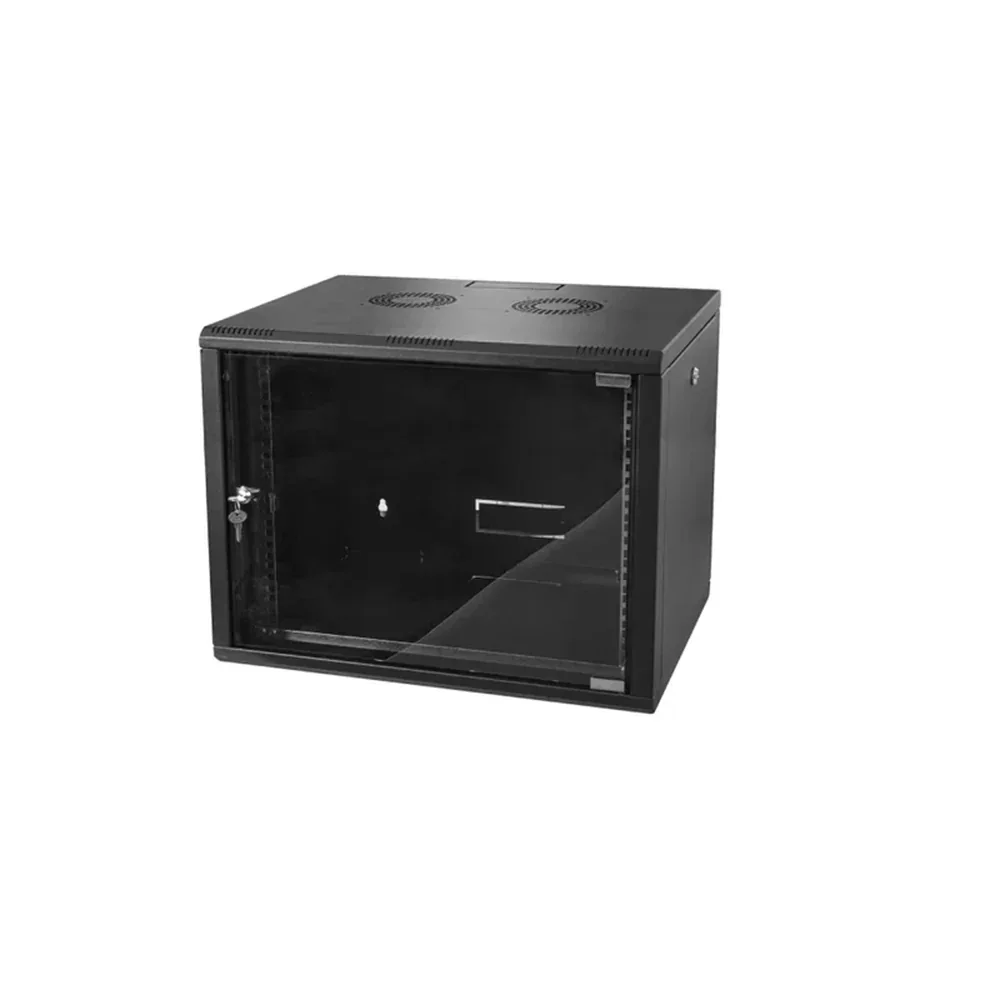
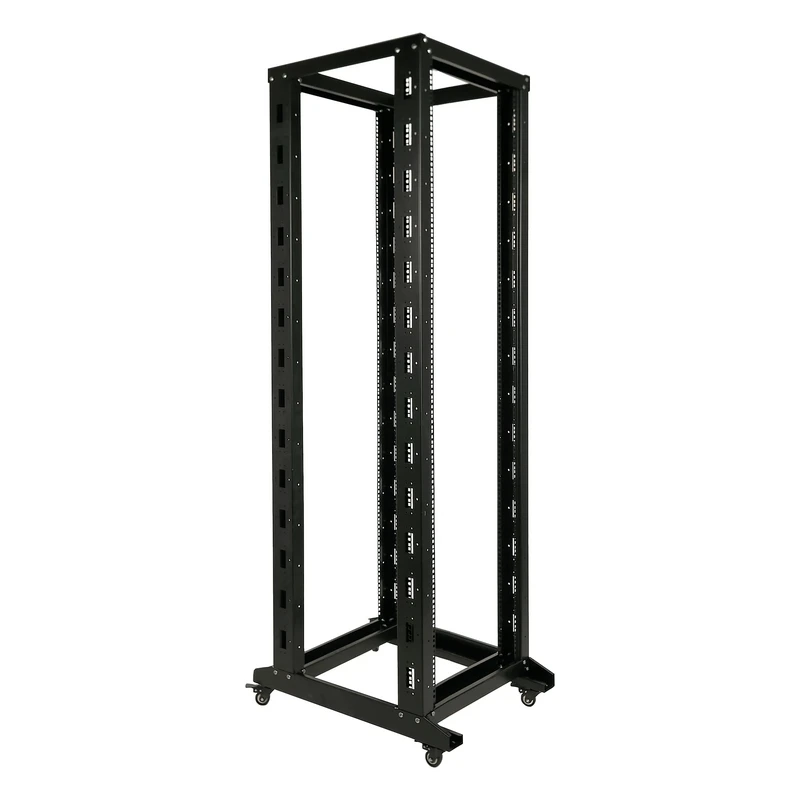
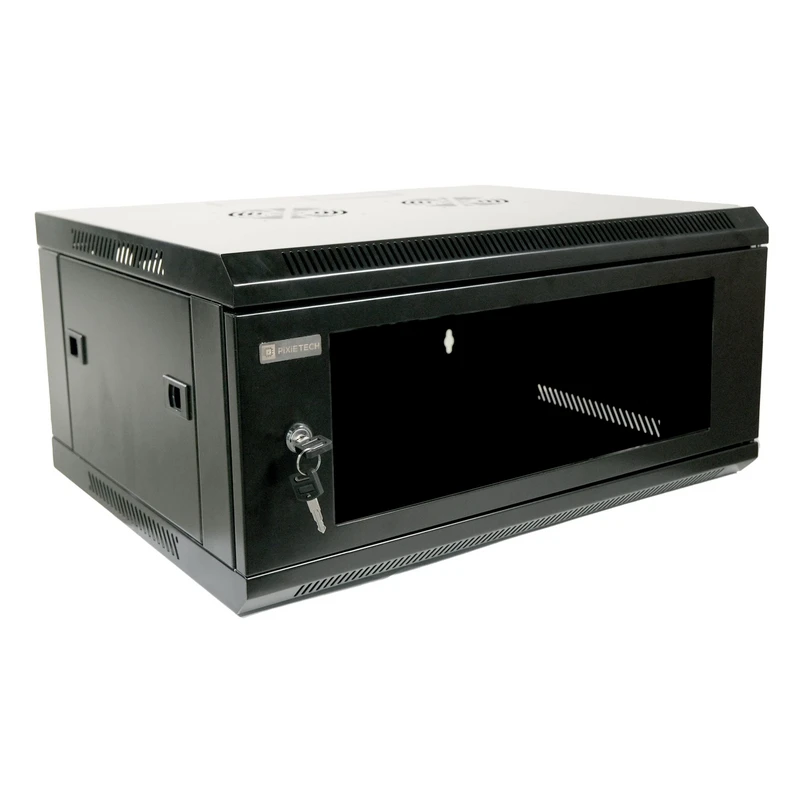
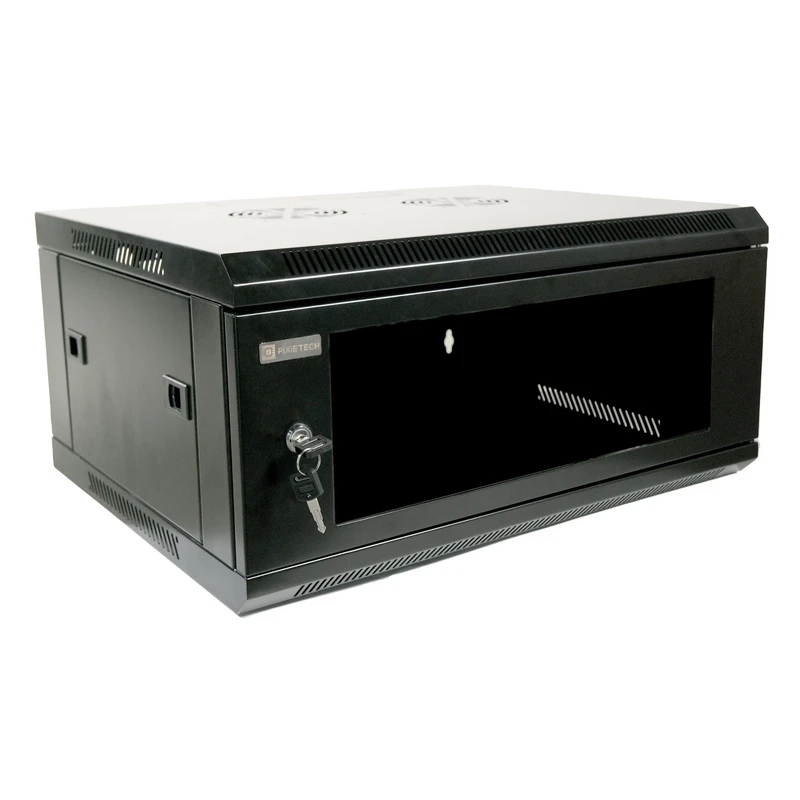
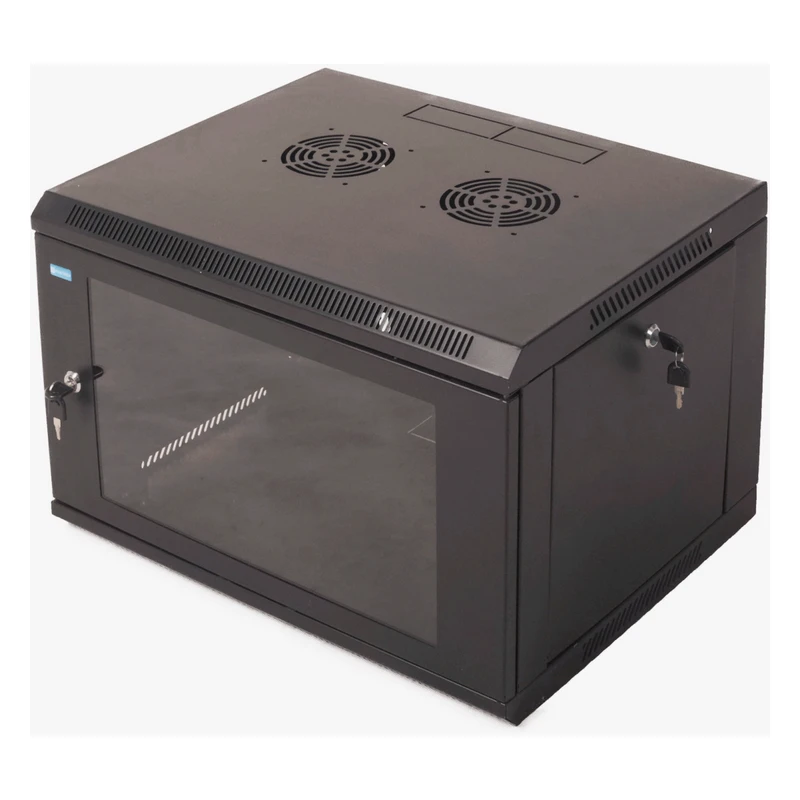
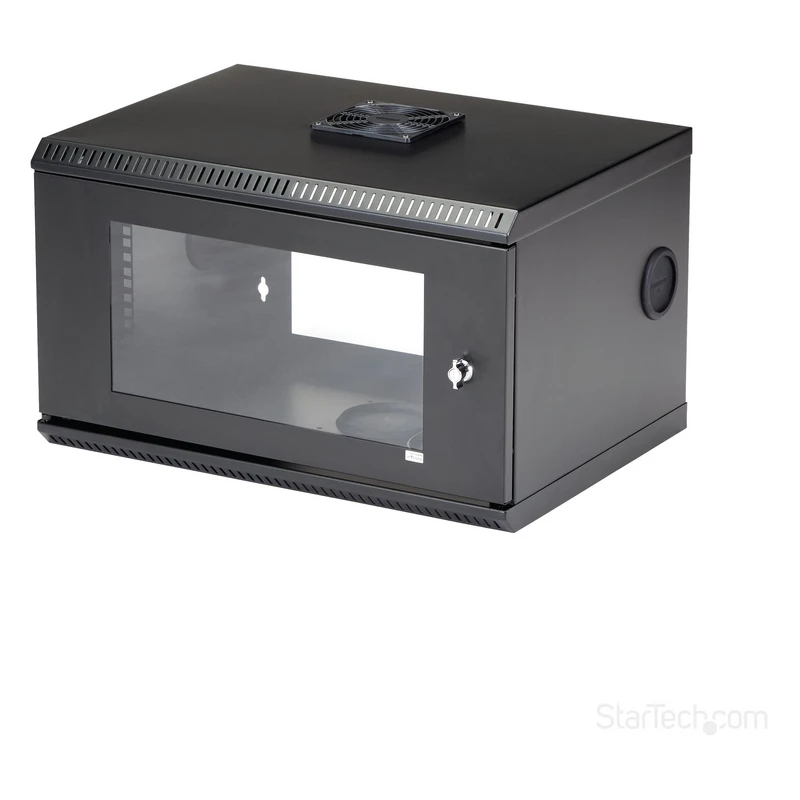
Telecom cabinets — guide & FAQ
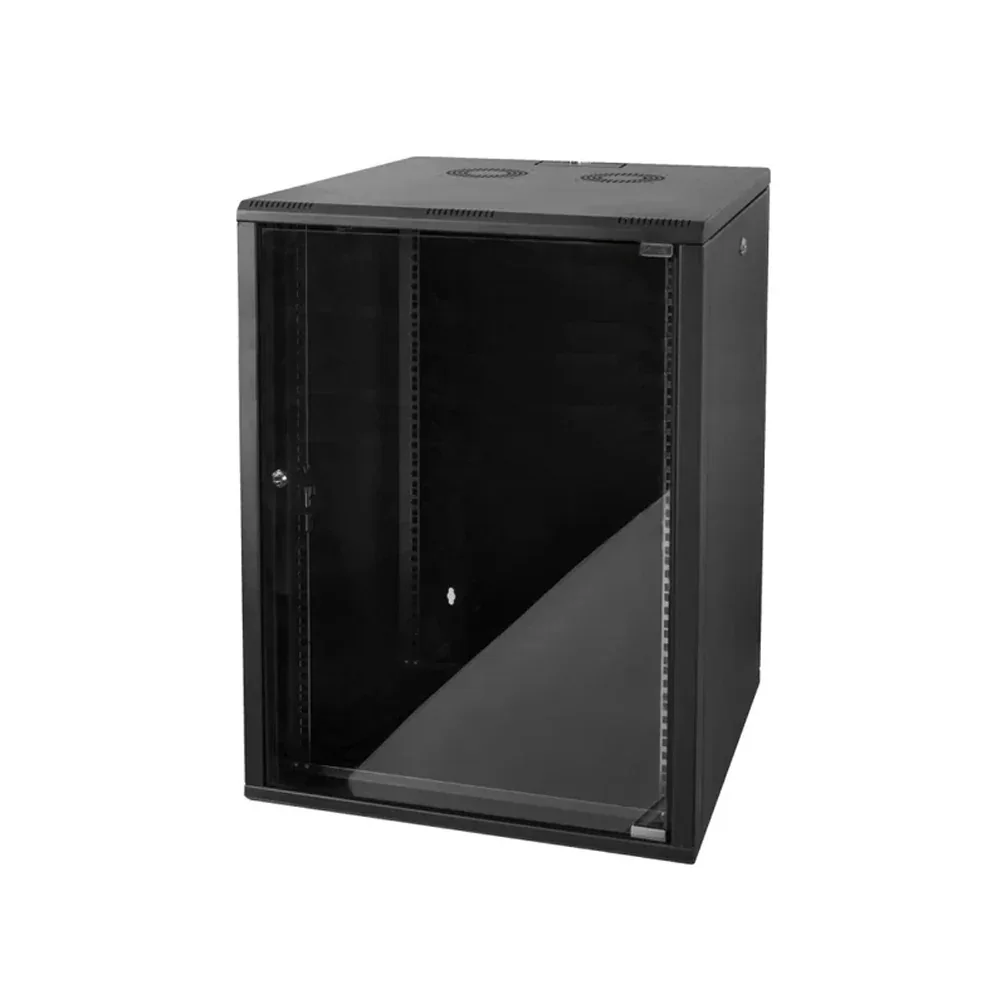
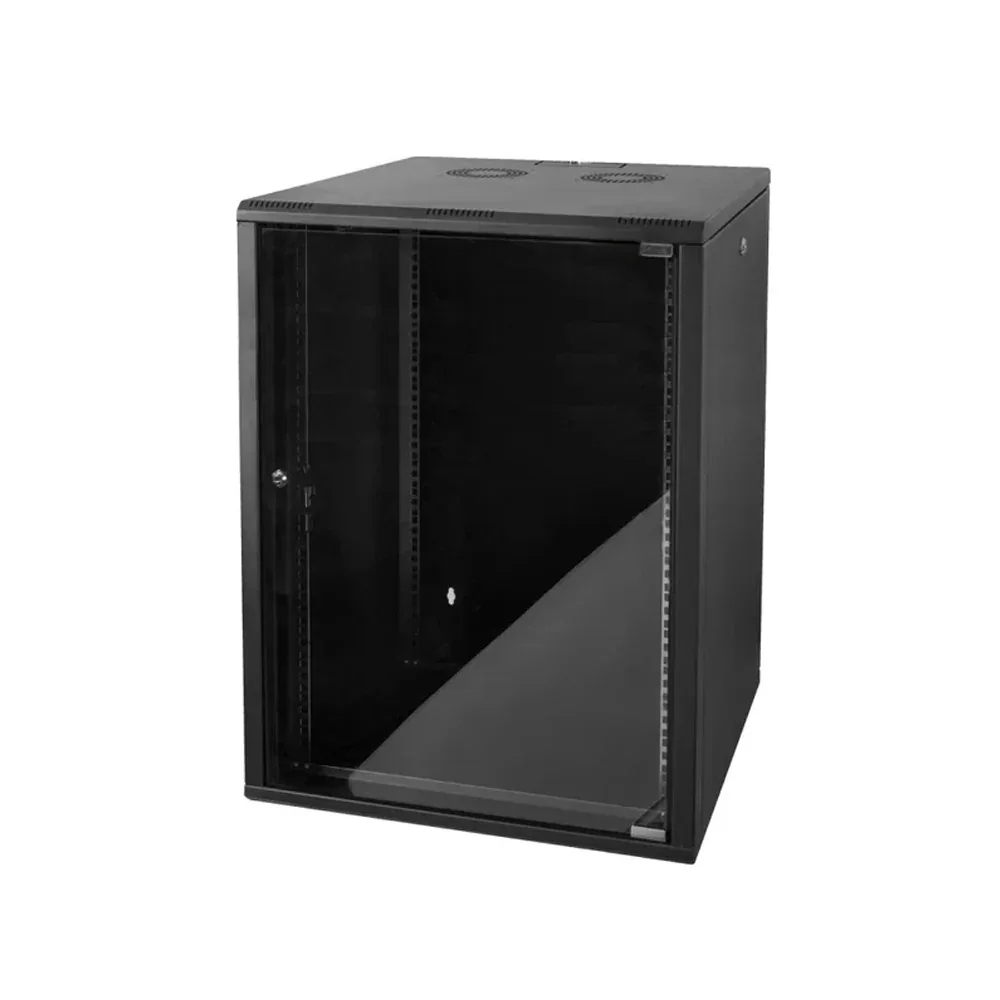
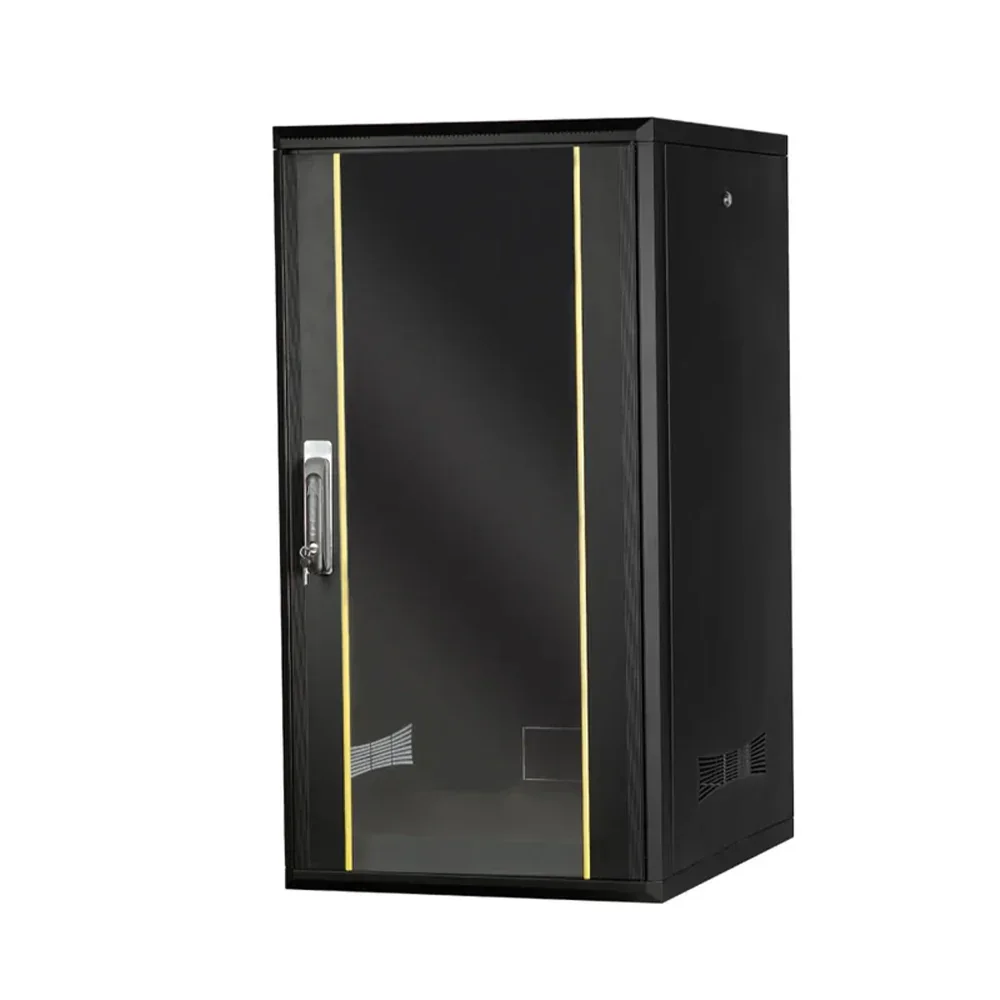
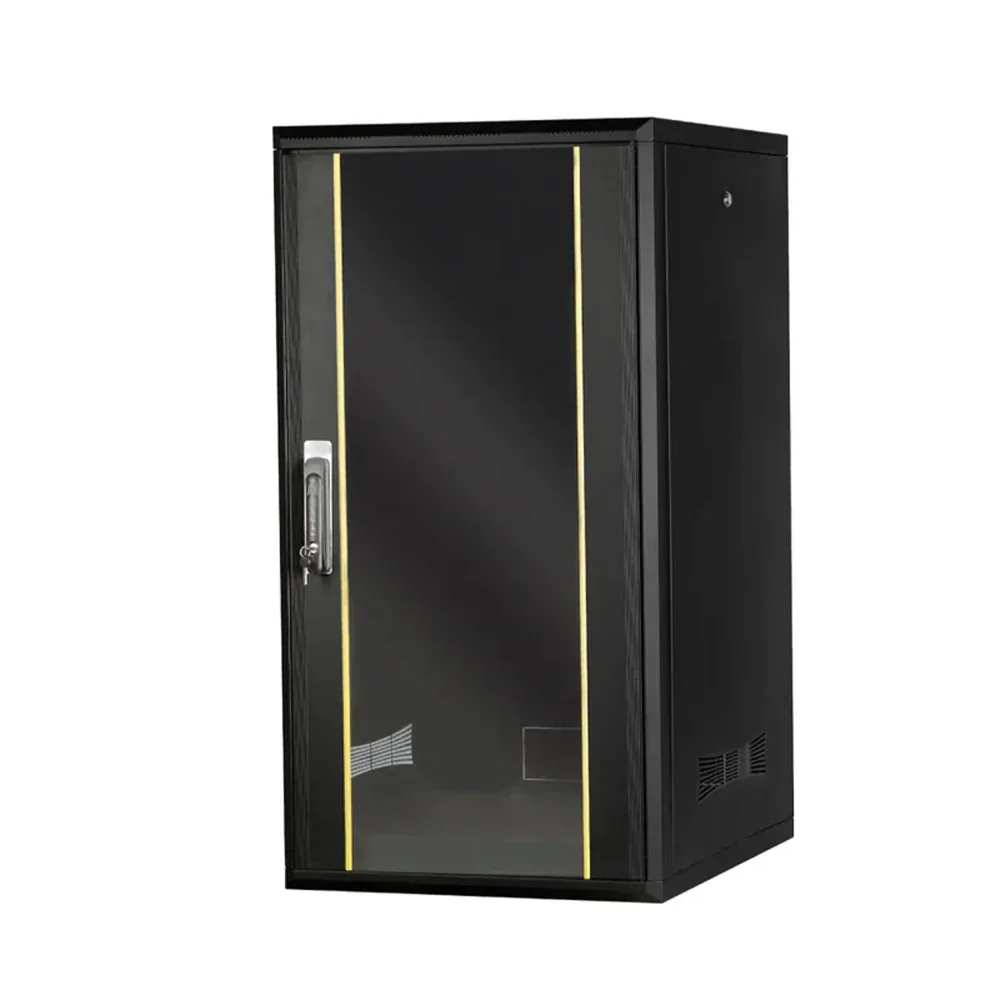
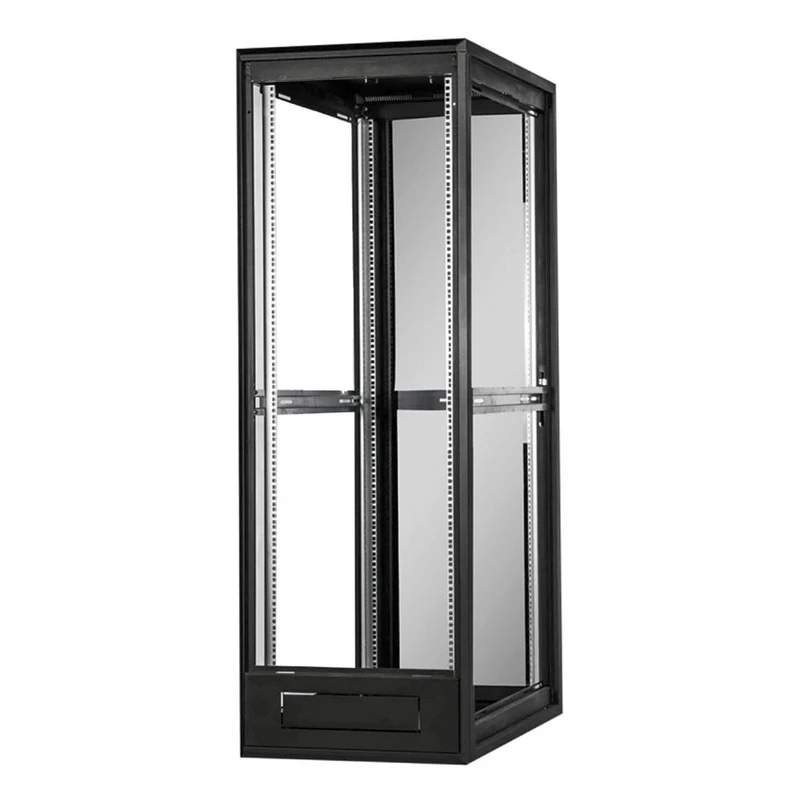
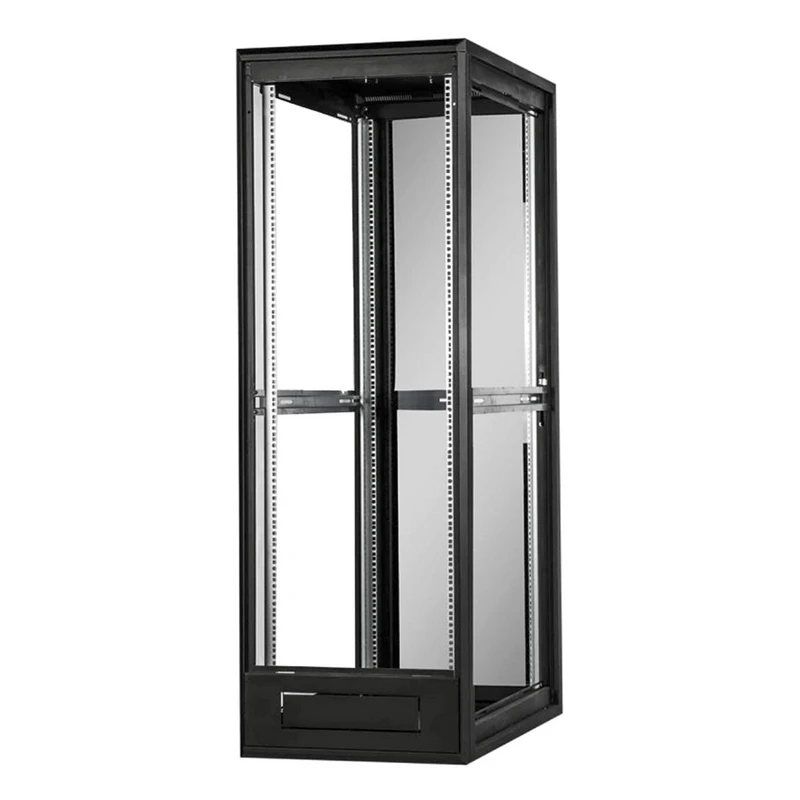
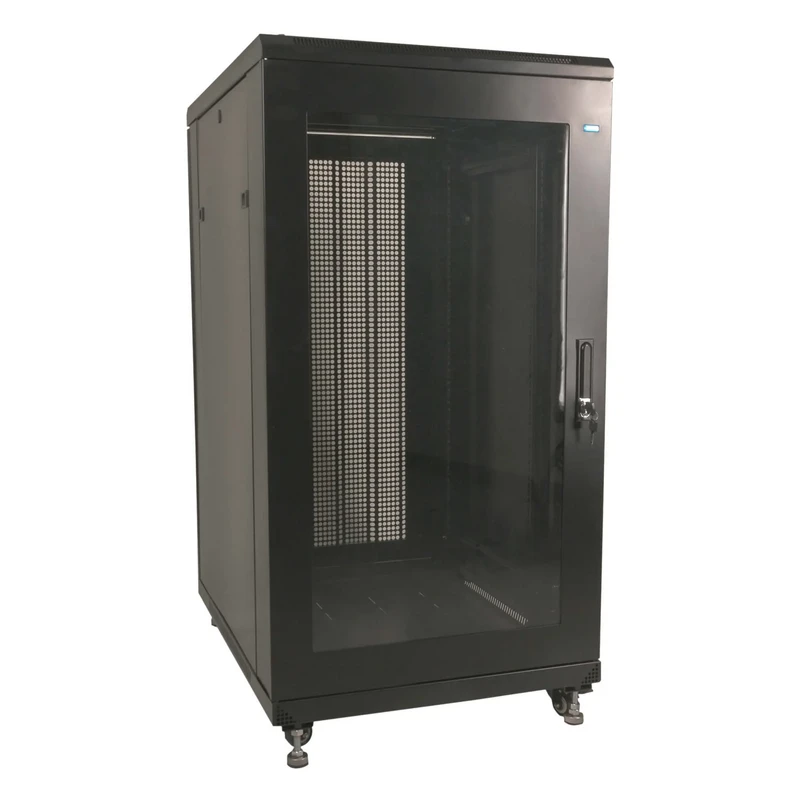
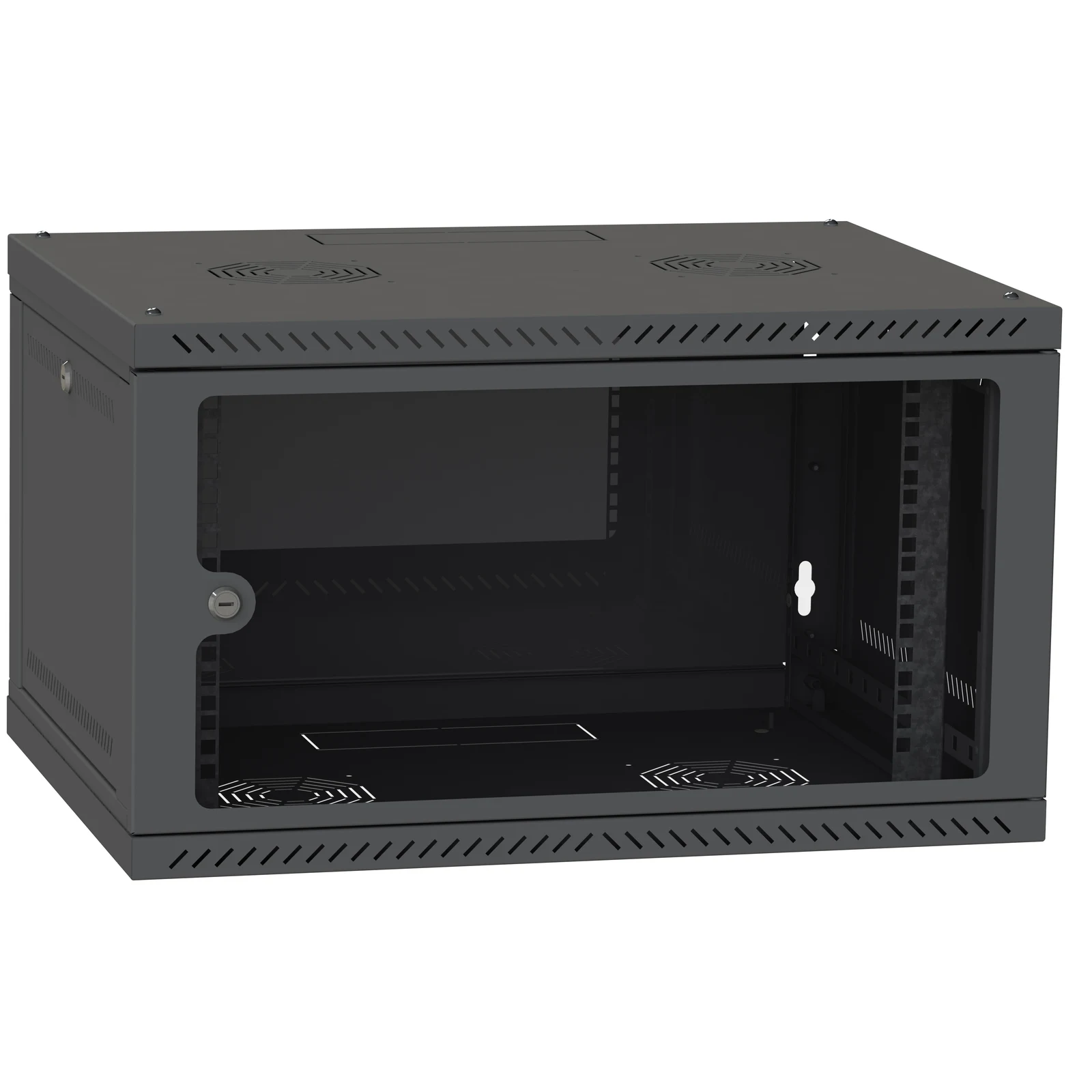
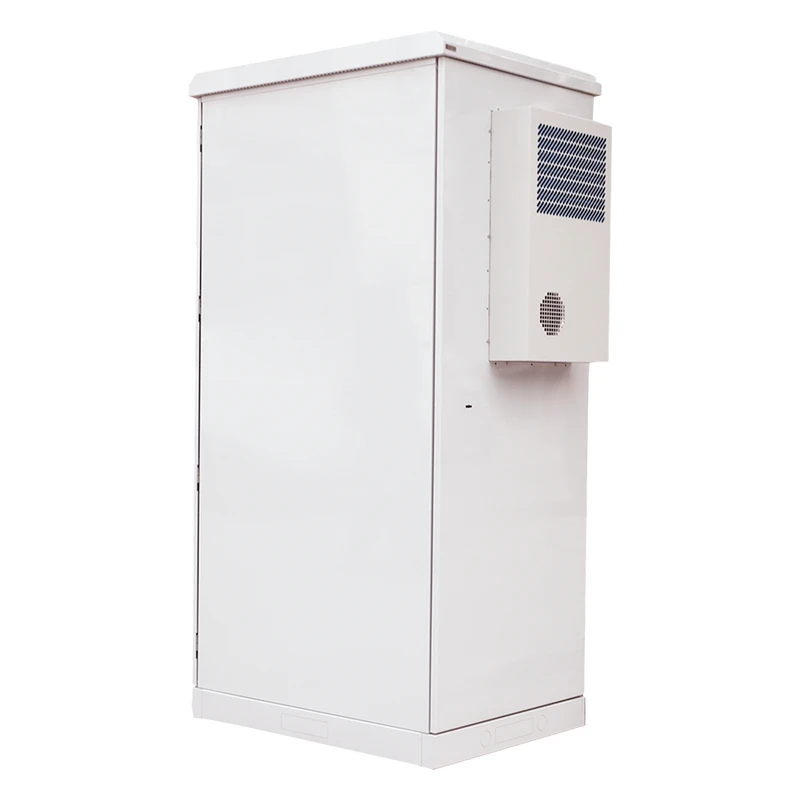
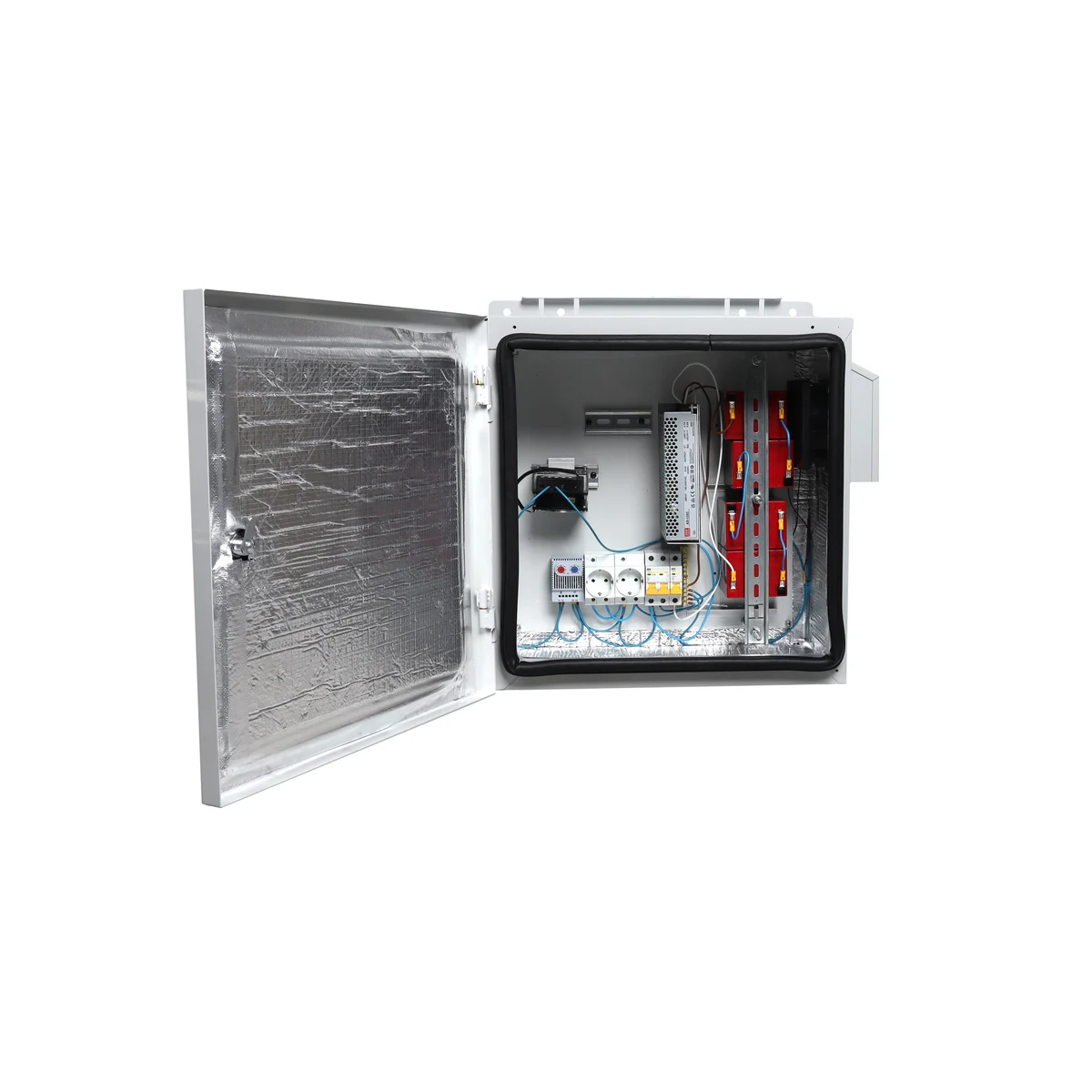
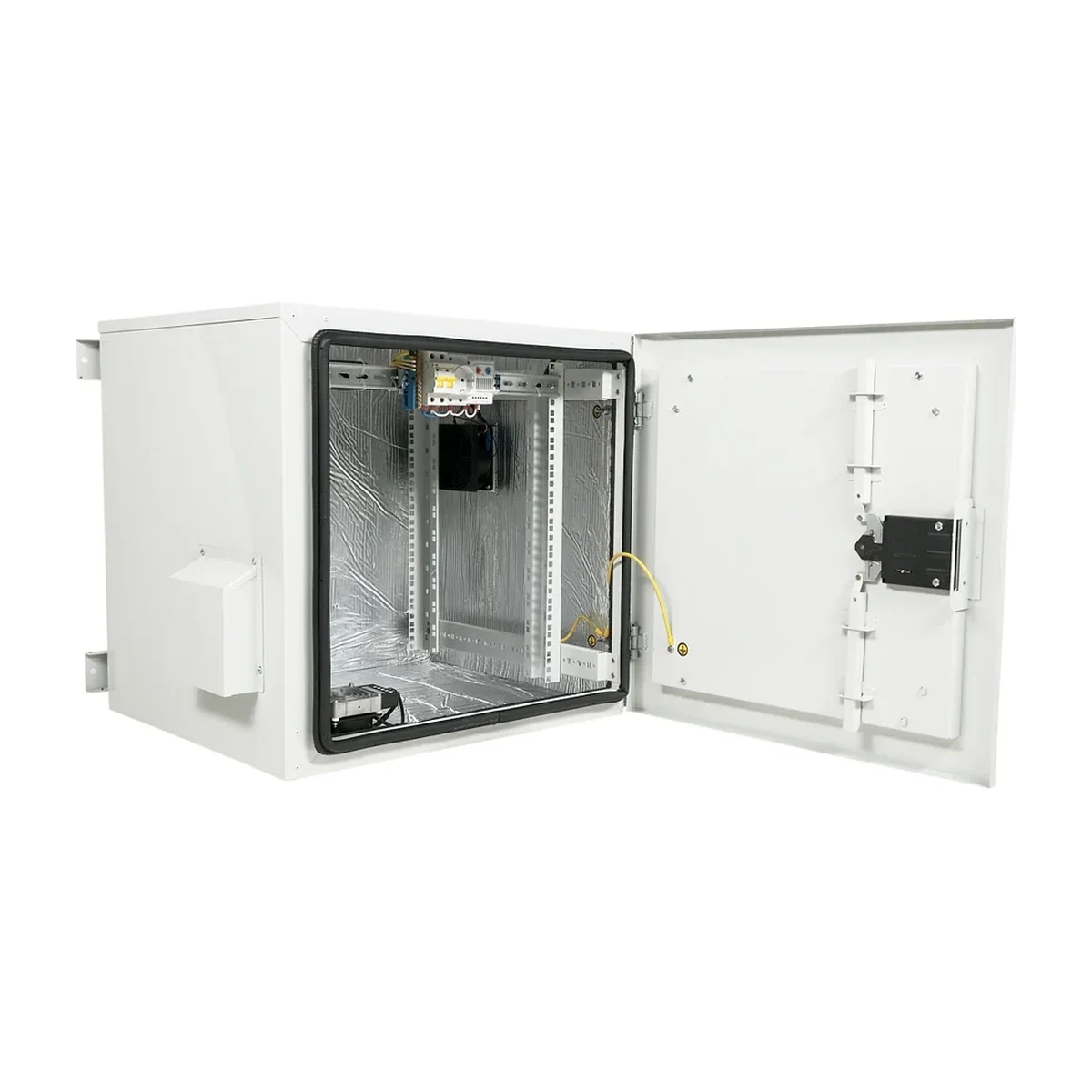
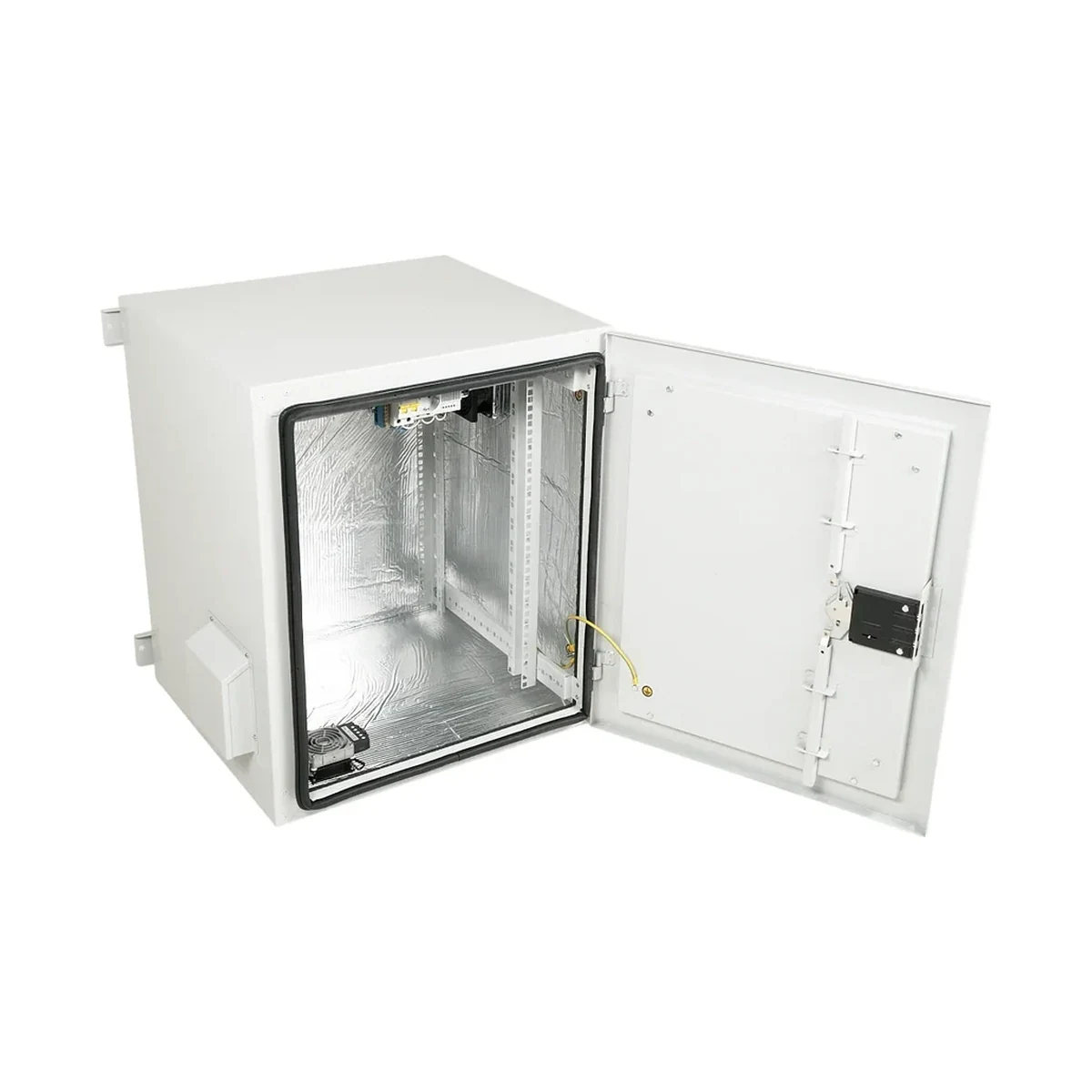
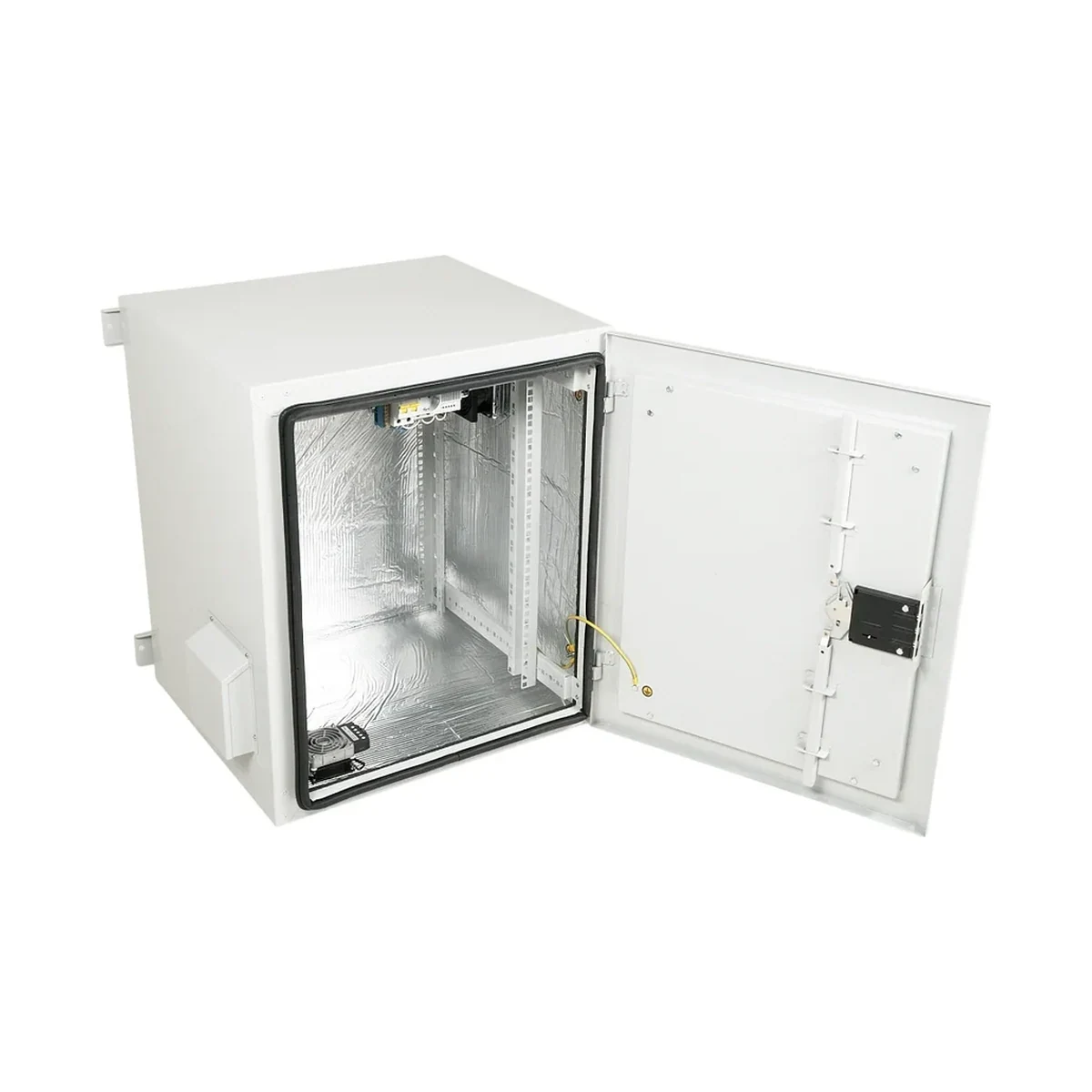
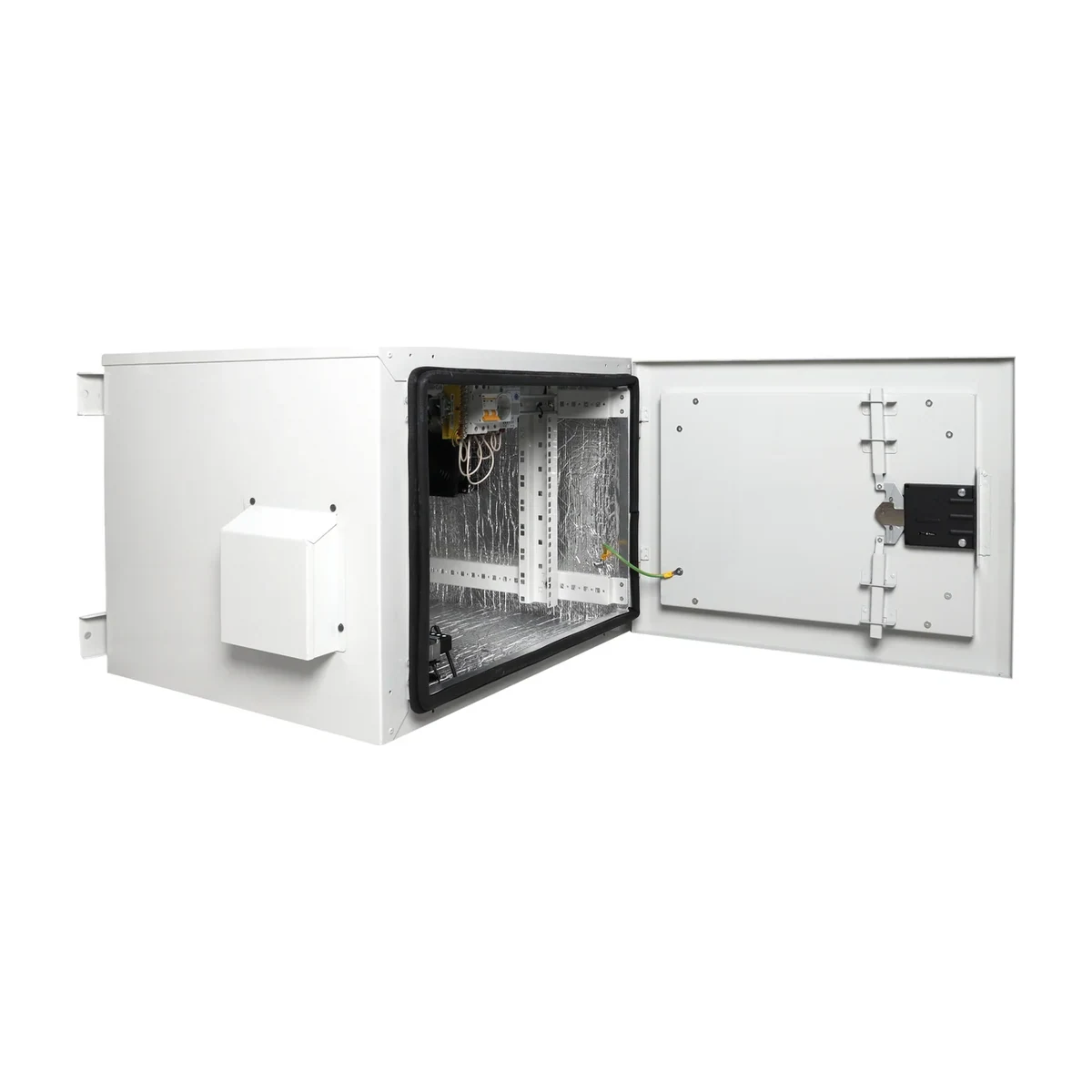
Telecommunication cabinets are the foundation of any structured cabling system and server infrastructure. They house active and passive network equipment: switches, patch panels, routers, servers, power and backup power systems. A correctly selected cabinet protects the equipment from dust and mechanical damage, provides convenient access for technical maintenance and creates order in the cable management. You can buy telecommunication cabinets in Tashkent with professional selection and installation at SAT Solutions.
The choice of a cabinet depends on many factors: the type of site, the amount of equipment, the requirements for ventilation and security, the available space. Both compact wall-mounted solutions for small offices and full-size floor-standing cabinets for server rooms and communication nodes are in demand on the Uzbekistan market. It is important to take into account not only the dimensions of the cabinet itself, but also its accessories: cable organizers, shelves, blanking panels, cable-run management systems — all this directly affects the ease of operation and scalability of the infrastructure.
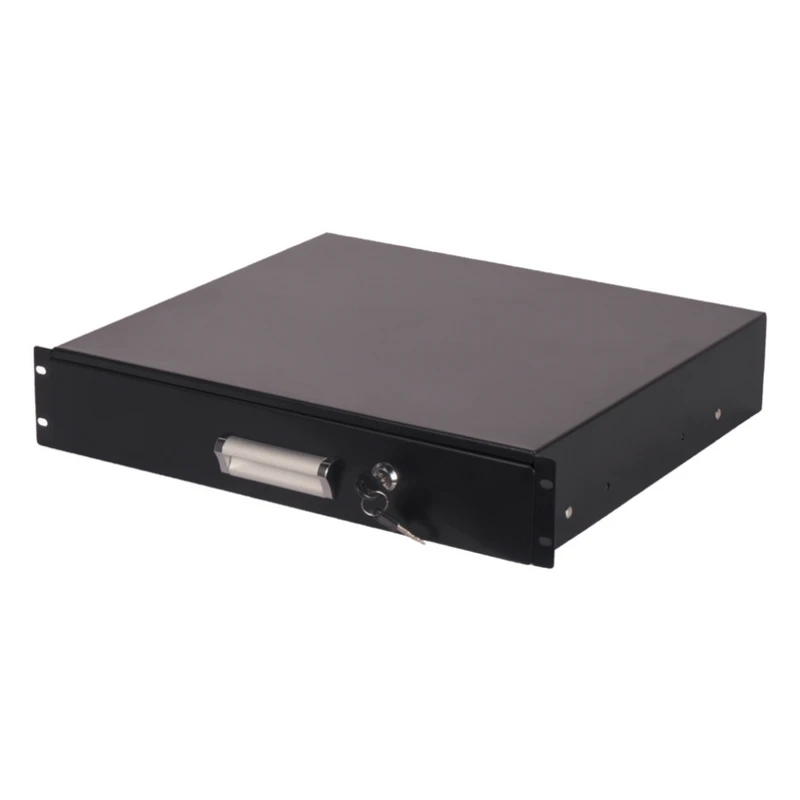
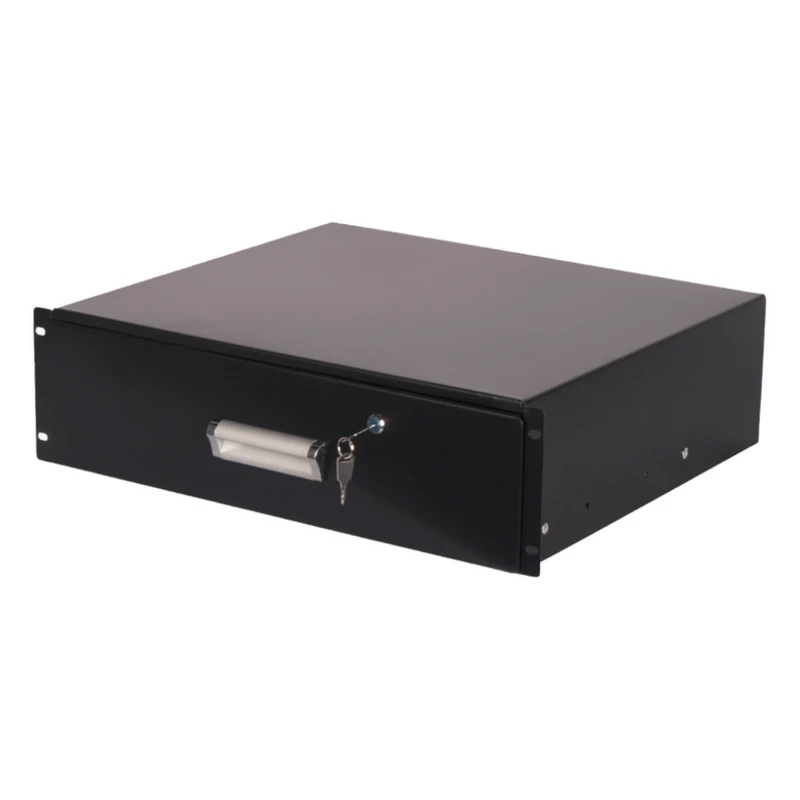
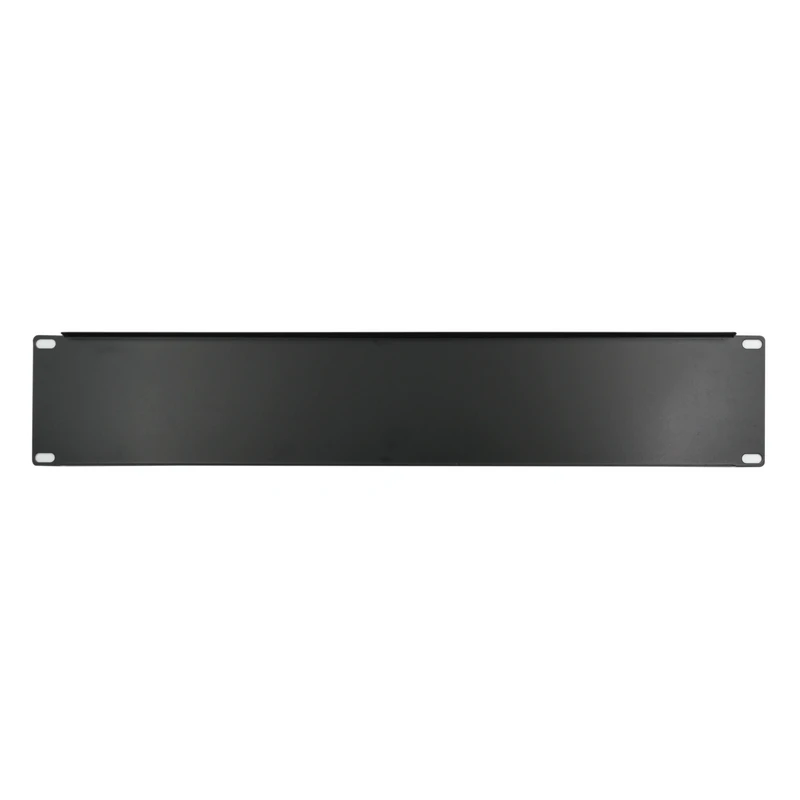
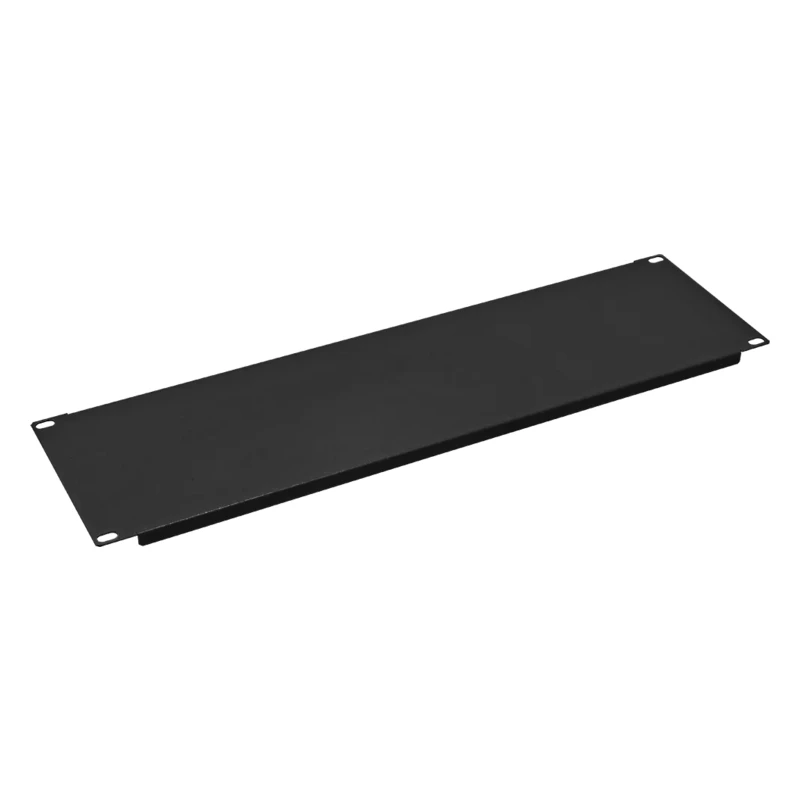
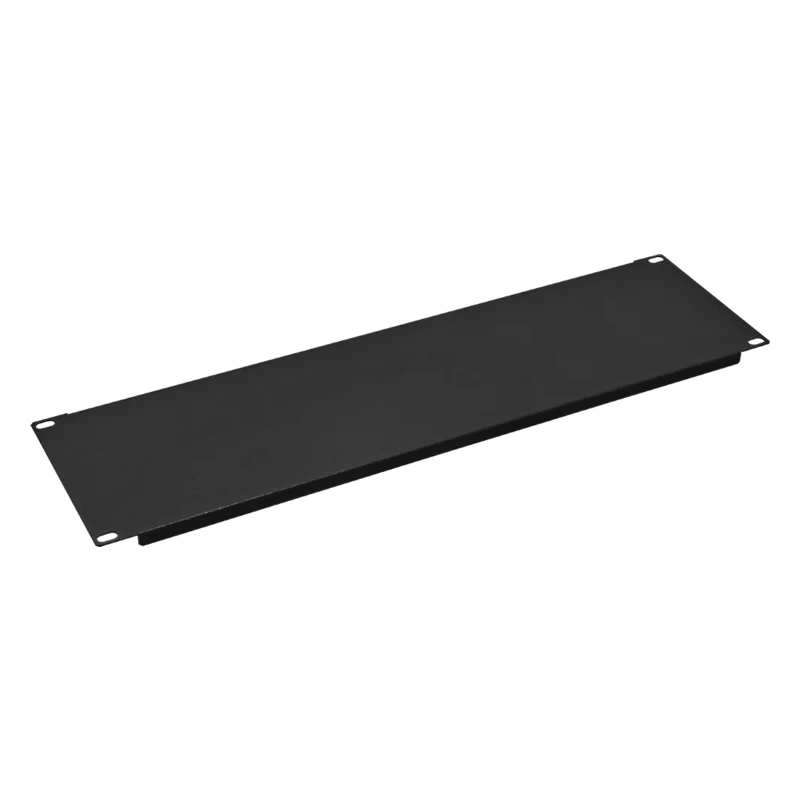
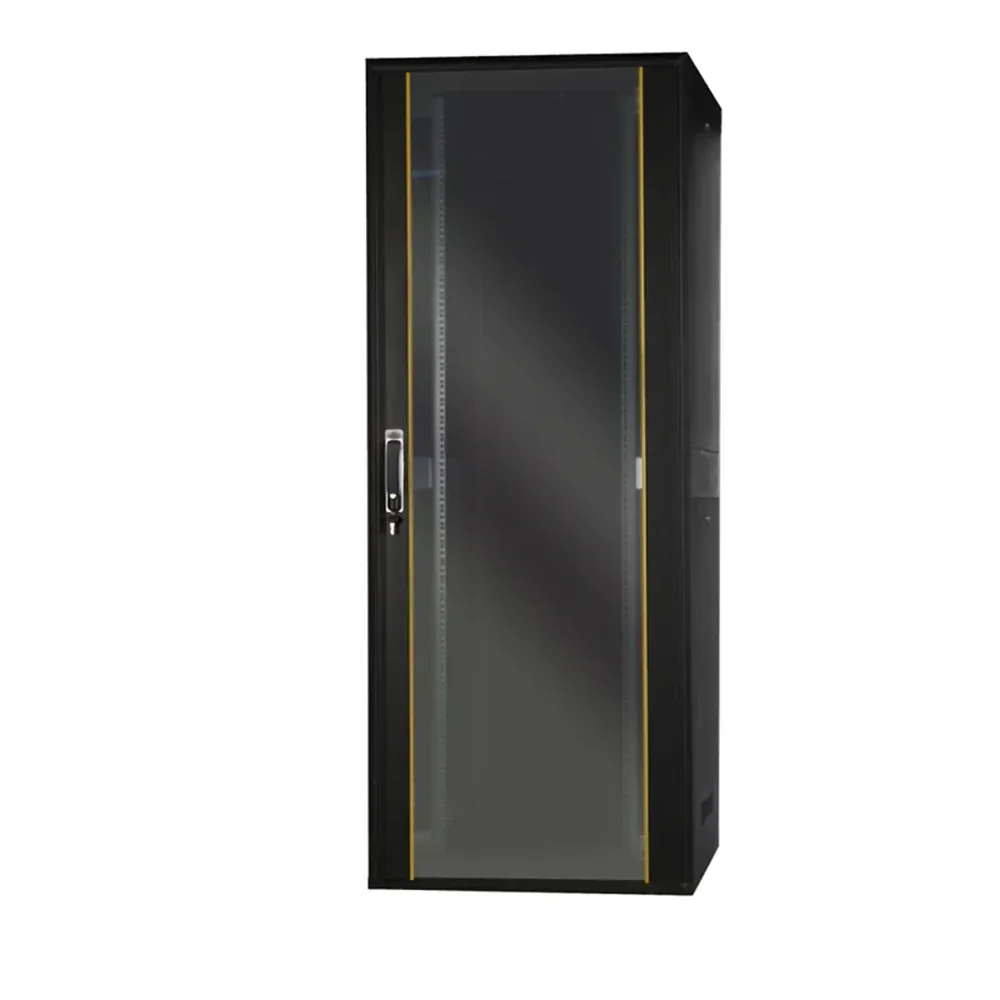
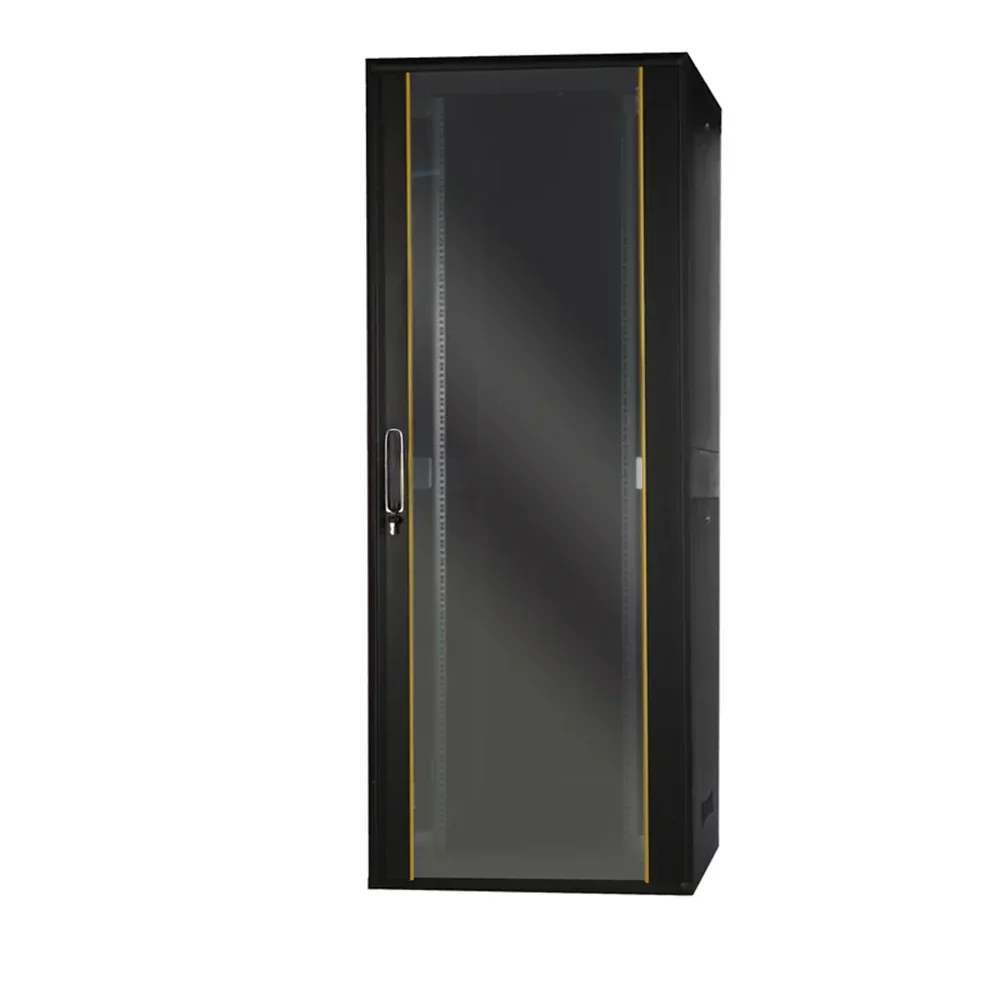
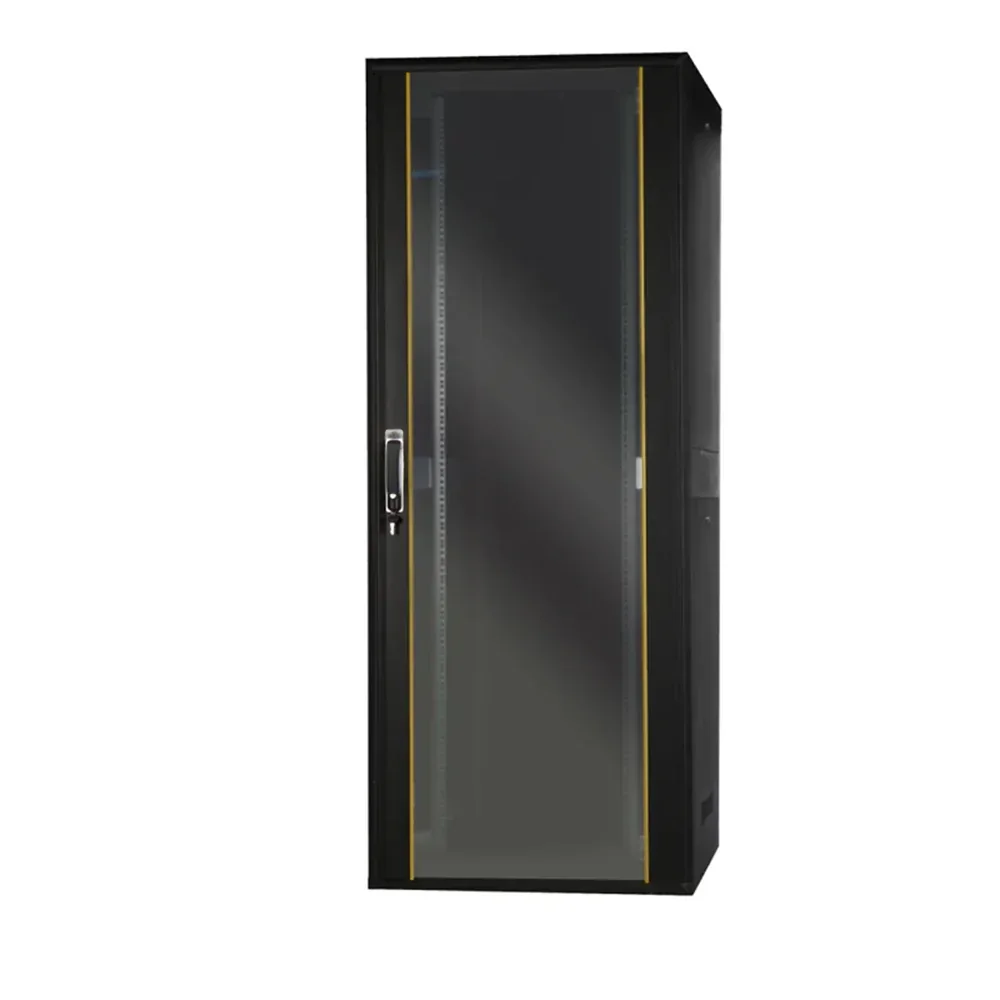
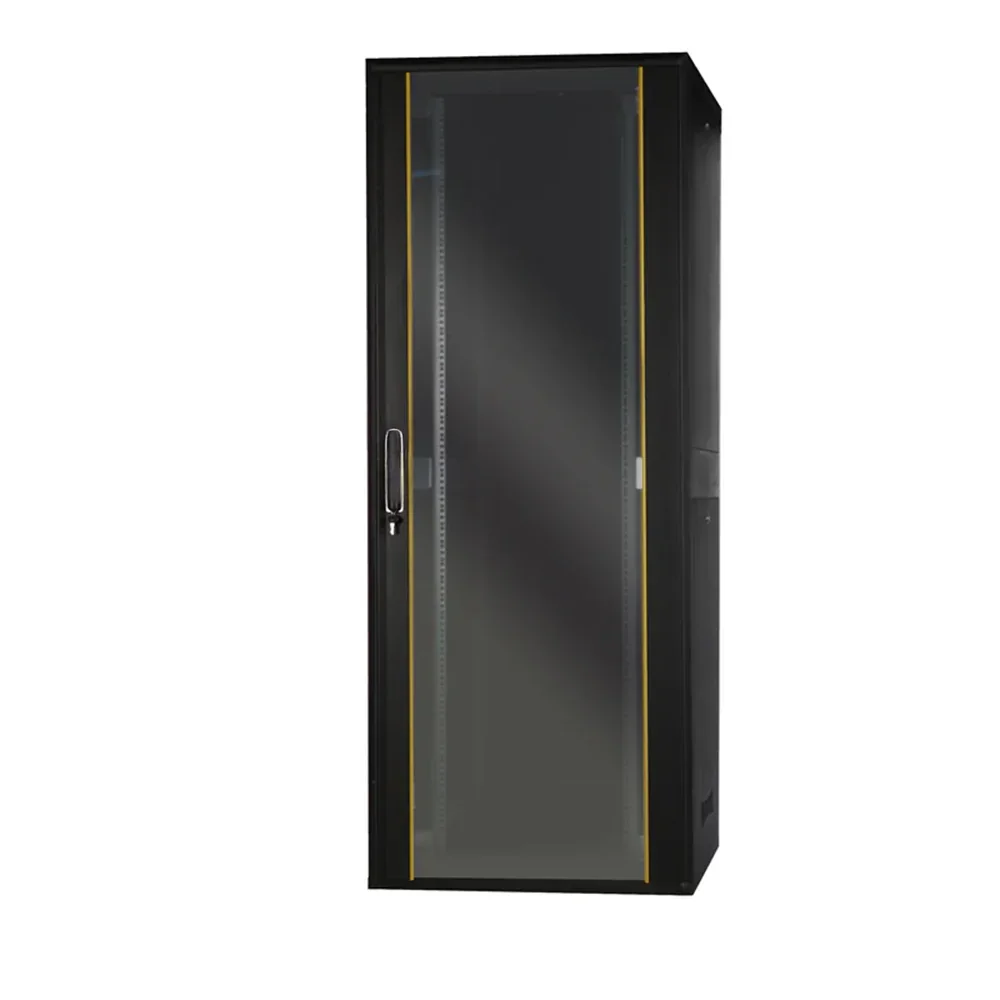
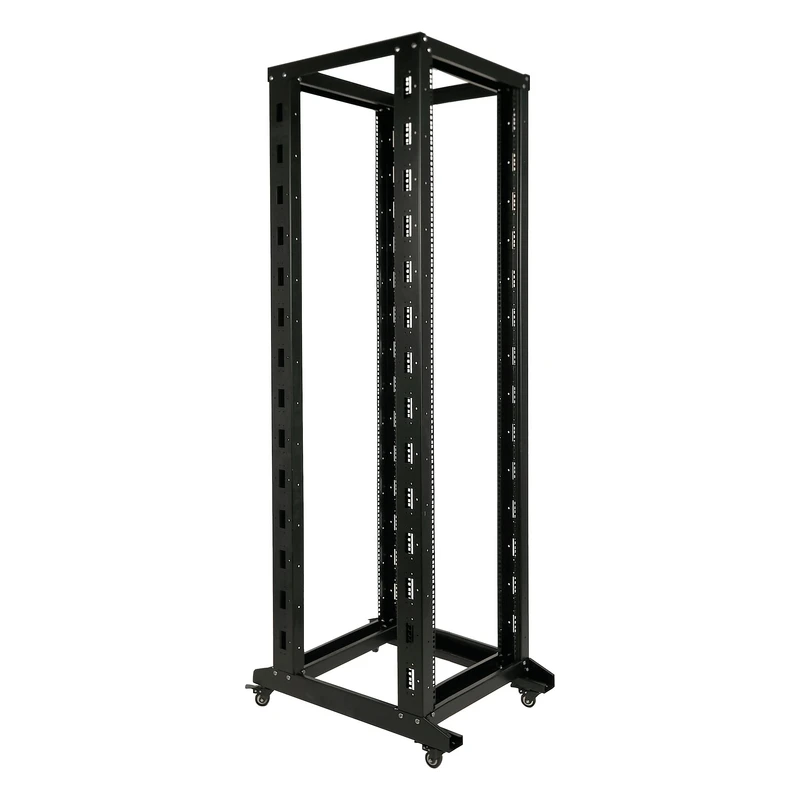
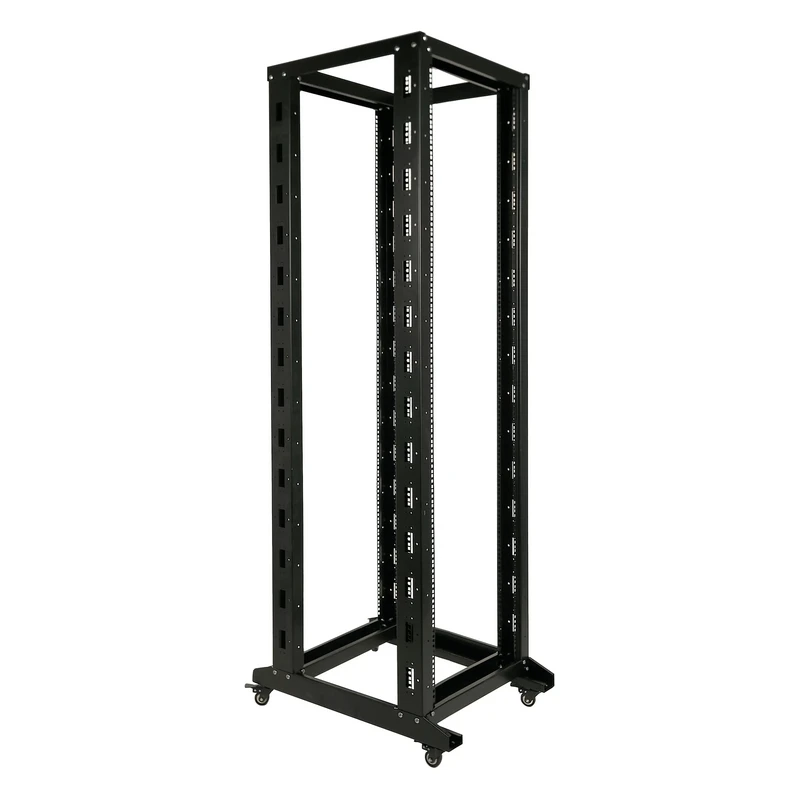
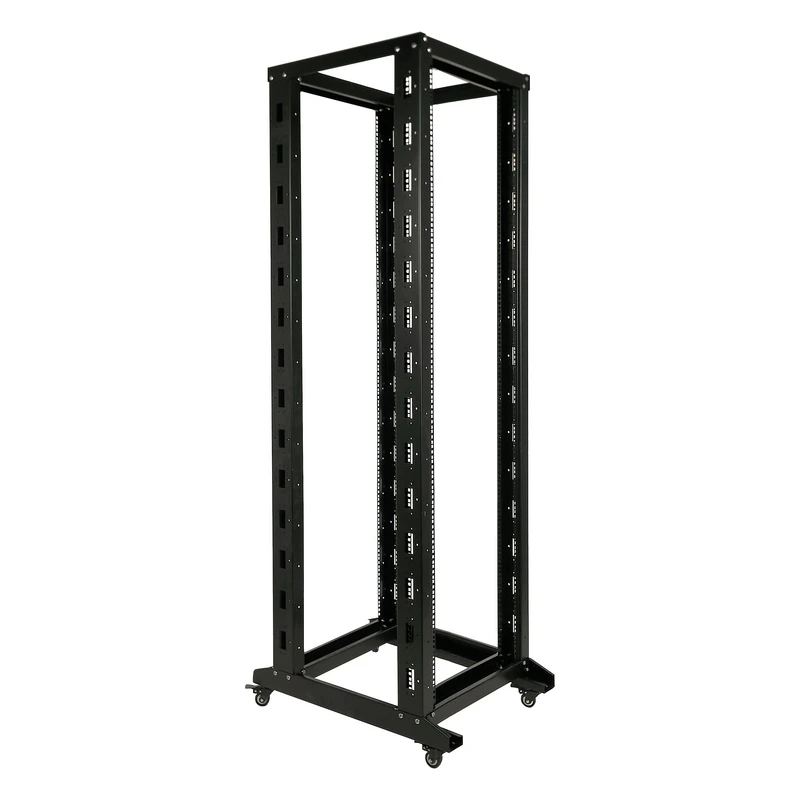
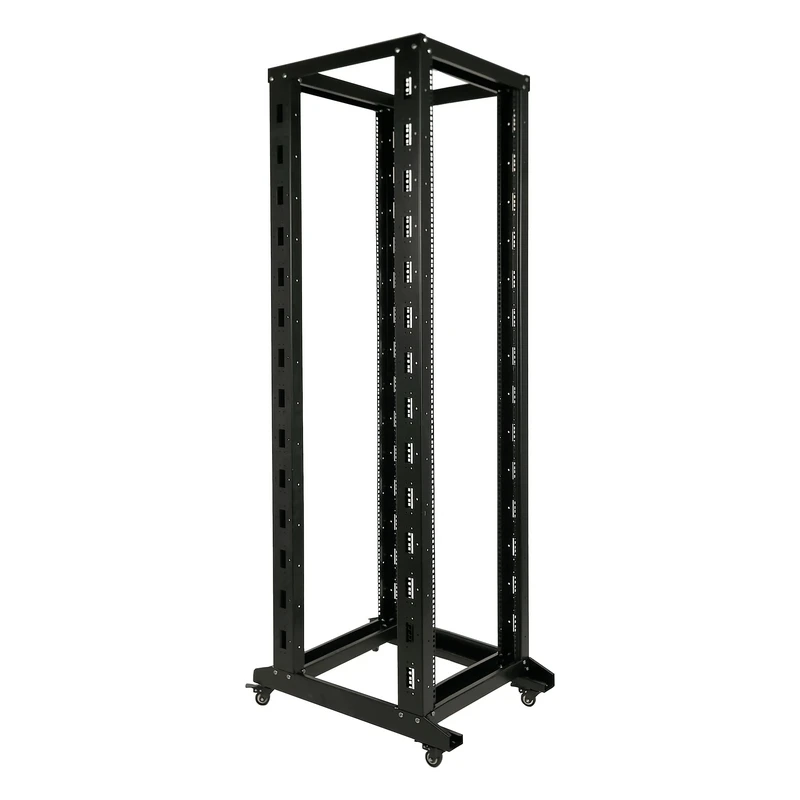
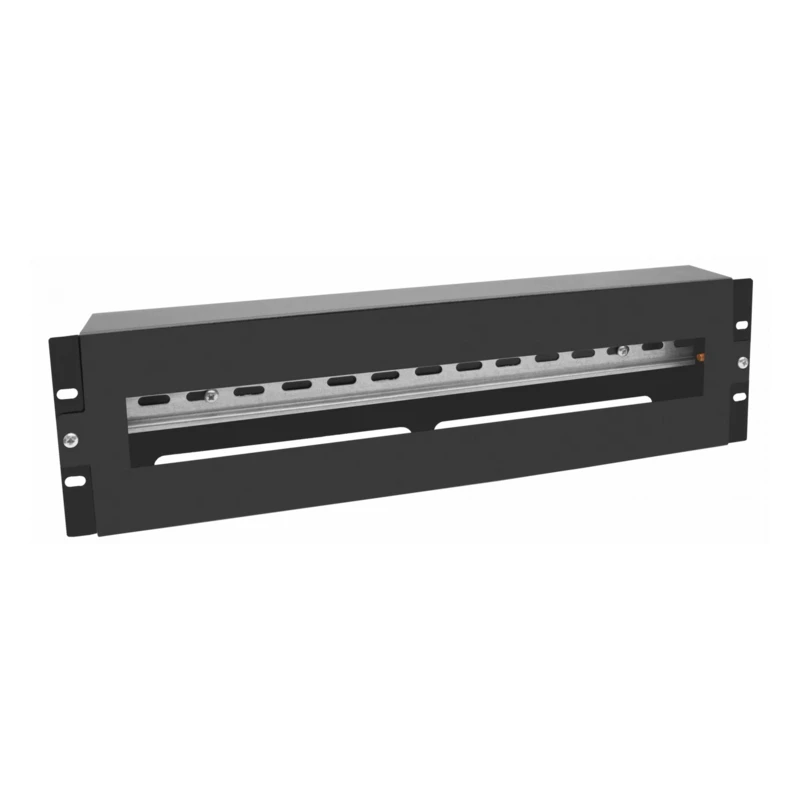
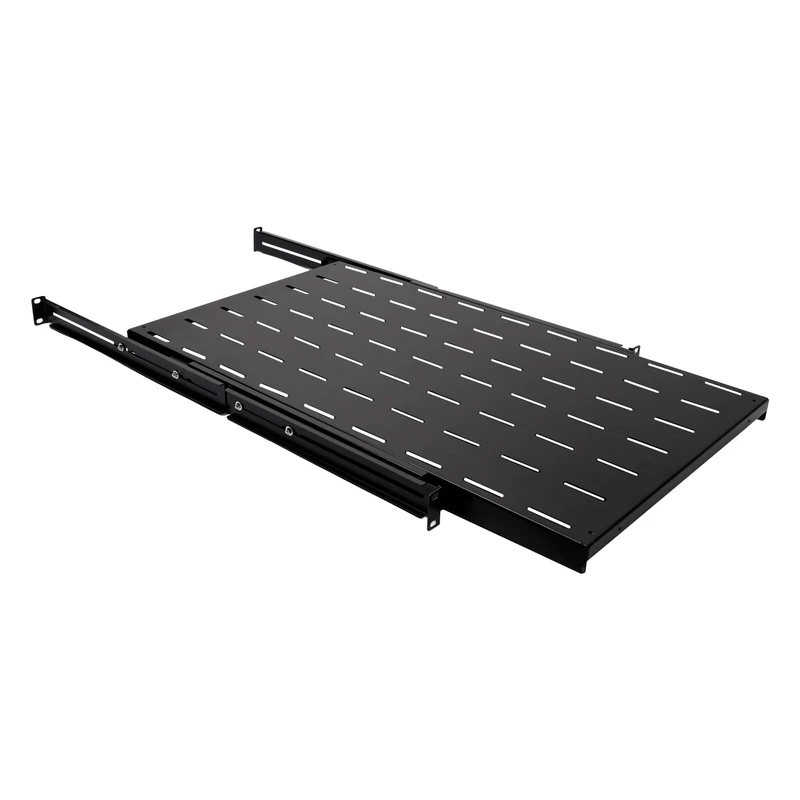
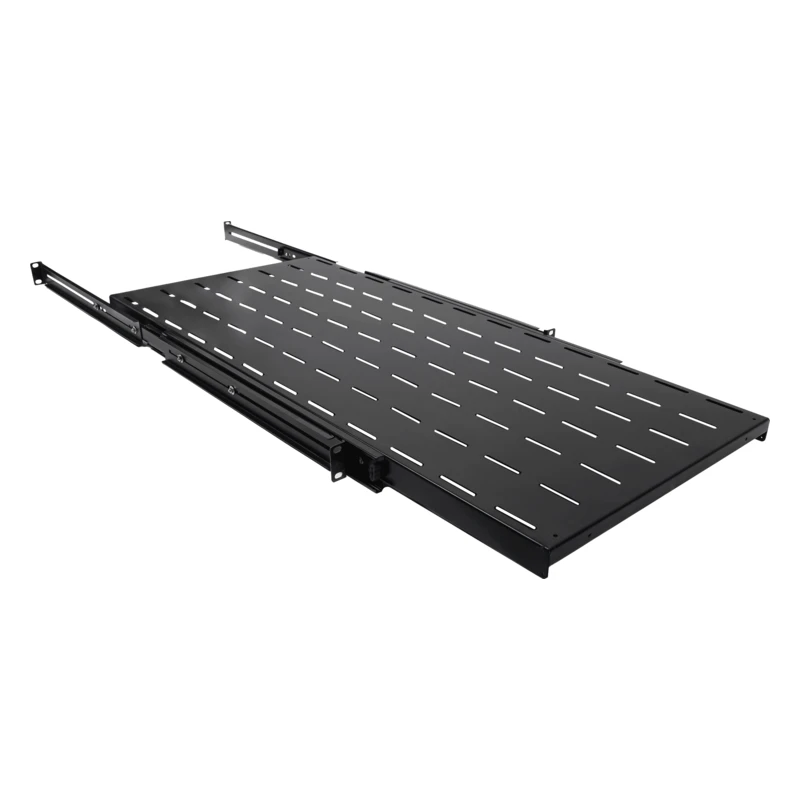
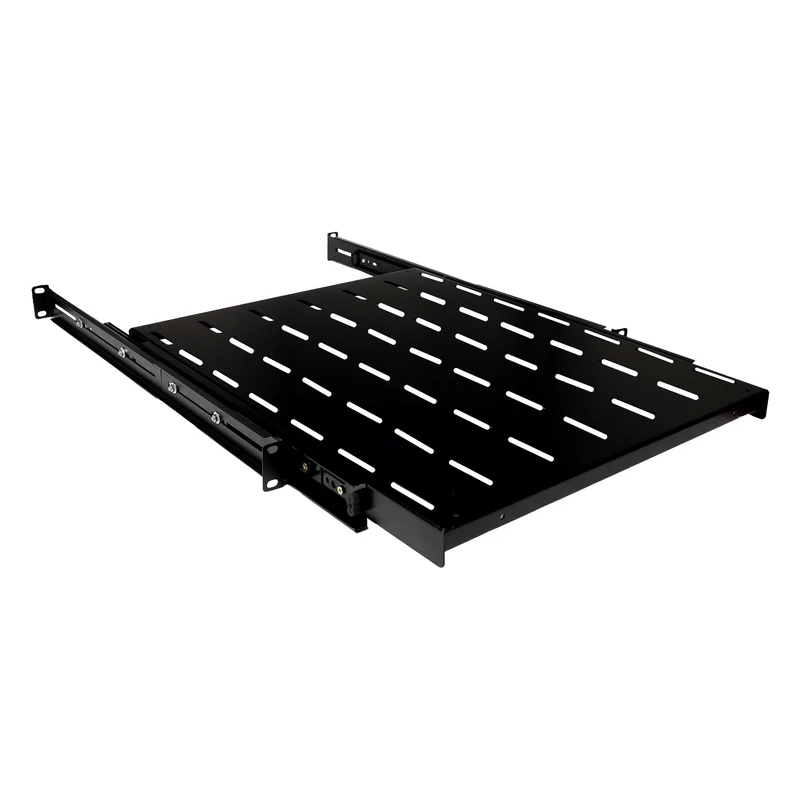
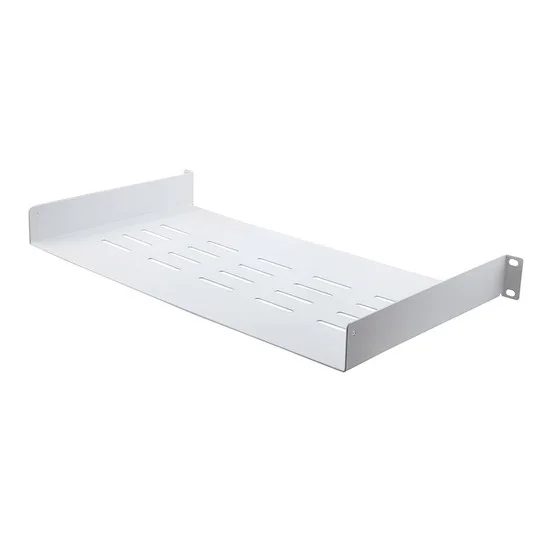
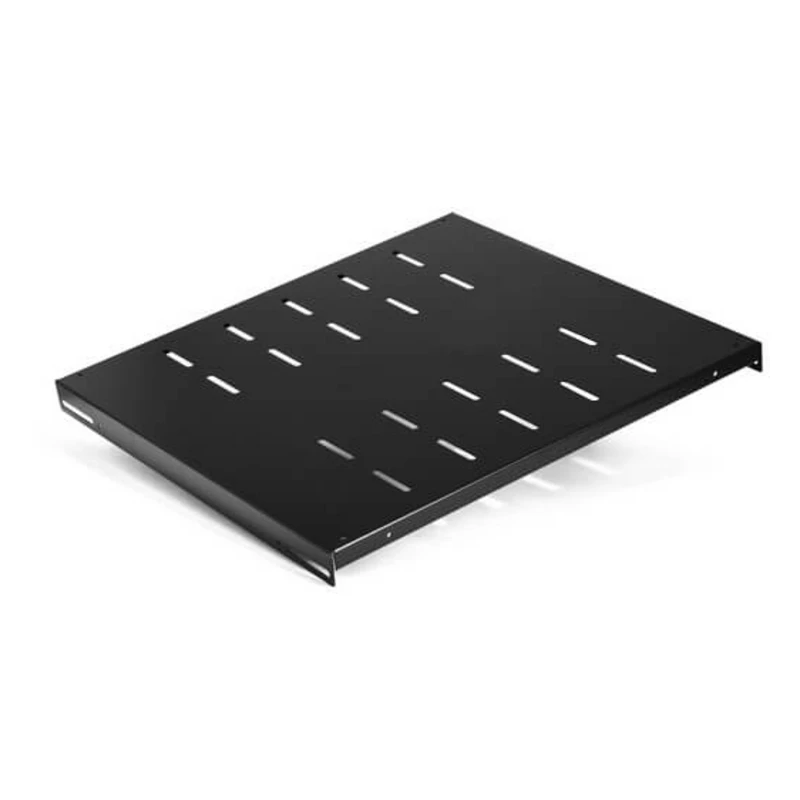
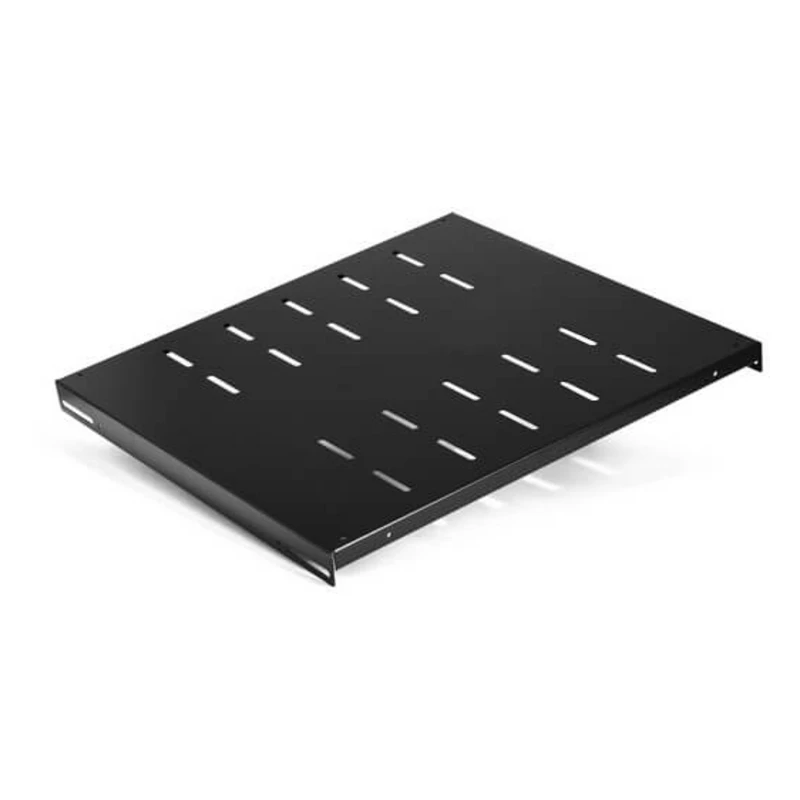
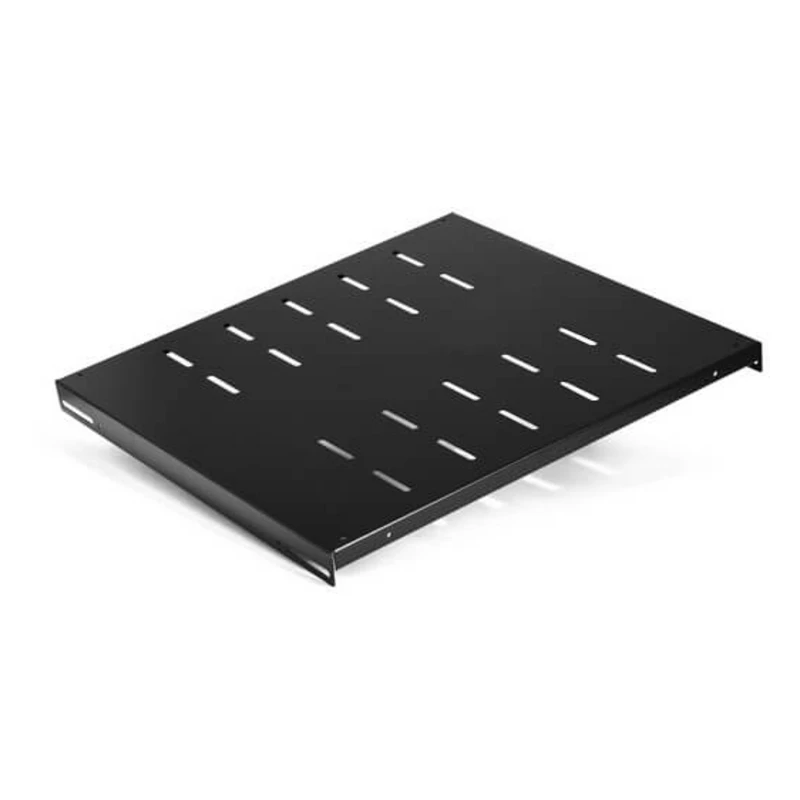
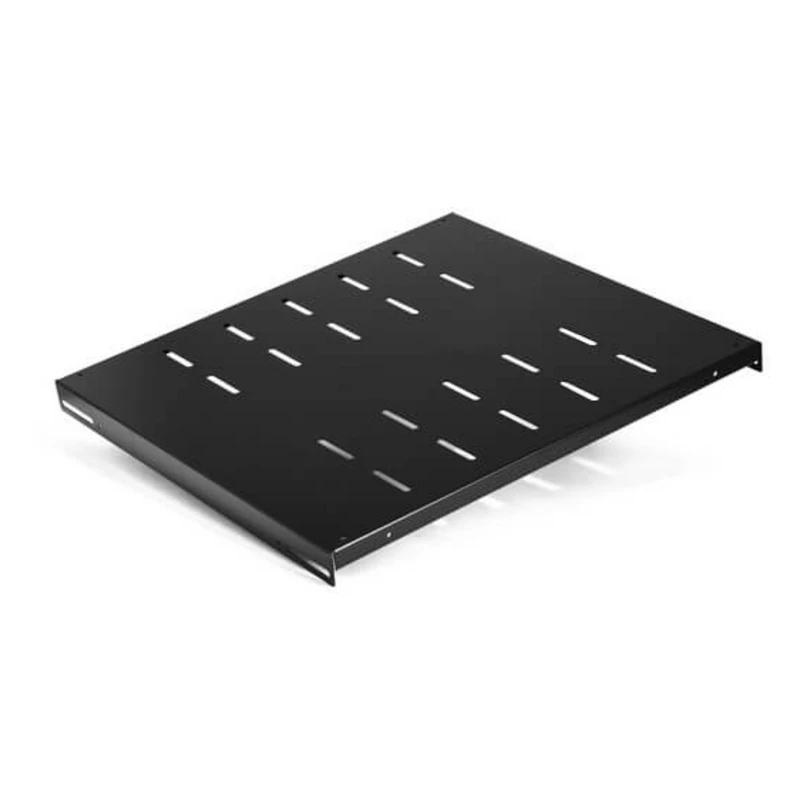
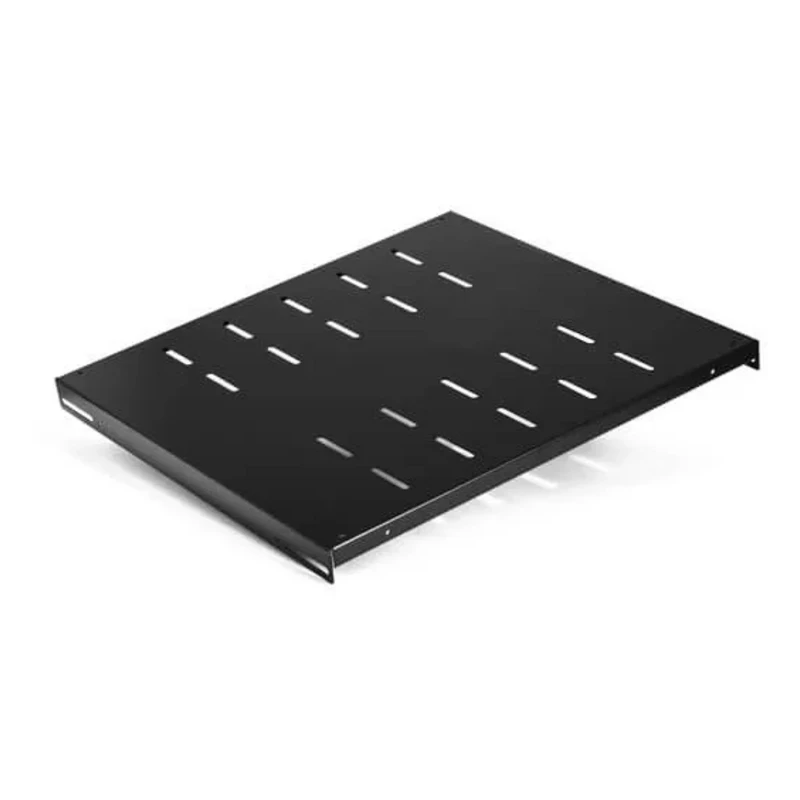
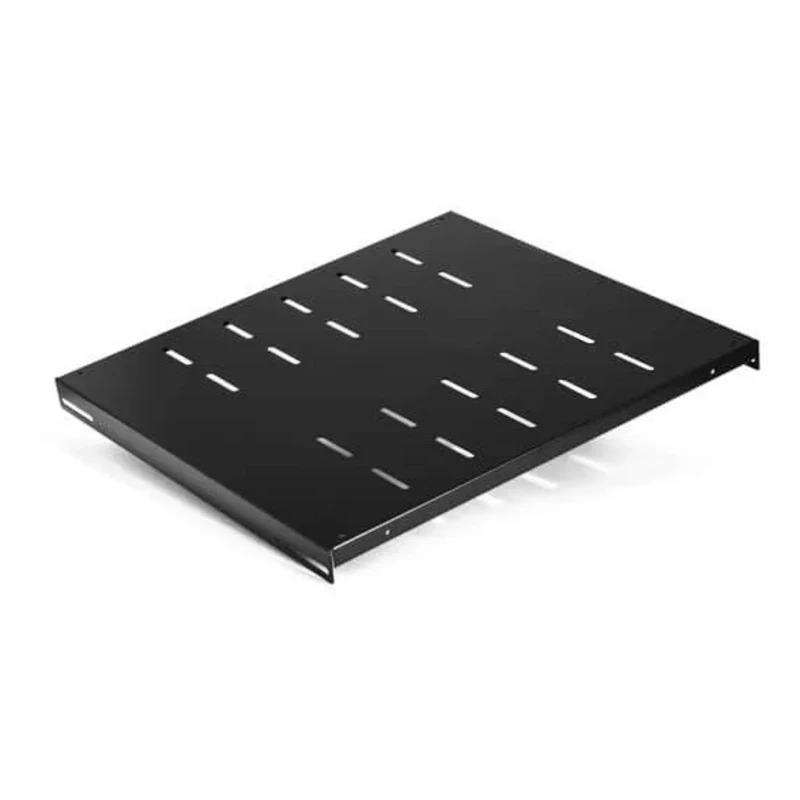
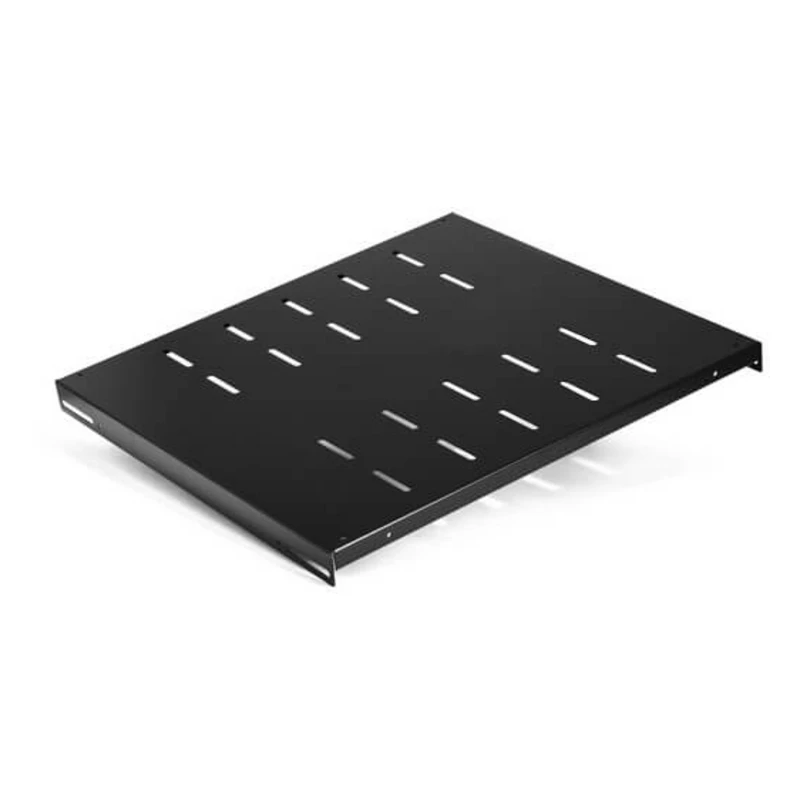
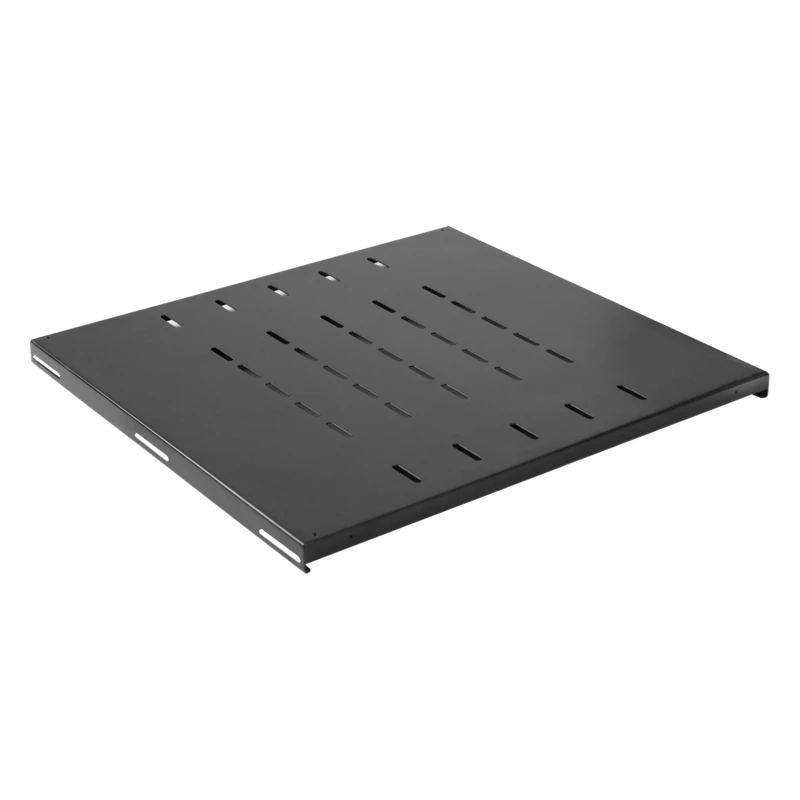
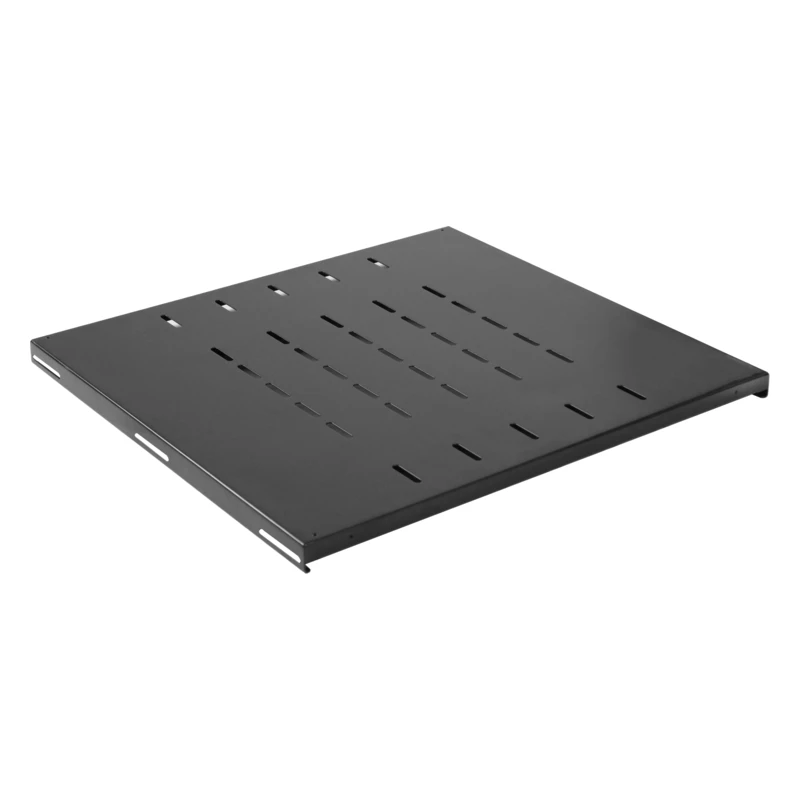
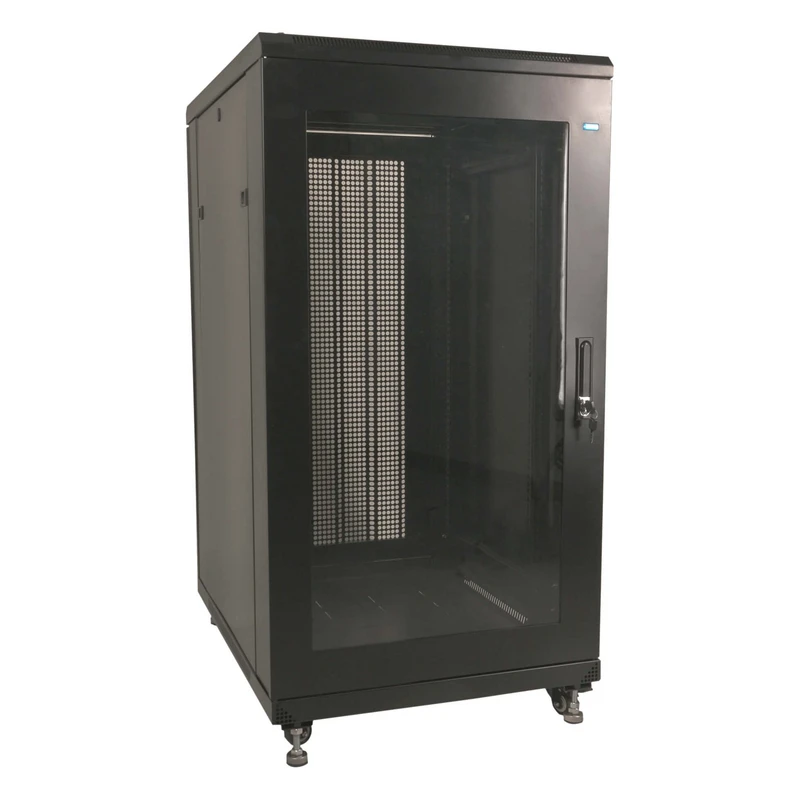
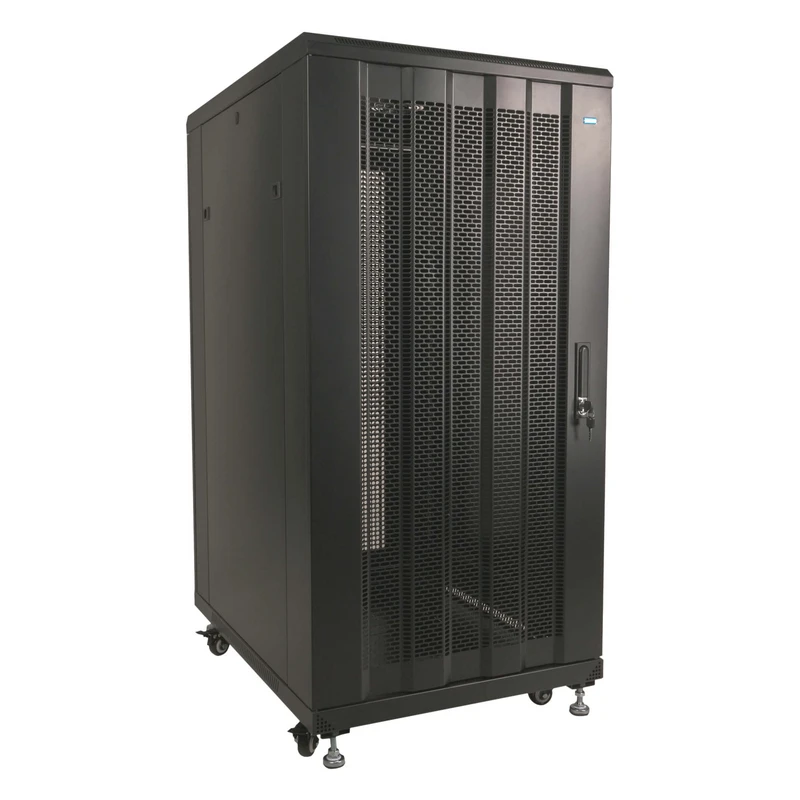
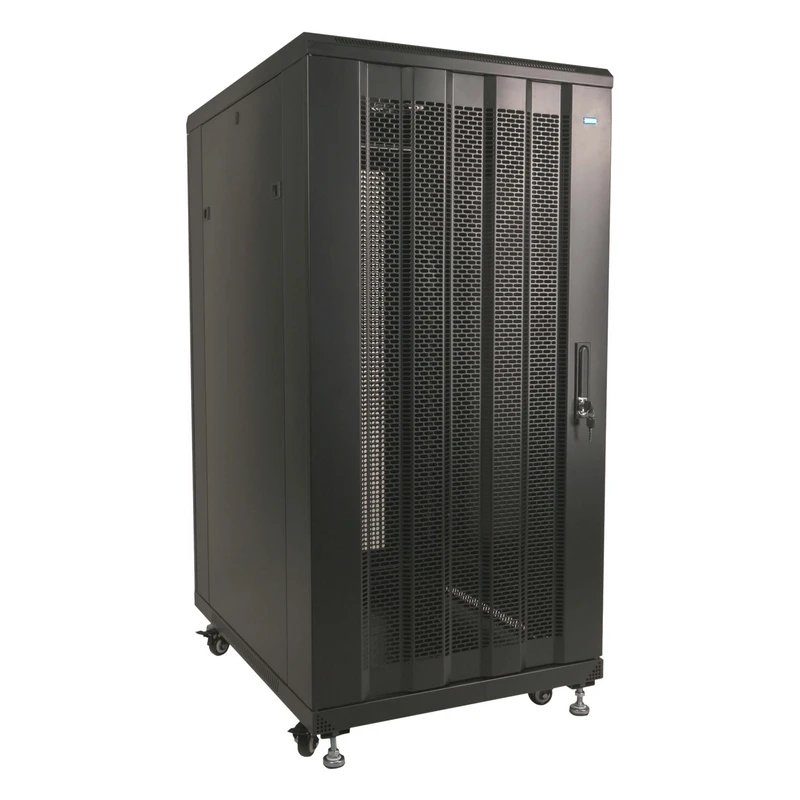
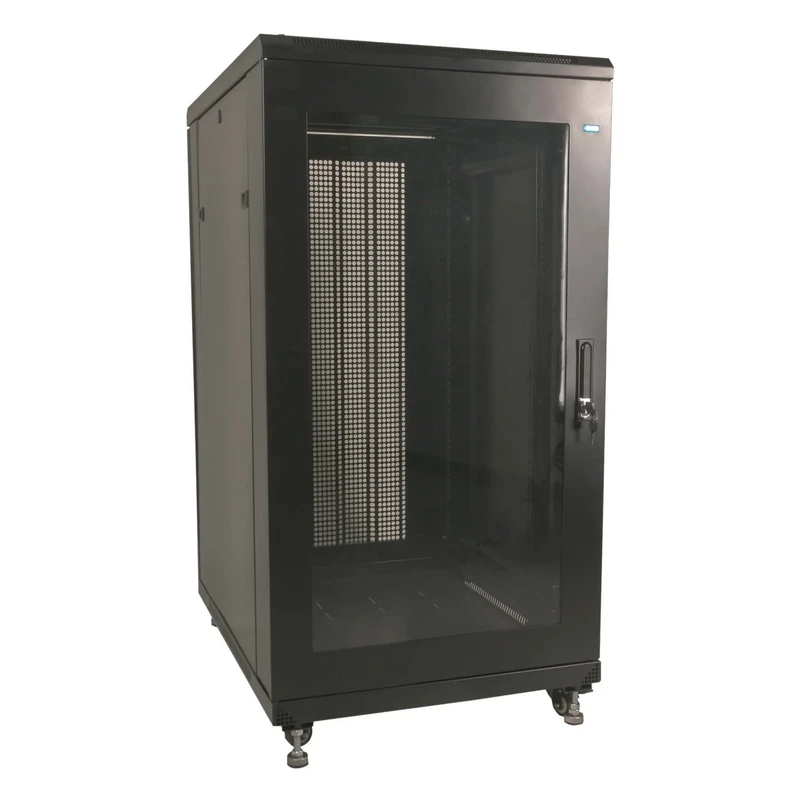
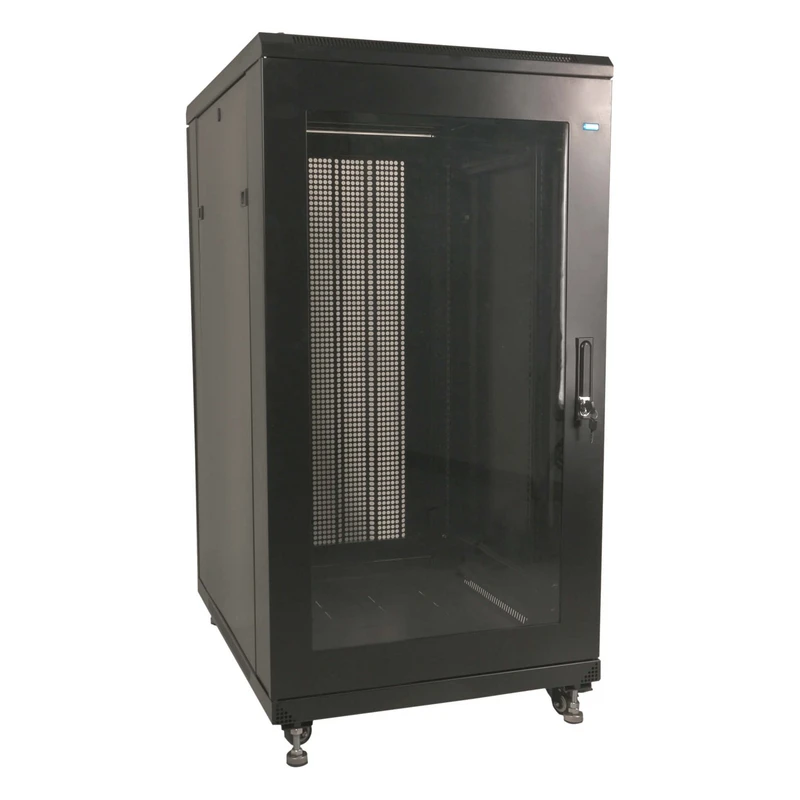
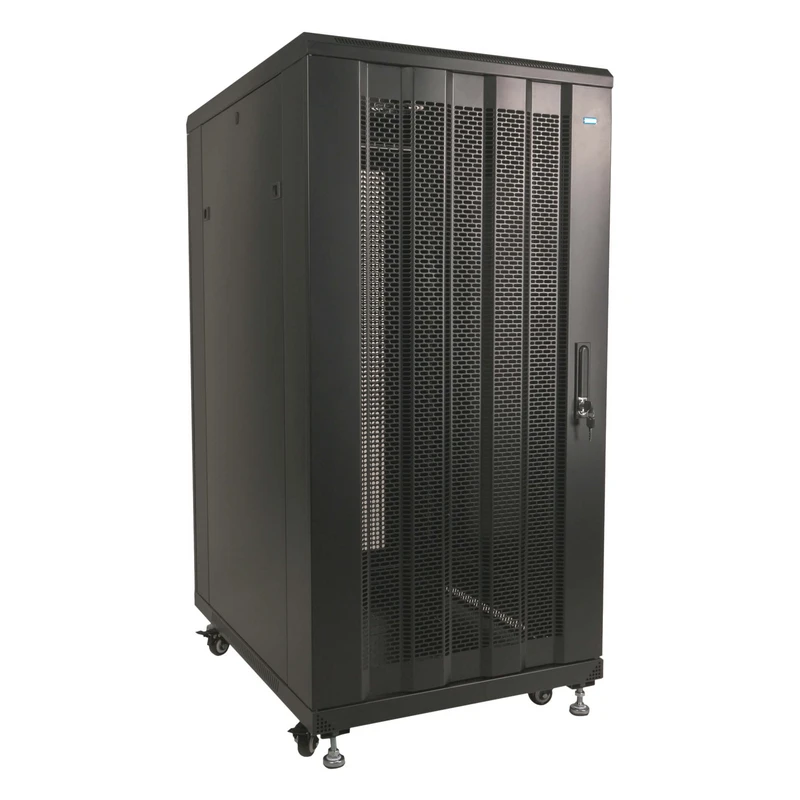
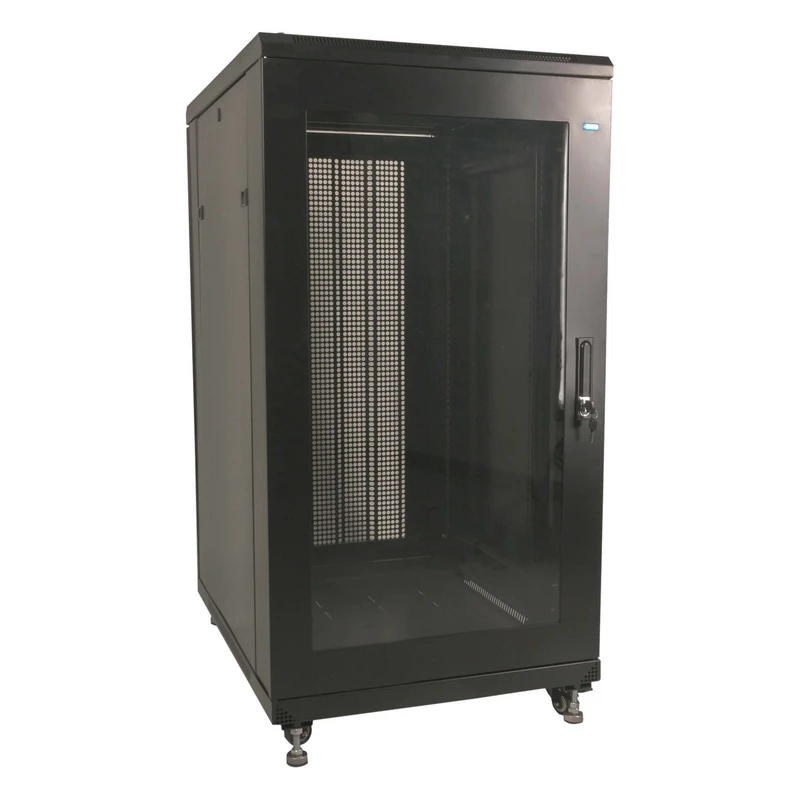
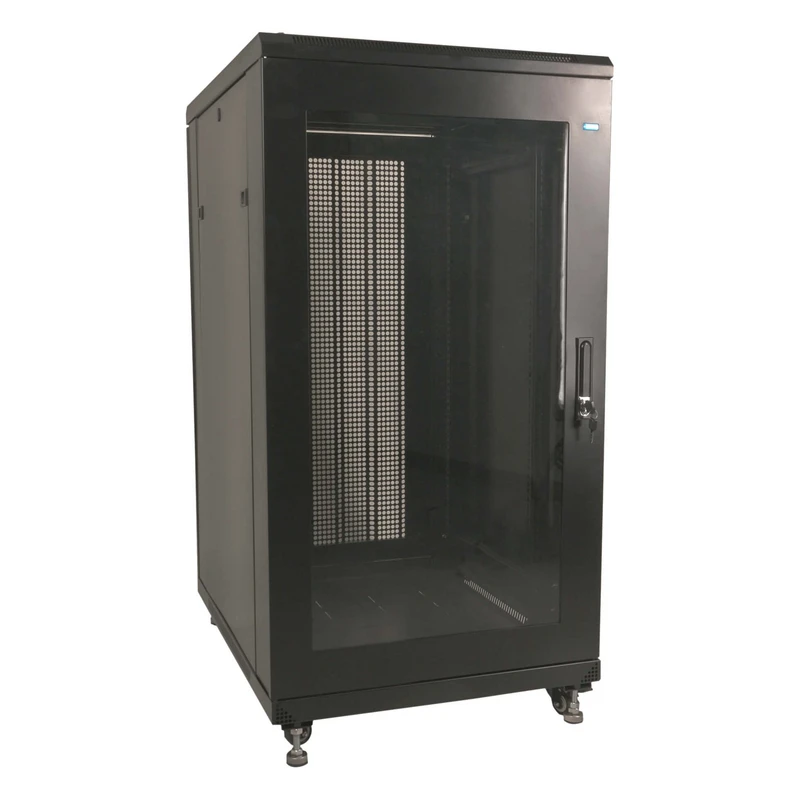
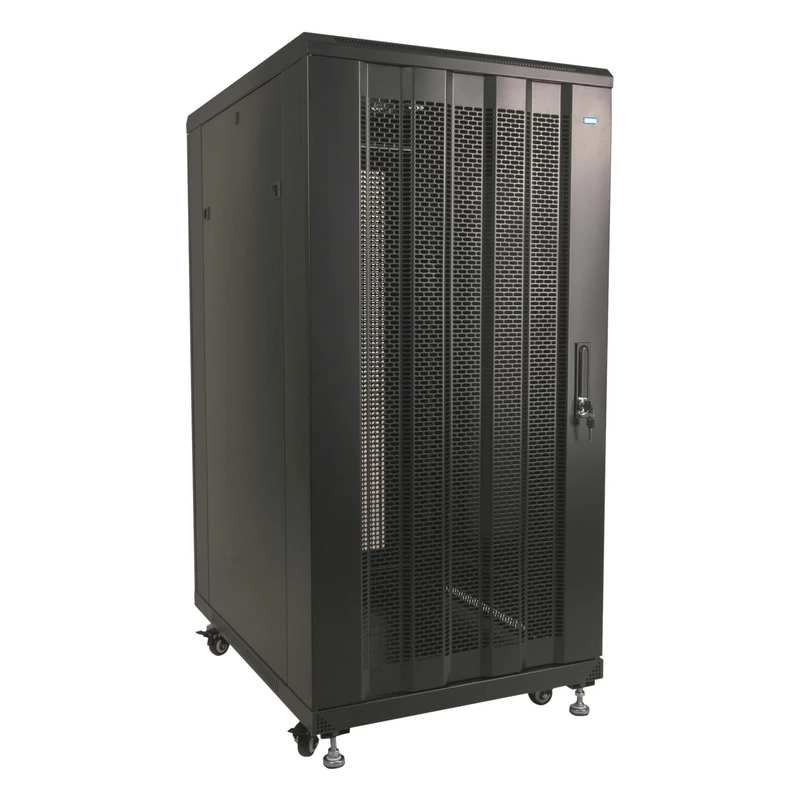
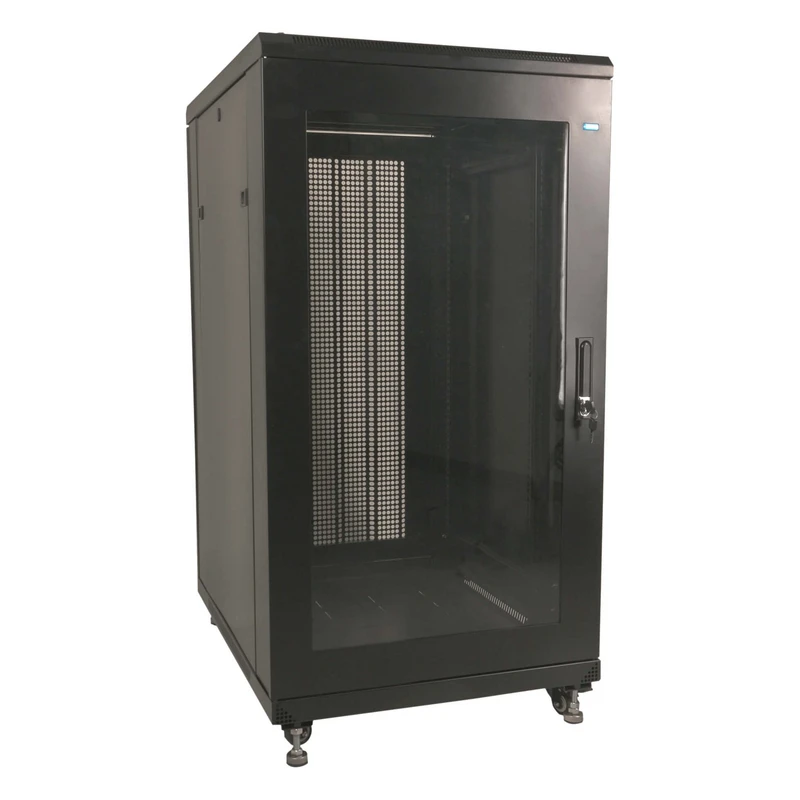
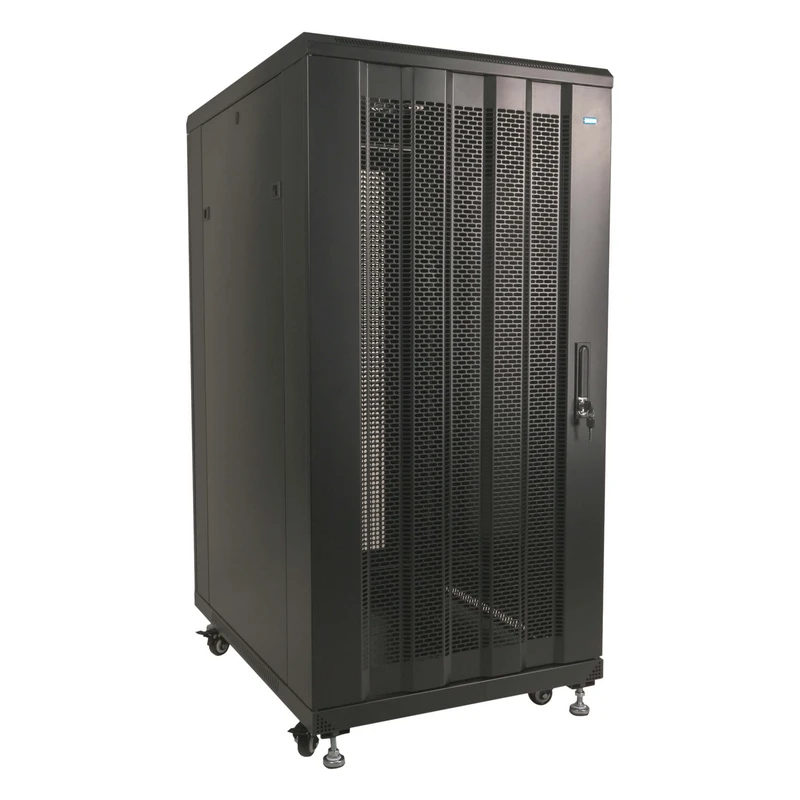
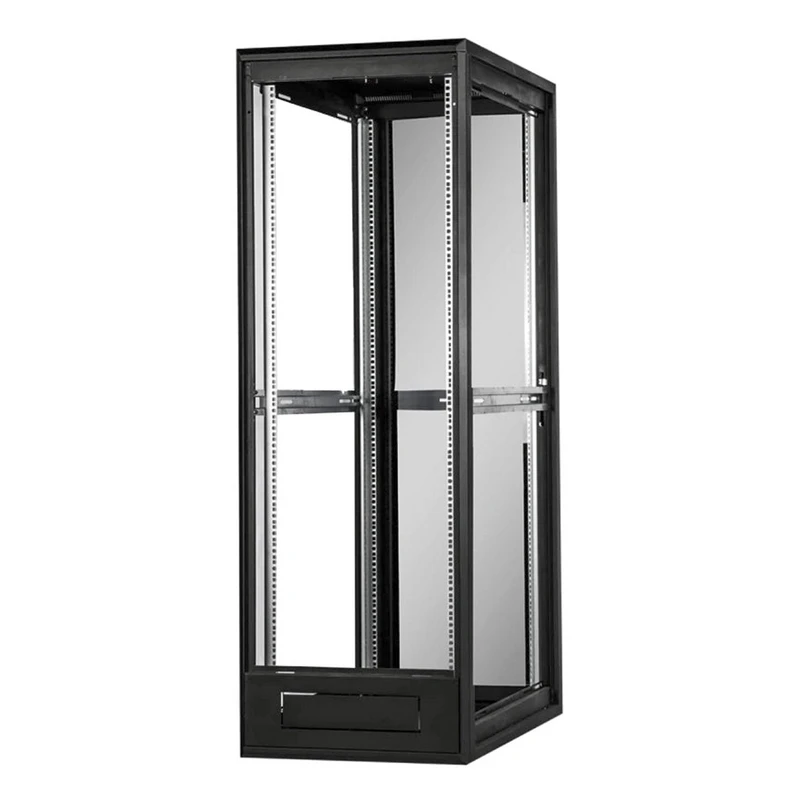
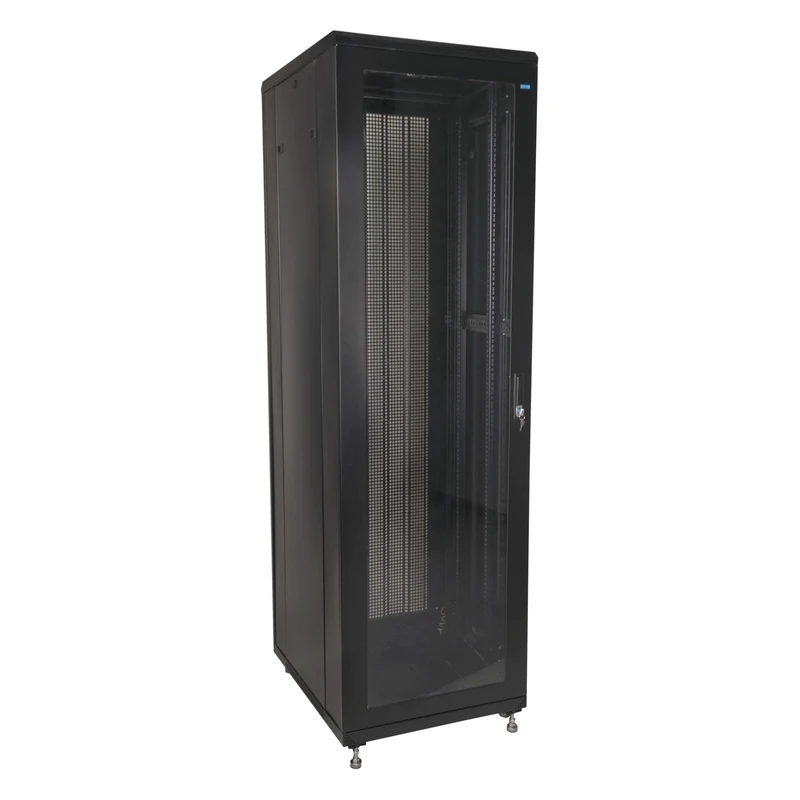
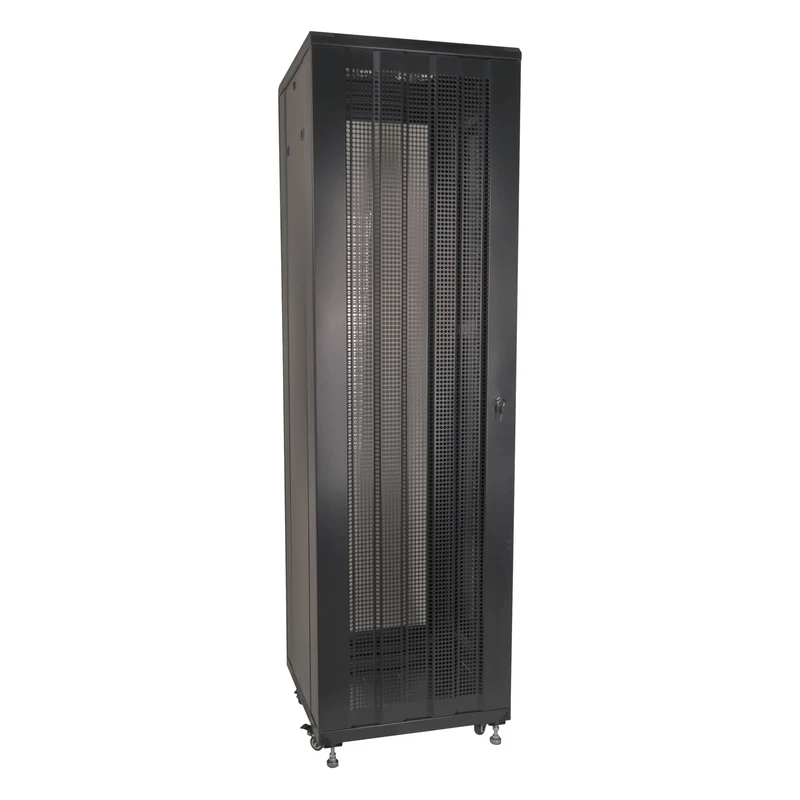
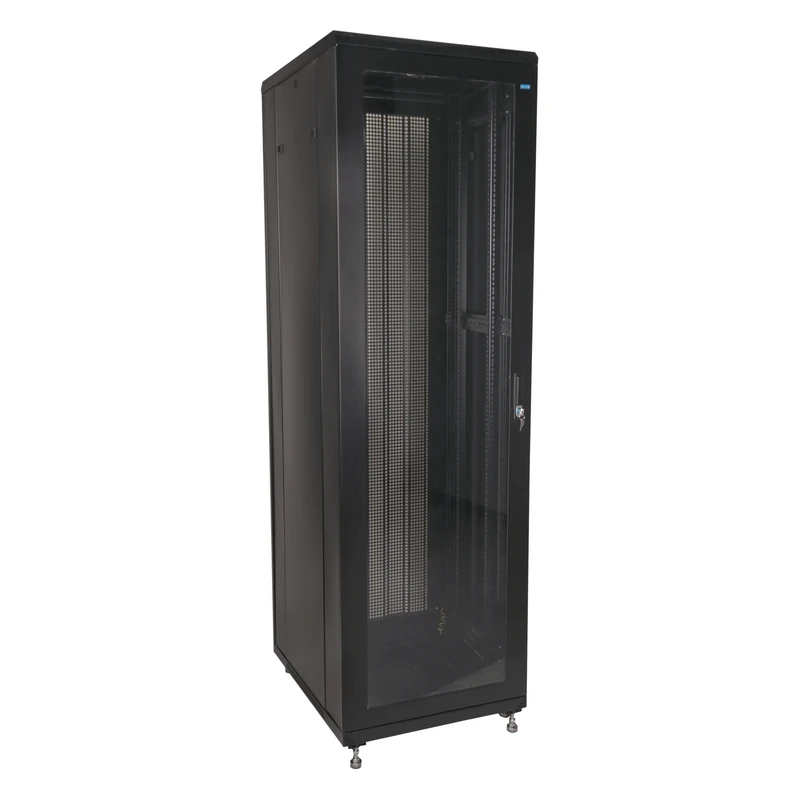
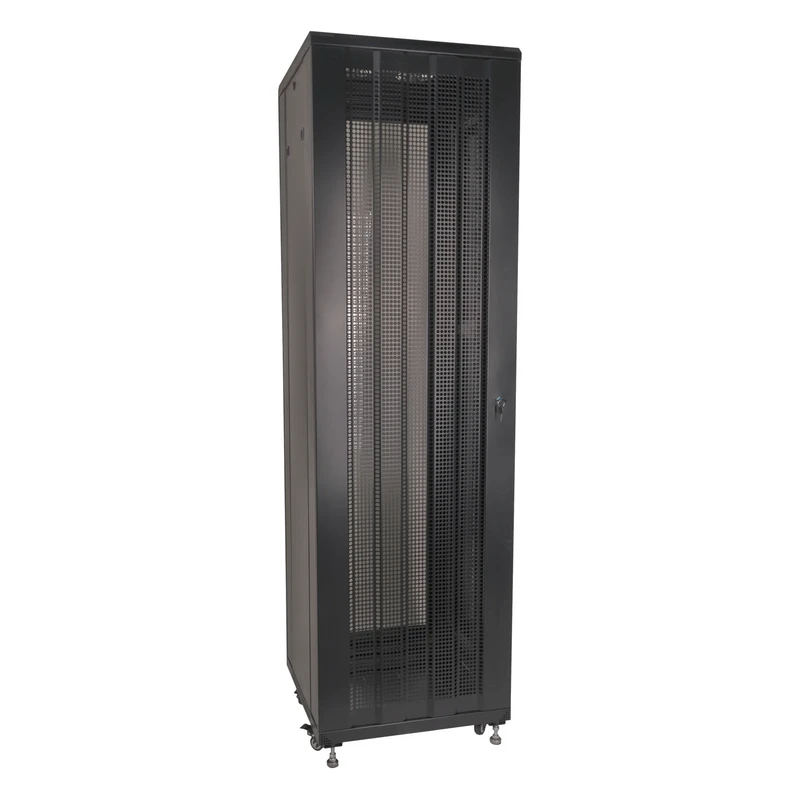
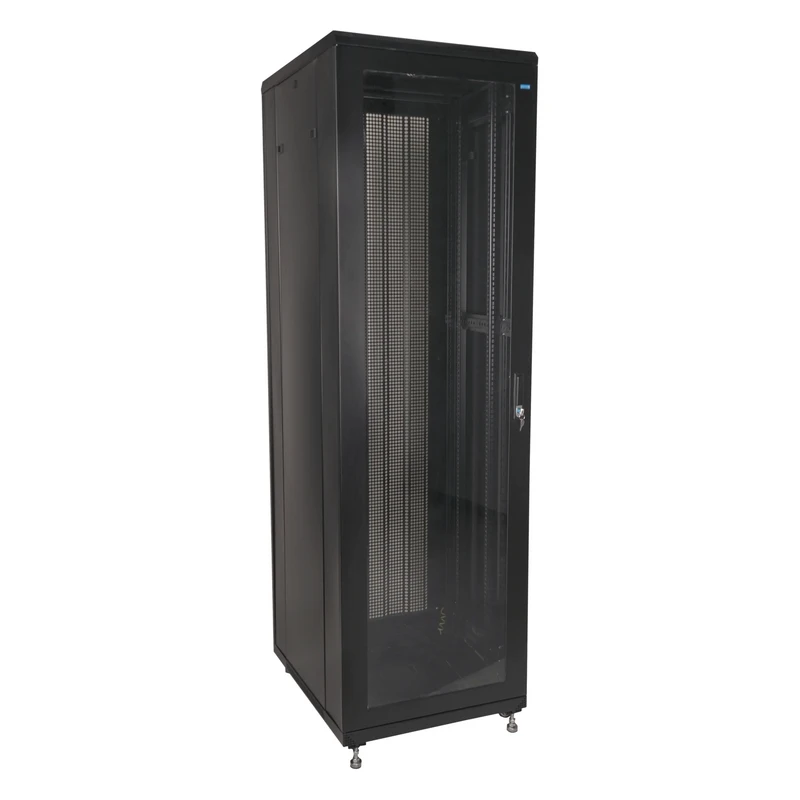
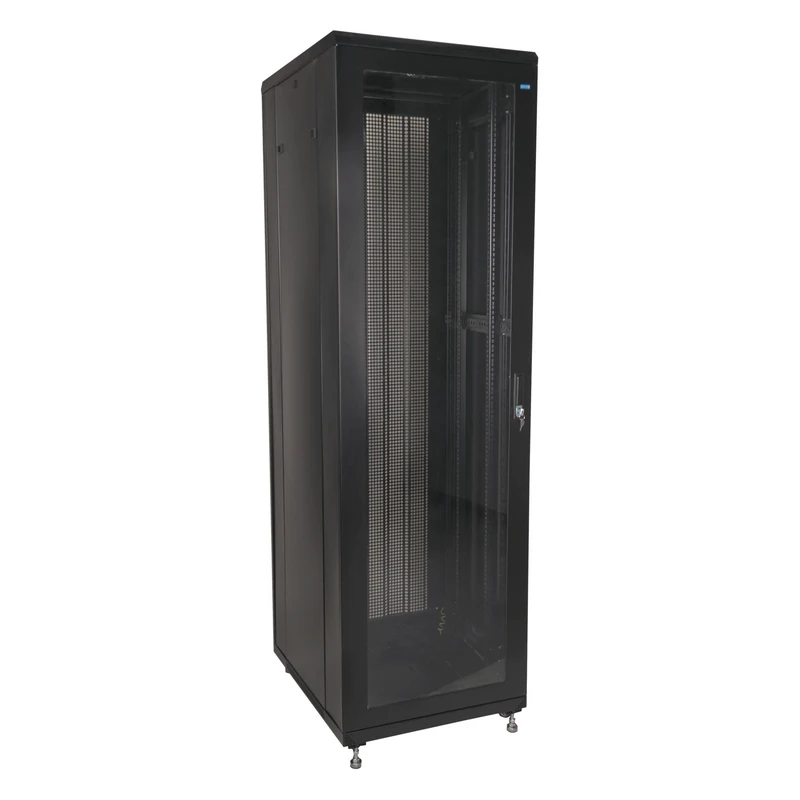
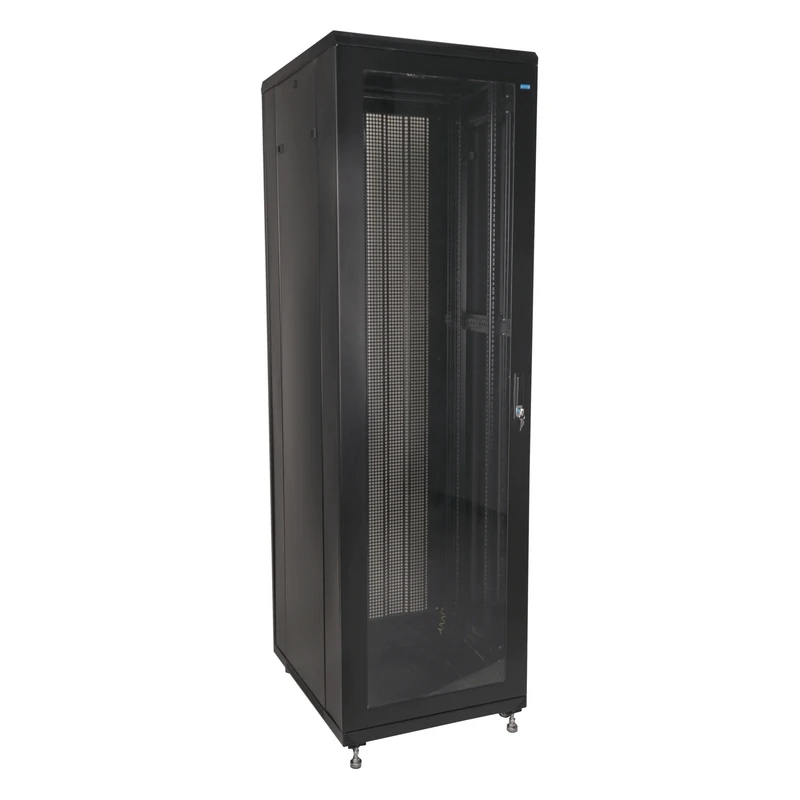
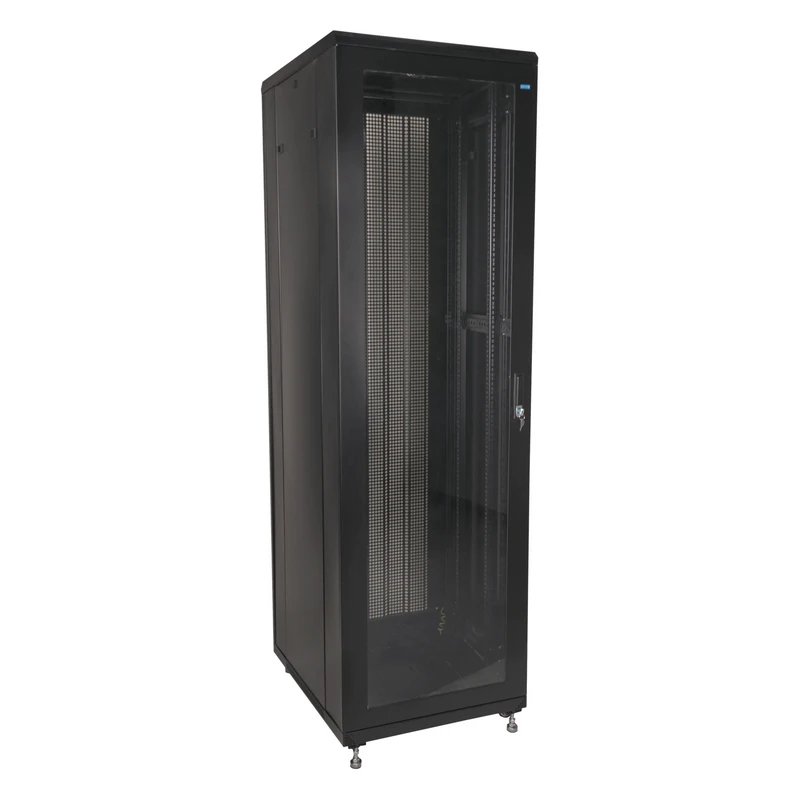
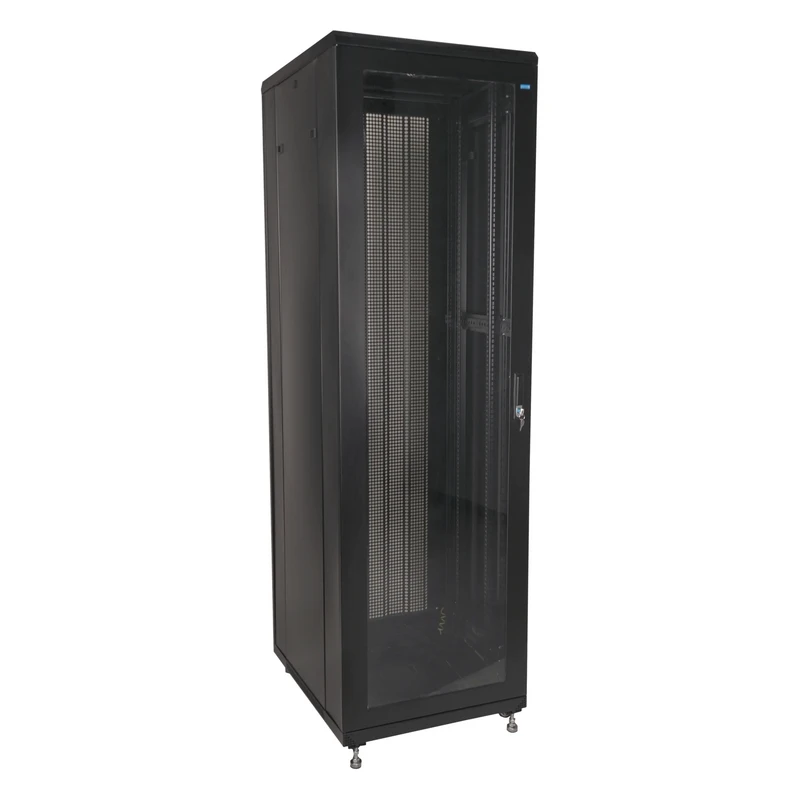
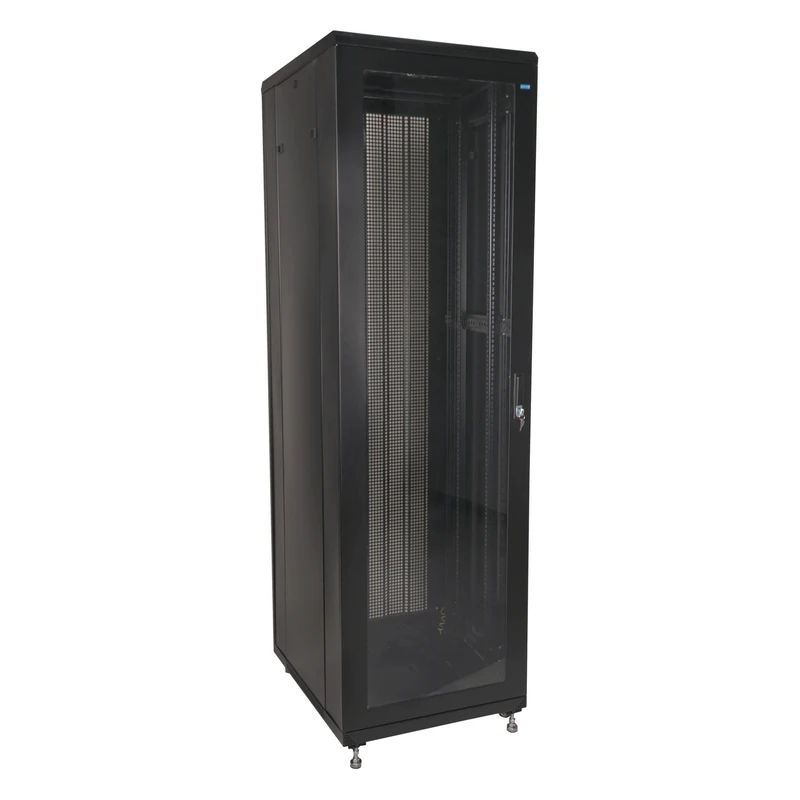
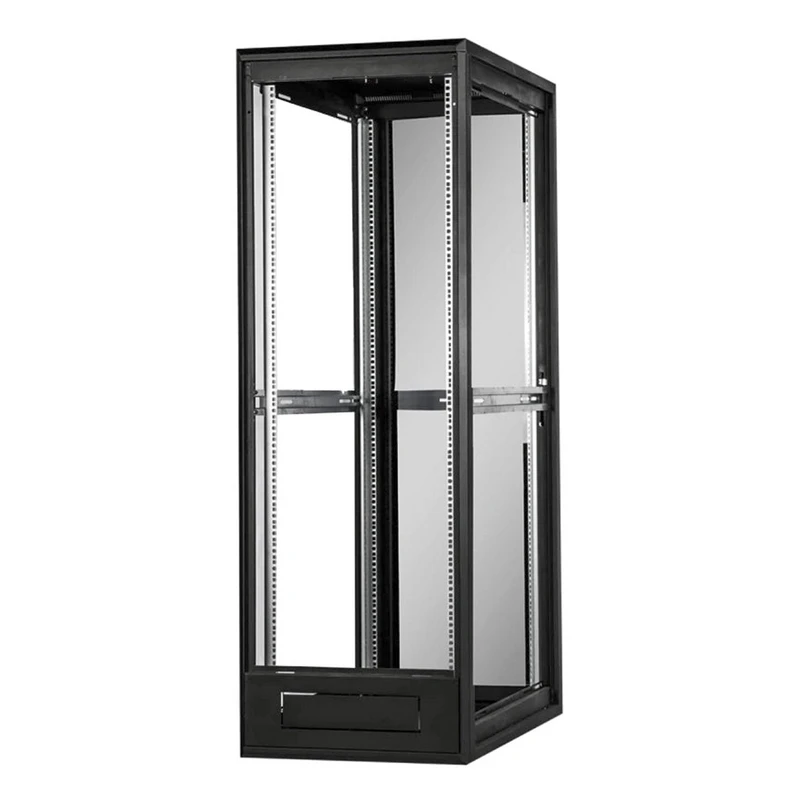
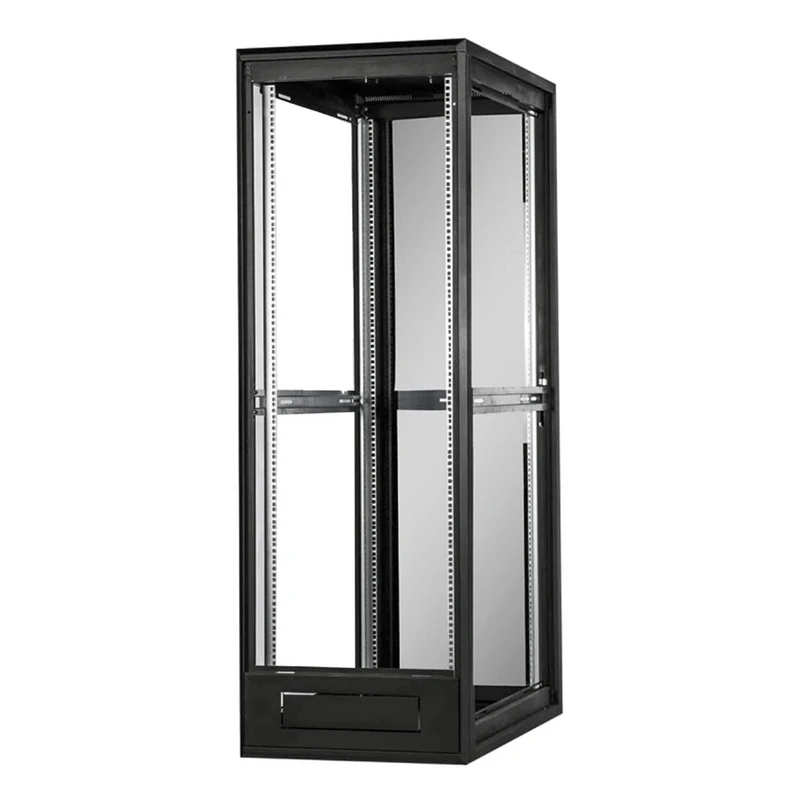
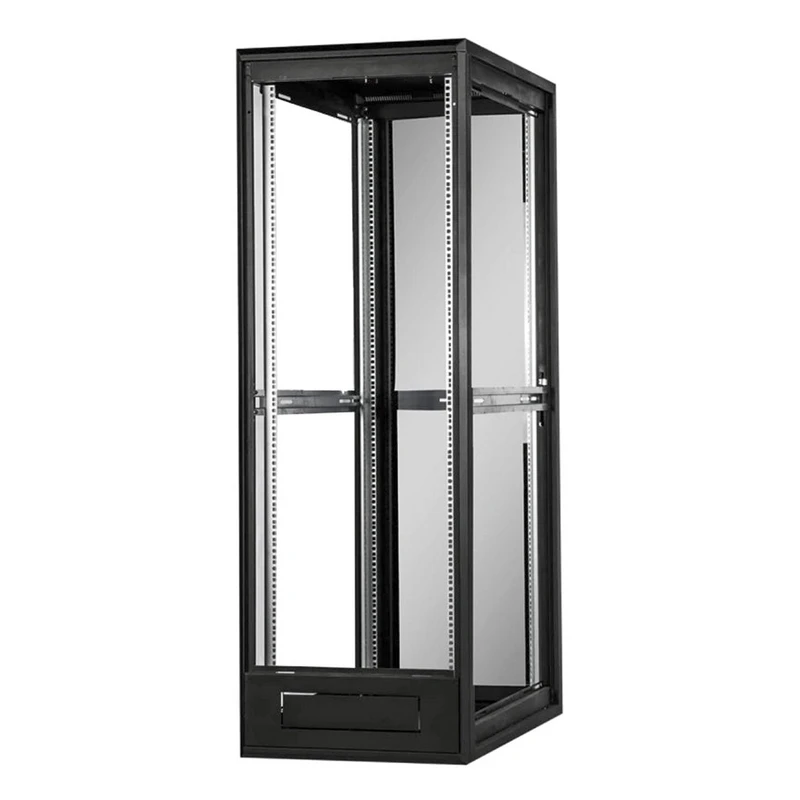
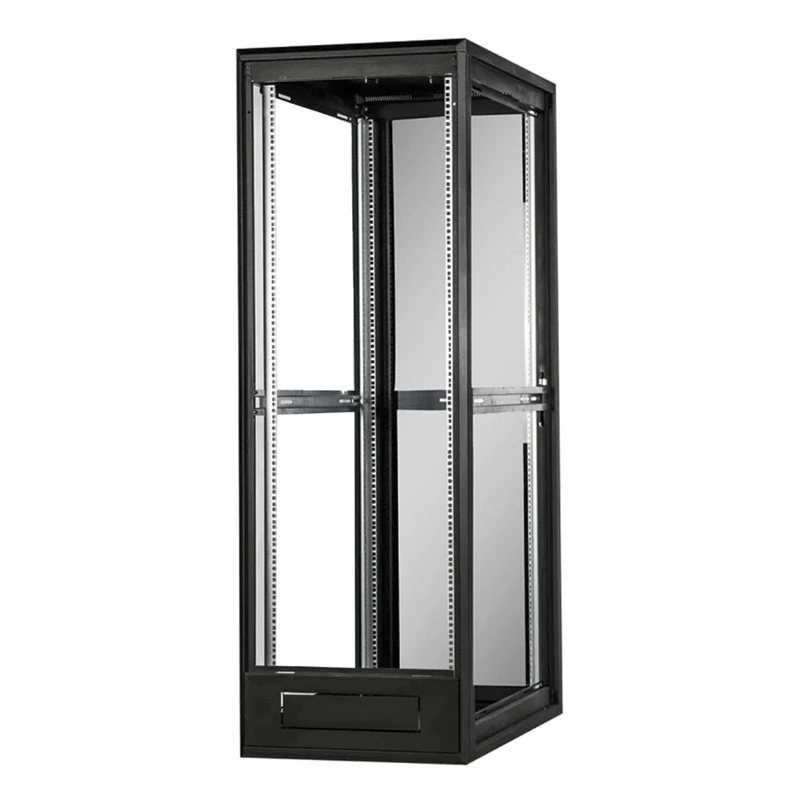
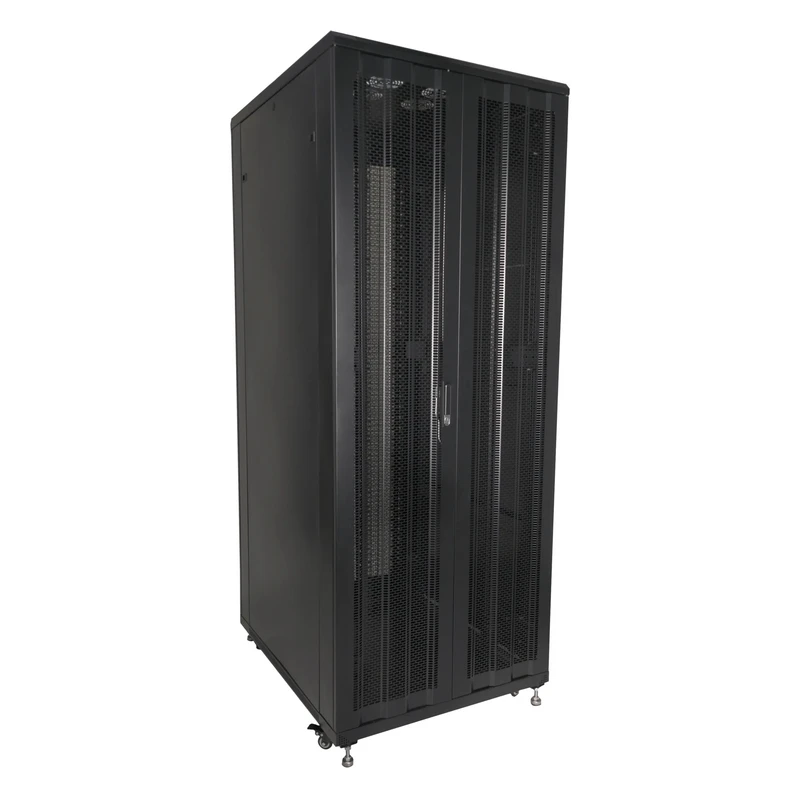
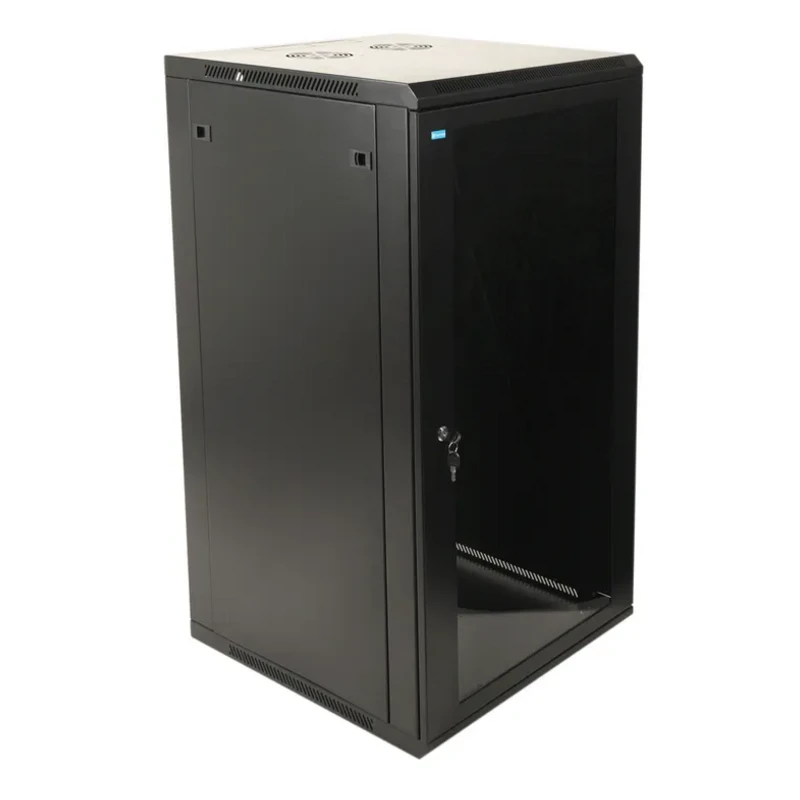
The SAT Solutions catalog includes more than 100 items of telecommunication cabinets and accompanying accessories. Here are presented floor-standing cabinets of various heights — from compact 22U to professional 42U, wall-mounted models for installation in small rooms, as well as cable organizers, reinforced-type fixed shelves and blanking panels. The assortment covers the needs of both small companies and large corporate customers and telecommunication operators.
How to choose
- Cabinet height in units (U). The standard unit — 1U equals 44.45 mm. For a small office, a cabinet of 9-12U is sufficient, for a server room, 22-42U models are optimal. Always allow a margin of at least 20-30% for future expansion.
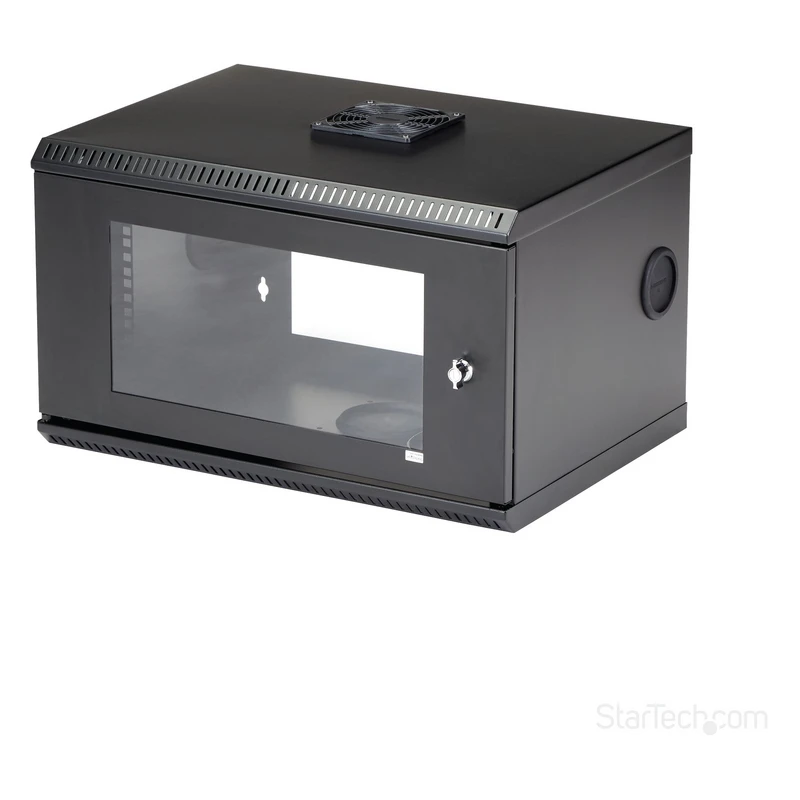
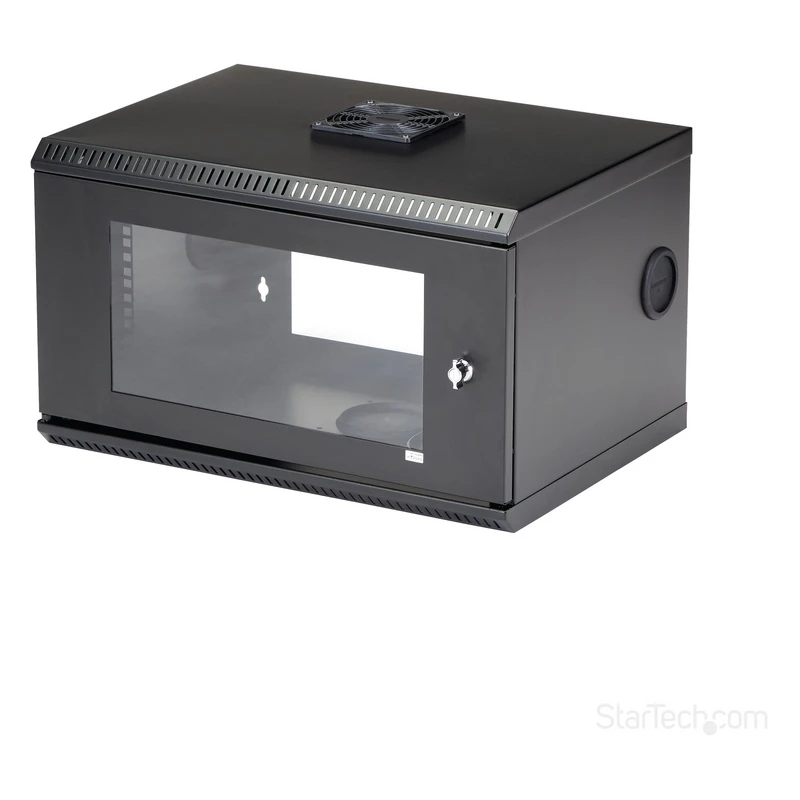
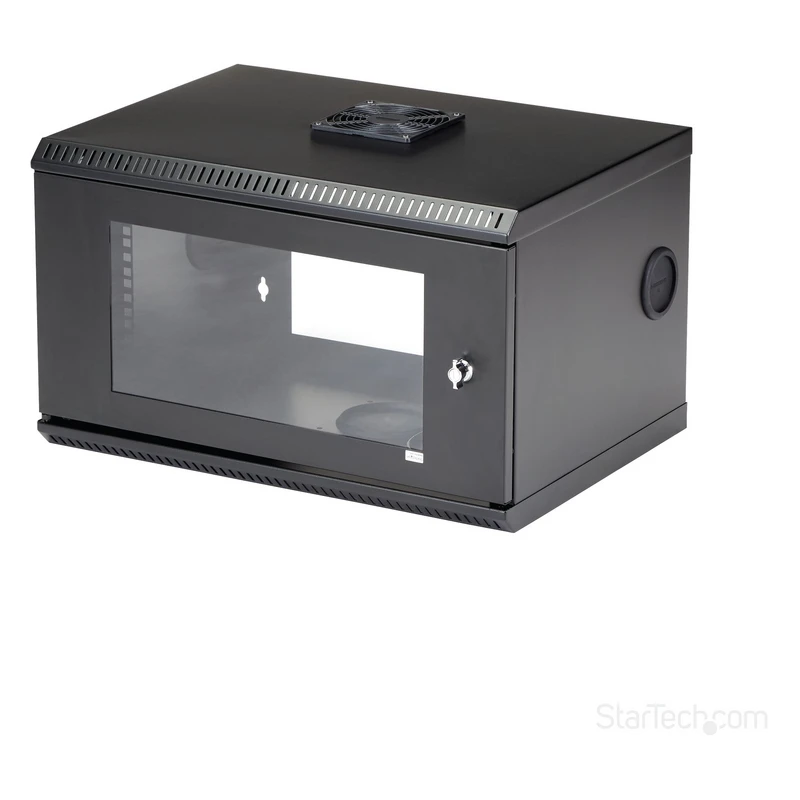
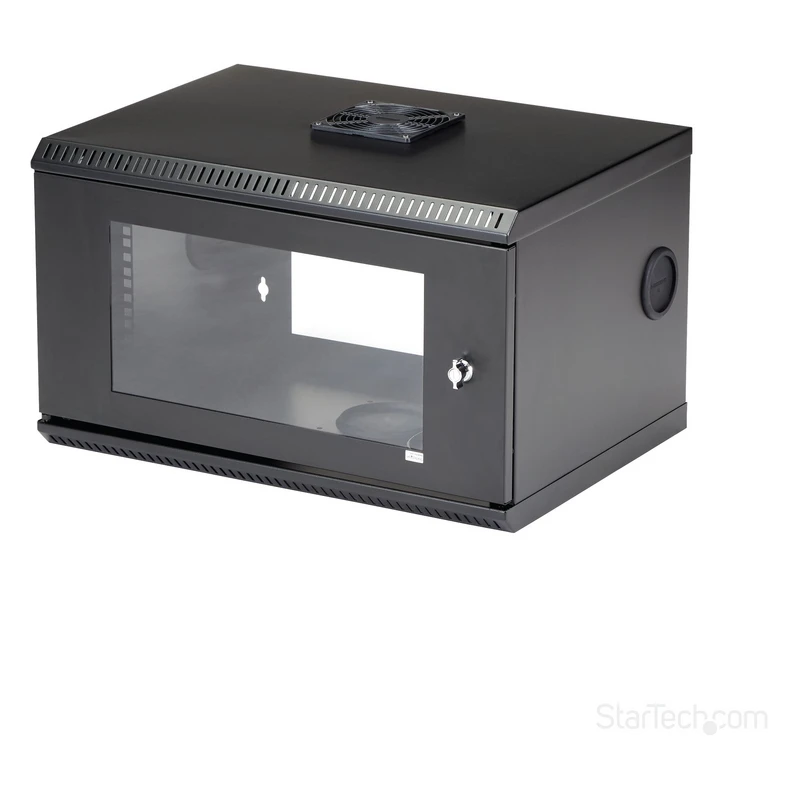
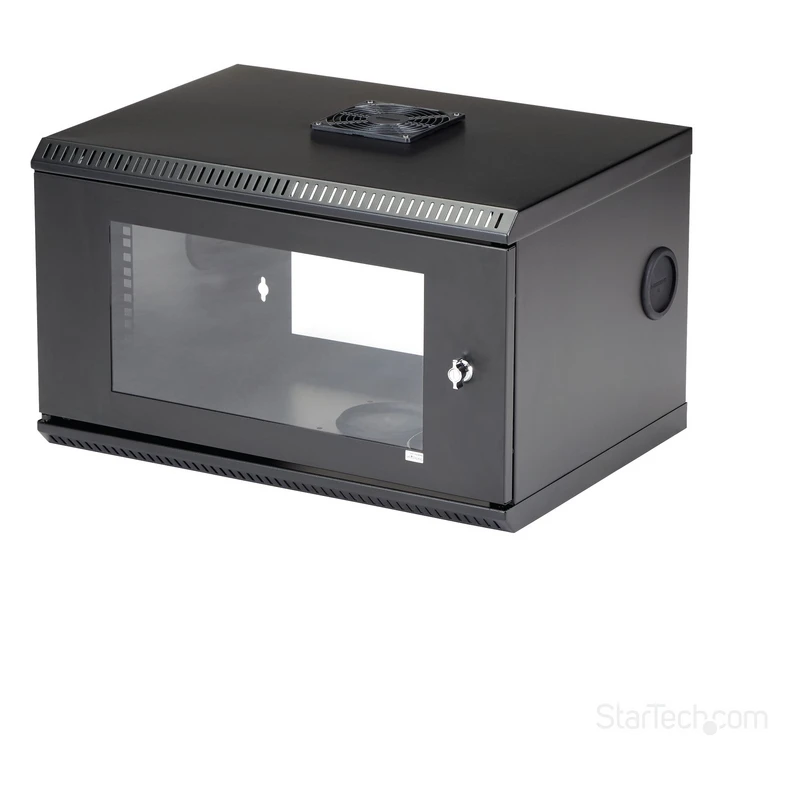
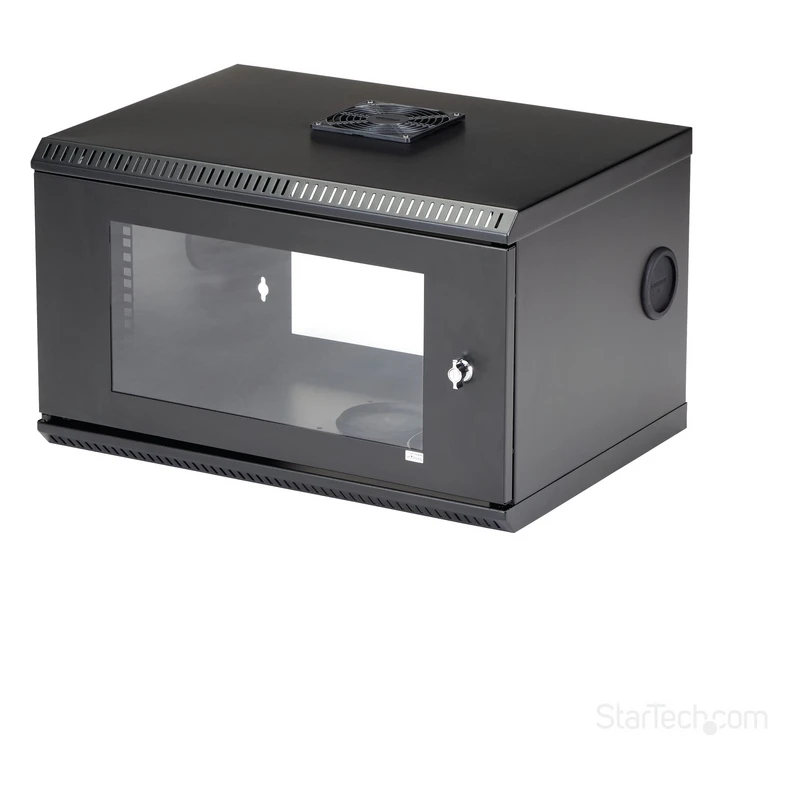
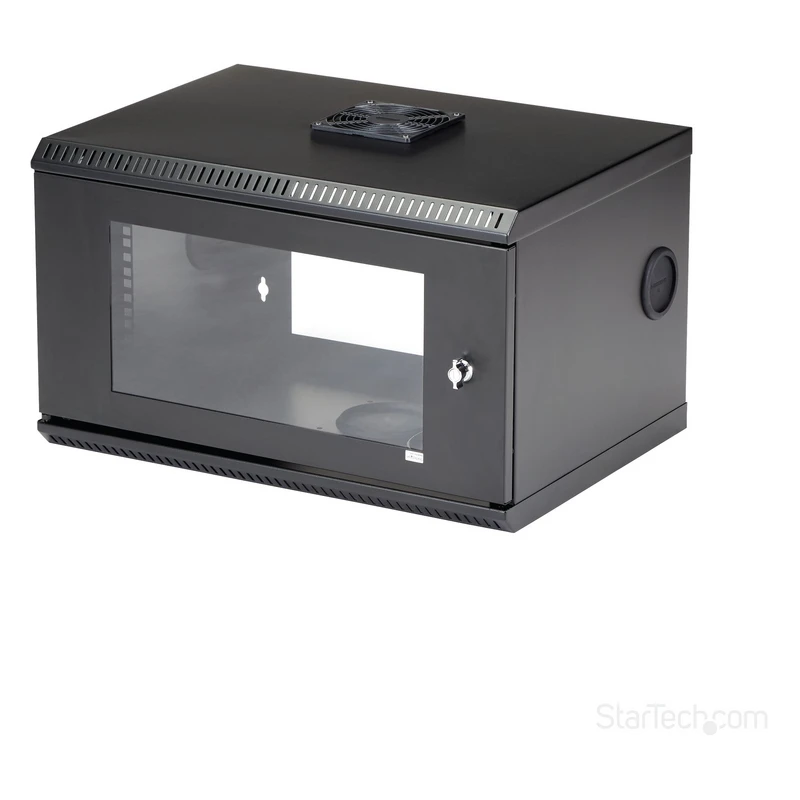
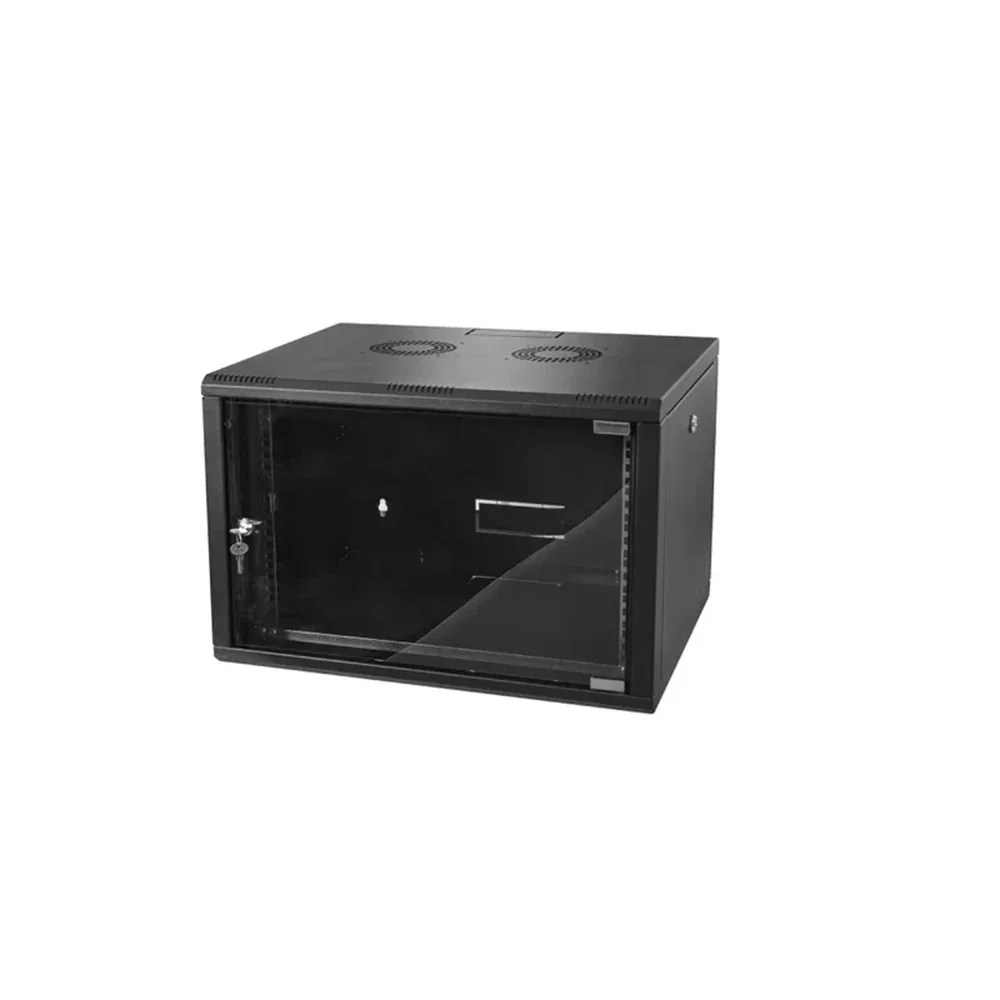
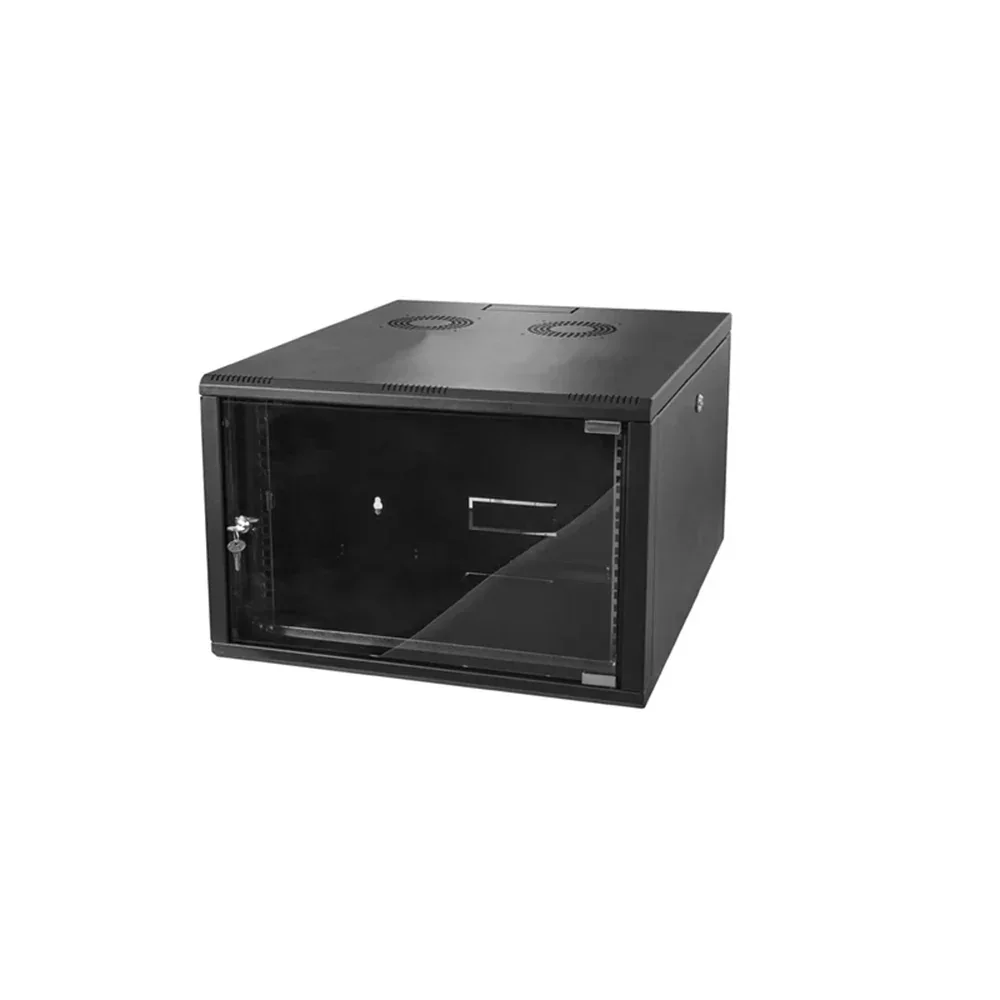
- Mounting type: floor-standing or wall-mounted. Wall-mounted cabinets save space and are suitable for installation in corridors, small offices or technical rooms. Floor-standing cabinets are installed in dedicated server rooms and communication nodes; they are designed for a large load and accommodate more equipment.
- Depth and width dimensions. The standard width is 600 or 800 mm, the depth is from 600 to 1200 mm. The depth is chosen based on the length of the installed equipment: servers and UPSs require a depth of at least 900-1000 mm, passive equipment can be housed in more compact models.
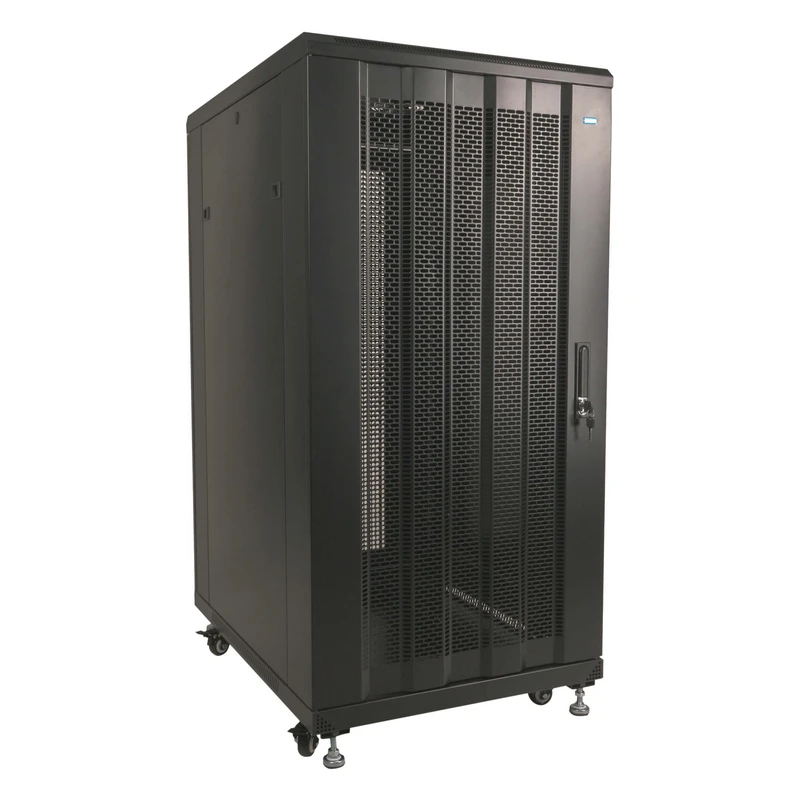
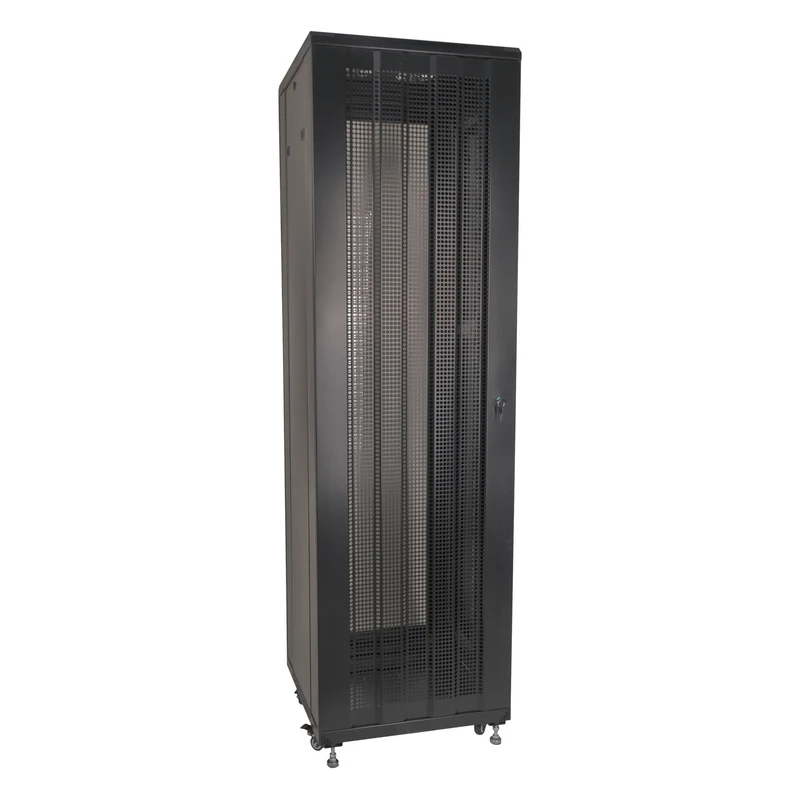
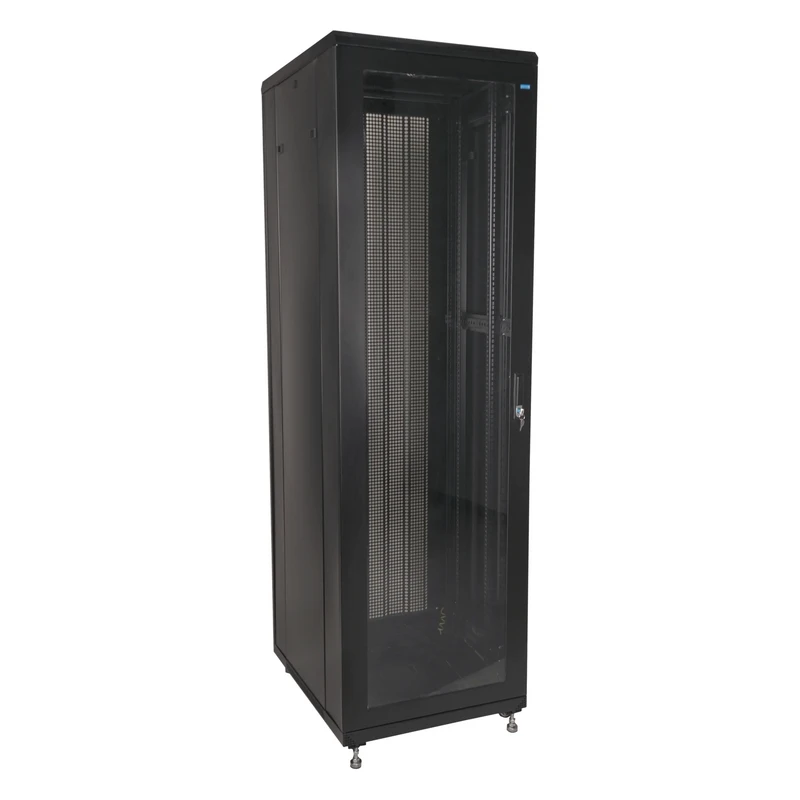
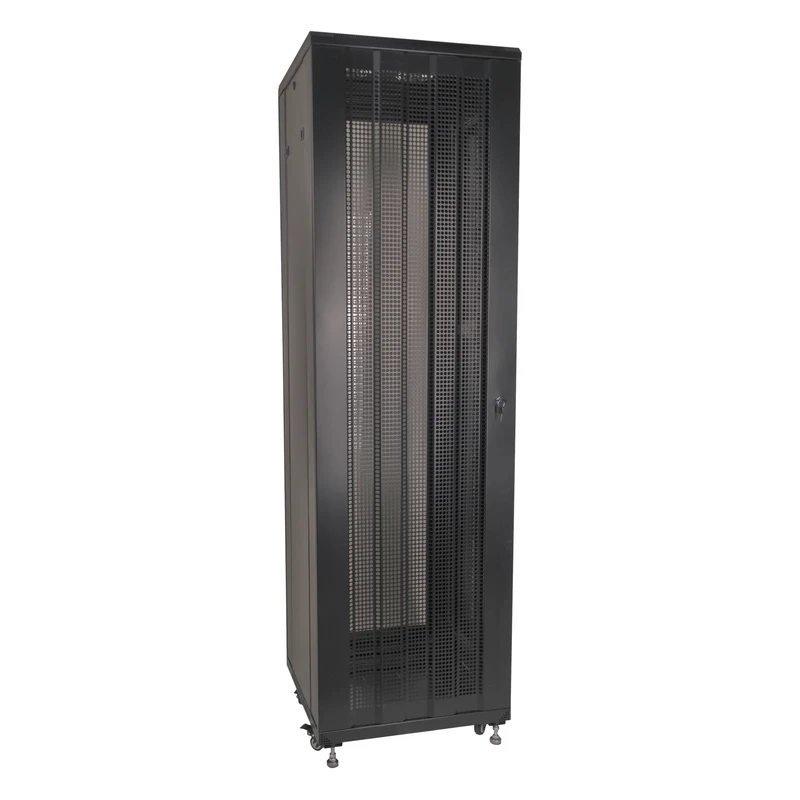
- Door and side-wall type. Perforated doors provide natural air circulation — this is important for active equipment with forced cooling. Glass doors are used where visual indication of the equipment state is needed. Solid metal doors provide better protection against unauthorized access.
- Load capacity. Verify the maximum permissible load on the cabinet: budget models withstand 600-800 kg, professional ones — over 1000 kg. When housing servers and heavy UPS equipment, this parameter is critically important.
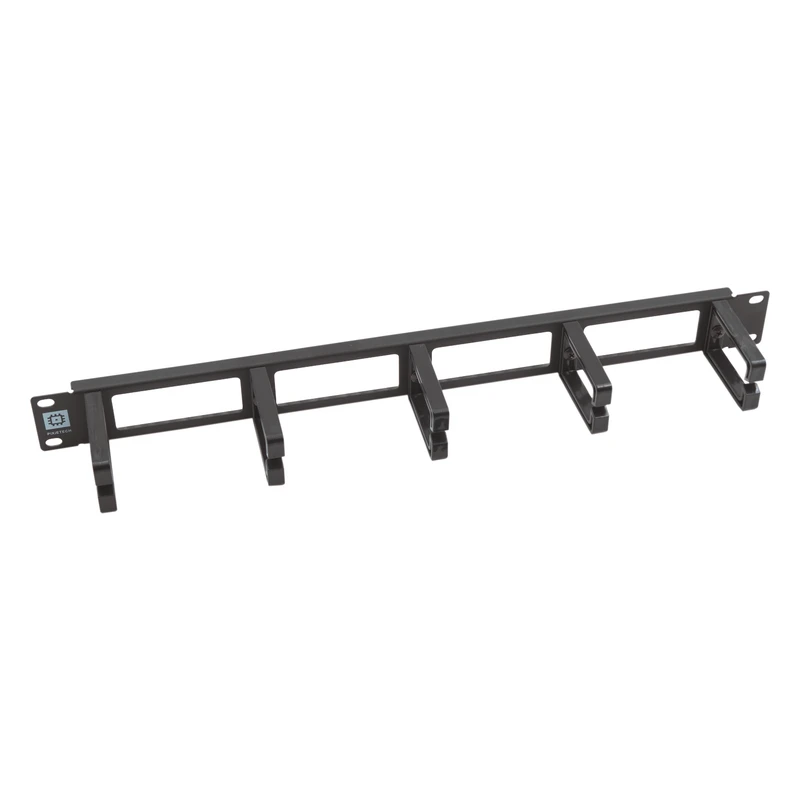
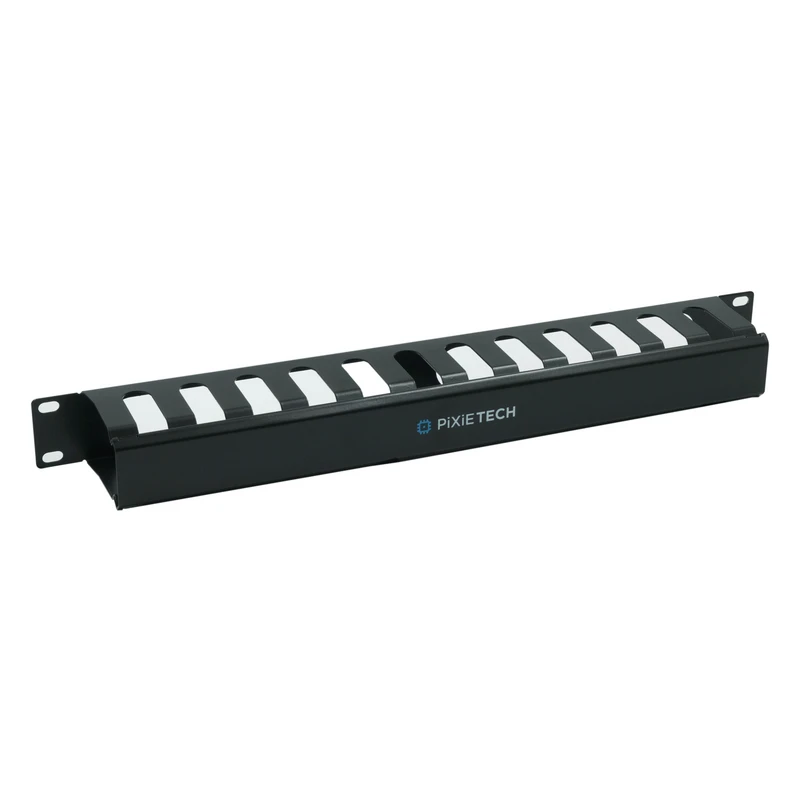
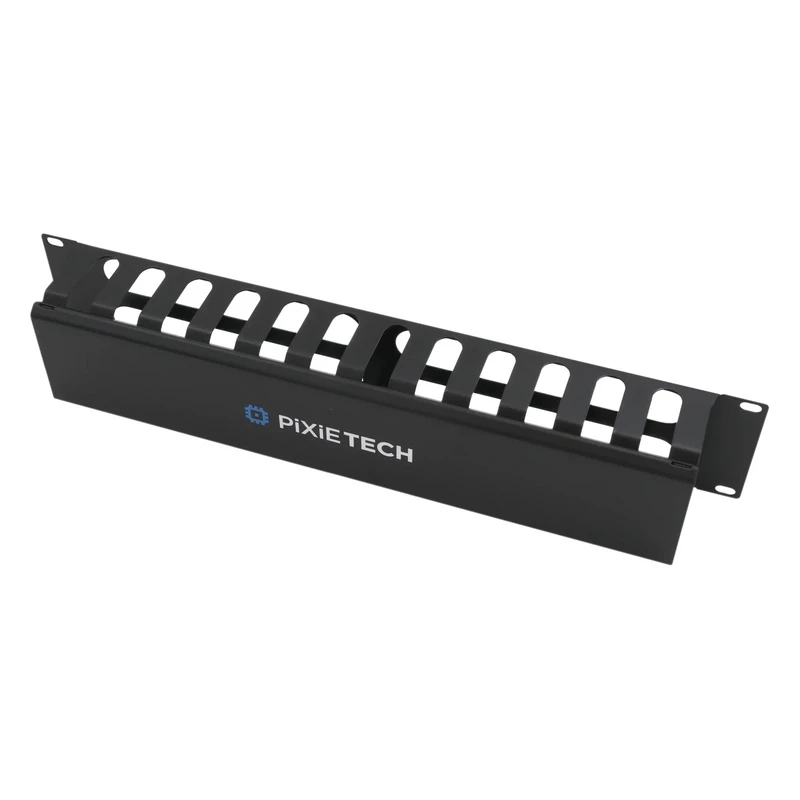
- Accessory configuration. Think in advance about the need for shelves (fixed or sliding), cable organizers (horizontal and vertical), blanking panels for unused units, power organization systems. All these elements affect the final ease of maintenance.
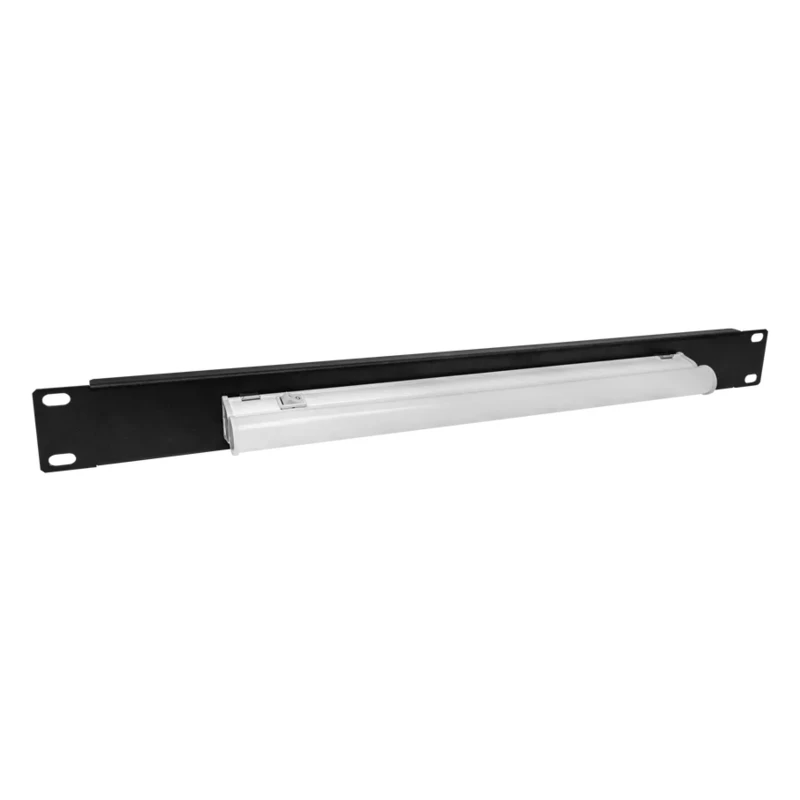
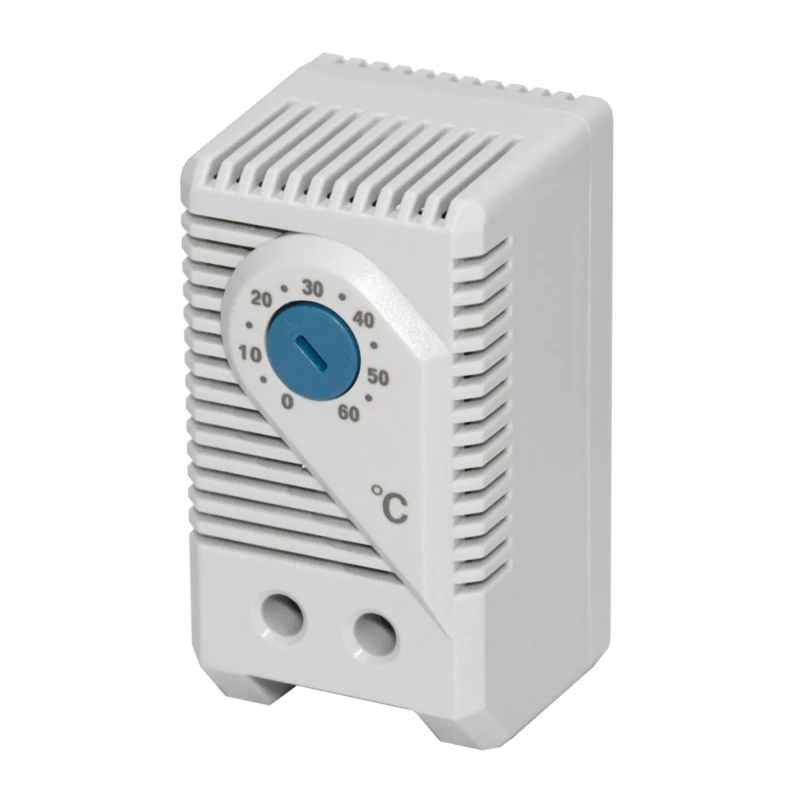
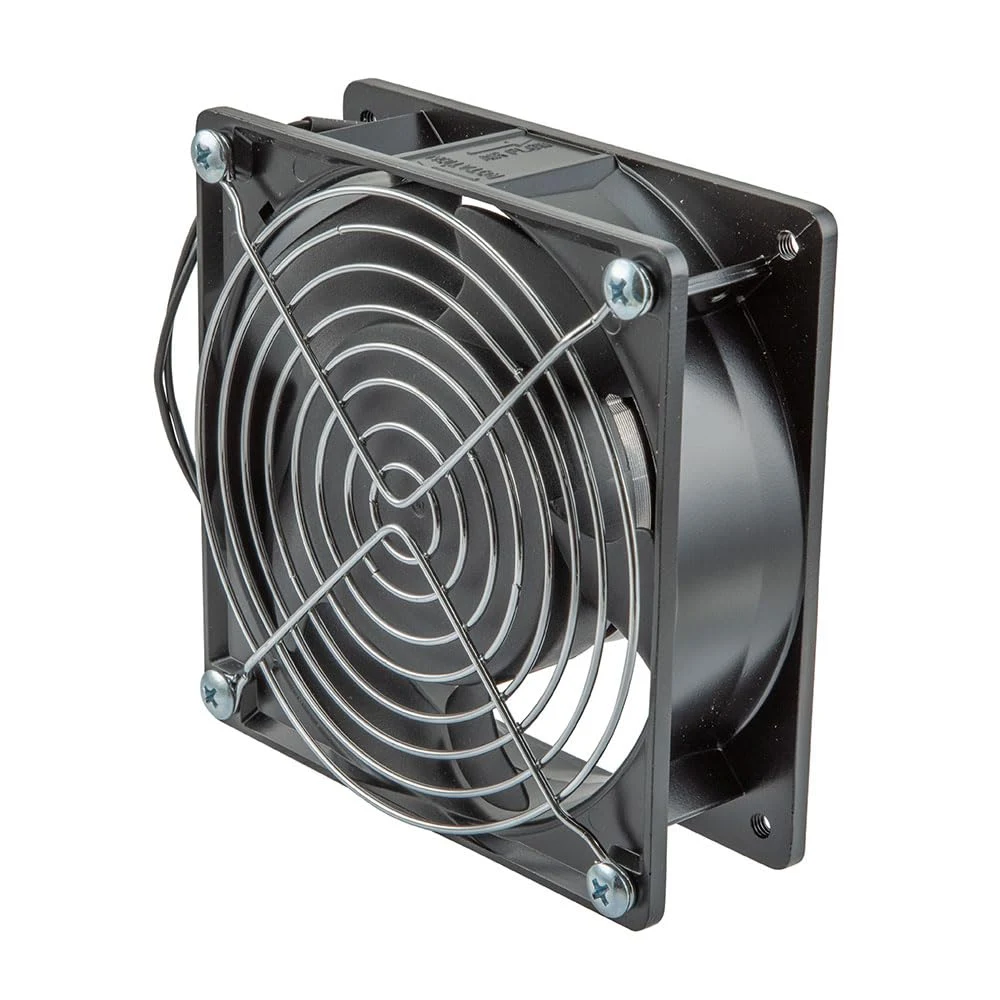
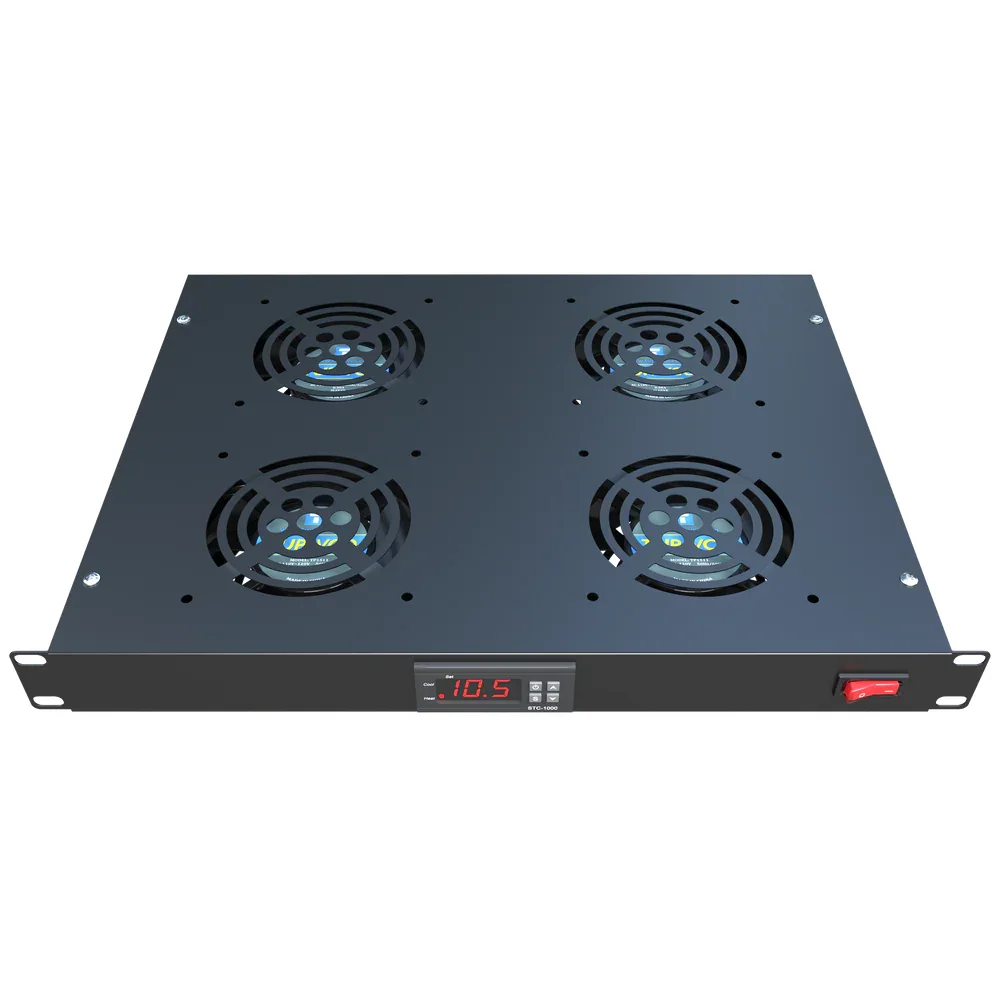
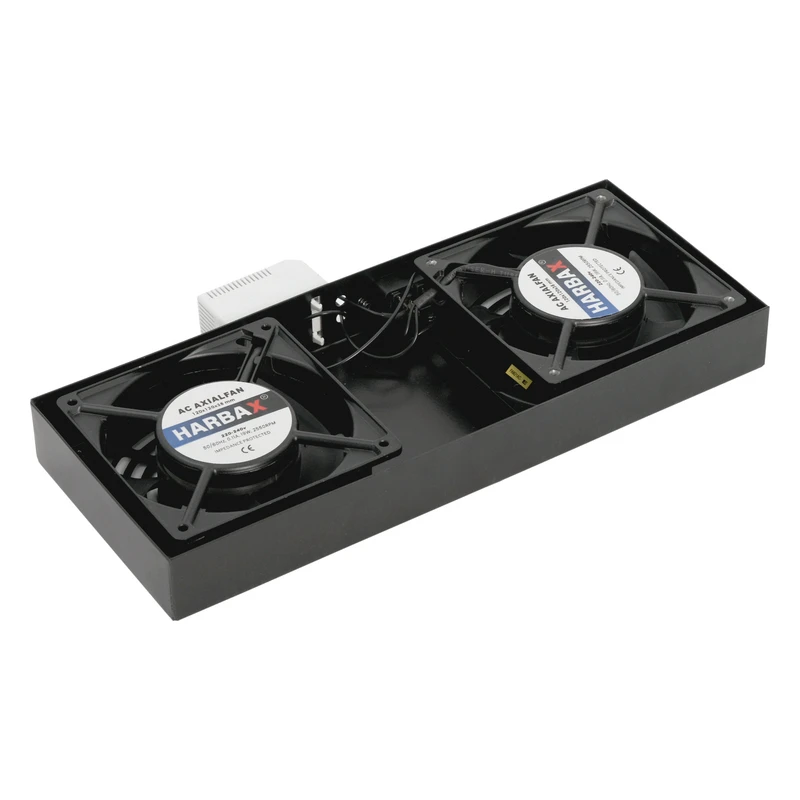
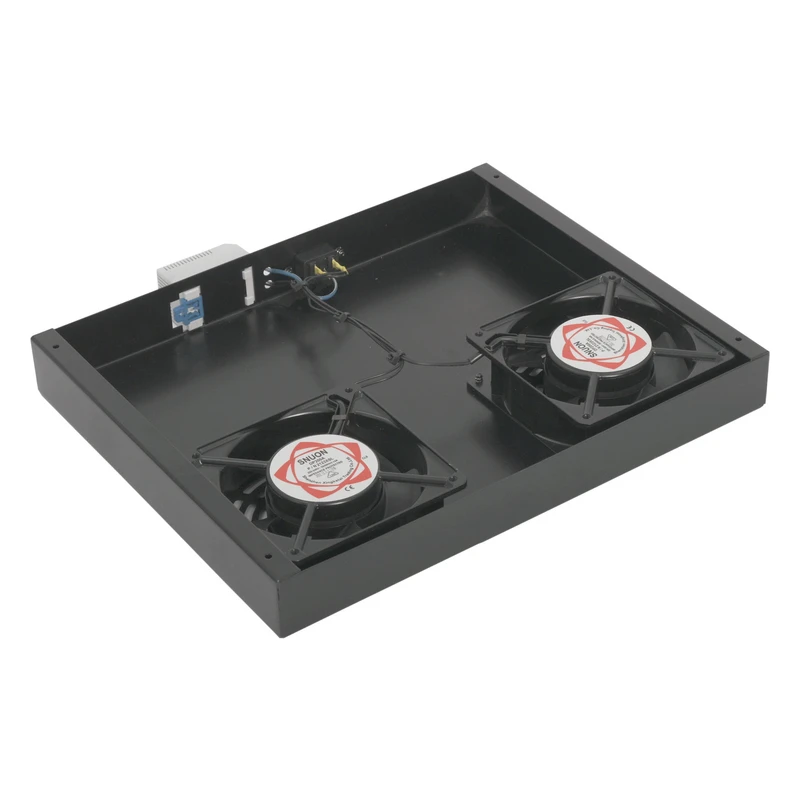
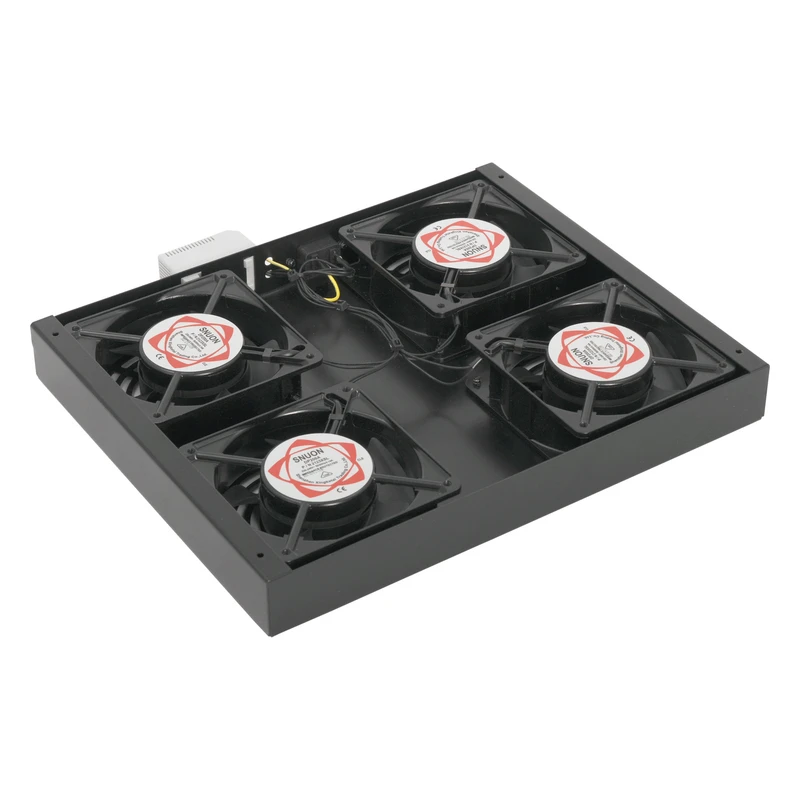
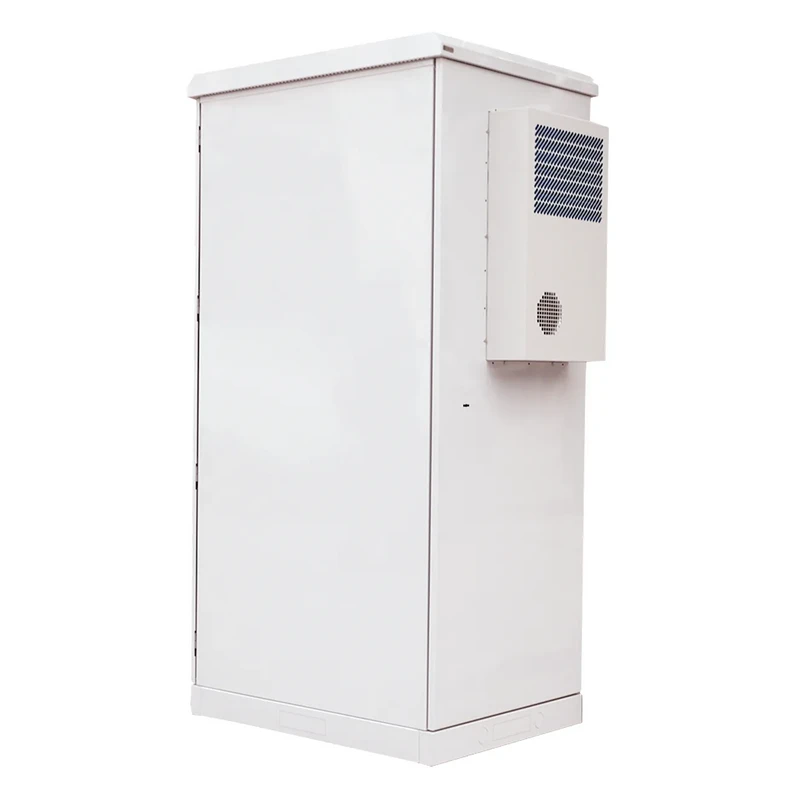
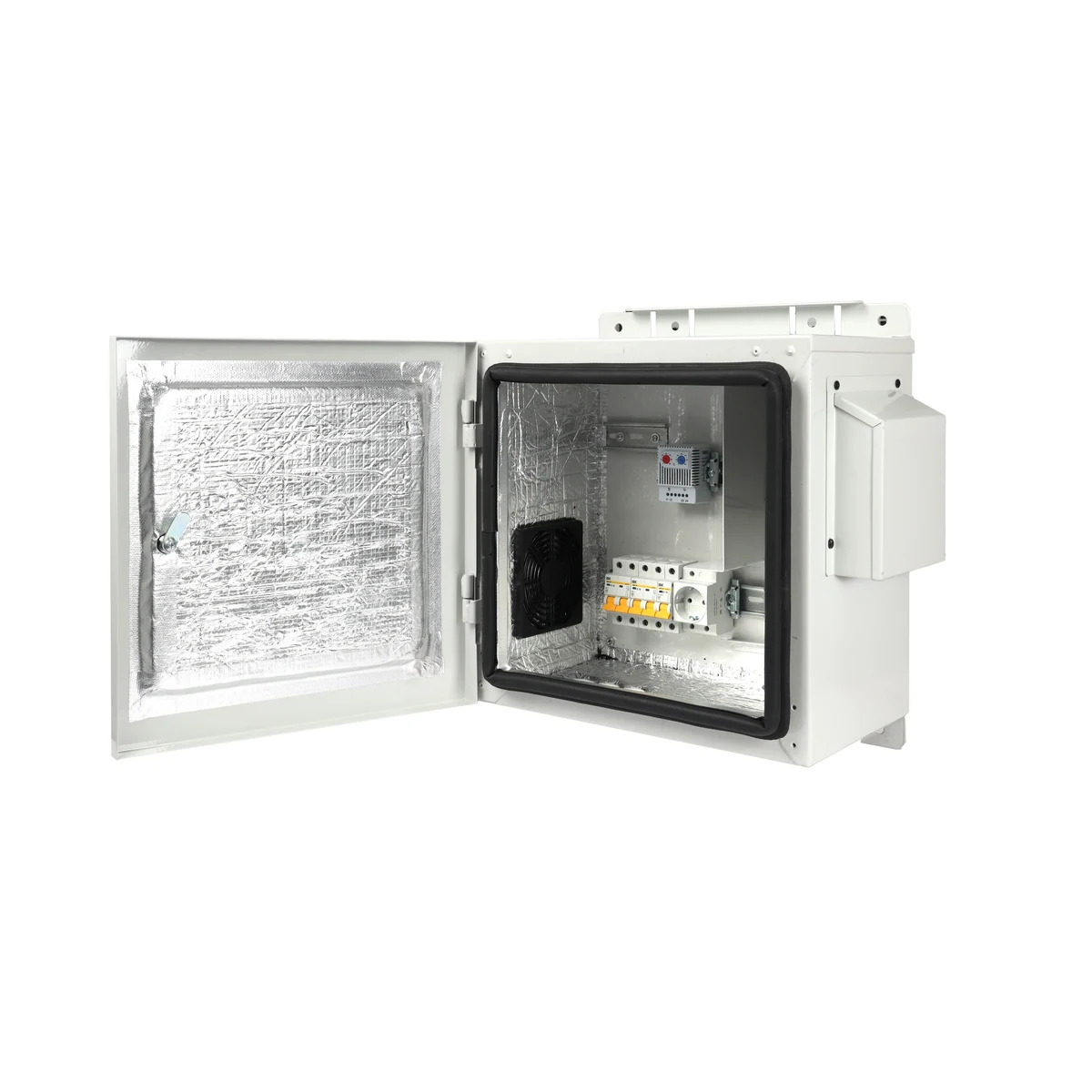
- Ventilation system and climate control. For server cabinets with dense equipment installation, additional fan units or precision air conditioners are often required. Verify the heat dissipation of the equipment and plan heat removal in advance.
Applications
- Corporate offices and business centers. In office spaces, telecommunication cabinets are used to house switches, patch panels, Wi-Fi access points and telephony systems. Wall-mounted cabinets are mounted directly in meeting rooms or technical niches.
- Server rooms and data centers. Floor-standing 42U cabinets are the standard for server rooms. Here, in a single rack, servers, data storage systems, network equipment and backup power units are housed.
- Industrial enterprises and warehouses. At industrial sites, cabinets are used to organize network infrastructure, manage automated systems and house video surveillance and access control equipment.
- Educational institutions and medical organizations. Schools, universities and hospitals build their own SCS based on telecommunication cabinets, ensuring reliable and secure storage of network equipment.
- Telecommunication nodes and providers. Communication operators in Uzbekistan use professional floor-standing cabinets to organize access nodes, house optical cross-connects and active equipment in residential and commercial buildings.
- Security systems and low-voltage systems. Cabinets are used as a base for mounting video surveillance servers, ACS controllers, fire alarm equipment and notification systems at large sites.
Brands and models in the catalog
- Pixietech — the main brand in this category. The manufacturer offers a wide lineup of floor-standing cabinets 22U, 27U and 42U high with various configurations in width (600 and 800 mm) and depth (600, 800, 1000 and 1200 mm). Doors are produced both in a perforated version and in a double-perforated variant for maximum air exchange.
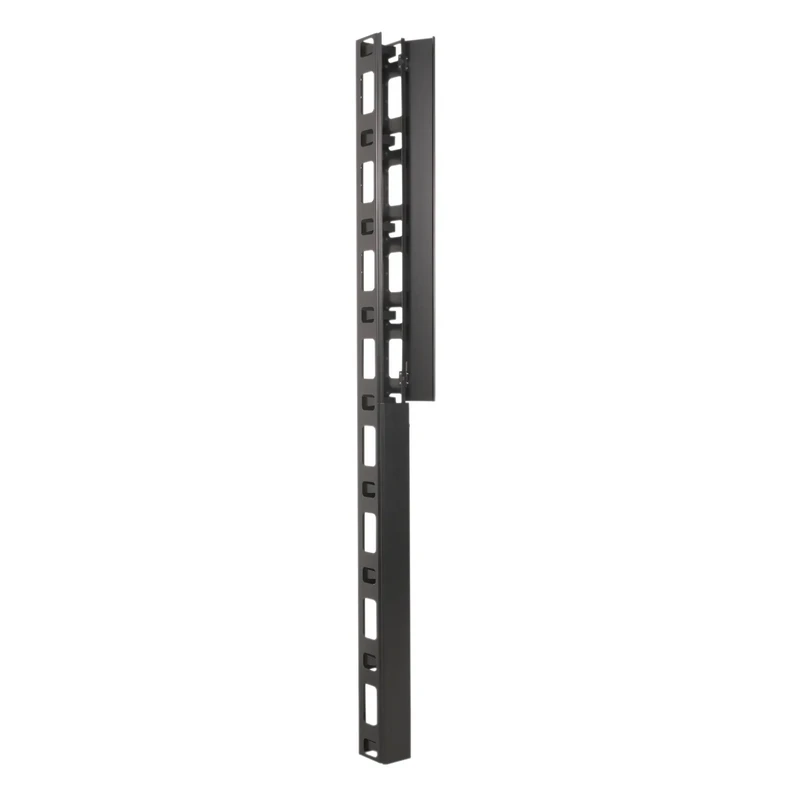
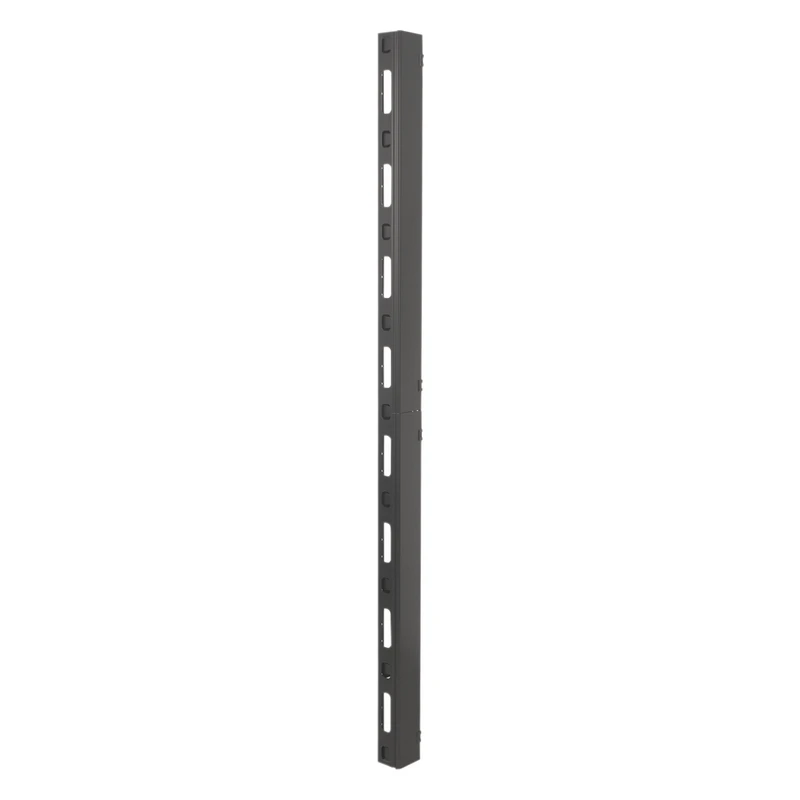
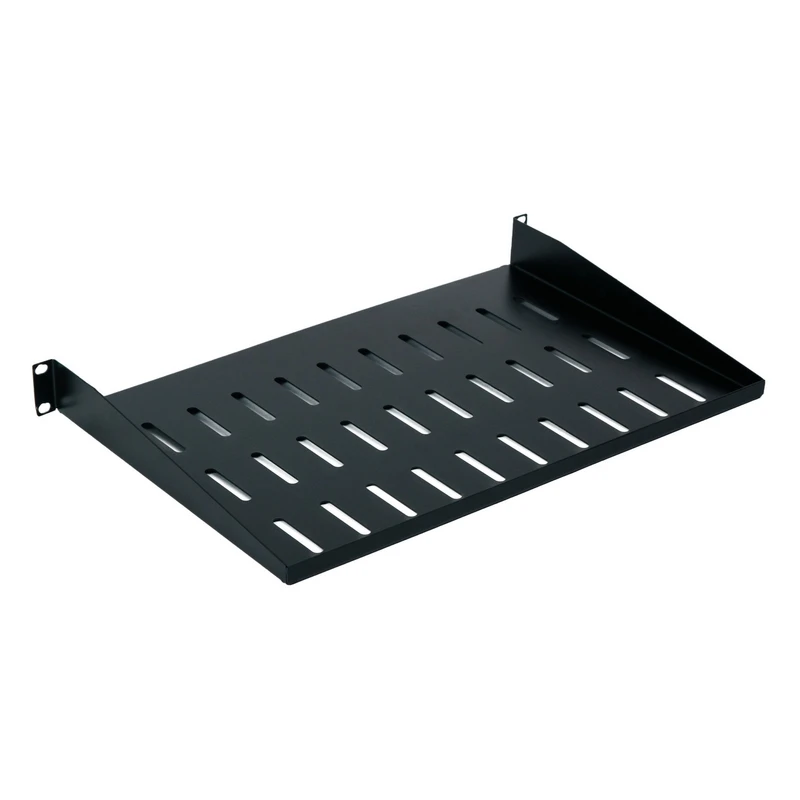
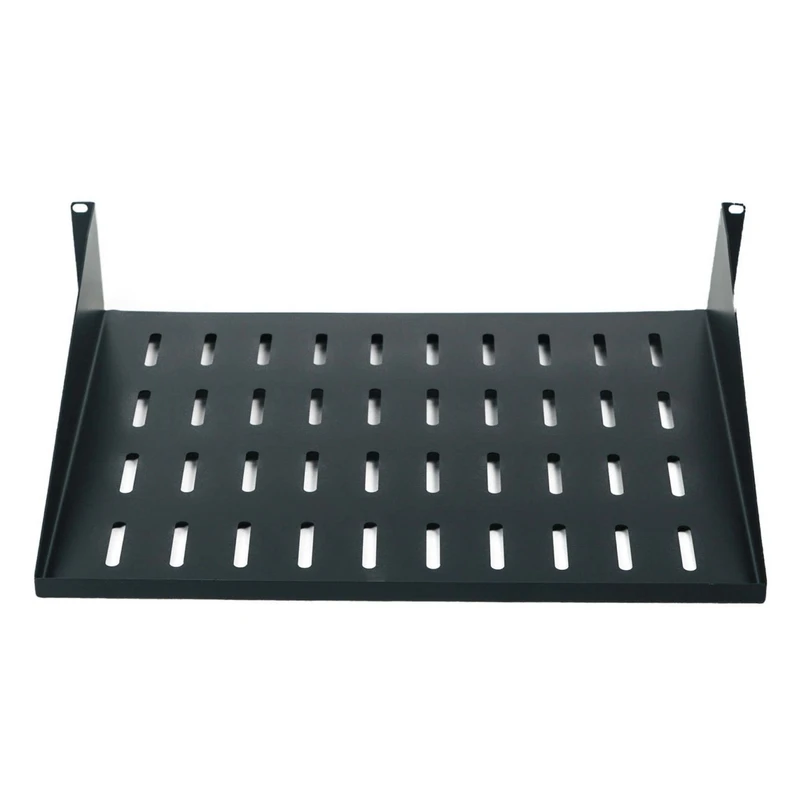
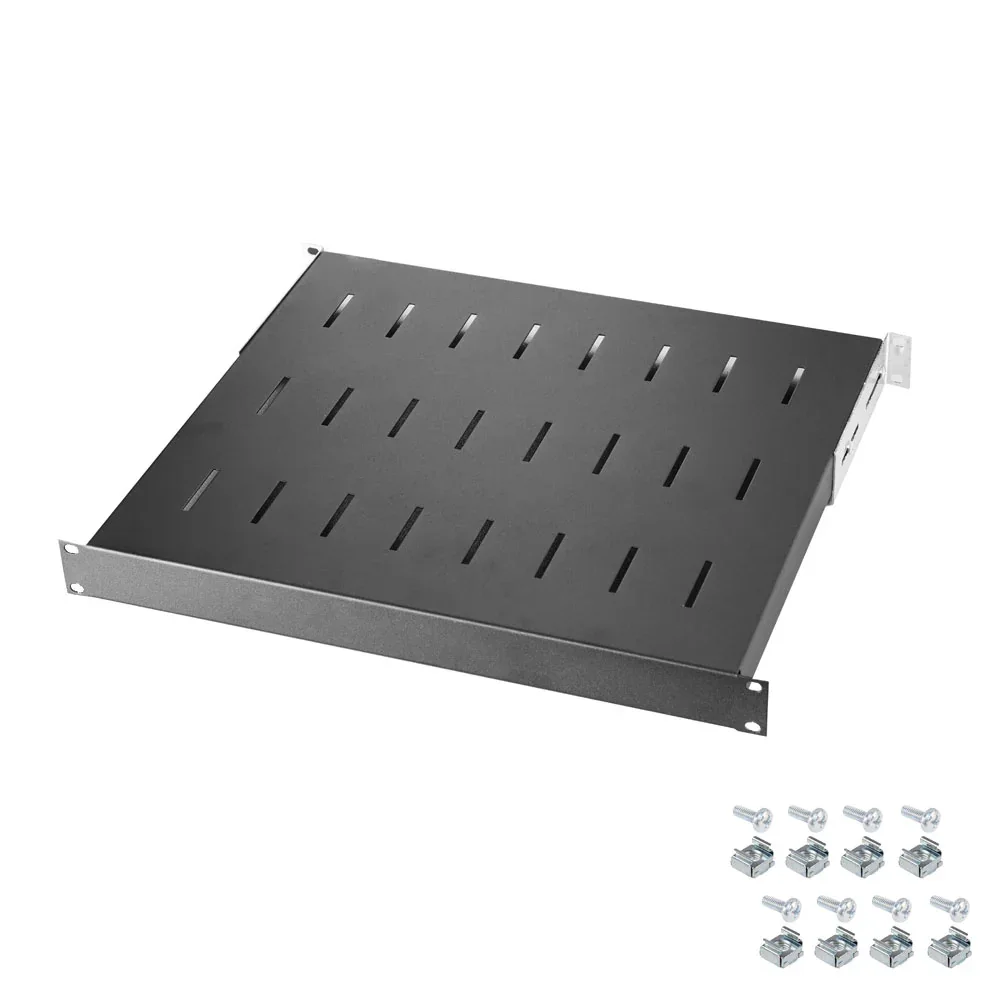
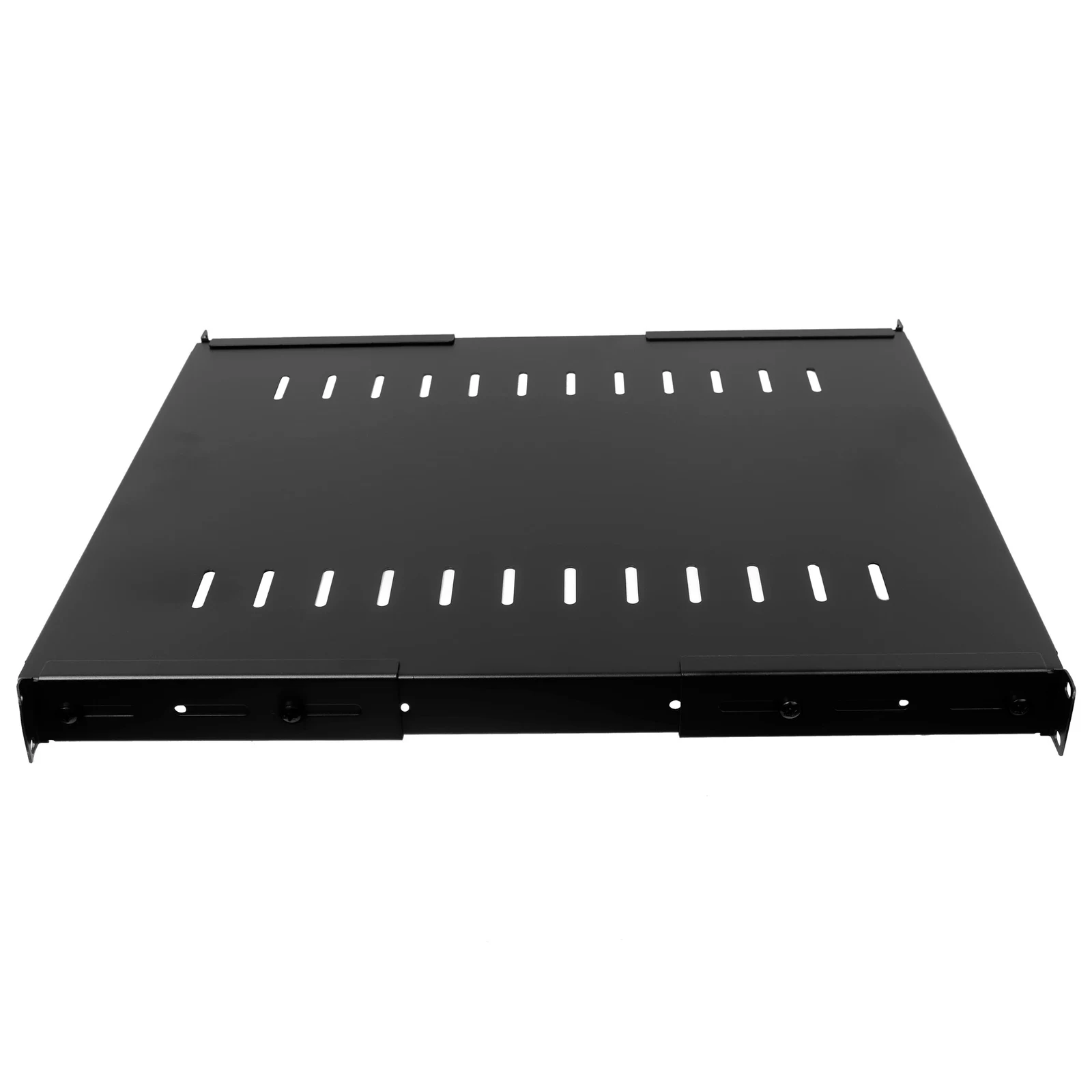
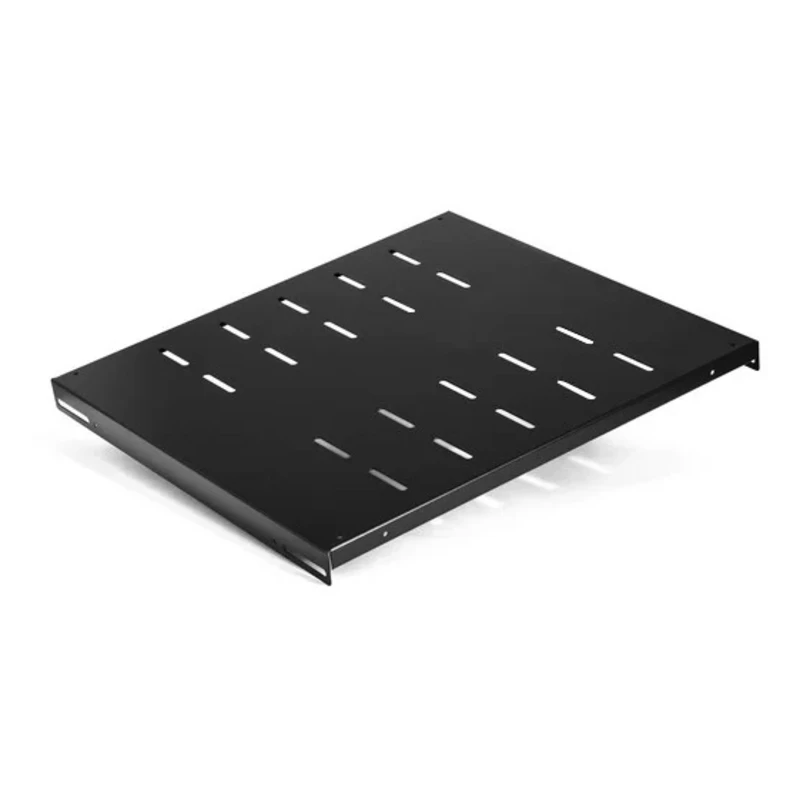
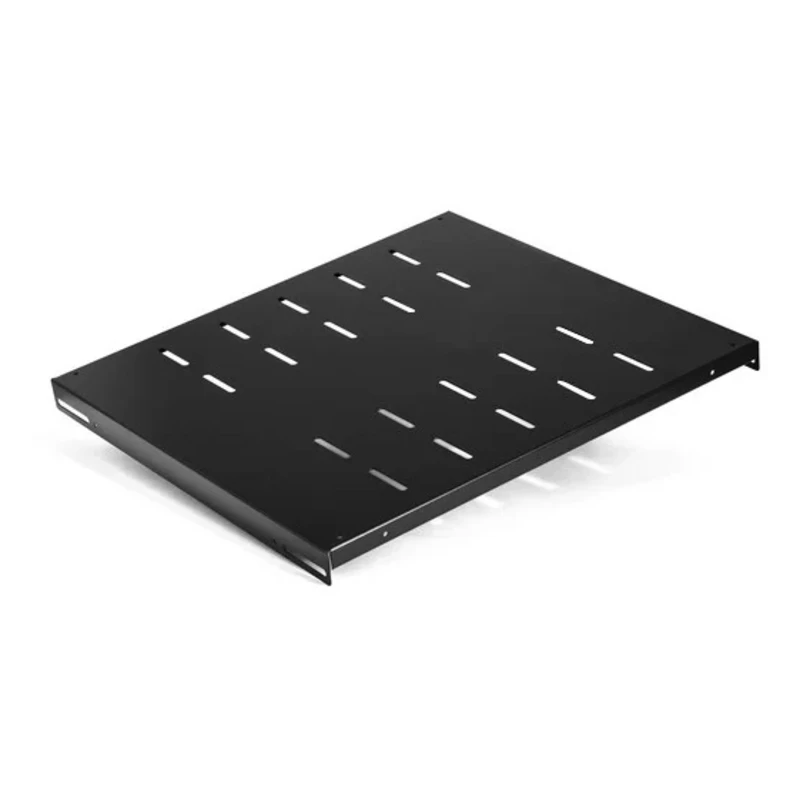
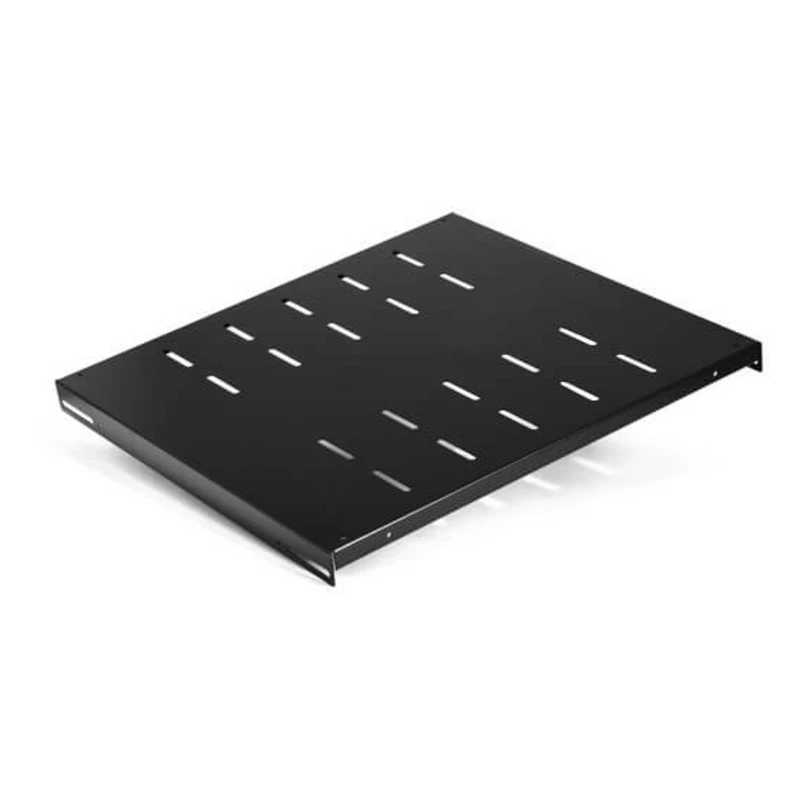
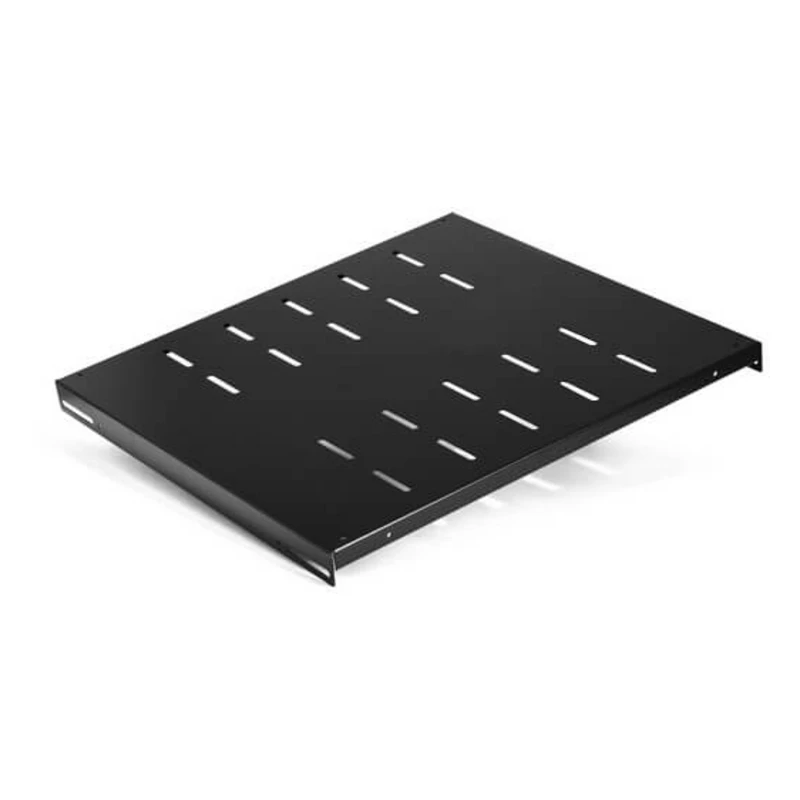
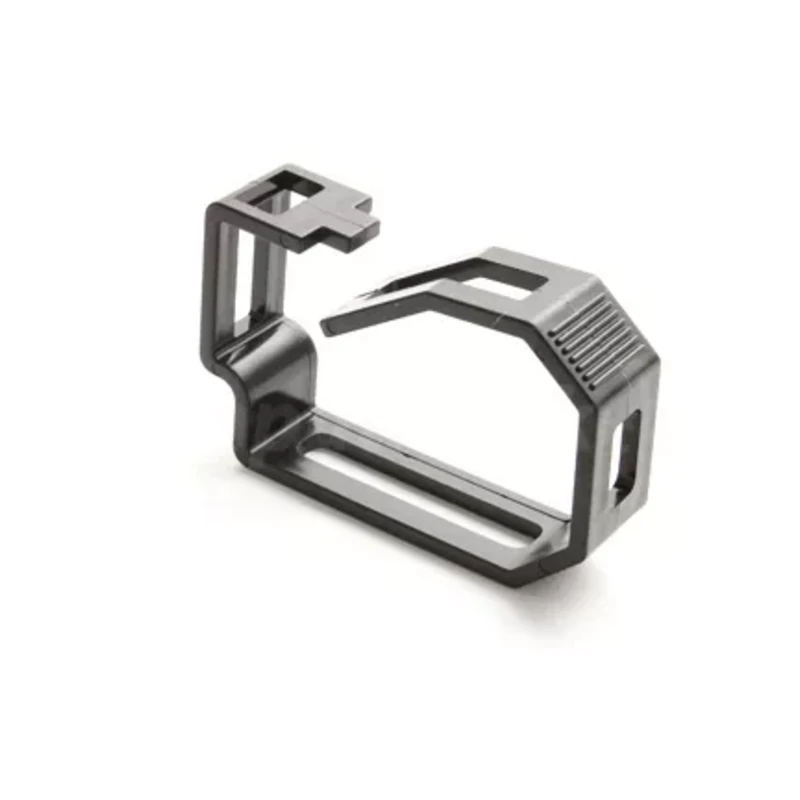
- Pixietech accessories cover all the basic needs of an installer: fixed shelves of ordinary and reinforced design for cabinets of various depths, vertical cable organizers 47U high with 95x70 mm channels, horizontal organizers with rings for neat laying of patch cords.
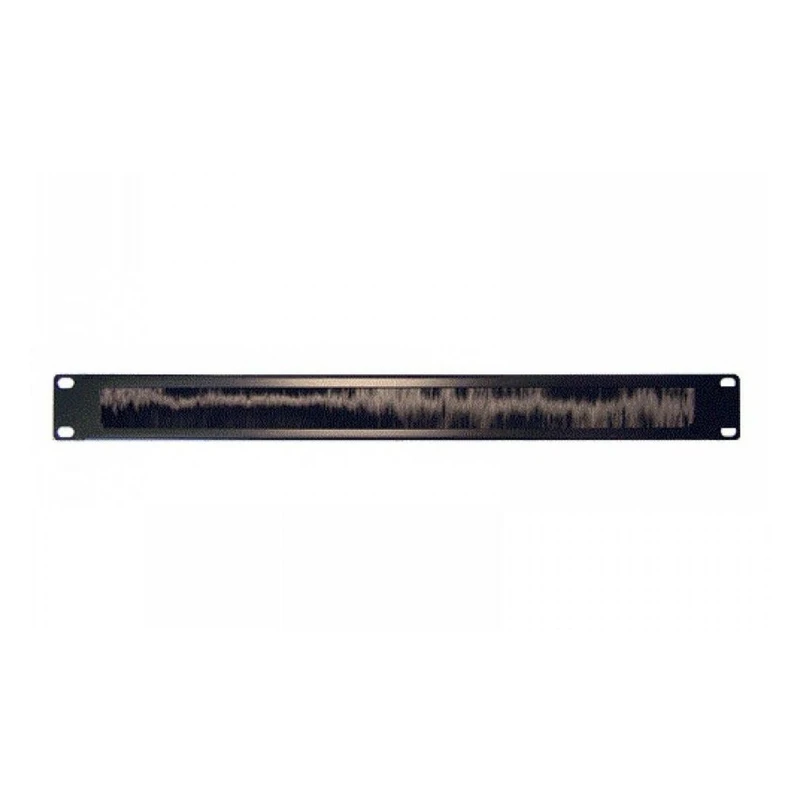
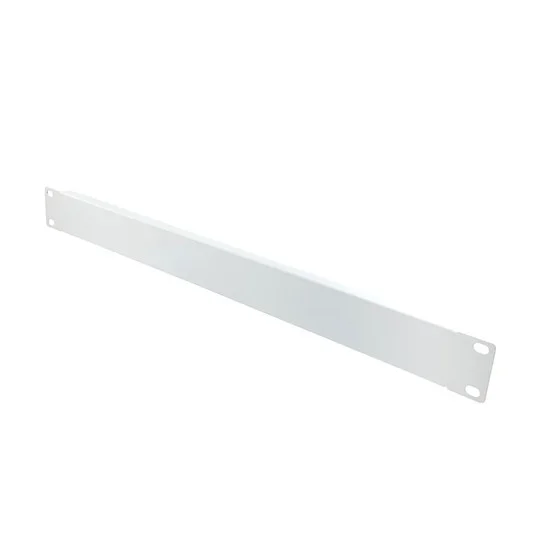
- 1U blanking panels for the standard 19-inch profile — a mandatory element of any rack. They close free units, excluding disorganized airflow inside the cabinet and reducing the risk of equipment overheating.
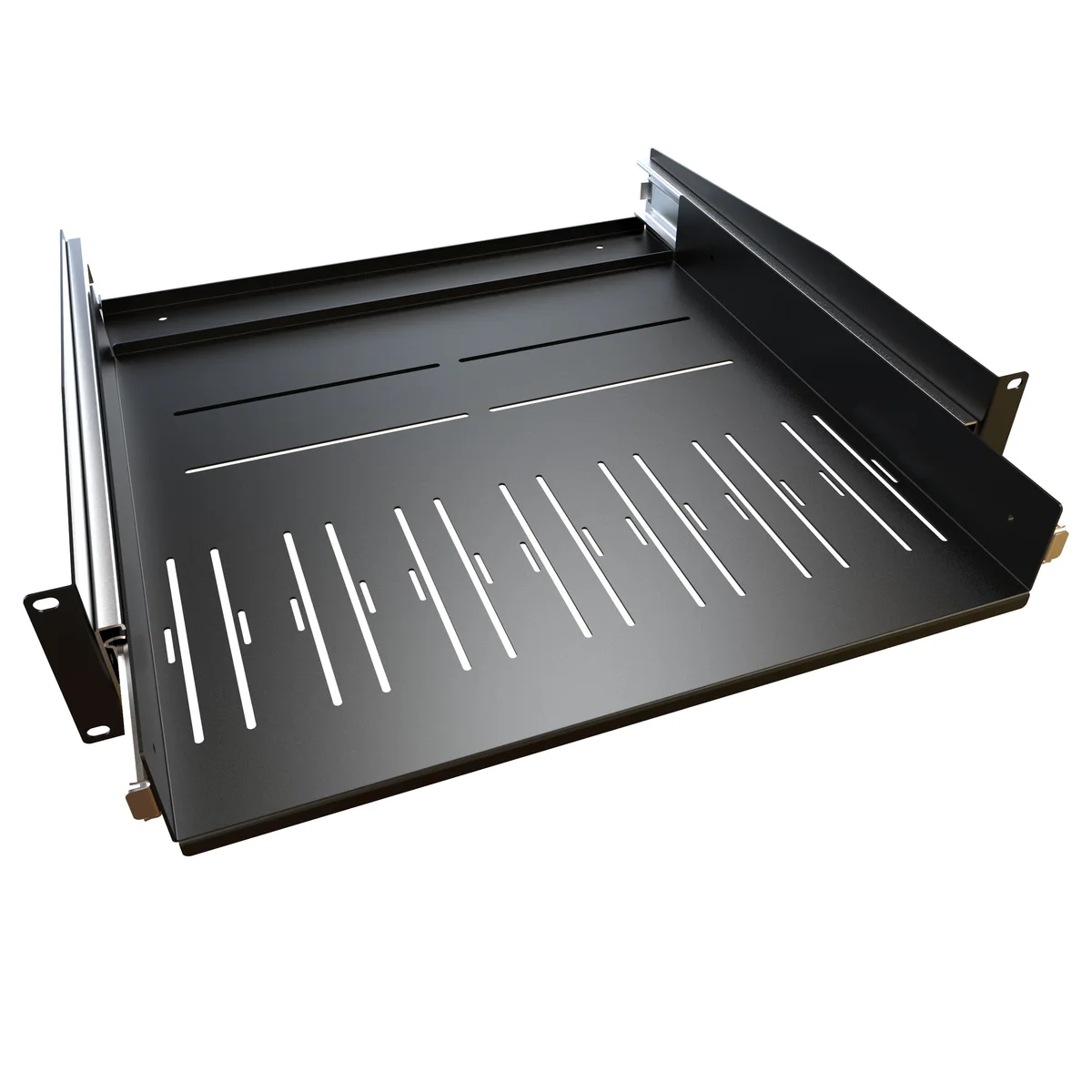
- Reinforced fixed shelves are designed for installing heavy equipment: active switches, uninterruptible power supplies, media converters. They are produced for cabinets 800 mm wide with depths of 800, 1000 and 1200 mm.
Frequently asked questions
Which cabinet should I choose for a small office of 20-30 workstations?
Can I buy a telecommunication cabinet without installation, just the equipment?
What is the difference between cabinets with a depth of 600 mm and 1000 mm?
Is special permission needed to install a floor-standing cabinet in a server room?
Is there a warranty on Pixietech cabinets and accessories?
Telecom cabinets — guide & FAQ
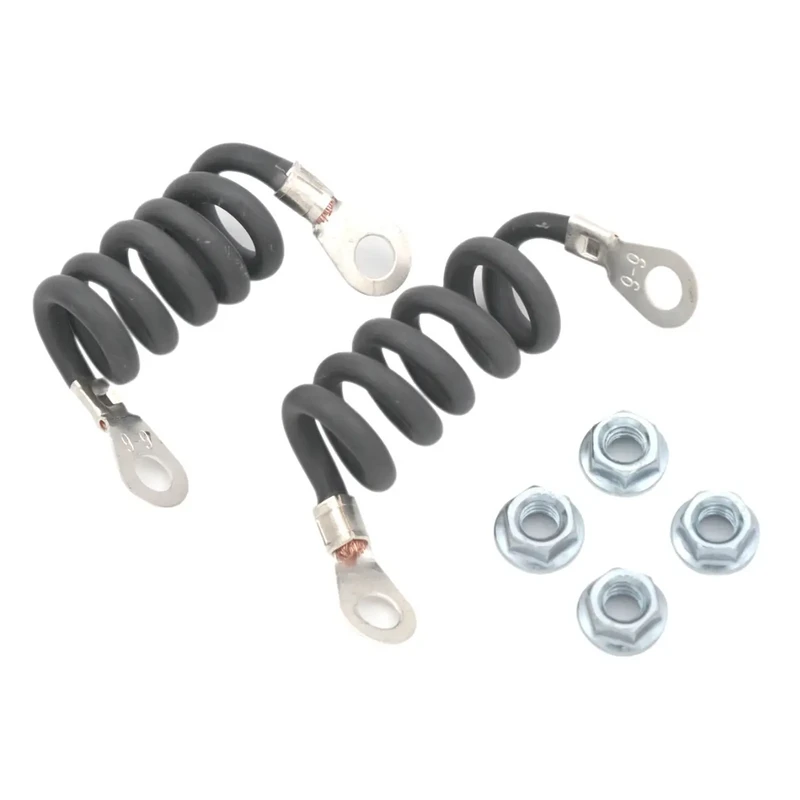
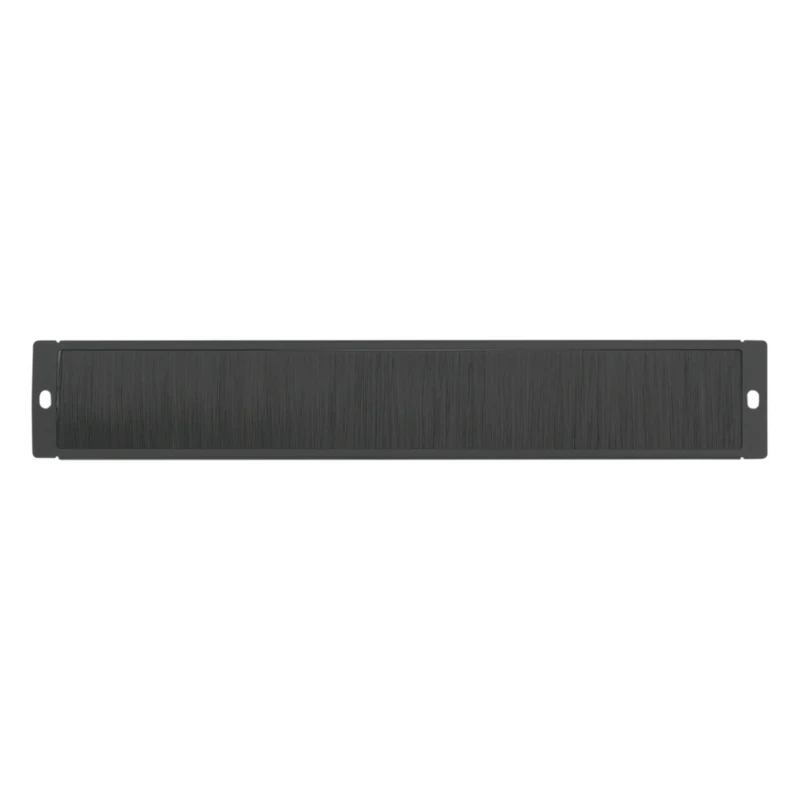
19-inch server racks and telecom cabinets: wall-mount 4–15U, floor-standing up to 42U, open racks and accessories — from Tashkent stock. A server cabinet is sized by equipment units: a switch is 1U, a patch panel 1U, an NVR 1–2U, a UPS 2U and up. Add the units plus 30–40 % for growth and airflow. A floor node or CCTV setup fits a 6–12U wall cabinet; a server room starts with a floor-standing 22–42U at 800–1000 mm depth — servers dictate the depth, not switches. Watch load and cooling: a floor cabinet must carry hundreds of kilograms, and fan shelves plus brush cable entries are basic hygiene once more than a couple of active devices live inside. A glass door looks good in an office; perforation cools better. Shelves, organisers, PDU strips and earthing are counted with the cabinet from the start. In stock: KANIHAD and FINEN wall and floor cabinets from 4U to 42U, shelves, lock handles and cable organisers. We assemble the cabinet for your project: deliver, mount, dress the cables and label the ports. Placement decides as much as the model. A wall cabinet goes on a load-bearing wall away from radiators and pipes, with the door opening without acrobatics; a floor cabinet needs a level floor, clearance behind for cables and access front and rear. In a cramped niche even the right cabinet becomes unserviceable — check this before buying, not after. Typical false economies: a cabinet with no spare units for growth, a glass door in a hot room, no earthing and no ventilation. The result is the same — overheating and "freezes" cured by reboots until the first serious failure. Send us your equipment list — we will size the cabinet with margin, deliver and install it turnkey. Q: Which cabinet fits a 16-camera CCTV system? A: A 6–9U wall cabinet: a 2U NVR, a 1U PoE switch, a 1U patch panel, a 2U UPS — with headroom to spare. Q: Server vs telecom cabinet — what is the difference? A: Convention: server cabinets are deeper (800–1000 mm) for heavy servers; telecom ones are 450–600 mm for switches and cross-connects. The 19-inch width is the same. Q: Wall-mount or floor-standing? A: Up to 12–15U with no servers — wall-mount: cheaper and off the floor. Servers, battery UPSs and growth — floor-standing from 22U.
Related articles