UPS & power
Found: 96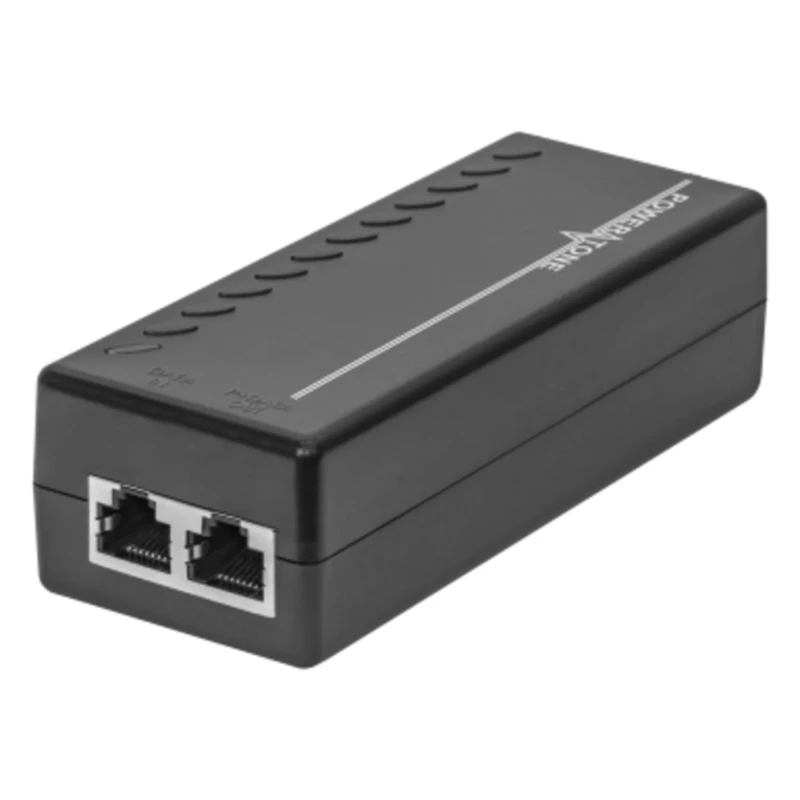

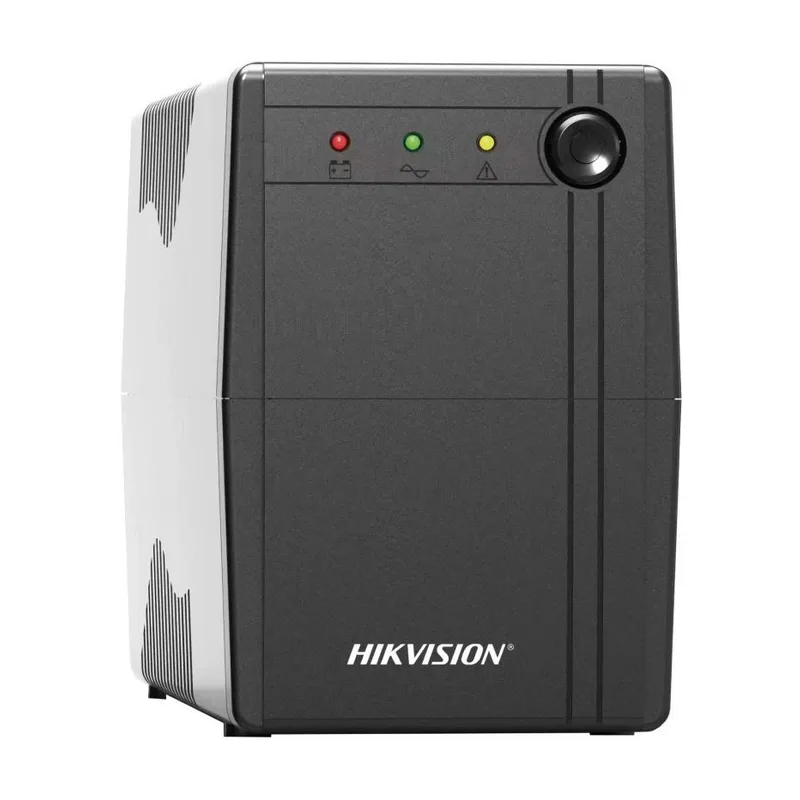
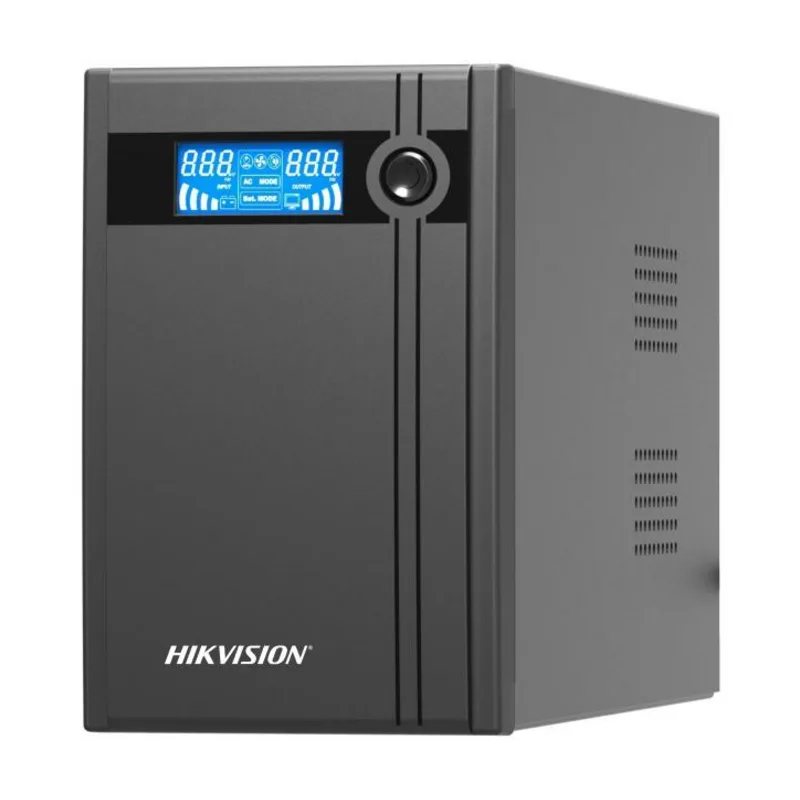
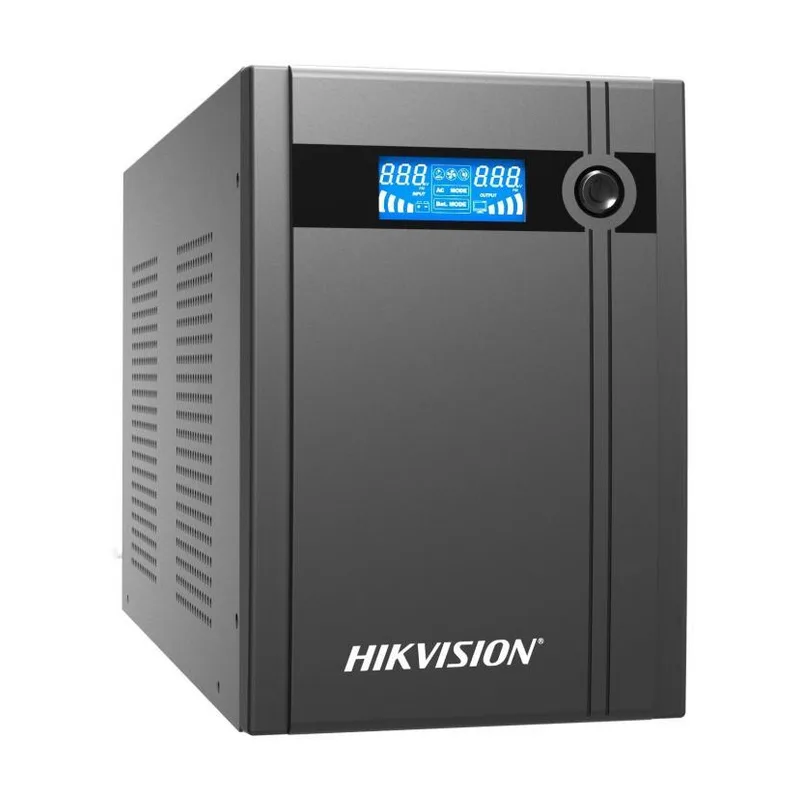
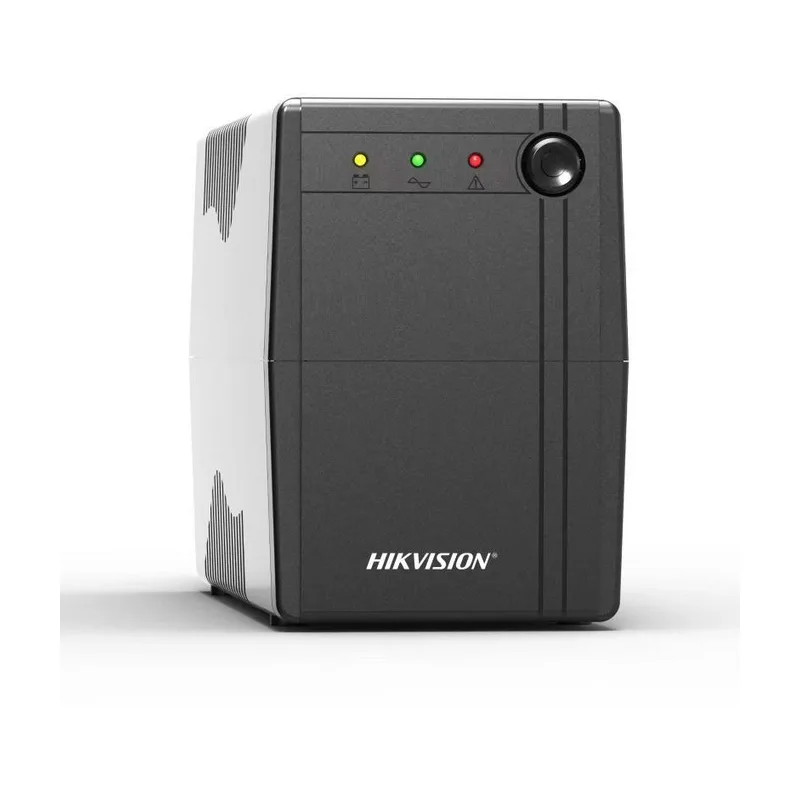

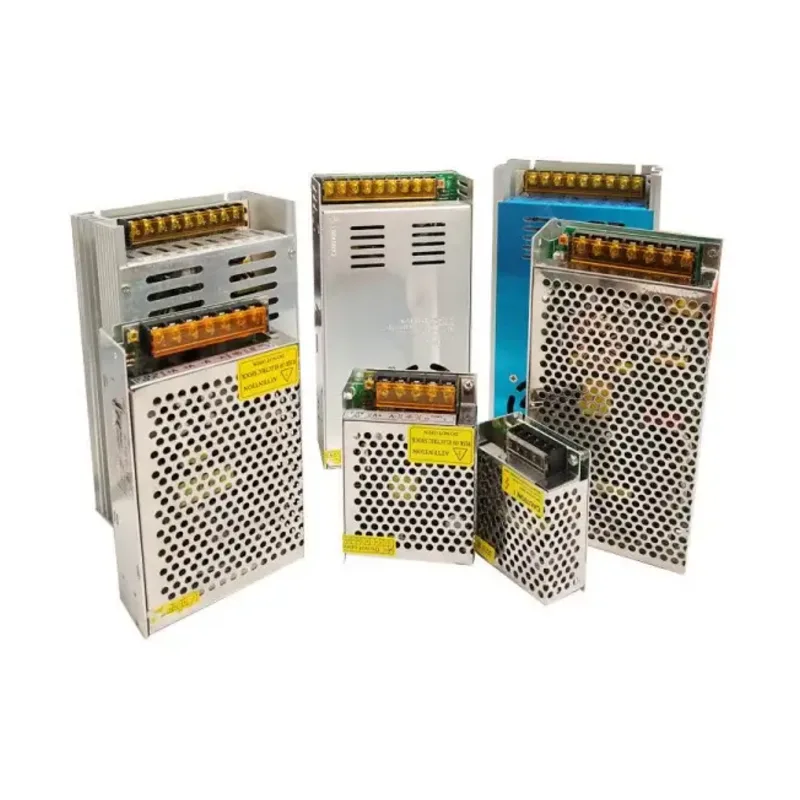
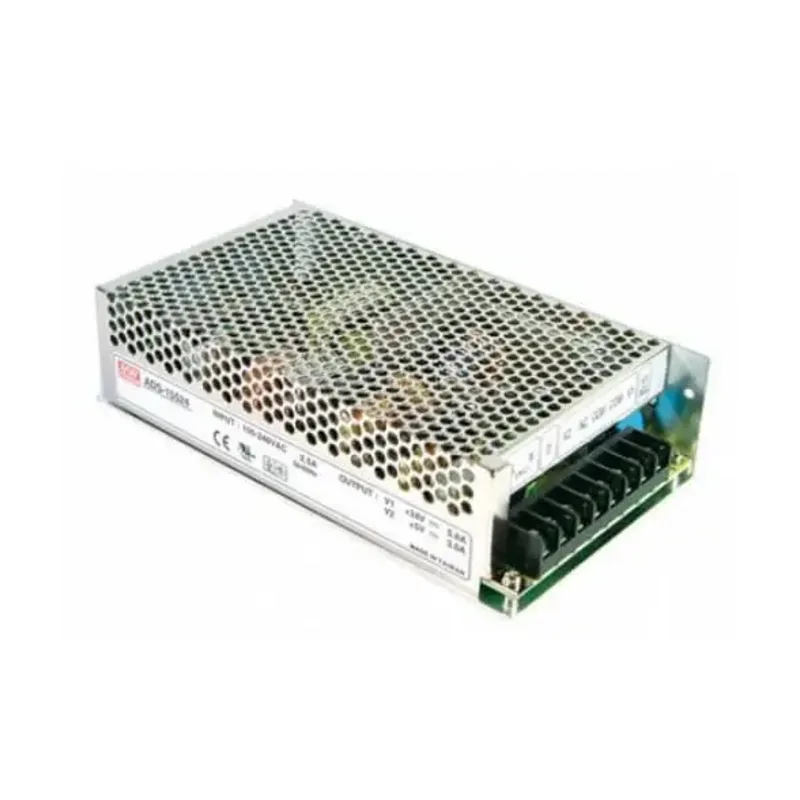
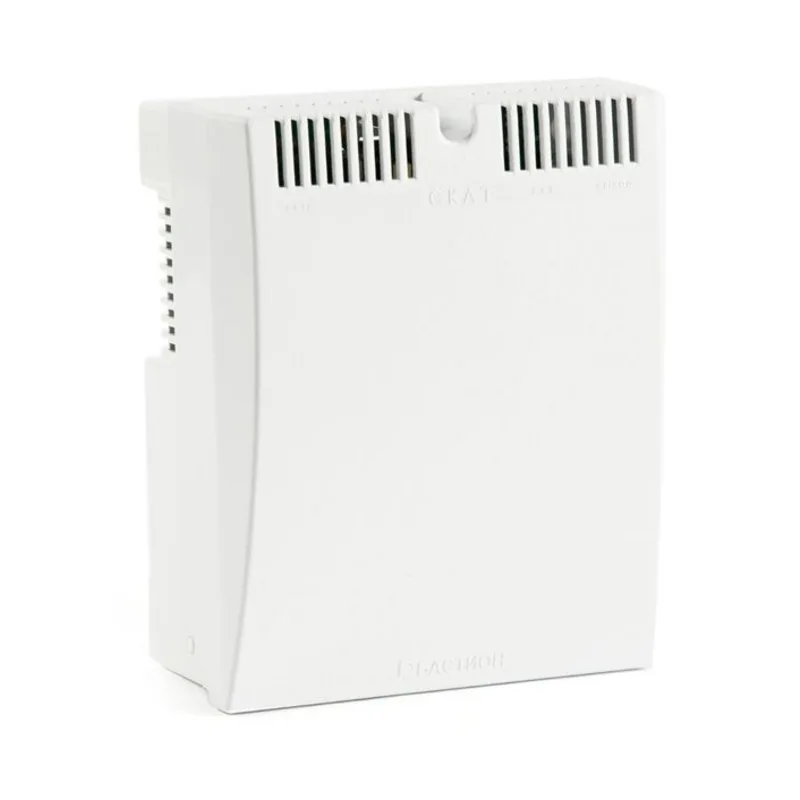
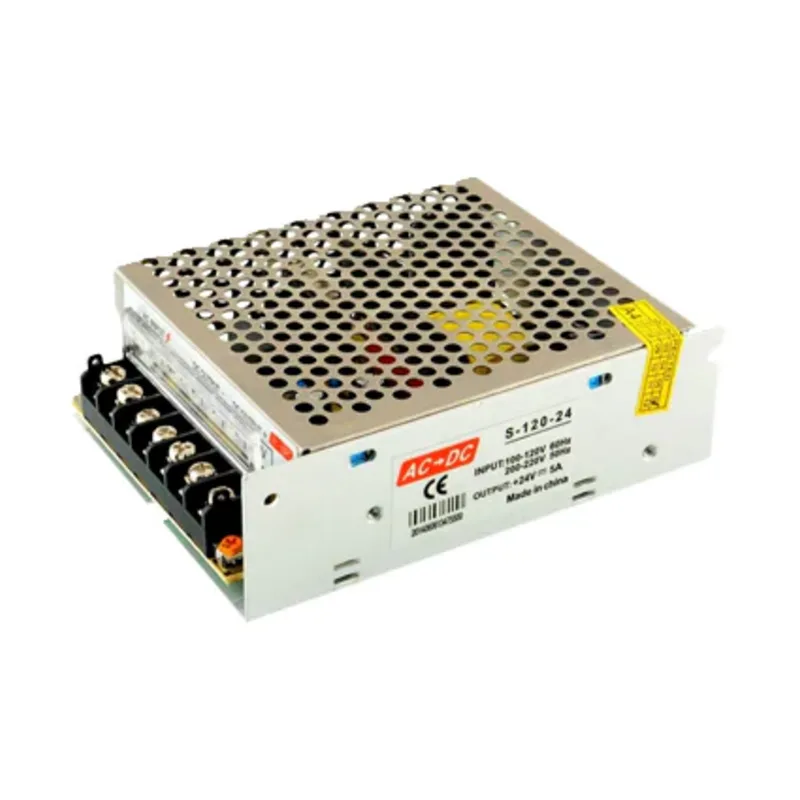


UPS & power — guide & FAQ
UPS and power supply are the foundation of the reliable operation of any security infrastructure and low-voltage systems. Uninterruptible power supplies, power distribution units, PoE injectors, power monitoring and management modules ensure the continuous operation of video surveillance, access control, server equipment and telecommunications nodes even during grid failures. Buying a UPS and related power supply equipment in Tashkent with professional selection and installation is offered by SAT Solutions.
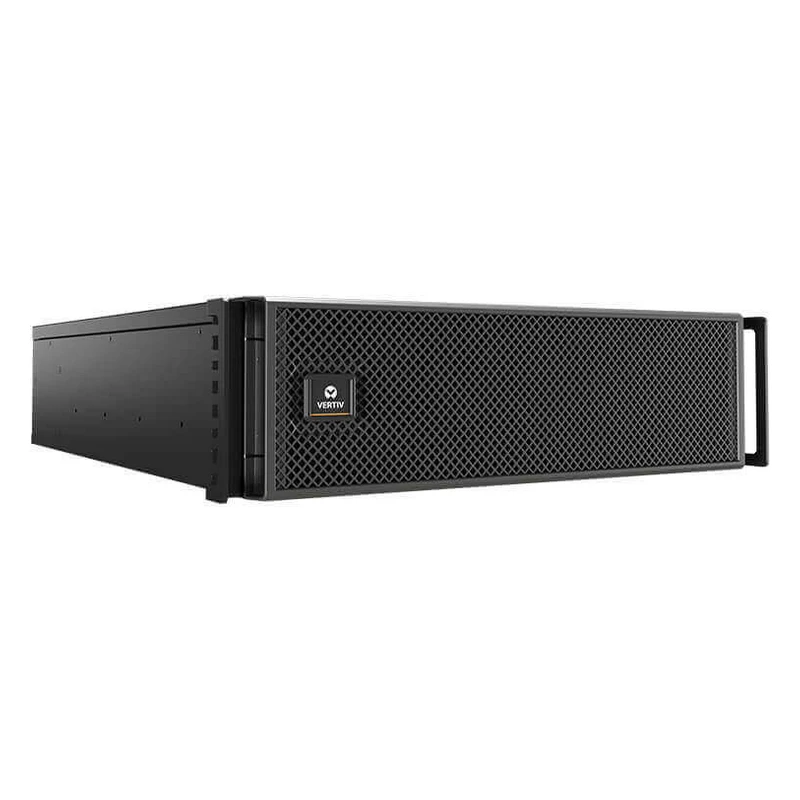
The quality of the power grid in Uzbekistan remains uneven: voltage surges, brief dips and complete outages can disable expensive equipment or interrupt the operation of security systems at a critical moment. A properly selected UPS protects equipment from overvoltage, smooths out interference and provides autonomous operation for the duration of switching to a backup source or full operation for several hours. For facilities with high continuity requirements — banks, data centers, industrial enterprises — high-power three-phase online UPSs are used. For office and retail facilities, single-phase solutions of 1-10 kVA are more often sufficient.
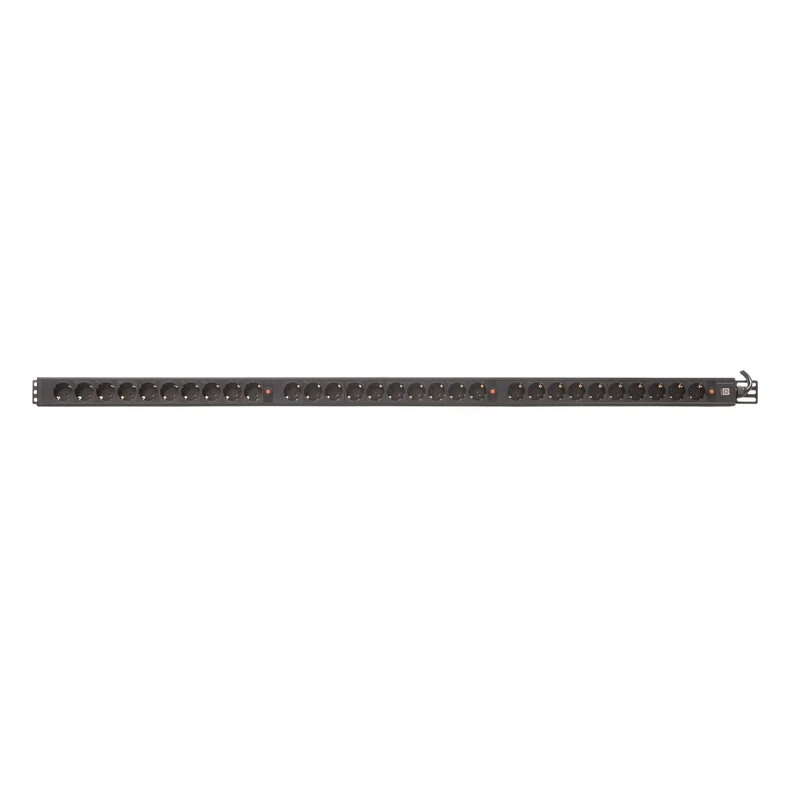
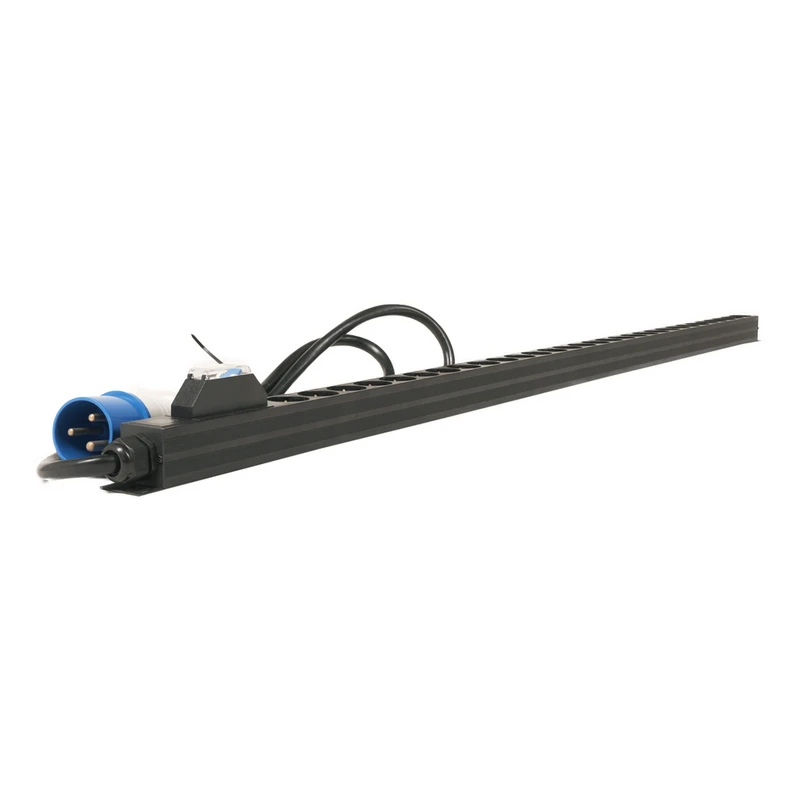
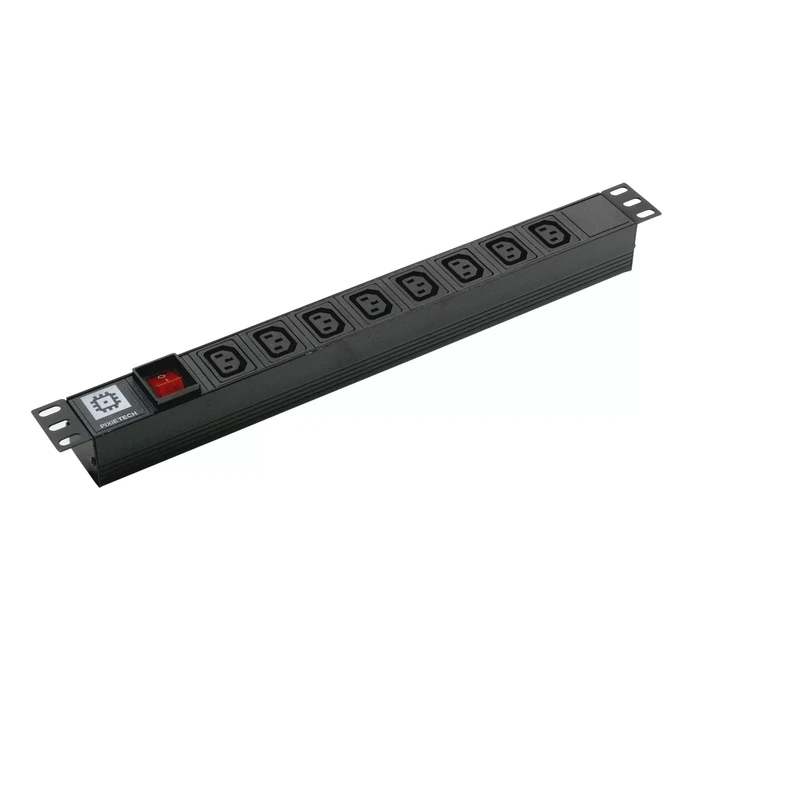
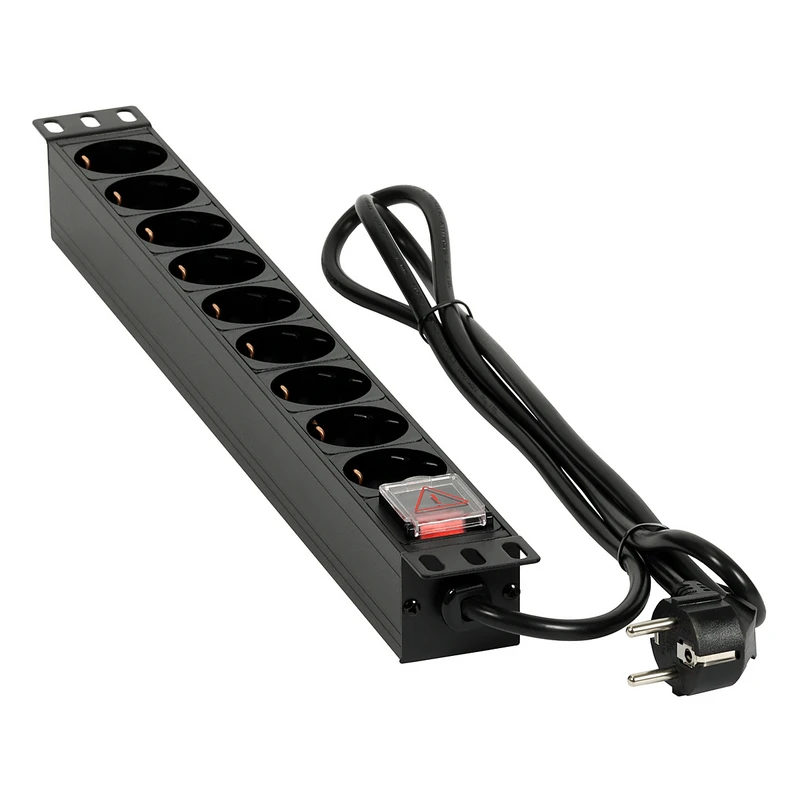
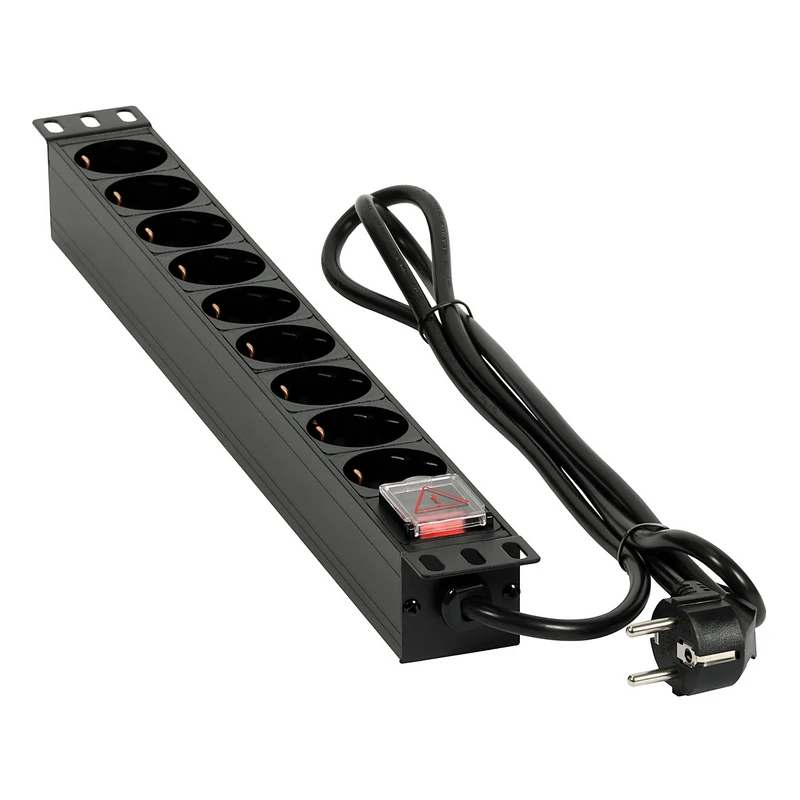
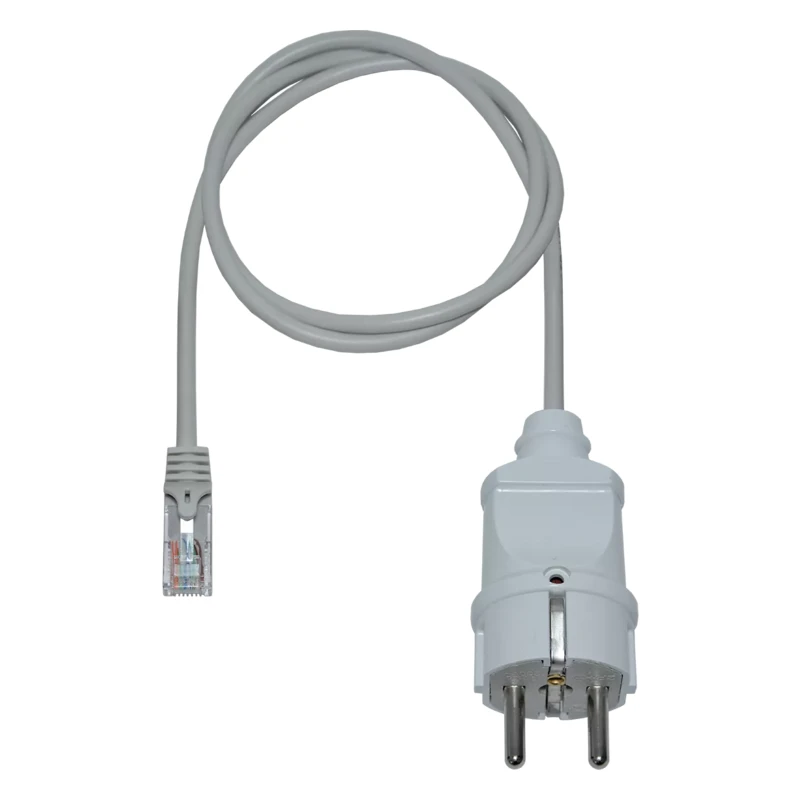
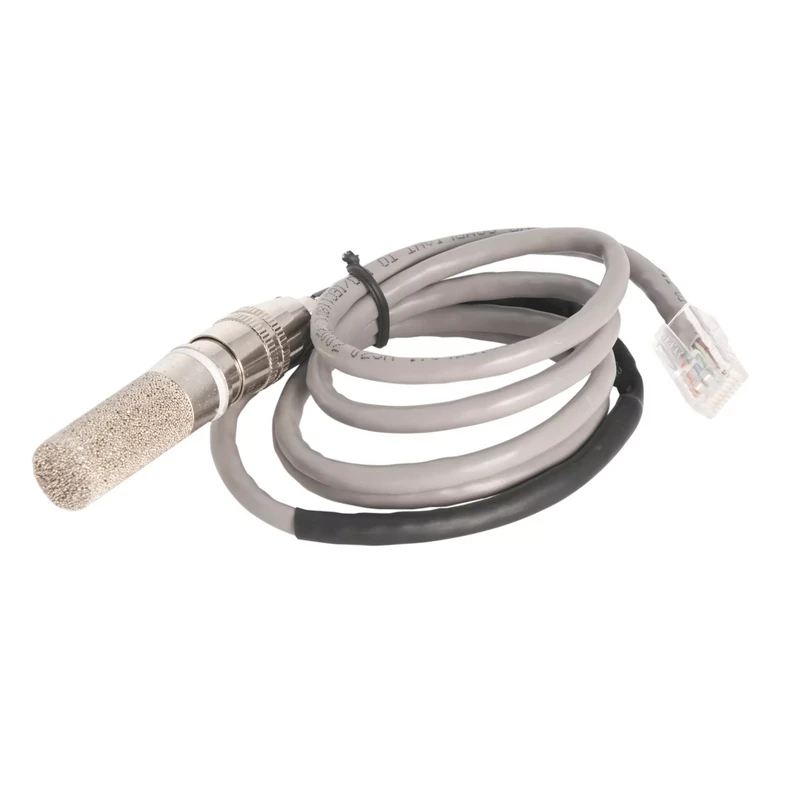
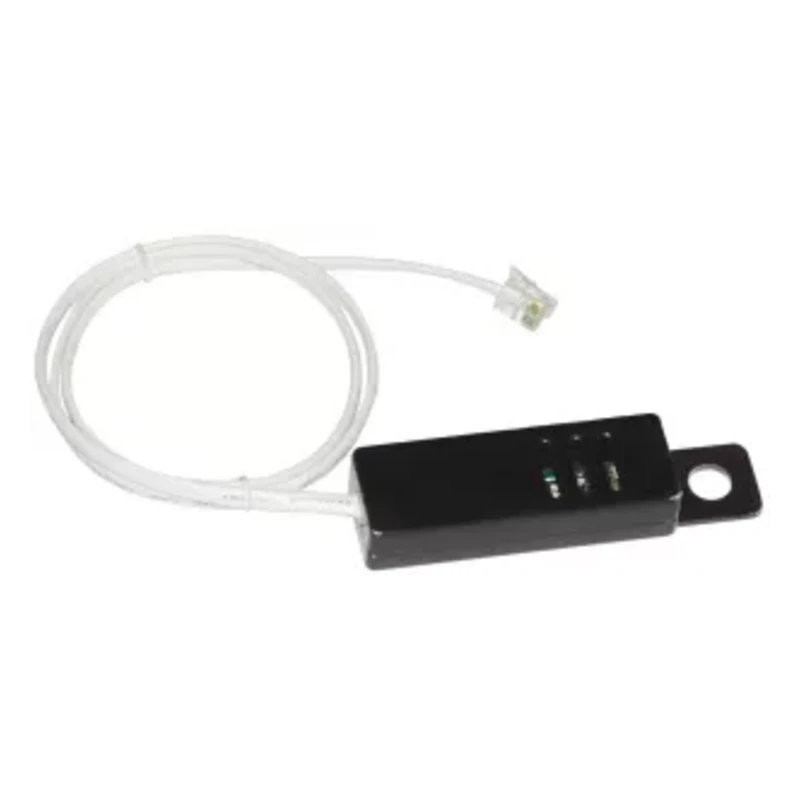
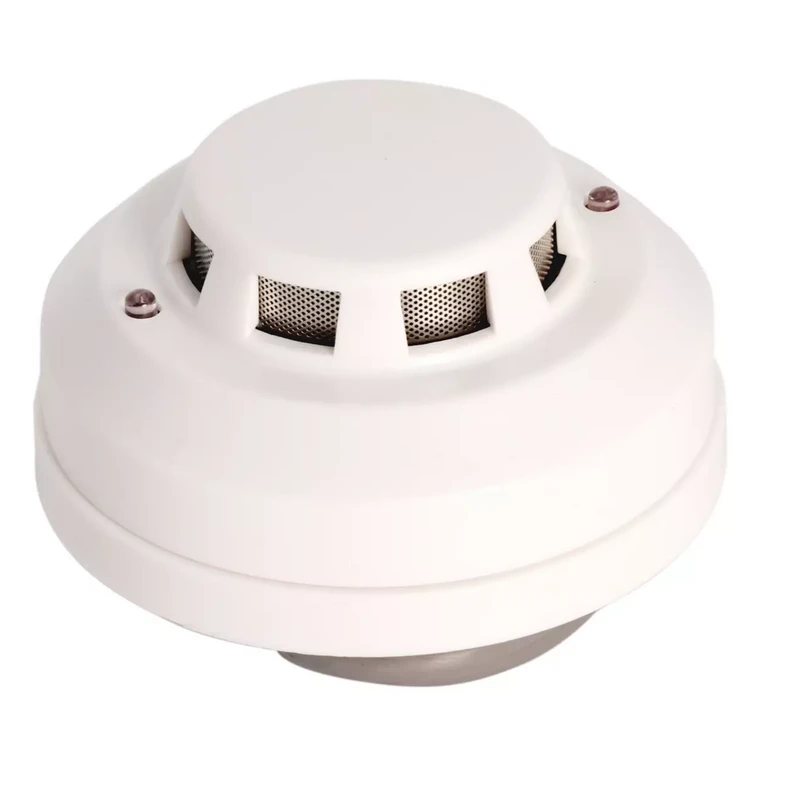
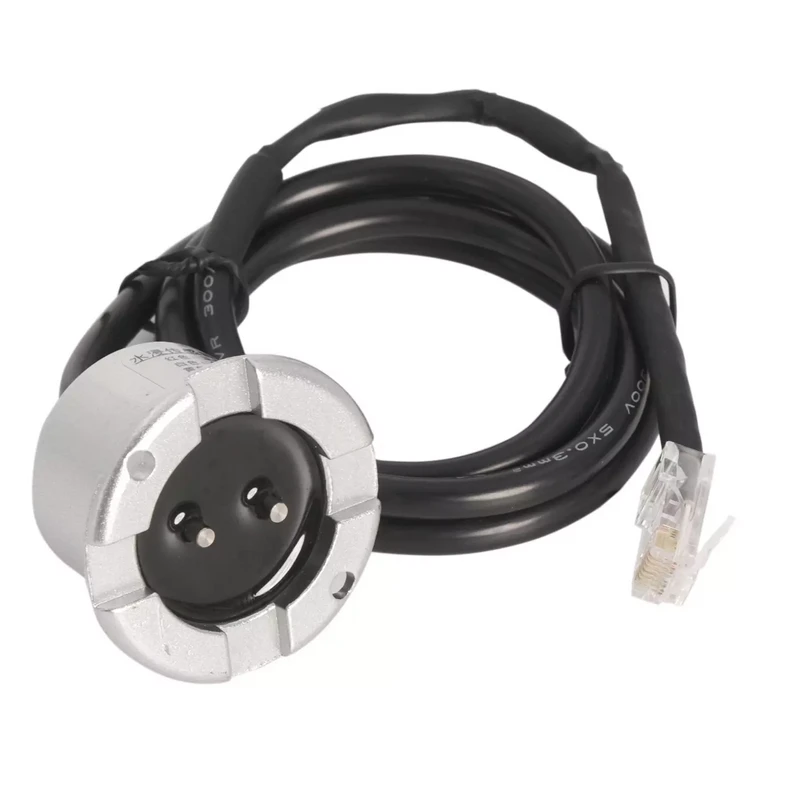
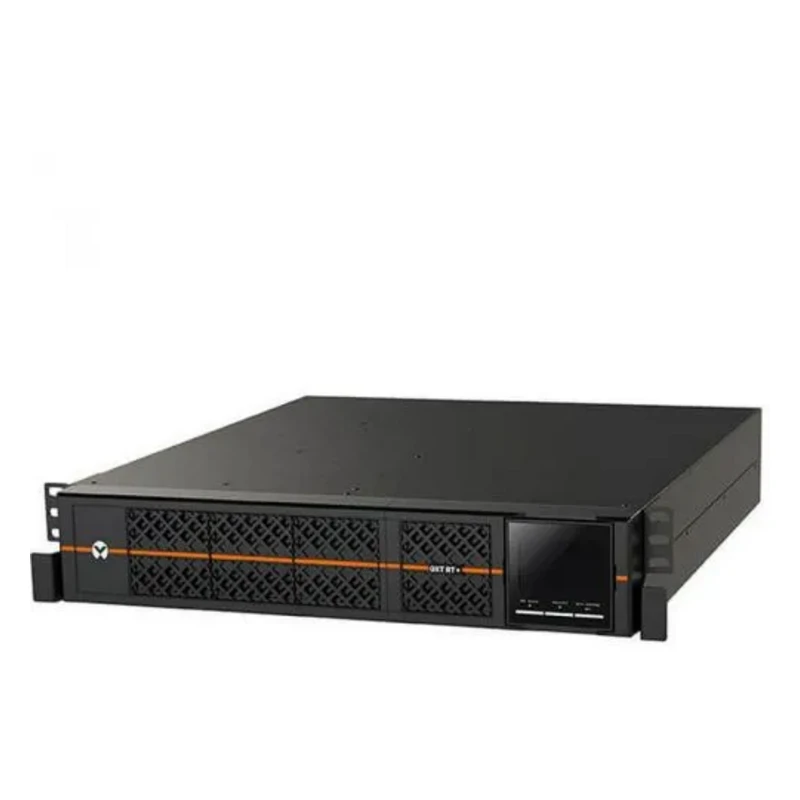
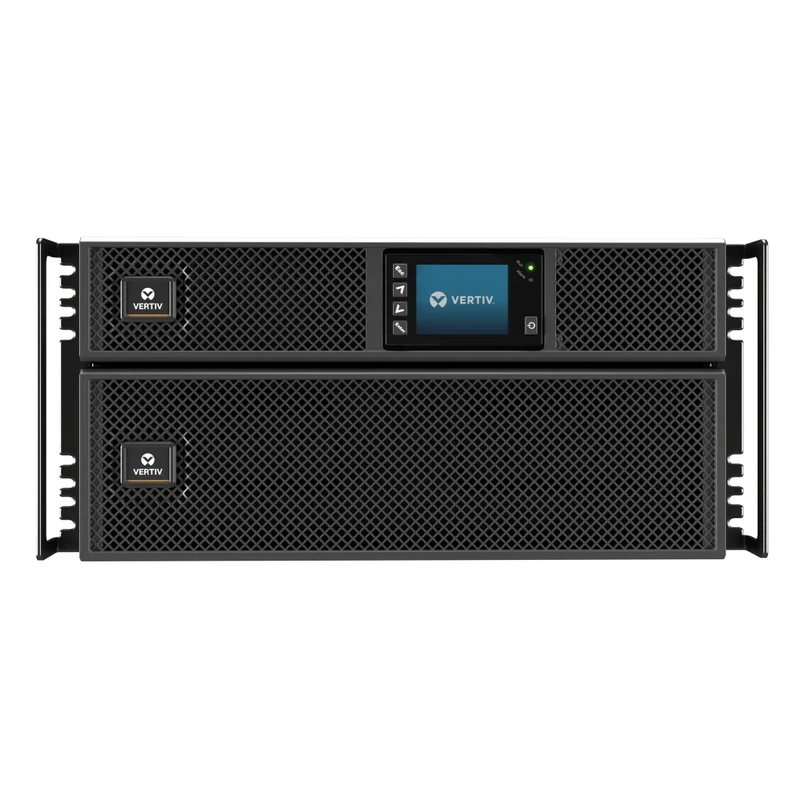
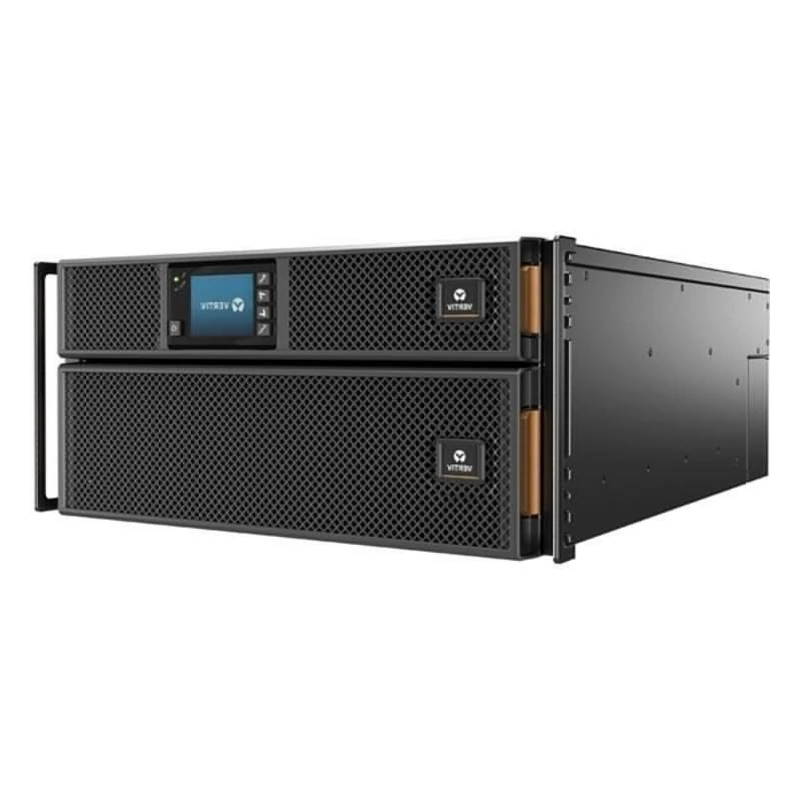
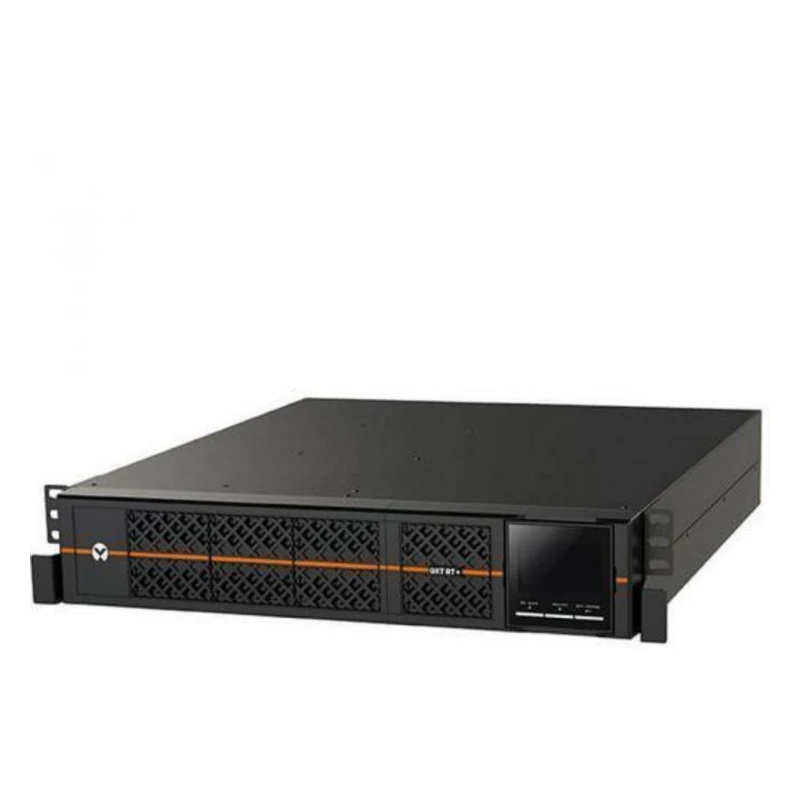
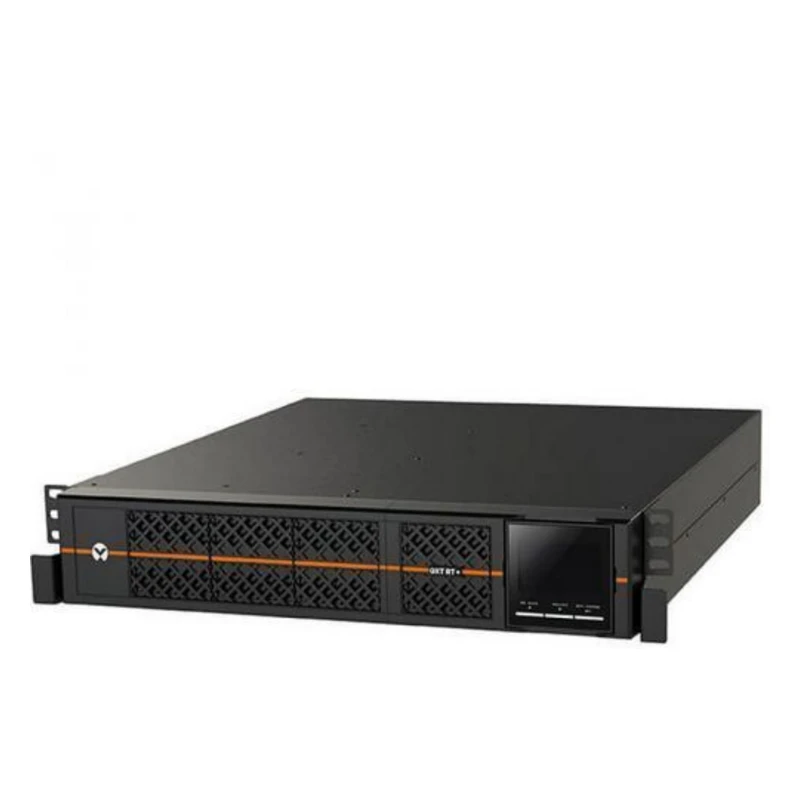
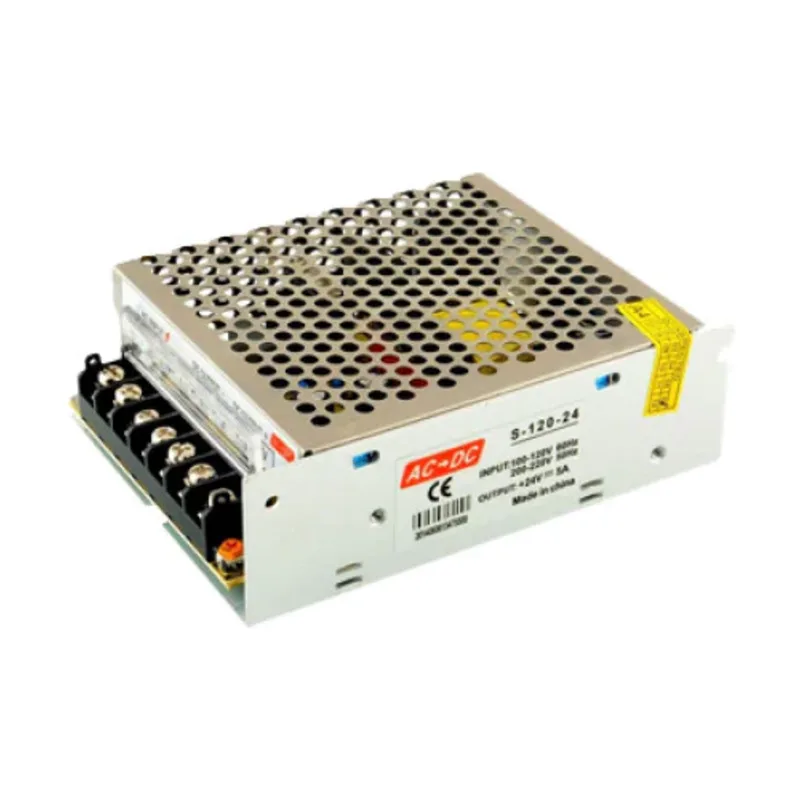
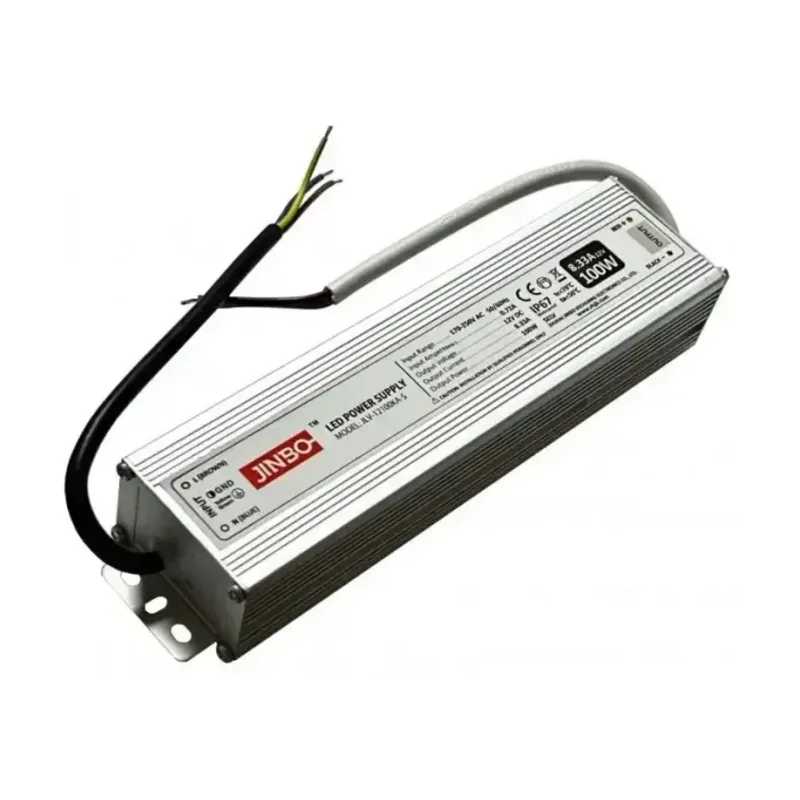
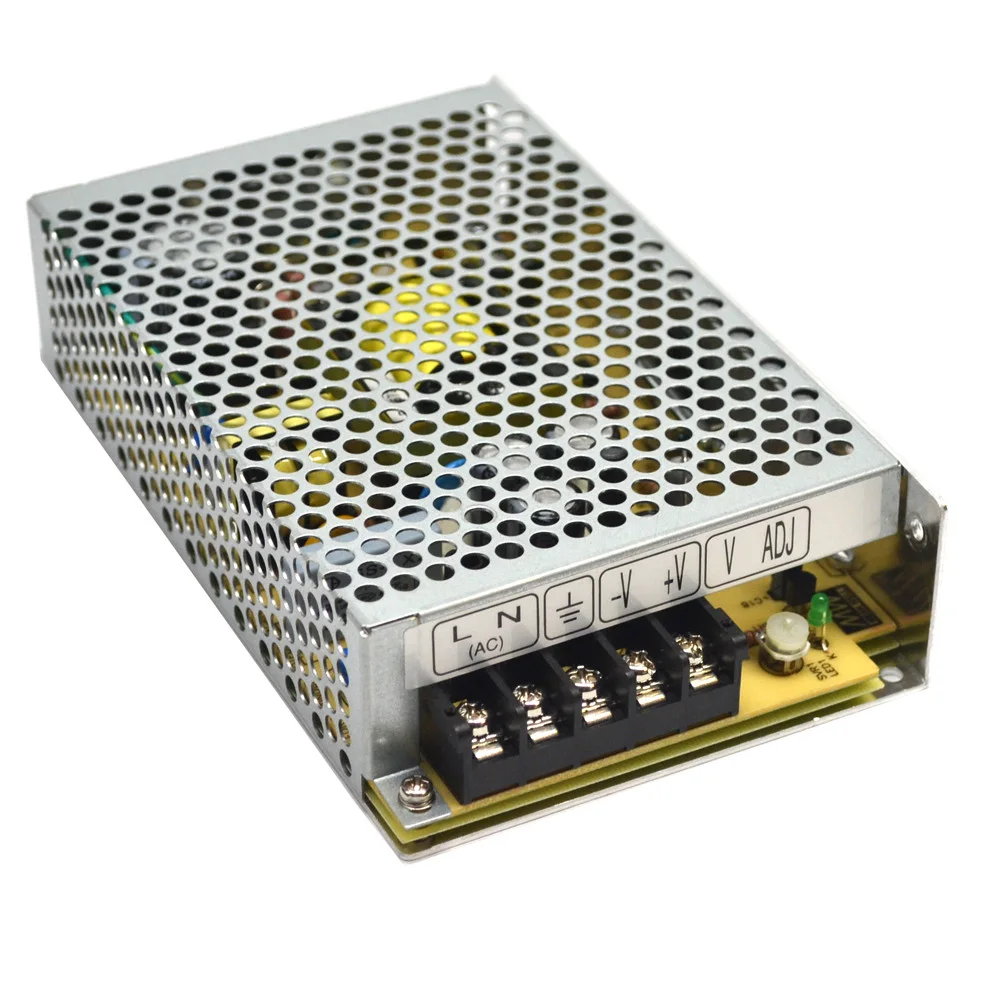
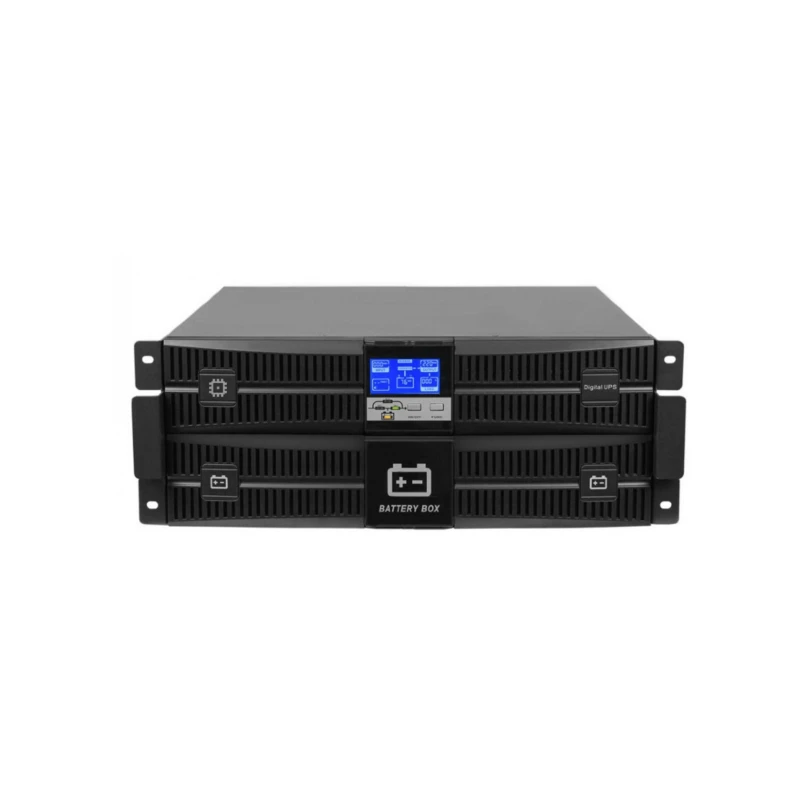
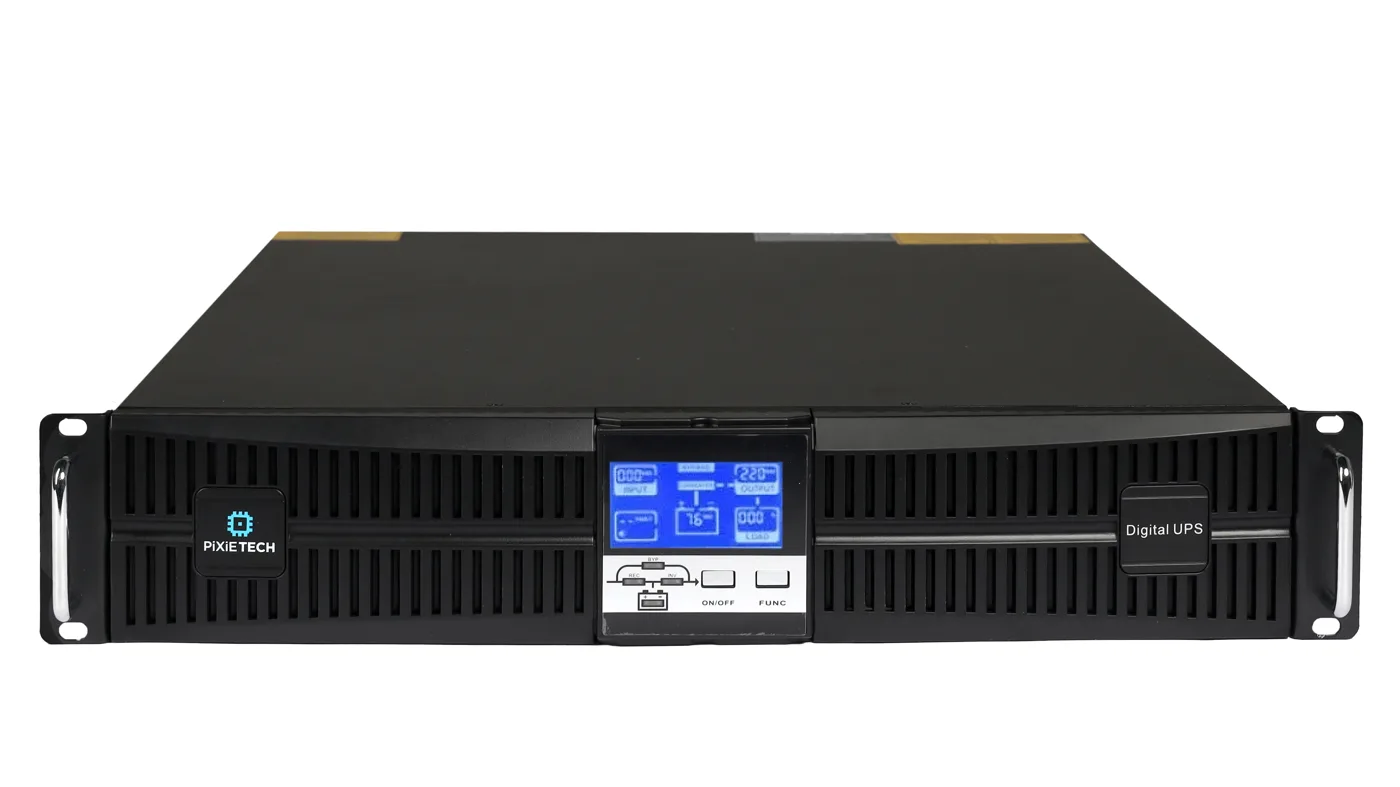
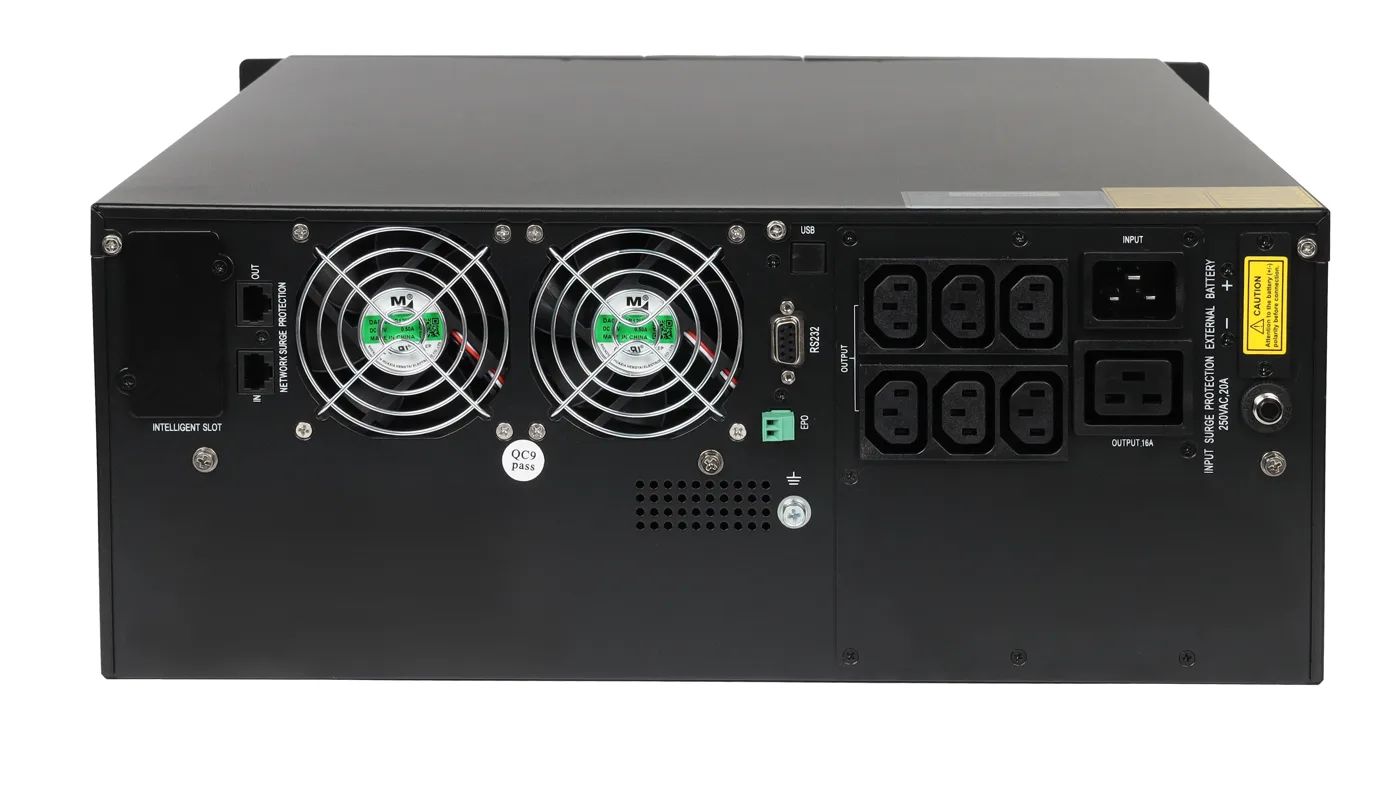
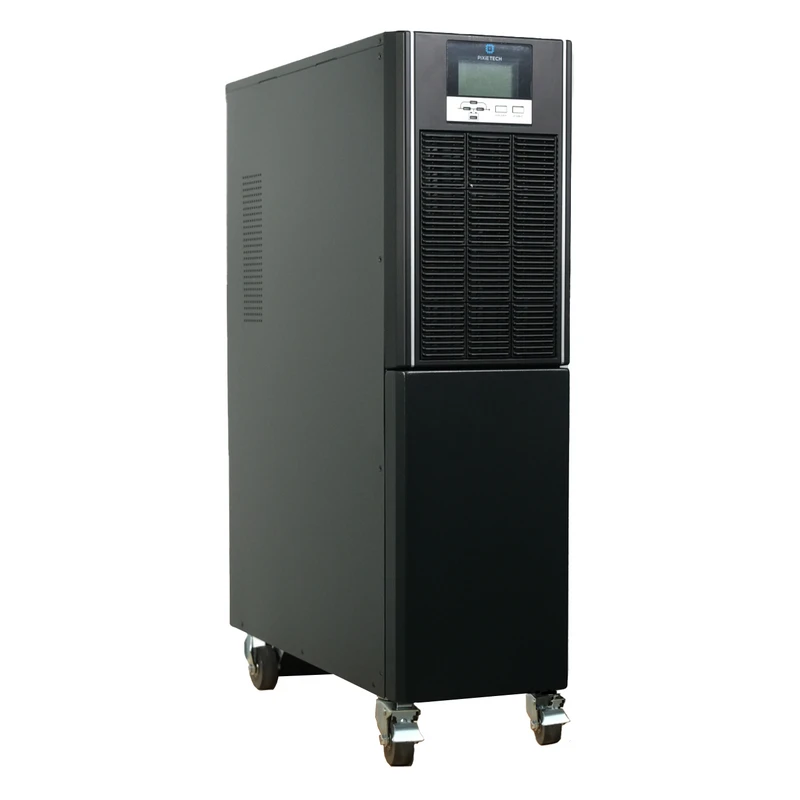
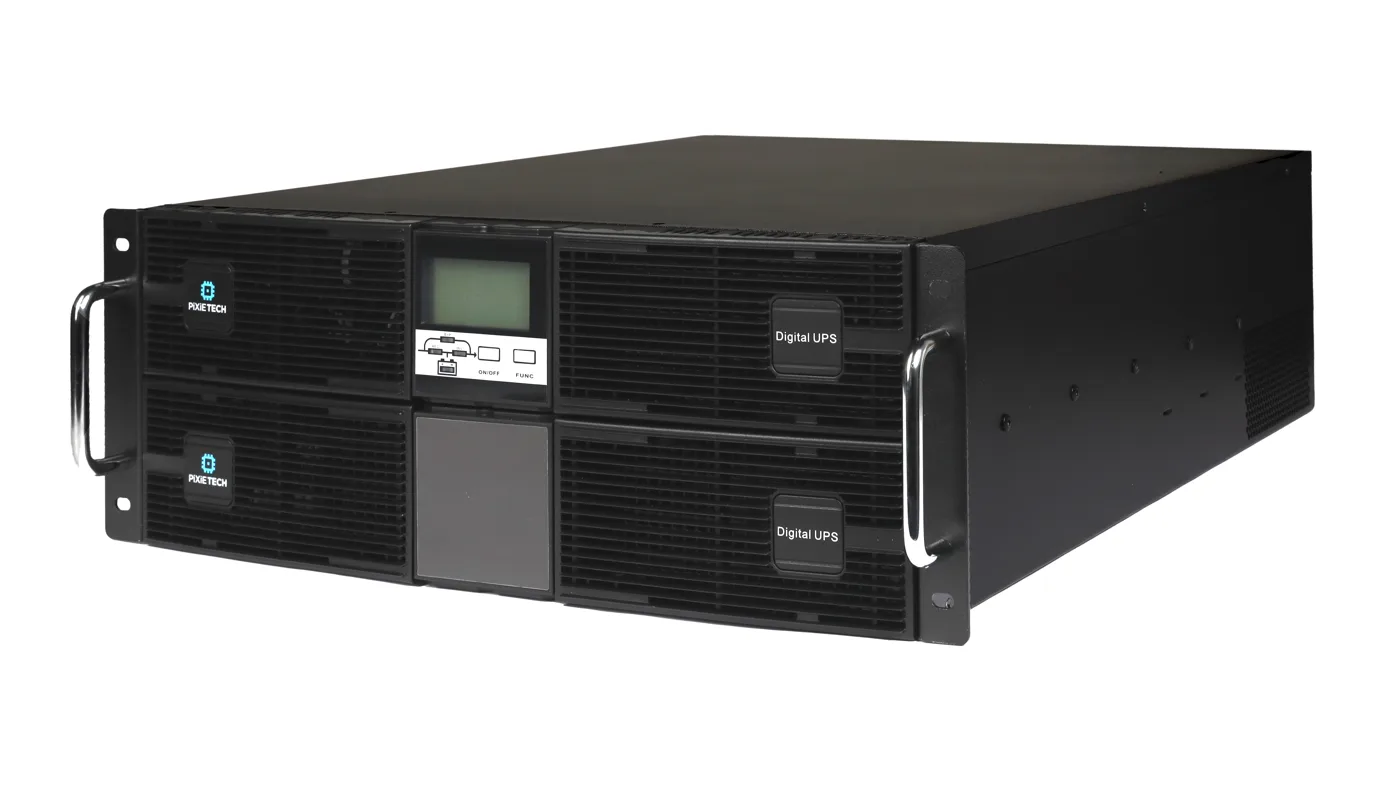
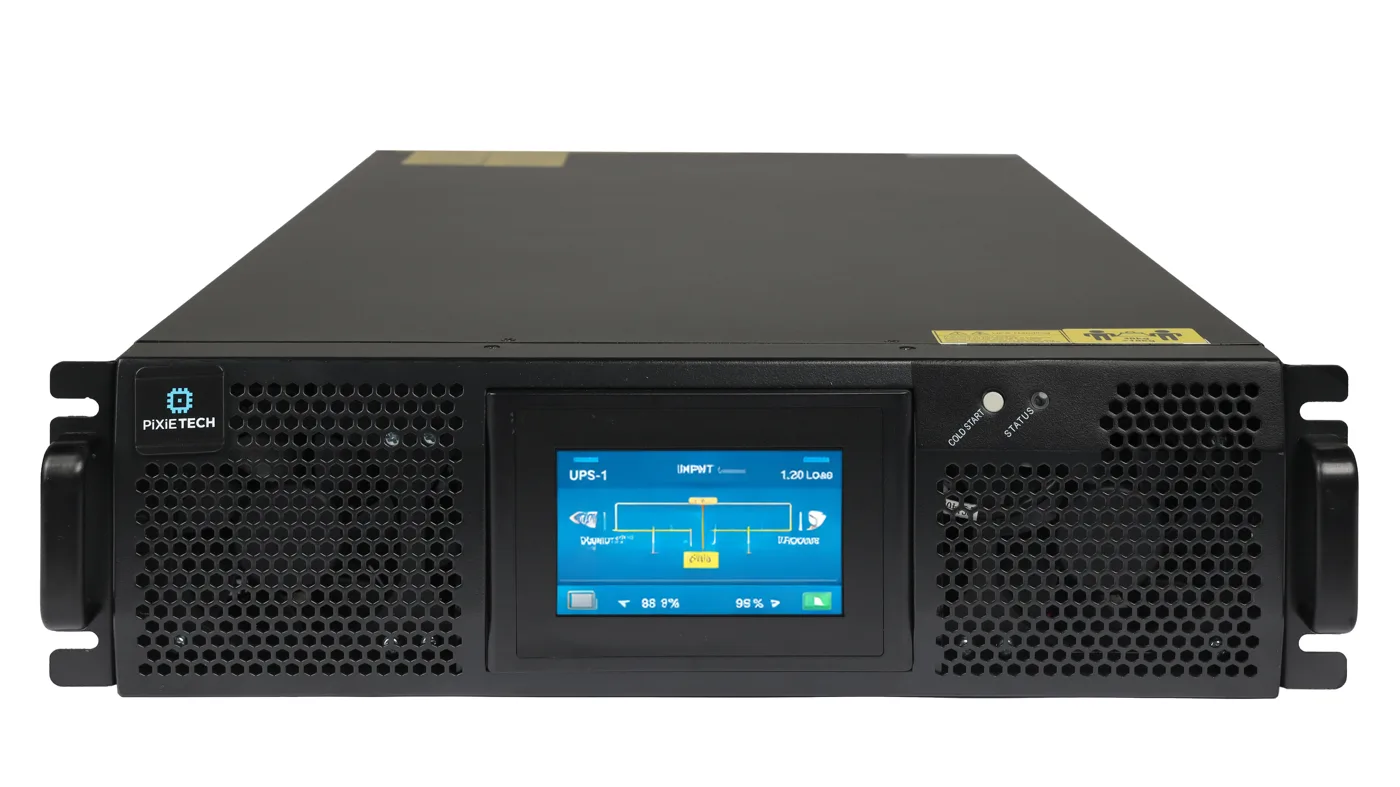
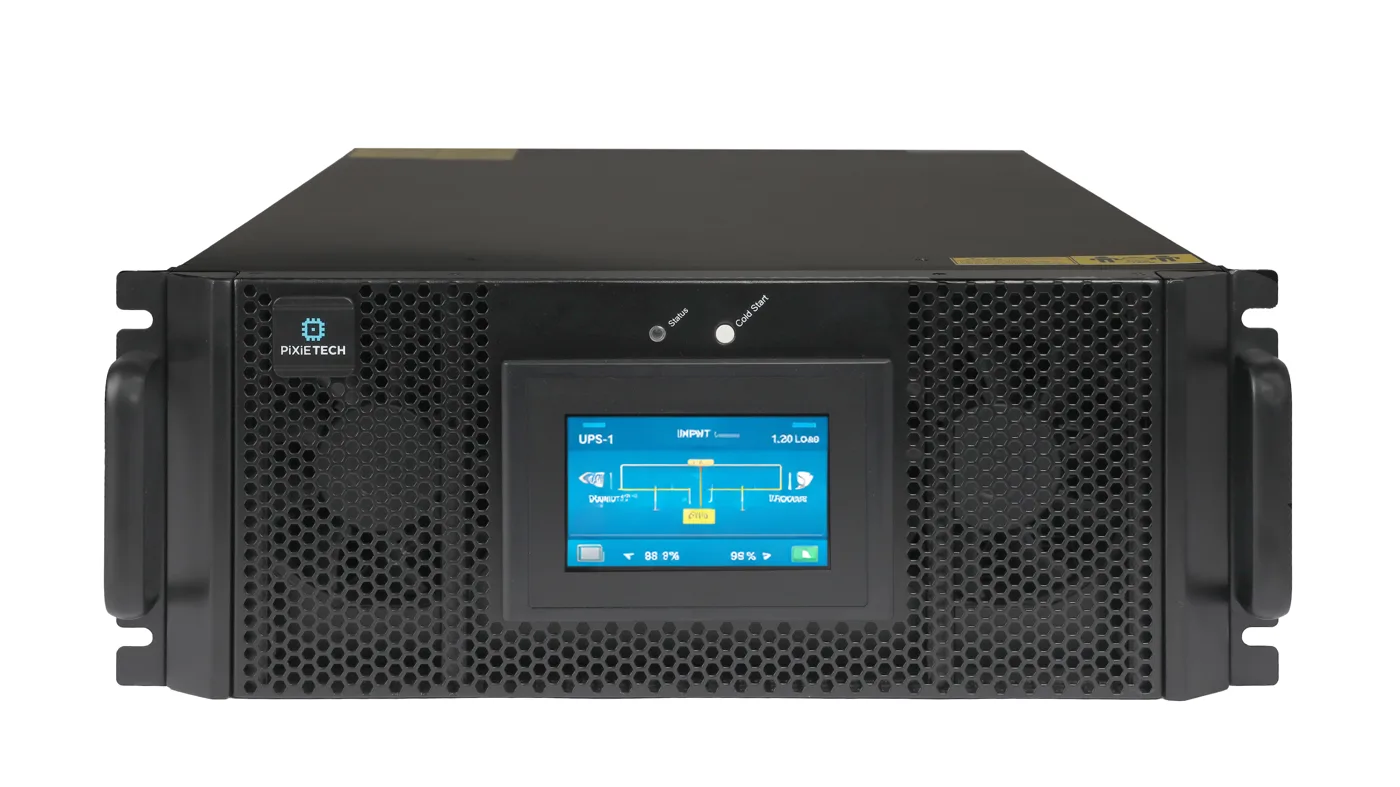
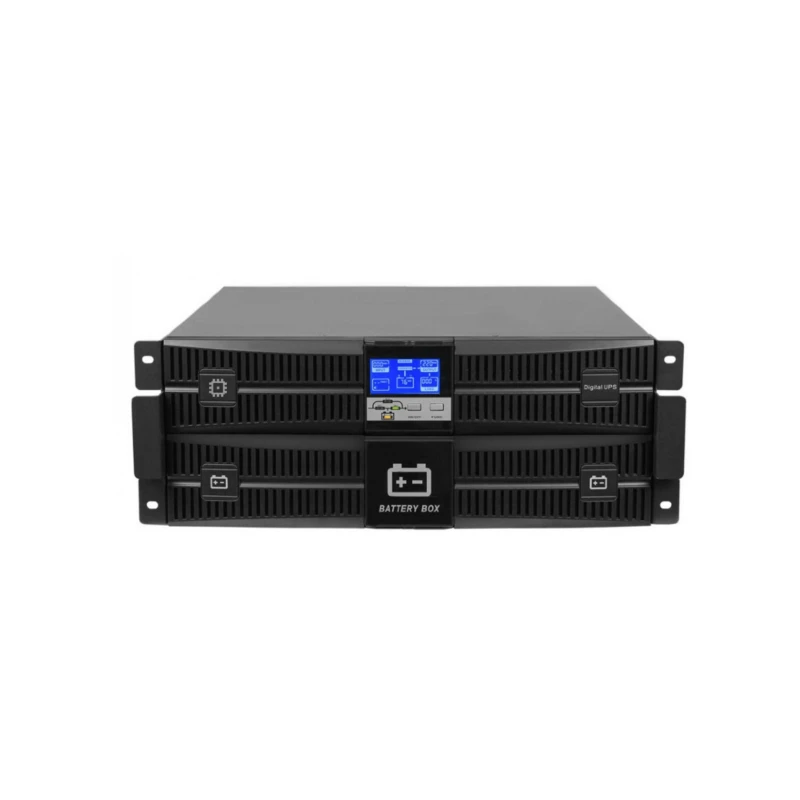
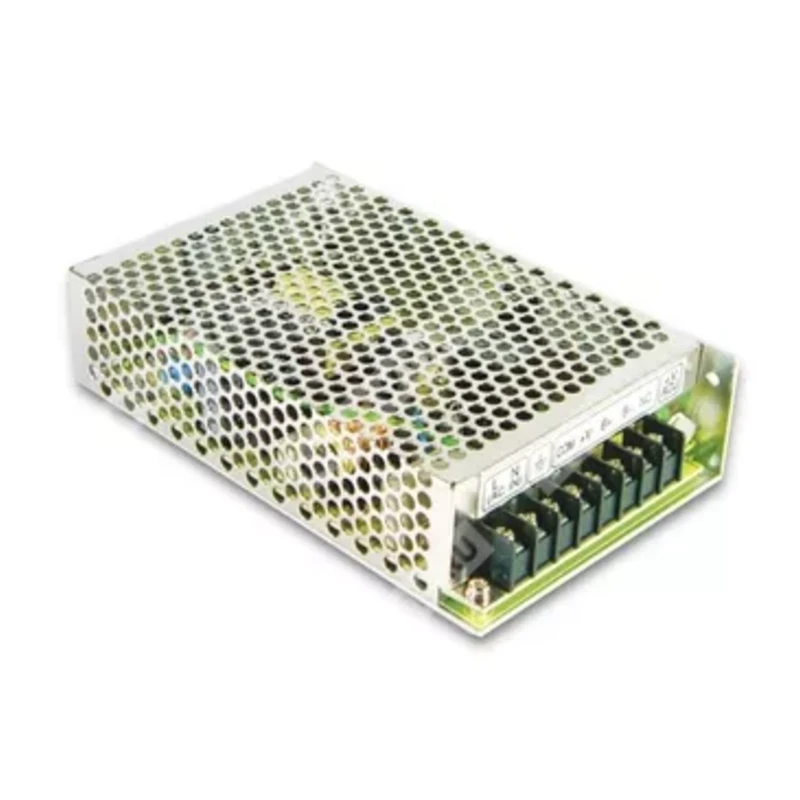
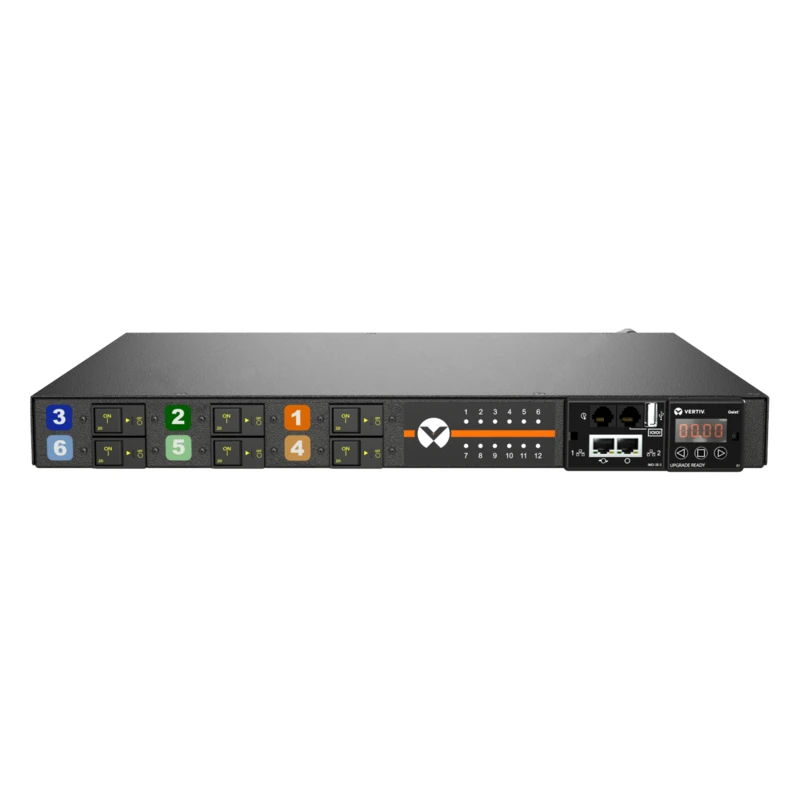
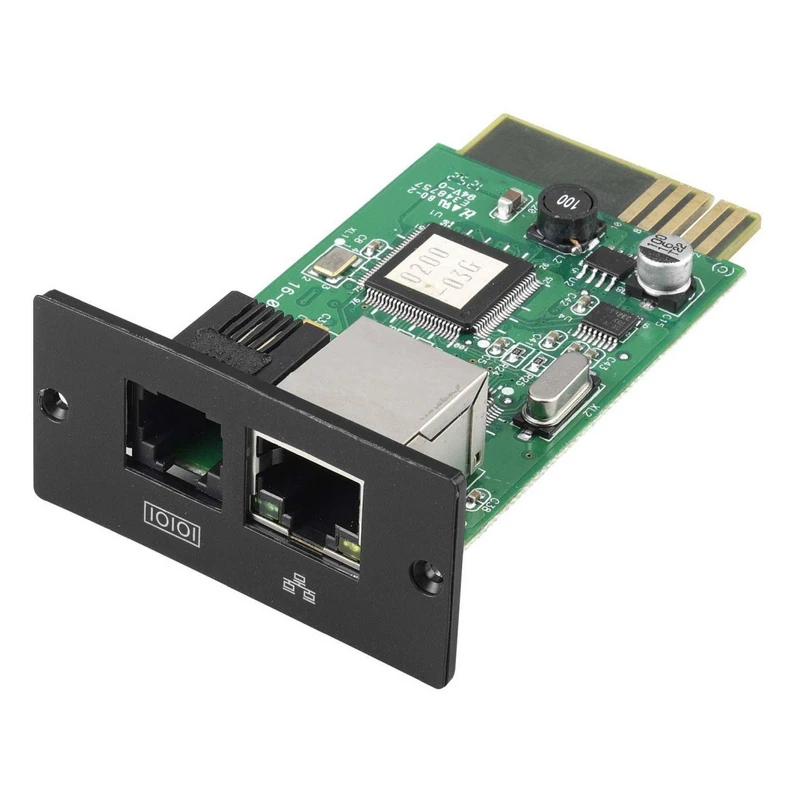
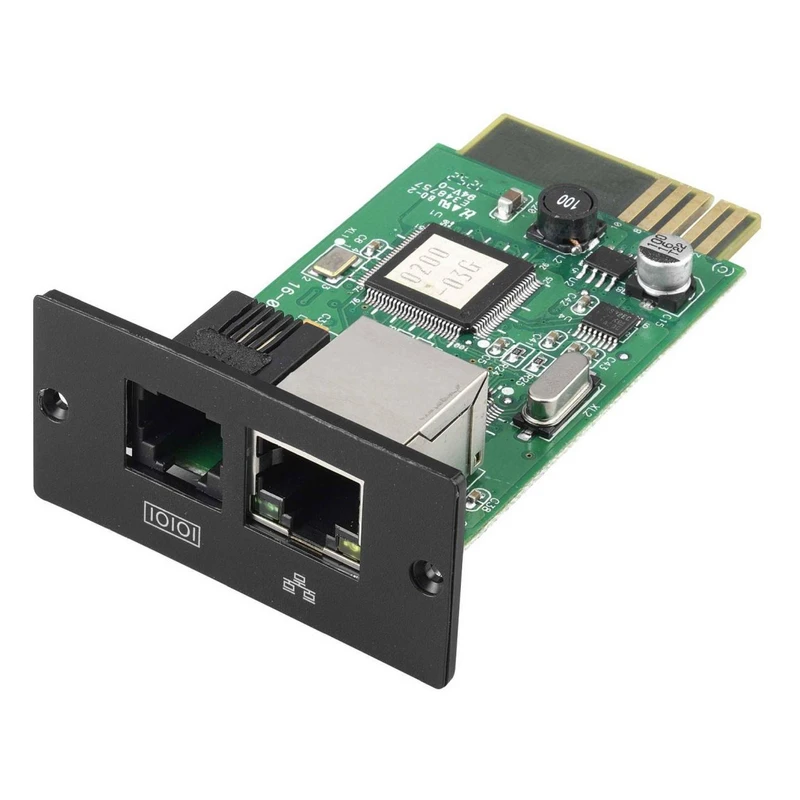
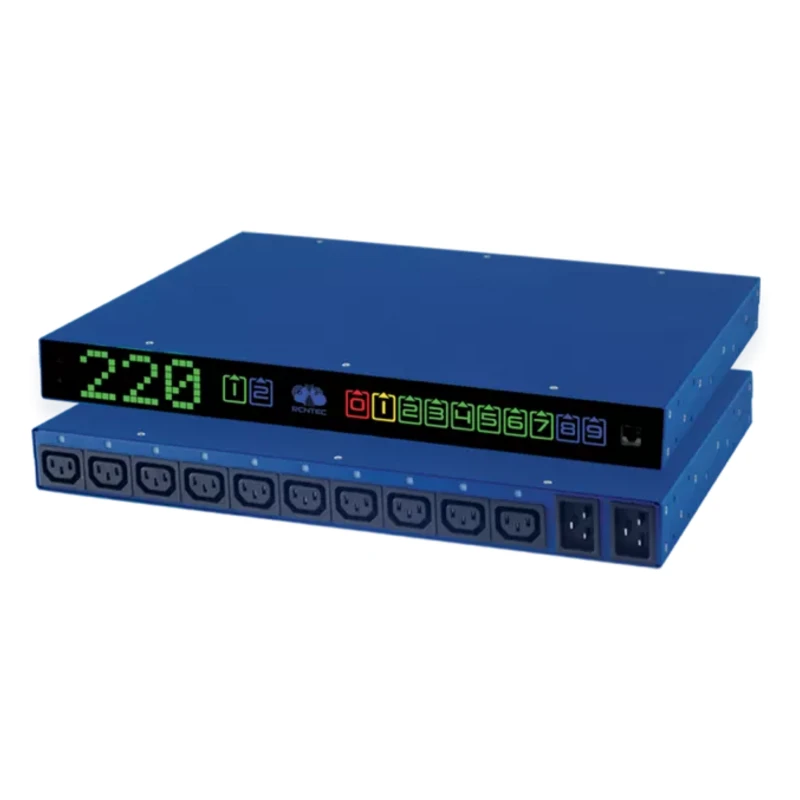
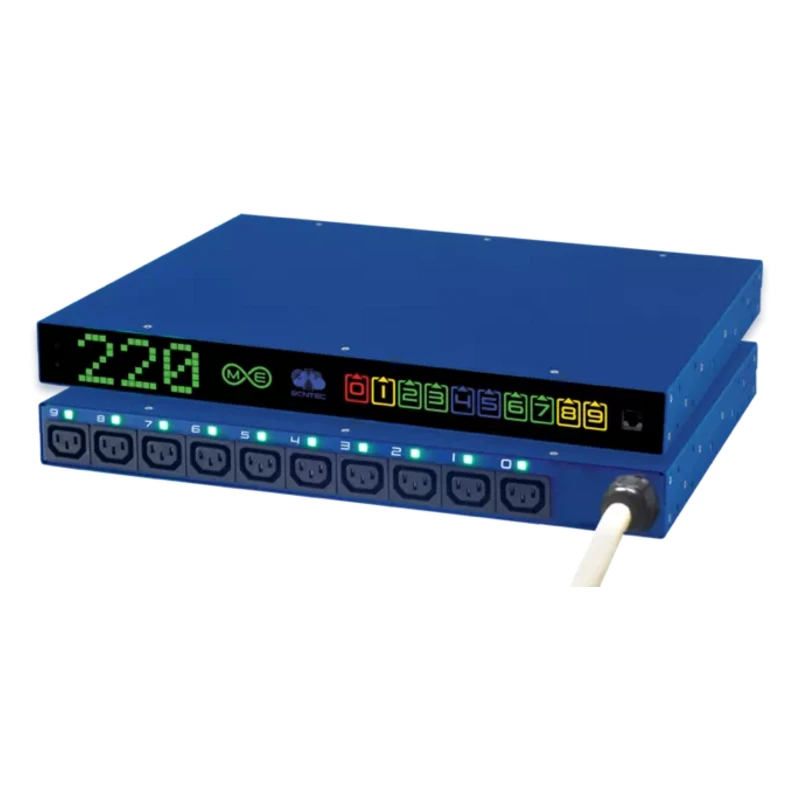
The choice of a power supply solution depends on the system topology, the total load, the autonomy requirements and server racks. The SAT Solutions catalog features 96 items — from compact PoE injectors and voltage sensors to powerful 20 kVA rack UPSs with three-phase input and output, SNMP monitoring cards and intelligent PDU power outlet units.
How to choose
- UPS topology type: online (double conversion) provides the highest level of protection — the load is always powered from the inverter; line-interactive UPSs are suitable for less critical tasks. For server rooms and video surveillance systems, an online topology is recommended.
- Power in kVA and kW: sum up the consumption of all connected equipment and add a 20-30% margin. For small NVRs with cameras, 1-3 kVA is sufficient; for server racks and large data centers, solutions from 10 kVA and above are necessary.
- Number of phases: single-phase (1:1) UPSs are used for office and retail equipment; three-phase (3:3 or 3:1) — for industrial load, powerful server systems and facilities with a three-phase input.
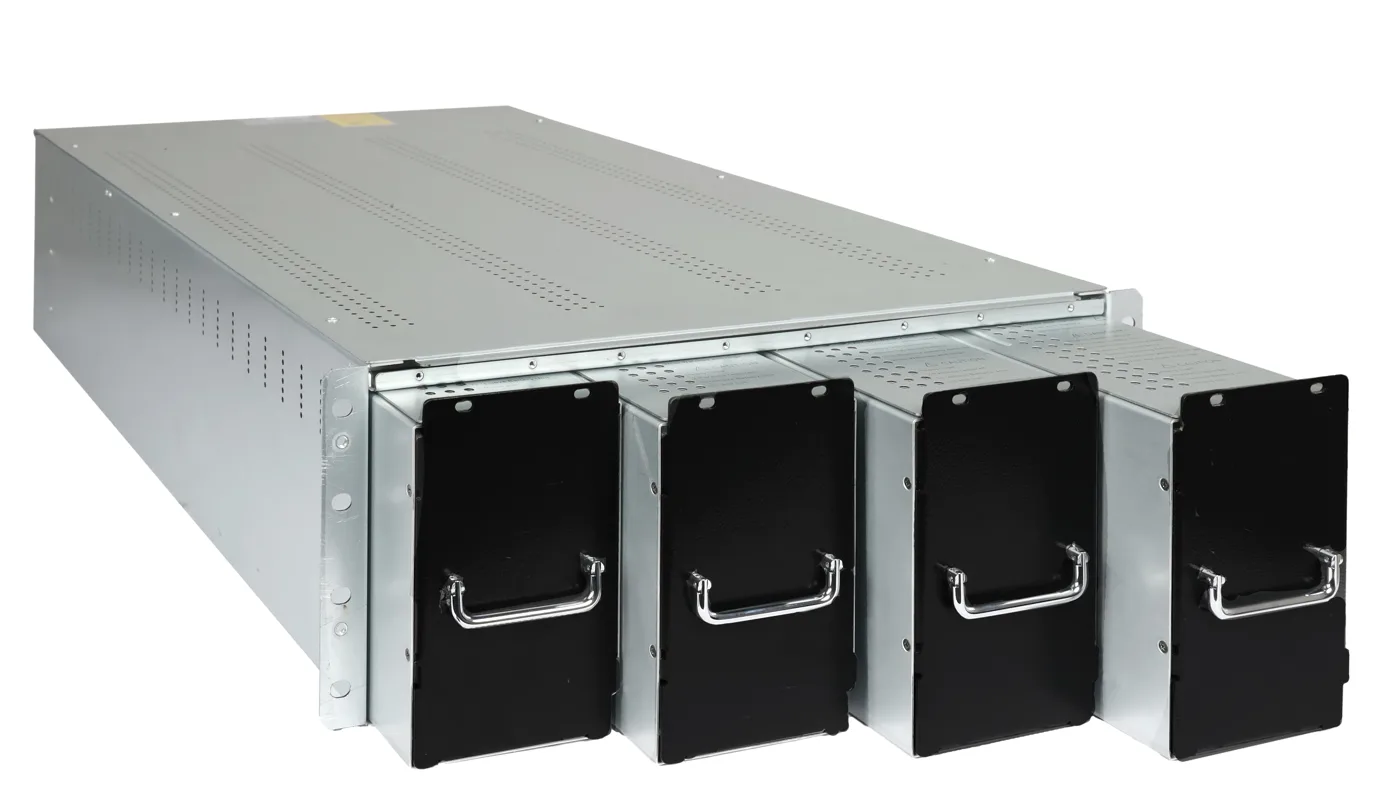
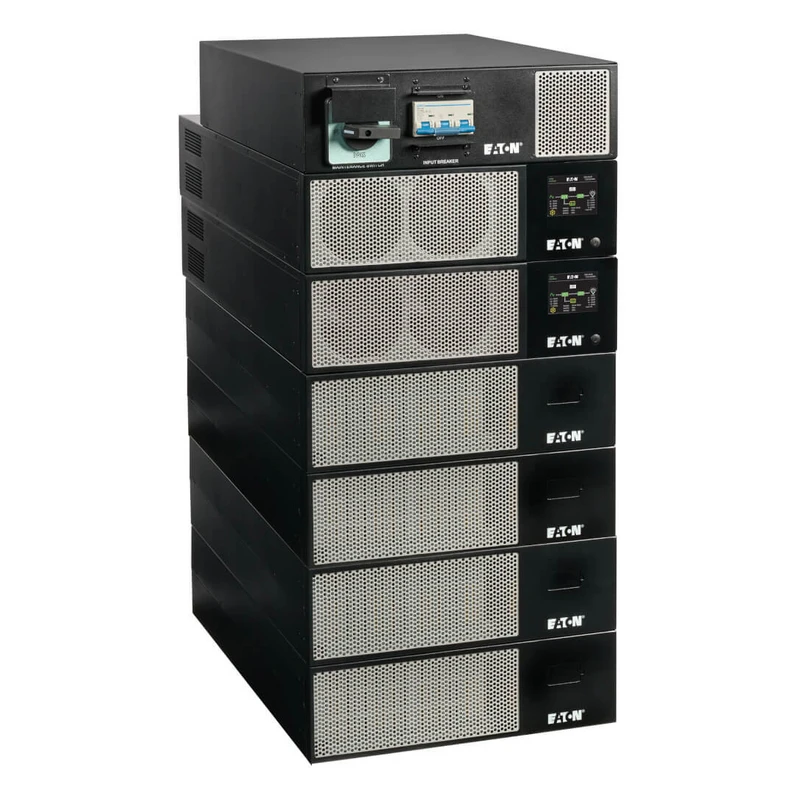
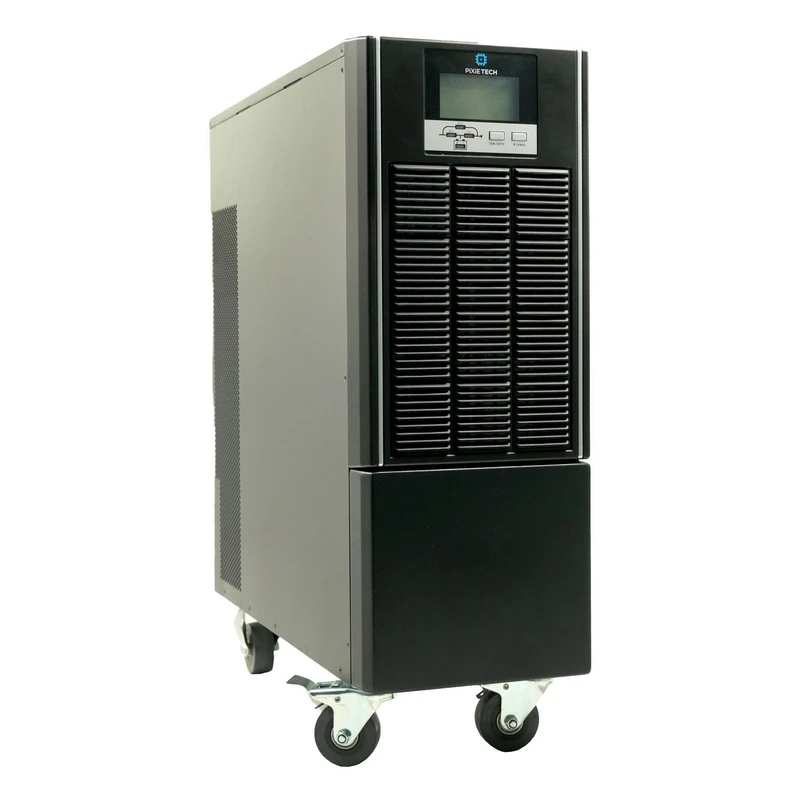
- Form factor: floor-standing UPSs are convenient in the absence of server racks; rack models save space and simplify management in telecommunications cabinets.
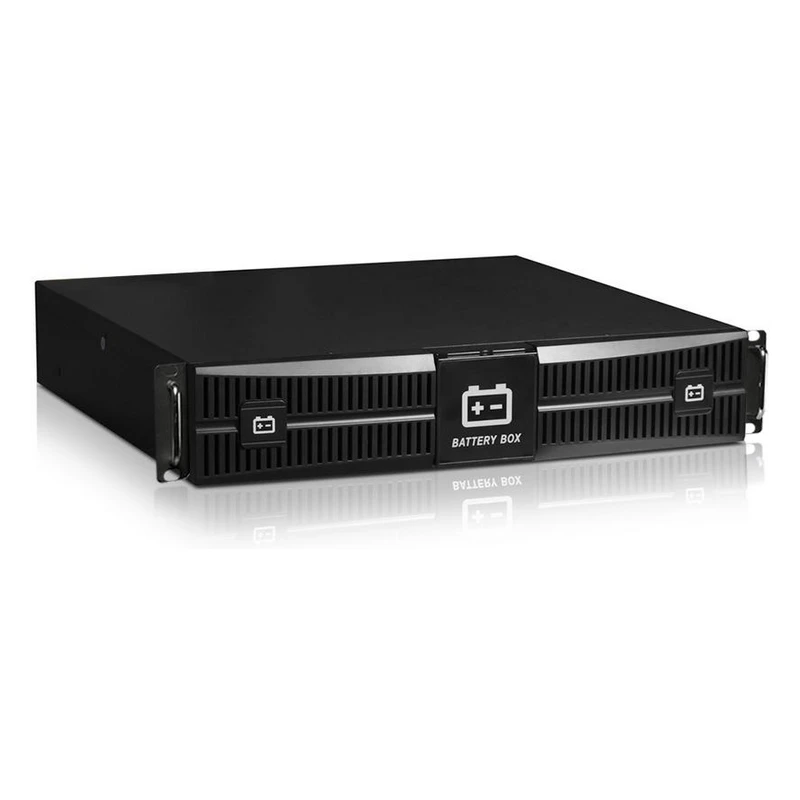
- Autonomy time: determined by battery capacity. For security systems, 15-30 minutes is usually sufficient for a correct shutdown or switch to a generator; for round-the-clock autonomy, external battery modules are needed.
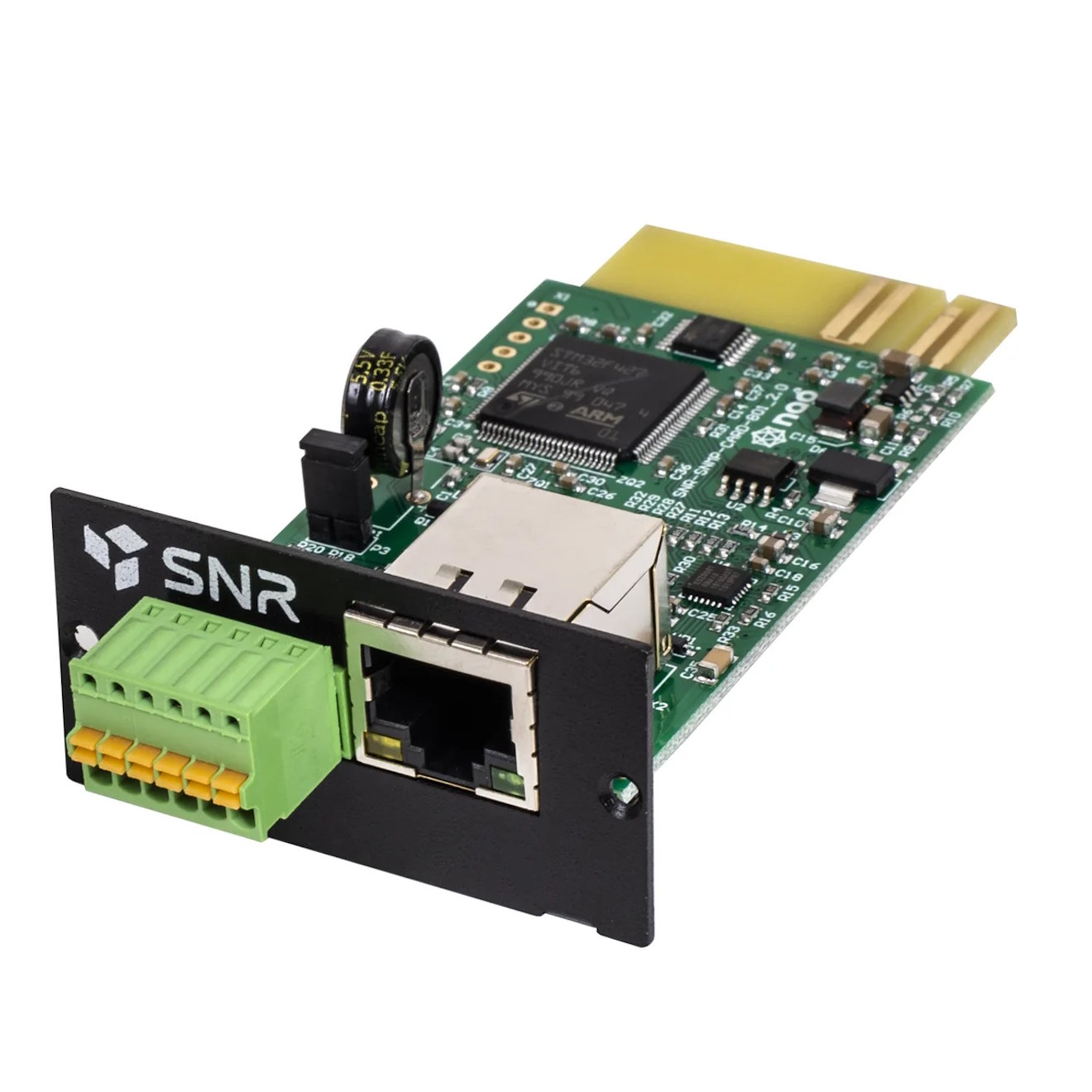
- Monitoring and management: SNMP cards and network cards make it possible to monitor the UPS status remotely, receive fault notifications and manage the load via a web interface or a monitoring system. For large facilities, this is a mandatory element.
- PoE power: when building IP video surveillance or IP telephony, clarify whether PoE injectors or managed PoE switches are needed — they simplify installation by eliminating separate power supplies for cameras and access points.
Applications
- Video surveillance and security systems: the UPS ensures the continuous operation of NVRs, DVRs, IP cameras and video storage servers during a power outage, eliminating the loss of the video archive.
- Server rooms and data centers: high-power three-phase online UPSs, intelligent PDUs and SNMP monitoring cards form the basis of reliable power supply for the IT infrastructure of banks, telecommunications operators and corporate customers.
- Access control and security alarm systems: access controllers, readers and alarm panels require uninterruptible power — any failure can open doors or leave a facility without security.
- Retail and business centers: a UPS for cash equipment, POS terminals, network equipment and fire alarm systems prevents financial losses and downtime during grid instability.
- Industrial facilities and manufacturing: a UPS for automated control systems, industrial controllers and telecommunications equipment of enterprises, where stopping the technological process is unacceptable.
- Telecommunications and communication nodes: uninterruptible power for routers, switches, media converters and communication operators' equipment throughout Uzbekistan.
Brands and models in the catalog
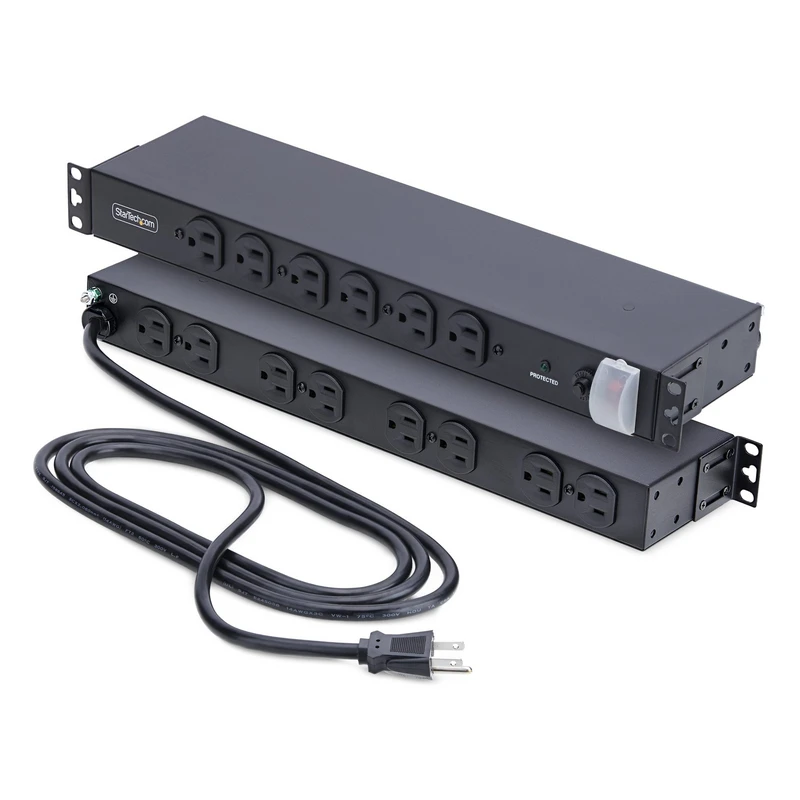
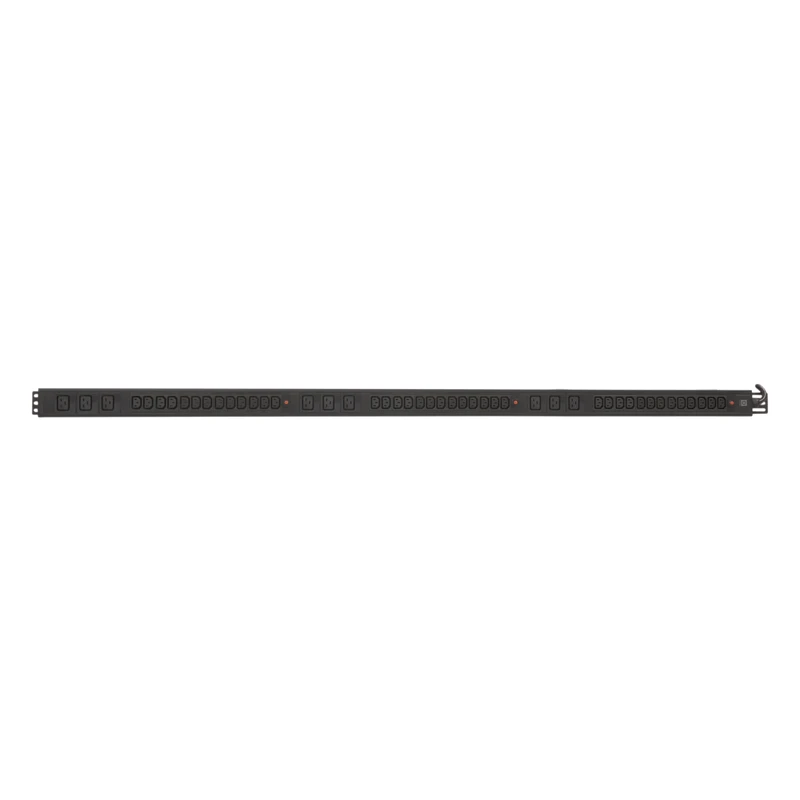
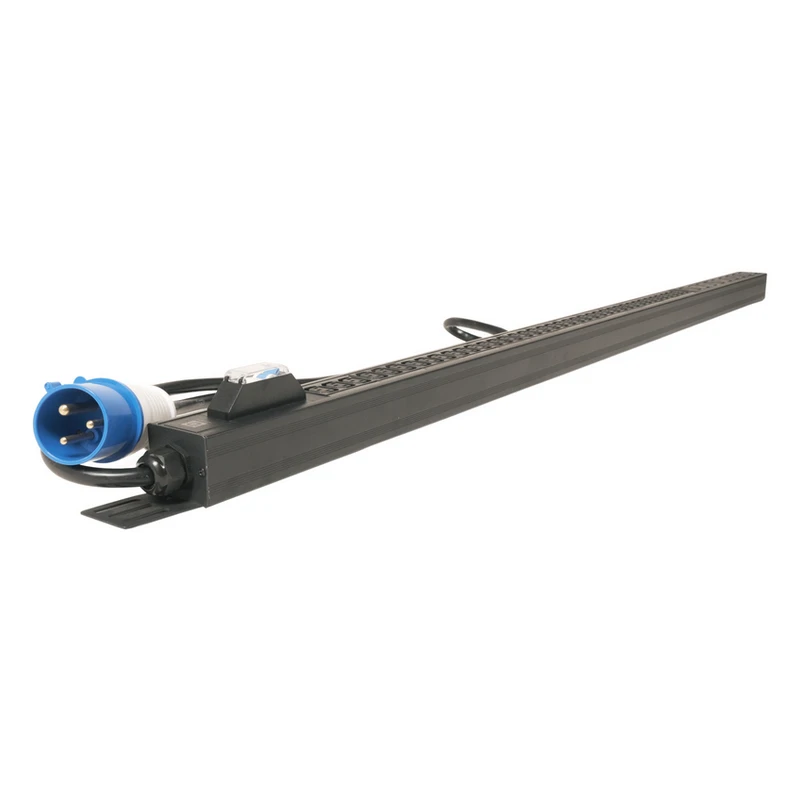
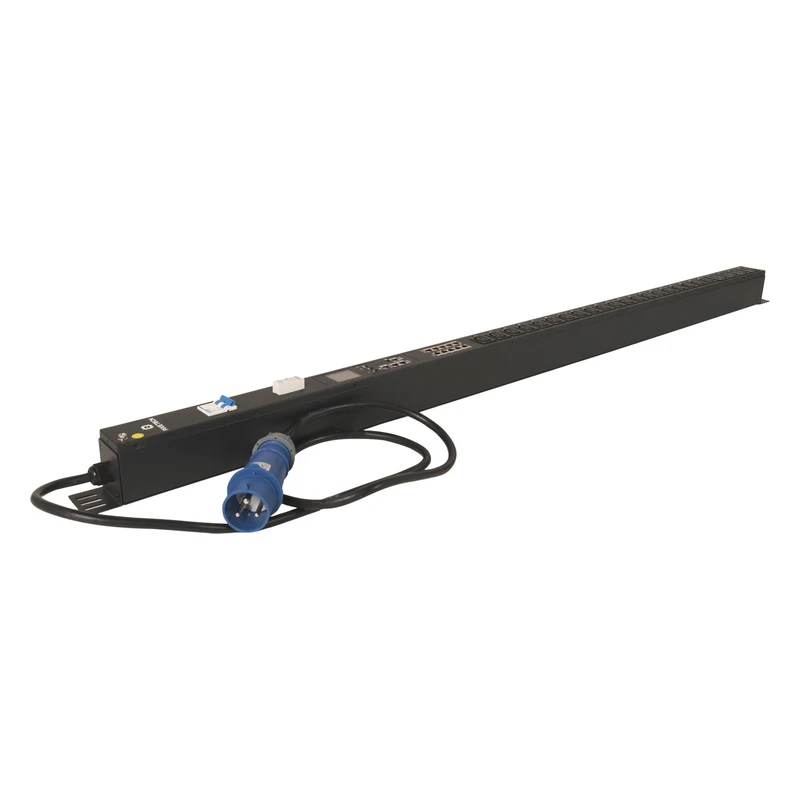
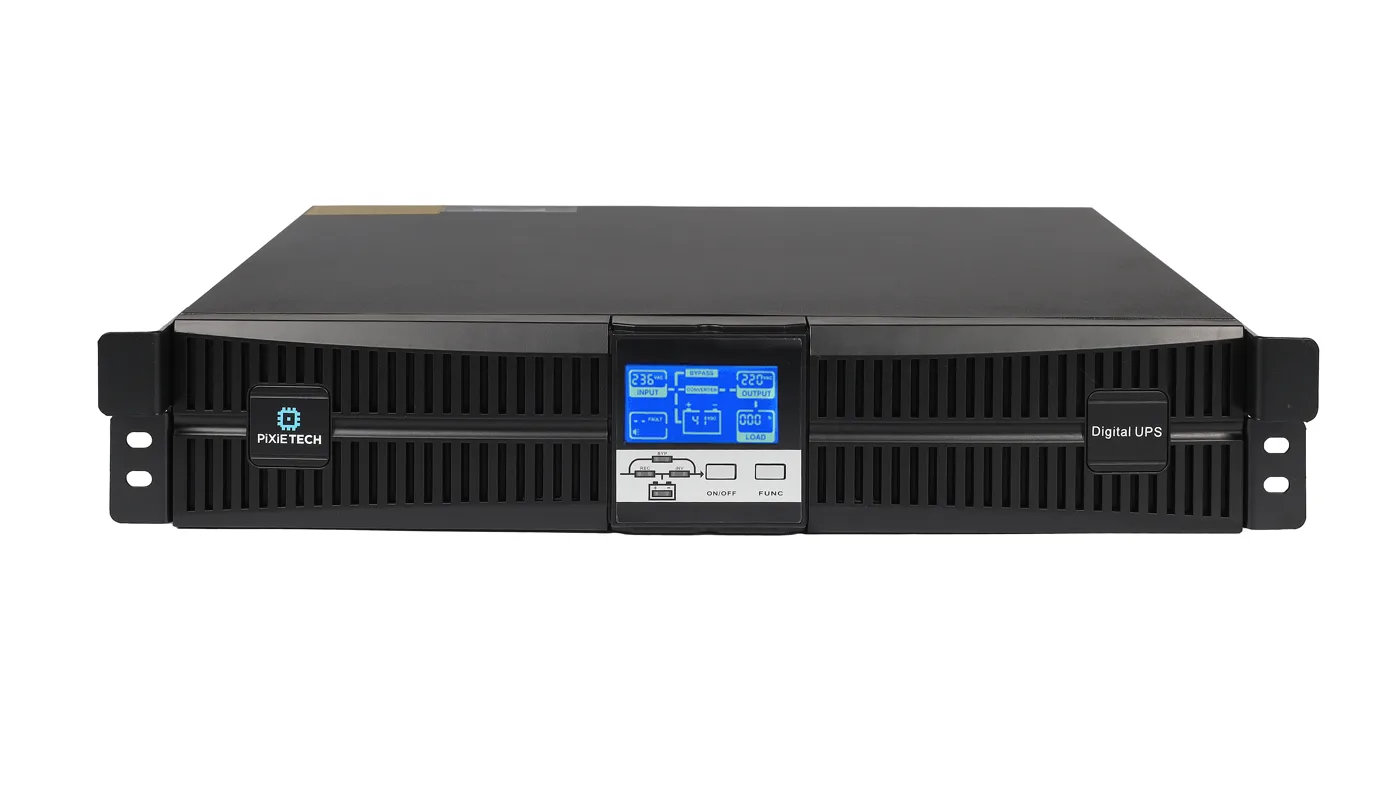
- Pixietech: the main brand in this category of the SAT Solutions catalog. The lineup covers online UPSs with power from small ones up to 20 kVA in single-phase and three-phase versions, rack and floor-standing form factors. A separate direction is intelligent PDUs (power distribution units) with IEC C13, IEC C19 and Schuko outlets, rated for a current of 32A.
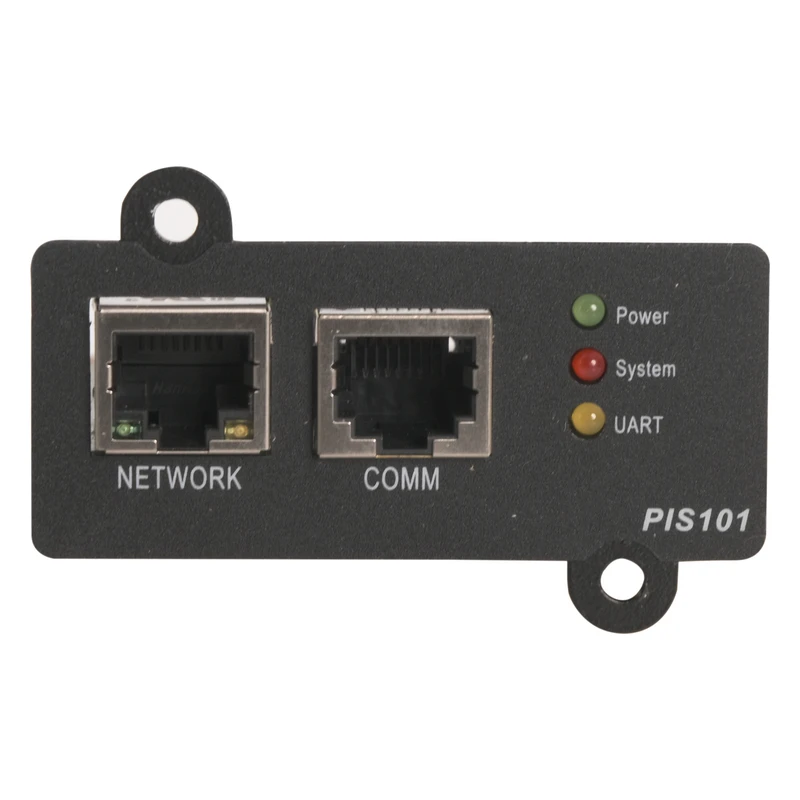
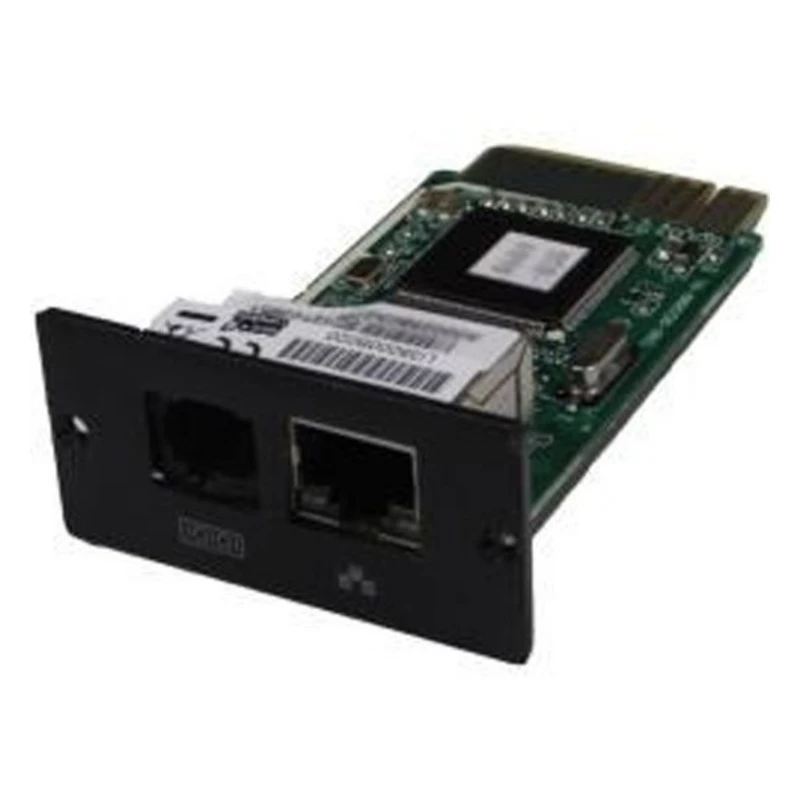
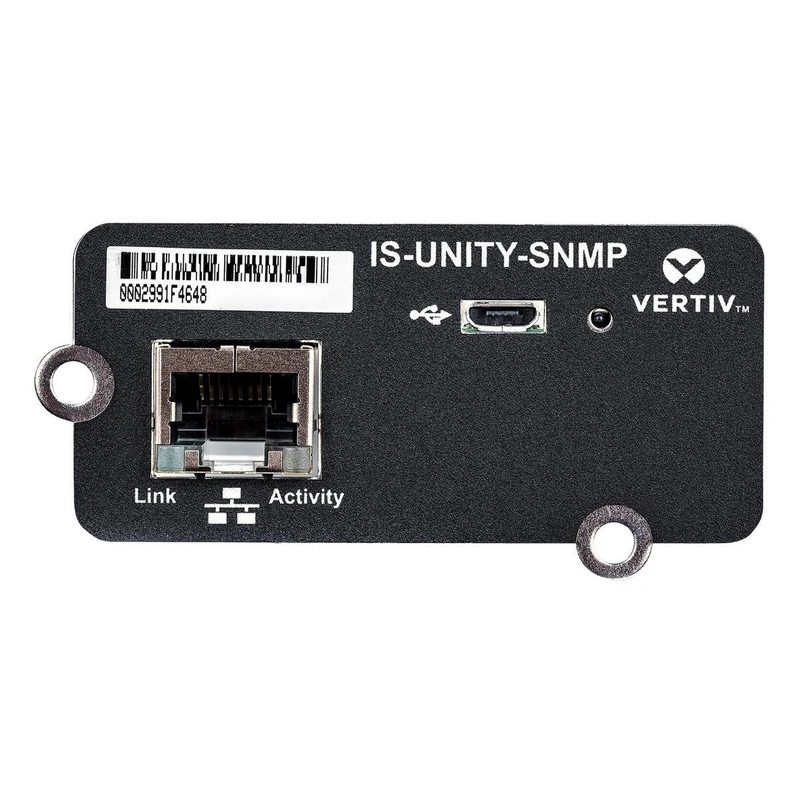
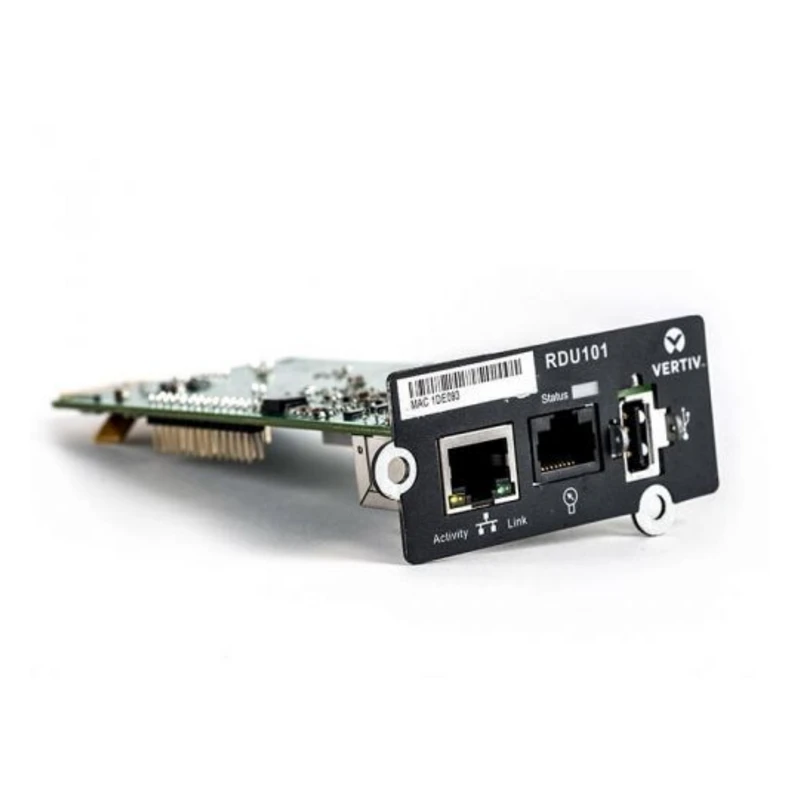
- Monitoring cards and modules: SNMP network cards for remote monitoring of Vertiv GXT5 series UPSs and others, monitoring cards for a load of 1-3 kW, RPCM 63A remote power management modules make it possible to build centralized power supply monitoring systems.
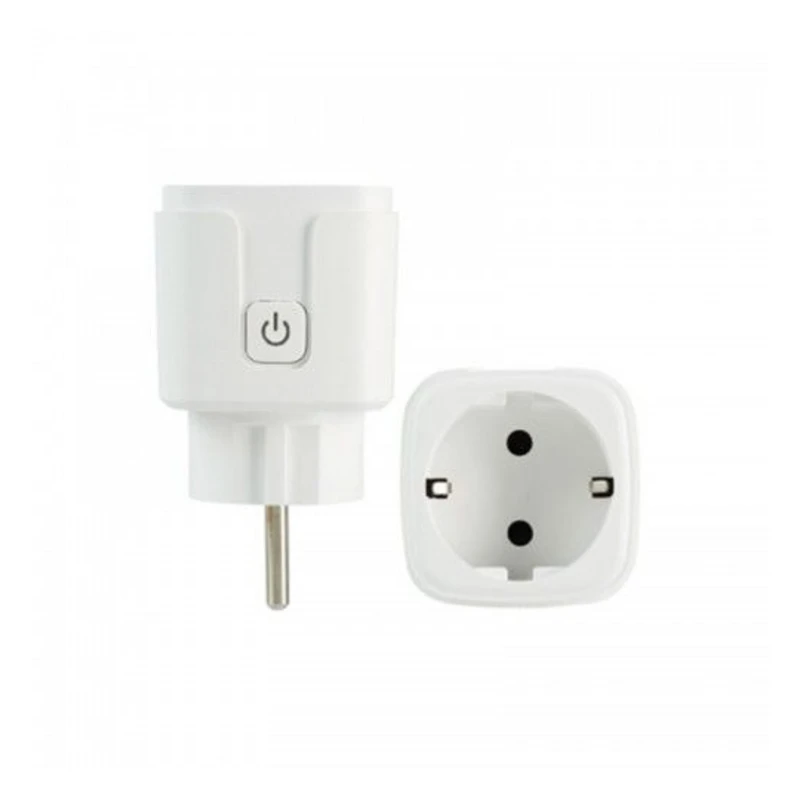
- Pixietech PoE equipment: unmanaged 802.3af PoE injectors (for example, PI-154-1A) for powering IP cameras and access points over twisted pair — a simple solution for facilities without PoE switches.
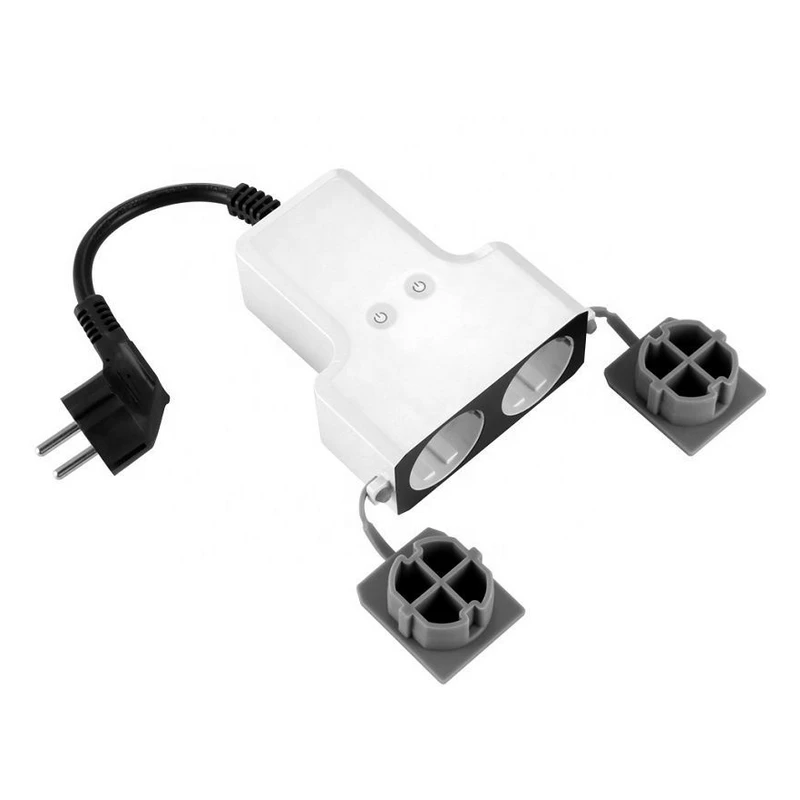
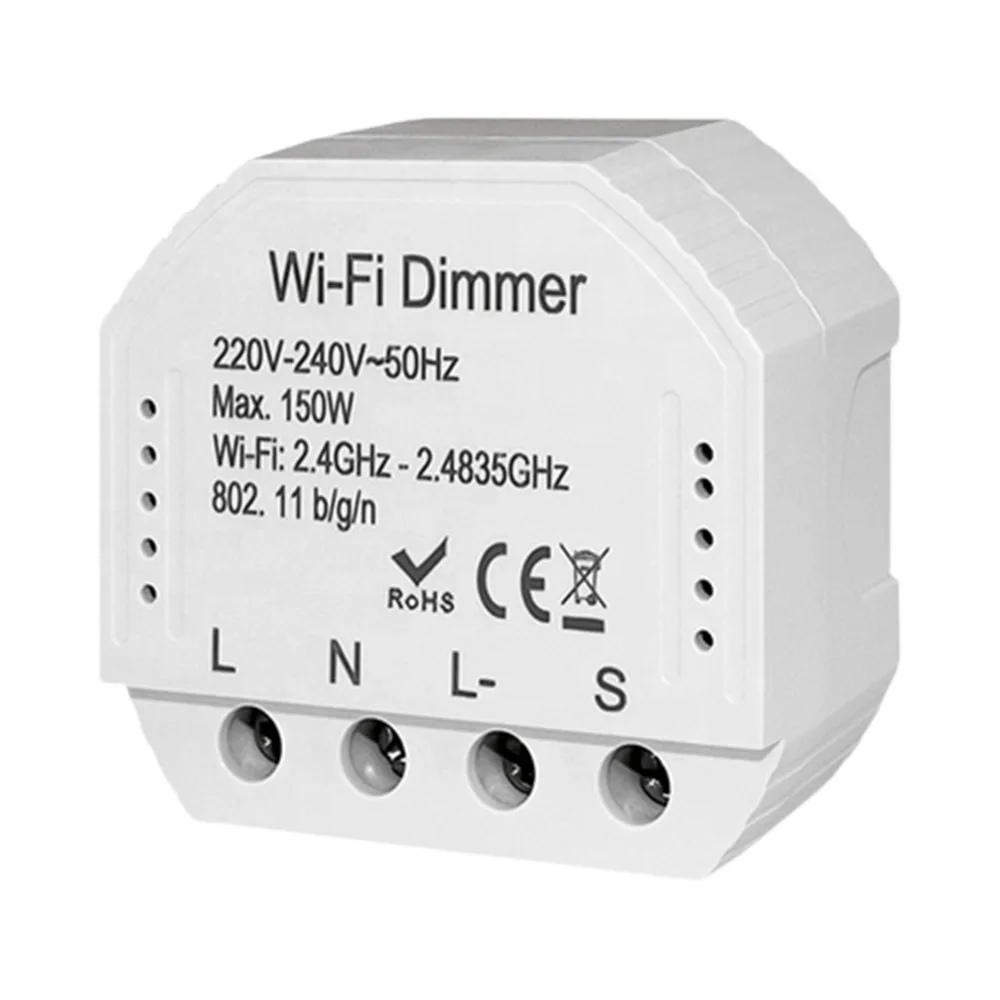
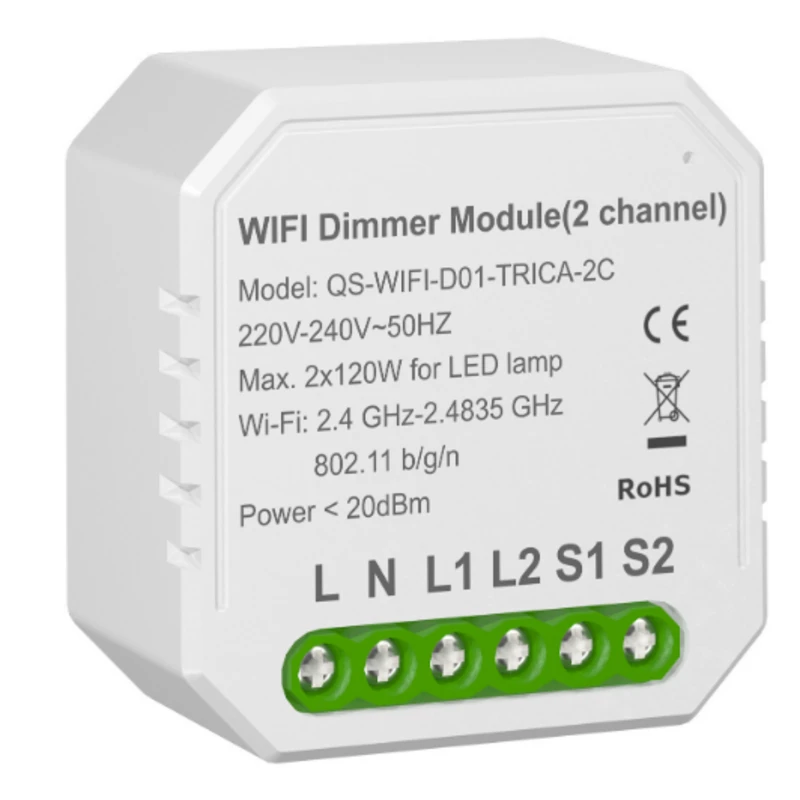
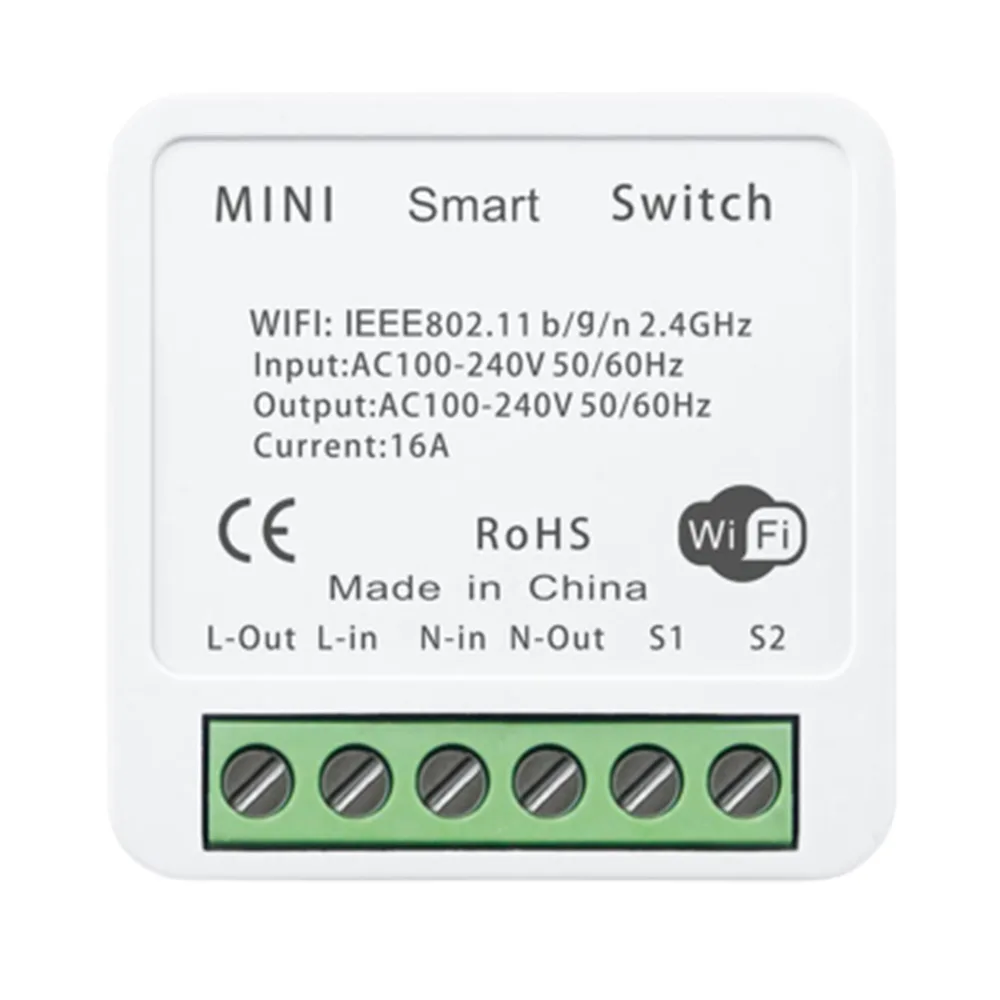
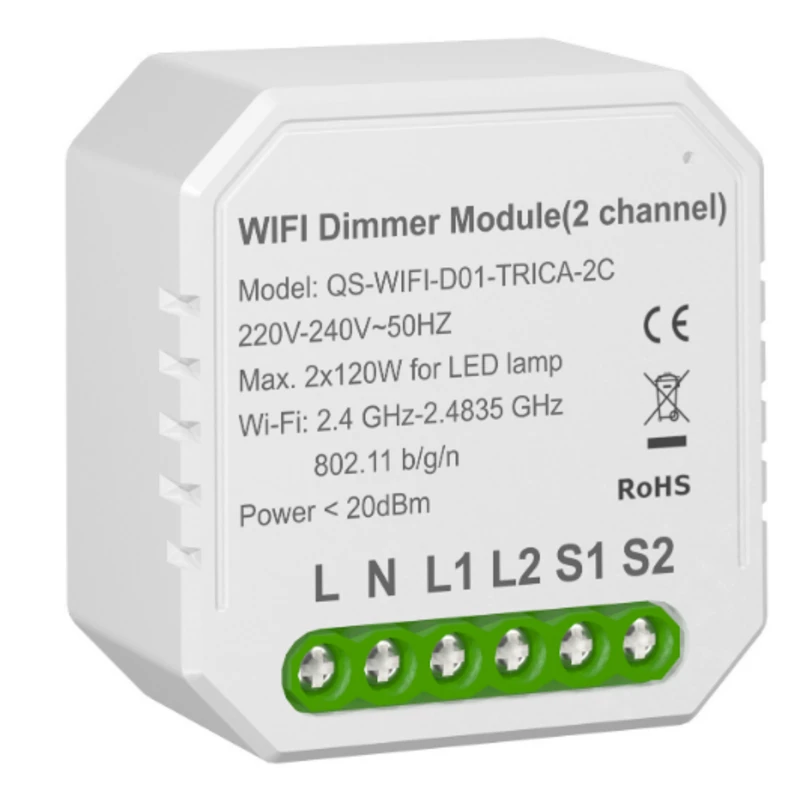
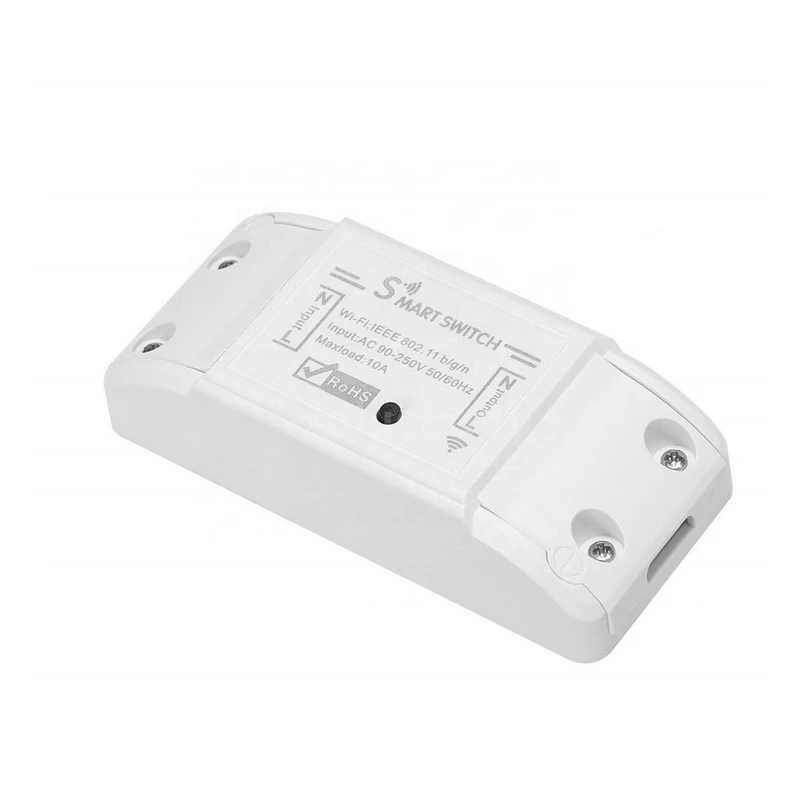
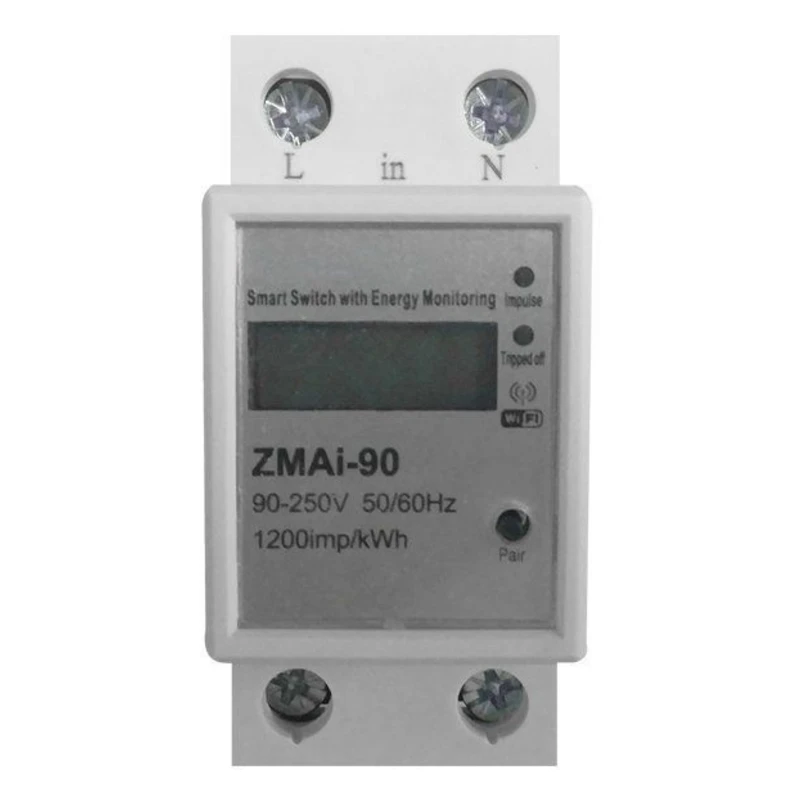
- Control and metering devices: Phase Detector voltage sensors for monitoring a three-phase grid, Tuya Smart electricity meters with Wi-Fi for remote consumption metering — relevant for facilities with energy efficiency requirements.
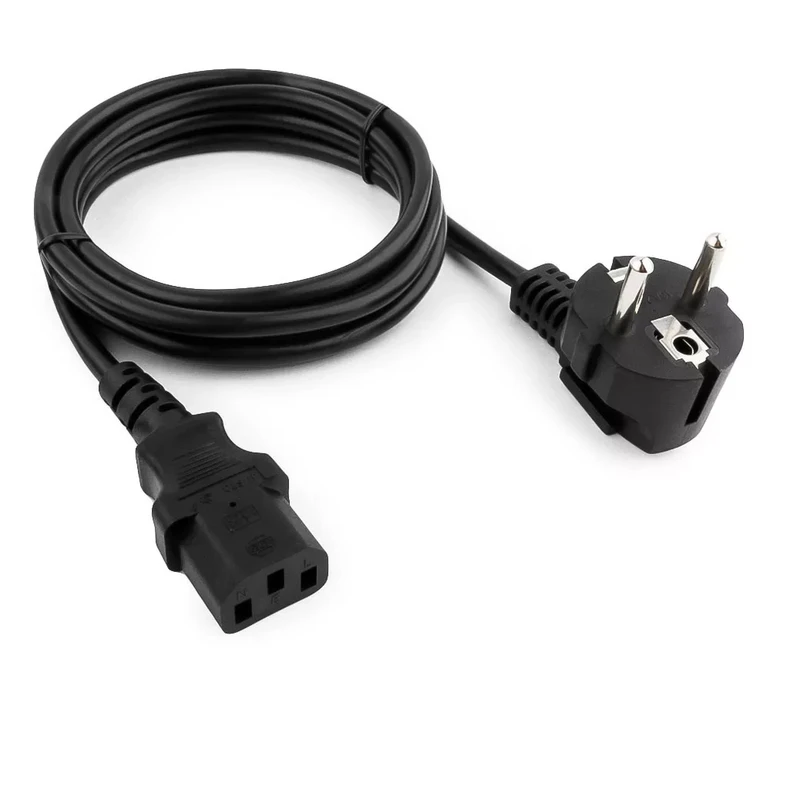
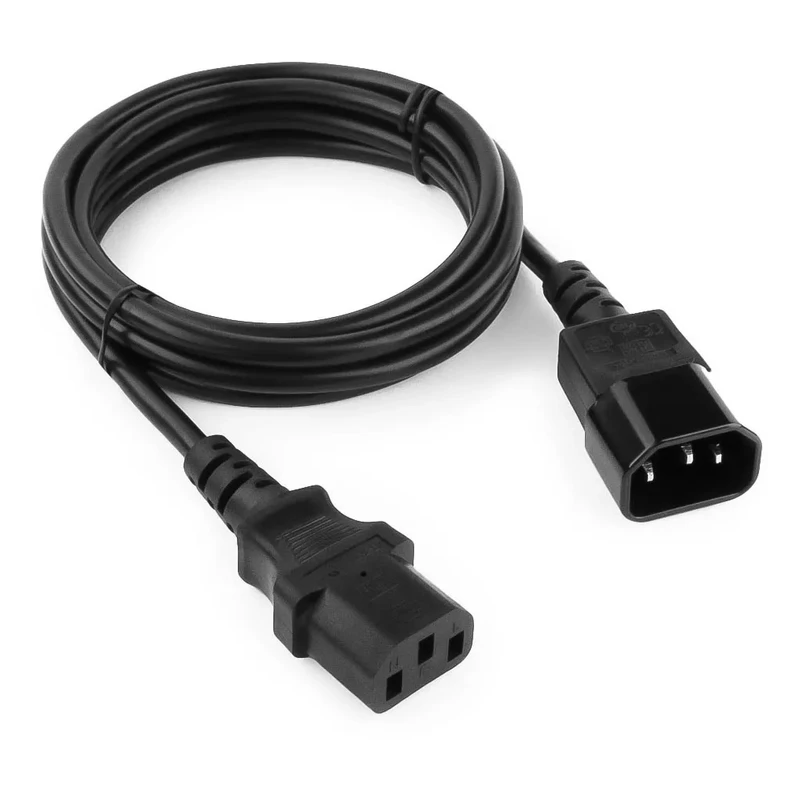
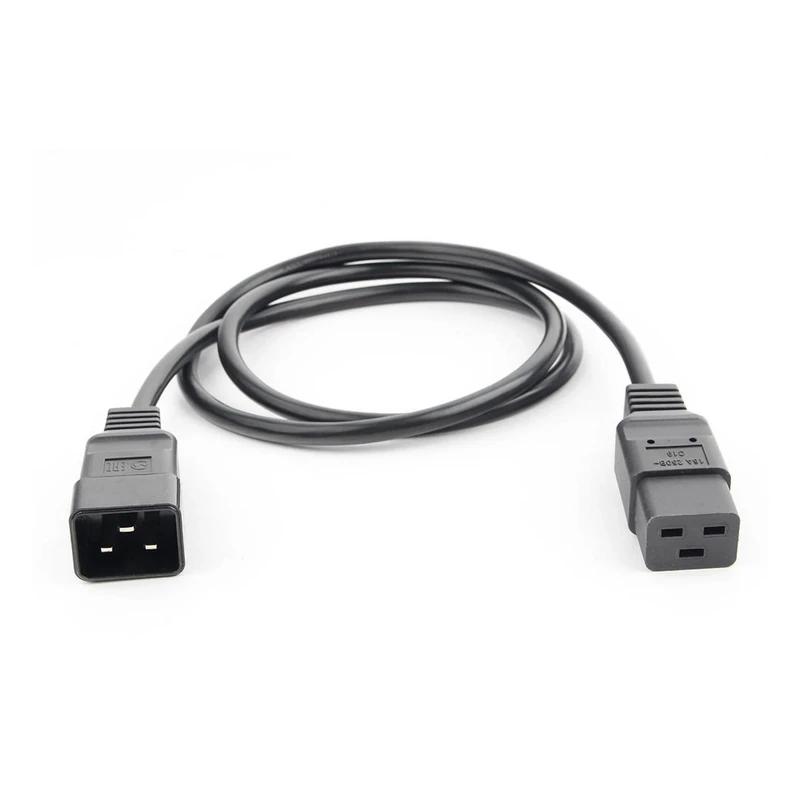
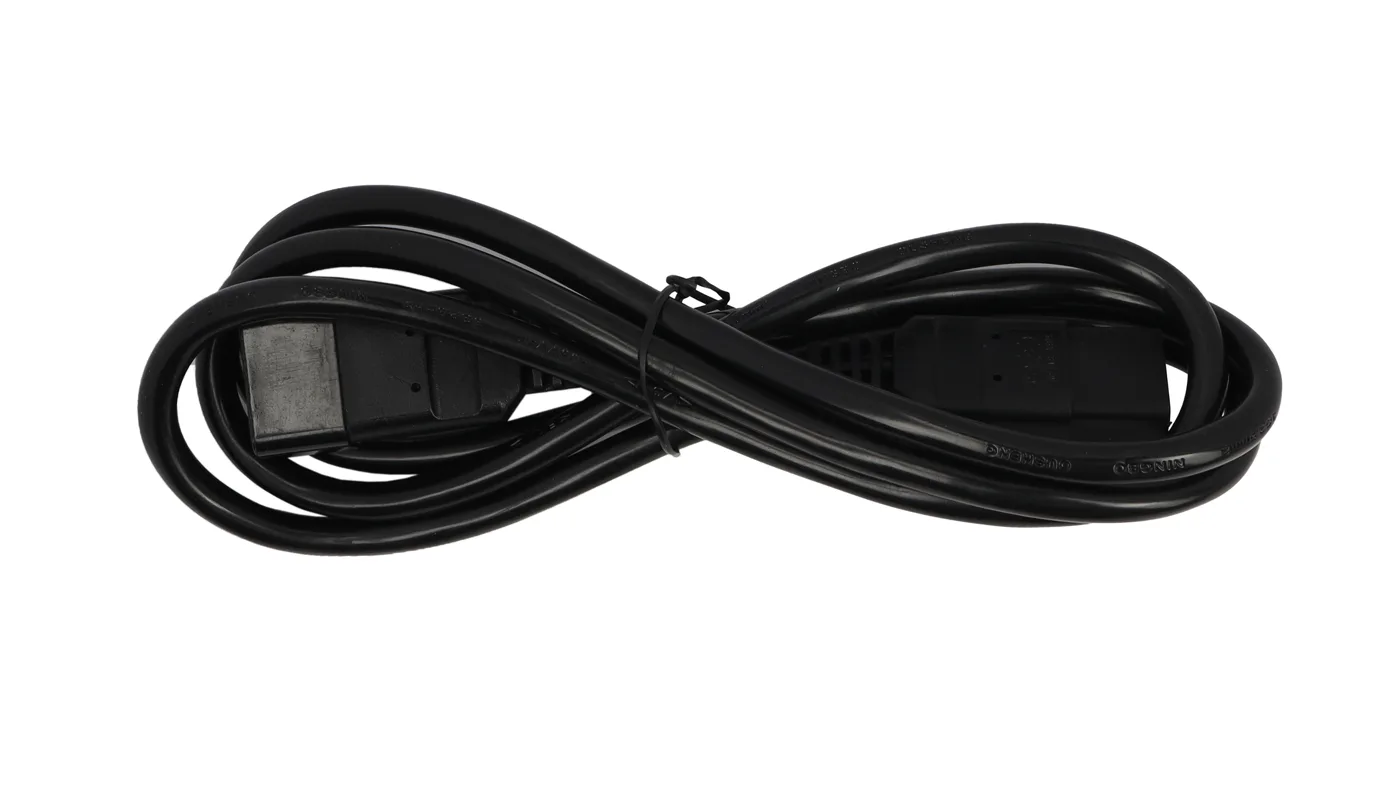
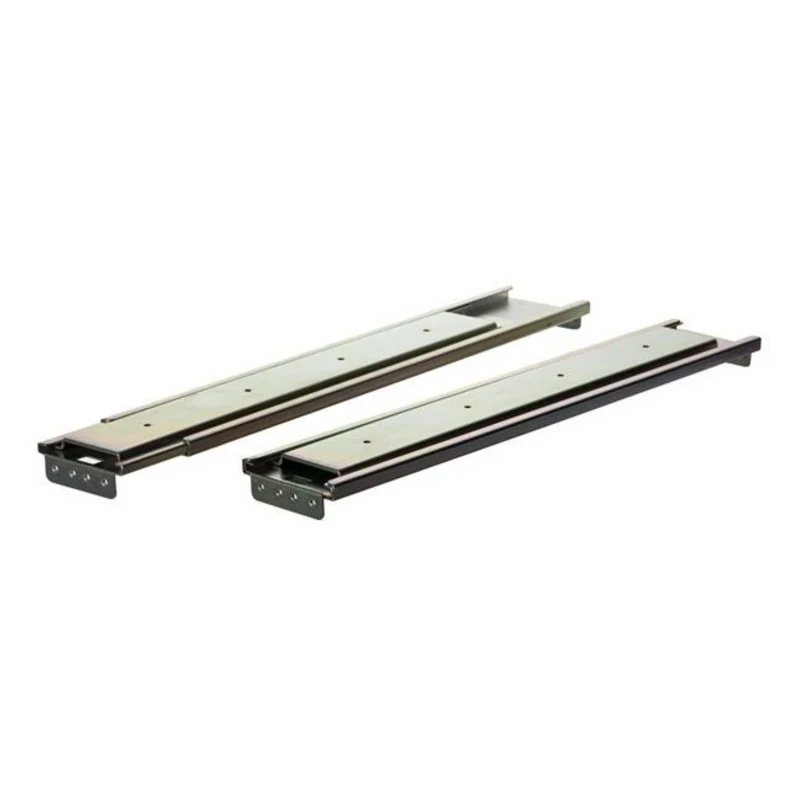
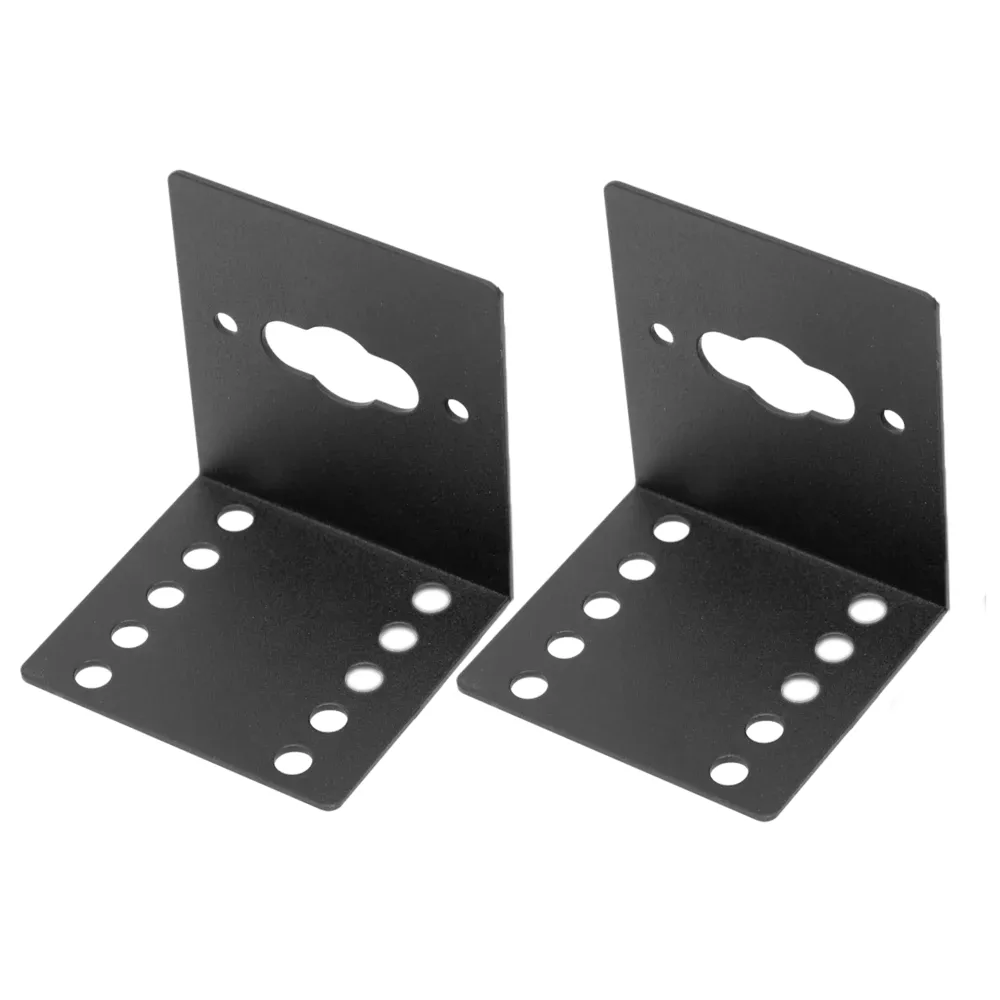
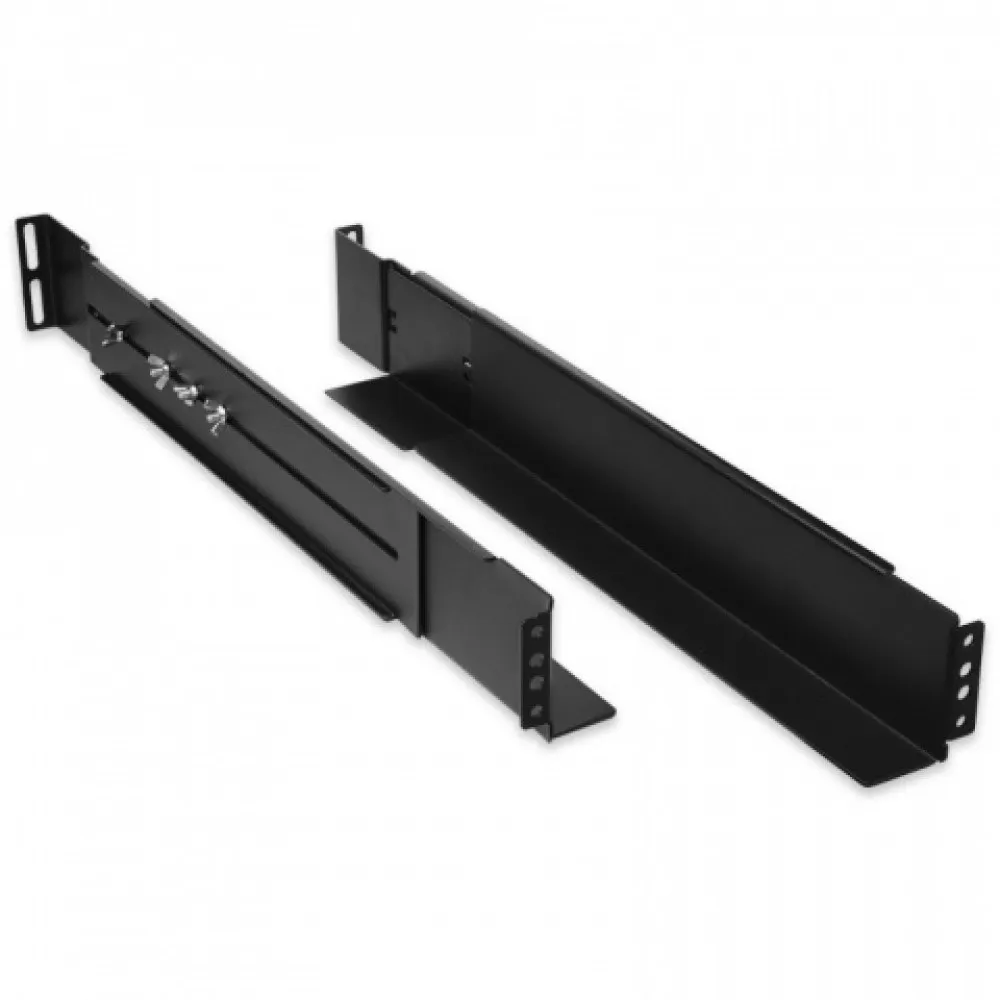
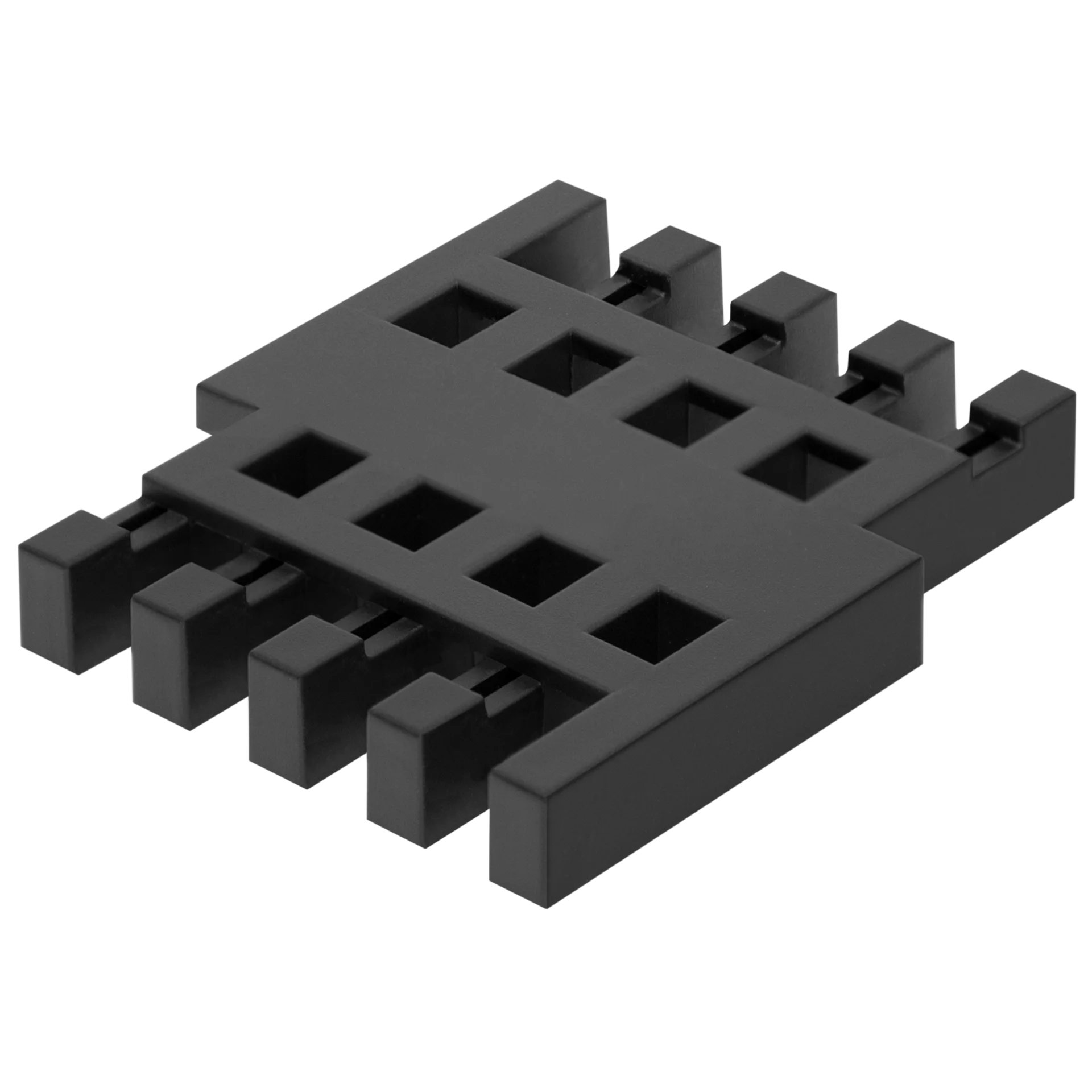
- Accessories and mounting kits: mounting kits for installing a UPS in a server rack, power cables and adapters — the entire kit for installation is available in one place.
Frequently asked questions
Which UPS should I choose for a video surveillance system of 8-16 cameras?
What is the difference between an online UPS and a line-interactive one?
Can I replace the batteries in a UPS myself?
Is a UPS needed if the facility has a diesel generator?
How do I organize remote monitoring of a UPS?
UPS & power — guide & FAQ
UPS units and voltage stabilizers for server rooms, CCTV and offices — sized to load, installed and serviced. A stabilizer protects equipment from mains surges; a UPS adds runtime through outages. For CCTV and servers the right order is: the stabilizer levels the input, the UPS carries the system through a blackout — cameras keep recording and servers shut down cleanly. Sizing is total load plus 25–30 % headroom: eight cameras with an NVR fit in 300–500 VA, a server rack needs kilowatts and external battery packs for the required runtime. On distributed sites we place local UPS units at each node — cheaper and more reliable than one central unit. We supply UPSs and stabilizers to the task — from desktop units to rack models with battery shelves, from stock and to order. Sizing and runtime calculation are free; we install and service the fleet, testing the batteries that always fail first. UPS types are three levels of protection. Offline is basic: it switches to battery when mains fail — fine for a router or a till. Line-interactive adds stabilisation — the standard for cameras and office equipment. Online (double conversion) feeds the load through the inverter constantly: zero transfer time and a clean sine wave — what servers and medical equipment need. Batteries are a consumable with a 3–5 year life, and they die quietly: you find out during an outage, when the backup holds seconds. The right setup: the UPS away from heating radiators, a runtime test every six months, battery replacement on schedule. We service UPS fleets under contract — checking and replacing batteries before they let you down. Q: How do I size a UPS? A: Add up the load and 25–30 % headroom. Eight cameras with an NVR fit 300–500 VA; a server rack is sized separately with battery modules for the minutes you need. Q: Do I need a stabilizer if I have a UPS? A: In surge-prone grids, yes: the stabilizer takes the hits, the UPS only carries outages and lasts much longer. Q: How long do UPS batteries live? A: Typically 3–5 years. We test them under the service contract and replace them before the first real outage exposes them.
Related articles