Tools
Found: 88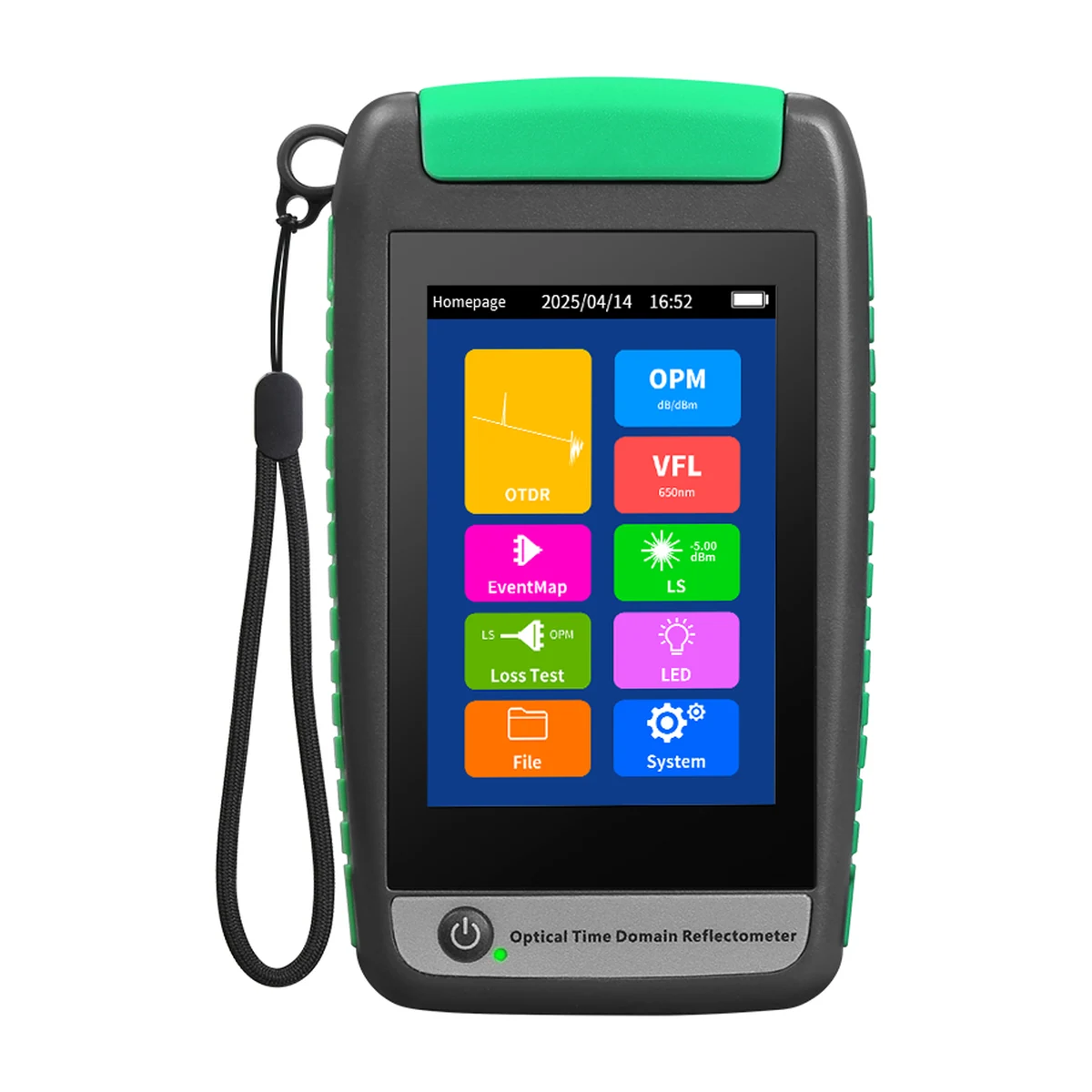







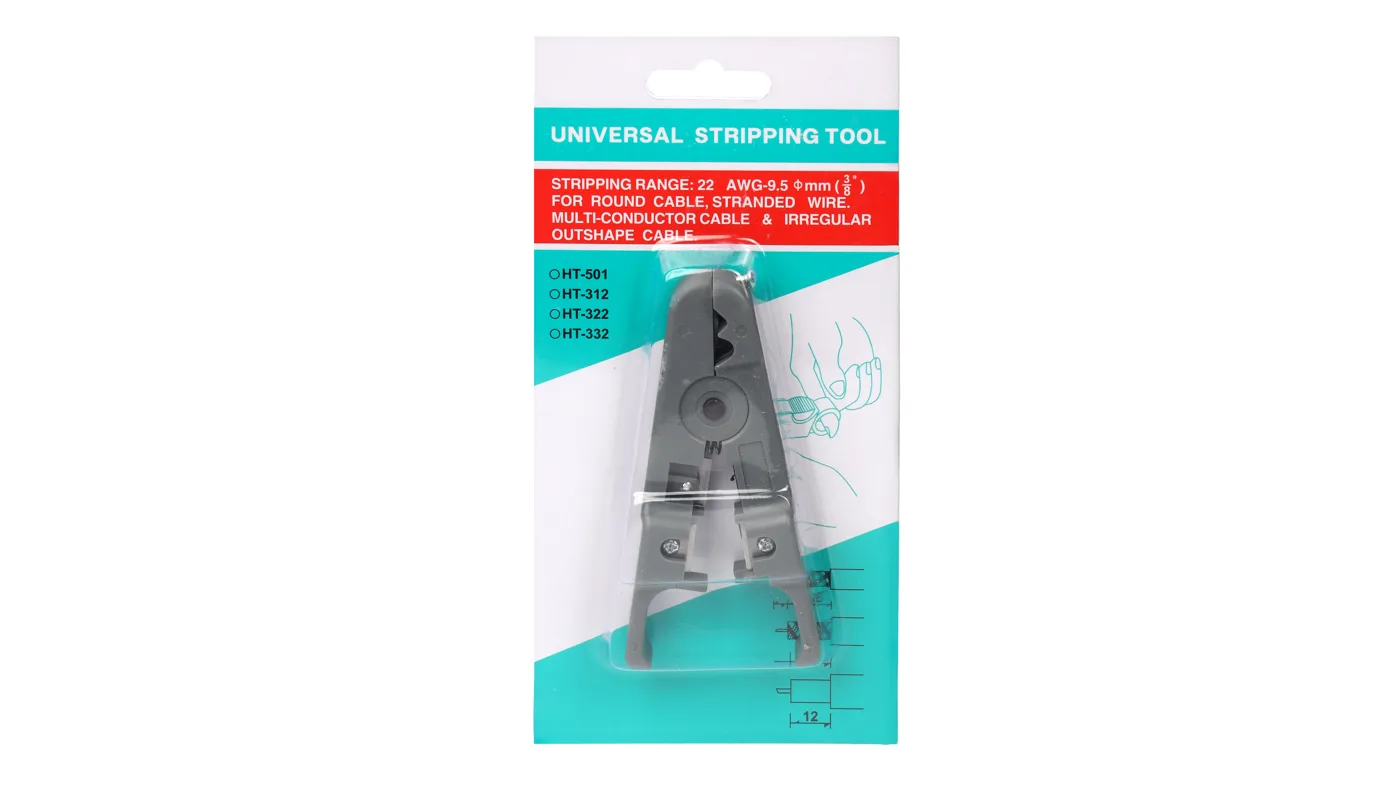

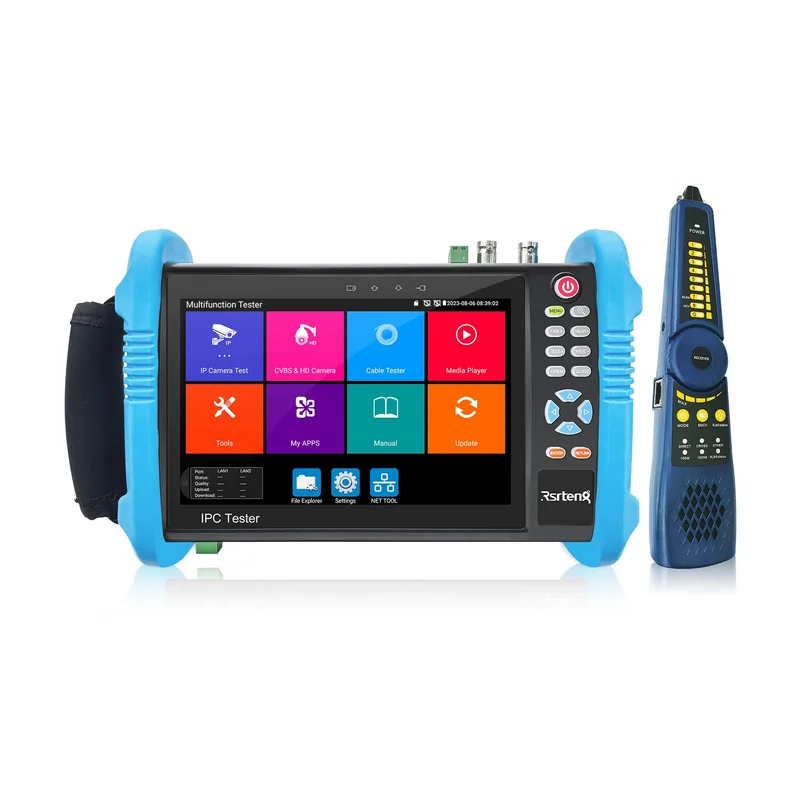
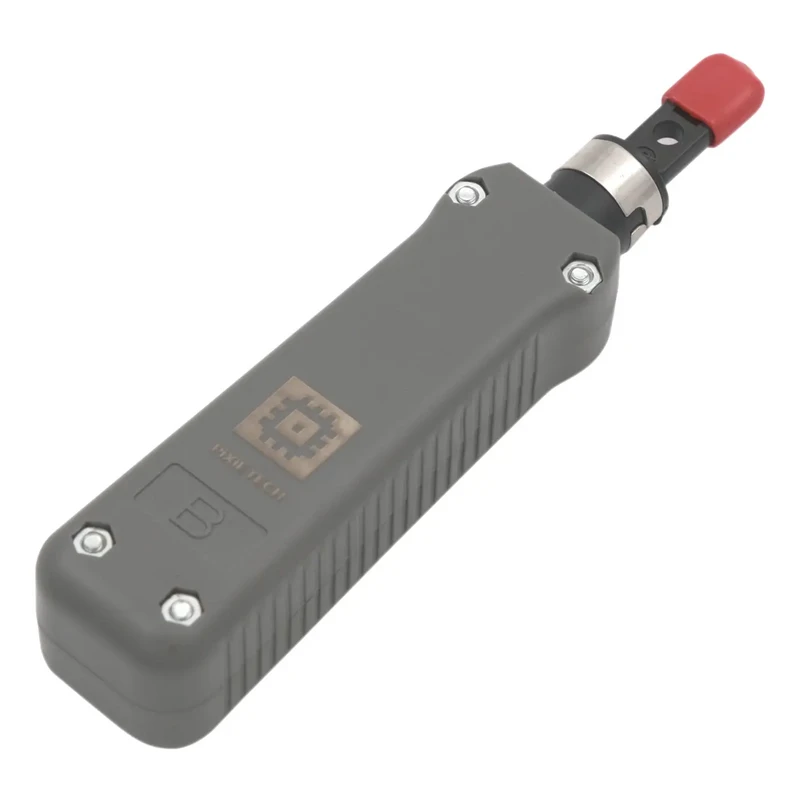
Tools — guide & FAQ
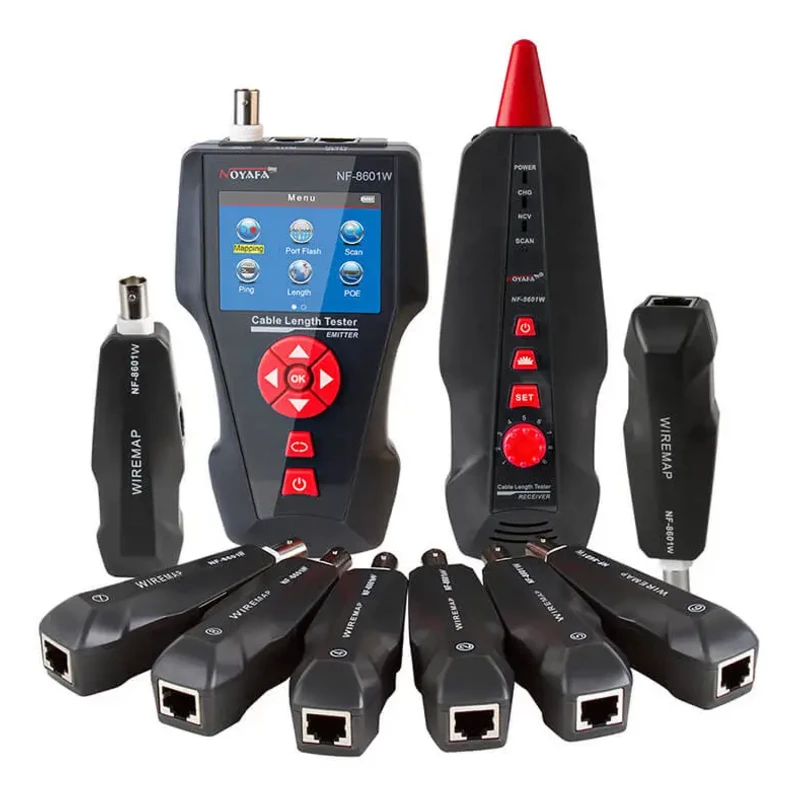
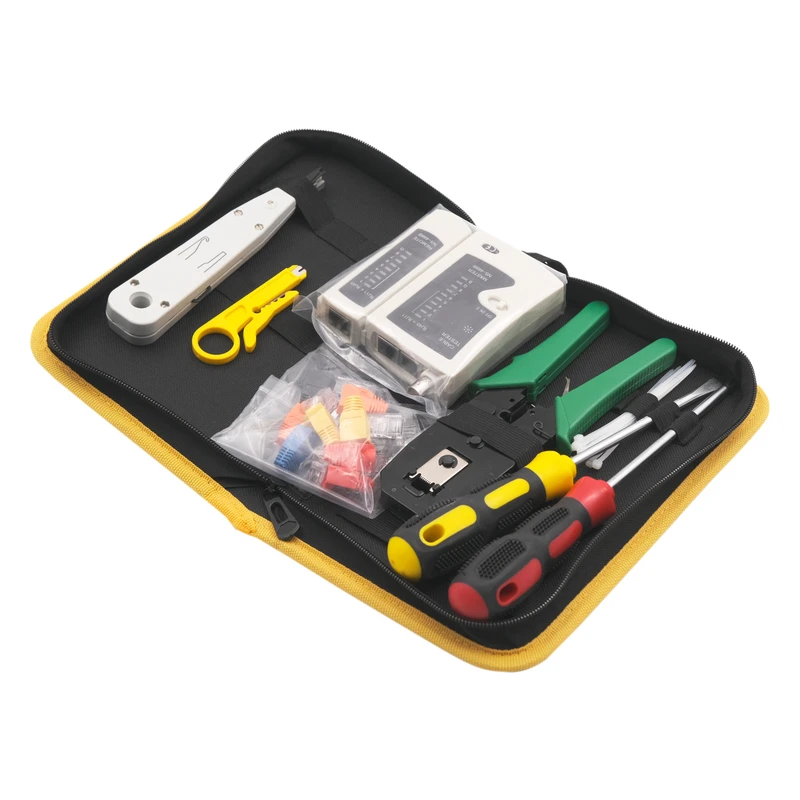
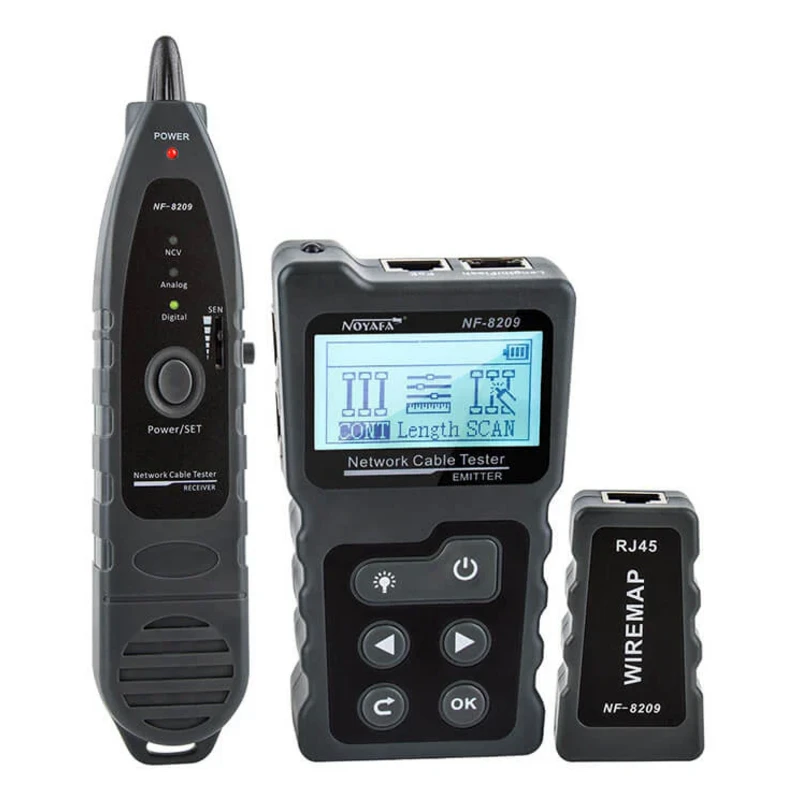
Professional installation of fiber-optic communication lines is impossible without specialized tools. The "Tools" category in the SAT Solutions catalog covers the full arsenal of equipment for laying, splicing, testing, and servicing FOCL: from splicers and fiber cleavers to reflectometers, installer kits, and consumables. All of this equipment is designed for professional use in telecommunication, security, and structured cabling systems.
Buying tools for optical communication lines in Tashkent today is possible both for a single project and for equipping an installation crew for regular work. The range of items in the catalog is quite wide: 88 items cover all stages of FOCL installation — fiber preparation, splicing, measurements, marking, and cleaning. This allows Uzbekistan not to depend on foreign service centers: a qualified crew armed with the right tools is able to independently deploy and service any optical network on site.
Proper tool selection directly affects the quality and speed of installation. An incorrect fiber cleave or poor connector cleaning results in splice losses that are then difficult to localize without a reflectometer. That is why tools should be selected comprehensively: a splicer, a cleaver, and a reflectometer form an inseparable working kit, while consumables and marking ensure the long-term quality of the installation.
How to choose
- Type of work. For regular installation of trunk FOCL, you need a high-performance splicer with automatic core alignment. For patch cords and subscriber inputs, more affordable splicers with clad alignment are sufficient.
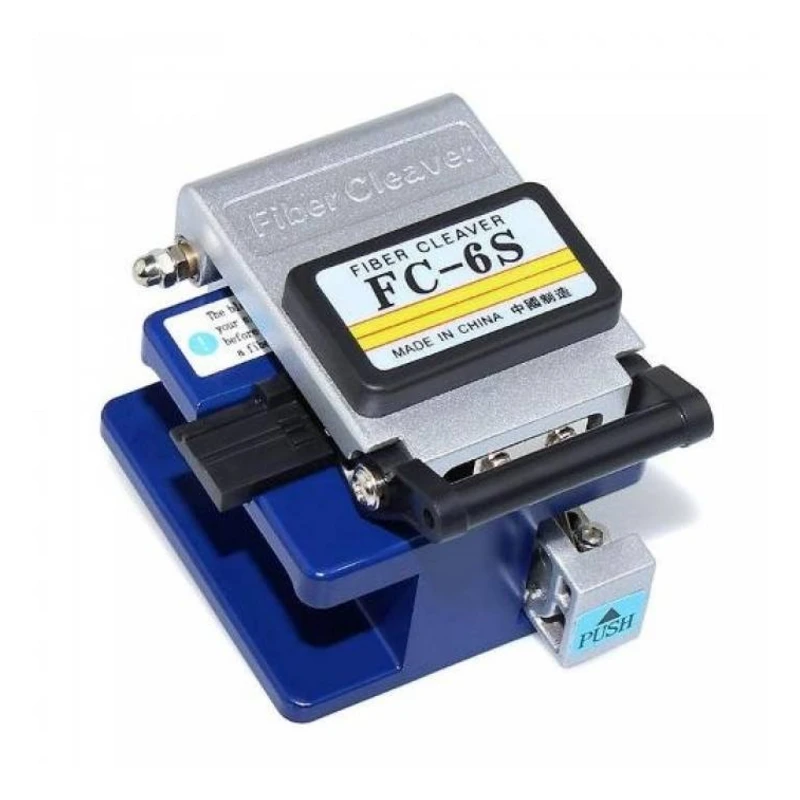
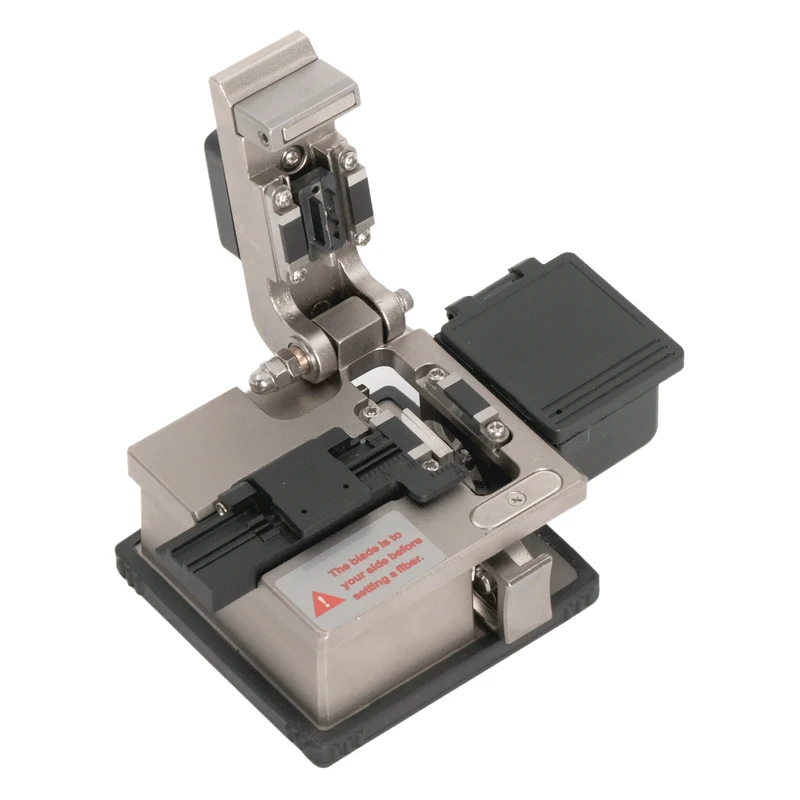
- Cleaver precision. The fiber cleave angle determines the quality of the splice. Professional cleavers ensure an angle deviation of less than 0.5 degrees, which is critical for single-mode fiber; for multimode, the tolerances are softer.
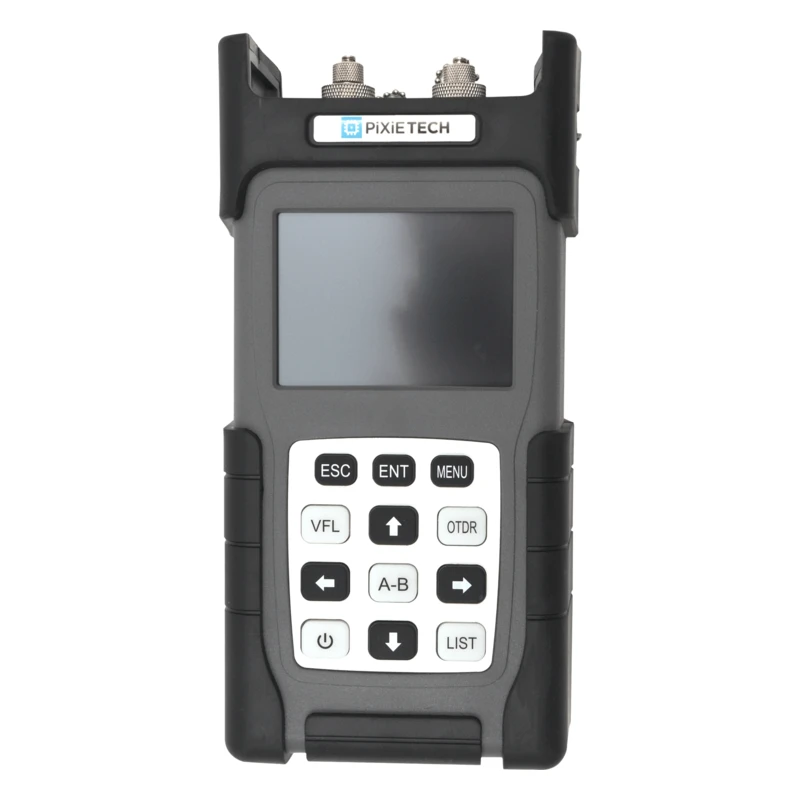
- OTDR dynamic range. A reflectometer is chosen according to the length of the route. For subscriber inputs up to 3 km long, 20 dB is sufficient; for intercity trunk lines, devices with a range of 35-40 dB and above are needed.
- Measurement wavelength. Single-mode FOCL are tested at wavelengths of 1310 nm and 1550 nm. Having both ranges in a single reflectometer (and optionally 1625 nm for monitoring without interrupting traffic) is much more convenient.
- Cleaver service life. The number of cleaves before blade replacement differs by an order of magnitude between models: budget ones are rated for 10-16 thousand operations, professional ones for 30-48 thousand.
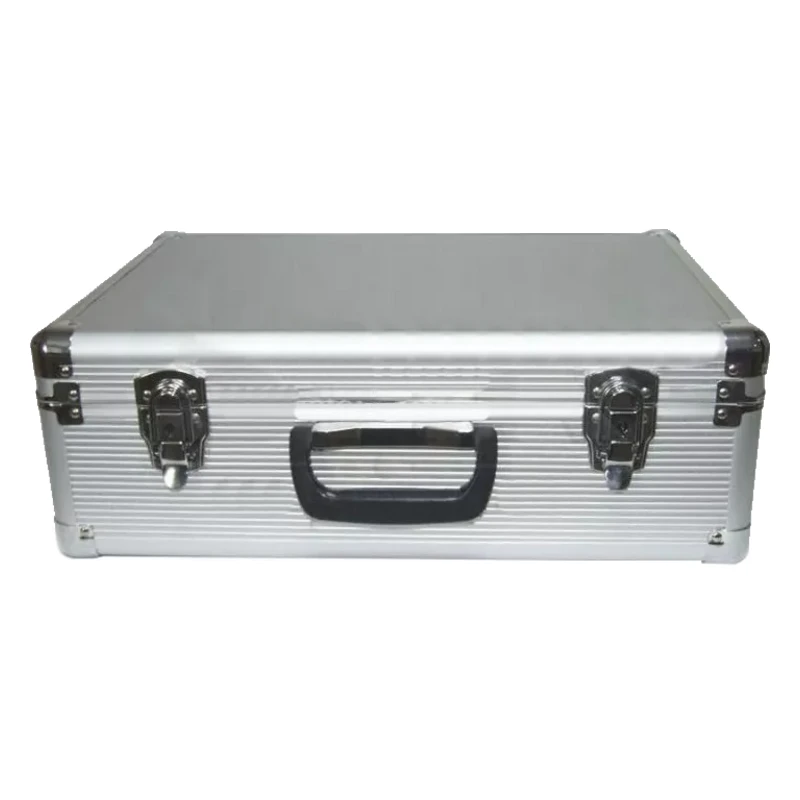
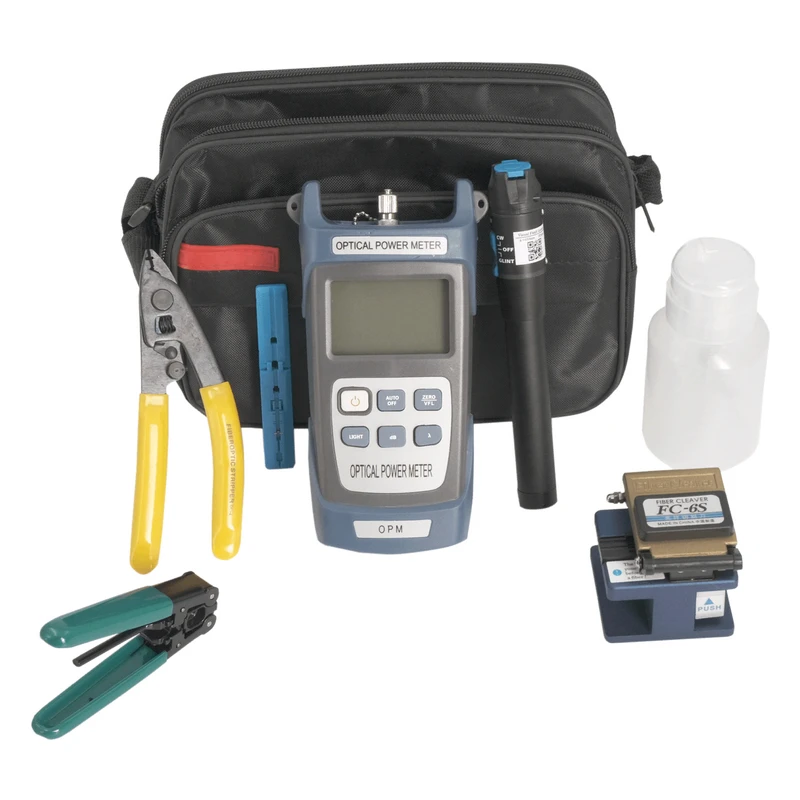
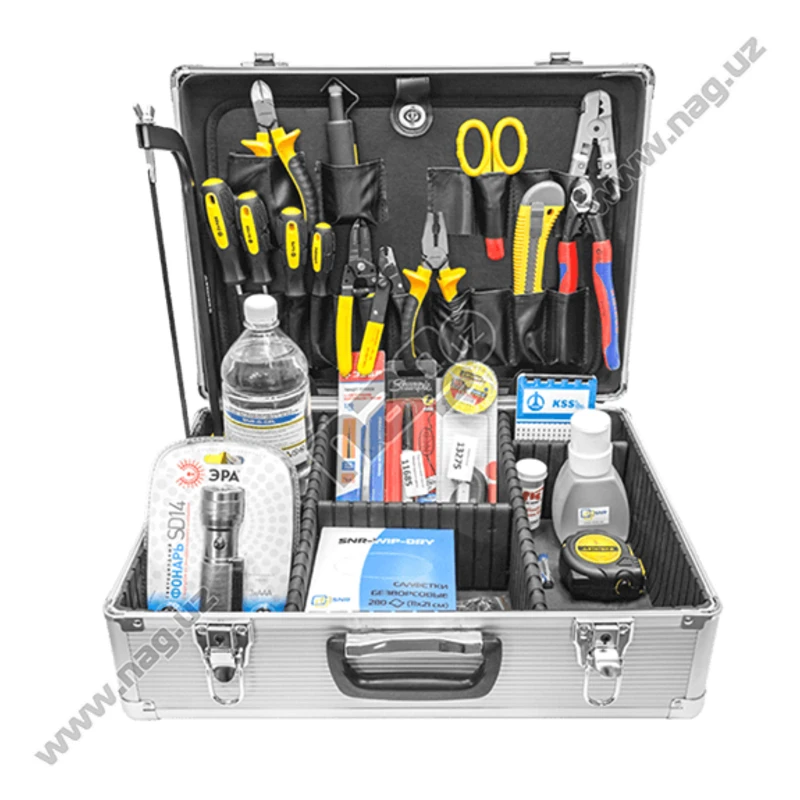
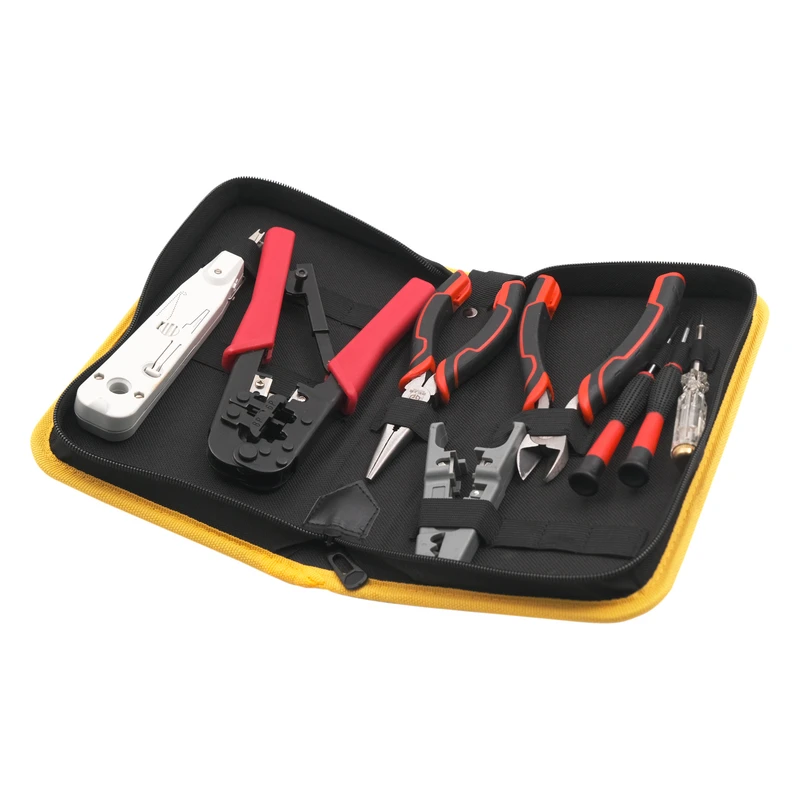
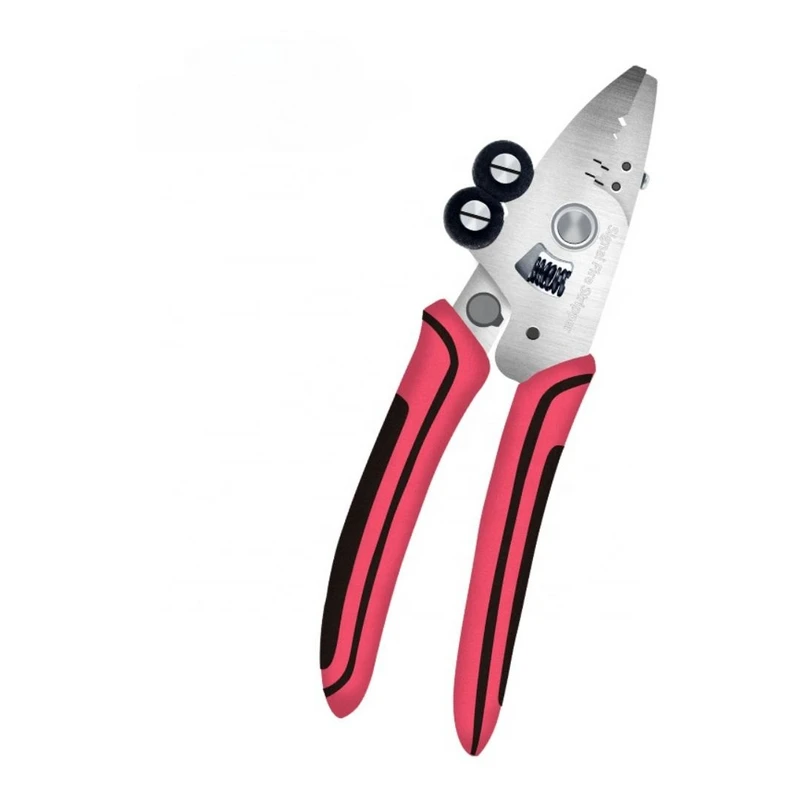
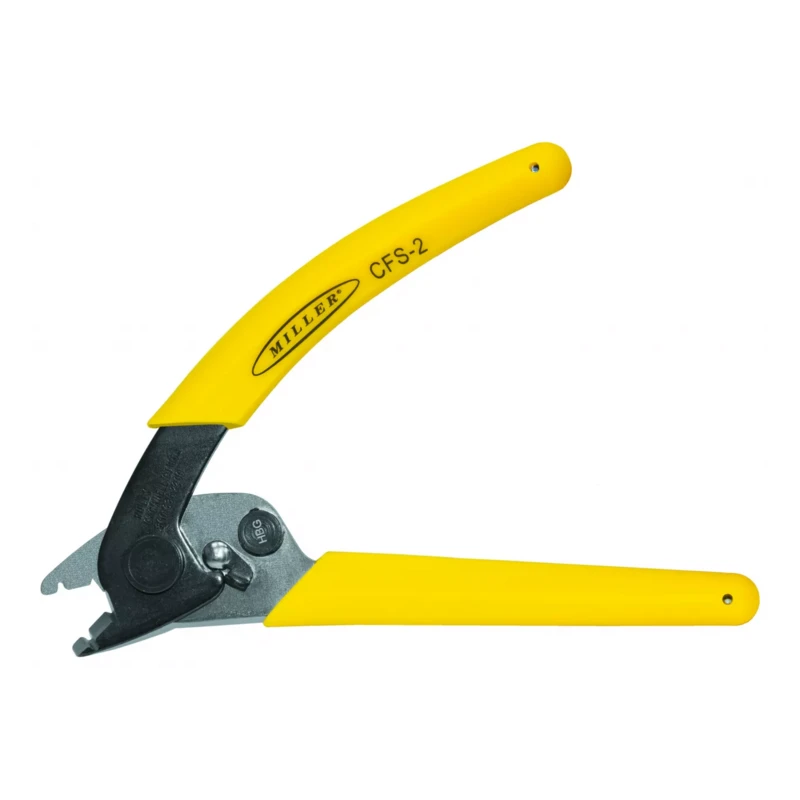
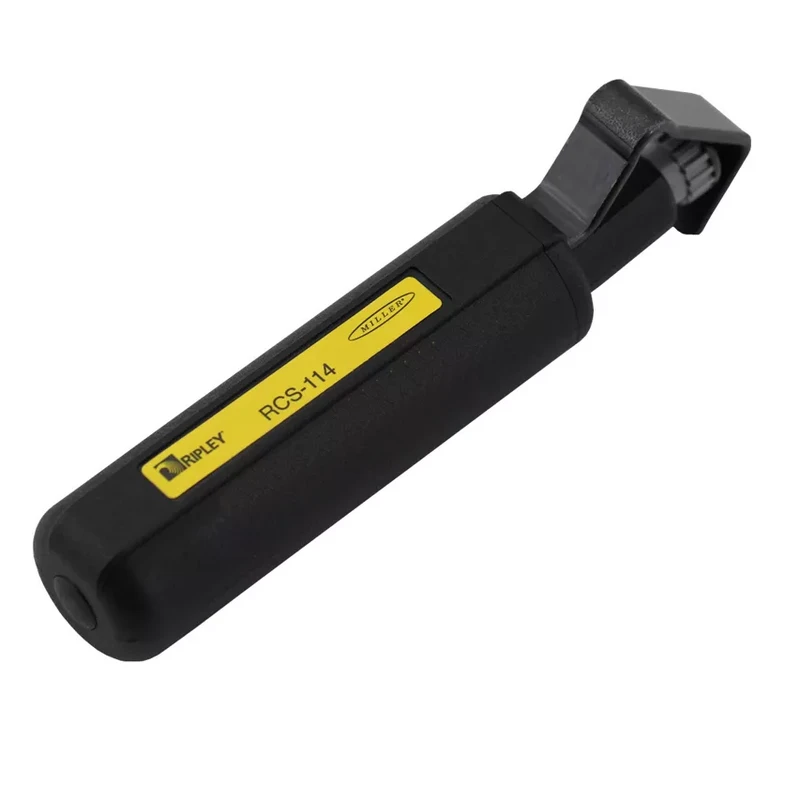
- Completeness and case. A kit such as FOKIT allows you to immediately get a cleaver, stripper, stripping tool, and consumables in a single case — this is more convenient for field crews than assembling a set separately.
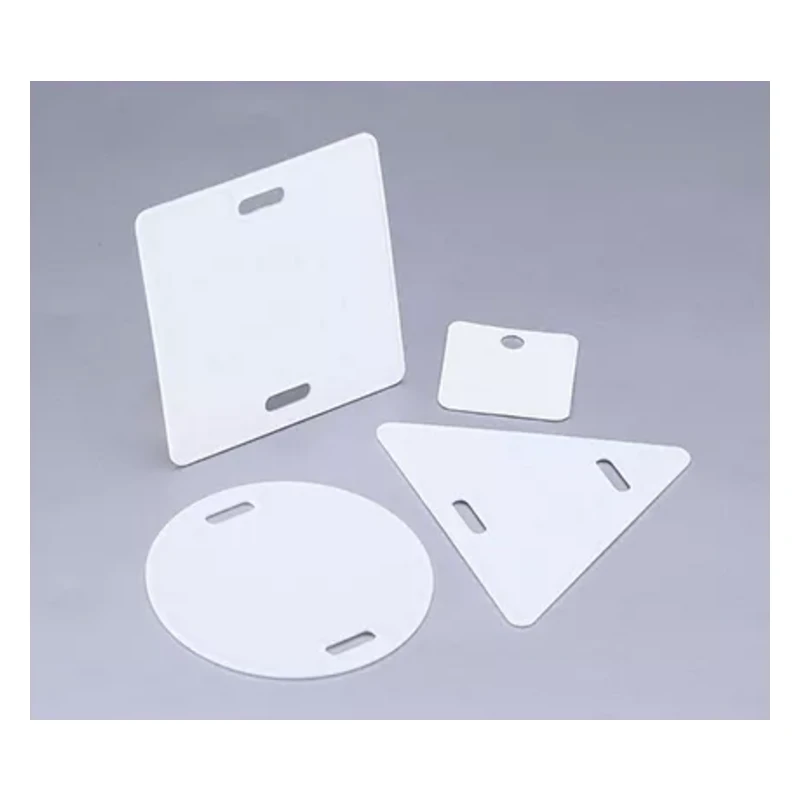
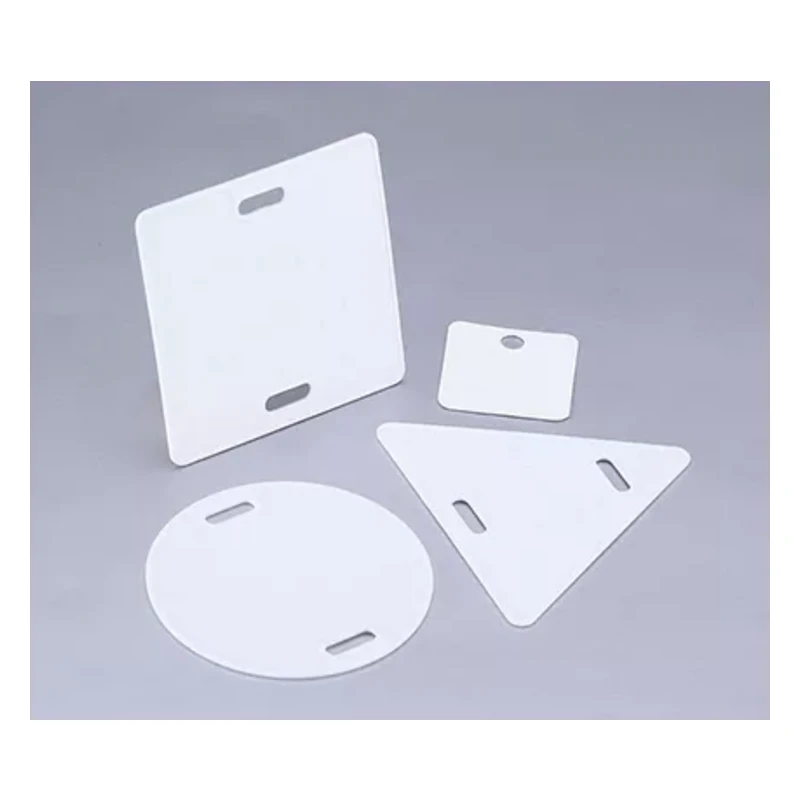
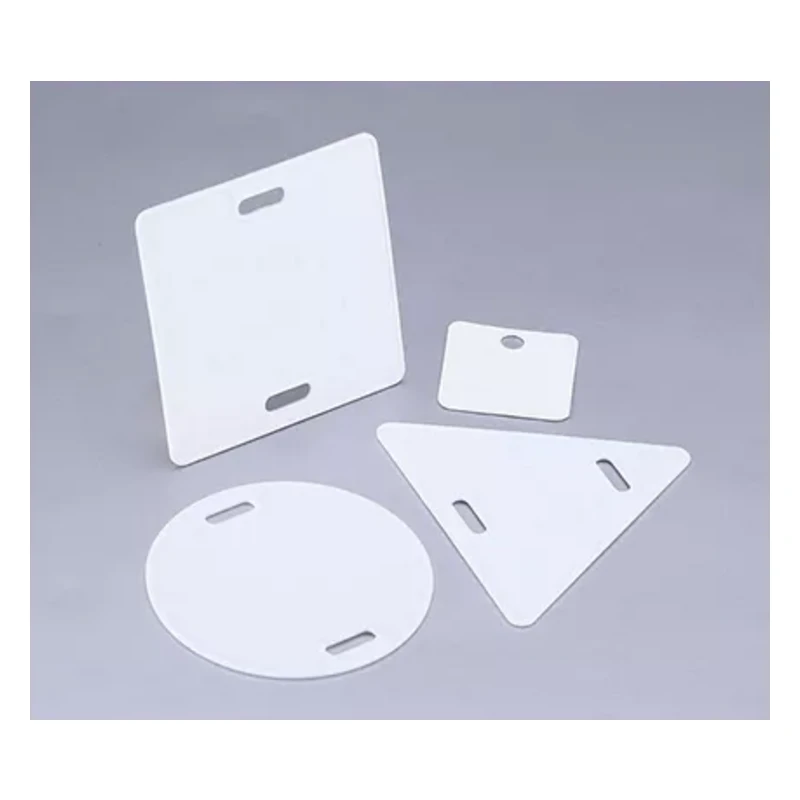
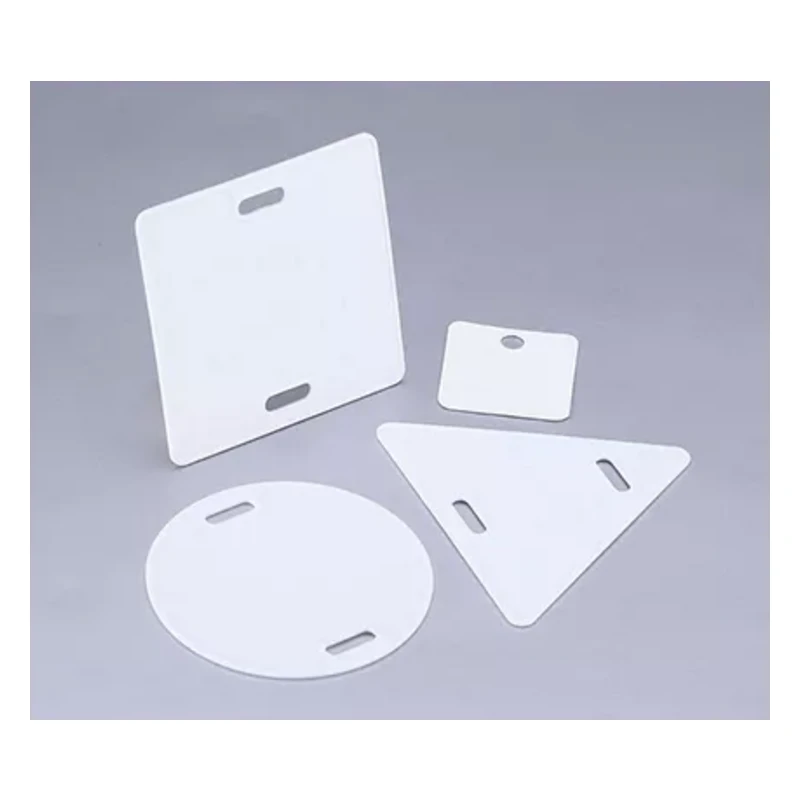
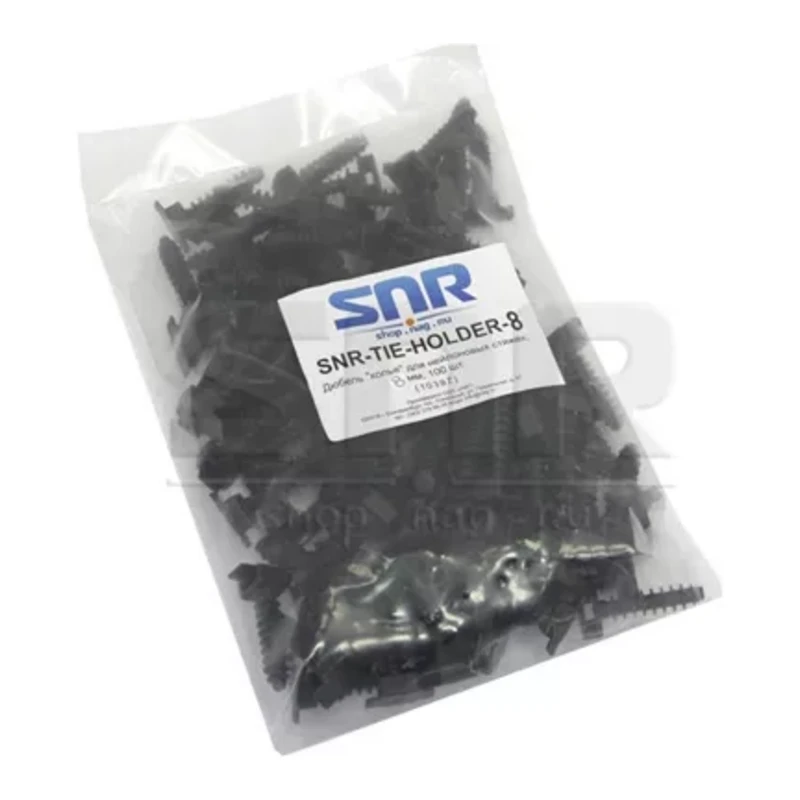
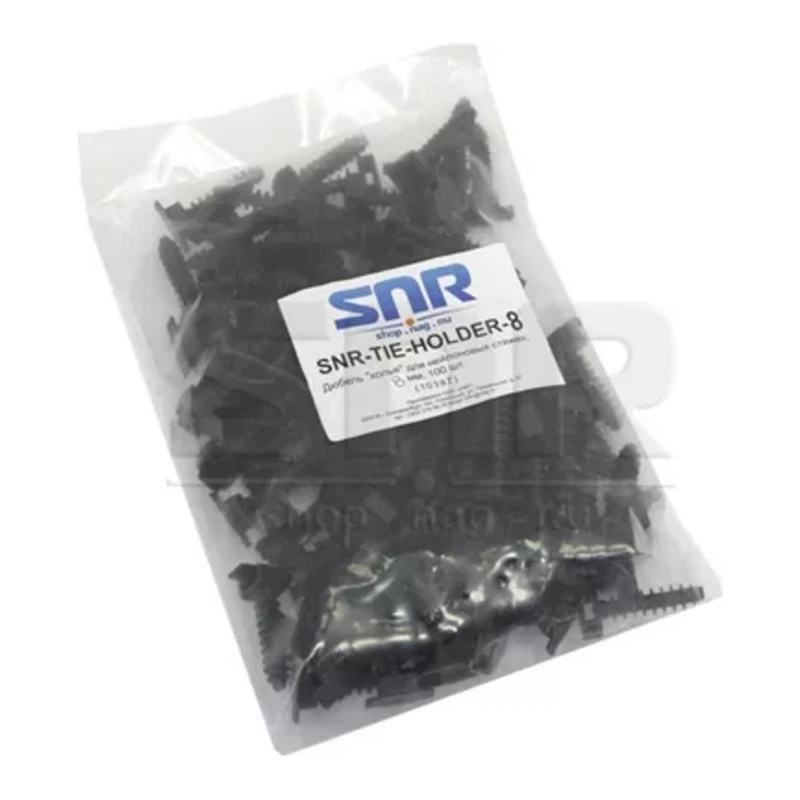
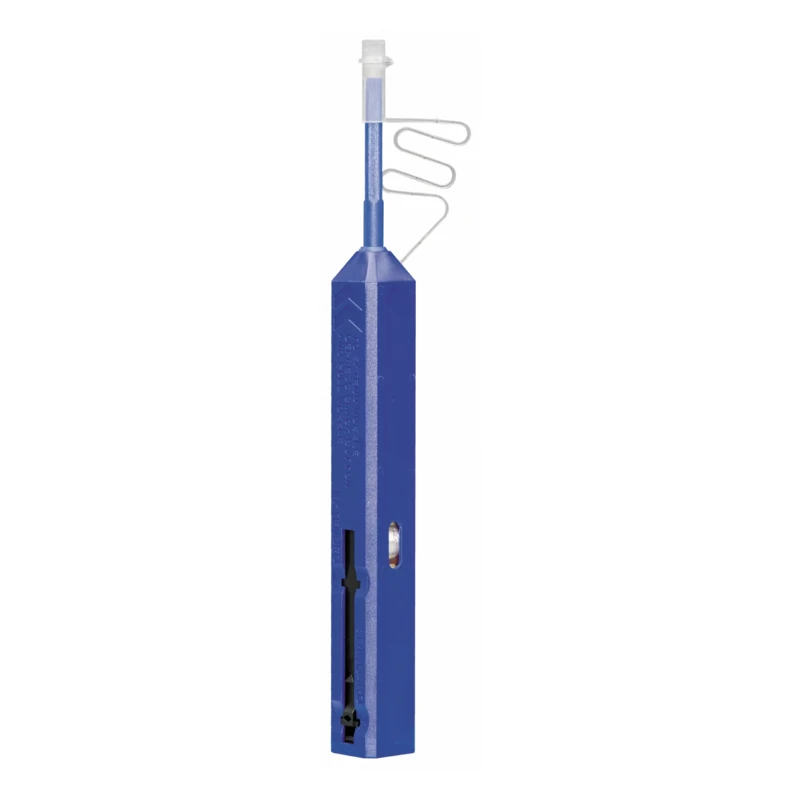
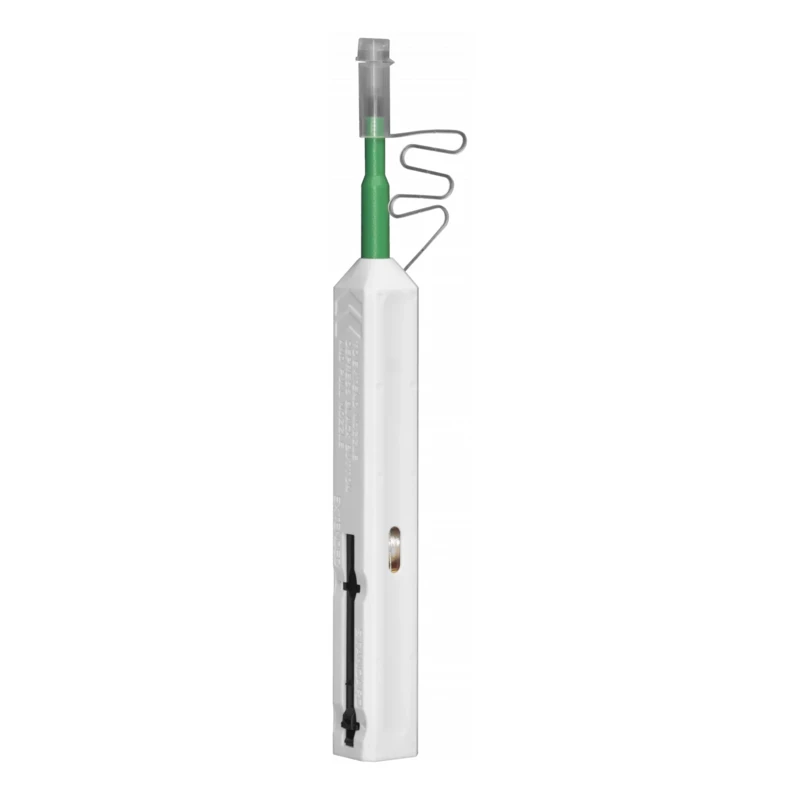
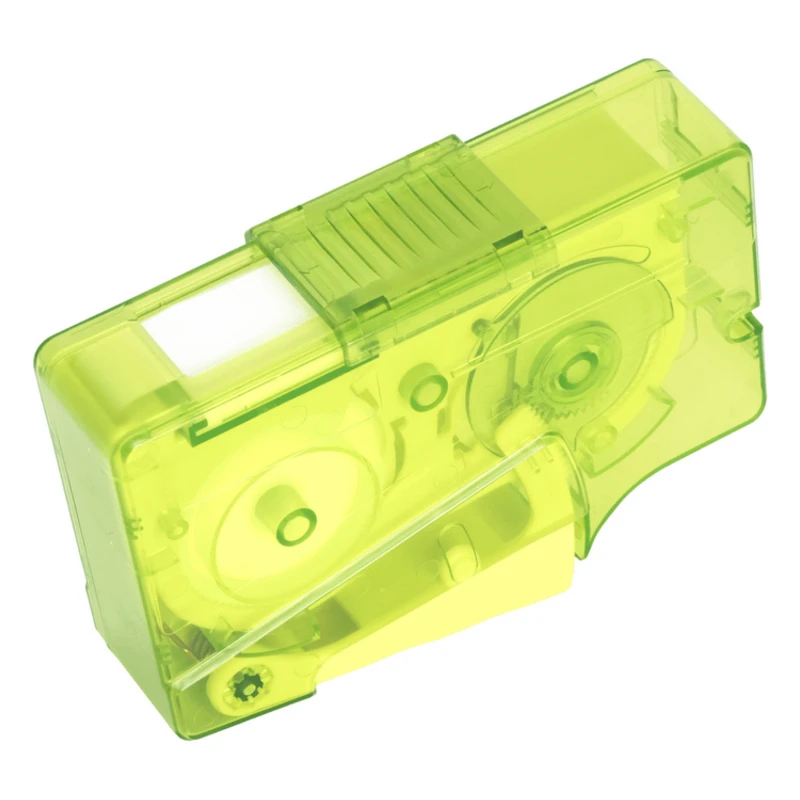
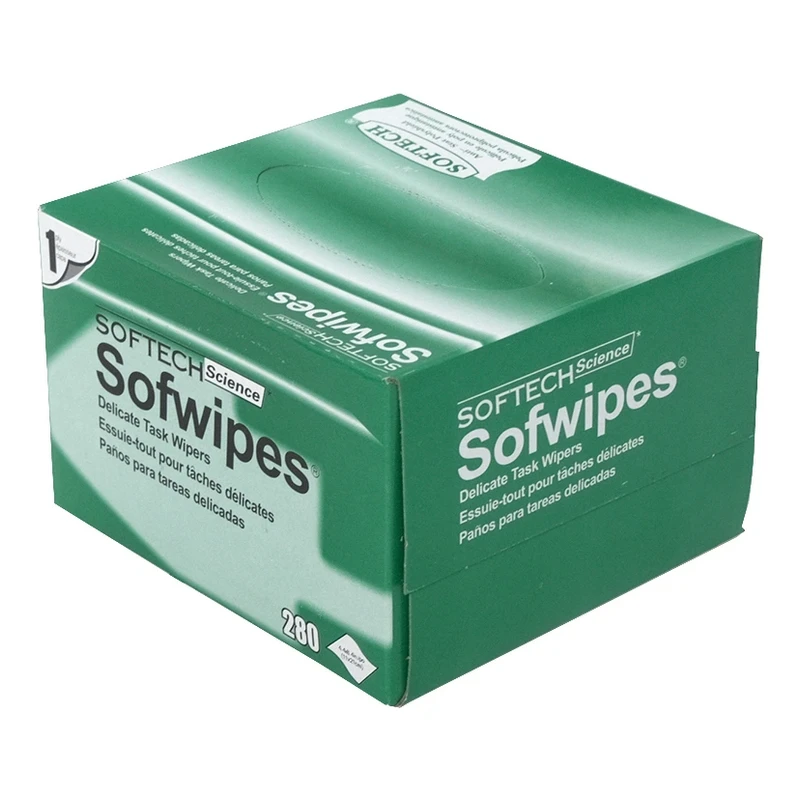
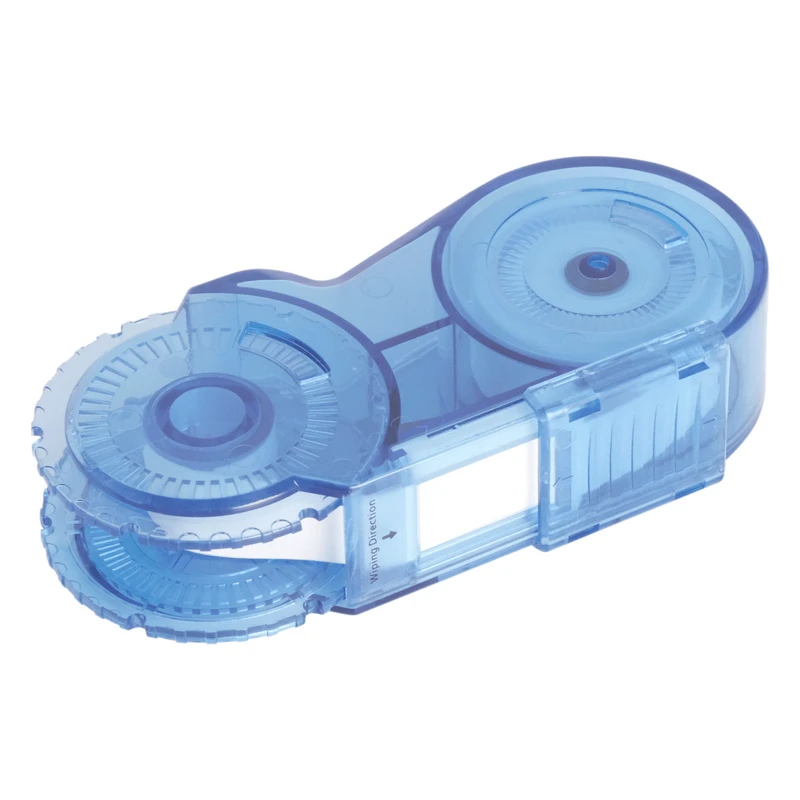
- Consumables and marking. High-purity isopropyl alcohol for cleaning end faces, boxes for cleaning connectors, cable tags, and self-adhesive markers — all of this is small consumable material that runs out faster than it seems. A reserve for the site should be planned in advance.
Applications
- Telecommunication and corporate networks. Construction and maintenance of horizontal and trunk segments of structured cabling systems at enterprises, office centers, and shopping complexes.
- Video surveillance systems at extended sites. Transmission of video signal and data over optics along perimeters, roads, at airports, and in industrial zones where copper cable does not provide the required range.
- Provider and operator networks. Construction of GPON, FTTH, and trunk communication channels by internet providers across Uzbekistan — from Tashkent to regional nodes.
- Security facilities and low-voltage systems. Integration of optics into access control, security alarm, and voice communication systems where galvanic isolation or resistance to electromagnetic interference is required.
- Repair and diagnostics of existing FOCL. Searching for breaks and degraded splices using an OTDR, restorative splicing at the sites of operating organizations.
Brands and models in the catalog
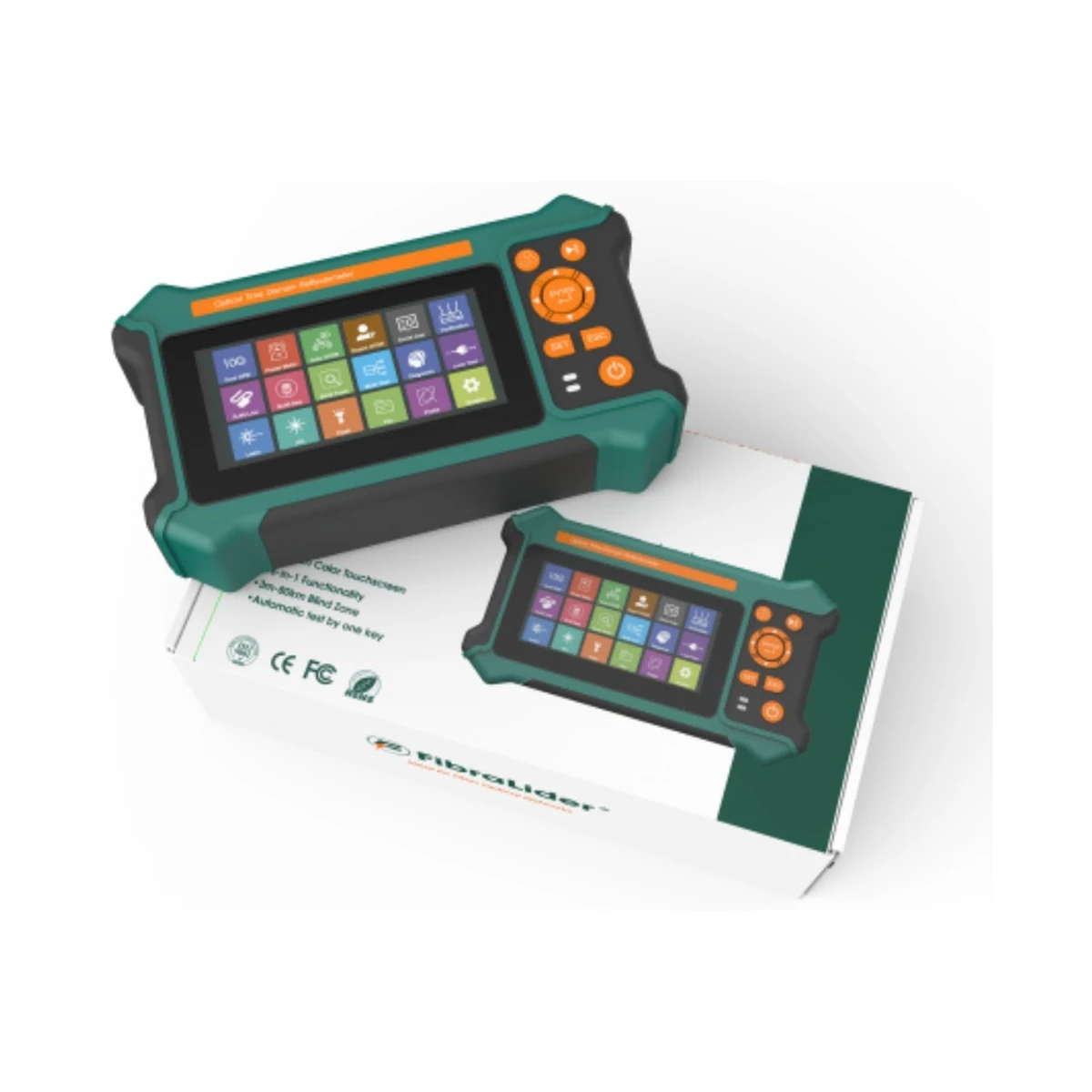
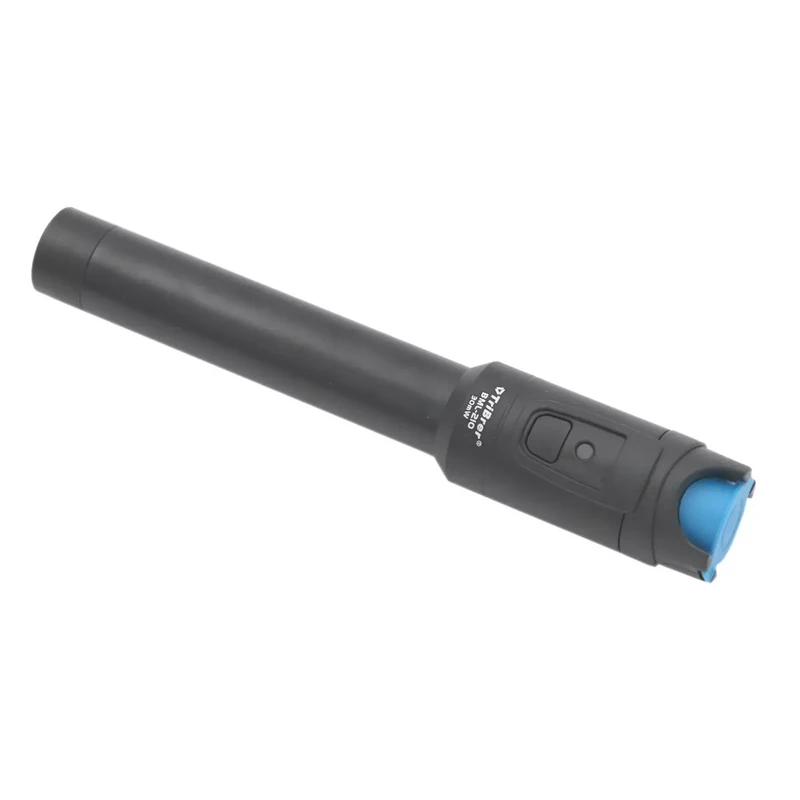
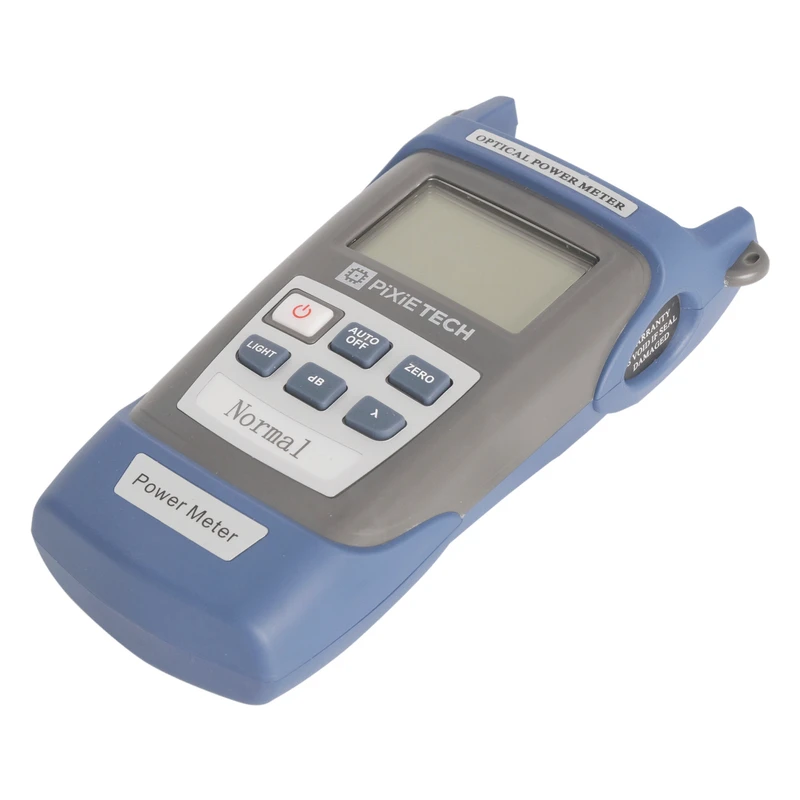
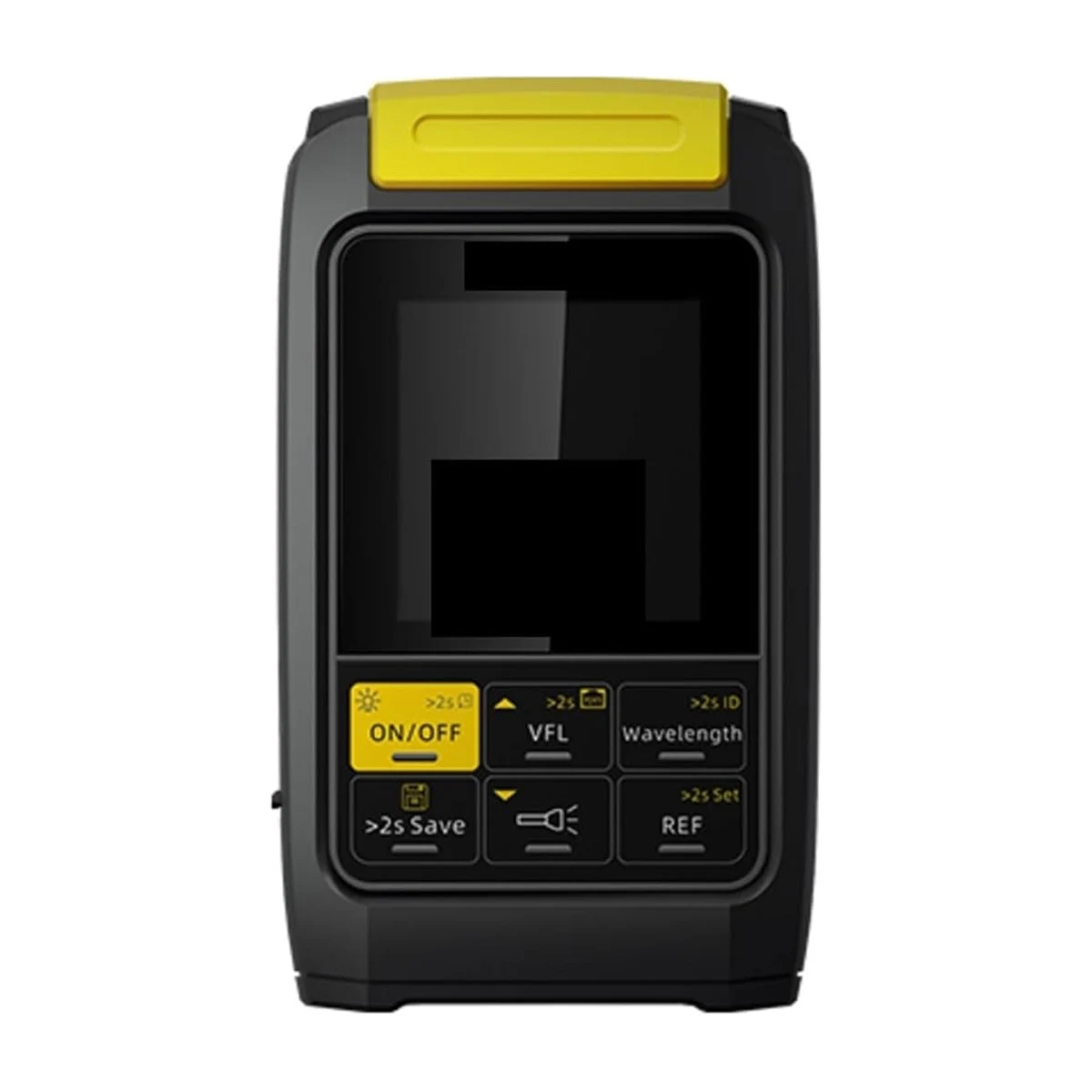
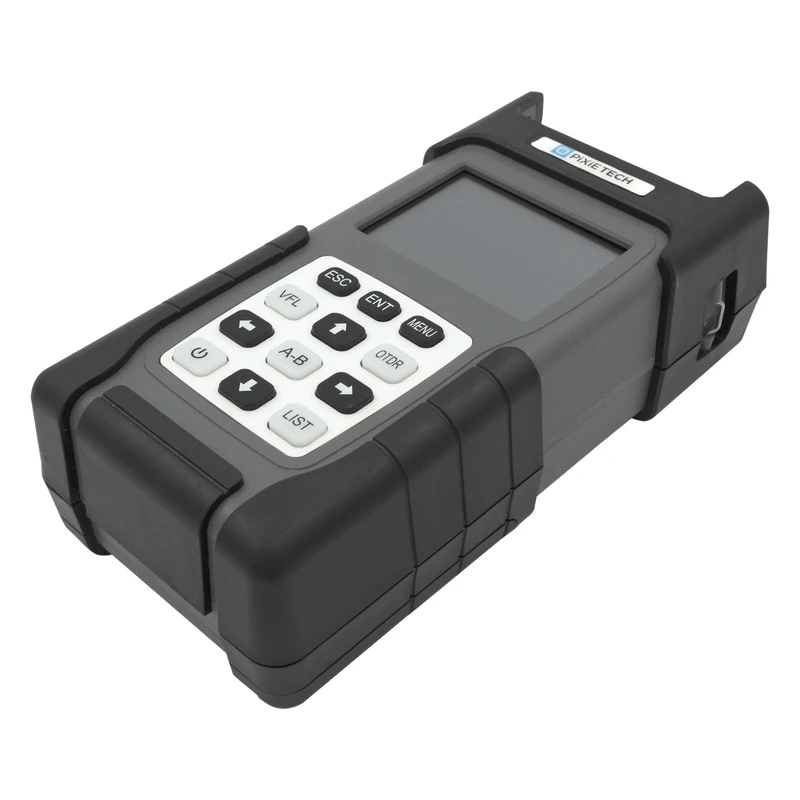
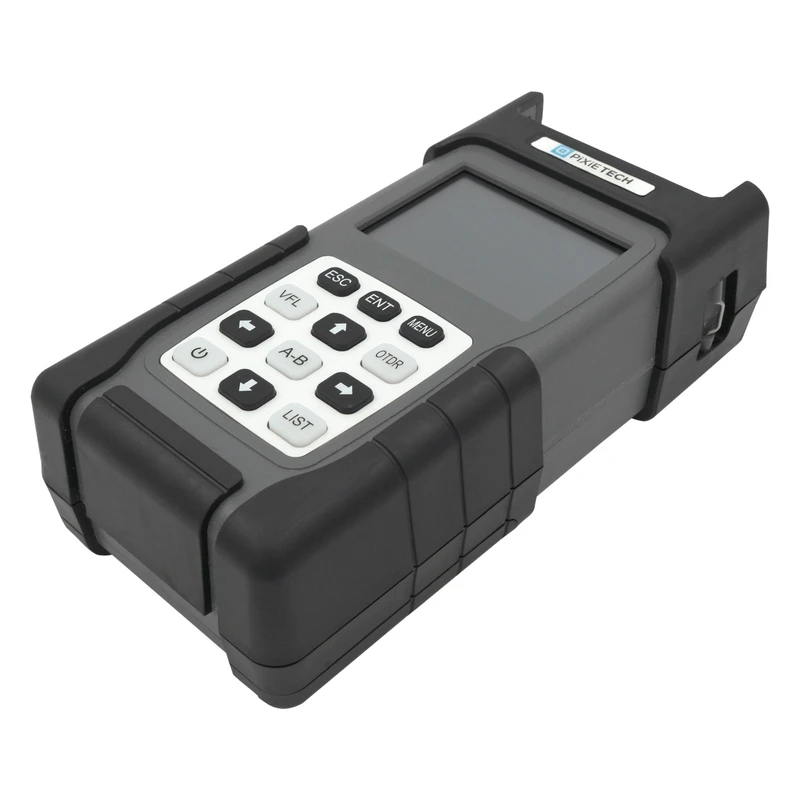
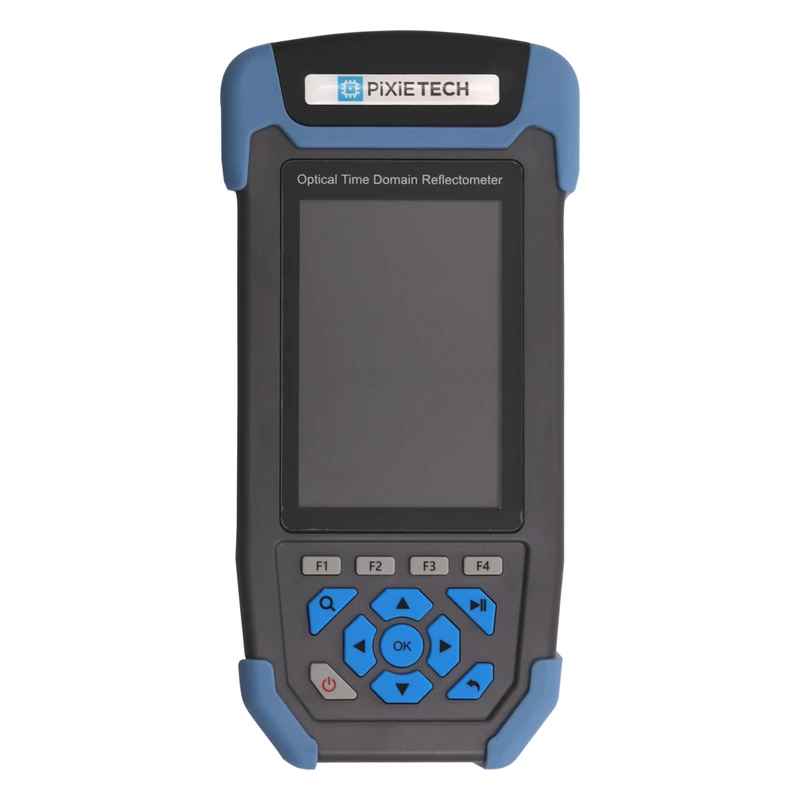
- Pixietech — the main line of tools and consumables in the catalog. It includes the PXT-FC-S09 and PXT-FC-6S cleavers with different blade lifespans, the PXT-OTDR-01 reflectometer (1310/1550 nm ranges, maximum range 30/28 dB, with a built-in visual VFL locator), the PXT-FOKIT-1 installer kits, the PXT-FCP-BOX optical connector cleaner, high-purity isopropyl alcohol, cable tags of various formats, and markers. The line covers the needs of an installation crew from cable preparation to final marking.
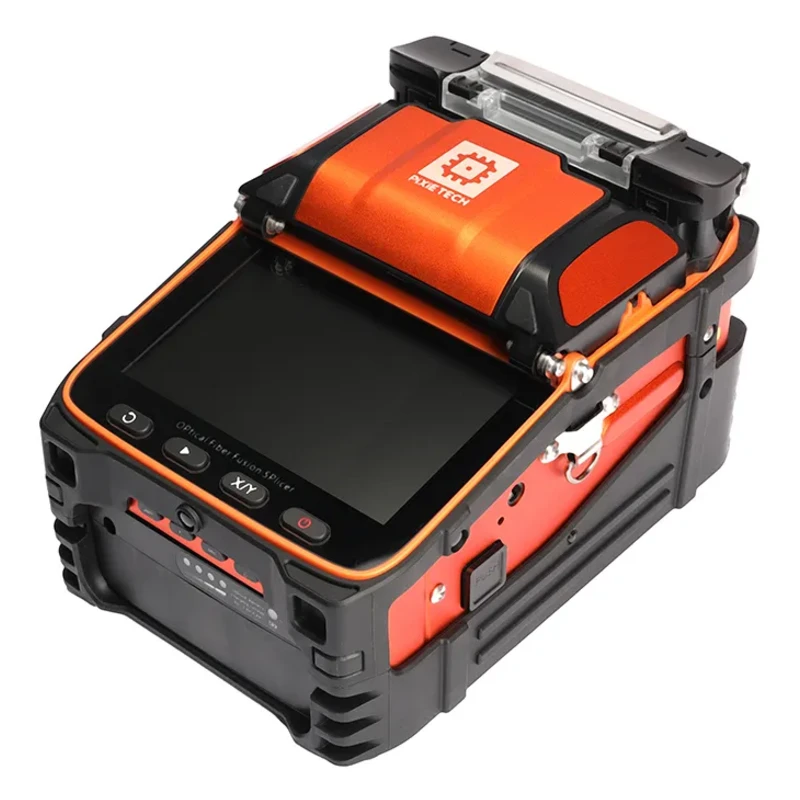
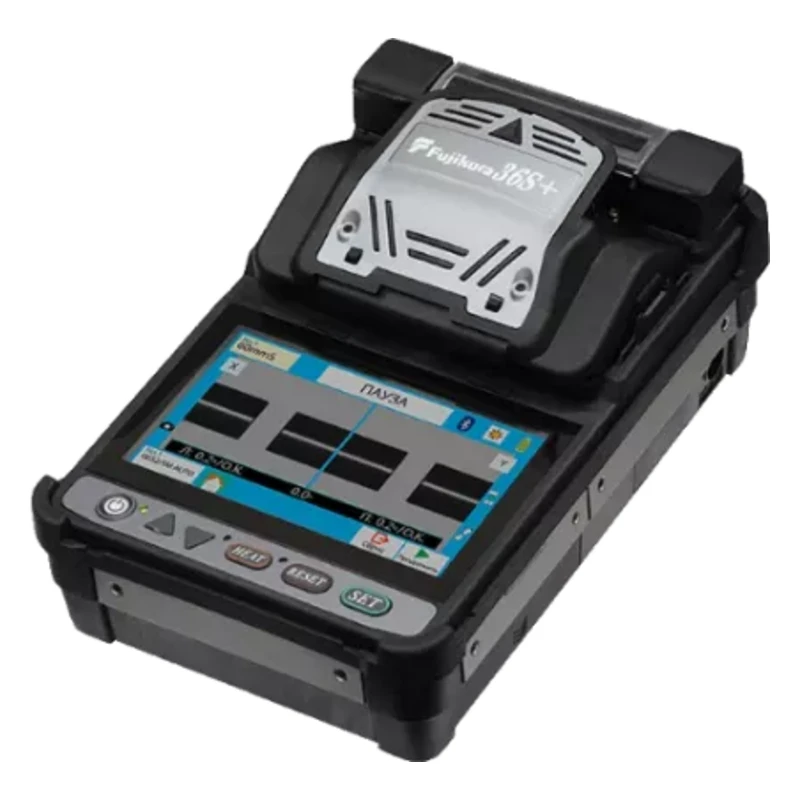
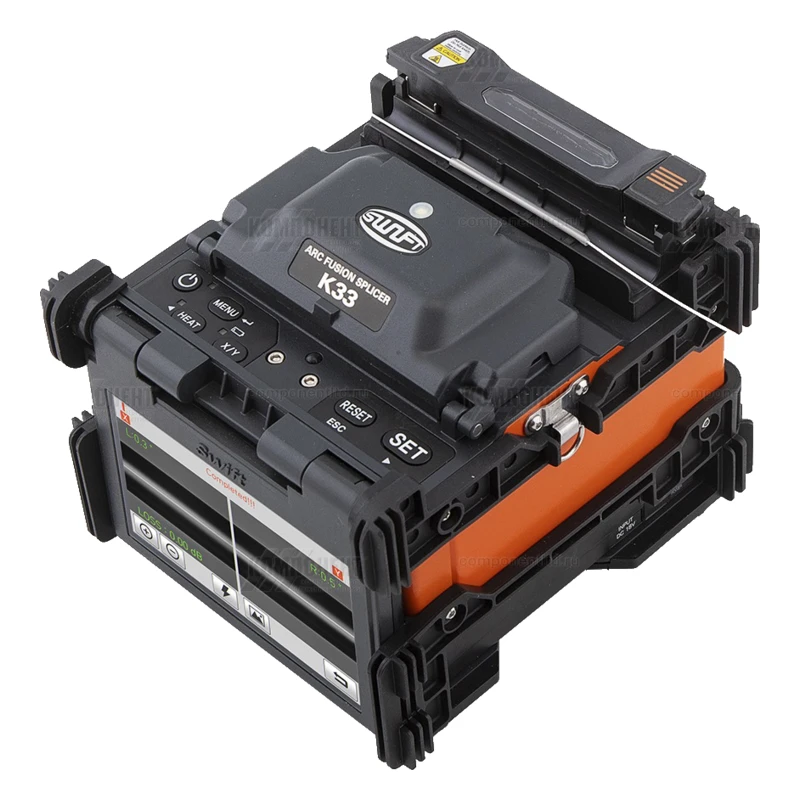
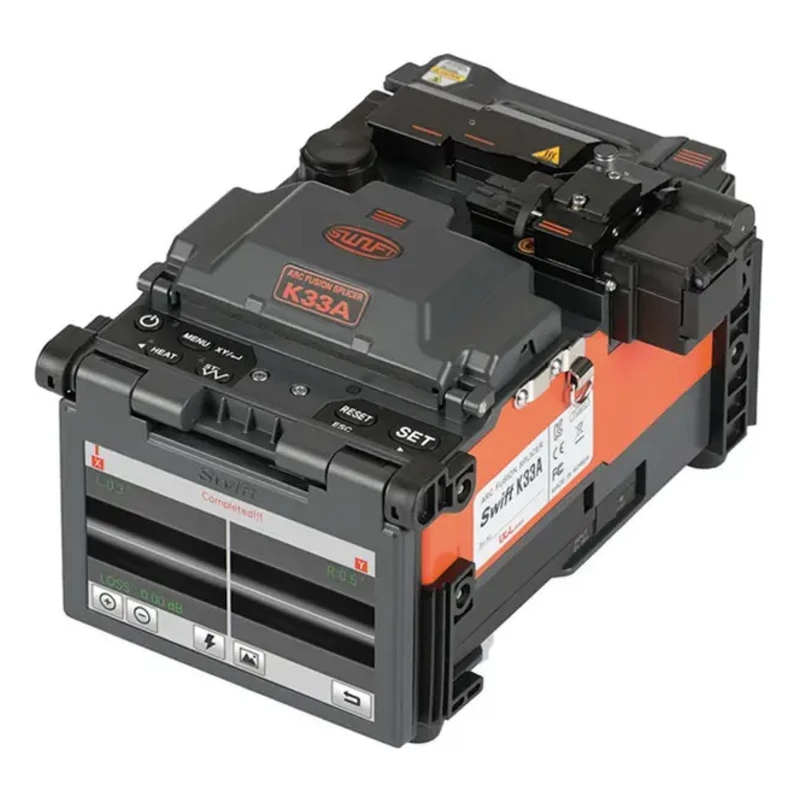
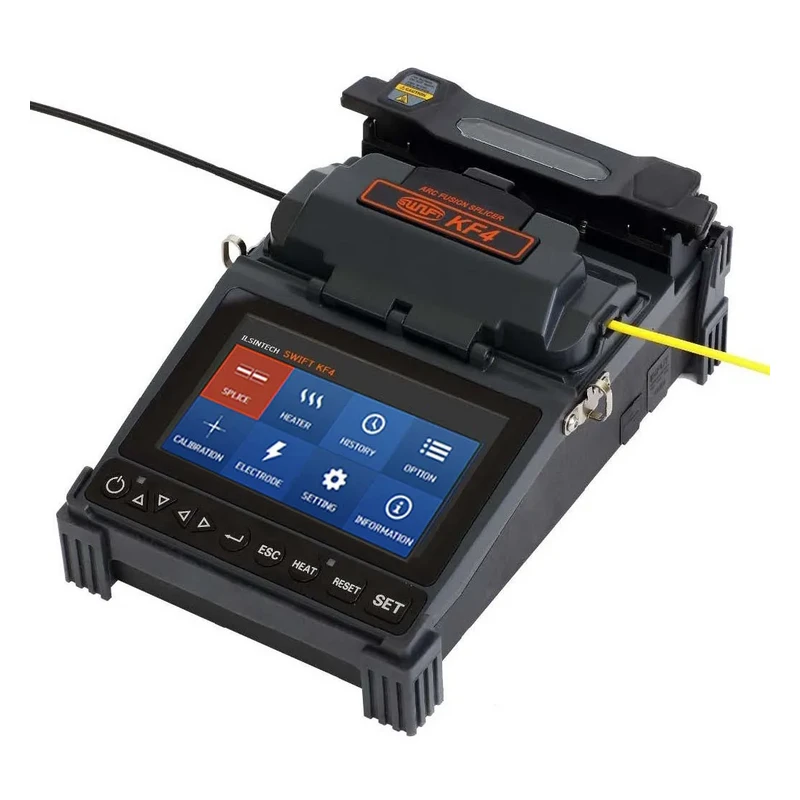
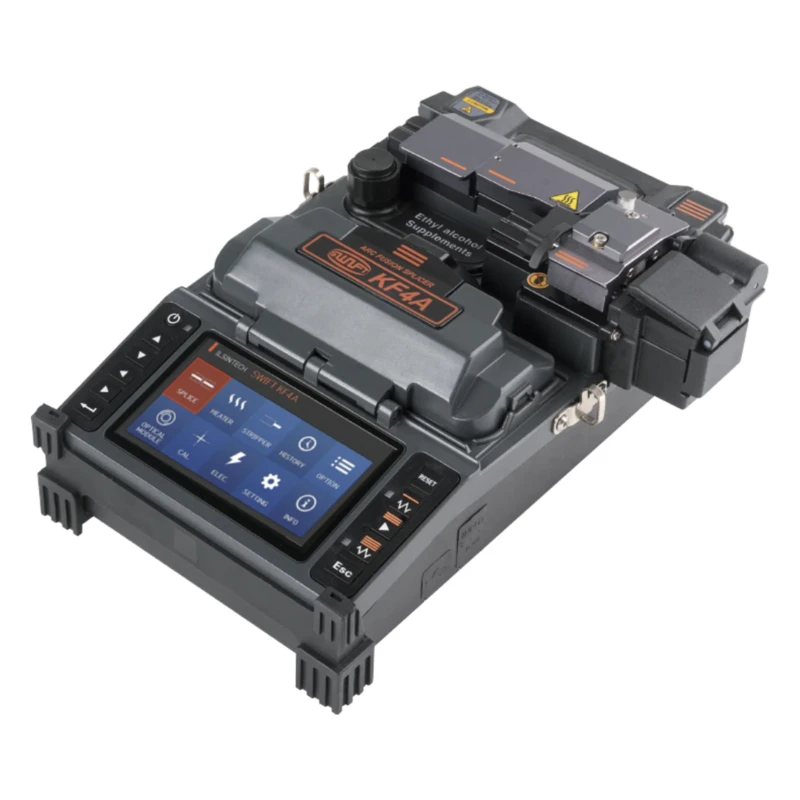
- Fujikura and Ilsintech (as part of Pixietech supplies) — splicers. The catalog features the Fujikura 36S+ KIT A and the Ilsintech SWIFT K33: both devices belong to the class of professional solutions with automatic splicing and loss estimation, used for critical sites.
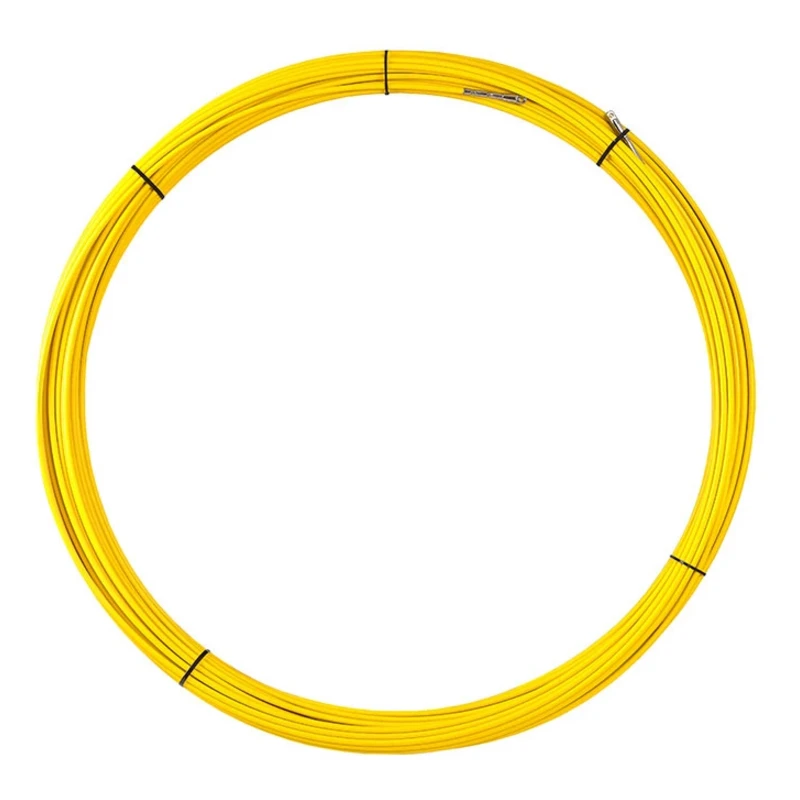
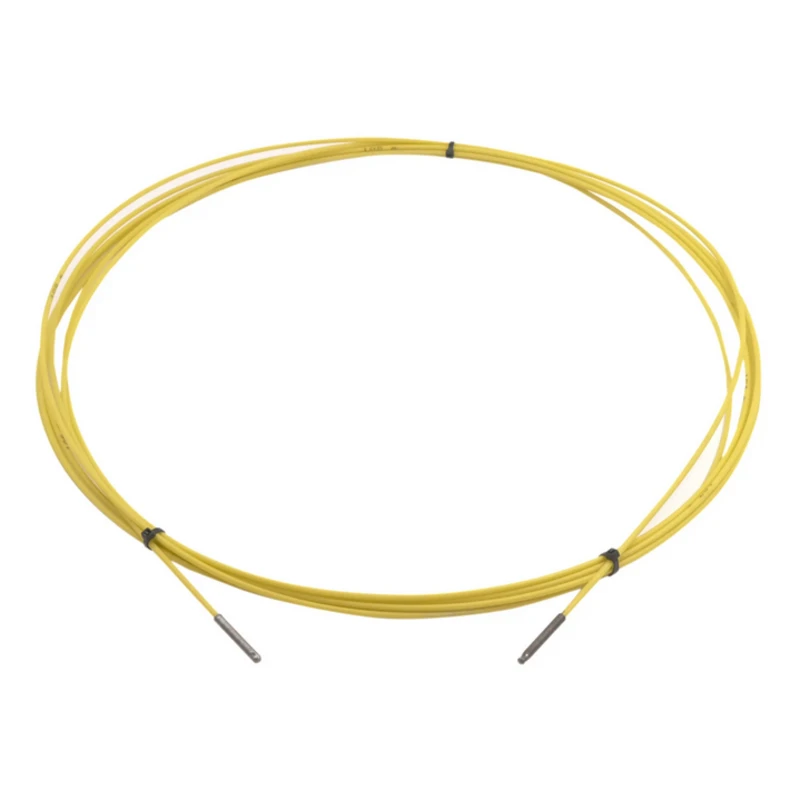
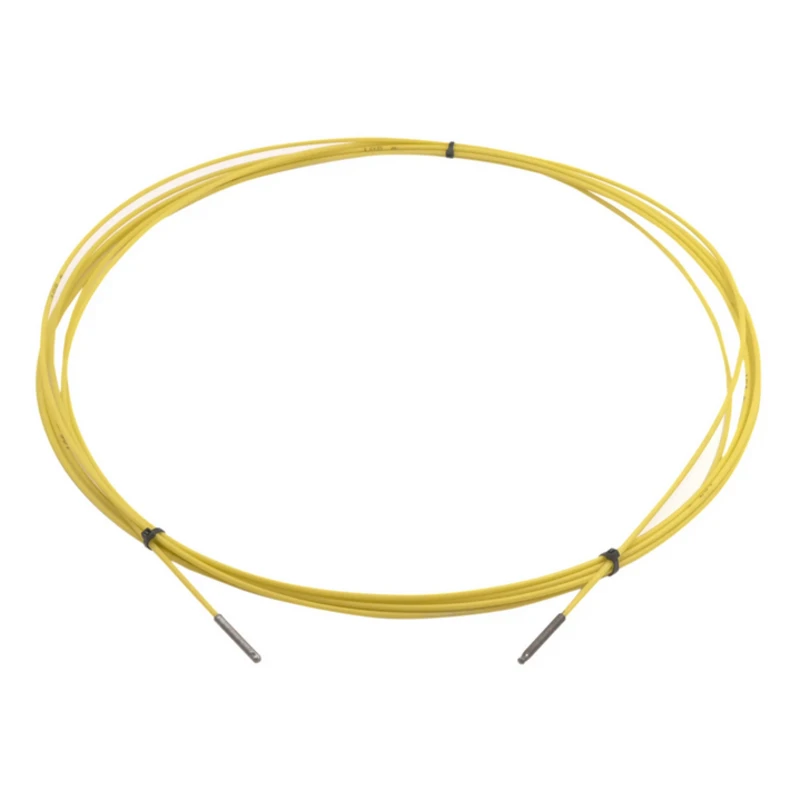
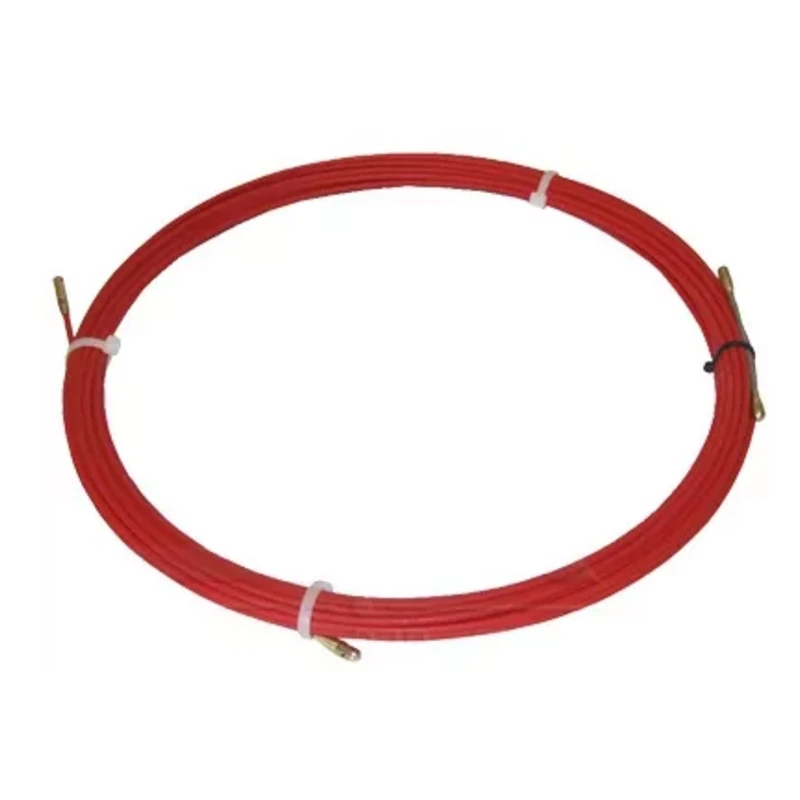
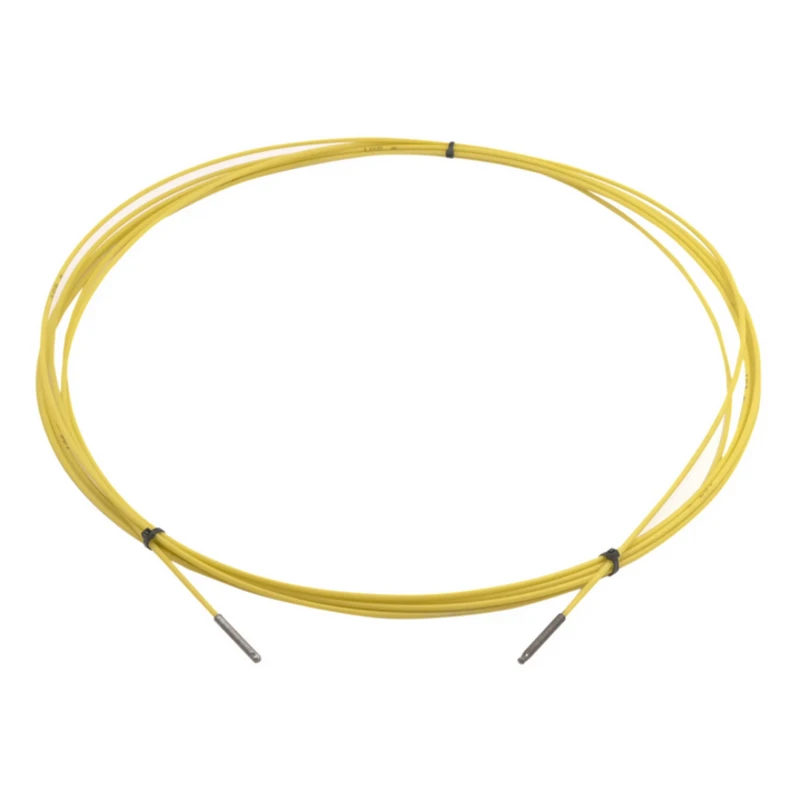
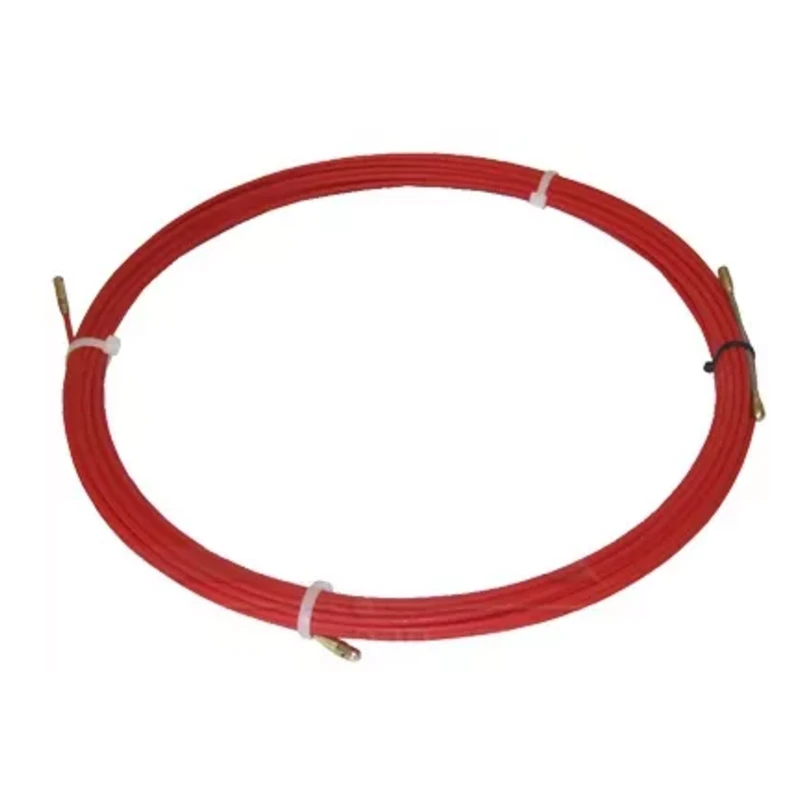
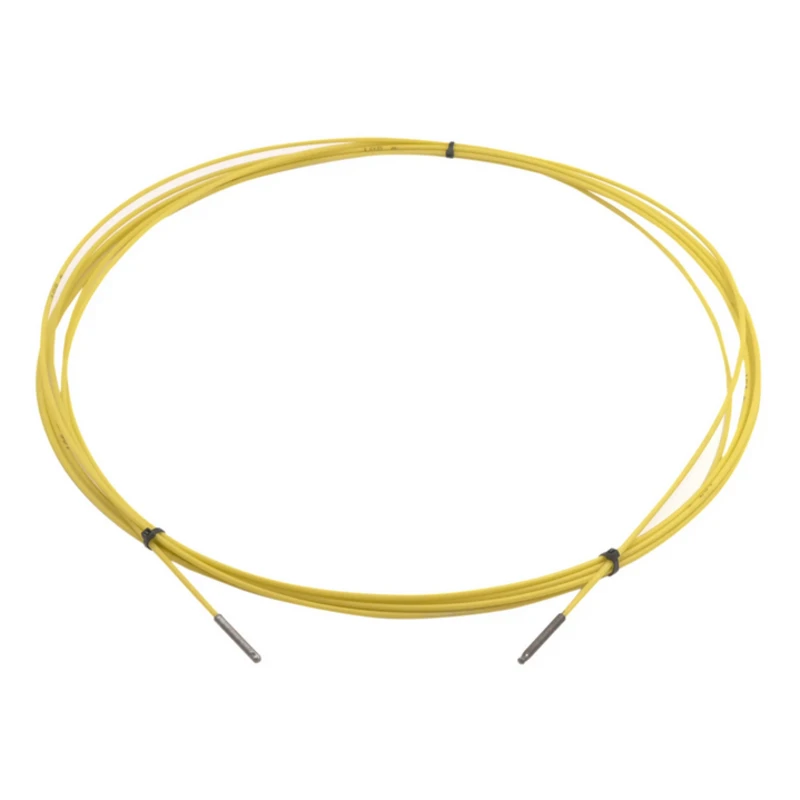
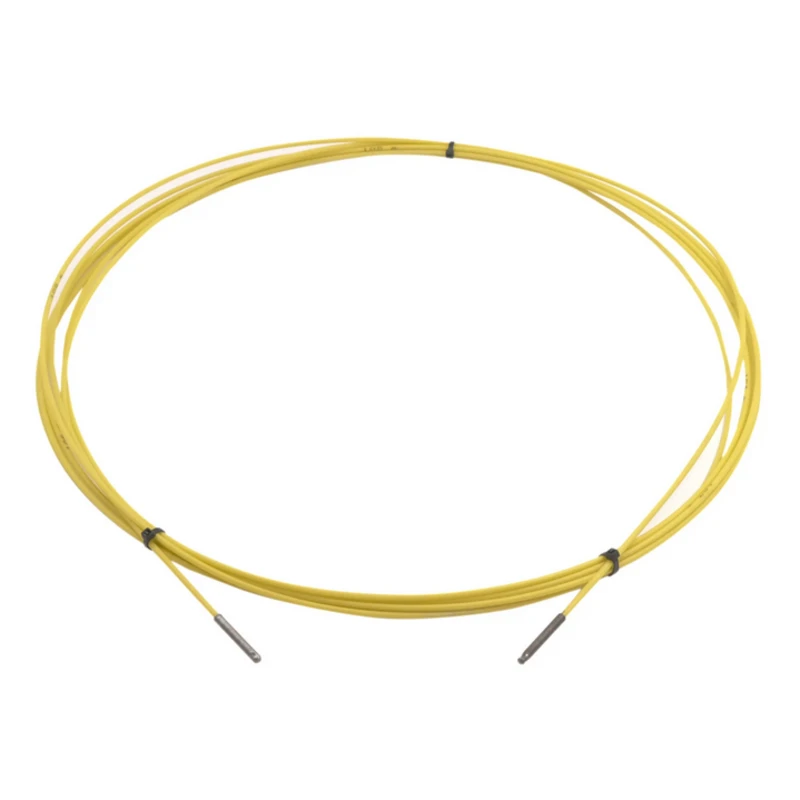
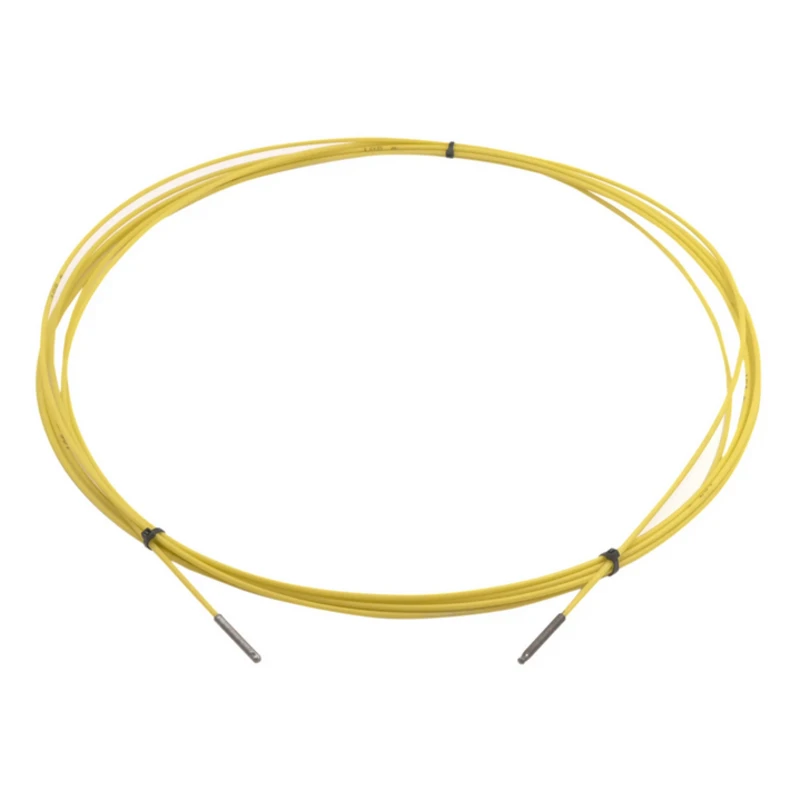
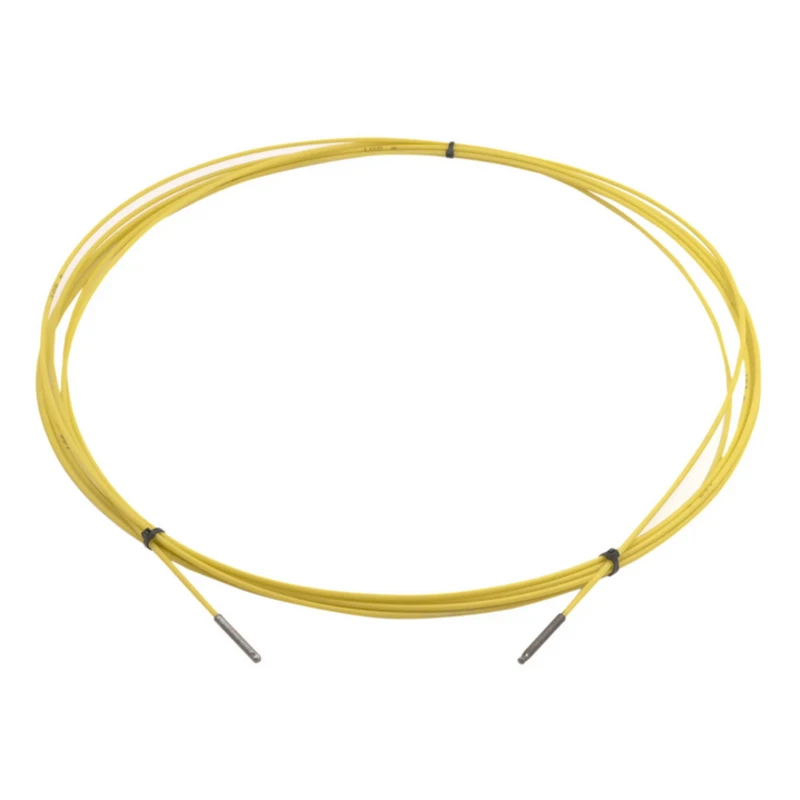
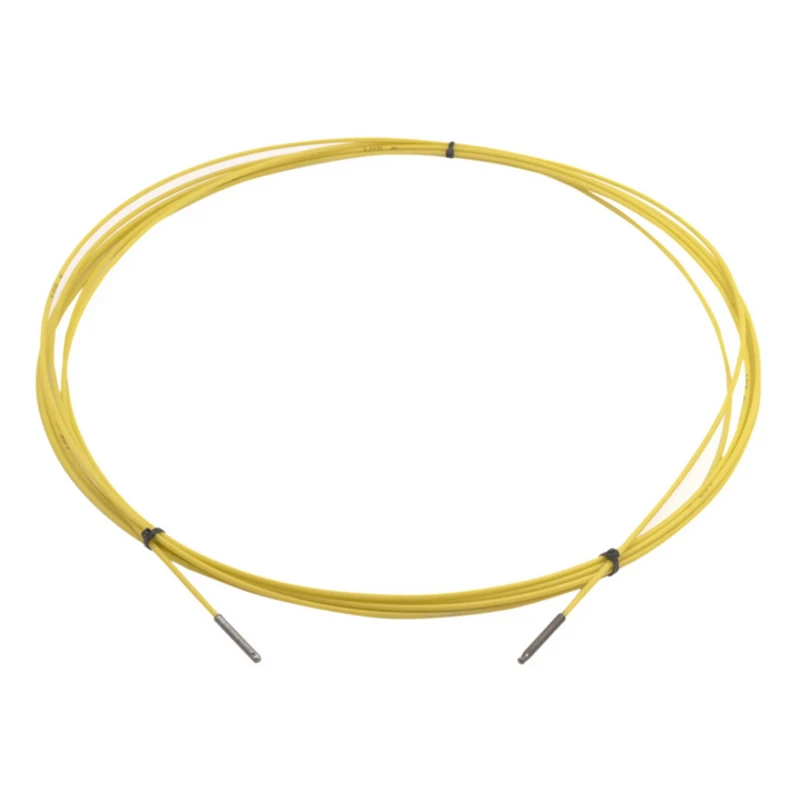
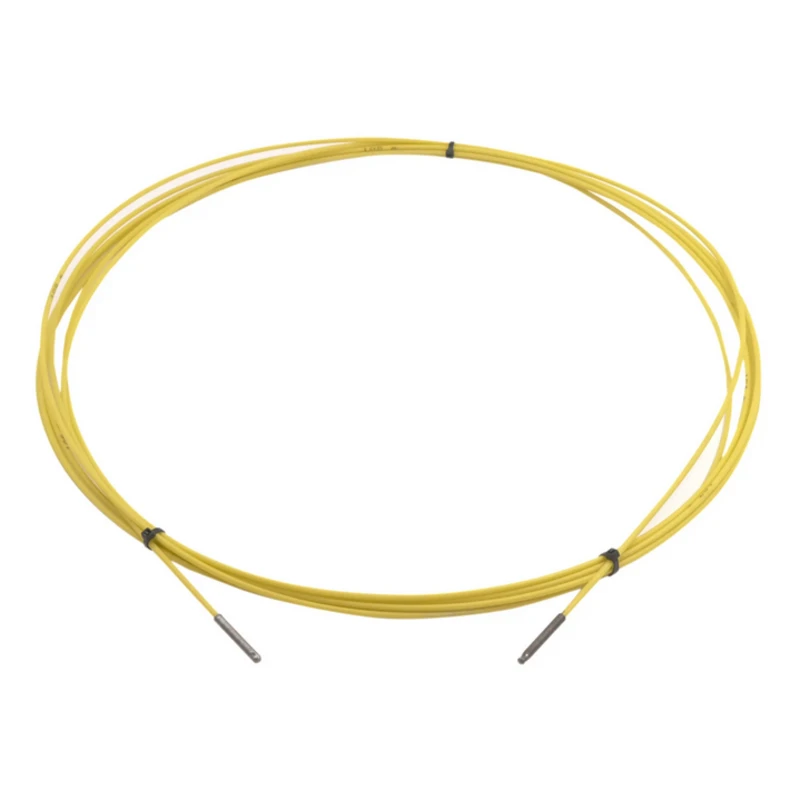
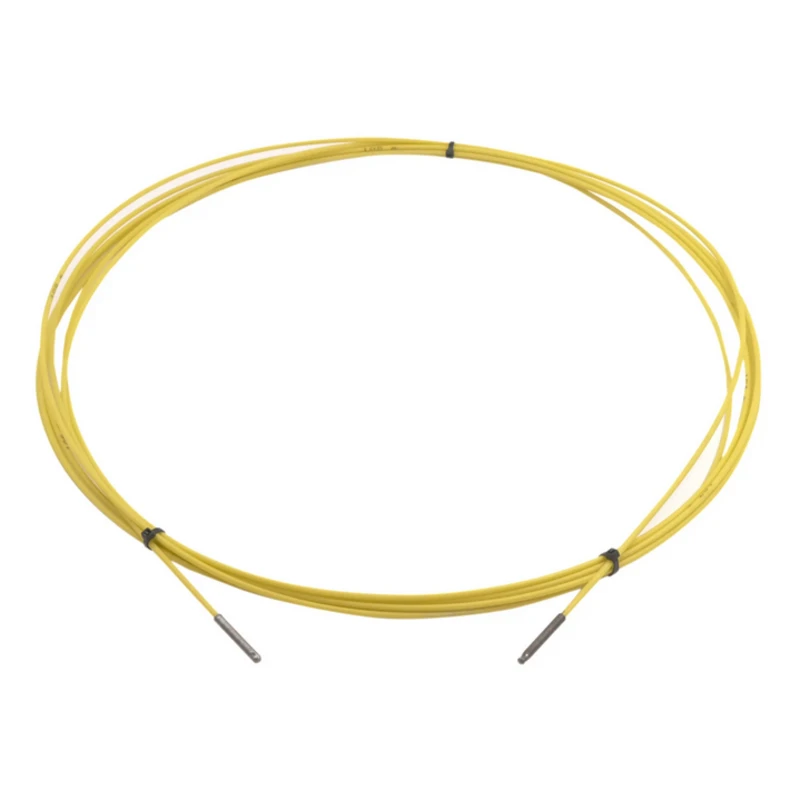
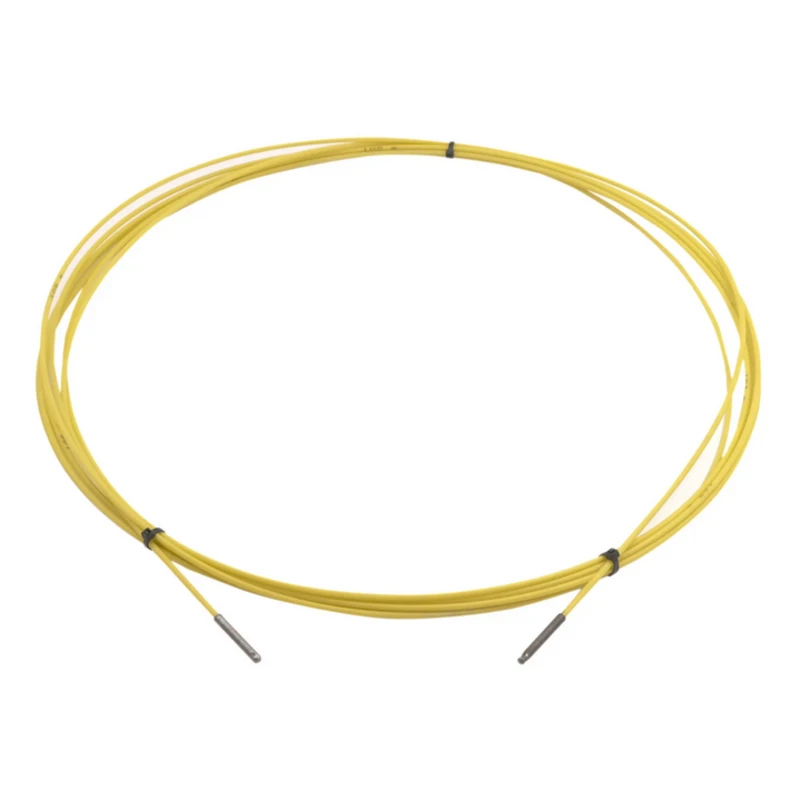
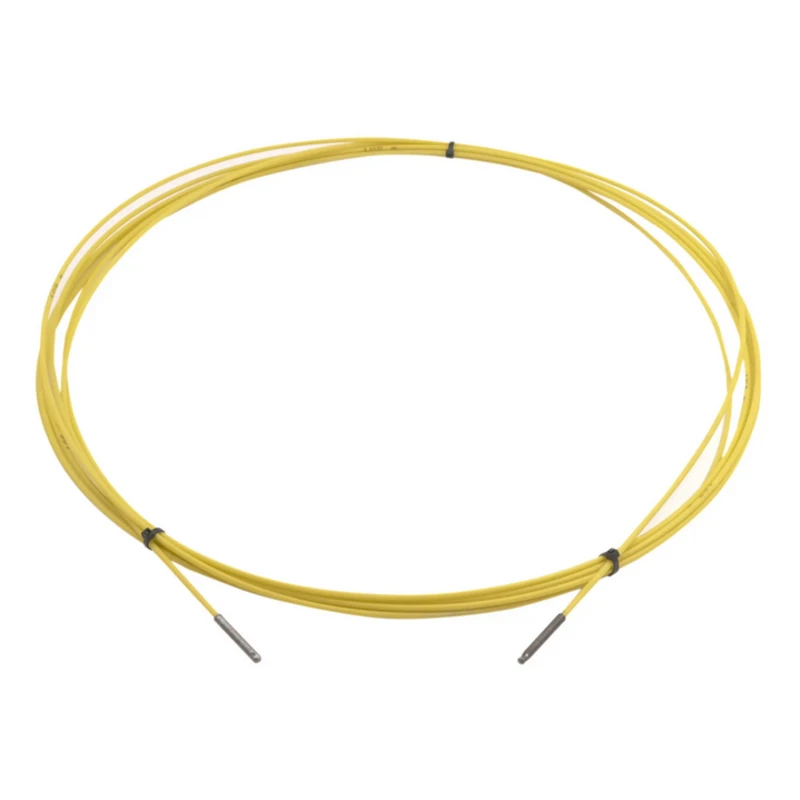
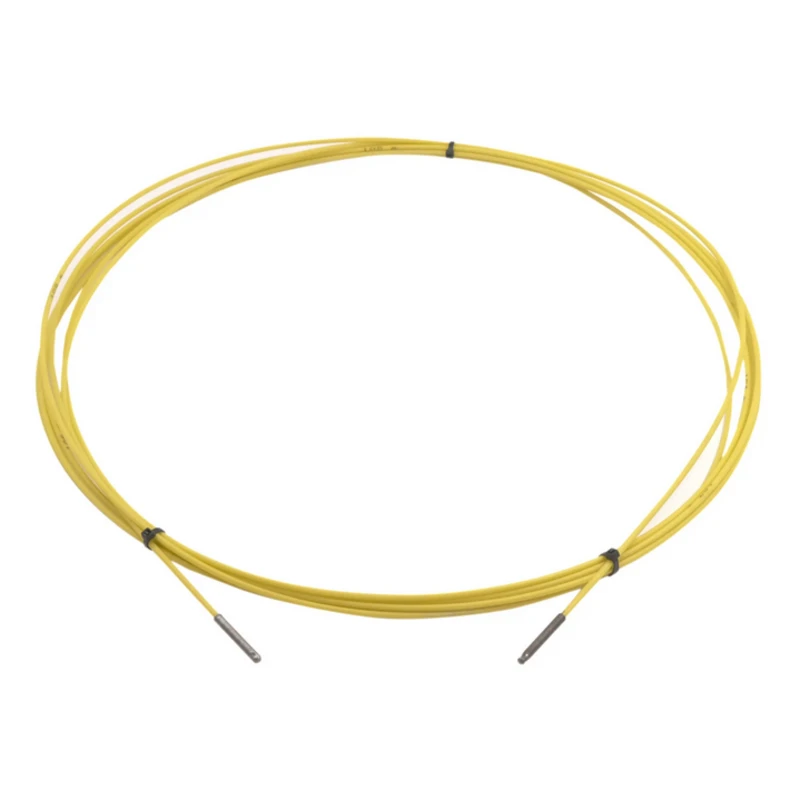
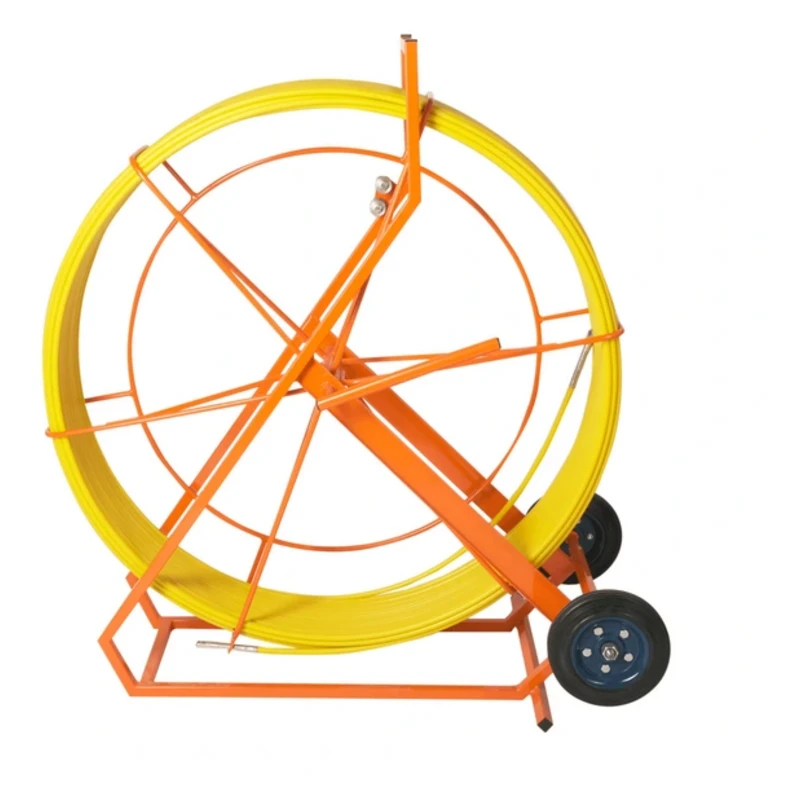
- Cable pulling devices. Fiberglass rods with a diameter of 6 mm in coils 5 m long are a standard tool for pulling cable into ducts and pipes during concealed installation.