Radio bridges
Found: 22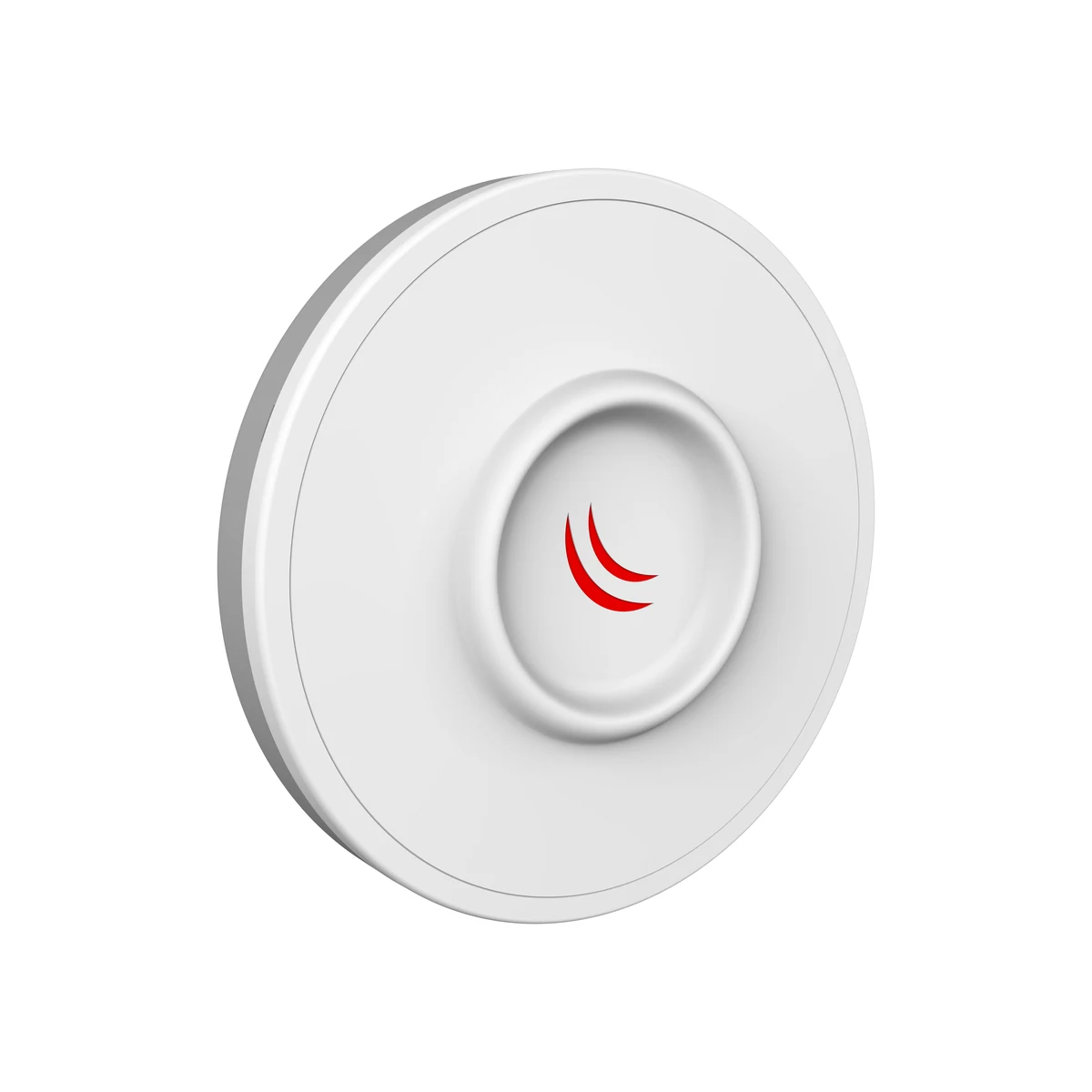
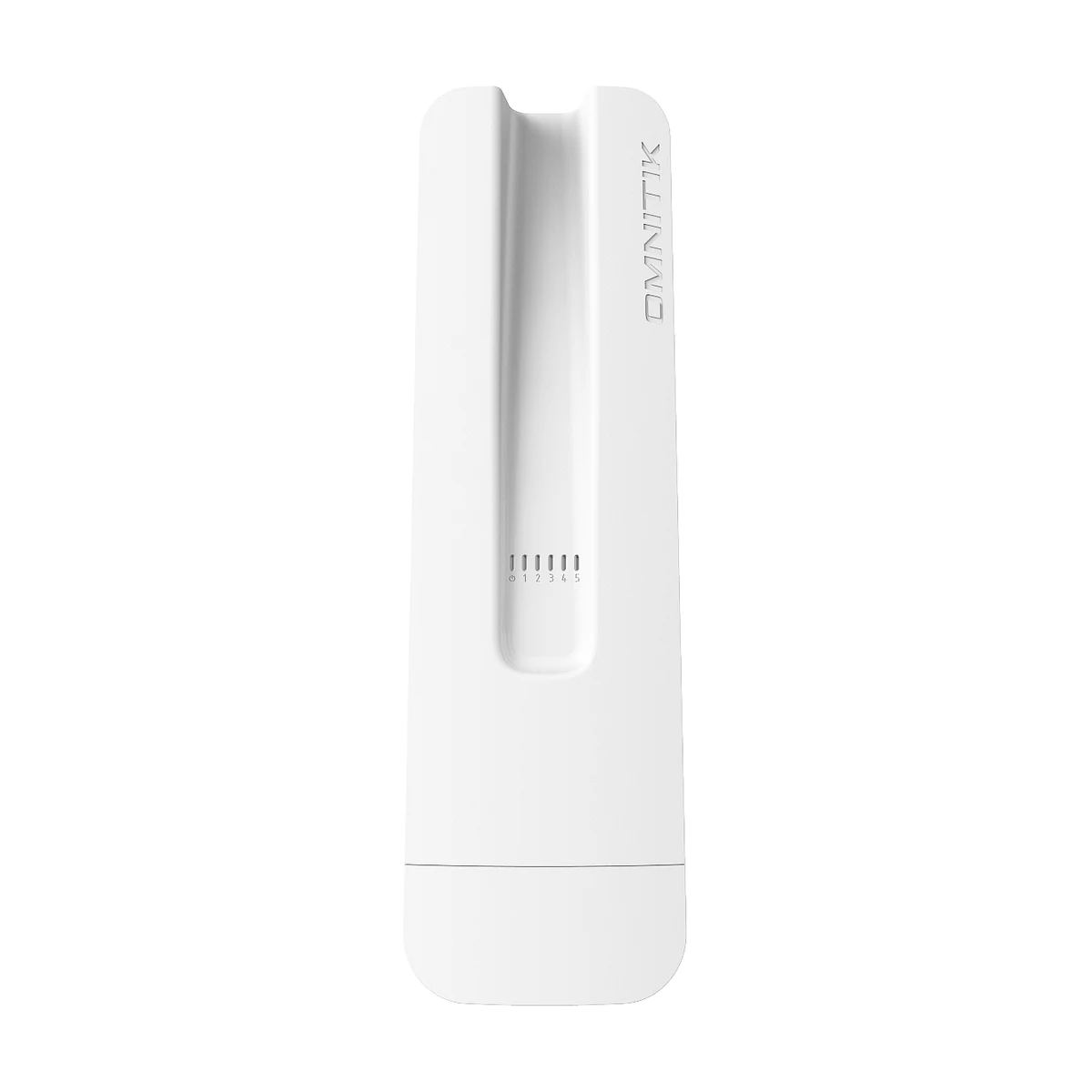
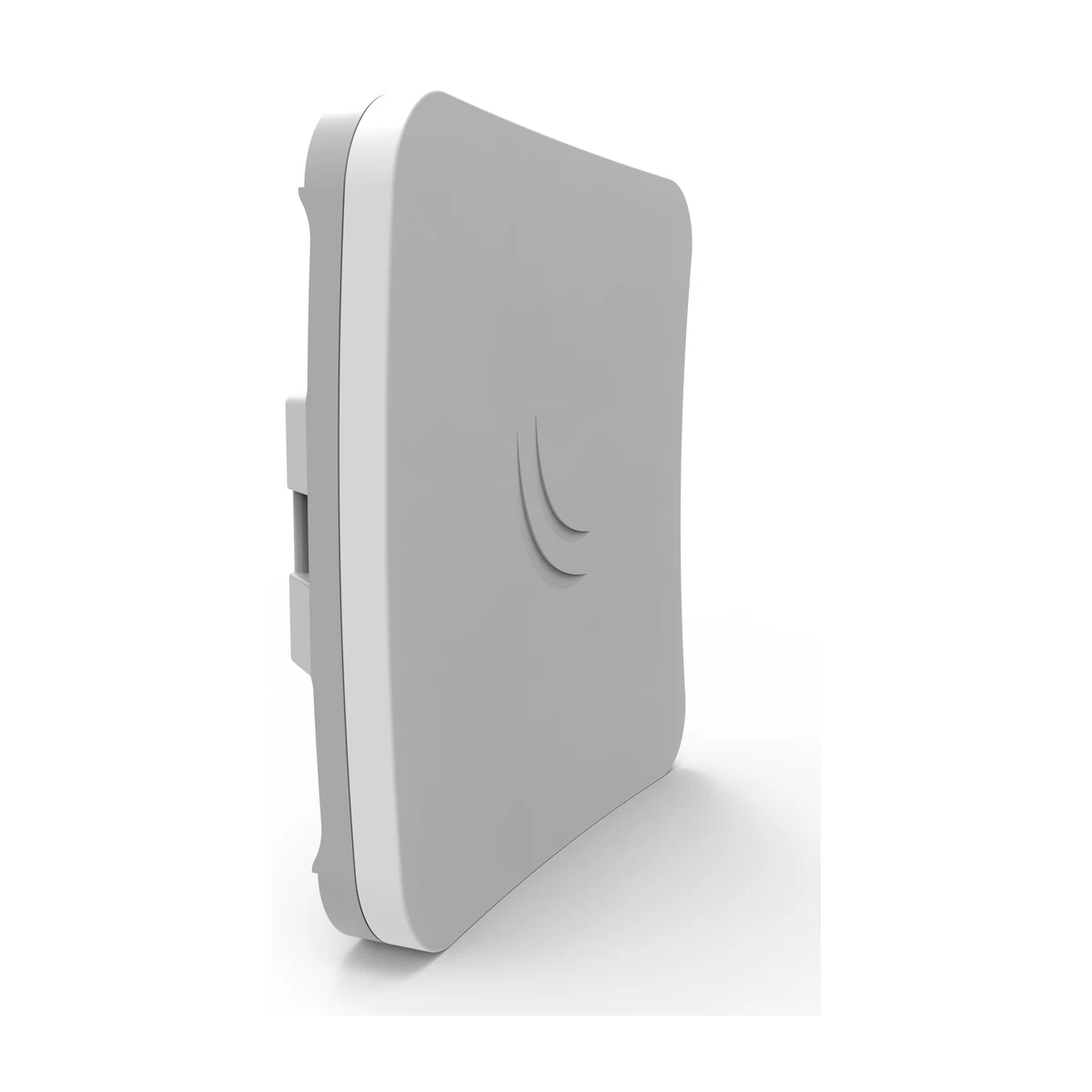
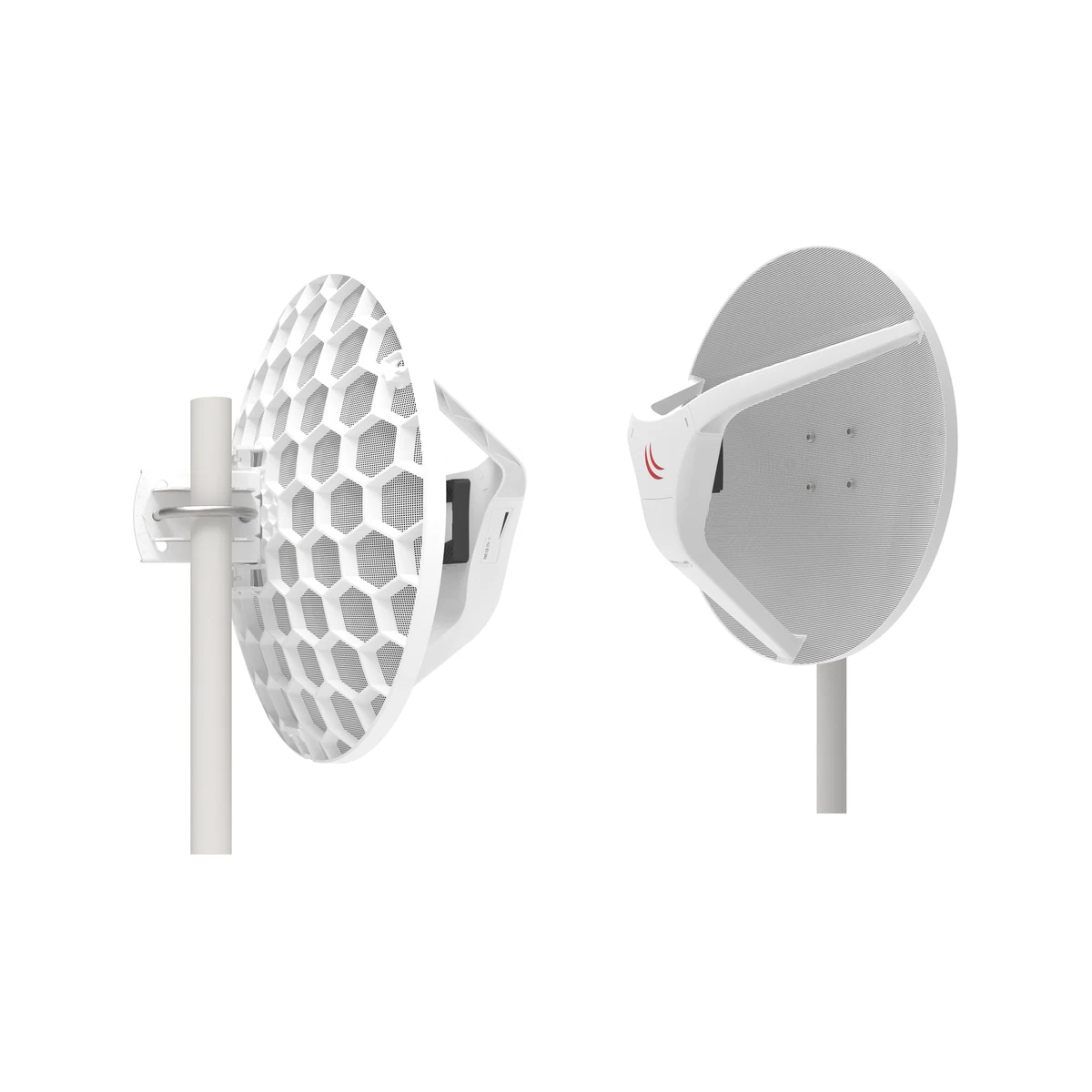
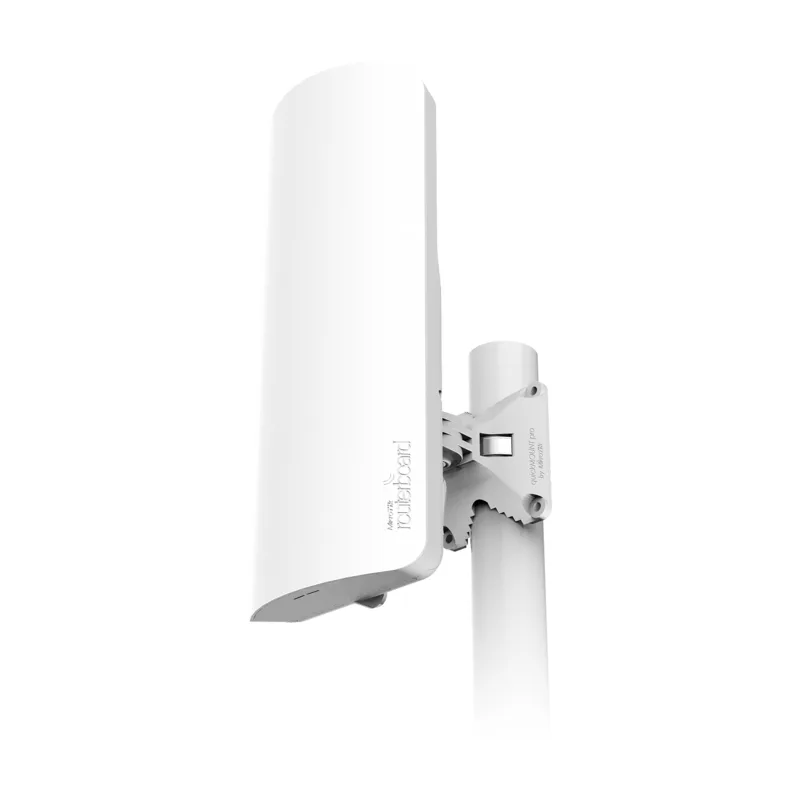
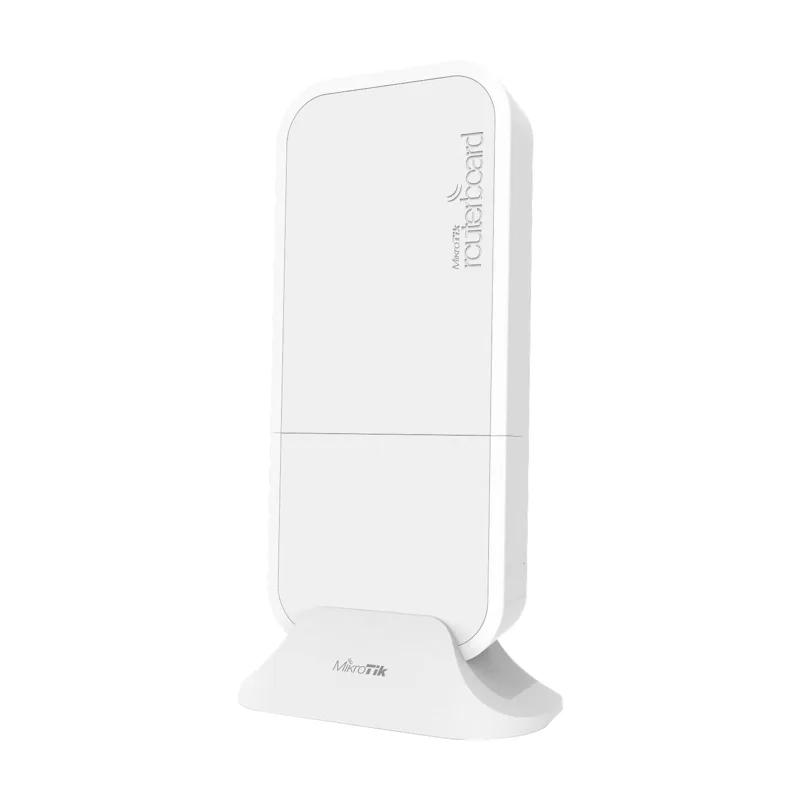
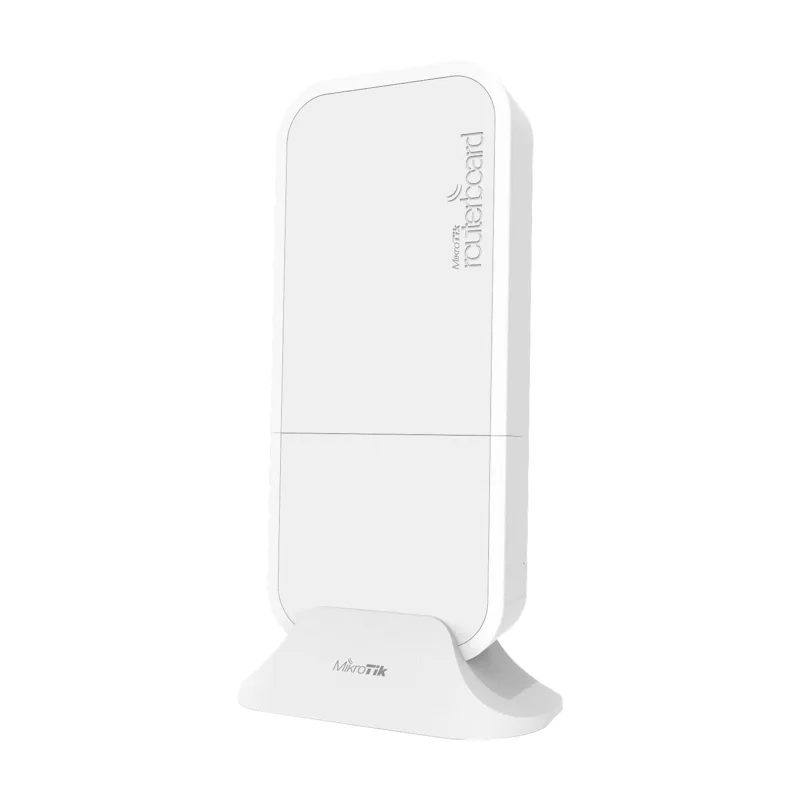

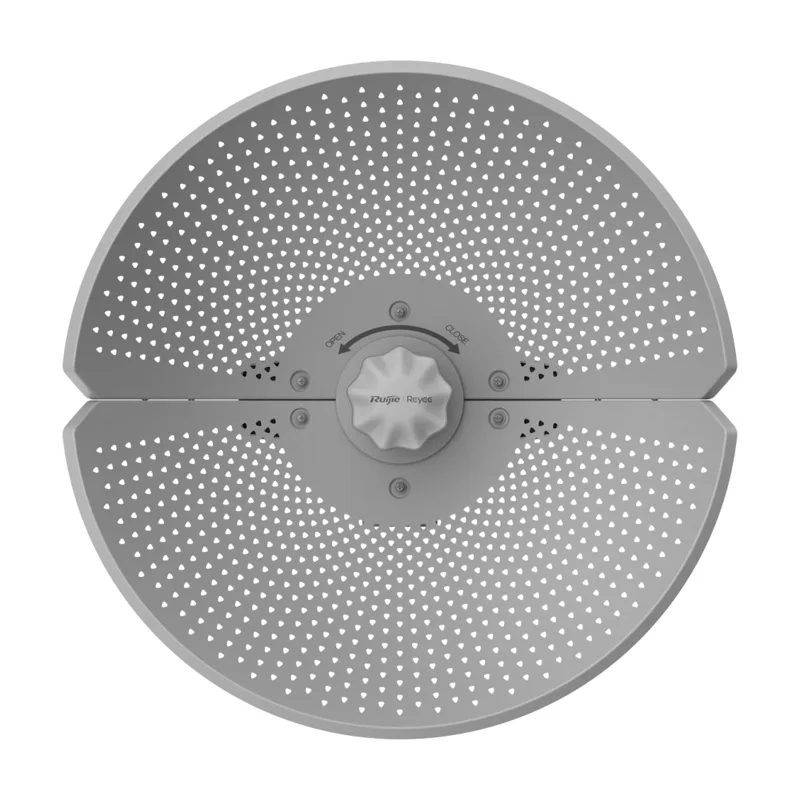
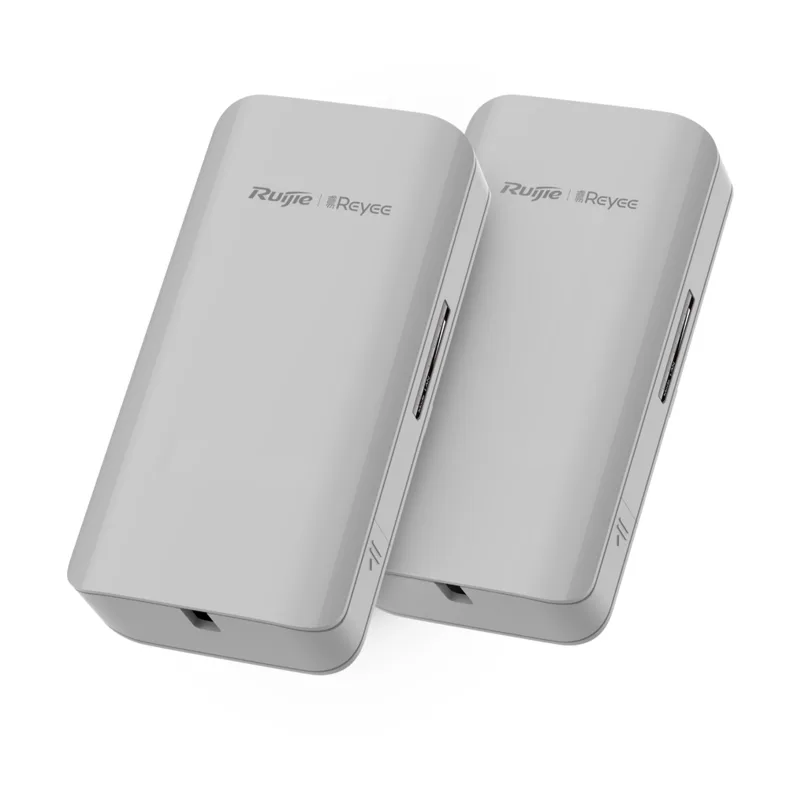
Radio bridges — guide & FAQ
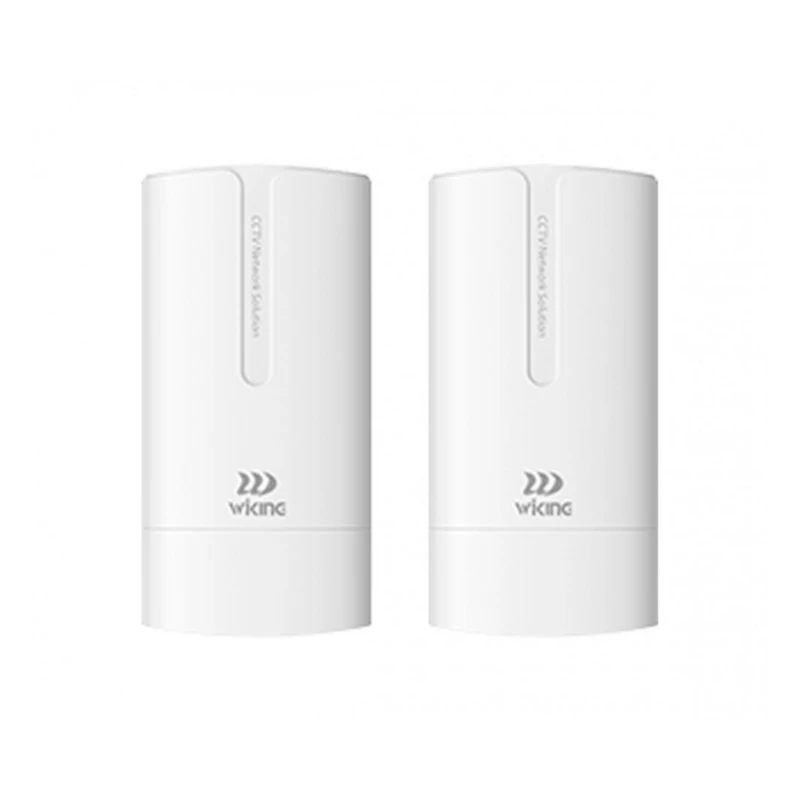
Radio bridges are wireless devices for setting up high-speed data channels between remote points without laying cable. They are indispensable where a physical line is impossible or economically impractical: across a street, between buildings several kilometers apart, in hard-to-reach locations, and also as a backup channel to the main wired connection. You can buy radio bridges in Tashkent and throughout Uzbekistan via the SAT Solutions catalog — a company specializing in the design and installation of low-voltage and network systems.
Radio bridges operate at 5 GHz and 60 GHz frequencies. Equipment in the 5 GHz band provides reliable communication over distances from several hundred meters to 10-20 kilometers with line of sight. Devices in the 60 GHz band are used for ultra-high-speed short-distance connections — usually within one kilometer — and deliver throughput comparable to fiber optics. When choosing a radio bridge, it is important to consider distance, terrain, line-of-sight conditions, required throughput, and the specifics of operation in the real weather conditions of Uzbekistan.
All radio bridges presented in the catalog are MikroTik equipment made in Latvia, well proven in the CIS and Central Asian markets. These devices are distinguished by high reliability, flexible configuration via RouterOS, and an attractive price-to-capability ratio. SAT Solutions offers a full cycle: supply, radio channel design, installation, and subsequent technical maintenance.
How to choose
- Frequency band: for most urban and suburban tasks, 5 GHz is suitable — widely used, works well over distances from 200 m to 15-20 km. The 60 GHz band (for example, the MikroTik wAP 60G series) is chosen for ultra-high-speed connections over short distances up to 1 km, when throughput of several hundred megabits or gigabits is needed.
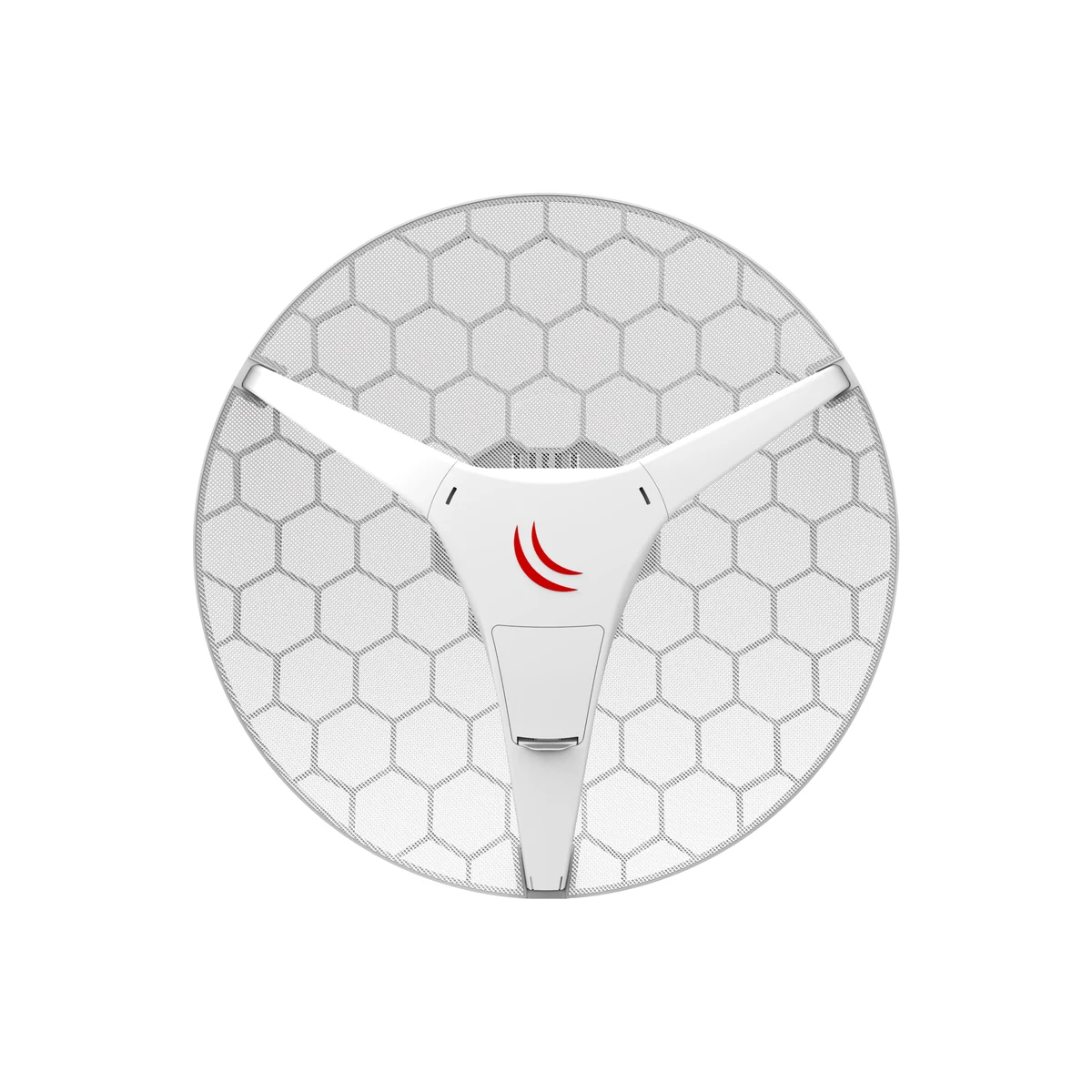
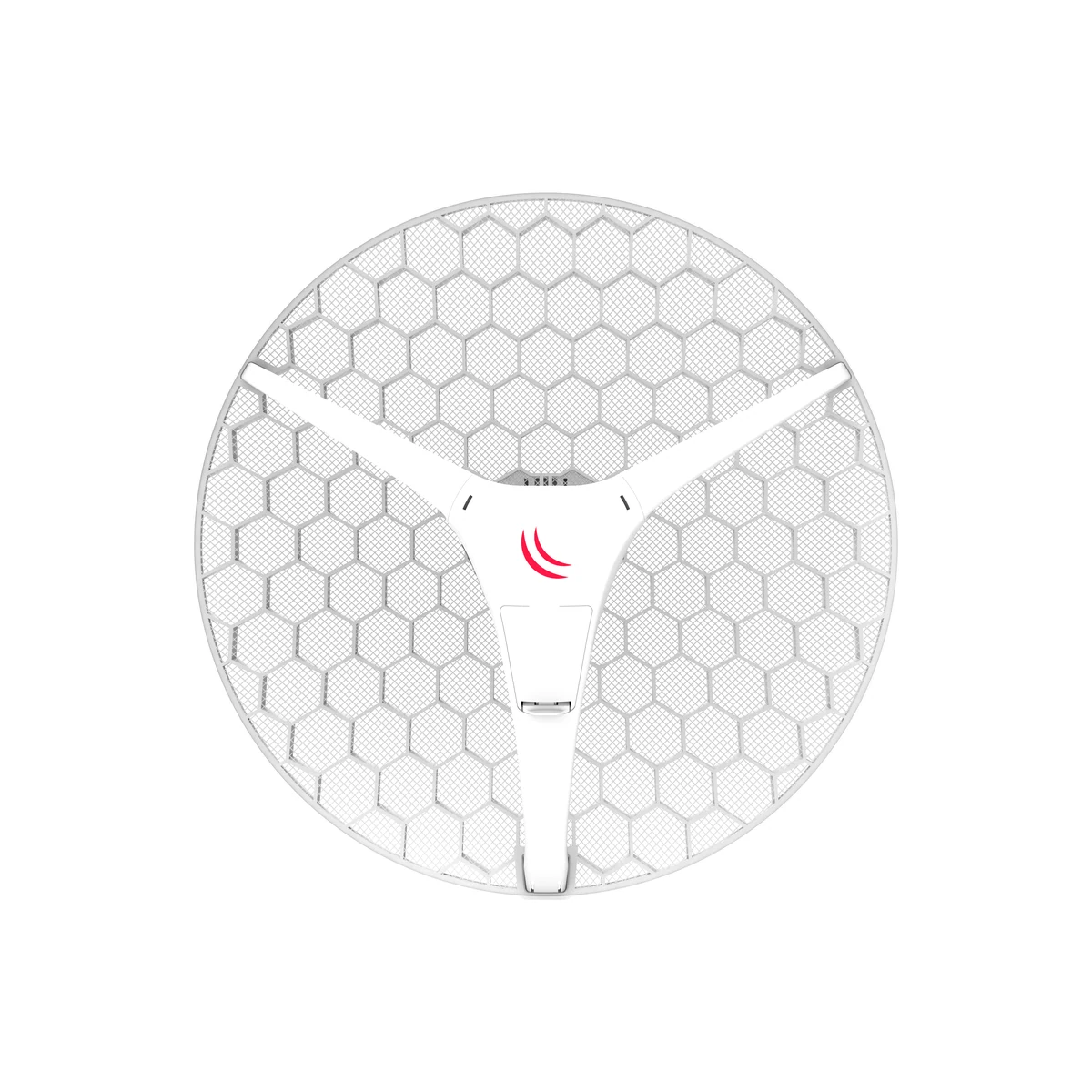
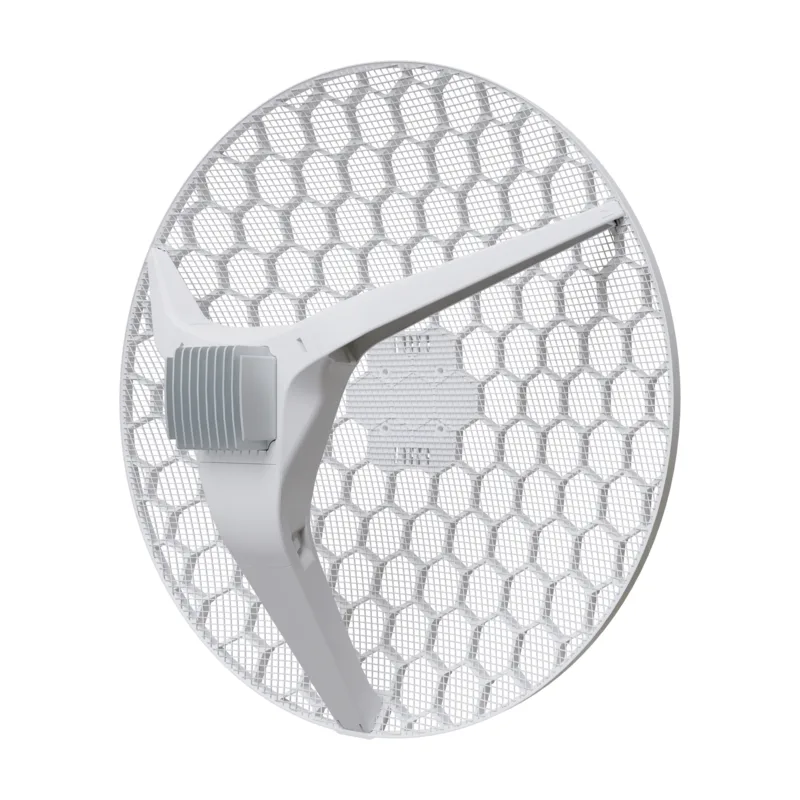
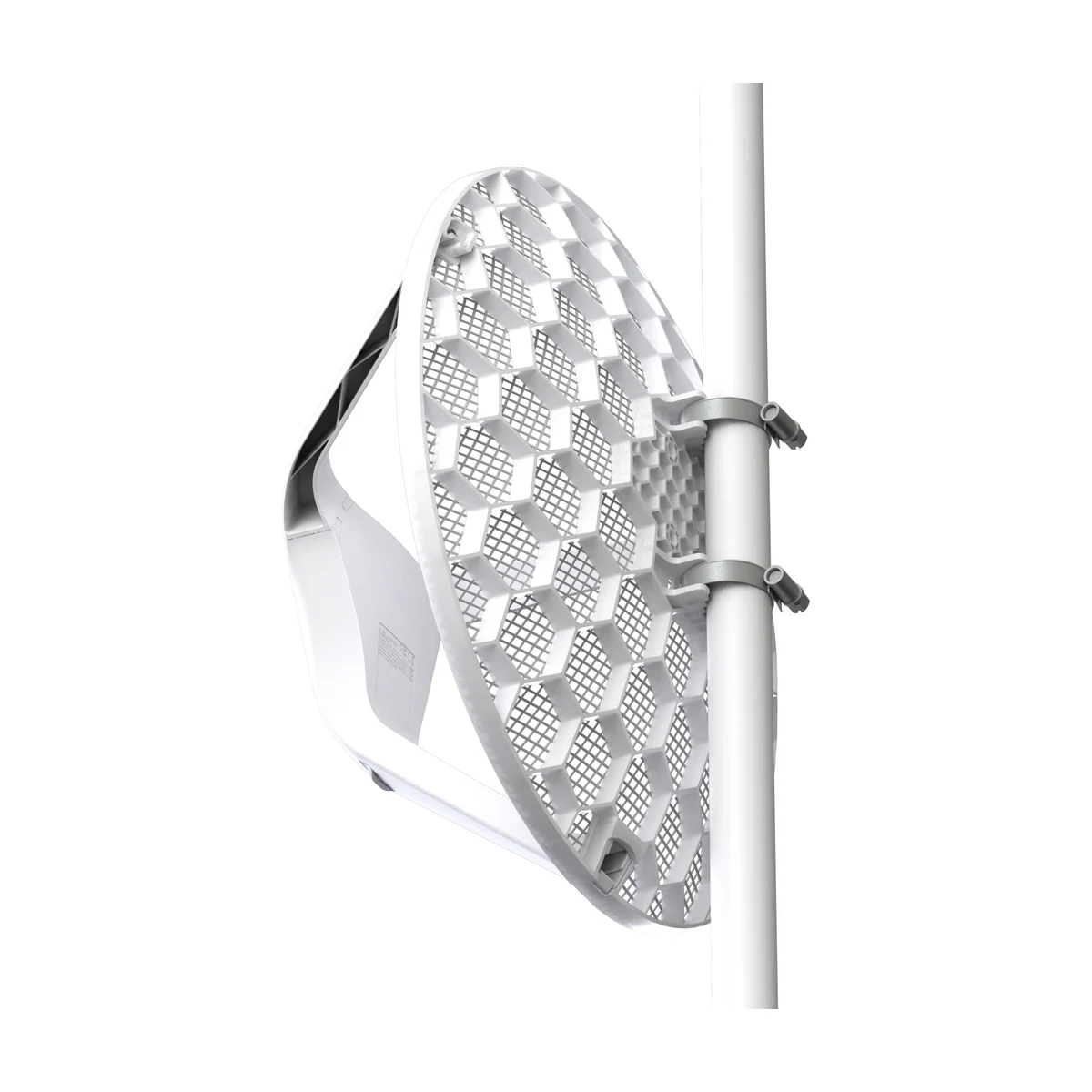
- Distance and antenna type: for short distances and sector coverage, compact devices with a built-in antenna (for example, RBDiscG-5acD) are suitable. For long-range links, devices with a high-quality directional antenna are used — the RBLHGG series provides high gain and a concentrated beam, which is critical over distances beyond 3-5 km.
- Throughput: you need to understand what traffic will go through the bridge — video surveillance, an internet channel, corporate data. The 802.11ac standard (5 GHz) allows real speeds in the hundreds of megabits, while 60 GHz allows up to several gigabits with line of sight.
- Environmental conditions: all MikroTik devices in this category are designed for outdoor operation, but the enclosure protection rating and operating temperature range differ. It is important to make sure the device can withstand the summer heat and winter frosts of your region.
- Power supply: most models are powered via PoE over the network cable, which simplifies installation on a mast or roof. Check which PoE standard is supported and select the correct injector or switch.
- Compatibility with existing infrastructure: if MikroTik equipment is already used in your network, adding radio bridges of the same platform significantly simplifies management through a single RouterOS or Winbox interface.
- Line of sight availability: radio bridges in the 5 and 60 GHz bands require line of sight between points. Before purchasing, a radio survey of the route must be carried out, taking into account the Fresnel zone as well as possible interference from other wireless networks.
Applications
- Long-distance video surveillance: connecting remote cameras or camera clusters to the main node without laying cable — at industrial sites, in airports, along the perimeter of large territories.
- Corporate networks: uniting offices, warehouses, production shops, or branches into a single company network when it is impossible to run fiber-optic cable.
- Private sector and residential complexes: setting up an internet channel or a video surveillance network in cottage villages, at construction sites, in private households.
- Infrastructure facilities: bridges, tunnels, railway tracks, oil and gas facilities — where laying cable is difficult or too expensive.
- Backup communication channel: a radio bridge as a redundant channel for critical facilities — banks, data centers, government institutions — in case the main provider goes down.
- Temporary events and construction: rapid deployment of wireless infrastructure at exhibitions, in field conditions, at construction sites, where a permanent cable network is not needed.
Brands and models in the catalog
- MikroTik (Latvia) — the only brand presented in this category and one of the world leaders in the segment of professional wireless equipment. The RouterOS platform provides flexible management, monitoring, and configuration of any scenarios.
- RBLHGG-5acD and RBLHGG-5HPacD series: high-gain 5 GHz radio bridges with a directional antenna for building long-range communication lines. Used in scenarios requiring a stable channel over significant distances.
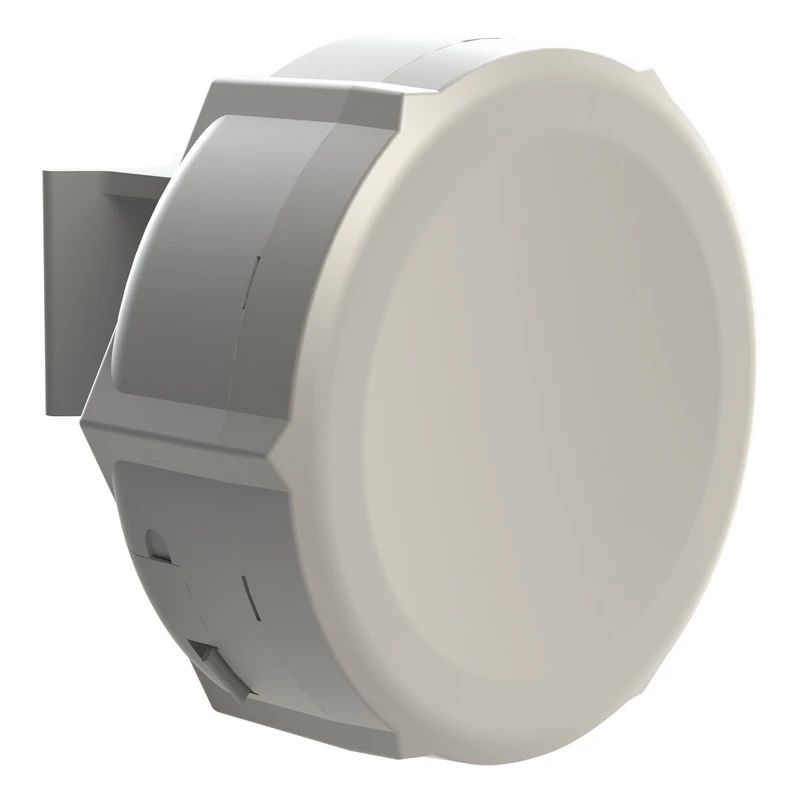
- RBDiscG-5acD and RBSXTsqG-5acD: compact 5 GHz devices for medium distances, easy to install and configure. Suitable for communication between neighboring buildings or within an enterprise's territory.
- 60 GHz series (RBwAPG-60ad, RBLHGG-60adkit, RBLHGG-60ad): devices for ultra-high-speed connections over short distances. The 60 GHz band provides minimal interference and high throughput — relevant for transmitting high-resolution video surveillance streams or large volumes of data in real time.
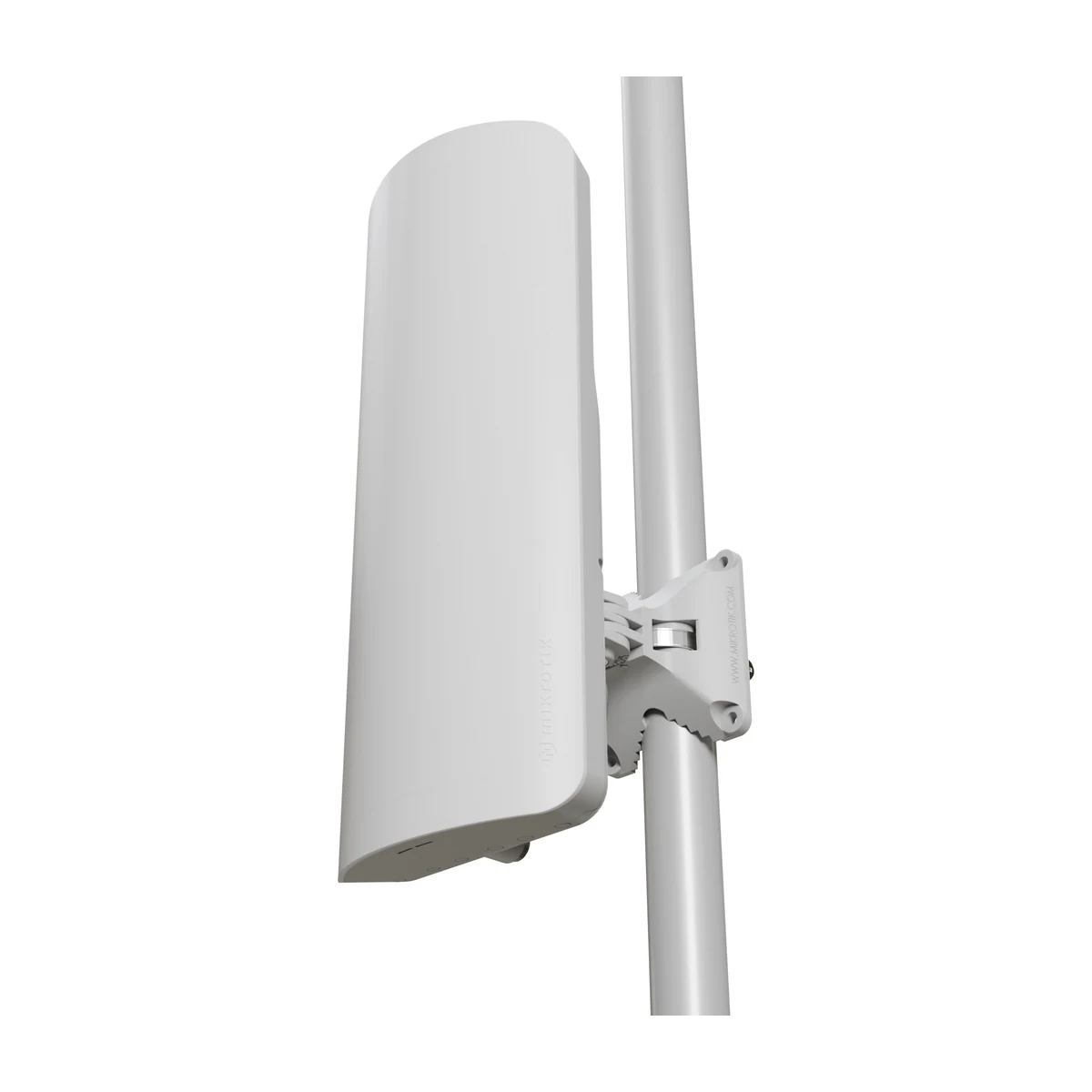
- RBOmniTikG-5HacD and RBSXTG-5HPacD-SA: devices with sector and omnidirectional antennas for setting up access points or signal distribution nodes when several subscribers need to be covered within the radius of a single mast.