Fire safety
Found: 71
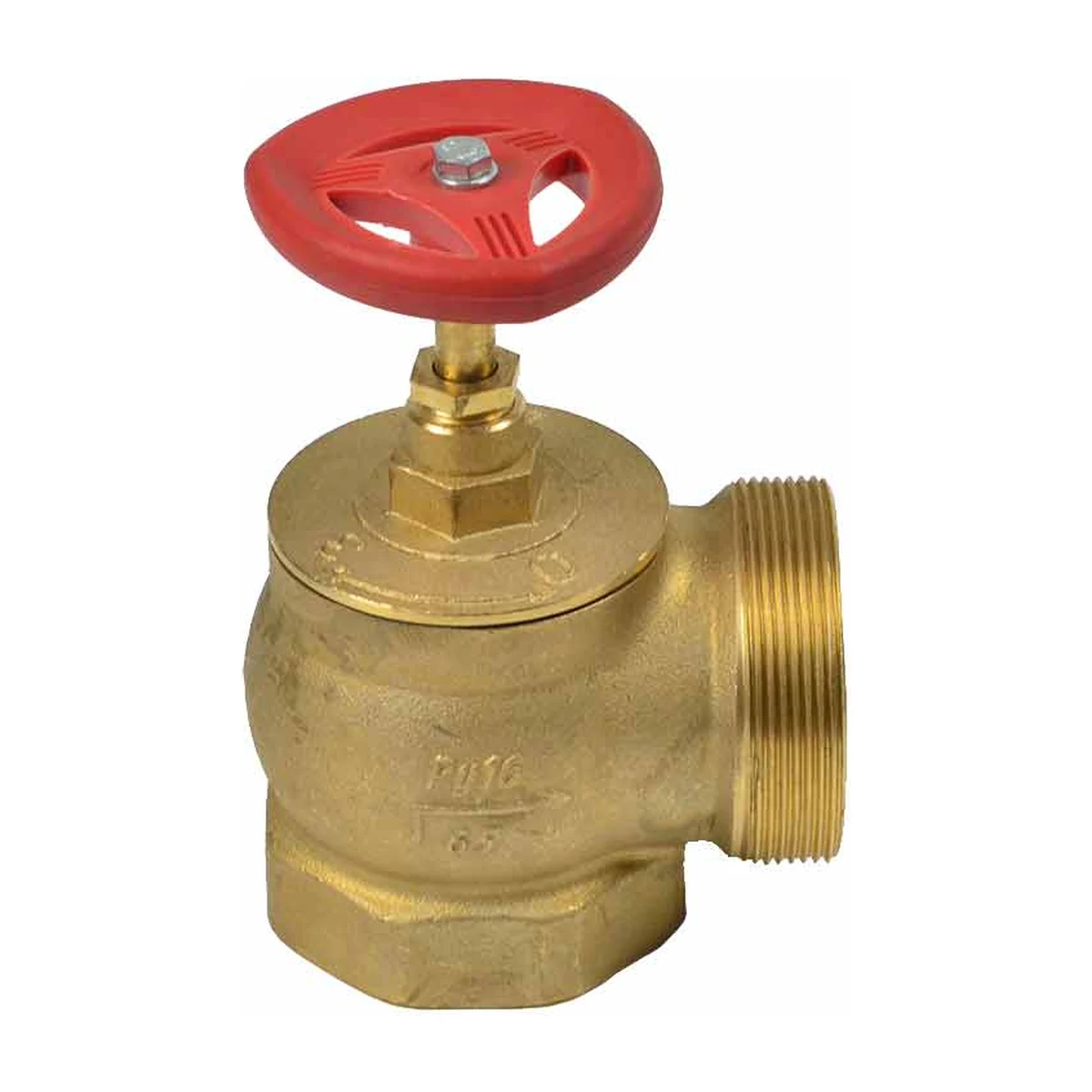
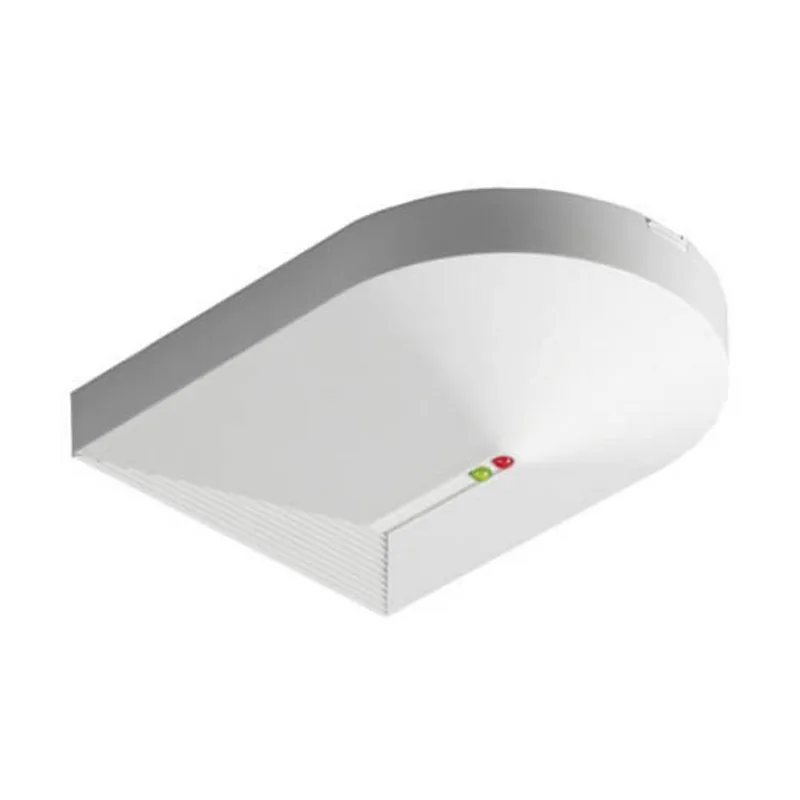
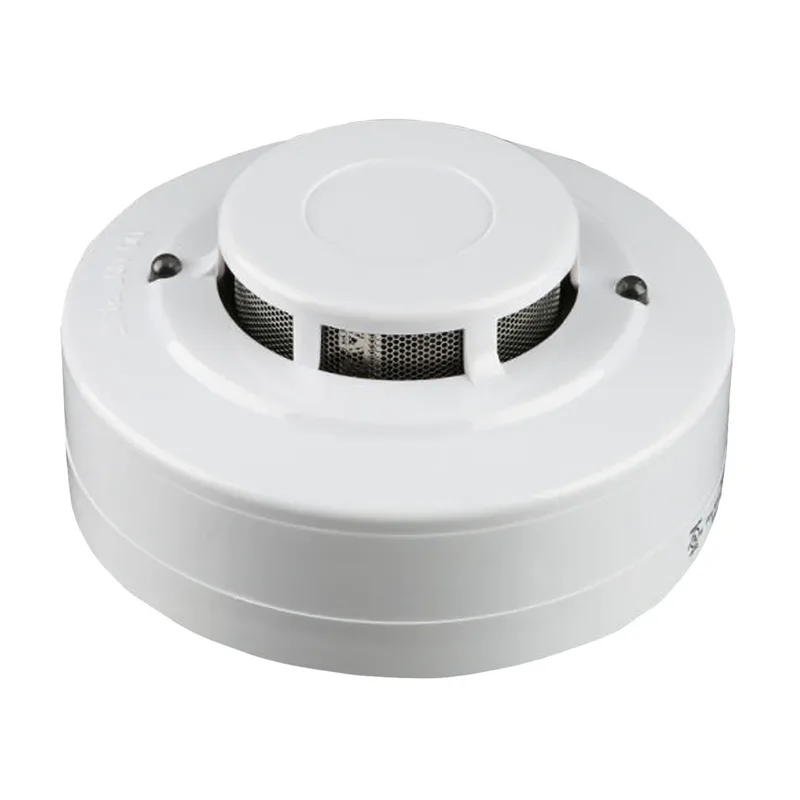
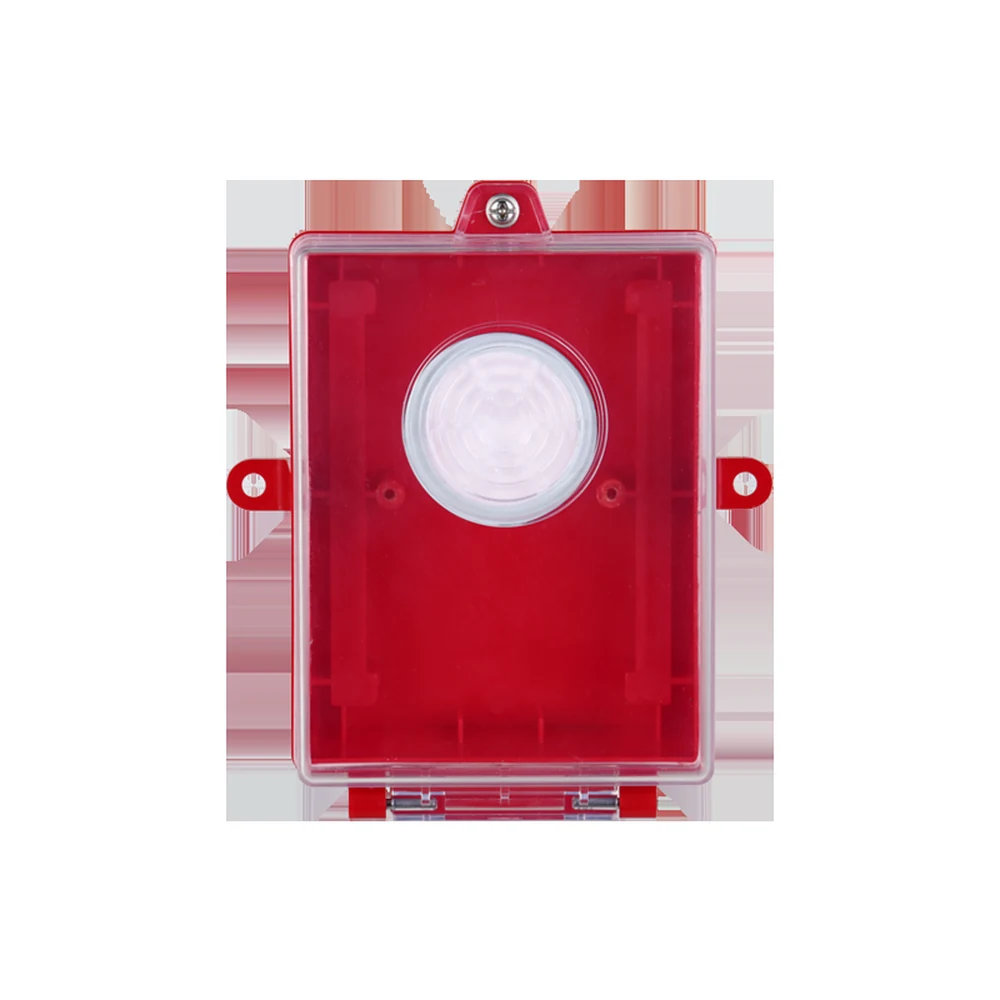
Fire safety — guide & FAQ
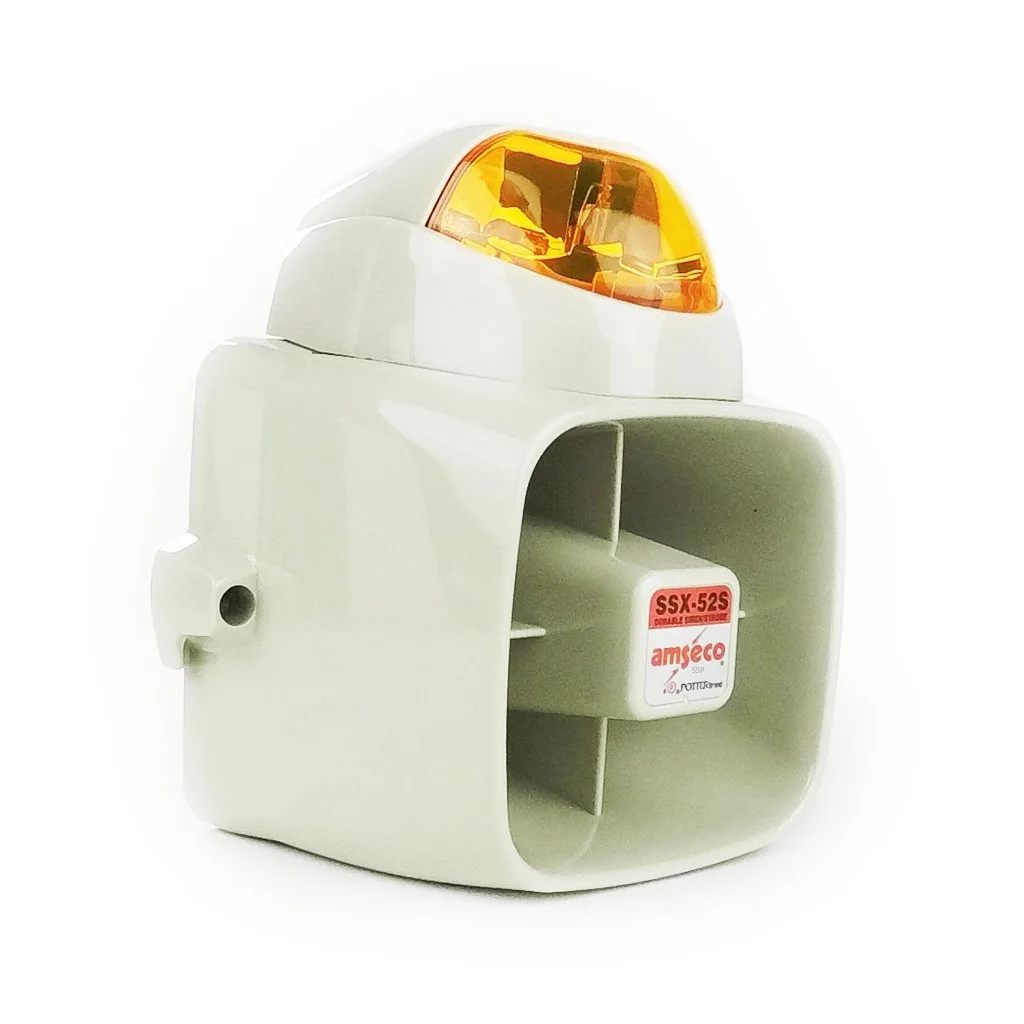
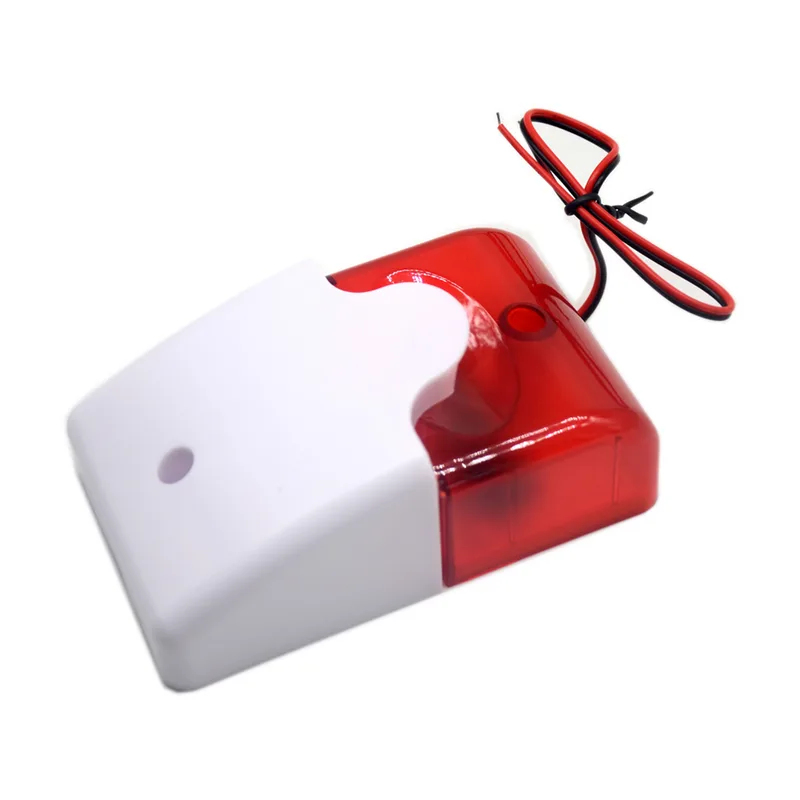
Fire safety is one of the key sections of any site's infrastructure: a residential building, shopping center, manufacturing plant or administrative institution. It is a set of technical means and organizational measures aimed at the timely detection of a fire, warning people and ensuring safe evacuation. The SAT Solutions catalog features 67 items of equipment — from fire detectors and security-and-fire panels to fire cabinets, hose reels and emergency exit signs. Everything needed to build a full-fledged fire protection system can be bought in Tashkent with delivery across Uzbekistan.
The choice of fire safety equipment is determined by the type of site, its area, functional purpose and applicable regulations. A residential building, an office building and an industrial warehouse require fundamentally different solutions: for one, smoke detectors and a small cabinet with fire extinguishers are enough, while for another an extensive addressable system with a central control panel and several warning zones is needed. It is important not just to purchase equipment, but also to properly design the system taking into account the layout of the premises, evacuation routes and fire supervision requirements.
Installation of fire safety systems in Uzbekistan is regulated by state norms and standards: the equipment must be certified and installed by specialized organizations. This means that purchasing quality components is only the first step. No less important are correct design documentation, professional installation and subsequent technical maintenance, which guarantees the system's operability at the critical moment.
How to choose
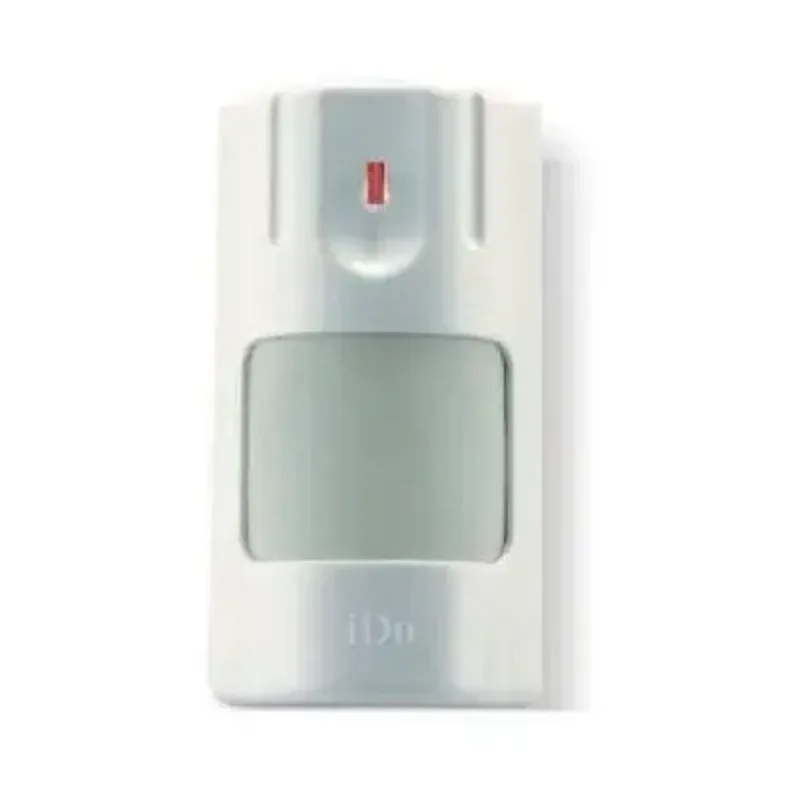
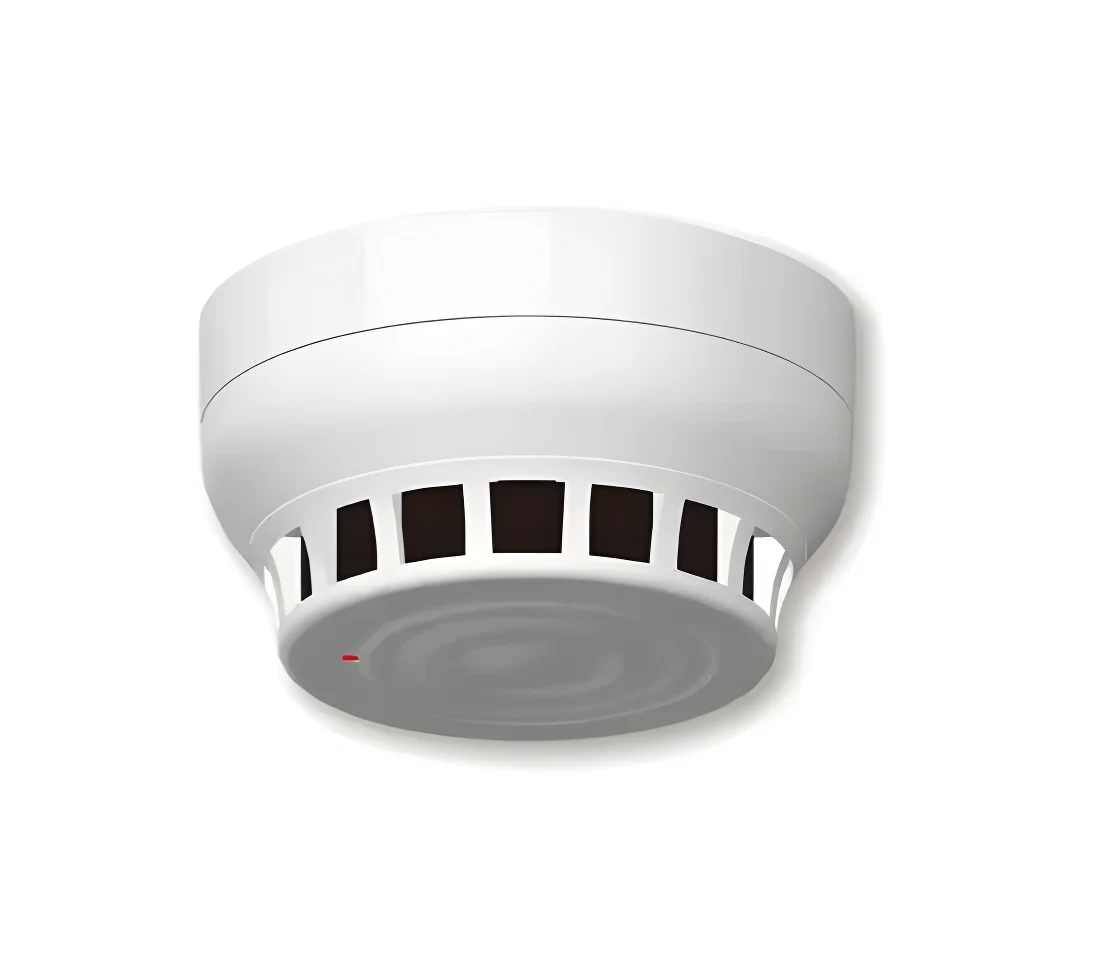
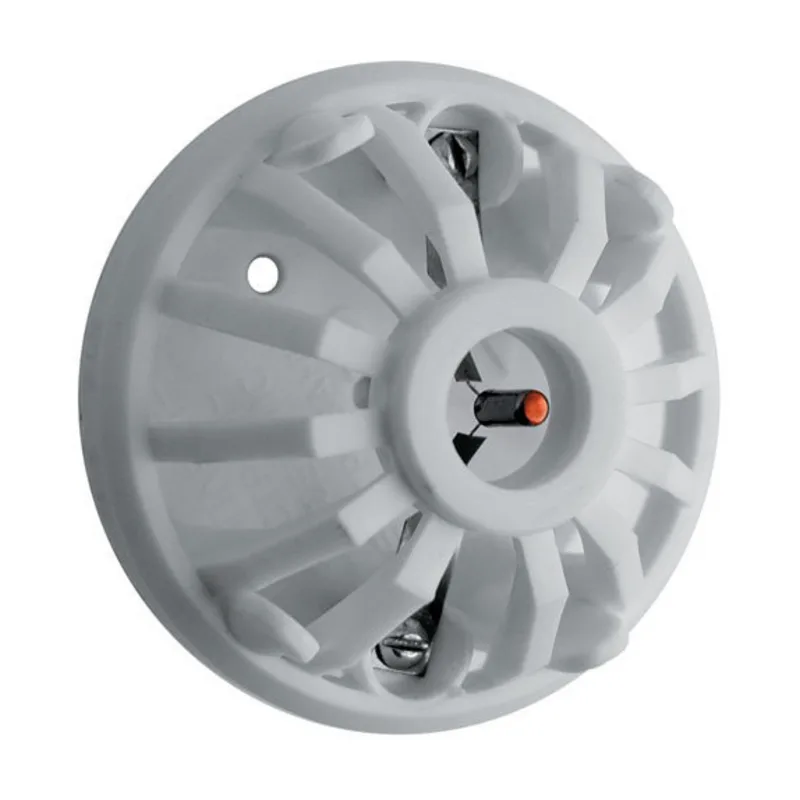
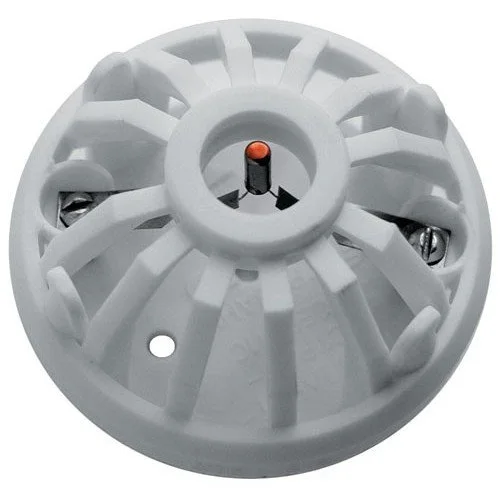
- Detector type: smoke detectors are suitable for most premises, heat detectors (for example, IP-106) are indispensable where smoke is present under normal conditions — in kitchens, boiler rooms, production shops. Gas and combined detectors are chosen for sites with special operating conditions.
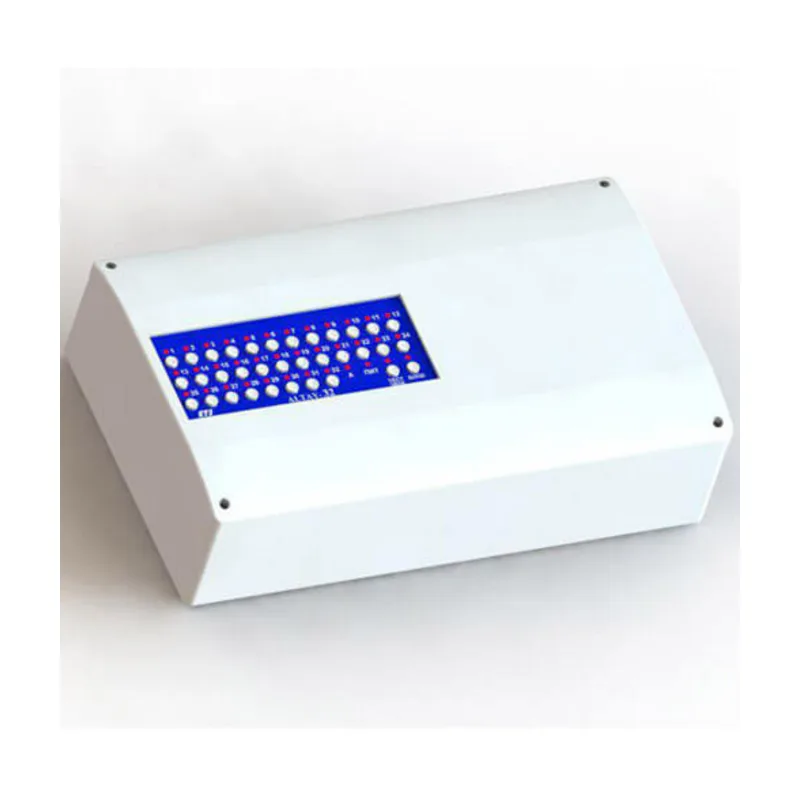
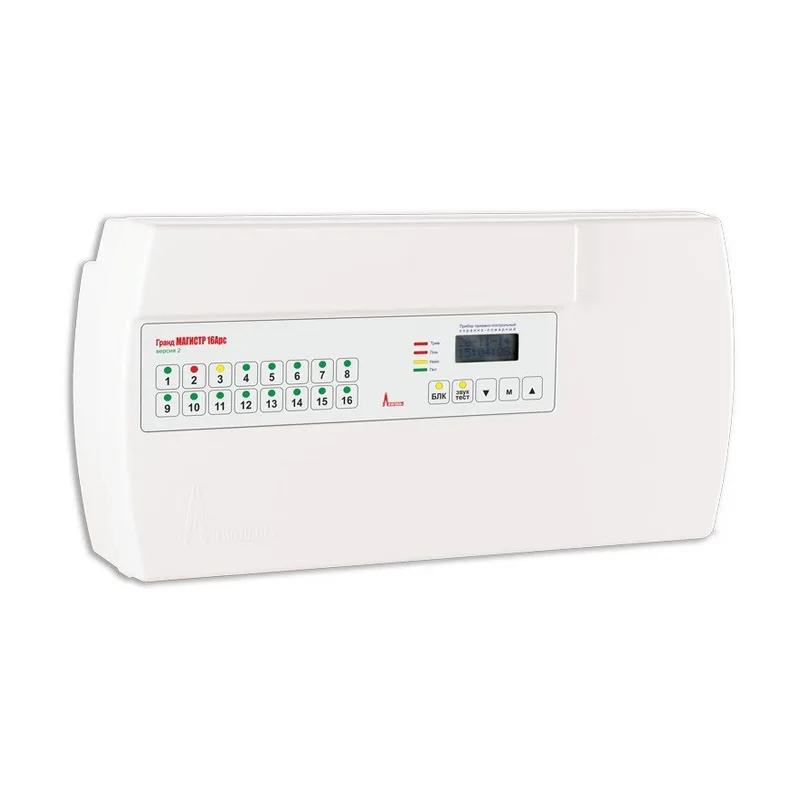
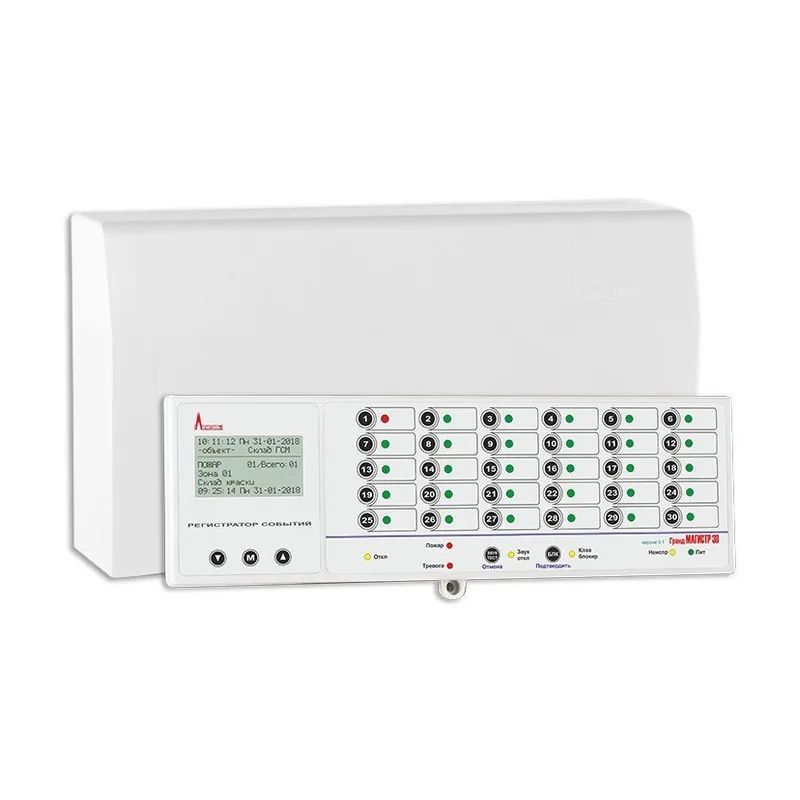
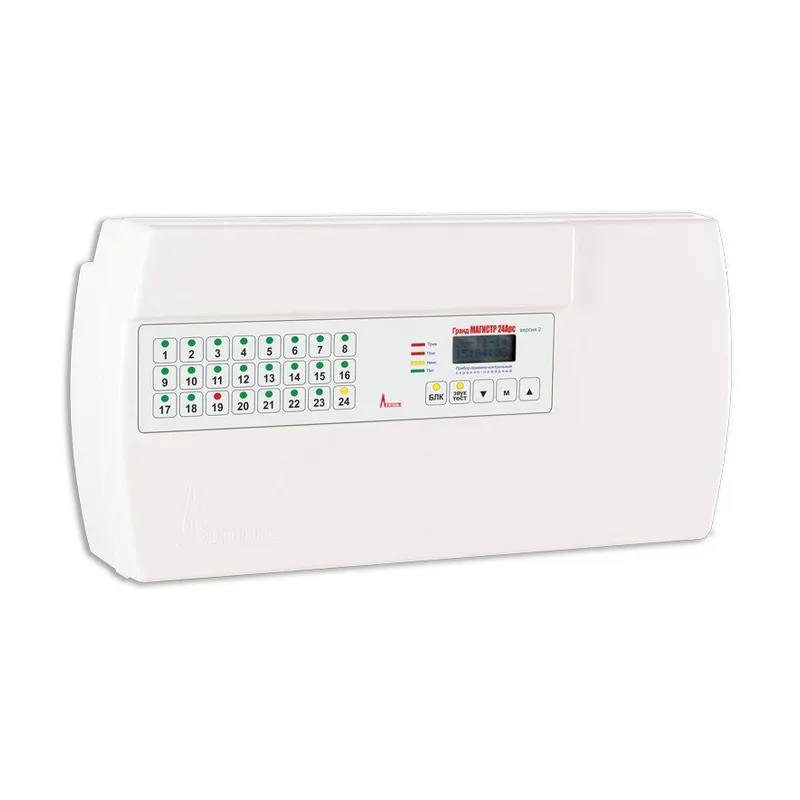
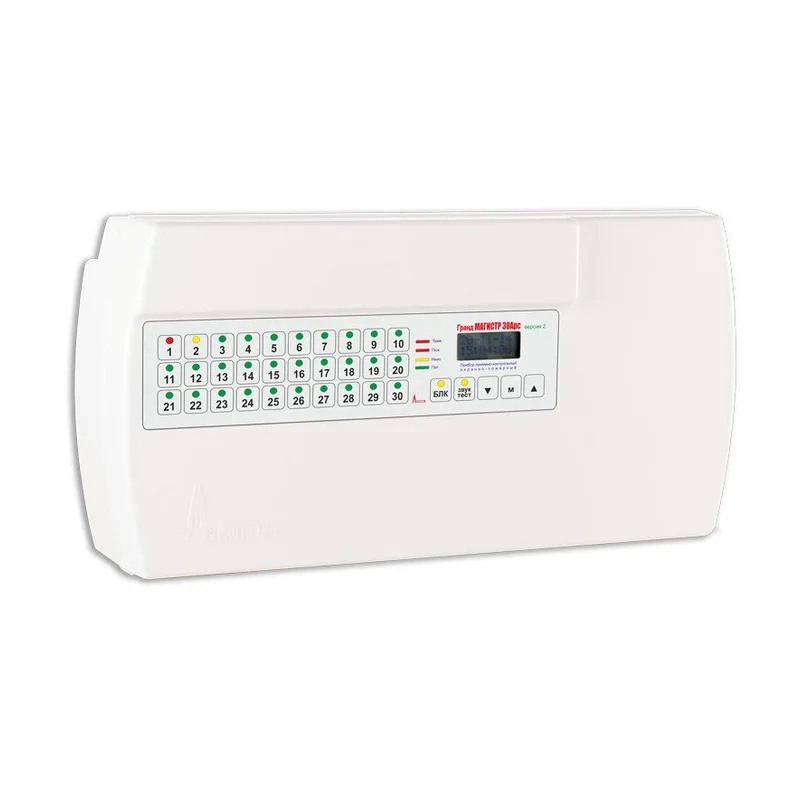
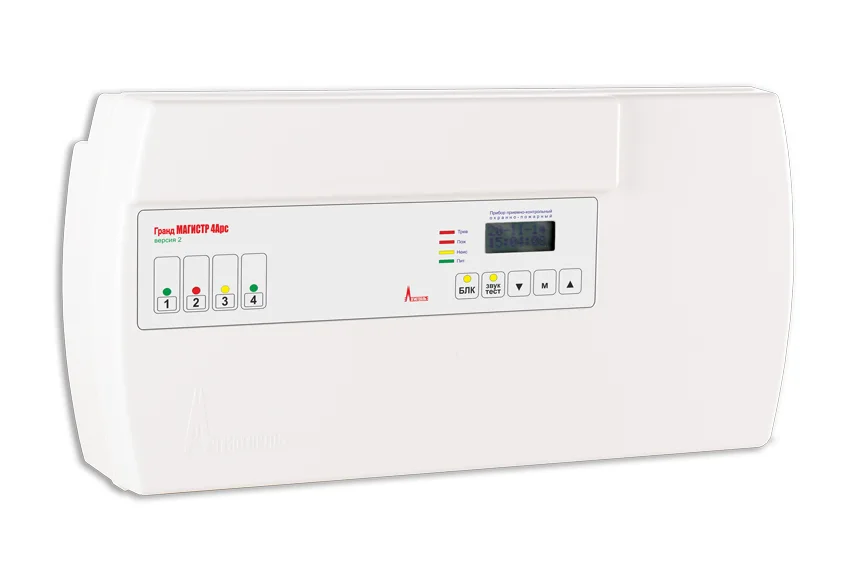
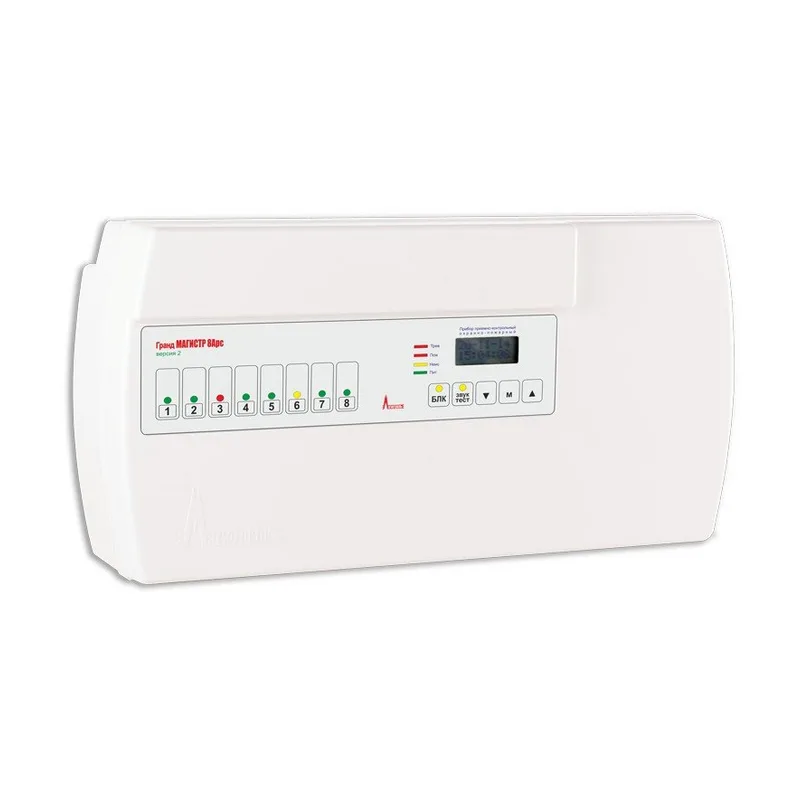
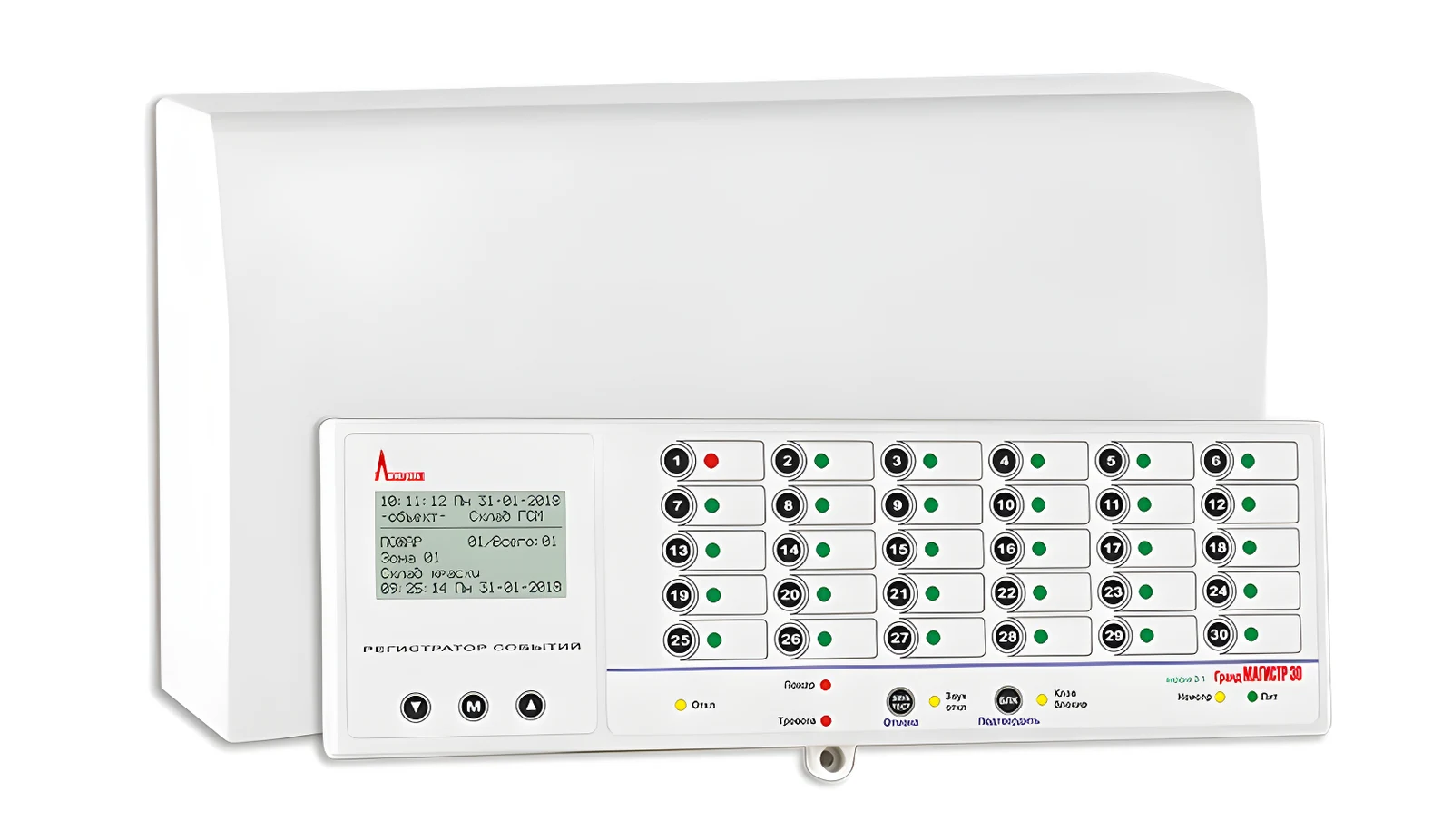
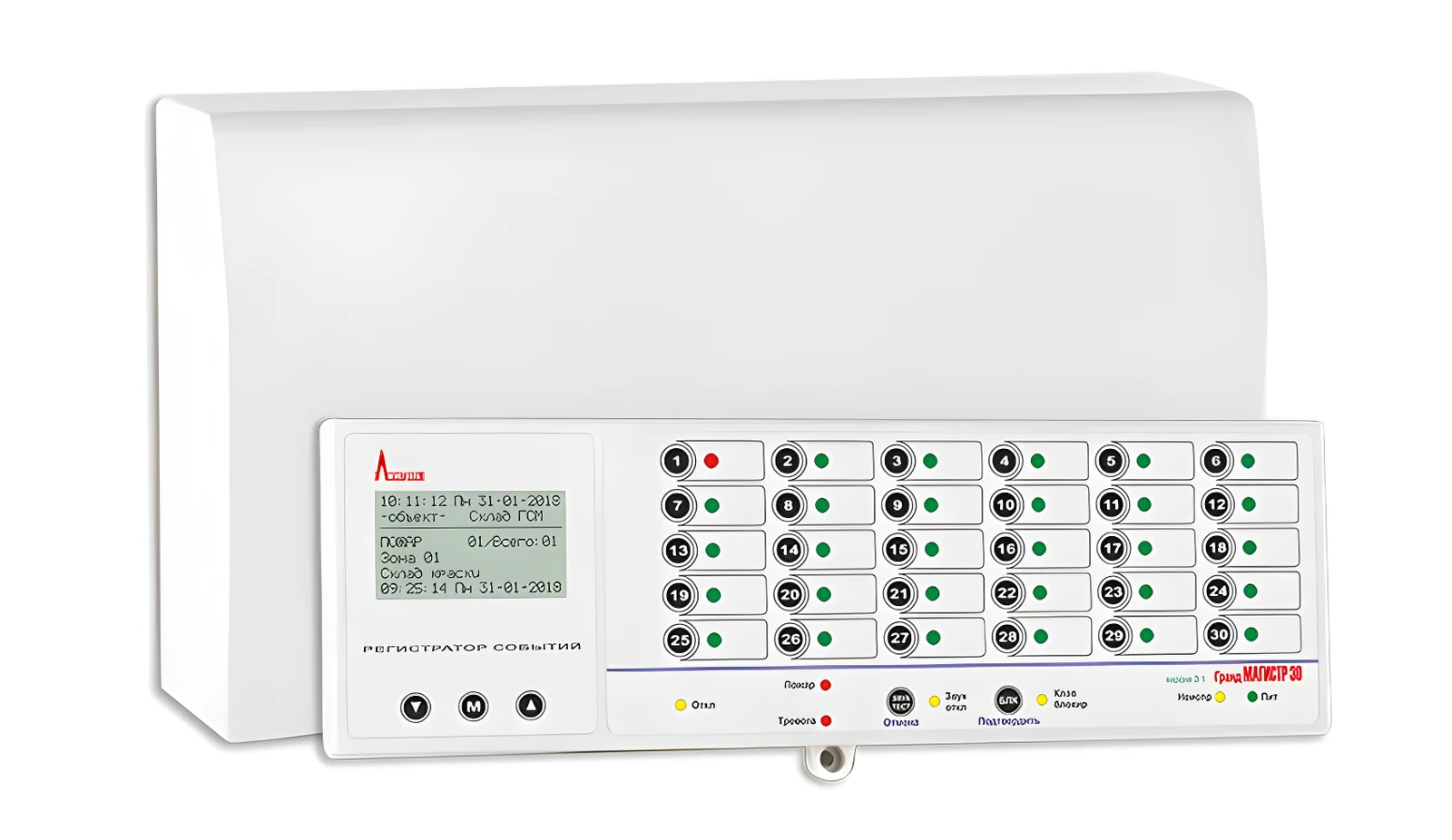
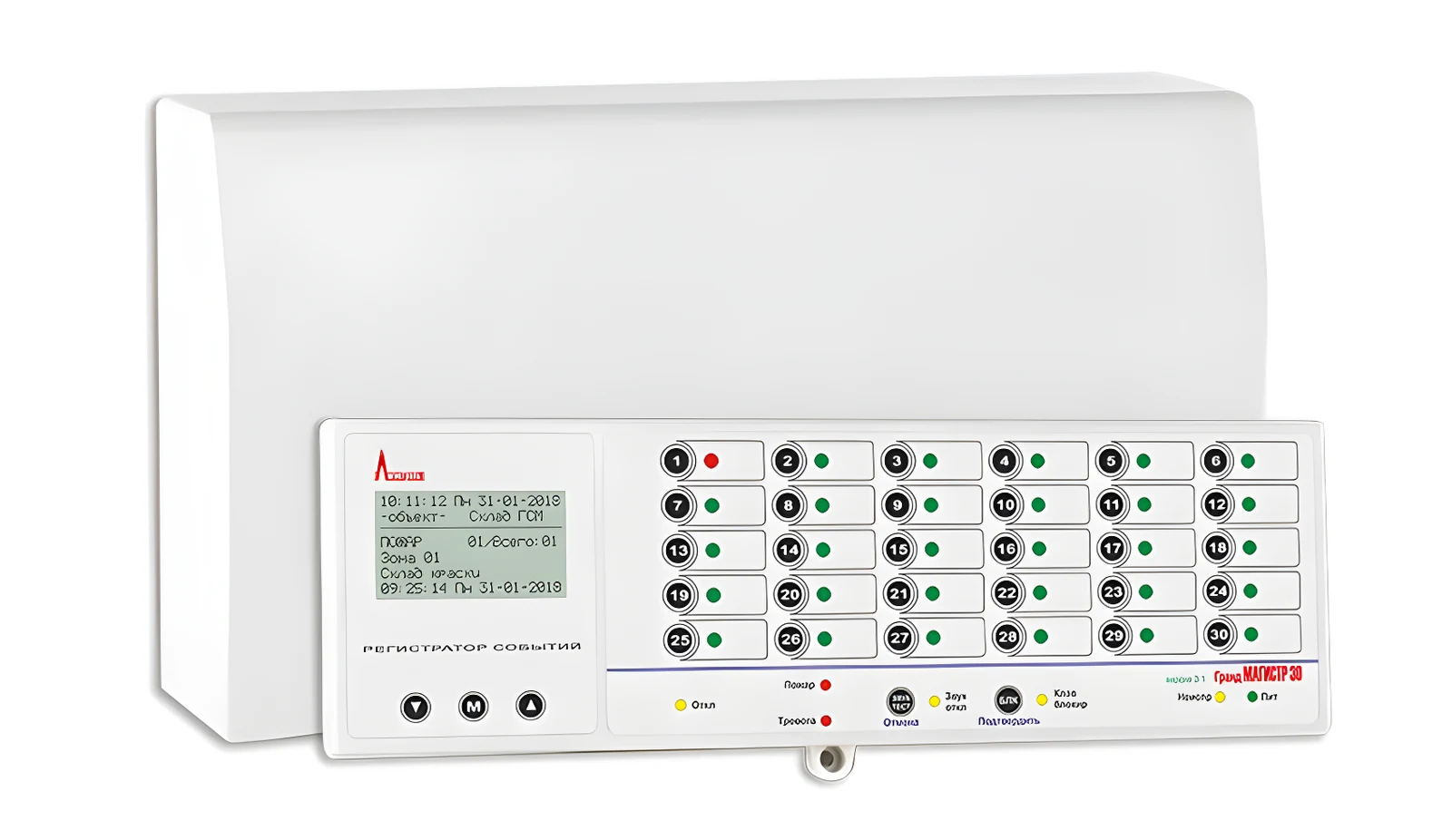
- System scale and architecture: for small sites, a threshold panel with several loops is sufficient, while for large buildings an addressable-analog system with individual identification of each device is required. The Grand MAGISTR series panels are designed for various numbers of loops — choose the version for the actual number of zones.
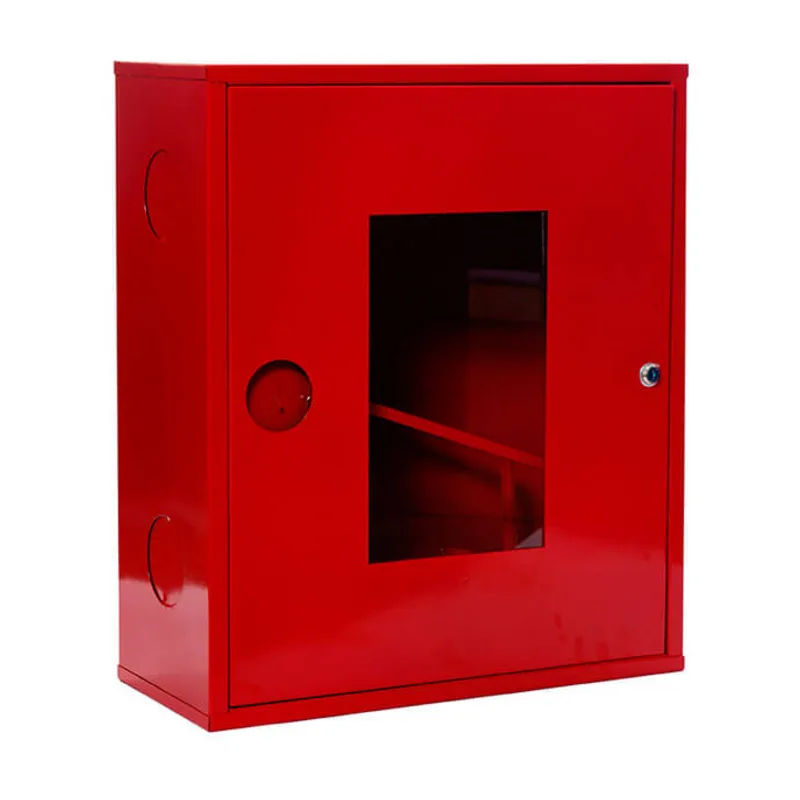
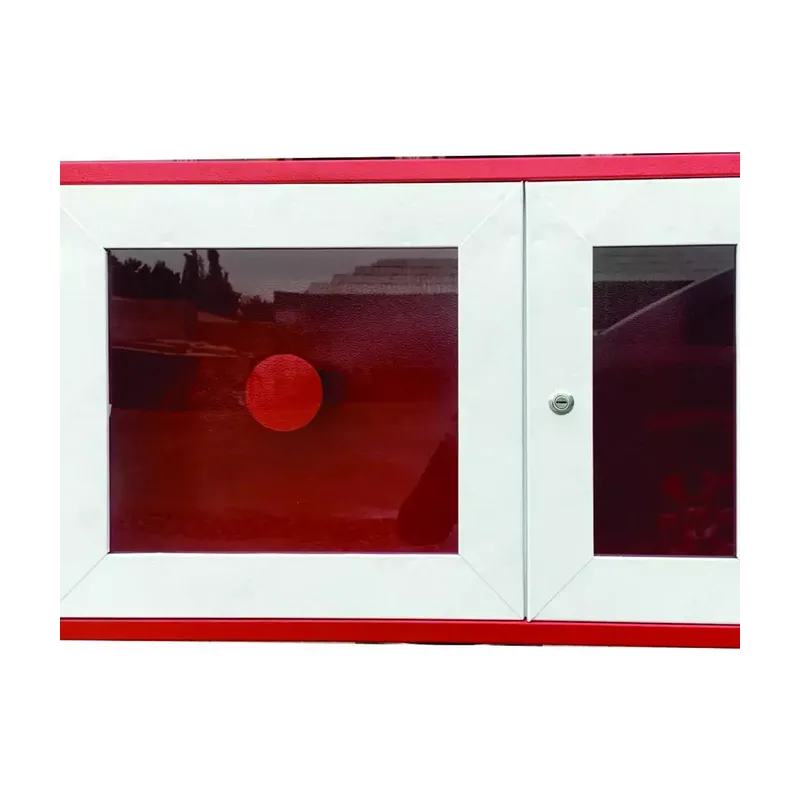
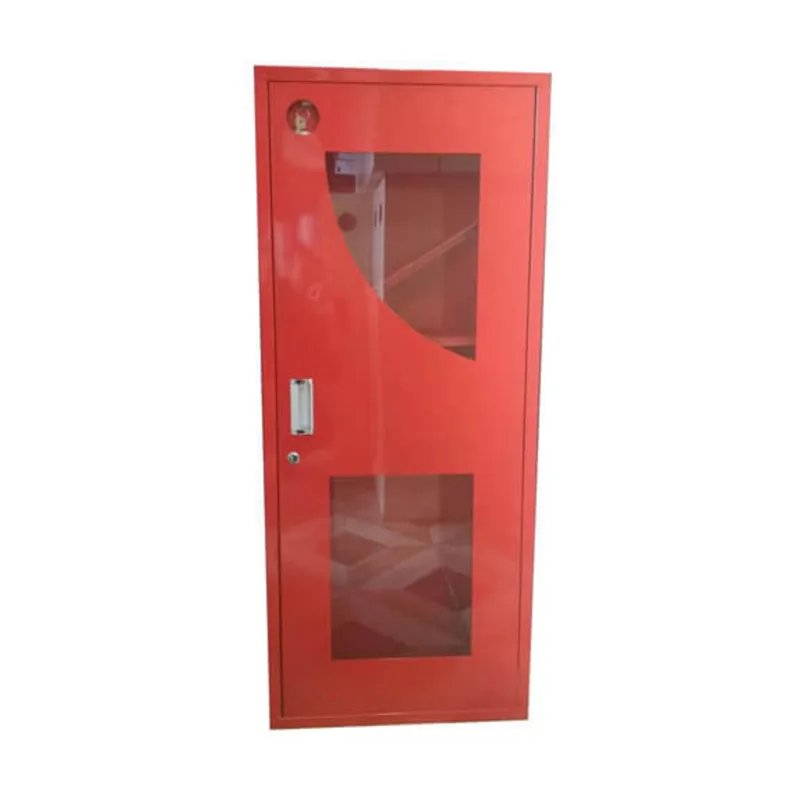
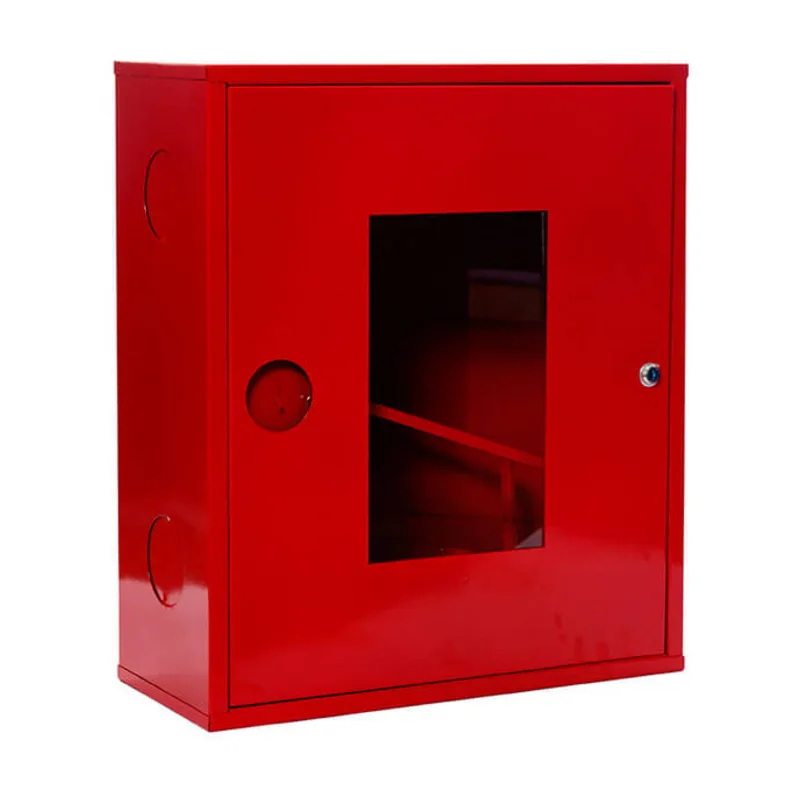
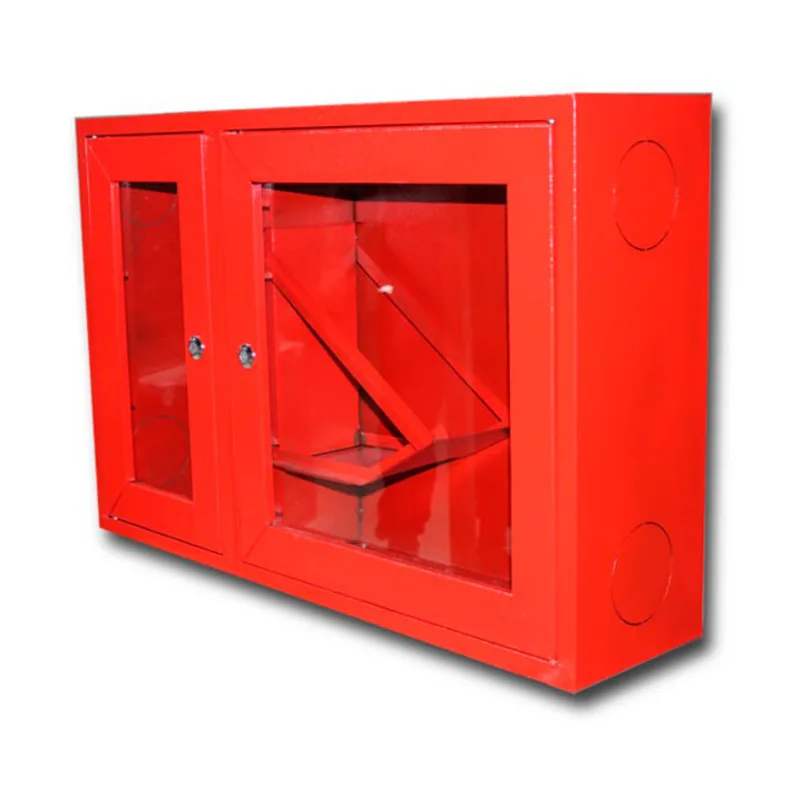
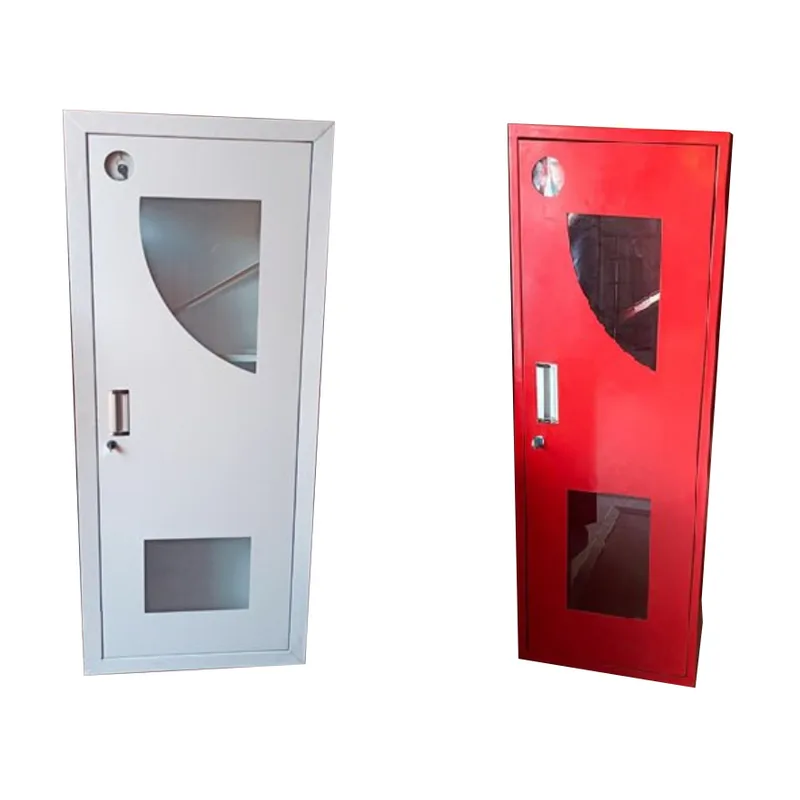
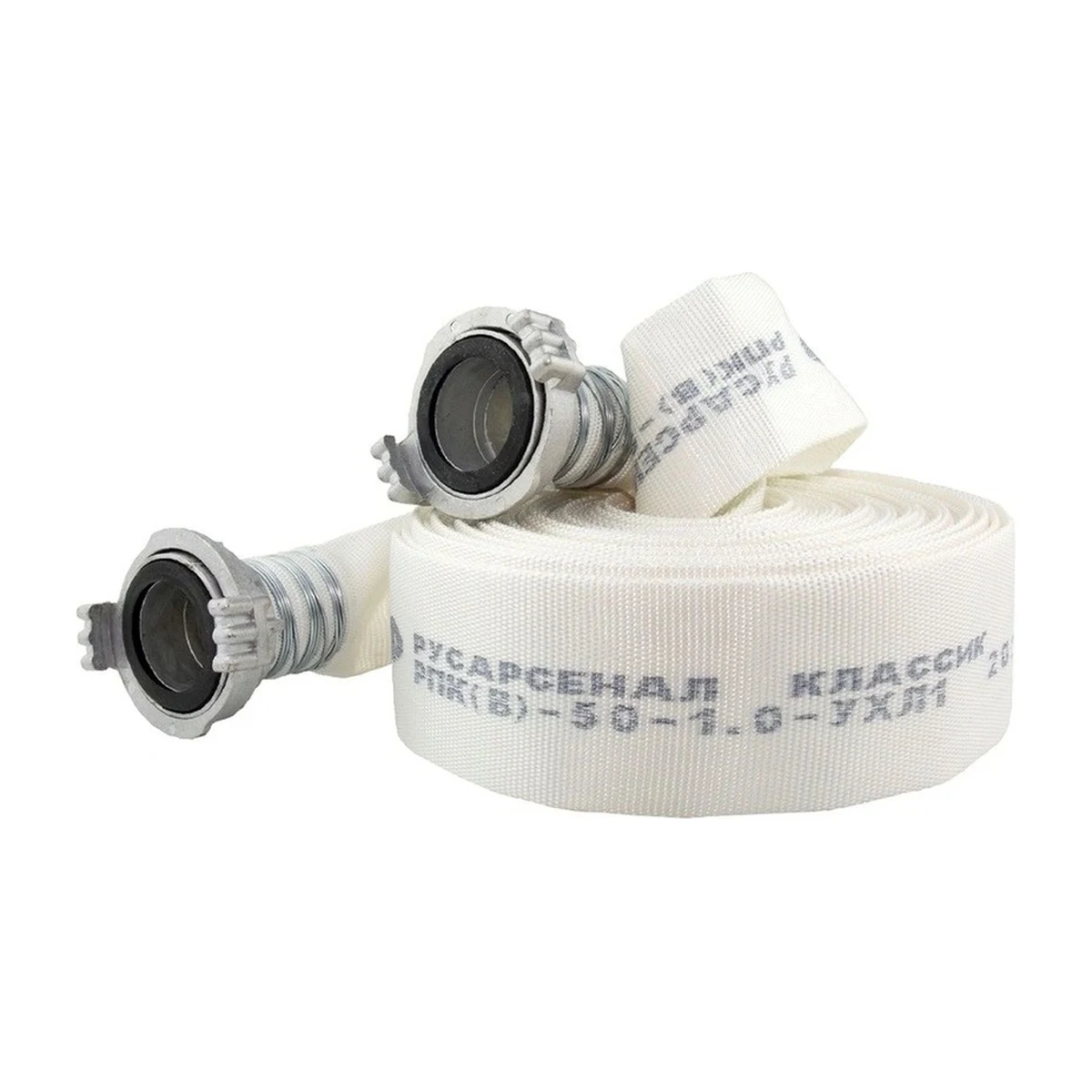
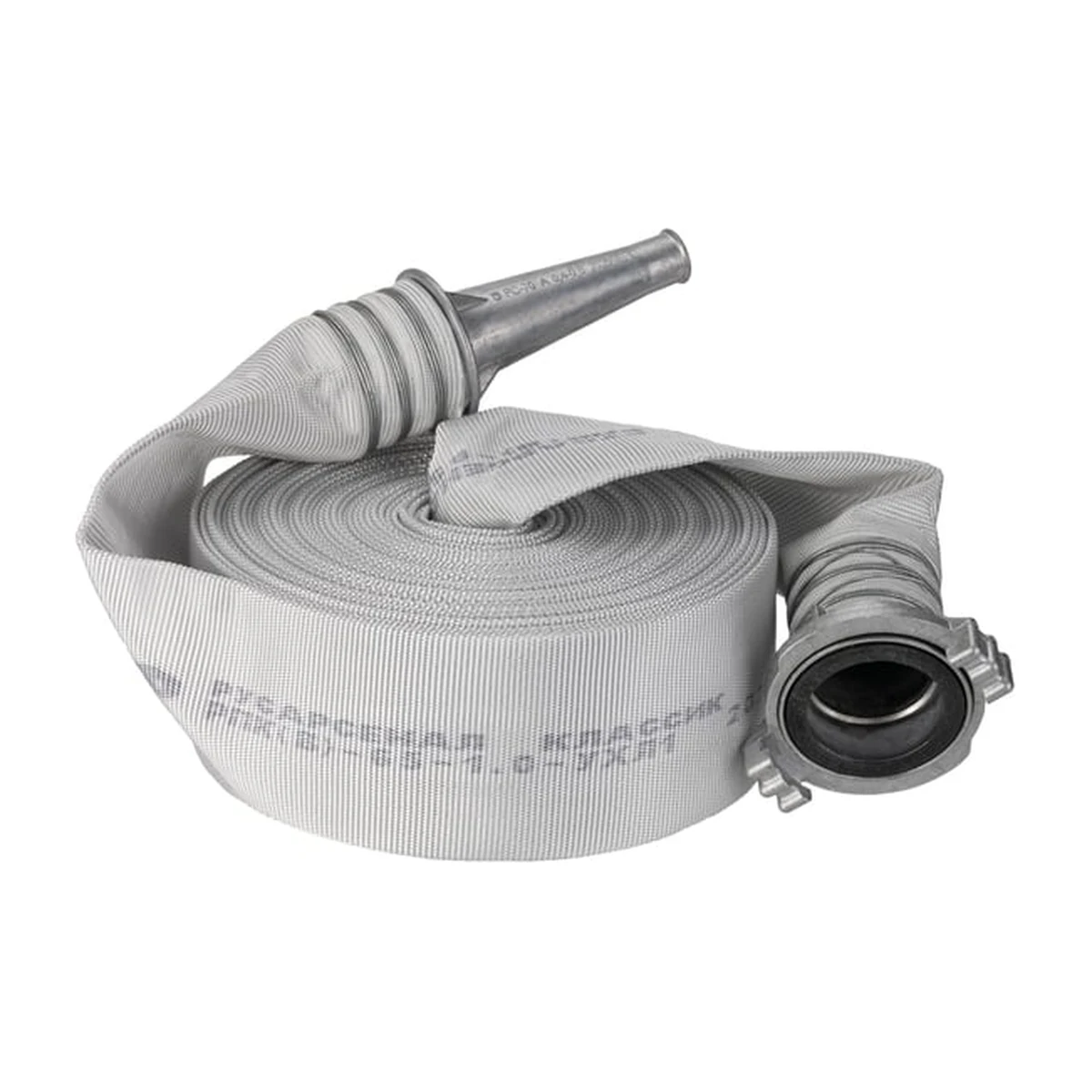
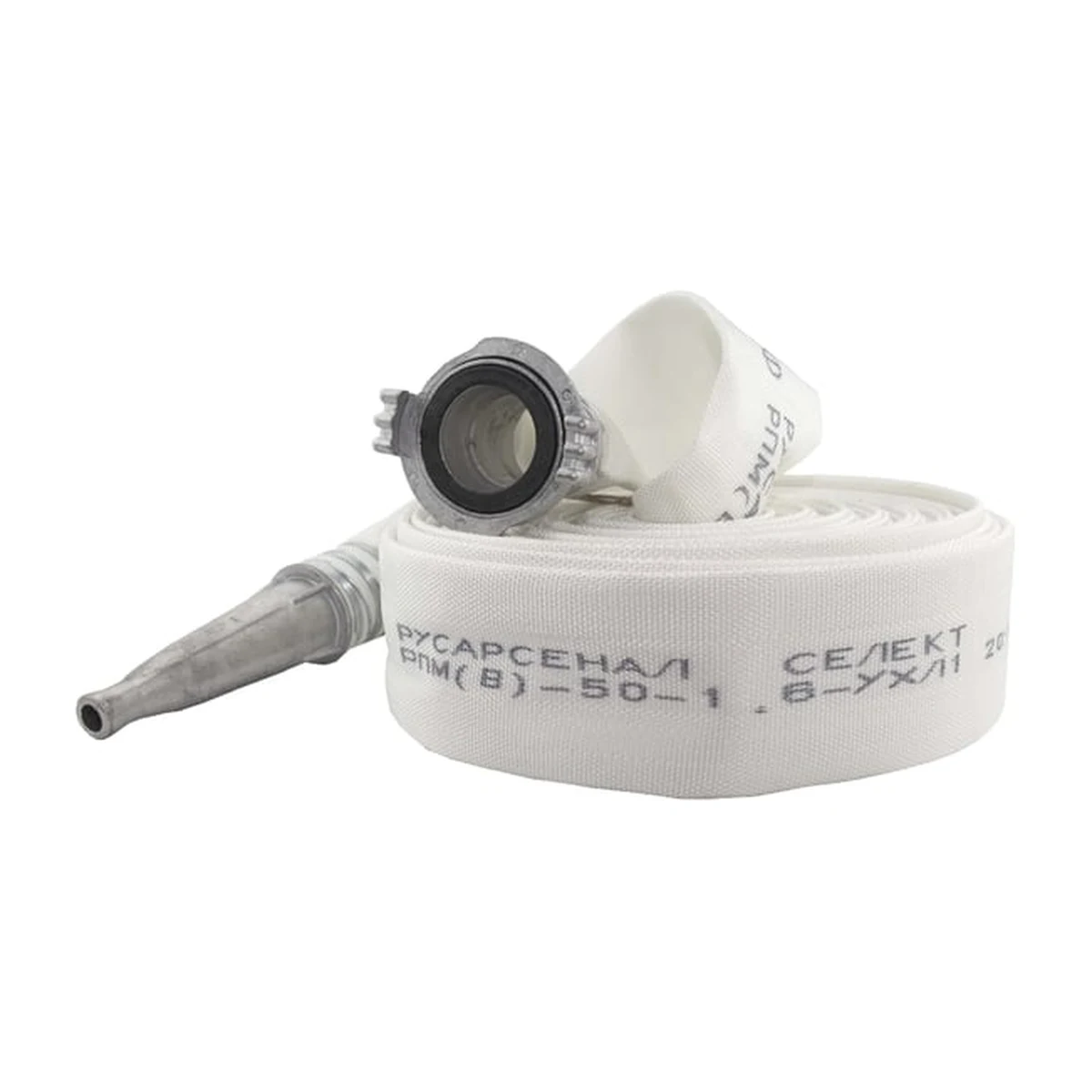
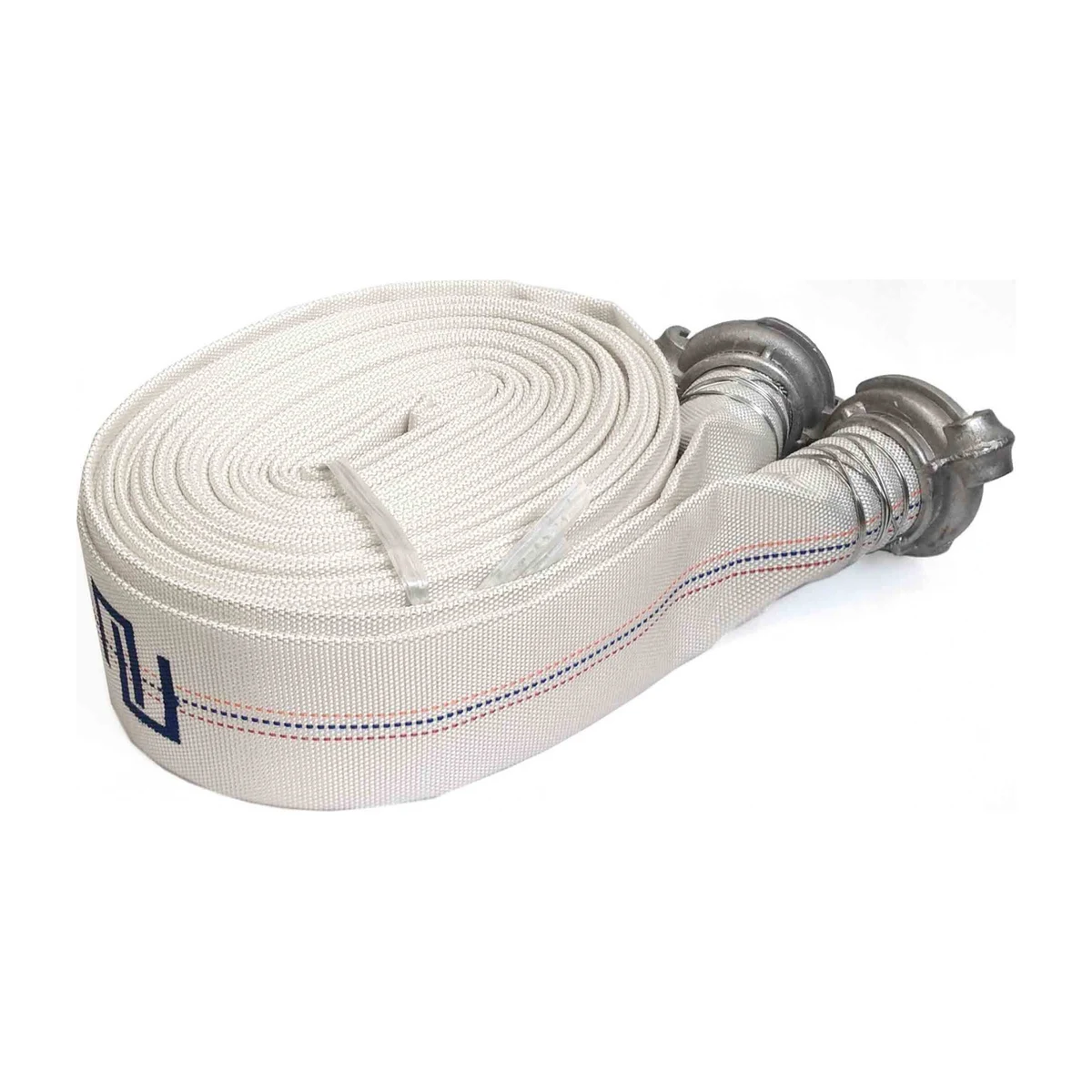
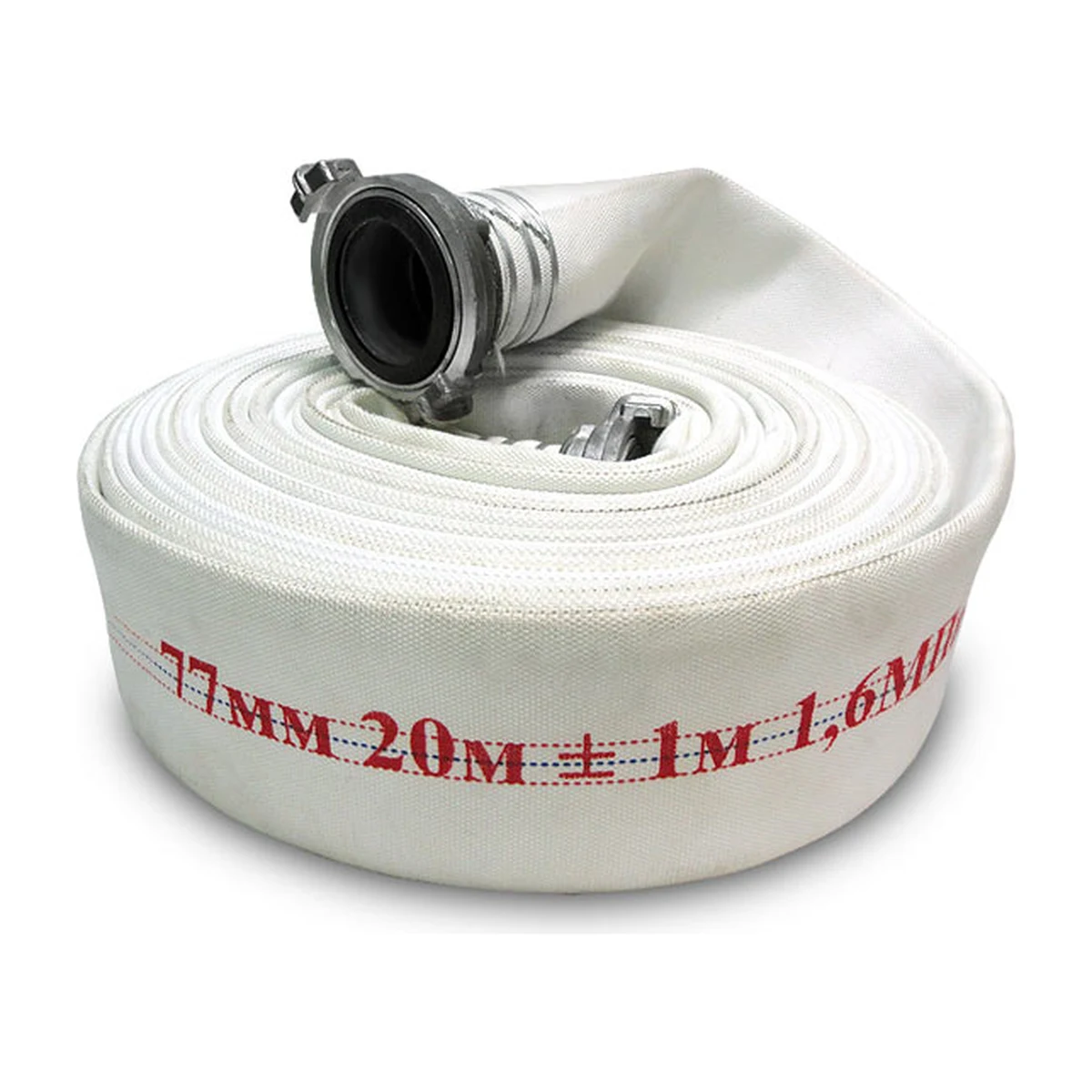
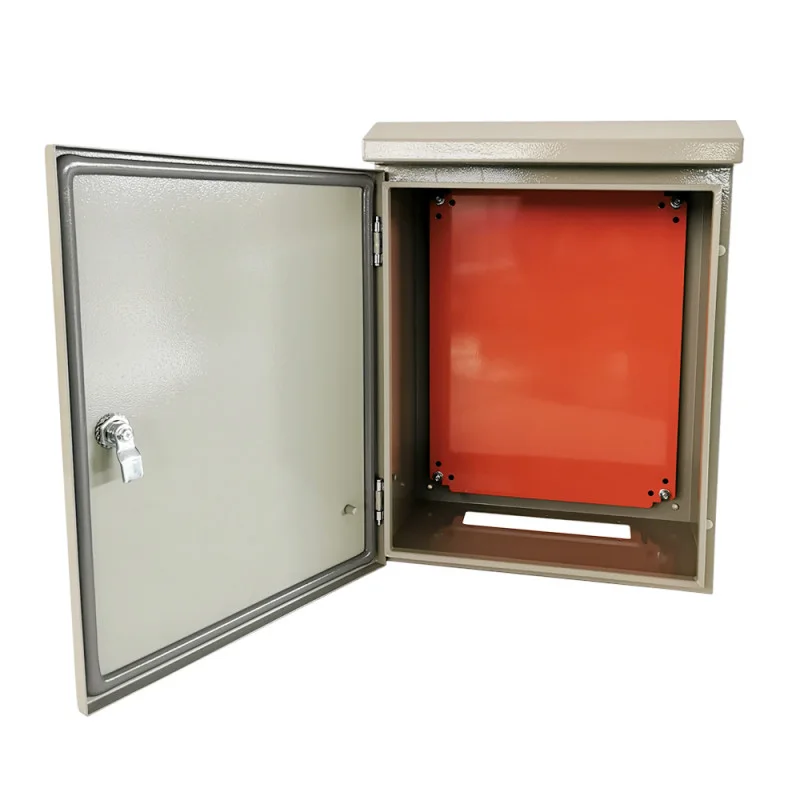
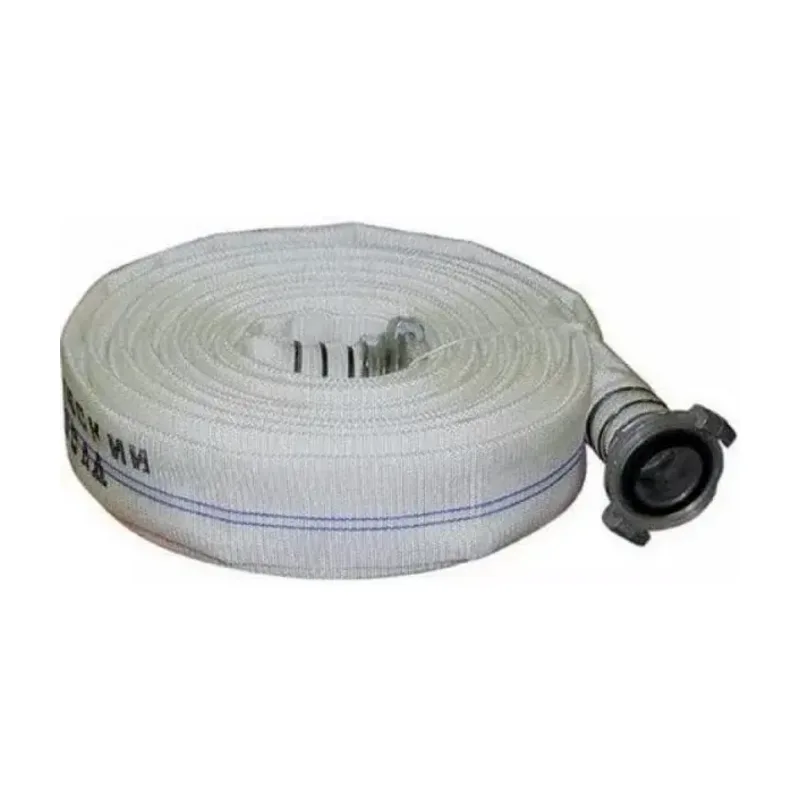
- Quality of fire cabinets and hose reels: PSh-1 and PSh-7 cabinets differ in volume and metal thickness (0.5 mm and 1 mm respectively). For sites with heightened requirements, choose sturdier models; for offices and small premises, standard options are suitable. A hose reel is selected by diameter and length in accordance with the distance to the most remote point of the protected zone.
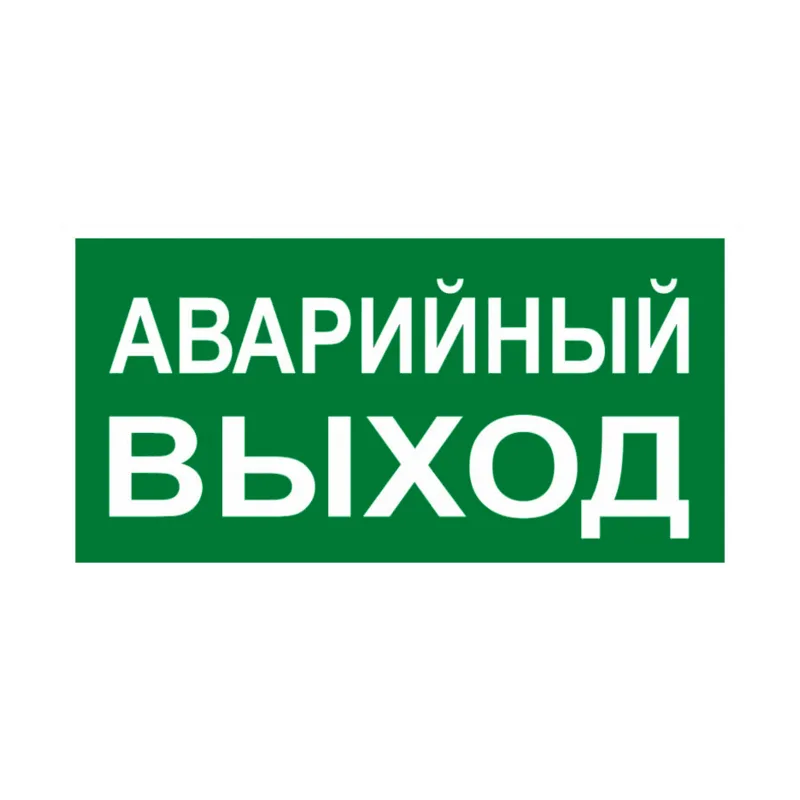
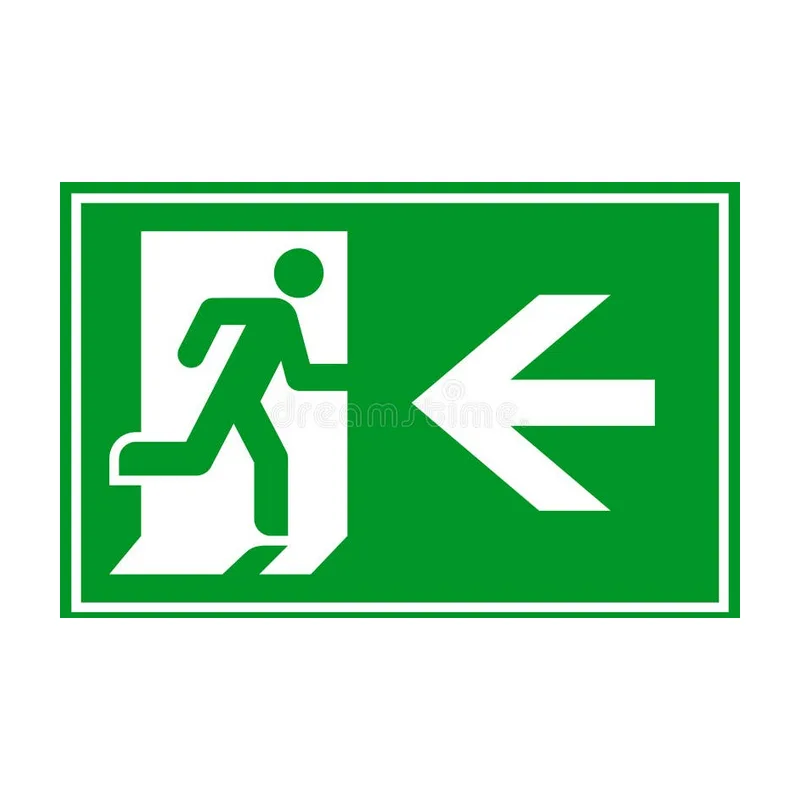
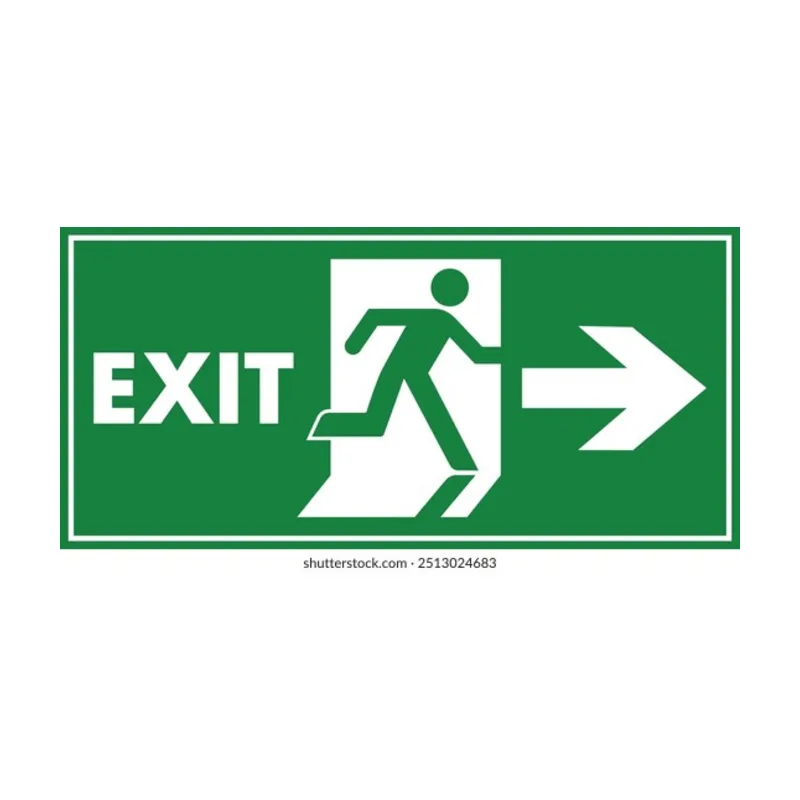
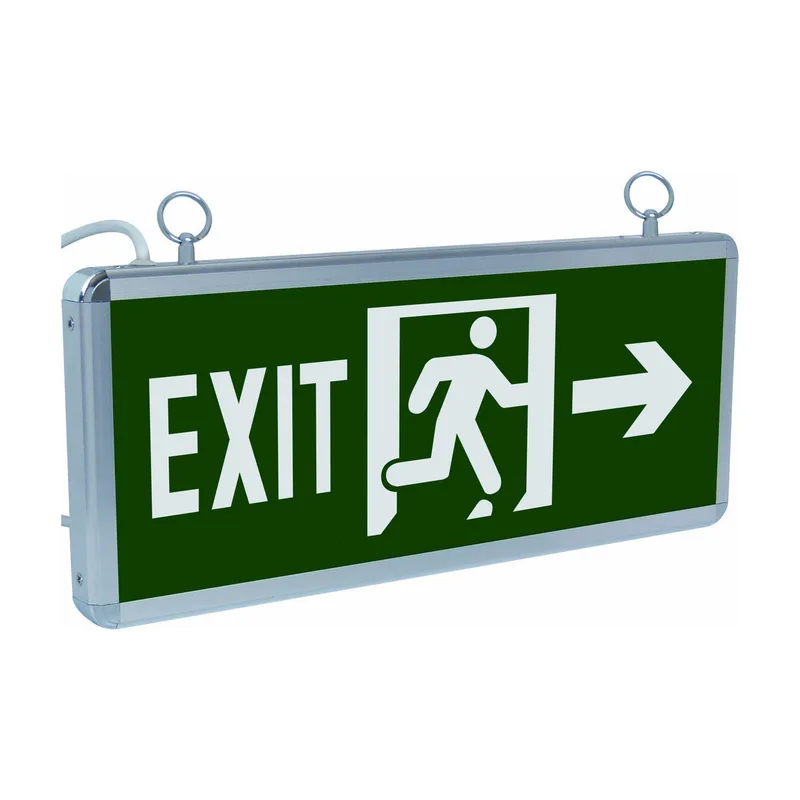
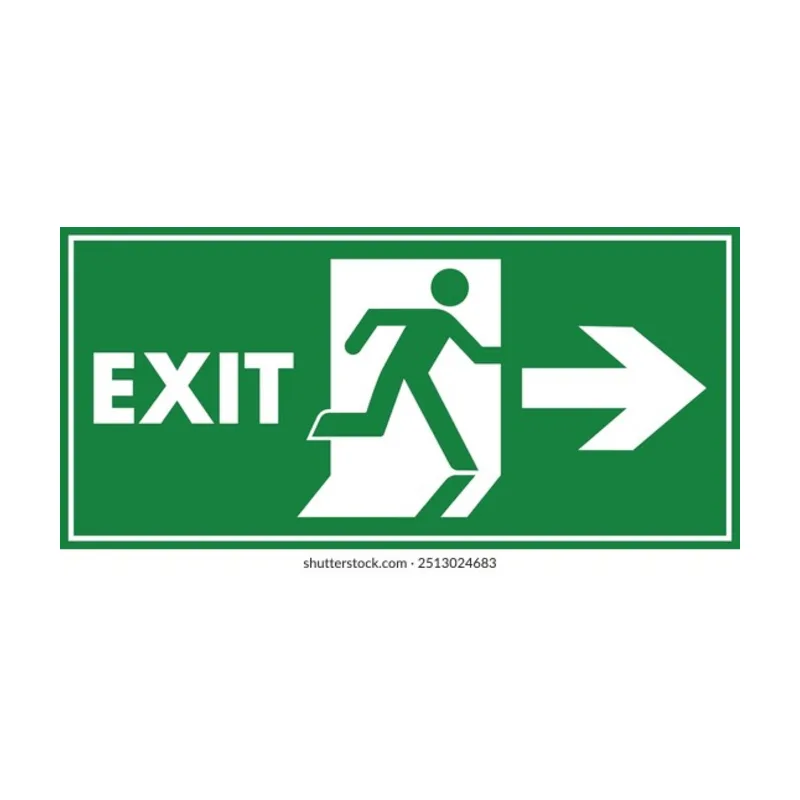
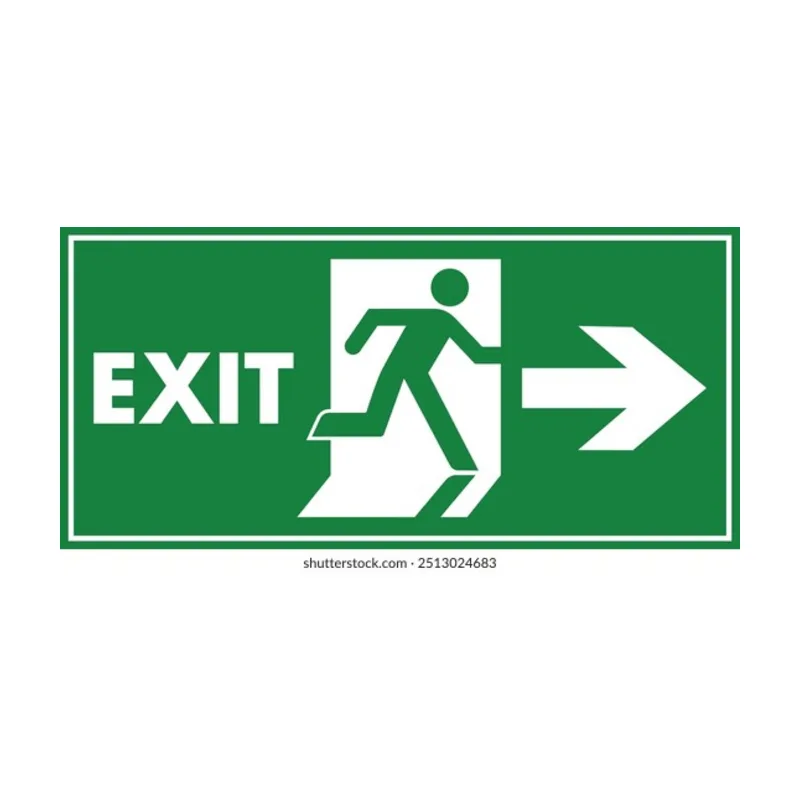
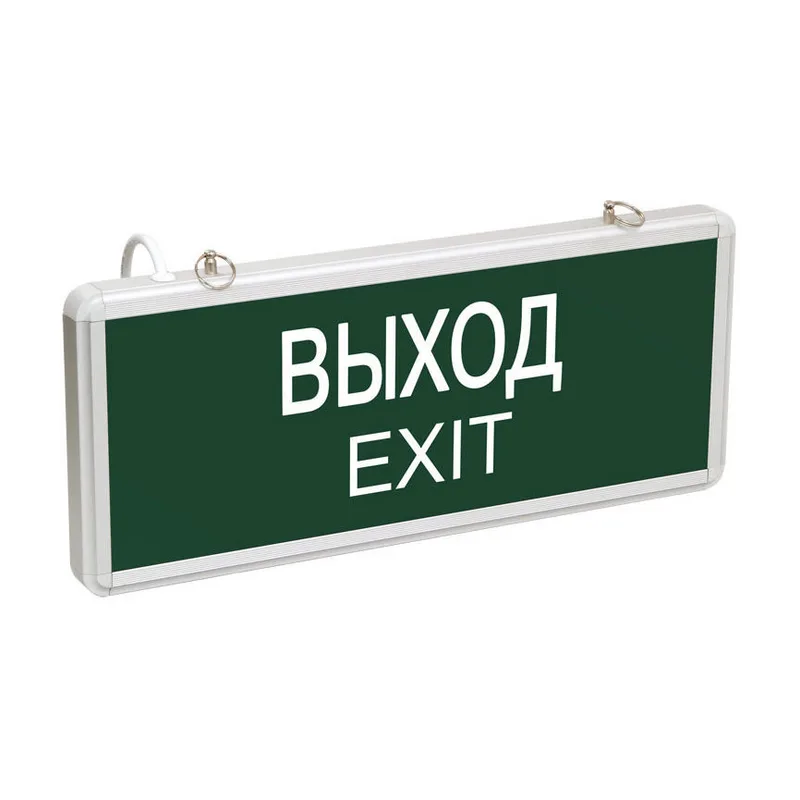
- Signs and illuminated indicators: emergency exit signs (VYKHOD/EXIT) must comply with visibility standards and be placed on all evacuation routes. Illuminated plates with a running figure ensure orientation even in smoke.
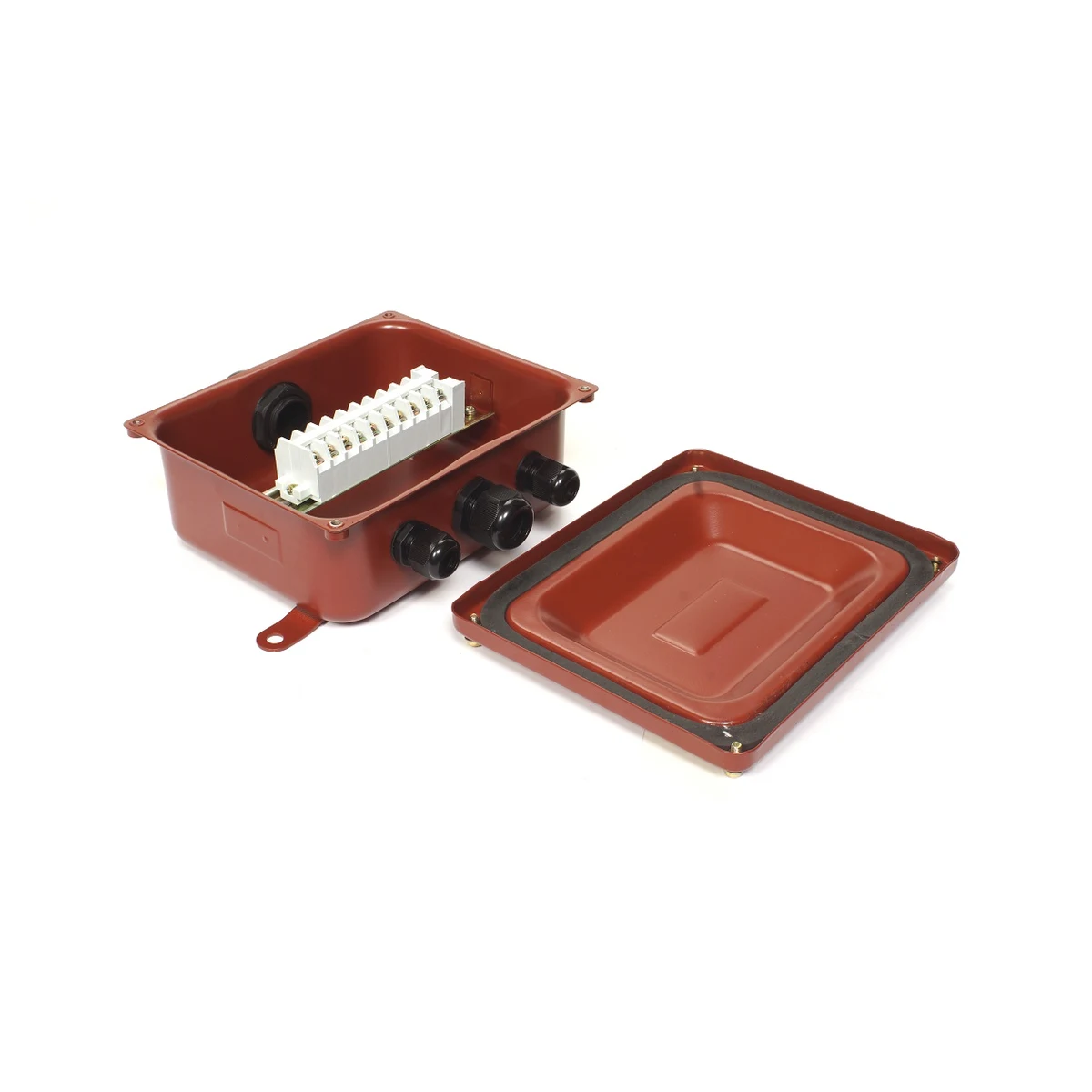
- Outdoor and auxiliary equipment: outdoor enclosures and boxes are used to house equipment for outdoor installation; it is important to consider the degree of moisture protection and the operating temperature range.
- Component compatibility: all elements of the system — detectors, loops, control panels — must be compatible with each other. Mixing incompatible equipment from different manufacturers can lead to incorrect operation of the entire system.
- Compliance with regulations: when choosing, be guided by the fire safety norms in force in Uzbekistan. The equipment must have the necessary certificates and permits for use at protected sites.
Applications
- Residential complexes and apartment buildings: mandatory installation of smoke detectors, sounders and fire cabinets in entrances, technical rooms and parking areas.
- Office and administrative buildings: early fire detection systems with addressable control panels, emergency exit signs, fire extinguishers and fire hydrants in cabinets.
- Shopping centers and supermarkets: extensive zonal detection and warning systems integrated with ventilation and emergency lighting systems.
- Manufacturing plants and warehouses: heat and combined detectors for zones with dust, smoke or high temperatures; fire cabinets with long hoses to protect extended spaces.
- Healthcare and education facilities: heightened requirements for system reliability, backup power, mandatory illuminated evacuation indicators on all floors.
- Hotels, restaurants and catering facilities: zoning by floors and functional areas, heat detectors for kitchens, smoke detectors for guest zones.
Brands and models in the catalog
- The Grand MAGISTR device: security-and-fire panels version 3.1 for 24 and 30 loops — reliable centralized fire alarm control devices supporting the connection of a large number of detectors and allowing zonal warning to be organized.
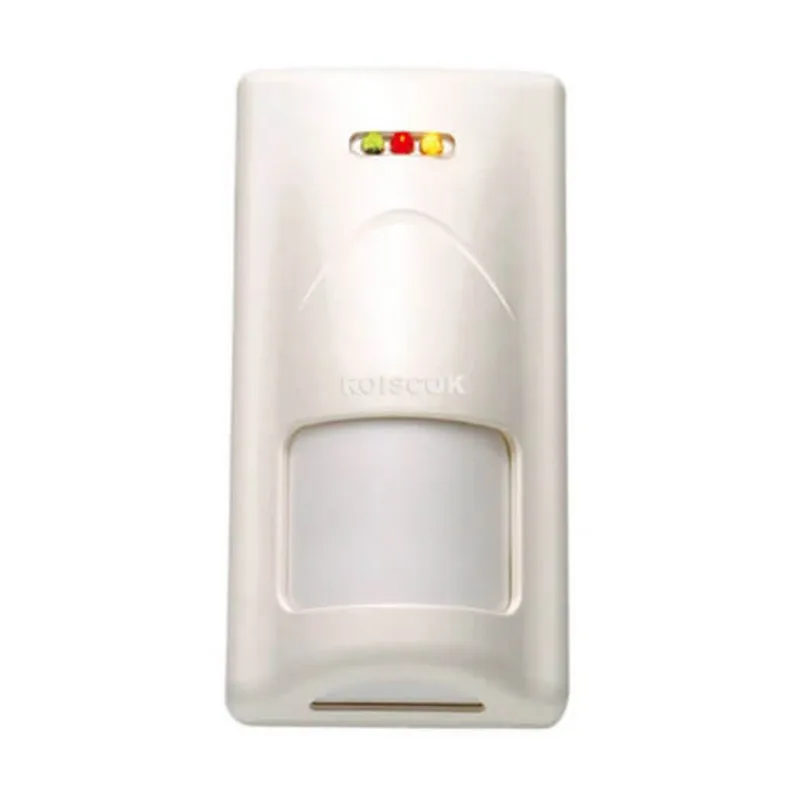
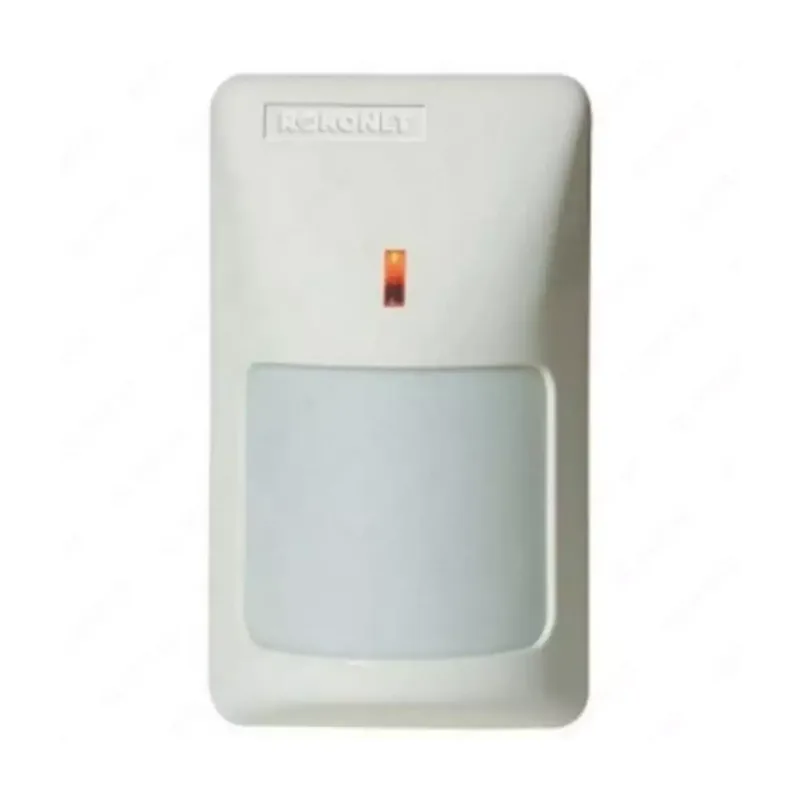
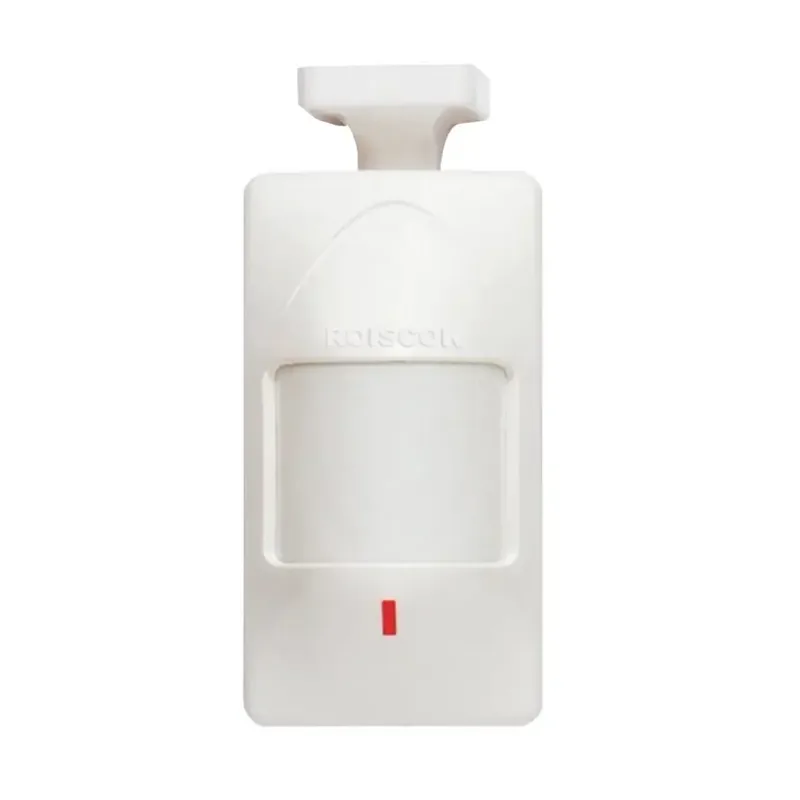
- Roiscok (RK series detectors): the catalog features the RK-210-PR, RK-410-PR and RK-2000-DPC models — these are fire detectors of various types for use in different operating conditions, from standard premises to sites with special requirements.
- PSh fire cabinets: the PSh-1 (0.5 mm thickness) and PSh-7m (1 mm thickness, red color) models — standard wall-mounted cabinets for housing a fire hydrant and hose. The choice depends on the requirements for enclosure strength and internal space volume.
- The IP-106 heat detector: a classic device for detecting an abnormal temperature rise, used in premises where smoke detectors are not applicable due to technological conditions.
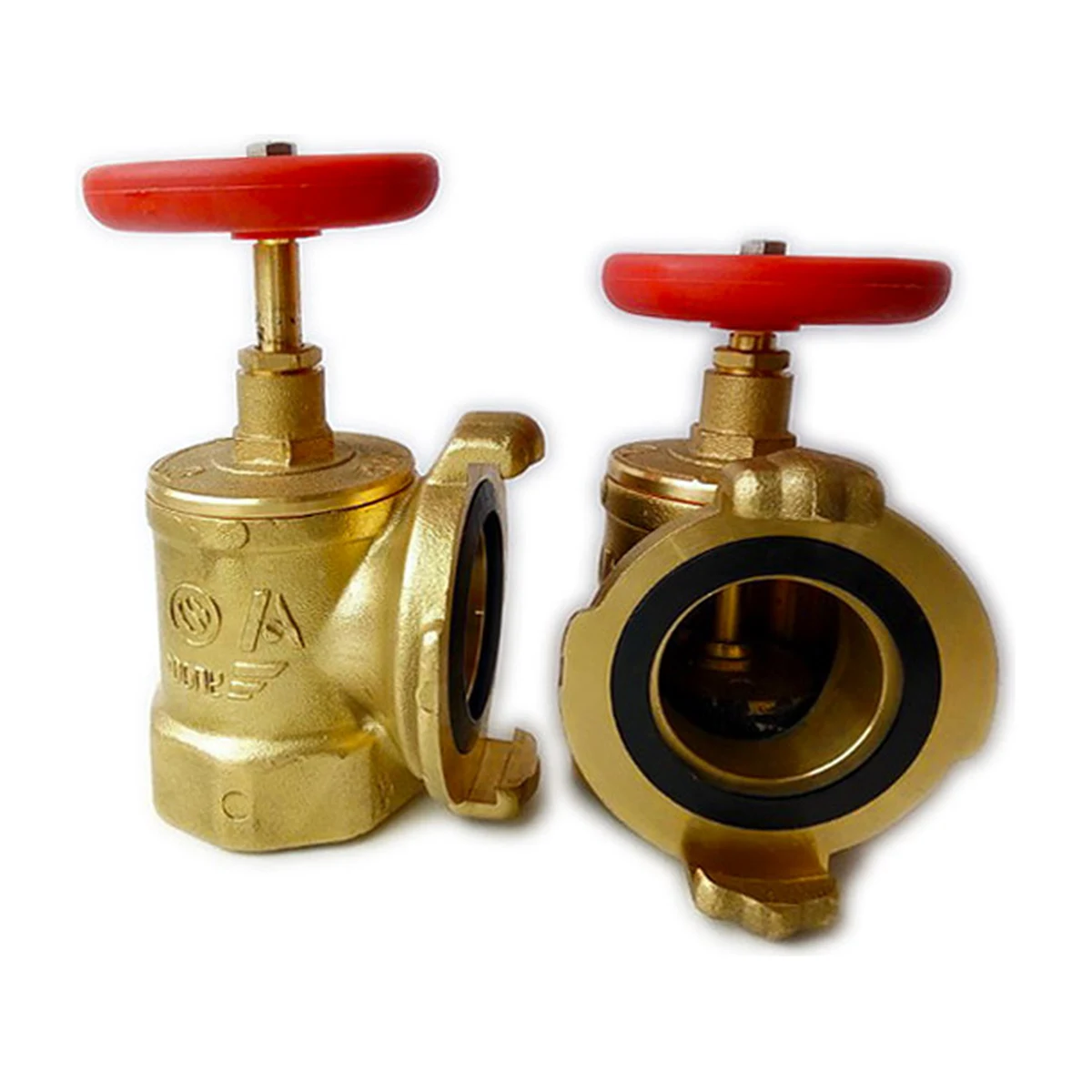
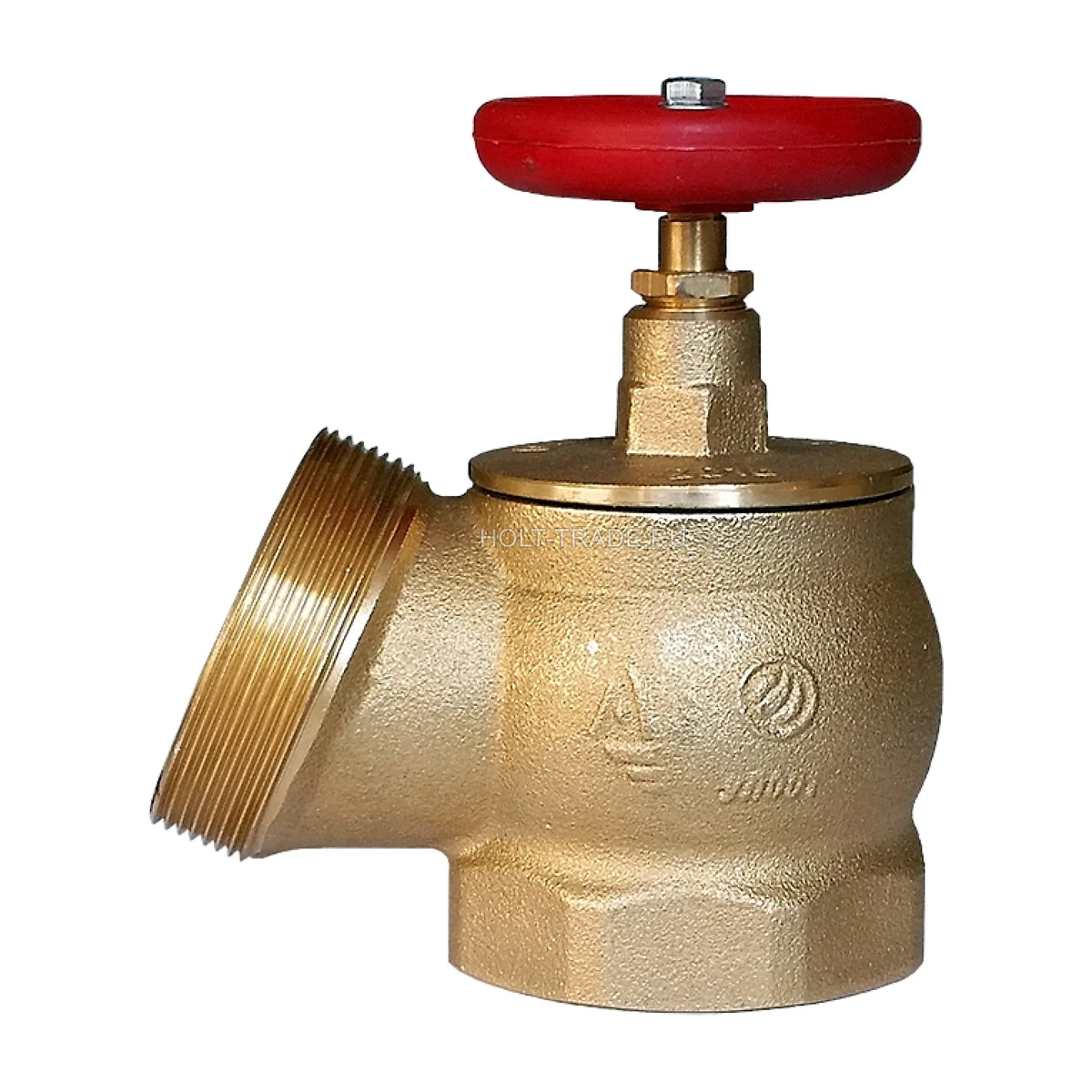
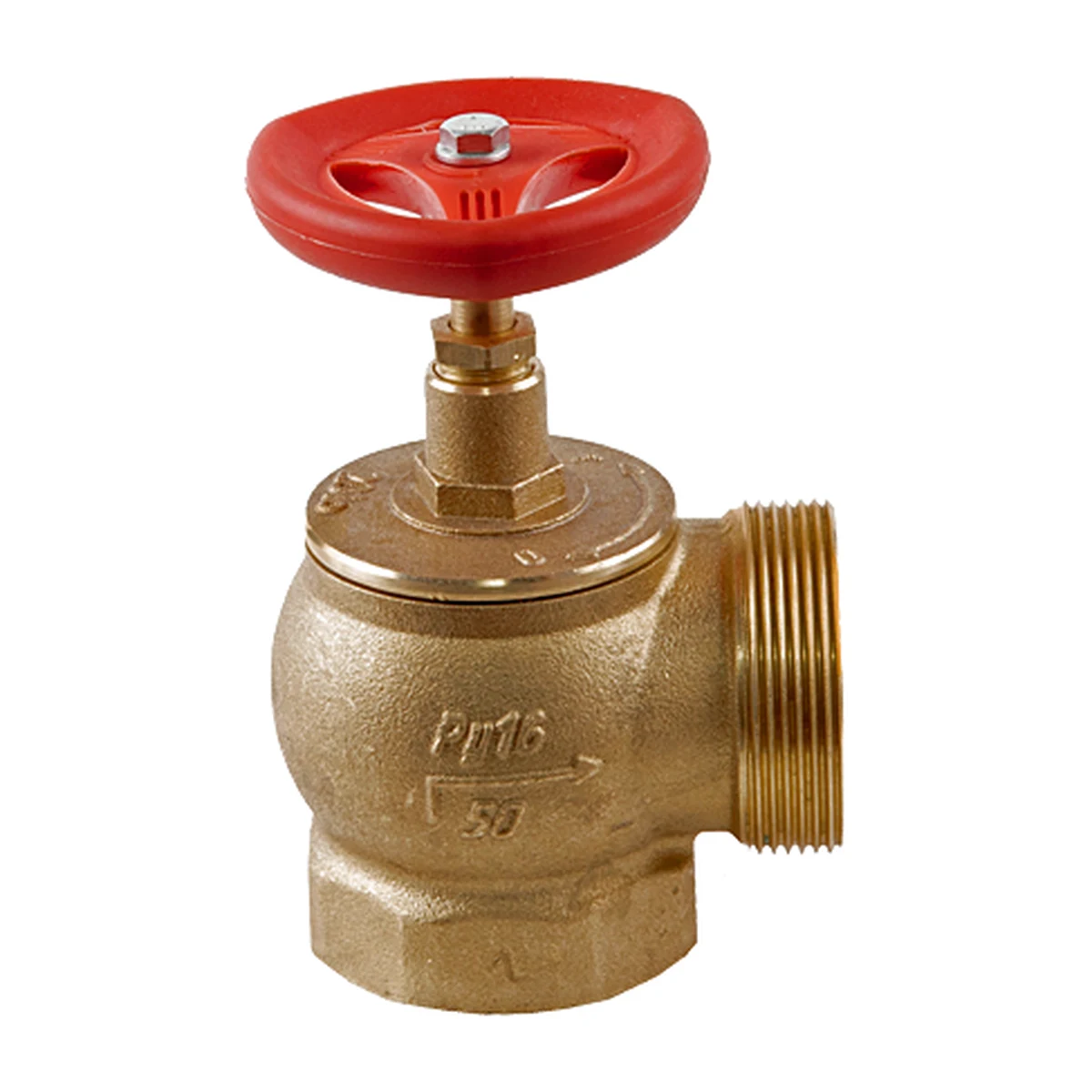
- Auxiliary equipment: hose reels, outdoor enclosures and emergency exit signs (VYKHOD-EXIT with illuminated marking) complement the system and ensure compliance with regulatory requirements.
Frequently asked questions
What documents are needed to hand over a fire safety system to supervisory authorities?
How does a heat detector differ from a smoke detector and when should each be chosen?
Can I buy only individual components, for example a cabinet or hose, without installation?
How much does installing a fire alarm system in Tashkent cost?
How often does a fire safety system need to be serviced?
Fire safety — guide & FAQ
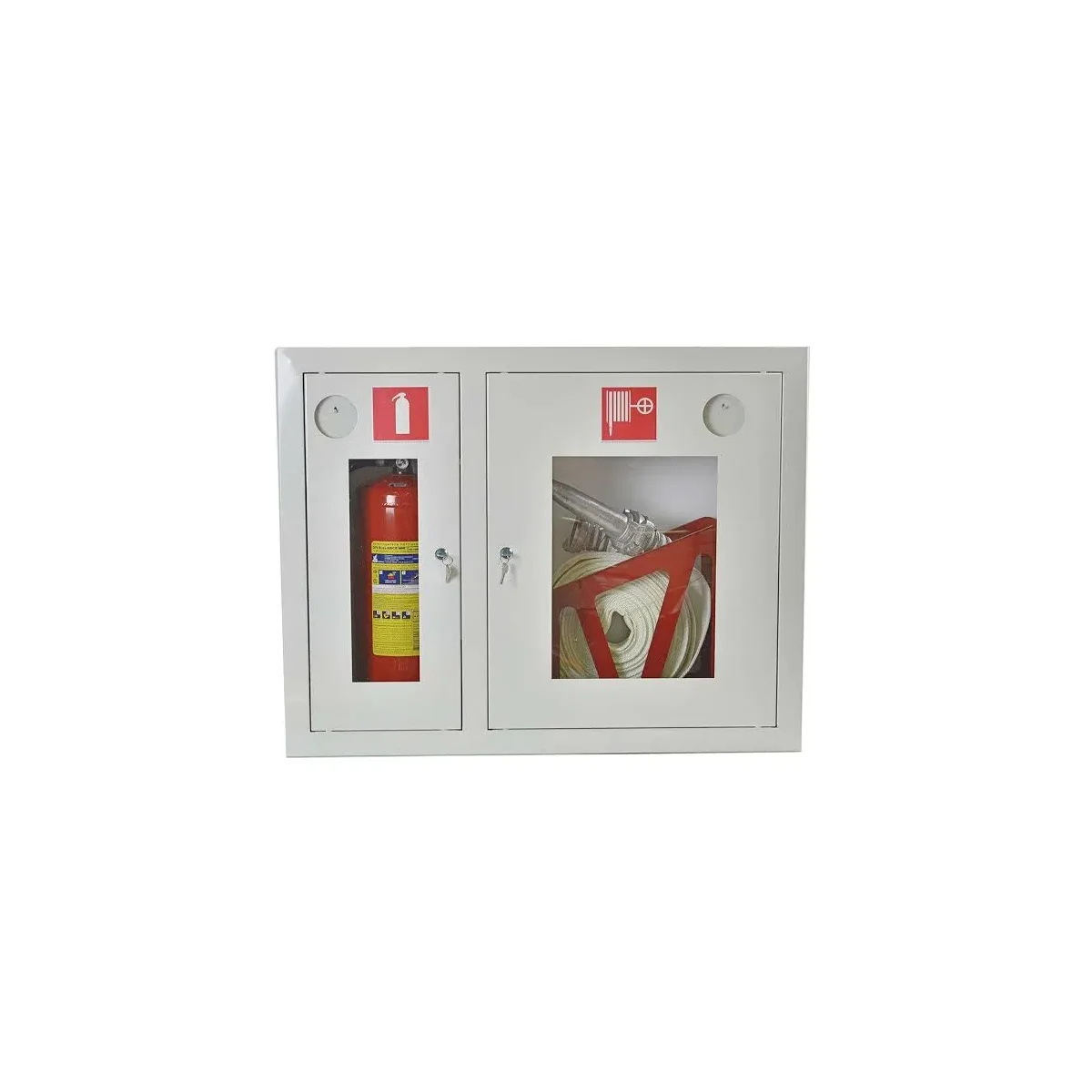
Powder and CO2 extinguishers, fire cabinets, hoses and signage — site outfitting to fire-code requirements, from Tashkent stock. An extinguisher is chosen by fire class and area: powder units are universal for classes A, B, C and live electrics — the standard for offices, shops and warehouses; CO2 units leave no residue and belong near server rooms and switchboards. Common sizes are 4–5 kg for rooms and 25–100 kg wheeled units for industry. Outfitting a site is more than extinguishers: fire cabinets with hoses and valves, evacuation signage, plans and a logbook. The codes set quantity and placement by area and occupancy — we calculate the set so the fire inspection passes without remarks. In stock: RIF extinguishers from 4 to 100 kg, hoses, valves and signs; VAT invoicing for organisations and delivery across Uzbekistan. Plus scheduled recharging and licensed fire-alarm installation — one contractor closes the whole site. A fire cabinet is not a formality but a working post: inside are a hose with the coupling attached, a valve, a place for the extinguisher — everything sealed and labeled. Inspectors open the cabinets first: a dried-out hose without a coupling or a valve fixed with wire is a ready-made violation. Hoses are re-rolled onto a new fold once a year — this small ritual doubles their life. Deadlines are what sites get caught on most: a powder extinguisher is recharged every 5 years, a CO2 one is weight-checked annually, hoses are tested, logs are kept. We take the schedule on ourselves: calculate the kit to code, run the recharge calendar and send the reminders — the site is always ready for an inspection instead of preparing for it the night before. Q: Which extinguisher does an office need? A: A 4–5 kg powder unit per 50–100 m² at minimum; add a CO2 unit near the server room and switchboards. Q: Powder vs CO2 — what is the difference? A: Powder is universal but leaves residue on equipment; CO2 puts out electronics cleanly but costs and weighs more. Q: How often are extinguishers recharged? A: Powder every 5 years, CO2 by annual weight check; after any use — immediately. We keep the recharge schedule for you.
Related articles