SFP modules & transceivers
Found: 99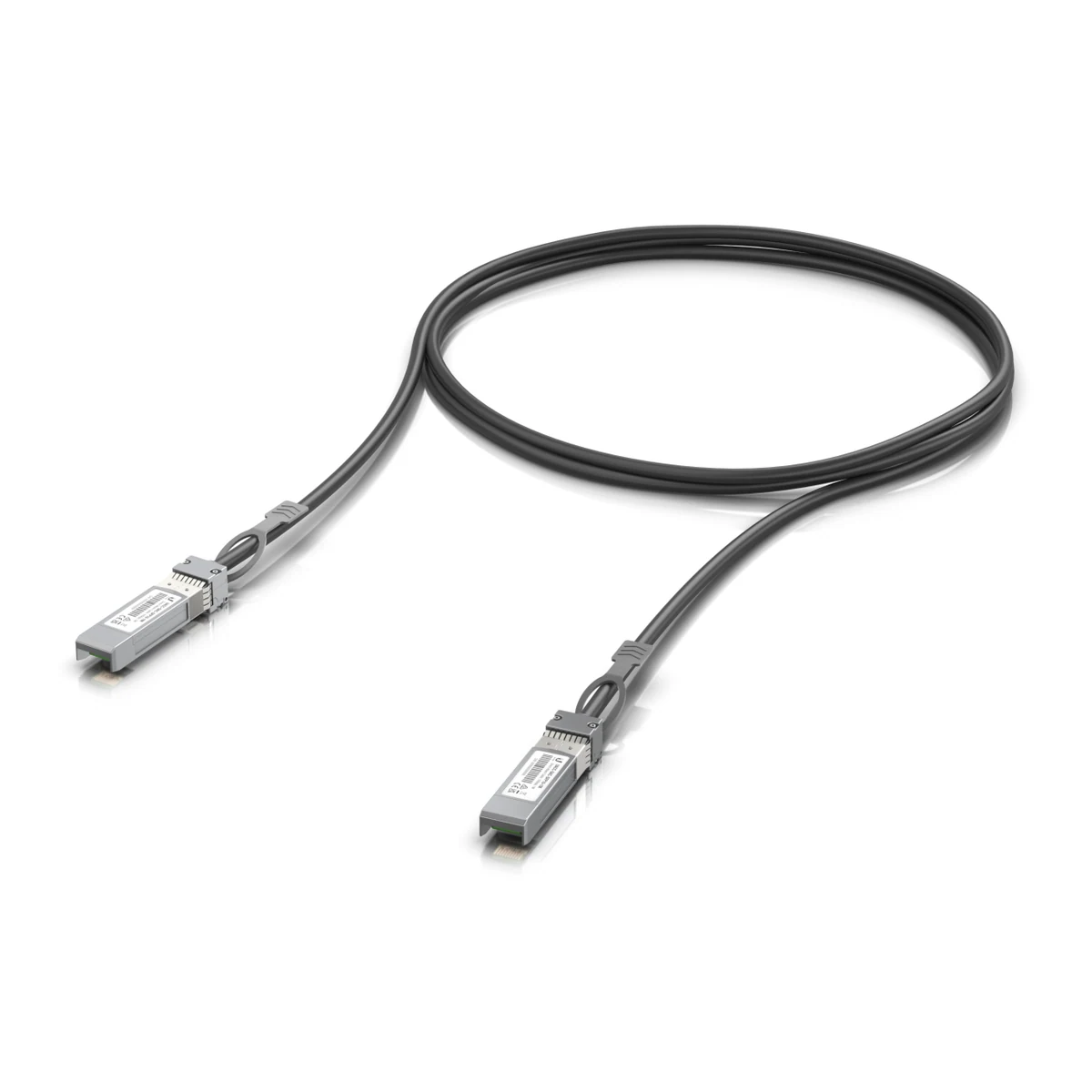







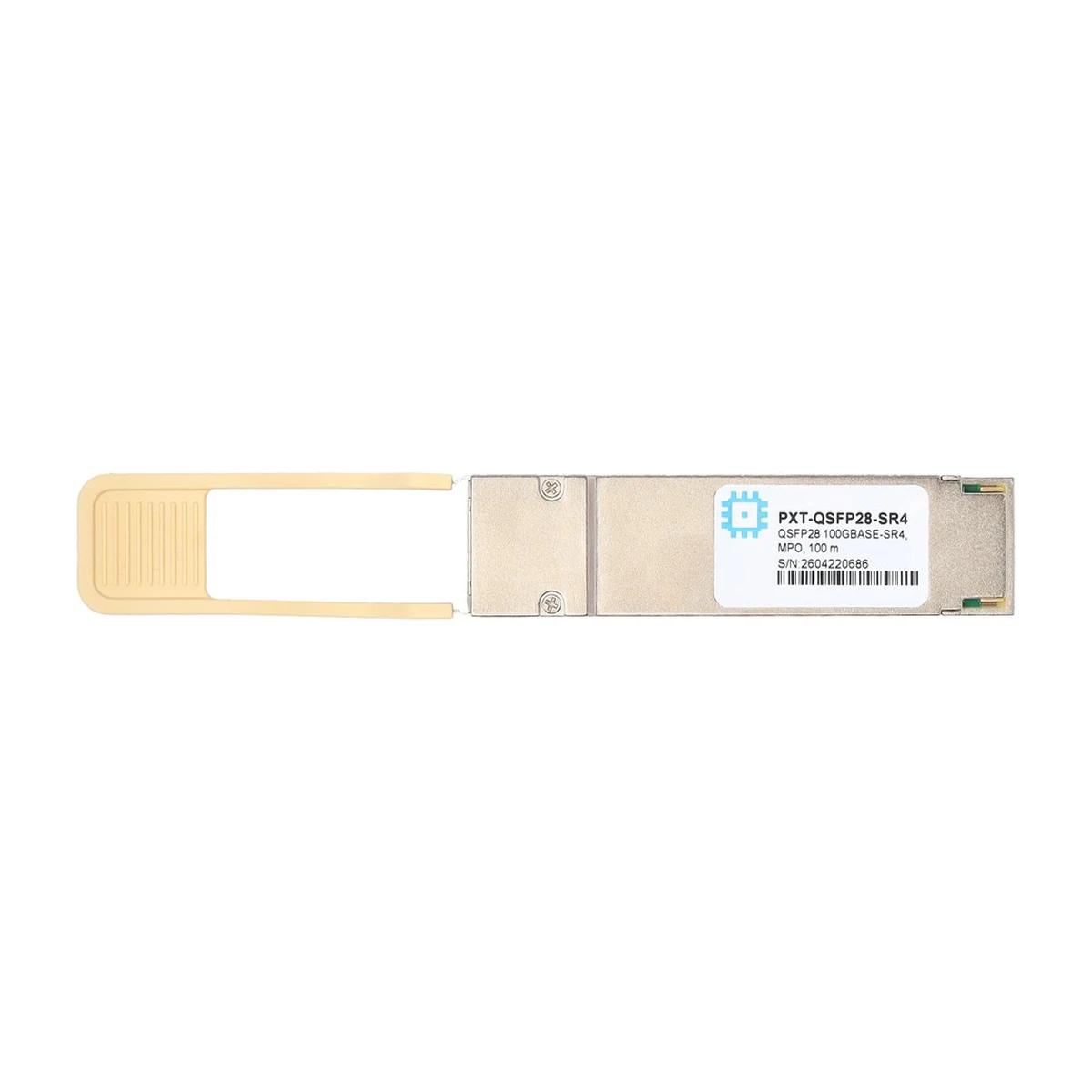
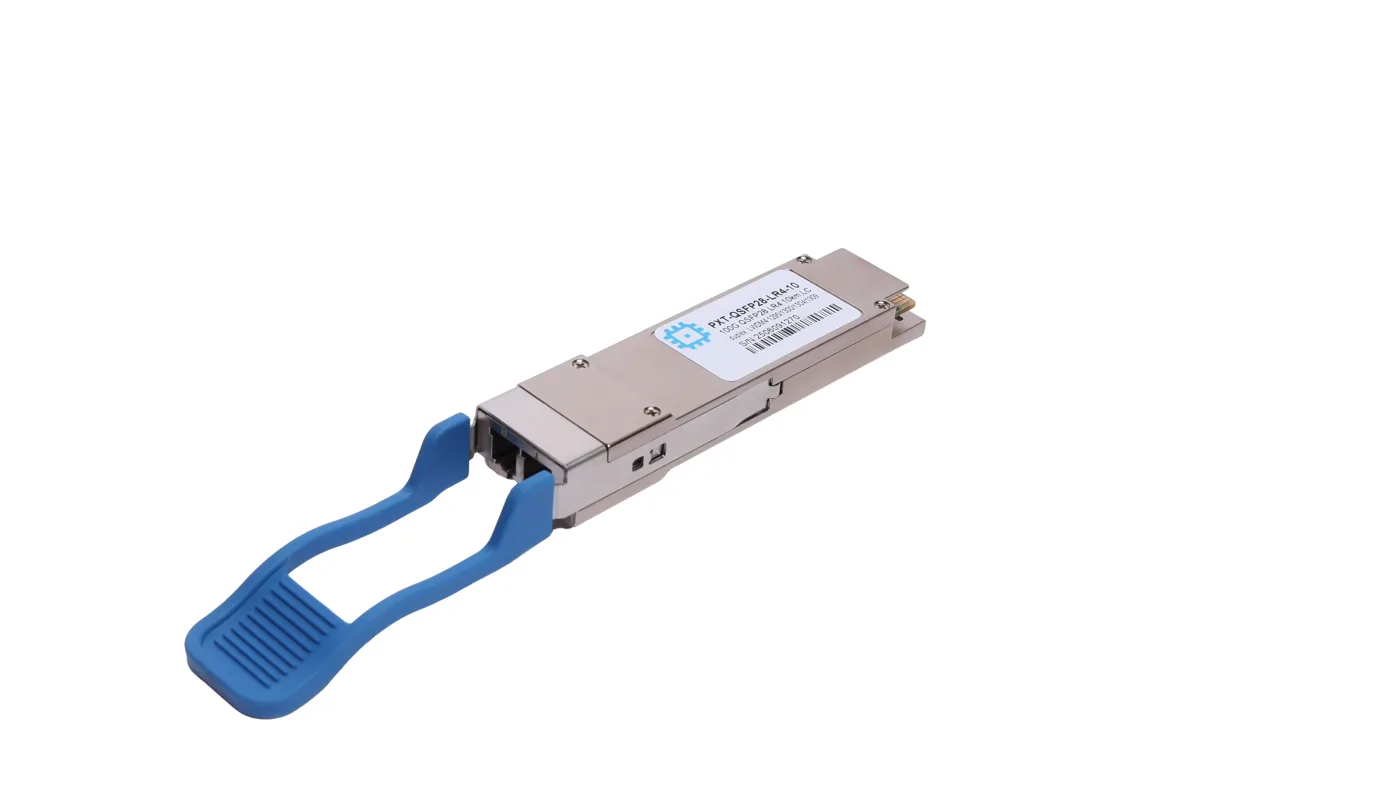
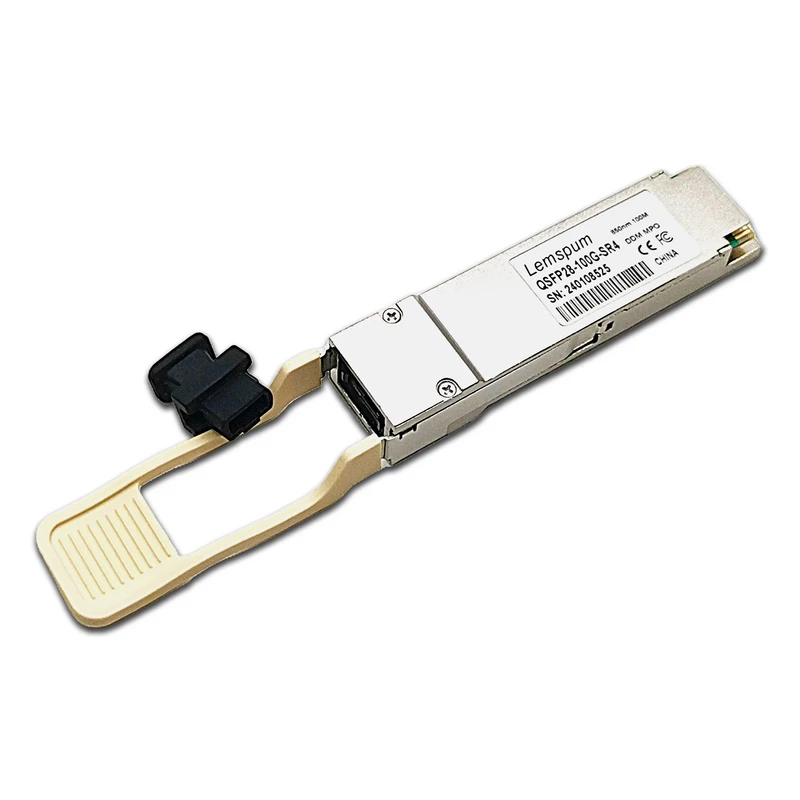
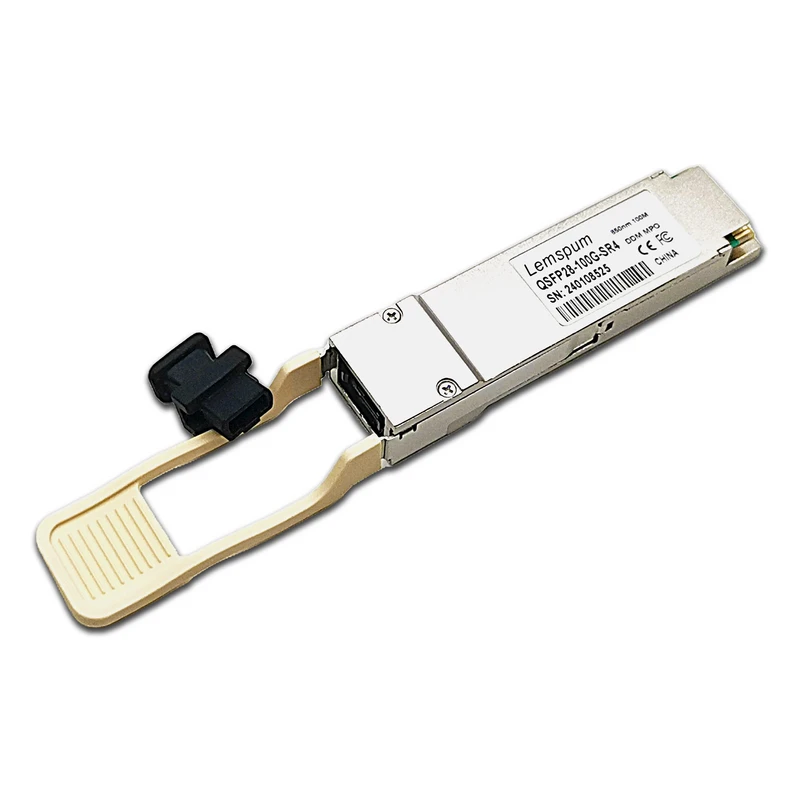
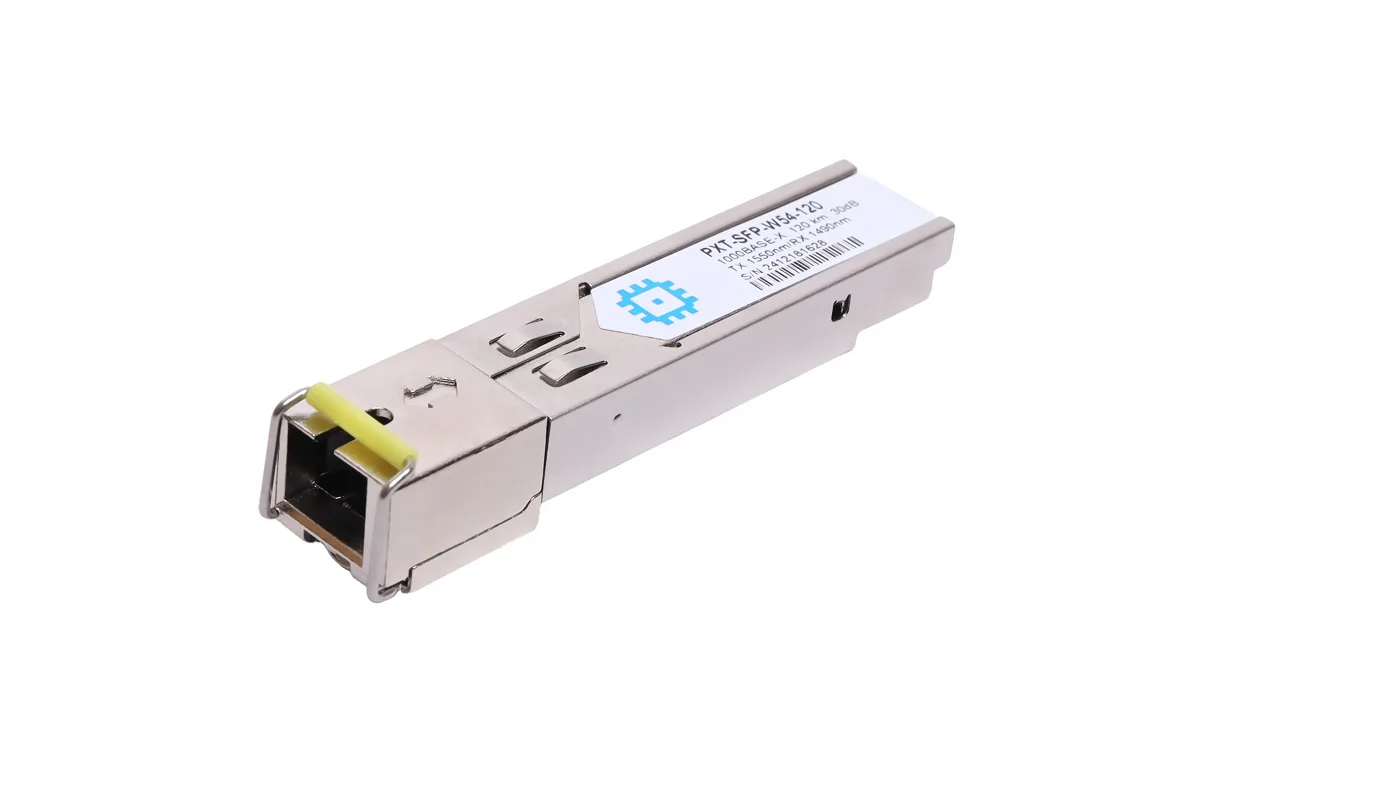

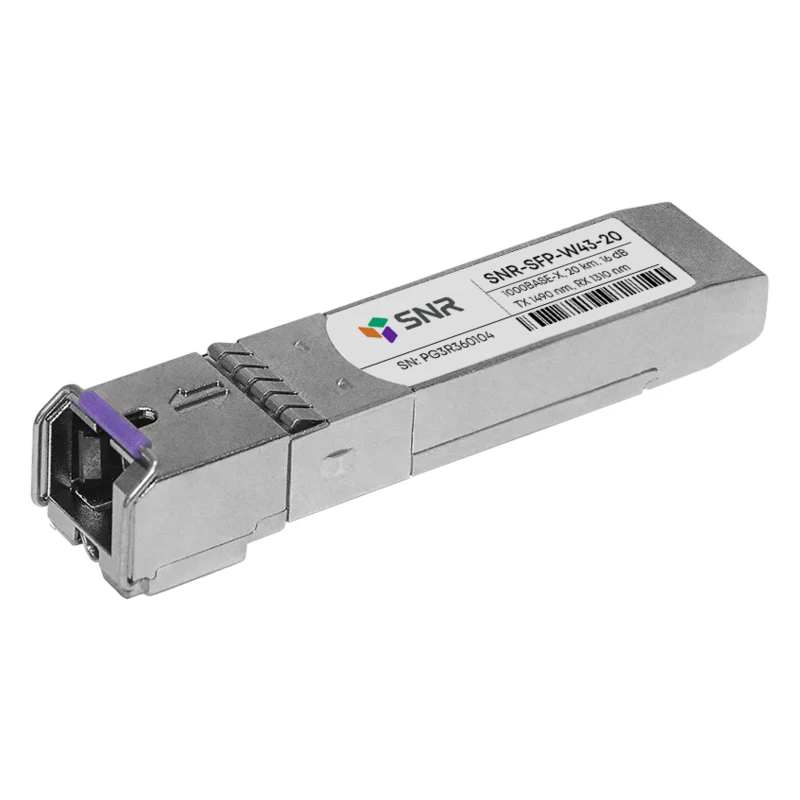
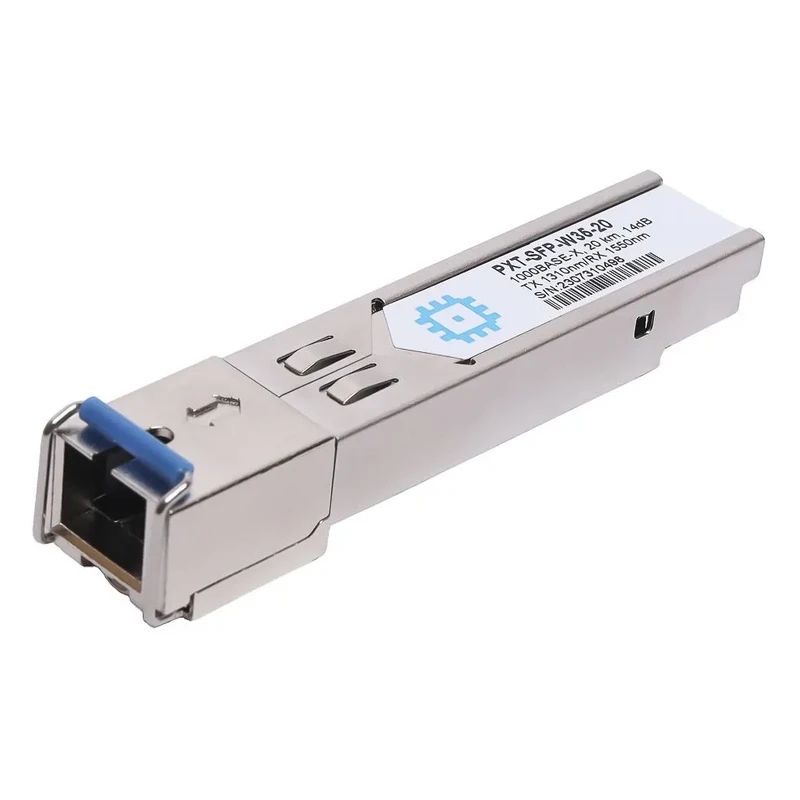
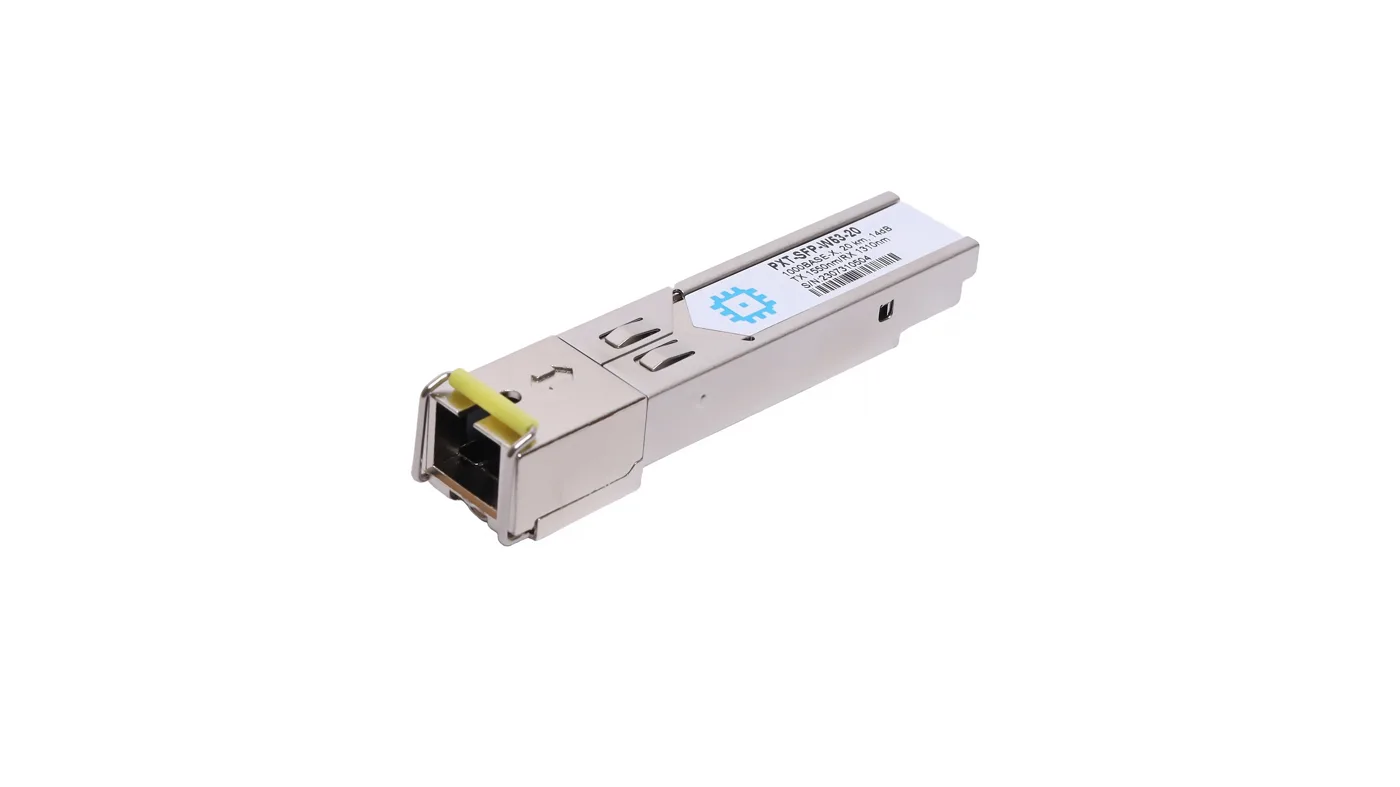
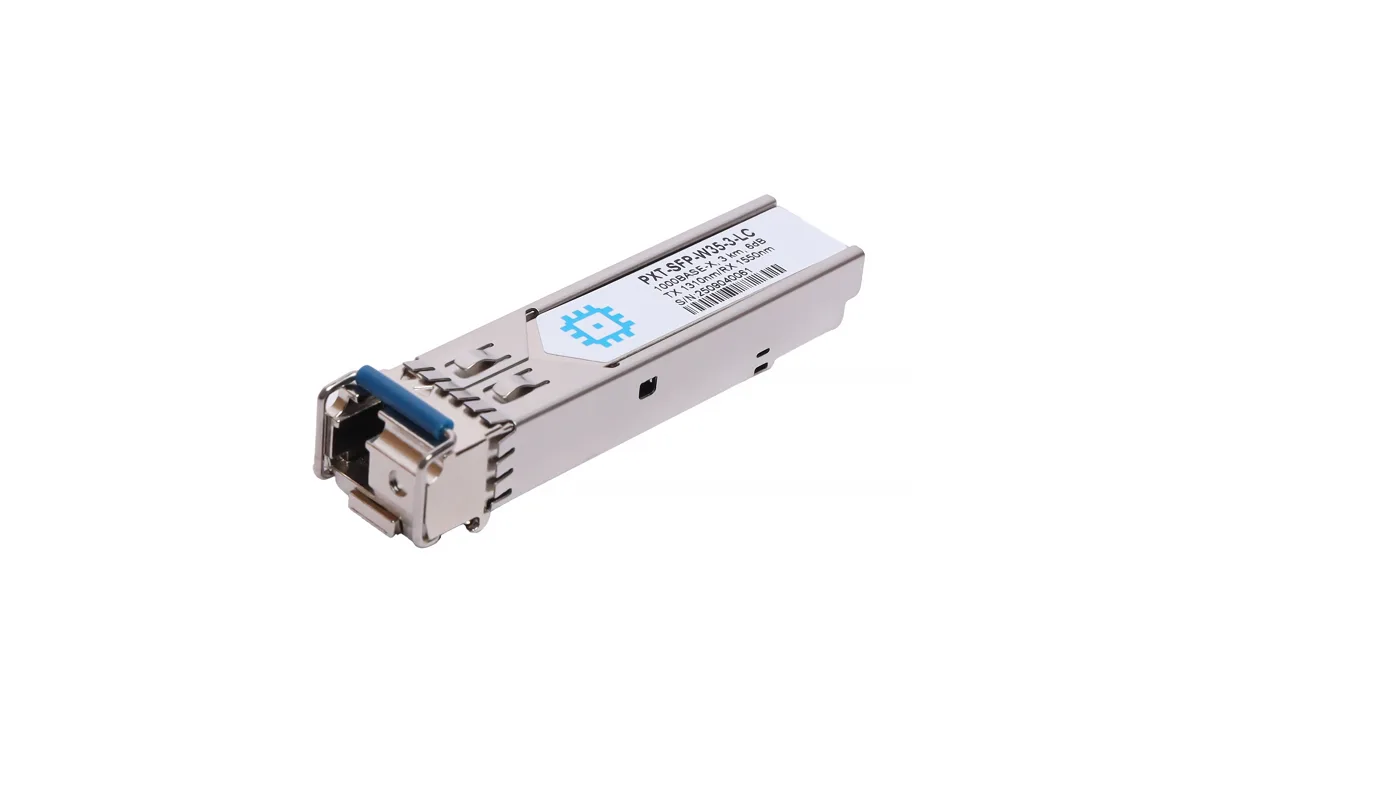
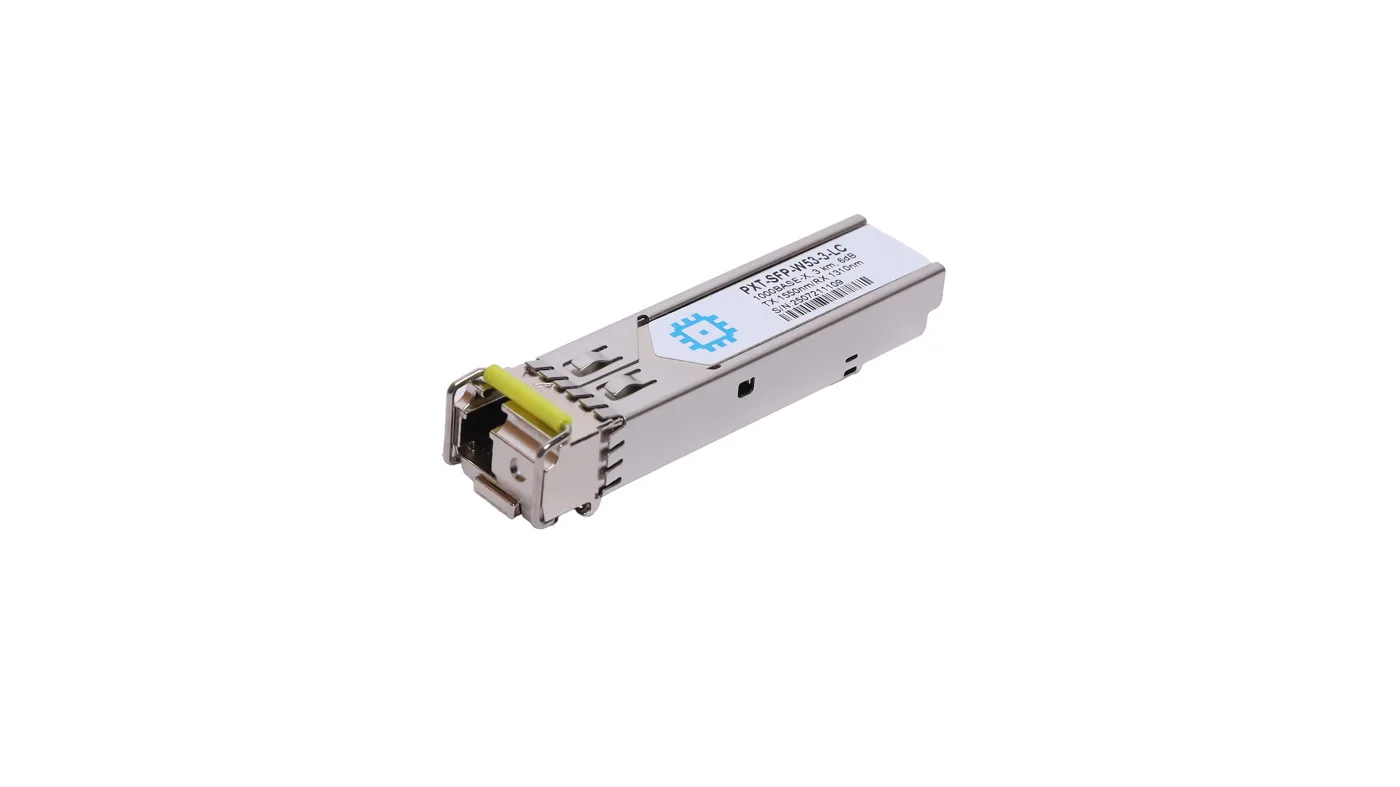
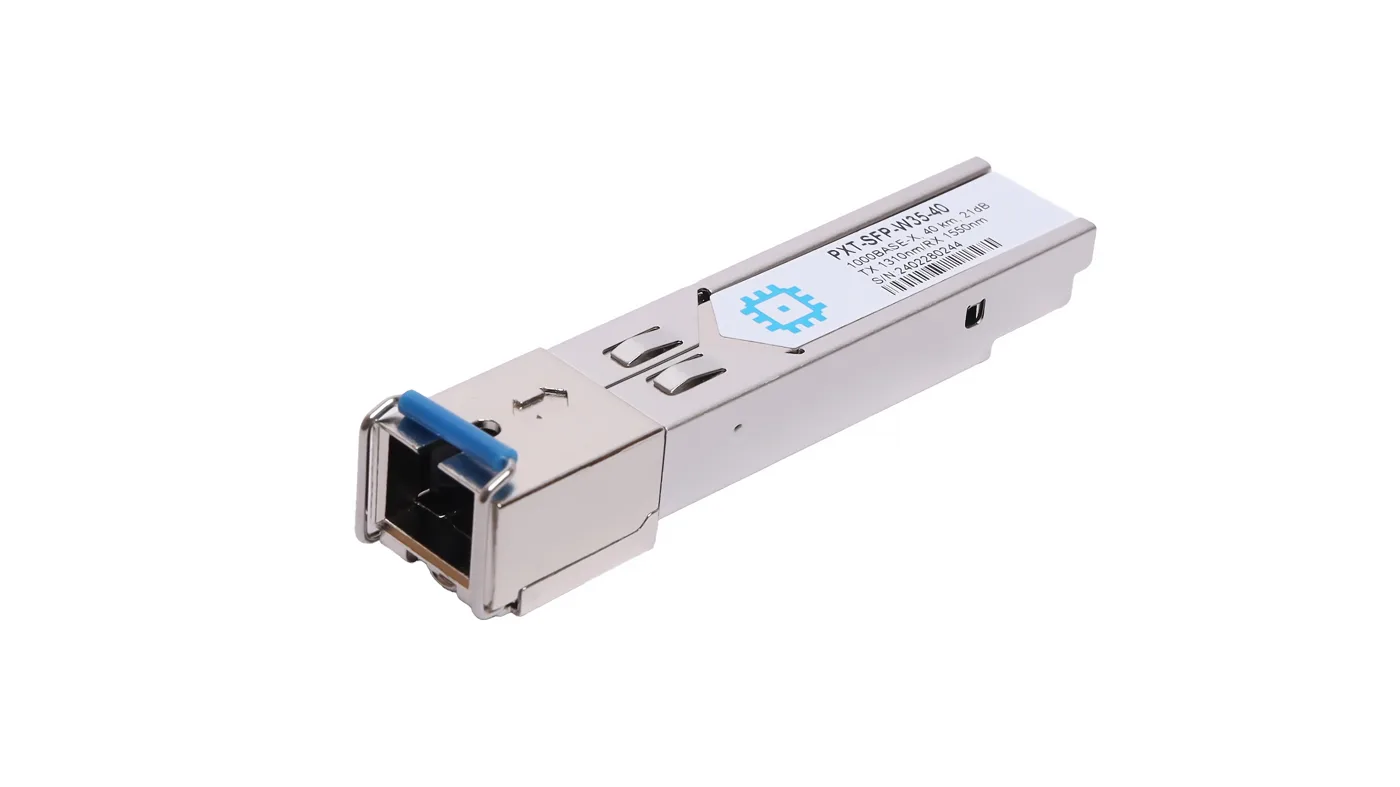
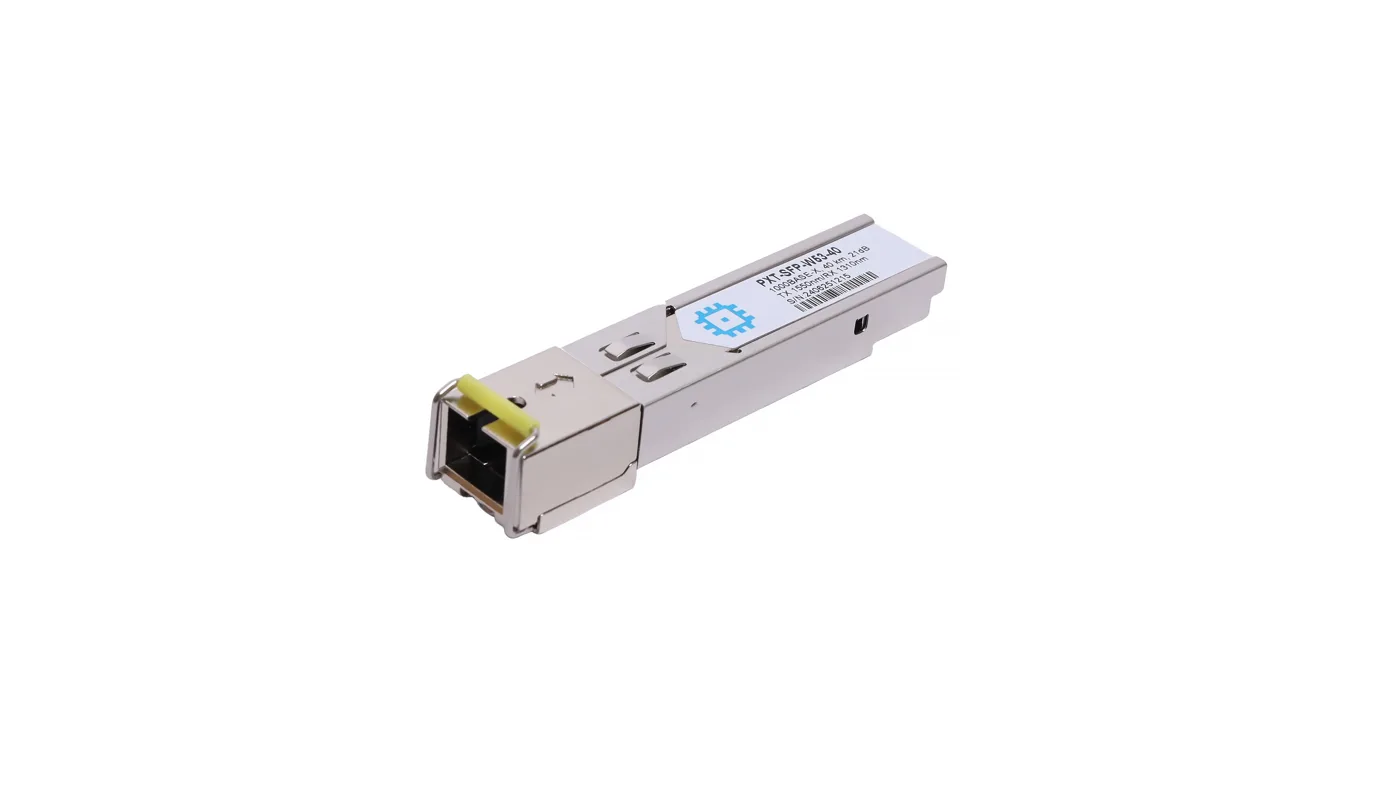
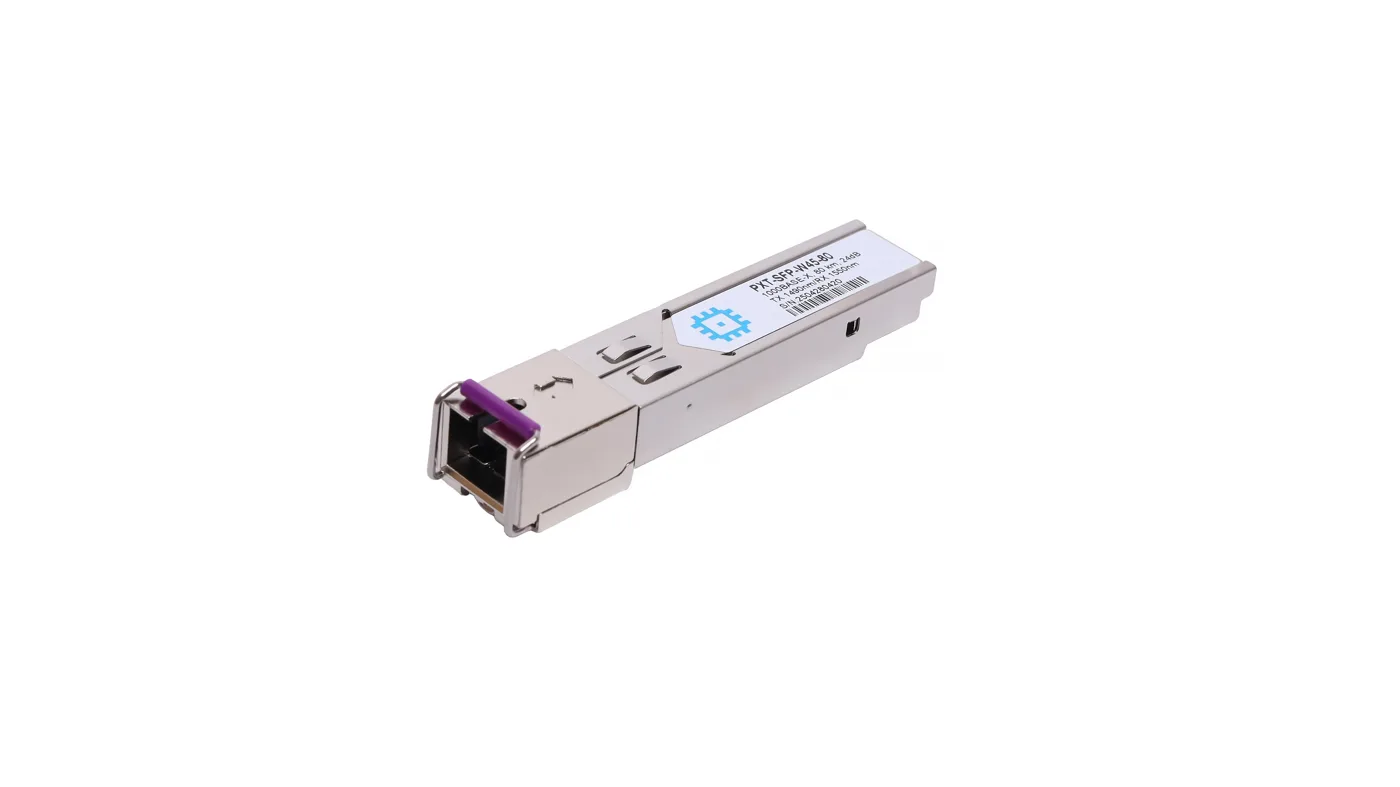
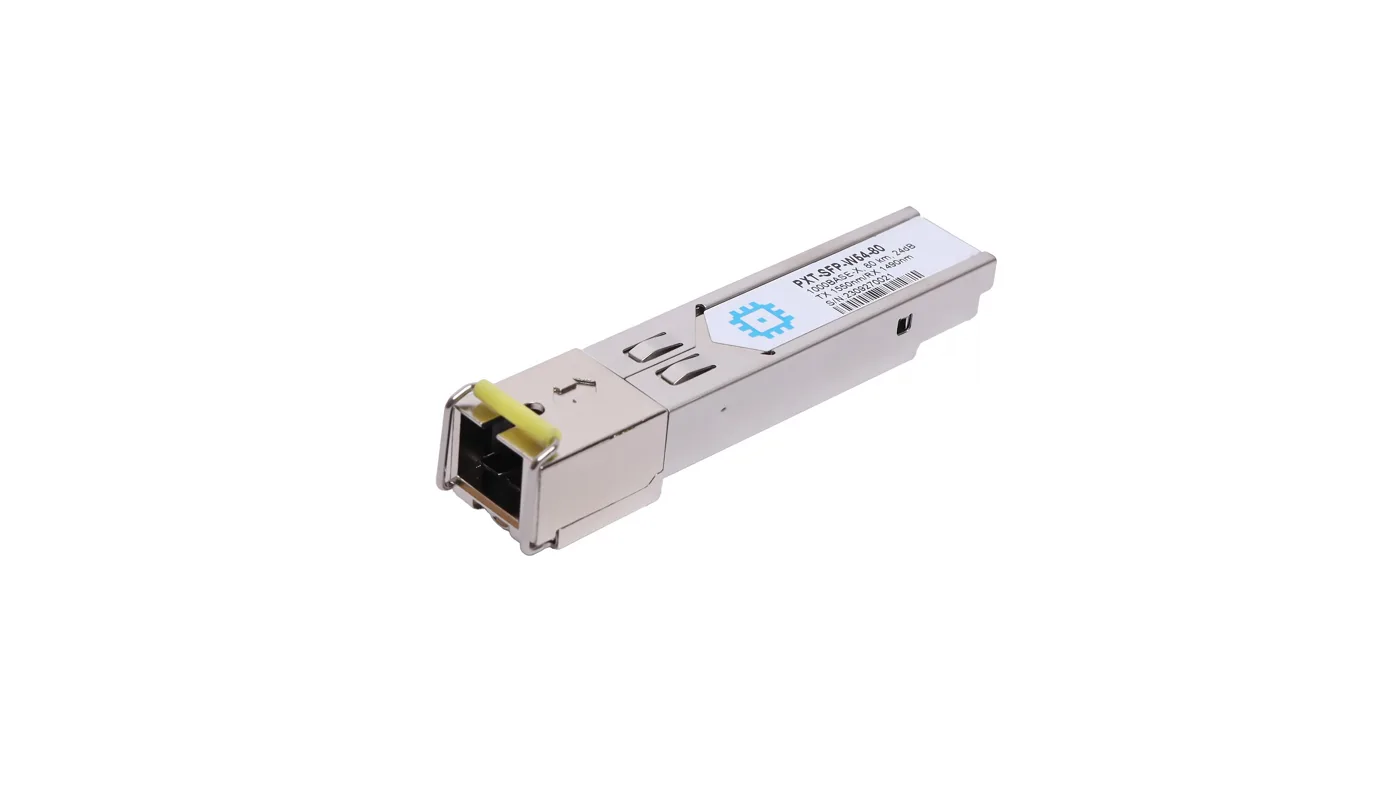

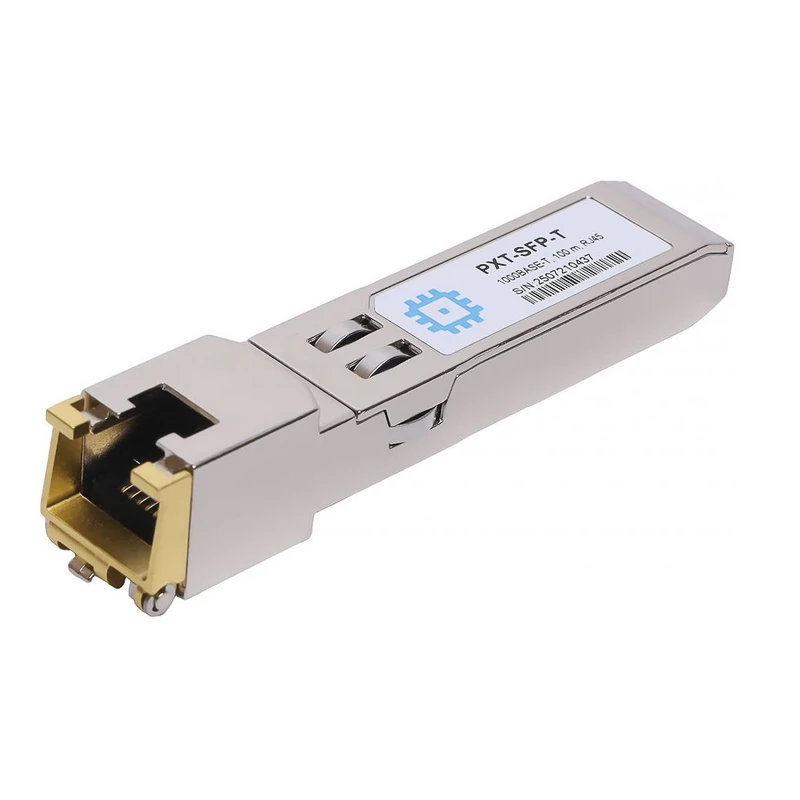

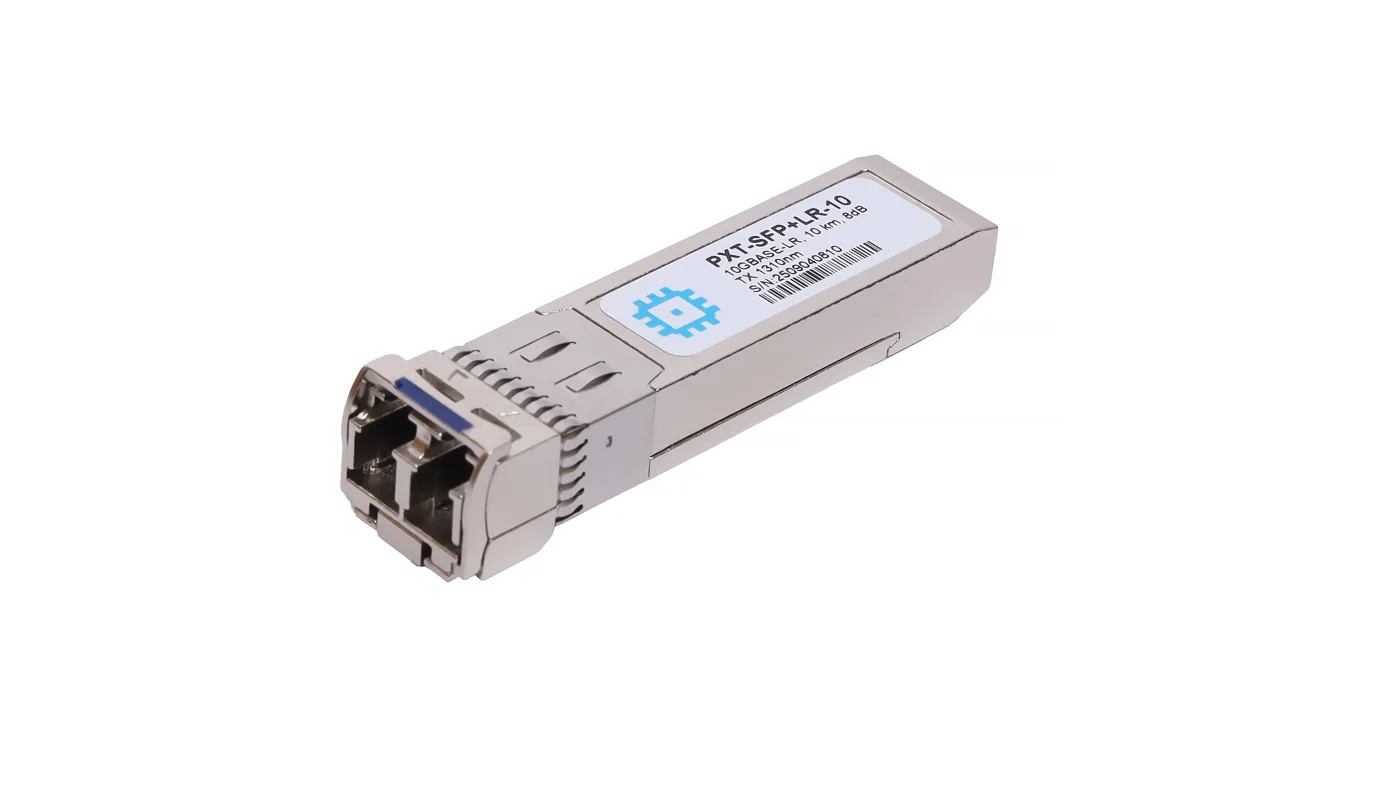
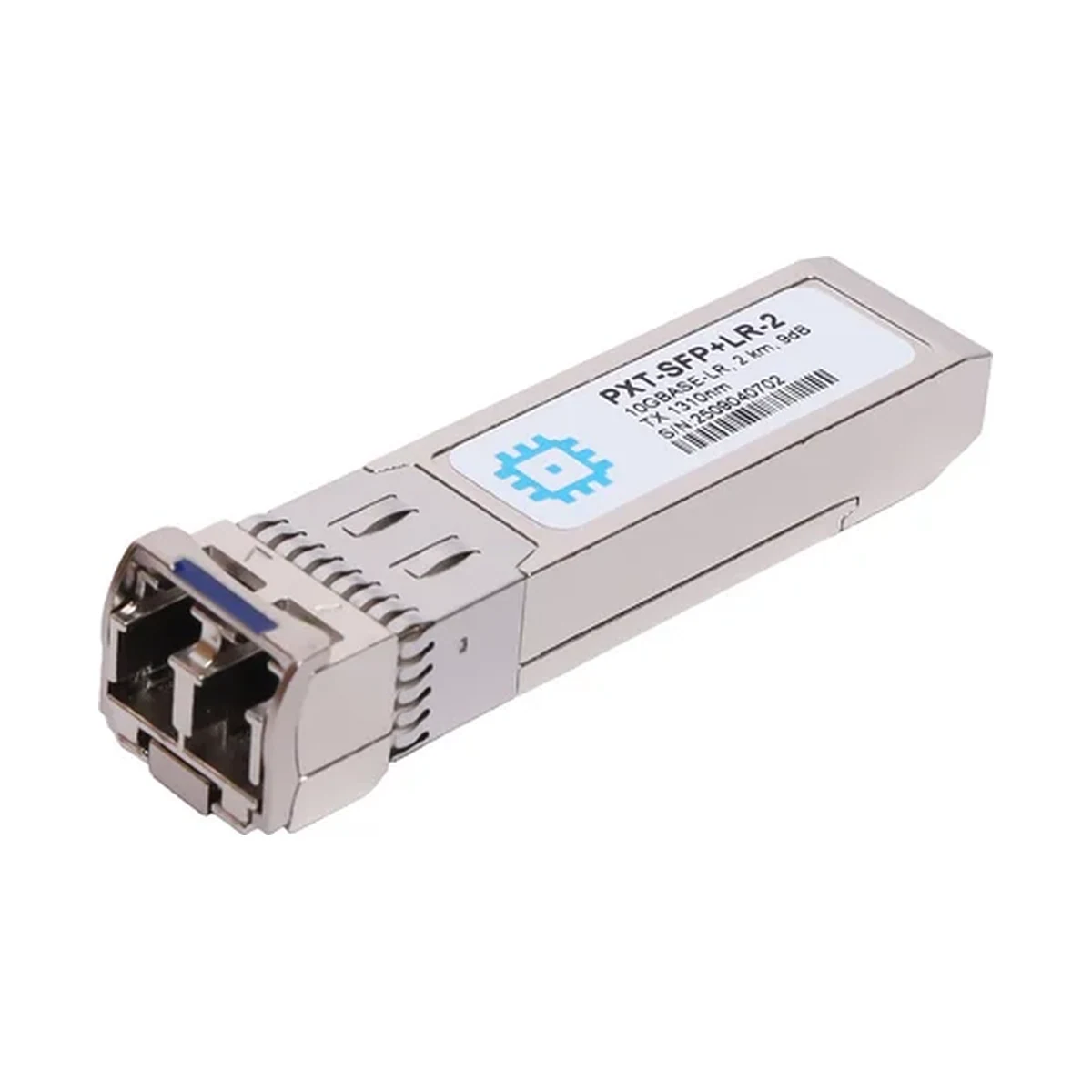
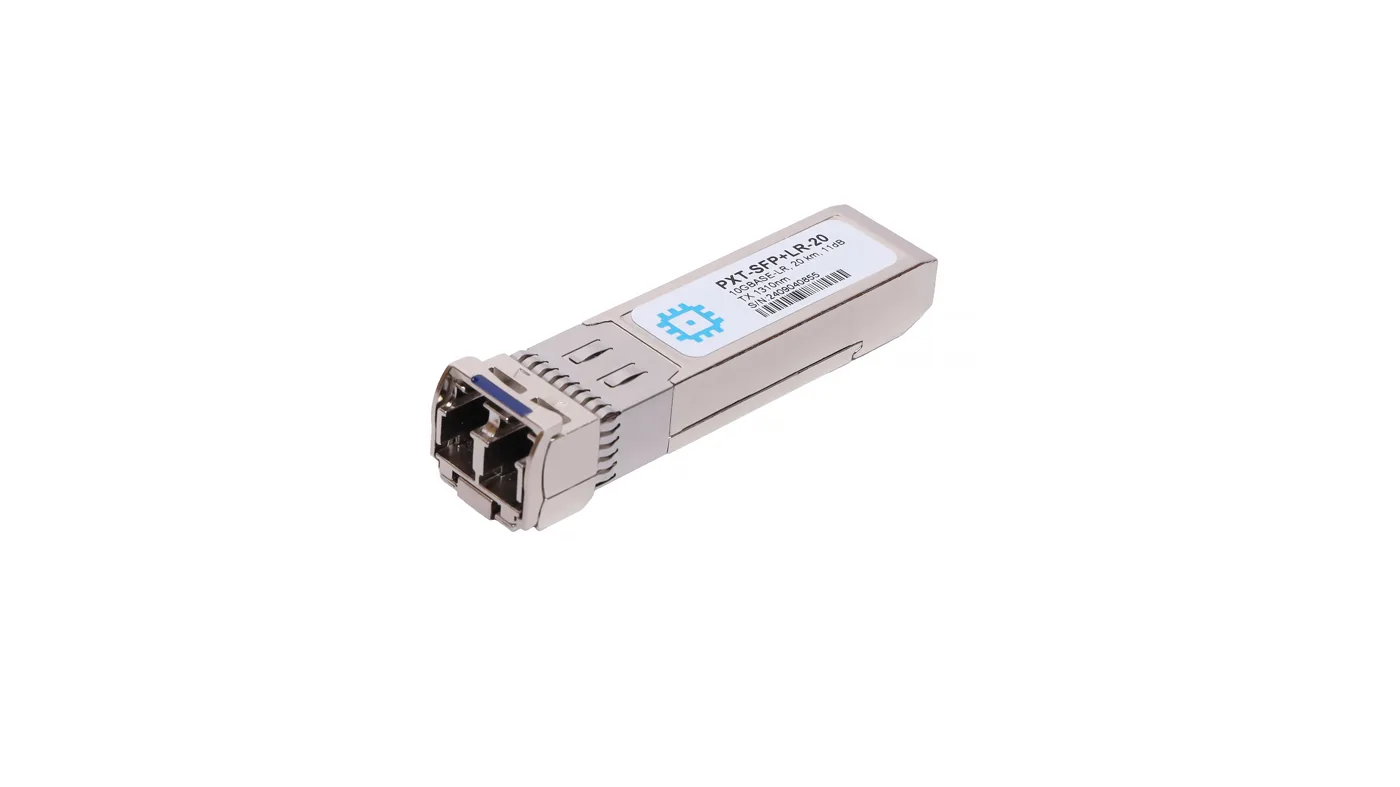
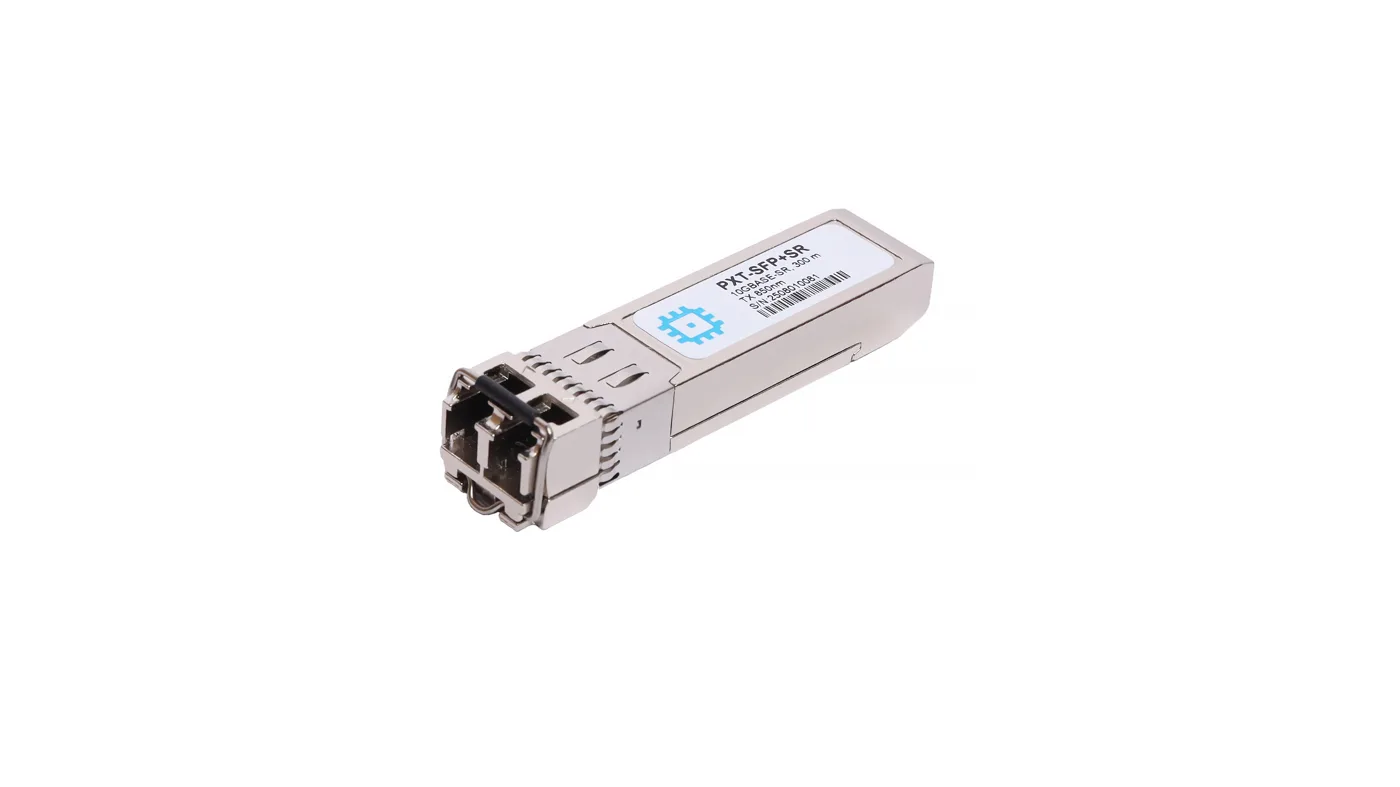
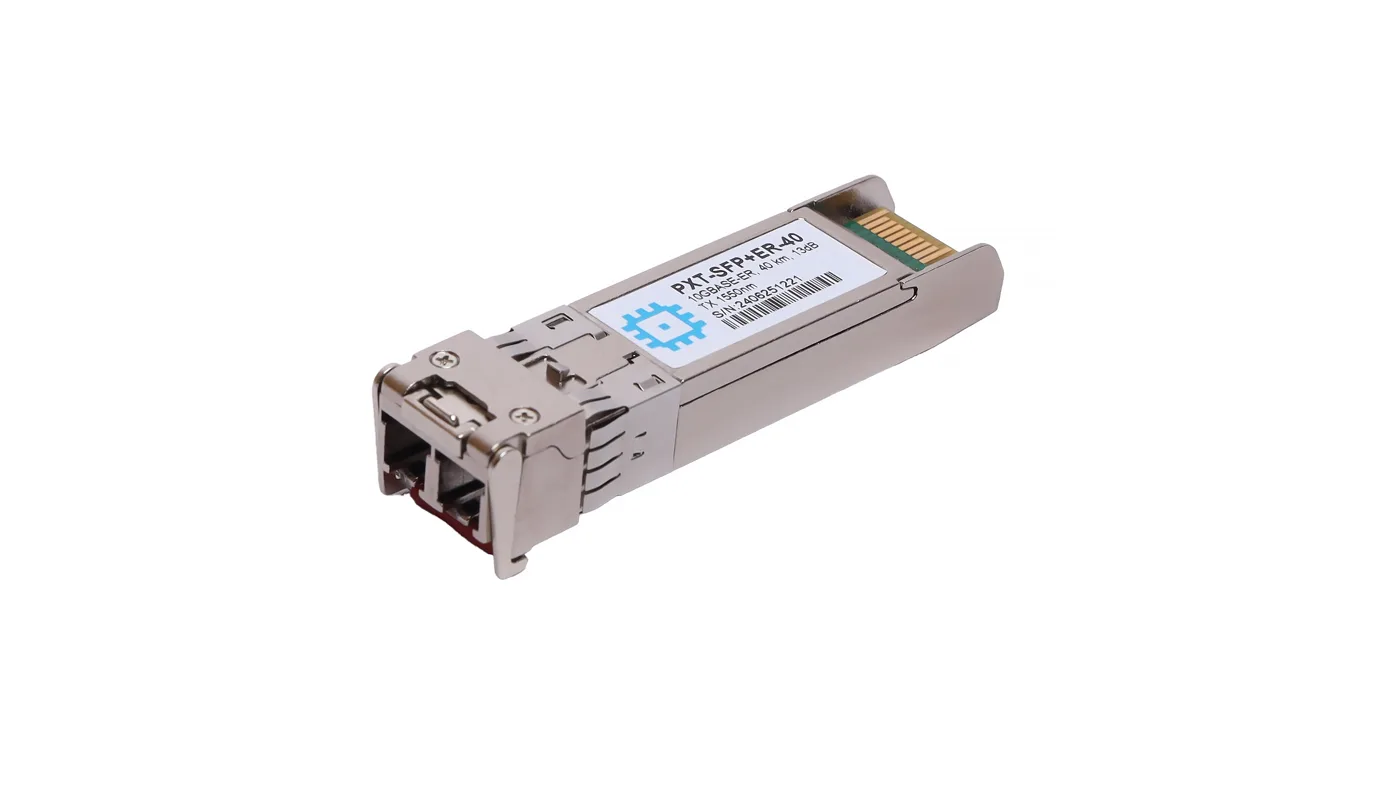

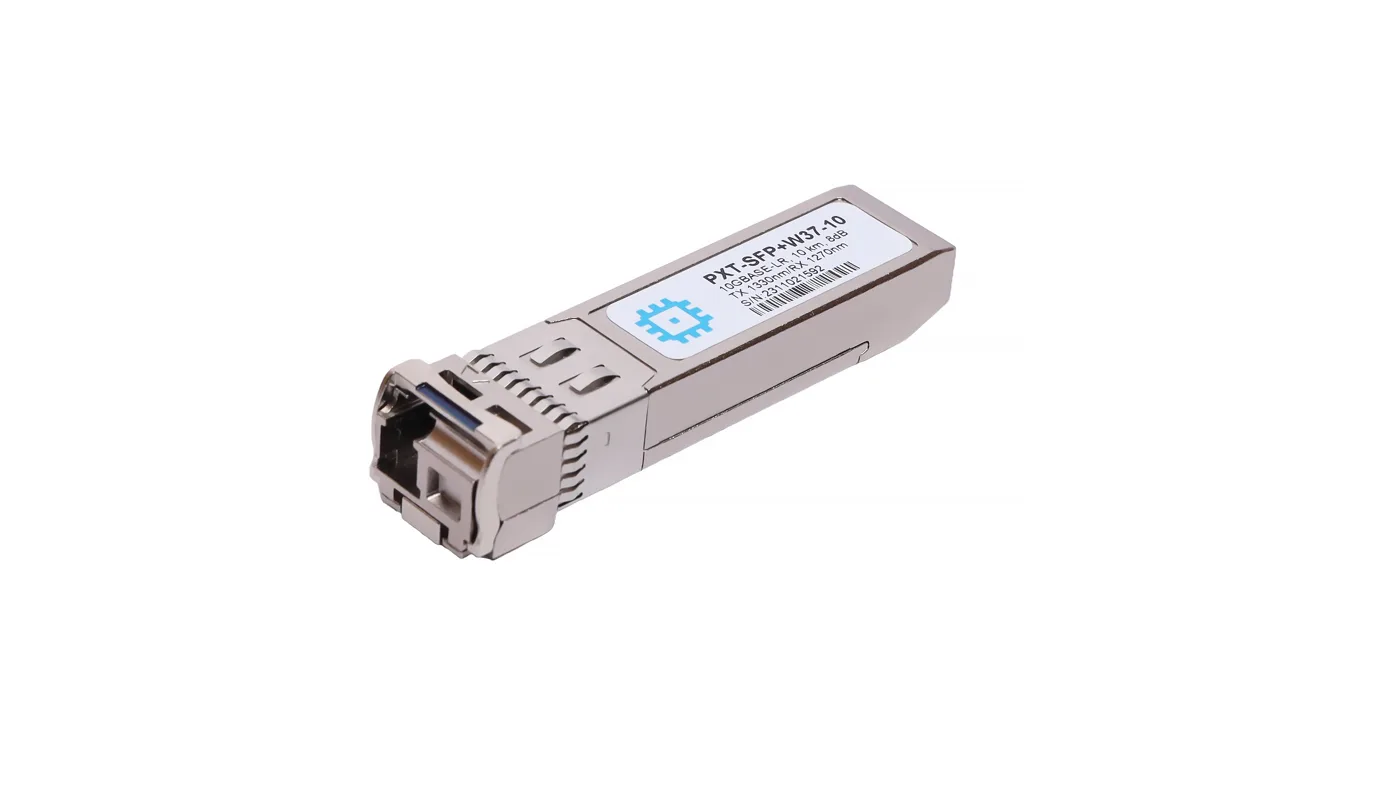
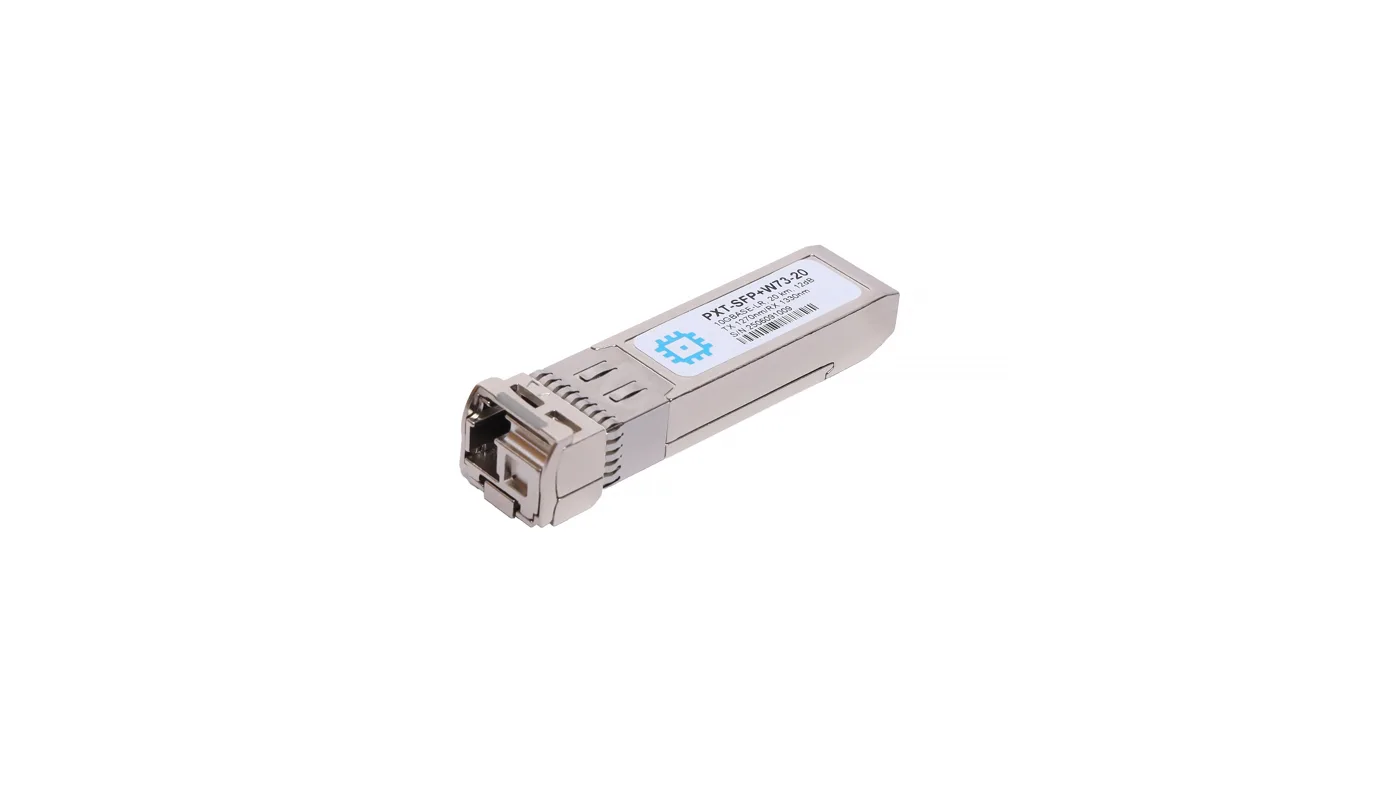
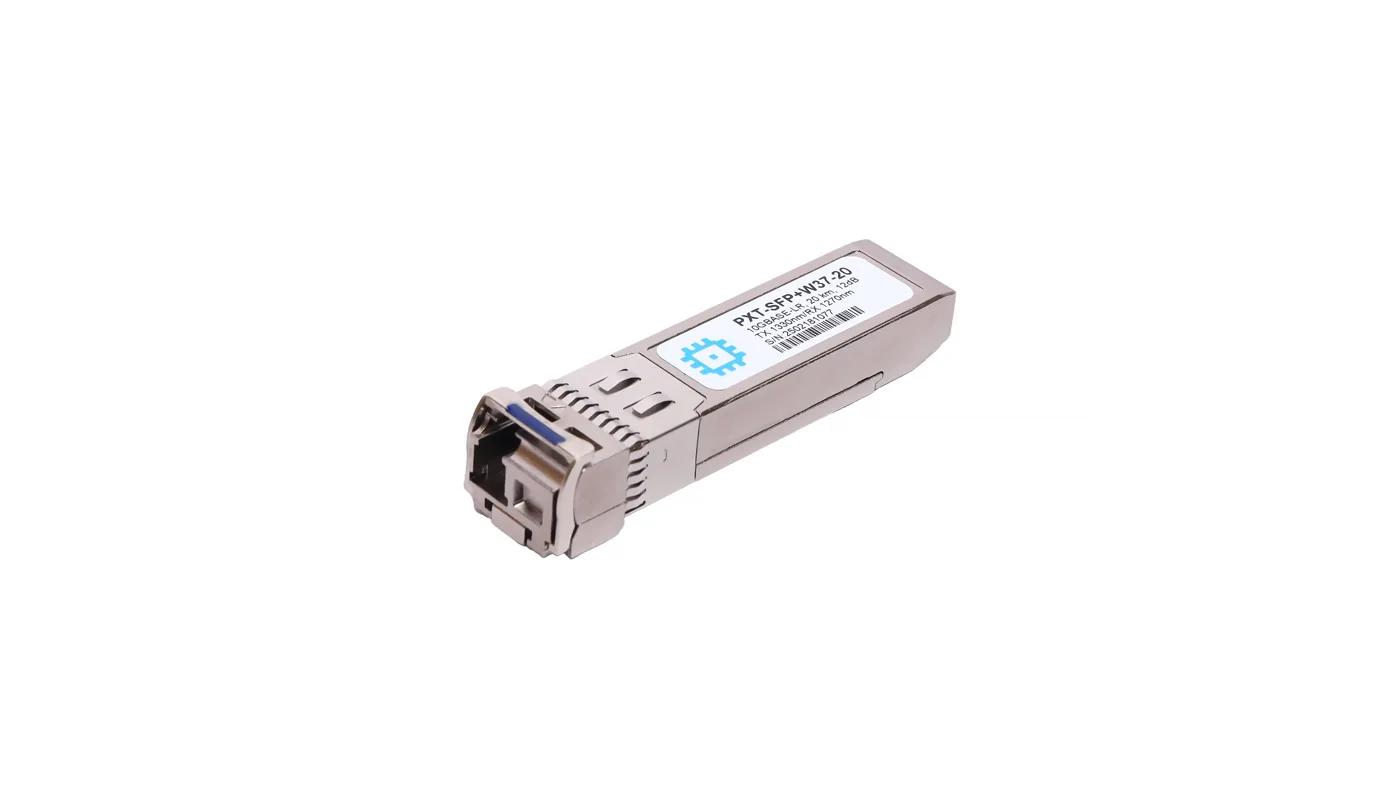
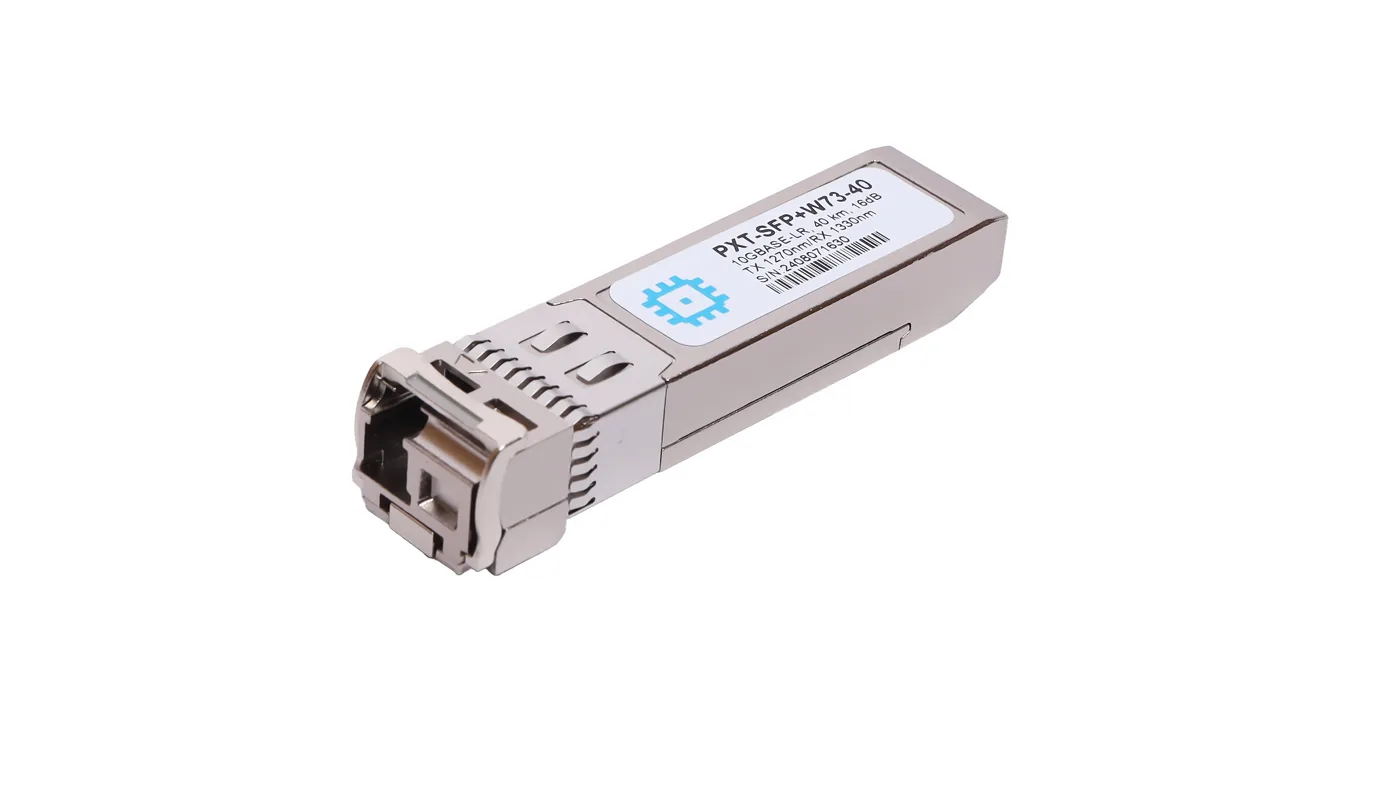
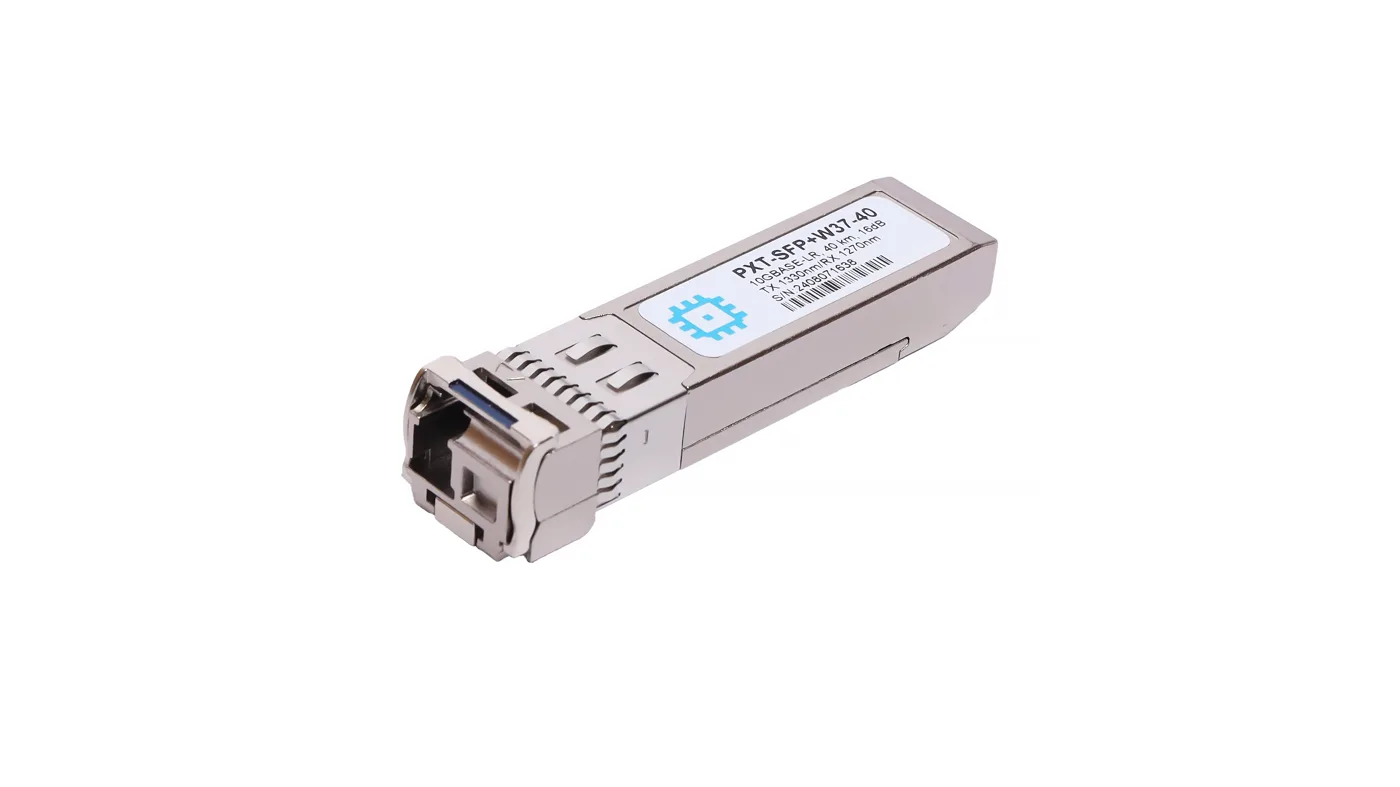
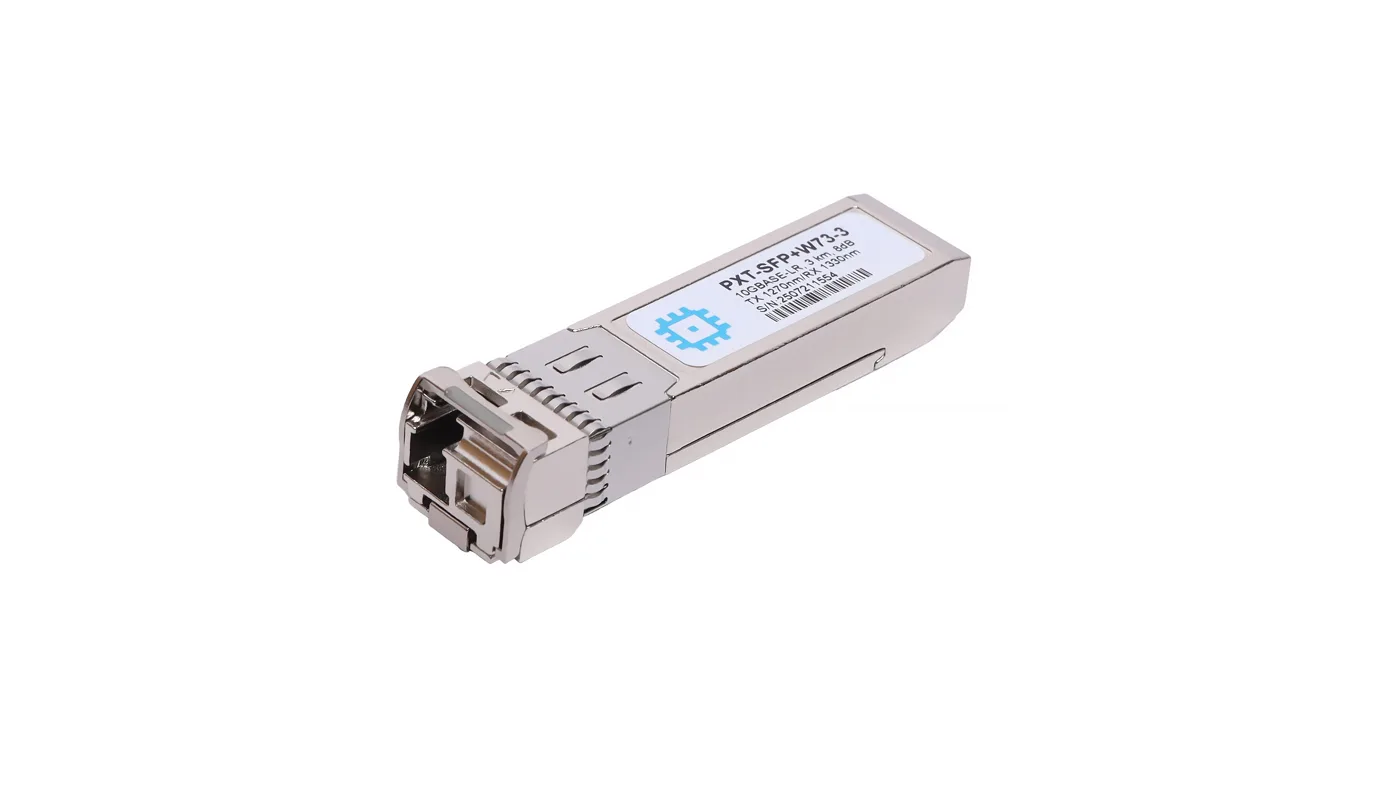

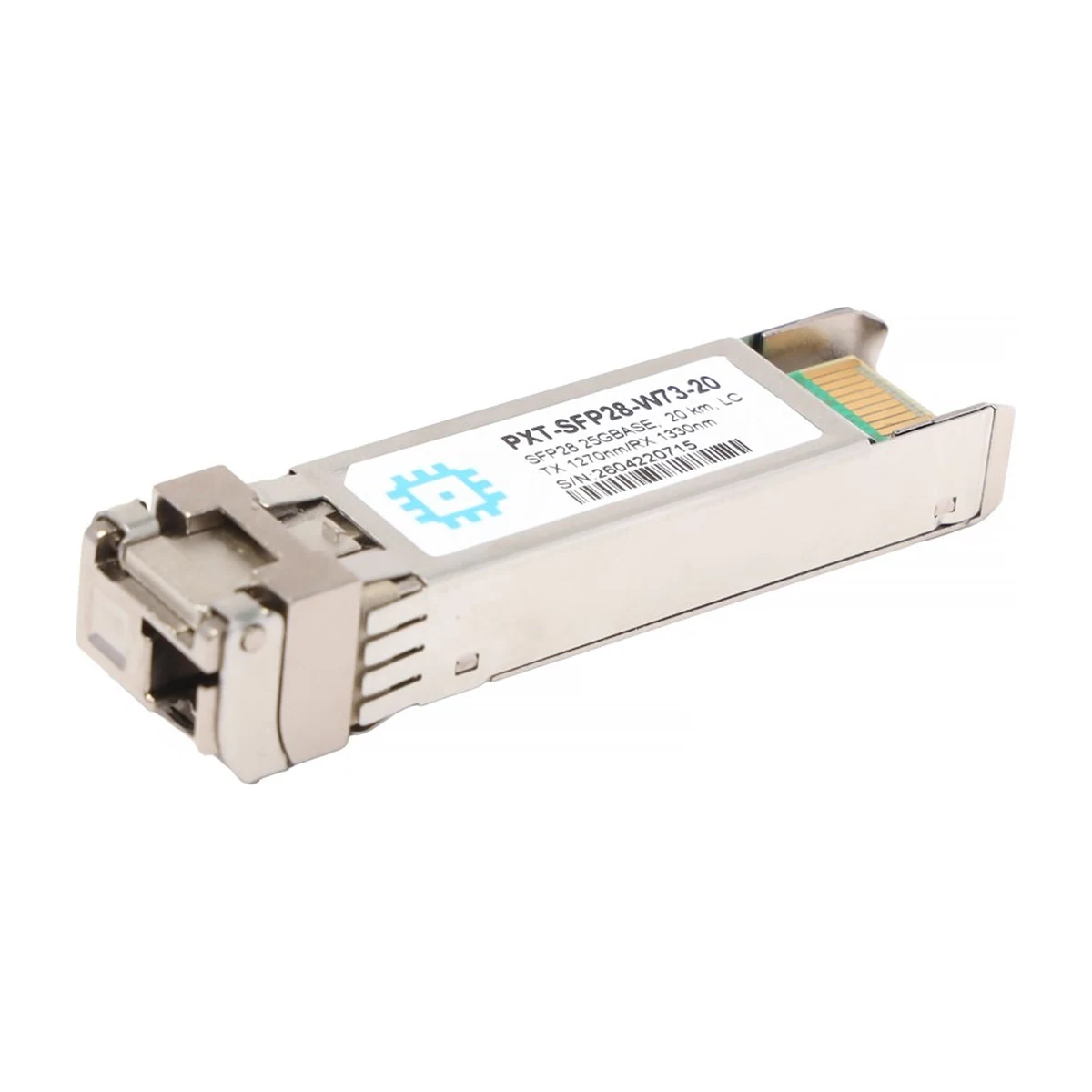
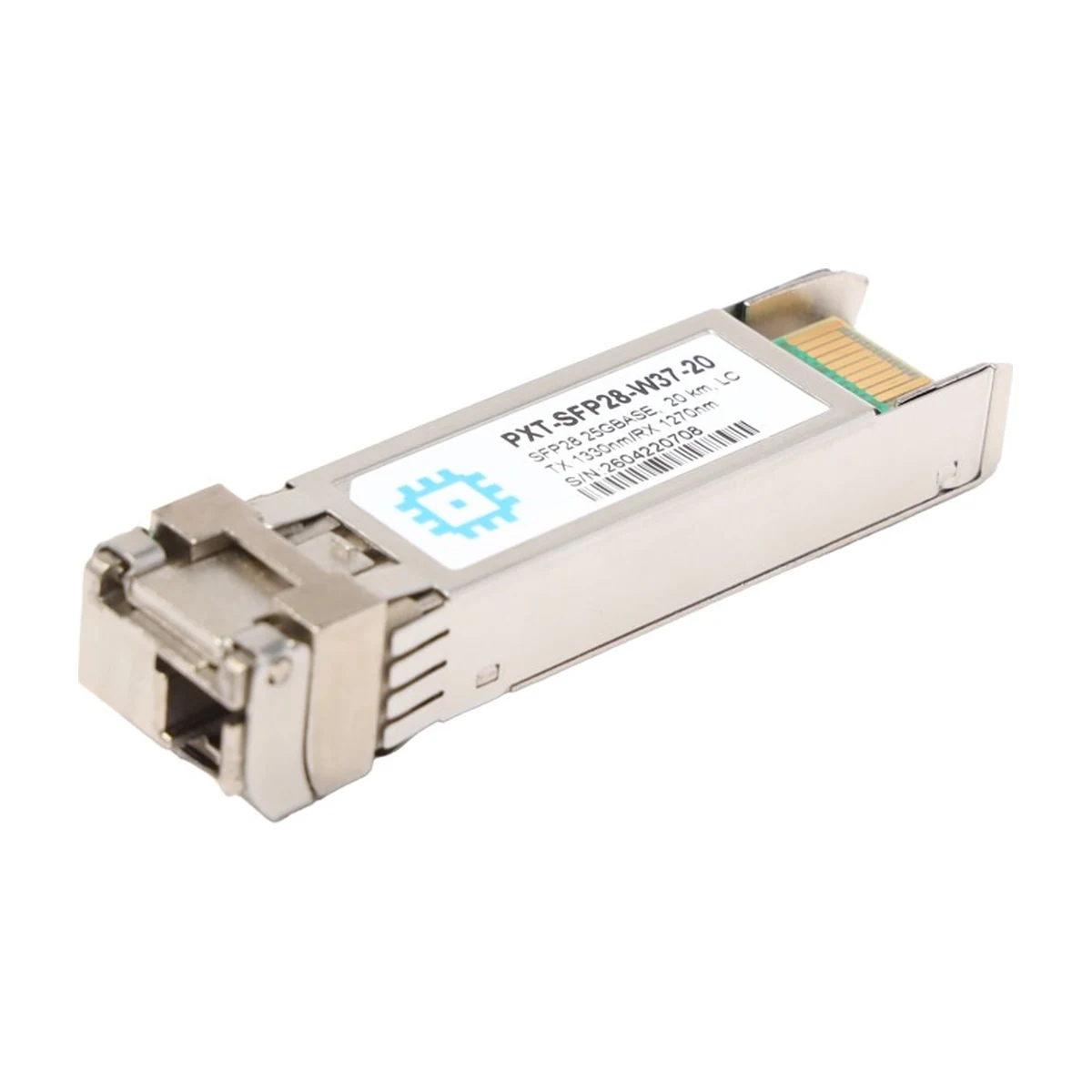
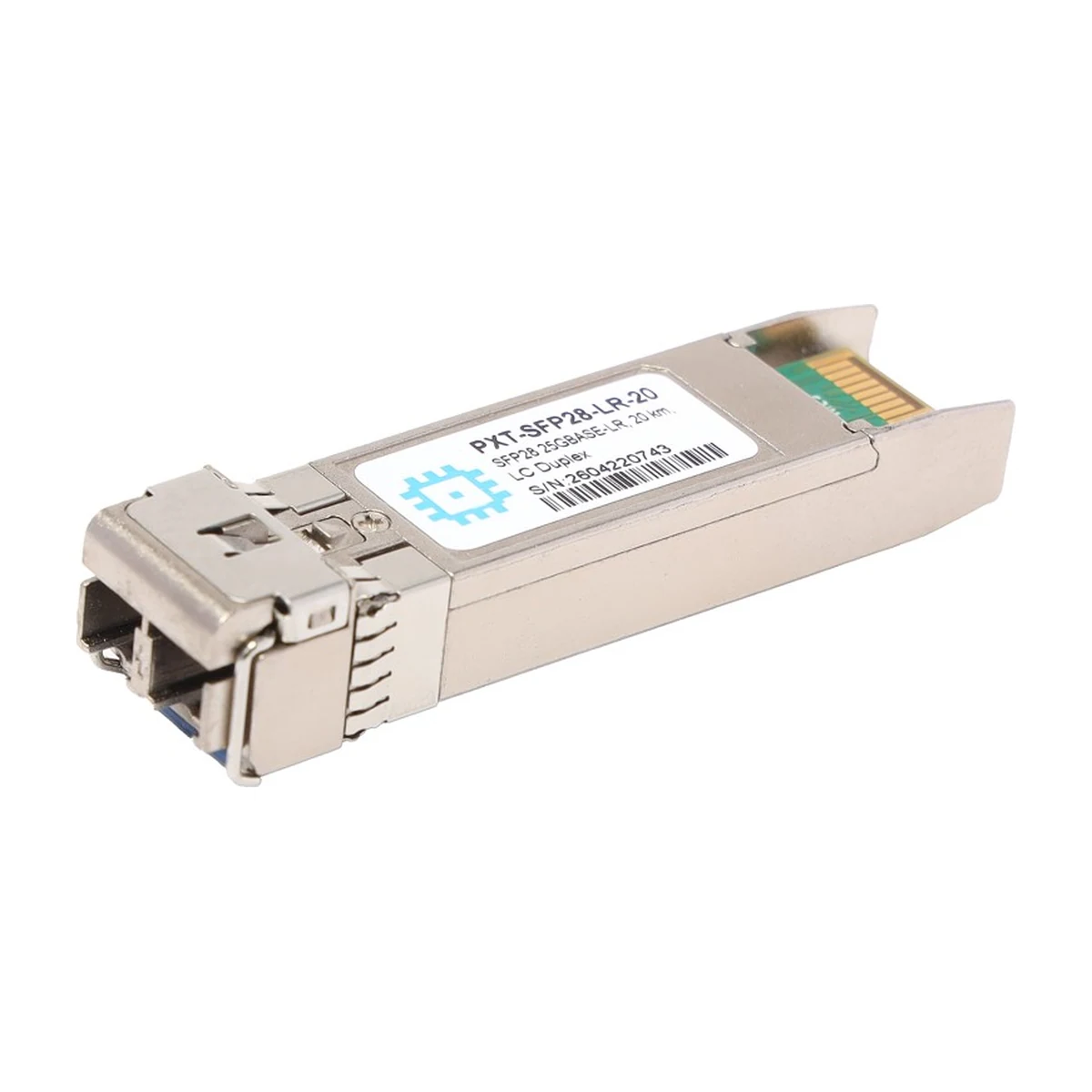
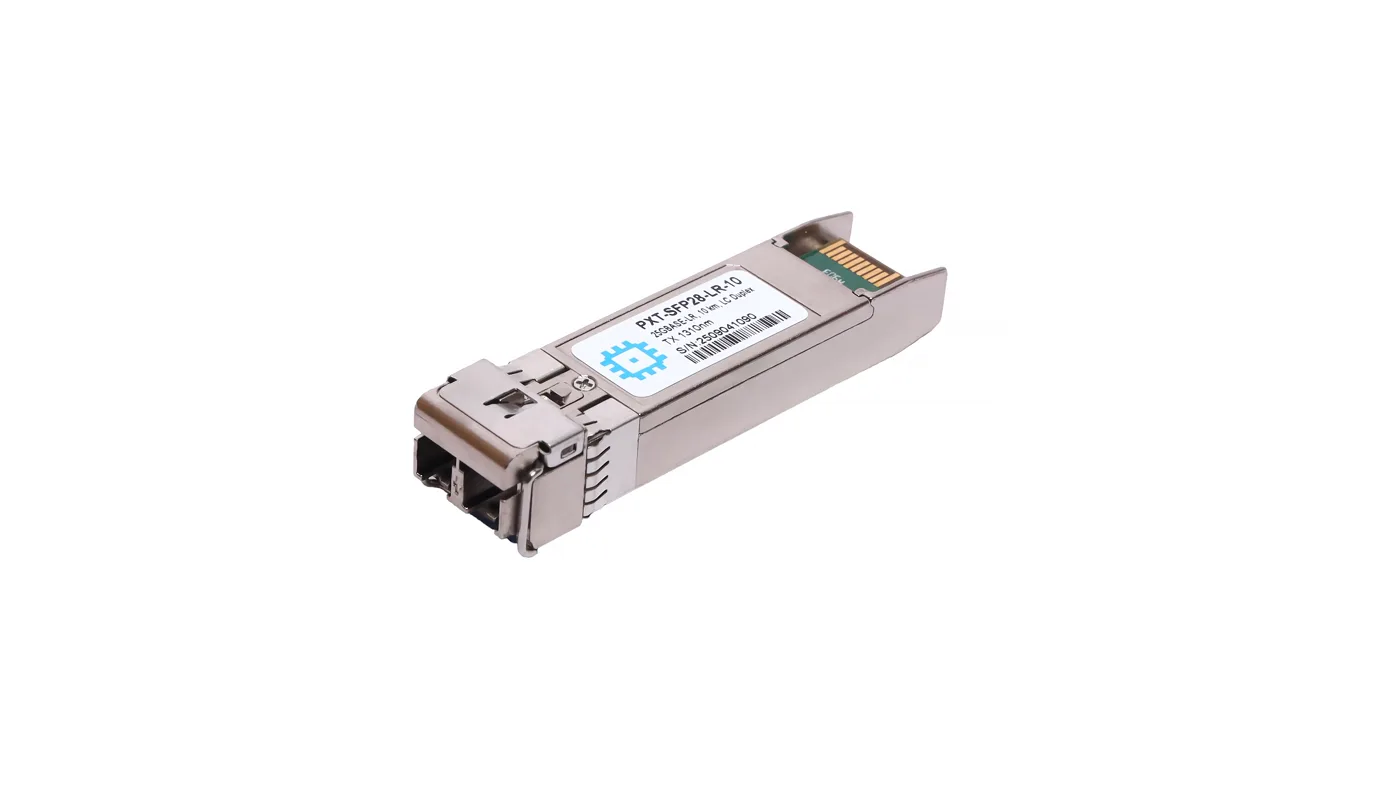
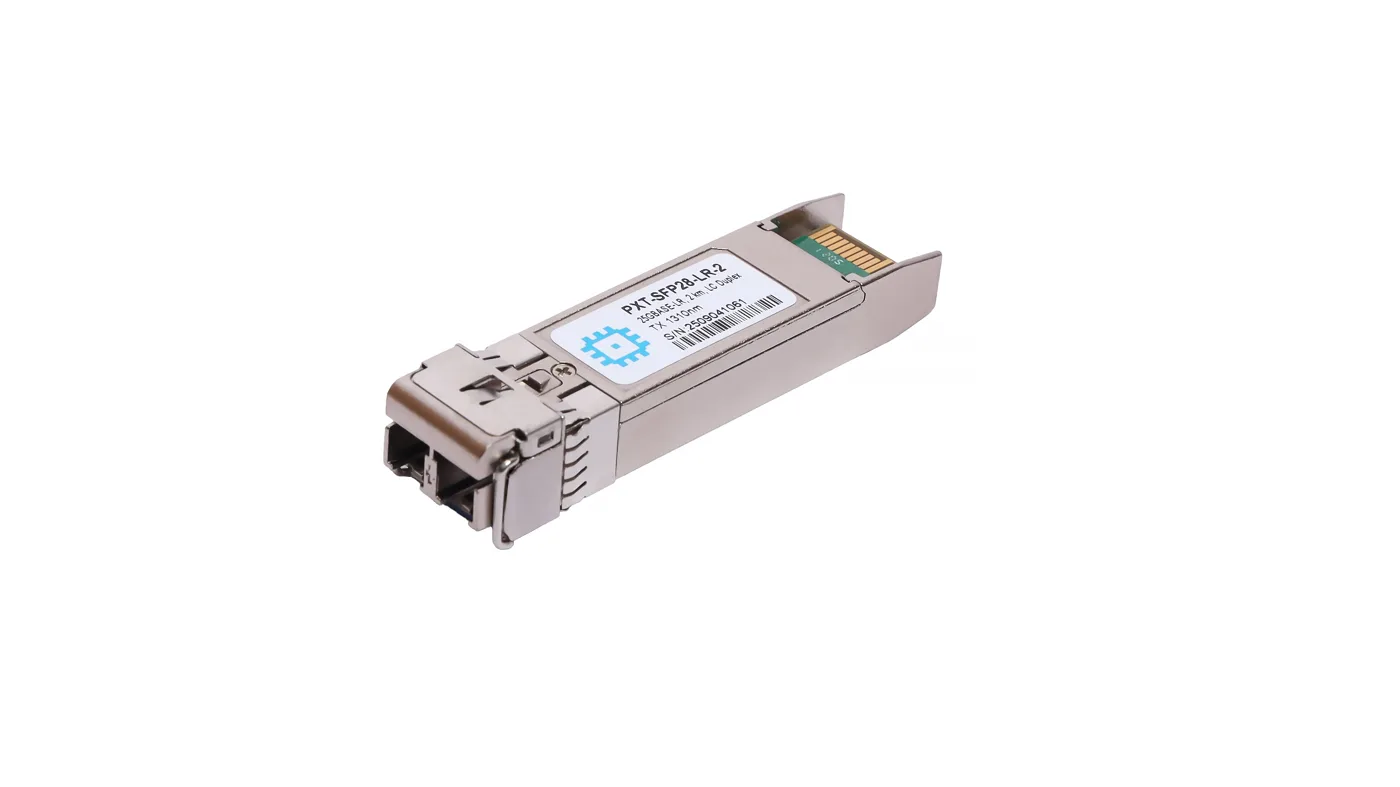
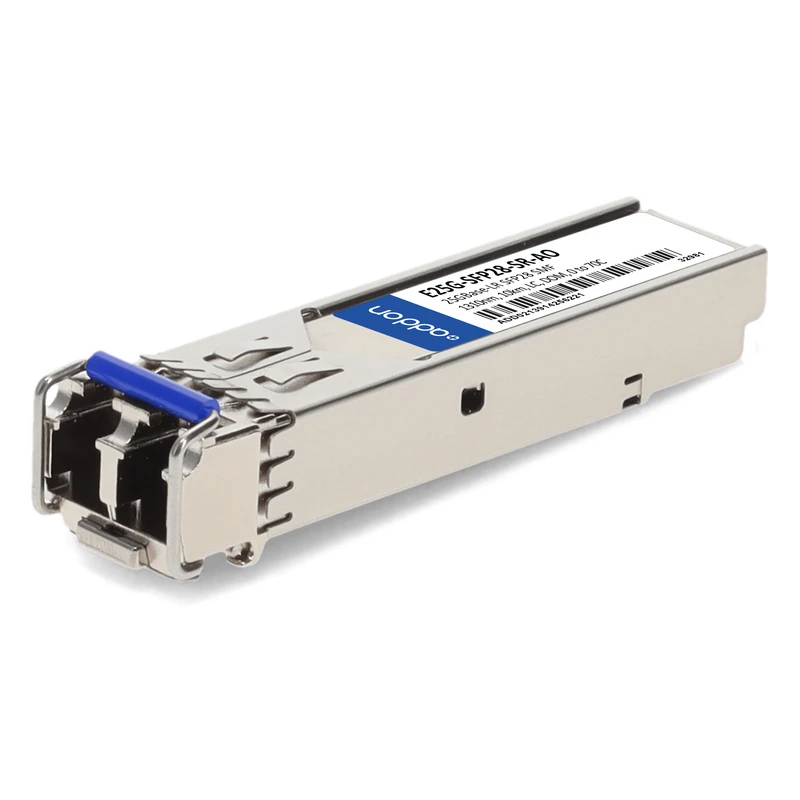




SFP modules & transceivers — guide & FAQ
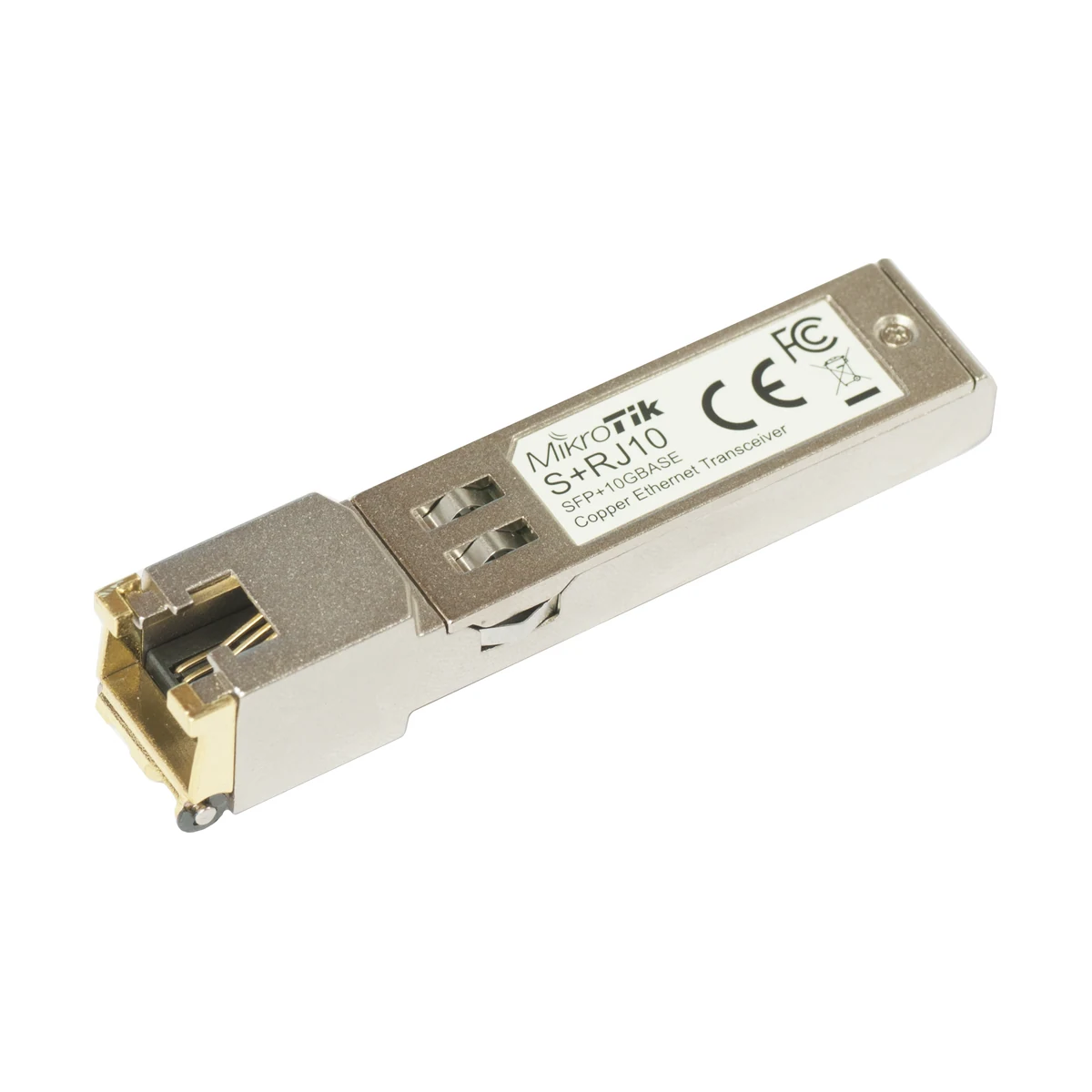
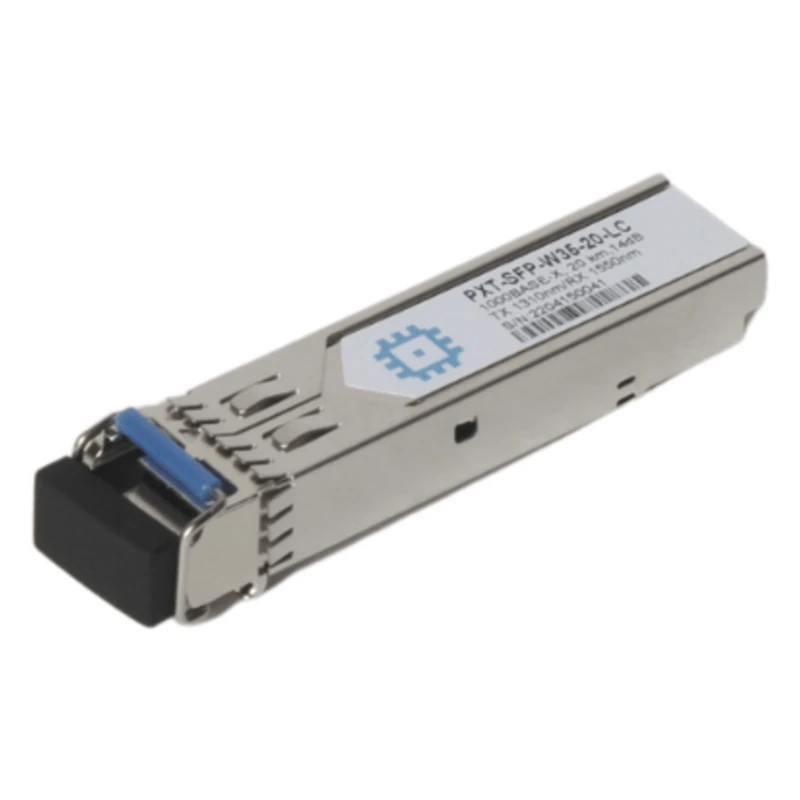
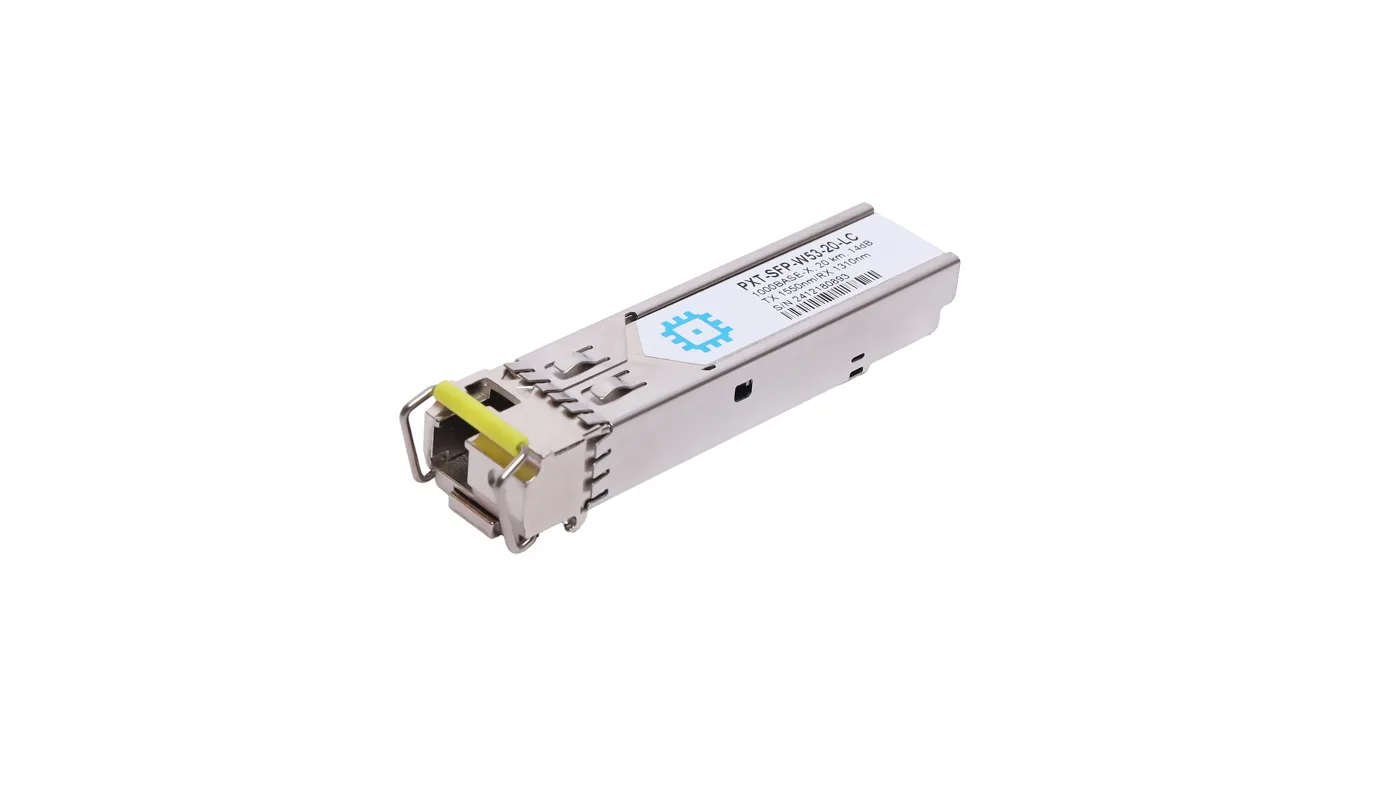
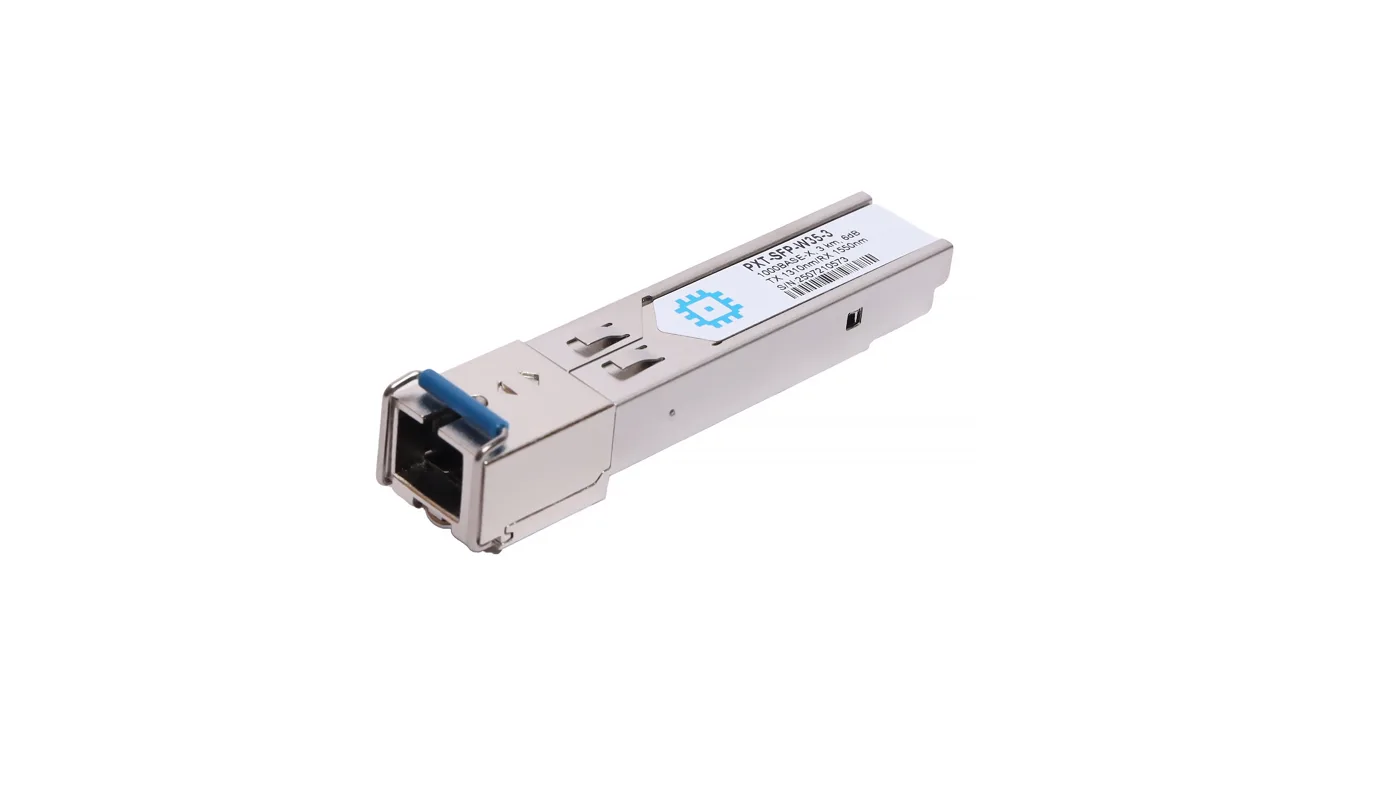
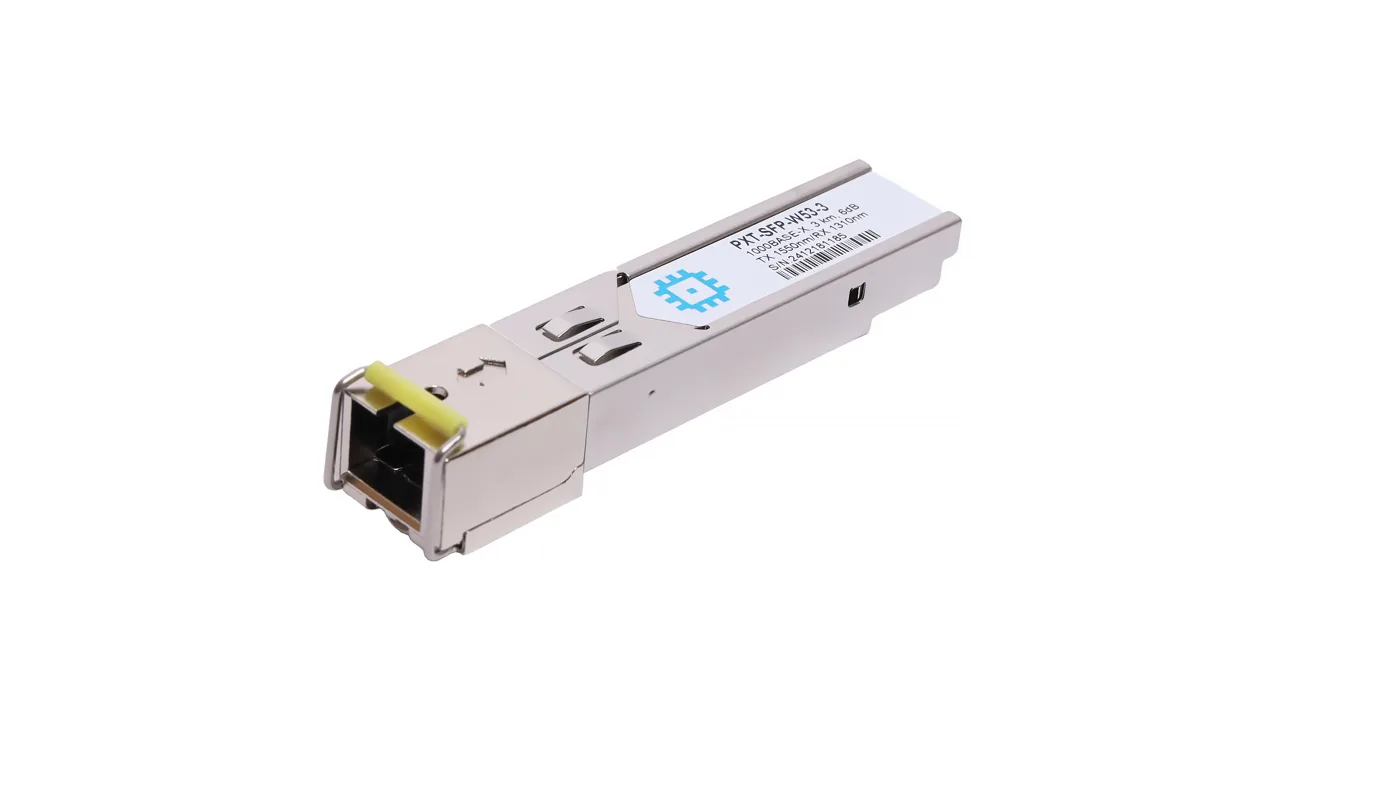
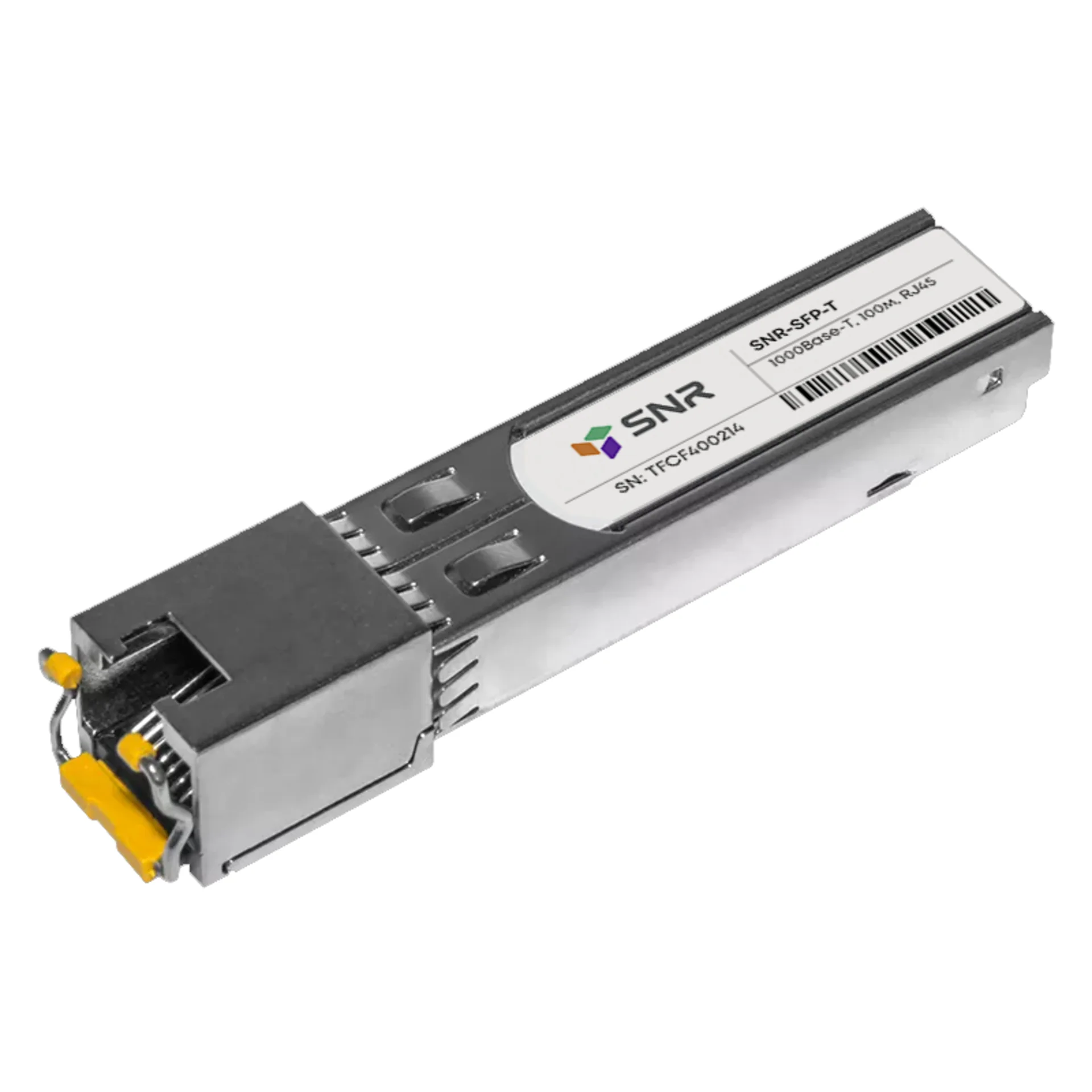
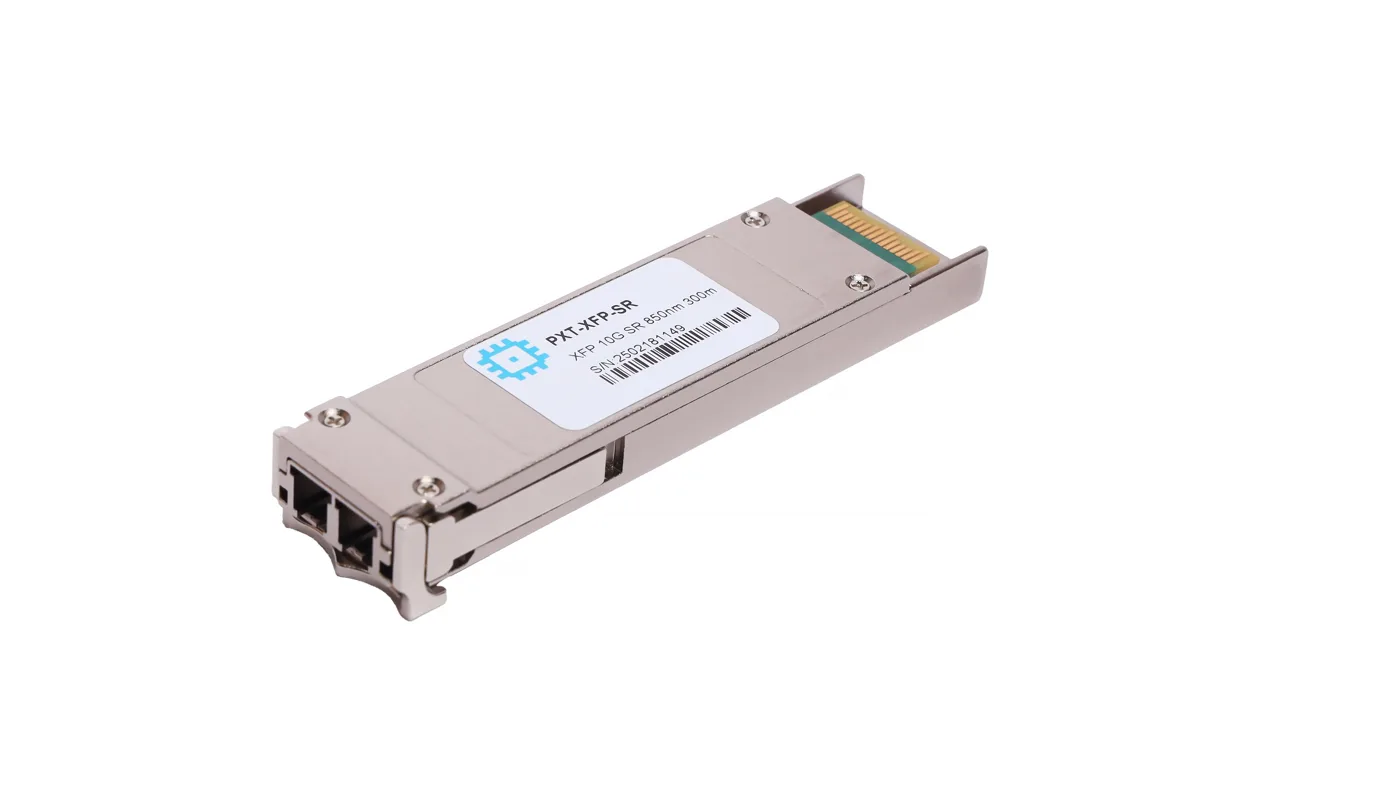
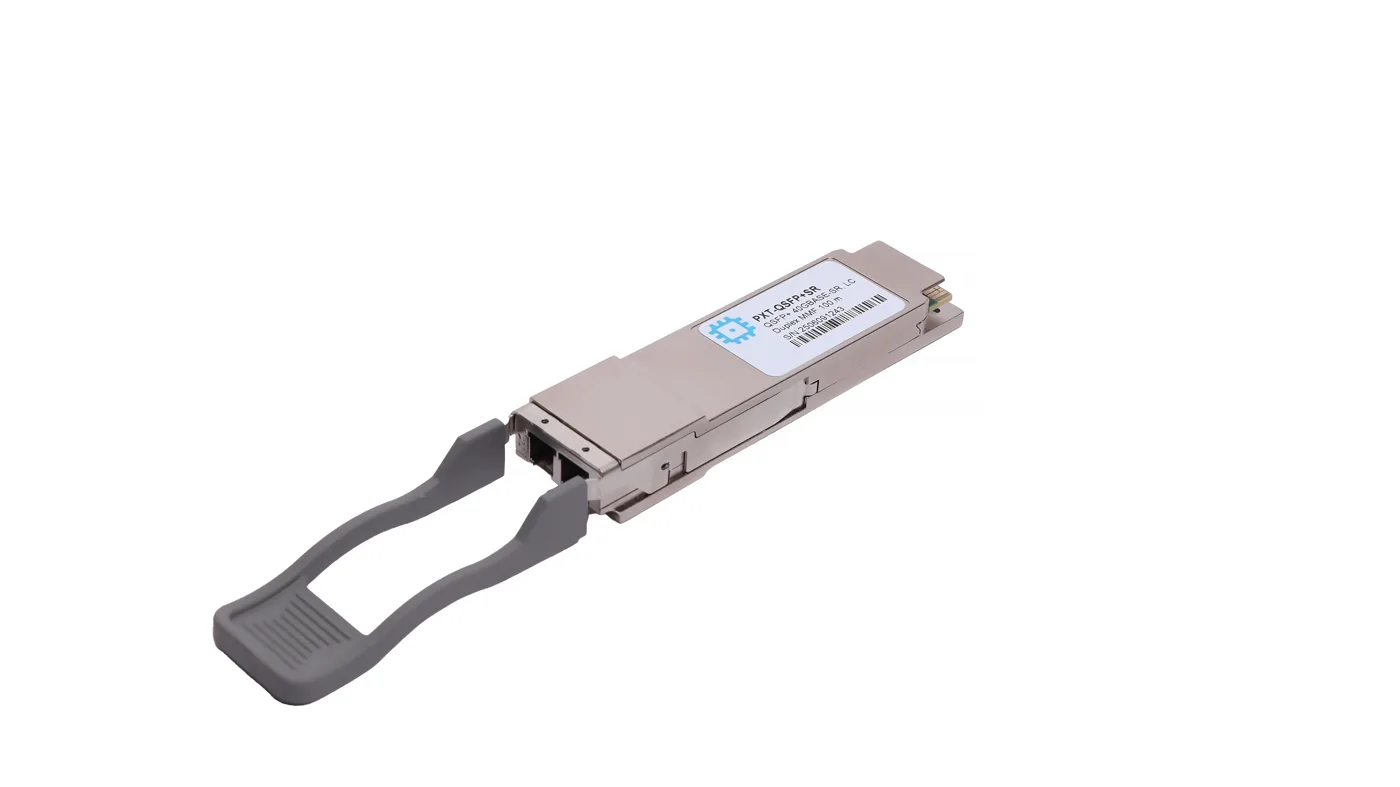
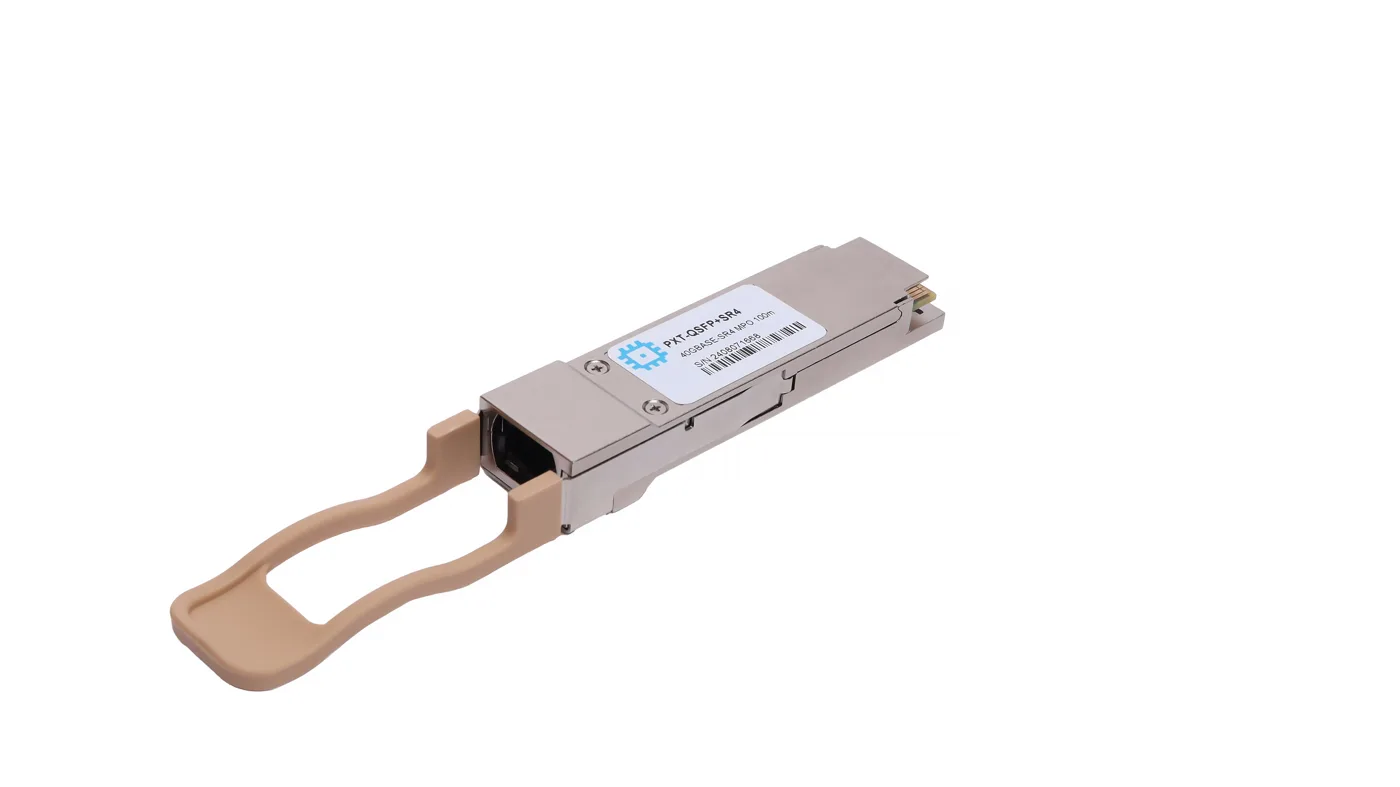
SFP modules and transceivers are the foundation of modern optical data transmission networks. These are pluggable optical and copper interface modules that are installed in switches, routers, media converters and other active network equipment to set up high-speed communication lines. The SFP (Small Form-factor Pluggable) standard makes it possible to flexibly select the interface type for a specific task: multimode or single-mode fiber, copper cable, various distances — from several hundred meters to 80 km and more. SAT Solutions offers SFP modules and transceivers for purchase in Tashkent with professional consultation and a warranty.
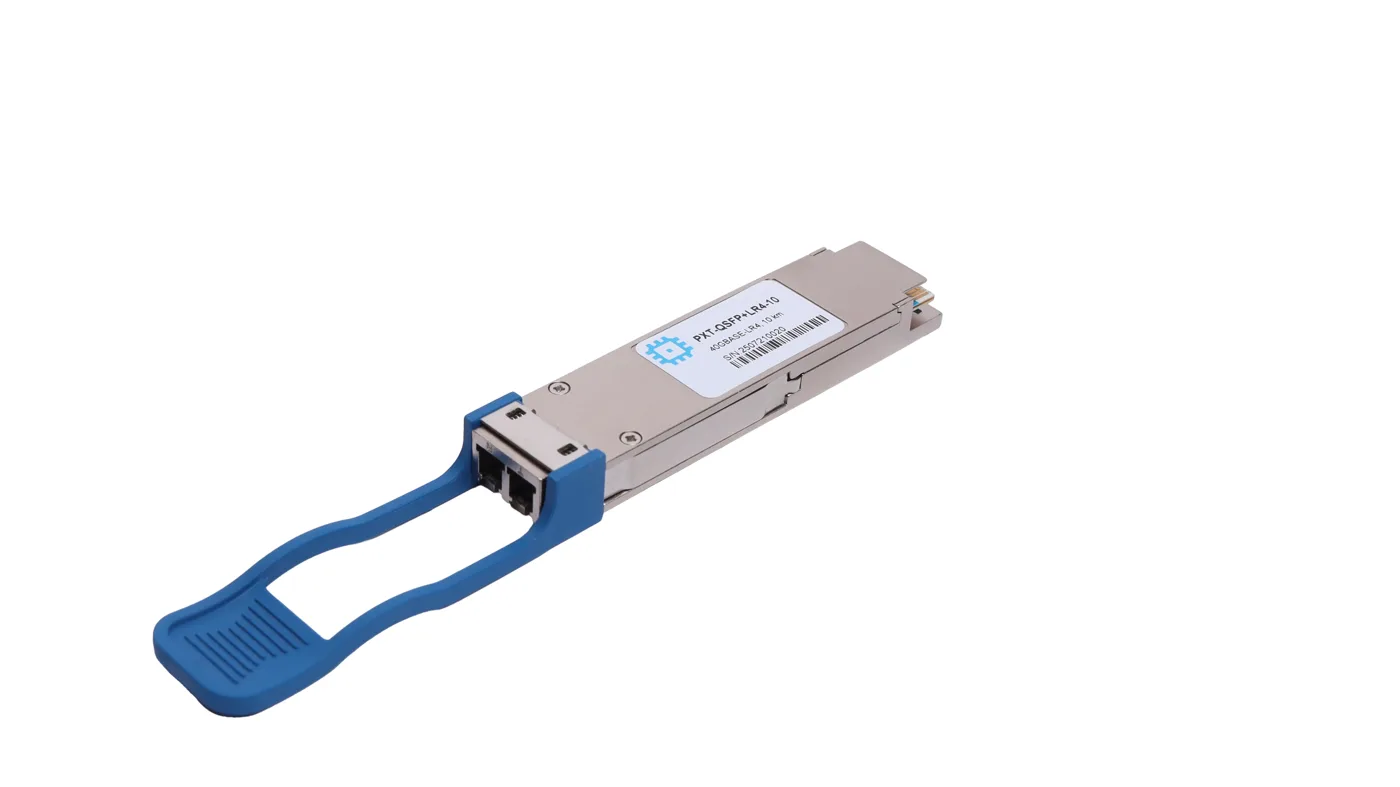
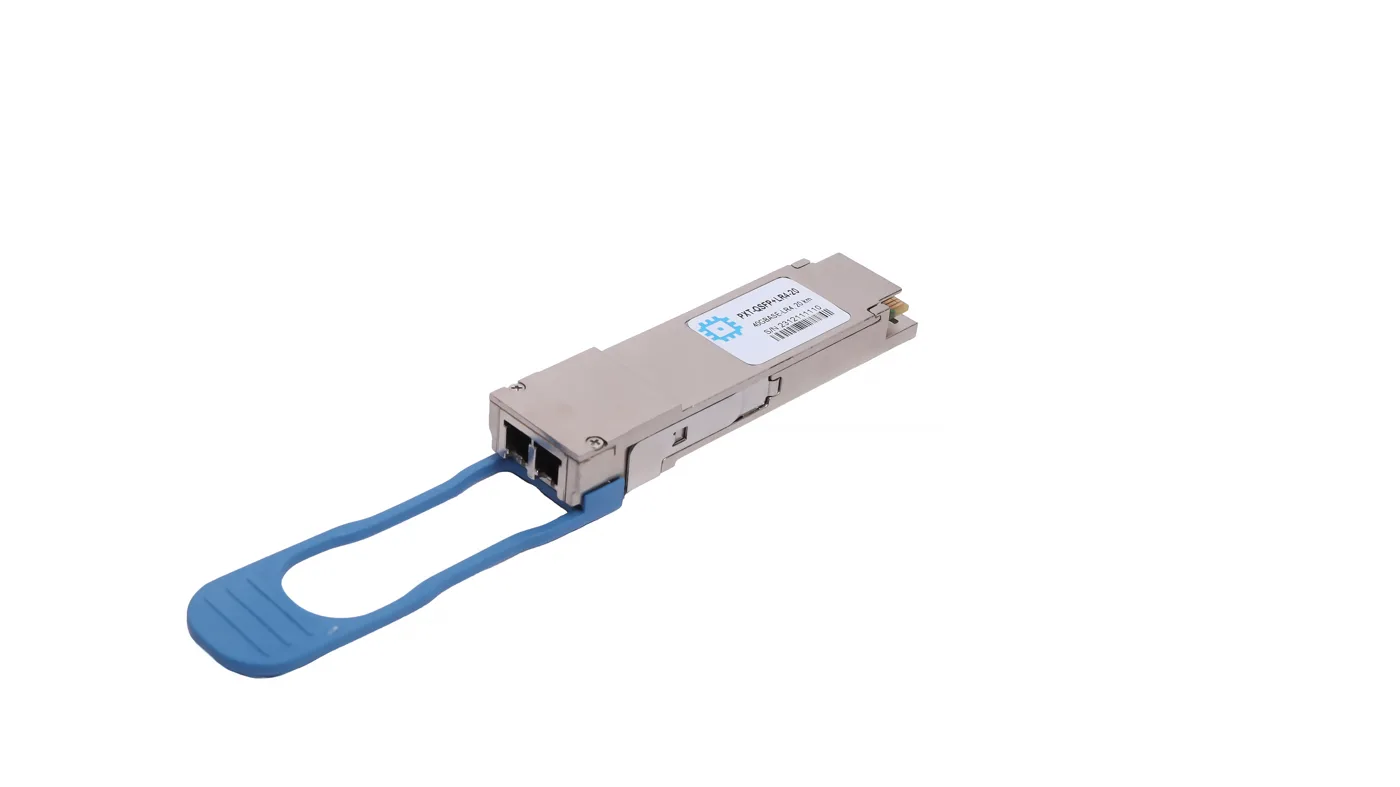
The choice of the right module directly affects the stability and throughput of the entire network. The SFP (1G), SFP+ (10G), SFP28 (25G), QSFP+ (40G) and QSFP28 (100G) formats cover tasks from small office installations to backbone channels of data centers. In Uzbekistan, demand for optical transceivers is steadily growing alongside the development of corporate and carrier networks: integrators, internet providers and large enterprises increasingly migrate infrastructure to fiber optics, abandoning copper lines where range or high throughput is required.
Correct module selection requires taking several parameters into account simultaneously: fiber type, wavelength, optical power budget, data transmission speed and protocol compatibility with the core equipment. Purchasing on your own without an understanding of these parameters often leads to incompatibility or unstable line operation. SAT Solutions specialists will help select modules for your project — from a small office to a distributed corporate network across the entire country.
How to choose
- Form factor and speed: SFP for gigabit ports, SFP+ for 10G, SFP28 for 25G, QSFP+ for 40G, QSFP28 for 100G. Make sure the slot on your equipment matches the chosen form factor.
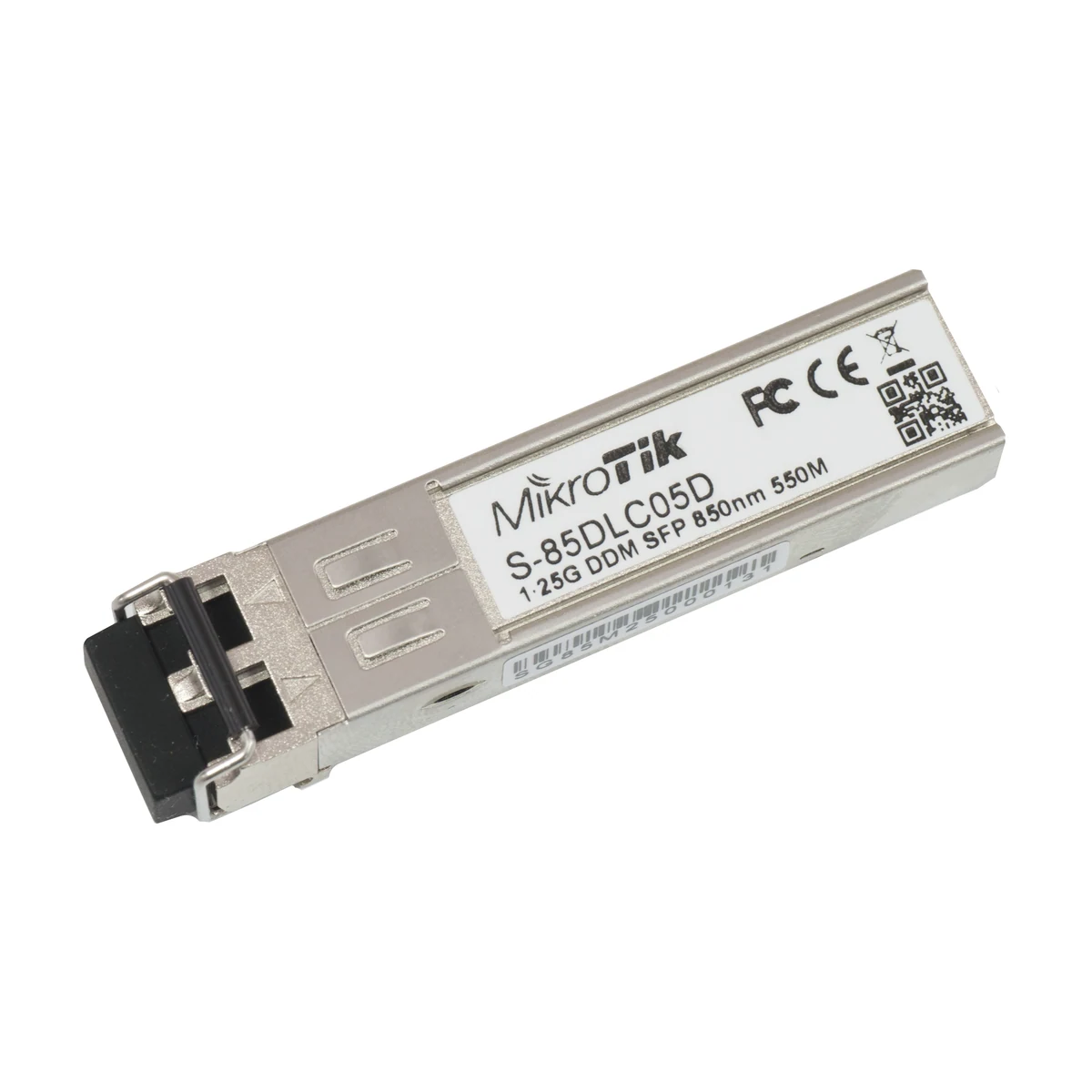
- Fiber type: multimode (OM3, OM4) is used over short distances up to 550 m, single-mode (OS2) is used for lines from 10 km and above. Types cannot be mixed without special converters.
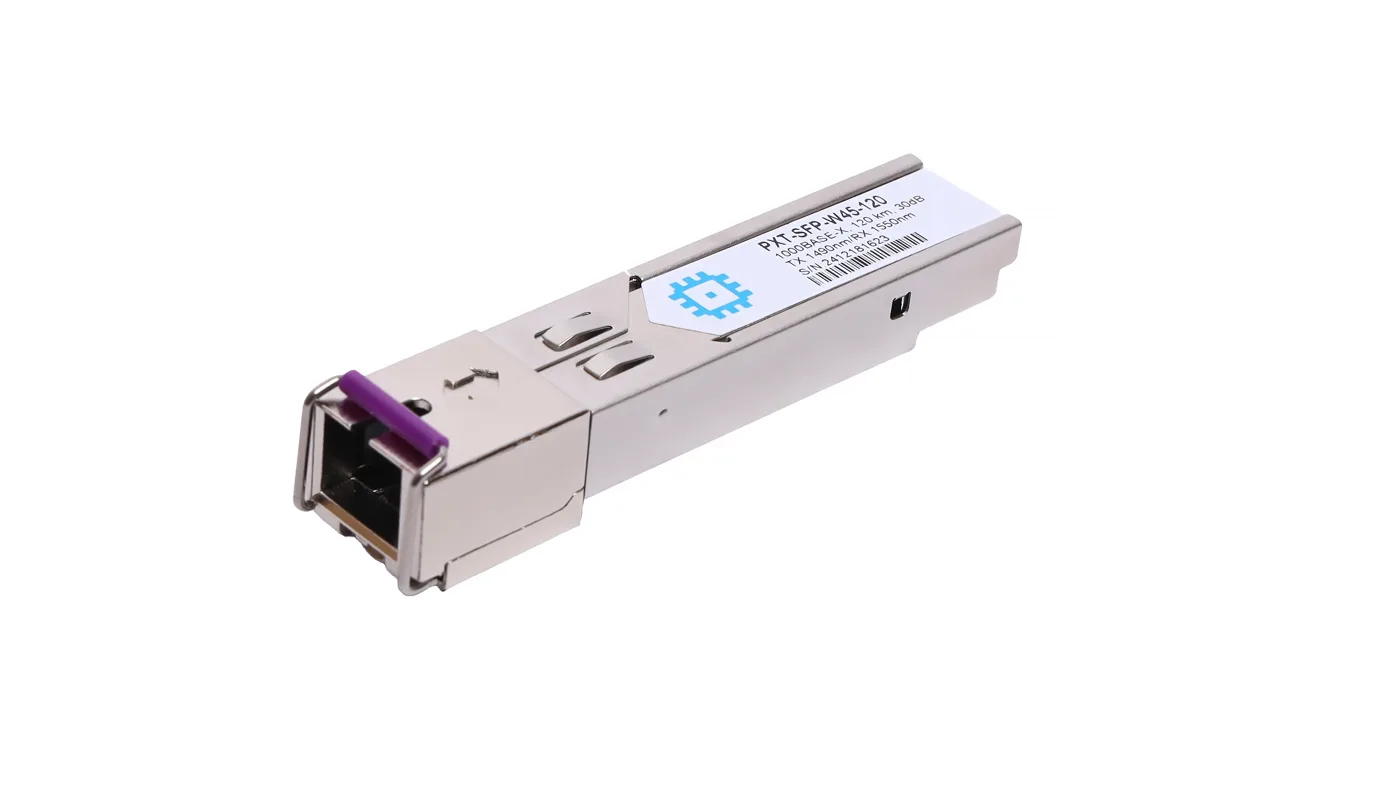
- Wavelength and range: standard 850 nm for multimode, 1310 nm and 1550 nm for single-mode. WDM modules (1310/1550 nm or BiDi) allow data to be transmitted over a single fiber in two directions, which halves the consumption of cable infrastructure.
- Optical power budget (dB): the difference between the transmitter power and the receiver sensitivity must cover the losses on the route with a margin of at least 3 dB. Clarify this parameter when choosing modules for long distances.
- Compatibility with equipment: some switches and routers check the module manufacturer's code (OUI) and block third-party transceivers. Check with the supplier whether your equipment supports the chosen module.
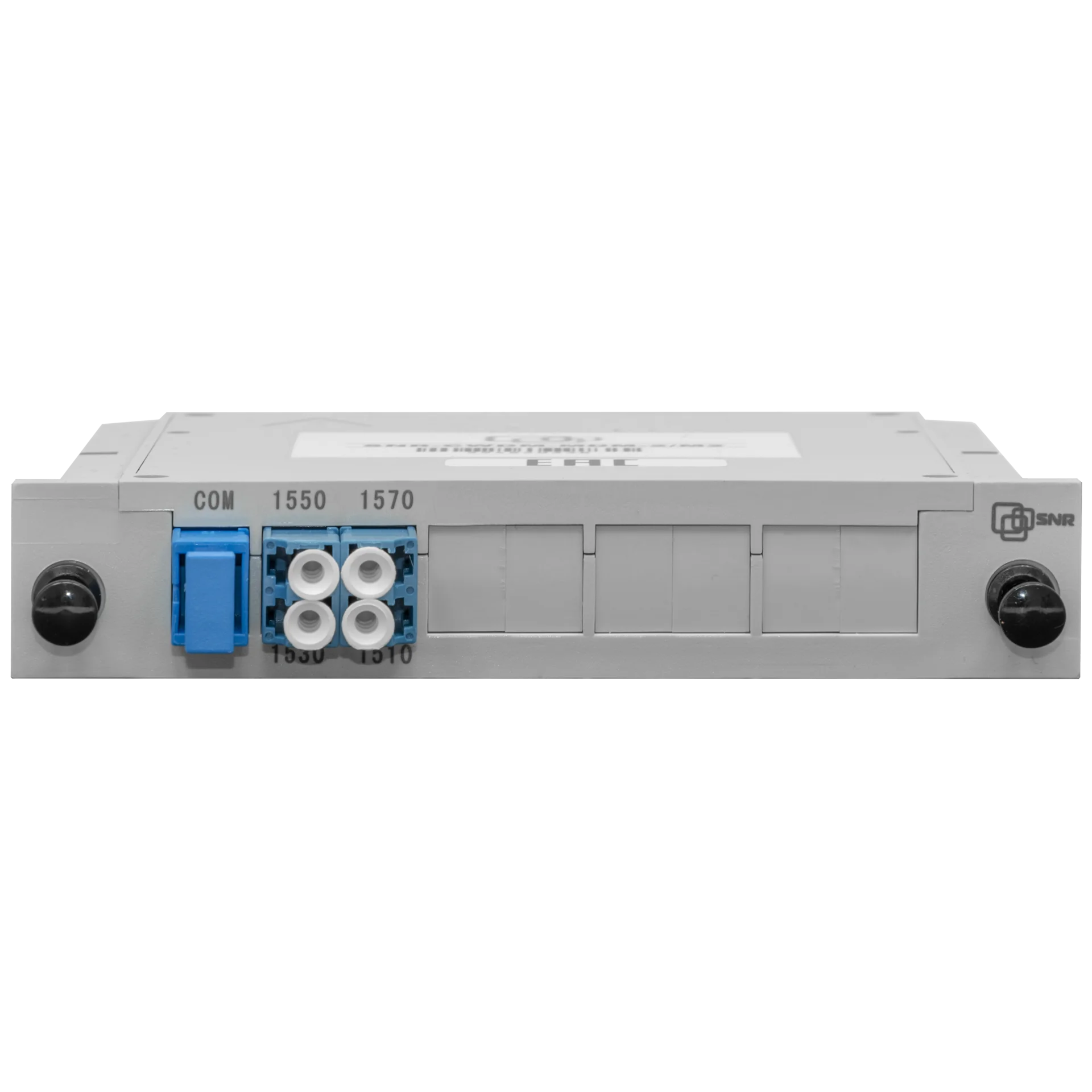
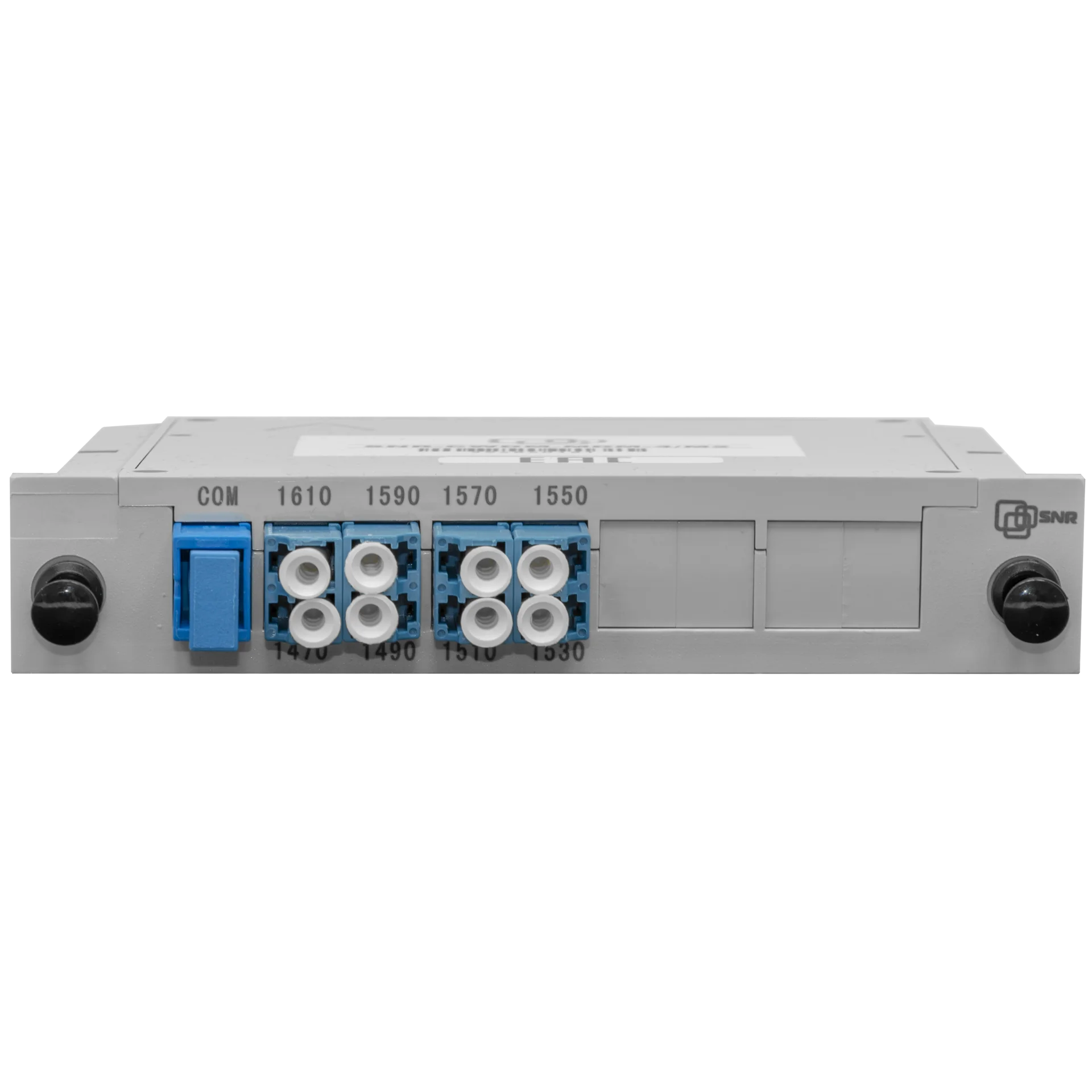
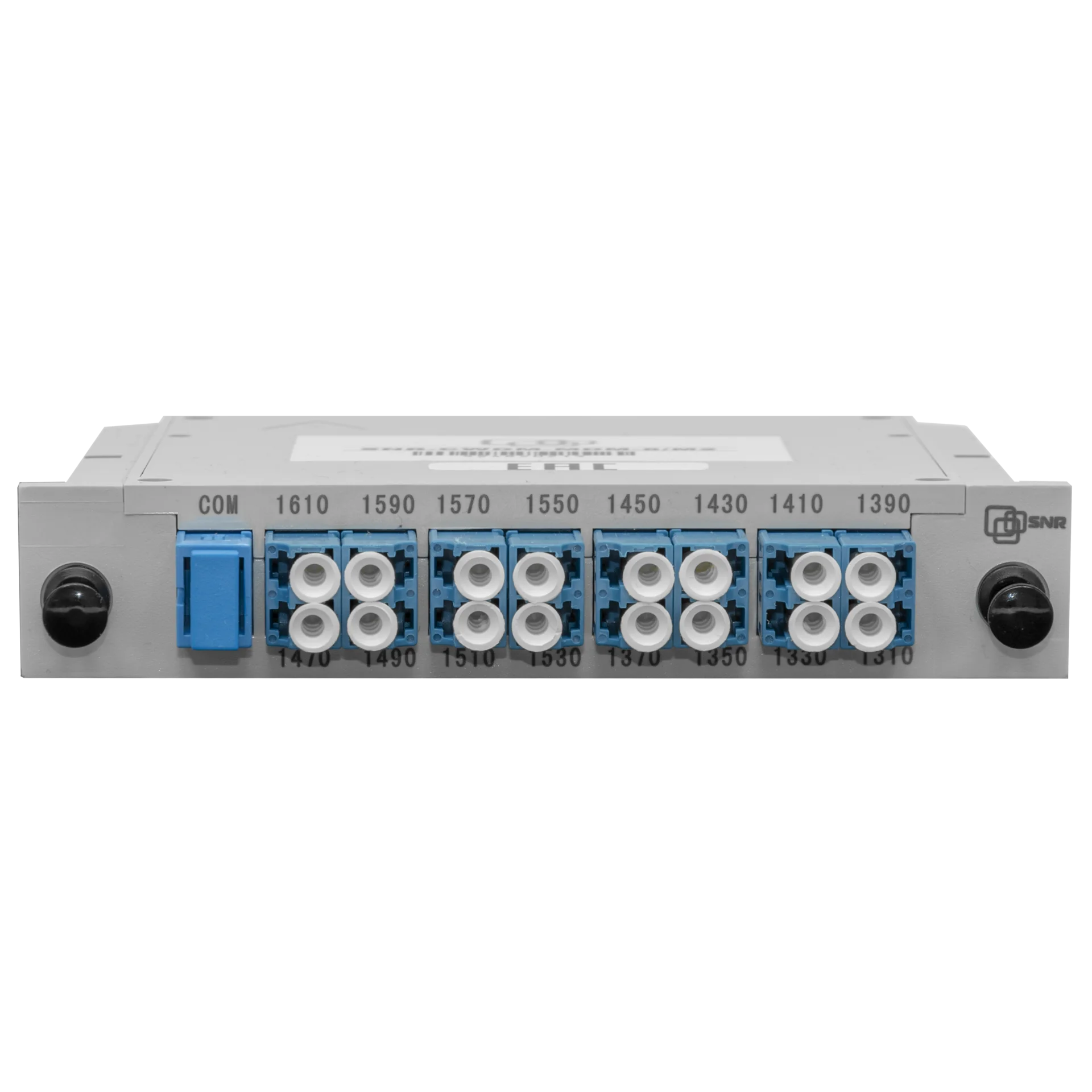
- CWDM/DWDM technology: CWDM multiplexers allow several channels to be transmitted over a single fiber, multiplying the capacity of an existing fiber-optic line without laying new cables.
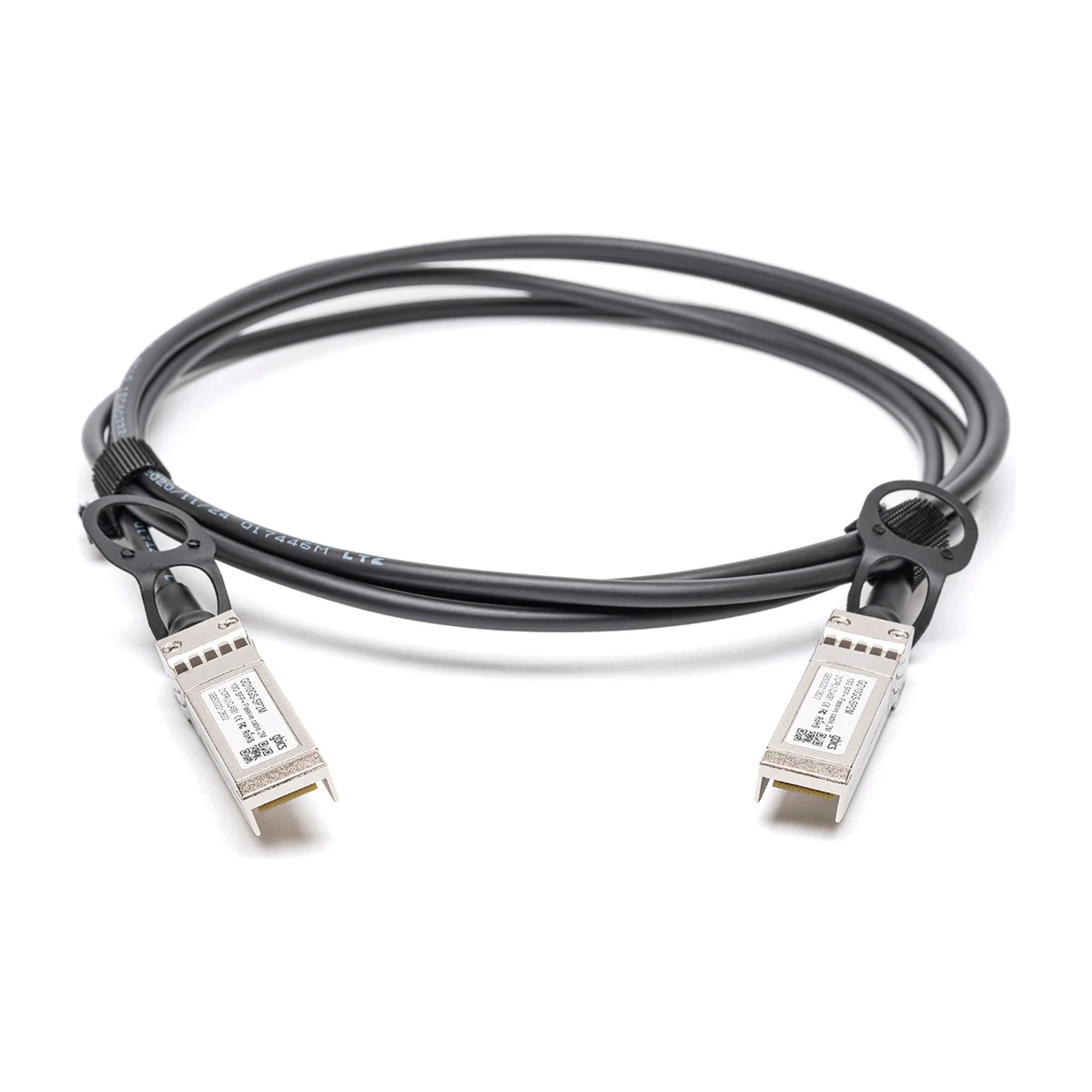
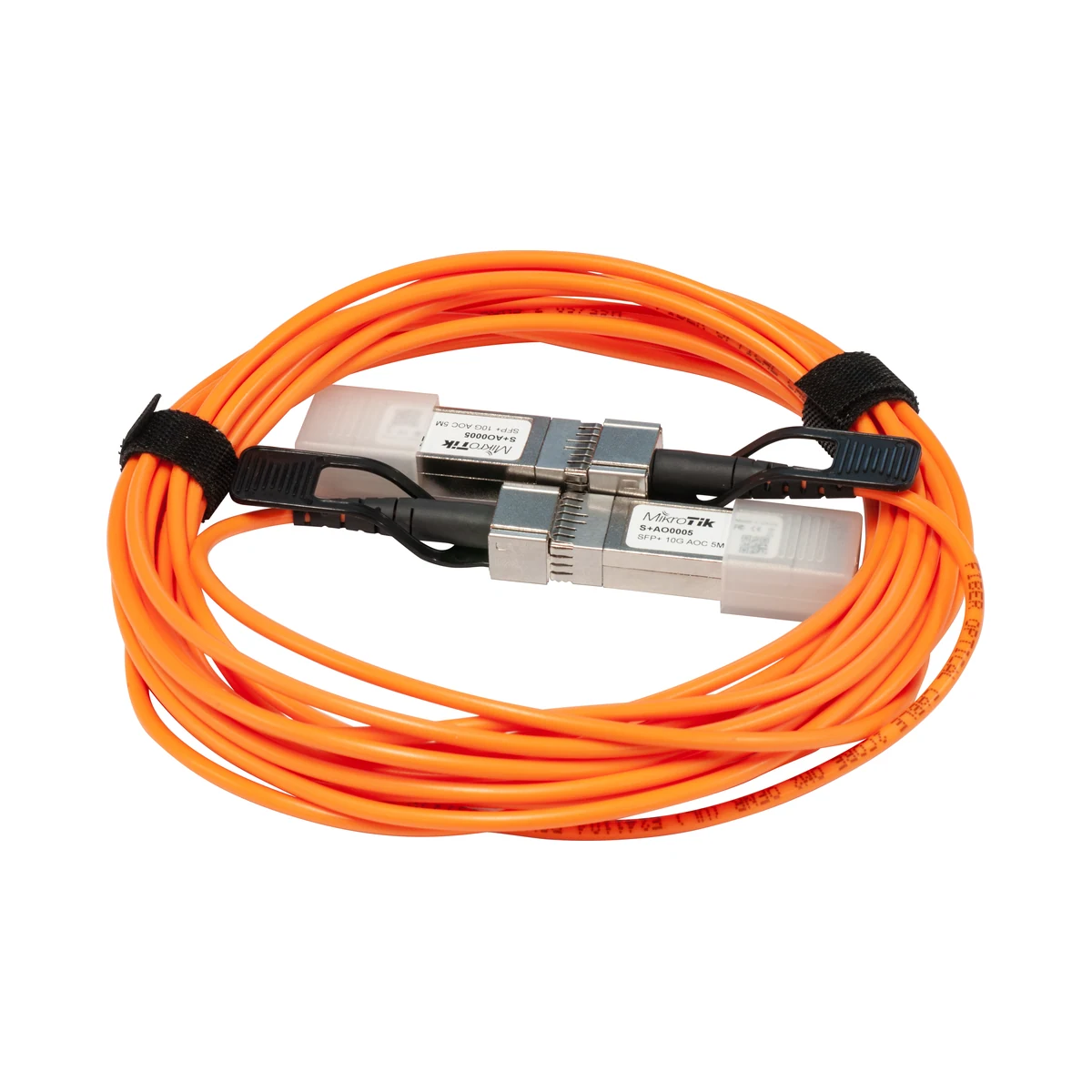
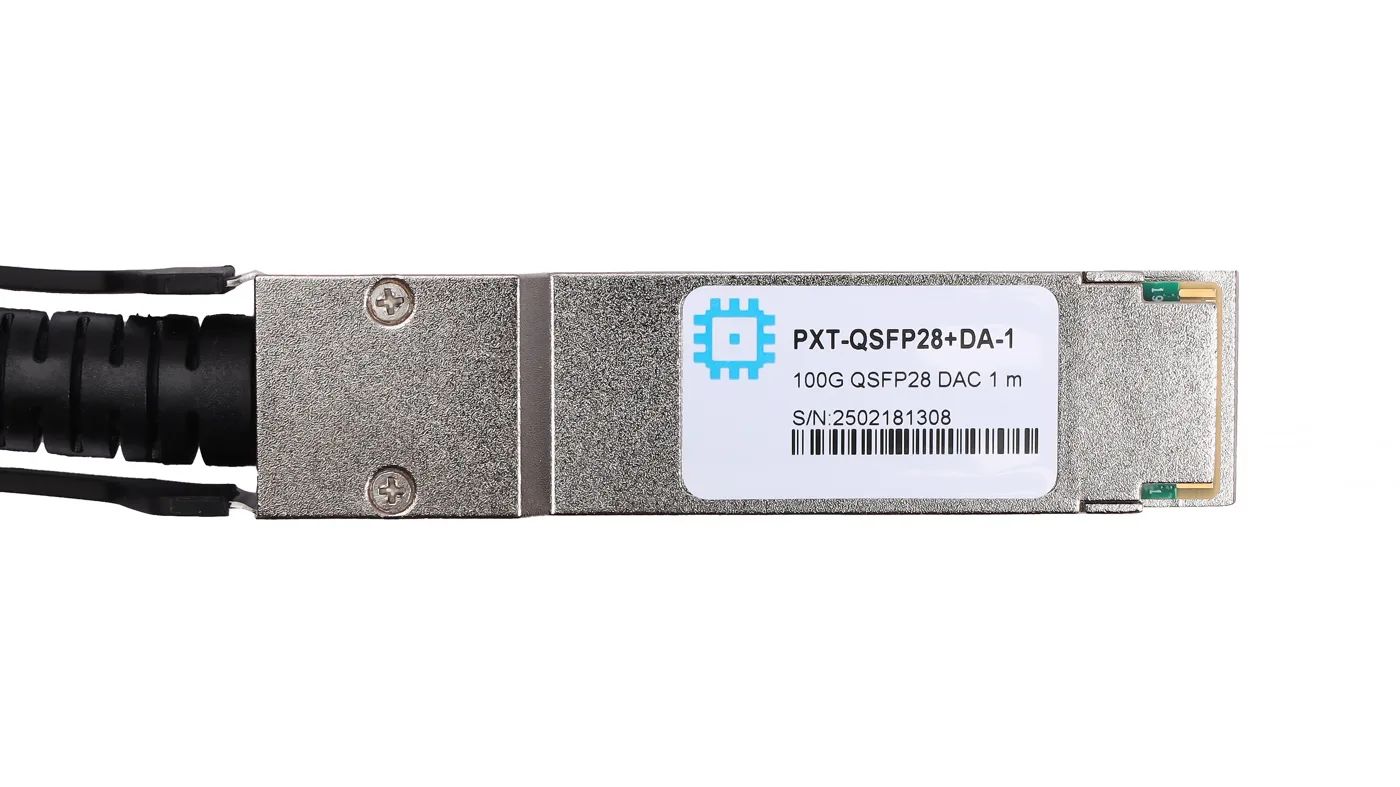
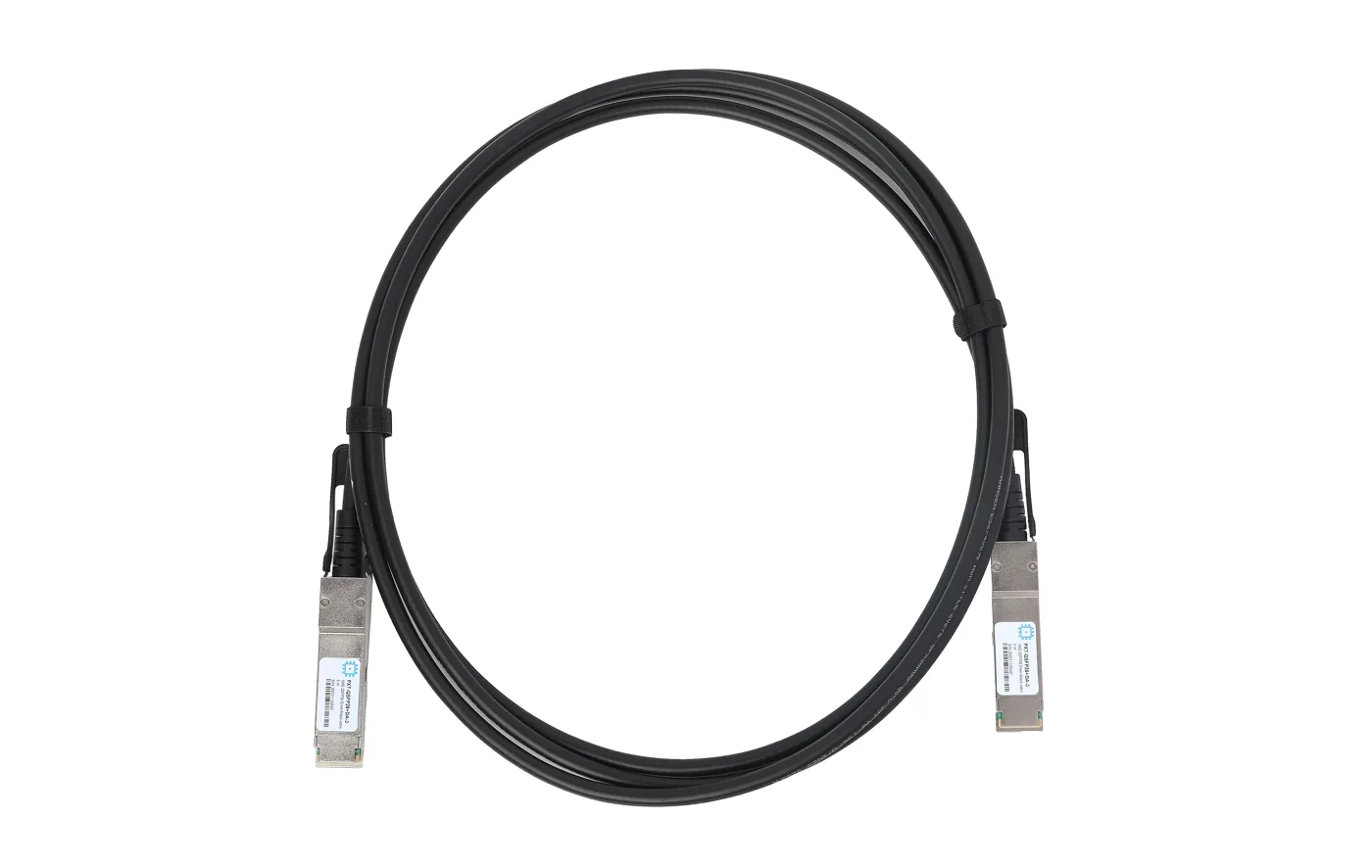
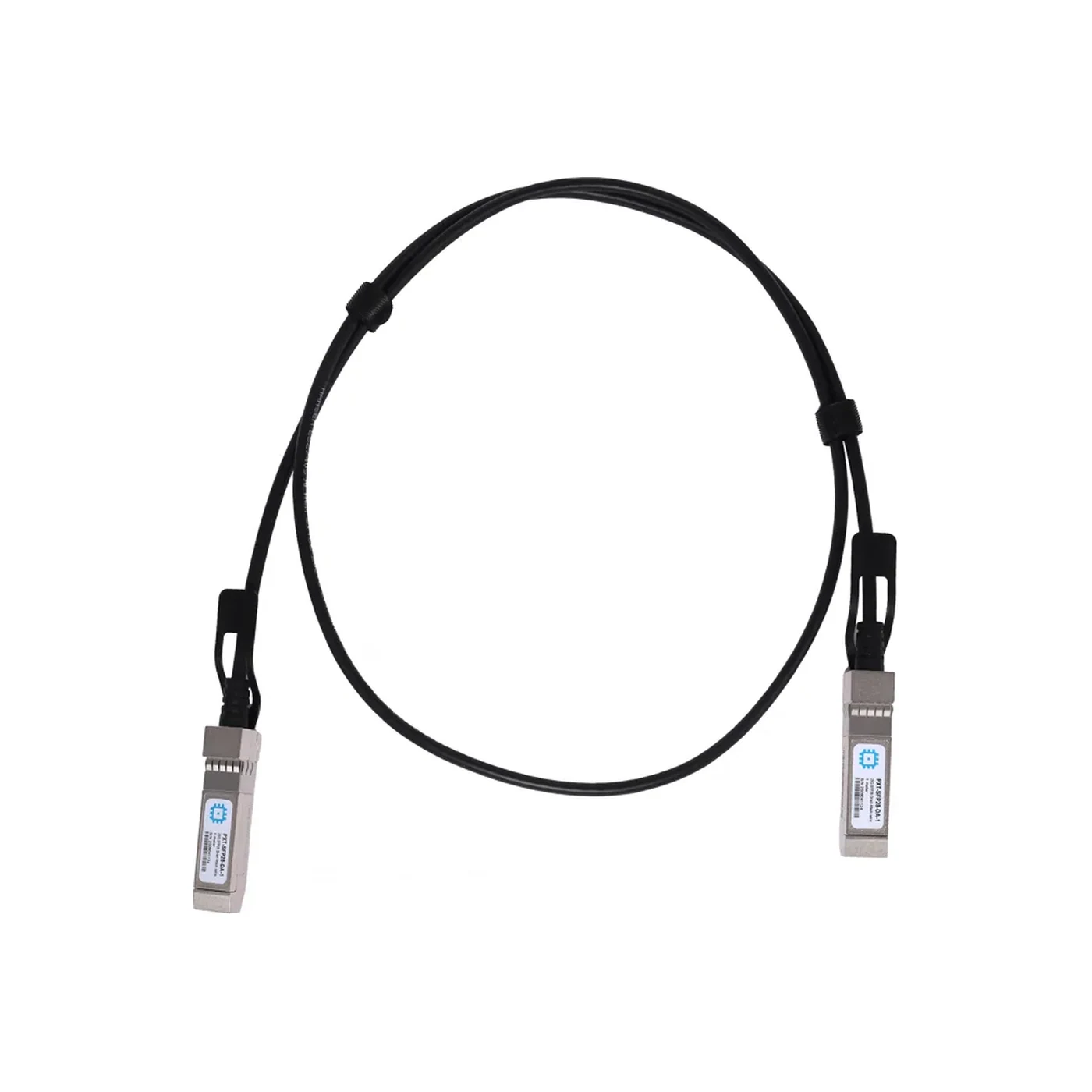
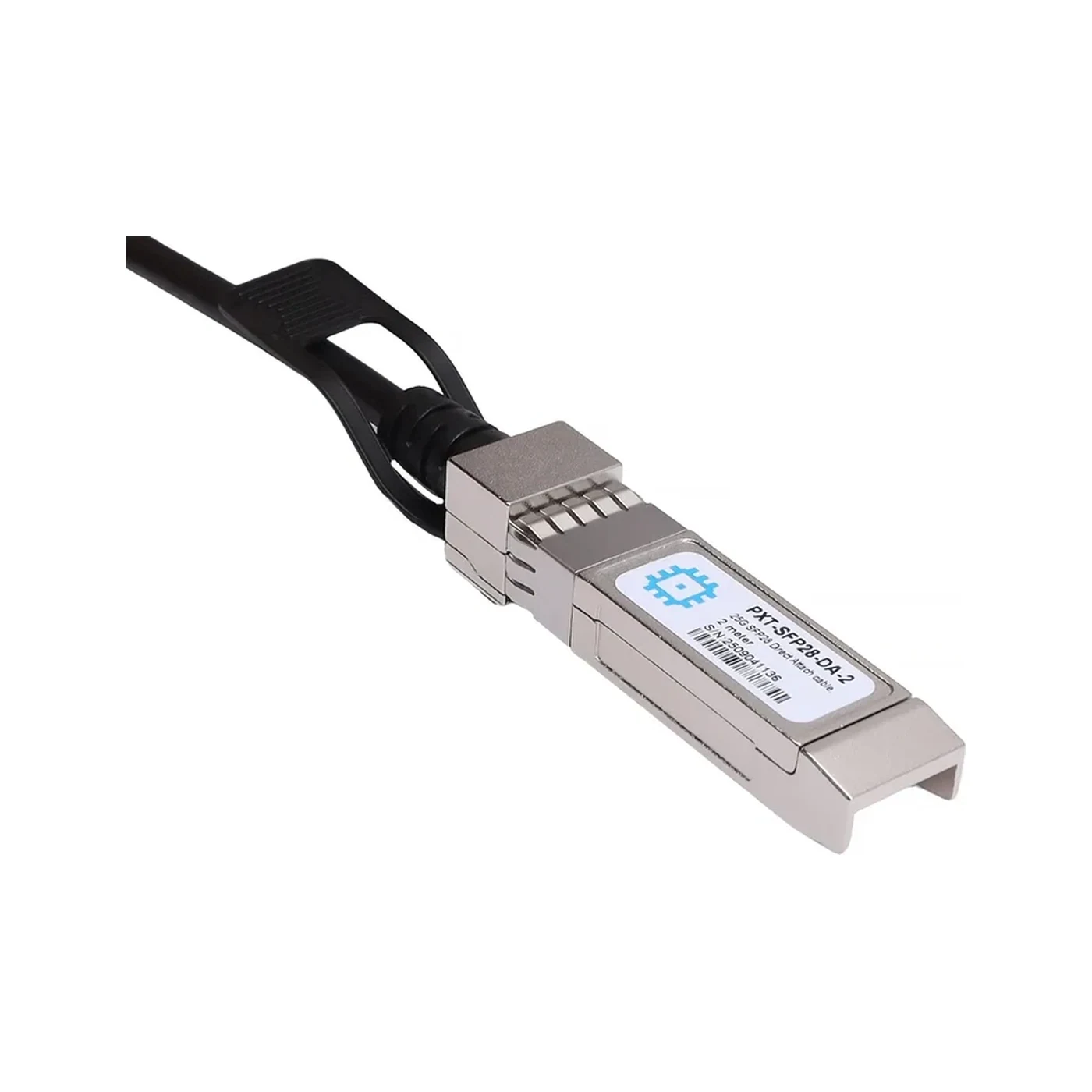
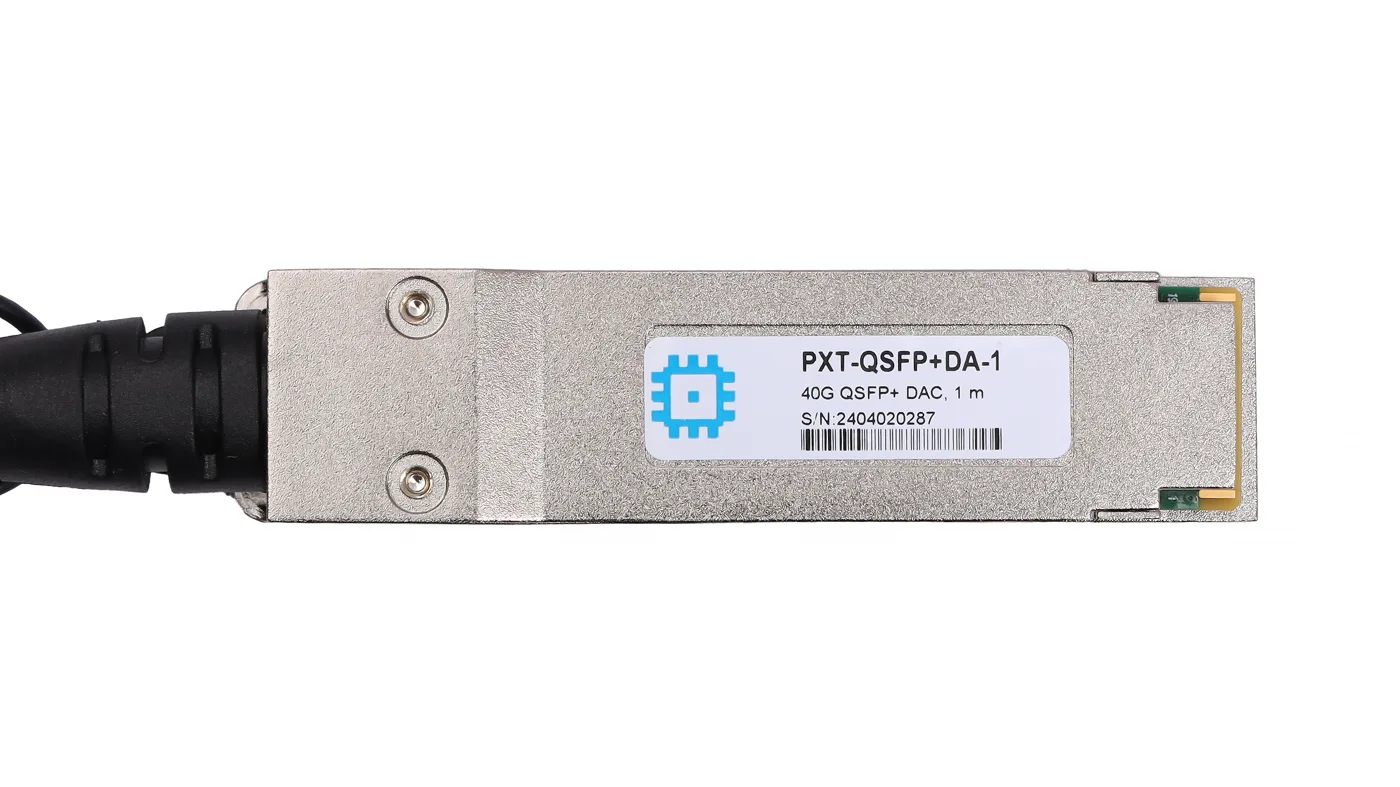
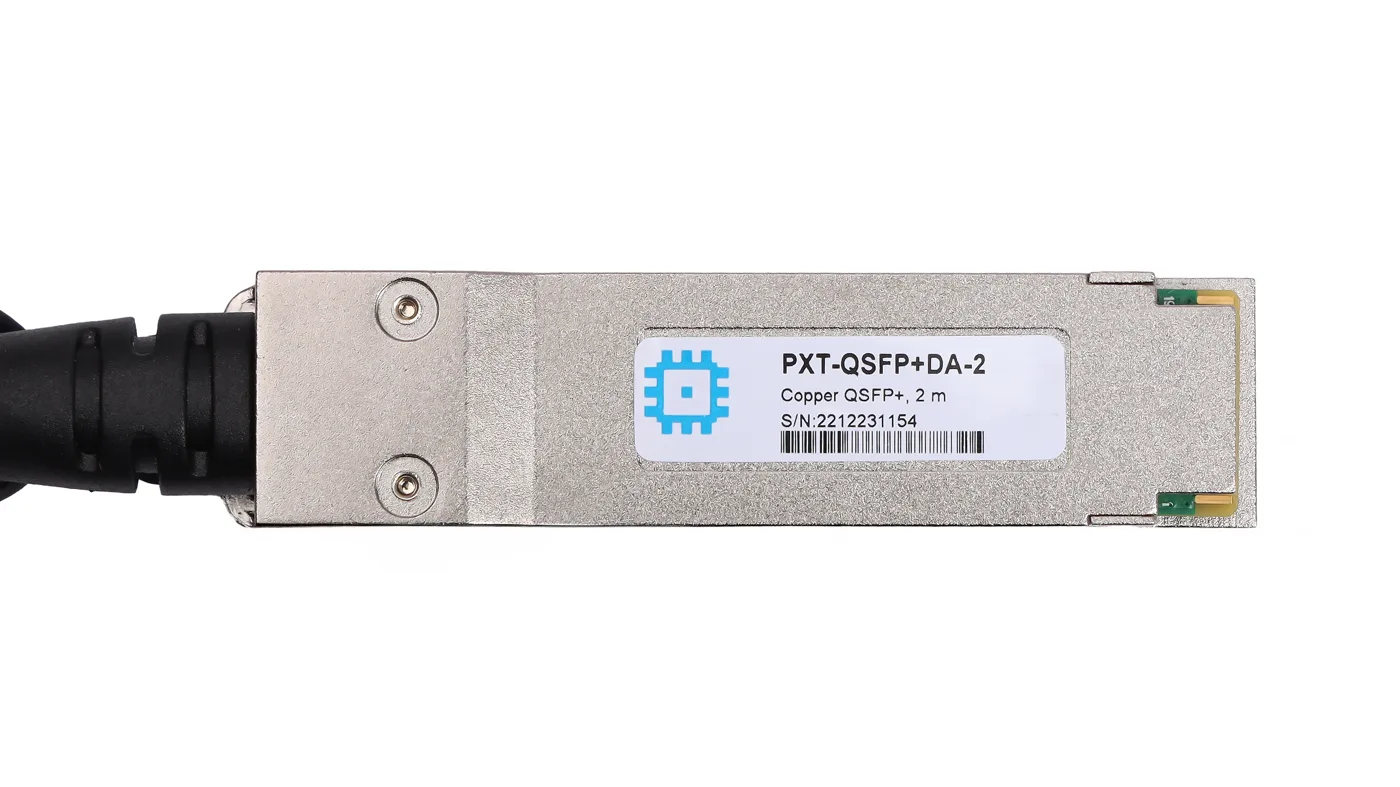
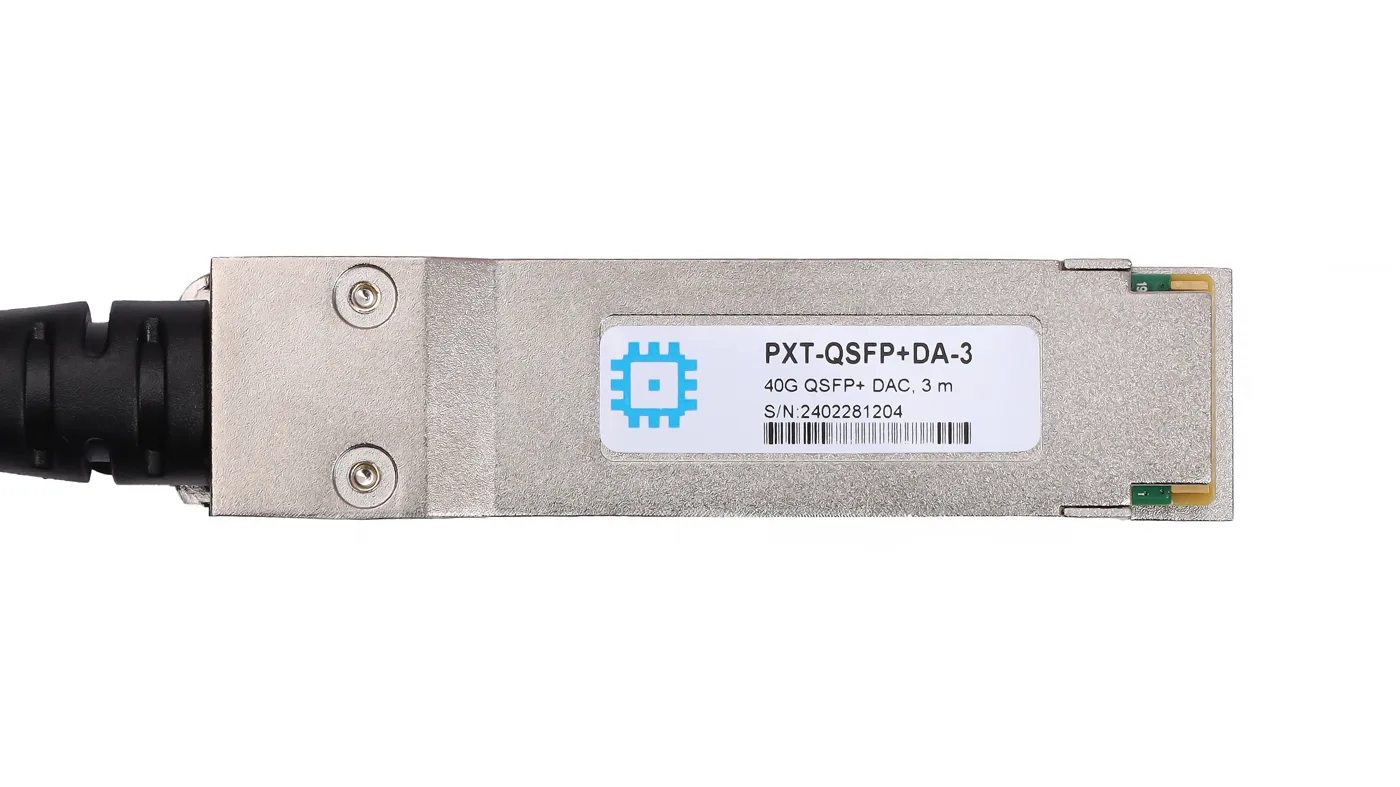
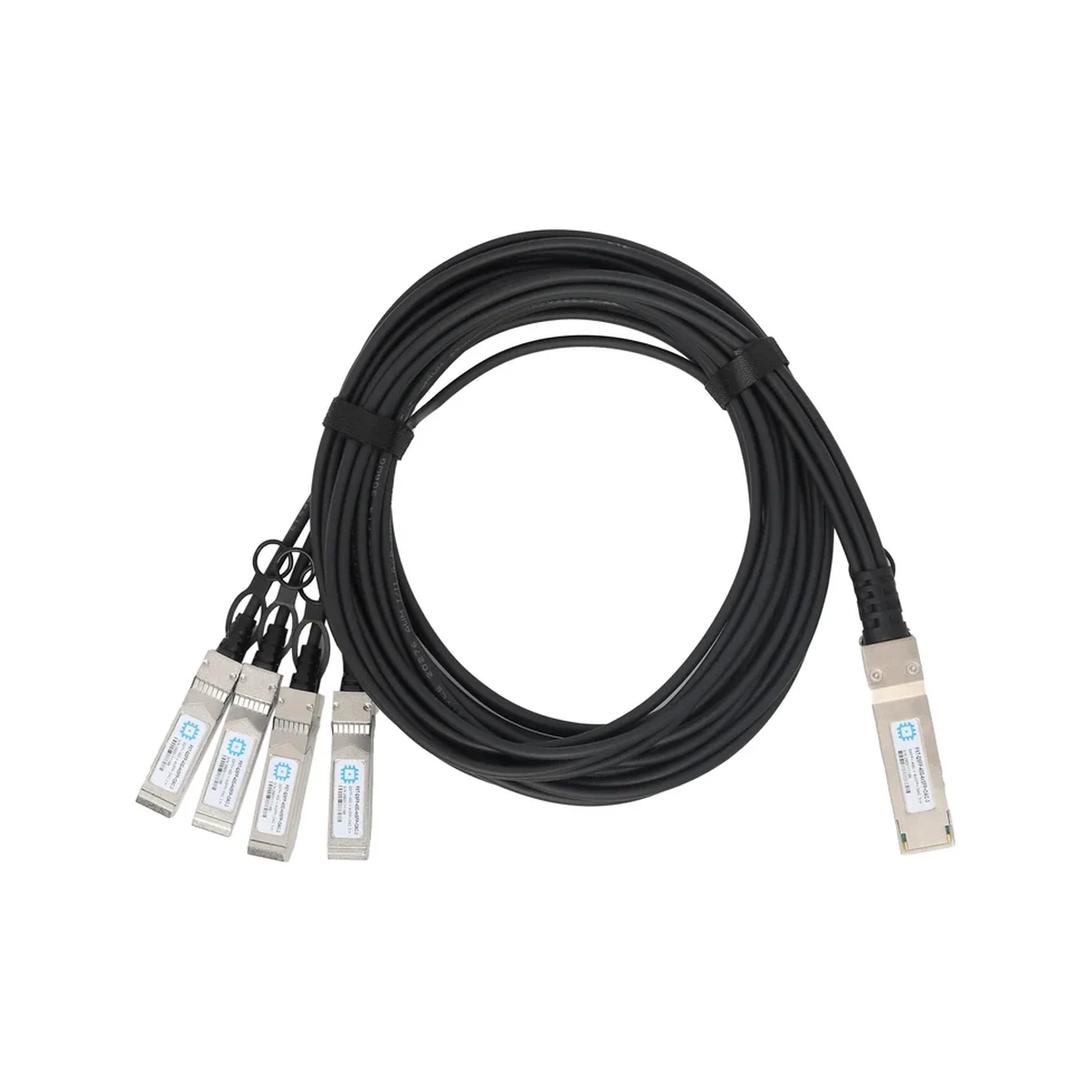
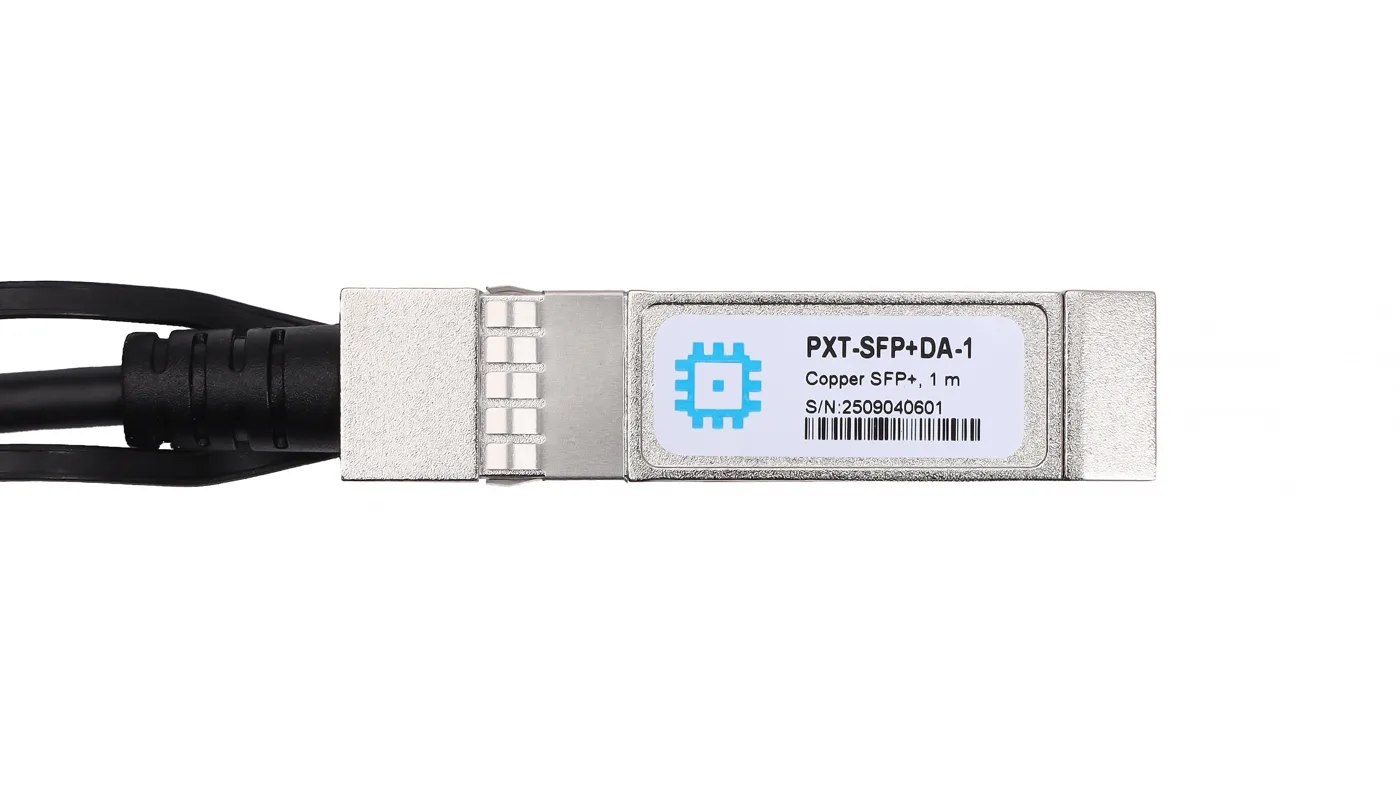
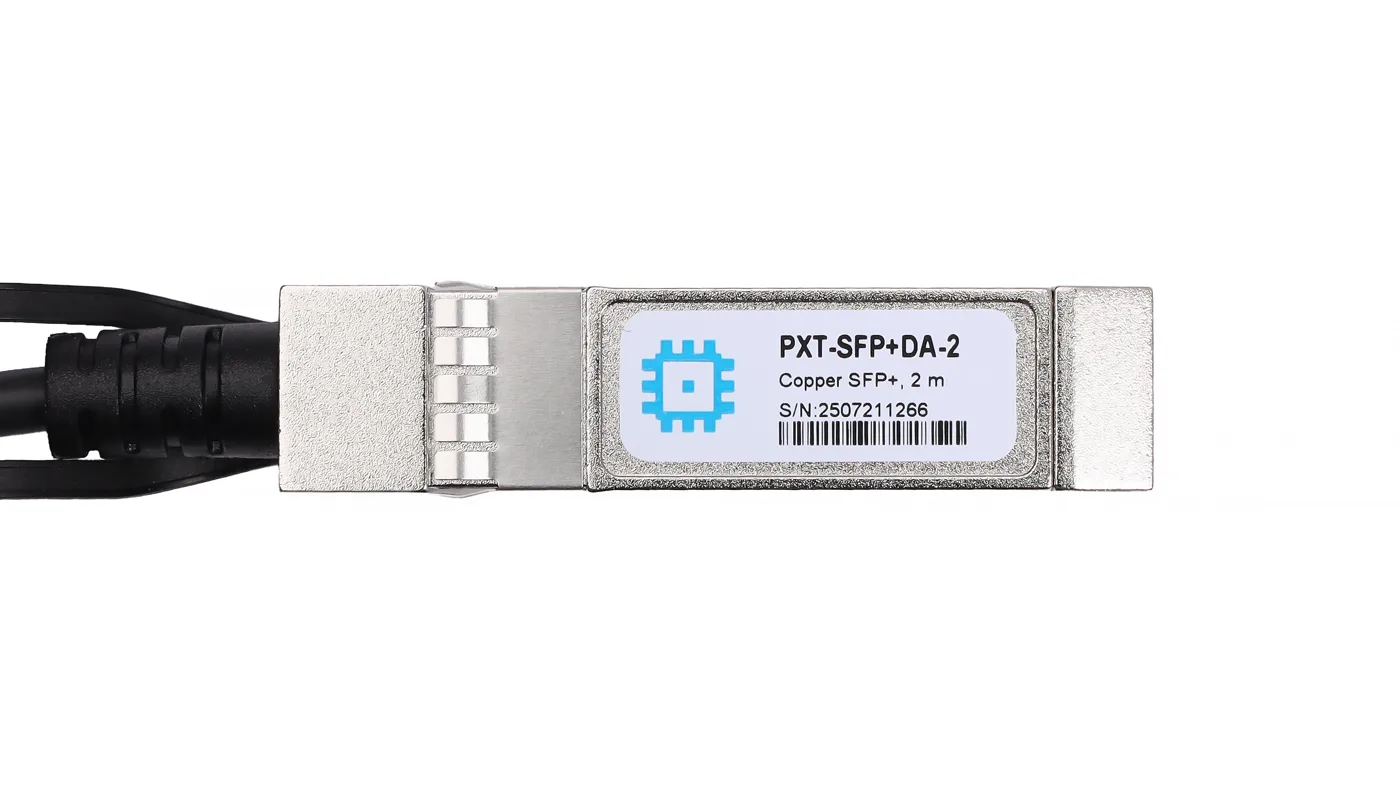
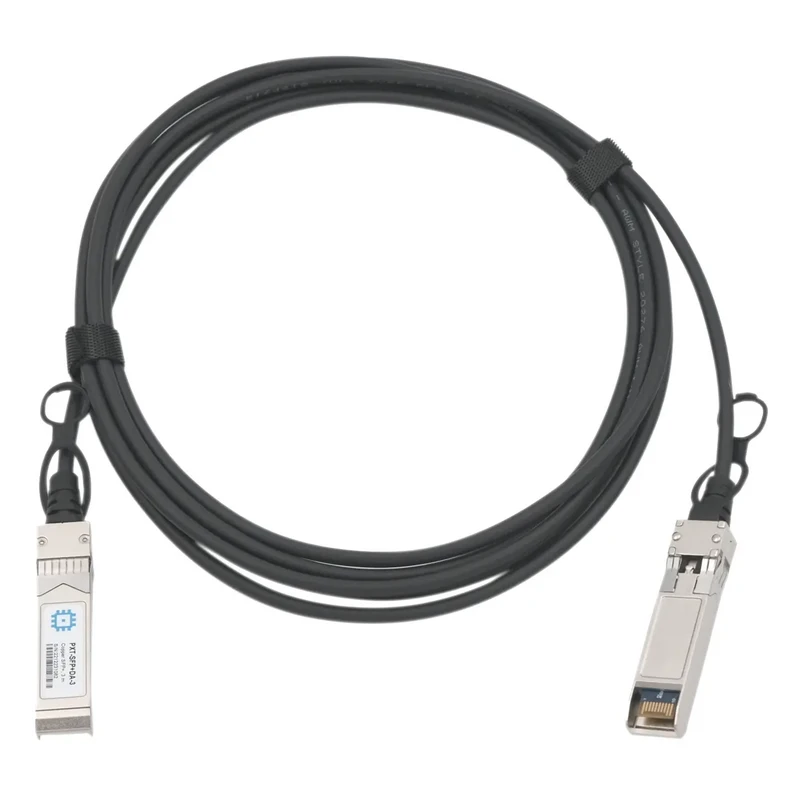
- Direct Attach (DAC): passive QSFP28 or SFP+ copper cables with integrated transceivers at the ends — an economical solution for connecting equipment within a rack or in adjacent racks at a distance of up to 3-5 m.
Applications
- Corporate enterprise networks: connecting access, aggregation and core layer switches, setting up optical uplinks between floors and buildings.
- Data centers: high-speed 25G, 40G and 100G lines between servers, storage systems and top-of-rack switches; Direct Attach cables for in-rack connections.
- Carrier and provider networks: setting up backbone channels between points of presence, connecting subscribers via GPON and other optical access technologies.
- Video surveillance systems at extended sites: transmitting IP camera streams from remote buildings, perimeters, highways and industrial areas over optical lines.
- Industrial sites and transport infrastructure: oil and gas enterprises, airports, railway hubs, where copper cables are unacceptable due to electromagnetic interference or long distances.
- Government and municipal networks: connecting geographically distributed institutions, video monitoring of urban spaces, the "smart city."
Brands and models in the catalog
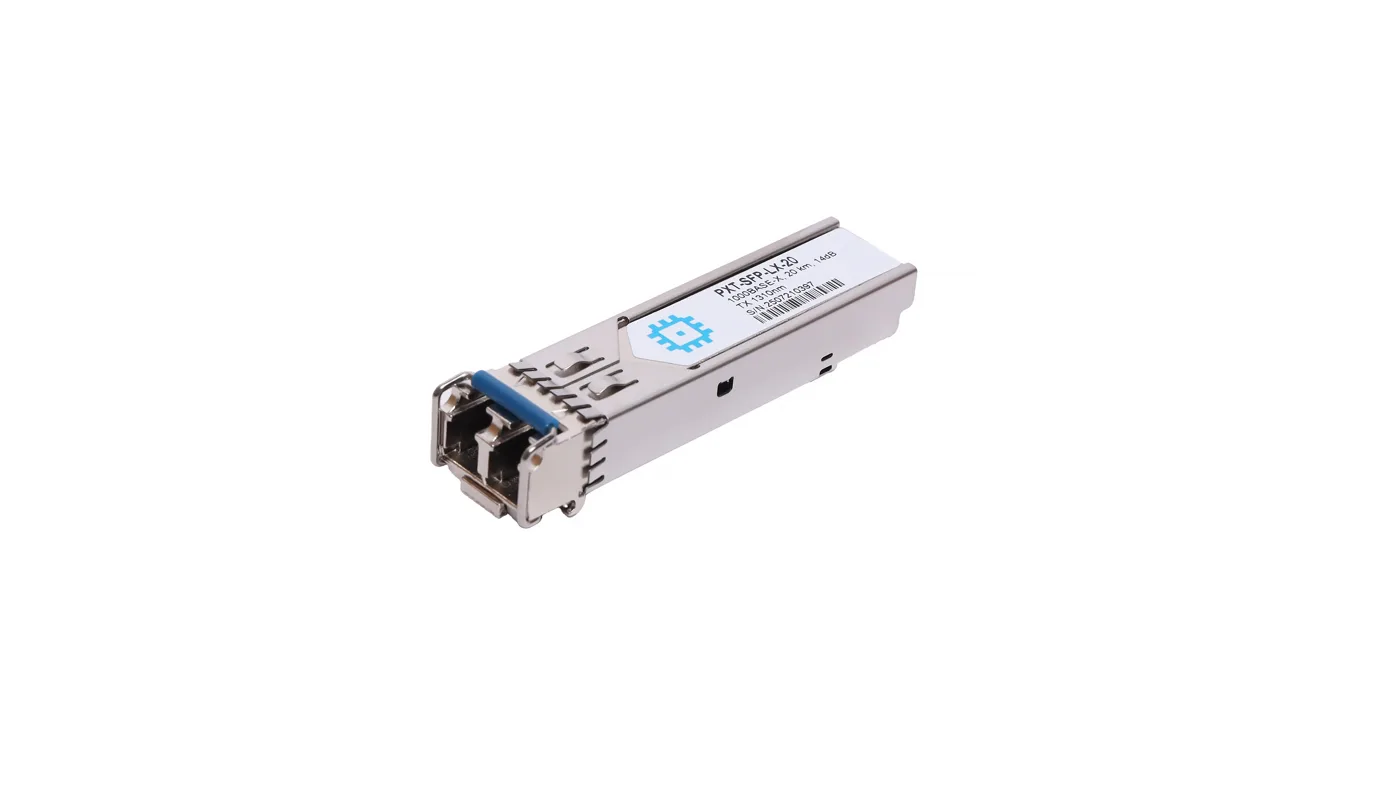
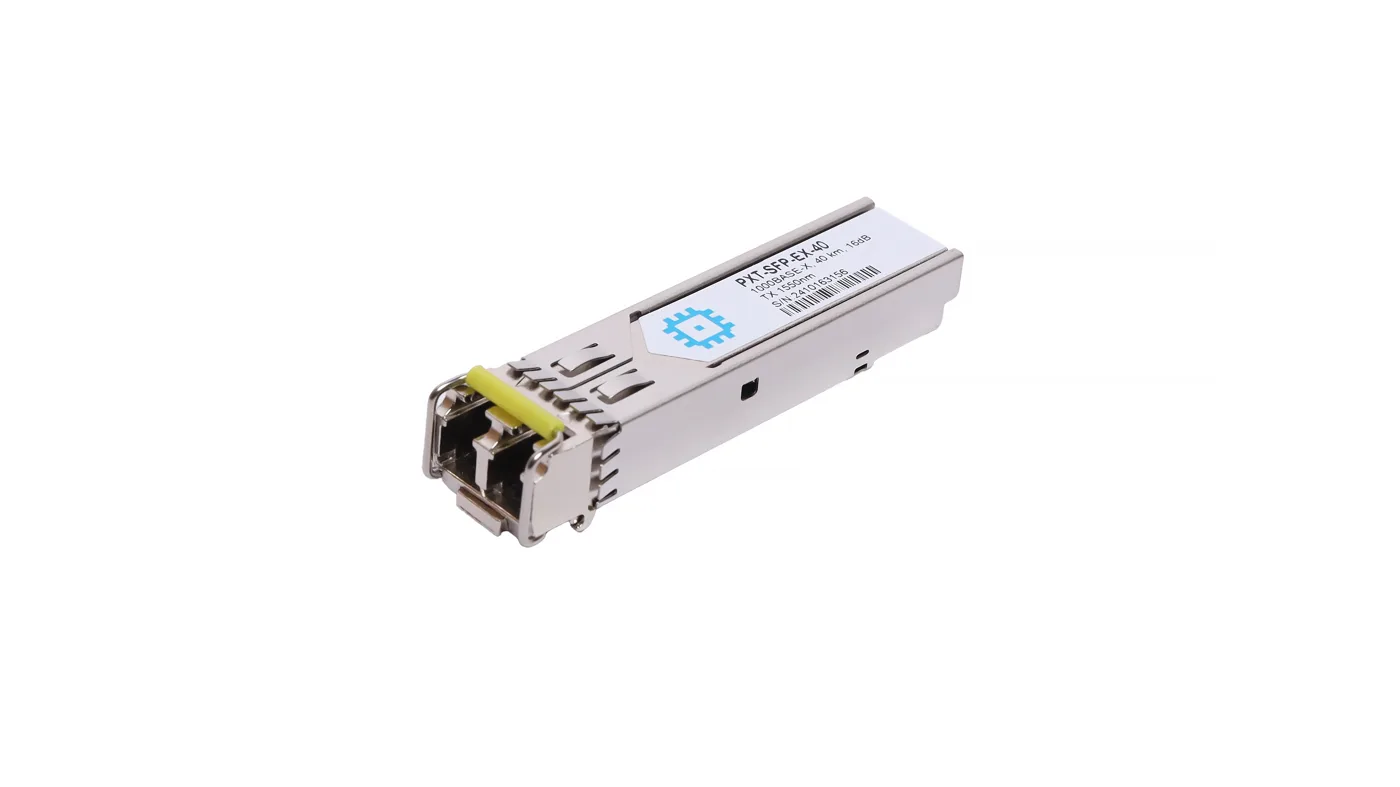
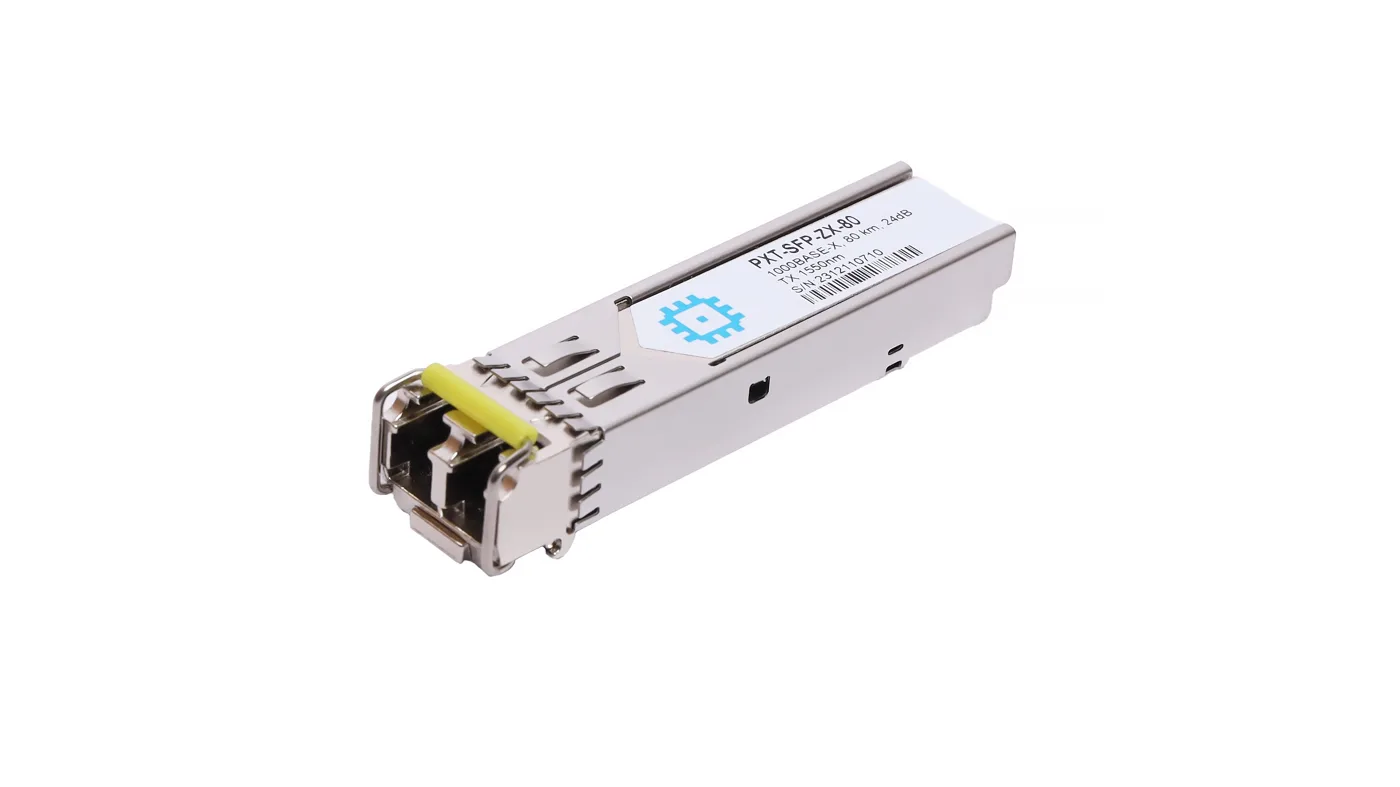
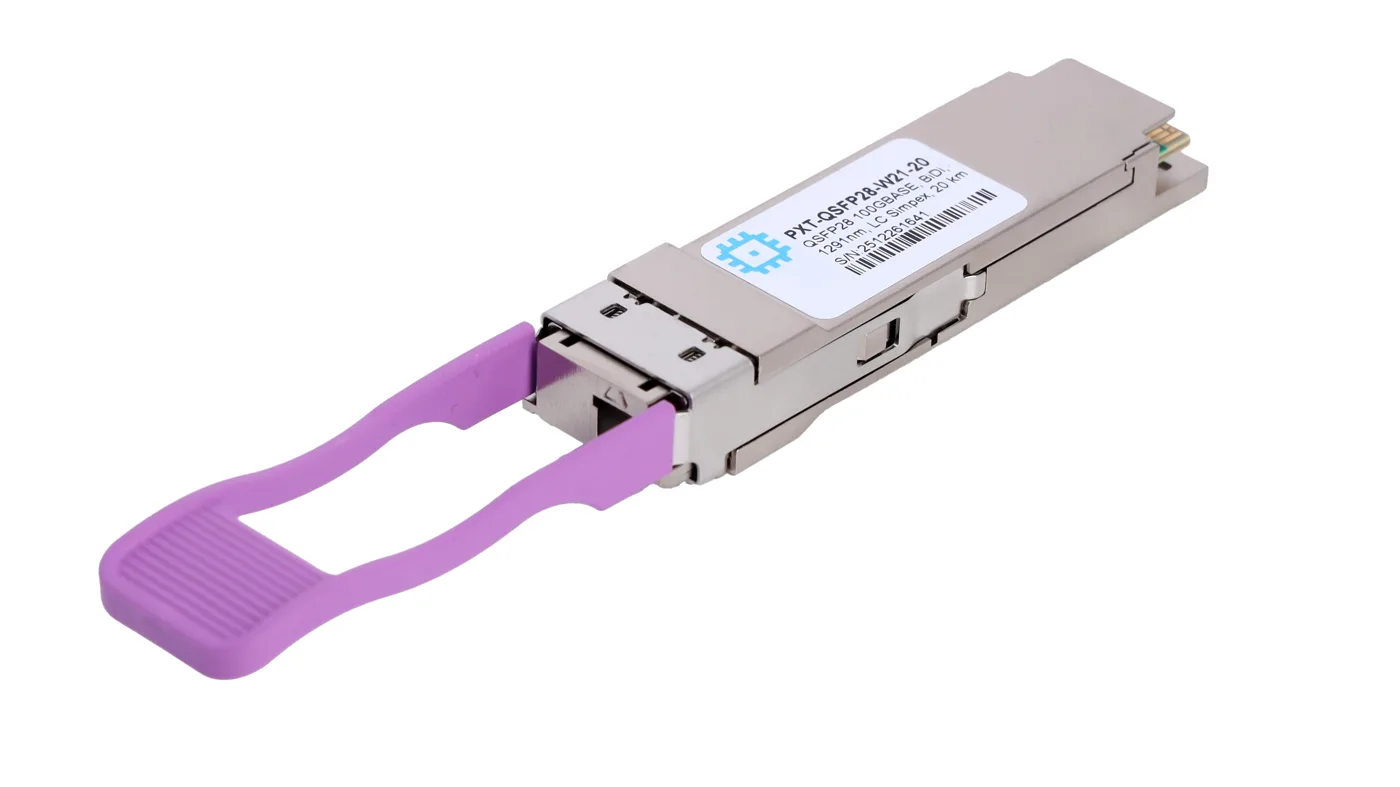
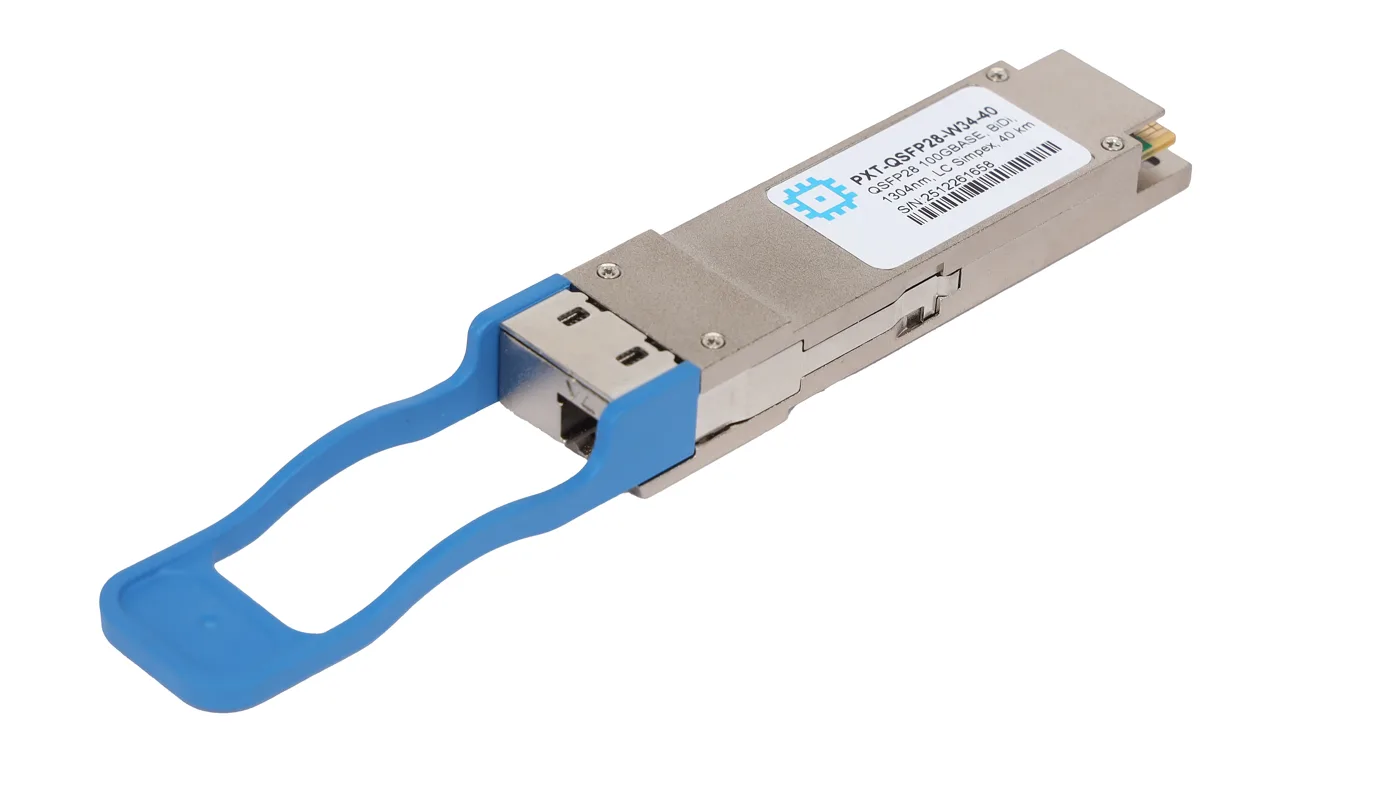
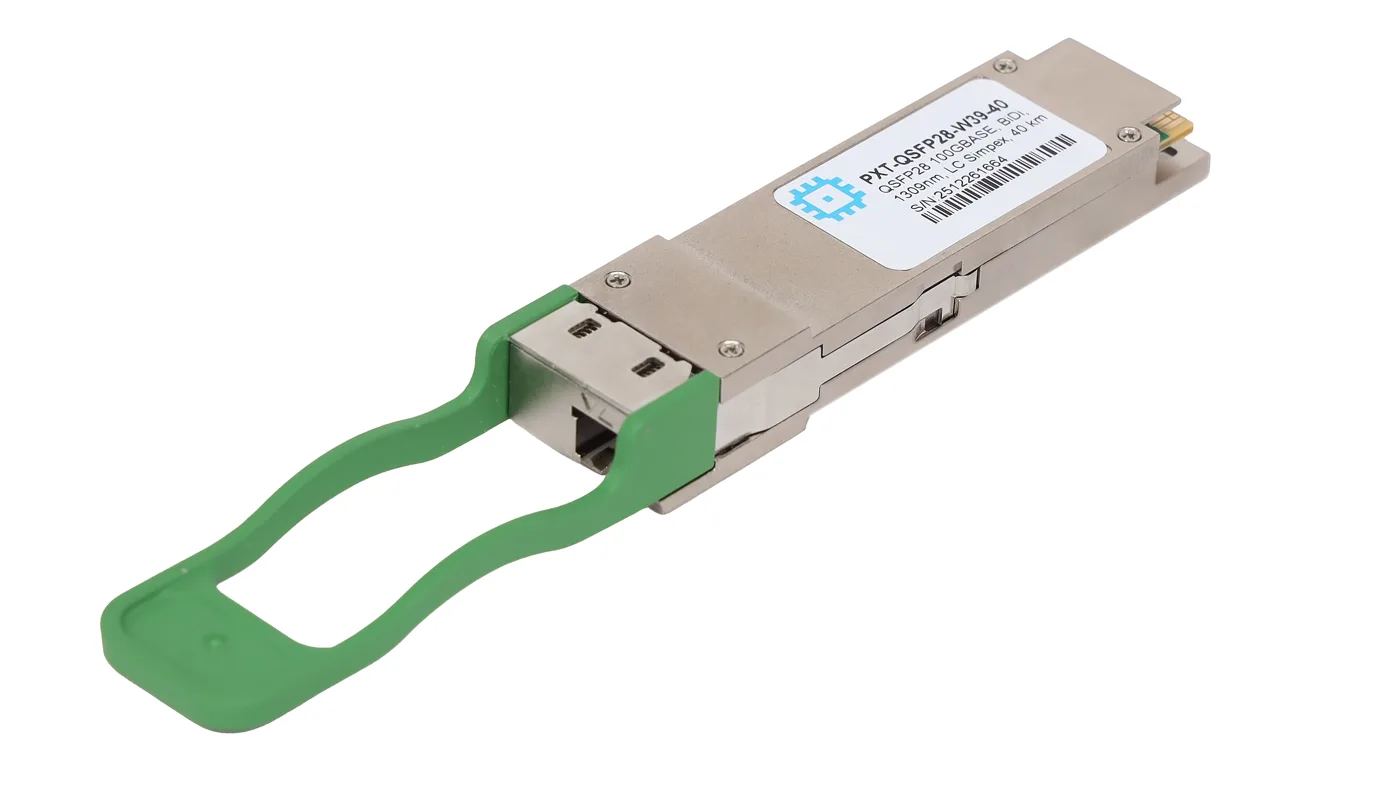
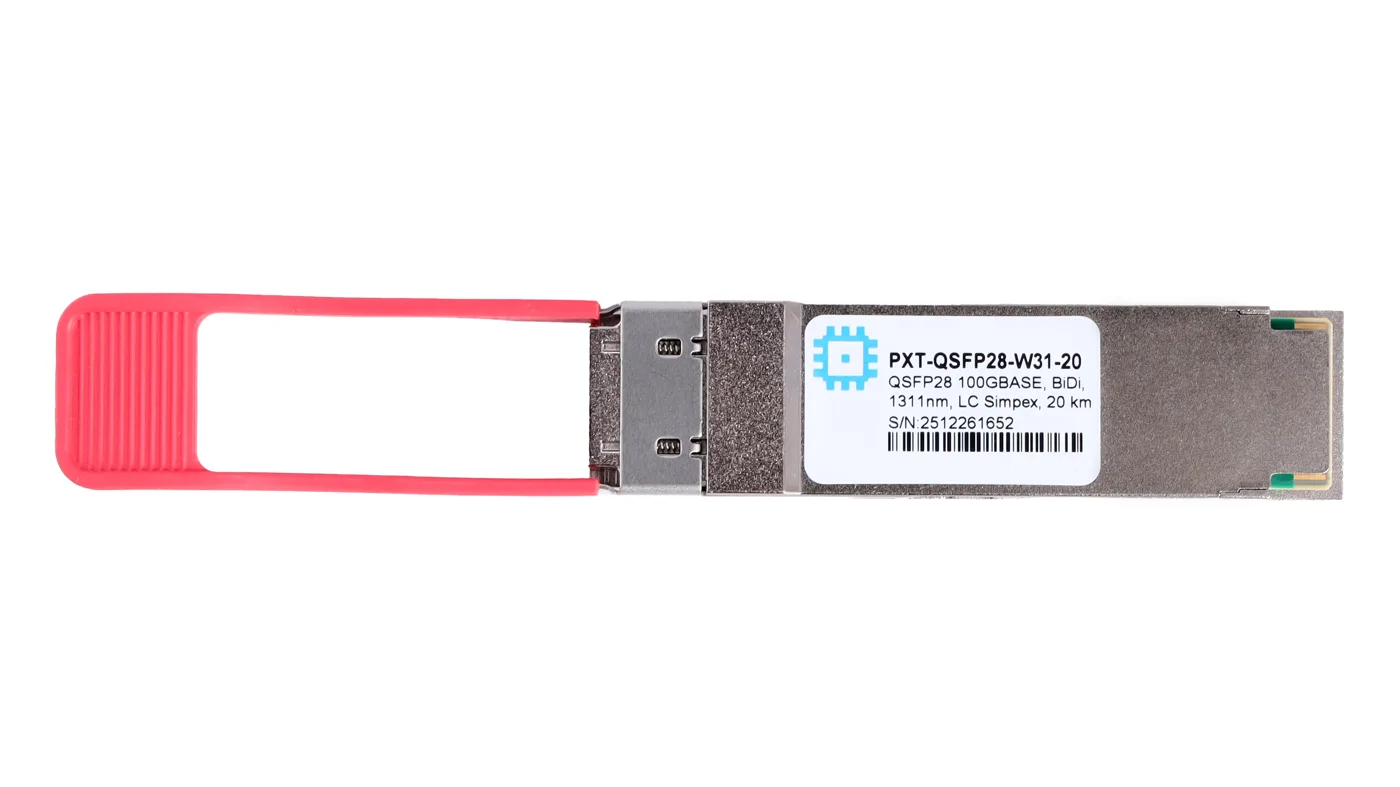
- Pixietech: the main brand in this catalog category of SAT Solutions, represented by a wide line of optical modules and media converters. The range includes SFP WDM modules with a range from 20 to 80 km, SFP+ 10G, SFP28 25G, QSFP28 100G, as well as Direct Attach 40G and 100G cables for in-rack connections.
- Optical transceivers for multimode fiber: 850 nm modules with a range of up to 550 m (7.5 dB) for connections within buildings and data centers — an economical alternative to single-mode solutions on short routes.
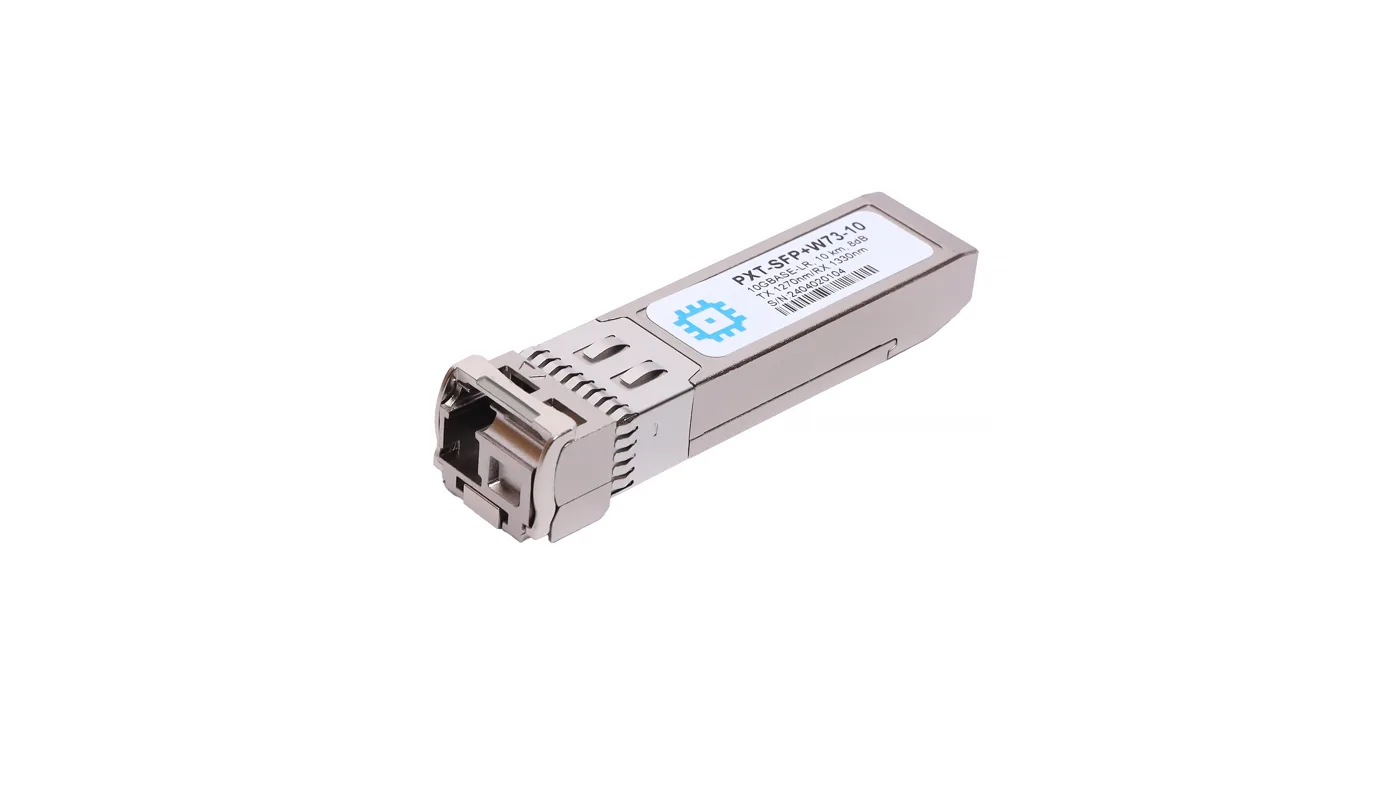
- Single-mode WDM modules: the line includes solutions for 1310 nm and 1550 nm for distances of 10, 20 and 80 km, which covers needs from urban campus networks to intercity backbones.
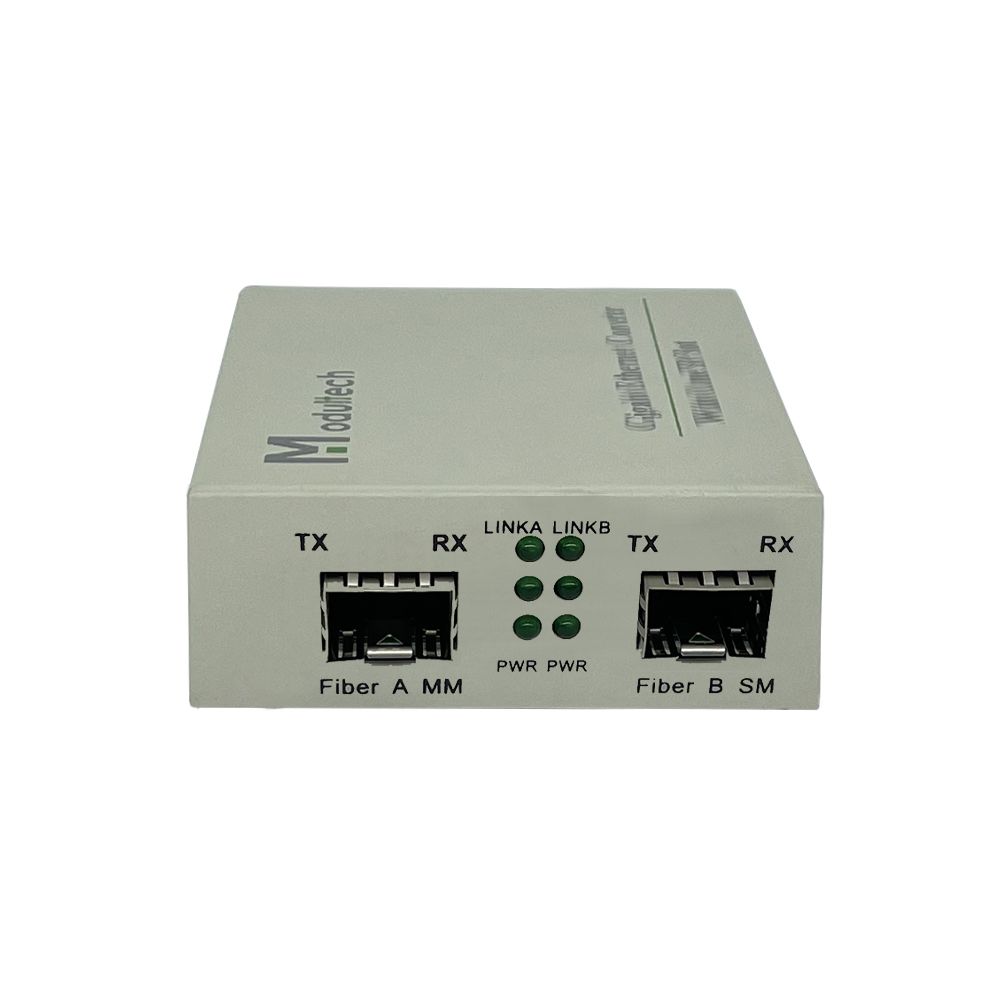
- Pixietech media converters: devices for interfacing copper 10/100/1000Base-T ports with optical 100/1000Base-FX interfaces in both directions over wavelengths of 1310/1550 nm — a convenient solution for connecting equipment without an SFP slot to optical infrastructure.
- CWDM multiplexers: single-fiber 4-channel devices for combining several streams on a single fiber — they allow the capacity of a fiber-optic line to be increased 4 times without laying additional cable.