Wi-Fi access points
Found: 135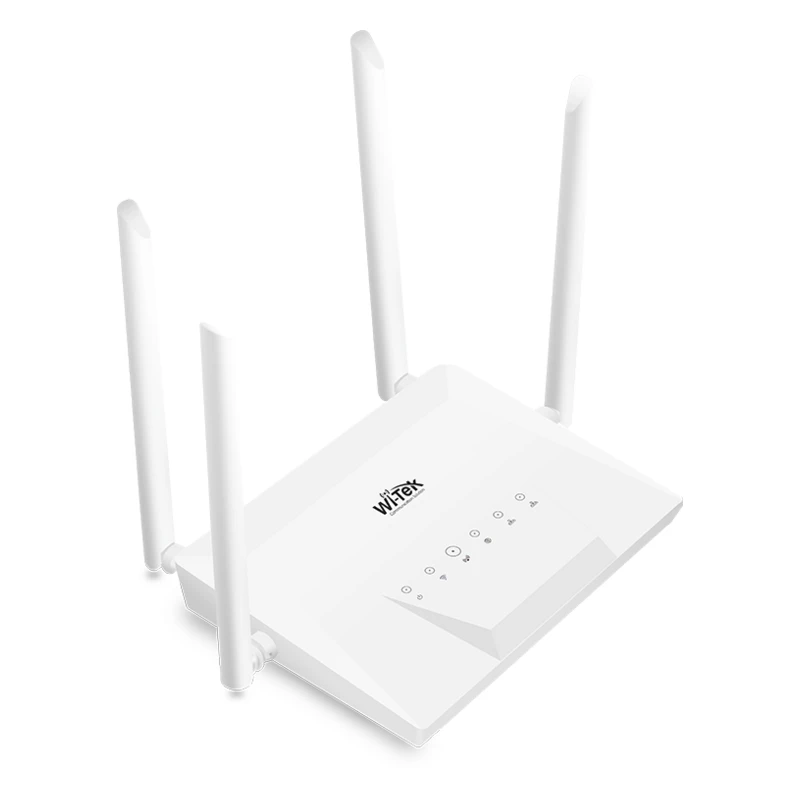

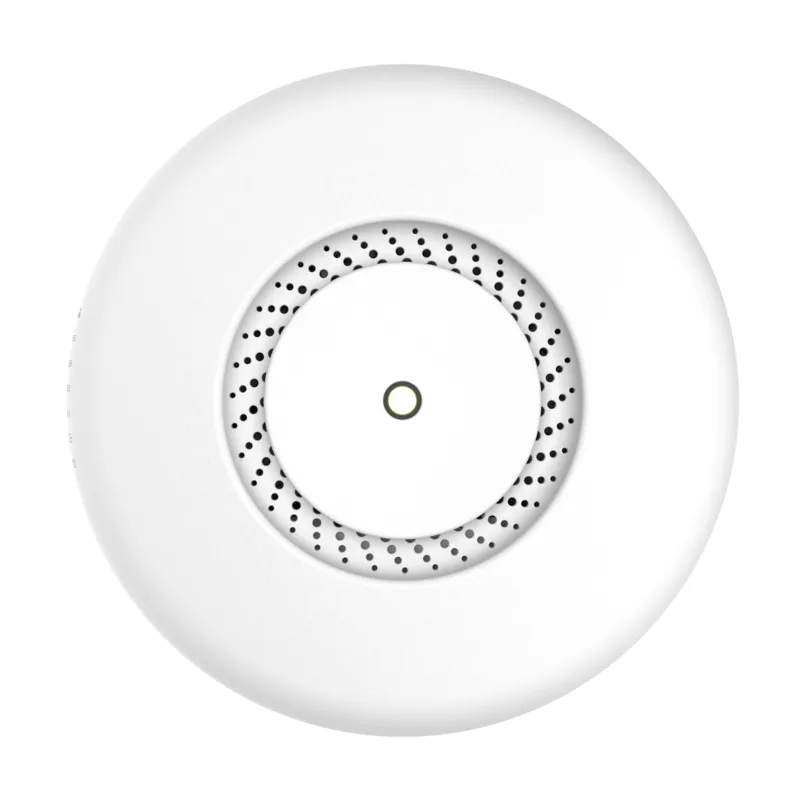


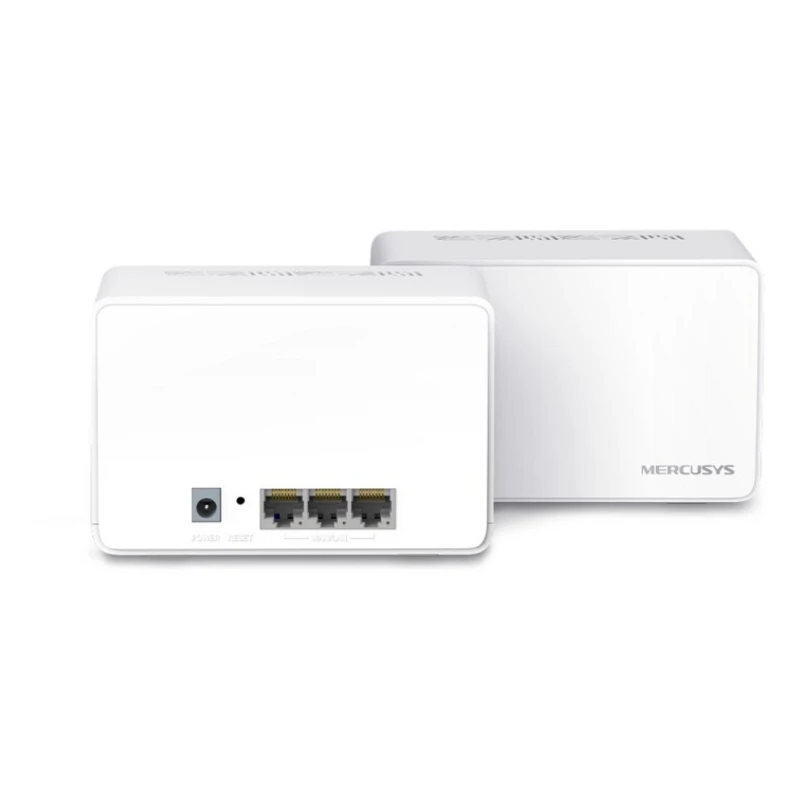
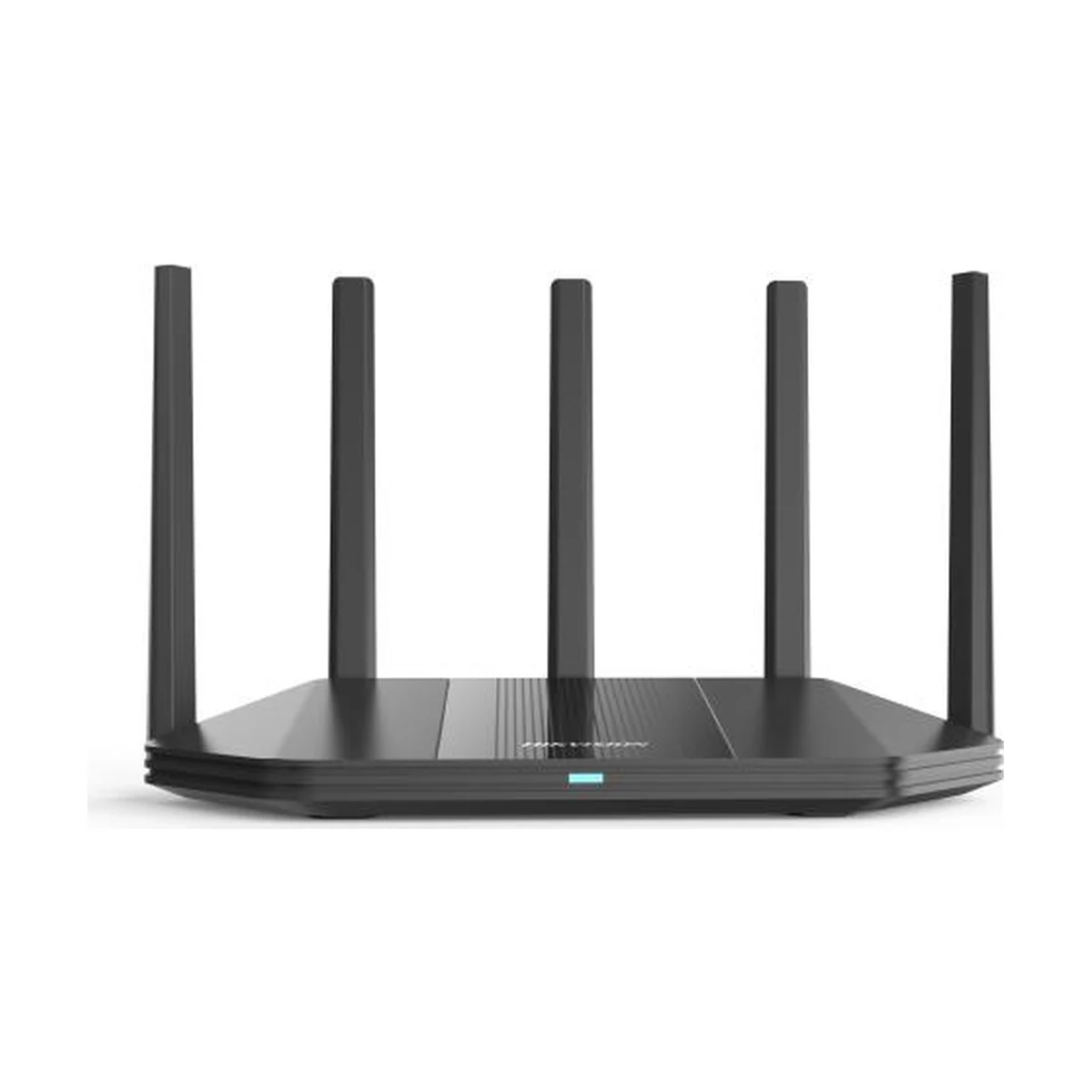
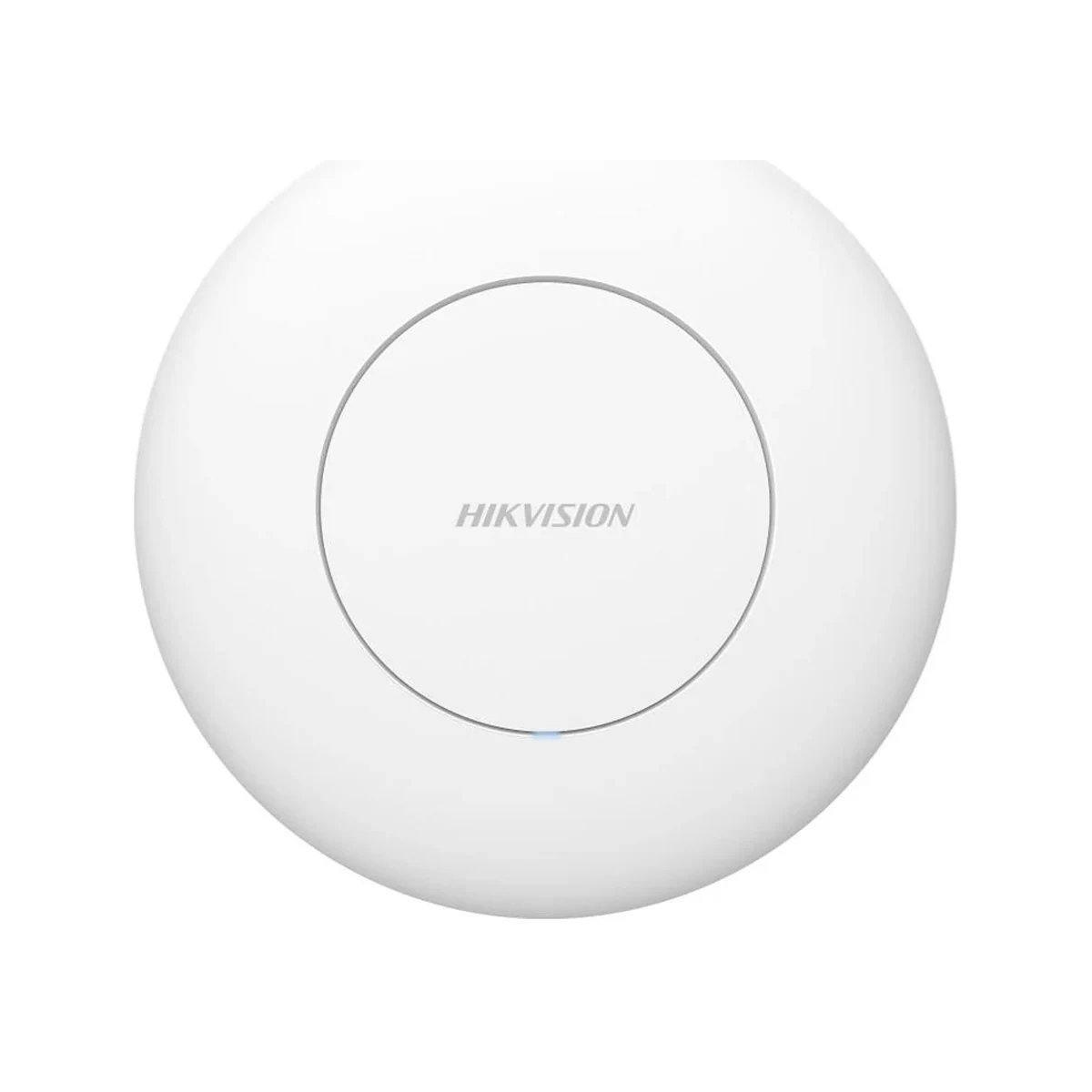
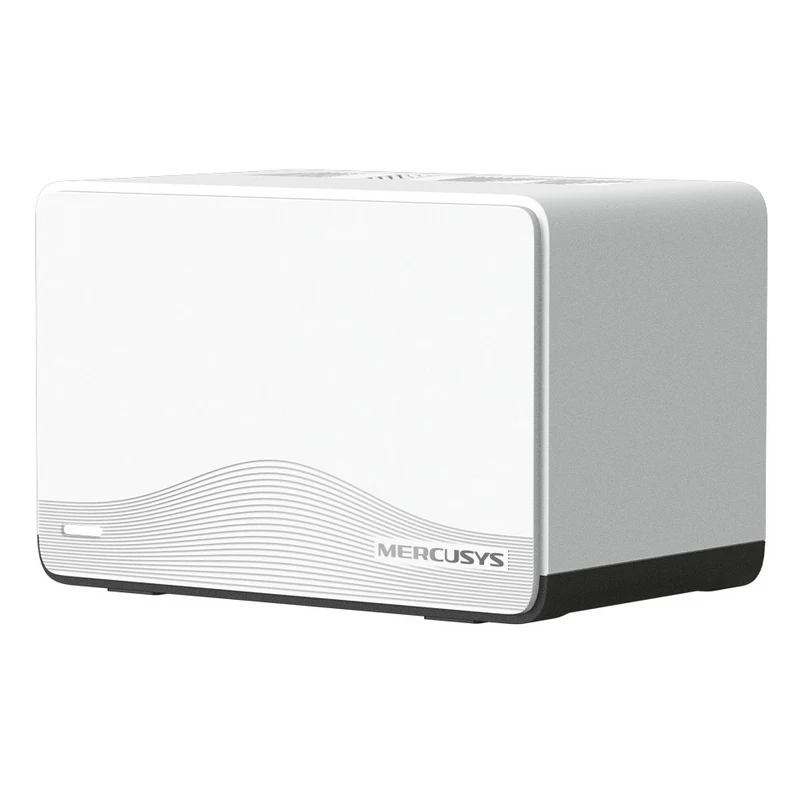
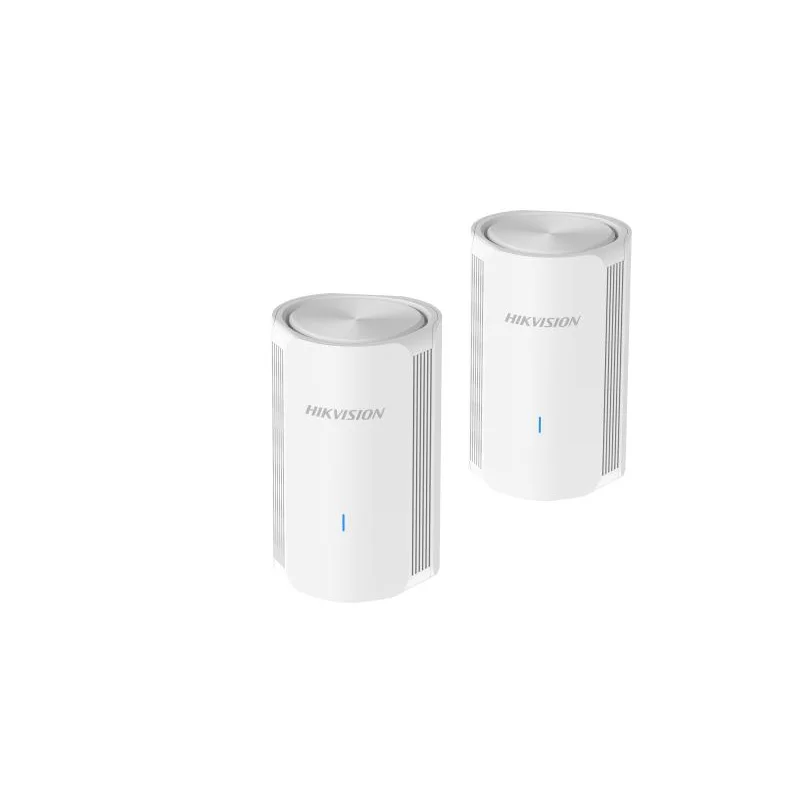
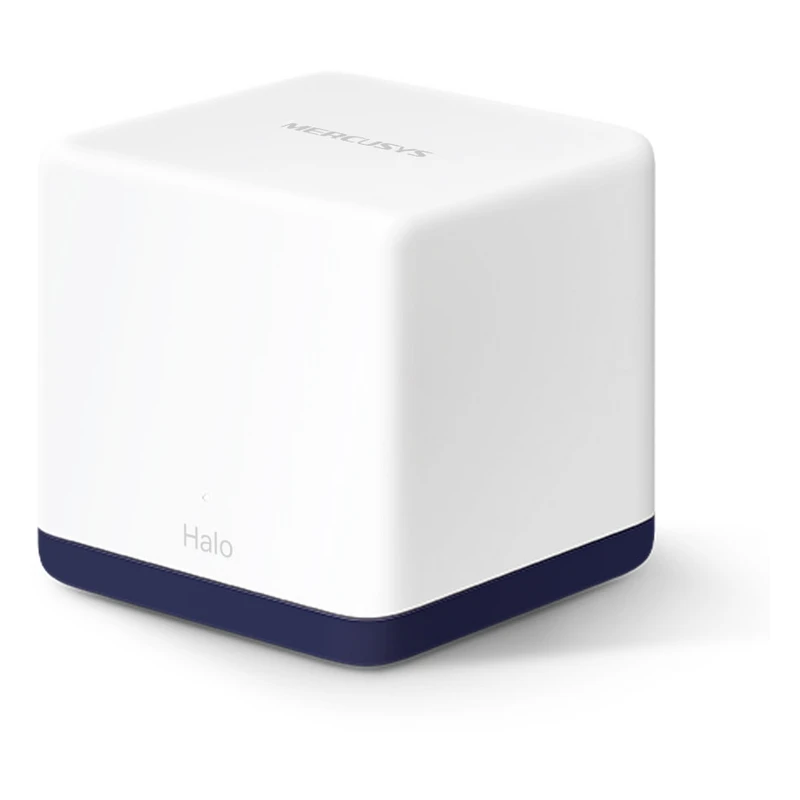
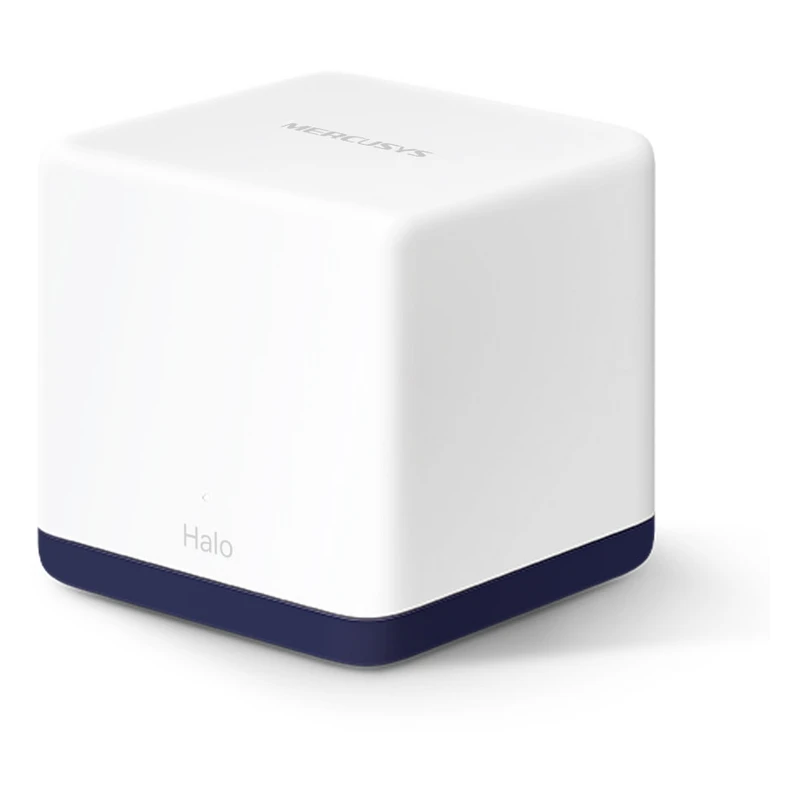
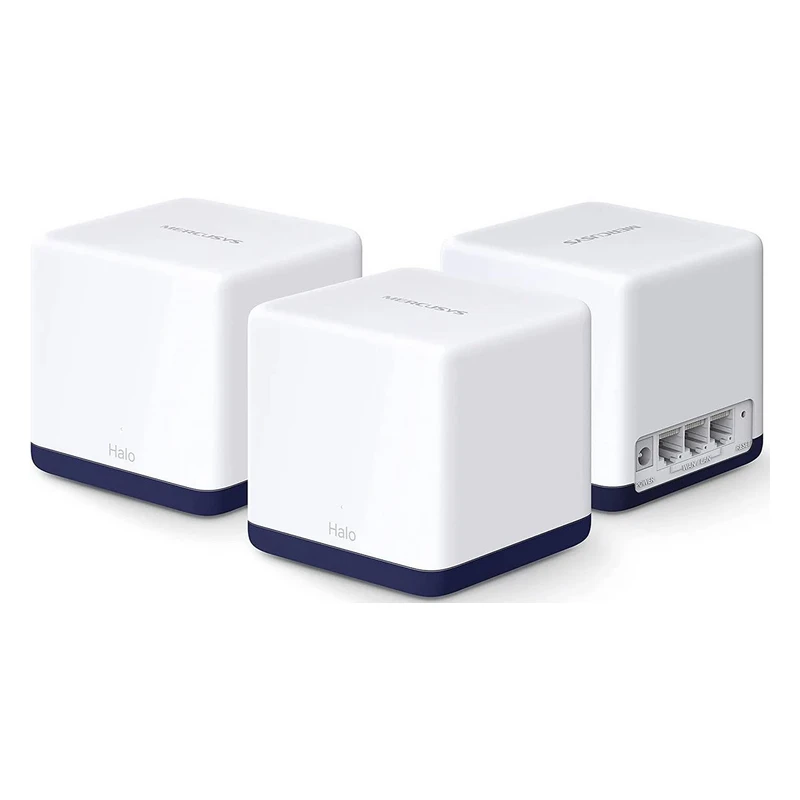
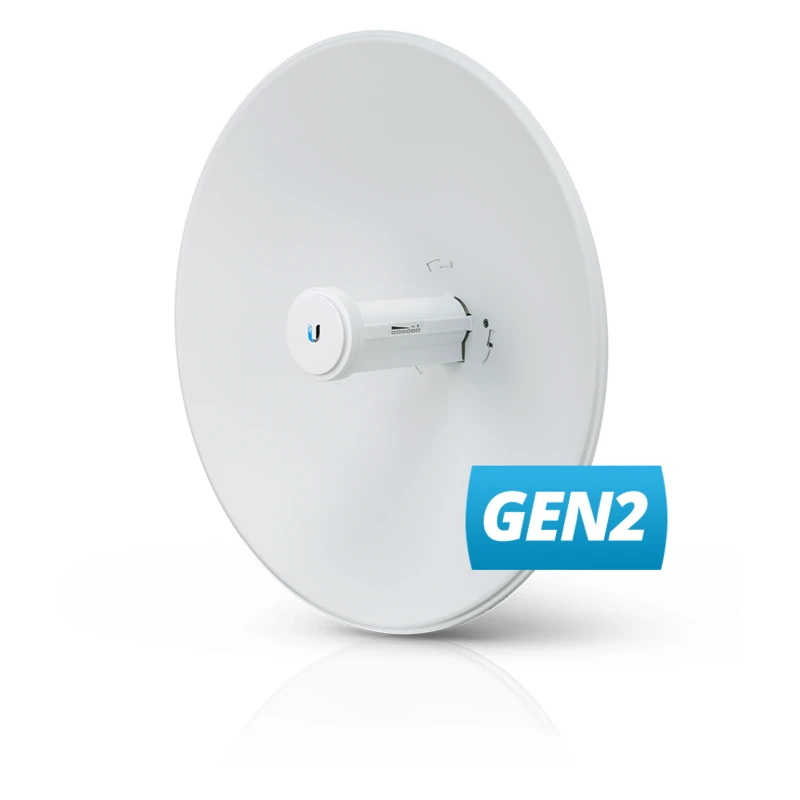
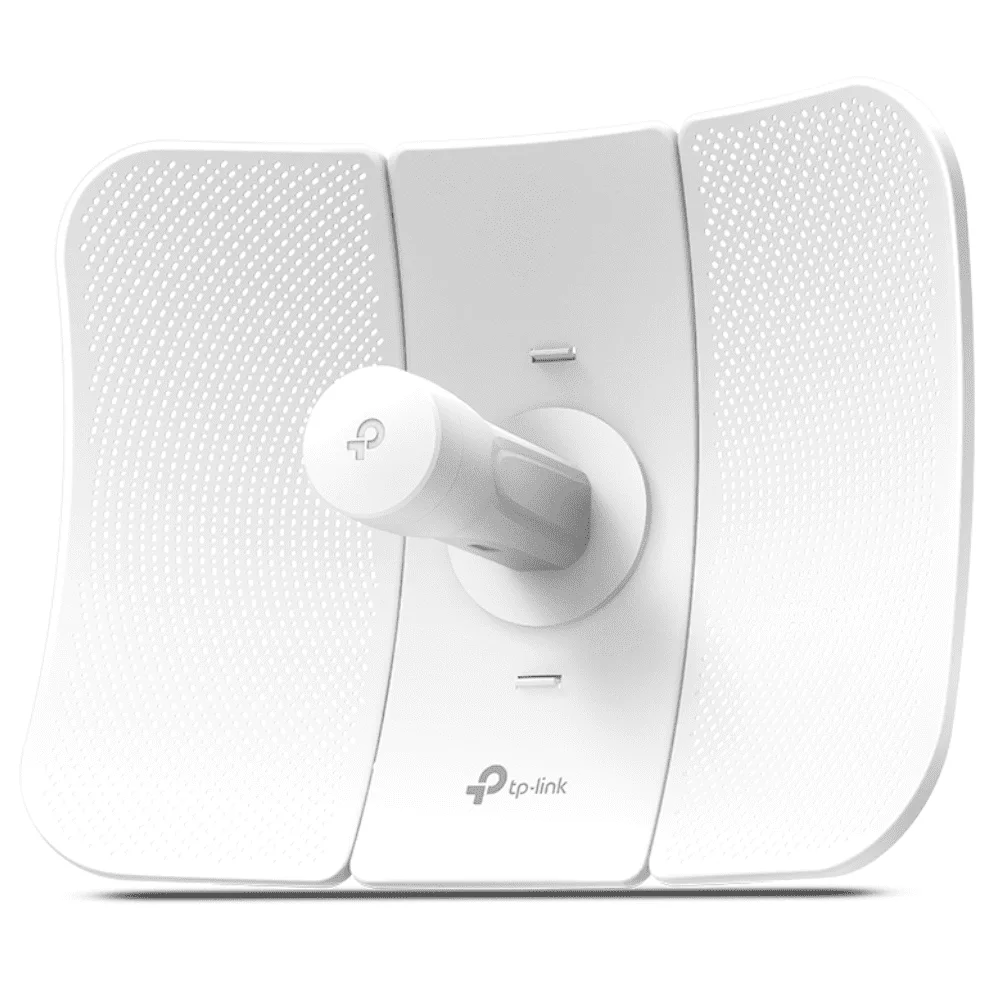
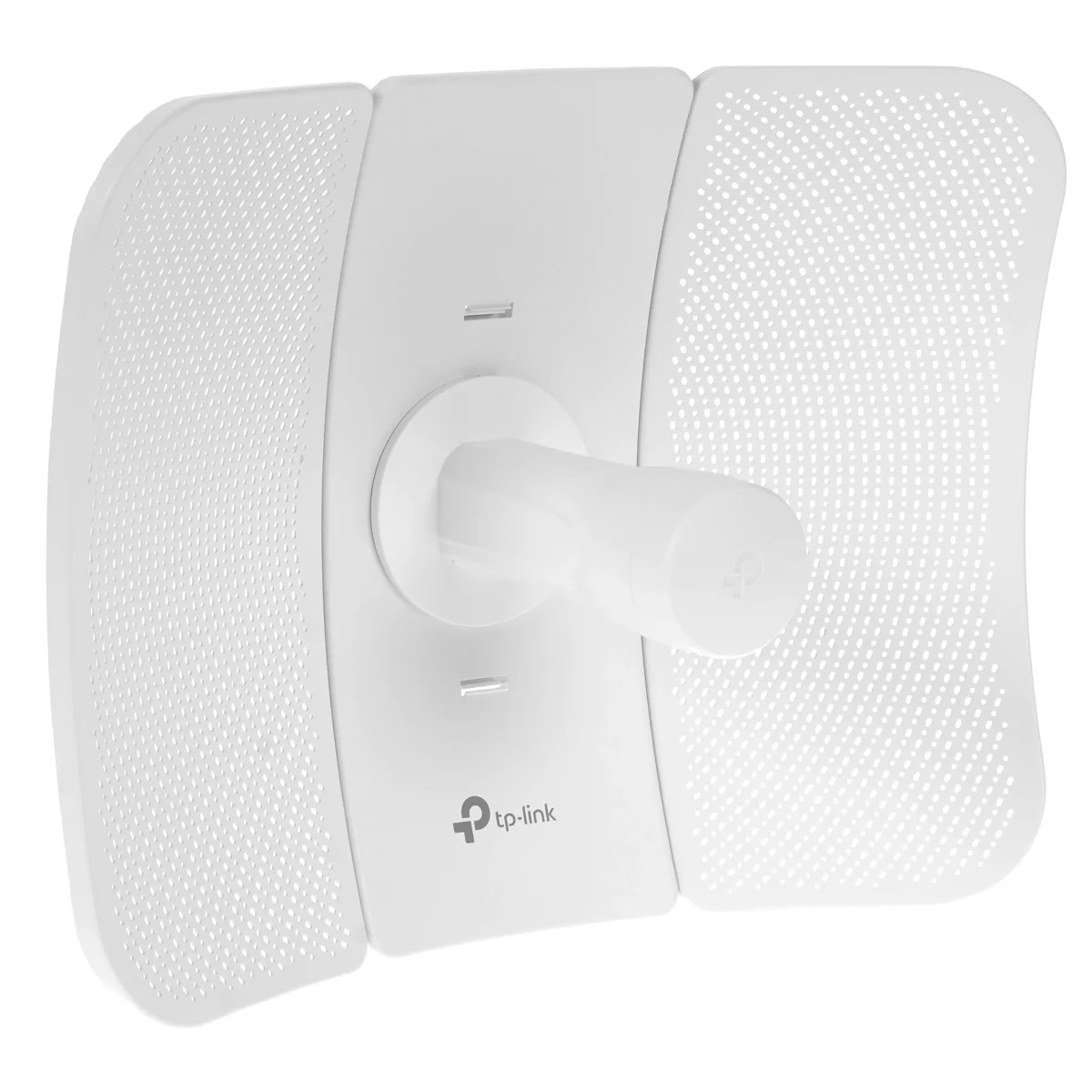
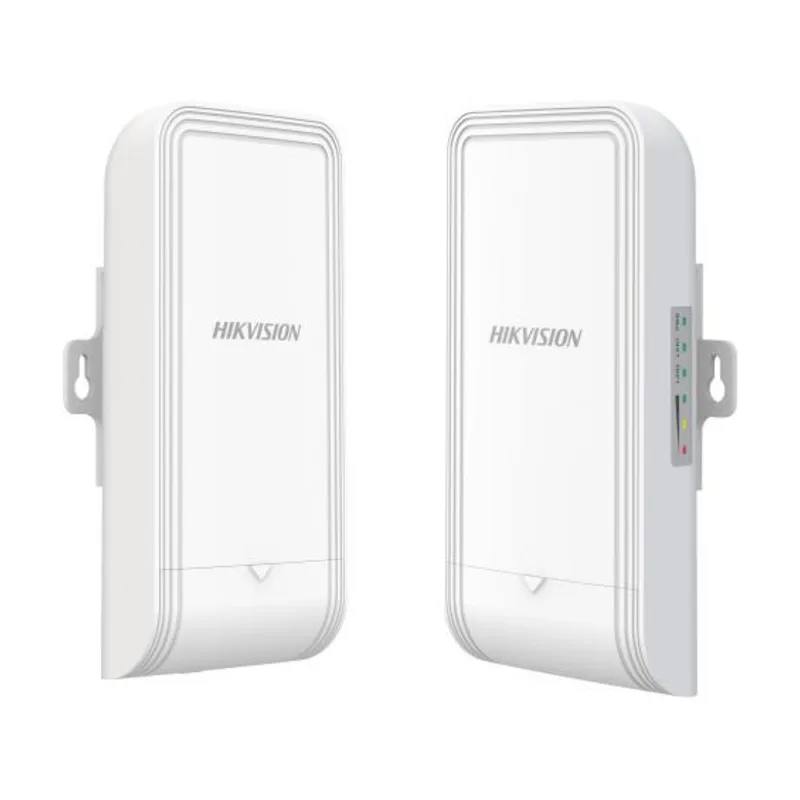

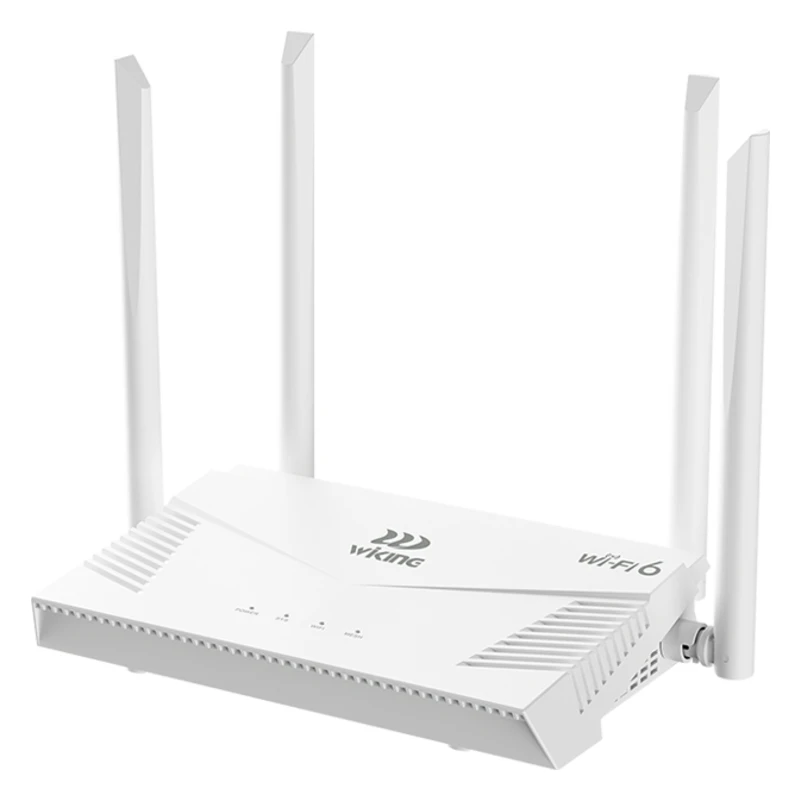
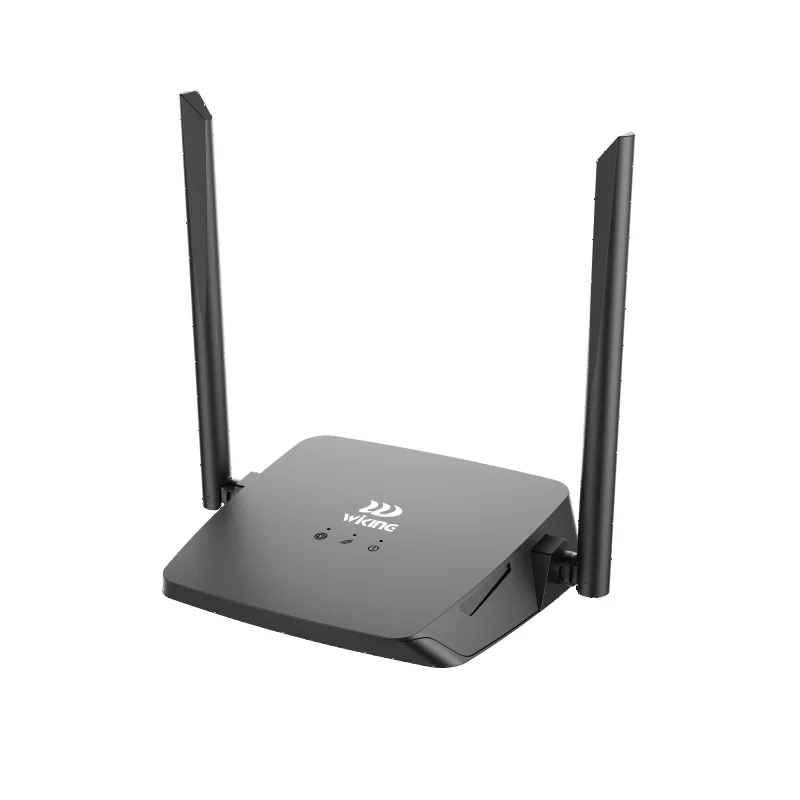


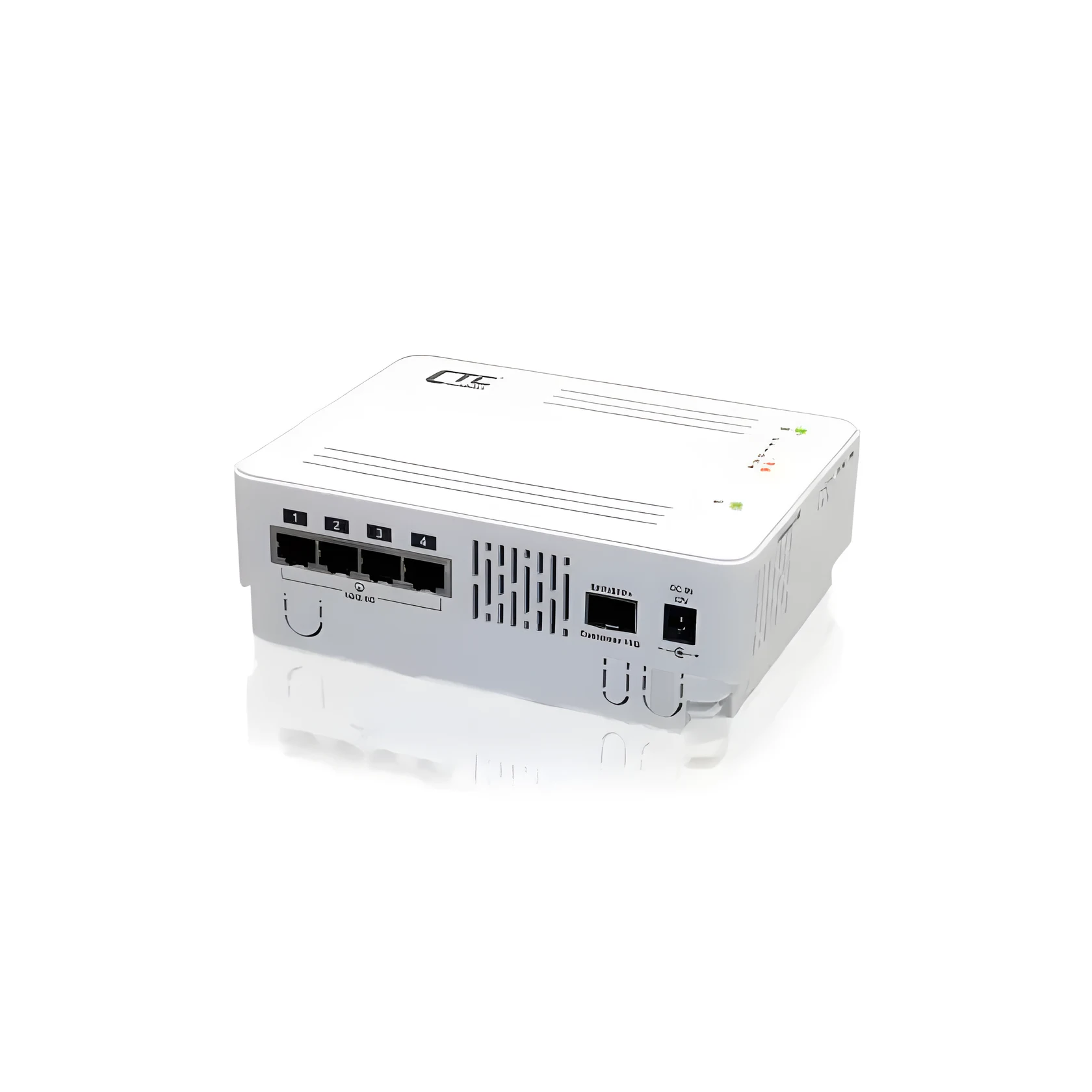
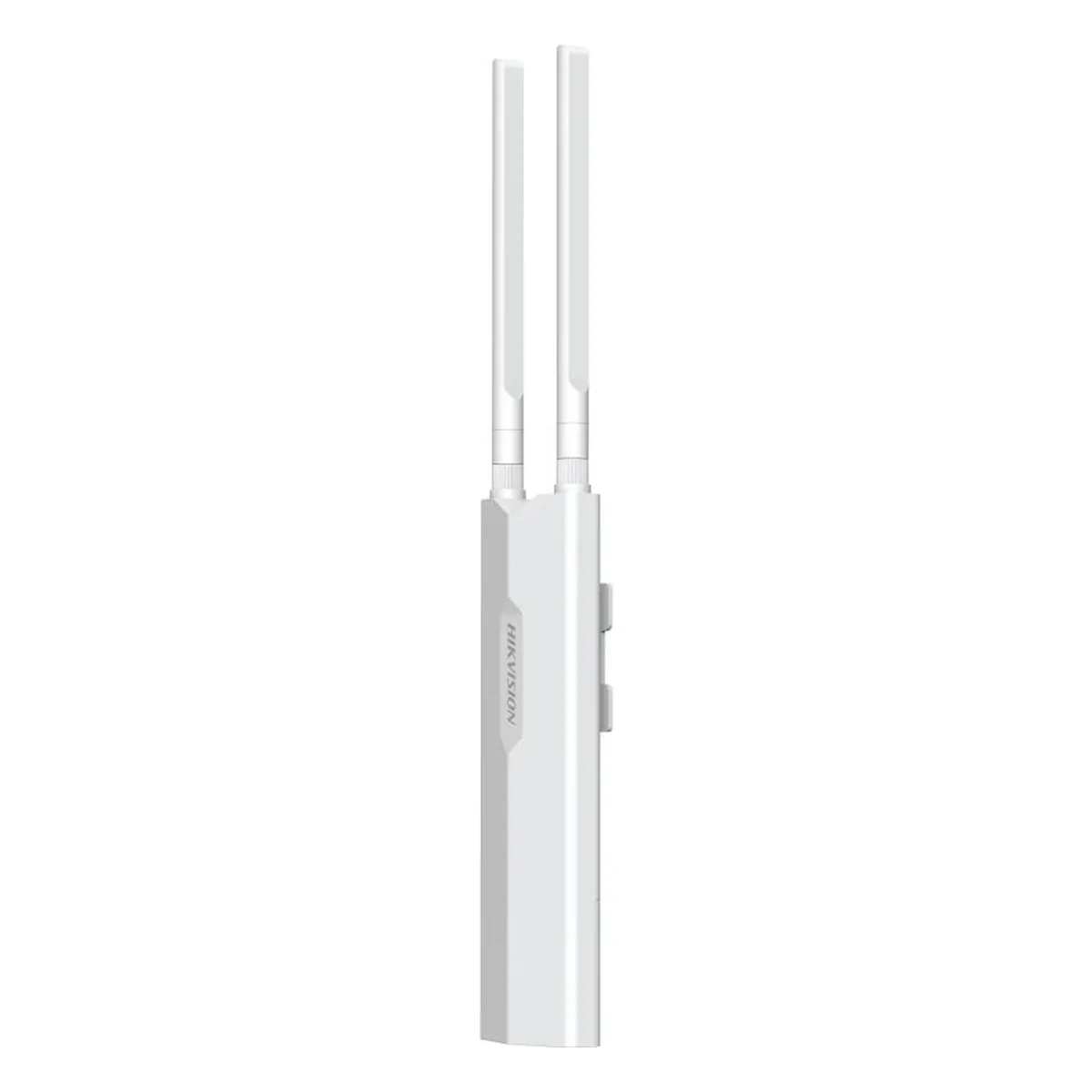










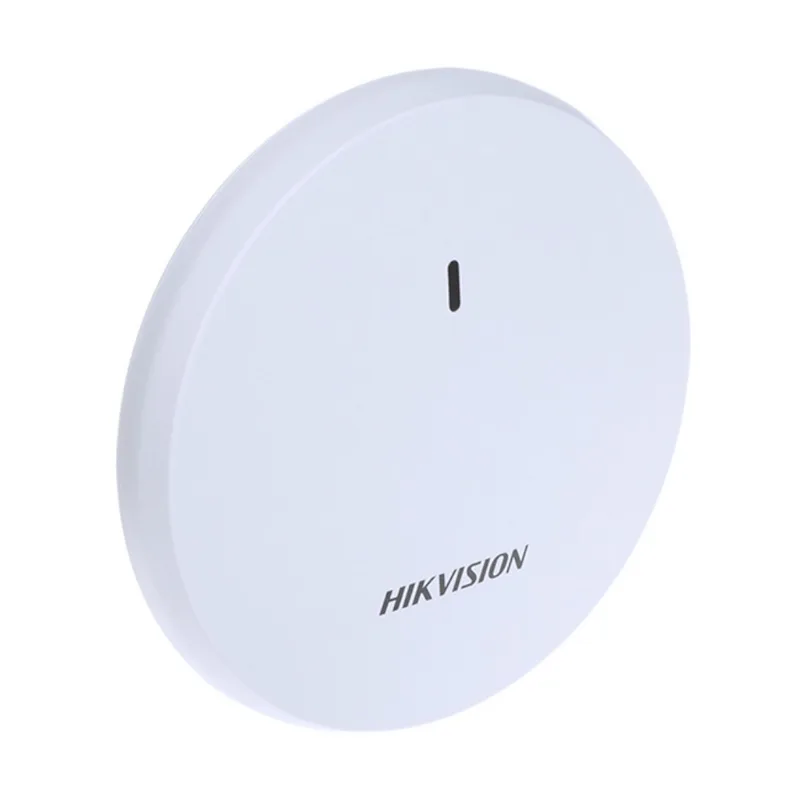
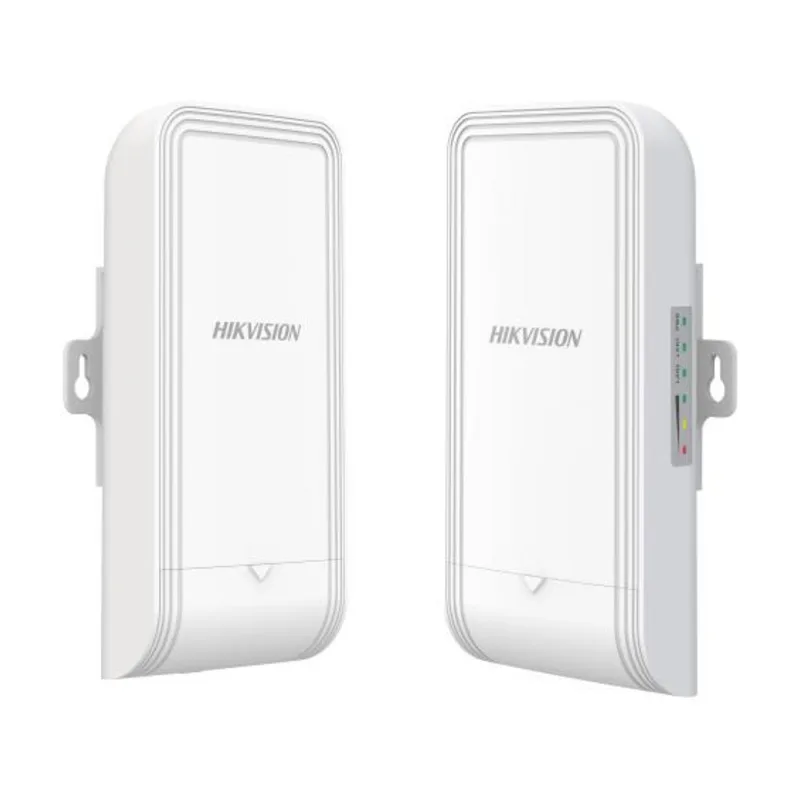
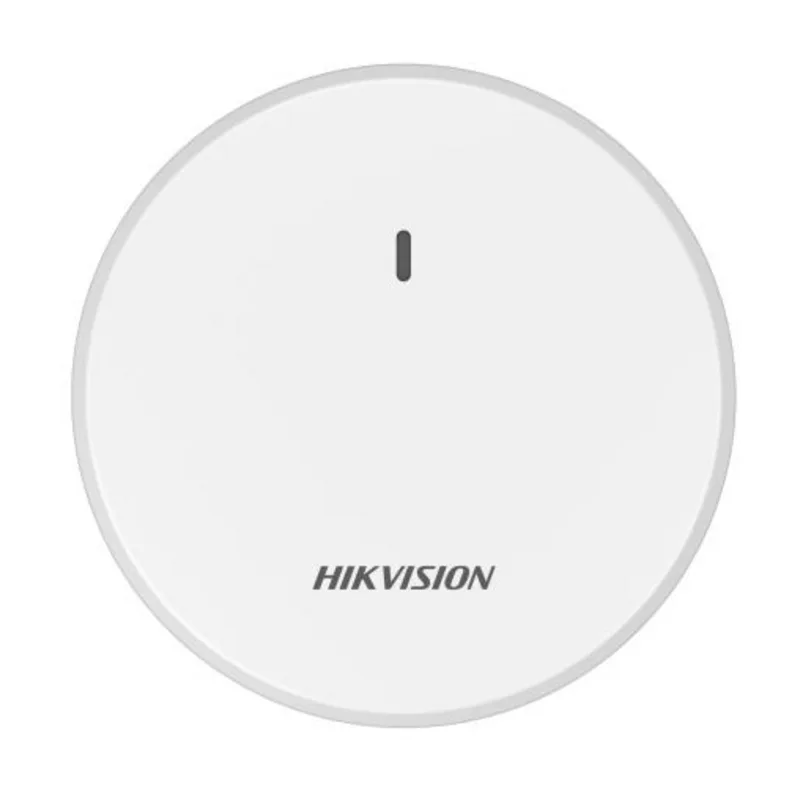
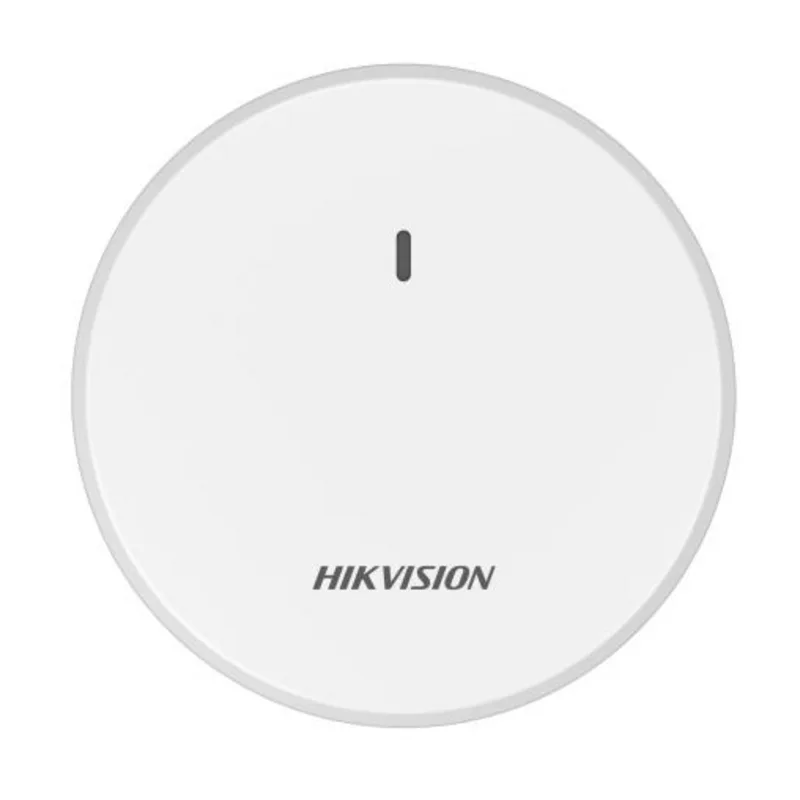
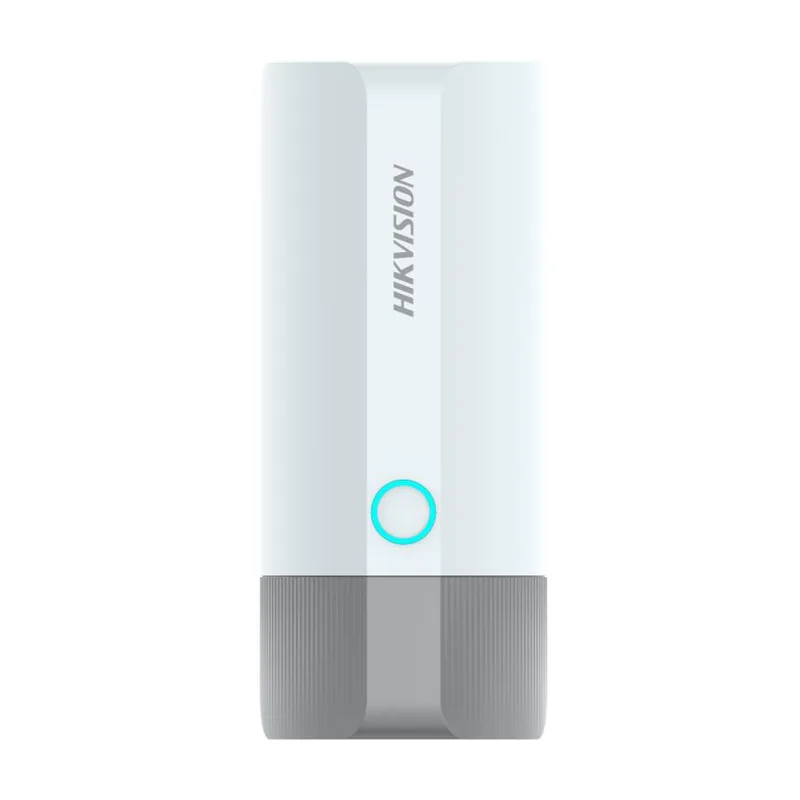


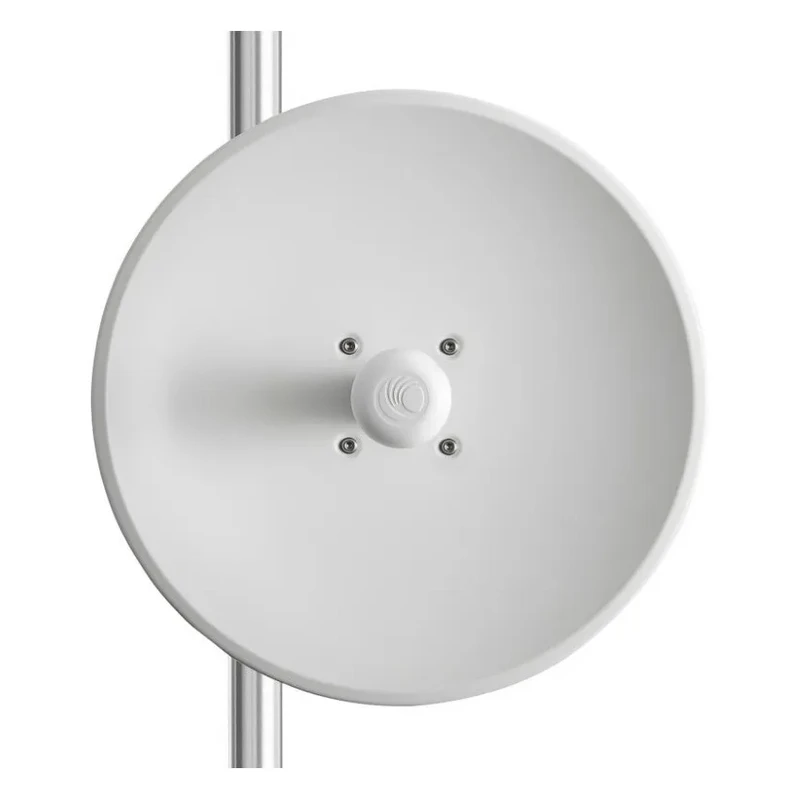
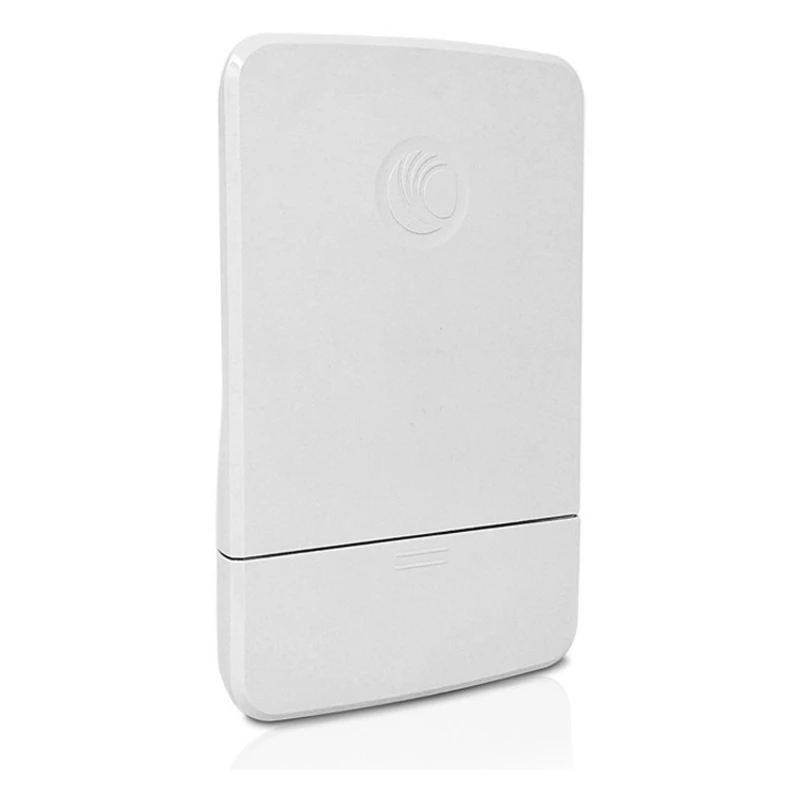
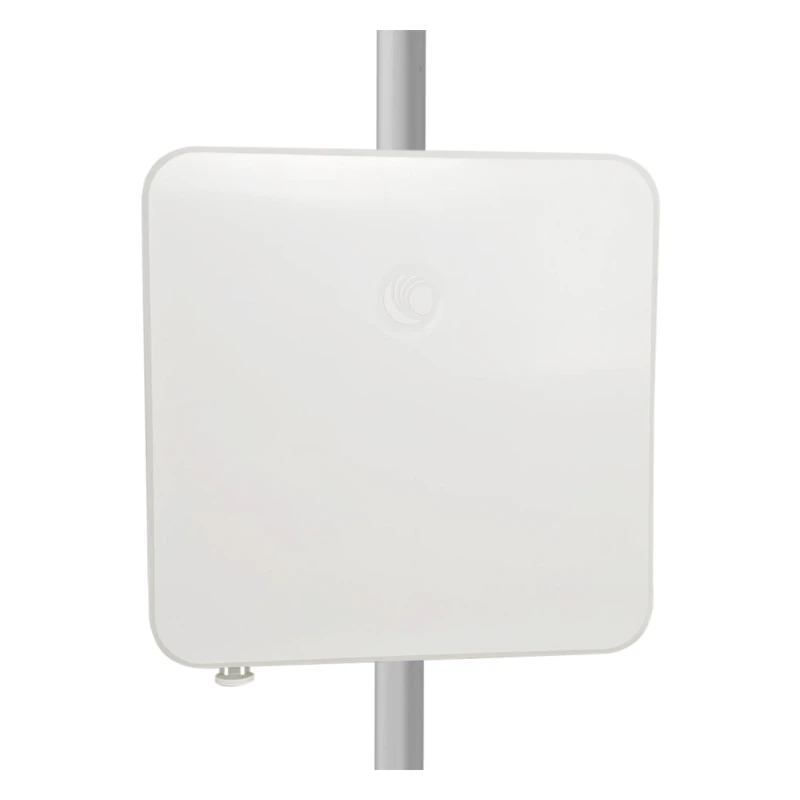













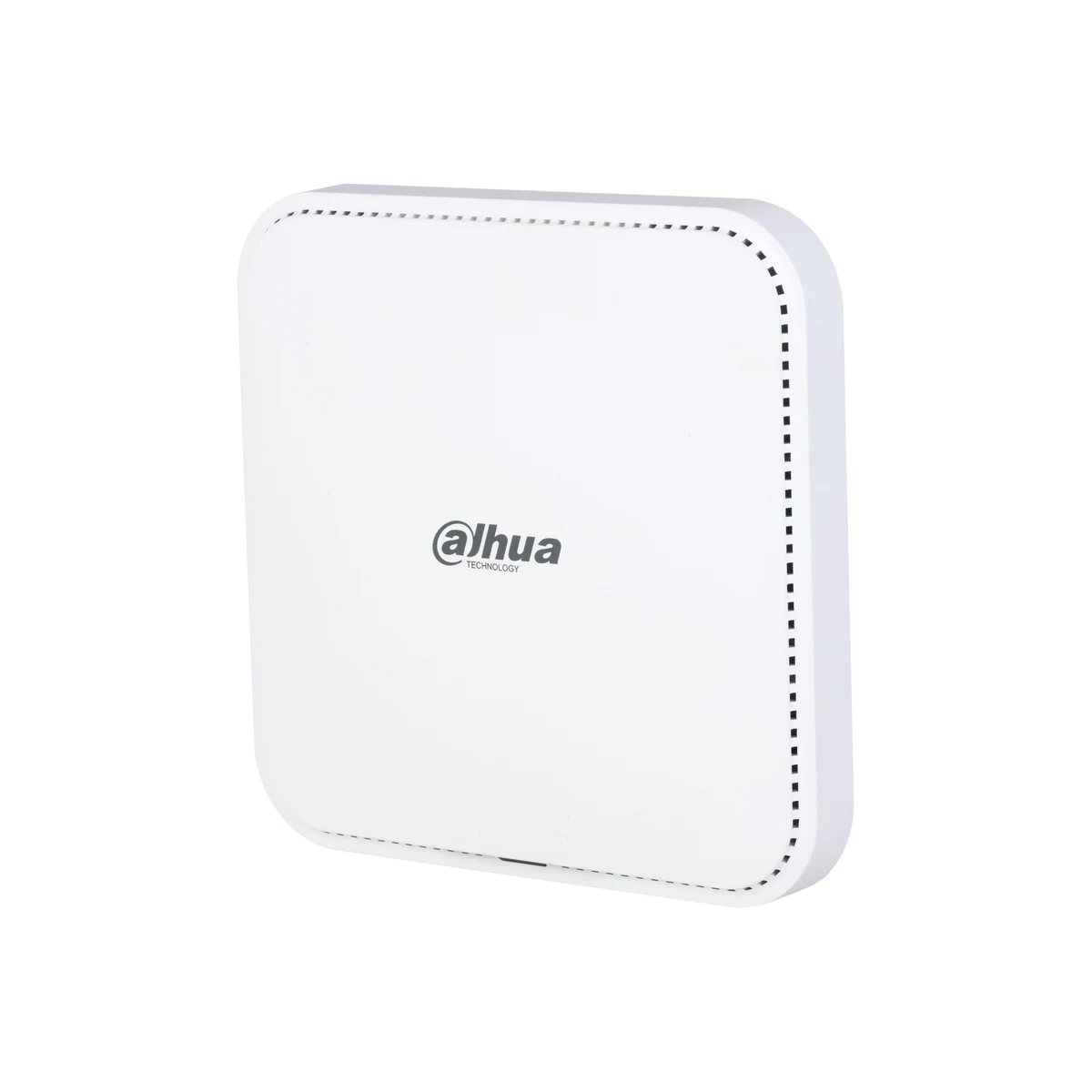
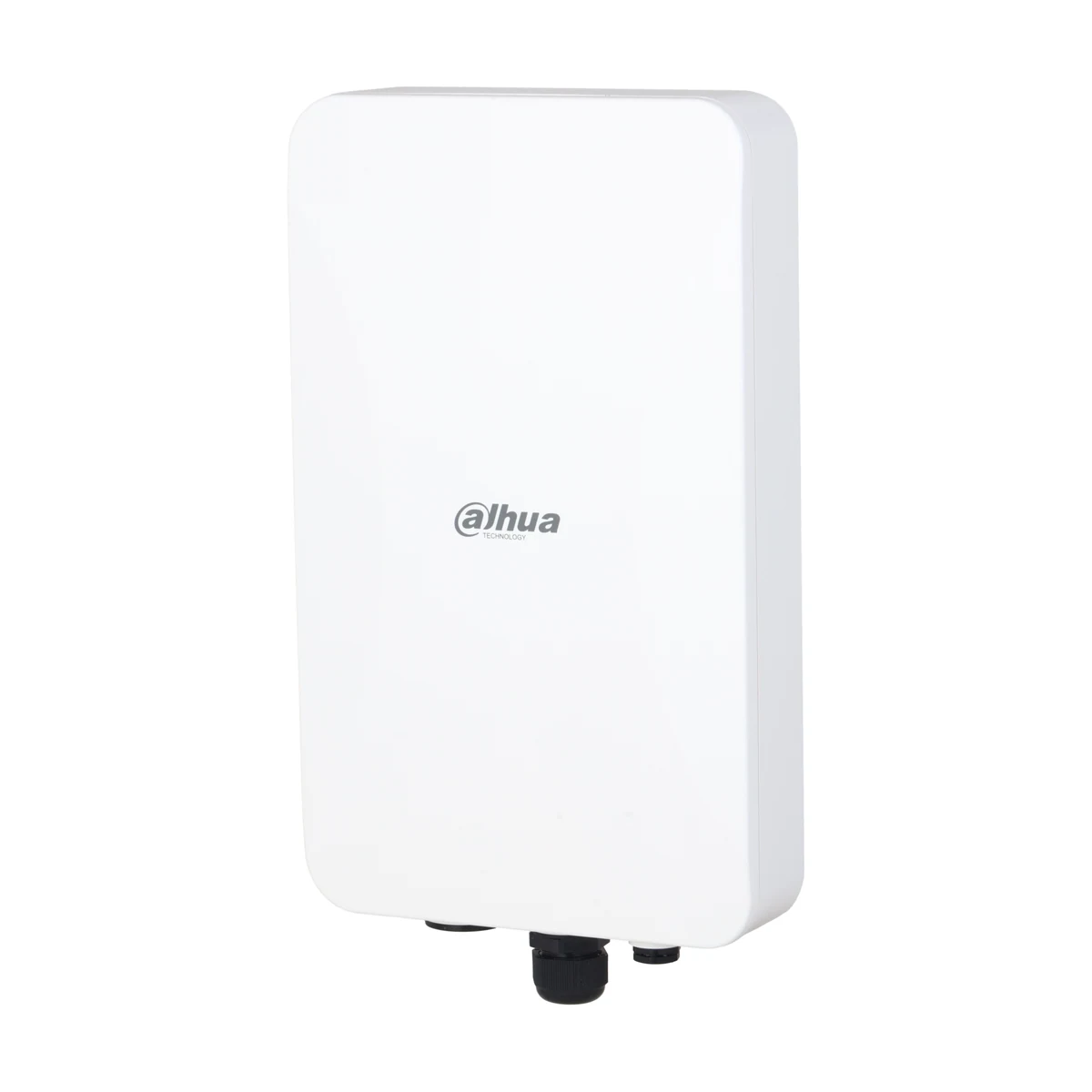
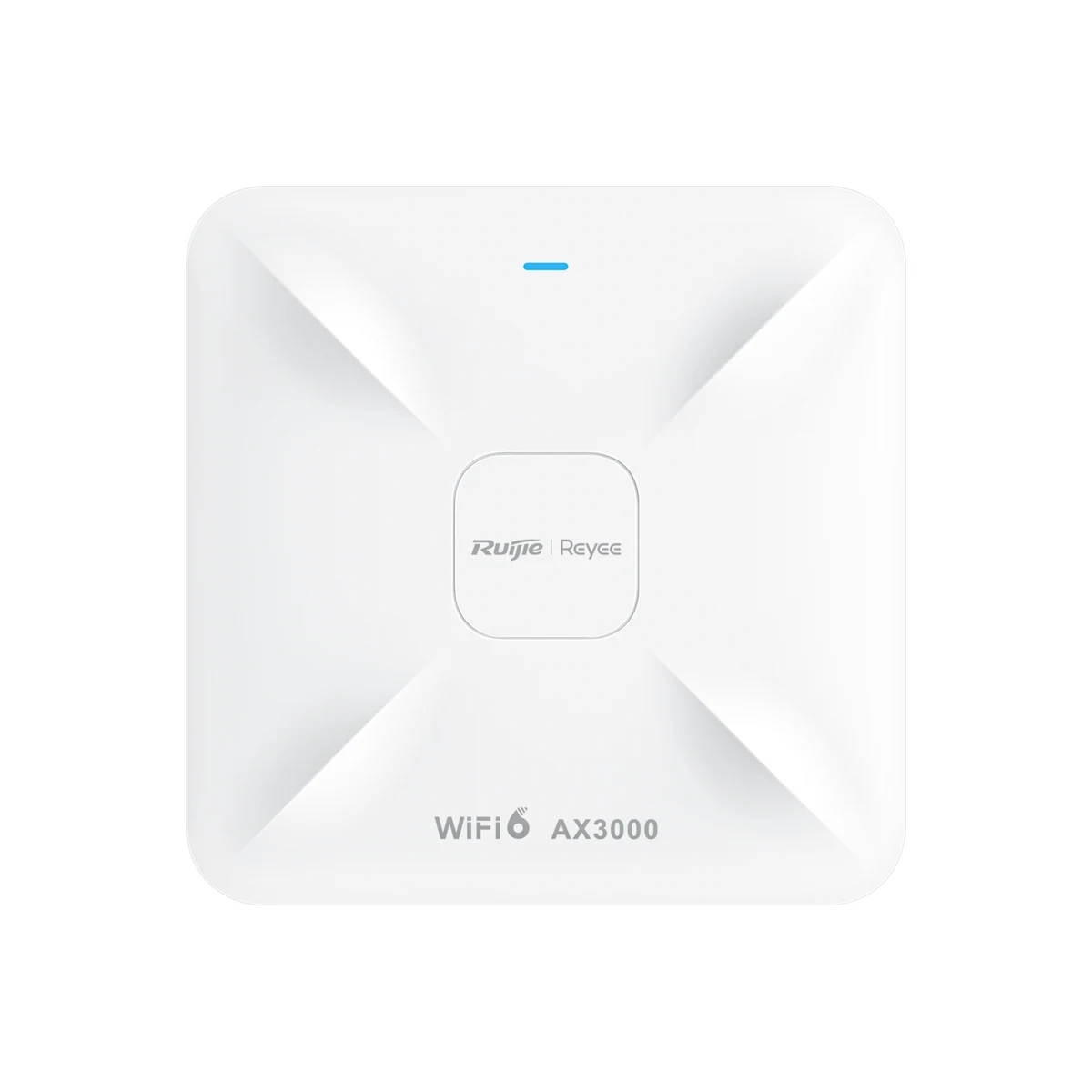
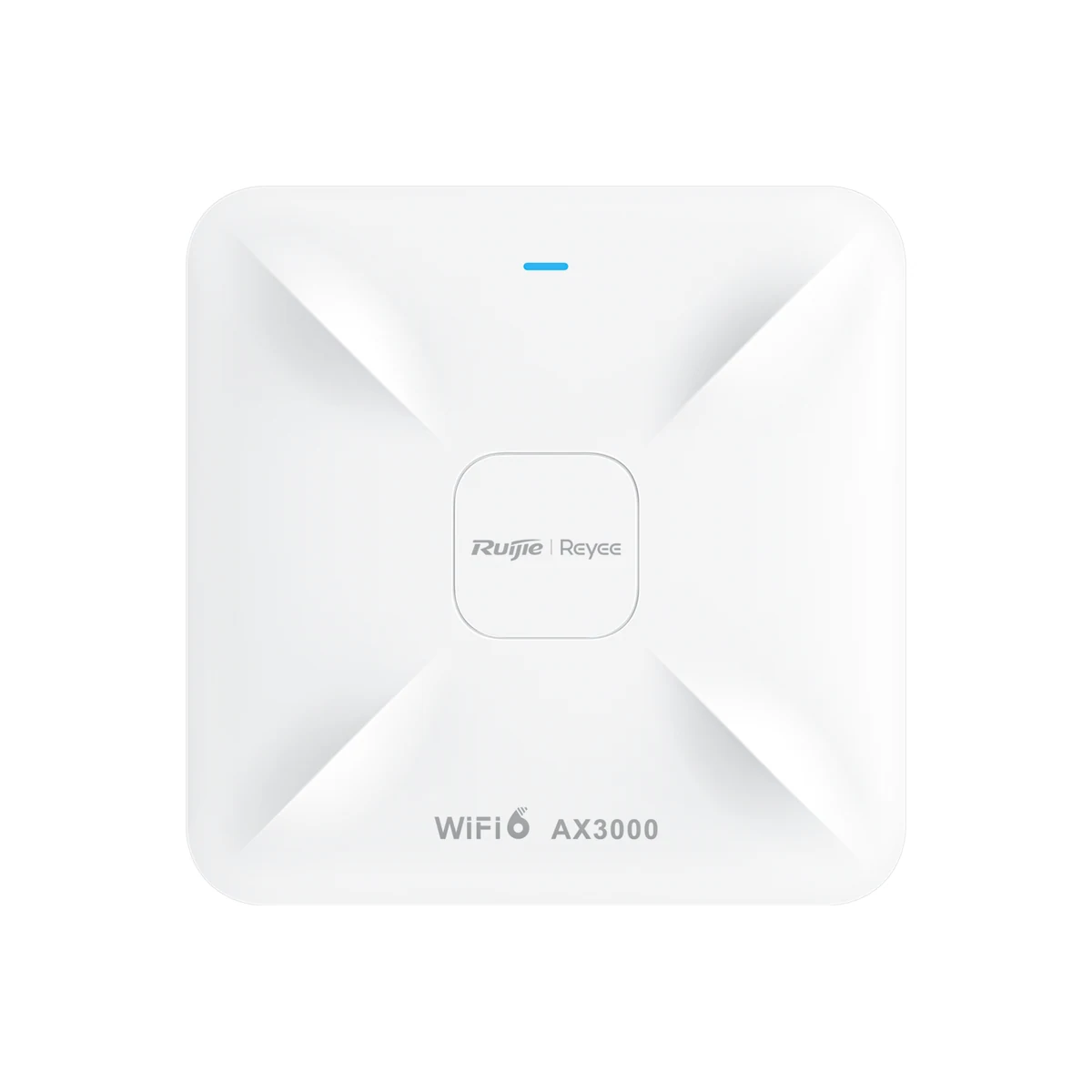
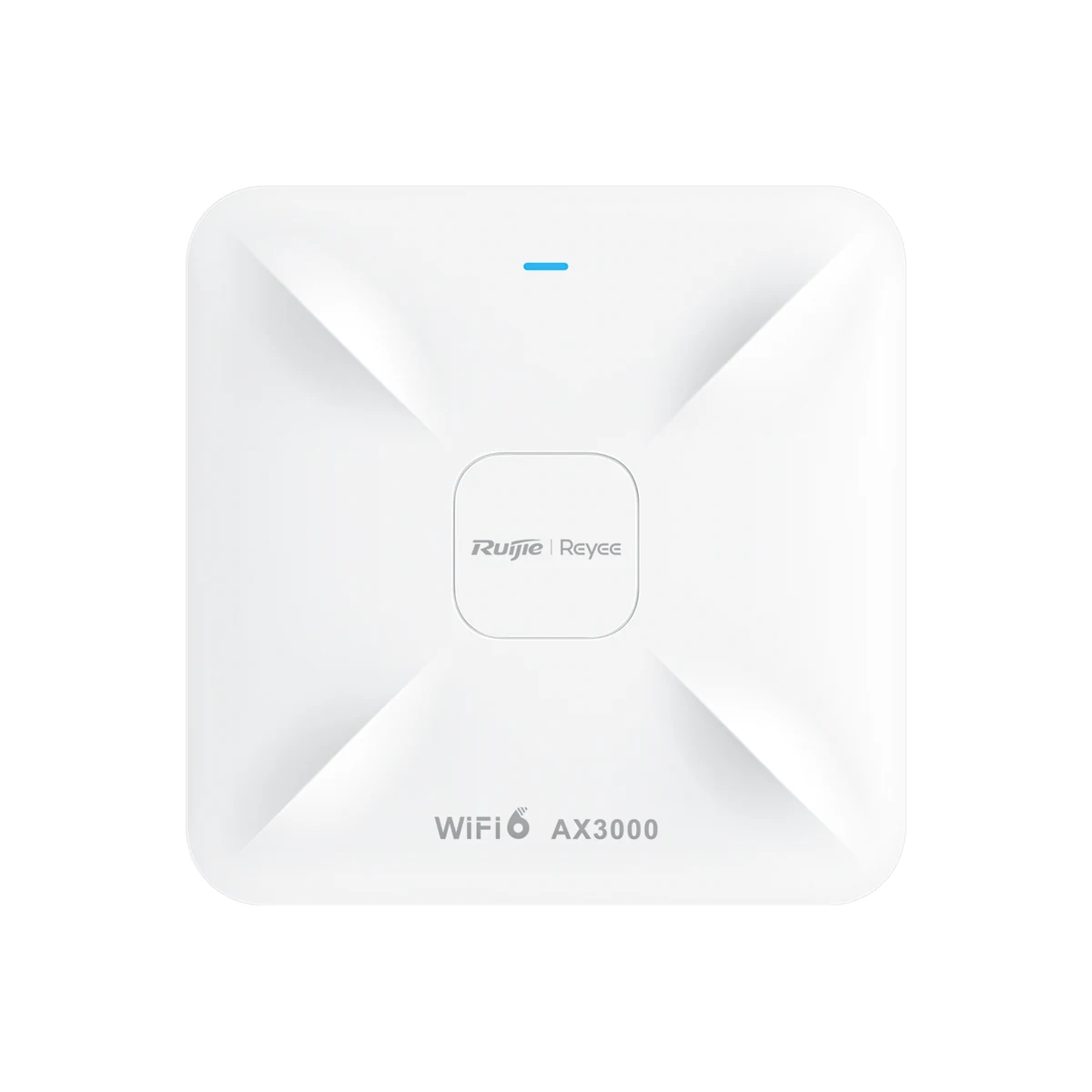
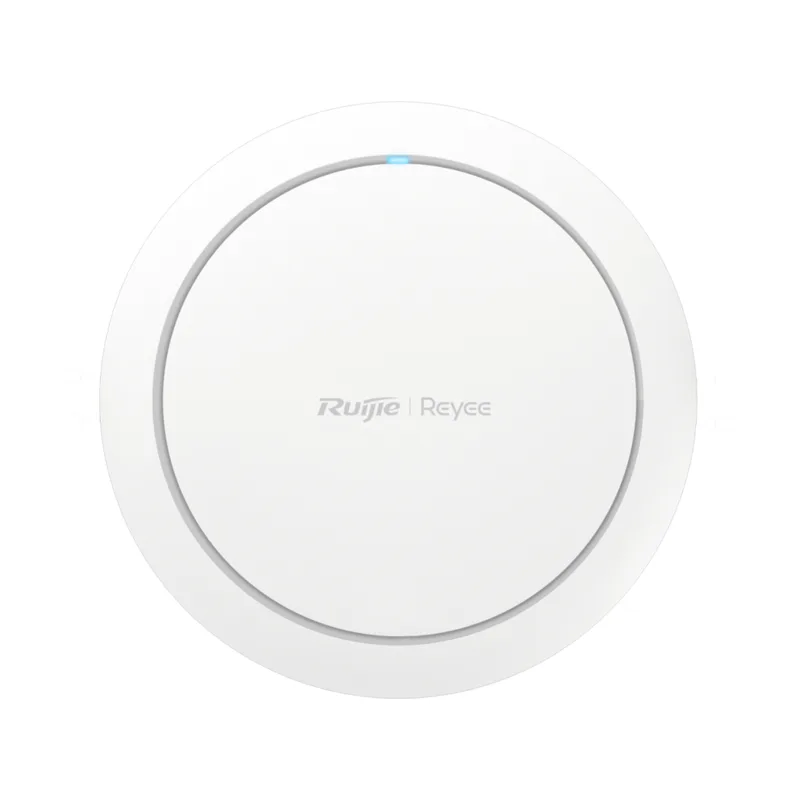
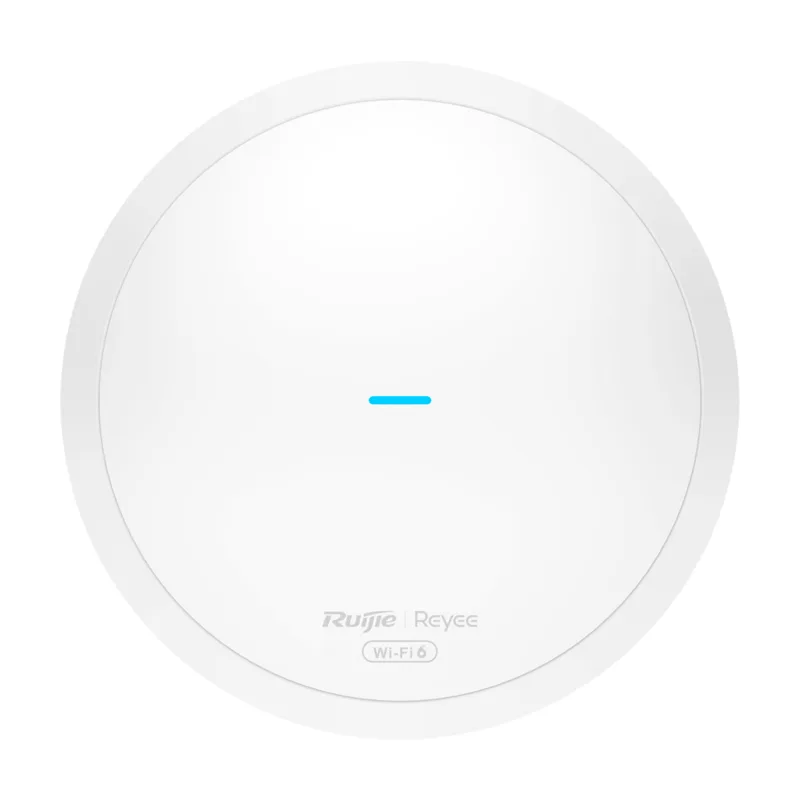
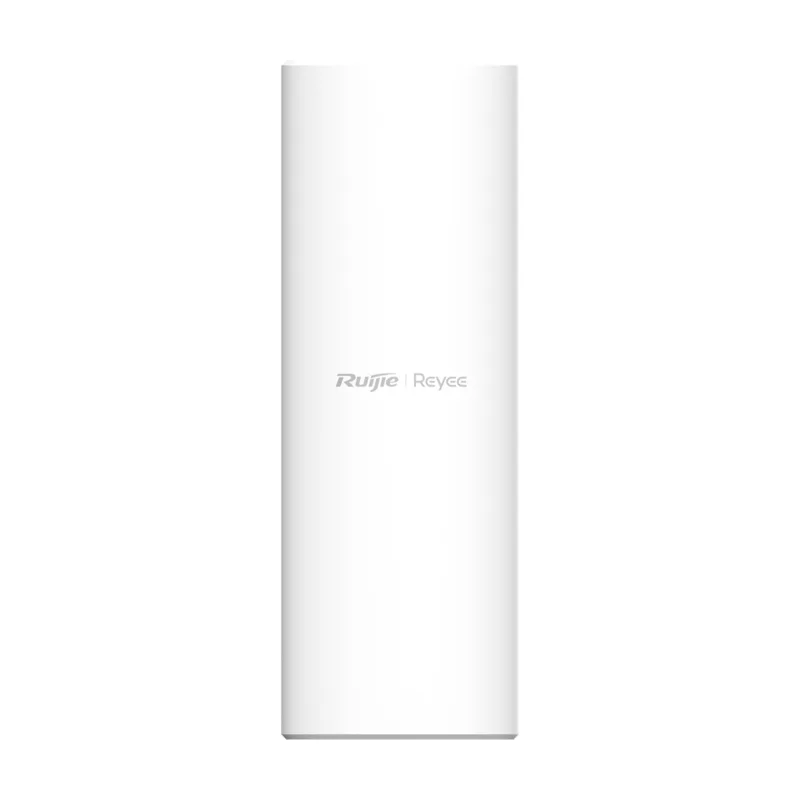
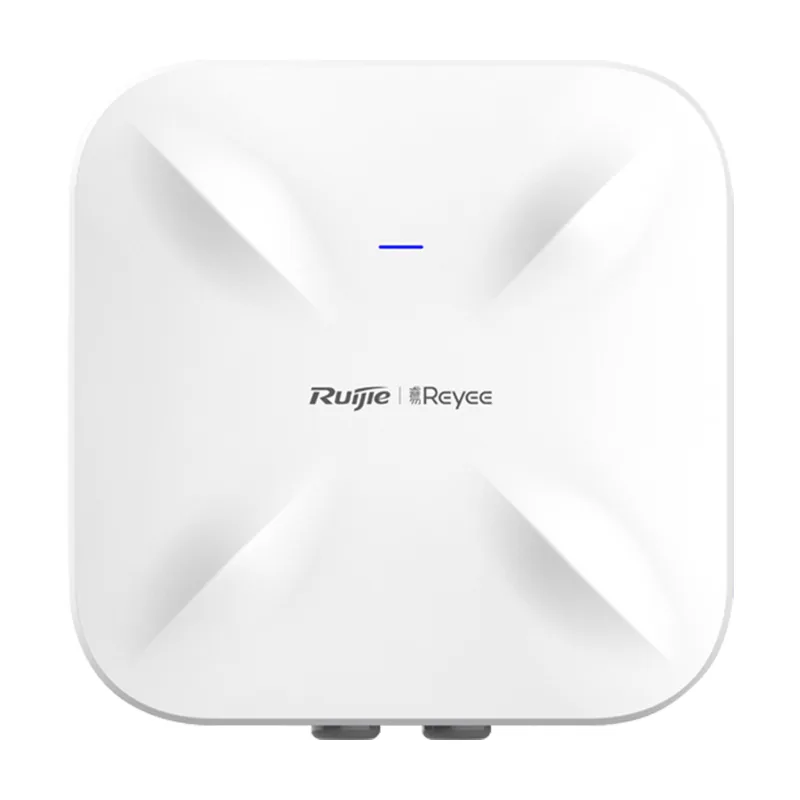
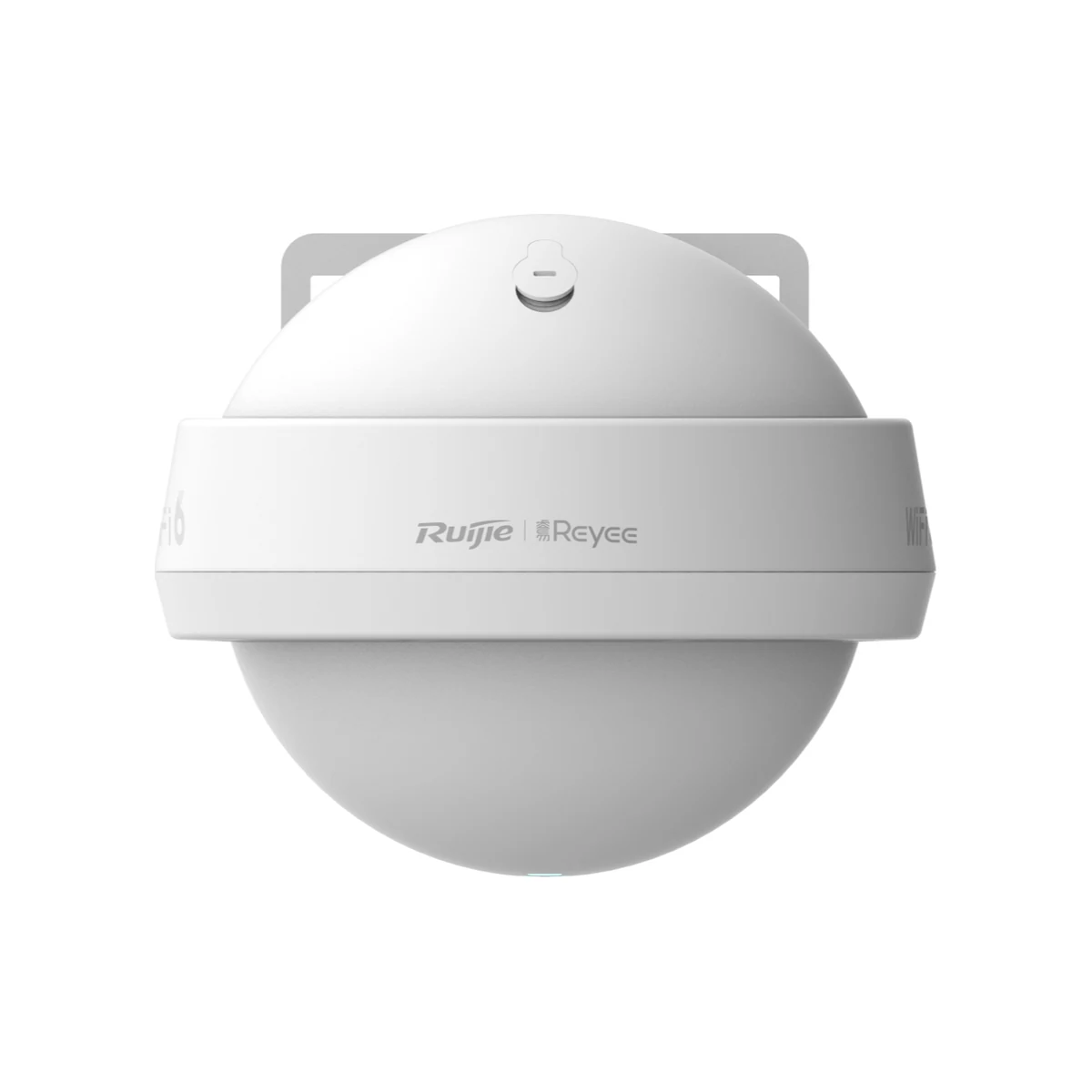
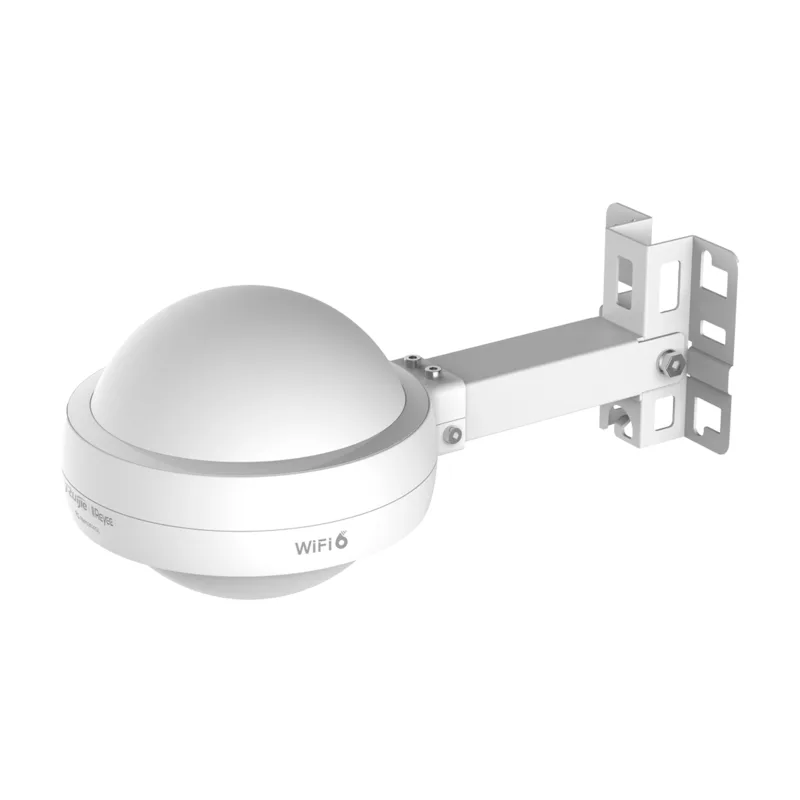
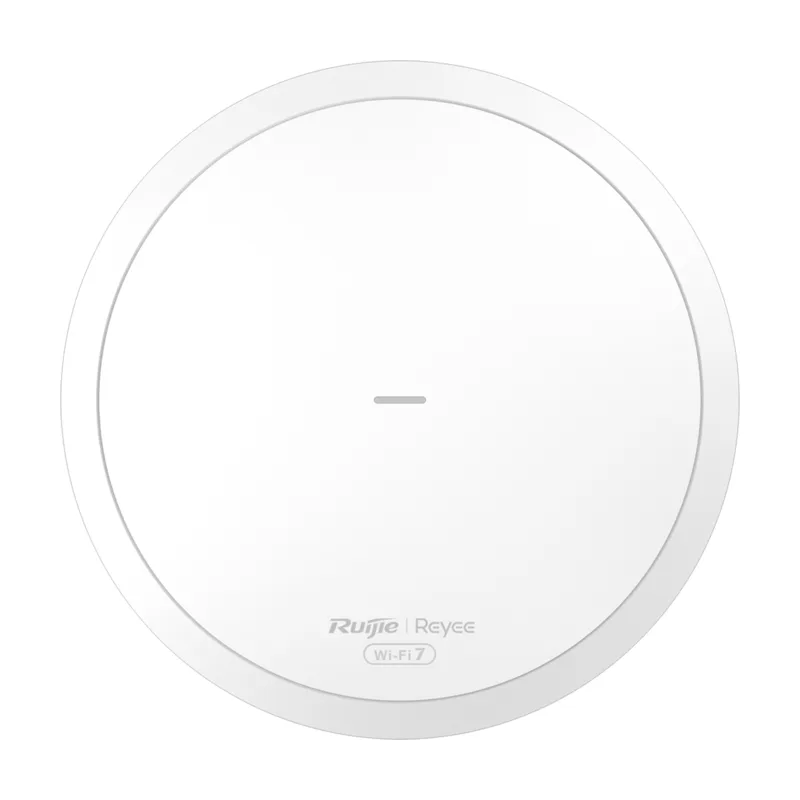
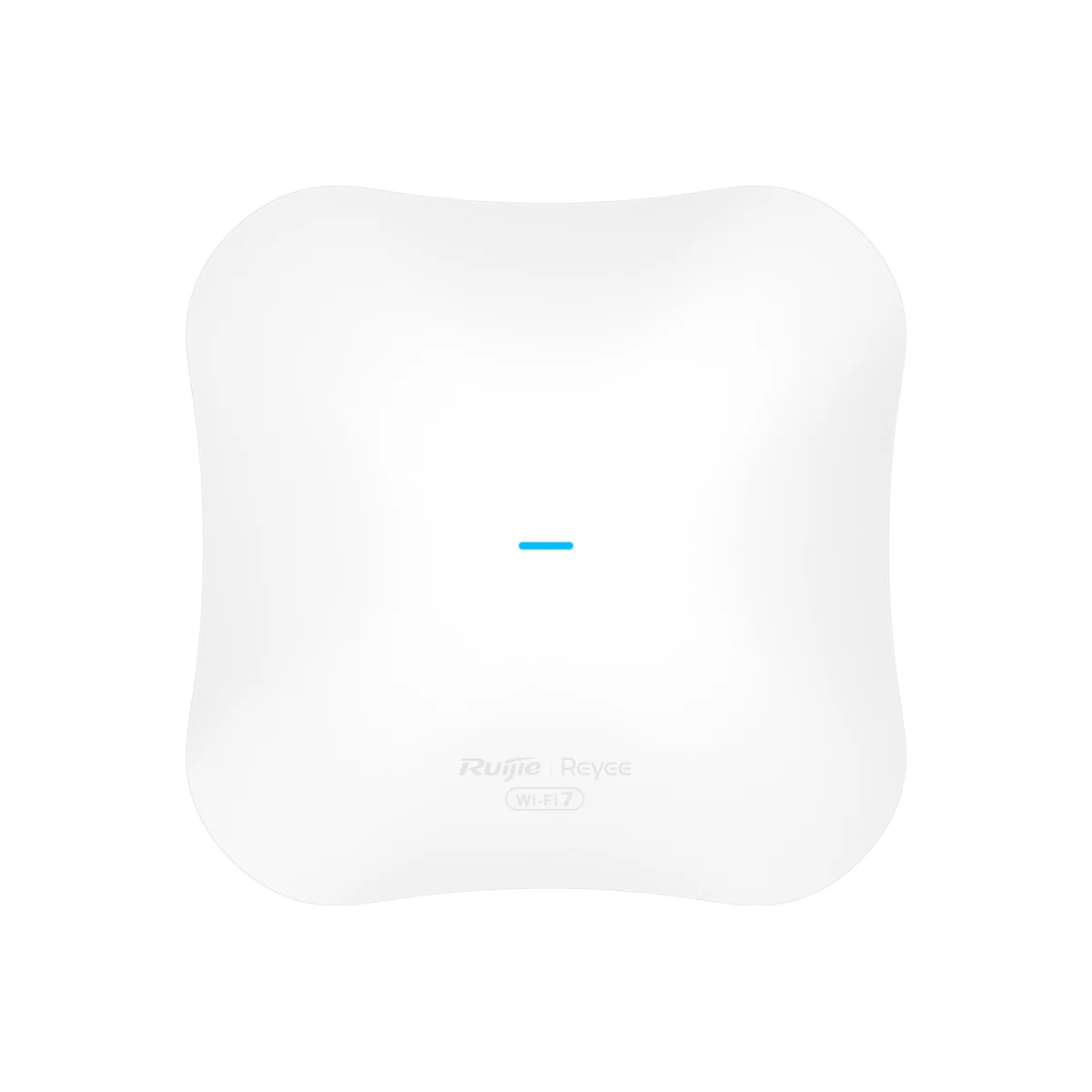
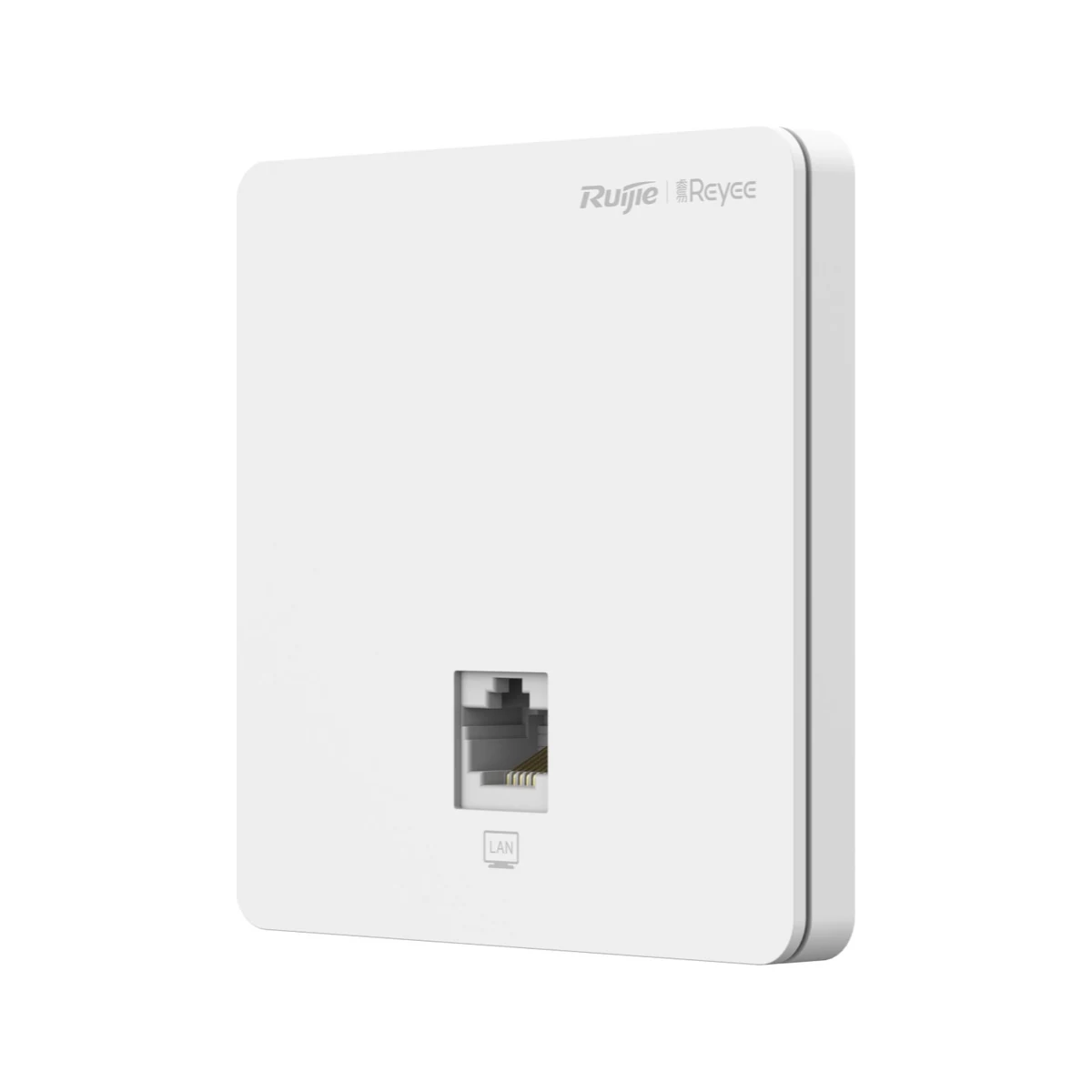
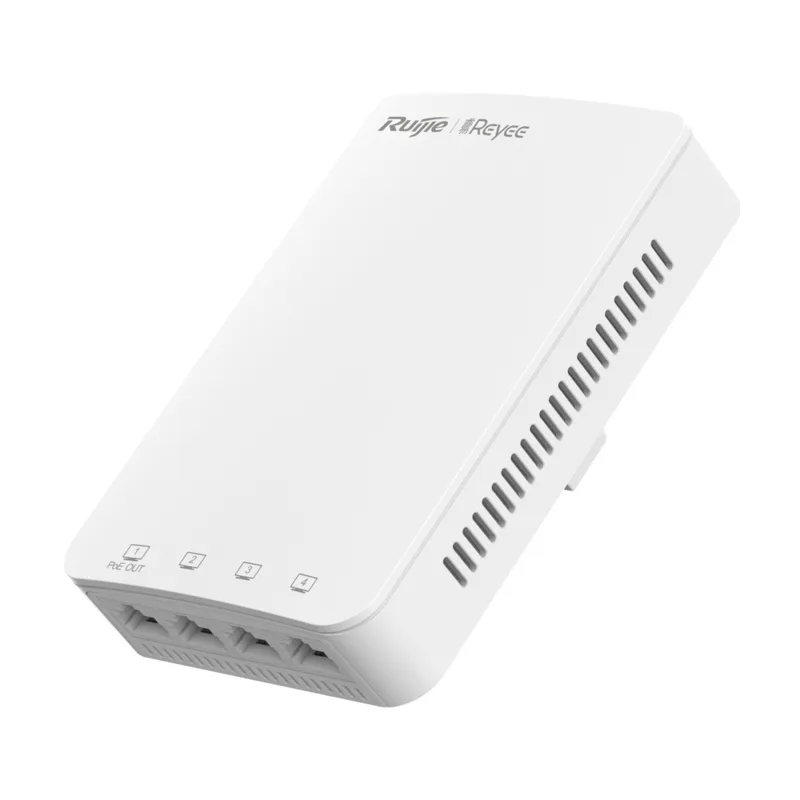
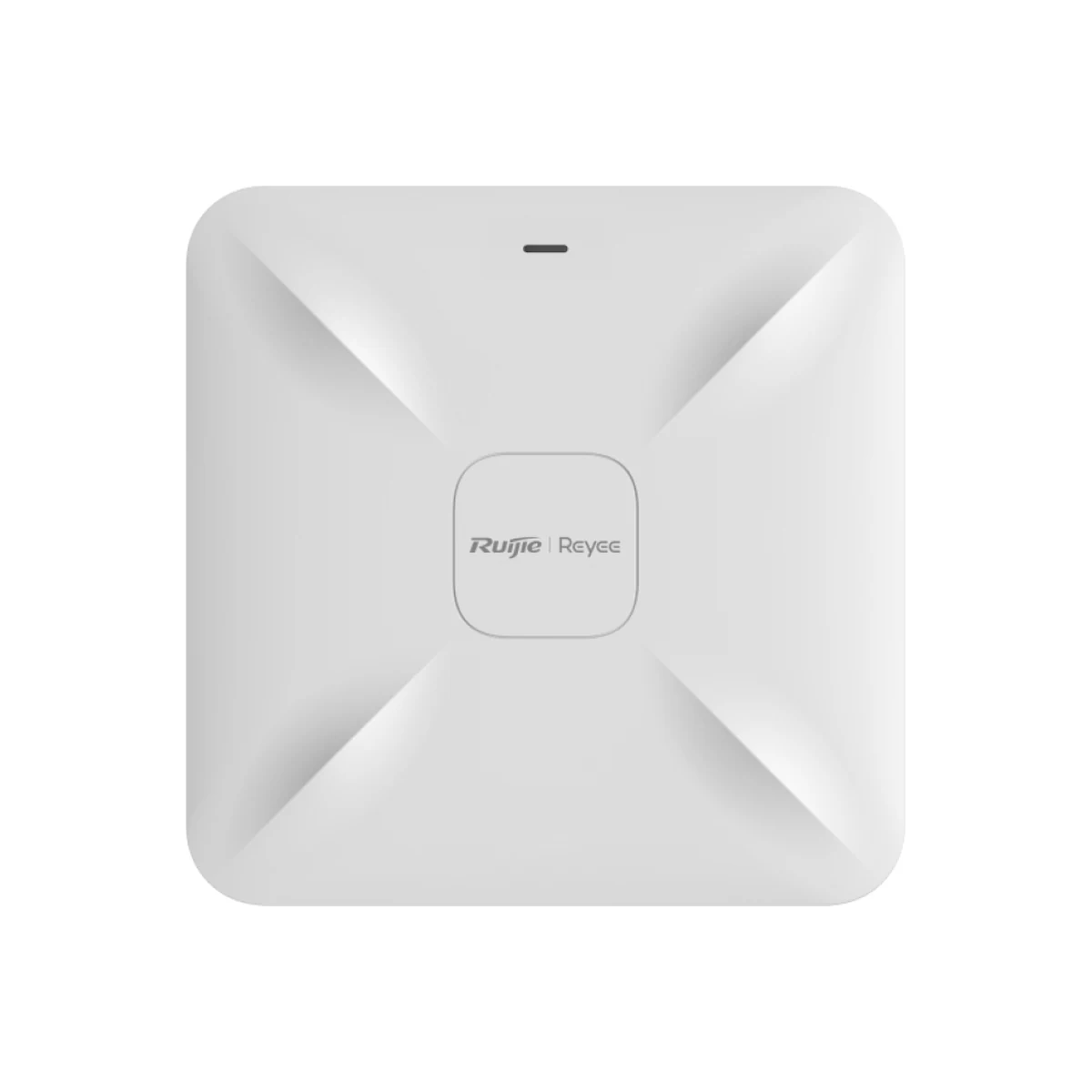
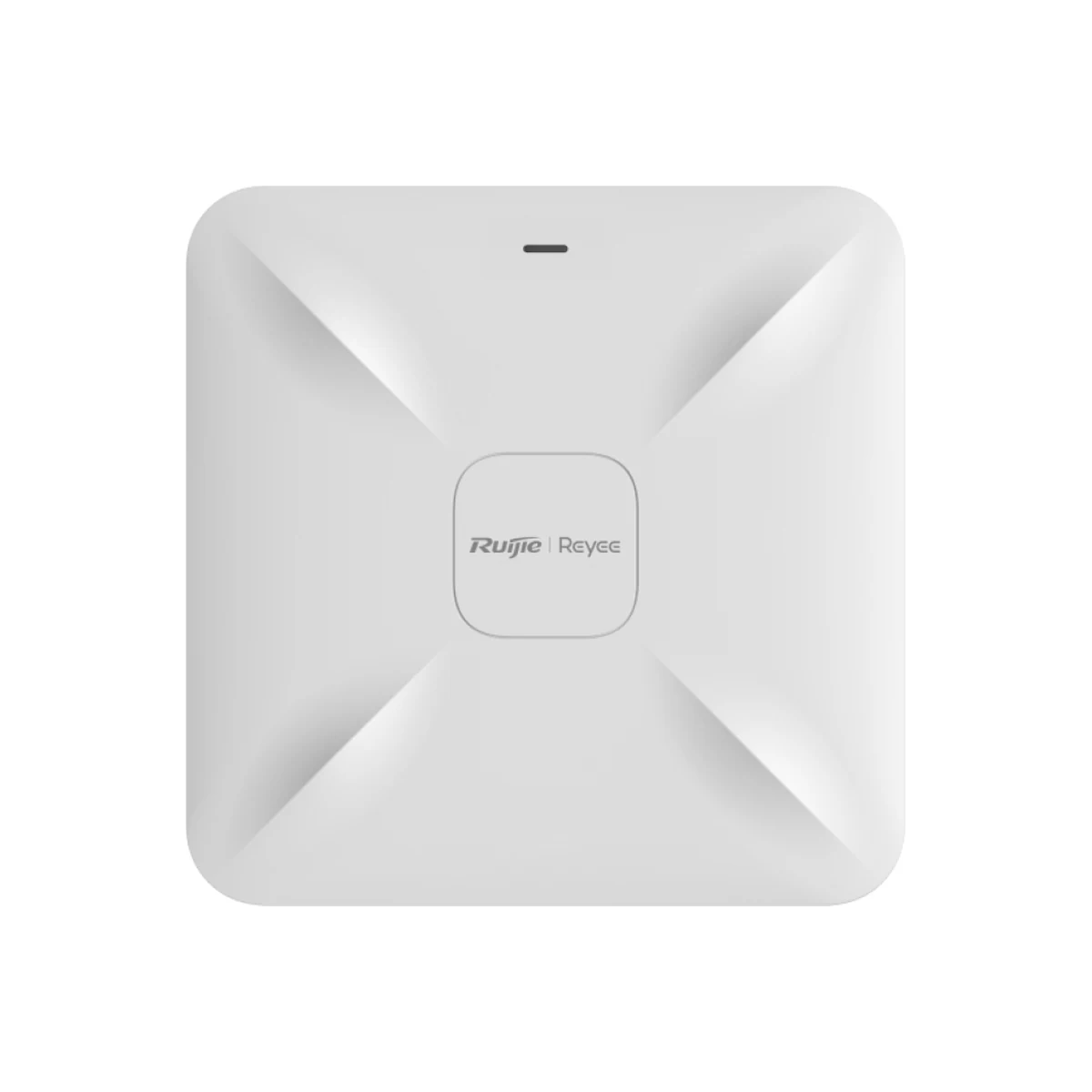
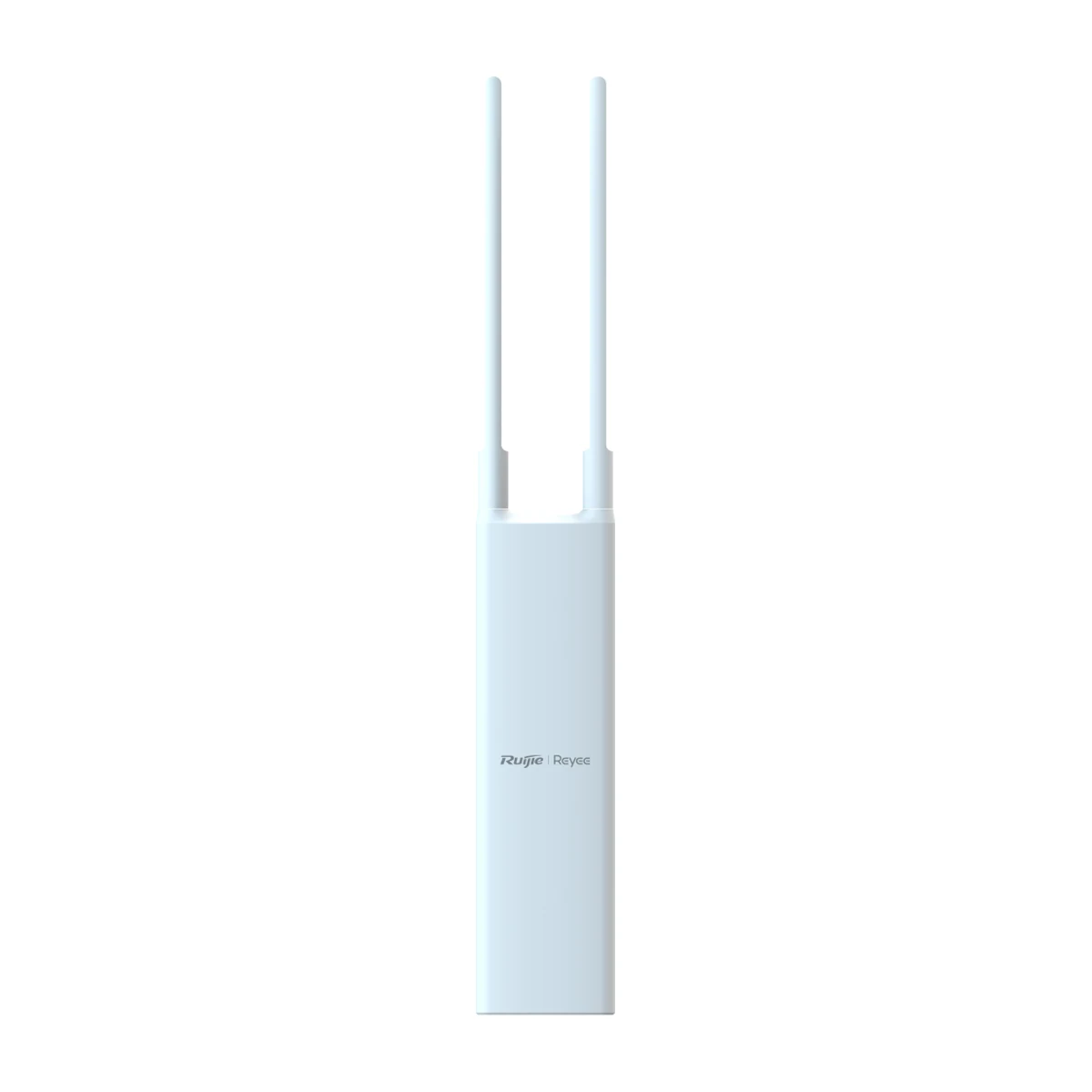
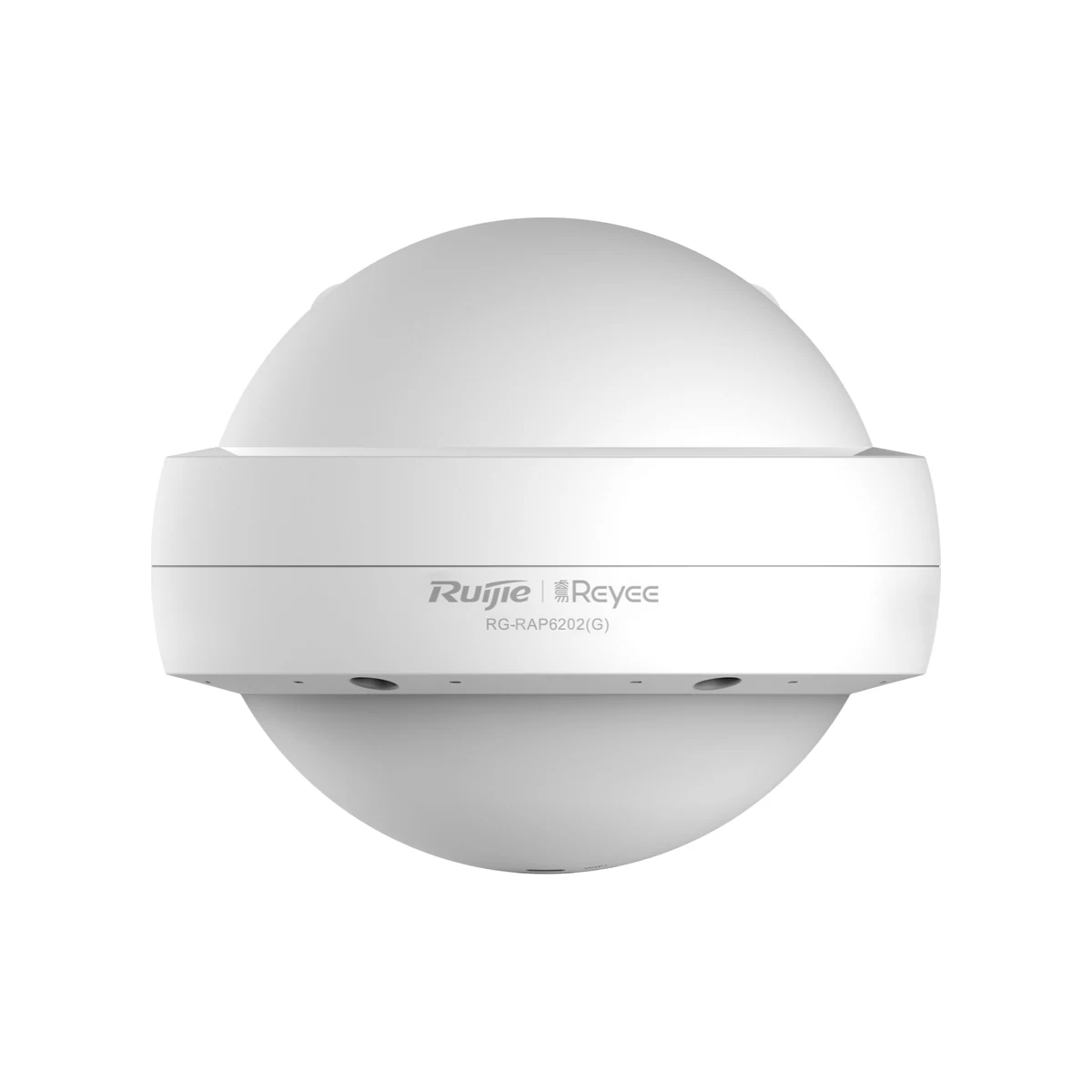
Wi-Fi access points — guide & FAQ
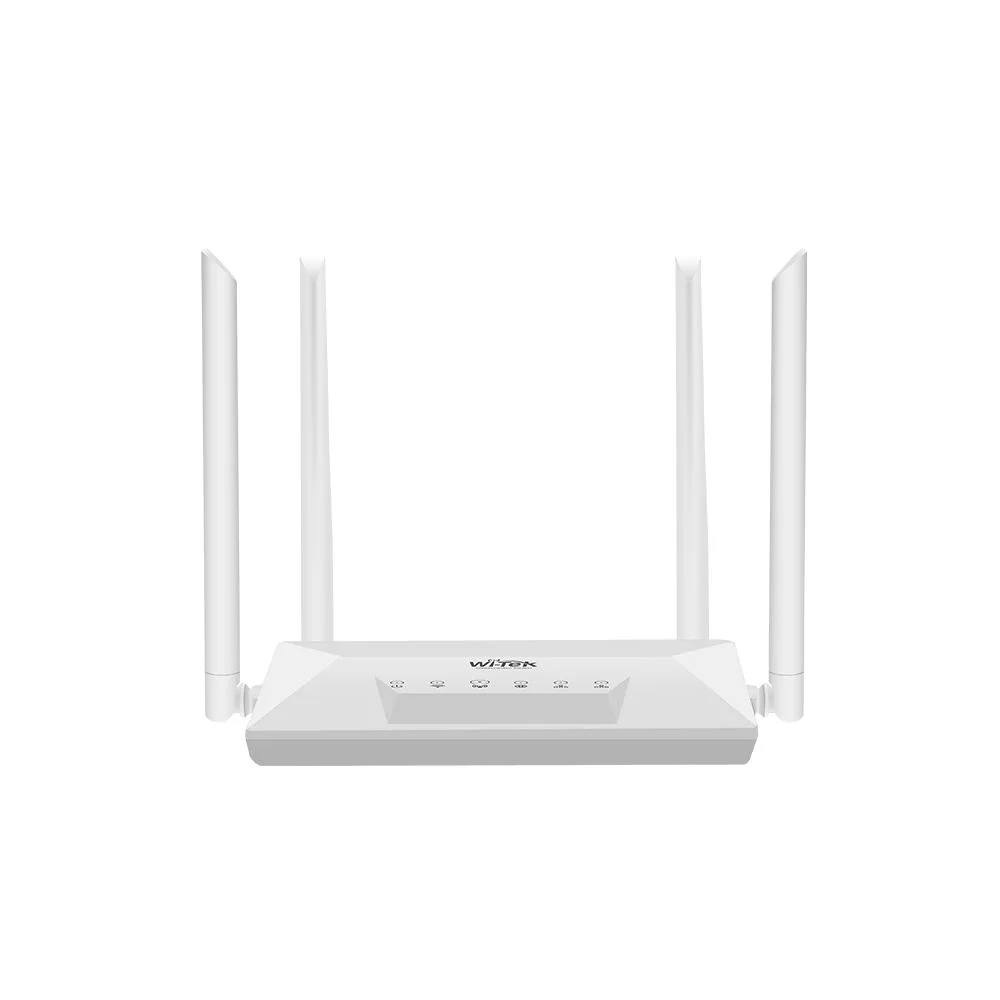
Wi-Fi access points are professional network equipment that provides wireless connection of users, devices and security systems to a corporate network and the internet. Unlike consumer routers, professional access points are designed for round-the-clock operation, servicing a large number of simultaneous connections and management via centralized controllers or cloud platforms. Companies, offices, shopping malls, hotels and manufacturing facilities in Tashkent and throughout Uzbekistan switch to such equipment when consumer solutions can no longer handle the load.
The choice of a Wi-Fi access point is determined not only by signal strength, but by the architecture of the entire wireless network: the number of users, the type of premises, outdoor zones, security requirements and roaming between points. A properly selected and competently installed system provides stable coverage without dead zones, even load distribution and easy scaling as the facility grows. You can buy Wi-Fi access points in Tashkent with professional installation and configuration through SAT Solutions - an integrator with experience designing networks for facilities of various scales in Uzbekistan.
Before choosing a specific model, it is important to determine the network topology: how many points will be needed, how they will be powered (PoE or separate power), whether an outdoor-protected housing is required, and how centralized management will be carried out. The answers to these questions significantly affect both the configuration and the final cost of the solution.
How to choose
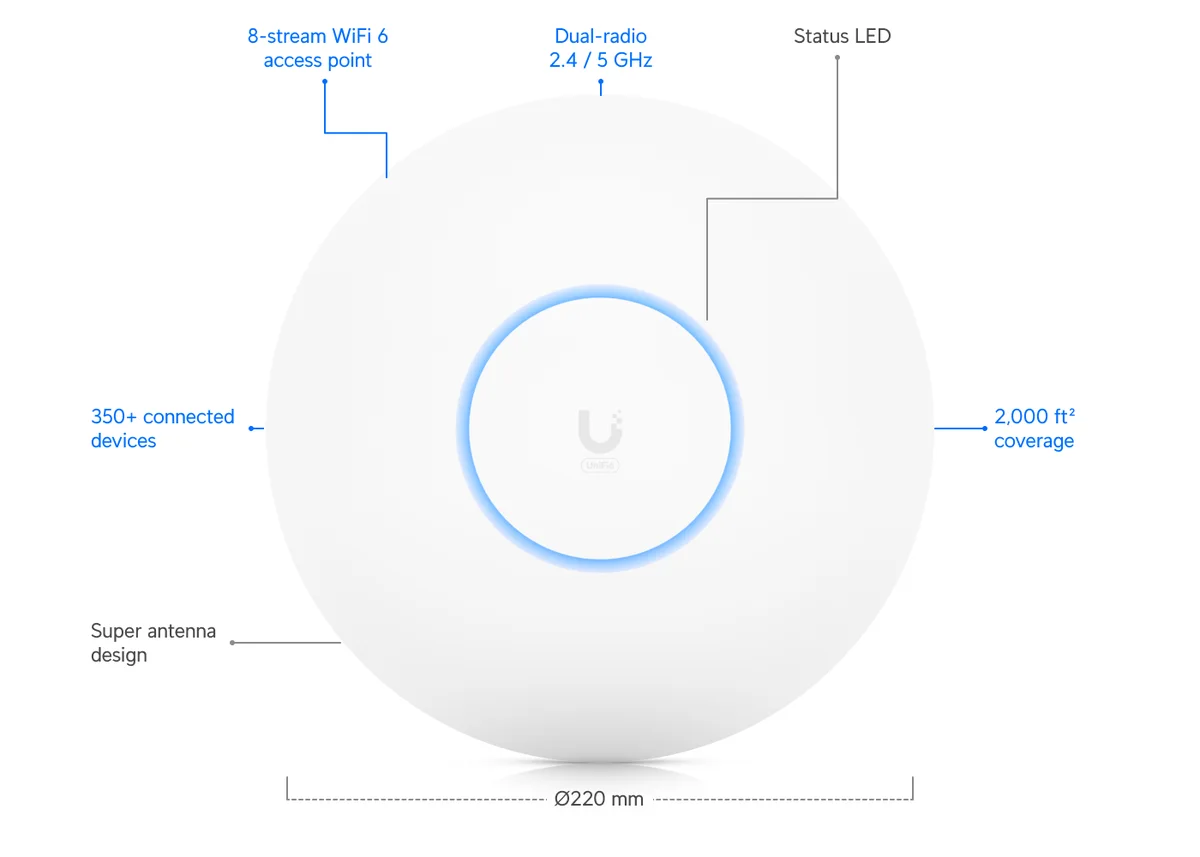
- Wi-Fi standard: current access points support Wi-Fi 5 (802.11ac) or Wi-Fi 6/6E (802.11ax). Wi-Fi 6 provides higher throughput, better operation in dense environments with numerous devices and reduced client power consumption. For new projects, it is recommended to choose Wi-Fi 6.
- Frequency bands: dual-band points (2.4 GHz + 5 GHz) are suitable for most facilities. Tri-band models with an additional 6 GHz band provide a larger throughput reserve for high-load environments.
- Number of simultaneous clients: manufacturers indicate the maximum number of connections, but the real comfortable capacity is usually lower. For offices and hotels, it is important to choose points supporting MU-MIMO and OFDMA - technologies that allow serving many devices in parallel.
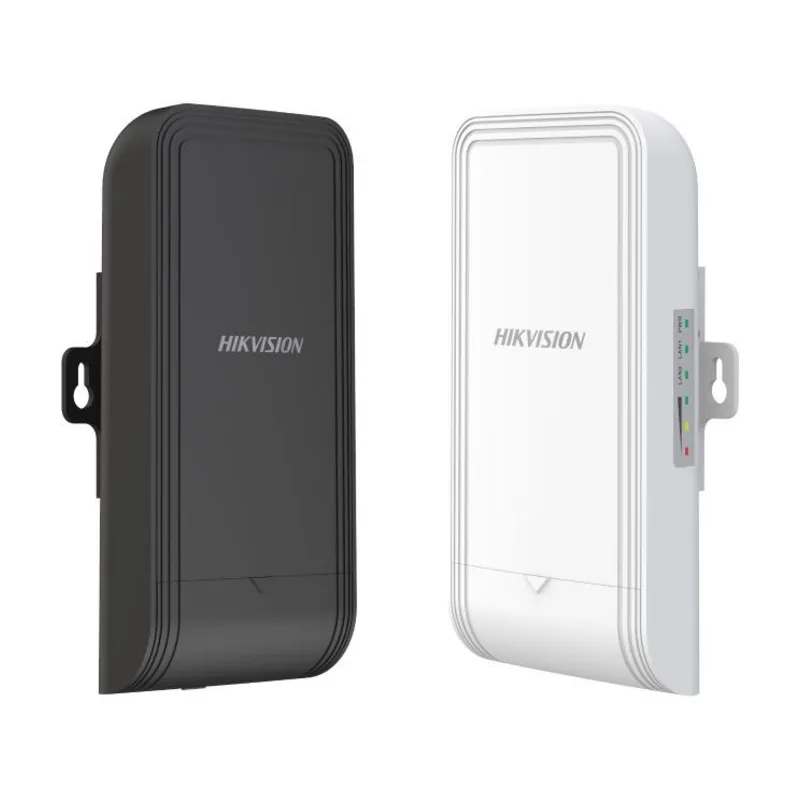
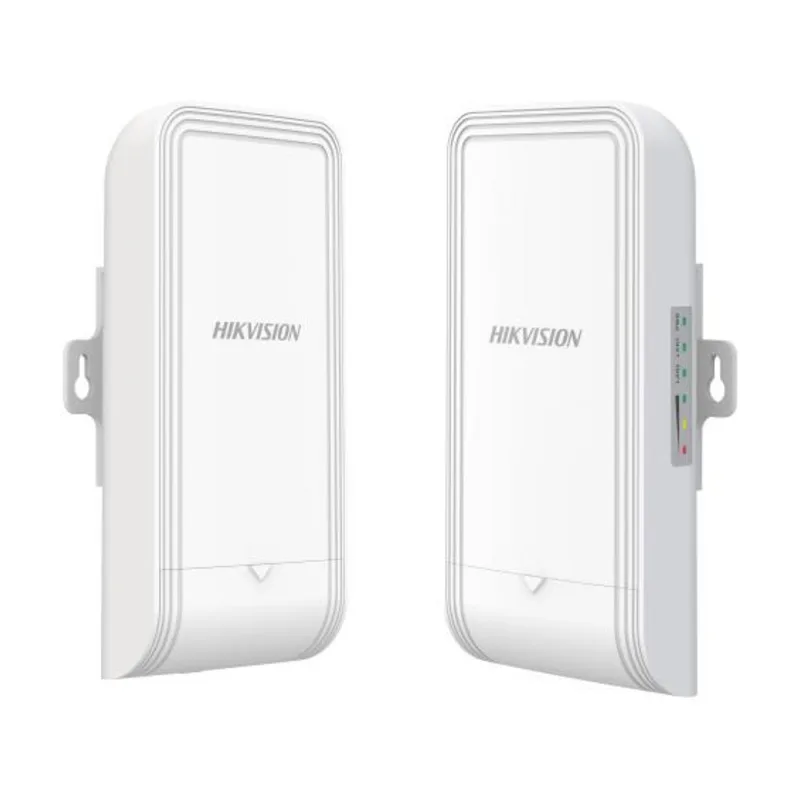
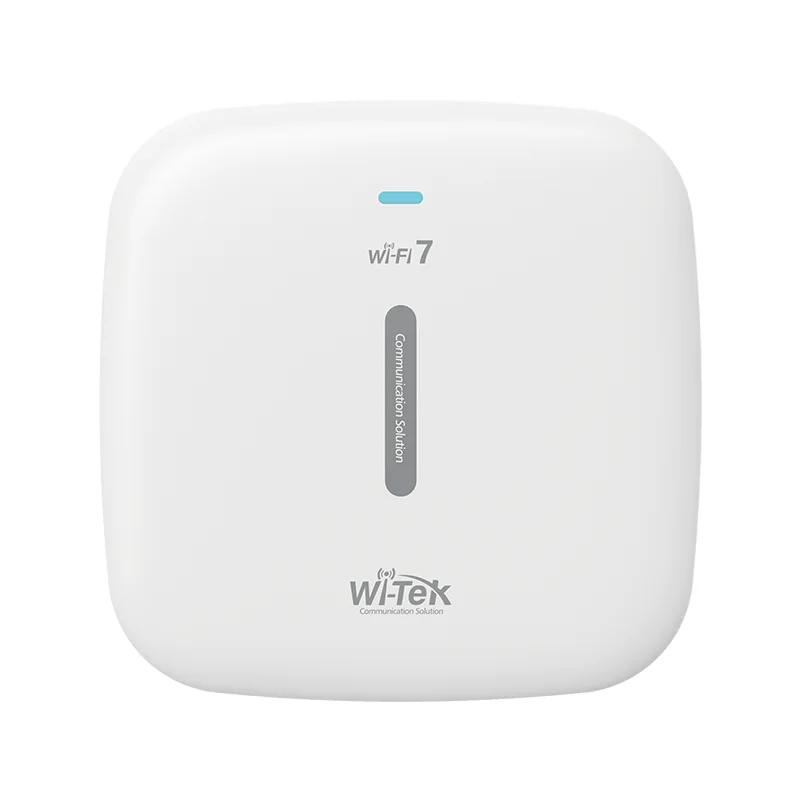
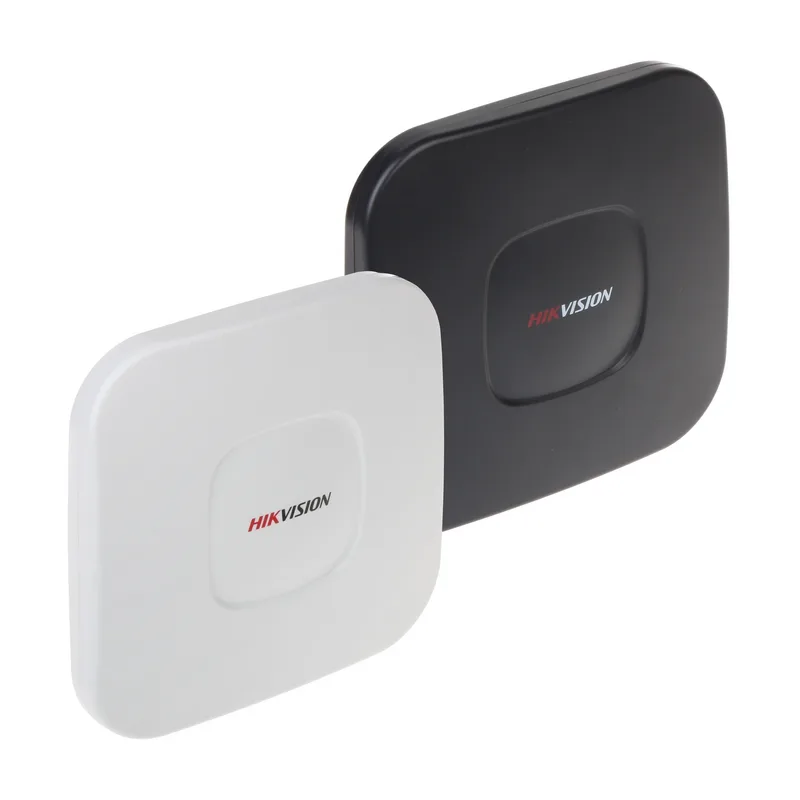
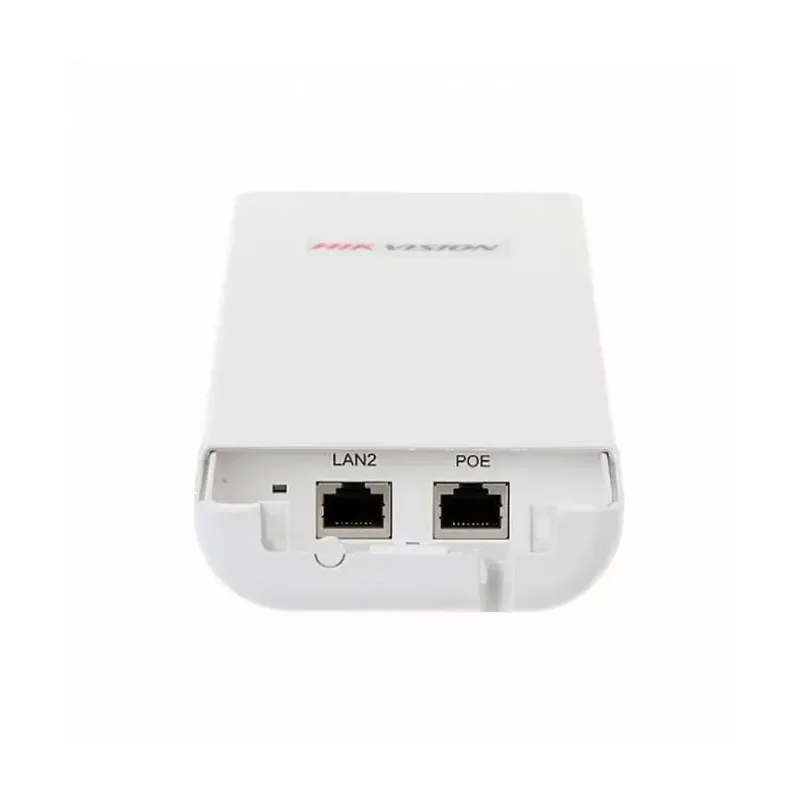
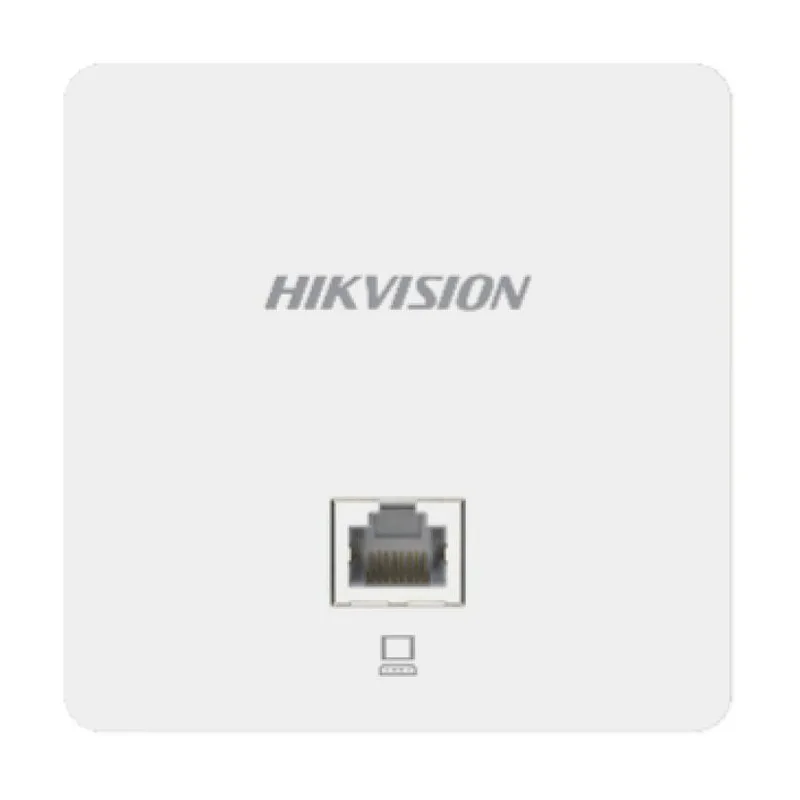
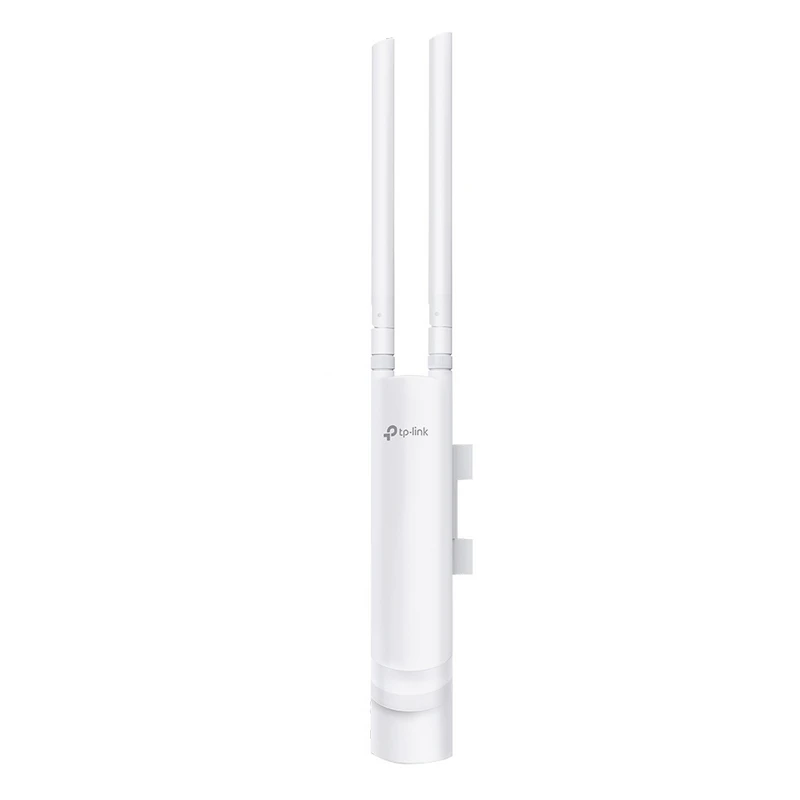
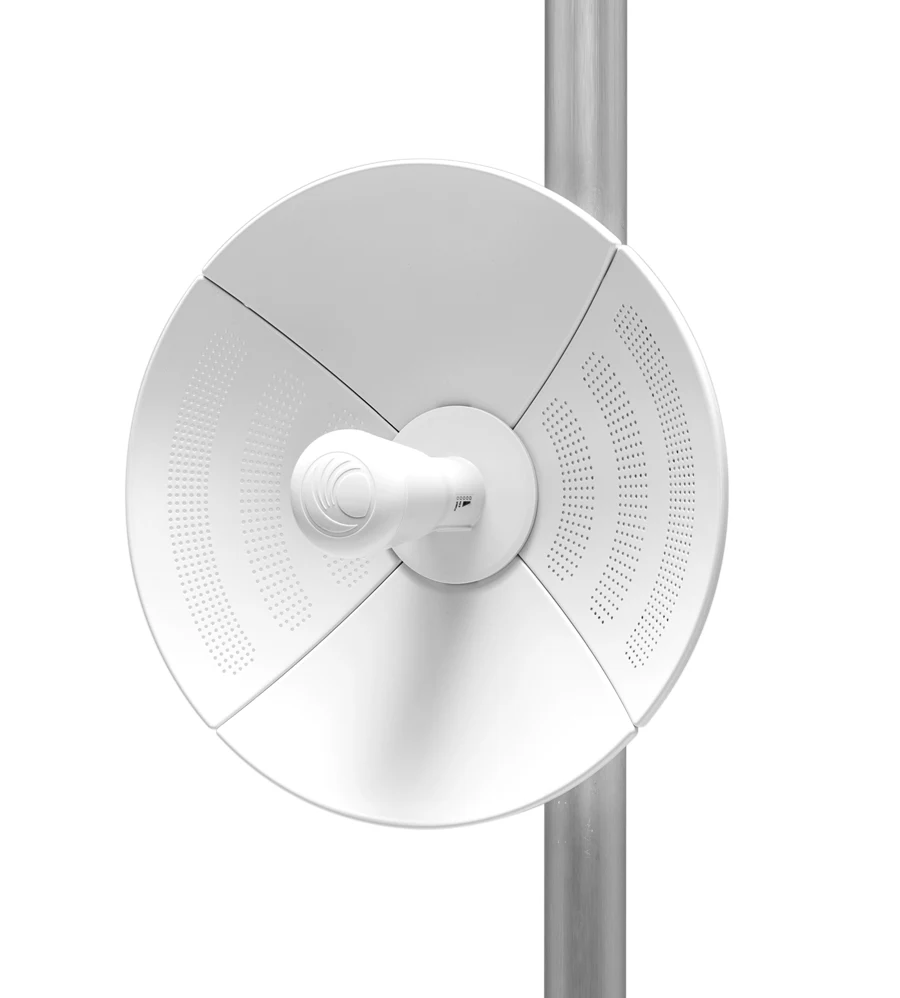
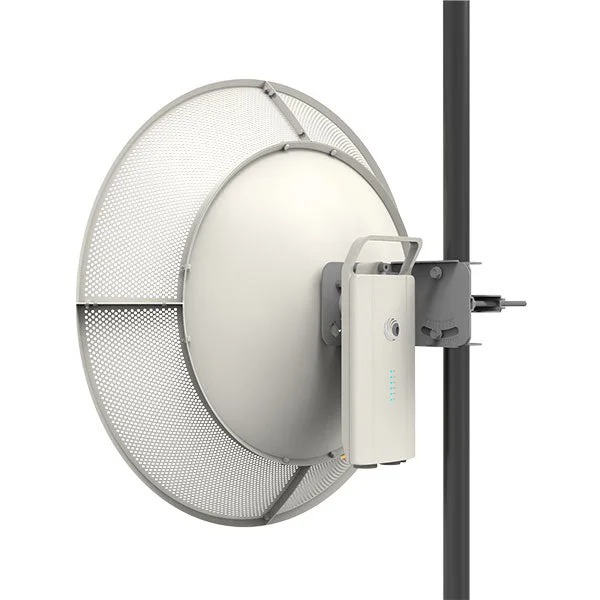
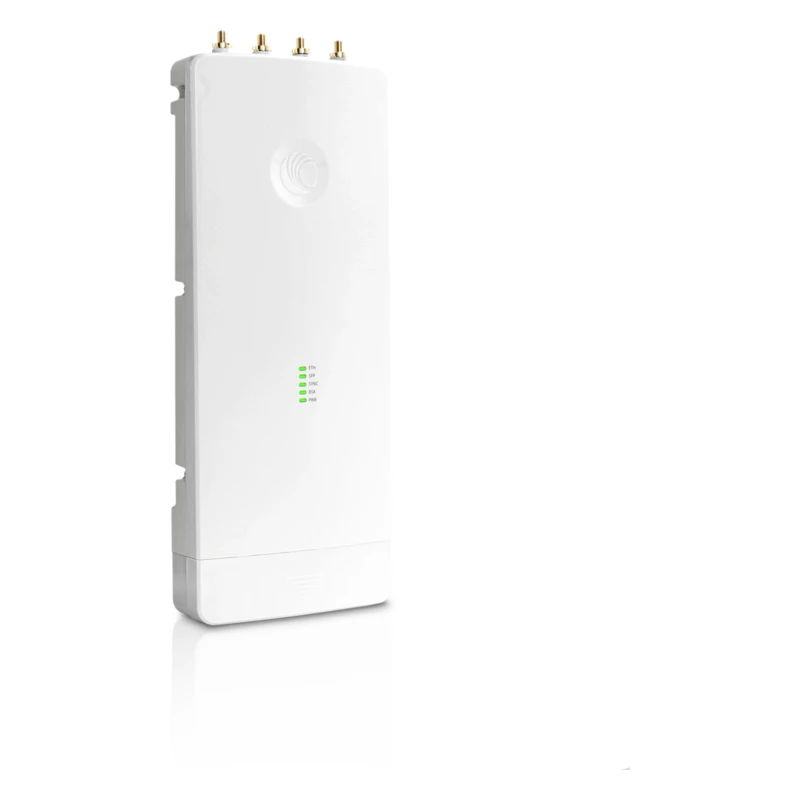
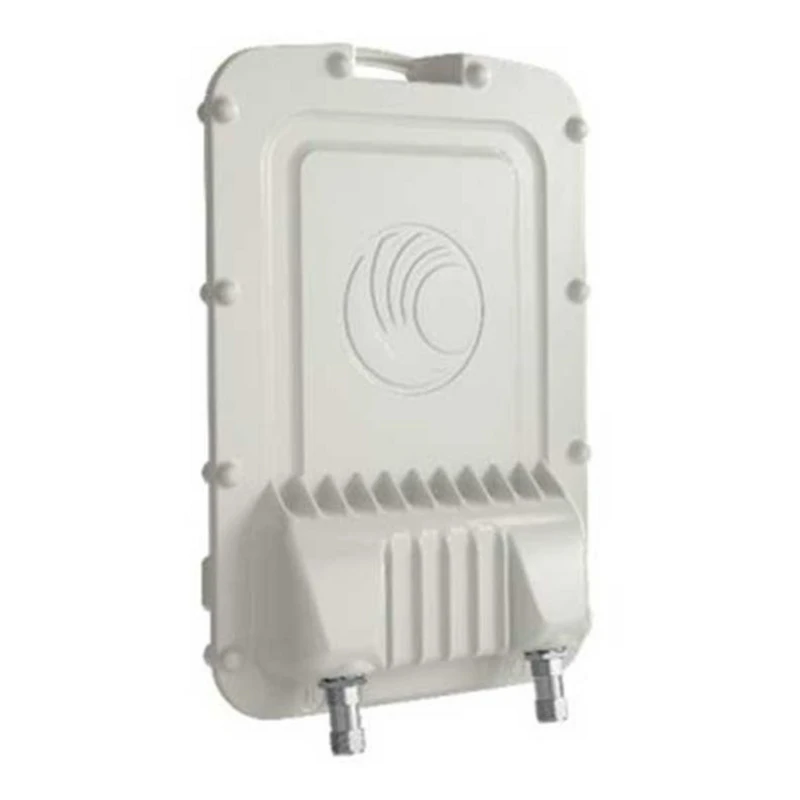
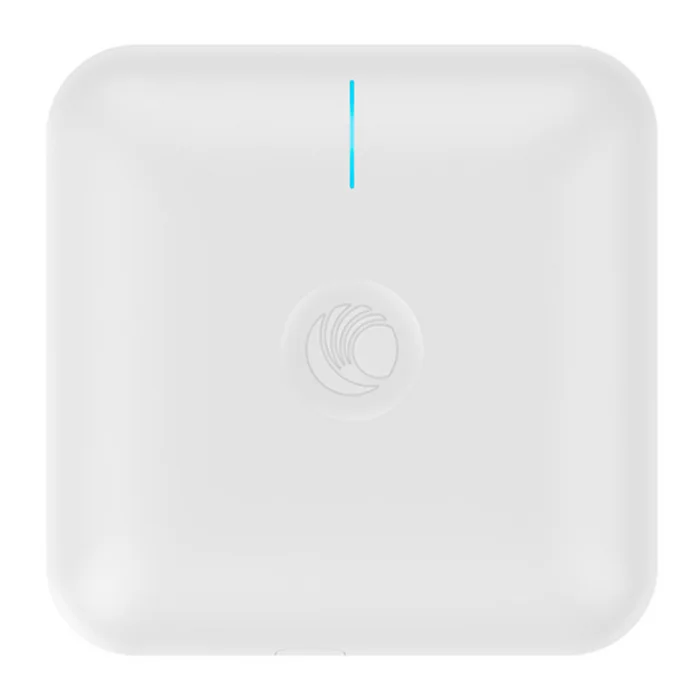
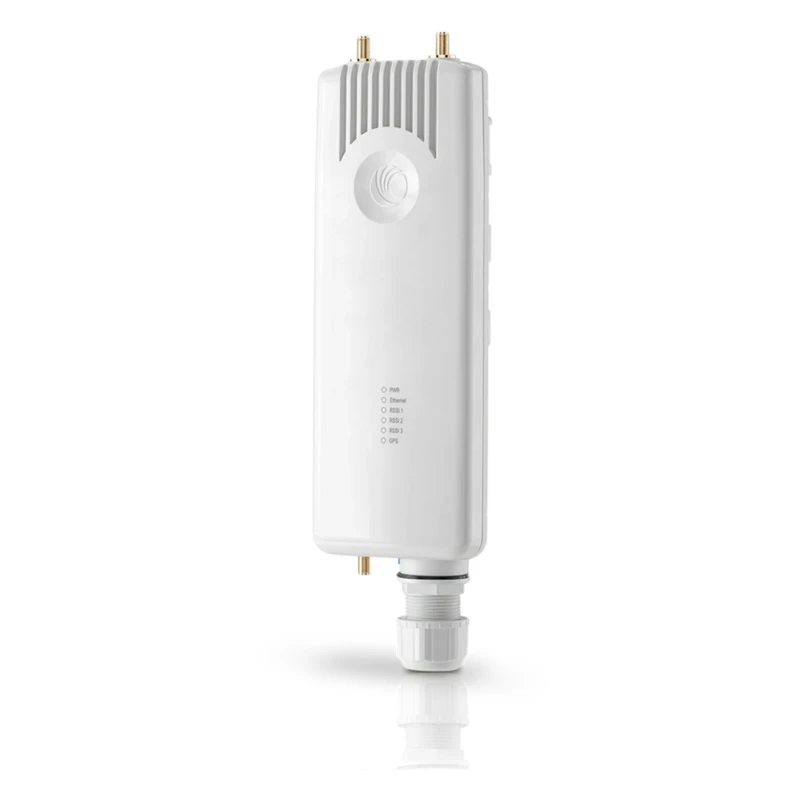
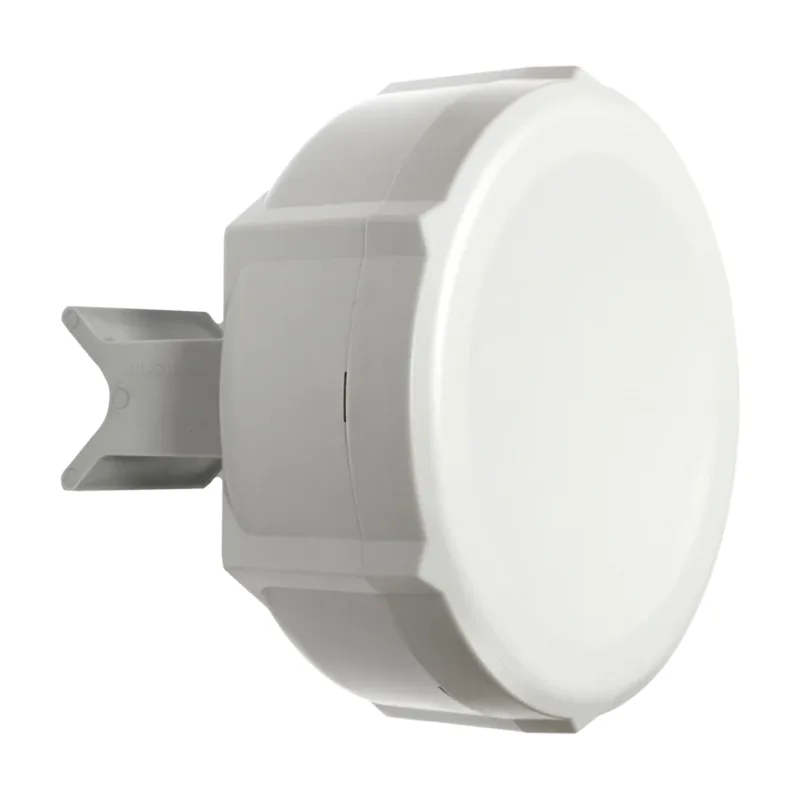
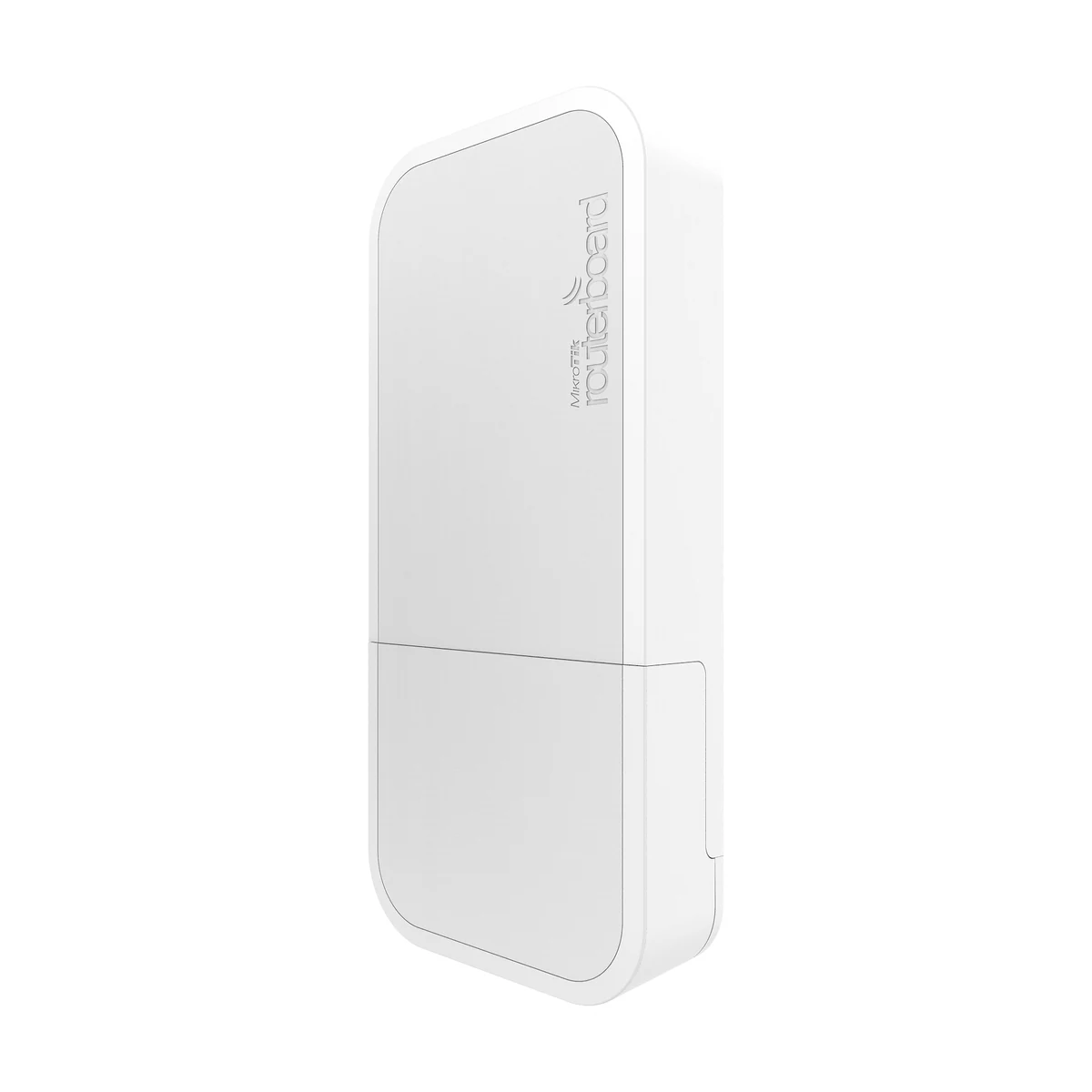
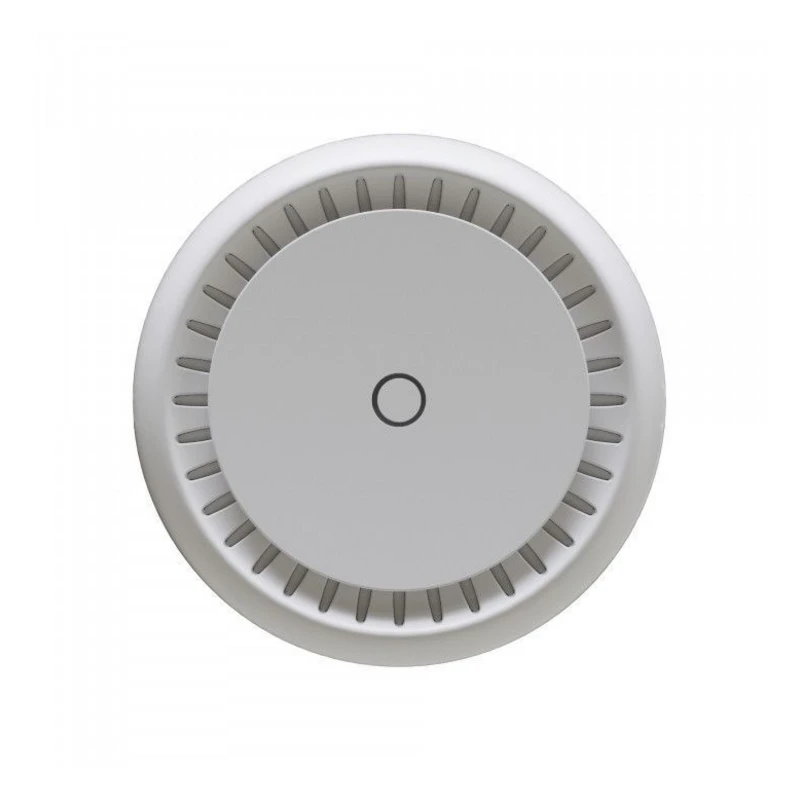
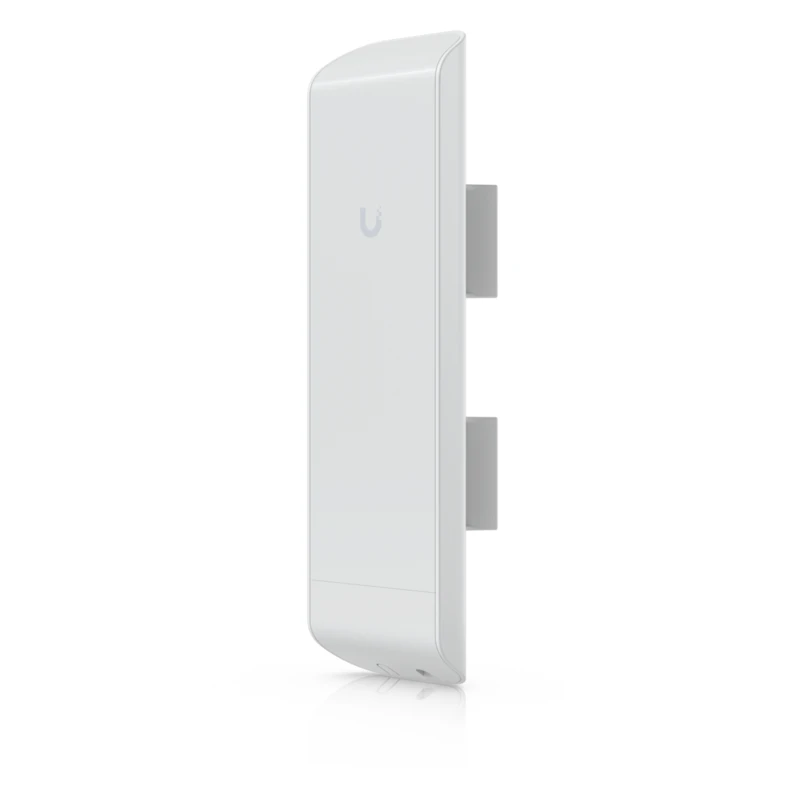
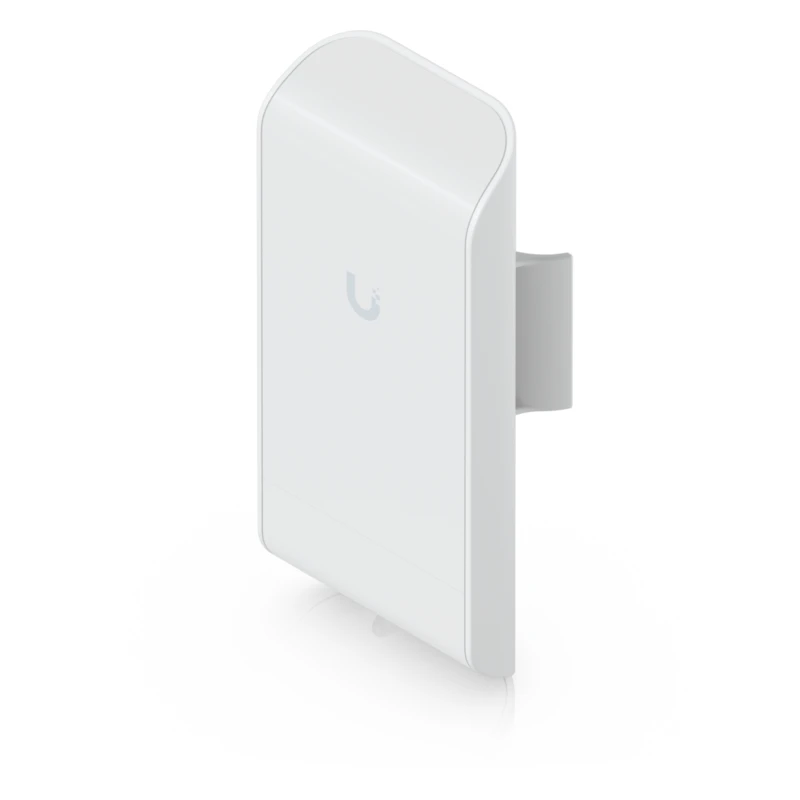
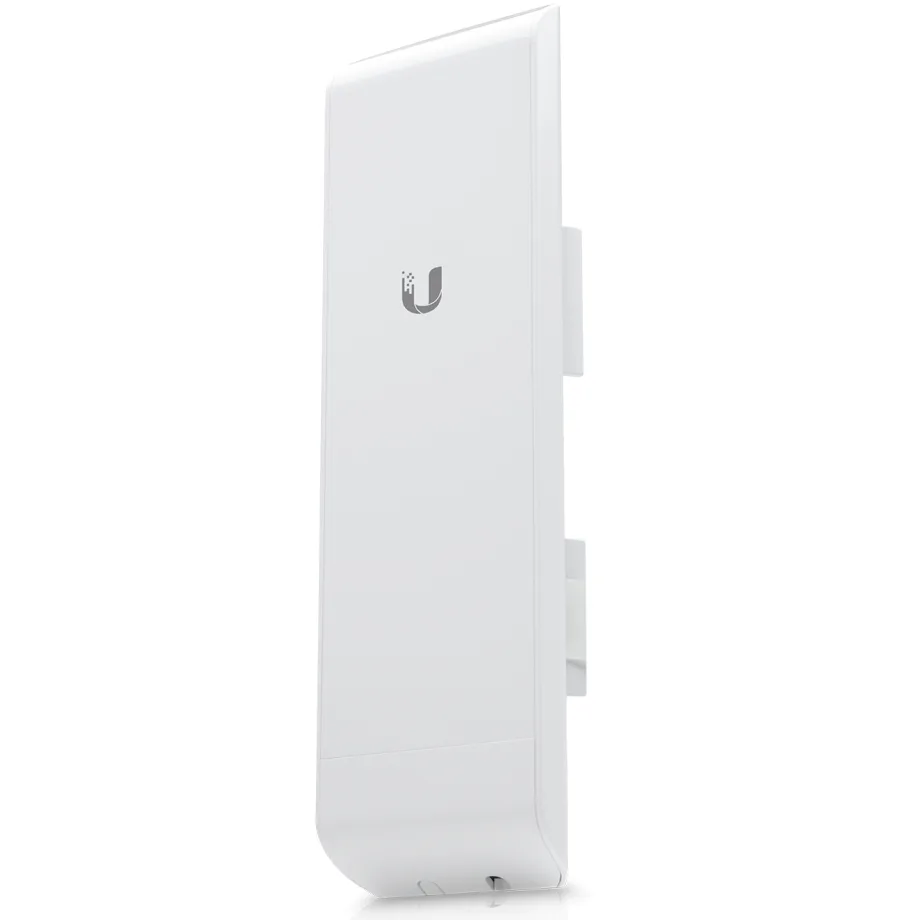
- Housing design: standard ceiling or wall-mounted (wall-plate) points are suitable for indoor spaces. For outdoor areas, parking lots, warehouse yards and facilities with harsh conditions, equipment in a protected housing with an IP65 rating and above is required.
- Power: most access points are powered by PoE technology over an Ethernet cable, which eliminates the need to lay separate power lines. You need to make sure the switch supports the corresponding PoE or PoE+ standard.
- Management: professional access points operate under the control of a controller - hardware, software or cloud-based. This makes it possible to centrally configure SSID, roaming, security policies and monitor the status of all points from a single interface.
- Throughput and link aggregation: for facilities with high speed requirements, it is worth paying attention to support for a 2.5 Gbit/s uplink or port aggregation, so as not to create a bottleneck at the level of the connection to the switch.
Applications
- Offices and business centers: providing reliable corporate Wi-Fi for employees, meeting rooms and a guest network with access differentiation.
- Hotels and apartment complexes: coverage of rooms, lobbies, restaurants and conference halls with support for a large number of simultaneous guests and the ability to manage per-client throughput.
- Shopping malls and retail stores: Wi-Fi for shoppers, electronic shelf label systems, POS equipment and video surveillance over a single wireless infrastructure.
- Manufacturing enterprises and warehouses: coverage of large open areas, connection of data collection terminals, wireless scanners and industrial devices.
- Educational institutions: Wi-Fi for classrooms, libraries, assembly halls and the campus grounds with content management and security policies.
- Outdoor and open areas: parking lots, enterprise grounds, stadiums, squares - using protected outdoor access points to extend the coverage area.
Brands and models in the catalog
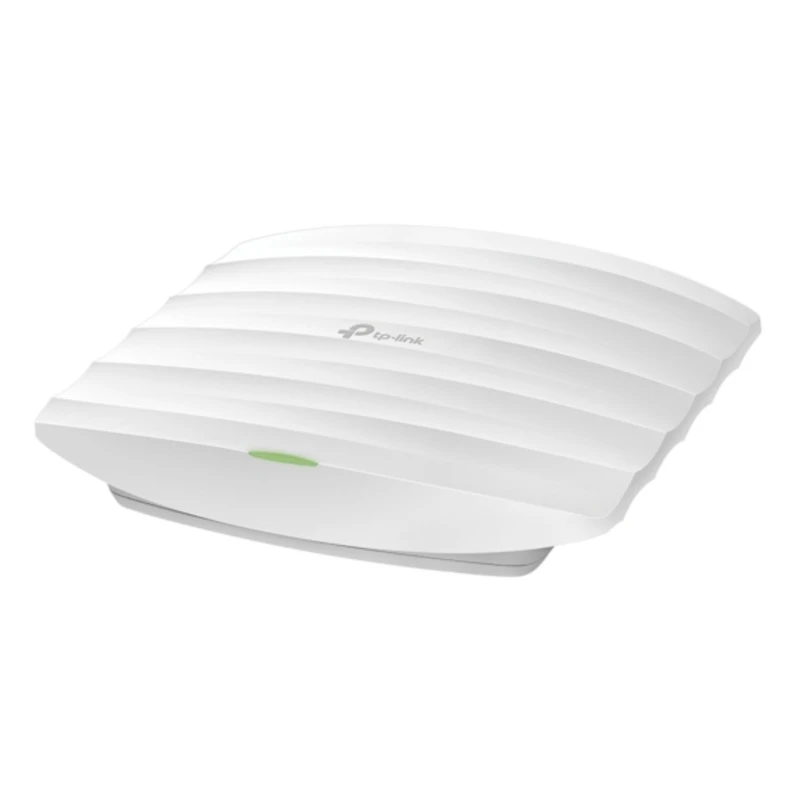
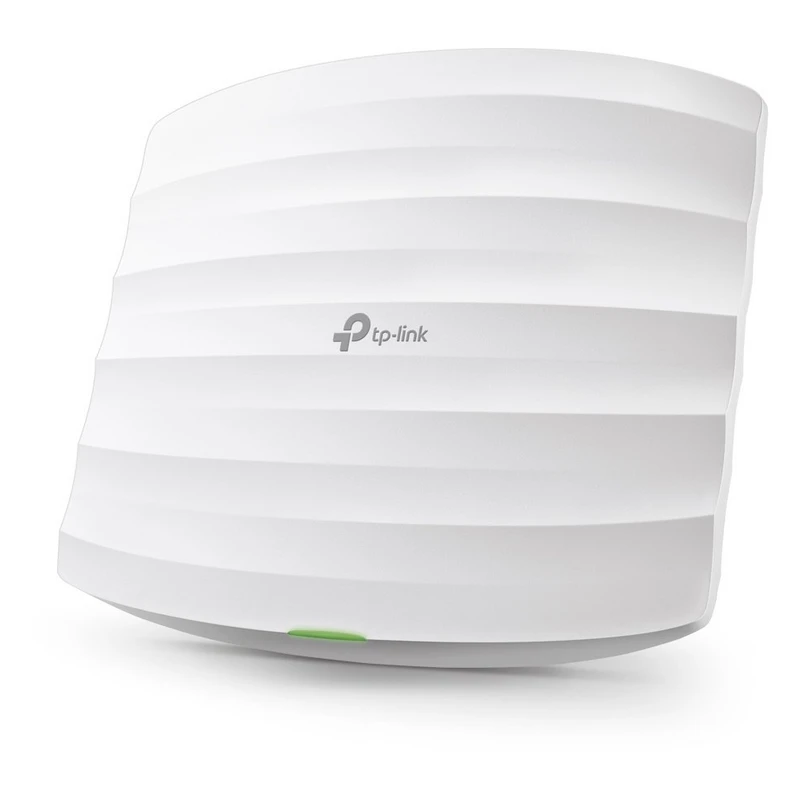
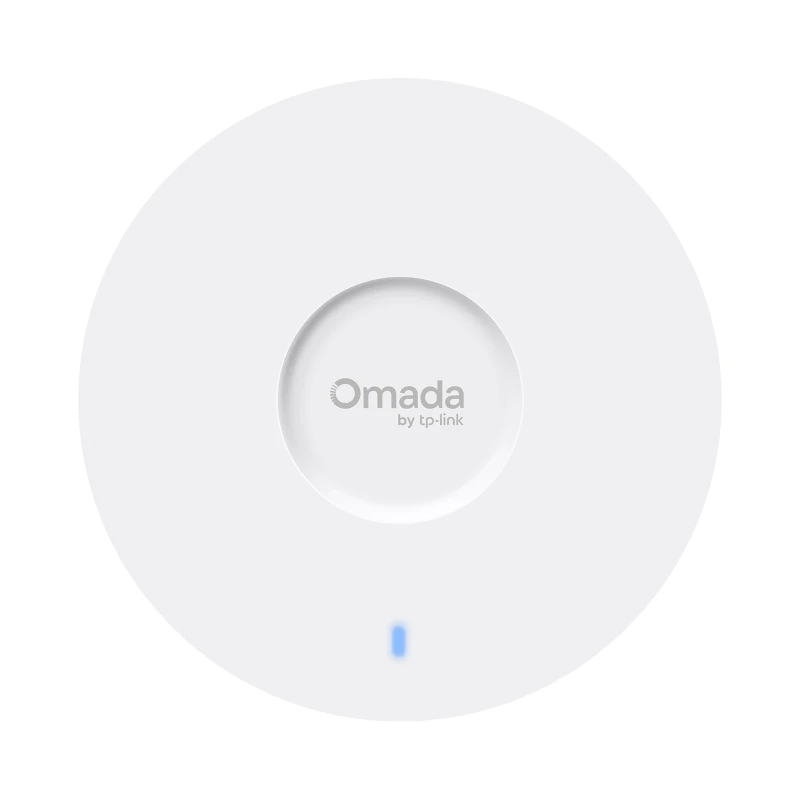
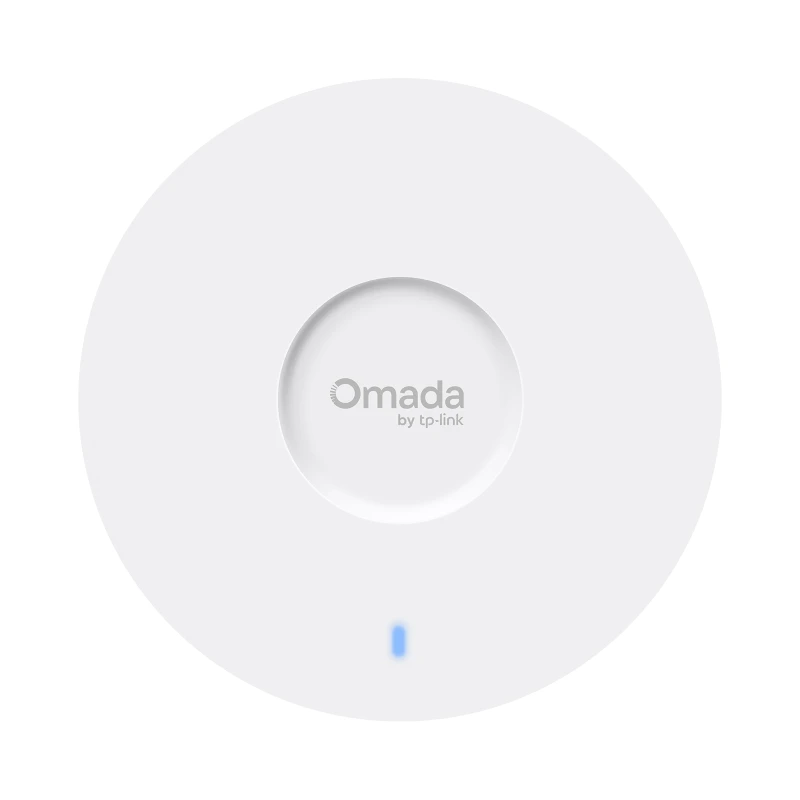
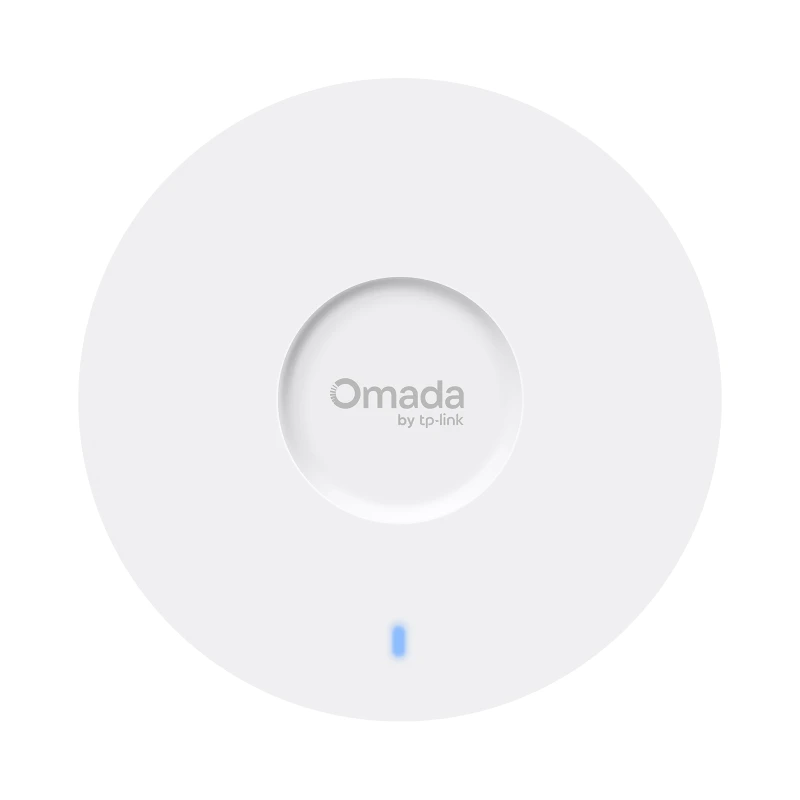
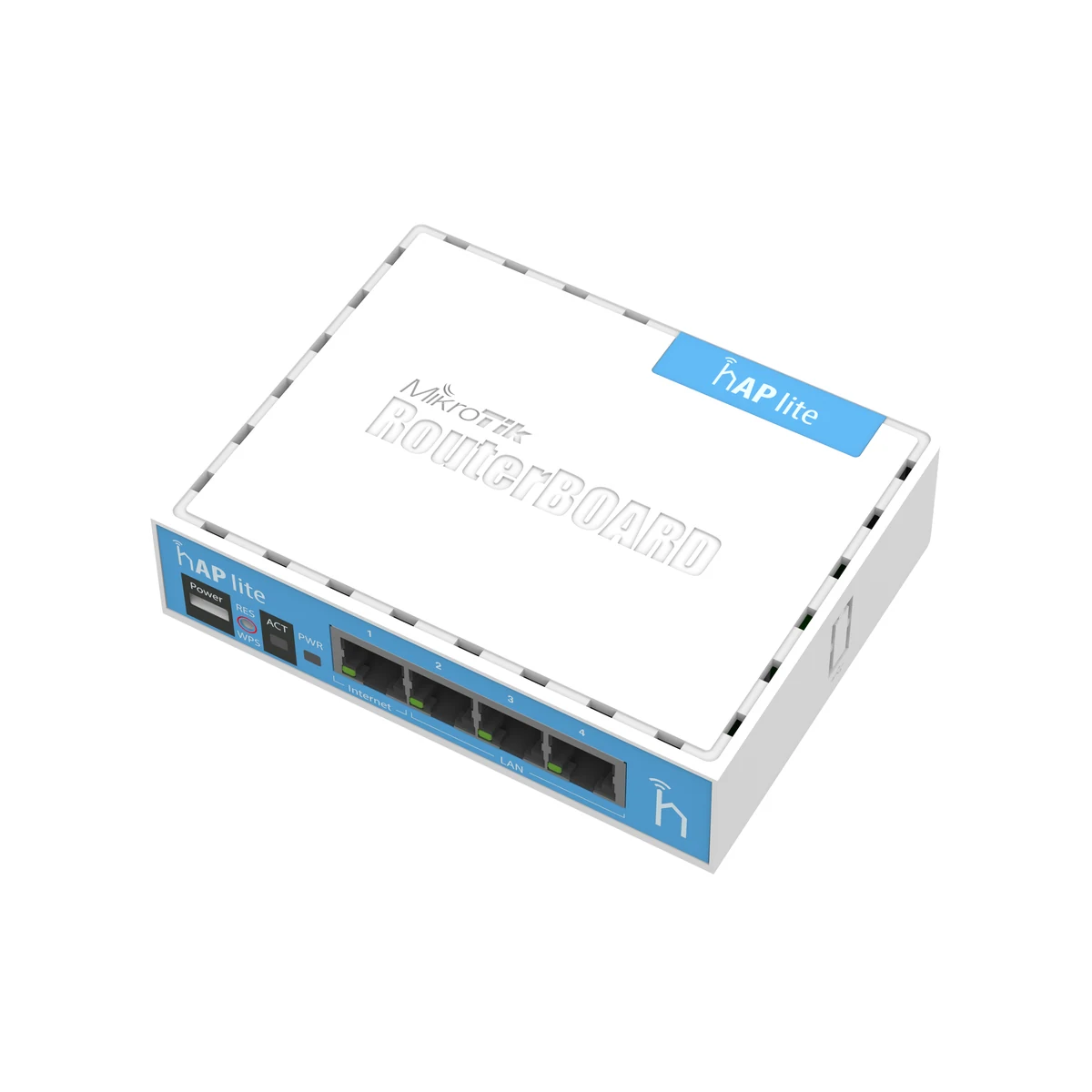
- TP-Link Omada: the catalog features a wide range of EAP series access points - one of the most popular professional solutions in the SMB and mid-market segment. The line includes ceiling models for indoor spaces, wall-mounted (wall-plate) points for hotels and meeting rooms, as well as outdoor models in protected housings with Wi-Fi 6 support.
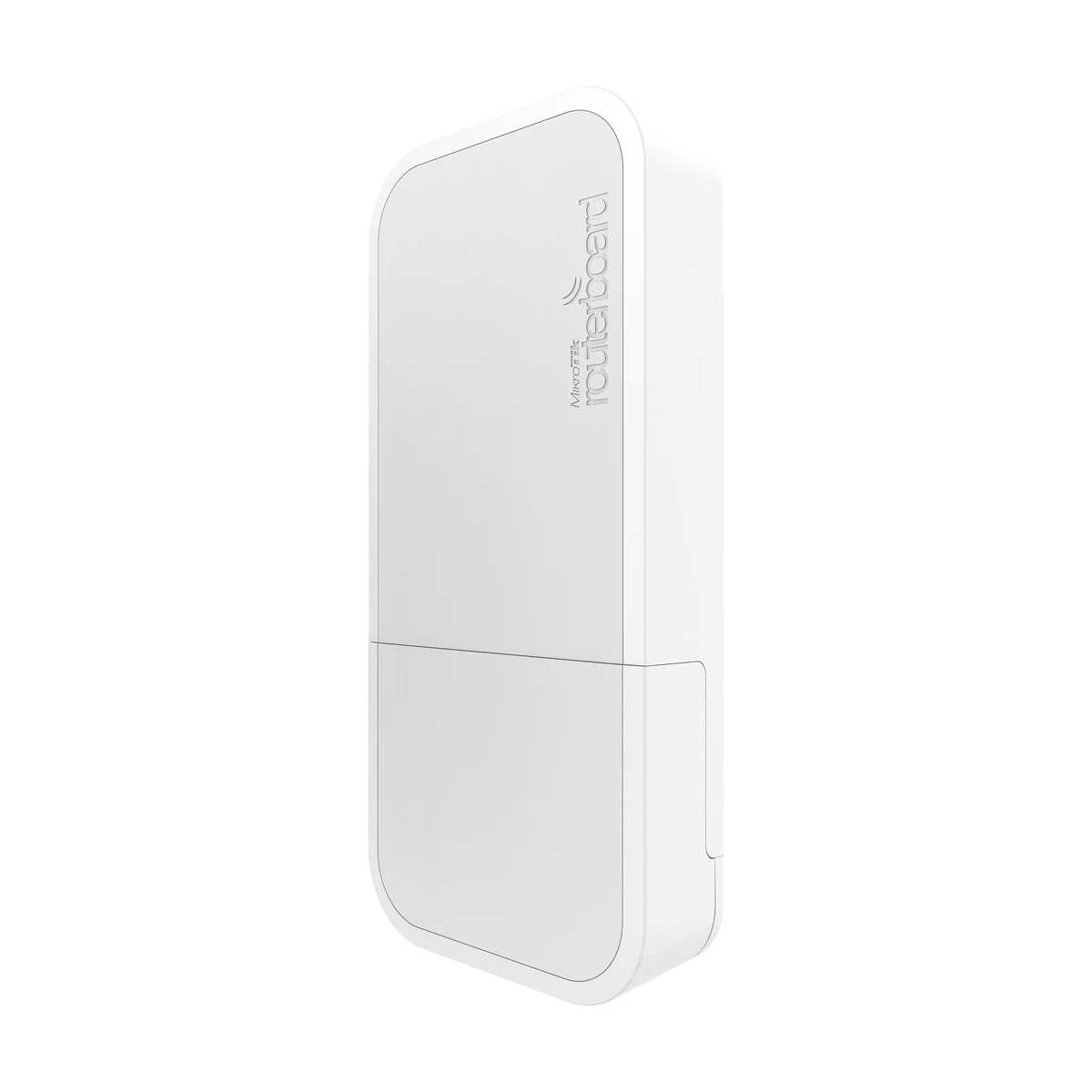
- TP-Link outdoor access points: models of the EAP Outdoor series are designed for deployment in open areas. They withstand atmospheric influences and provide stable coverage in parking lots, courtyards and enterprise grounds.
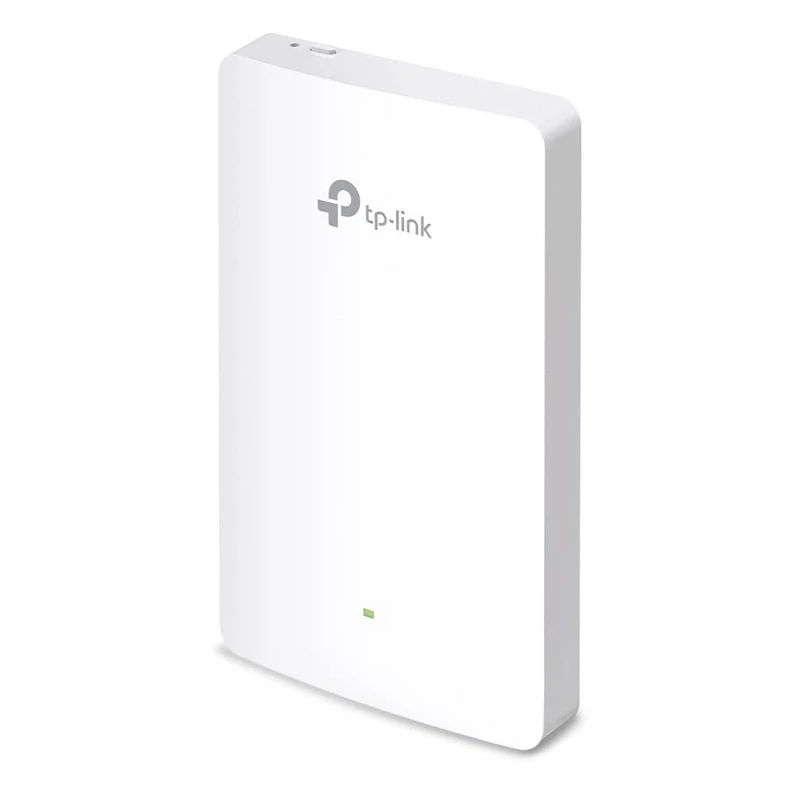
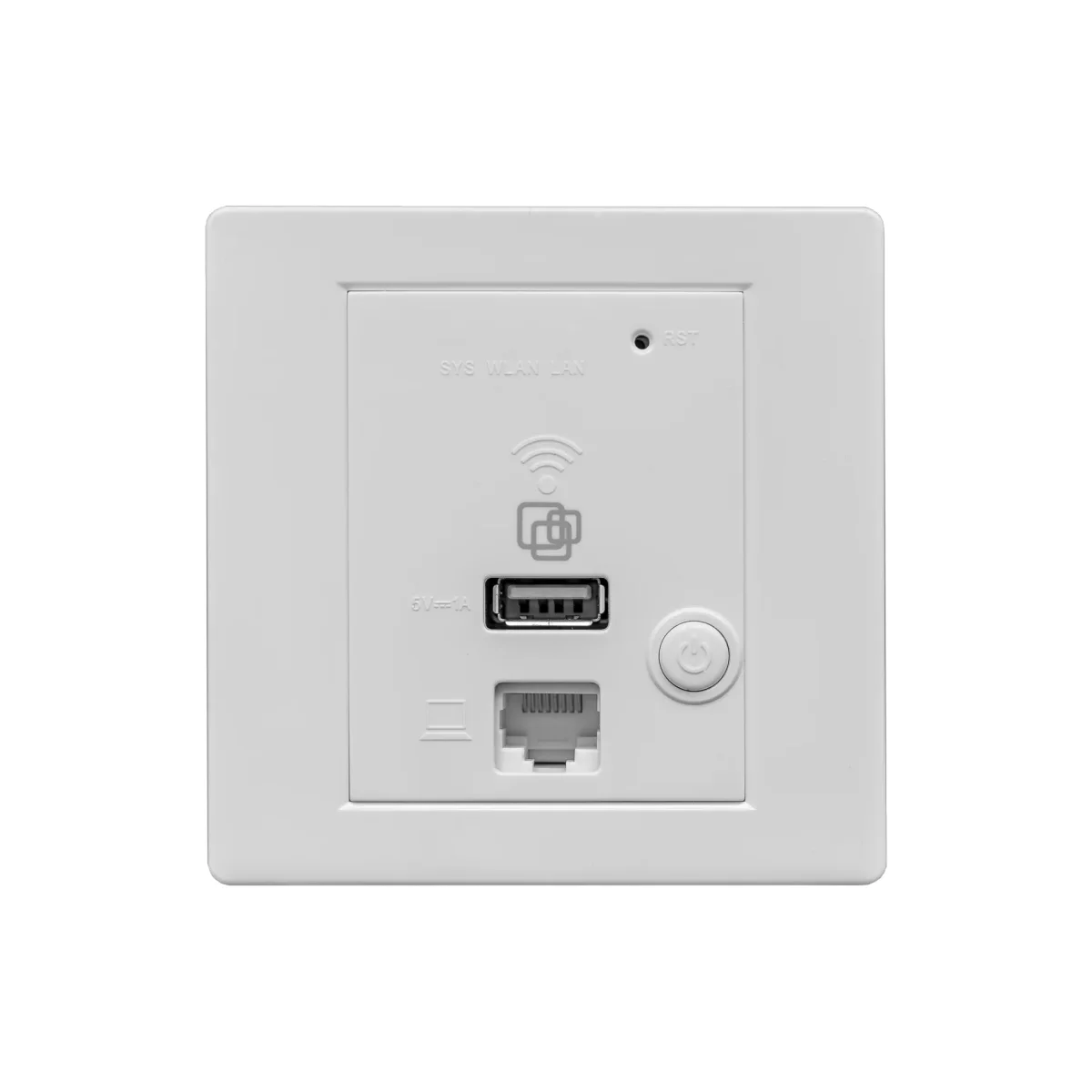
- TP-Link wall-mounted (wall-plate) points: compact models in a standard wall-plate format are ideal for hotel rooms and meeting rooms where discreet installation with wired ports for connecting TVs and phones is required.
- TP-Link Omada VPN routers: the catalog also includes ER series routers, which provide secure connection of sites via VPN and traffic management within a single Omada ecosystem together with the access points.
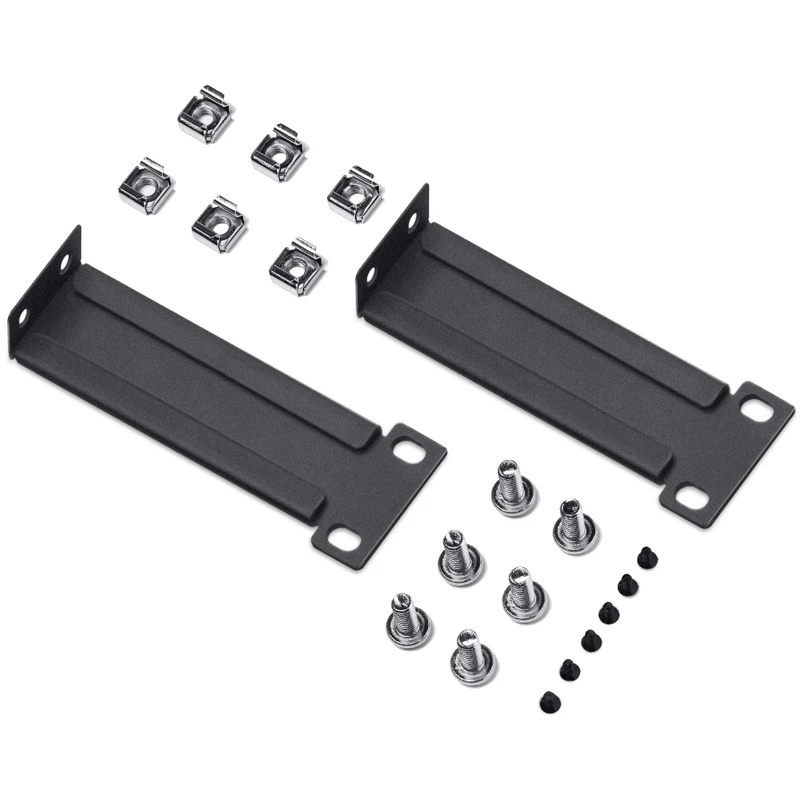
- Accessories and mounting kits: special brackets are provided for rack mounting of equipment, allowing controllers and other equipment to be placed in standard 19-inch cabinets.
Frequently asked questions
How many access points are needed for a 500 sq. m office?
Can an outdoor access point be installed on a building facade?
How to manage several access points in one network?
What warranty applies to TP-Link Wi-Fi access points?
Are Omada access points compatible with equipment from other manufacturers?
Wi-Fi access points — guide & FAQ
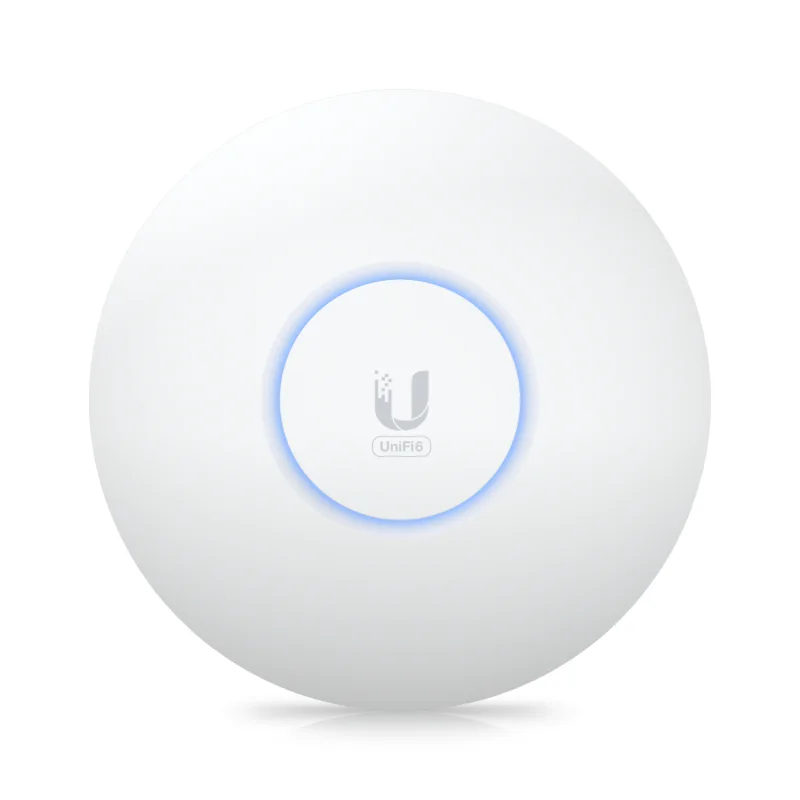
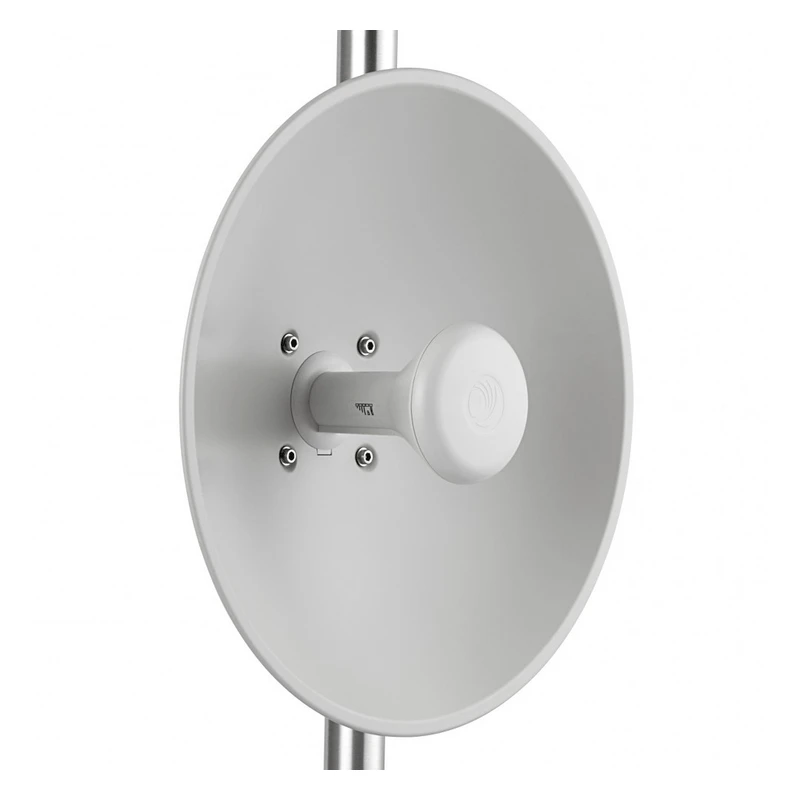
Wi-Fi access points for offices, warehouses and hotels — TP-Link Omada, Ruijie, MikroTik: seamless roaming and coverage design. An access point differs from a home router by building a managed network: dozens of APs run as one system under a controller, and a phone hops between them without dropping a call — that is seamless roaming. Offices take ceiling Wi-Fi 6 models; warehouses and outdoors need rated enclosures and directional antennas. The classic DIY mistake is mounting APs wherever a socket happens to be: dead zones and interference follow. We design coverage from the floor plan — zones, channels and power — and feed the APs over PoE from the switch, so no sockets are needed at all. The catalogue holds TP-Link Omada, Ruijie and MikroTik from Tashkent stock: from a single AP for a room to a hotel- or factory-scale network with a controller, guest portal and authorisation. Installation, roaming tuning and service across Uzbekistan. How many access points? Fewer than it seems — if they are placed properly. Every extra point at full power does not improve the air but spoils it: cells overlap, clients cling to distant points, roaming breaks. Radio planning from the floor plan gives even coverage with fewer devices — and a smaller budget. Guest Wi-Fi is its own discipline: a portal with code or one-click authorization, speed limits, full isolation from the working network. For a hotel or restaurant the portal also collects guest contacts for marketing. We configure this natively on Omada, Ruijie and UniFi — together with VLANs, so a guest never sees your accounting. Q: How many APs does an office need? A: Roughly one per 80–120 m² of open space; concrete walls shrink the radius. The exact count comes from a coverage plan — we draw it free. Q: What is seamless roaming? A: A phone or laptop moves between APs without dropping the connection: a messenger call survives a walk across the office. Q: Why an AP instead of a router? A: A router serves one apartment. APs scale: one SSID, central management, PoE power and dozens of units under one controller.
Related articles