Fiber & accessories
Found: 293
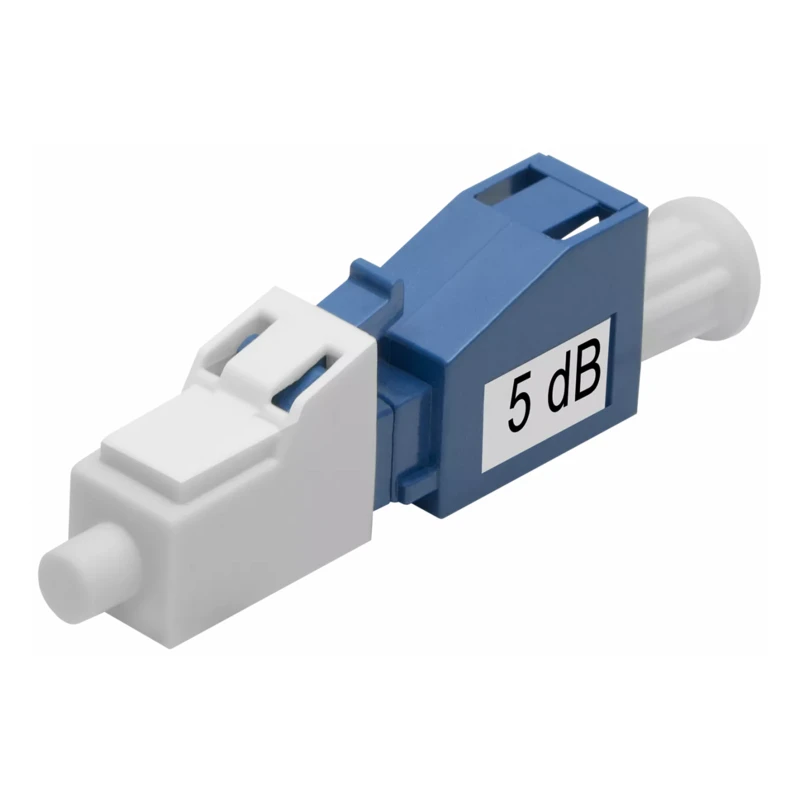

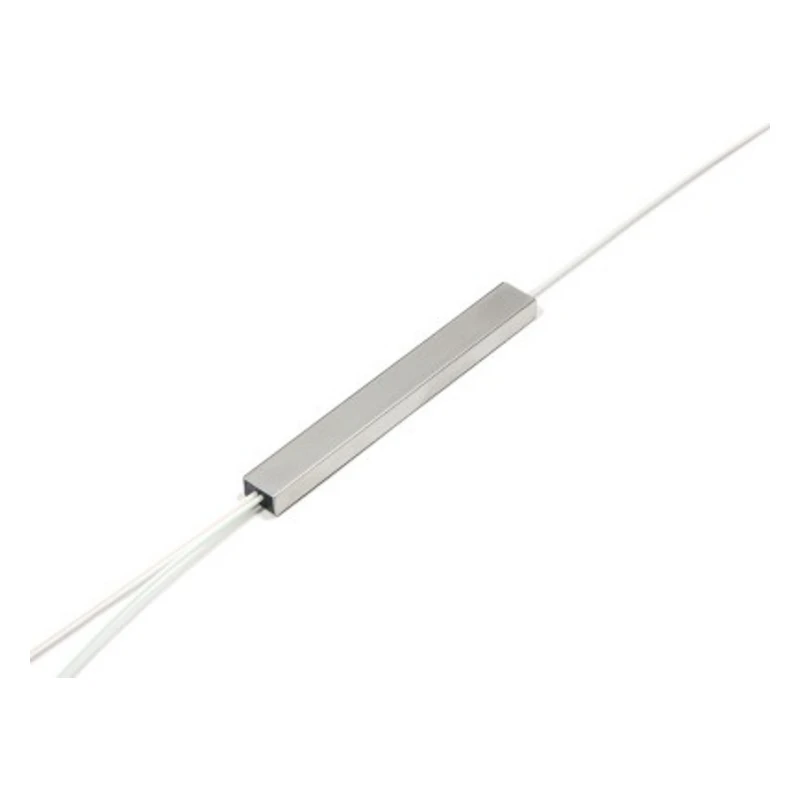
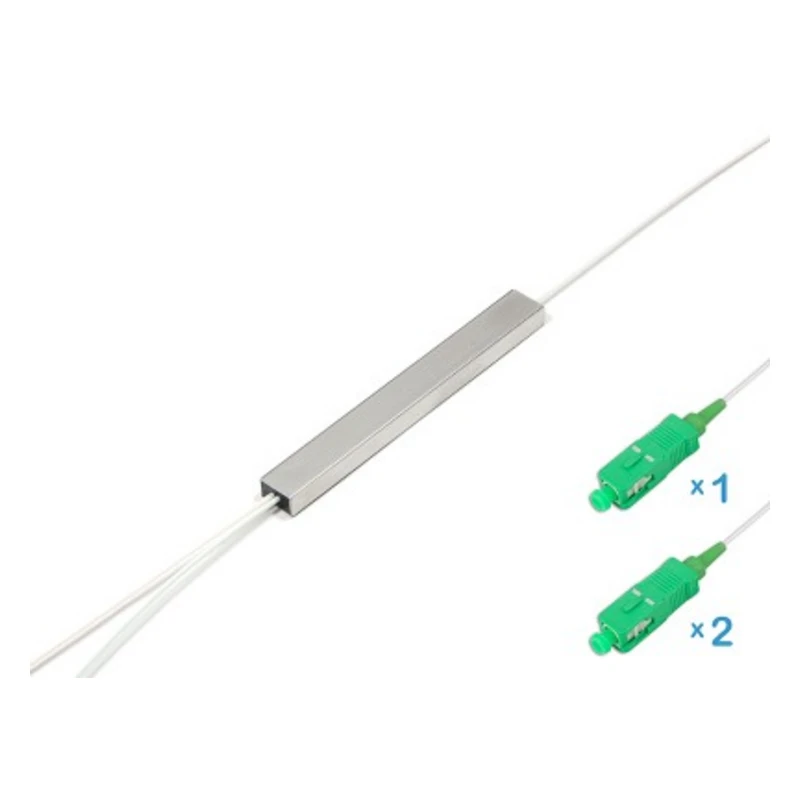
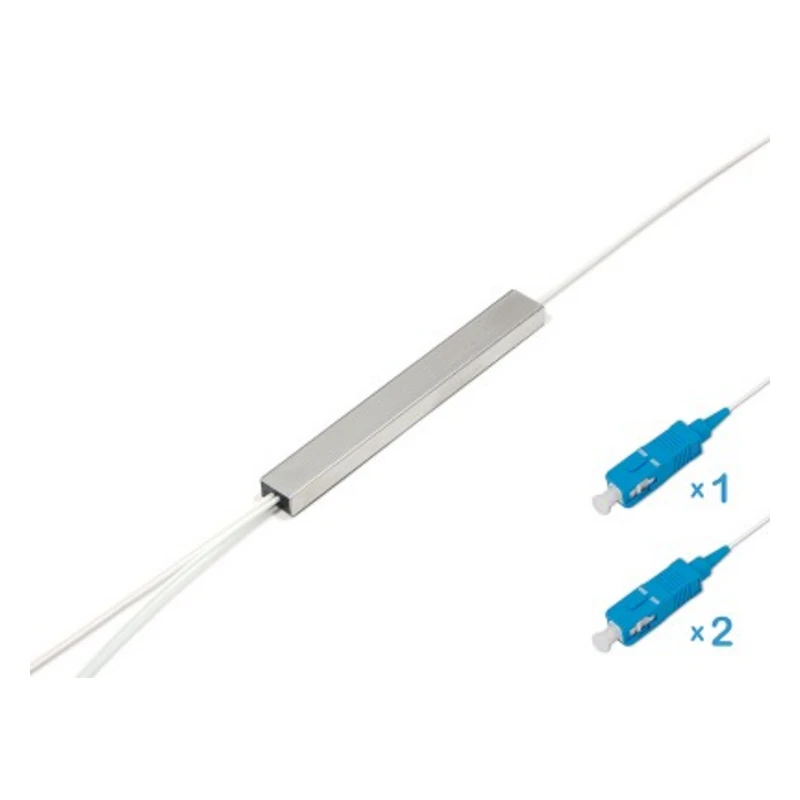
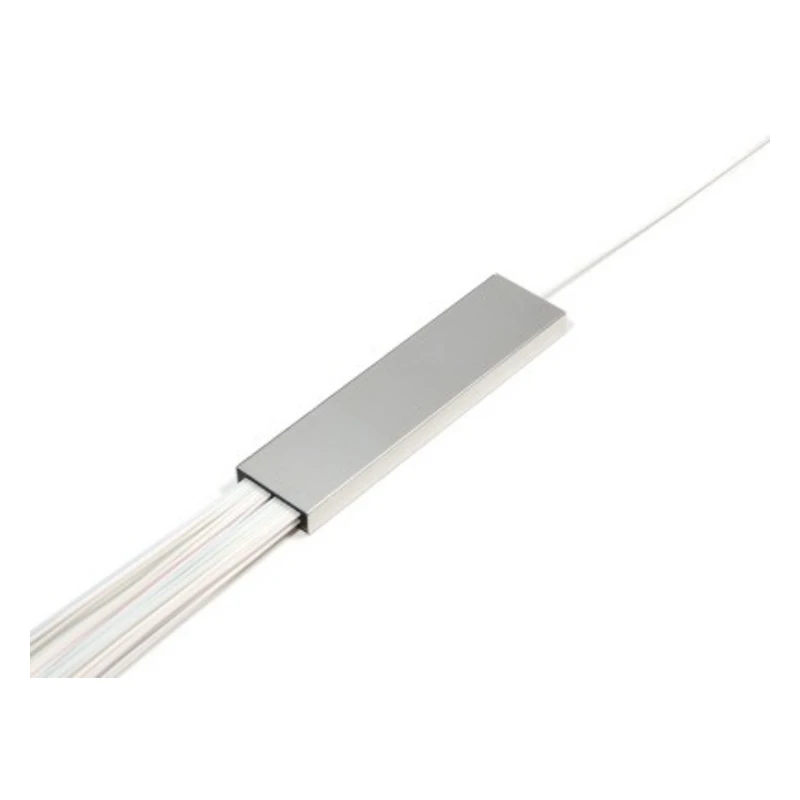
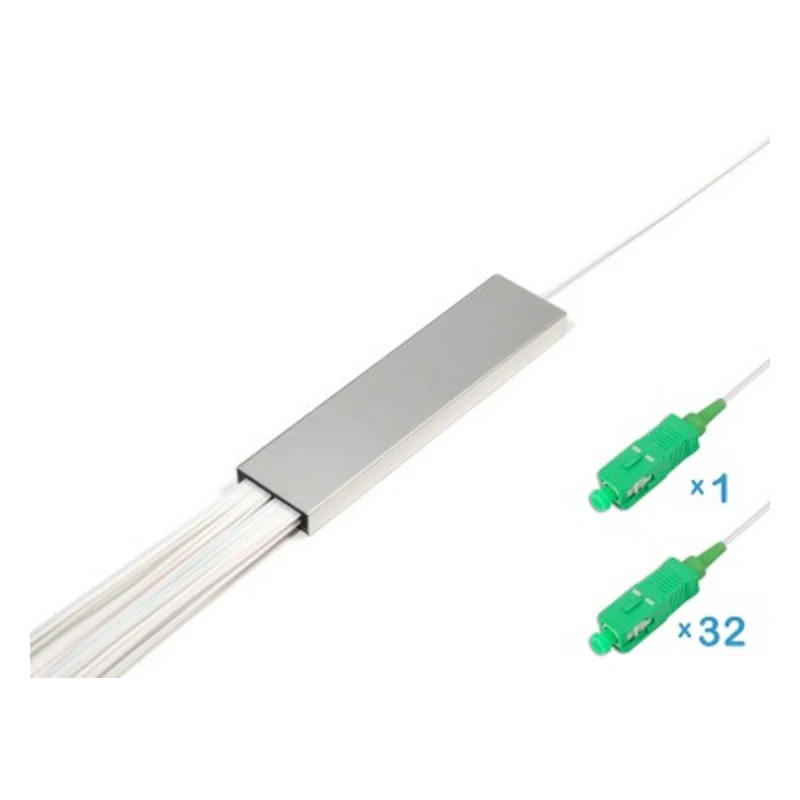
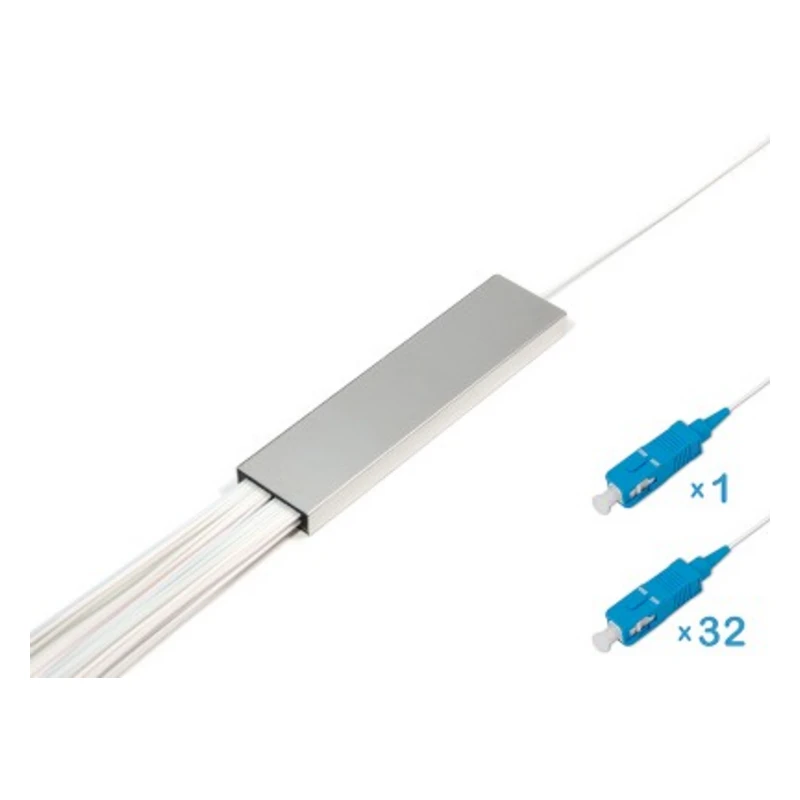
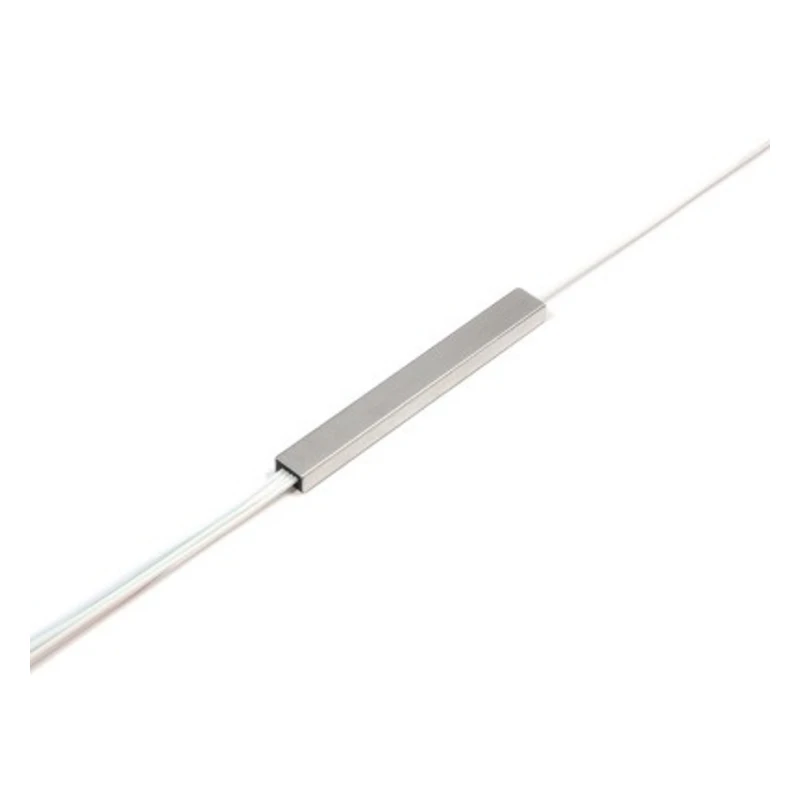
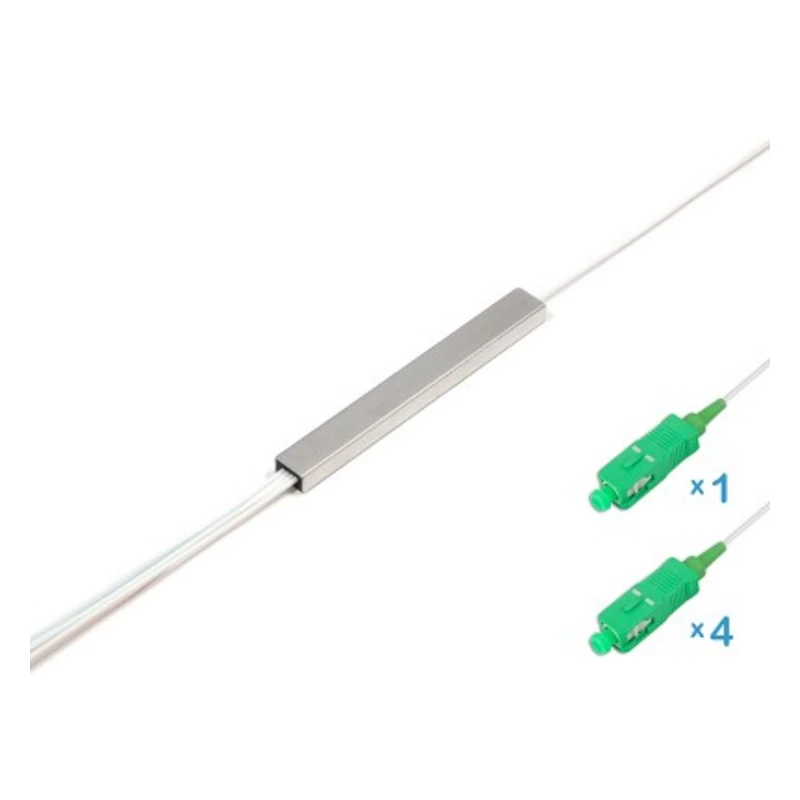
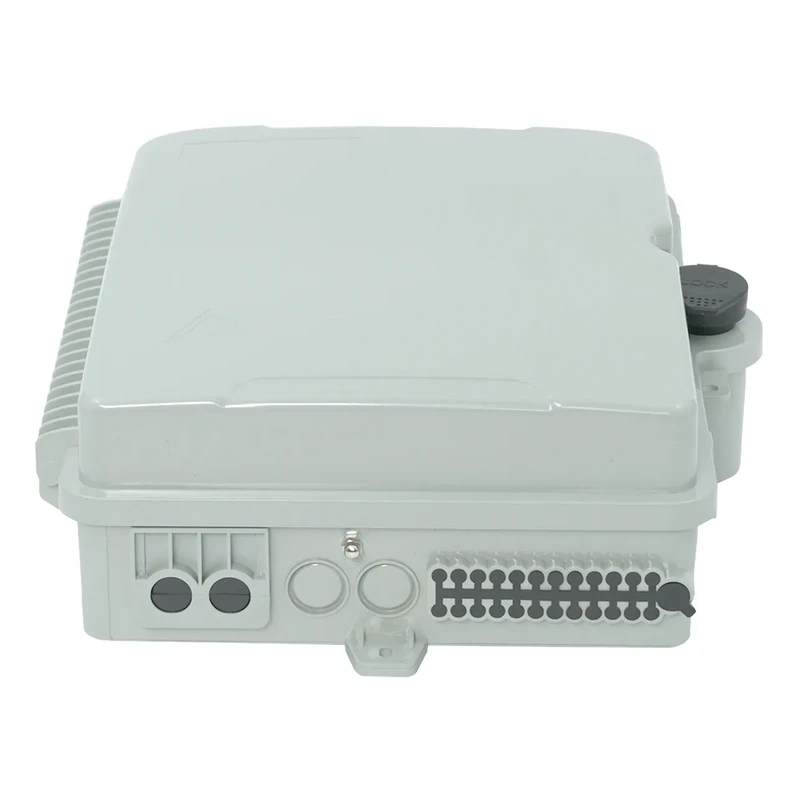
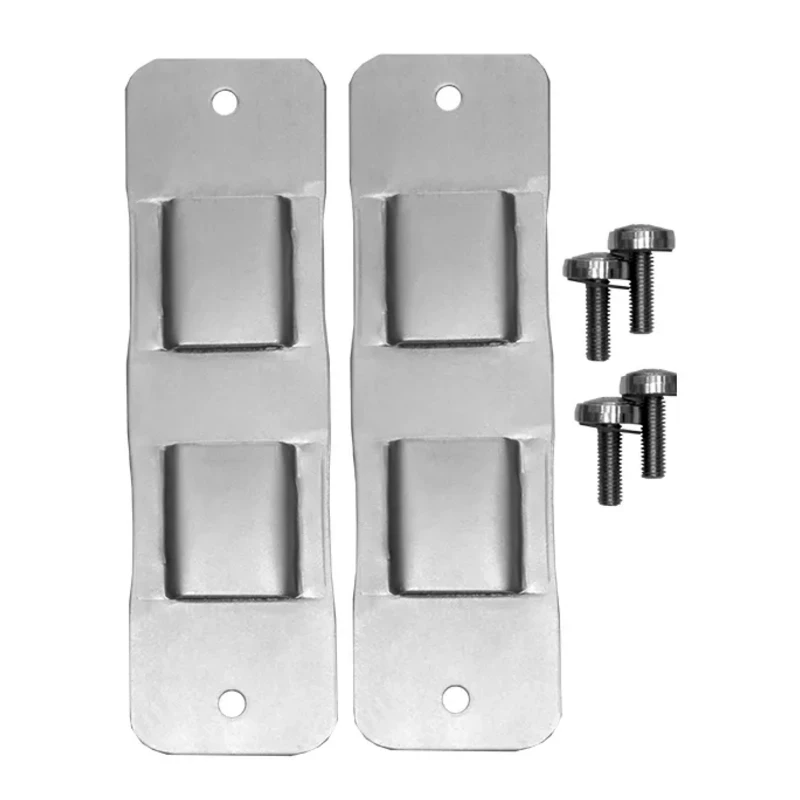














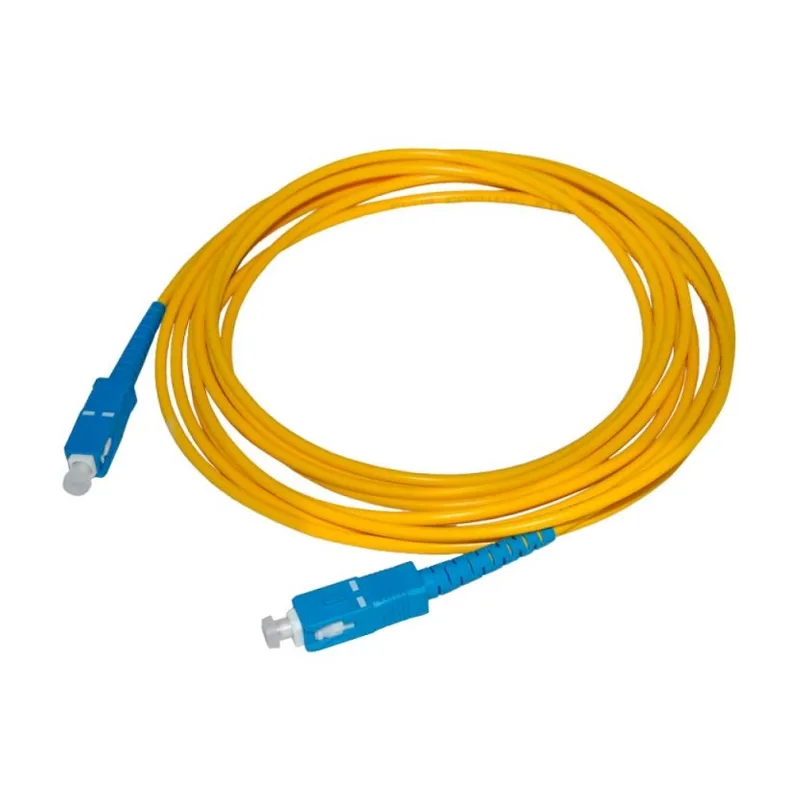
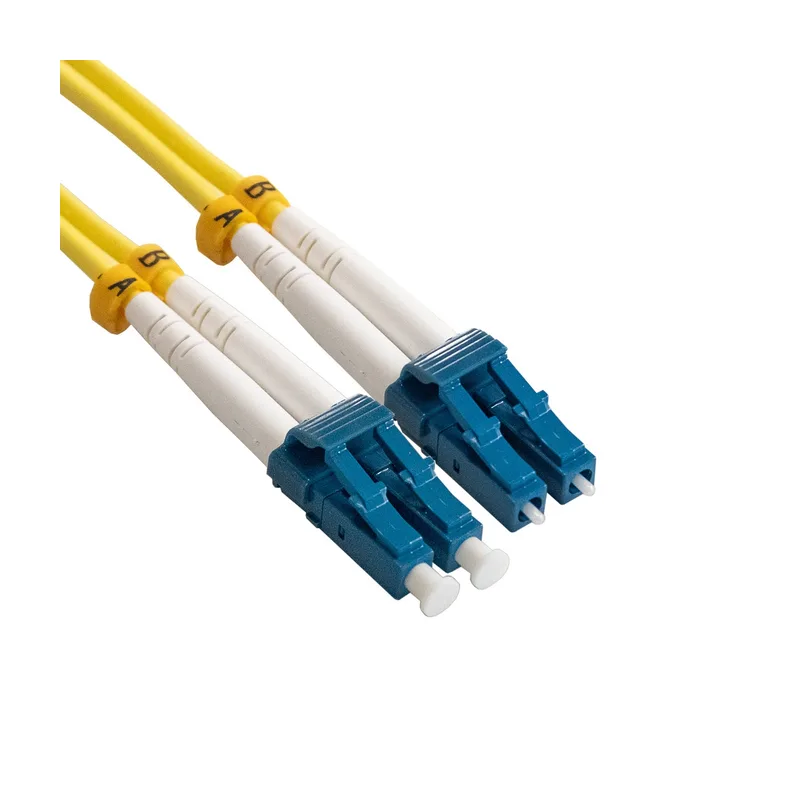
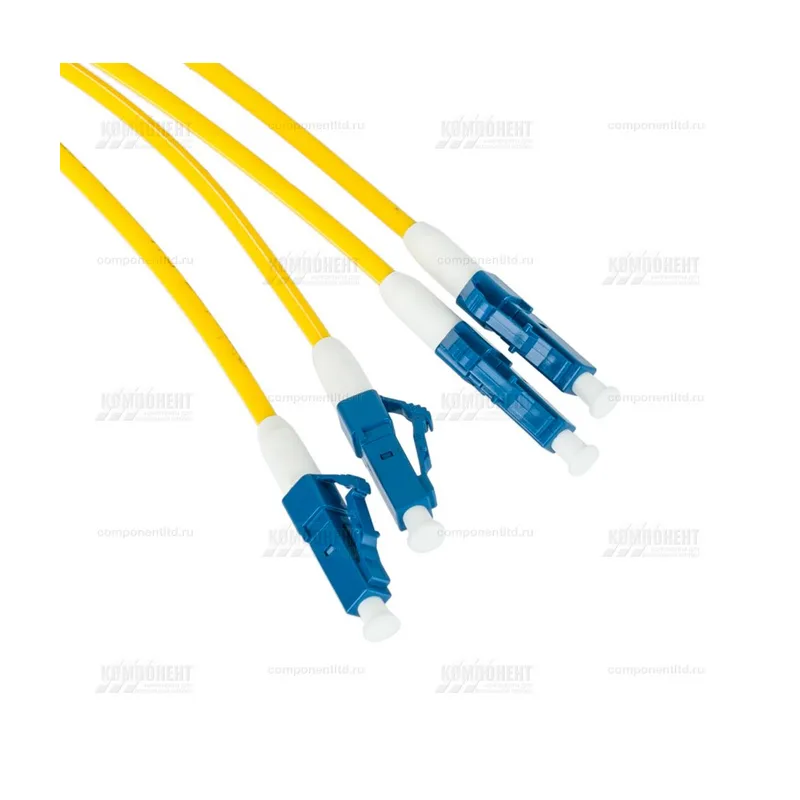
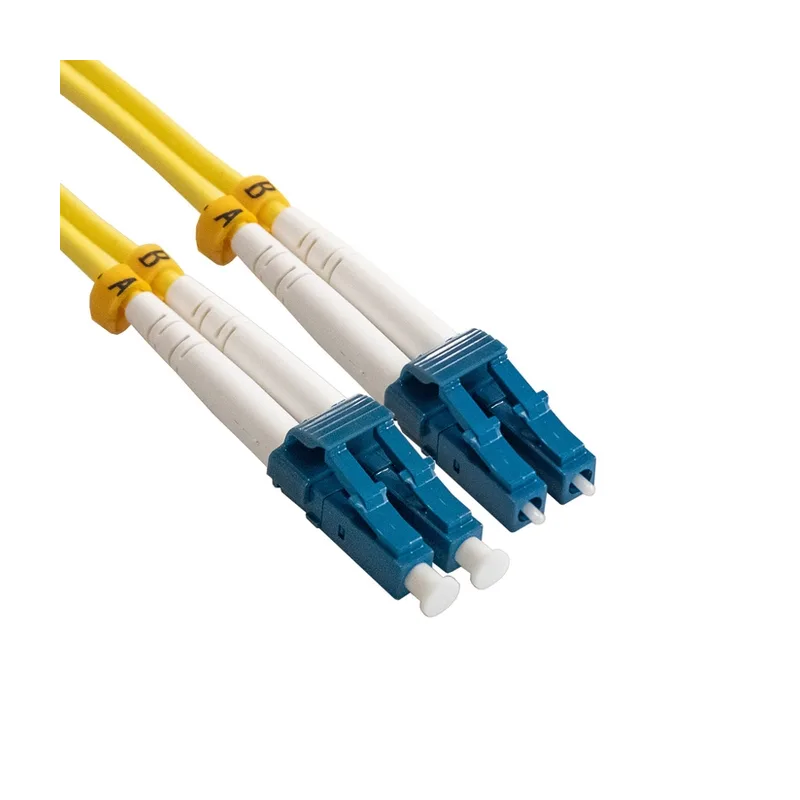
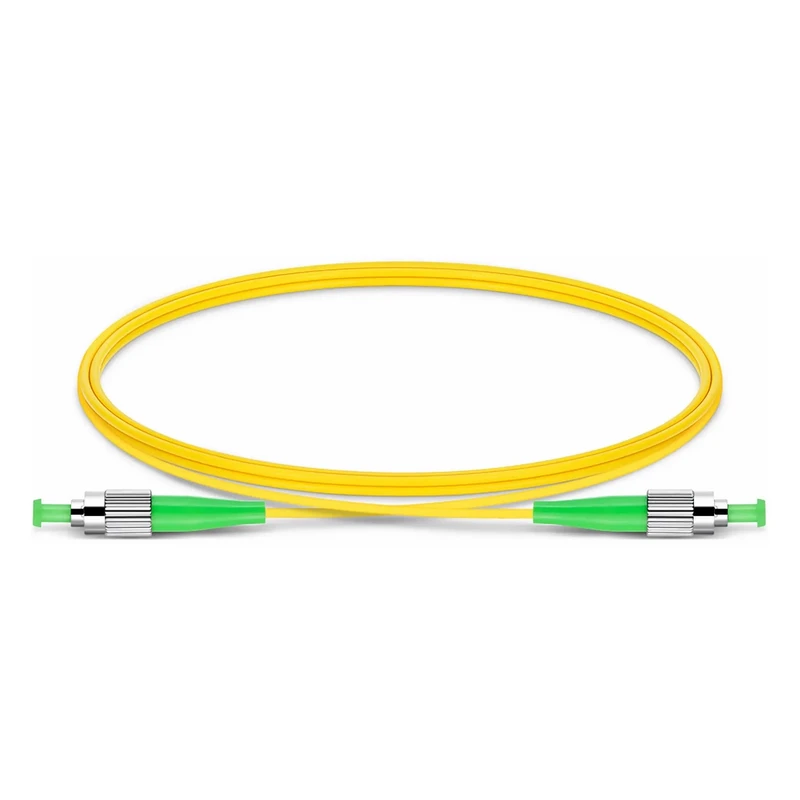





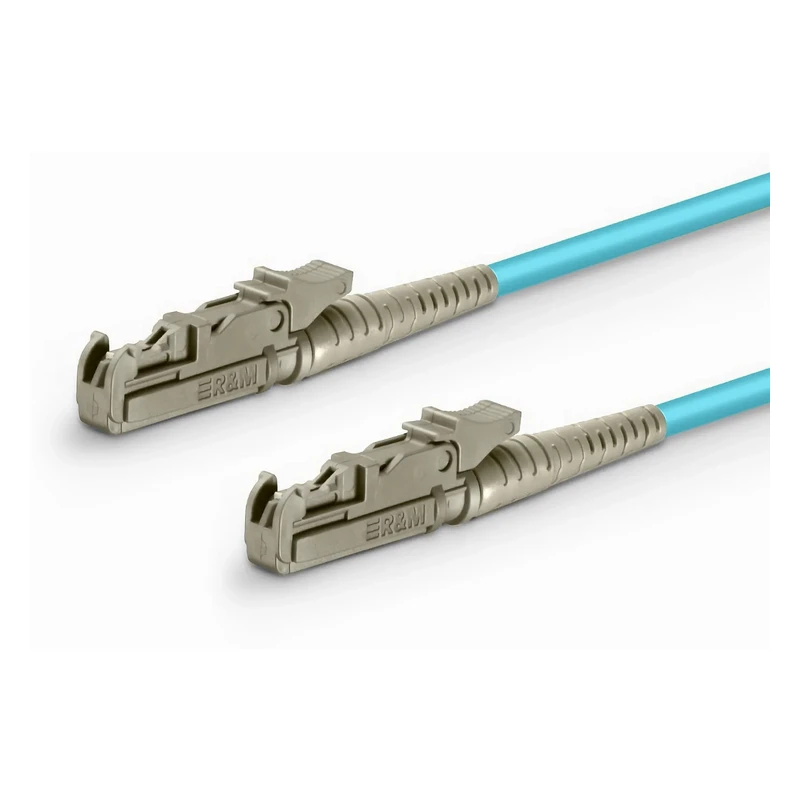
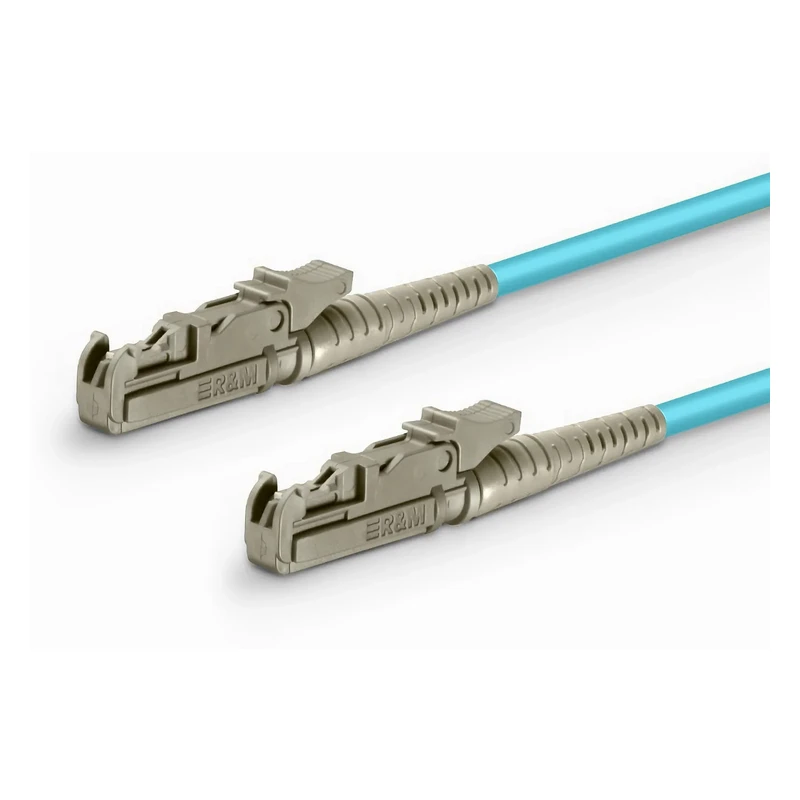
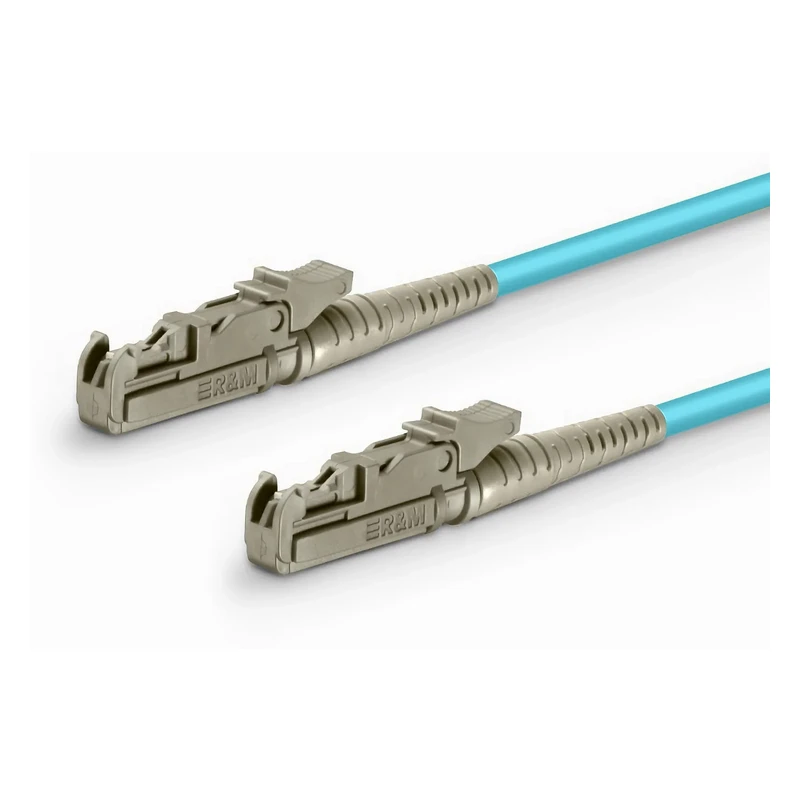
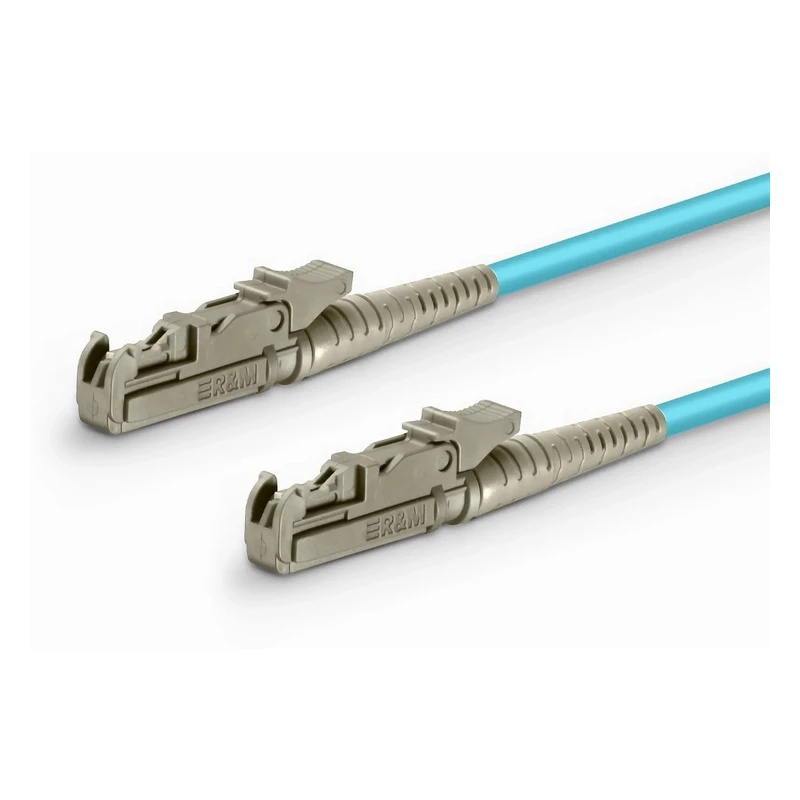
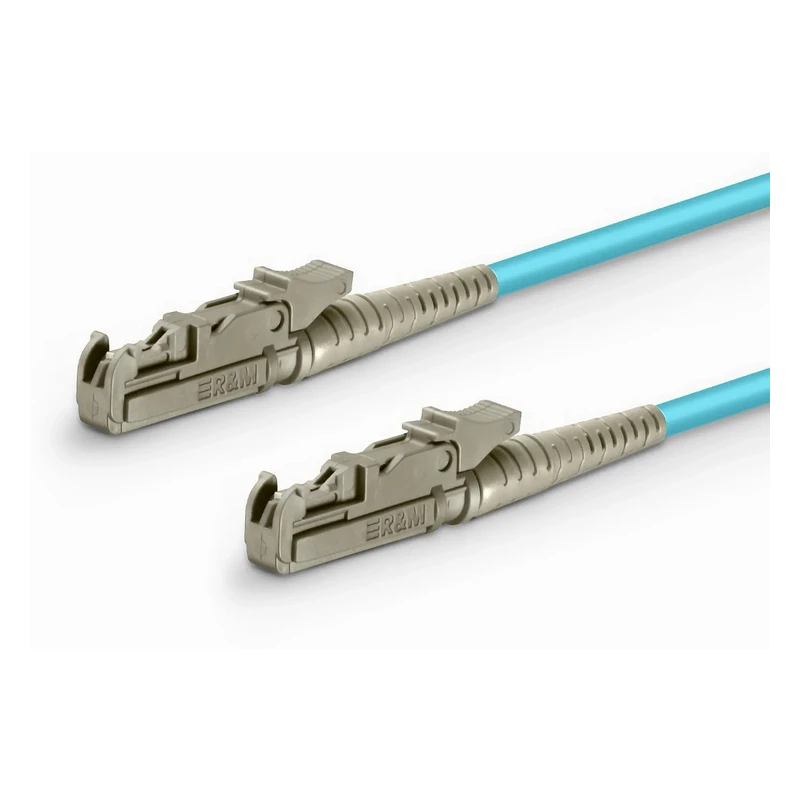
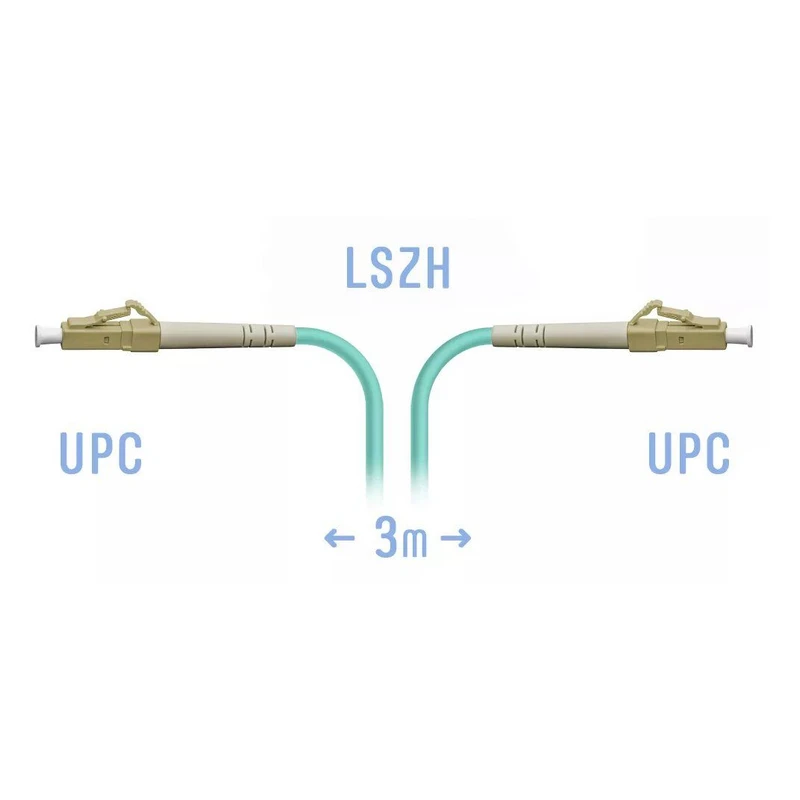
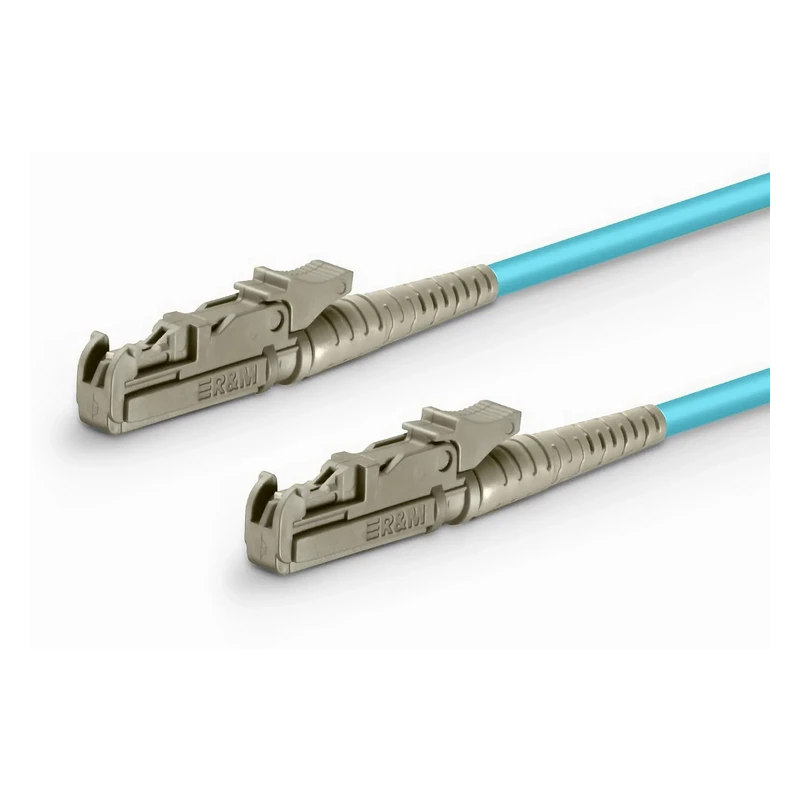
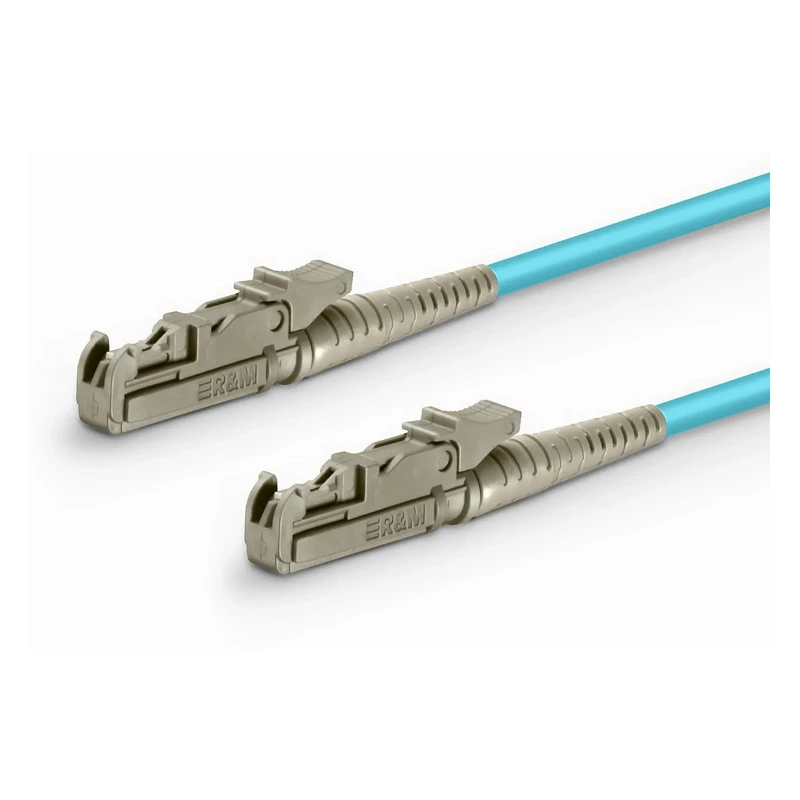
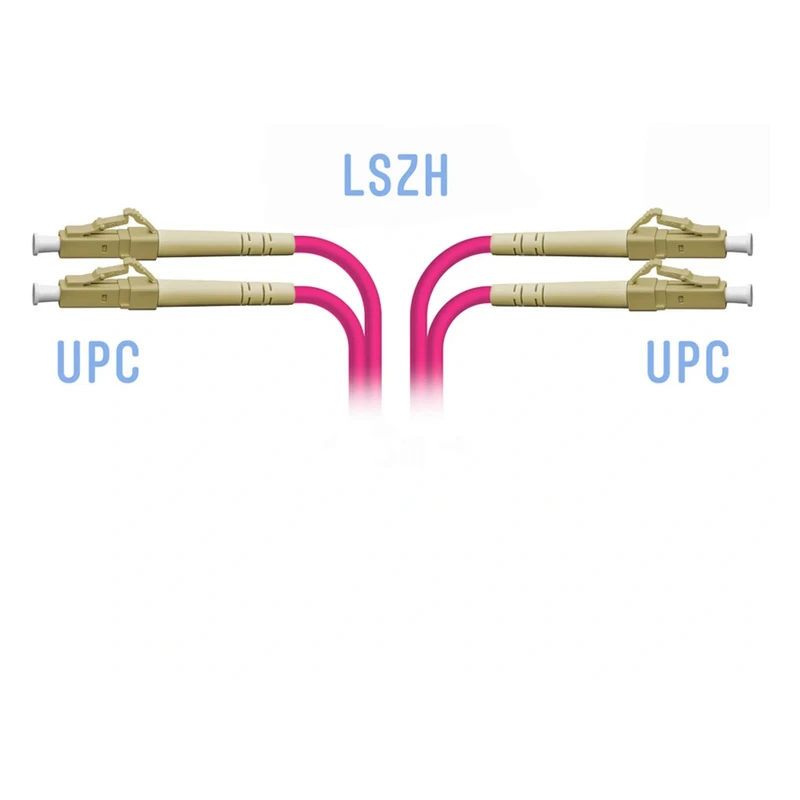
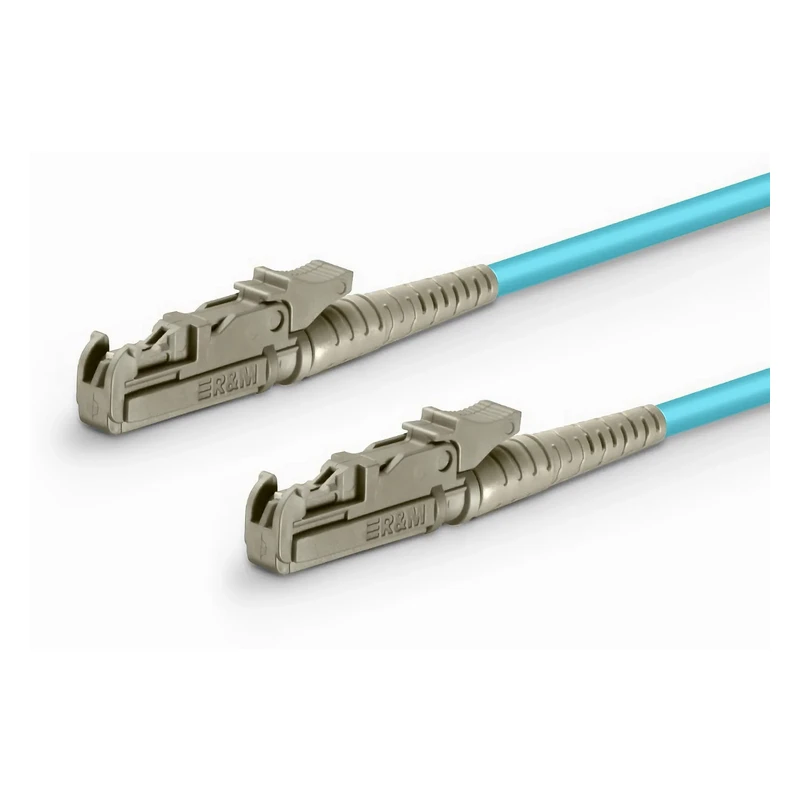
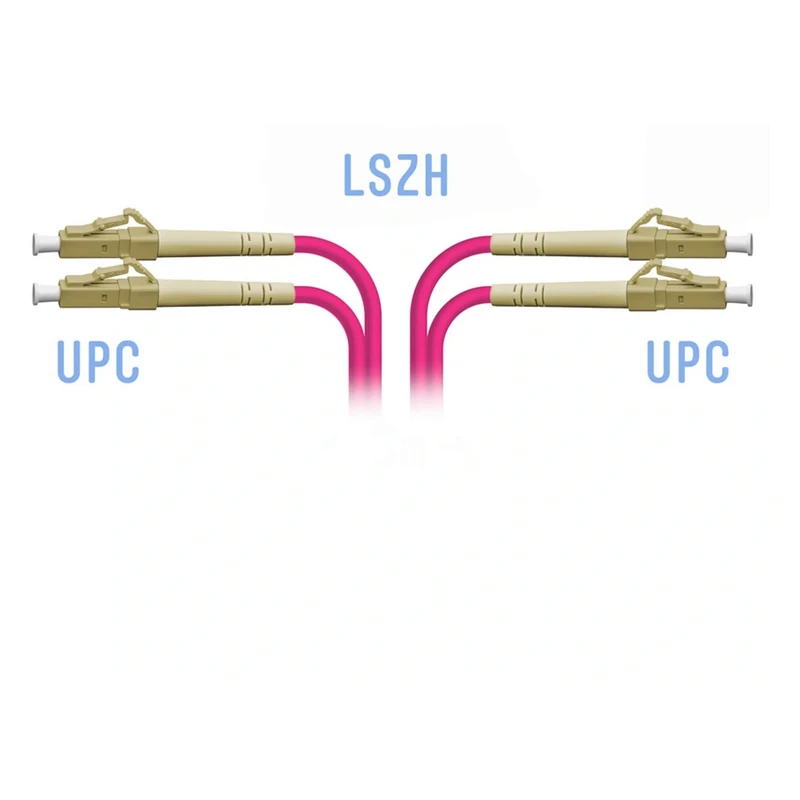
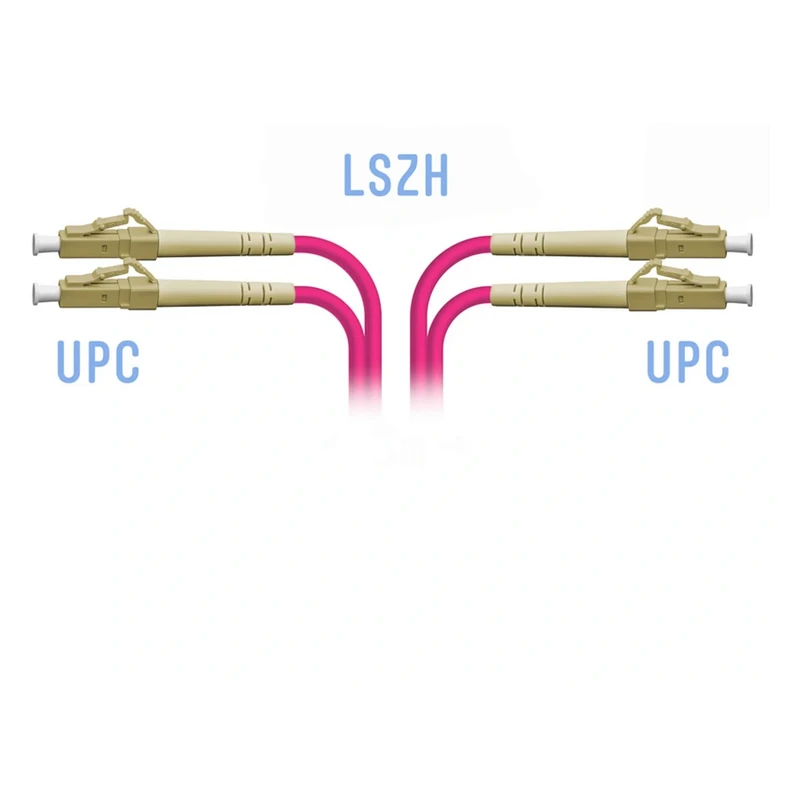
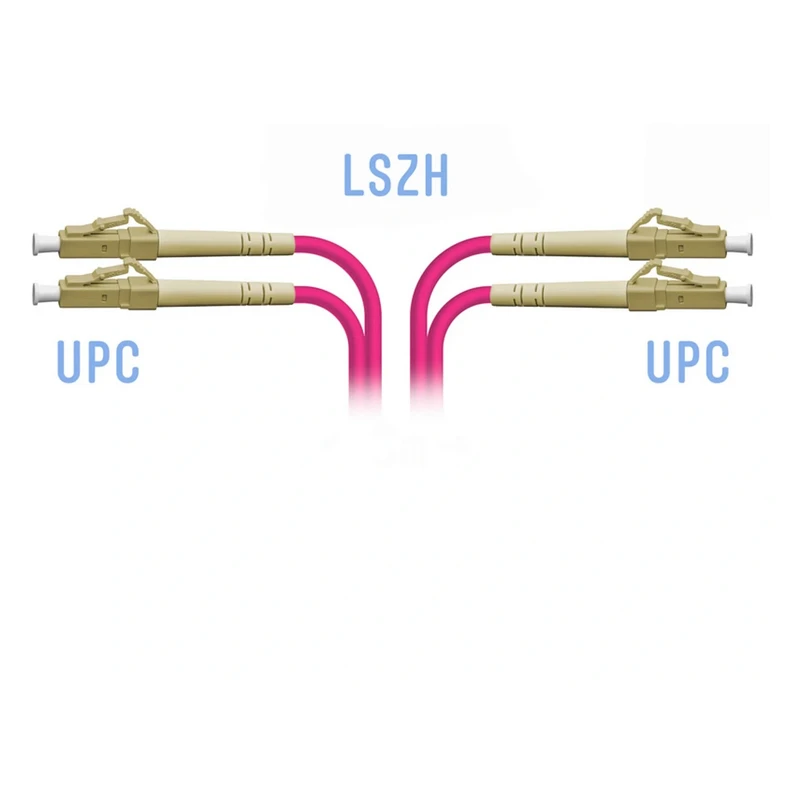
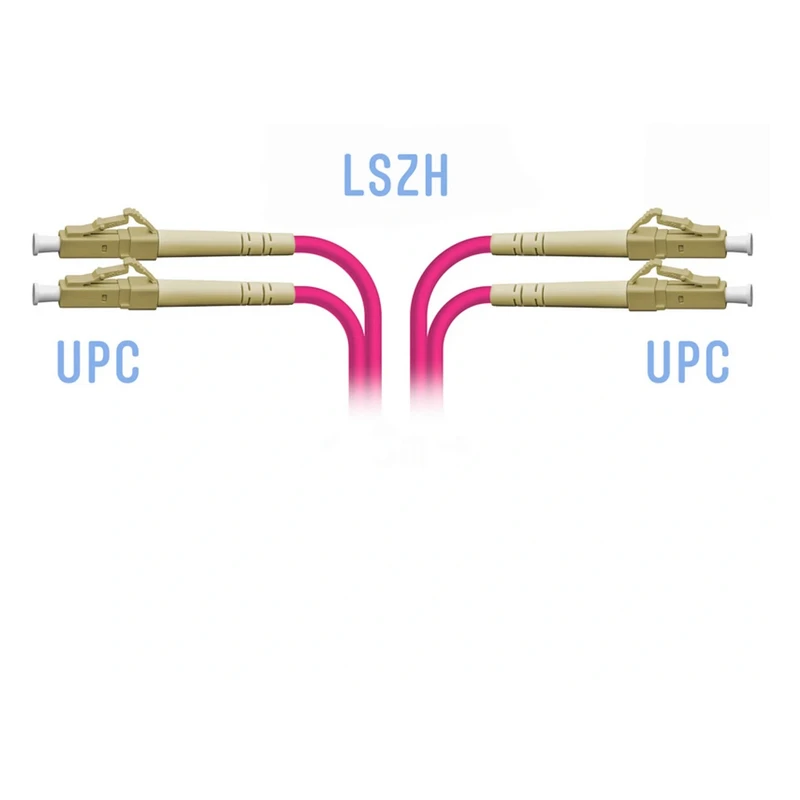
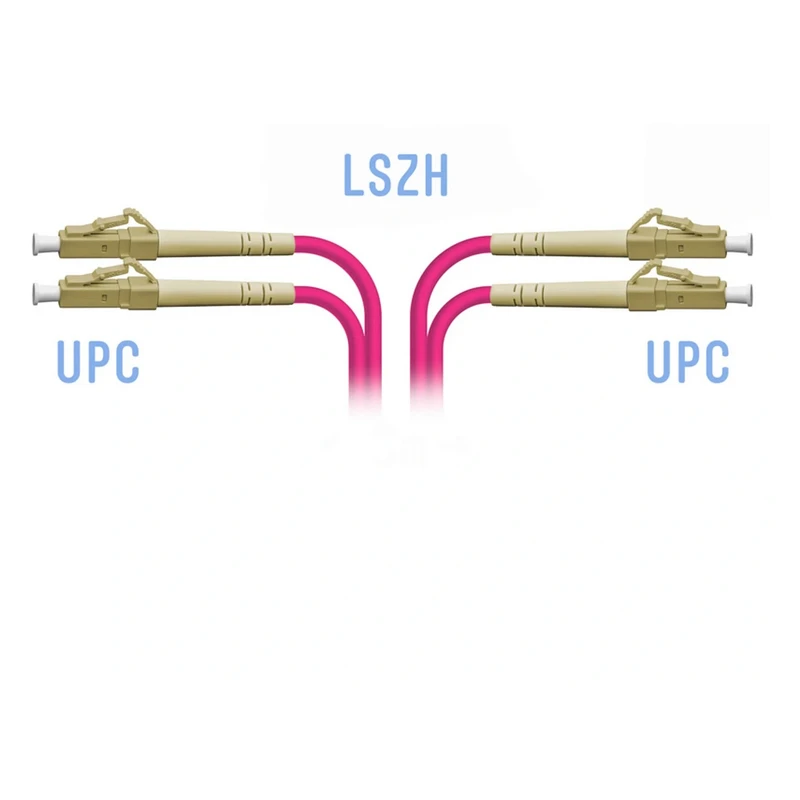
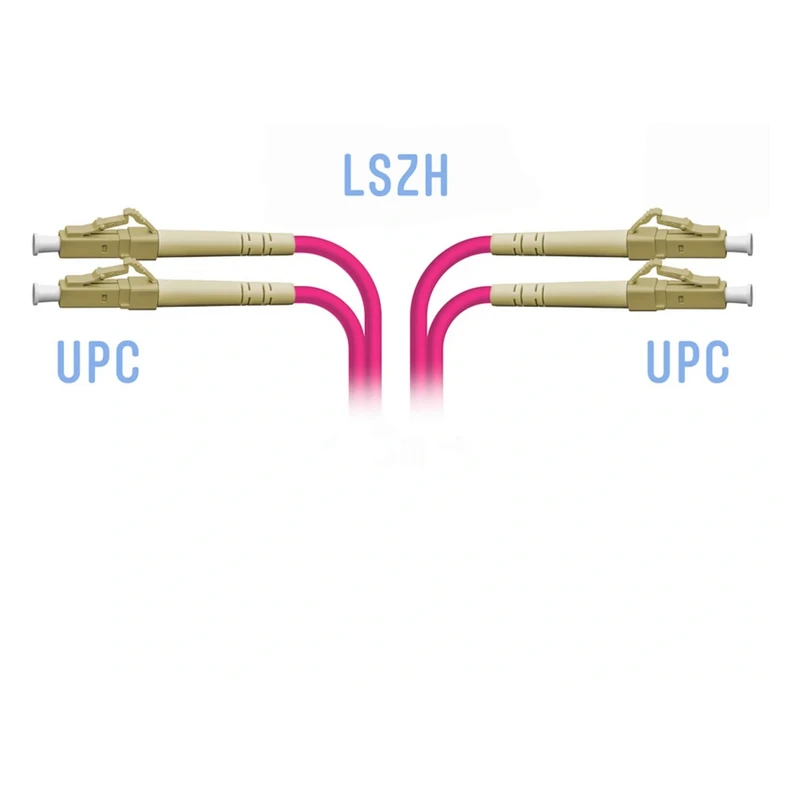
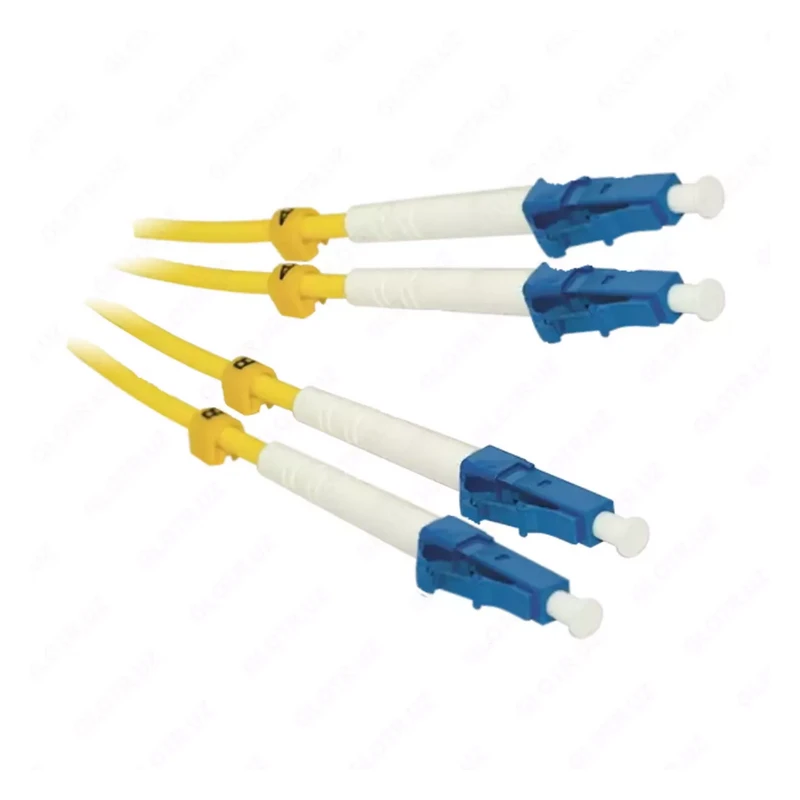

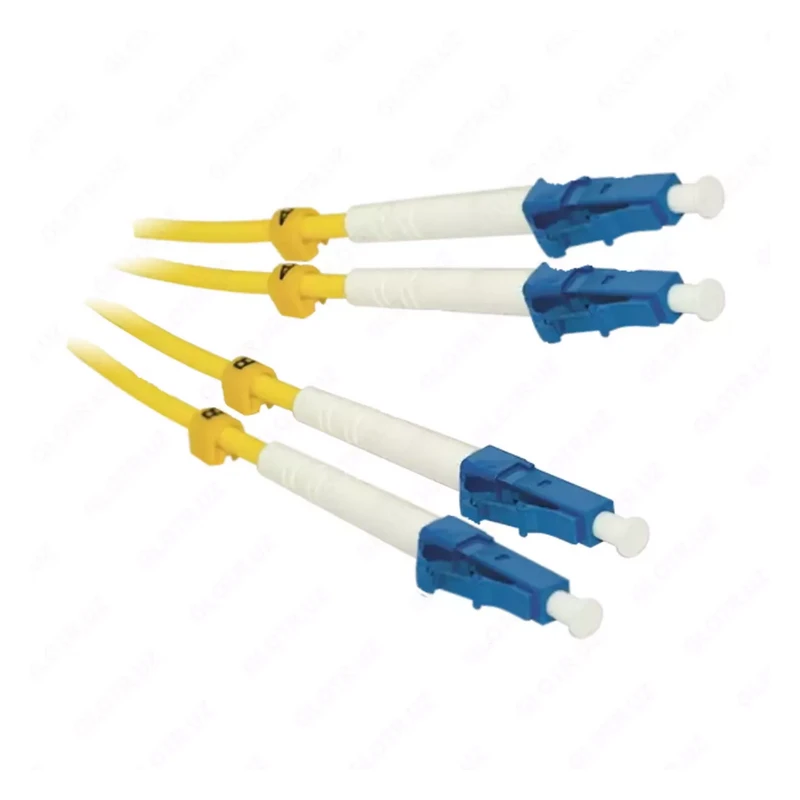
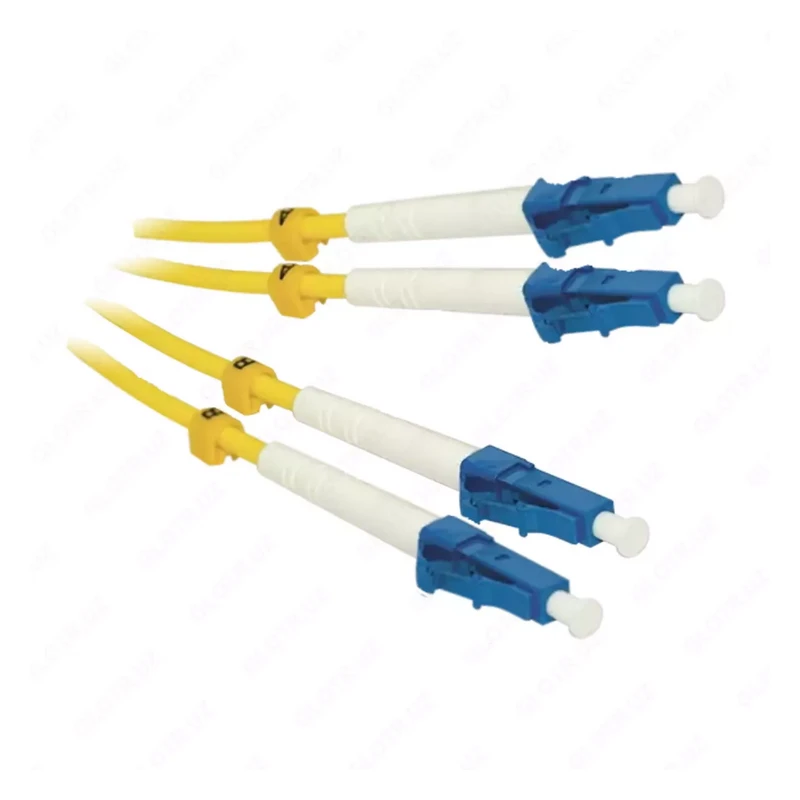
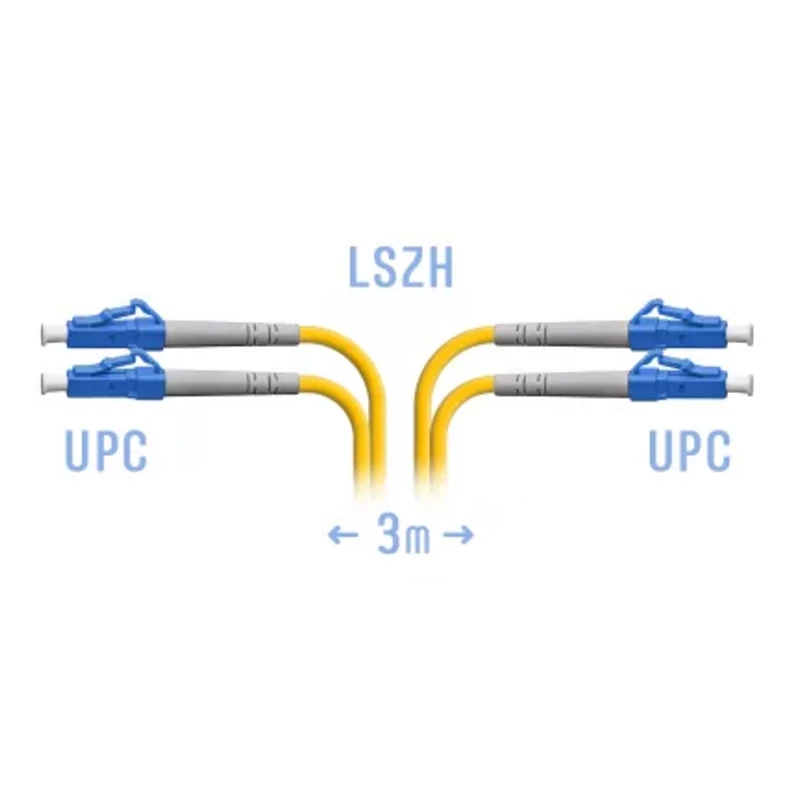
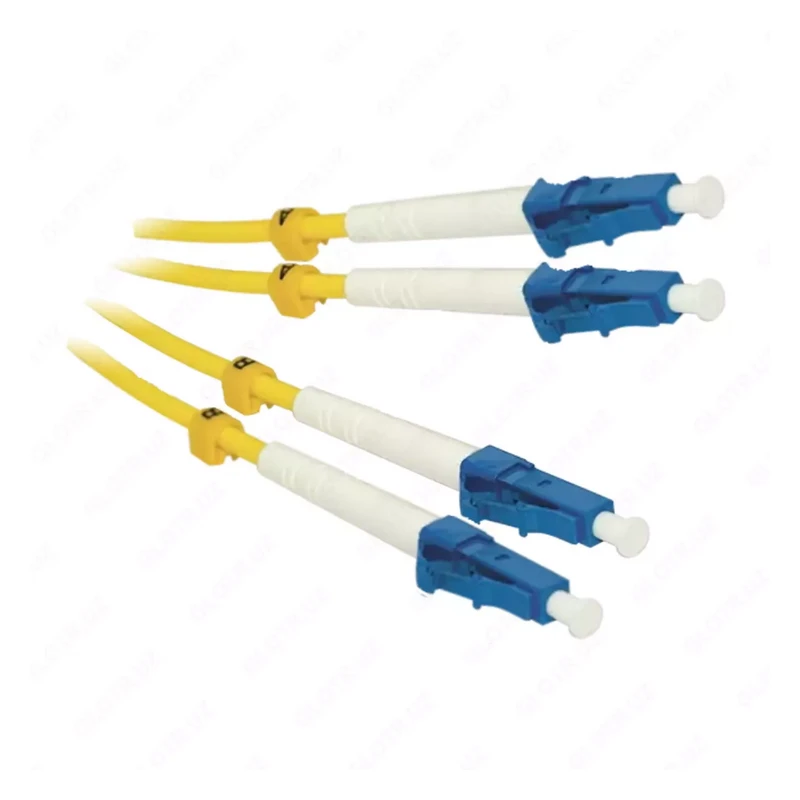
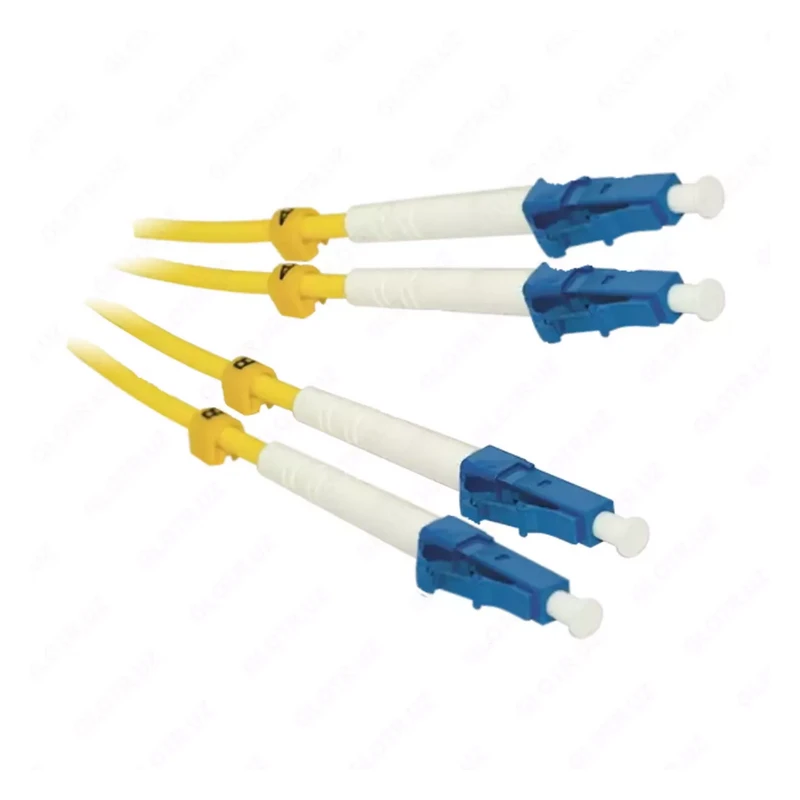

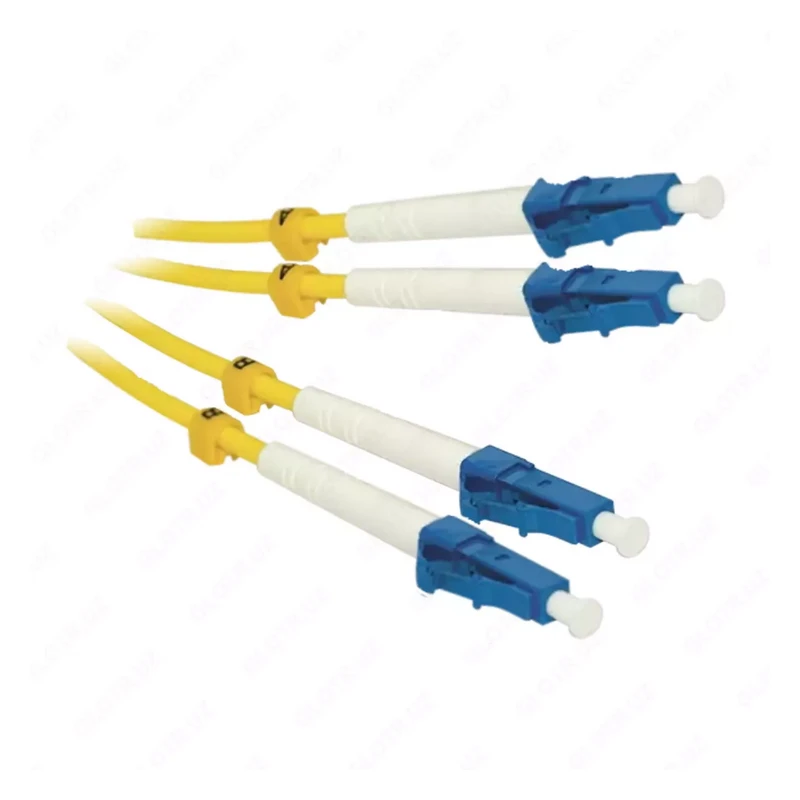

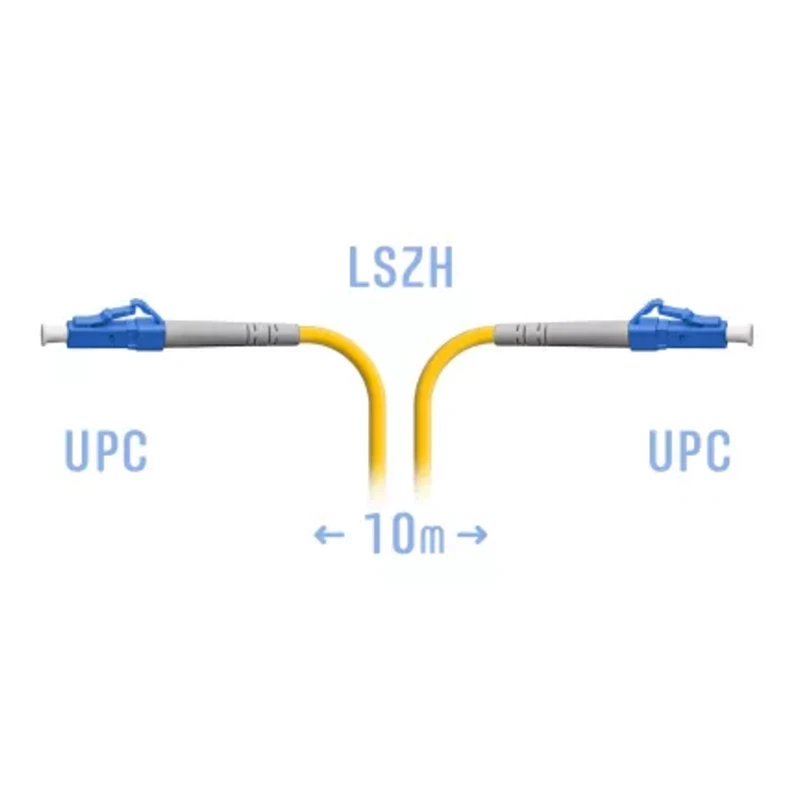








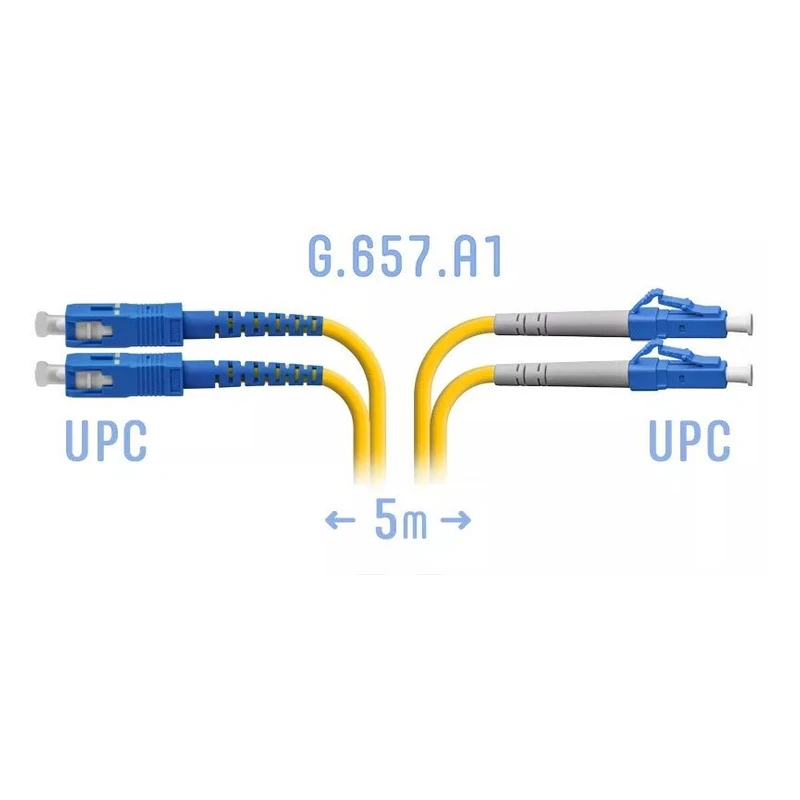

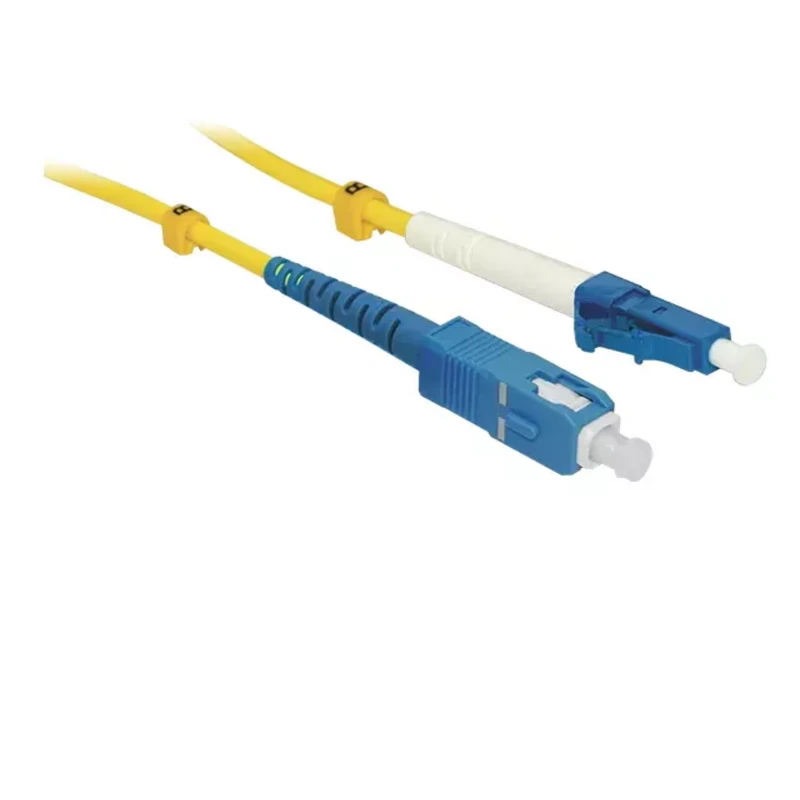
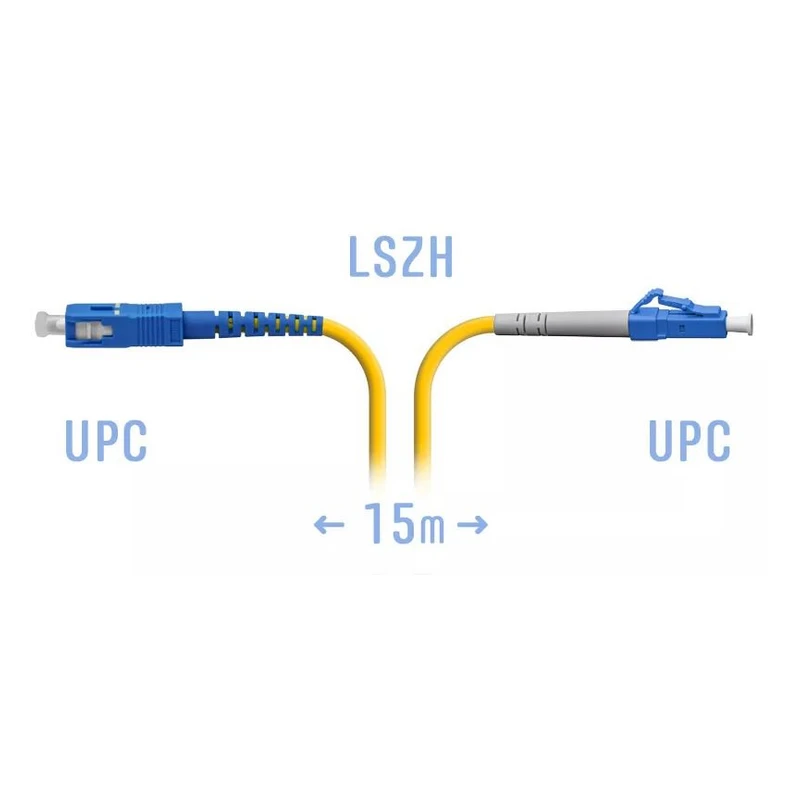
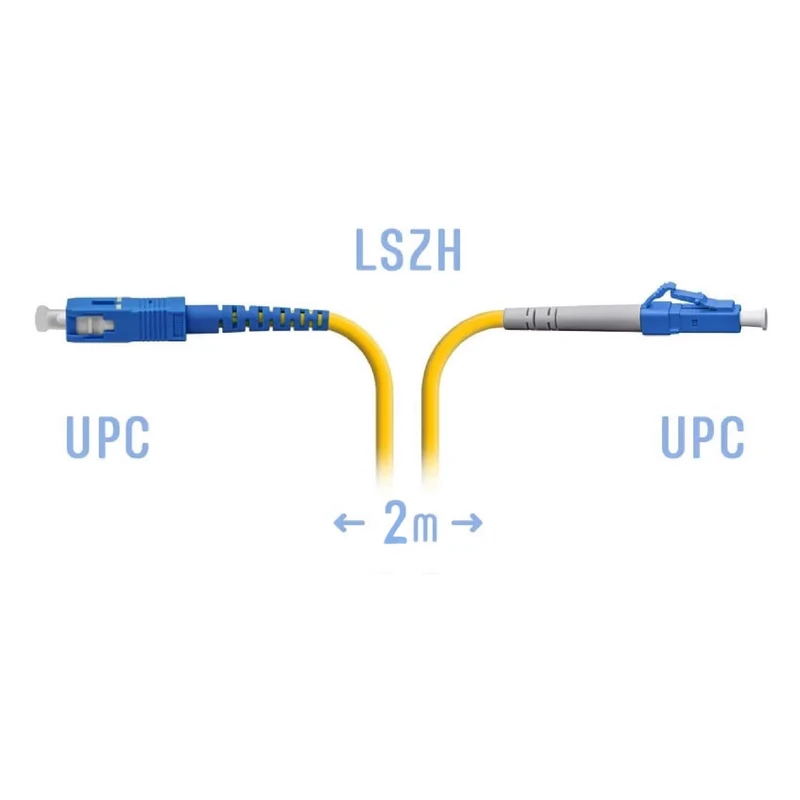

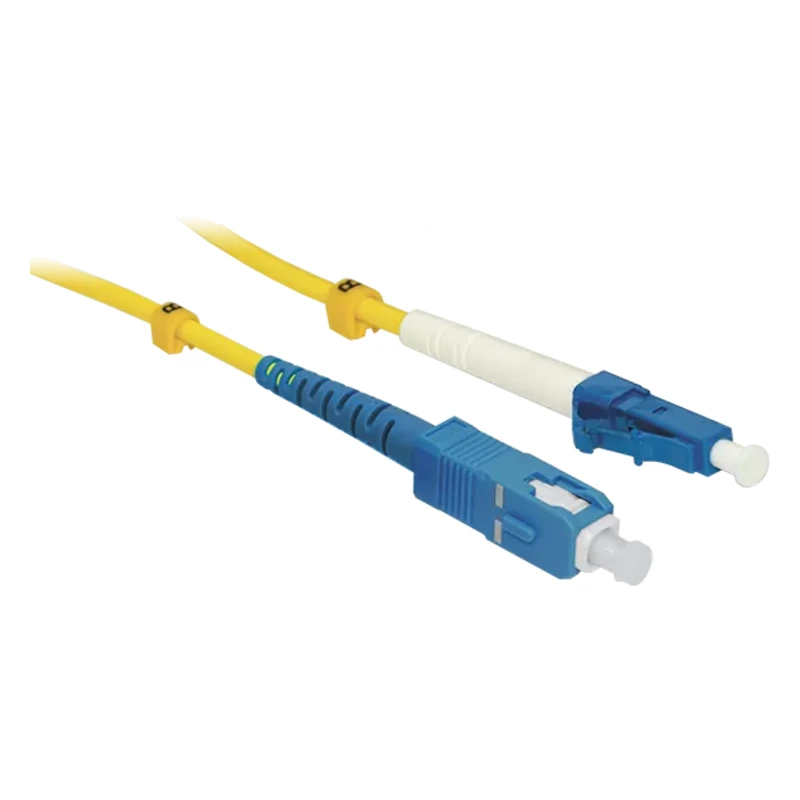
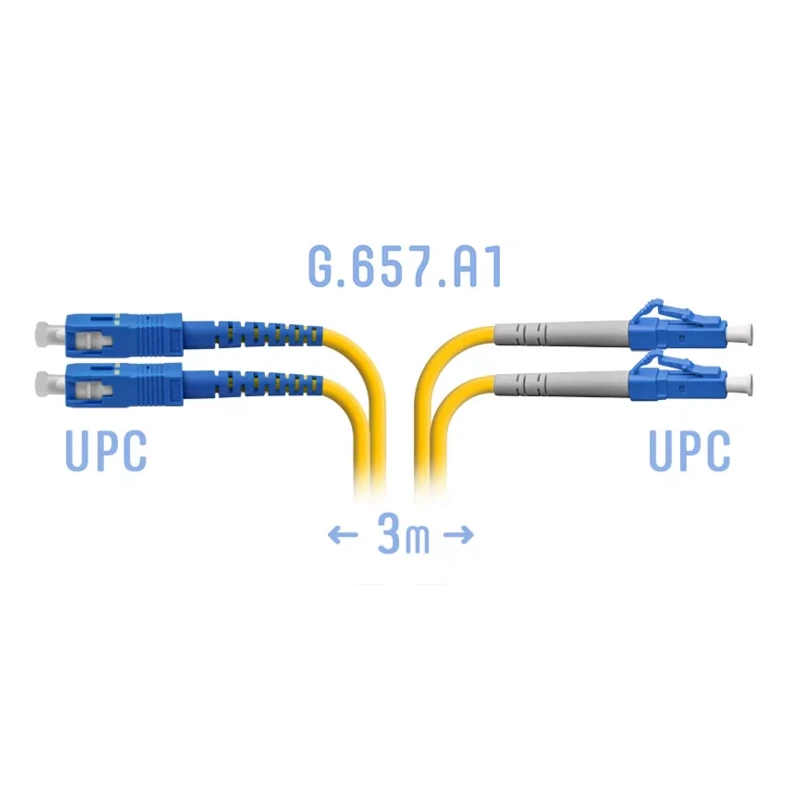

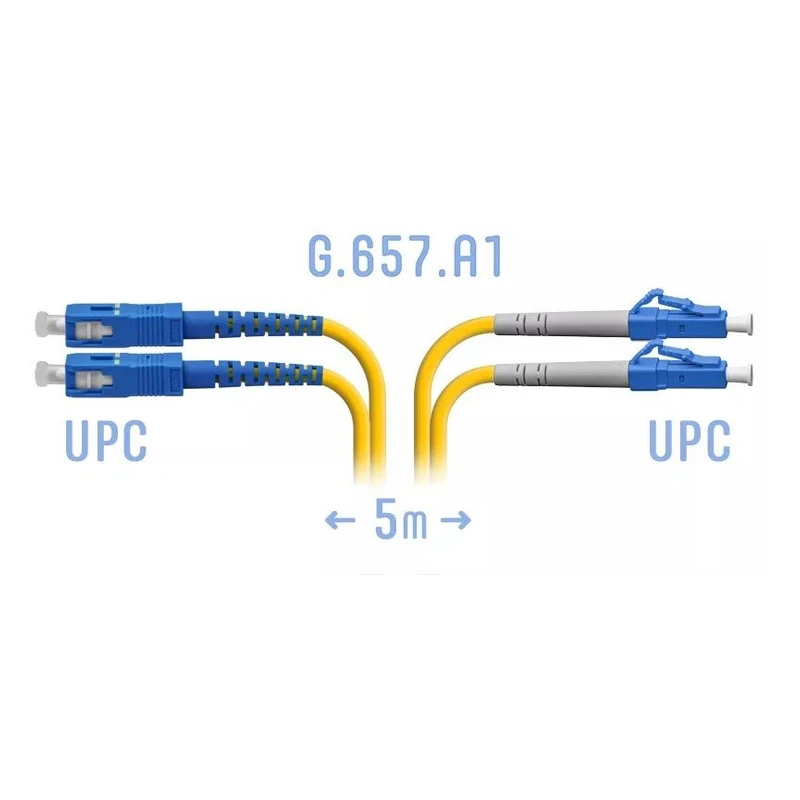
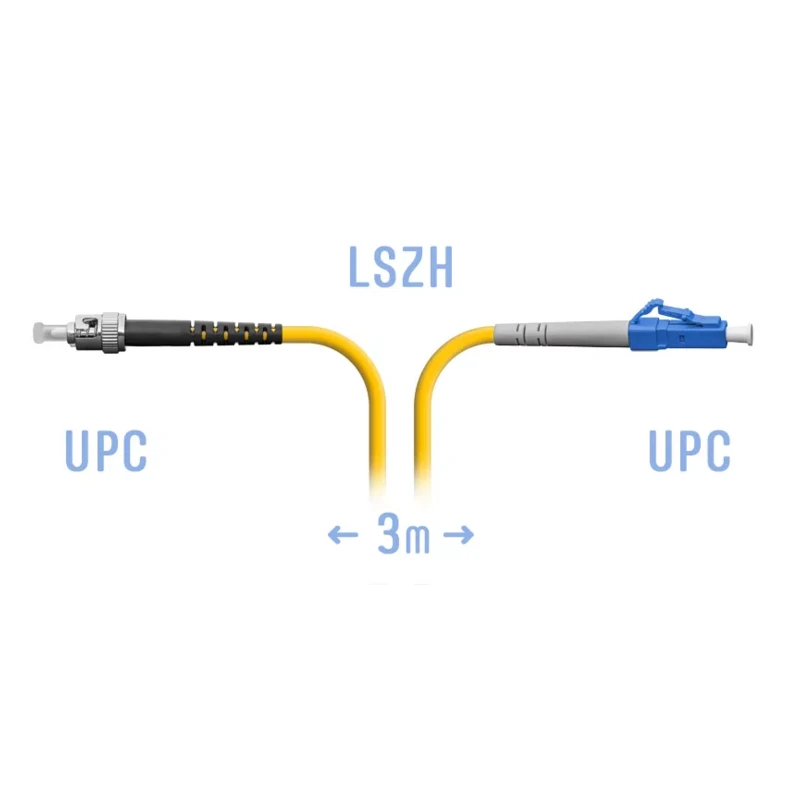



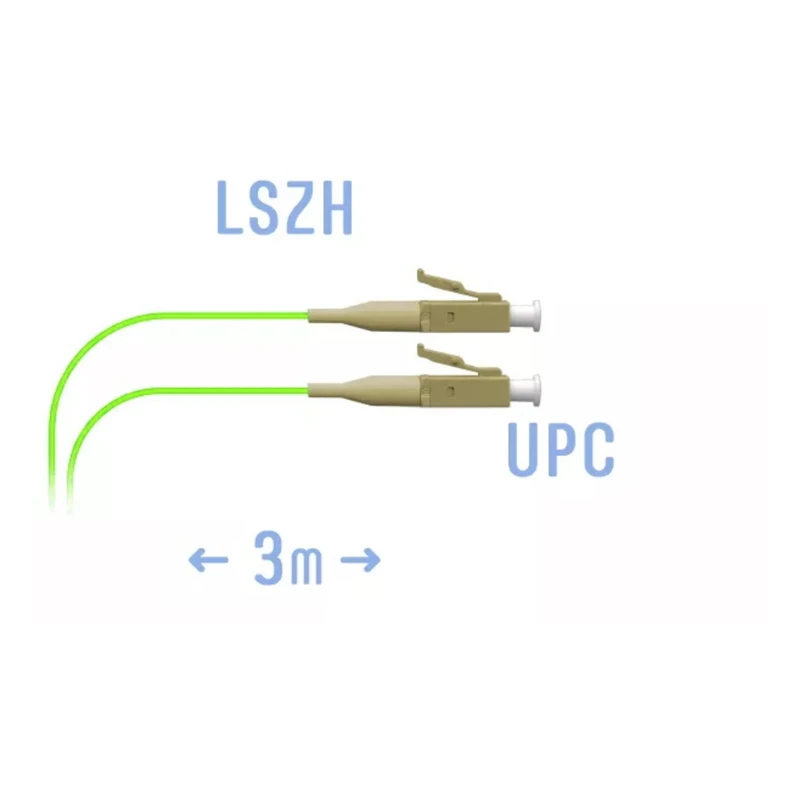
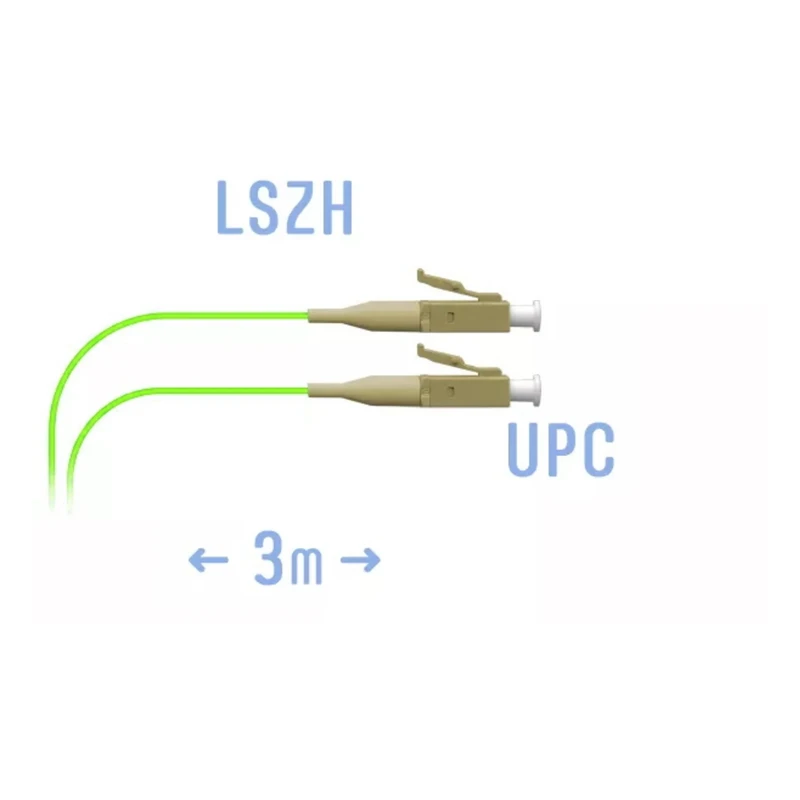
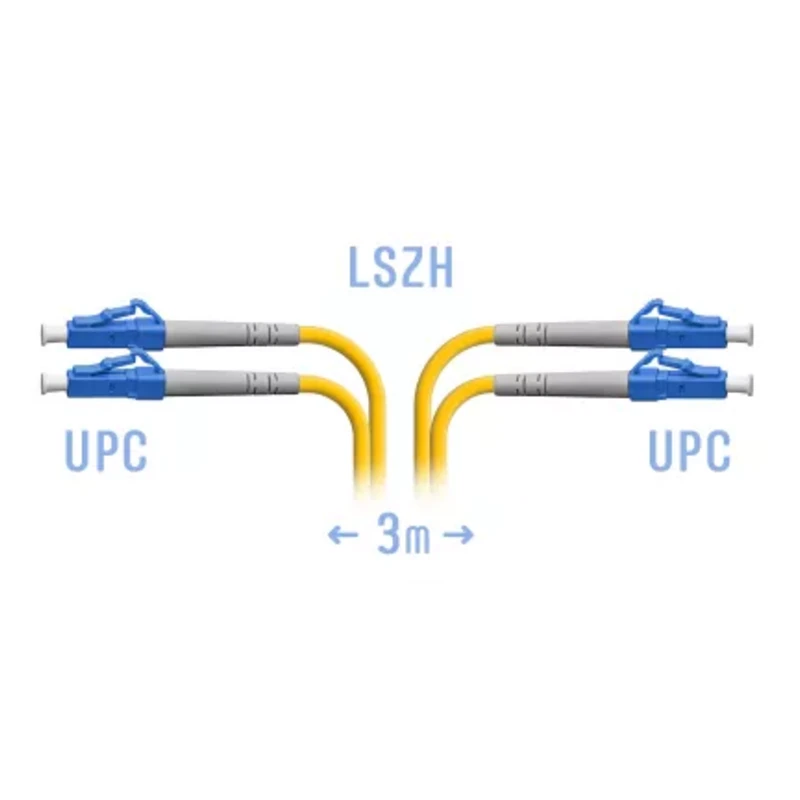
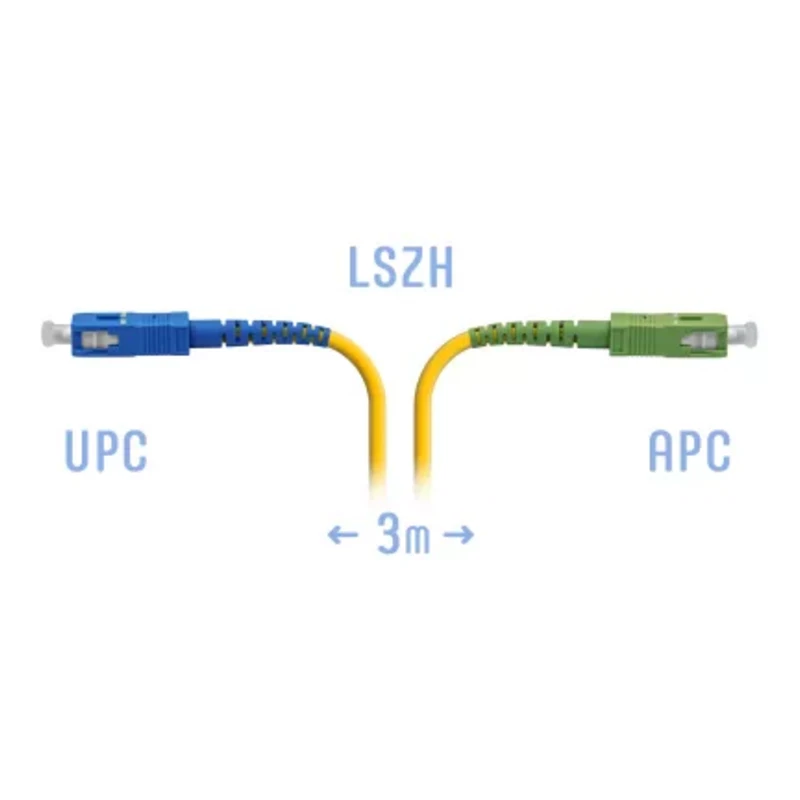
Fiber & accessories — guide & FAQ
Optics and accessories are a category of passive network equipment without which it is impossible to build modern fiber-optic infrastructure. It includes patch cords, mounting cords, adapters, optical cross-connects and auxiliary mounting units. These components provide the physical connection of fiber-optic lines: from backbone cables to the terminal switching equipment. Buying optics and accessories in Tashkent today is easier than a few years ago - the market is saturated, however, the correct selection of components still requires engineering expertise.
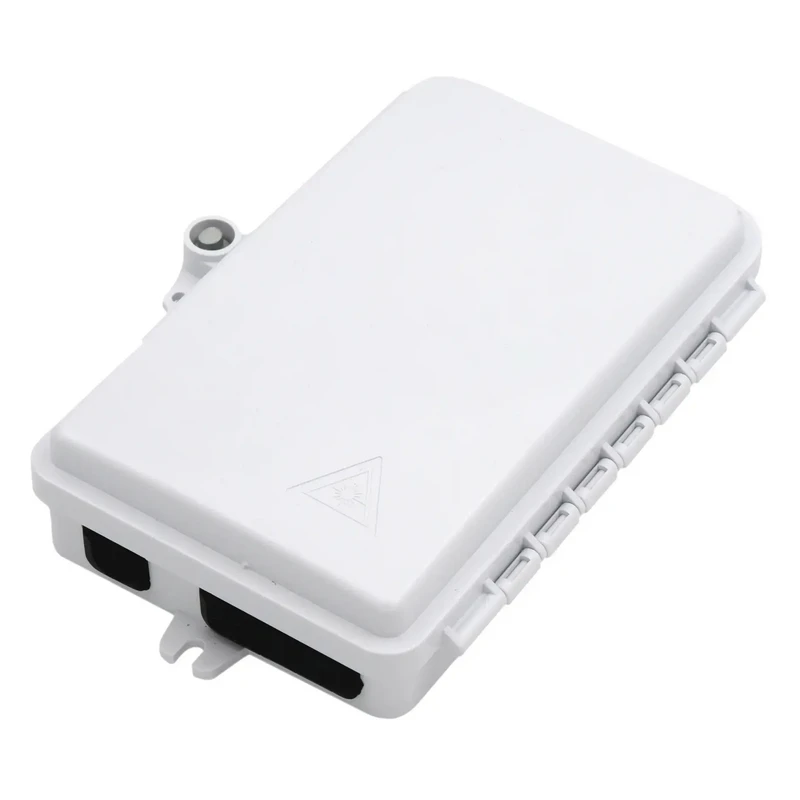
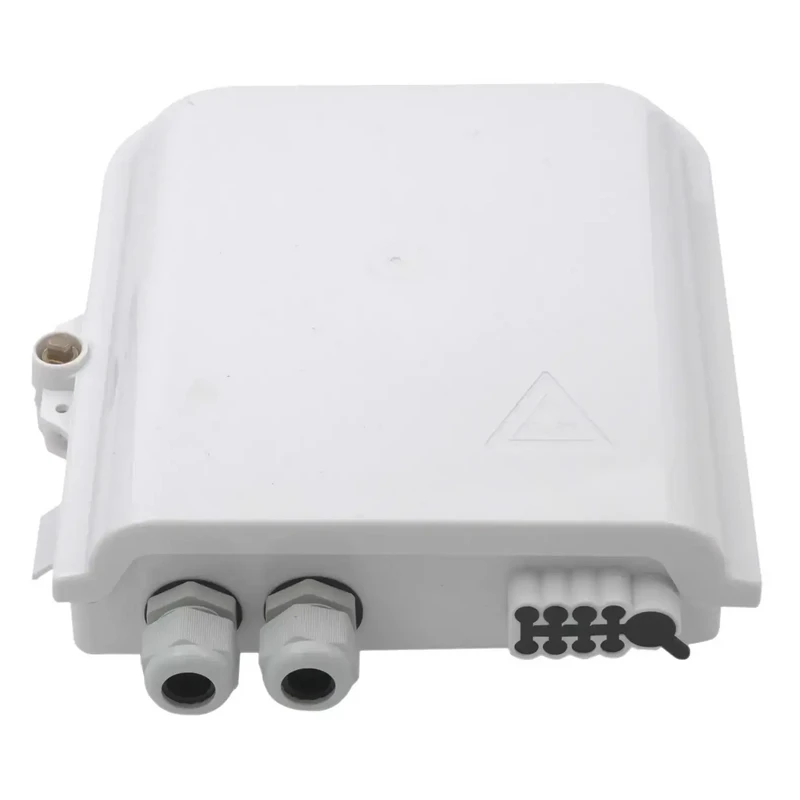
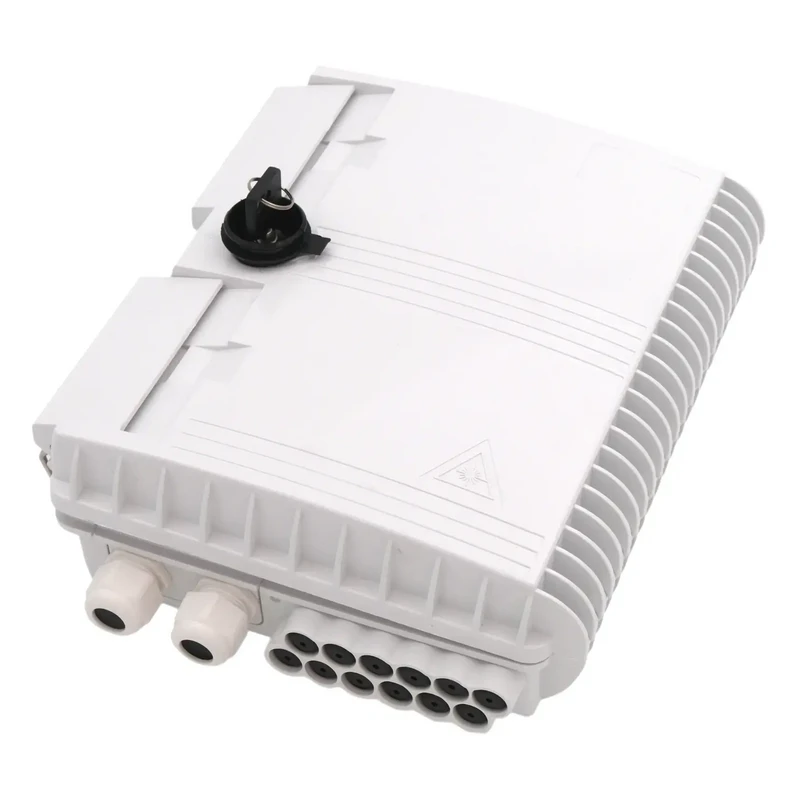
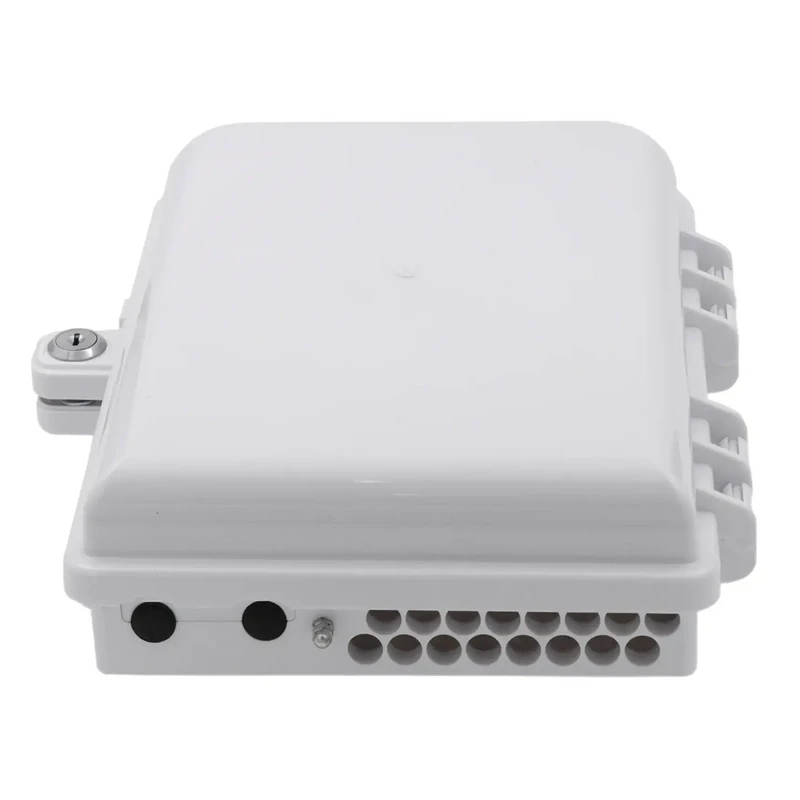
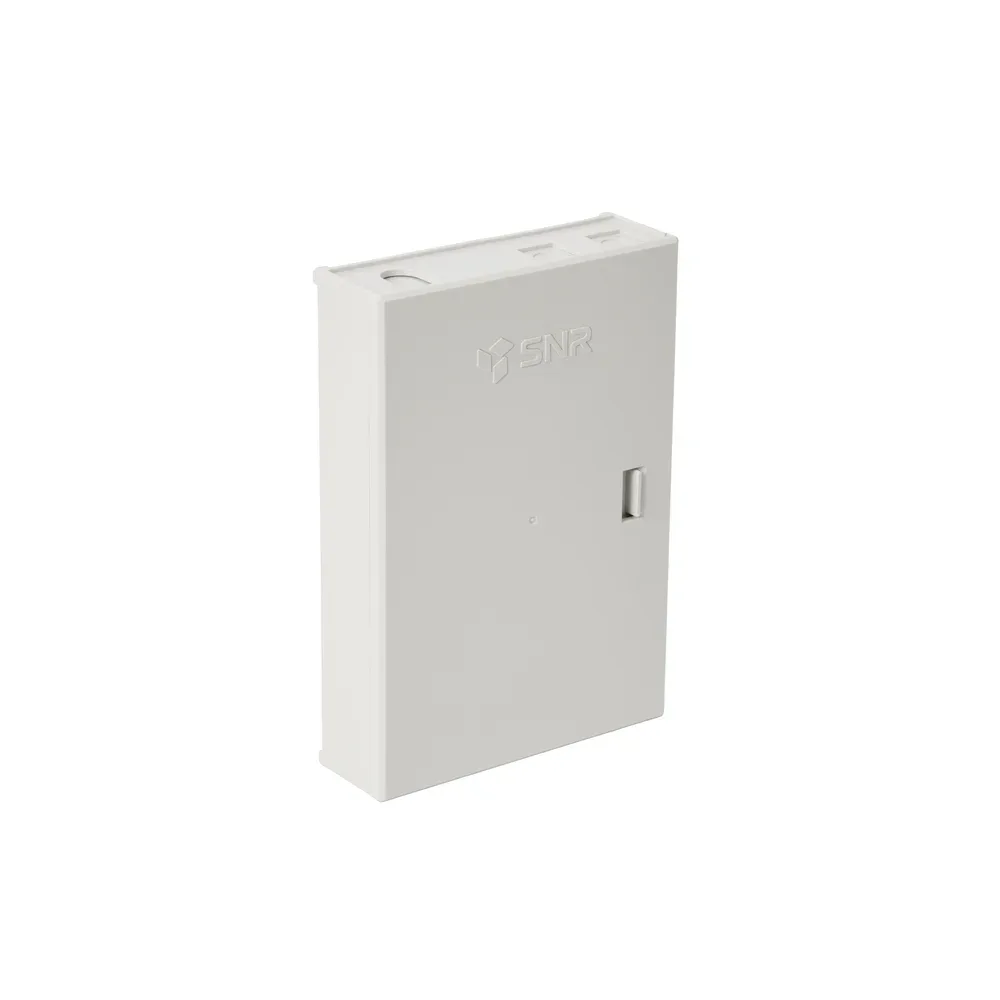
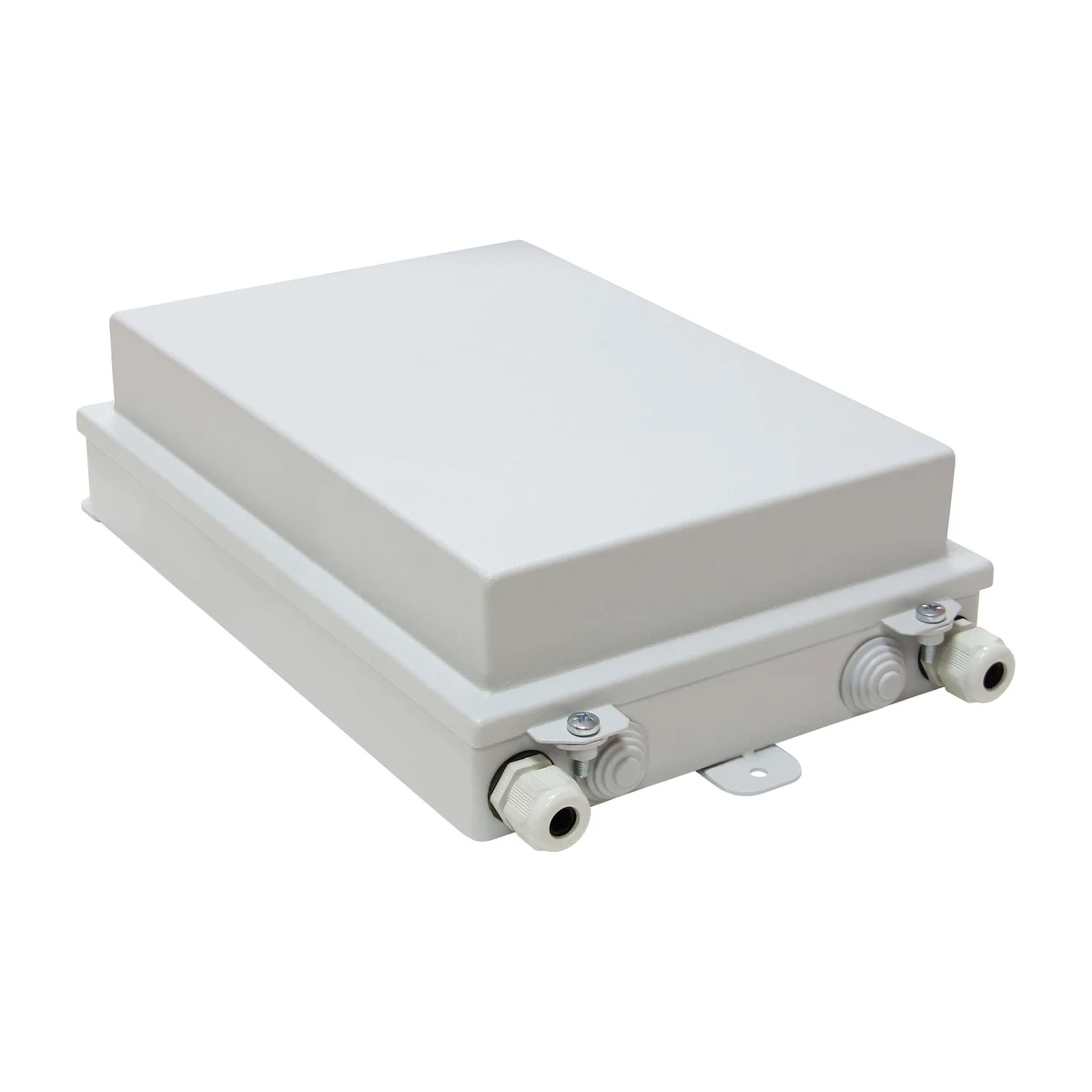
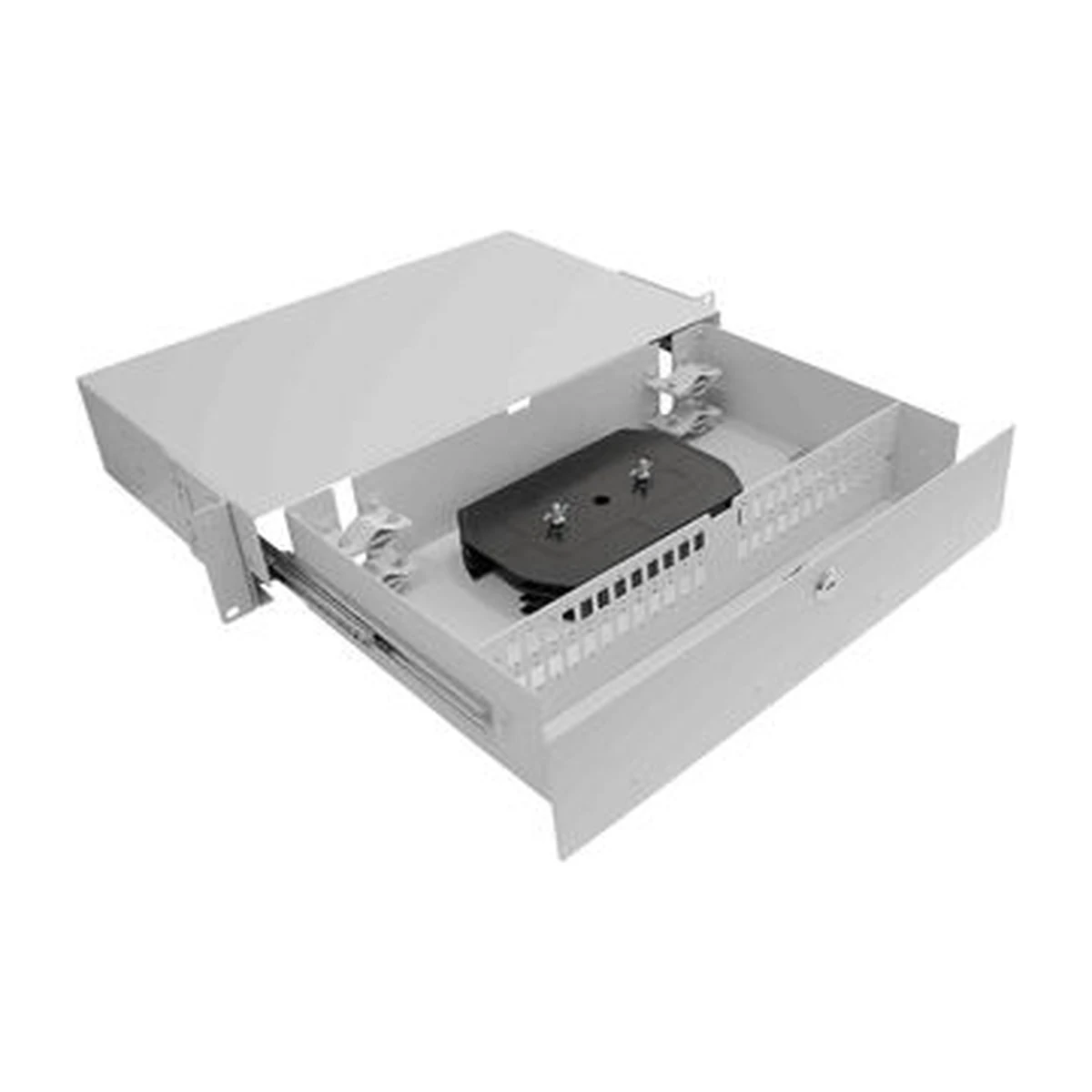
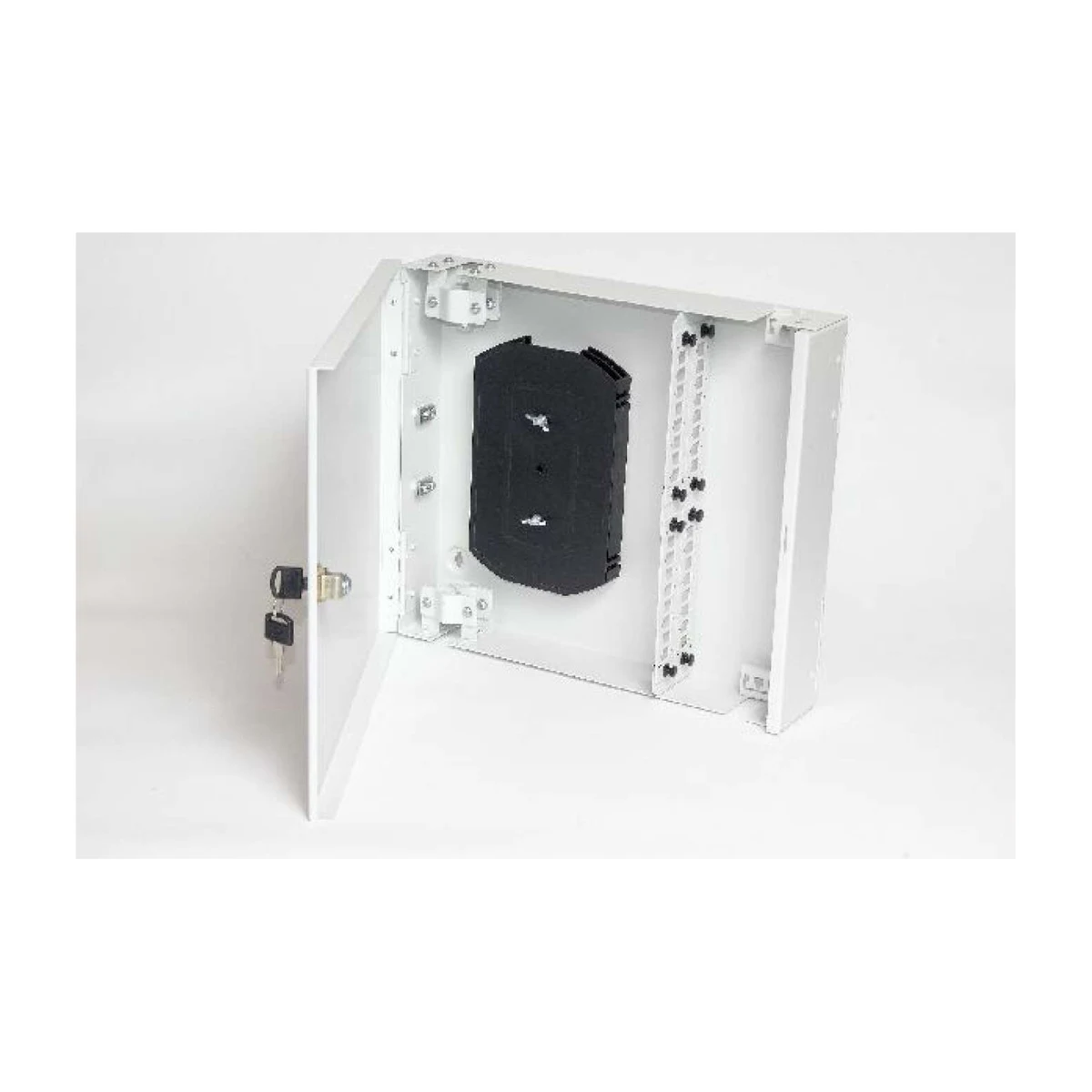
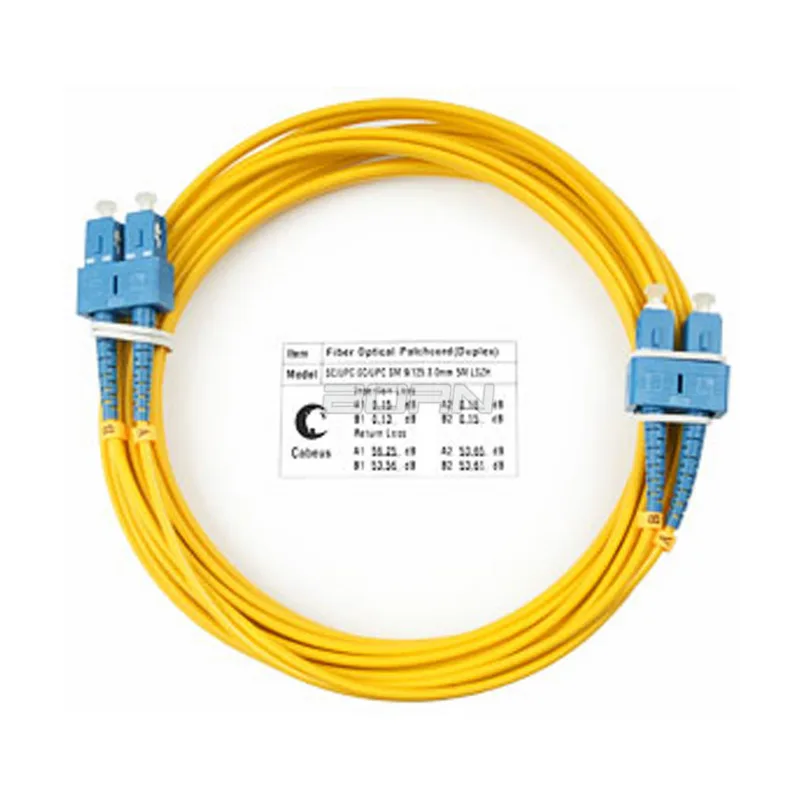
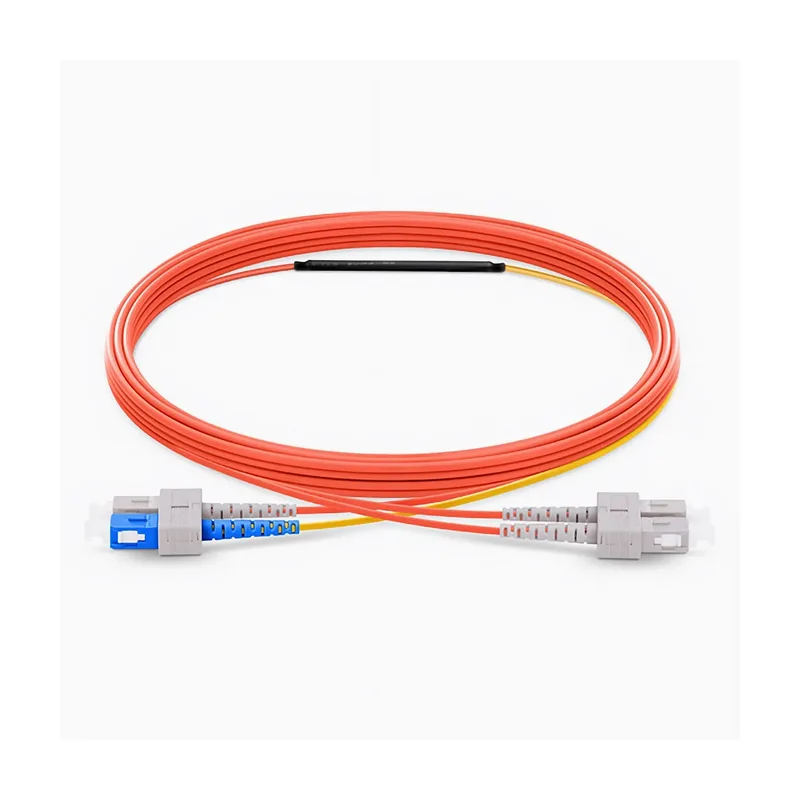
The category covers a wide range of products: single-mode and multimode patch cords with LC, SC, FC and MPO connectors, adapters for cross-connect panels, optical cabinets (ShKOS) in a 19-inch design, adapter strips and mounting fixtures. Each element performs a strictly defined function in the optical signal transmission path, and the replacement of even a single incompatible component can lead to a loss of signal level or a complete break in the line. The choice of equipment for Uzbekistan is complicated by the fact that facilities differ in scale: from small offices to large industrial enterprises and government agencies.
The key parameter when forming an order is the fiber type (single-mode SM or multimode MM) and the connector type (LC, SC, FC, MPO). An error in these parameters makes the component unusable. Therefore, before purchasing, it is important to have design documentation or at least the specification of the existing line. The SAT Solutions catalog features 293 items, which makes it possible to select a complete set of accessories for most standard and non-standard configurations.
How to choose
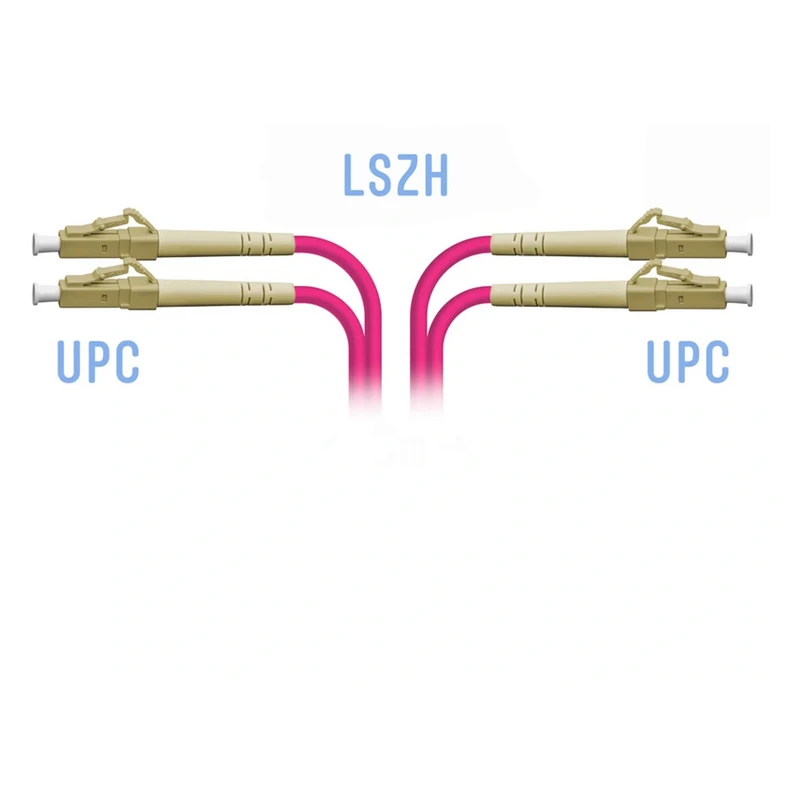
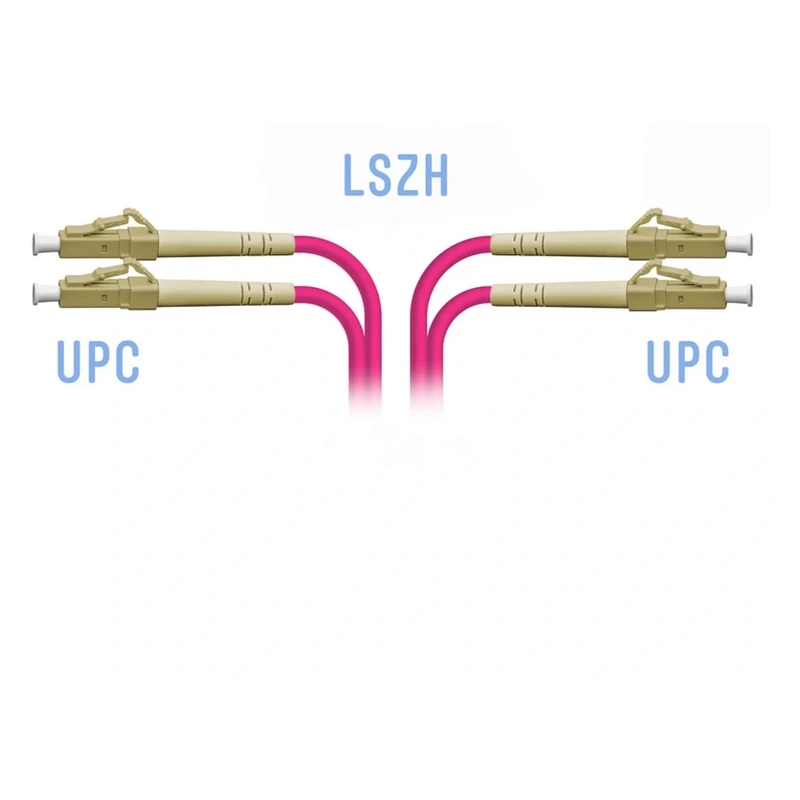
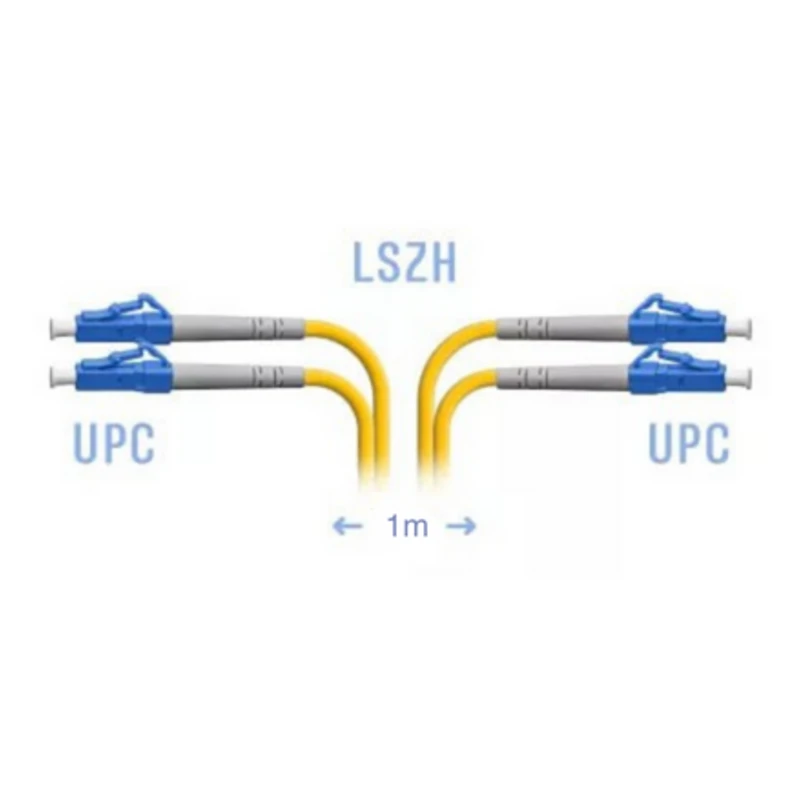
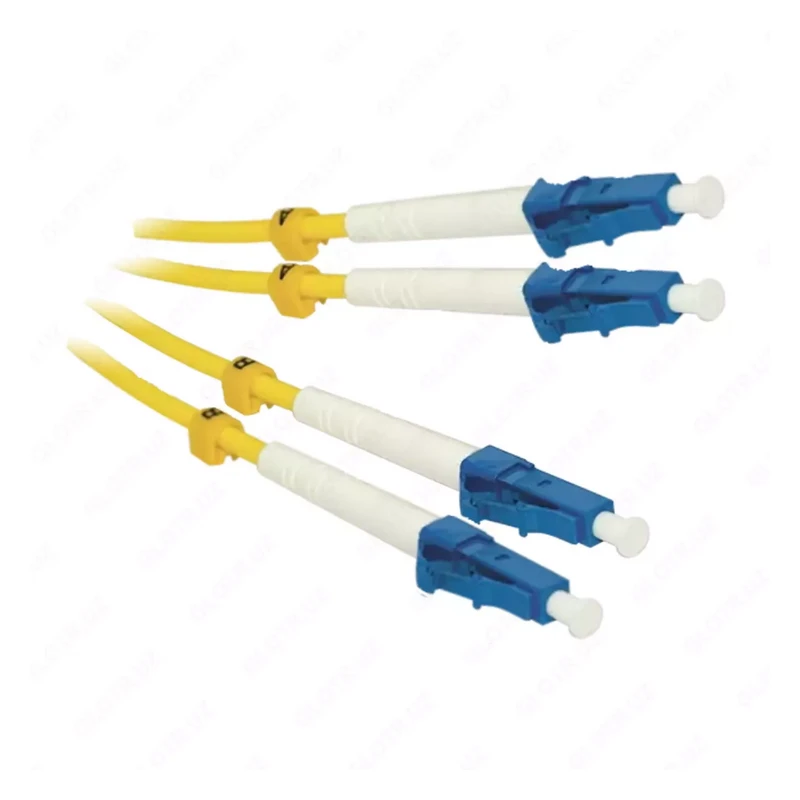
- Fiber type: single-mode (SM, 9/125 microns) is used over long distances and in backbone lines; multimode (MM, 50/125 or 62.5/125 microns) - inside buildings and on short sections up to several hundred meters. They cannot be mixed up: the equipment simply will not work.
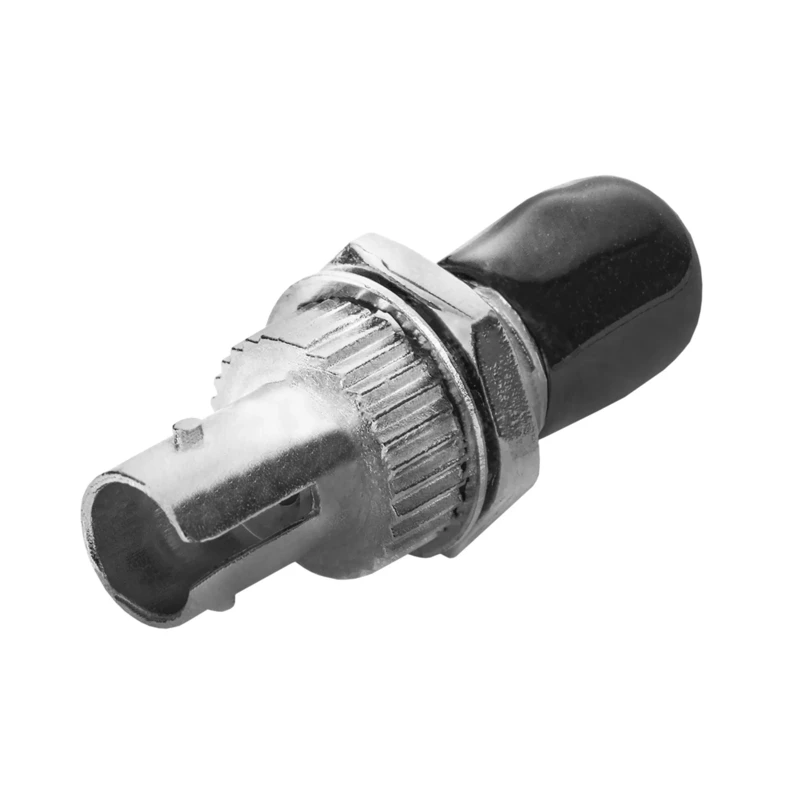
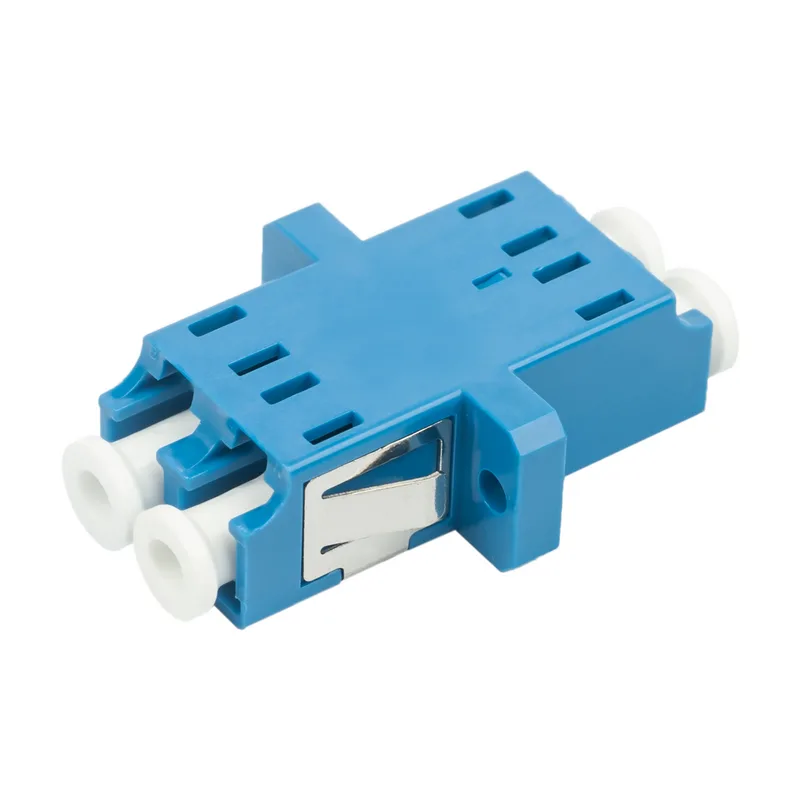
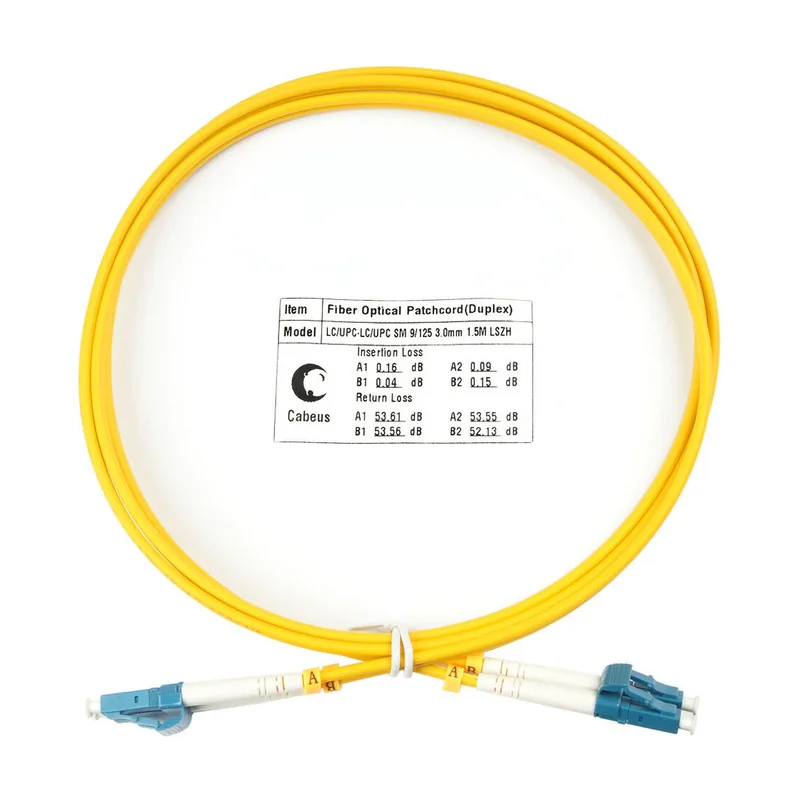
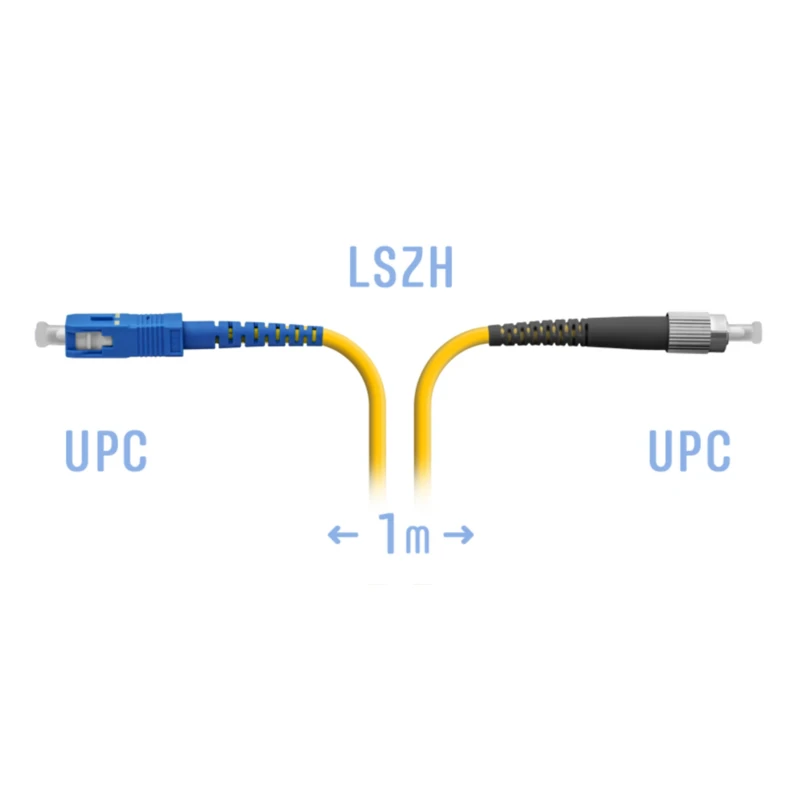
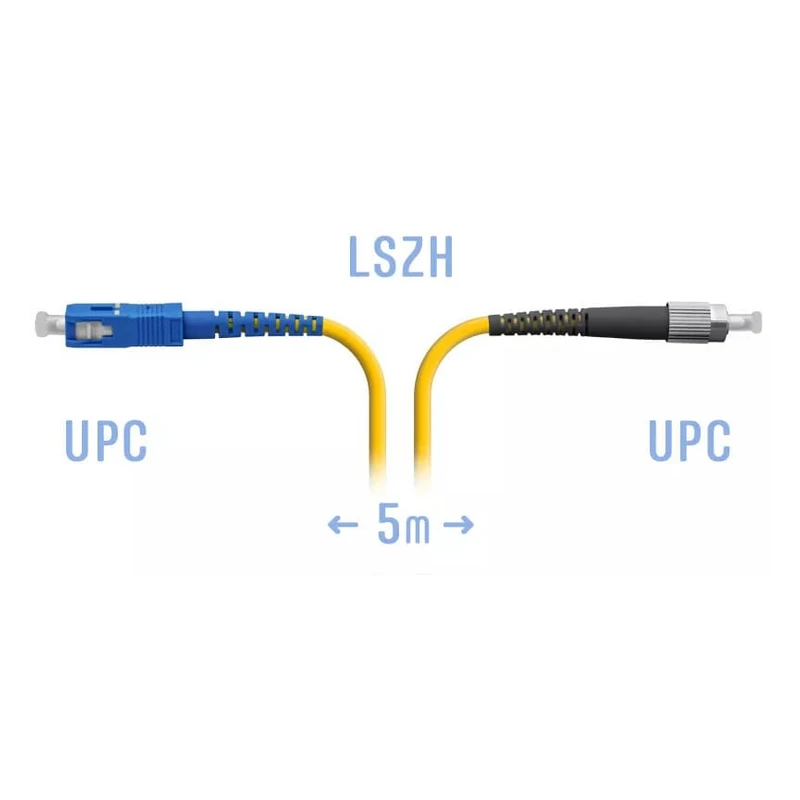
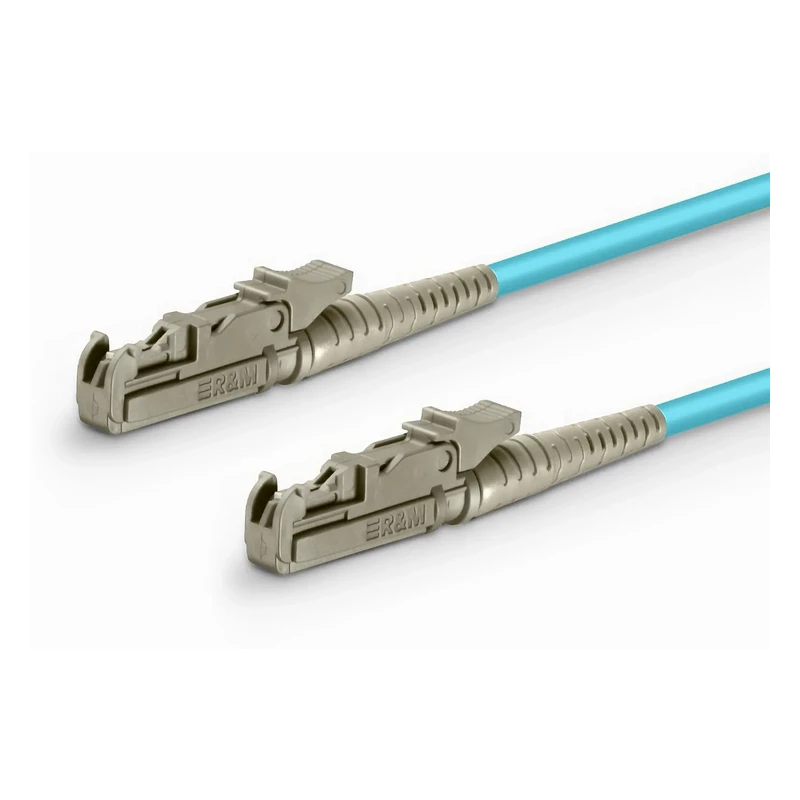
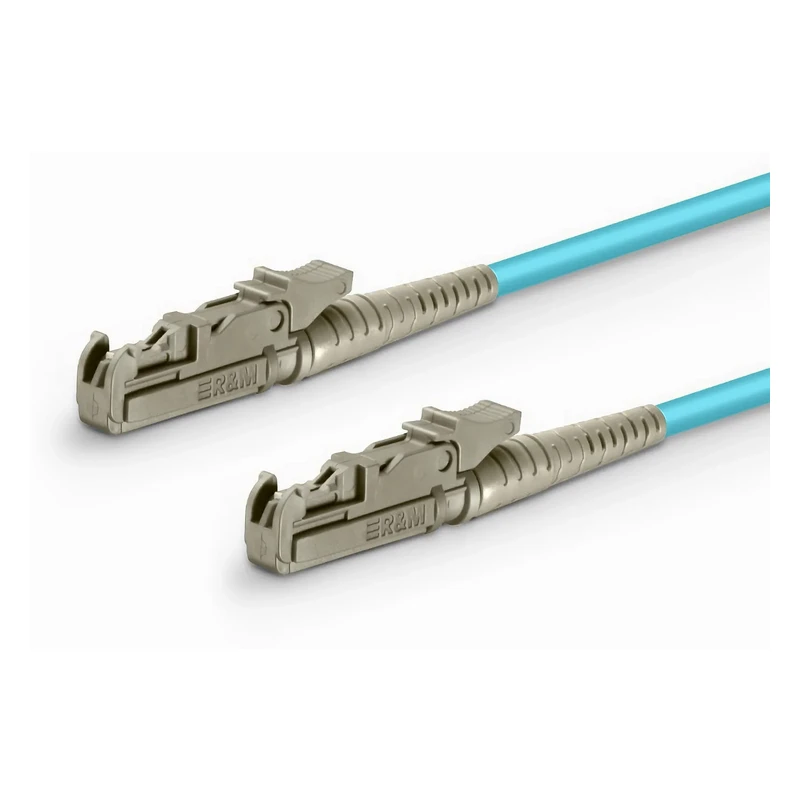
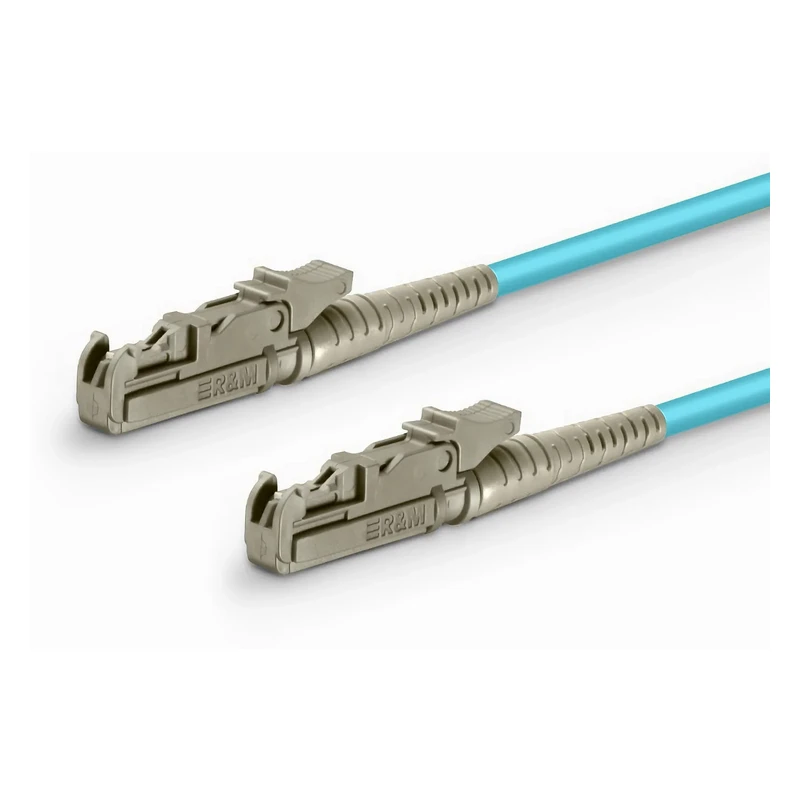
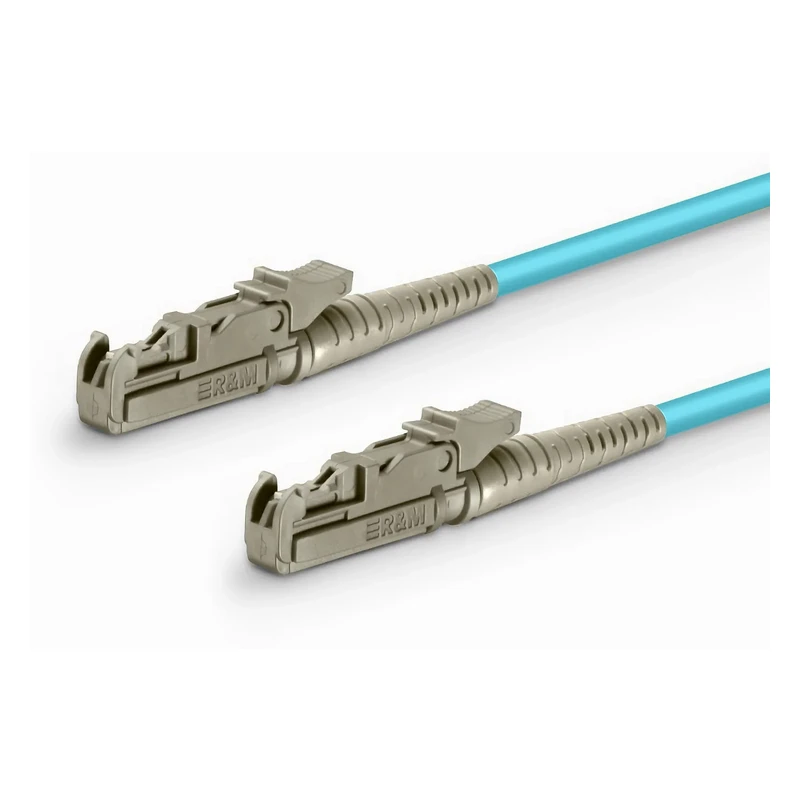
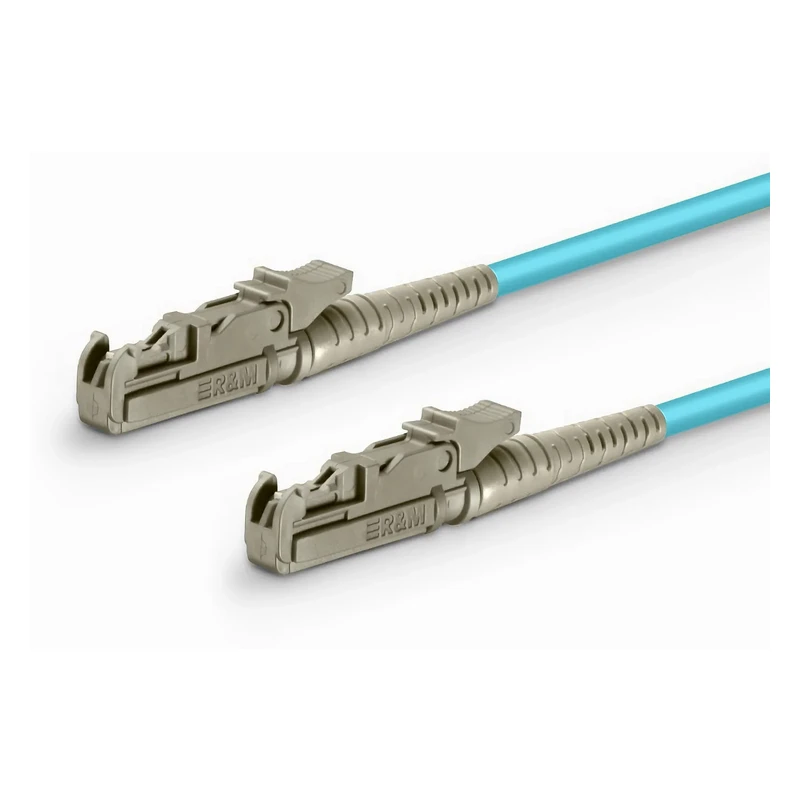
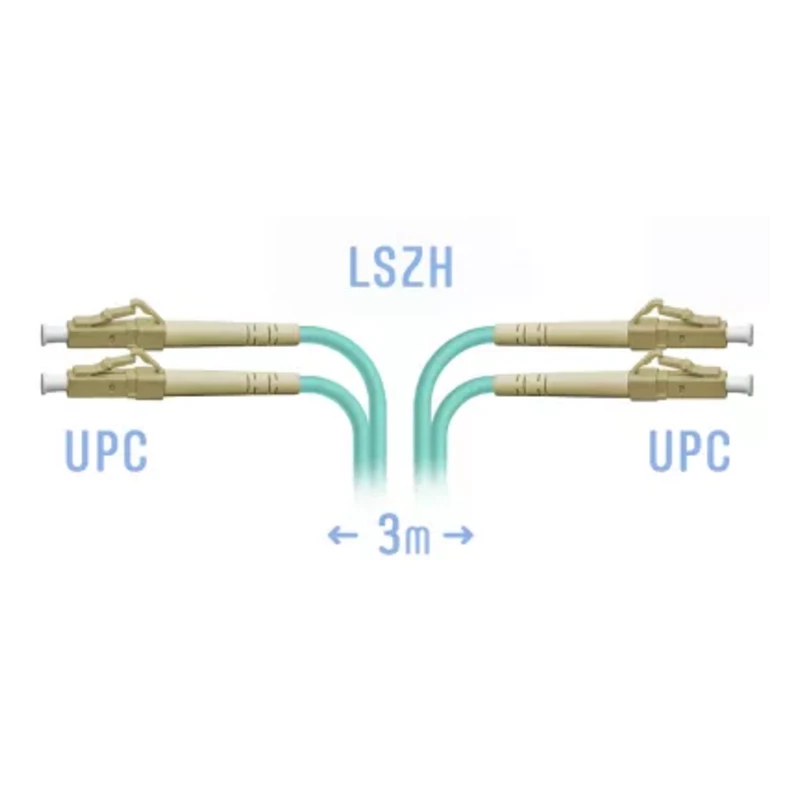
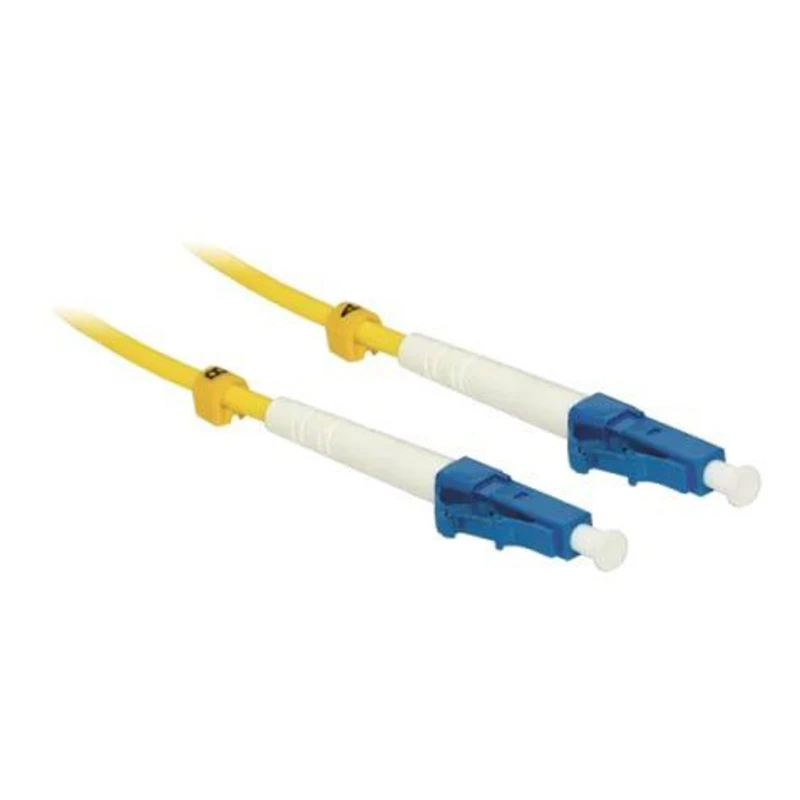
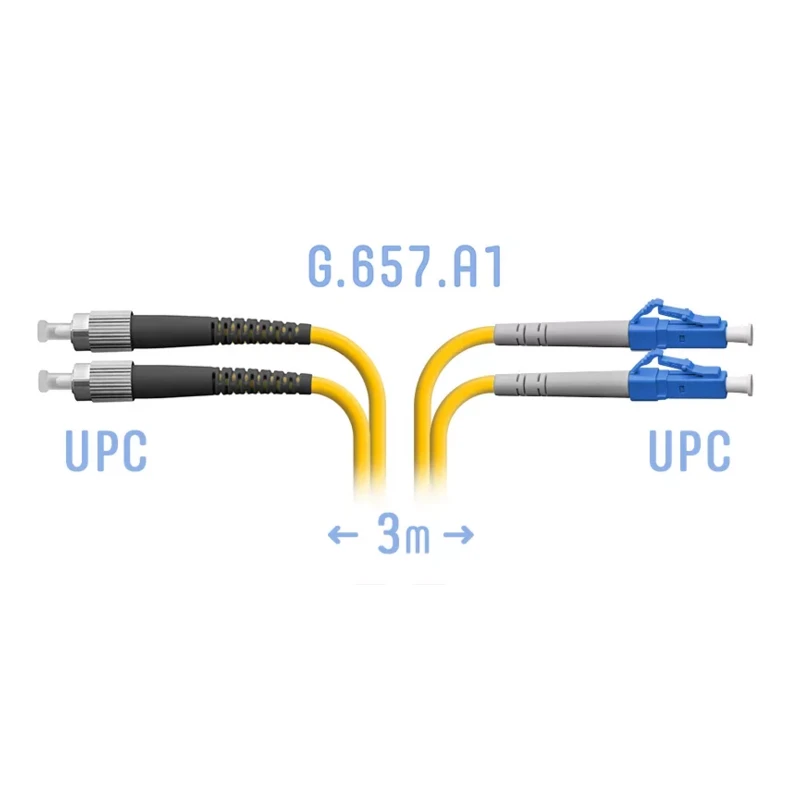
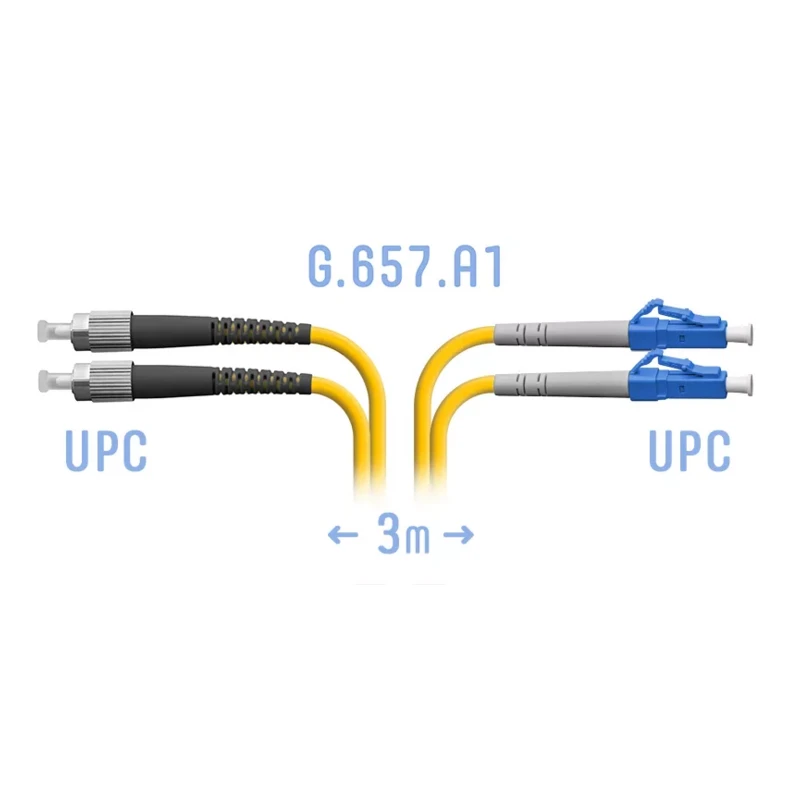
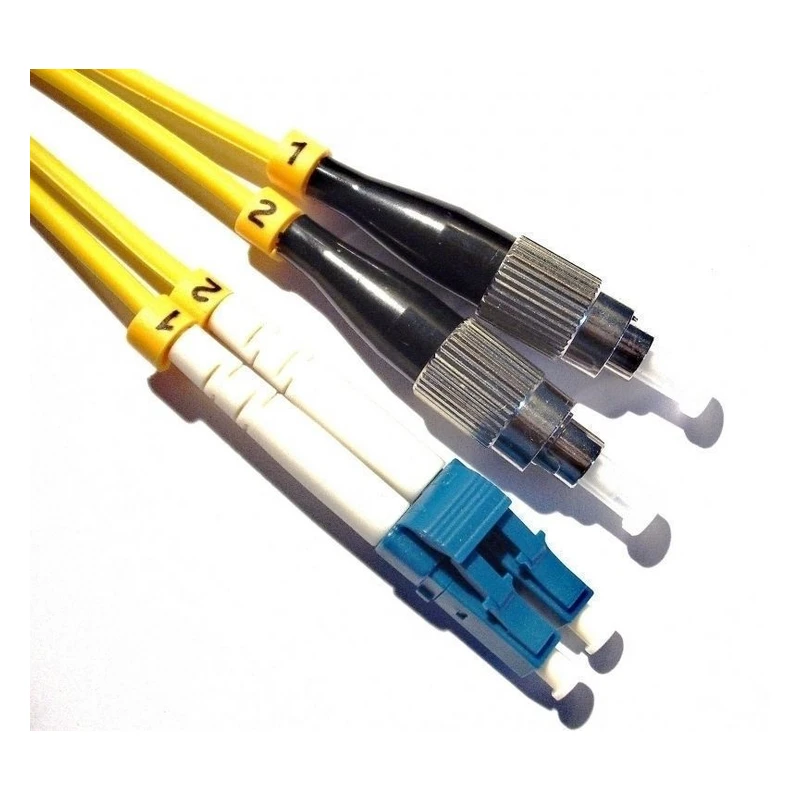
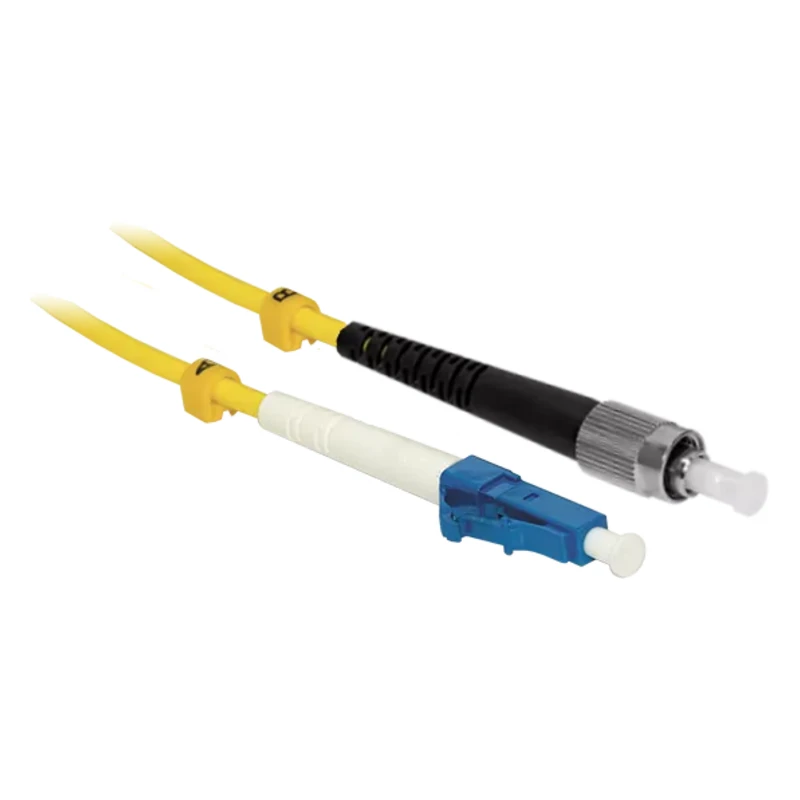
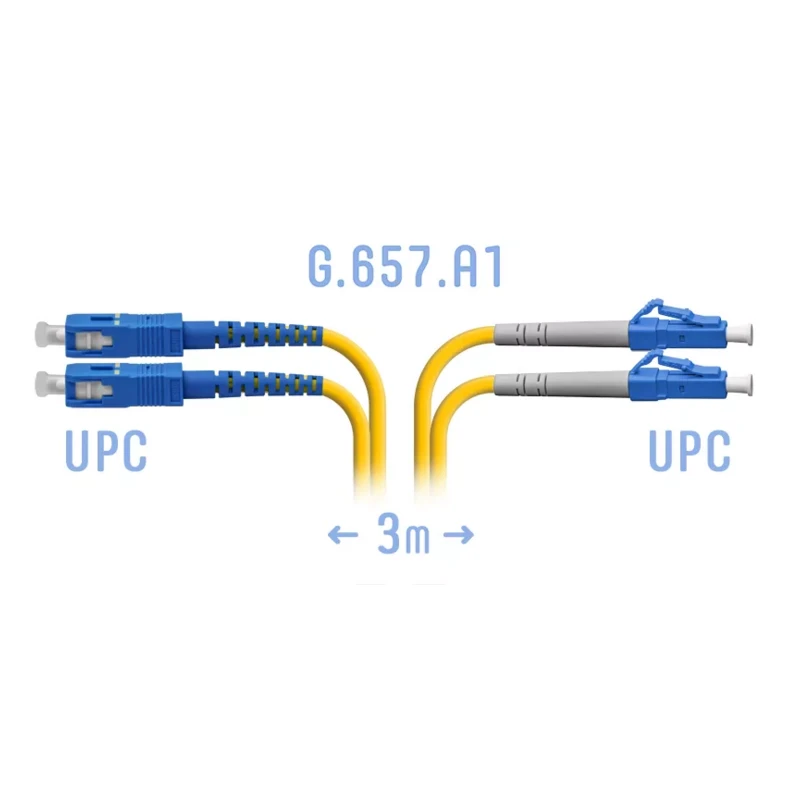
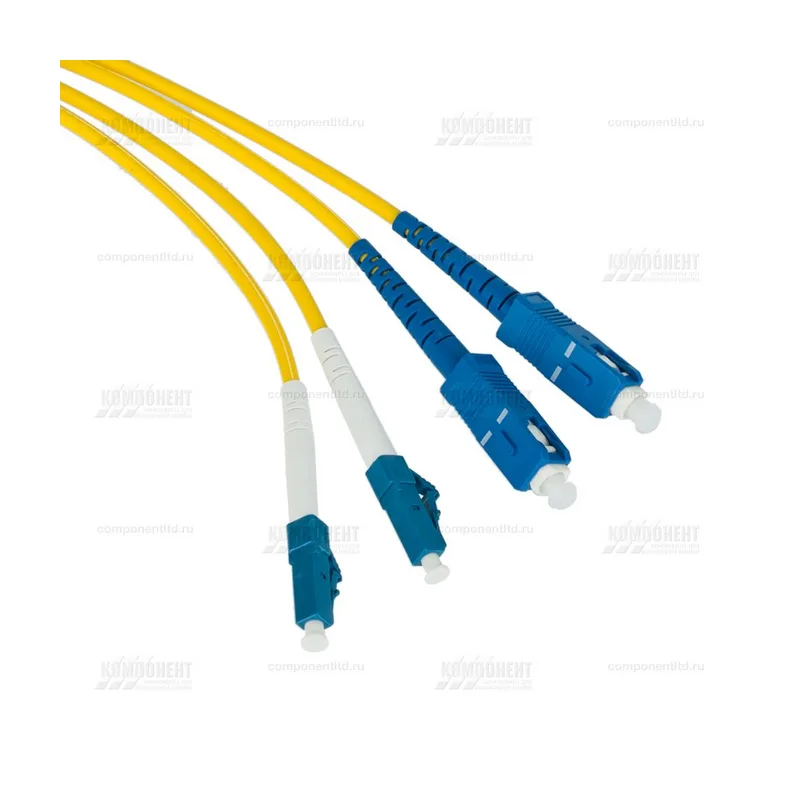
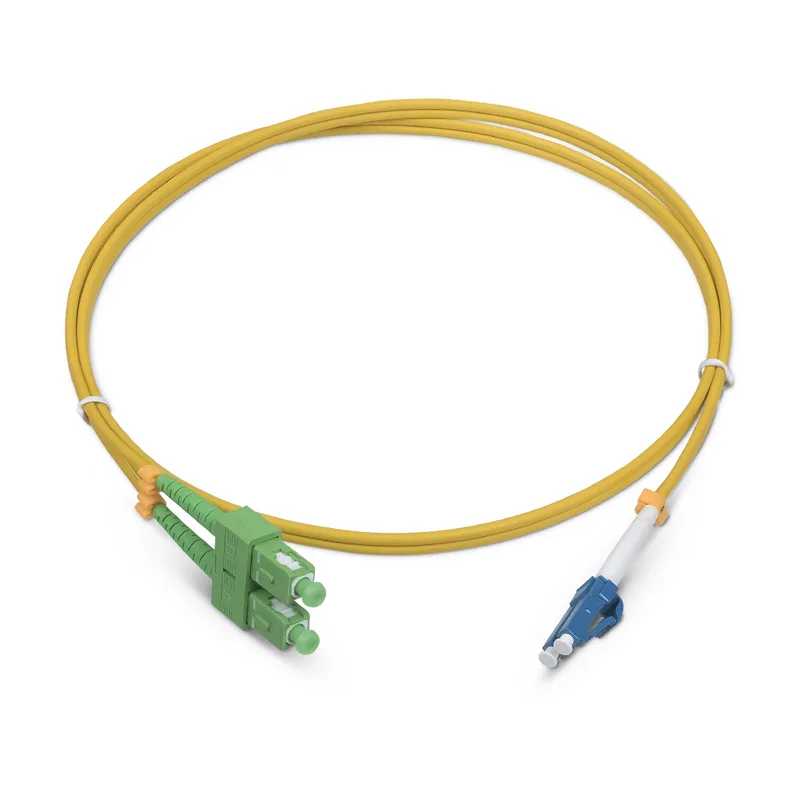
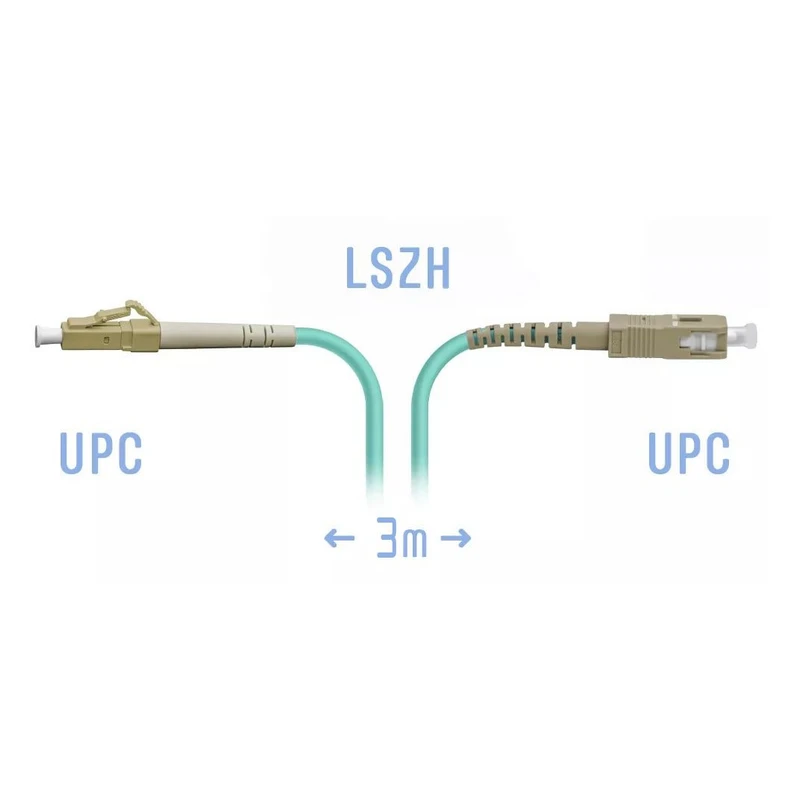
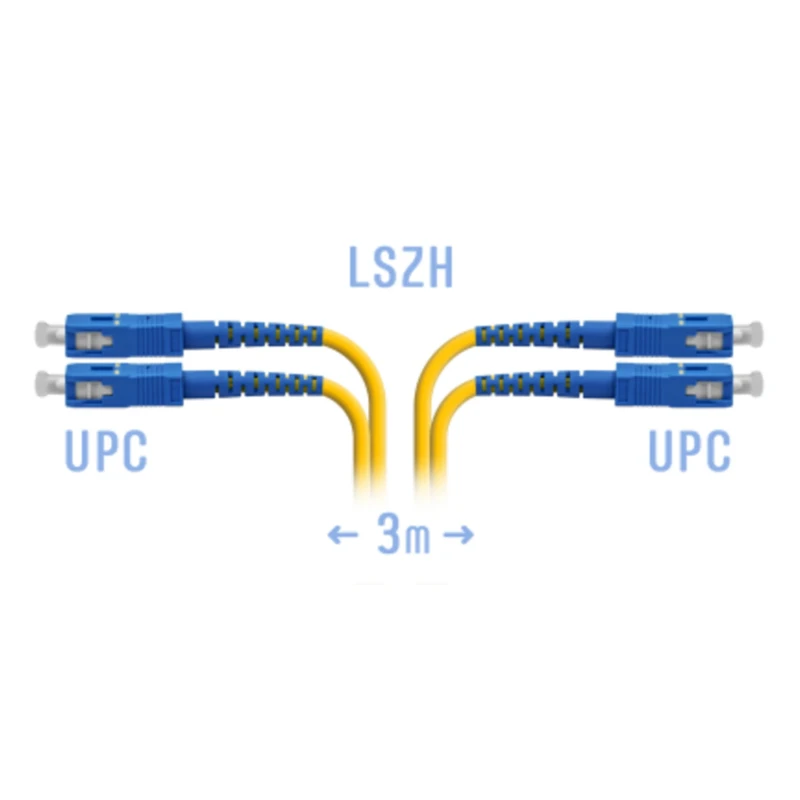
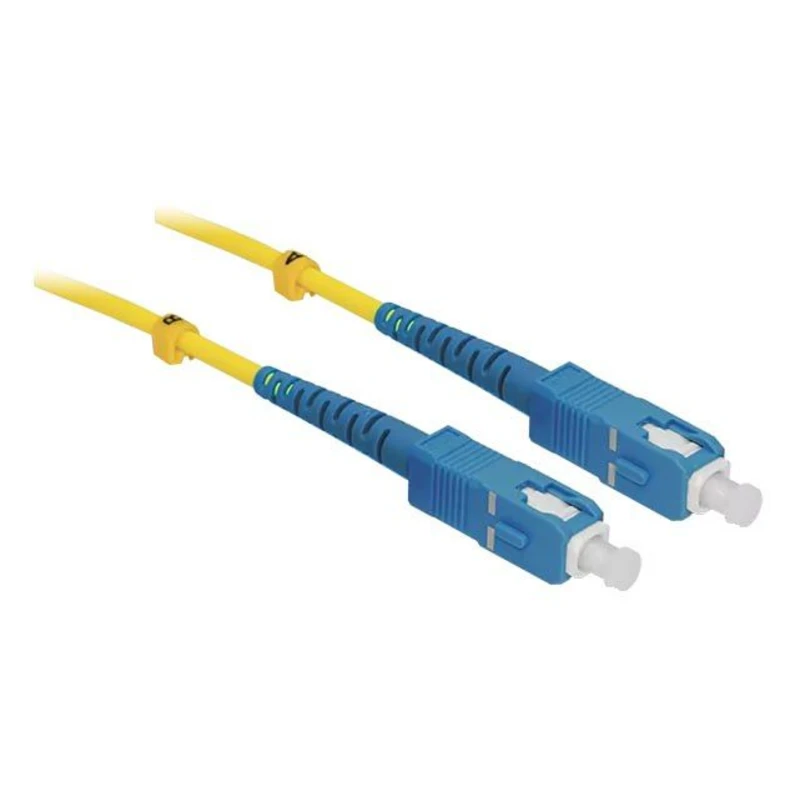
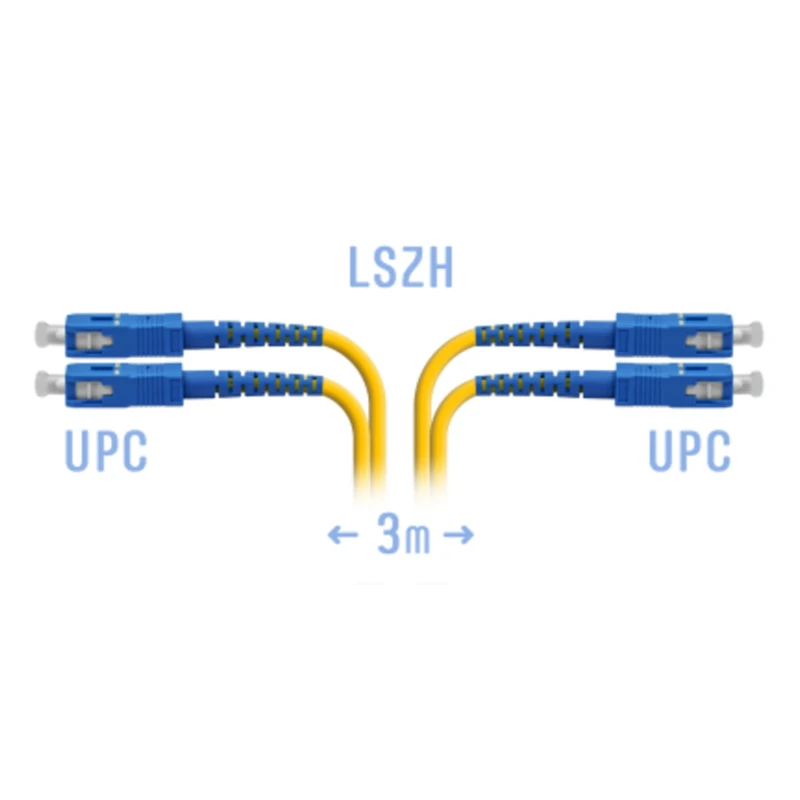
- Connector type: LC Duplex - the standard for active equipment (switches, transceivers); SC - common in telecommunication nodes and passive optical networks; FC - used in measuring equipment and some industrial systems; MPO - for high-density server installations with bundles of 8, 12 or 24 fibers.
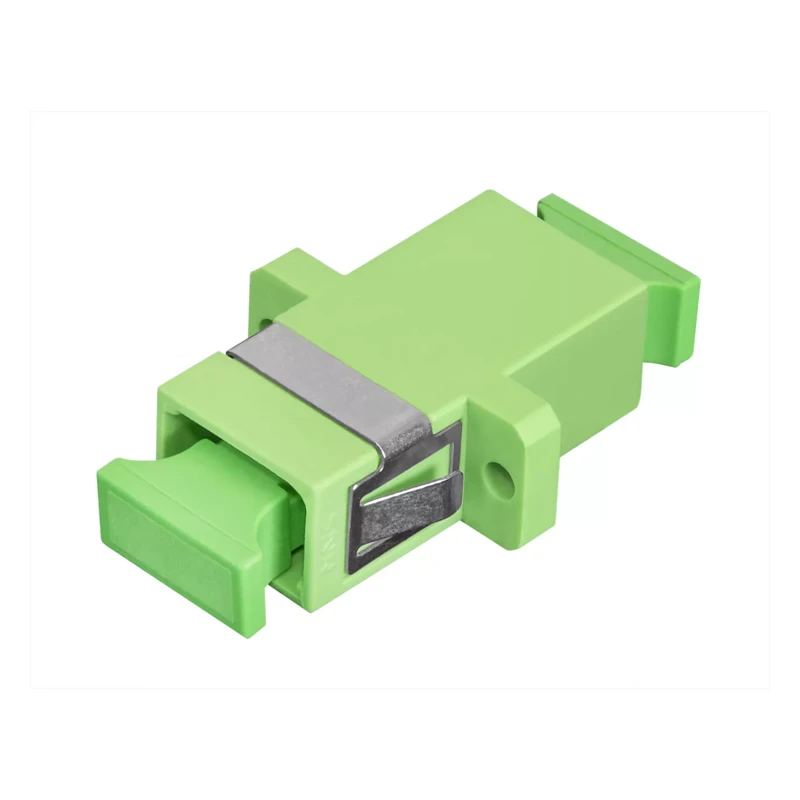
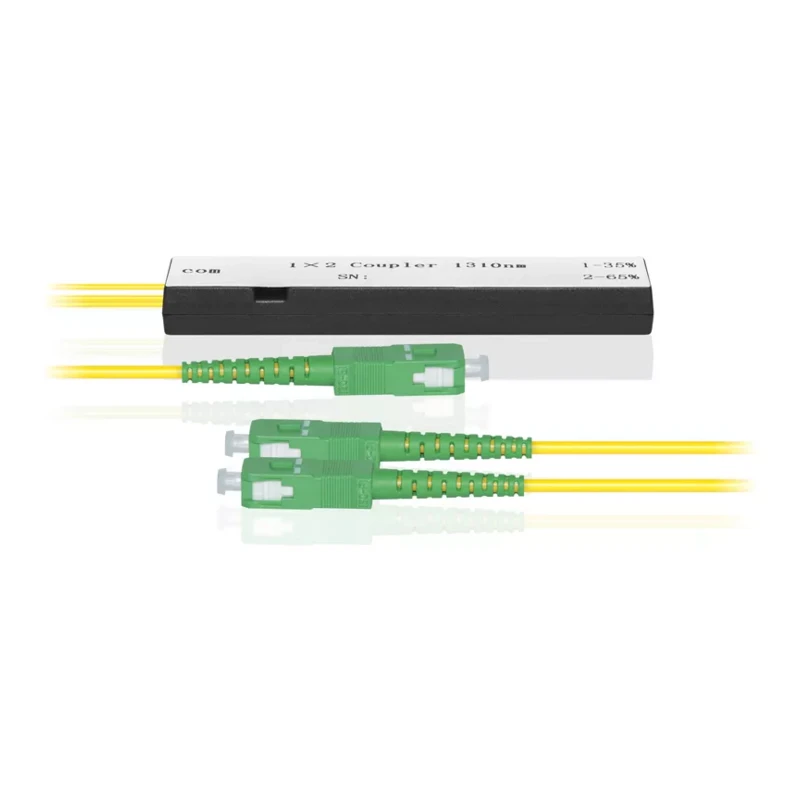
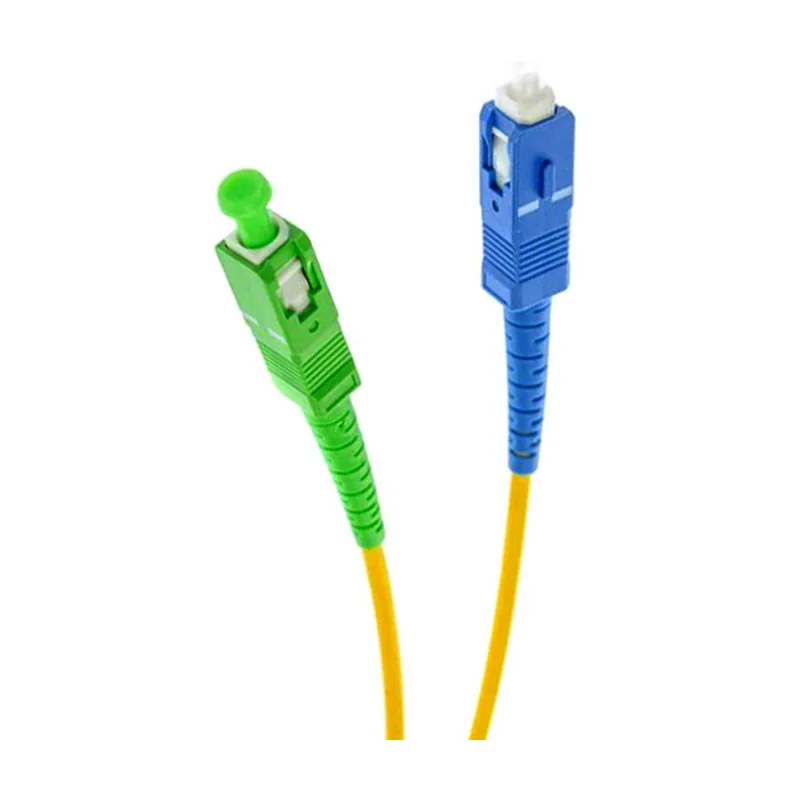
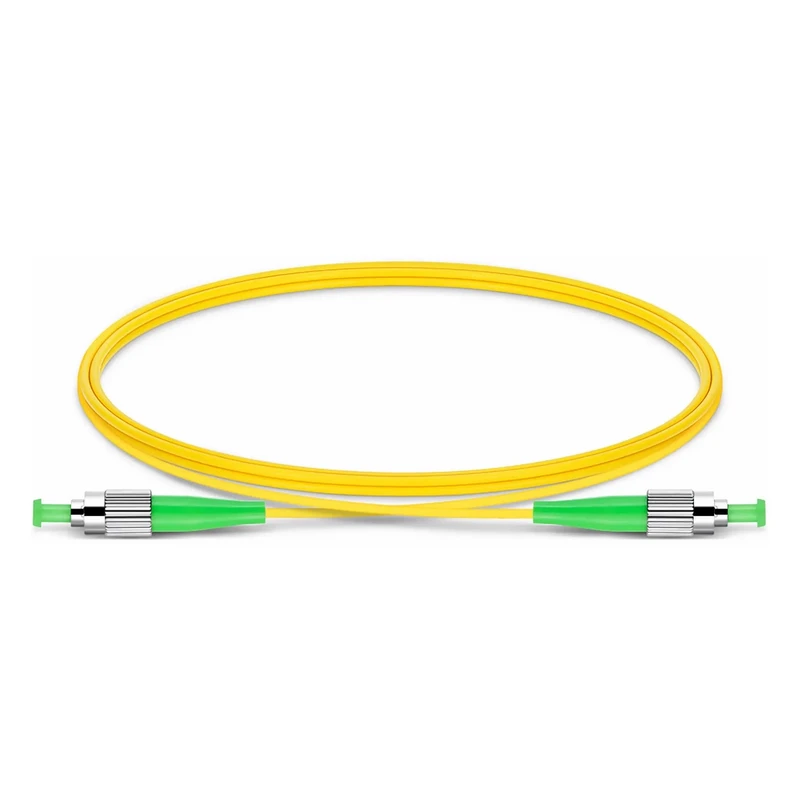
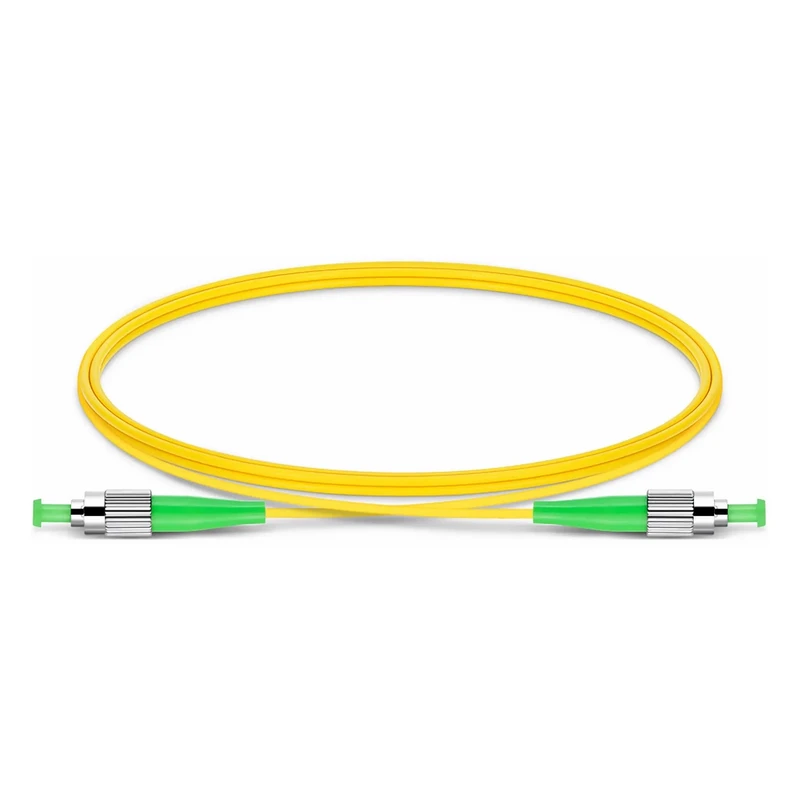
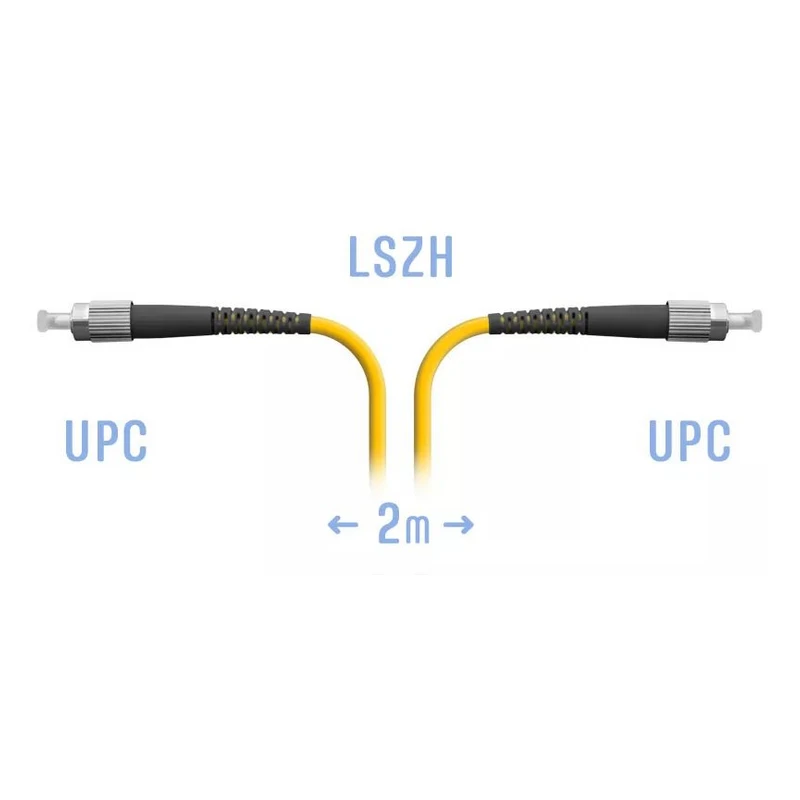
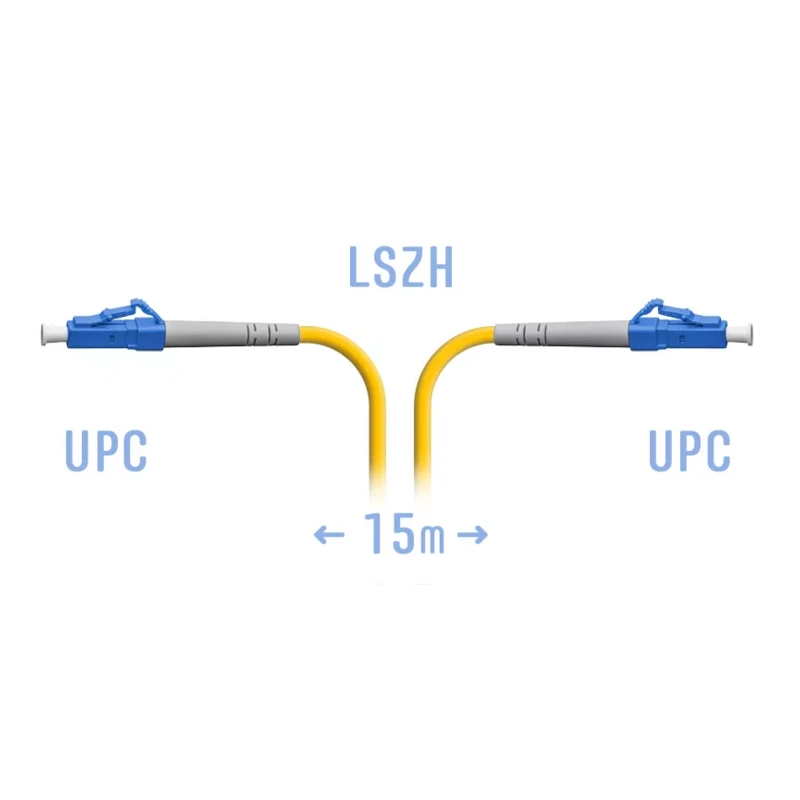
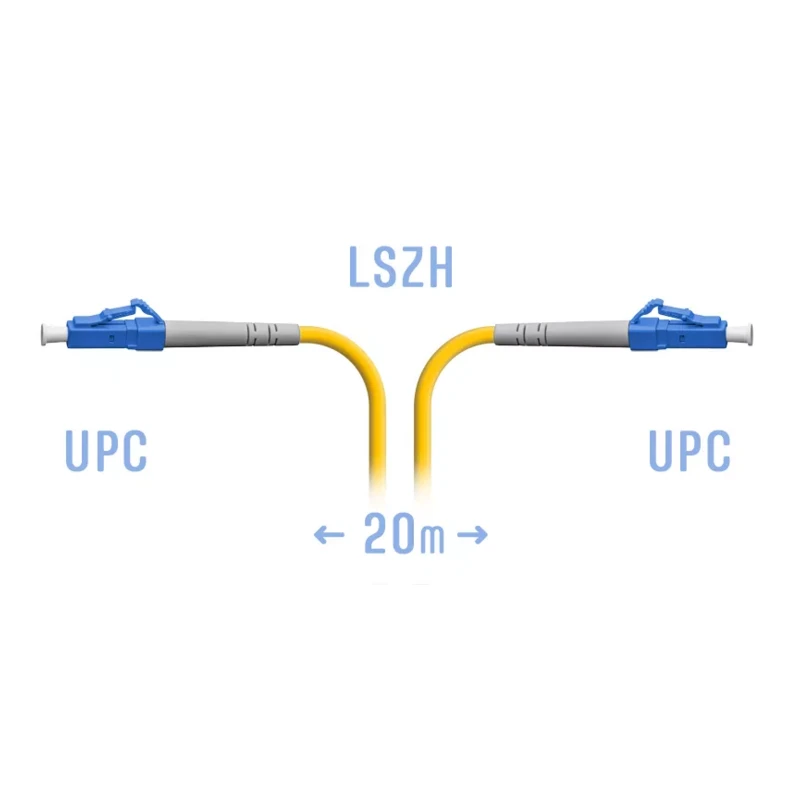
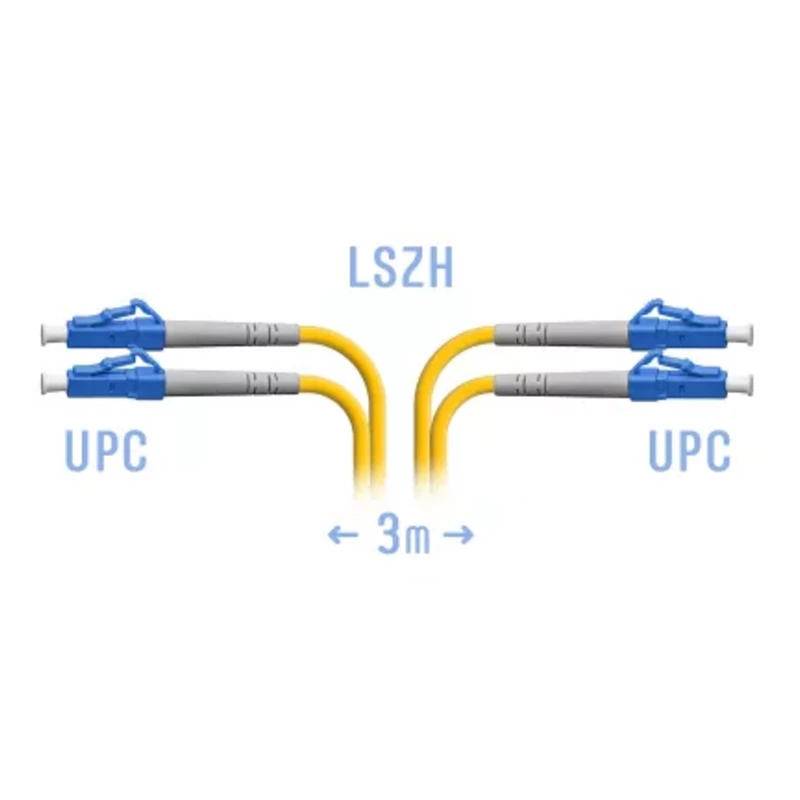
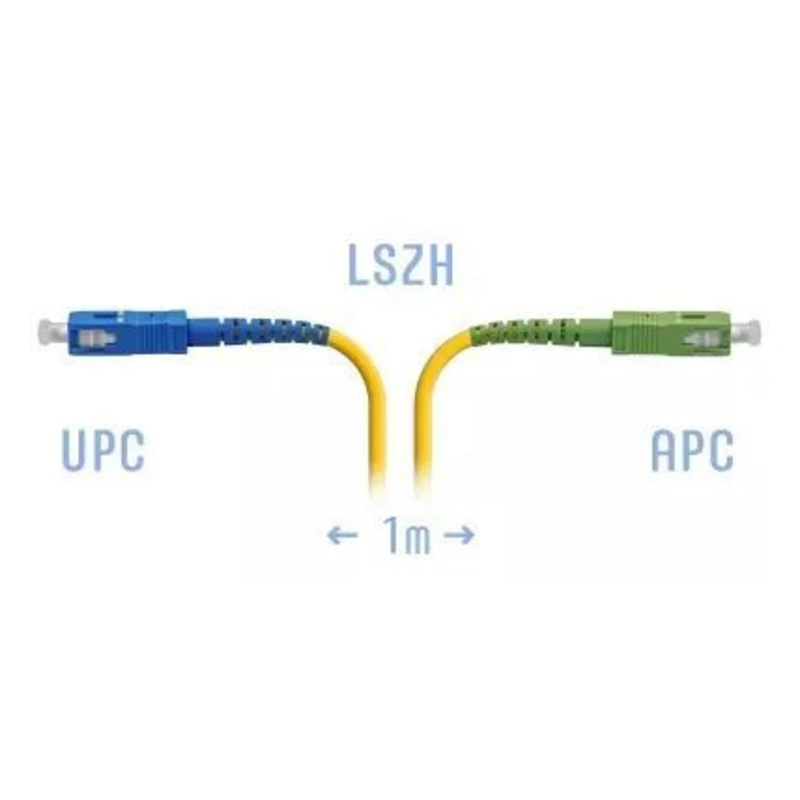
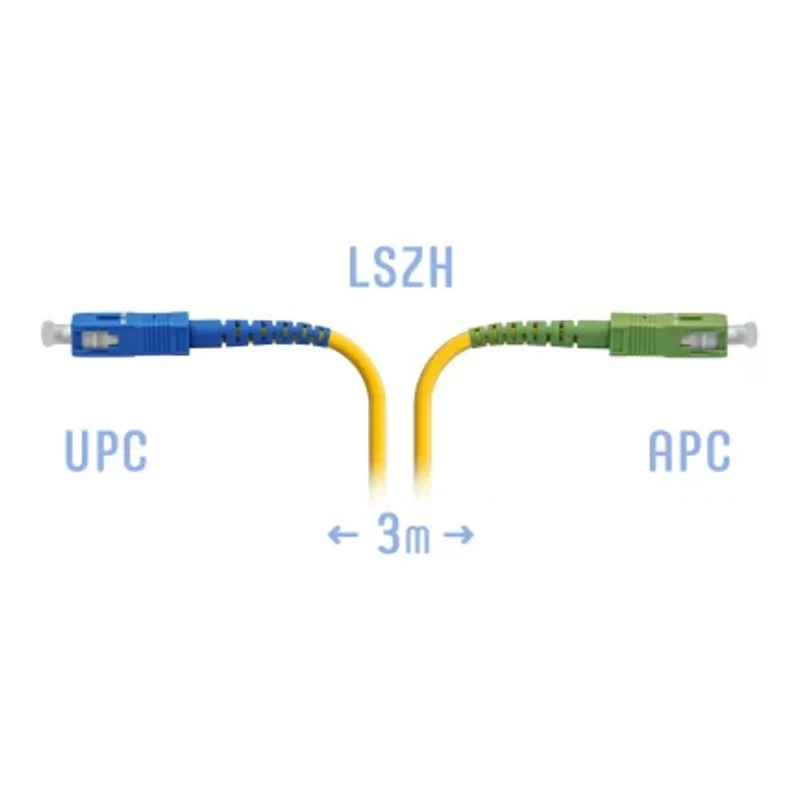
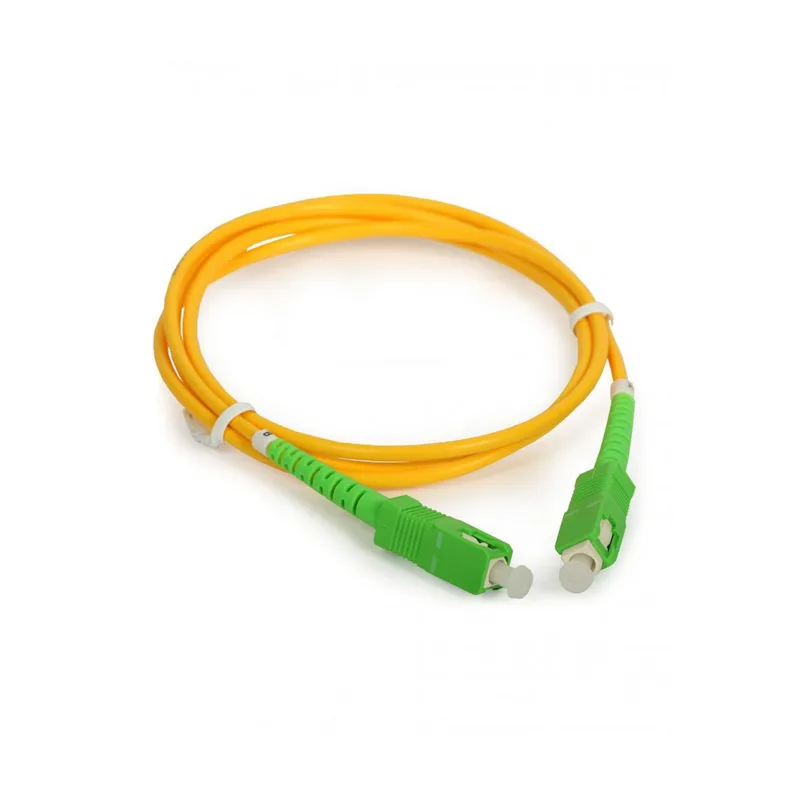
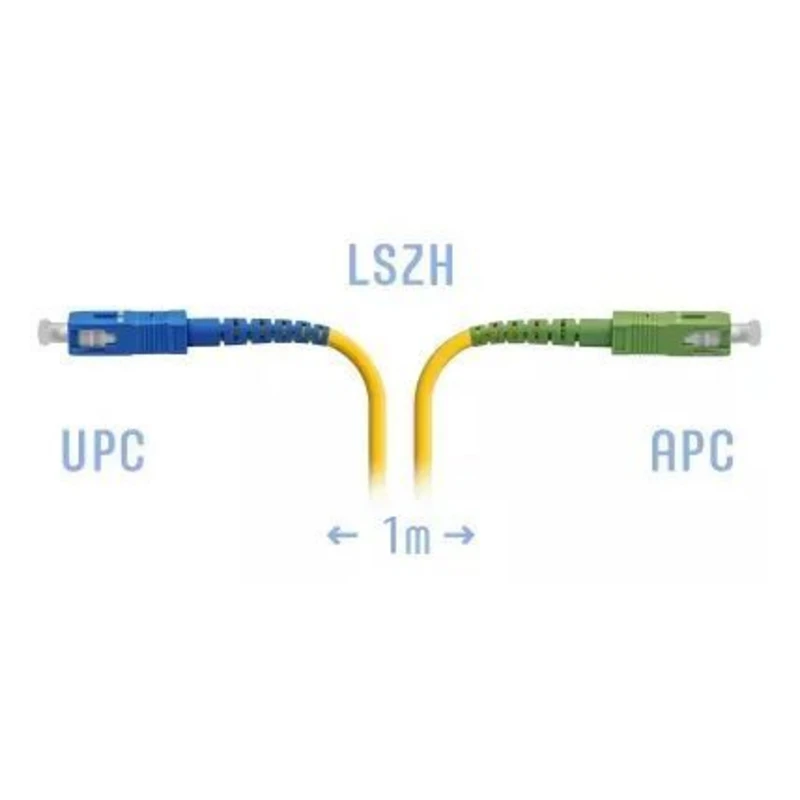
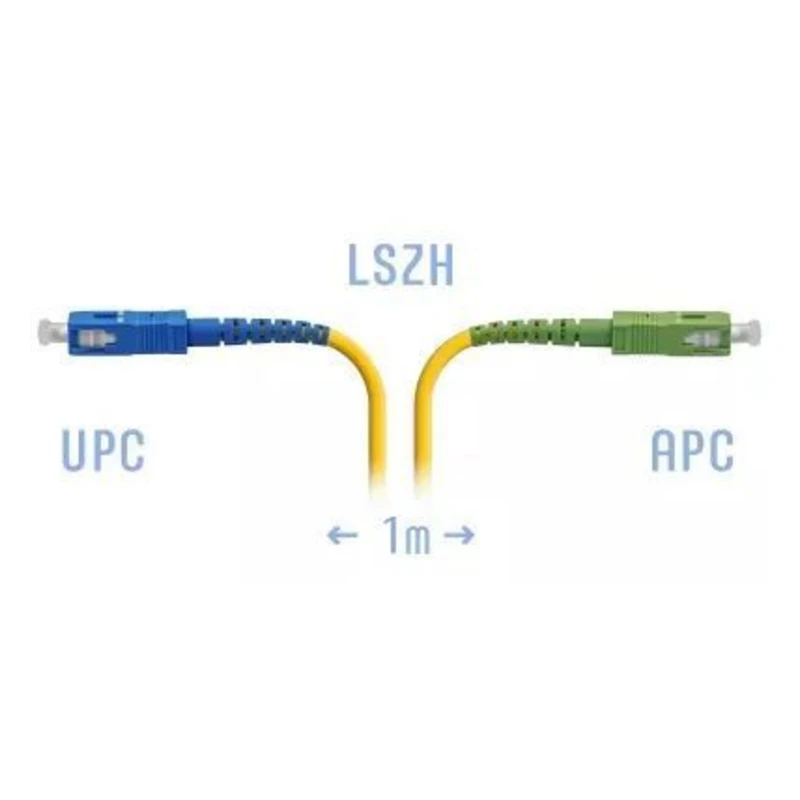
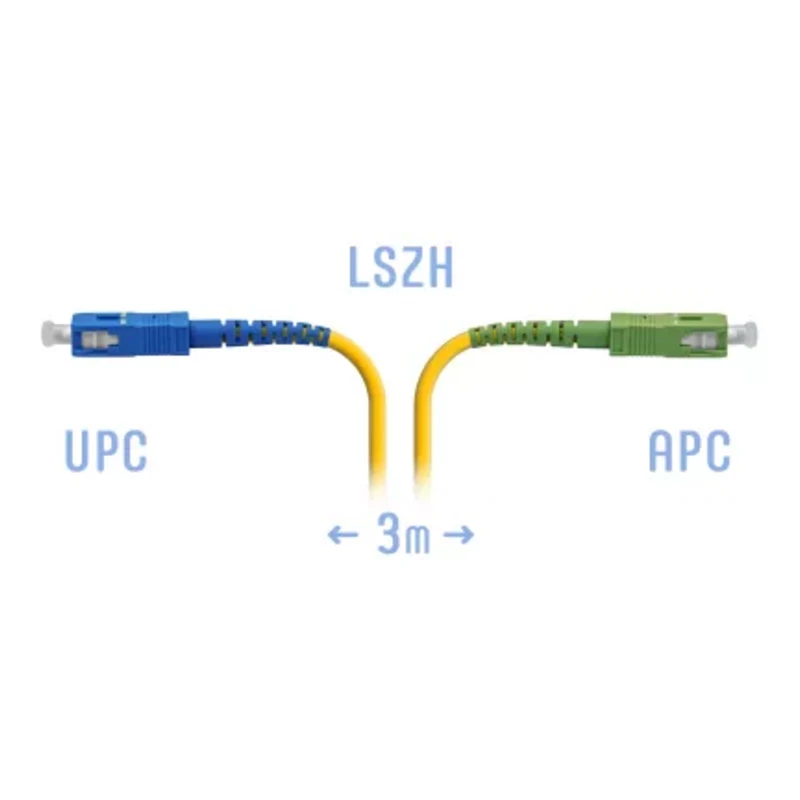
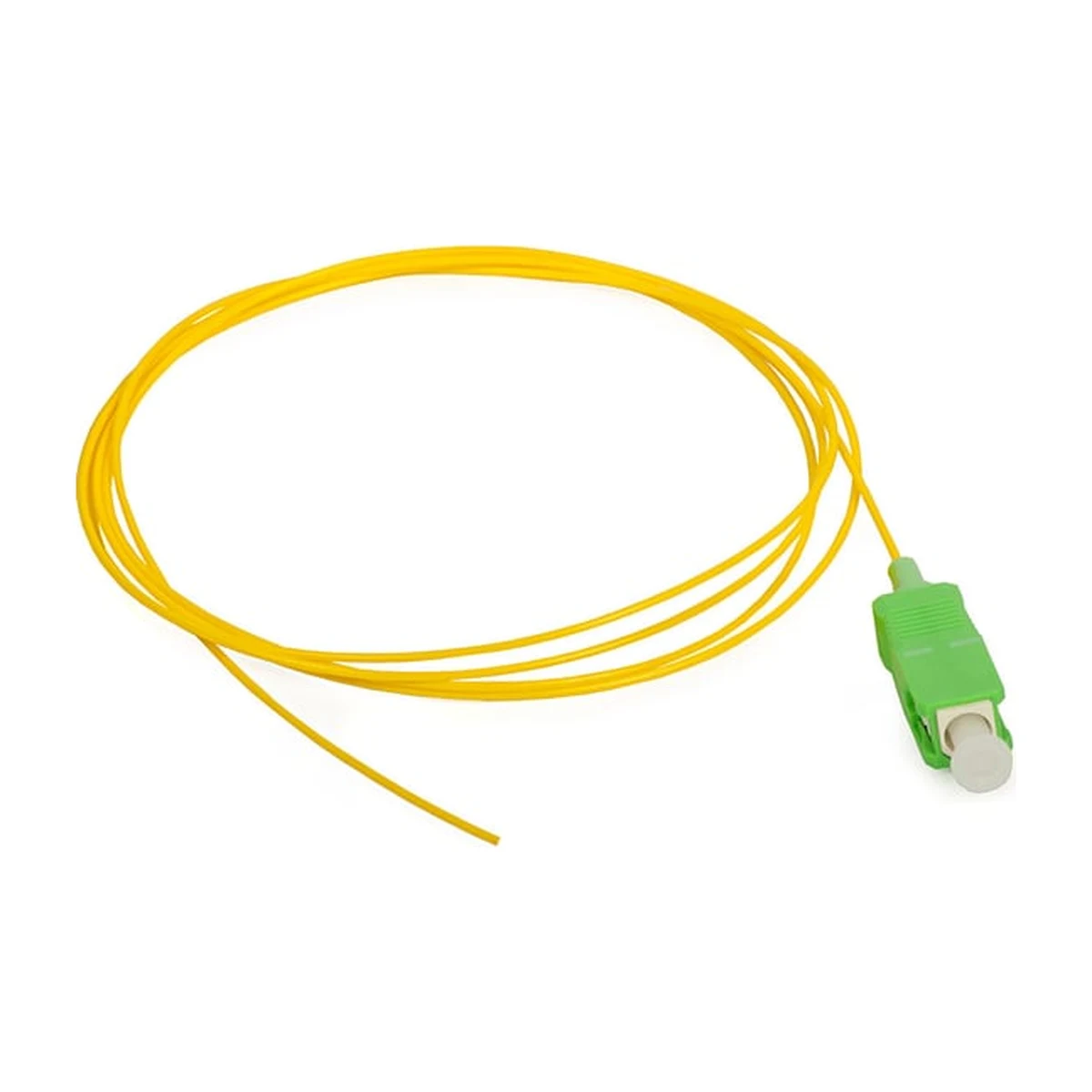
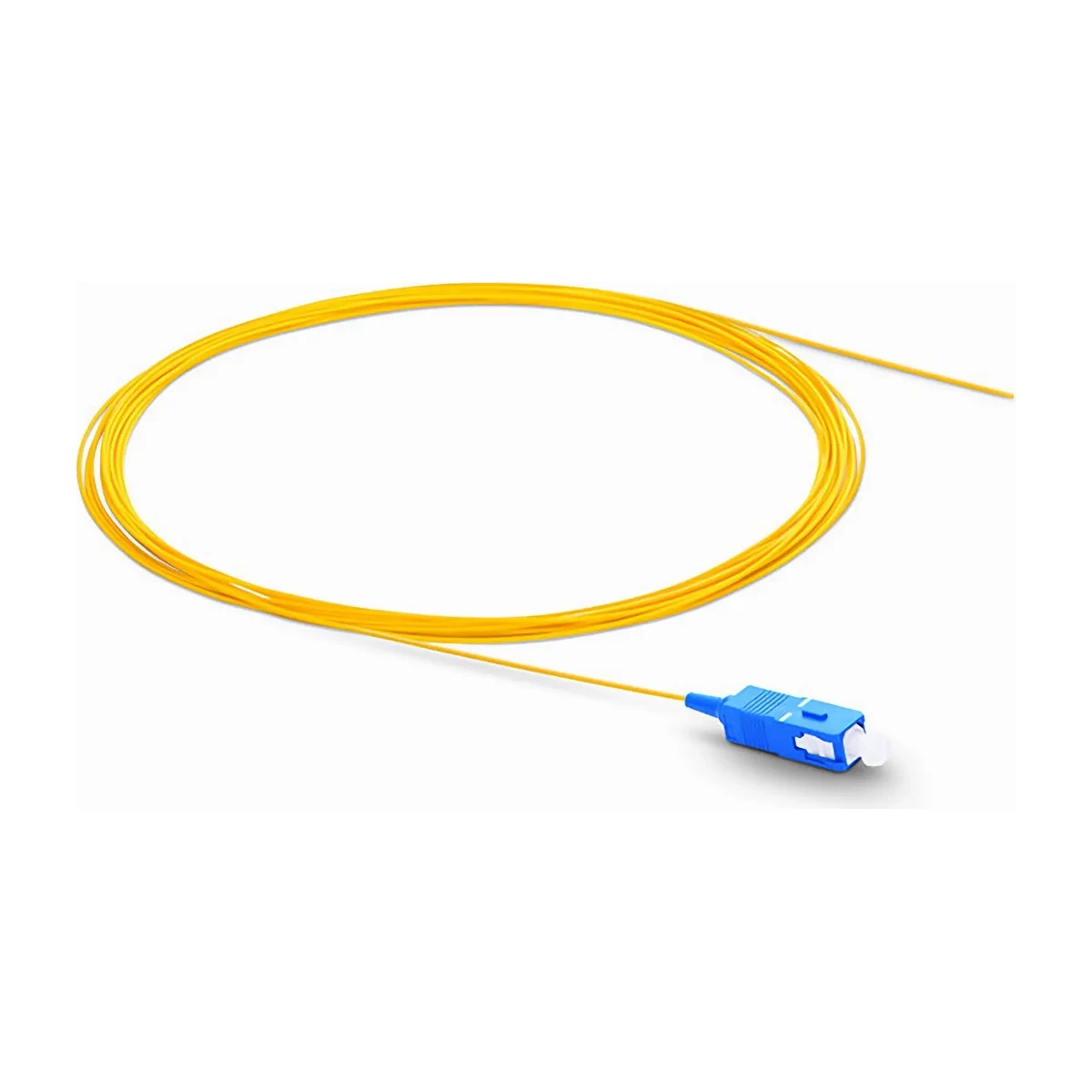
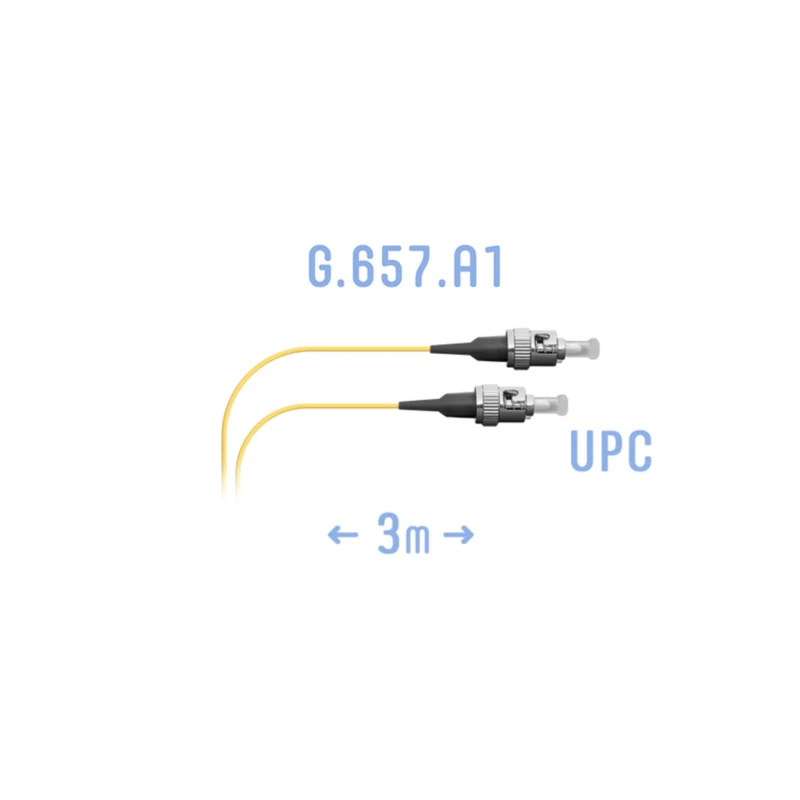
- End-face polishing type: UPC (Ultra Physical Contact) gives return loss no worse than 50 dB and is suitable for most applications; APC (Angled Physical Contact) with an 8-degree angled polish provides return loss over 60 dB and is mandatory in passive optical networks PON (GPON/EPON).
- Cord length: patch cords 1-3 meters long are used for wiring inside a rack or cabinet; cords 10-30 meters - for inter-section connections or temporary lines. Excess length creates loops with the risk of exceeding the minimum bend radius.
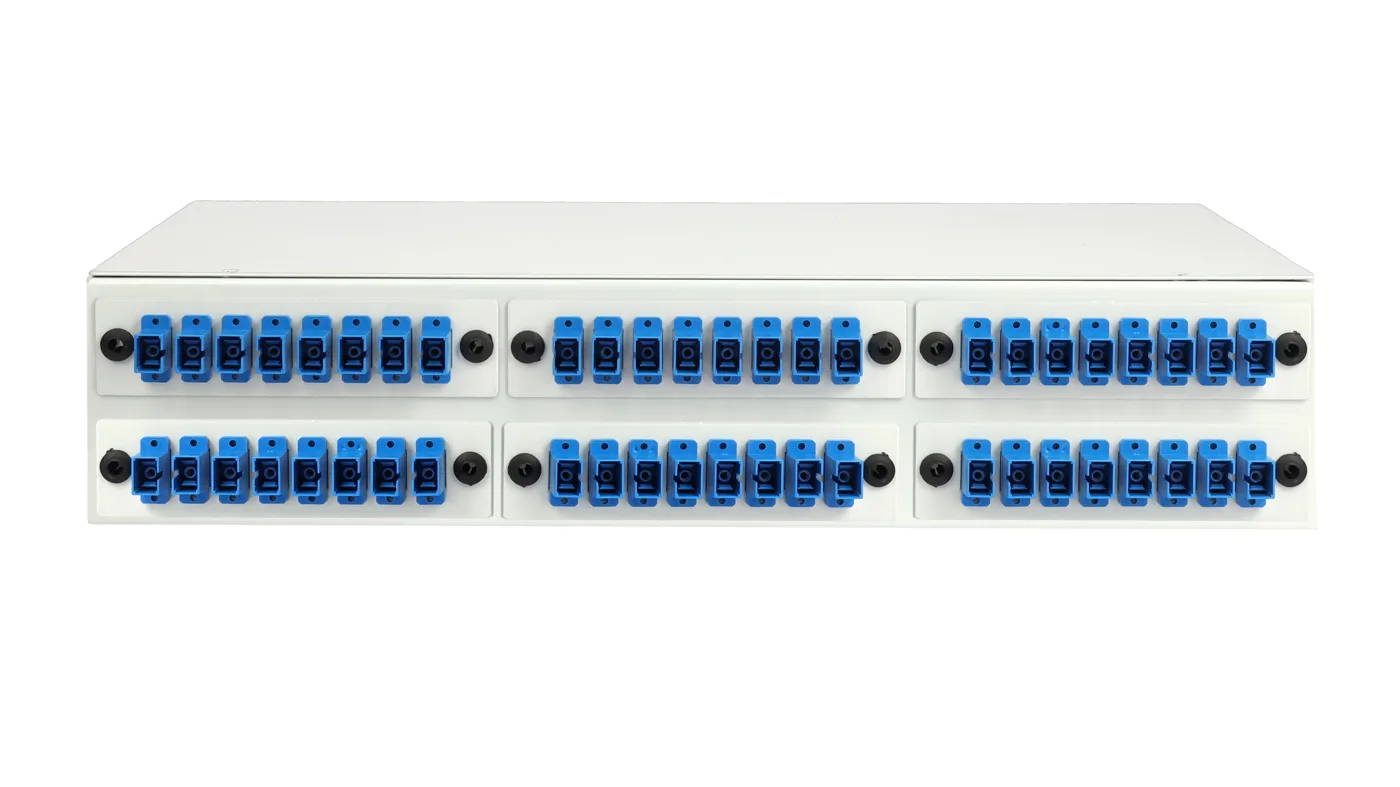
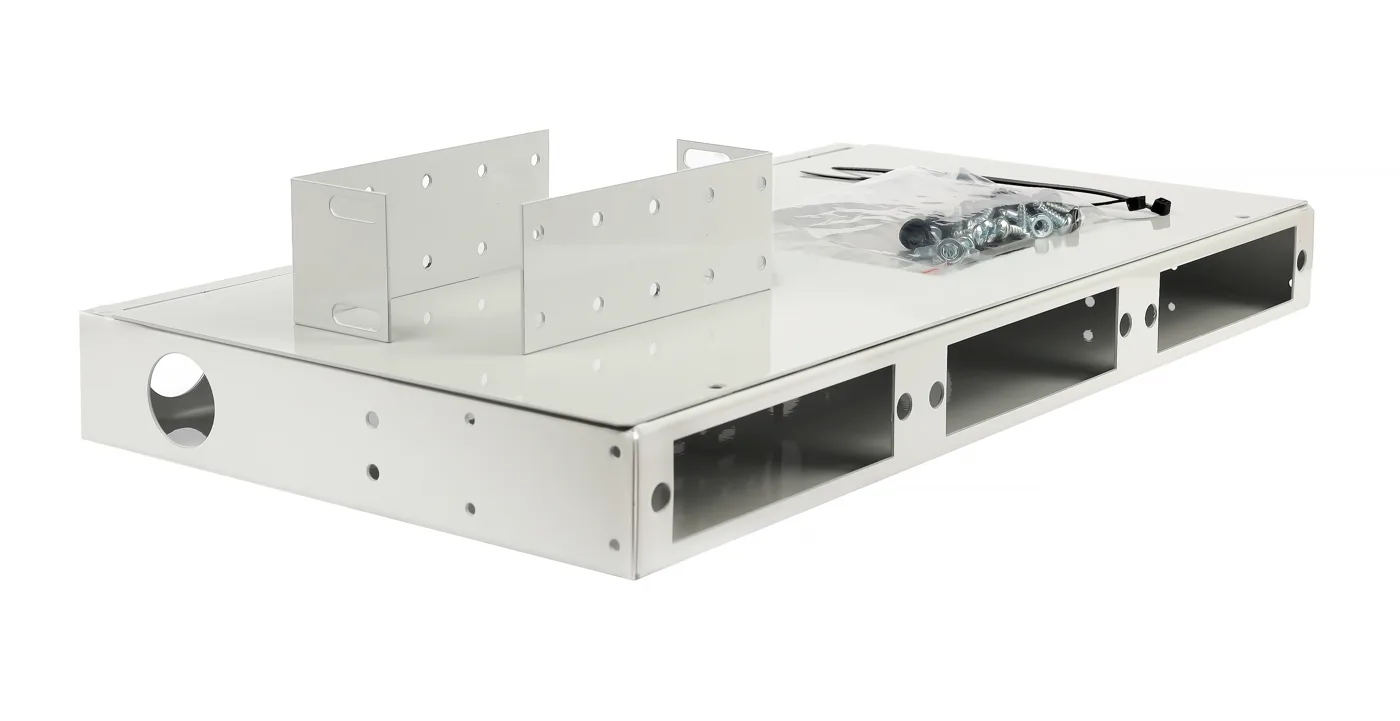
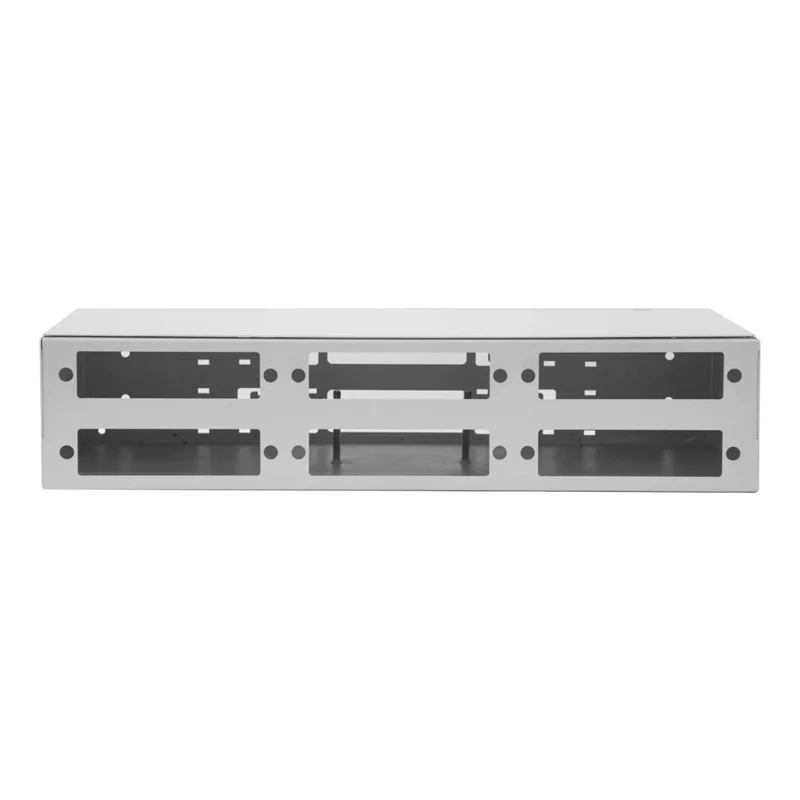
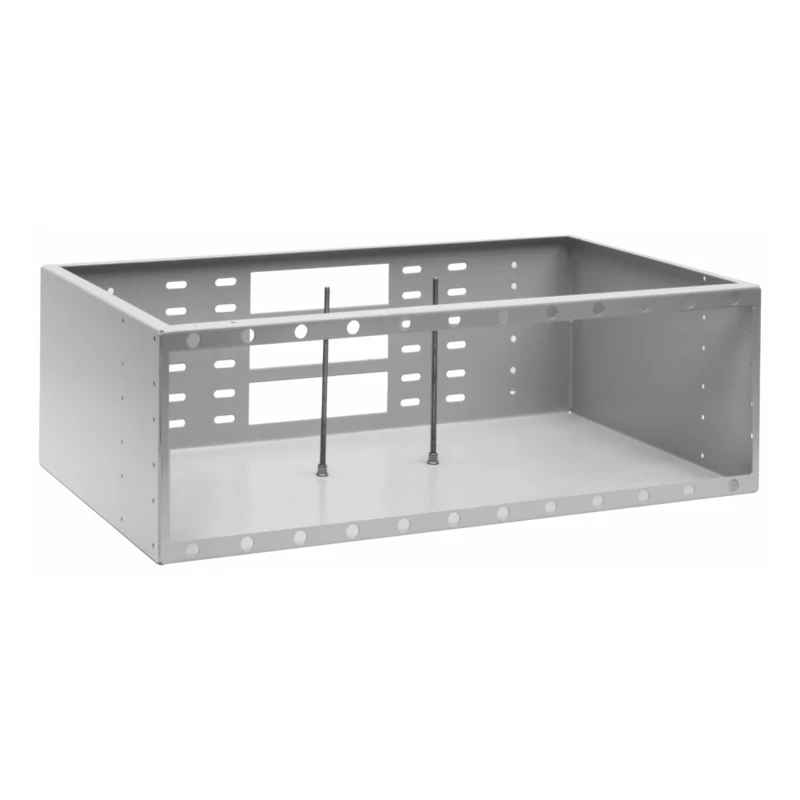
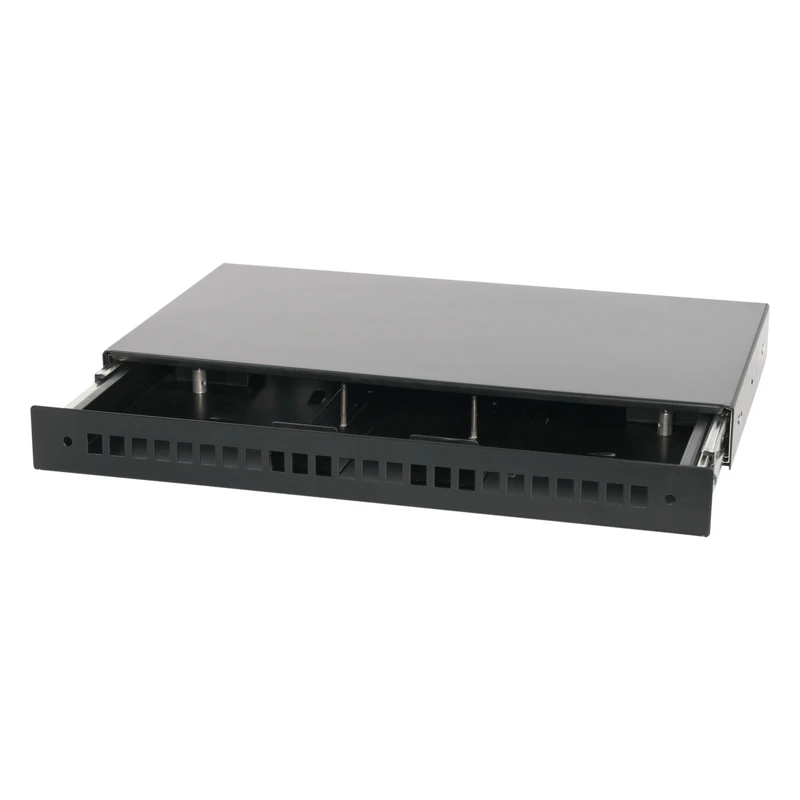
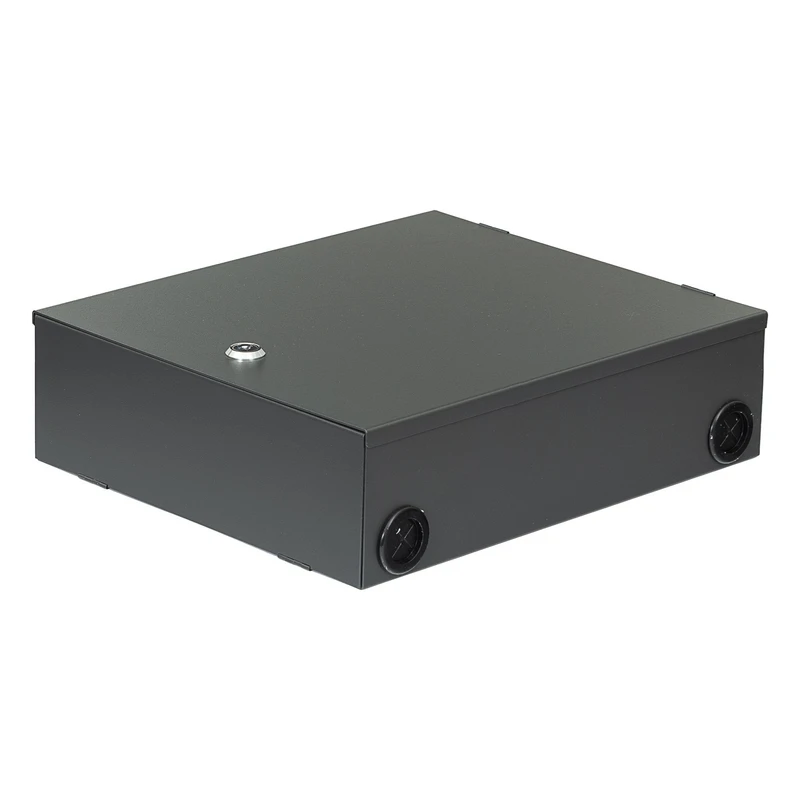
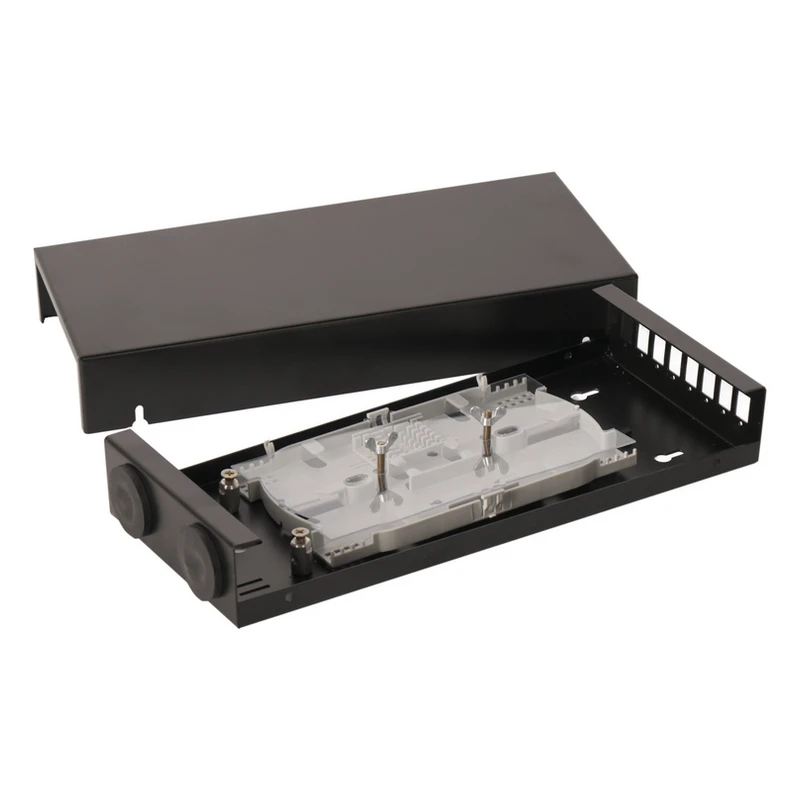
- Optical cross-connect (ShKOS) design: rack-mountable cross-connects are chosen for 19-inch racks. It is important to determine the capacity (number of ports) and the type of adapter strips in advance, so as not to overpay for excess capacity or have to purchase a housing later.
- Quality and insertion loss: professional components have an attenuation per connector of no more than 0.3 dB and return loss in accordance with the class. Saving on cheap products results in line degradation, which is especially critical in 10G/40G networks.
- Compatibility with strips and cross-connects: adapter strips must match the cross-connect housing in terms of mounting size and adapter type. Check compatibility when ordering, especially if you plan to equip the cross-connect in stages.
Applications
- Corporate networks and data centers: horizontal and backbone cabling subsystems, patch panels in server rooms, connection of active equipment on floor switches.
- Video surveillance systems at extended facilities: transmission of the video signal over optics between buildings, structures of industrial enterprises and perimeter cameras over distances inaccessible to twisted pair.
- Telecommunication nodes and operator networks: input of fiber-optic cables, wiring on cross-connects, connection of transport equipment in the offices of communication operators and internet providers.
- Government and educational institutions: building secure internal networks with high throughput, where copper infrastructure is limited by distance or electromagnetic compatibility requirements.
- Industrial facilities and production plants: optics are insensitive to electromagnetic interference from power equipment, so they are the preferred solution for factories, substations and oil-and-gas facilities in Uzbekistan.
- Hotels, shopping malls and residential complexes: building structured cabling systems during new construction, where the optical backbone is laid at the finishing stage.
Brands and models in the catalog
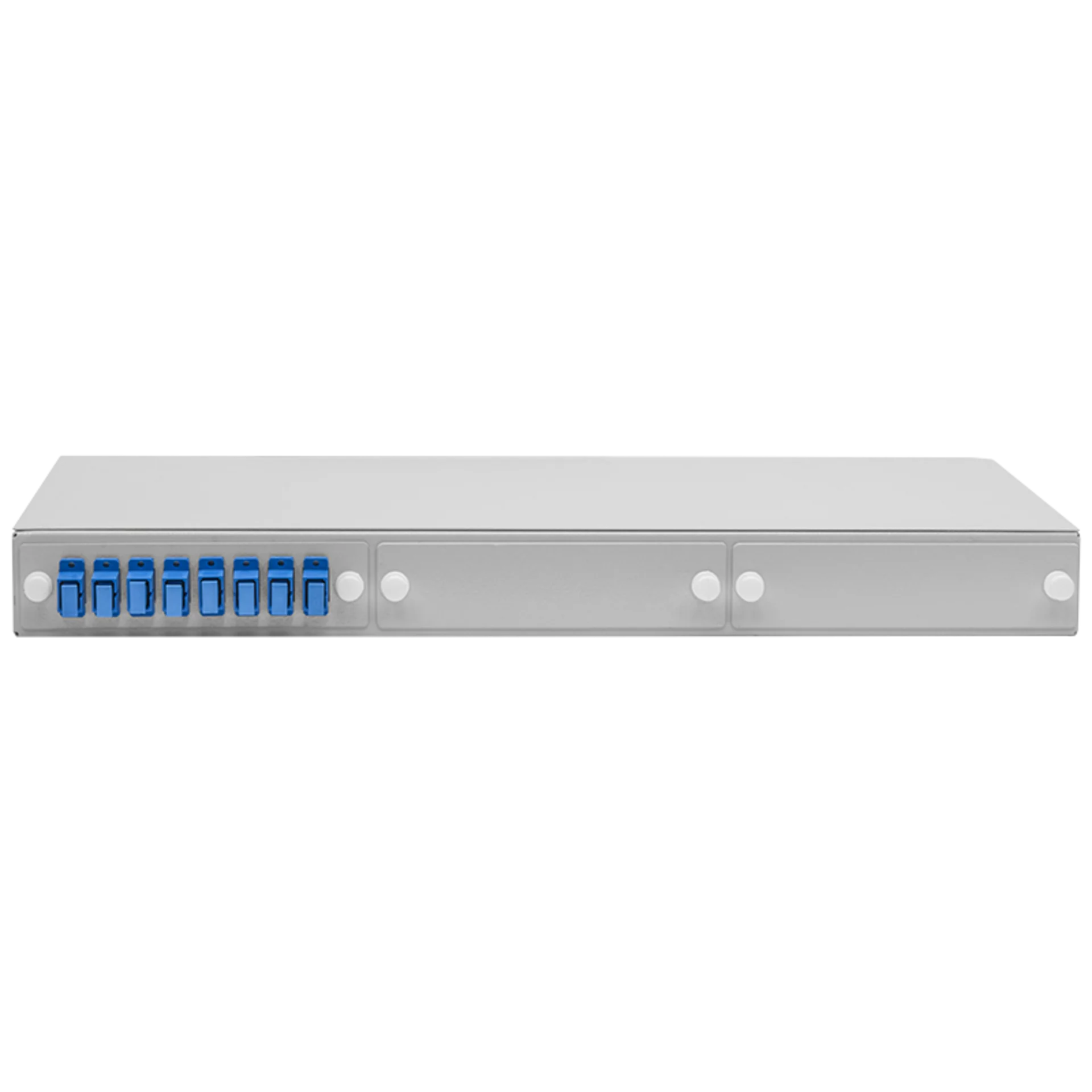
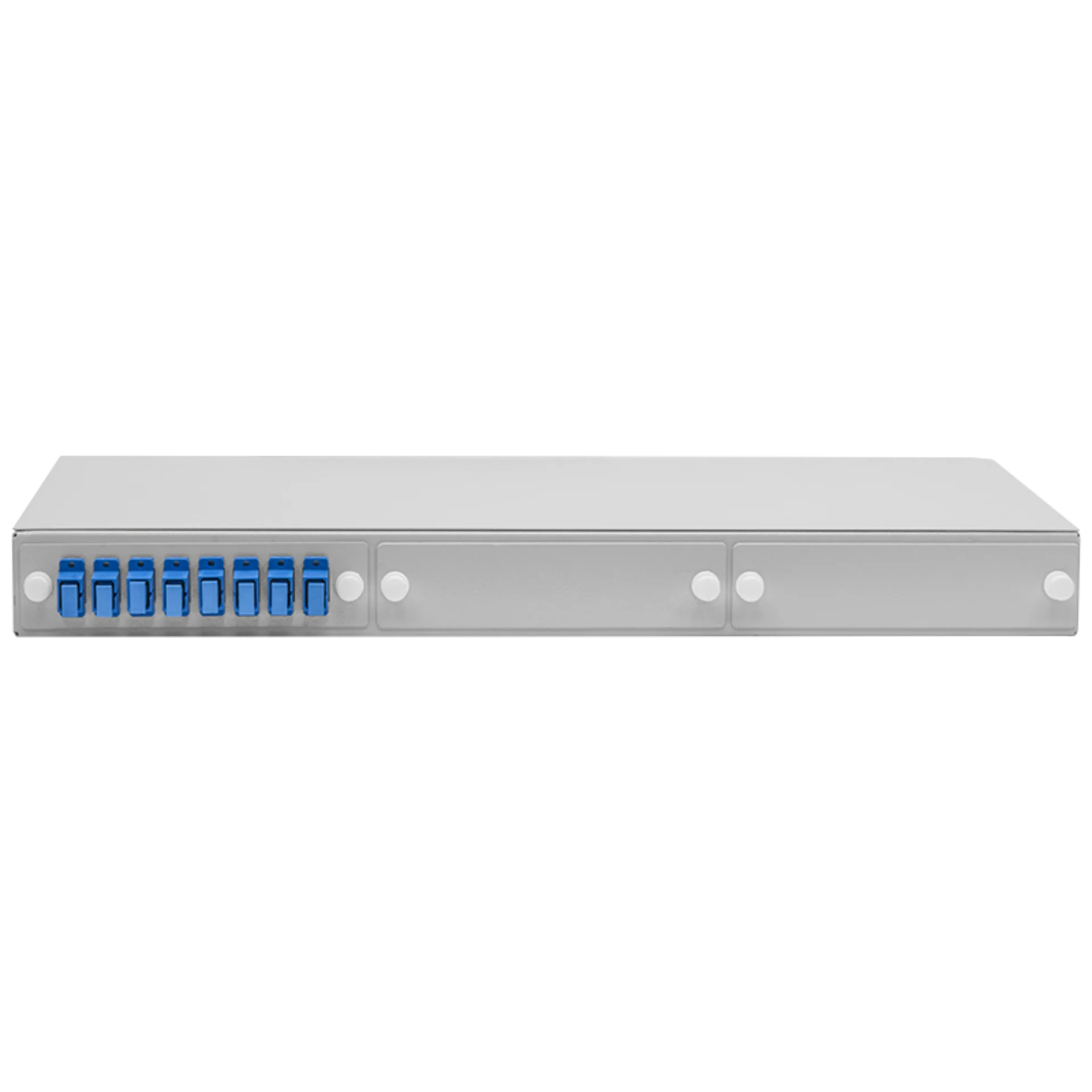
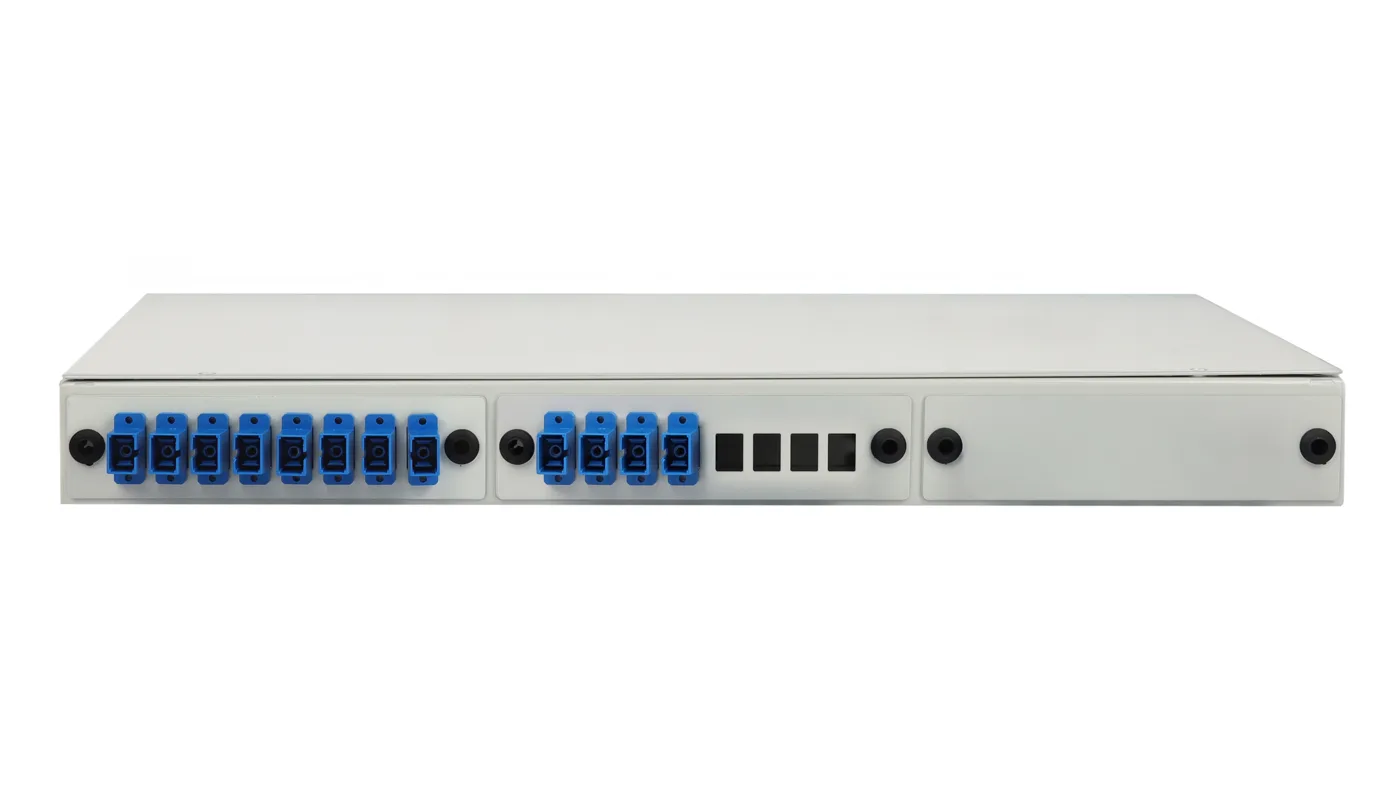
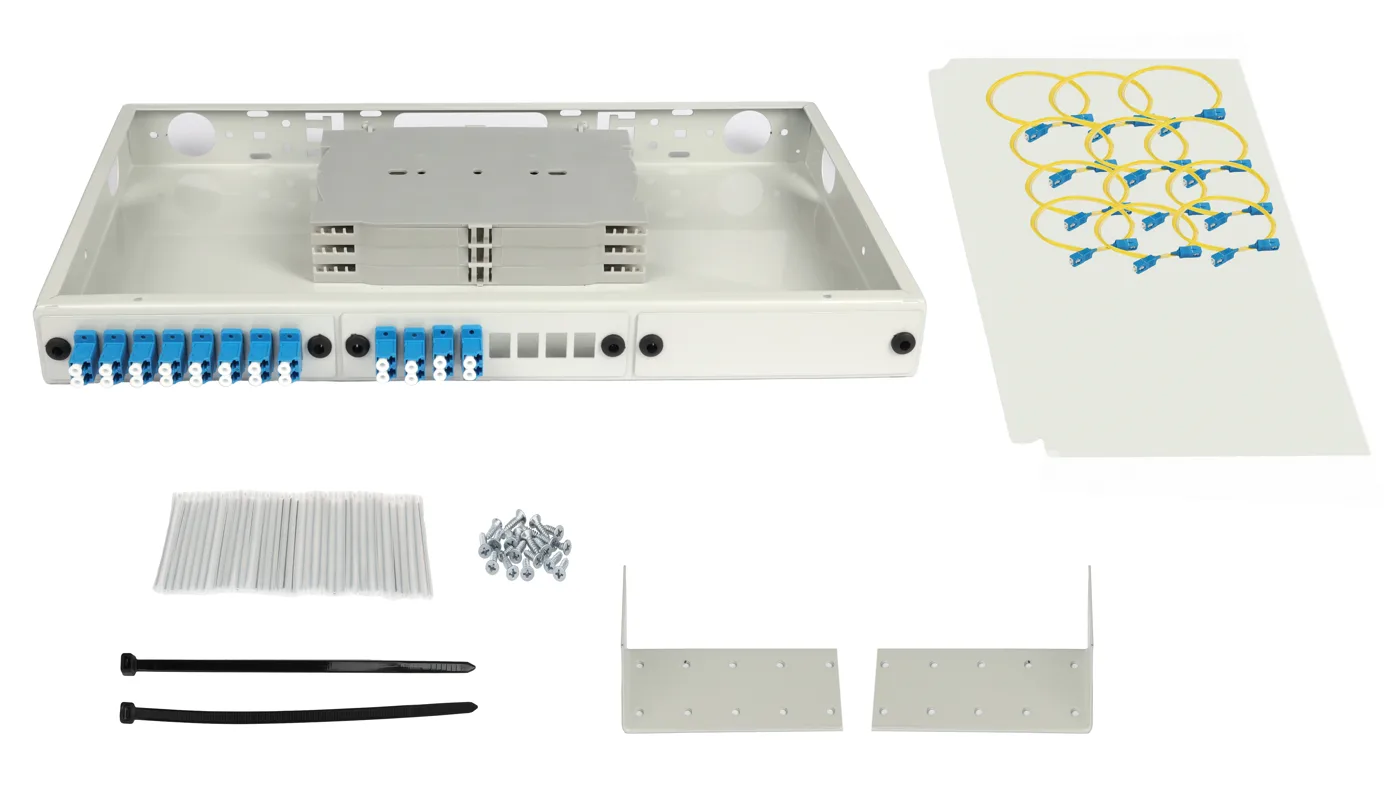
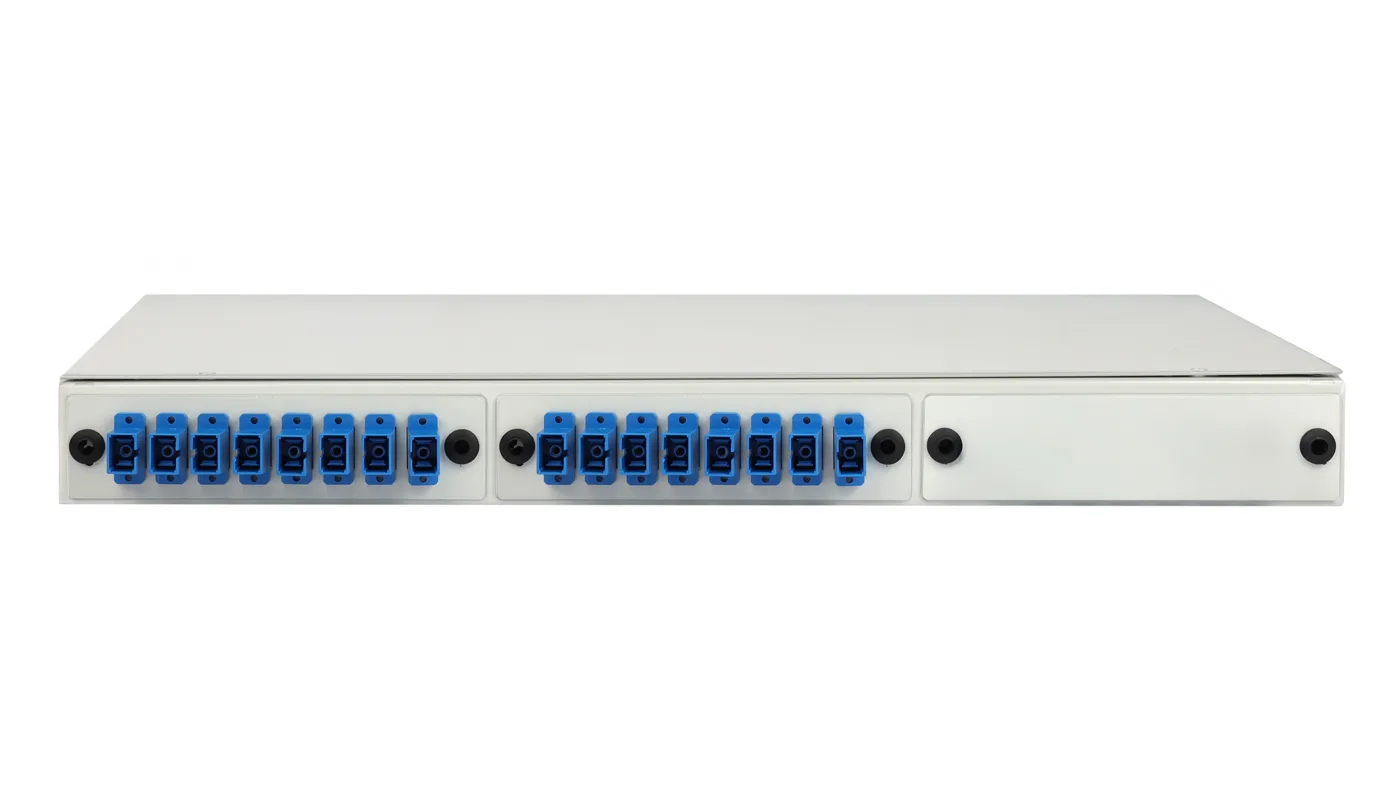
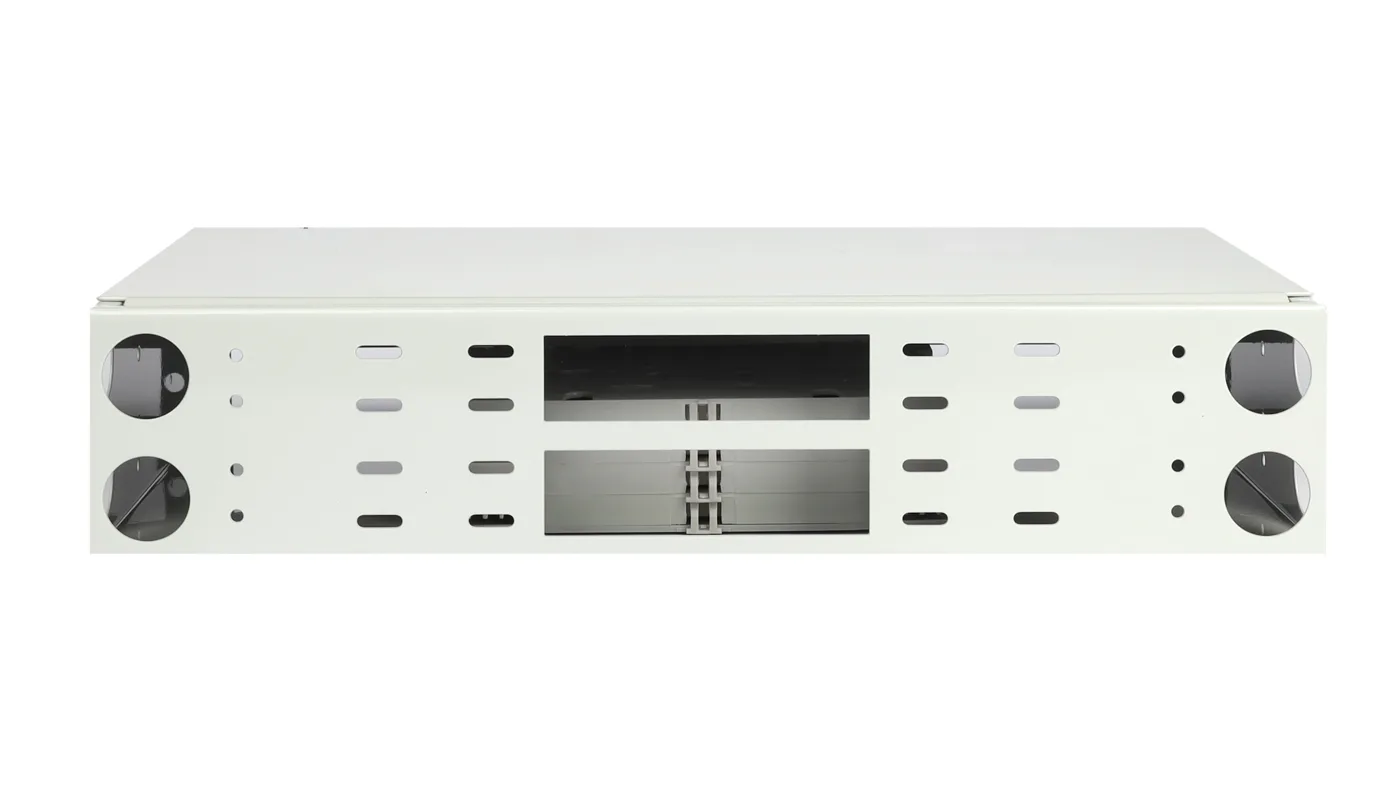
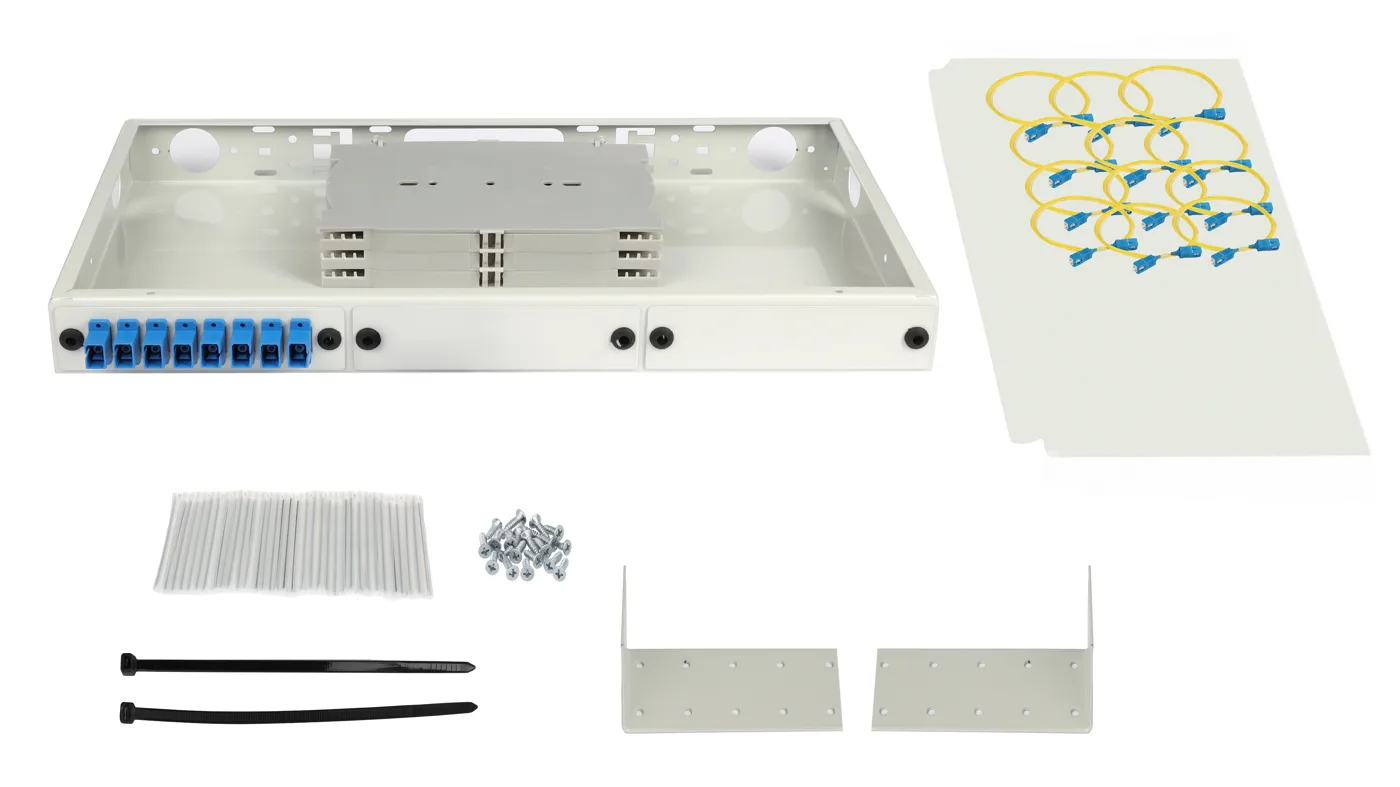
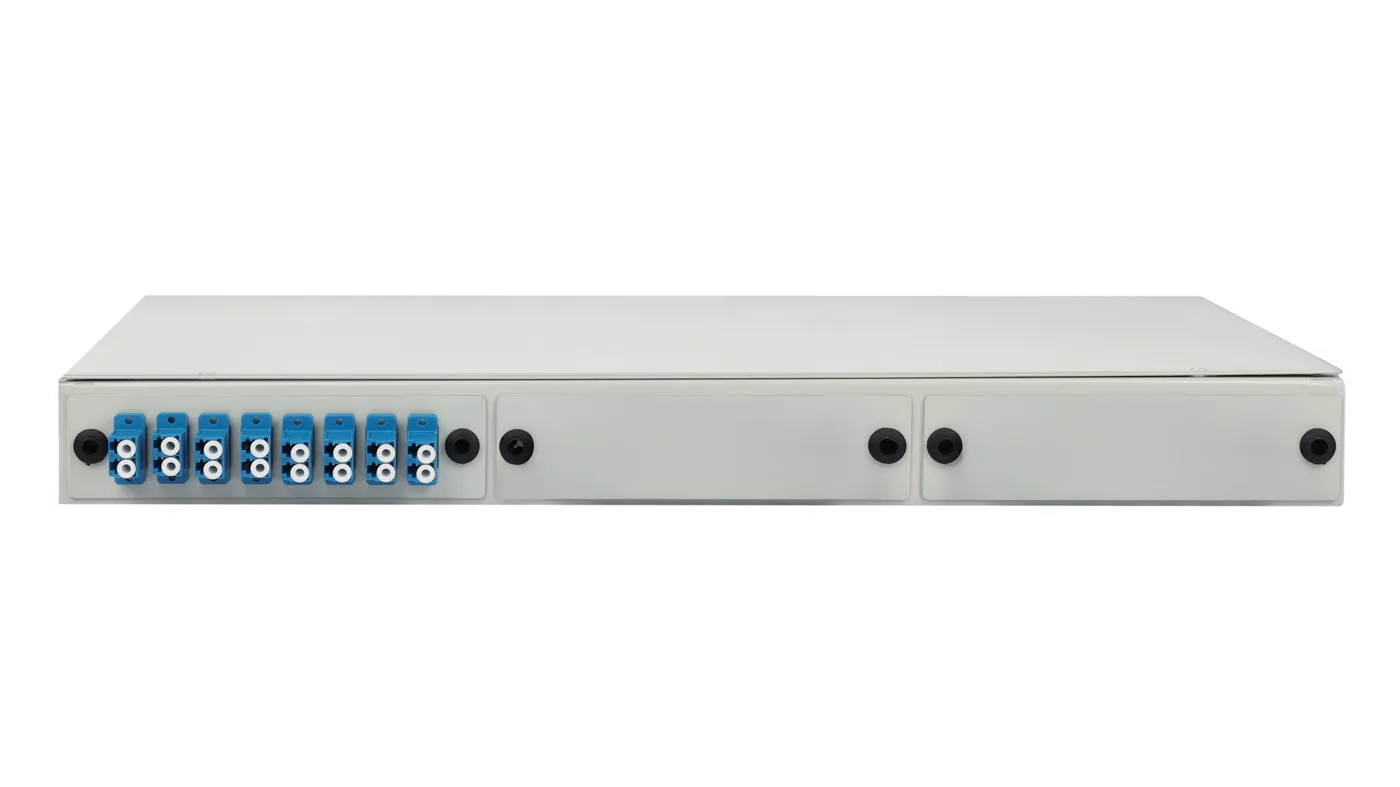
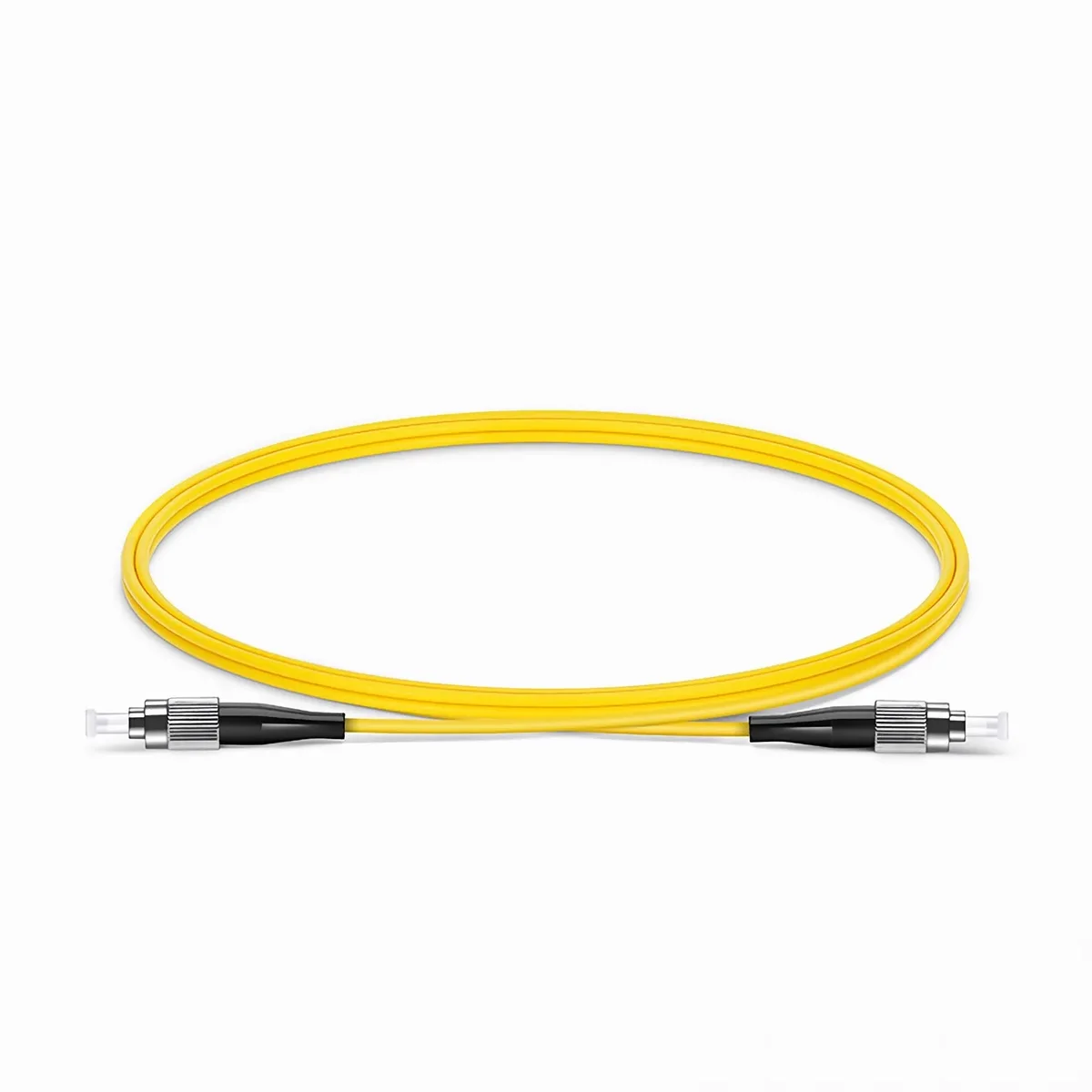
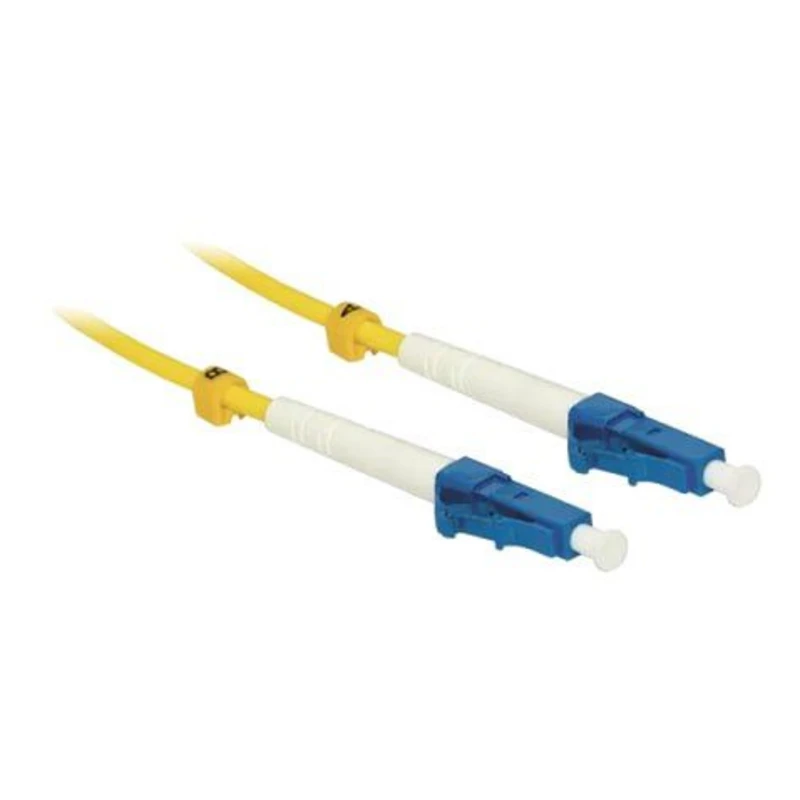
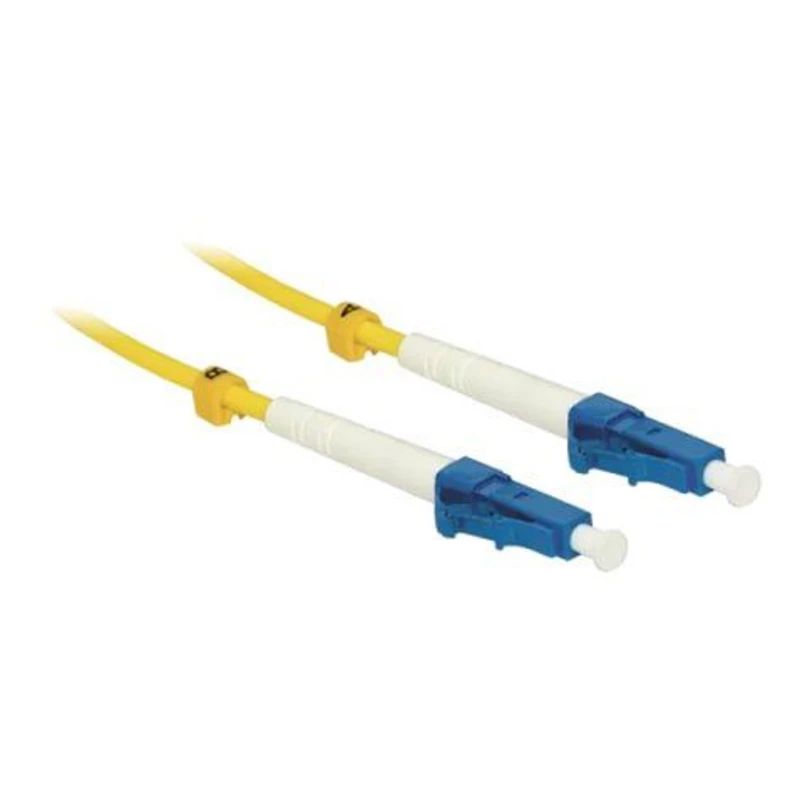
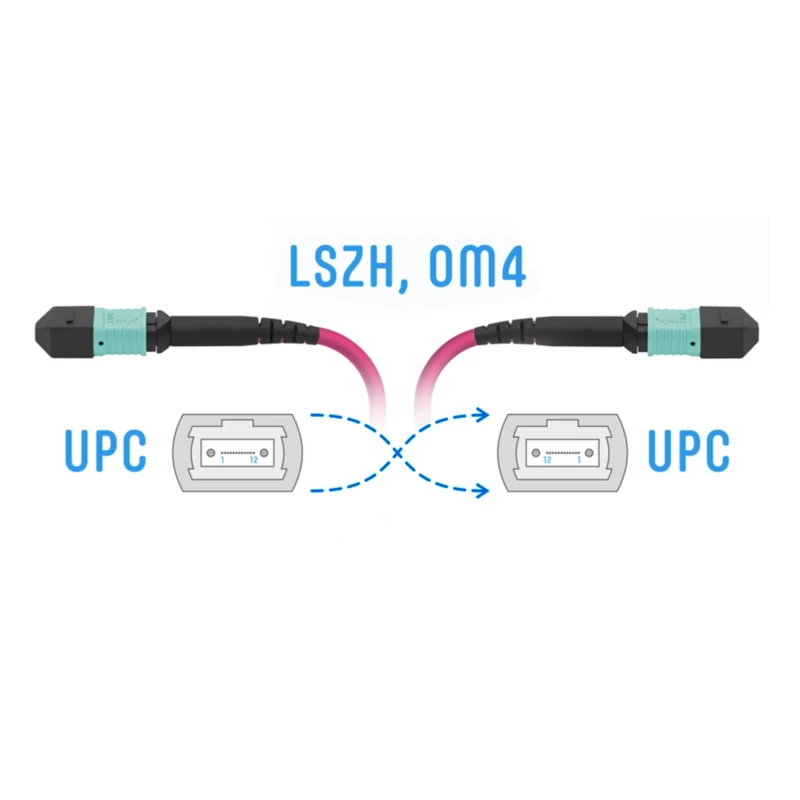
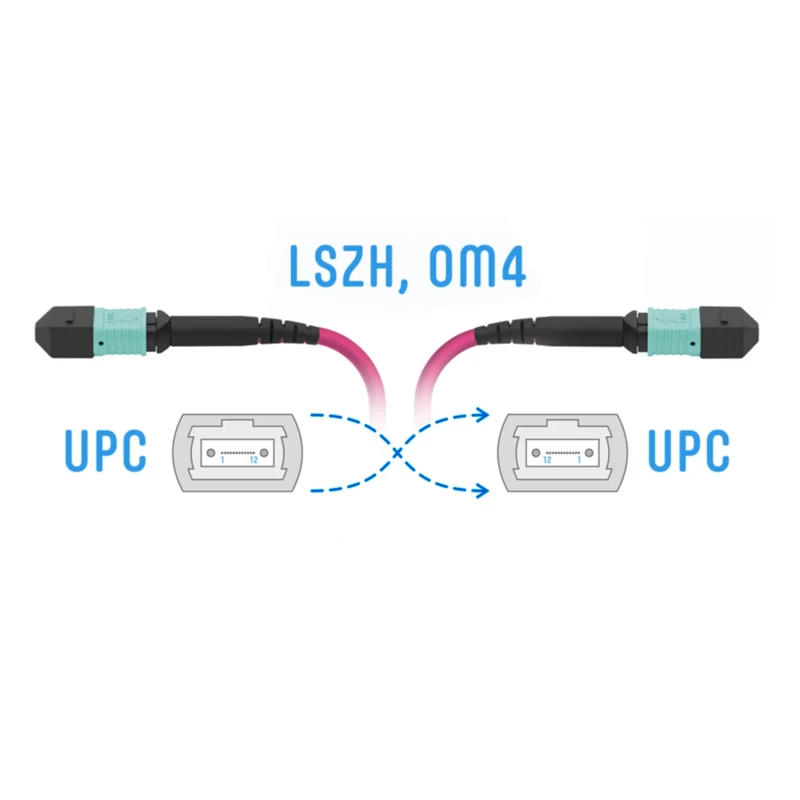
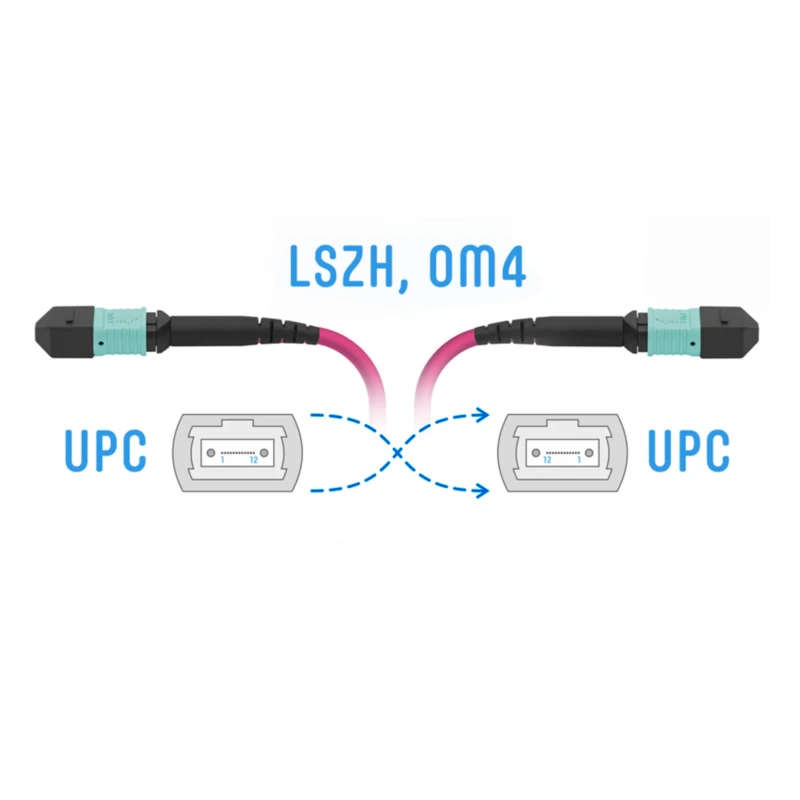
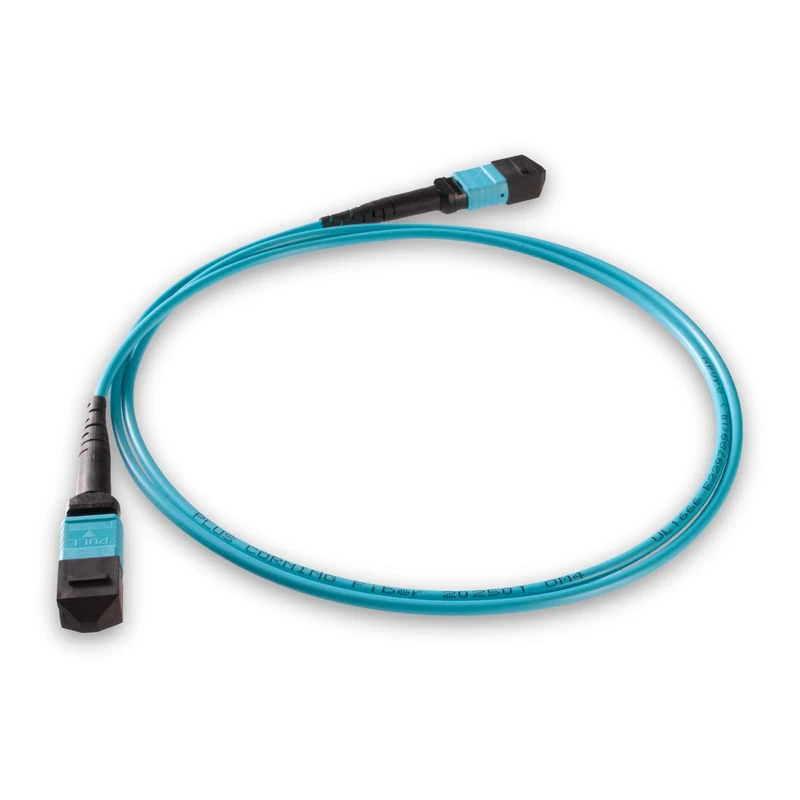
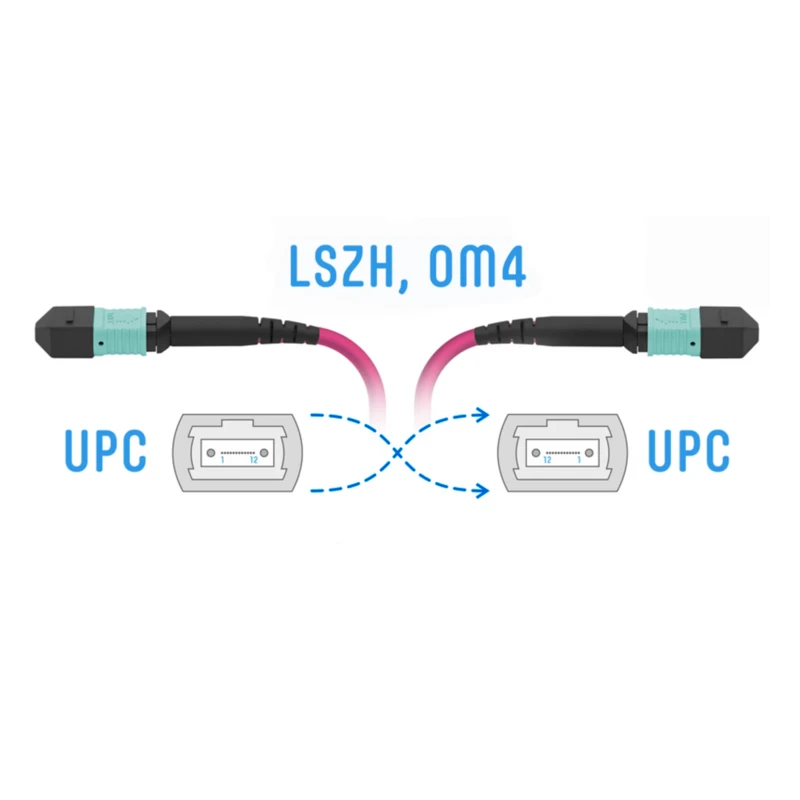
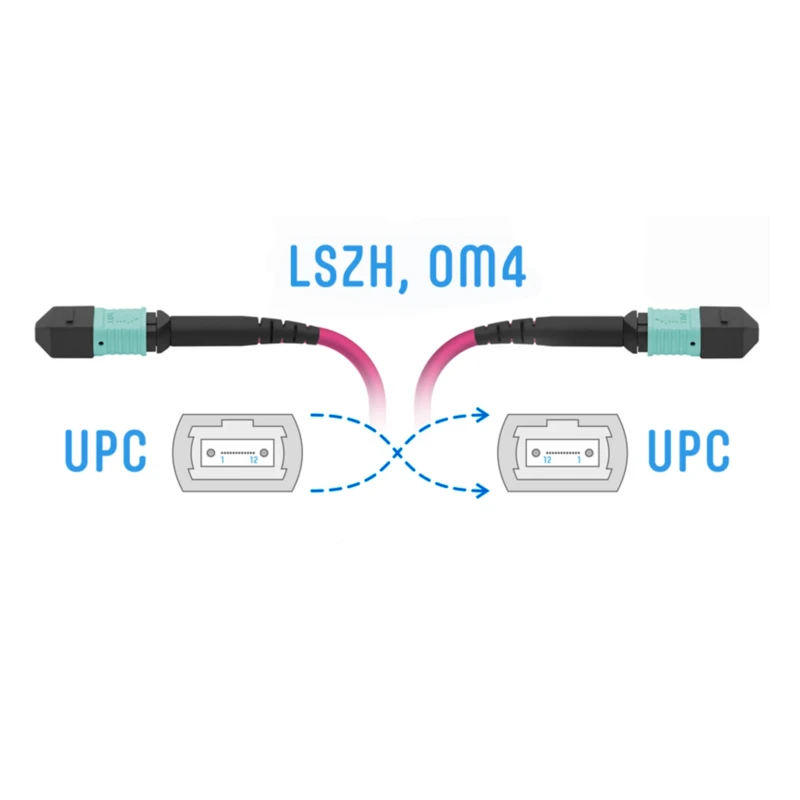
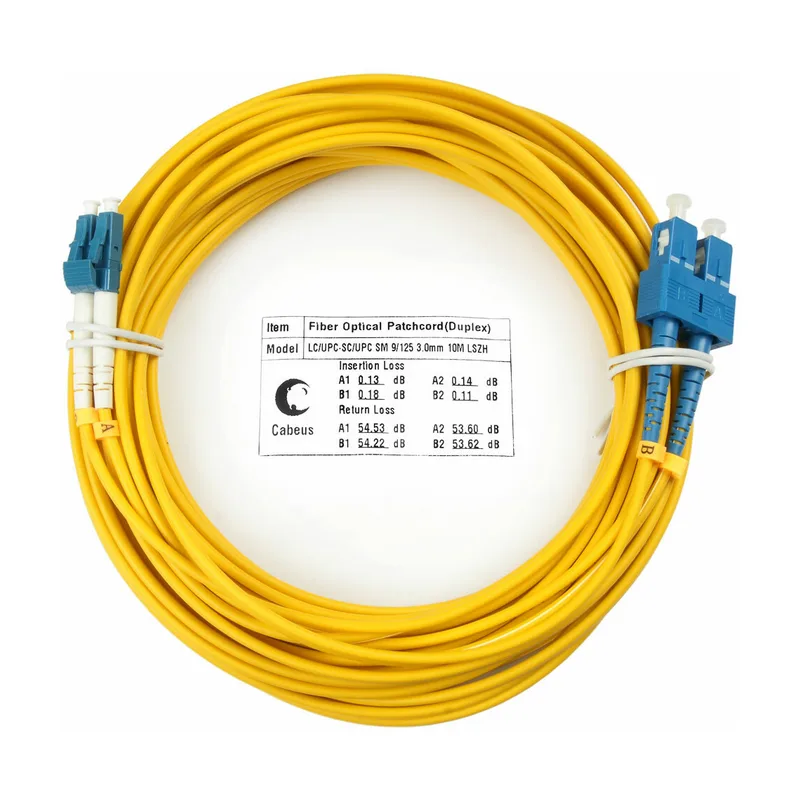
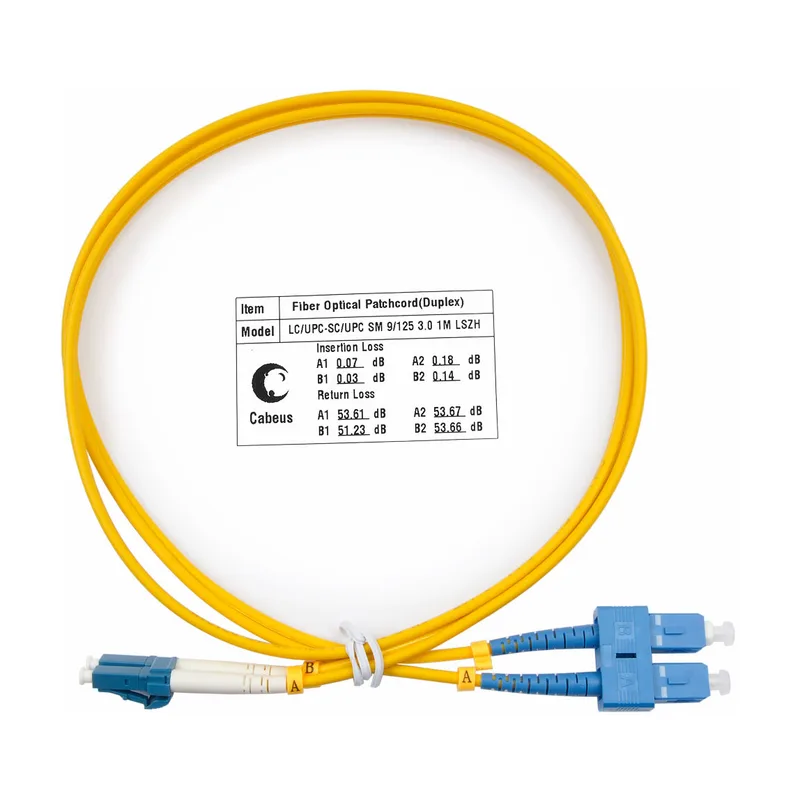
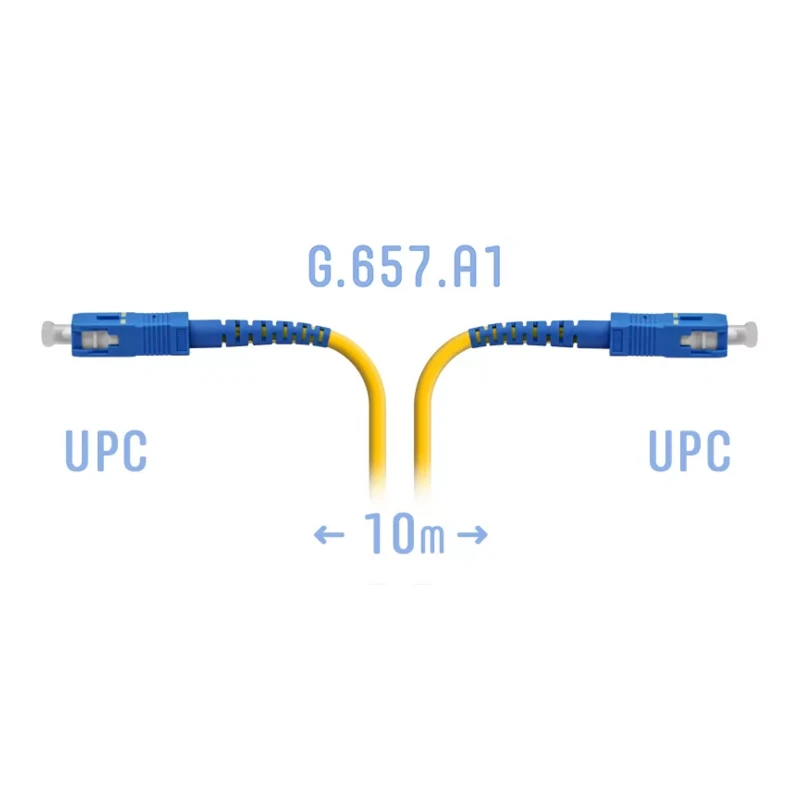
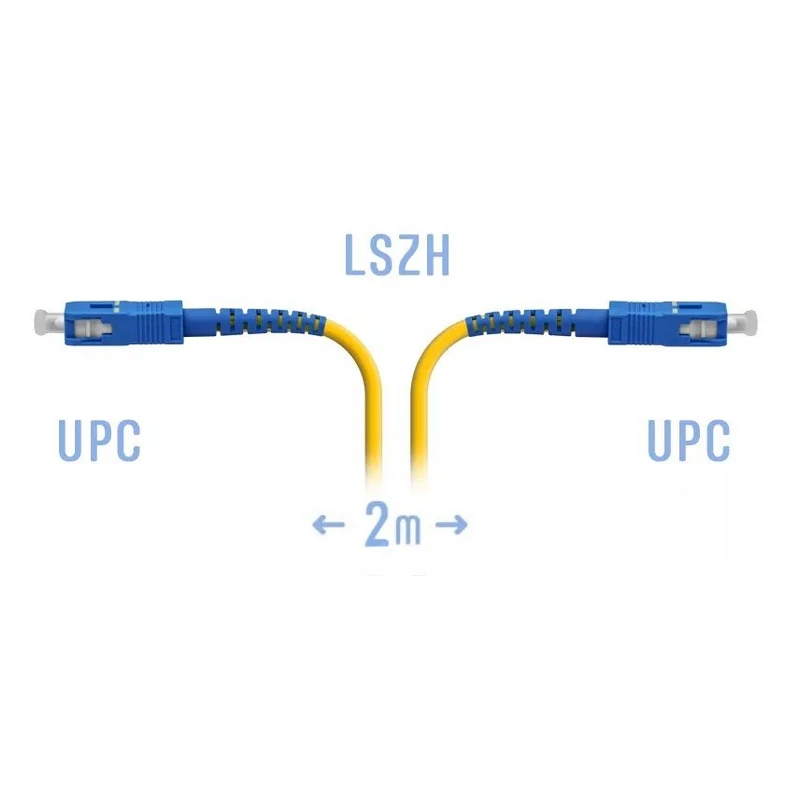
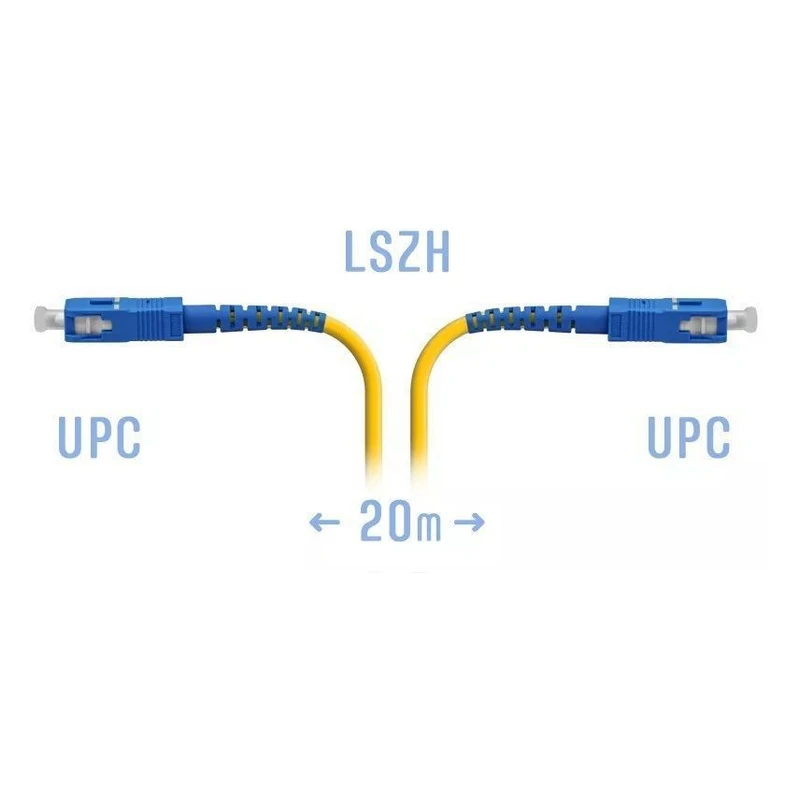
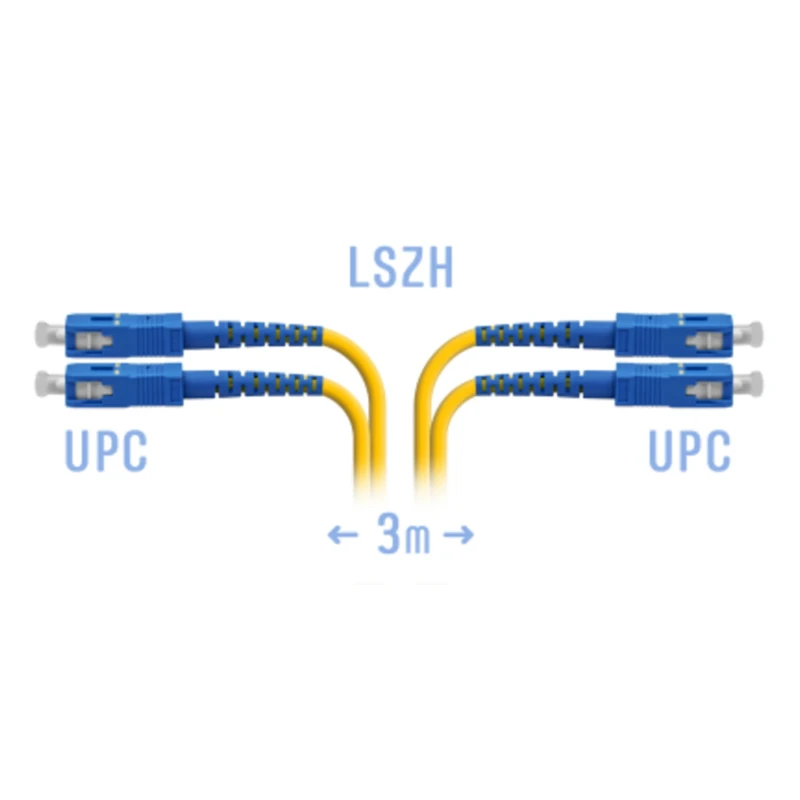
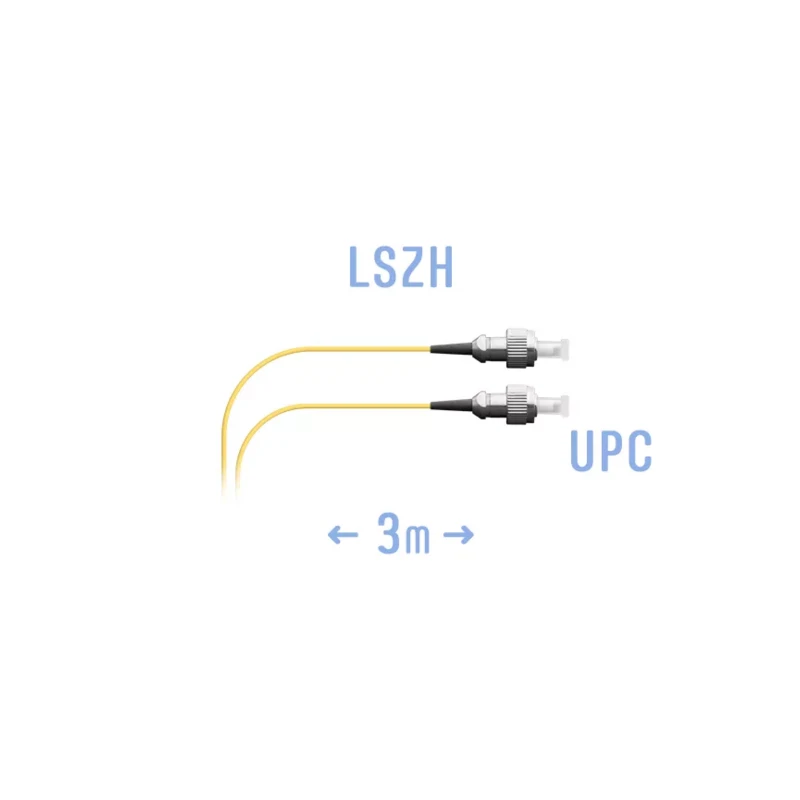
- Pixietech: the main brand in this section of the catalog. The line includes LC/UPC, SC/APC and SC/UPC patch cords in single-mode design from 1 to 30 meters long, FC/UPC-FC/UPC SM mounting cords, high-density MPO-MPO patch cords for multi-fiber connections (12 fibers, OM4, 20 m), as well as 19-inch optical cross-connects for 8 LC Duplex ports in a fully assembled form.
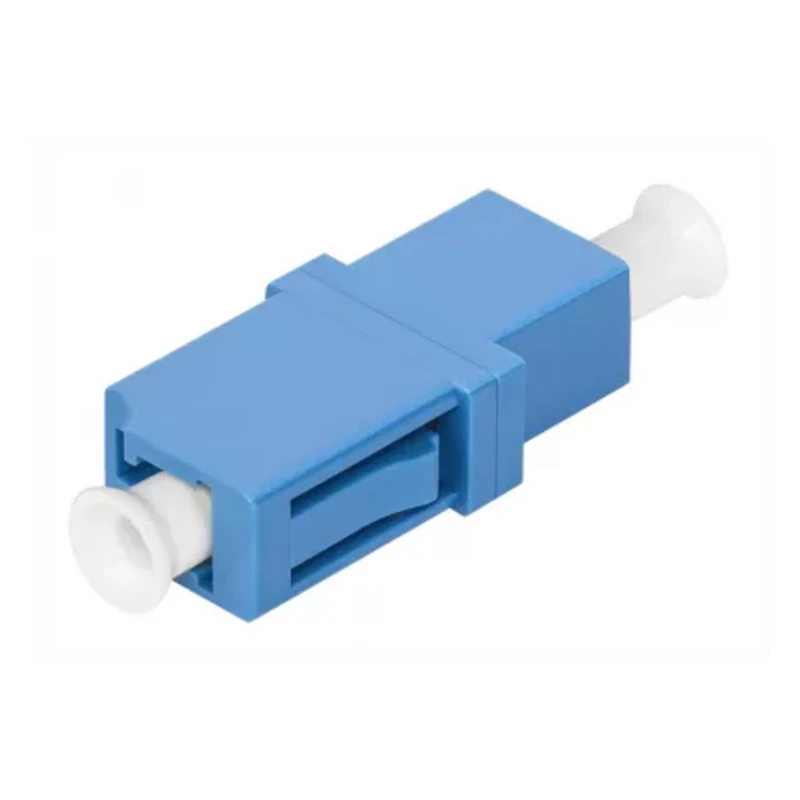
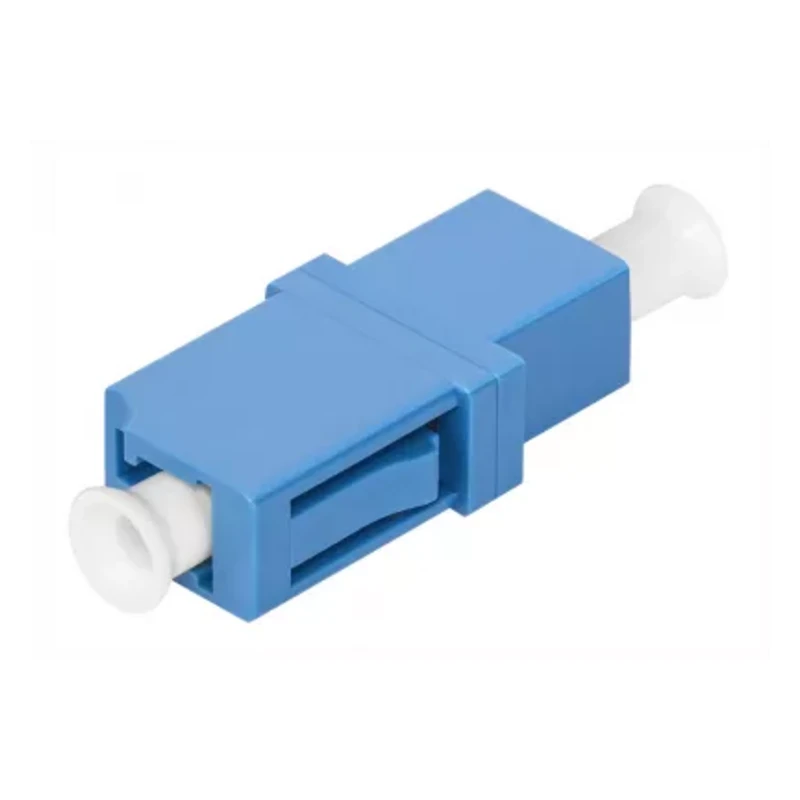
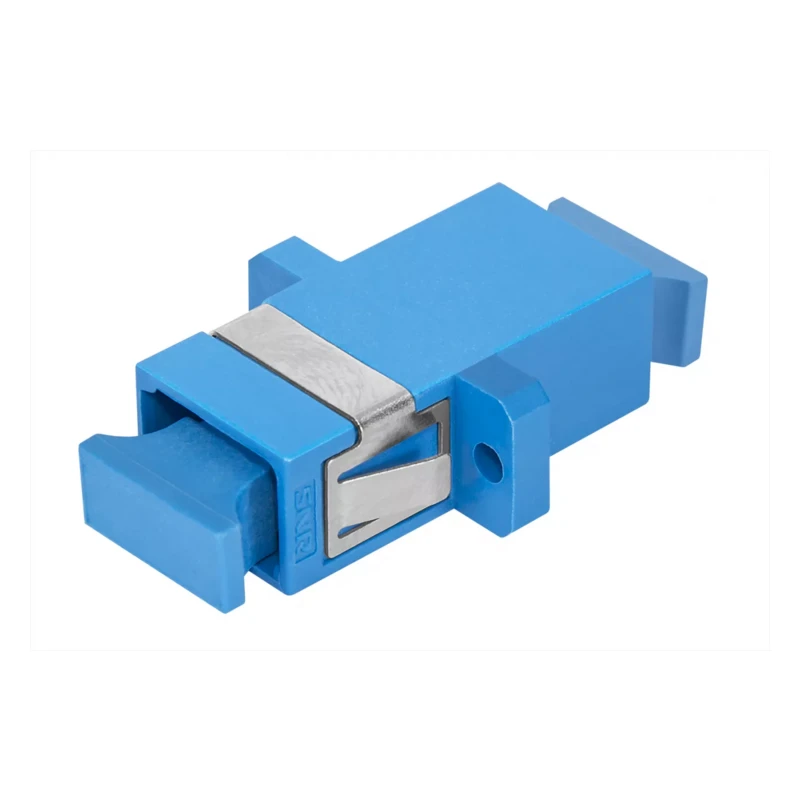
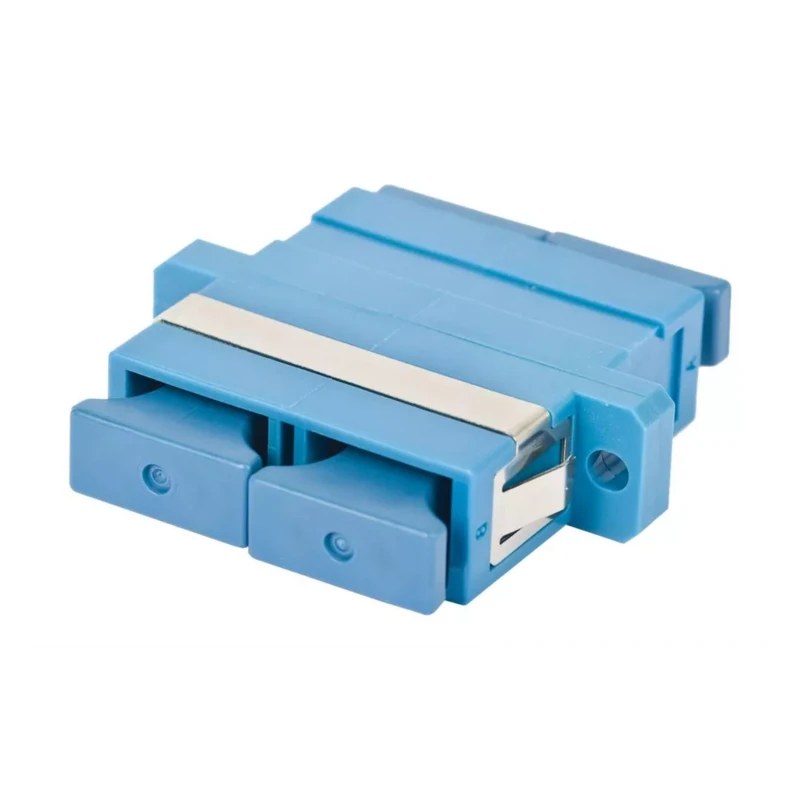
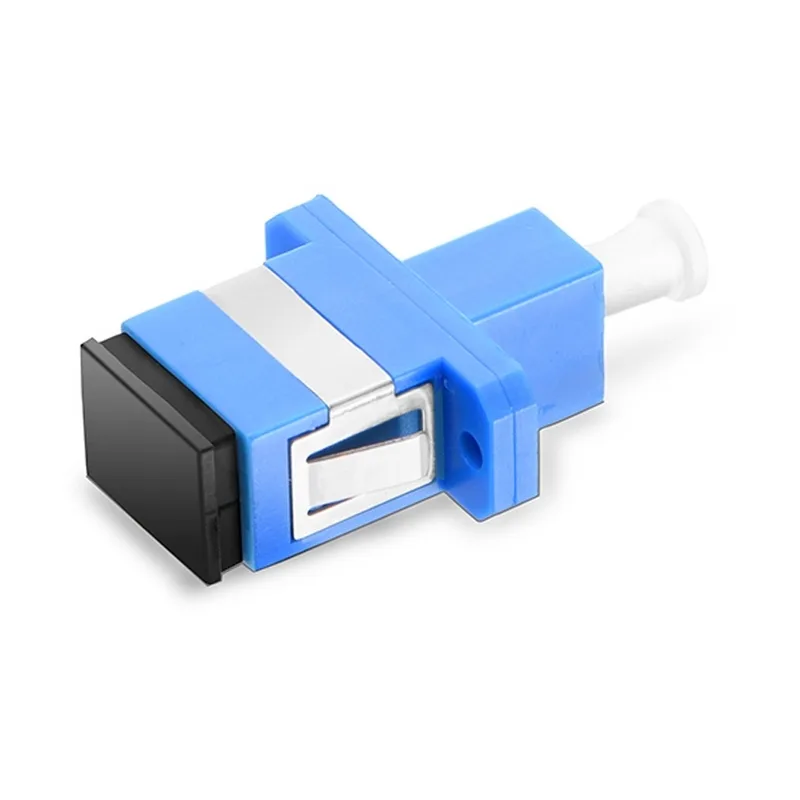
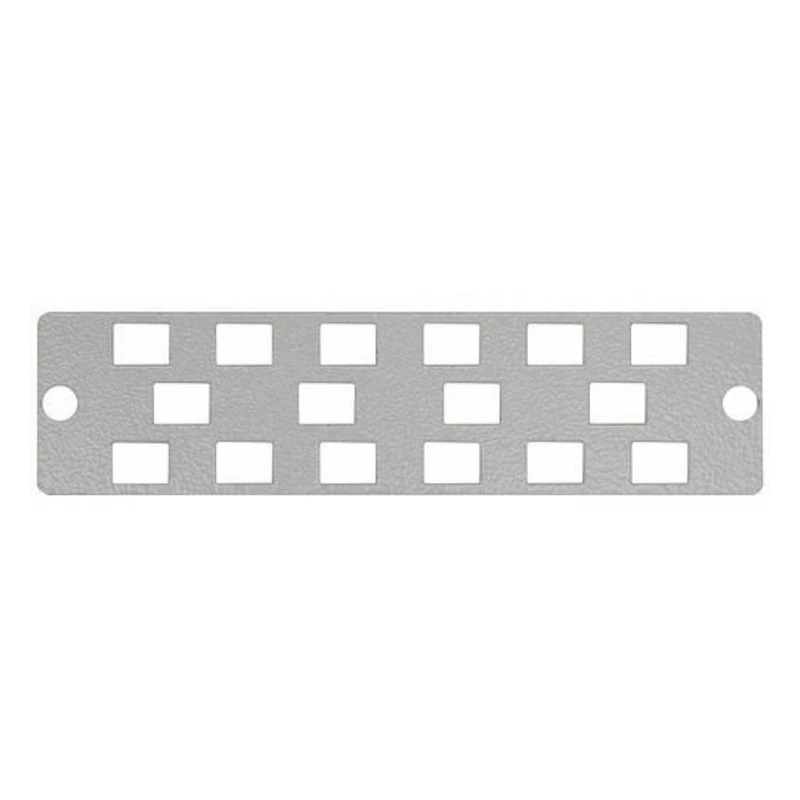
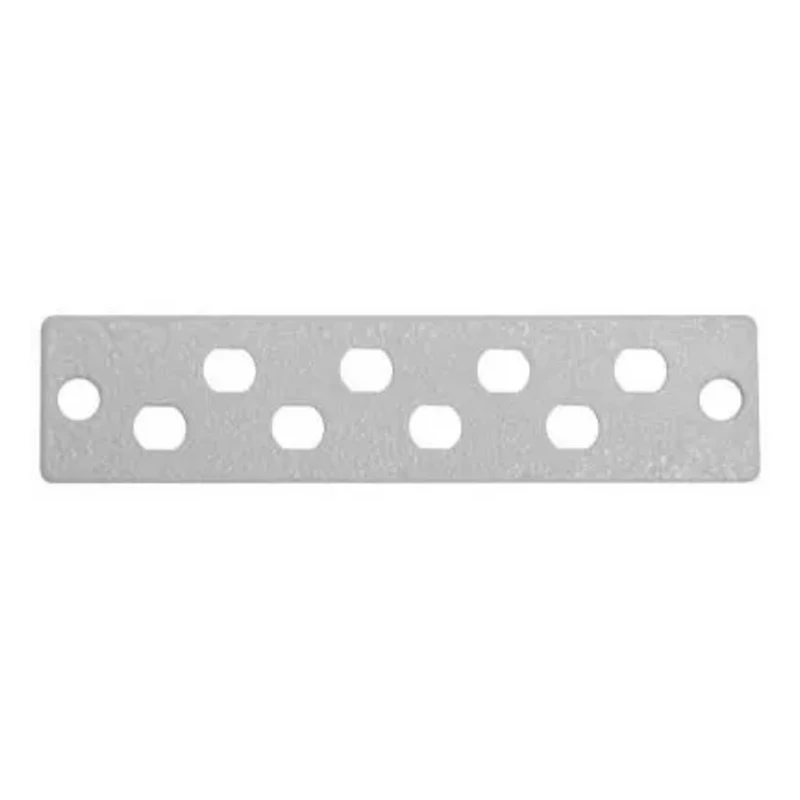
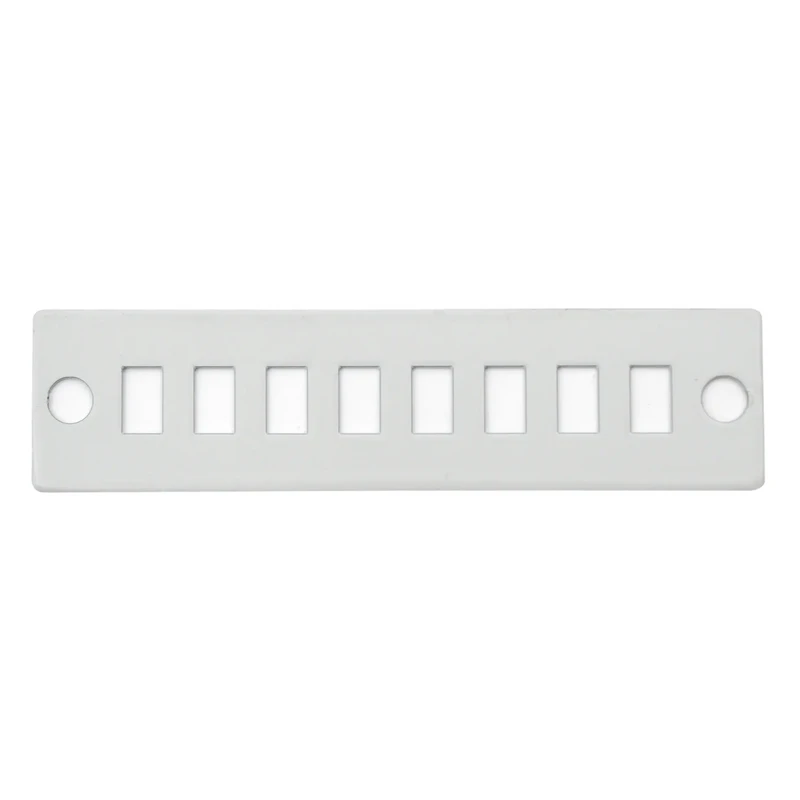
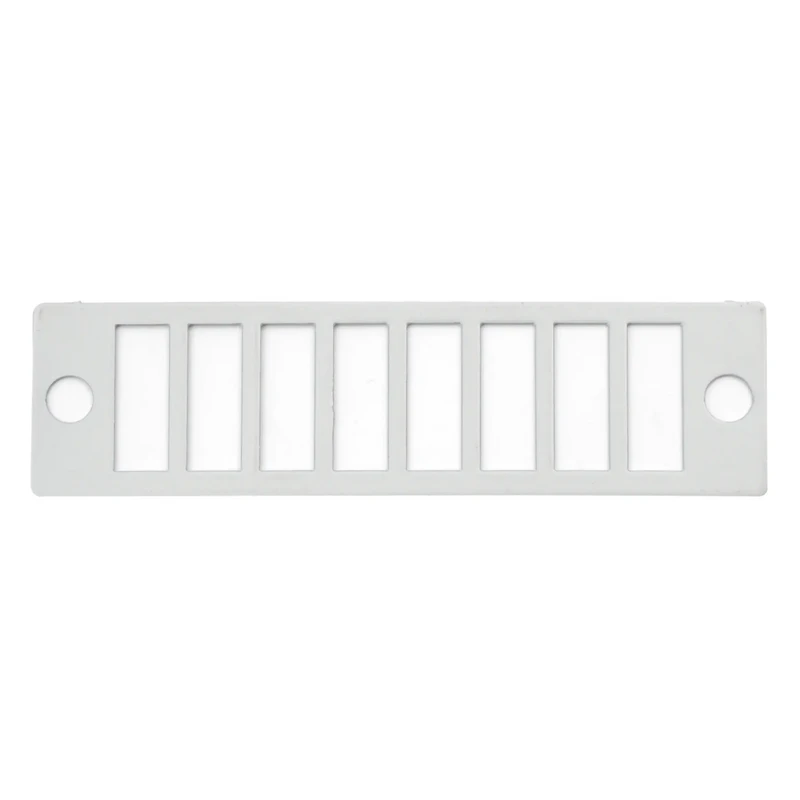
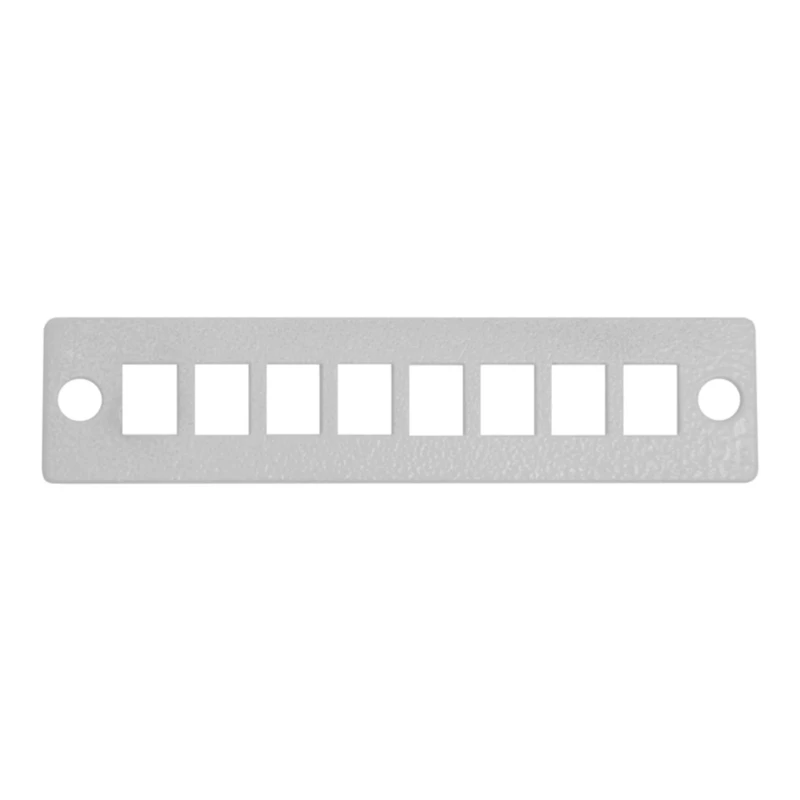
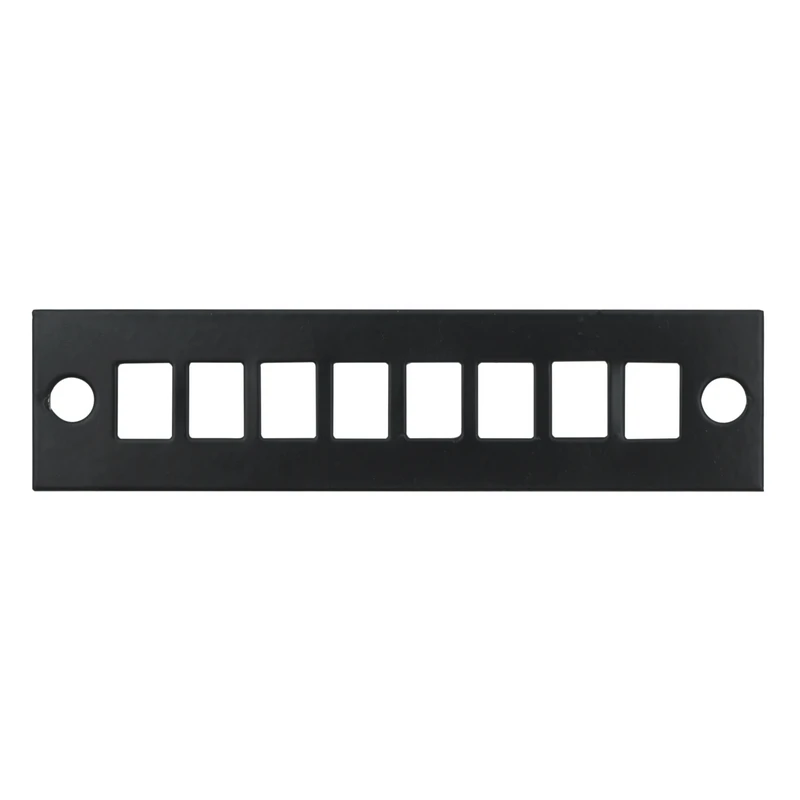
- Pixietech adapters and strips: SC-SC SM optical adapters for cross-connects and adapter strips for optical distribution frames (ODF) of the R series, compatible with SC and LC Duplex ports. The strips make it possible to increase the cross-connect capacity without replacing the housing.
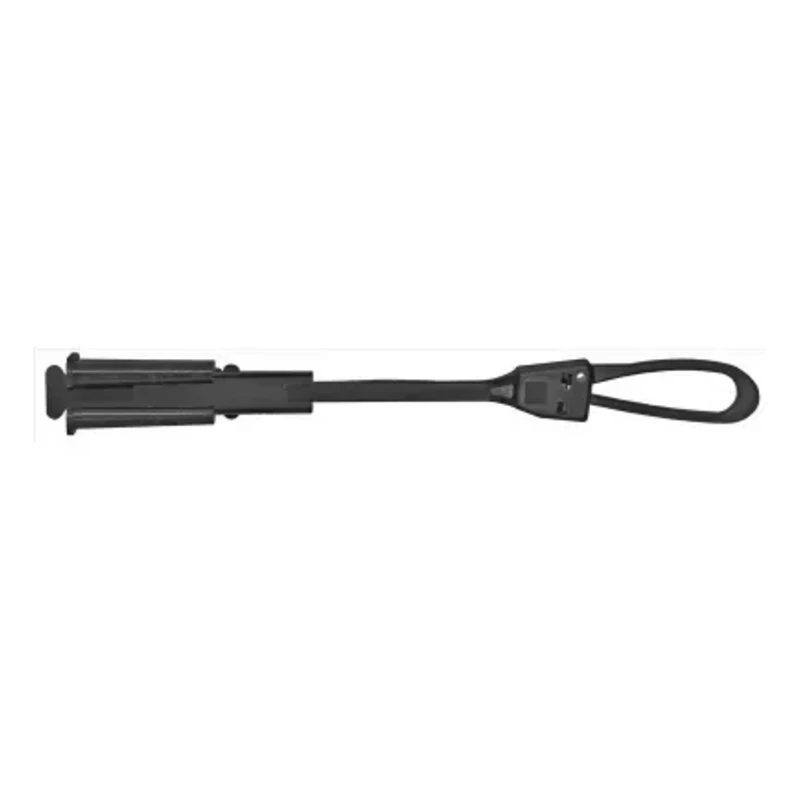
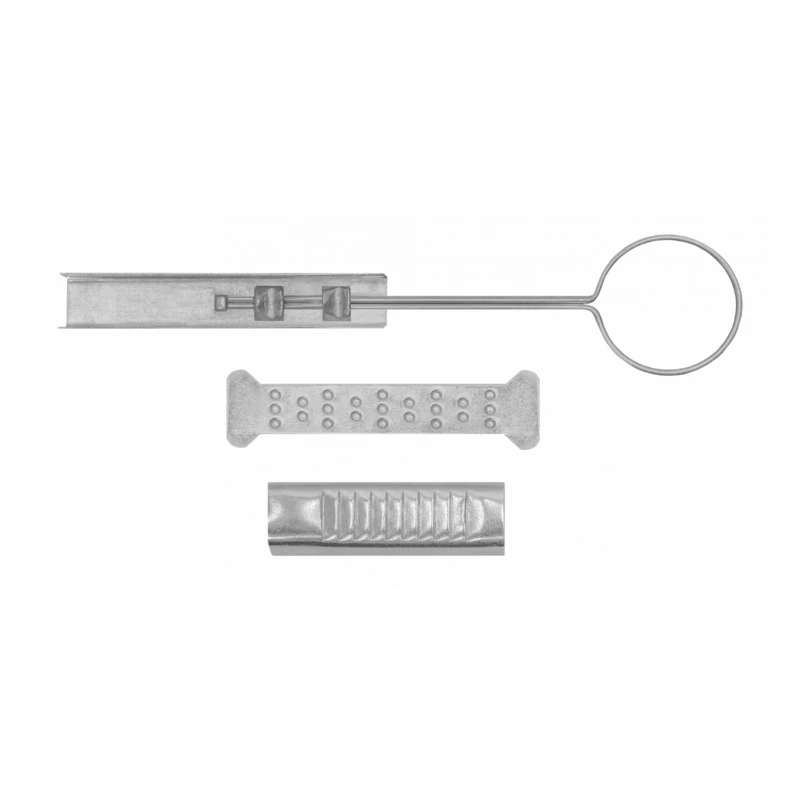
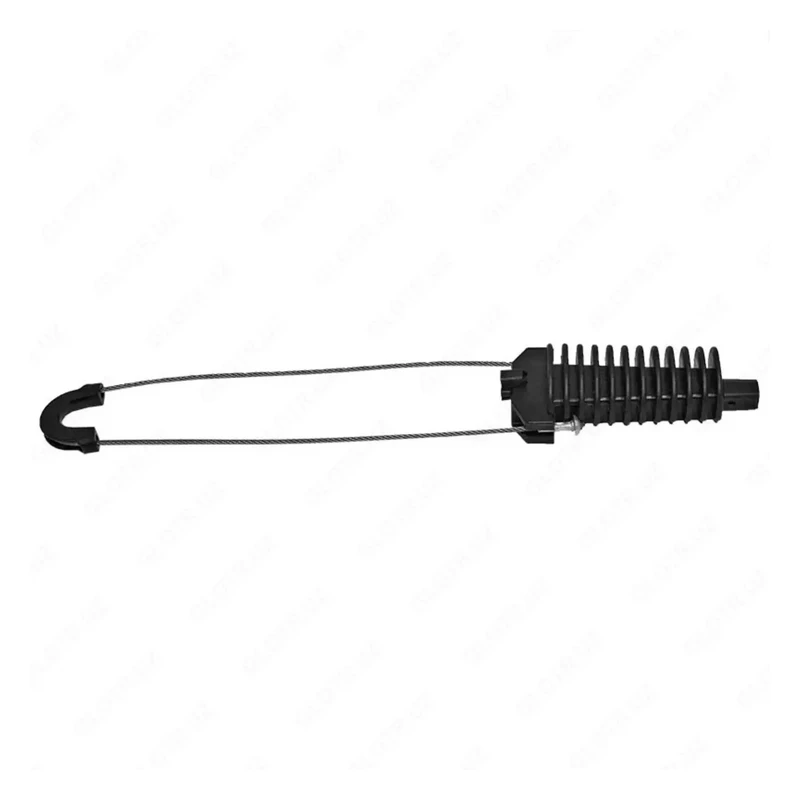
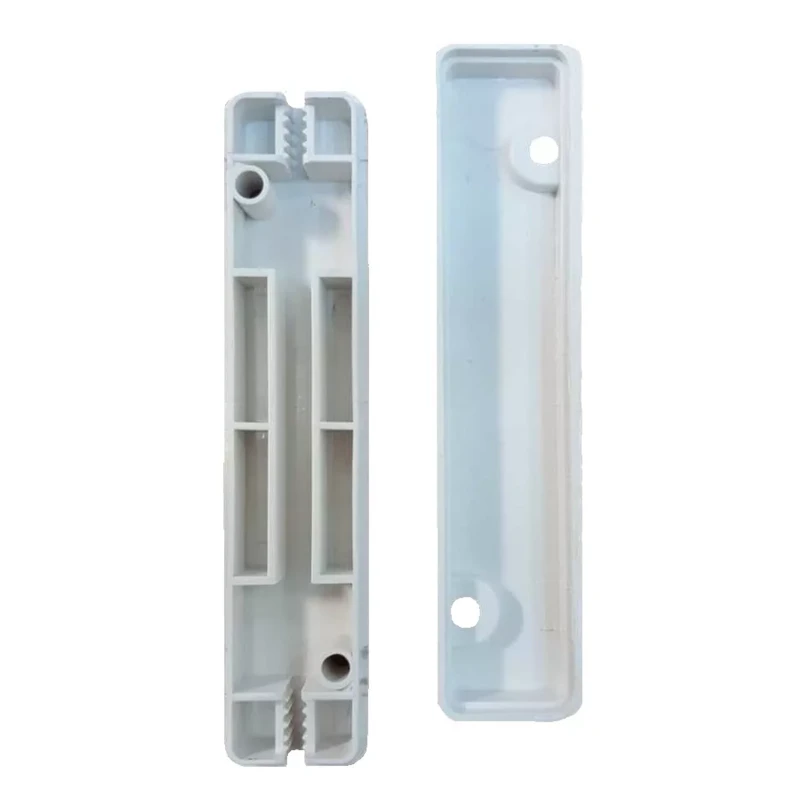
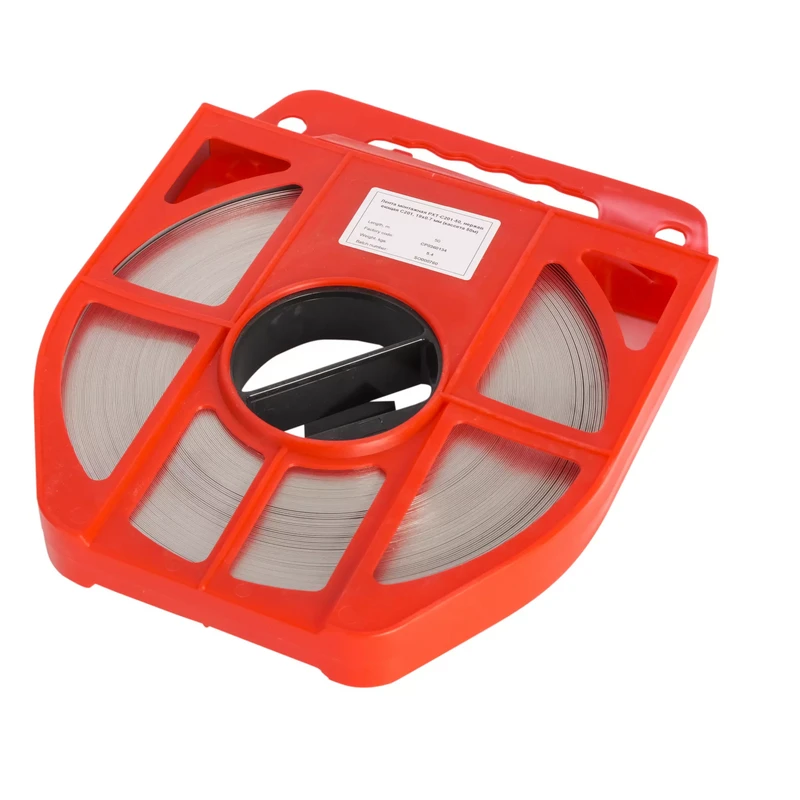
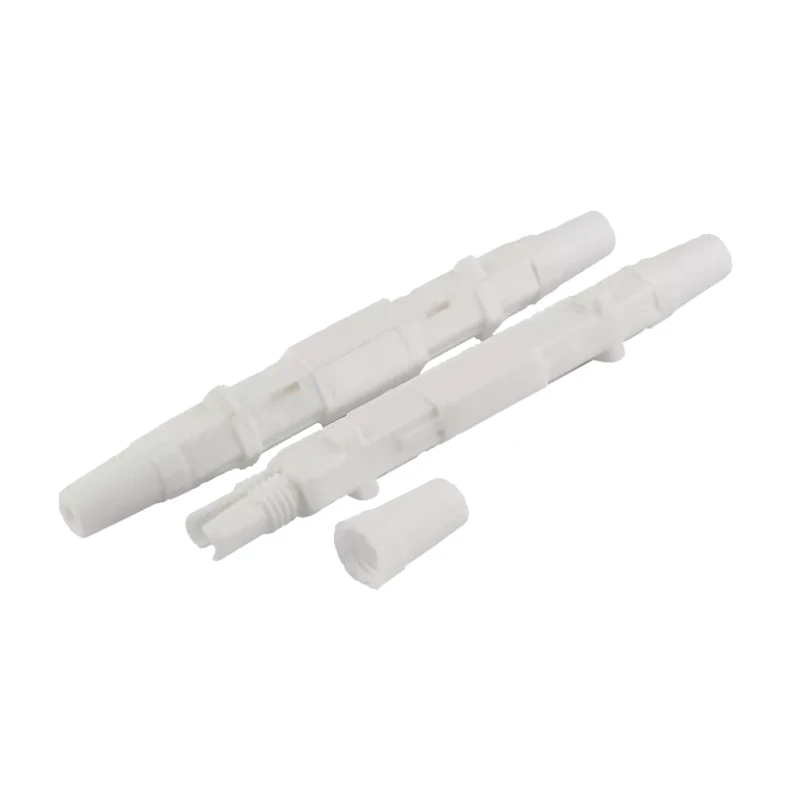
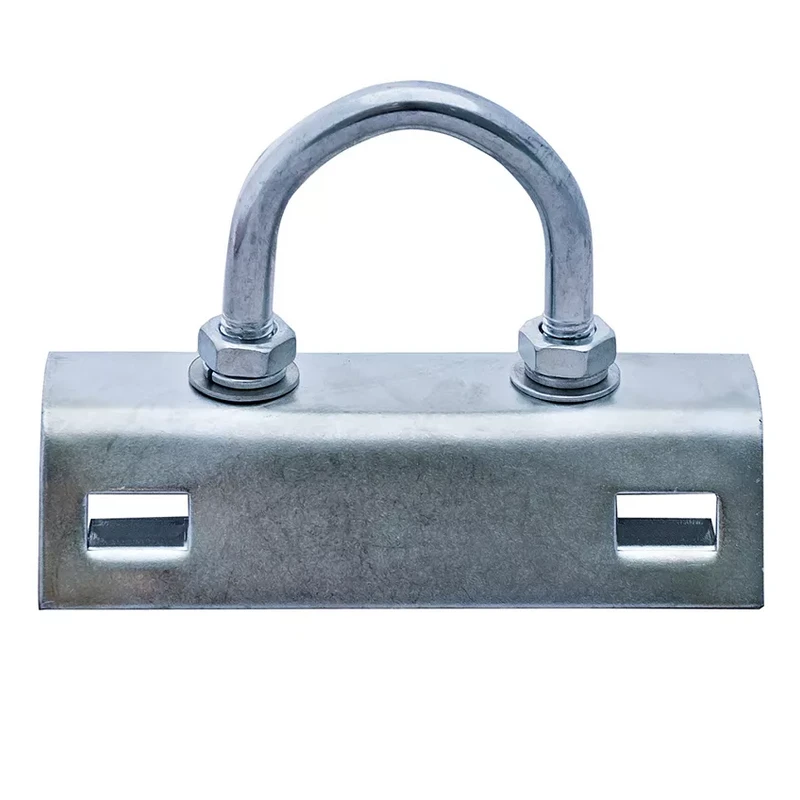
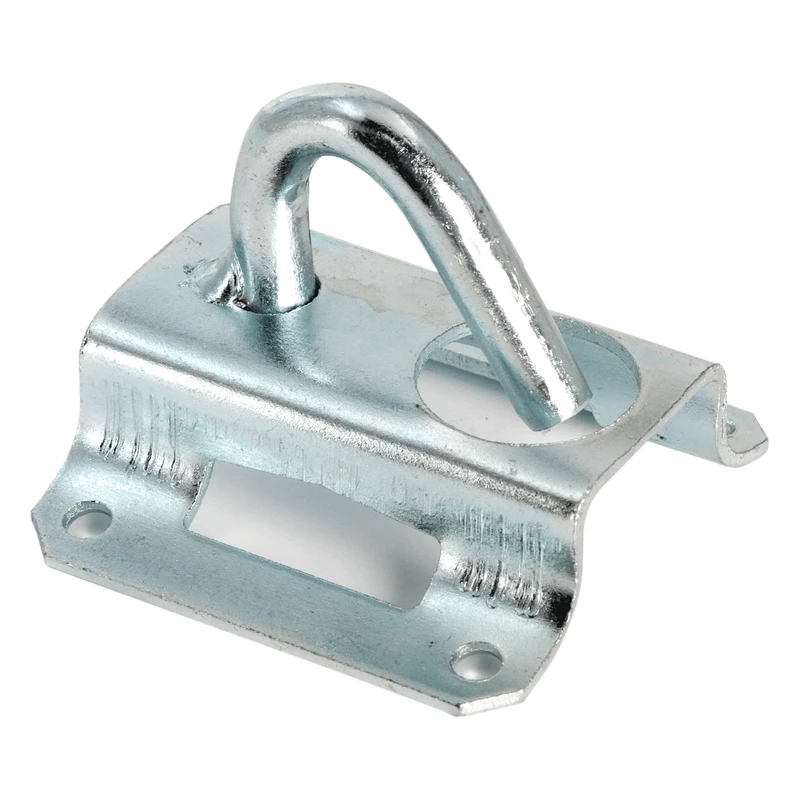
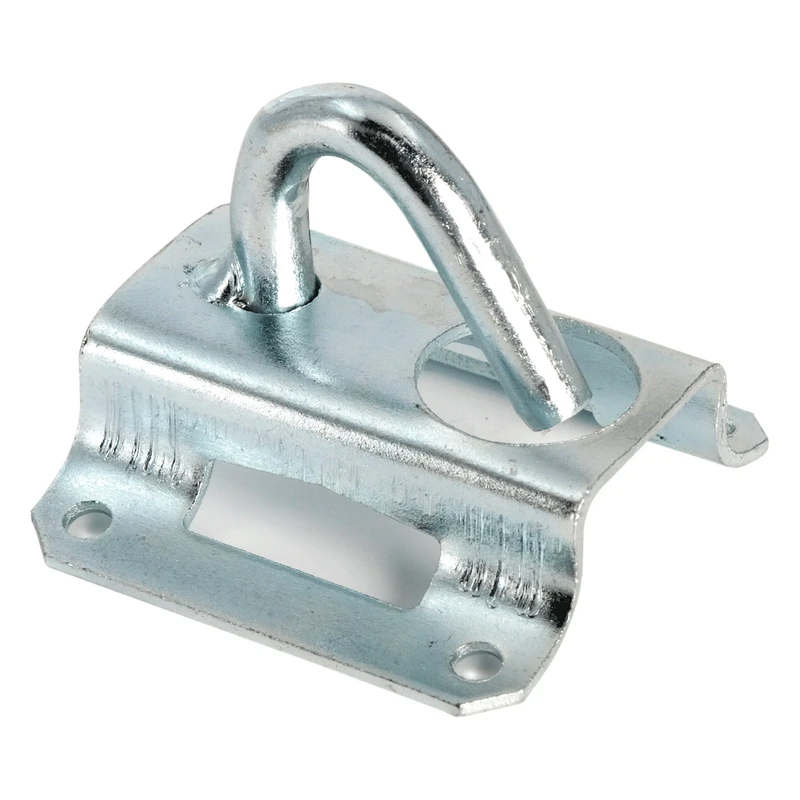
- Mounting units and accessories: the catalog features mounting units (PXT-UKN-01) for fixing cables and cords, which is especially important when laying in cable ducts and mounting in racks.
- The range of 293 items ensures the choice of the required connector type, polishing, length and design for any project - from a small office to a multi-story administrative building.
Frequently asked questions
How do SC/UPC and SC/APC patch cords differ - can they be mixed?
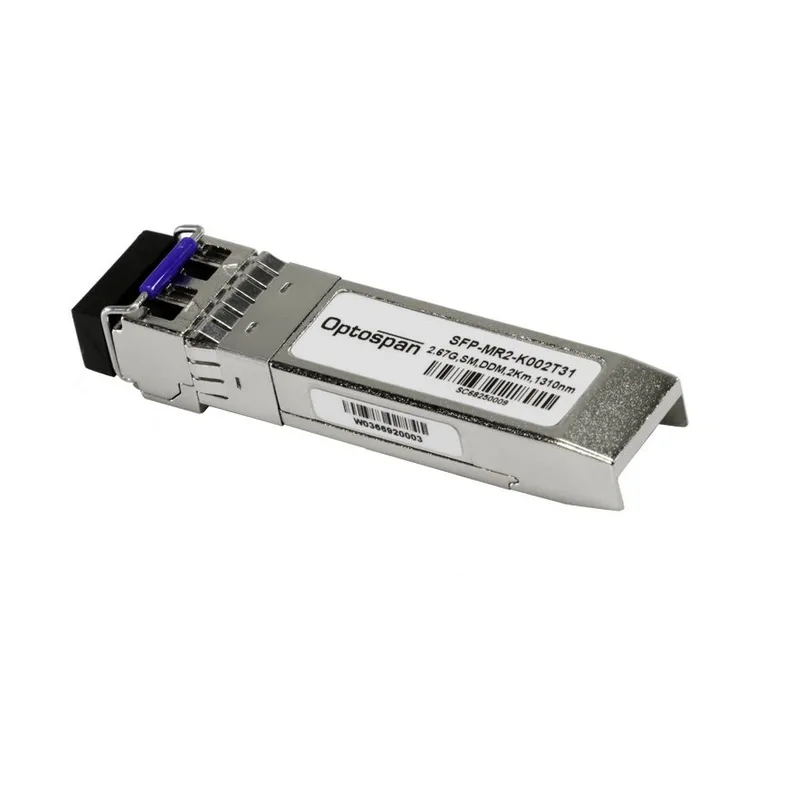
Which patch cord should I choose for connecting an SFP transceiver in a switch?
How much does an optical cross-connect and its installation cost in Tashkent?
Can multimode OM4 patch cords be used for new server installations?
Do you carry out the supply and installation of optics outside Tashkent?
Fiber & accessories — guide & FAQ
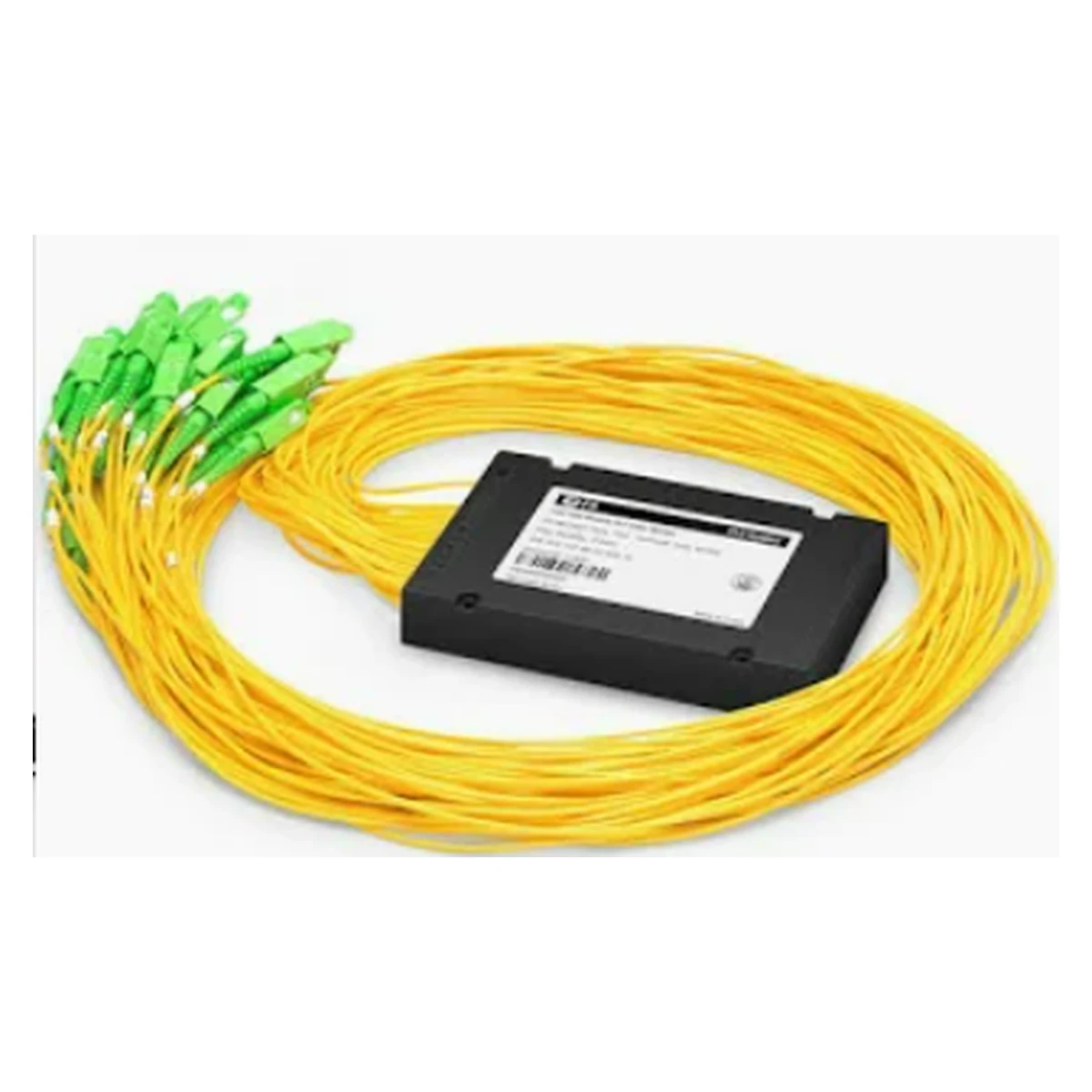
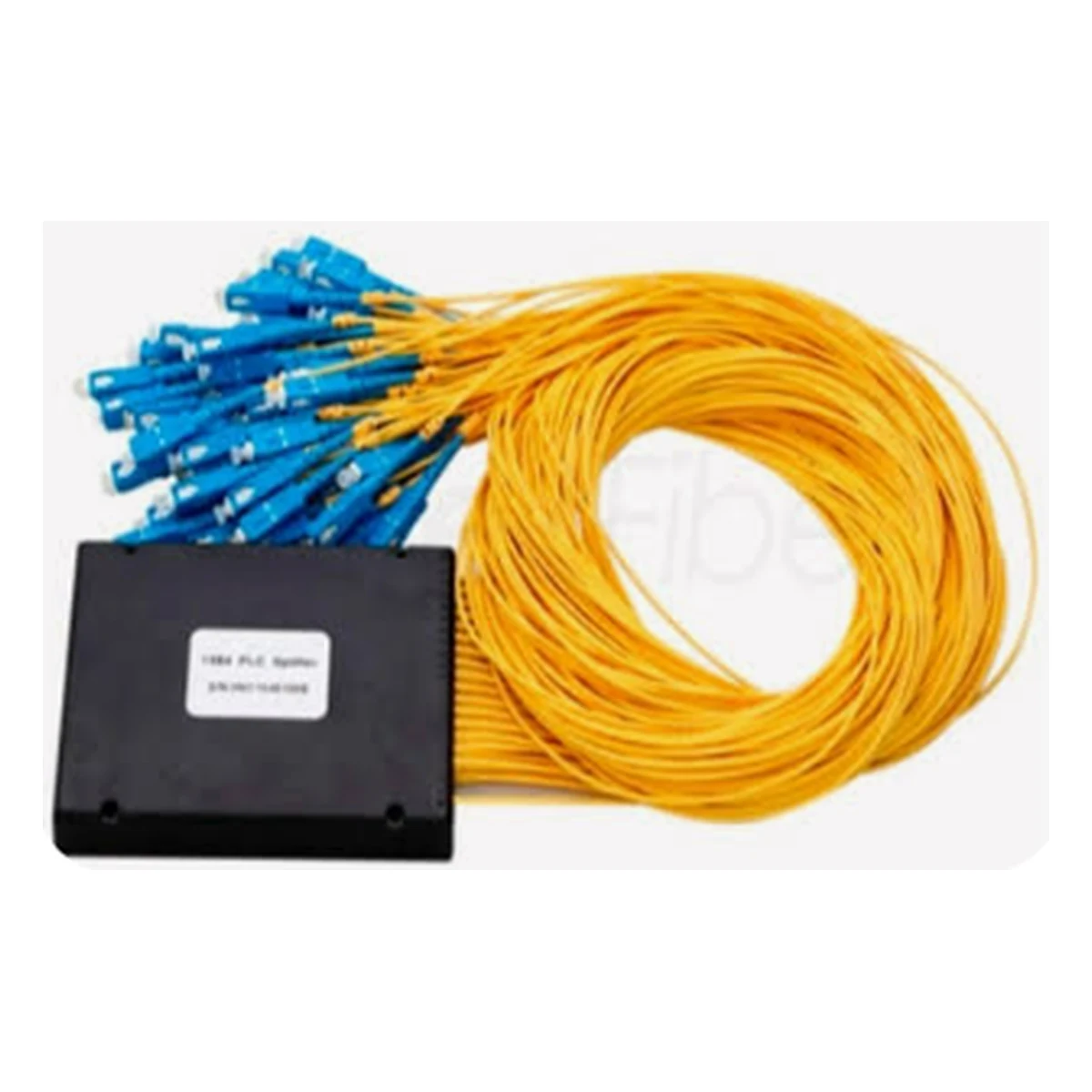
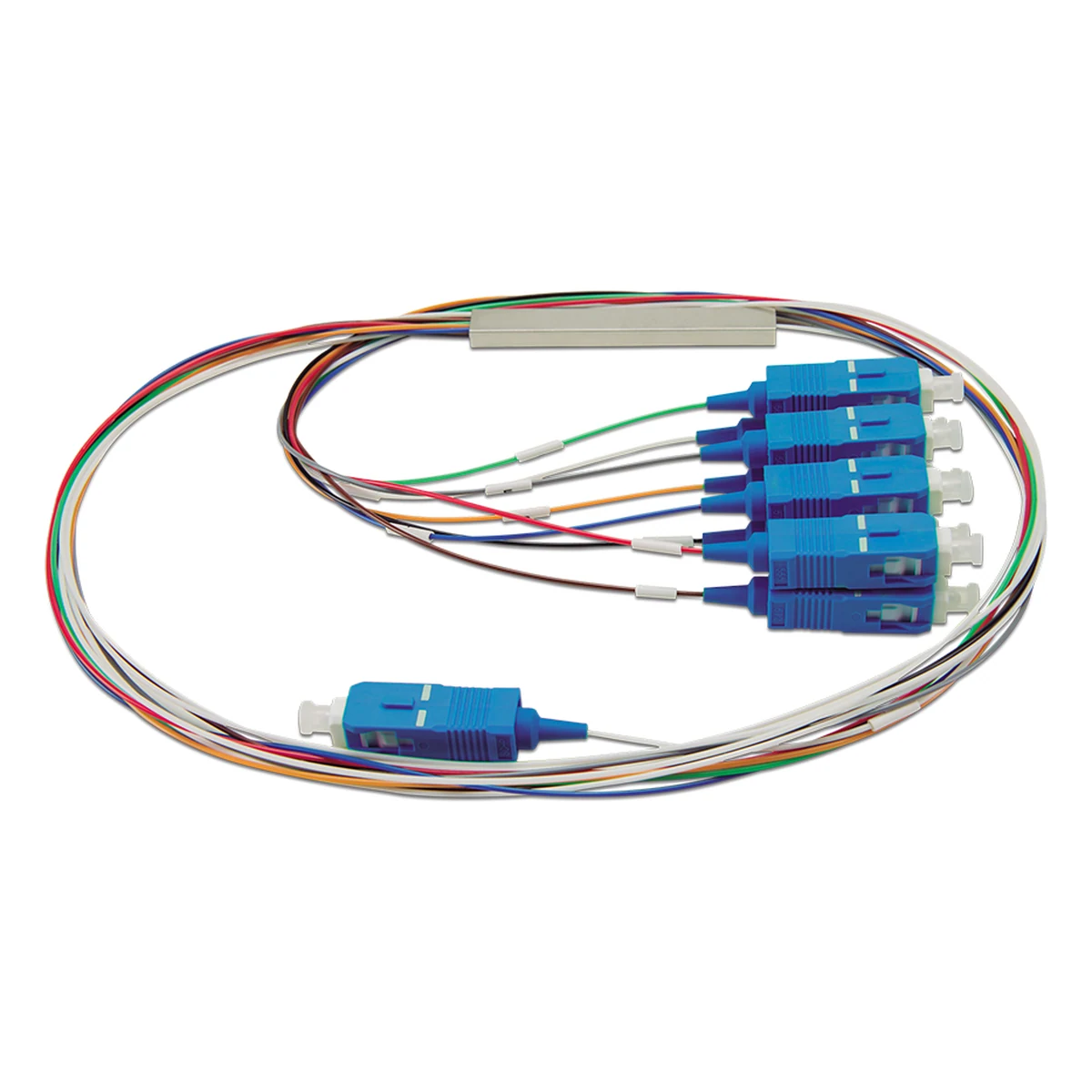
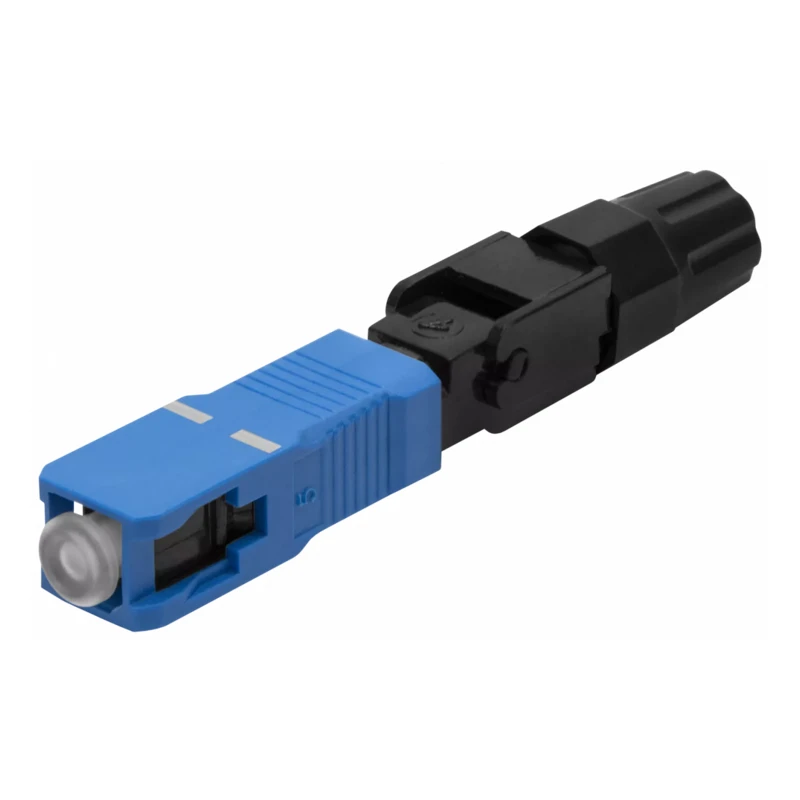
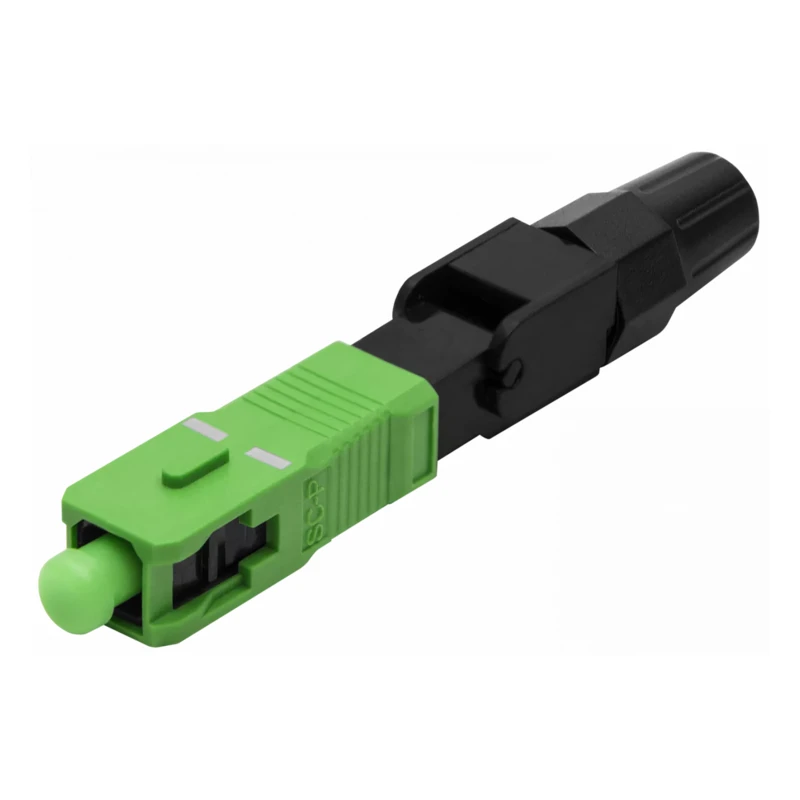
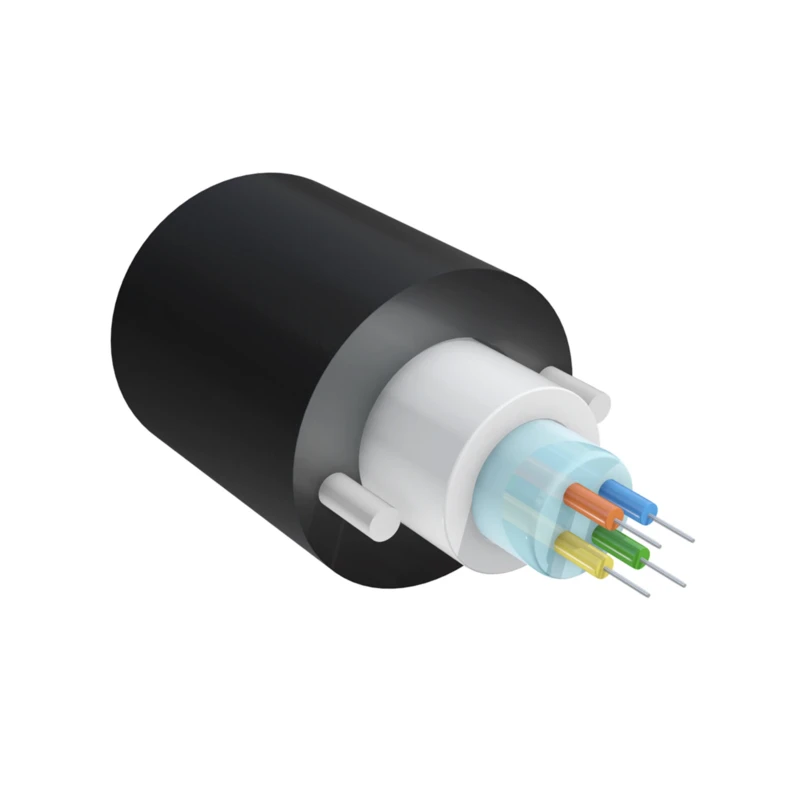
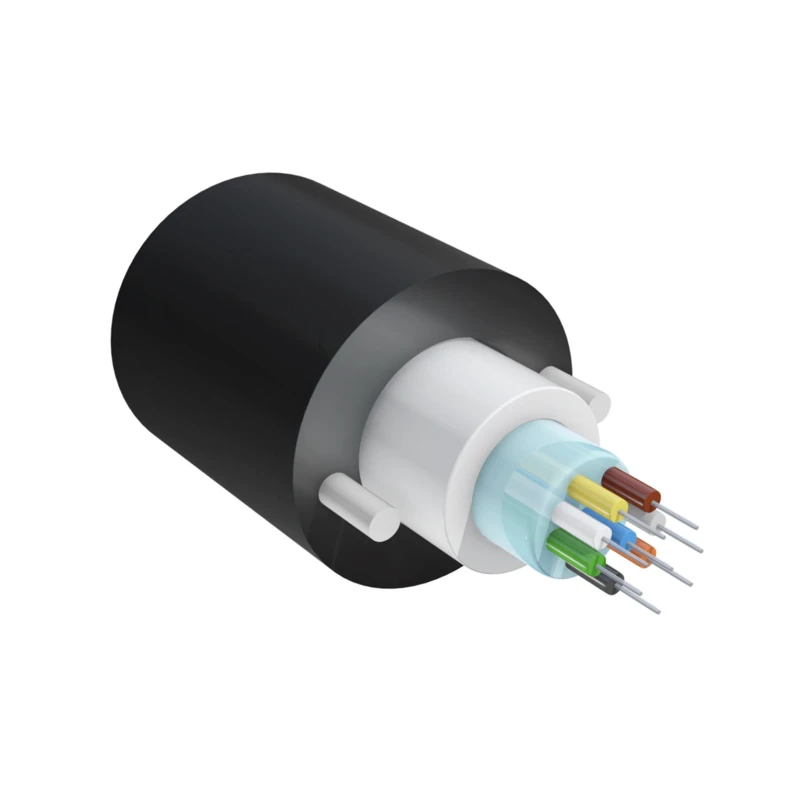
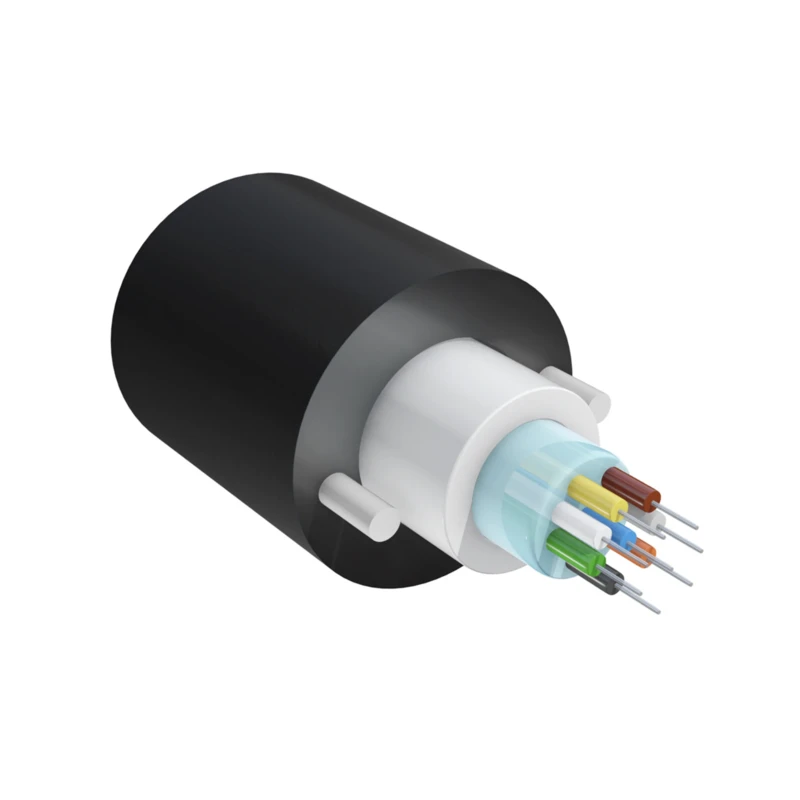
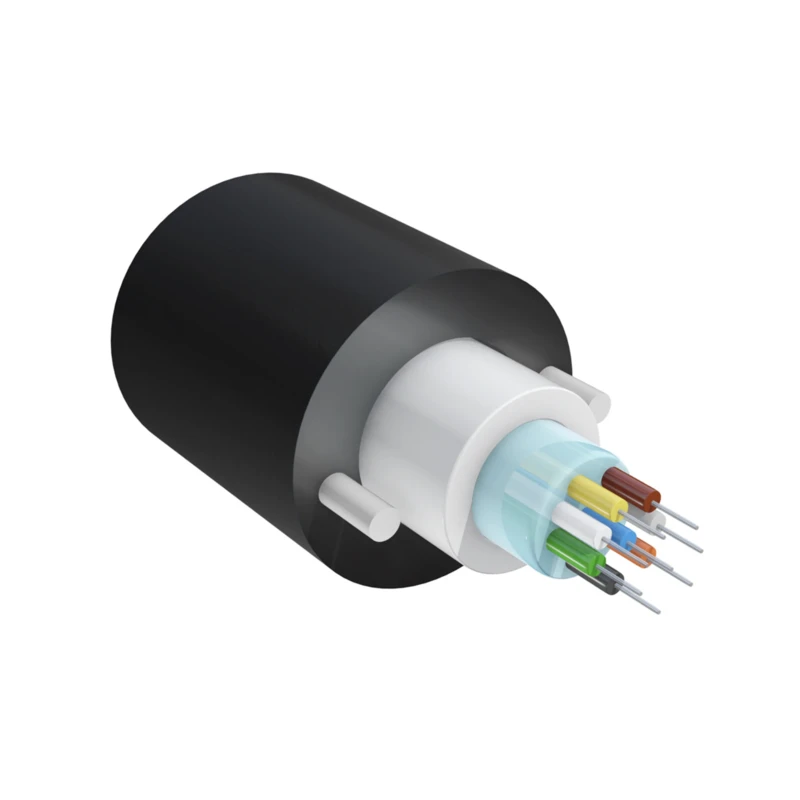
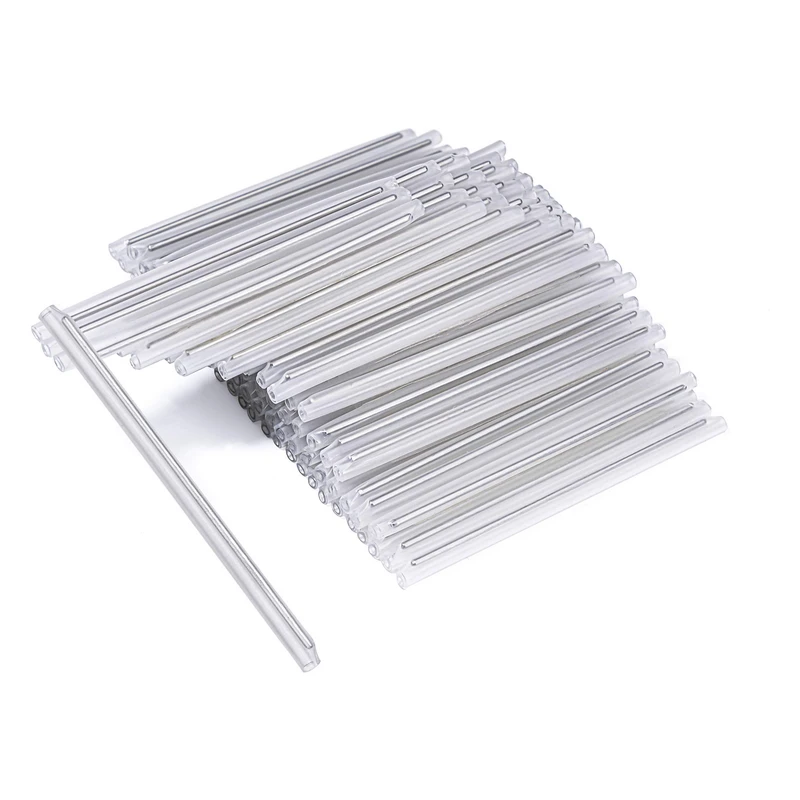
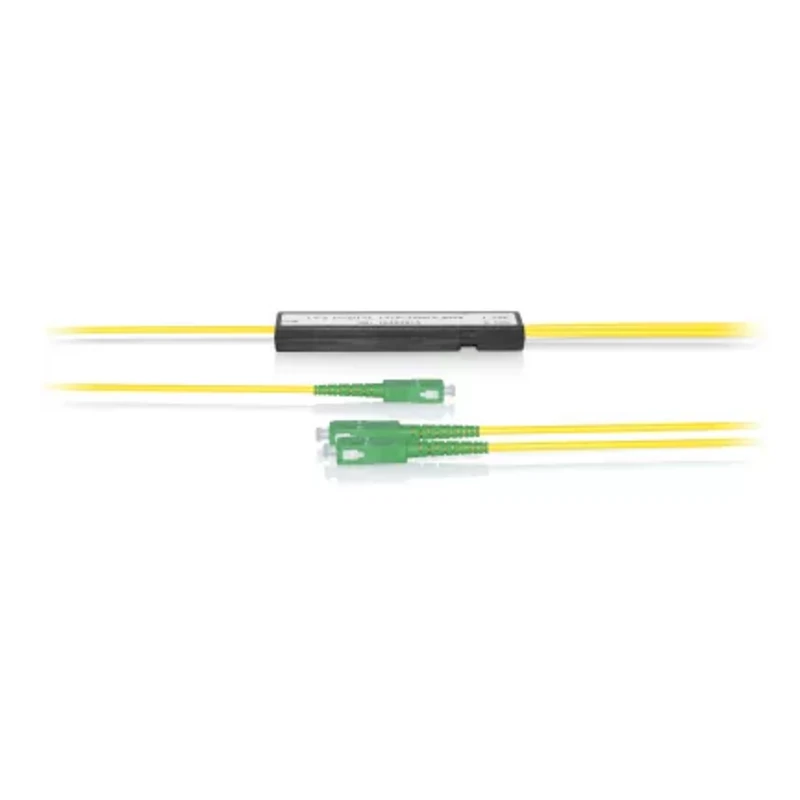
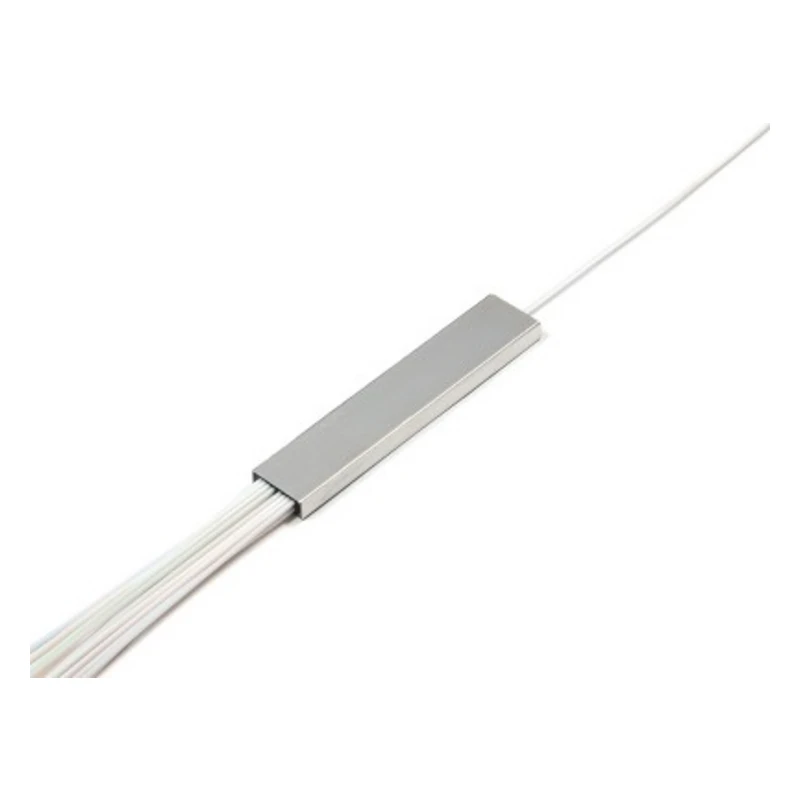
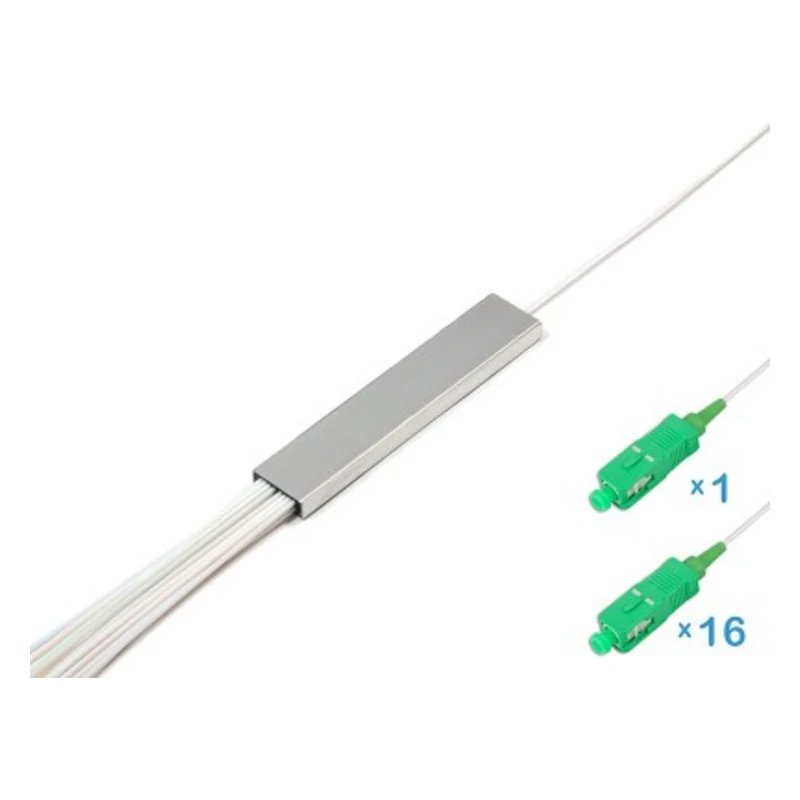
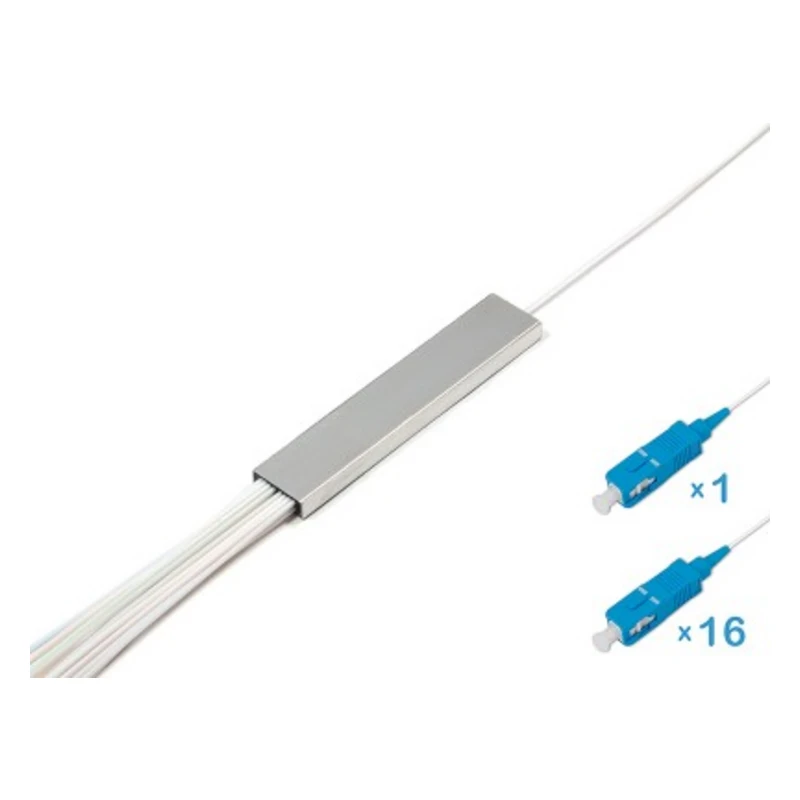
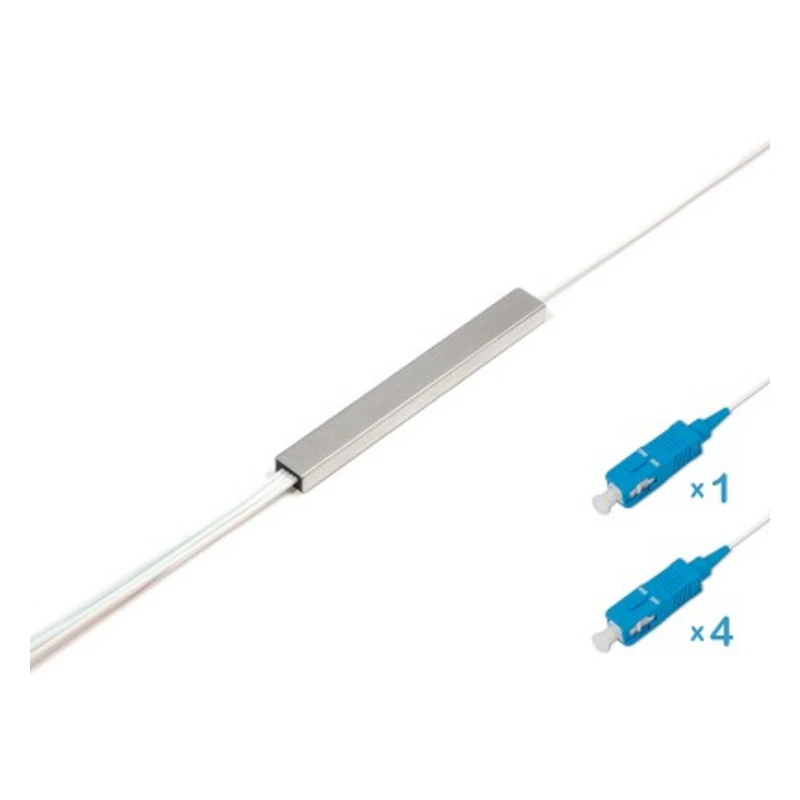
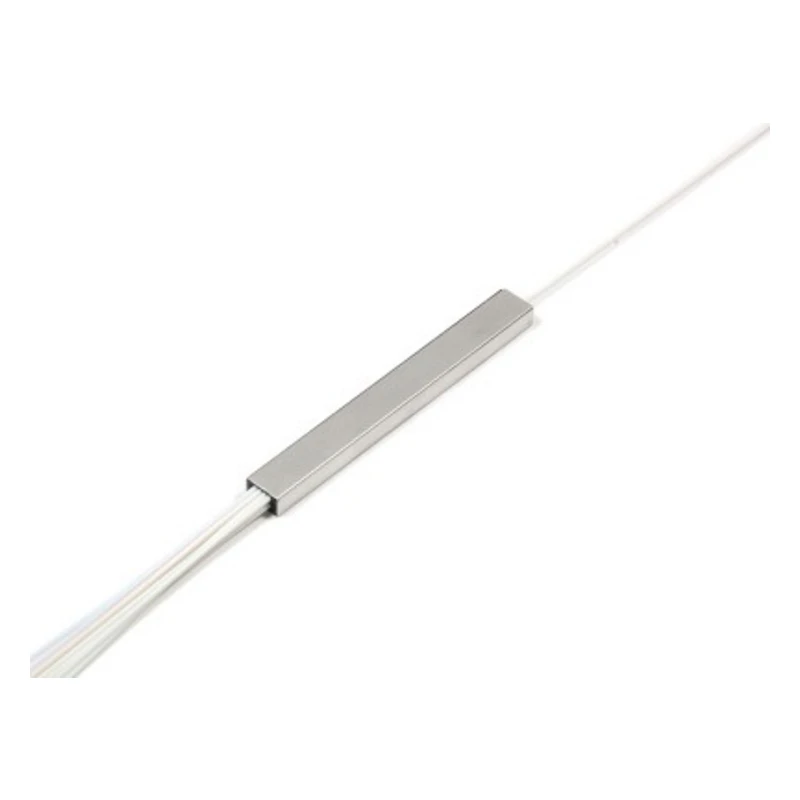
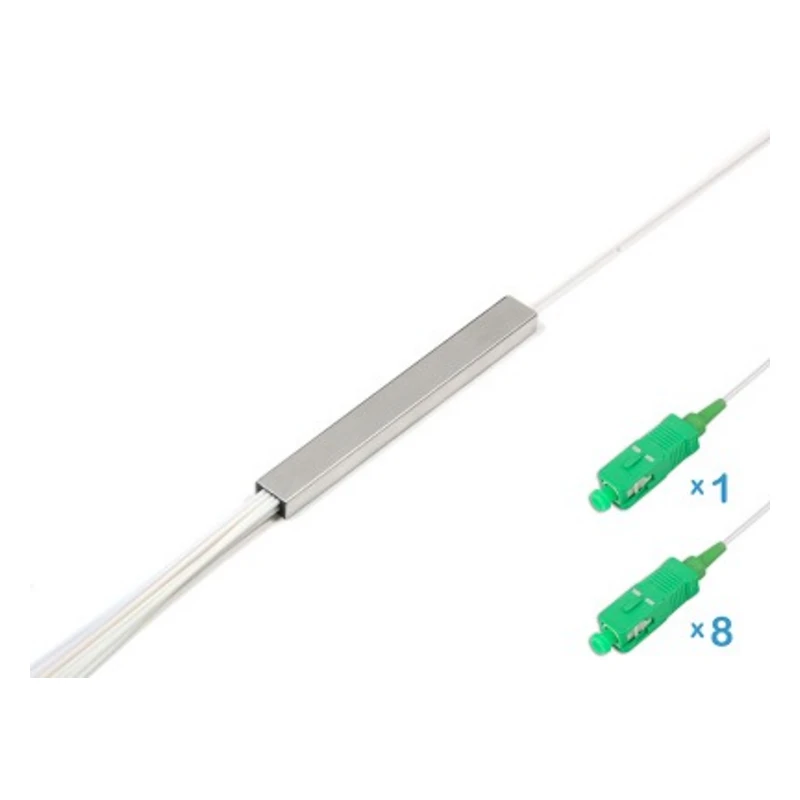
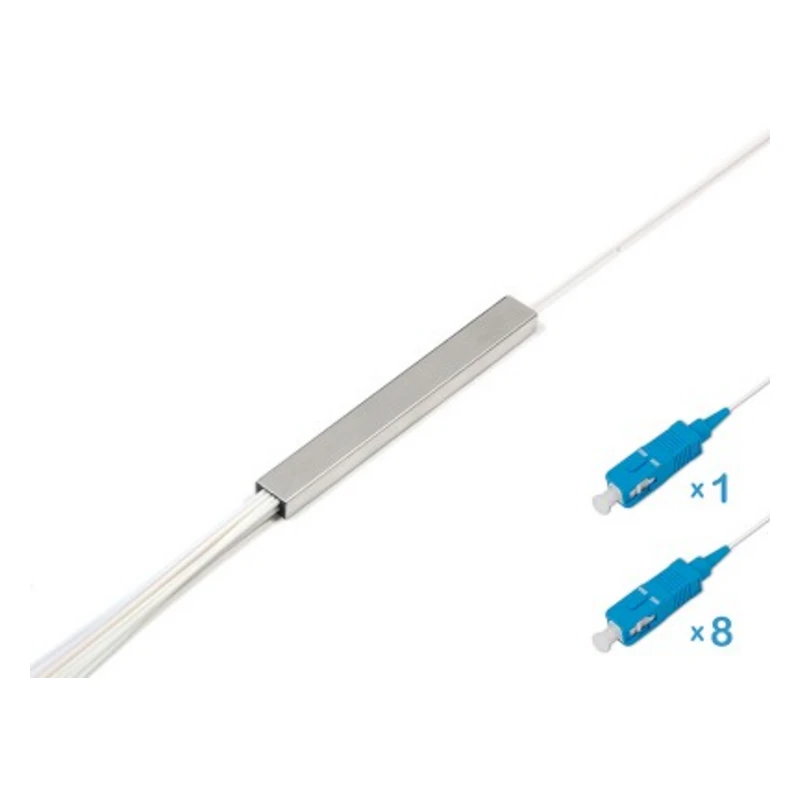
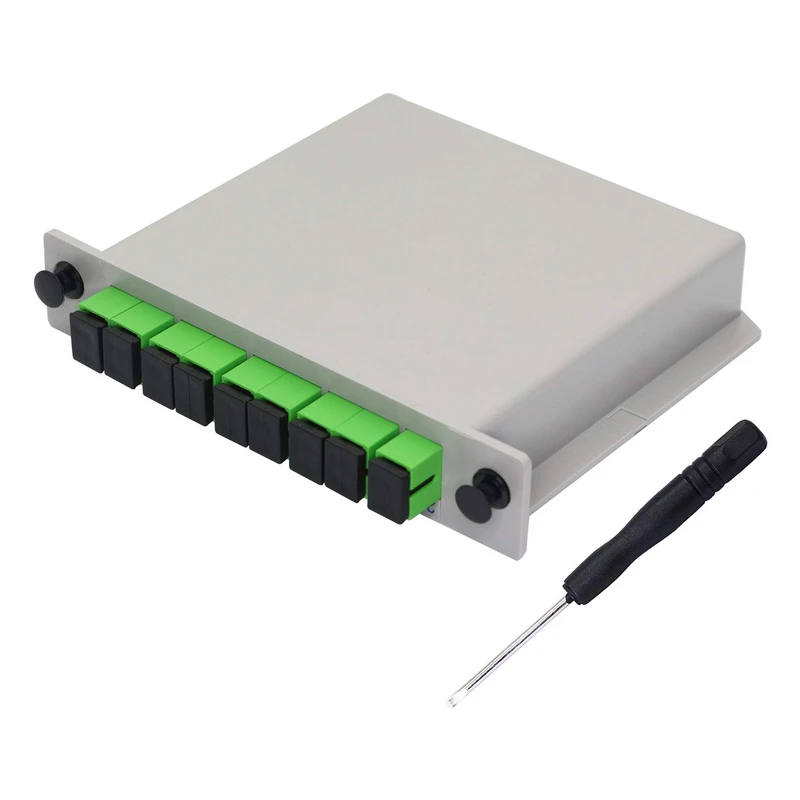
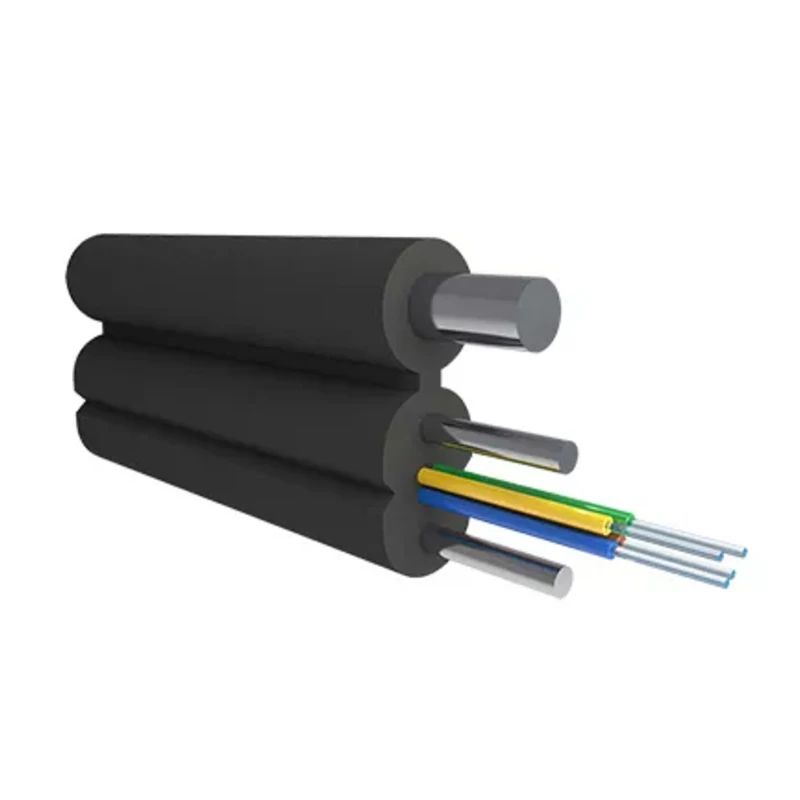
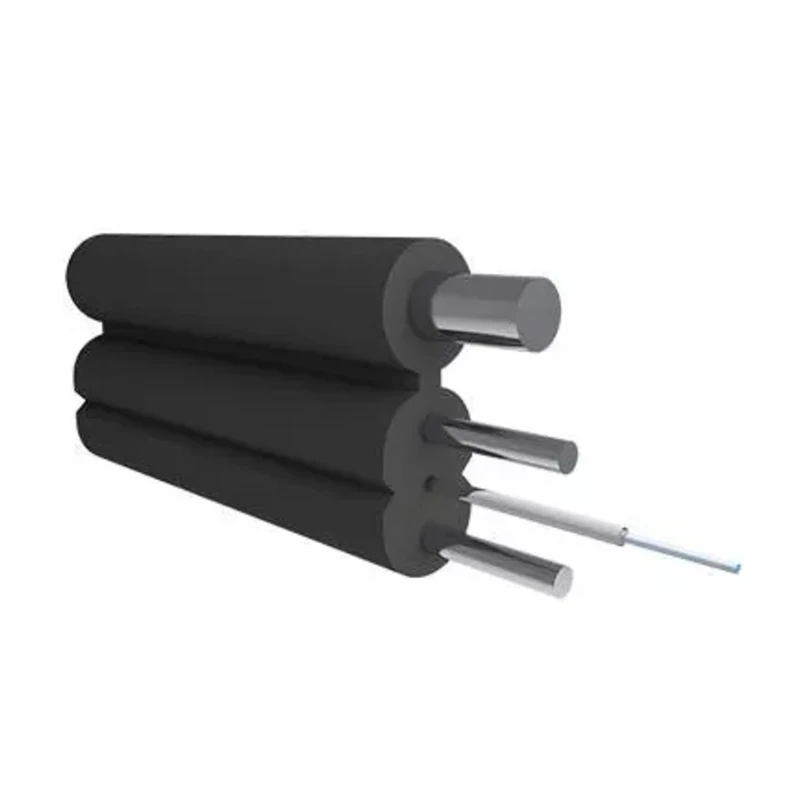
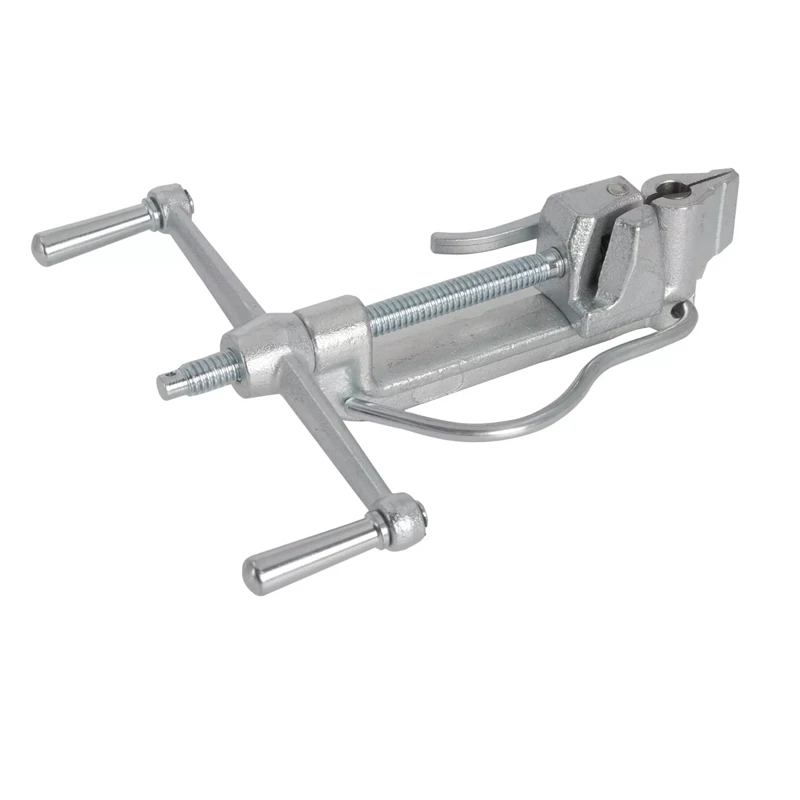
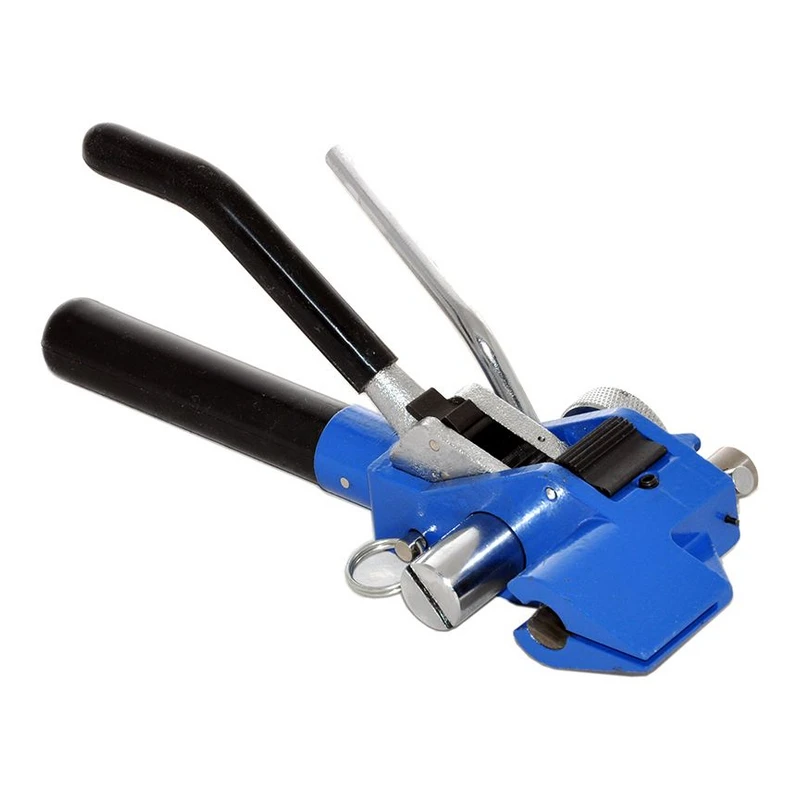
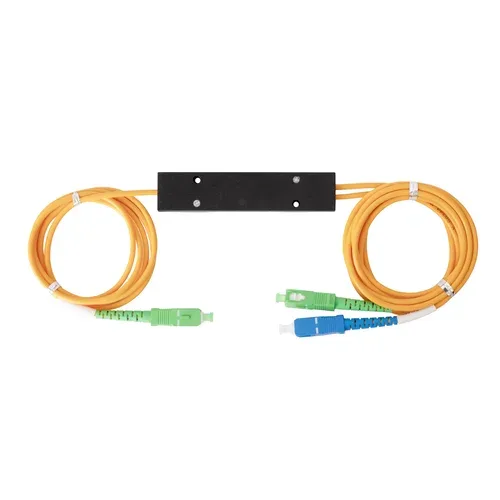
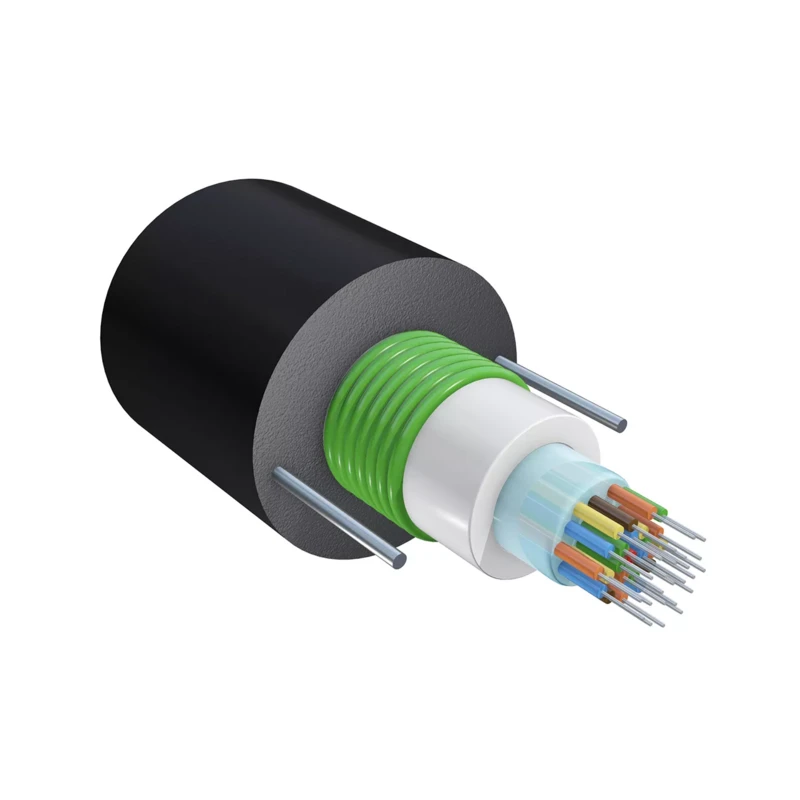
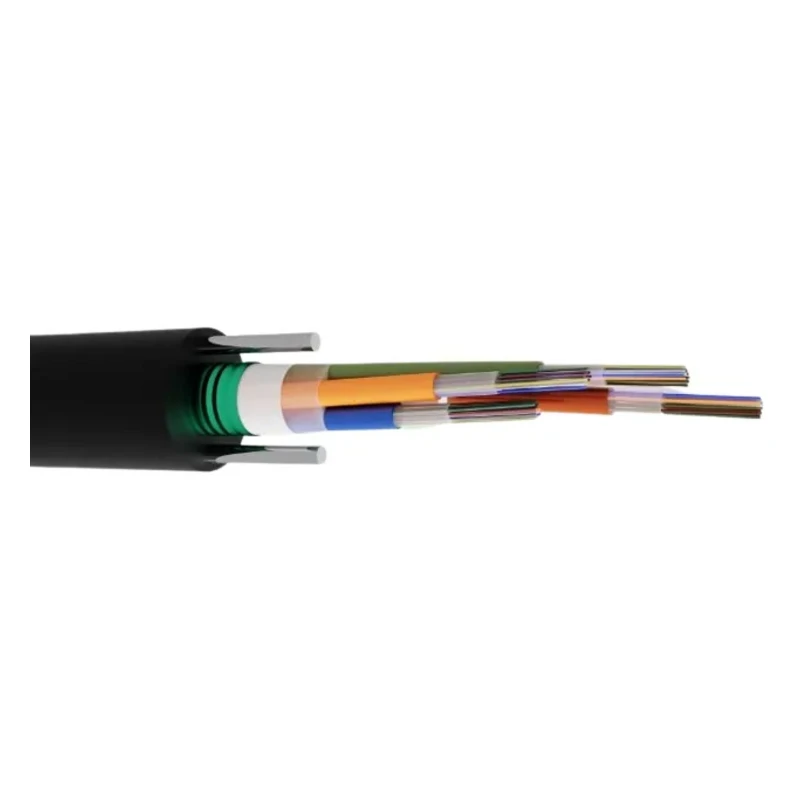
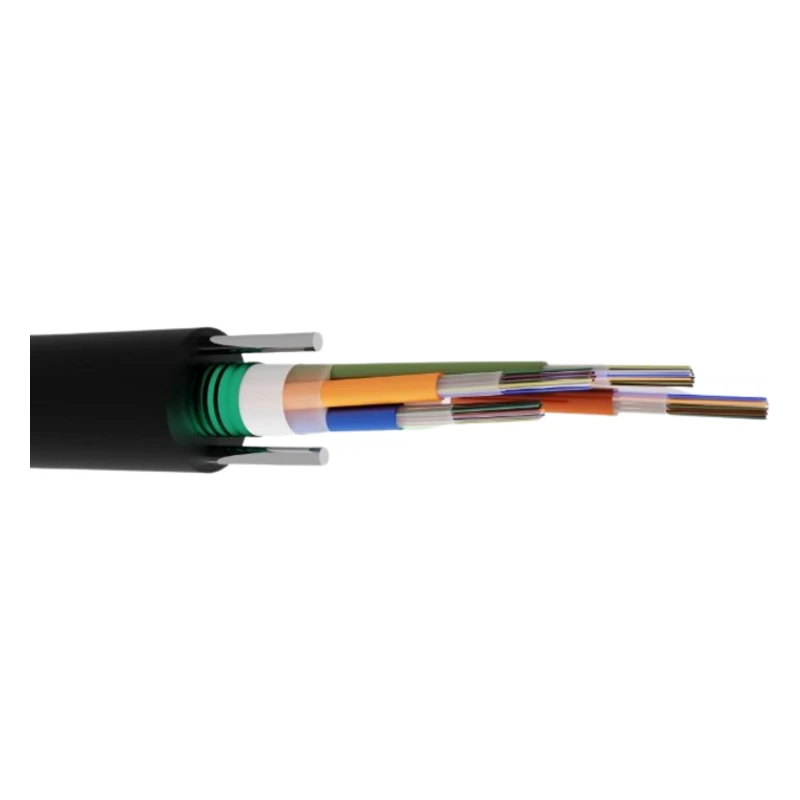
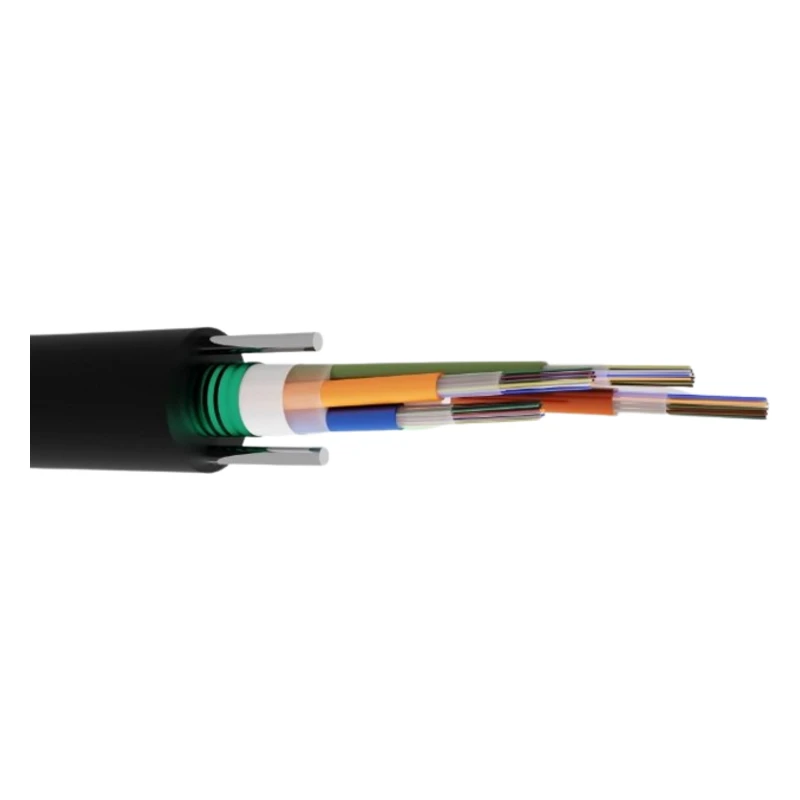
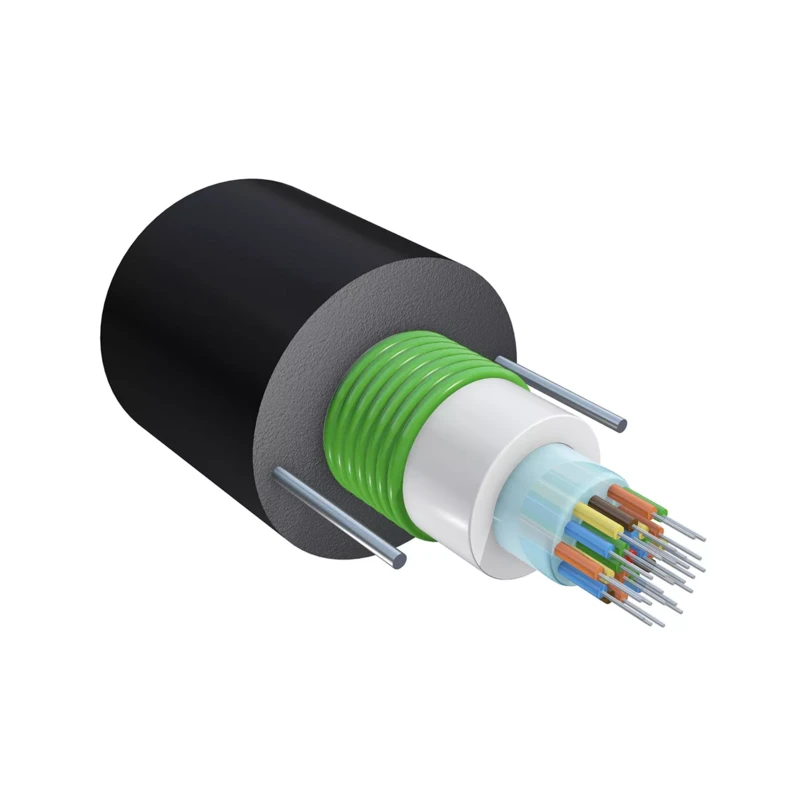
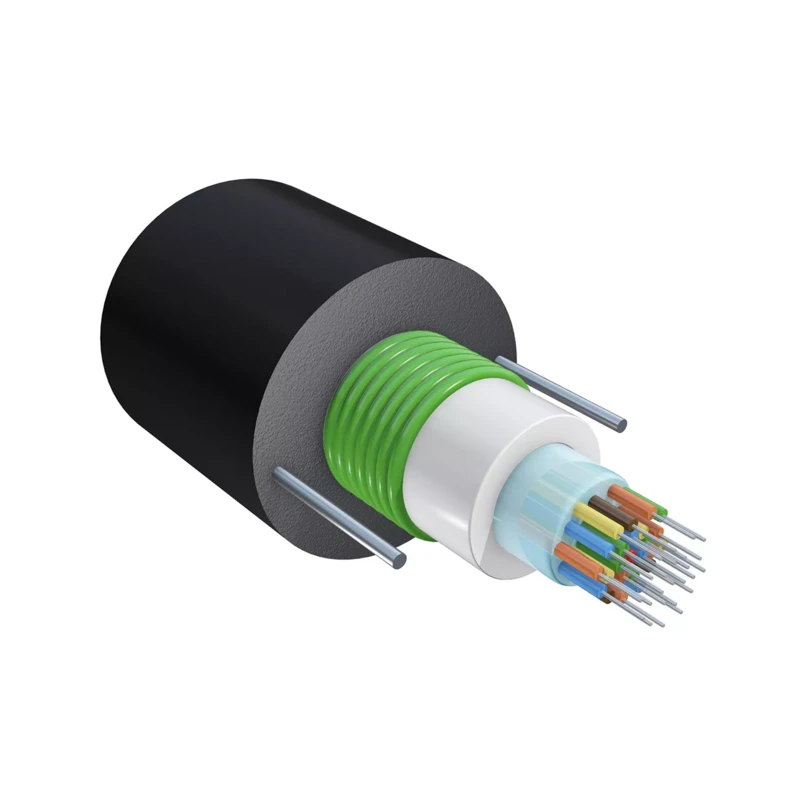
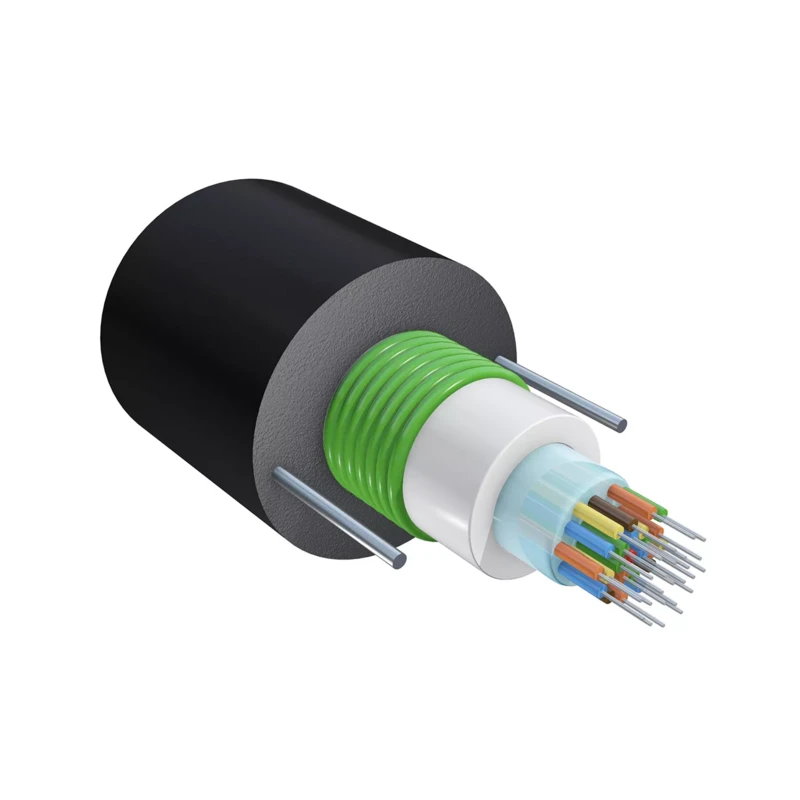
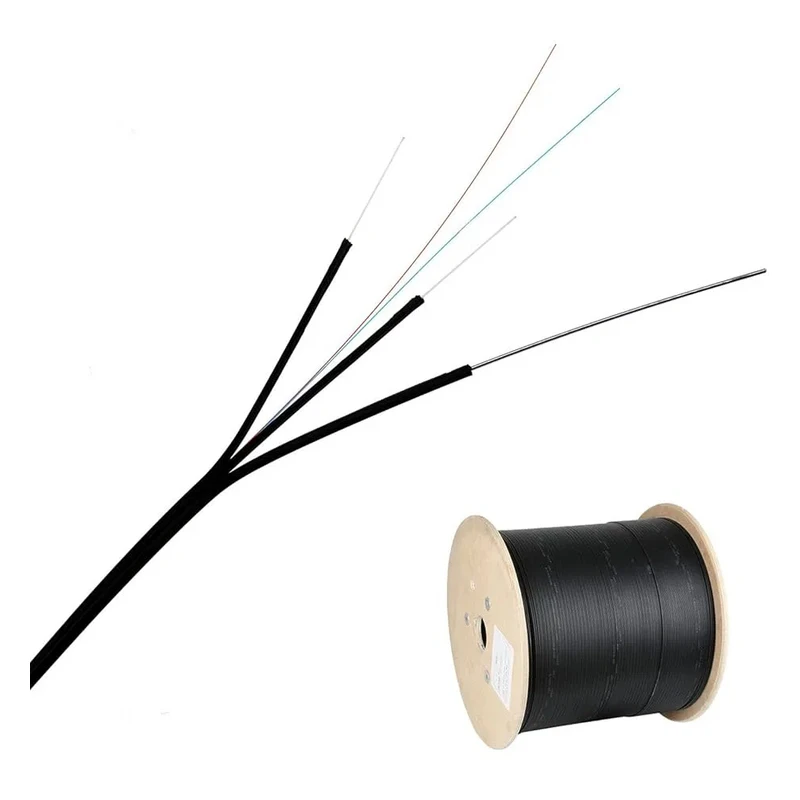
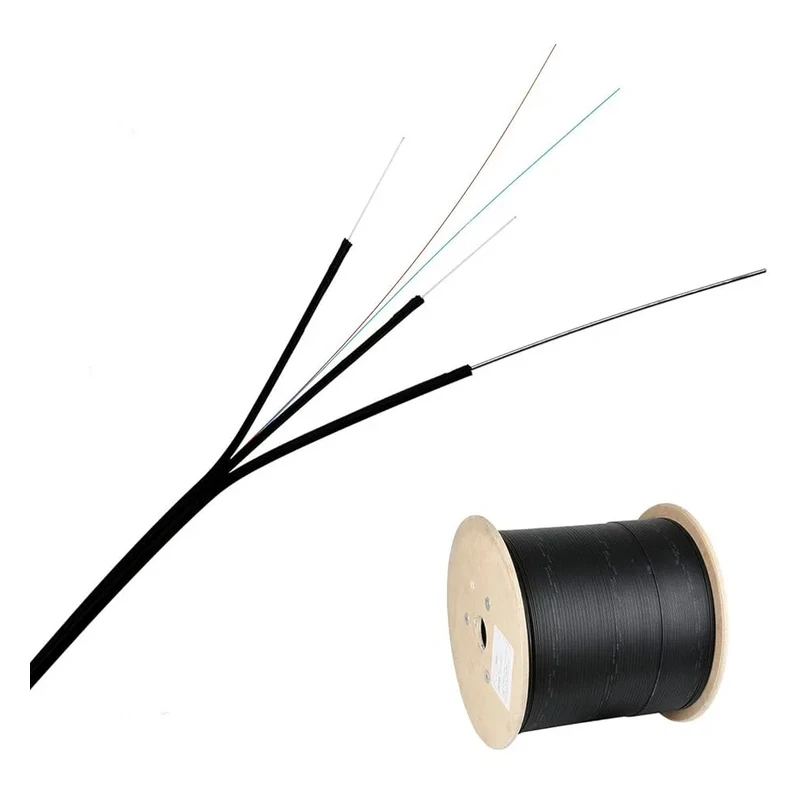
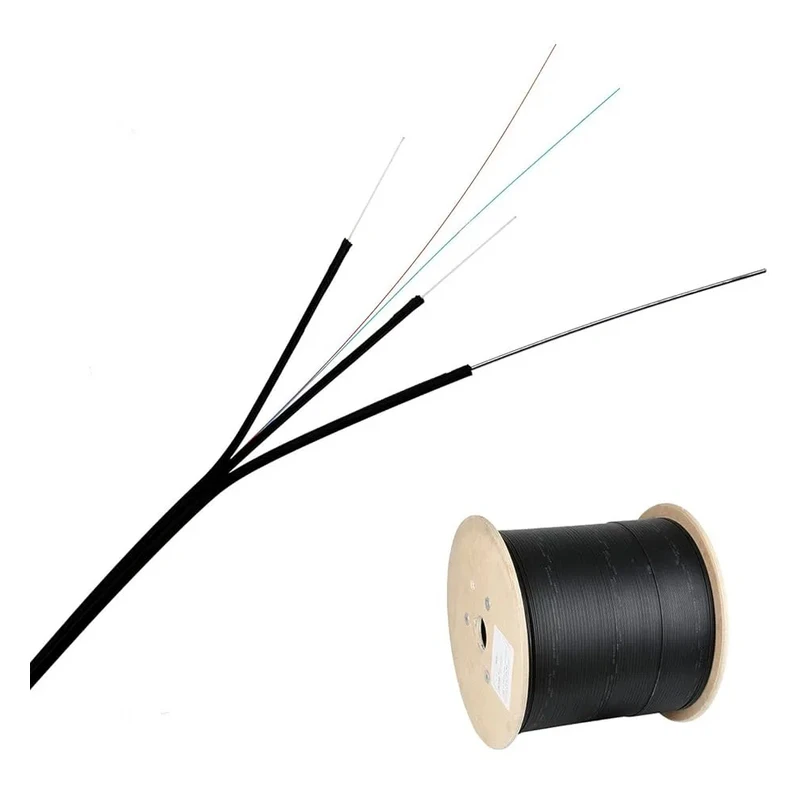
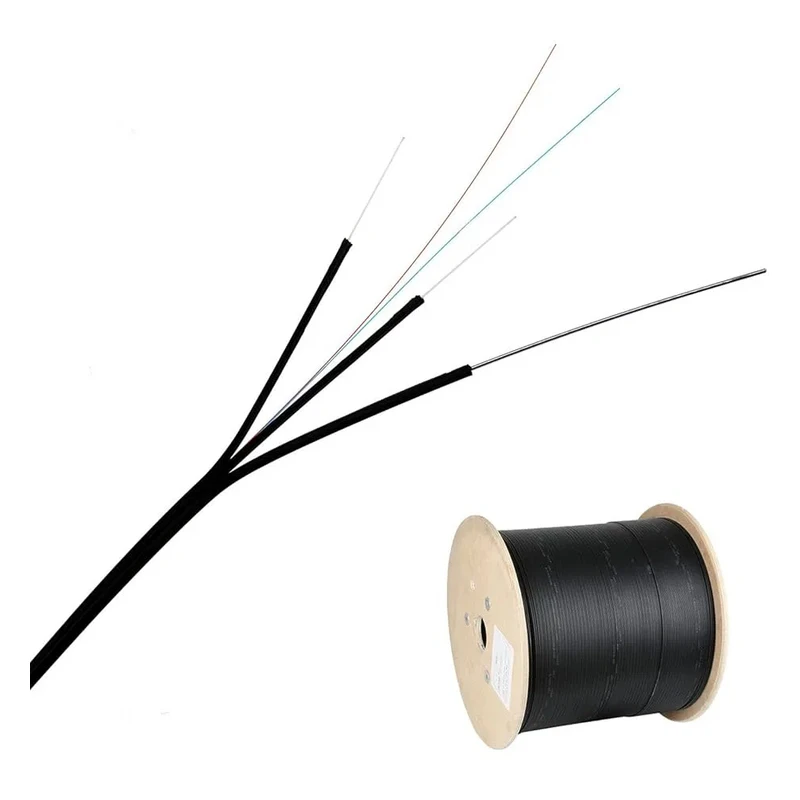
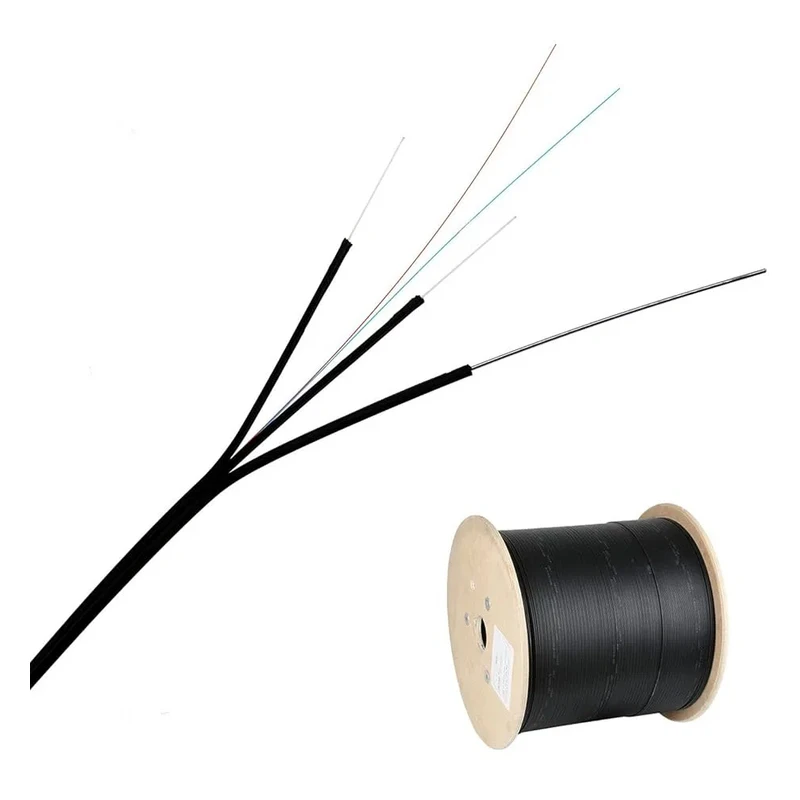
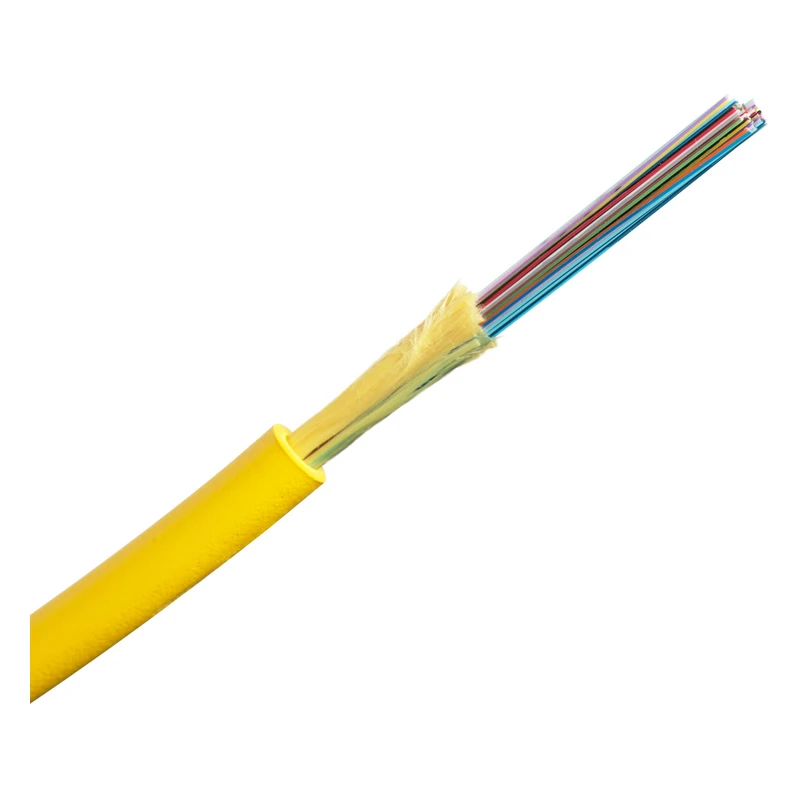
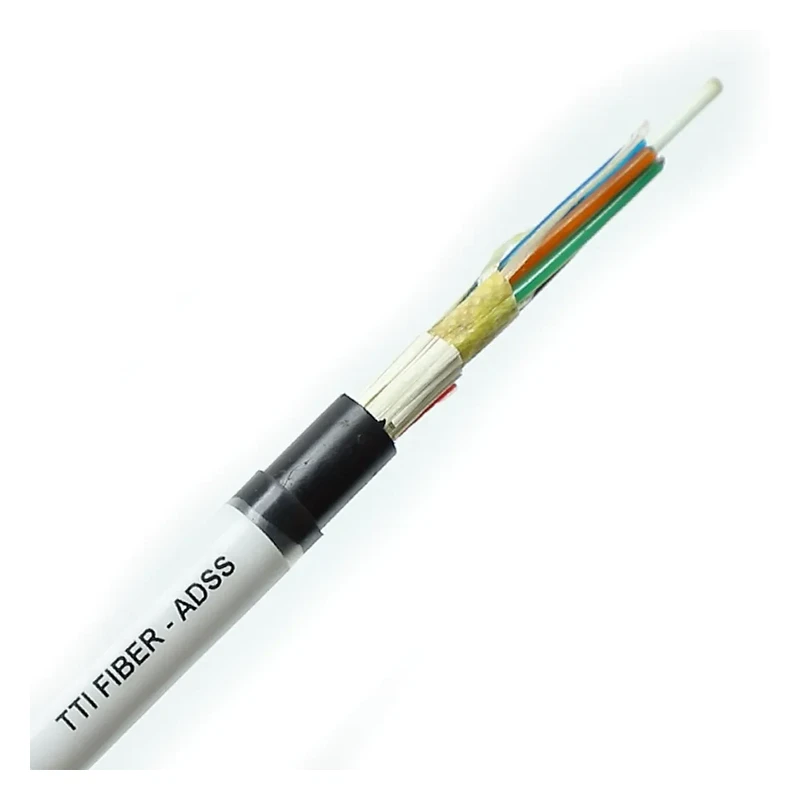
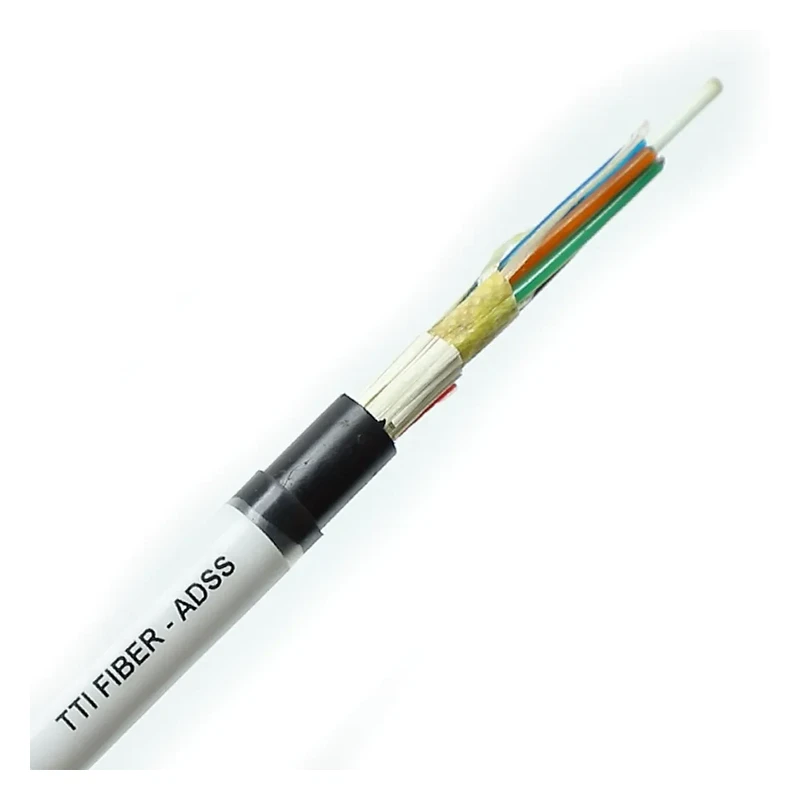
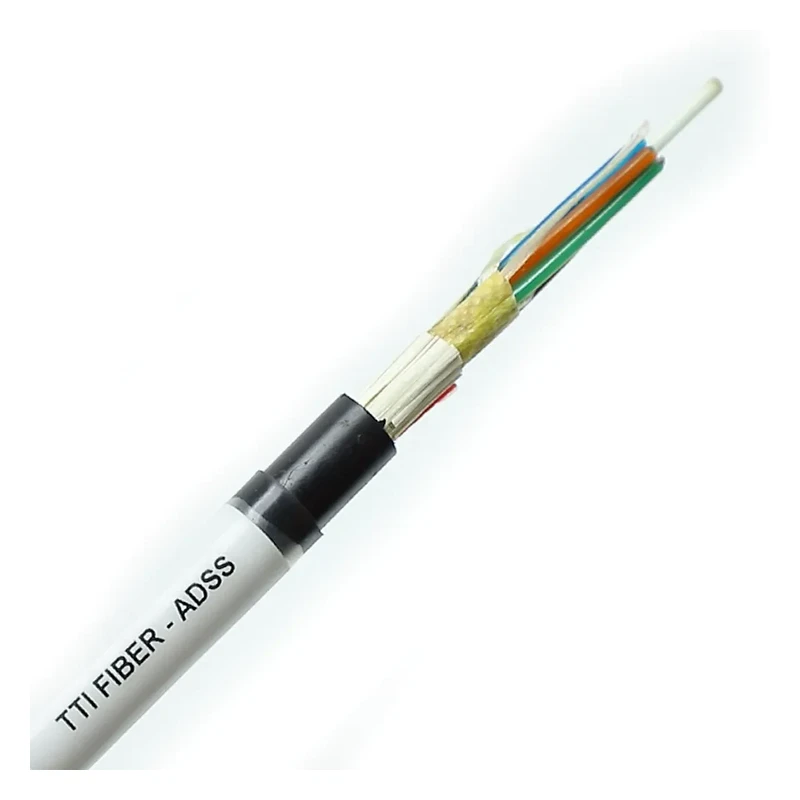
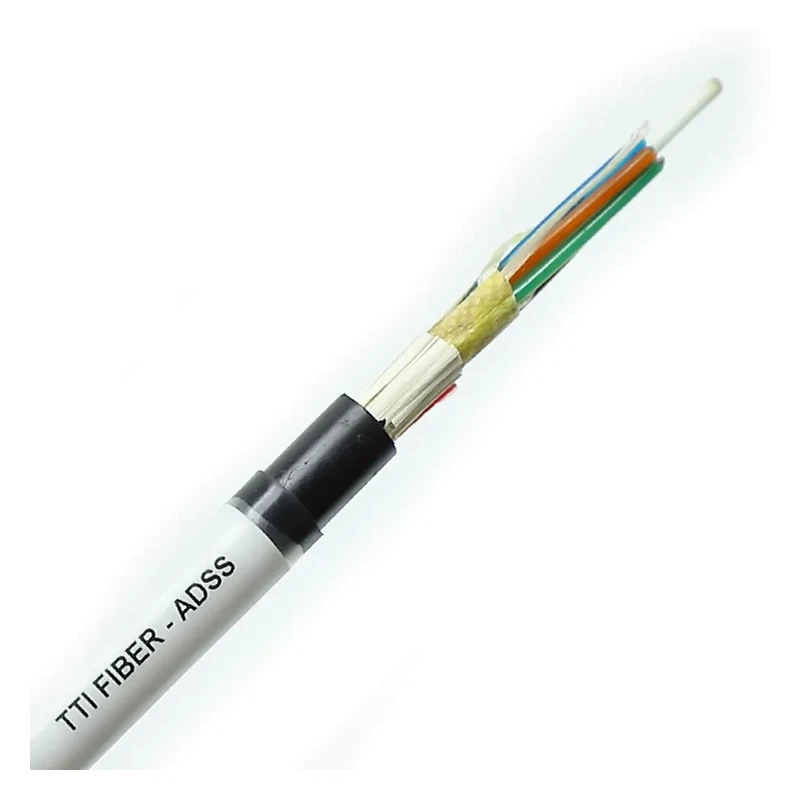
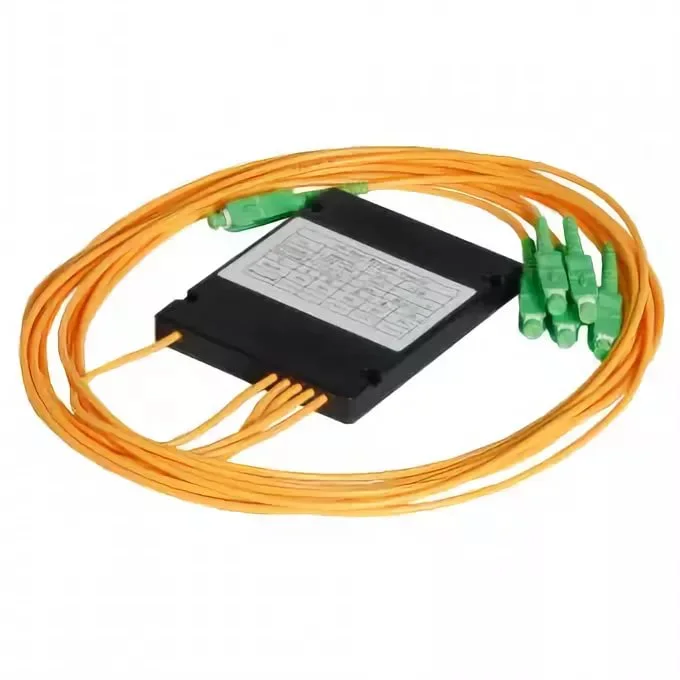
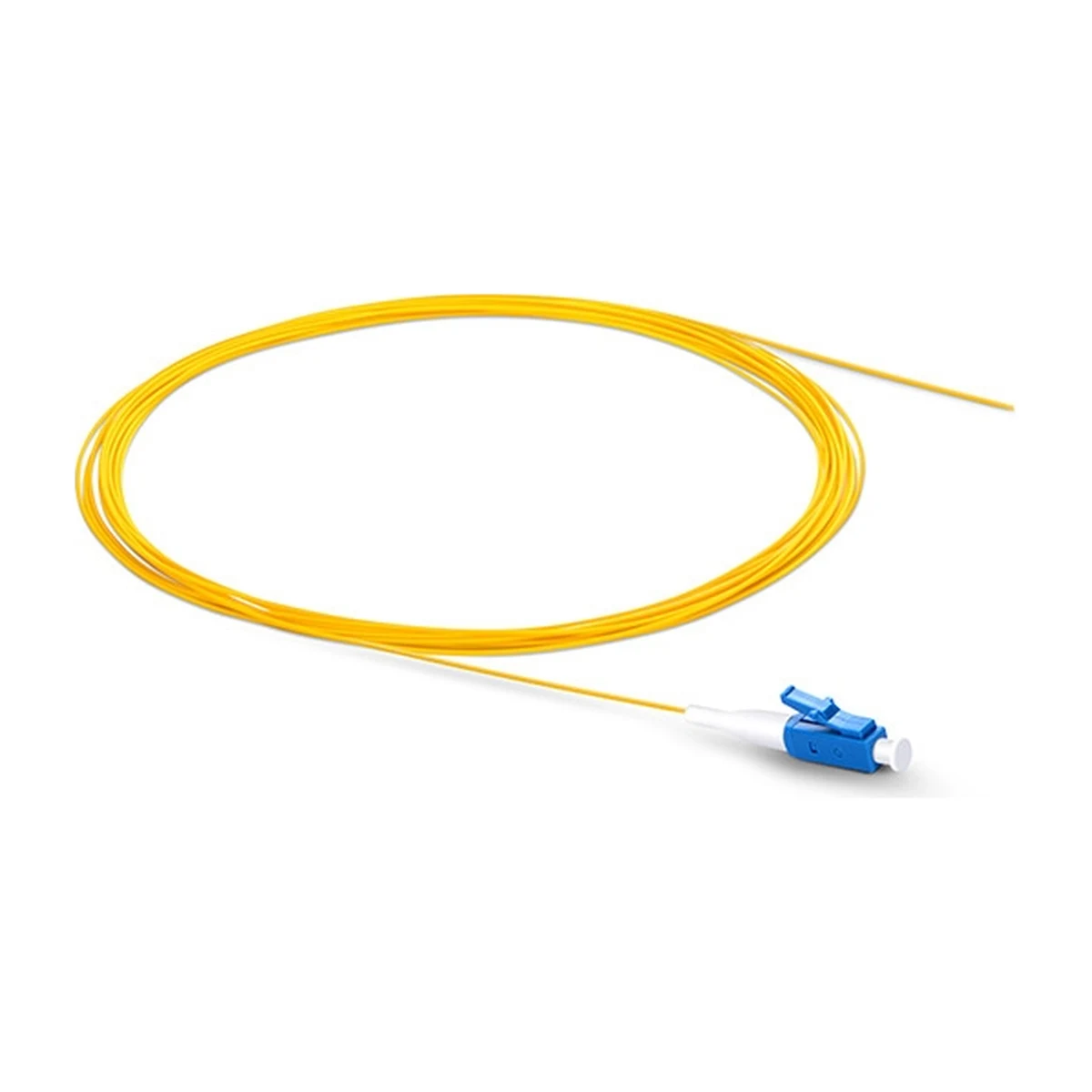
Fibre optics and everything for FTTx: cable, PLC splitters, ODFs, pigtails, fast connectors and tools — from Tashkent stock. Fibre carries data as light: kilometres without loss and full immunity to electromagnetic noise and lightning — which is why building-to-building backbones went optical long ago, and GPON brings fibre to apartments. Single-mode (yellow) is the standard for distance and carrier networks; multimode lives on short data-centre links. A fibre line is more than cable: ODF frames with pigtails and adapters terminate the ends, PLC splitters (1×2…1×64 for GPON) branch it, and joints are fused or made with fast connectors. SC/UPC (blue) and SC/APC (green) are not interchangeable: the angled APC is mandatory in GPON. In stock: outdoor and indoor fibre cable, PLC splitters of every ratio, ODFs, pigtails, patch cords, fast connectors and tools — cleavers, strippers, VFL testers. We splice and hand over routes with OTDR reports, across Tashkent and Uzbekistan. Splice or fast connector? A fusion splice loses hundredths of a decibel and lives for decades — the standard for backbones and anything done seriously. Fast connectors save the day on subscriber drops and urgent repairs, but each adds noticeable loss: on a long GPON run with splitters, the budget runs out quickly. When counting materials for a route, take margin: cable — plus 10–15 % for sags and slack in closures; pigtails and adapters — per fiber count with reserve. And plan the acceptance: a route without an OTDR trace is a pig in a poke — even the installer does not know where the future problem sits. We hand over every line with a test report. Q: Single-mode vs multimode? A: Single-mode (9/125, yellow) runs kilometres and has become the default even for short links; multimode is cheaper with its transceivers but limited to hundreds of metres — today mostly inside server rooms. Q: SC/UPC or SC/APC? A: UPC (blue) is the LAN standard; APC (green, 8° angle) is mandatory in GPON and wherever back-reflection matters. Never mix them — the joint will lose signal. Q: Fast connector or fusion splice? A: Fusion is more reliable with lower loss — the backbone standard. Fast connectors save the day on subscriber drops and repairs without a splicer at hand.
Related articles