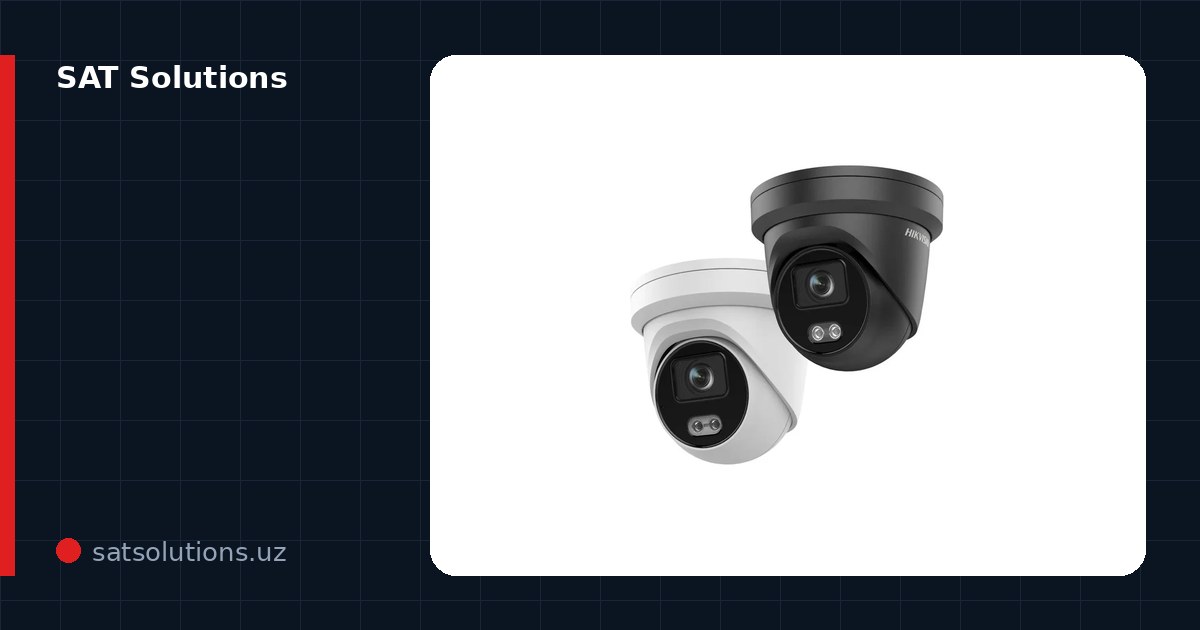
Why 'one camera per 100 m²' is a myth
There is no universal norm: the camera count is set by tasks and geometry, not area. An empty 1,000 m² hangar is covered by four overview cameras, while a warehouse of the same area with six-meter racks needs fifteen — every rack row is a wall the camera cannot see past.
The right order: first the task list (what must be visible and in what detail), then the zone scheme, and only then the camera count.
Counting by zone: a warehouse's four loops
Receiving and dispatch is the most important zone: disputes with suppliers and clients are born here. Every ramp gets a camera with a readable truck plate and unloading area; the receiving node gets detail down to a box. That is 2–4 cameras per dock.
Storage aisles: a camera at the end of every long aisle (the focal length matched to its length), plus cameras at intersections. Perimeter and entrances: every door, gate and wicket. The office block: the entrance and the cash/records room if present.
Three sample configurations
A 500 m² warehouse (1 ramp, 4 rack rows): 2 cameras for the ramp and receiving, 4 for aisles, 2 for entrances and perimeter — 8 cameras and an 8-channel recorder with headroom.
A 1,000 m² warehouse (2 ramps, 8 rows): 4 for docks, 8 for aisles, 3 for perimeter and entrances, 1 for the office — around 16 cameras and a 16-channel NVR. A 3,000 m² site (4 ramps, high-bay storage): 8–10 for docks, 16–20 for aisles and crossings, 6 for the perimeter, ANPR at the gate — 30–40 cameras, a 32/64-channel recorder or server recording.
Resolution and focal lengths: which cameras where
Reading a truck plate at a ramp takes about 250 pixels per meter — a 4 MP camera with the right lens at dock distance. An aisle is fine with 2–4 MP and a narrow angle (a long aisle wants a tele lens, not a wide one). Perimeter overview points are fine with a wide-angle 4 MP.
The typical mistake is identical 2.8 mm wide lenses everywhere: they give a pretty overall picture on which nothing specific is readable. Half of a warehouse's cameras usually carry 4–12 mm lenses.
The recorder, disks and network for that count
The headroom rule: take a recorder with a third of the channels free — warehouses always grow cameras. Archive depth for a warehouse starts at 30 days (claims arrive late): sixteen 4 MP cameras on continuous recording take roughly 12–16 TB a month depending on bitrate and codec.
The PoE budget is calculated from the cameras' maximum draw with IR on (in winter illumination and heating run together), plus 20–30% headroom — otherwise cameras reboot at night.
How to get an exact scheme for free
Send the warehouse plan with rack placement — we return a camera scheme with focal lengths, a specification and an estimate. Or get the ballpark in our online calculator, and an engineer refines it on site — the visit is free in Tashkent.
We fit warehouses without stopping operations: zone by zone, cables along existing trays. Hikvision and Dahua equipment from our Tashkent warehouse.
FAQ
Can four cameras cover a 1,000 m² warehouse?
As an overview that 'something is happening' — yes. But such a system settles no dispatch dispute: truck plates and pallet contents will not be readable. The task defines the count.
Which matters more: more cameras or higher resolution?
The right focal lengths beat both. A 4 MP camera with the right lens in the right spot outperforms three wide-angles smeared across the ceiling.
What does it cost?
Ballpark: a mini-warehouse starts from tens of millions of UZS turnkey; 1,000 m² is moderately more due to camera count and cable runs. We calculate the exact estimate free from your plan — compare quotes against that.
Installation works cost calculator
Set the number of points — the calculator lays out a site plan and shows the range from our standard price list. One minute, no phone calls.
Read also
 DMSS and SmartPSS: how to view Dahua cameras from a phone and a computer
 Hik-Connect: how to download the app and connect a Hikvision camera to your phone
 SADP Hikvision: how to download the tool, find a camera on the network, activate it and change its IP
 V380 Pro: how to download the app and connect a Wi-Fi camera to your phone
Catalog on the topic