1 Gbps Media Converter Kit (A+B)
Pair of WDM 1 Gbps media converters over one fiber, ready kit
Specifications
- Type
- Media converter, A+B pair
- Fiber
- single-mode, 1 fiber
- Power
- external adapters
- Speed
- 10/100/1000 Mbps
- Technology
- WDM 1310/1550 nm
Description
A set of two Gigabit media converters (side A and side B) for transmitting Ethernet over a single single-mode fiber using WDM technology: the devices operate on opposing wavelengths of 1310/1550 nm. The factory-matched pair eliminates the hunt for compatible models and wavelength confusion — unpack, connect the fiber and patch cords, and the link is up. The copper ports support 10/100/1000 Mbps with auto-negotiation, LED indicators show power and link status, and the compact housings are powered by the external adapters included in the kit.
Fiber economy is the main practical point of a WDM pair: where classic converters need two fibers, this kit needs only one. On busy urban routes and in cables with few fibers this directly reduces the cost of the line. The kit remains the classic solution for linking buildings, extending video surveillance cameras and connecting remote sites: on one side the converter connects to a switch, on the other to a camera, router or a branch office LAN.
Advantages
- Factory-matched A+B pair — compatibility guaranteed out of the box
- One fiber instead of two thanks to WDM 1310/1550 nm
- Gigabit speed across the whole line, 10/100/1000 Mbps ports
- Simple connection with no configuration — the link comes up automatically
- LED indication of power and line status
- Compact housings with external power adapters
Applications
- Links between buildings on one site
- Extending surveillance cameras to remote poles
- Connecting branches and remote facilities
- Extending Ethernet where copper cannot reach
Mounting and connection
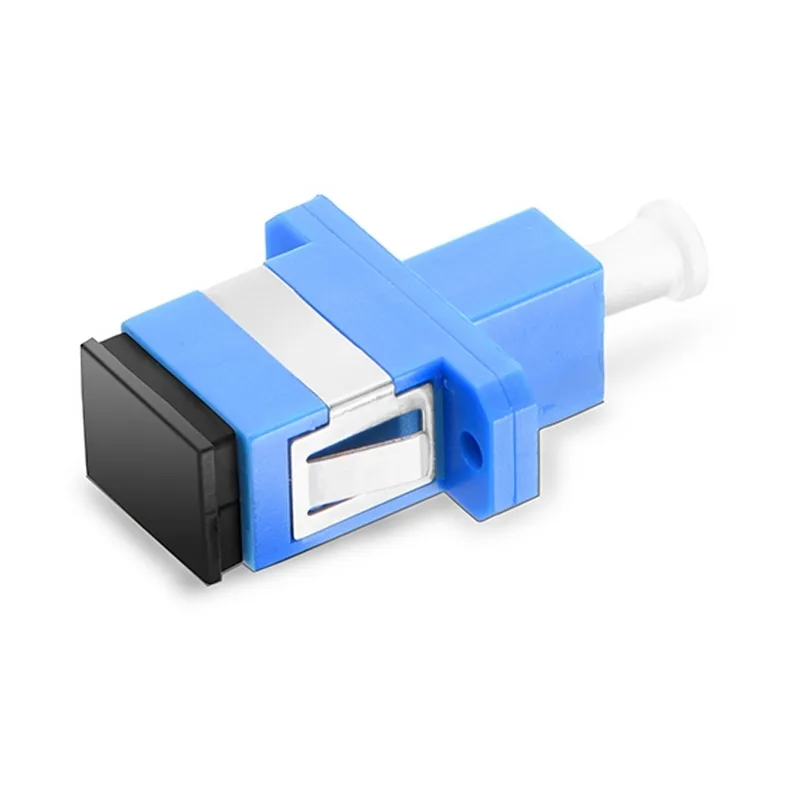
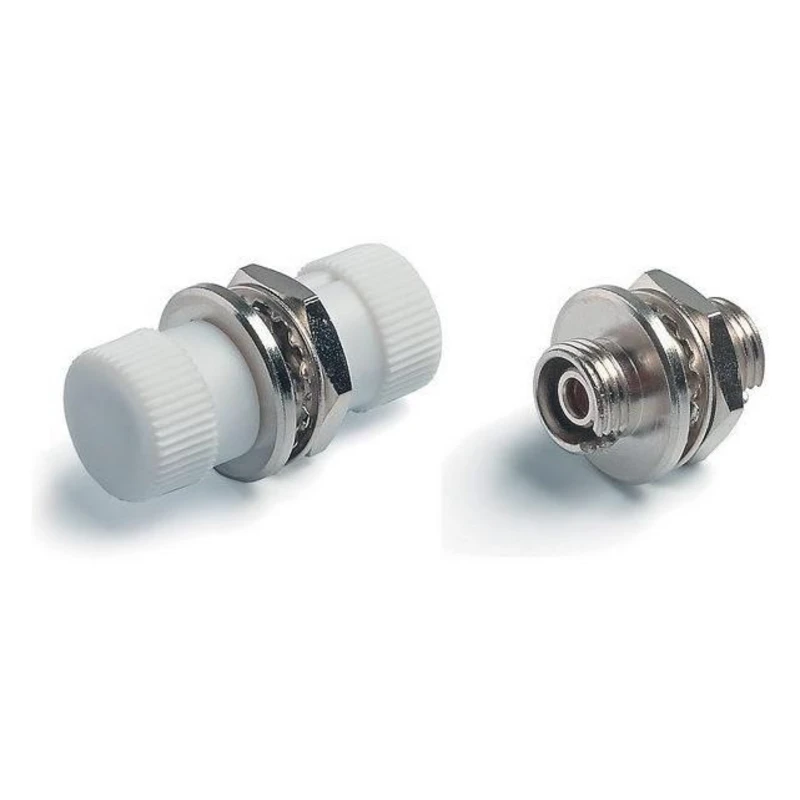
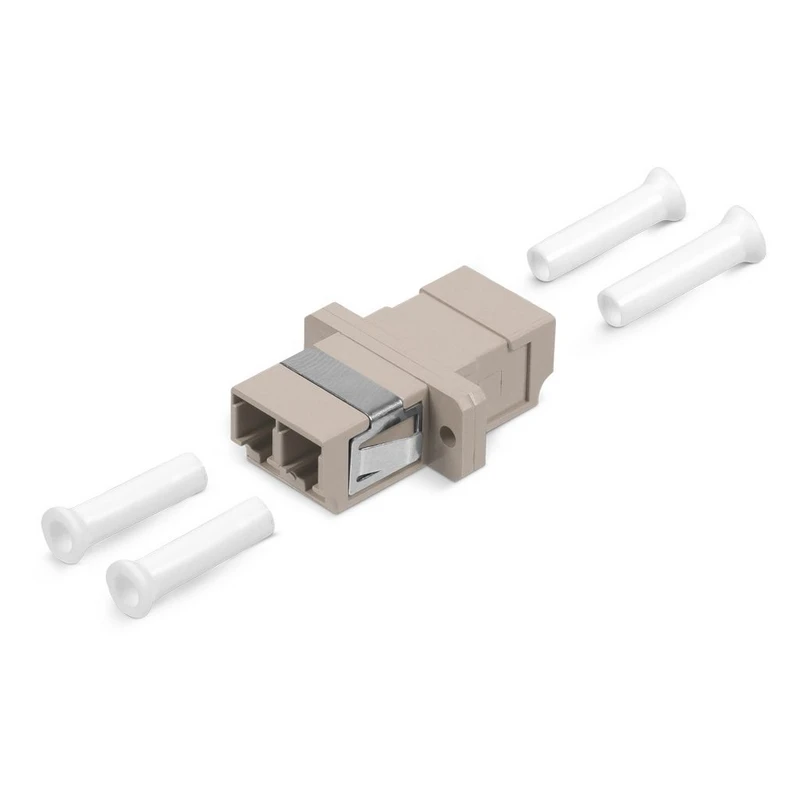
During installation it is important not to mix up the sides: converter A goes on one end of the line and B on the other — paired operation on opposing wavelengths only works in this combination. The fiber is terminated through an optical patch panel or box: a spliced pigtail, an adapter, then a patch cord to the converter — plugging the trunk fiber directly into the device is bad practice. The copper side connects to a switch or camera with a patch cord; after power-up the line status is checked on the LEDs. For street cabinets, provide cable glands and check the climate range of the installation site. The kit is available from the satsolutions.uz warehouse in Tashkent; we can help calculate the line, select the patch panel and carry out turnkey installation.
Frequently asked questions
Why are the converters sold as a pair?
What is the transmission distance?
Is any configuration required?
Can a side-A converter be connected to another side-A converter?
Product reviews
Questions & answers