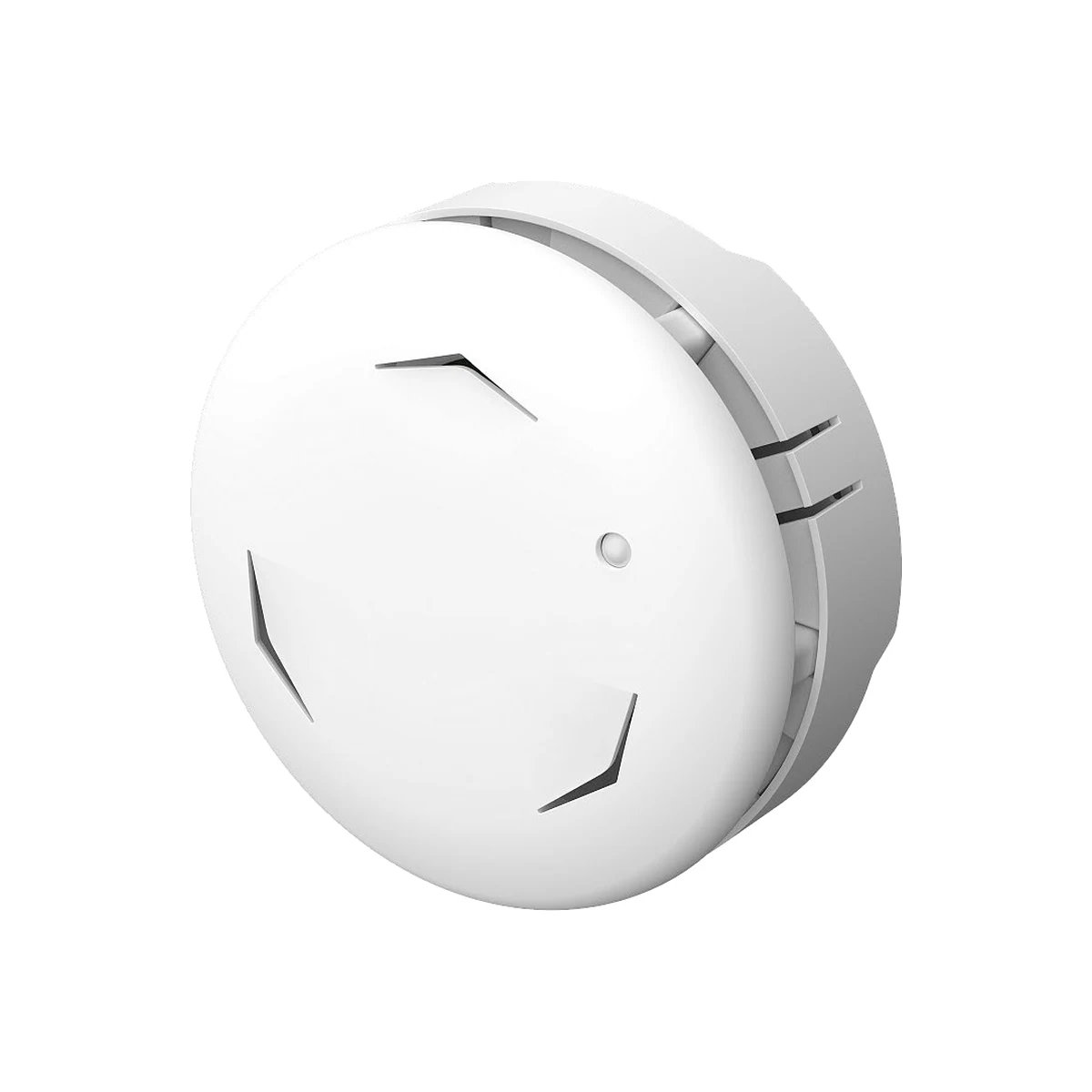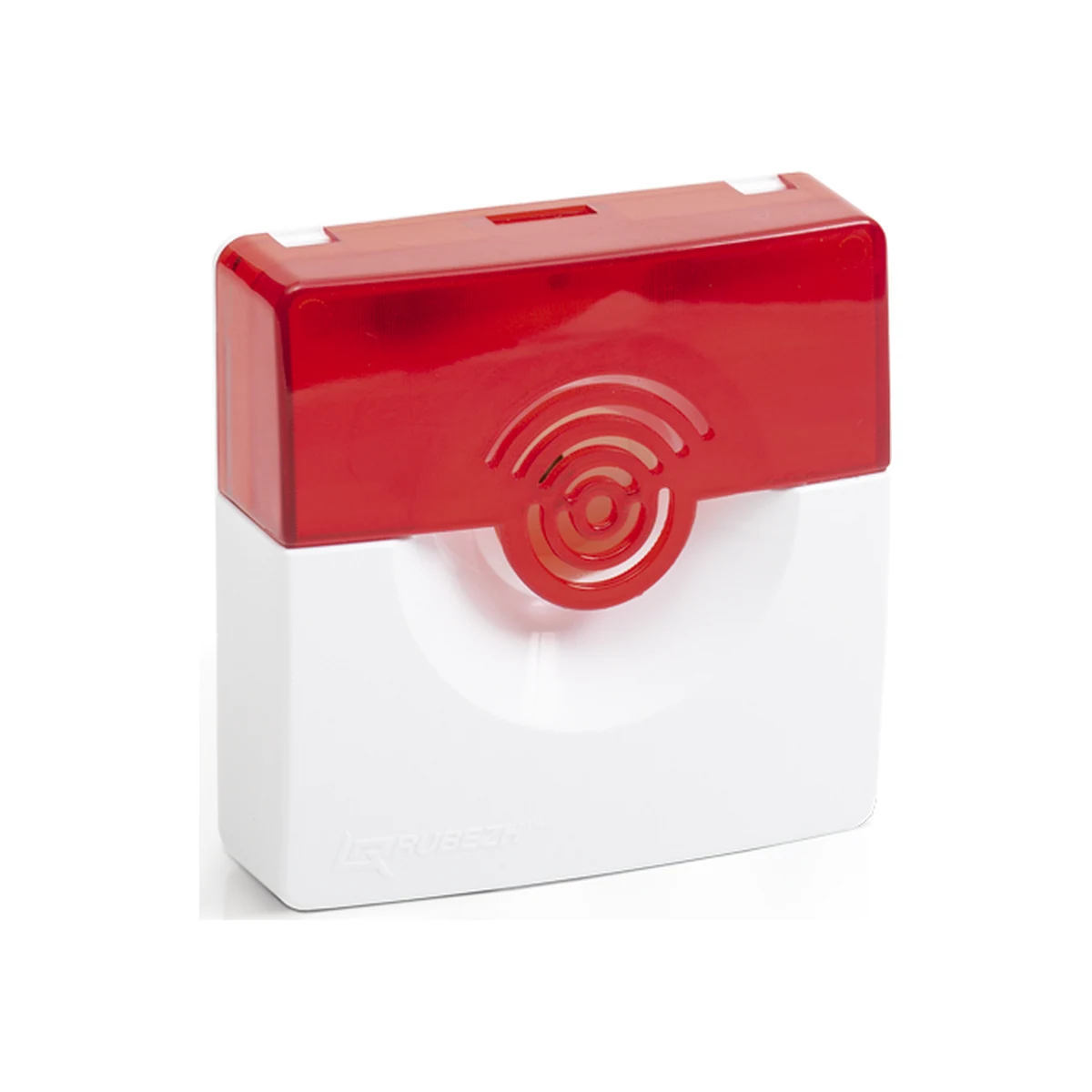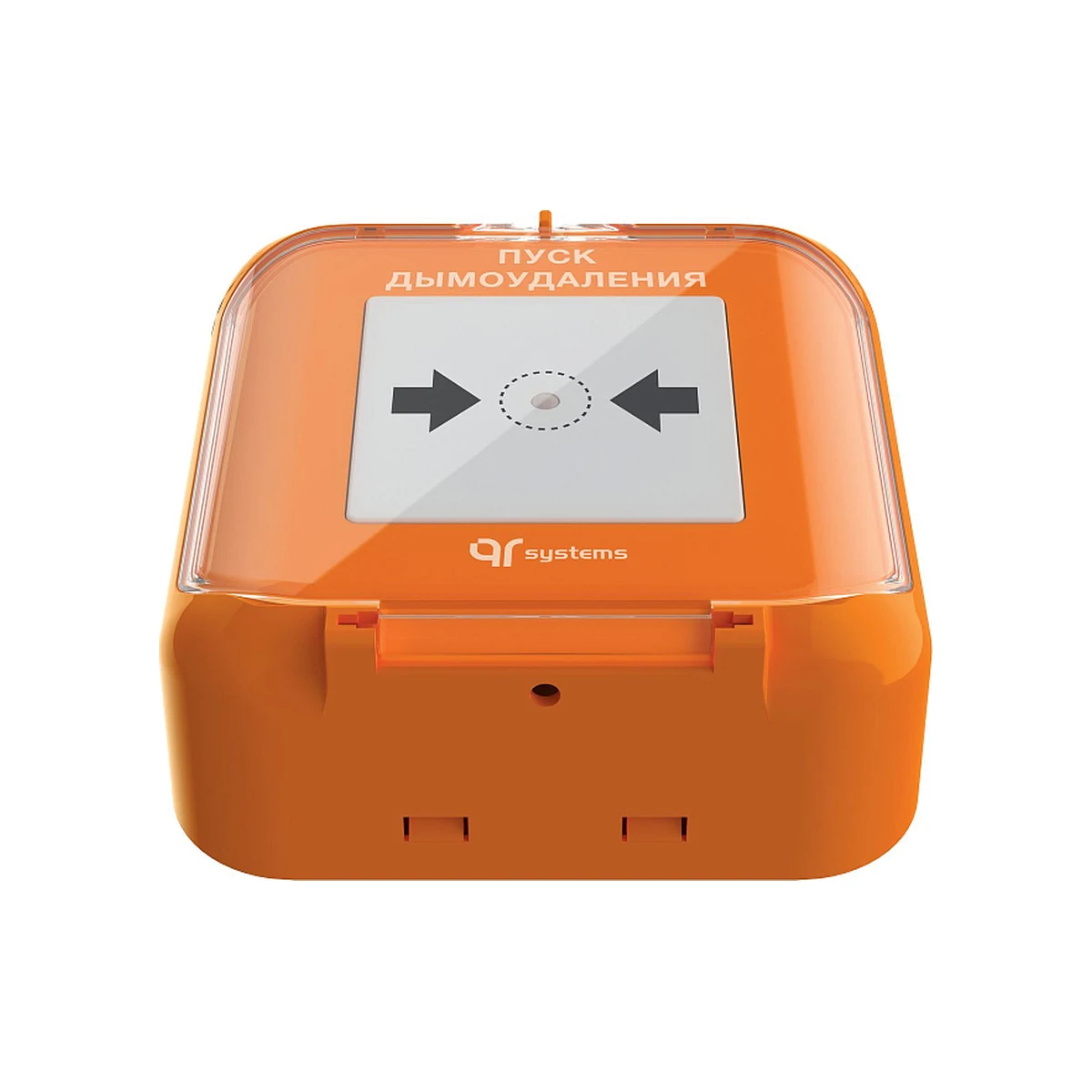
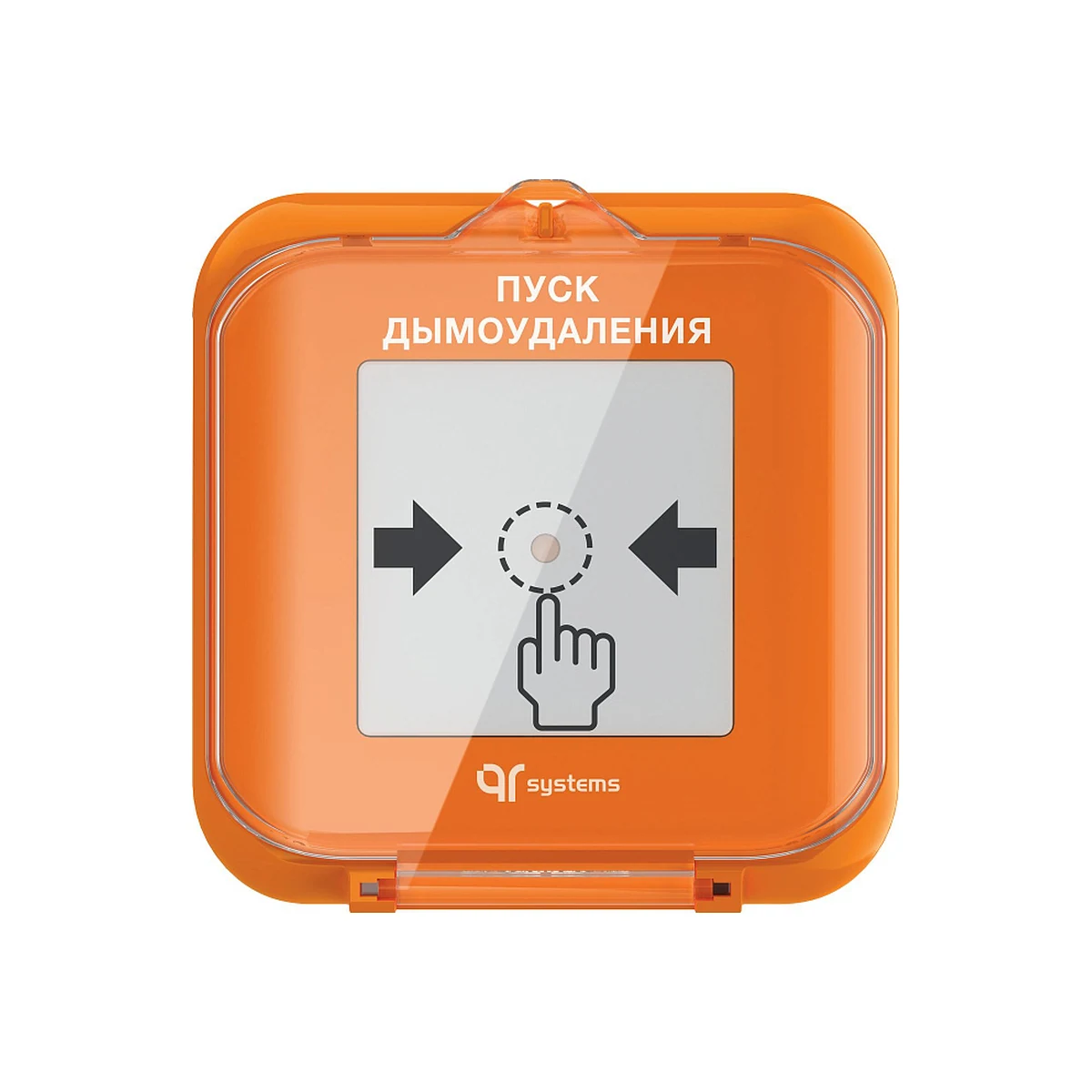
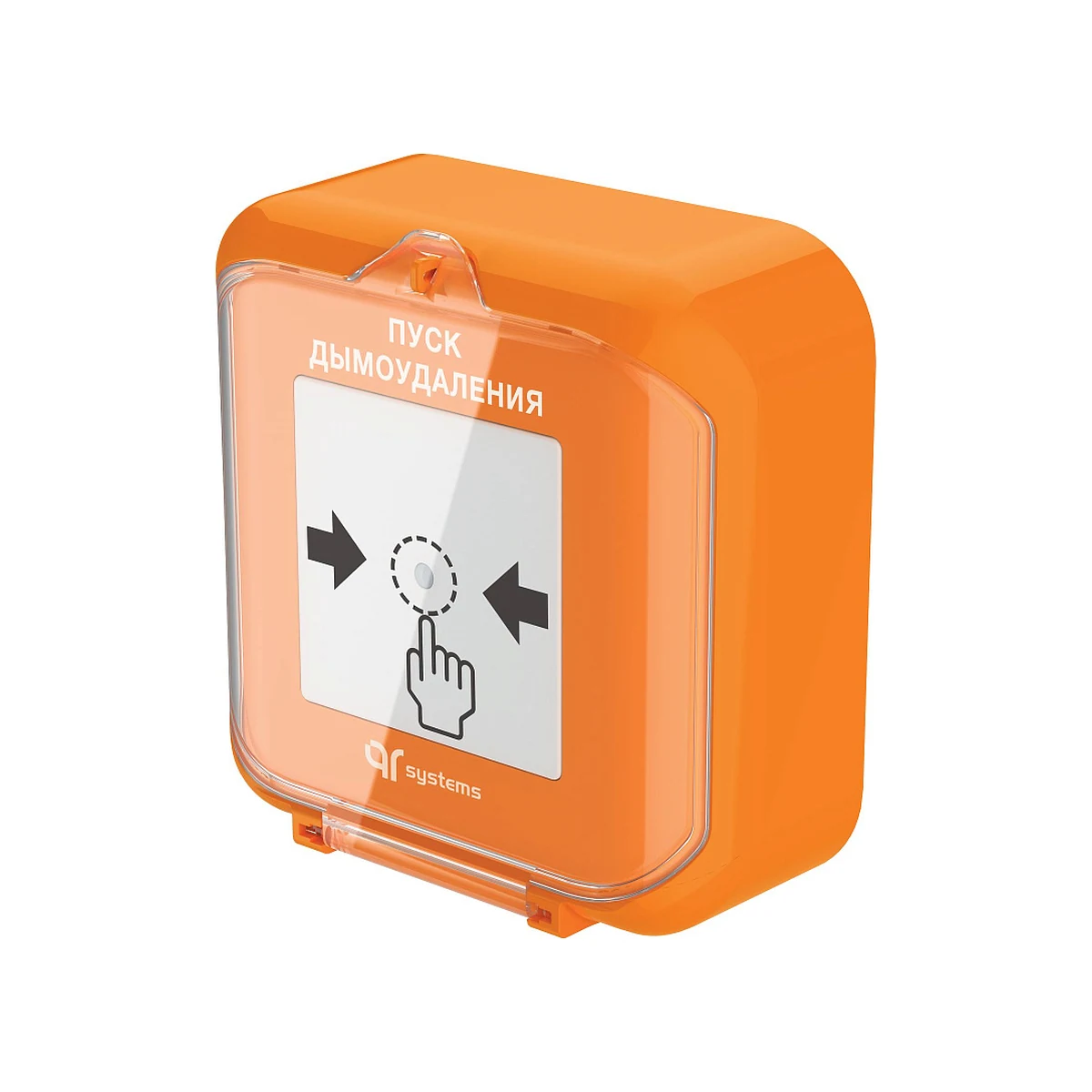
Remote start device QR Systems UDP-513-102D (smoke extraction)
Addressable remote start device for manual smoke extraction start over the wired loop: loop-powered, built-in short-circuit isolator, tamper, 25 N actuation force, IP20.
Specifications
- Type
- addressable remote start device, smoke extraction
- Interface
- wired loop (PLS)
- Power supply
- from the loop
- Current consumption
- ≤ 0.16 mA standby, ≤ 0.2 mA Start
- Address slots
- 1
- Short-circuit isolator / tamper
- yes (activation 10 V, restoration 3 V) / yes
- Actuation force
- at least 25 N
- Operating temperature
- −25…+55 °C
- Housing
- IP20, 85×85×40 mm, 95 g
- Average service life
- 10 years
Description
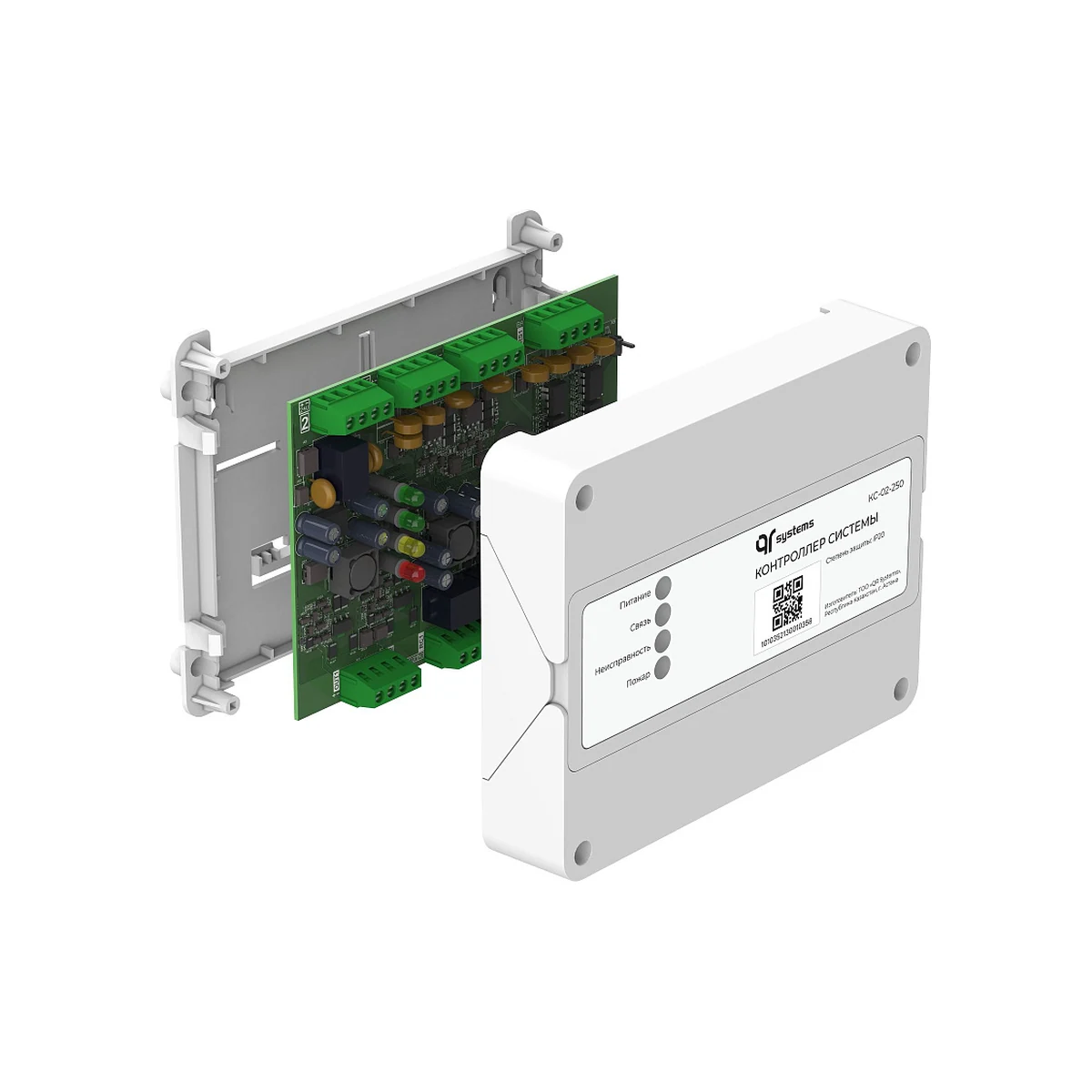
The QR Systems UDP-513-102D remote start device is designed for manual start of the smoke extraction system in a QR Systems addressable fire alarm system. The device connects to the wired communication loop (PLS), is powered from it and occupies one address slot; when the actuator is pressed with a force of at least 25 N, it sends the start command to the addressable analogue fire control panel or the KS-02-250 system controller. A built-in isolator protects the loop in case of a short circuit, and a tamper switch monitors opening of the housing. An LED indicator shows the device status, and measurement of the loop voltage at the installation point is provided. The device is used by designers and installation companies at sites where manual start of smoke extraction is required.
Advantages
- Loop-powered, current no more than 0.16 mA in standby and 0.2 mA in Start mode — no separate power supply needed
- Built-in short-circuit isolator: activates at 10 V, restores at 3 V, current up to 1 A — a short circuit on a loop section is isolated
- Protection against accidental activation and actuation force of at least 25 N — start only by a deliberate press
- Housing tamper and operability monitoring — the panel sees the device status
- Loop voltage measurement at the installation point — line check during installation and maintenance
- One address slot, housing 85×85×40 mm, 95 g, IP20, −25…+55 °C — average service life 10 years
Applications
- Manual start of smoke extraction systems in a QR Systems addressable system
- Buildings with smoke protection systems requiring manual start
- Industrial and warehouse sites with a QR Systems addressable fire alarm system
- Sites with addressable analogue control panels and the KS-02-250 controller
- Wired loops that require short-circuit protection by a built-in isolator
Frequently asked questions
How does UDP-513-102D differ from UDP-513-102P?
How is the device powered and how many addresses does it occupy?
What are the parameters of the built-in short-circuit isolator?
Product reviews
Questions & answers