
TP-Link in Uzbekistan
Found: 96TP-Link is one of the world's largest networking manufacturers: switches, routers, Omada access points and business solutions.



























TP-Link — guide & FAQ
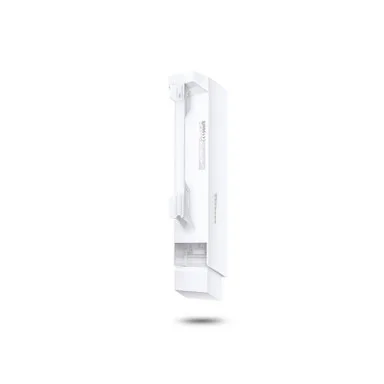
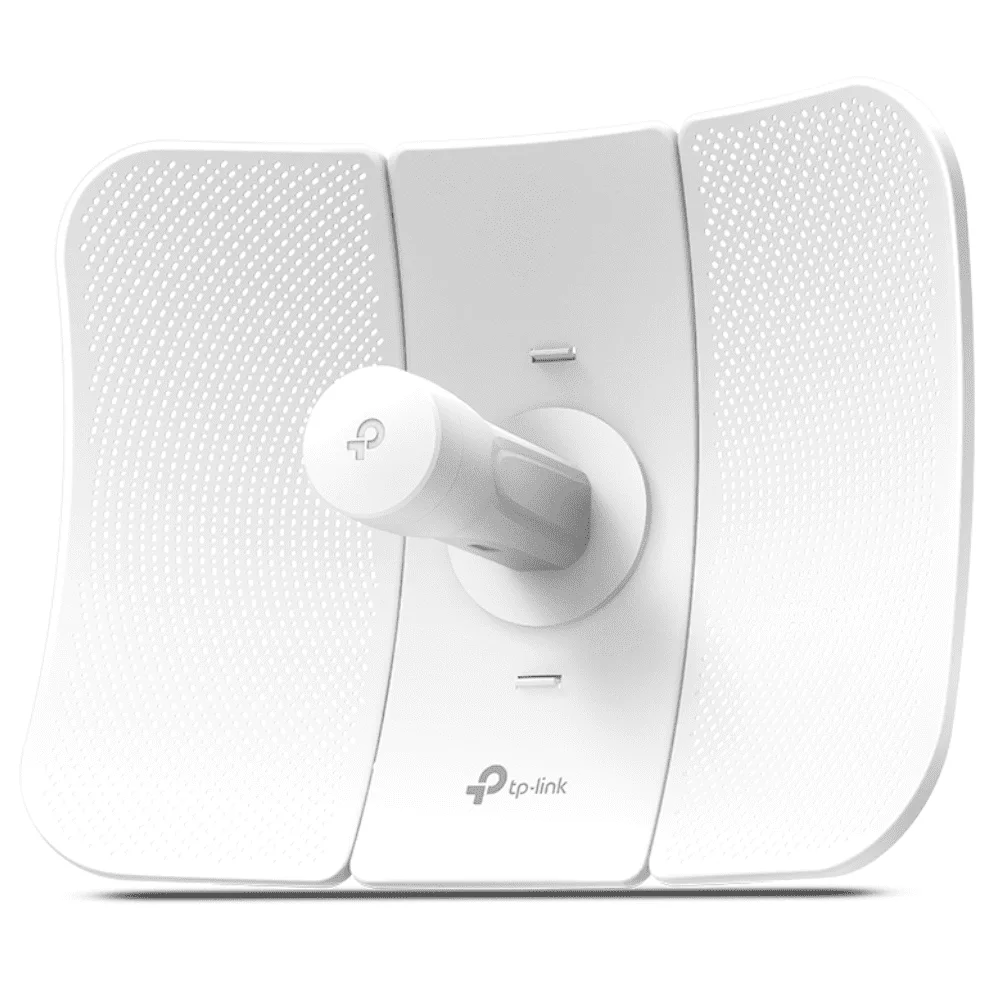
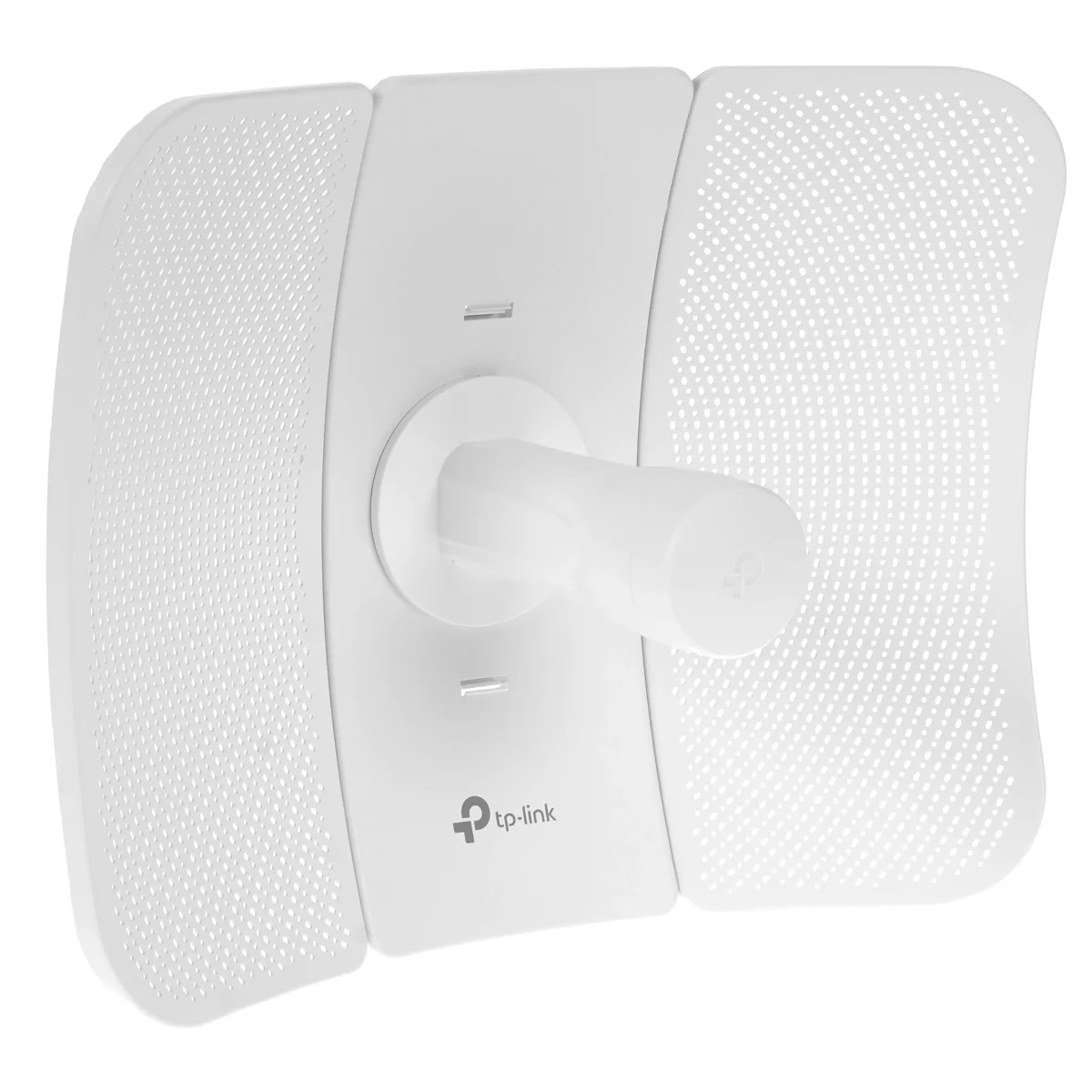
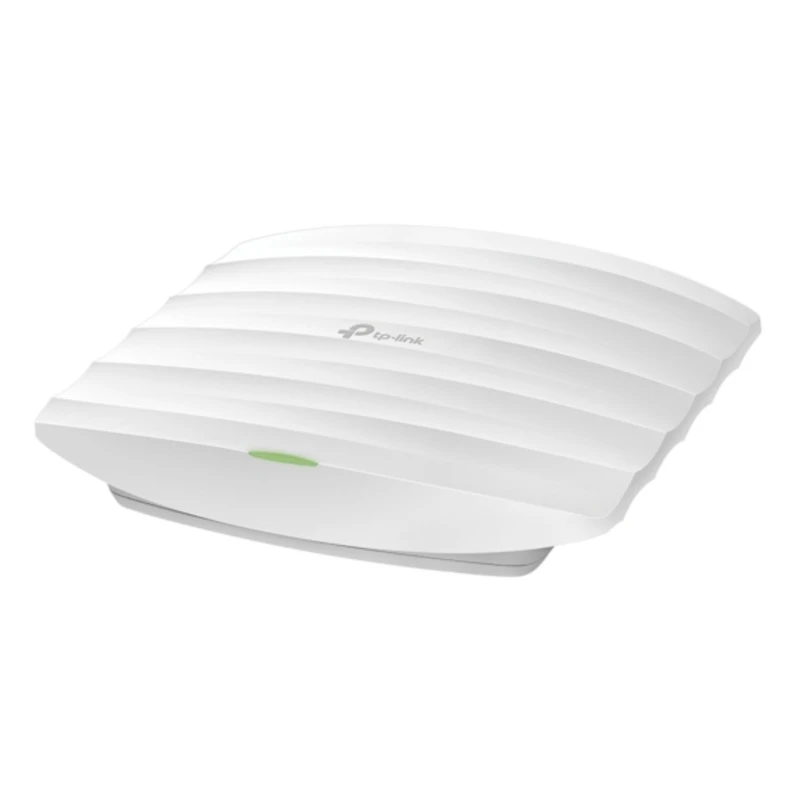
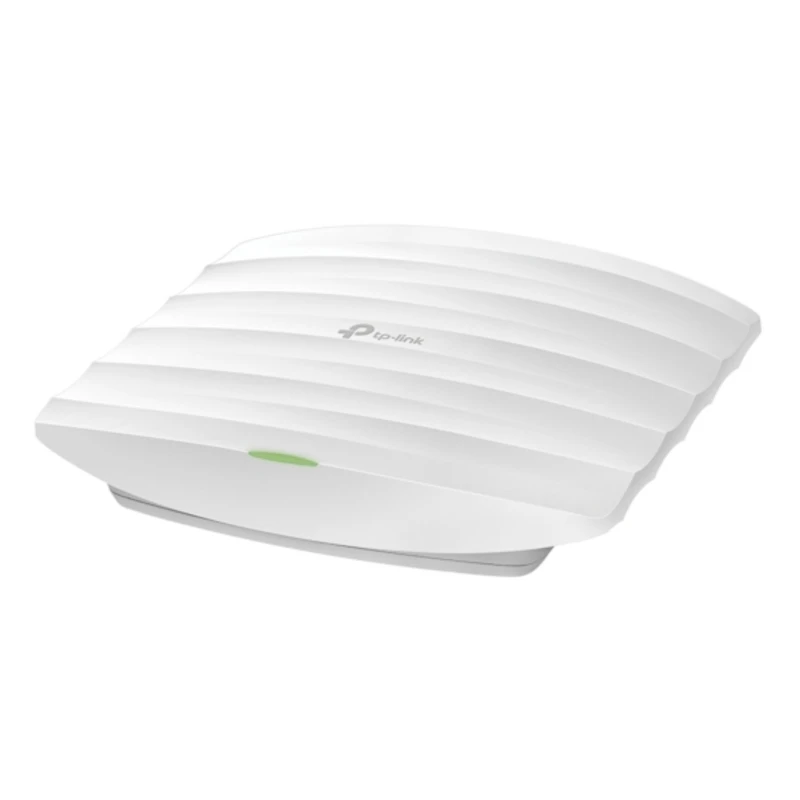
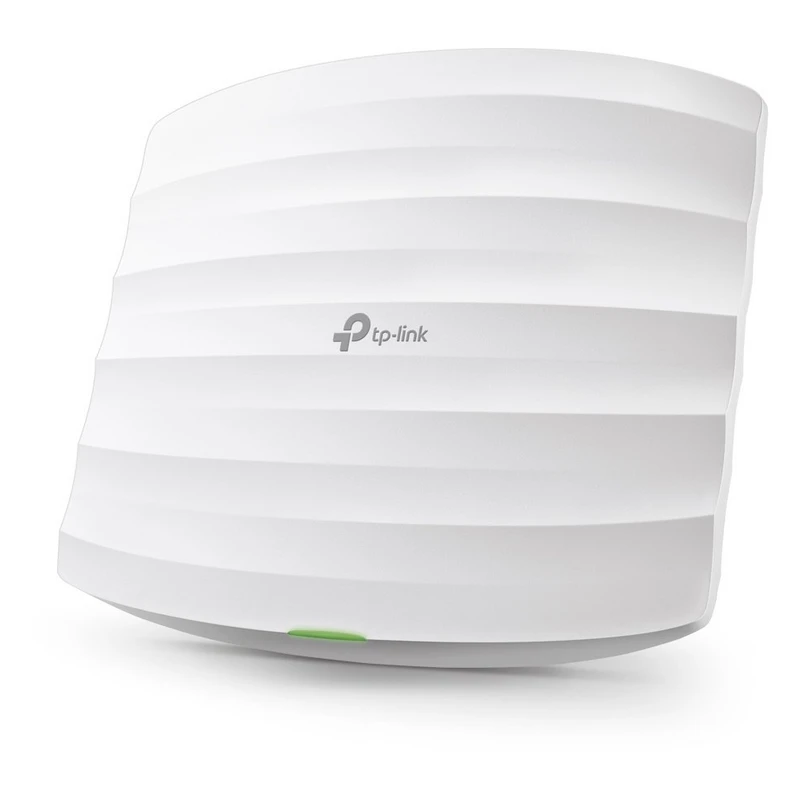
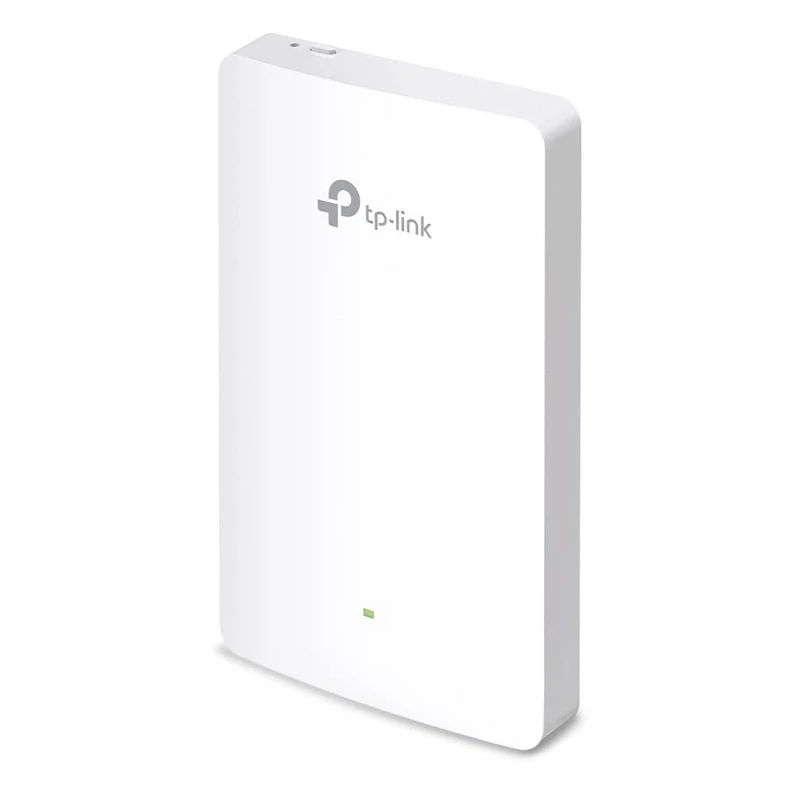
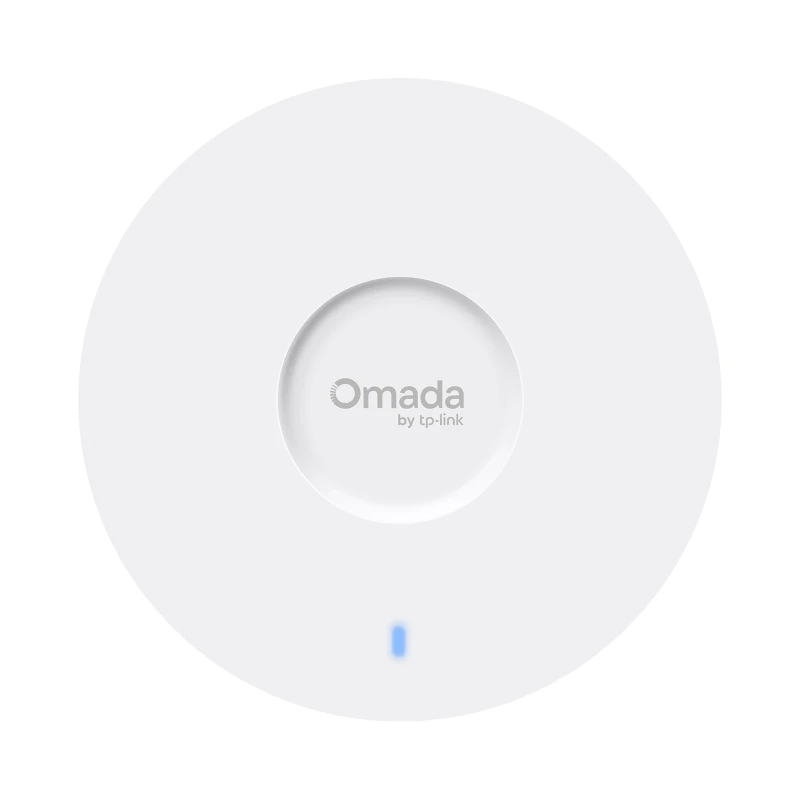
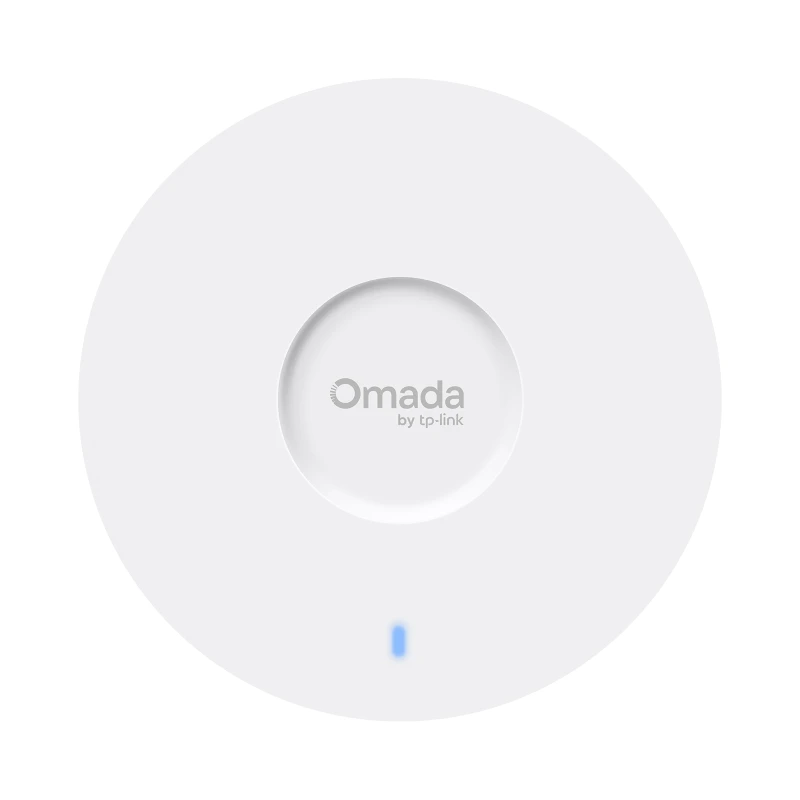
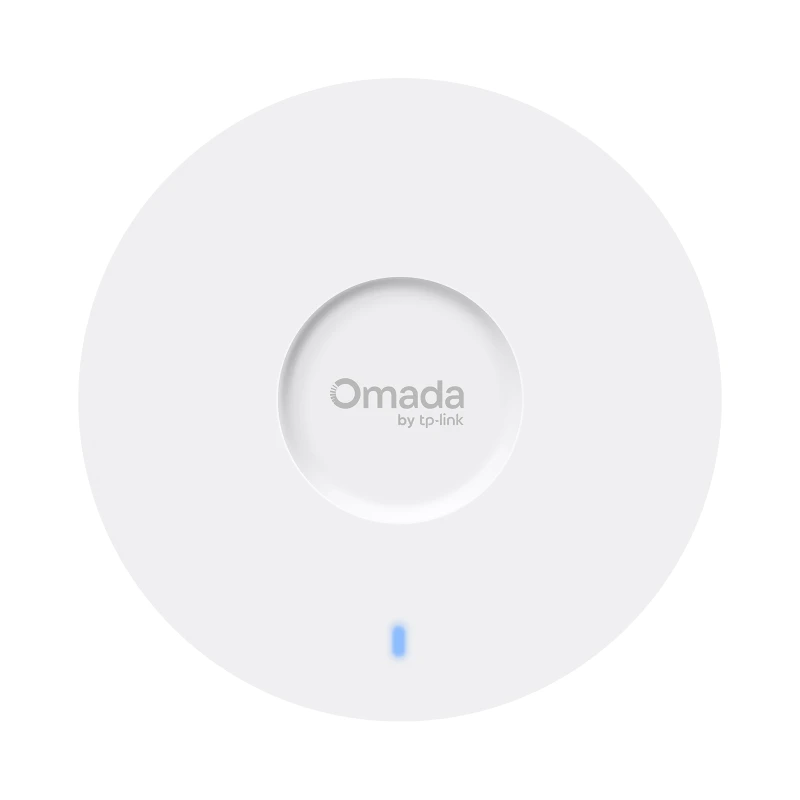
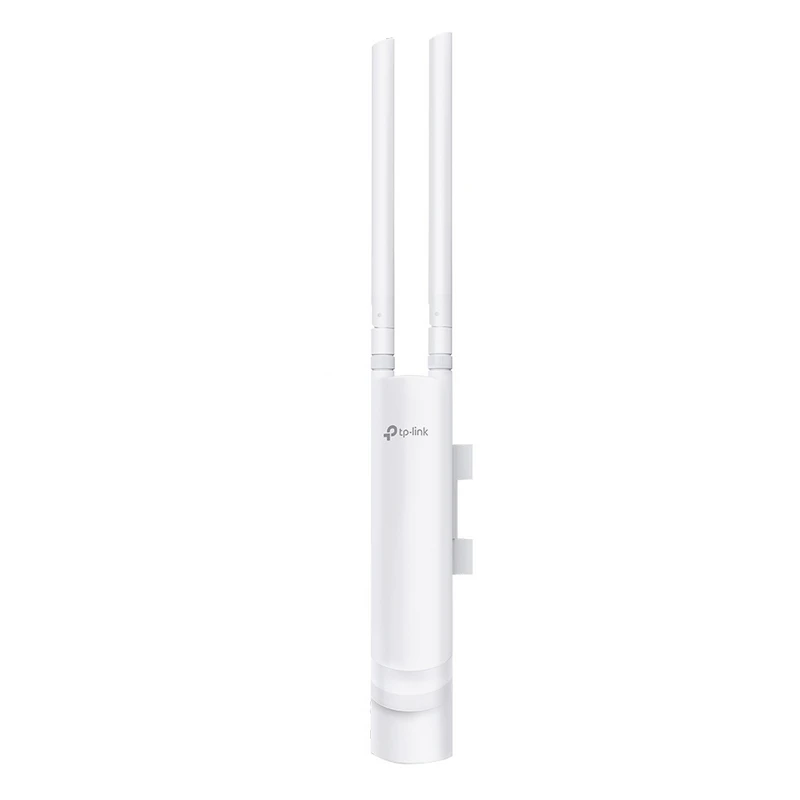
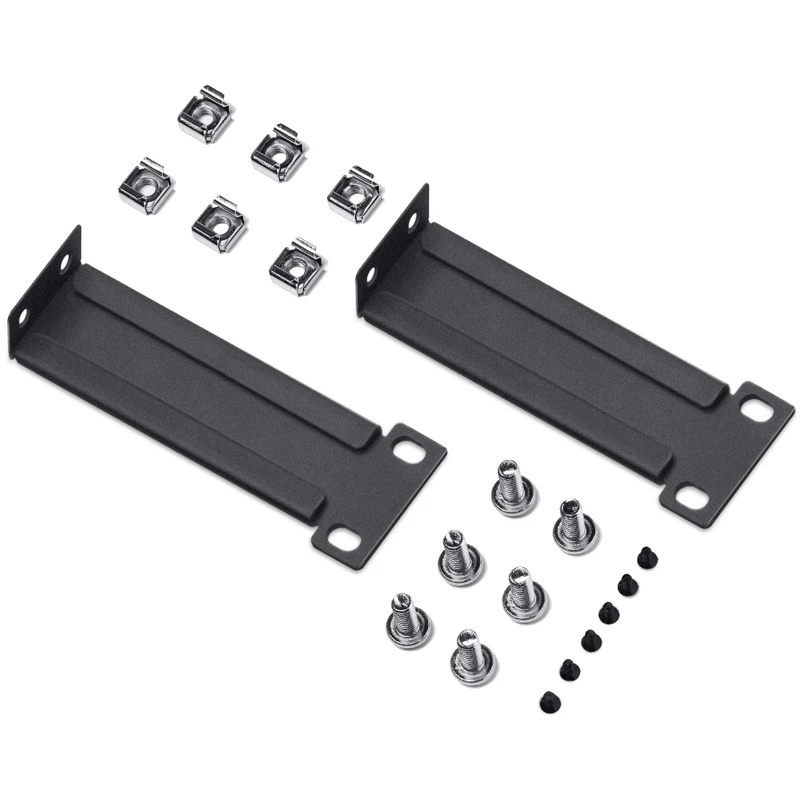
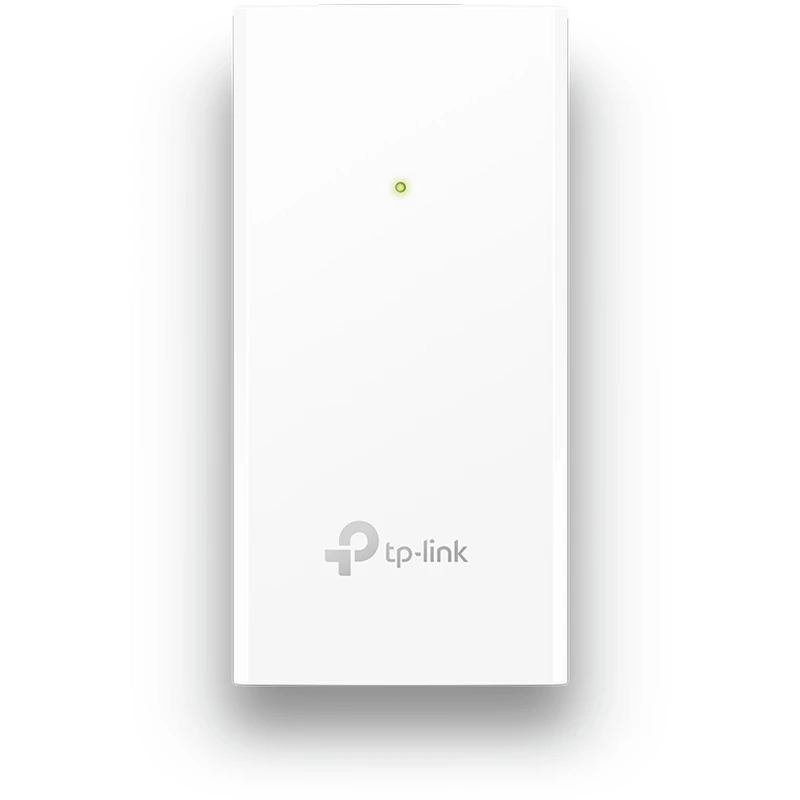
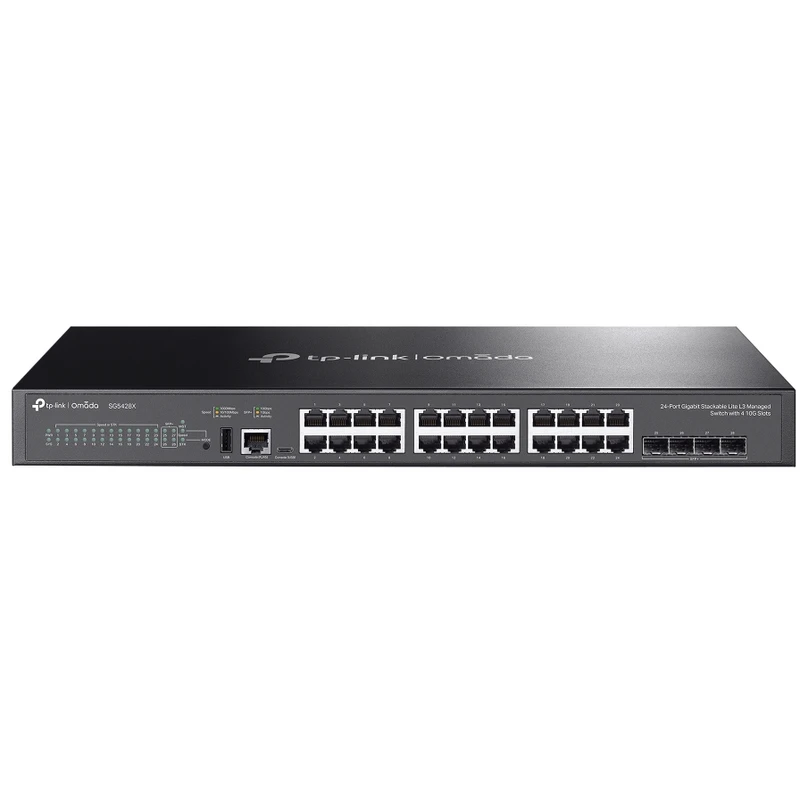
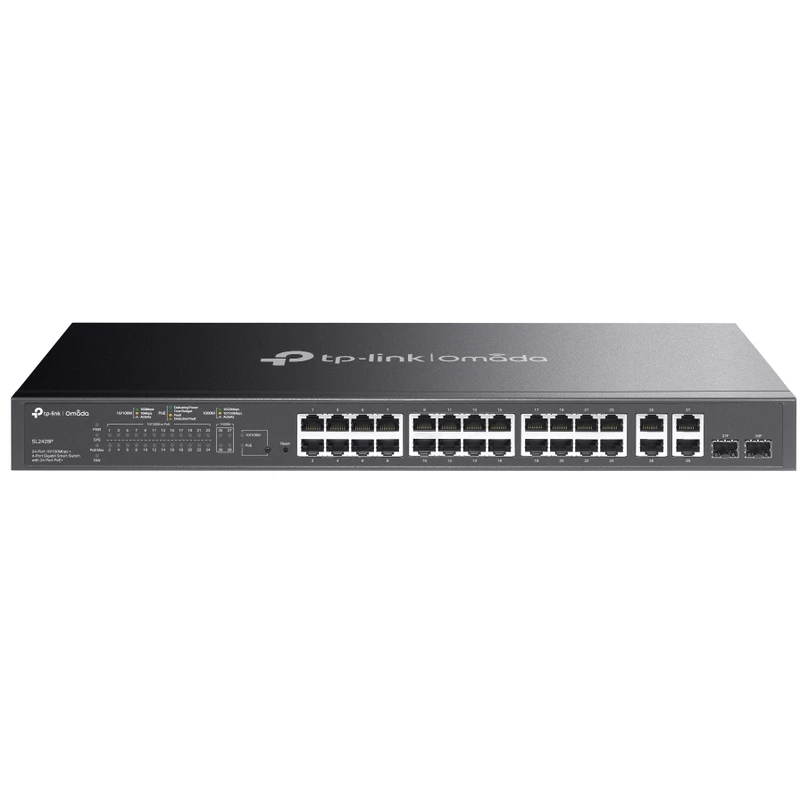
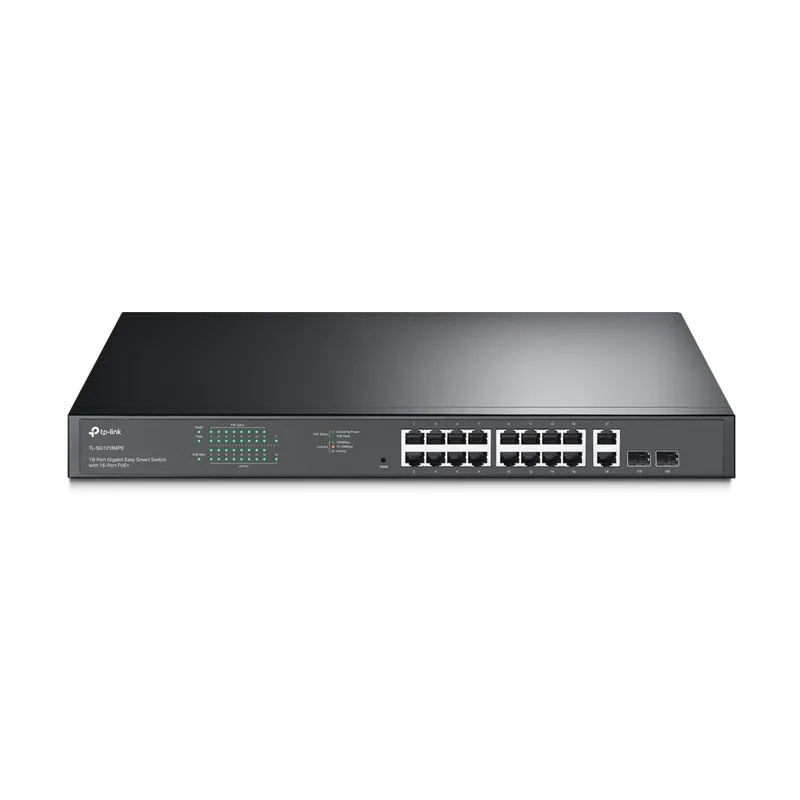
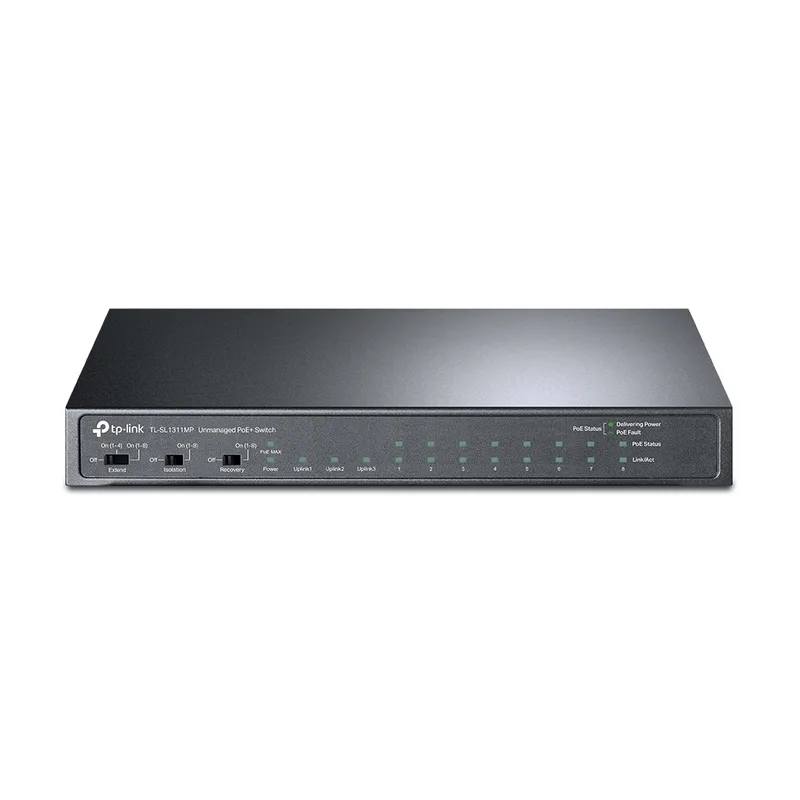
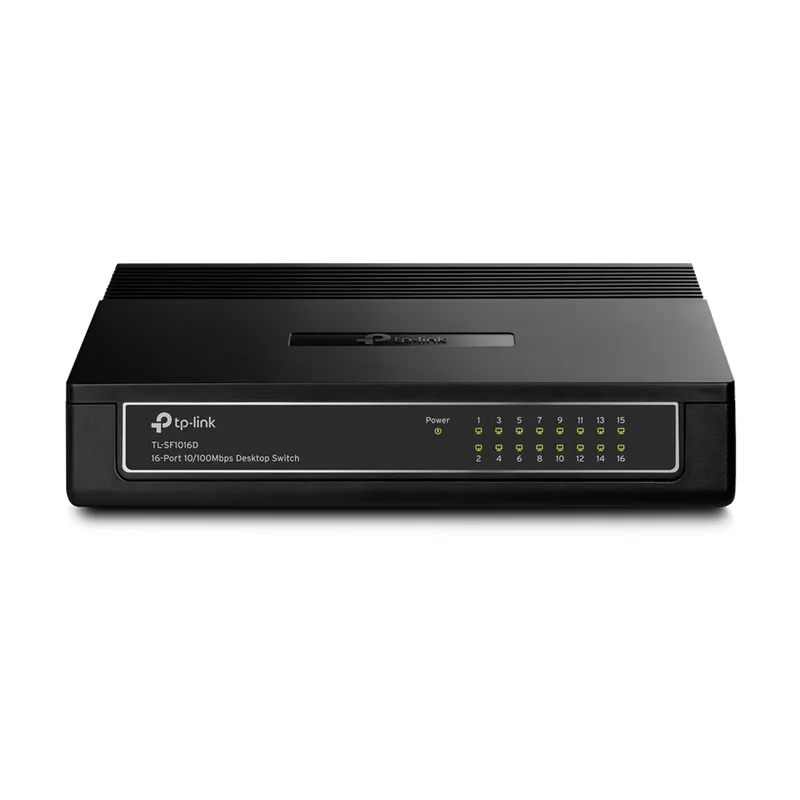
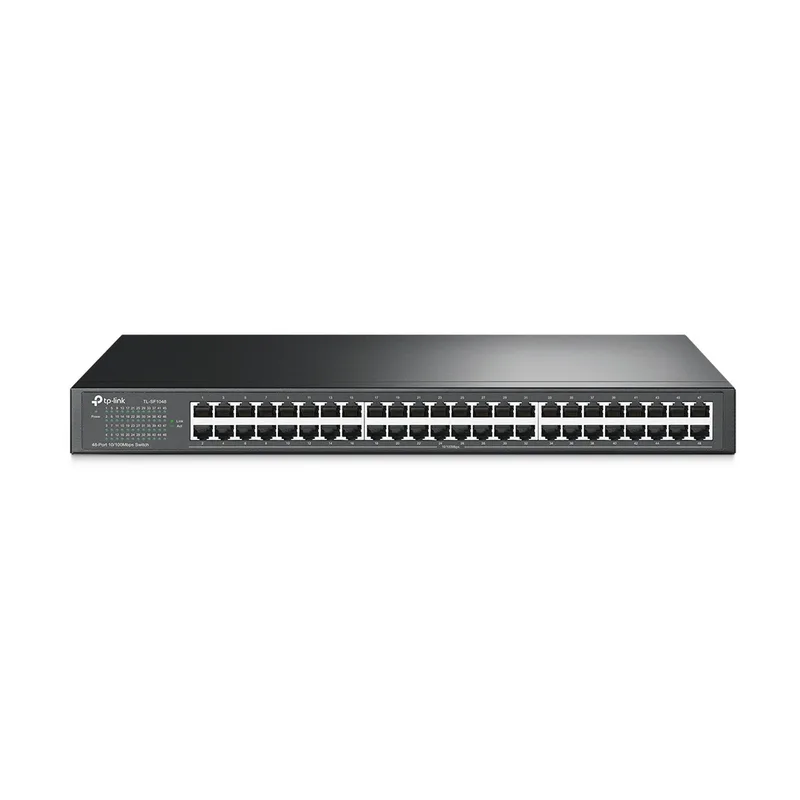
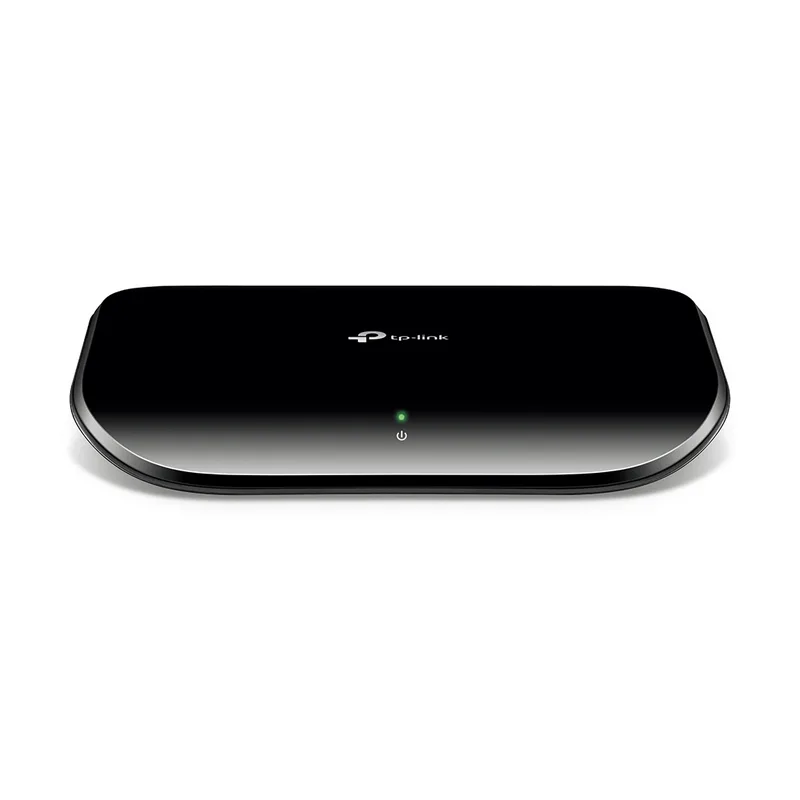
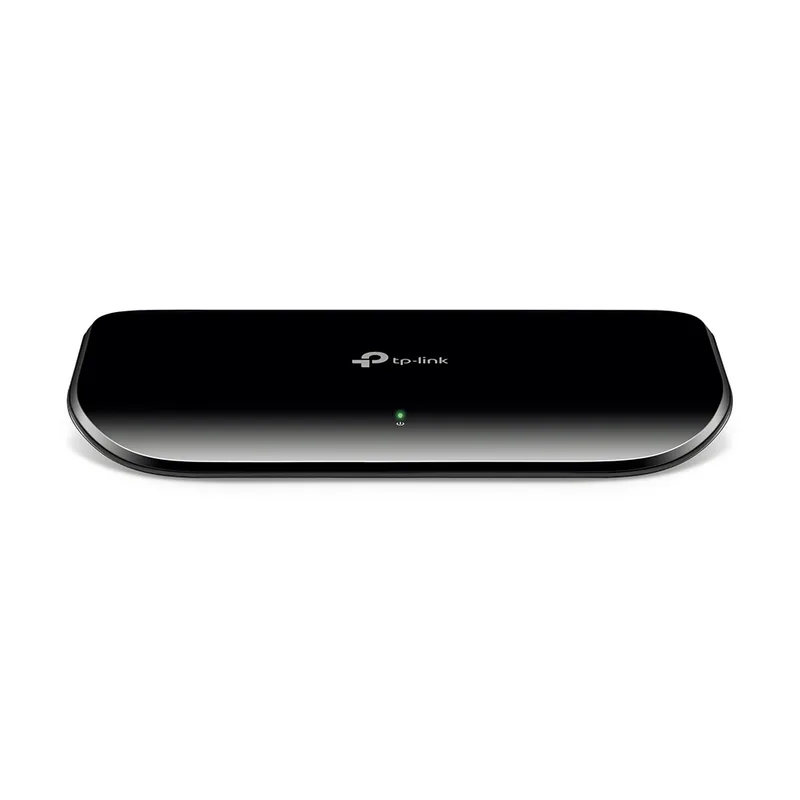
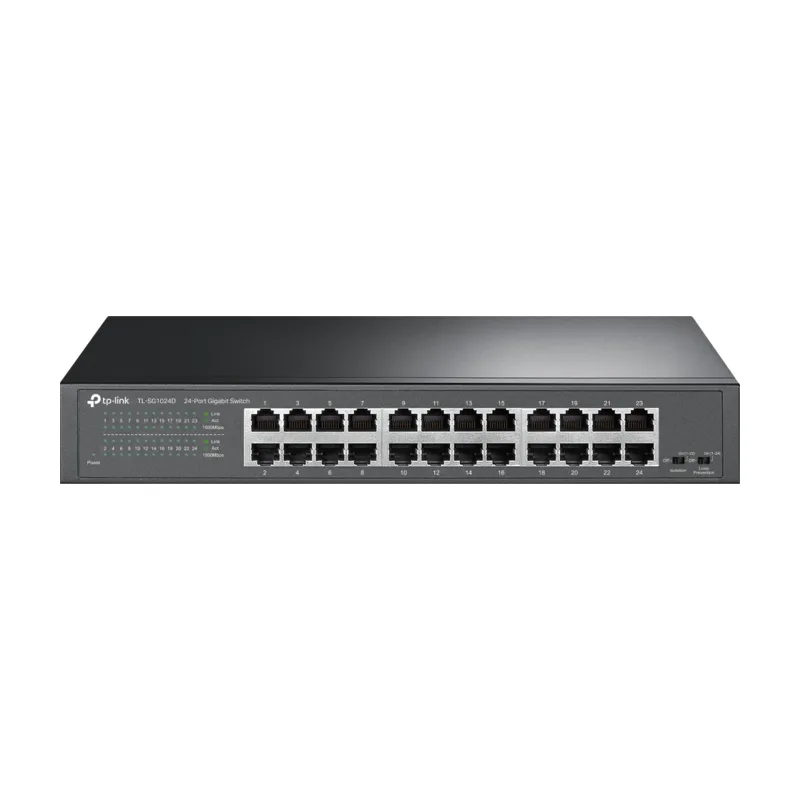
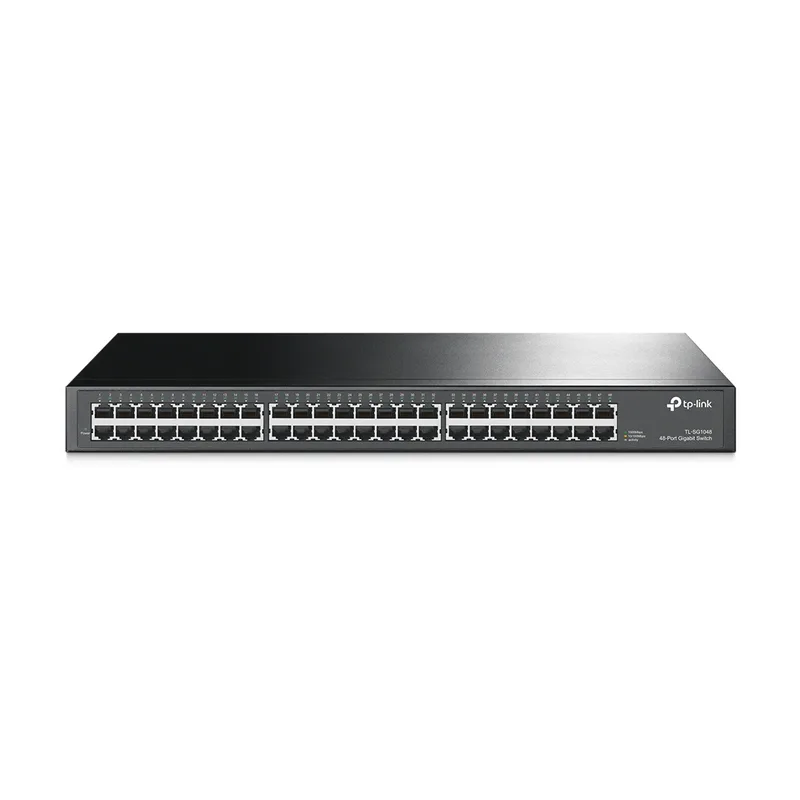
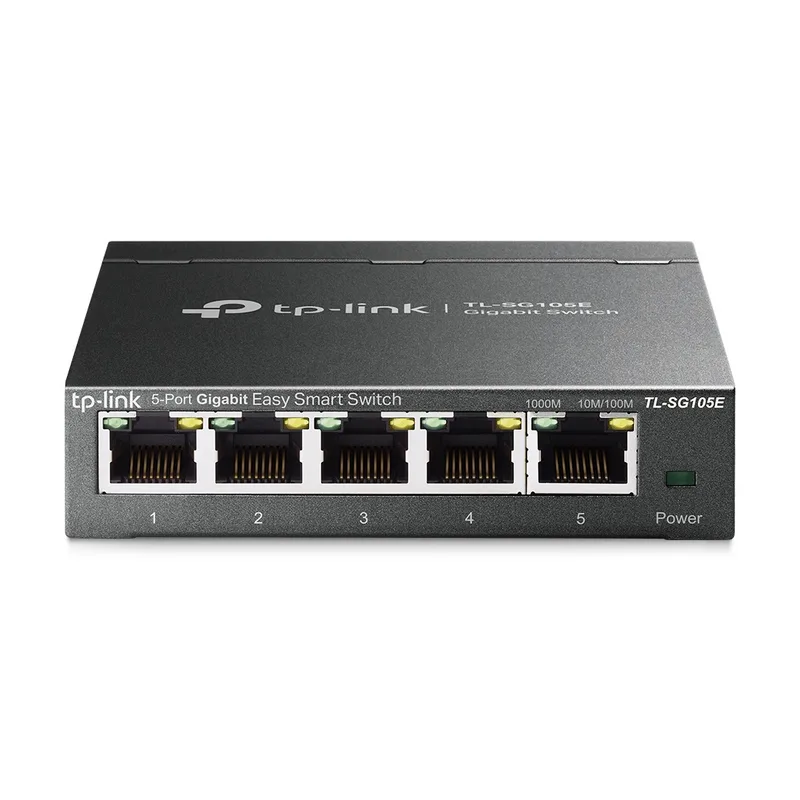
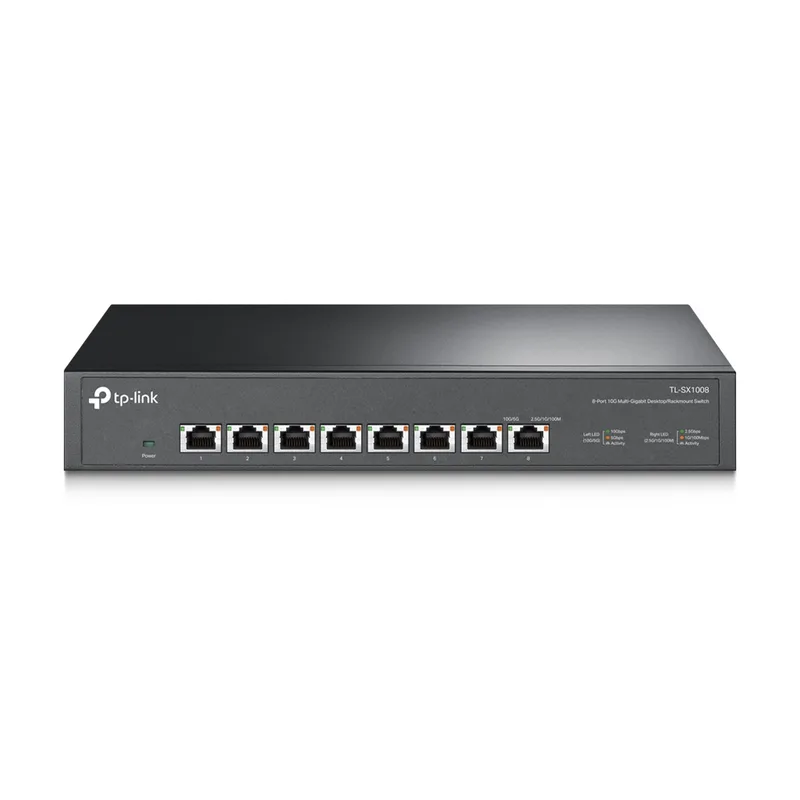
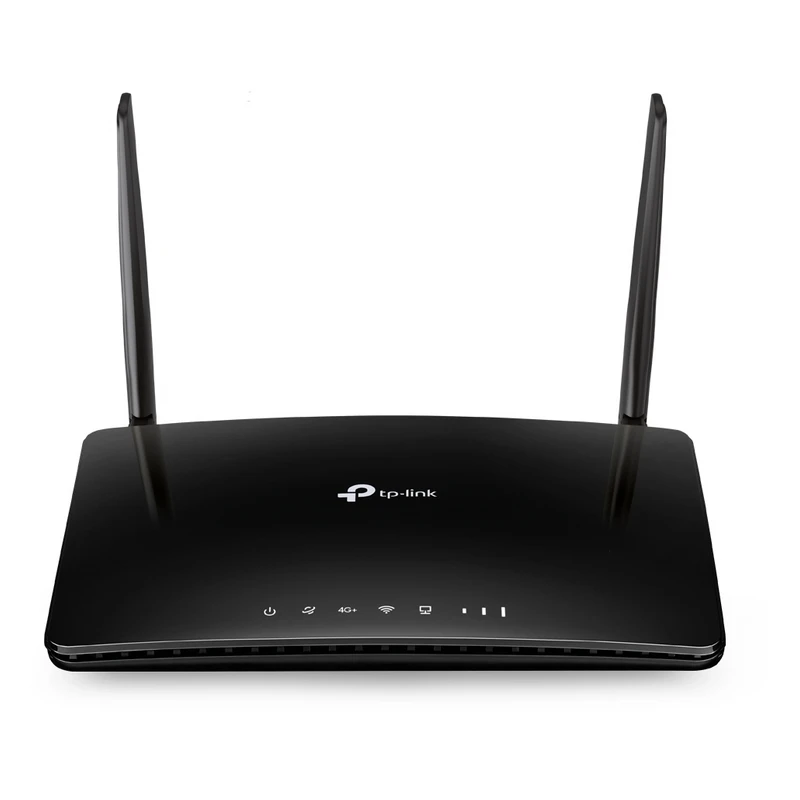
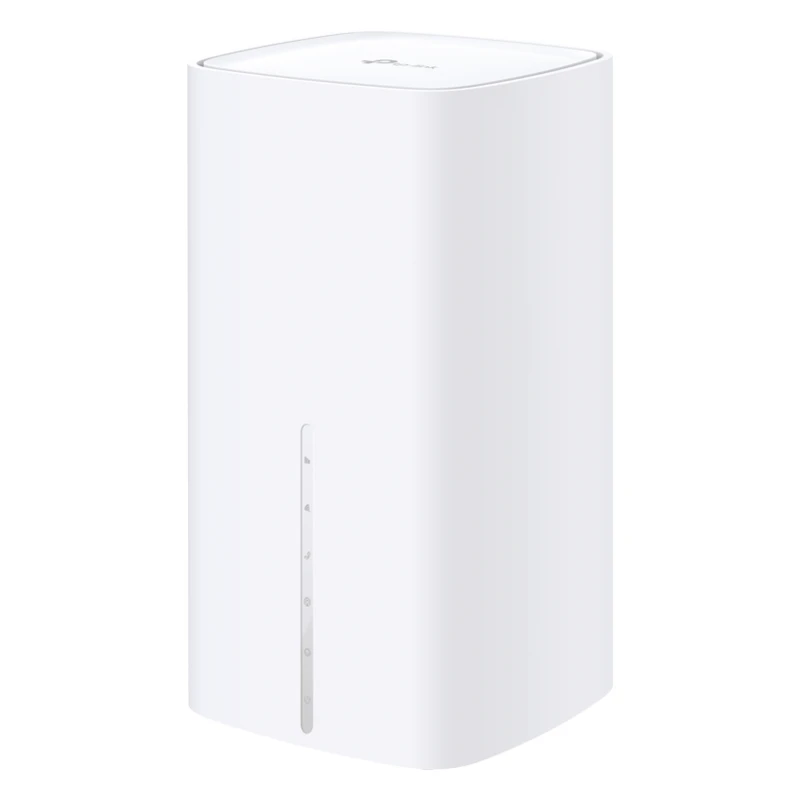
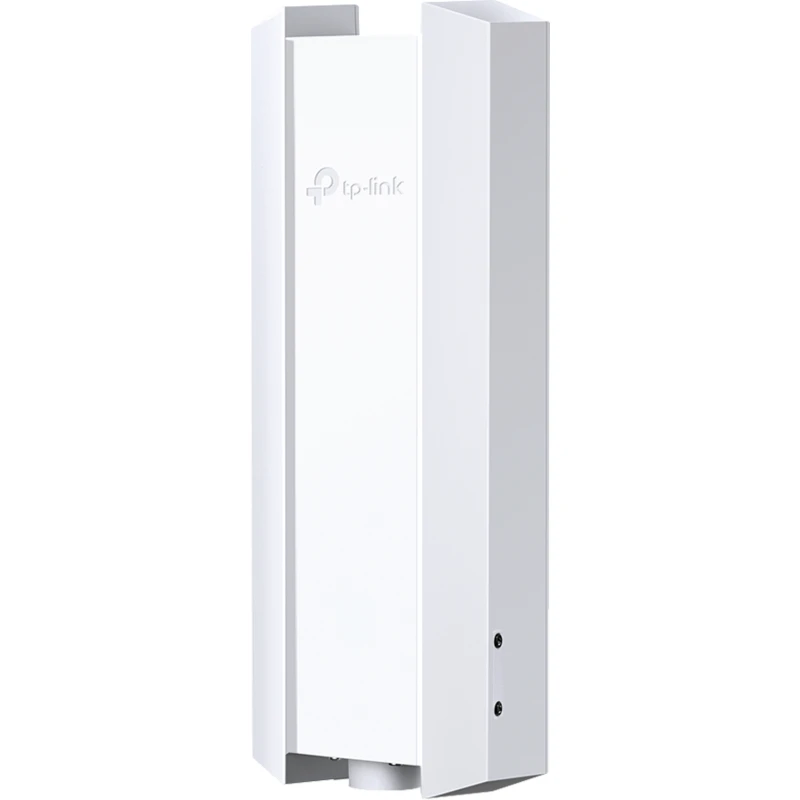
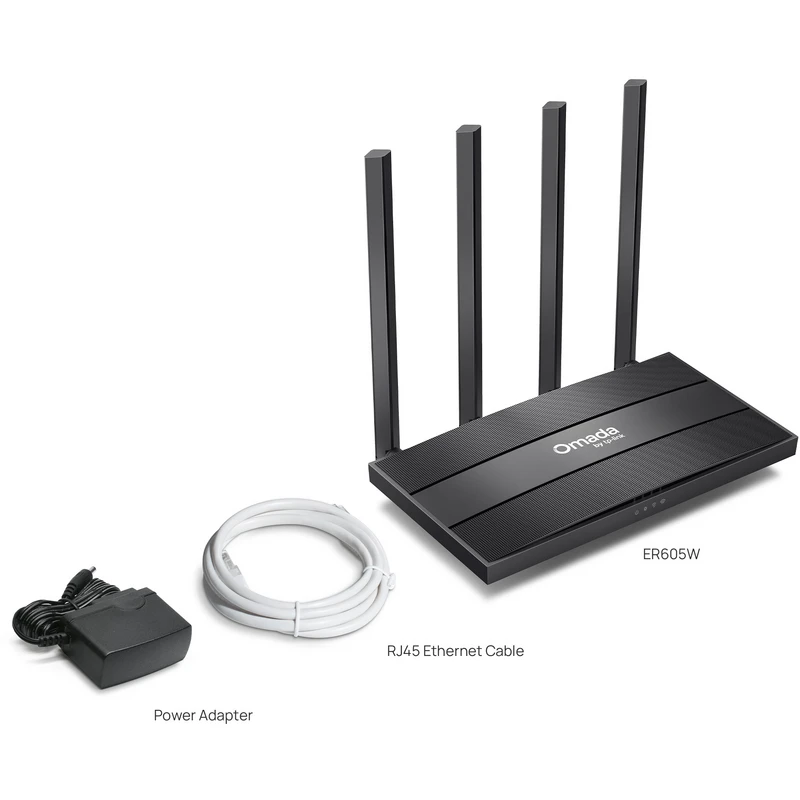
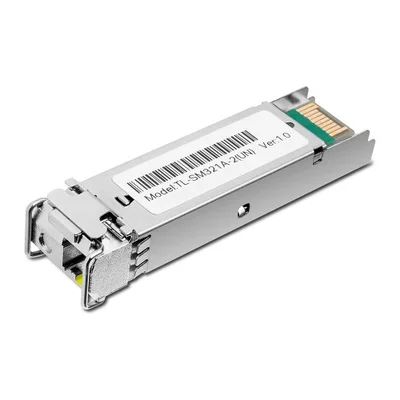
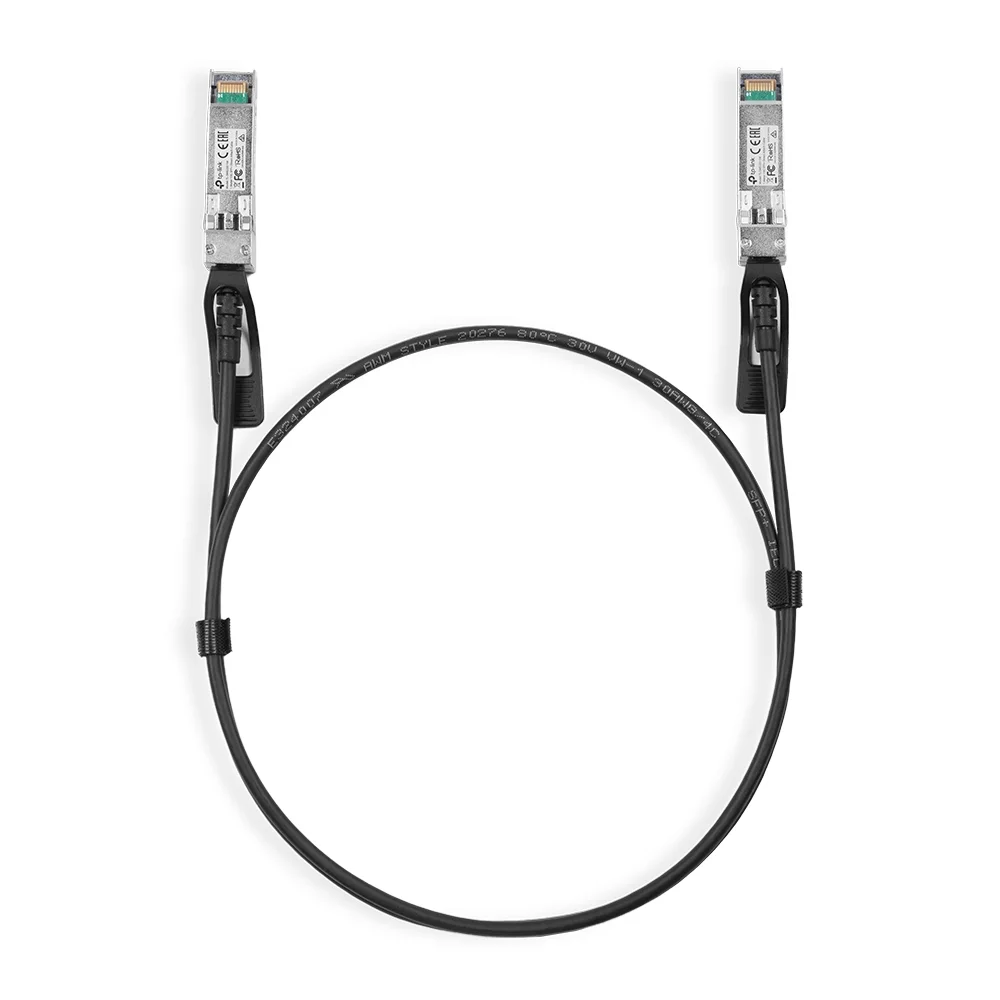
TP-Link is one of the world's largest makers of networking equipment. In the business segment the brand is known for Omada, a platform that unites switches, access points and gateways into a single managed network under one interface. The SAT Solutions catalogue holds 96 TP-Link items: 41 switches, 27 Wi-Fi access points and 6 routers, plus PoE injectors, an Omada hardware controller, wireless bridges, media converters, SFP modules and cables. That is enough to build an entire network on one brand — from the wall socket in an office to the rack in the server room. Switches are the widest line. The entry point is unmanaged desktop models: the TL-SG1005D at 147 900 UZS and the TL-SG1008D at 246 900, which simply branch the network and need no configuration. Above them sit Smart and L2+ JetStream switches with VLANs, QoS and management from Omada, and the top of the line is the rack-mount L3 SG5452XMPP at 10 231 900 UZS: 48 PoE ports, four 10G SFP+ uplinks and a 770 W power budget. The TL-SX1008 at 4 751 900 stands apart — eight 10G ports for a server room where the bottleneck has moved from the access layer to the backbone. A PoE budget is calculated, not guessed. An ordinary IP camera draws 6–10 W, a pan-tilt PTZ with a heater up to 60. Two neighbouring models show it clearly: the SG2210P and SG2210MP have the same eight PoE ports, but budgets of 58 and 150 W respectively, and the price gap is 356 000 UZS. Eight cameras on the first will run until the first cold snap, when the heaters switch on and “random” night dropouts begin. We leave at least thirty per cent of headroom and calculate from the actual camera models. For one or two cameras without a PoE switch there is the 802.3af POE150S injector at 234 900 UZS. Access points are the EAP series of the Omada ecosystem, from 357 900 to 2 923 900 UZS. The basic EAP113-Outdoor, EAP115 and EAP110 cover a warehouse, a café or a small office. Wi-Fi 6 is represented by the EAP610 at 1 224 900, Wi-Fi 7 by the EAP723 at 1 174 900 and the tri-band EAP772 with 6 GHz at 2 226 900. For hotels there are wall-plate models such as the EAP235-Wall at 679 900: it replaces a socket, serves Wi-Fi to the room and gives a port for the TV. When many points are needed a kit pays off: the EAP653 five-pack costs 5 700 900 UZS, 1 103 600 less than five units bought separately. What separates these from a domestic router is seamless roaming: a person walks along a floor, the device hands over between points, and a call or video session does not drop. Add central configuration: a guest network, VLAN separation and speed limits are set once for the whole network. The Omada controller can be deployed three ways: the OC200 hardware unit at 1 038 900 UZS, software on the client's own server, or cloud. A small network of two or three points also runs standalone, but then roaming and shared statistics are lost. Routers are the ER line: the ER605W VPN gateway is 584 900 UZS and the ER605 679 900. They cover the typical office job: VPN to branches, a firewall, balancing two providers. A separate and increasingly requested topic is a backup channel over mobile networks: the 4G+ Archer MR600 at 989 900, the 5G NX511v at 2 721 900 and the outdoor NE210-Outdoor at 2 907 900, while the ER706W-4G at 3 173 900 combines gateway and backup in one box. For a site where an internet outage stops the till or the cameras, that is cheaper than a second wired provider. Distant spots are a job of their own. Twisted pair honestly works to a hundred metres; beyond that there are two routes. Fibre: the MC111CS media converter at 308 900 UZS carries a single-mode line up to 20 km, and a pair of SM321A-2 and SM321B-2 WDM modules at 184 900 each sends the signal both ways over a single strand. Or a wireless bridge, when there is nowhere to run a cable: the CPE610 at 828 900 links two points up to 15 km in line of sight and is powered by a passive injector from the same catalogue section. The typical cases are a camera at the far corner of a site, a warehouse across the yard, a second building on the plot. Why people buy TP-Link from us: the common switches, access points and gateways are in stock in Tashkent and the rest we bring to order. We prepare a quote within one business day, design and install the network turnkey, and deploy and configure the Omada controller ourselves — with VLANs, a guest portal and roaming. Delivery across Uzbekistan, official warranty, ongoing service under contract. Q: How much does TP-Link cost in Tashkent and what is in stock? A: Switches run from 147 900 UZS for the five-port TL-SG1005D to 10 231 900 for the rack-mount SG5452XMPP; access points from 357 900 (EAP113-Outdoor) to 2 923 900 (EAP660 HD); routers from 584 900 to 3 173 900. Popular models are in stock in Tashkent, the rest to order. We send a price list and offer within one business day. Q: Can you help set up Omada and install the network? A: Yes. We deploy the Omada controller (on-premise or cloud), configure switches, VLANs, guest Wi-Fi and seamless roaming of EAP access points, and install equipment turnkey across Tashkent and the regions. Q: Which TP-Link should I choose for an office? A: For an office, choose a managed or Smart JetStream switch with PoE, Omada EAP access points and a SafeStream router as the gateway. All of it merges into a single Omada network. We tailor the set to floor area and user count. Q: Is there a warranty and delivery across Uzbekistan? A: Yes, TP-Link equipment carries an official warranty. We deliver across Tashkent and all regions of Uzbekistan, and pickup is available. Q: Which PoE switch do eight cameras need? A: Count watts, not ports. Eight ordinary cameras at 10 W each make 80 W, about 105 with thirty per cent of headroom. The DS110GMP at 1 261 900 UZS (123 W) and the managed SG2210MP at 1 706 900 (150 W) both fit. The SG2210P, with the same eight ports, gives only 58 W — enough for six cameras without heaters. If outdoor cameras with heaters or PTZs are in the mix, send the model list and we will work out the budget free of charge. Q: How are Omada access points better than an ordinary router? A: In two ways. First, seamless roaming: a person walks along a floor, the device hands over between points, and a call or video session does not drop; on domestic routers the connection breaks at exactly that moment. Second, central configuration: a guest network, VLANs and speed limits are set once for the whole network rather than on every point separately. Q: Is an Omada controller mandatory? A: For a network of two or three points, no — they work standalone. But without a controller you lose roaming between points and shared statistics, and every point is configured by hand. From four or five points a controller pays for itself immediately. The options: the OC200 hardware unit at 1 038 900 UZS, software on your own server, or cloud. Q: Is TP-Link suitable for backup internet? A: Yes, it is one of the line's strengths. The 4G+ Archer MR600 costs 989 900 UZS, the 5G NX511v 2 721 900 and the outdoor NE210-Outdoor 2 907 900. If you need both gateway and backup in one device, the ER706W-4G is 3 173 900. For a site where an internet outage stops the till or the cameras, that is cheaper than a second wired provider.